Market Minds Advisory
Demand of Heat Stable Whey for RTD Performance Drinks in EU

Demand of Heat Stable Whey for RTD Performance Drinks in EU: Demand of Heat Stable Whey for RTD Performance Drinks in EU. UHT Processing, Claims Rules, and Whey Costs Shape Ingredient Value.

European protein drinks must survive ultra-high temperature processing without clumping or off-flavor, so heat-stable whey commands a premium, yet whey prices, claims rules, and retailer private label decide which ingredient suppliers keep brand accounts.

Lead Analyst

Published

September 2026

Make Smarter Decisions with Customized Research Insights

Request a free sample report and evaluate market opportunities, growth trends, and competitive dynamics relevant to your business needs.

2025 MARKET VALUE$0.3BMarket Size 2025
2036 FORECAST VALUE$0.8BBase Case , 2026 to 2036
CAGR 2026 TO 20369.2 %Bull 10.6% / Bear 7.9%
INCREMENTAL OPPORTUNITY$0.5BNet 10- year value creation
EXPANSION MULTIPLE2.41x2036 value over 2026 base
Strategic Levers
M&A Pipeline
Regional Outlook
Country Rankings
Competitive Intelligence
Segmental Deep-dive
Call-Us : 91 93563 13602

Executive Snapshot and Market Trajectory.

Whey protein turns to gel when it is heated. That is fine in a shaker and fatal in a shelf-stable bottle. Heat-stable whey solves the problem, which is why European brands launching ready-to-drink protein pay a premium for it. Buyers reward consistency over novelty. Specification sheets decide renewal.
Heat-stable clear whey protein isolate for acidic drinks grows fastest, since European brands want clear, fruity protein drinks that survive ultra-high temperature or retort treatment. Western Europe holds nearly all value because this is an EU demand file and dairy processors, brands, and retailers are concentrated there. Poland leads country growth. Whey sets cost. Heat sets specification. Claims set marketing. Supply reliability decides supplier rankings.
Competition is concentrated, with a Danish-Swedish dairy ingredient group, a Dutch dairy cooperative, an Irish-American nutrition group, a French dairy group, and a German dairy company competing alongside global processors on heat stability, clarity, taste, and supply security. Whey cost, heat treatment rules, and retailer private label shape profits. Big cooperatives own whey. Specialists own technology. Retailers own price. Trust decides reorders. Margins follow sourcing discipline. Procurement teams review suppliers every season.
Market Definition
Demand of heat stable whey for RTD performance drinks in the EU covers whey protein ingredients engineered to resist gelation and sedimentation during heat treatment and sold to brand owners and bottlers of ready-to-drink sports and performance drinks in the European Union, including heat-stable clear whey protein isolate for acidic drinks, native heat-stable whey protein concentrates, heat-stable hydrolysed whey peptides, standard heat-stable whey protein isolate for neutral drinks, and heat-stable whey-casein blends and premixes. The scope excludes powder shakes, non-EU markets, plant proteins, and finished beverages.
Base Year Value
$0.3B in 2025 (MMA Primary Research Dataset, September 2026)
Forecast Period
2026 to 2036, eleven discrete annual values
CAGR
9.2% base case. Bull 10.6%. Bear 7.9%.
Fastest Growth Segment
Heat-Stable Clear Whey Protein Isolate for Acidic Drinks: 13.8% CAGR
Fastest Growth Country
Poland: 10.4% CAGR
Fastest Growth Region
South Asia and Pacific: 11.2% CAGR
Largest Region
Western Europe: 80% of 2025 global value
Market Leaders
Arla Foods Ingredients, FrieslandCampina Ingredients, Glanbia Nutritionals, Lactalis Ingredients, DMK Group. Source: MMA Analysis, company annual reports.
Primary Survey
n=3,800 procurement and R&D decision-makers, Q4 2025, six countries
Methodology
Demand-side build-up, cross-validated against public data, 47 expert interviews

Demand of Heat Stable Whey for RTD Performance Drinks in EU Market Forecast Scenarios

demand-of-heat-stable-whey-for-rtd-performance-dri-size-forecast-scenario-1789816956923
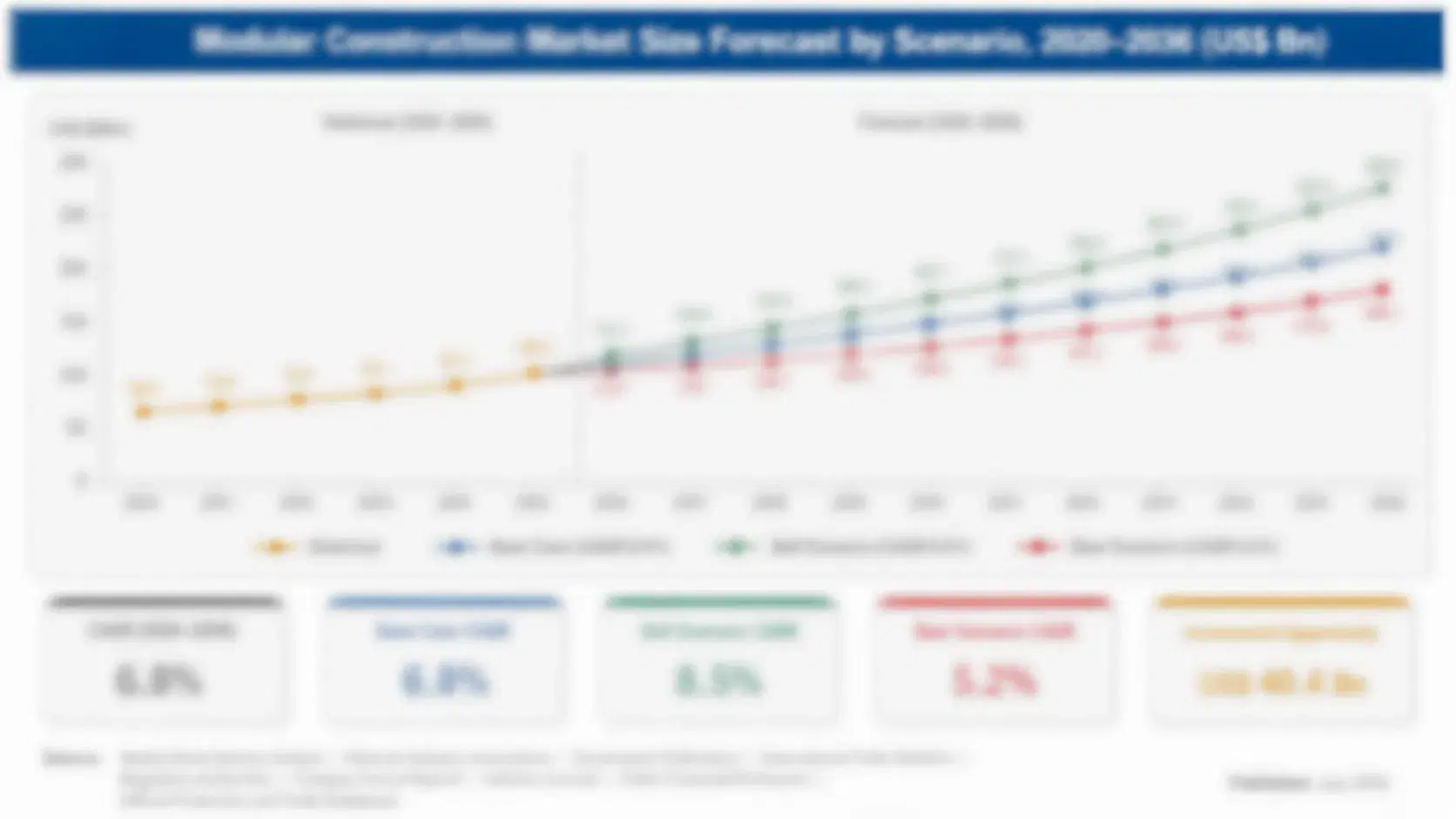
From 2020 to 2025, EU demand for heat-stable whey grew as retailers and brands launched shelf-stable protein drinks, high-protein yoghurt drinks crossed into ambient formats, and gyms and online channels widened access. Whey prices and energy costs rose from 2022, and suppliers passed on part of the increase through price steps. Growth ran slightly below the forecast pace as supply of isolate stayed tight.
The base case rests on three commercial mechanisms. First, retailer private label and brands launch ambient protein drinks that need heat-stable proteins. Second, clear and acidic formats move protein beyond milky drinks to juice-like categories. Third, new capacity and improved processing widen supply of premium heat-stable grades. Each mechanism compounds steadily. Suppliers plan whey contracts, membrane lines, and application labs around all three. Batch records protect future sales. Cost control separates leaders from followers.
The bull case needs faster ambient launches and stable whey supply, which would lift demand and margins. The bear case is a run of whey price spikes combined with stricter claims rules, which would squeeze margins and cut volumes. Clear certificates build buyer trust. Small processors feel every price swing. Customer reach compounds over time. Buyers reward consistency over novelty.

Heat Stability, Whey Costs, and Claims Rules Decide EU Ingredient Winners

Demand of heat stable whey for RTD performance drinks in the EU spans several production models. Processors filter cheese whey or skim milk, adjust mineral balance and pH, and treat the protein so that it resists aggregation during heat treatment at 120 to 145 degrees. They spray dry or supply liquid concentrates to bottlers, who blend, heat treat, and fill cartons, PET bottles, and cans.
MARKET CONCENTRATION68% CR5Leading five suppliers hold a large combined share
WHEY INPUT COST SHARE64%Portion of goods cost taken by whey protein feedstock
HEAT TREATMENT TEMPERATURE140 CTypical ultra-high temperature setting used for shelf-stable drinks
RETAIL PRIVATE LABEL SHARE33%Portion of ambient protein drinks sold under retailer brands
PROTEIN PER BOTTLE25 gTypical protein amount found in one performance drink
SUPPLY TIGHTNESS INDEX88%Portion of heat-stable isolate capacity running on average
Heat stability, whey costs, and claims rules decide value. Buyers judge ingredients on gelation resistance, clarity, viscosity, taste, and price per kilogram of protein, so a supplier needs secure whey, mineral control, and application labs. Large cooperatives own whey supply, while specialists own technology and support. Suppliers with consistent heat performance, tested formulations, and reliable delivery win because bottlers reorder only from suppliers that never lose a batch
Buyers judge heat-stable whey on heat performance, clarity, taste, mouthfeel, protein content, and price. Sports brands want high protein without chalkiness, retailers want private label matches to leading brands, and bottlers want processing that runs on standard ultra-high temperature lines. Price sensitivity is moderate for brands and high for private label, which pushes suppliers toward annual contracts, cost pass-through clauses.
"A whey protein that gels in the heat exchanger costs a bottler a day of production and a clean-in-place cycle. Heat stability is really insurance, and European bottlers are happy to pay for it. The suppliers that sell certainty, not just protein, will keep the account."
Senior Analyst, Dairy Ingredients Practice · MMA Heat-Stable Whey Protein for RTD Performance Drinks in the EU Practice · September 2026

Market Trends

Clear Heat-Stable Whey Enables Juice-Like Protein Drinks in Ambient Formats

European brands are launching clear, fruit-flavoured protein drinks with 20 to 30 grams of protein per bottle that stay clear and stable through ultra-high temperature or retort processing, and clear heat-stable grades price 30% to 50% above standard isolate. Heat-stable clear isolate prices at $28 to $45 a kilogram and earns gross margins of 34% to 44%. The trend needs mineral control and acid stability, and it rewards suppliers with proven heat performance. Specification sheets decide renewal. Supply reliability decides supplier rankings. Margins follow sourcing discipline. Procurement teams review suppliers every season.
Market Impact: shelf-stable protein drinks grew 15-20% yearly

Retailer Private Label Launches Widen Shelf-Stable Protein Drinks Across Grocery

Large discounters and supermarkets in Germany, France, Spain, and Poland now sell private label shelf-stable protein drinks priced 25% to 40% below brands, and private label holds about 33% of category volume. Retailers specify heat-stable whey and require consistent supply from qualified suppliers. The trend widens volume and rewards ingredient suppliers with large capacity, retailer approvals, and cost-efficient grades that private label bottlers can process on standard lines. Batch records protect future sales. Cost control separates leaders from followers. Clear certificates build buyer trust. Small processors feel every price swing. Customer reach compounds over time.
Market Impact: 55% of launches were ambient formats

Market Opportunities and Growth Drivers

Protein Awareness and Active Lifestyles Sustain EU Performance Drink Demand

Sports club and gym memberships in the European Union keep growing at about 3% to 5% a year, and about 40% of adults say they try to increase protein intake, with ready-to-drink drinks preferred for convenience. Shelf-stable protein drinks grew 15% to 20% a year in the past three years. The driver sustains base demand and rewards suppliers with dependable heat-stable grades and formulation support. Buyers reward consistency over novelty. Specification sheets decide renewal. Supply reliability decides supplier rankings. Margins follow sourcing discipline. Procurement teams review suppliers every season. Batch records protect future sales.
Market Impact: whey protein prices rose 40-90%

Ambient Convenience Extends Protein Drinks Beyond Refrigerated Space in Retail

Shelf-stable drinks need no chilled space and last six to nine months, so they enter convenience stores, vending machines, workplaces, and online delivery, cutting logistics cost by 10% to 20% against chilled products. About 55% of protein drink launches in the past three years were ambient. The driver widens distribution and rewards suppliers with proteins that survive heat treatment and packaging that supports long shelf life. Cost control separates leaders from followers. Clear certificates build buyer trust. Small processors feel every price swing. Customer reach compounds over time. Buyers reward consistency over novelty.
Market Impact: 6-10% of trial batches fail tests

Market Restraints and Challenges

Whey Price Volatility and Isolate Capacity Limits Squeeze Supplier Margins

Whey feedstock takes about 64% of cost of goods, and whey protein prices rose by 40% to 90% within two years while heat-stable isolate capacity ran near 88% utilisation. The root cause is that whey is a cheese by-product and supply does not follow protein prices. Suppliers pass on part of the increase through price steps, but bottlers resist, and mitigation includes long contracts, native whey capacity, and blended proteins. Specification sheets decide renewal. Supply reliability decides supplier rankings. Margins follow sourcing discipline. Procurement teams review suppliers every season. Batch records protect future sales.
Market Impact: heat-stable isolate earns 34-44% gross margin

Claims Rules, Sugar Scrutiny, and Heat Risk Limit Product Launches

European health claims rules limit protein and performance messaging, front-of-pack schemes such as Nutri-Score penalise sugar in flavoured drinks, and 6% to 10% of trial batches fail heat stability or taste tests. The root cause is regulation and protein chemistry. Suppliers respond with application labs, low-sugar formulation guides, and tested heat profiles, though launches still need 9 to 14 months from concept to shelf. Cost control separates leaders from followers. Clear certificates build buyer trust. Small processors feel every price swing. Customer reach compounds over time. Buyers reward consistency over novelty. Specification sheets decide renewal.
Market Impact: private label holds 33% of volume
3 additional market trends, 2 additional growth drivers, and 4 additional restraints and challenges are covered in the full report. Contact sales@marketmindsadvisory.com to access the complete intelligence.

Segment CAGR and Growth Architecture

Demand of heat stable whey for RTD performance drinks in the EU is segmented by product type, which shows where clarity, heat behaviour, and pricing power sit. Five segments cover heat-stable clear whey protein isolate for acidic drinks, native heat-stable whey protein concentrates, heat-stable hydrolysed whey peptides, standard heat-stable whey protein isolate for neutral drinks.
demand-of-heat-stable-whey-for-rtd-performance-dri-market-share-analysis-1789816957231

Heat-Stable Clear Whey Protein Isolate for Acidic Drinks

Heat-Stable Clear Whey Protein Isolate for Acidic Drinks is the fastest-growing segment at 13.8% a year, about 1.50 times the overall market rate. European brands want clear, fruity protein drinks that survive heat treatment, and premiums of 30% to 50% over standard isolate support gross margins of 34% to 44%. Mineral control and acid stability are the main constraints, since heat can cloud acidic drinks. Suppliers with proven heat performance win. Supply reliability decides supplier rankings. Margins follow sourcing discipline. Procurement teams review suppliers every season. Batch records protect future sales. Cost control separates leaders from followers. Clear certificates build buyer trust. Small processors feel every price swing. Customer reach compounds over time.
CAGR 13.8%

Native Heat-Stable Whey Protein Concentrates

Native Heat-Stable Whey Protein Concentrates grows at 11.0% a year, because brands want cleaner flavor and simpler labels from skim milk sources, and buyers accept premiums of 20% to 35% over cheese-derived concentrate. Filtration capacity and casein outlets are the main constraints, since native whey needs a use for the remaining casein stream. Integrated dairies with skim milk filtration hold price better than followers. Buyers reward consistency over novelty. Specification sheets decide renewal. Supply reliability decides supplier rankings. Margins follow sourcing discipline. Procurement teams review suppliers every season. Batch records protect future sales. Cost control separates leaders from followers. Clear certificates build buyer trust. Small processors feel every price swing. Customer reach compounds over time.
CAGR 11.0%
Full segment breakdown across 5 segments available in the complete report.

Regional Architecture and Country Demand Map

Demand for heat-stable whey in EU performance drinks concentrates in Western Europe, where dairy processors and brands sit. Eastern Europe holds the fast-growing eastern member states, North America supplies isolate, and other regions add small technology and transit links. Buyers reward consistency over novelty. Specification sheets decide renewal.

Western Europe

Western Europe holds 80% share, far above its usual band, because this file measures EU demand for heat-stable whey in RTD performance drinks, and Danish, Dutch, German, French, Irish, Italian, and Spanish processors, brands, and retailers account for nearly all category value. Arla Foods Ingredients, FrieslandCampina Ingredients, DMK Group, Lactalis Ingredients, and Carbery Group lead. Growth trails the global rate as the market matures. Whey costs, energy prices, and claims rules restrain margins. Supply reliability decides supplier rankings. Margins follow sourcing discipline. Procurement teams review suppliers every season. Batch records protect future sales. Cost control separates leaders from followers. Clear certificates build buyer trust. Small processors feel every price swing. Customer reach compounds over time.
Share: 80% | CAGR: 7.8% (2026 to 2036)

Eastern Europe

Eastern Europe holds 8% share, above its usual band, because this file measures EU demand and Polish, Czech, Hungarian, and Romanian bottlers, retailers, and dairies are among the fastest-growing EU buyers of shelf-stable protein drinks. Polish cooperatives and regional bottlers supply local retail. Growth runs close to the global rate. Currency swings, price sensitivity, and dependence on imported isolate restrain margins, and discounters push private label. Buyers reward consistency over novelty. Specification sheets decide renewal. Supply reliability decides supplier rankings. Margins follow sourcing discipline. Procurement teams review suppliers every season. Batch records protect future sales. Cost control separates leaders from followers. Clear certificates build buyer trust. Small processors feel every price swing.
Share: 8% | CAGR: 8.2% (2026 to 2036)
Regional intelligence for 5 additional markets available in the complete report: North America, East Asia, South Asia and Pacific, Latin America, Middle East and Africa. Contact sales@marketmindsadvisory.com.
demand-of-heat-stable-whey-for-rtd-performance-dri-country-cagr-analysis-1789816957565

Four Margin Routes for Heat-Stable Whey Suppliers

Margin in heat-stable whey comes from clear acidic grades, whey contracting, private label supply programmes, and formulation support rather than volume alone. The routes below apply to large dairy cooperatives, ingredient groups, and specialist processors, and each can start inside one planning cycle, with clear measures in gross margin points, cost per kilogram of protein, and brands served.

Building Clear Heat-Stable Isolate Capacity for Acidic Performance Drinks

Heat-stable clear isolate prices 30% to 50% above standard and earns gross margins of 34% to 44% against 22% to 30%, so suppliers that add mineral control, acid stability testing, and dedicated membrane lines report gross margin gains of 5 to 9 points on the mix. Dedicated lines cost $10 million to $30 million. Brands and retailers add multi-year volume. Approval typically takes two quarters. Clear certificates build buyer trust. Small processors feel every price swing. Customer reach compounds over time. Buyers reward consistency over novelty. Specification sheets decide renewal. Supply reliability decides supplier rankings.
Market Impact: clear grades lift gross margin by 5-9 points

Contracting Whey Feedstock and Adding Capacity Before Shortages Recur

Whey feedstock takes about 64% of cost of goods and prices rose 40% to 90% within two years with isolate capacity near 88% utilisation, so suppliers that contract whey across two regions, forward buy 40% of needs, and add membrane capacity cut cost volatility by roughly half. Bottlers accept price rises slowly, so contracts matter more than list prices. Suppliers that skip planning absorb 12% more cost. Margins follow sourcing discipline. Procurement teams review suppliers every season. Batch records protect future sales. Cost control separates leaders from followers. Clear certificates build buyer trust.
Market Impact: contracts and capacity cut volatility by roughly 50%

Winning Retailer Private Label Programmes With Cost-Efficient Heat-Stable Grades

Private label holds about 33% of category volume and retailers price drinks 25% to 40% below brands, so suppliers that offer cost-efficient heat-stable grades, standard-line processing guides, and large capacity win multi-year private label programmes. Retailer accounts add volume but demand price cuts of 5% to 10%. Suppliers should target three retailers in year one and measure order frequency monthly to prove the return. Small processors feel every price swing. Customer reach compounds over time. Buyers reward consistency over novelty. Specification sheets decide renewal. Supply reliability decides supplier rankings. Margins follow sourcing discipline.
Market Impact: private label programmes add volume worth 33% of category

Running Application Labs to Cut Trial Failures and Launch Time

Between 6% and 10% of trial batches fail heat stability or taste tests and launches take 9 to 14 months, so suppliers that run application labs, share tested heat profiles, and provide low-sugar guides cut trial failures by half and shorten launches by up to three months. Labs cost $1 million to $3 million to equip. Suppliers should target 10 anchor brands in year one and measure repeat orders. Procurement teams review suppliers every season. Batch records protect future sales. Cost control separates leaders from followers. Clear certificates build buyer trust. Small processors feel every price swing.
Market Impact: application labs cut launch time by up to 3 months

Who Controls the Margin Pool

The EU heat-stable whey market is concentrated, with a CR5 of 68%, and regional dairies, specialist isolate makers, and cooperatives sit outside the leading five. This assessment measures participants on estimated heat-stable whey ingredient sales value to EU beverage makers, held constant across all players. Arla Foods Ingredients leads through Lacprodan technology and application depth, while FrieslandCampina Ingredients, Glanbia Nutritionals, Lactalis Ingredients, and DMK Group follow.
Competition runs on four dimensions today: heat stability and clarity performance, whey cost and supply security, grade range from isolate to concentrate, and application support for brands and retailers. Large cooperatives win on whey supply, scale, and membrane capacity, while specialists win on technology and service. Imitators copy popular grades slowly because heat performance takes years to prove, and price competition appears in annual brand and retailer tenders.

Emerging pressure comes from native whey capacity additions, casein-based ambient protein drinks, and precision-fermented whey proteins targeting premium accounts. Rankings shift where a supplier wins a private label programme, adds clear grade capacity, or launches a distinctive low-sugar guide. Regional dairies can move up gradually, since heat performance and technical support matter more than global scale.
demand-of-heat-stable-whey-for-rtd-performance-dri-company-positioning-matrix-1789816957878

Competitive Moat and Risk Dimensions

ARLA FOODS INGREDIENTS

Moat: Whey Technology and Application Depth

Arla Foods Ingredients, the ingredient arm of a Danish-Swedish dairy cooperative, sells Lacprodan whey proteins, including heat-stable grades, to sports, clinical, and beverage customers across Europe. Its cooperative whey supply, membrane technology, and application labs give it cost and technical advantages, and its long relationships with beverage brands and retailers support consistent supply.
ARLA FOODS INGREDIENTS

Risk: European Energy Costs and Rivals

Arla Foods Ingredients faces high European energy and labour costs, and native whey and fermentation-derived proteins target its clear beverage niche. Whey price swings squeeze margins, and American processors compete on isolate volume, while brands and retailers negotiate hard on price and payment terms. Customer reach compounds over time.
FRIESLANDCAMPINA INGREDIENTS

Moat: Cooperative Scale and Milk Proteins

FrieslandCampina Ingredients, part of a Dutch dairy cooperative, produces whey and milk protein ingredients for sports, clinical, and food customers worldwide from large plants. Its cooperative milk supply, drying and filtration capacity, and application labs give it cost and technical advantages, and its long customer relationships support consistent supply across large volumes.
FRIESLANDCAMPINA INGREDIENTS

Risk: Cost Base and Portfolio Breadth

FrieslandCampina Ingredients faces high energy and environmental costs, and its wide portfolio spreads investment across many proteins. Whey price swings squeeze margins, and specialists offer sharper heat-stable grades, while customers push for price cuts at every renewal. Buyers reward consistency over novelty. Specification sheets decide renewal. Supply reliability decides supplier rankings.

Players Tracked

Prominent Players

Arla Foods Ingredients
FrieslandCampina Ingredients
Glanbia Nutritionals
Lactalis Ingredients
DMK Group

Other Key Players

Fonterra
Carbery Group
Tirlán
Hilmar Ingredients
Agropur Ingredients
Volac
Milei
Kerry Group
Ornua
Sodiaal
Savencia Fromage and Dairy
Idaho Milk Products
Milk Specialties Global
Emmi
Westland Milk Products

Recent Developments

JANUARY 2026

Arla Foods Ingredients Launches Clear Heat-Stable Whey Isolate for Acidic Sports Drinks

Arla Foods Ingredients launched a clear heat-stable whey isolate for acidic sports drinks, holding clarity through ultra-high temperature treatment at 25 grams of protein per bottle. It is a product launch, and it tests whether clear ambient protein drinks can reach mainstream European retail. Sales volumes were not disclosed.
Signal: Confirms that leading suppliers are launching clear heat-stable isolates to enable ambient protein drinks in mainstream European retail.
FEBRUARY 2026

FrieslandCampina Ingredients Expands Whey Protein Isolate Capacity in the Netherlands

FrieslandCampina Ingredients announced organic expansion of whey protein isolate capacity in the Netherlands, adding filtration and drying lines for beverage grades. It is a capacity expansion, not an acquisition, and it tests whether new capacity can ease tight heat-stable supply. Investment figures were not disclosed. Margins follow sourcing discipline.
Signal: Indicates cooperatives are investing in isolate capacity to ease tight supply of heat-stable grades for beverage customers.
MARCH 2026

Glanbia Nutritionals Signs Multi-Year Supply Agreements With European Private Label Bottlers

Glanbia Nutritionals signed multi-year supply agreements with European private label bottlers to supply cost-efficient heat-stable whey for retailer protein drinks. It is a supply agreement, not an acquisition, and it tests whether large capacity can win retailer programmes. Contract volumes were not disclosed. Procurement teams review suppliers every season.
Signal: Shows processors are signing multi-year supply agreements with private label bottlers to capture growing retailer protein drink programmes.

What Drives Heat-Stable Whey Production Costs

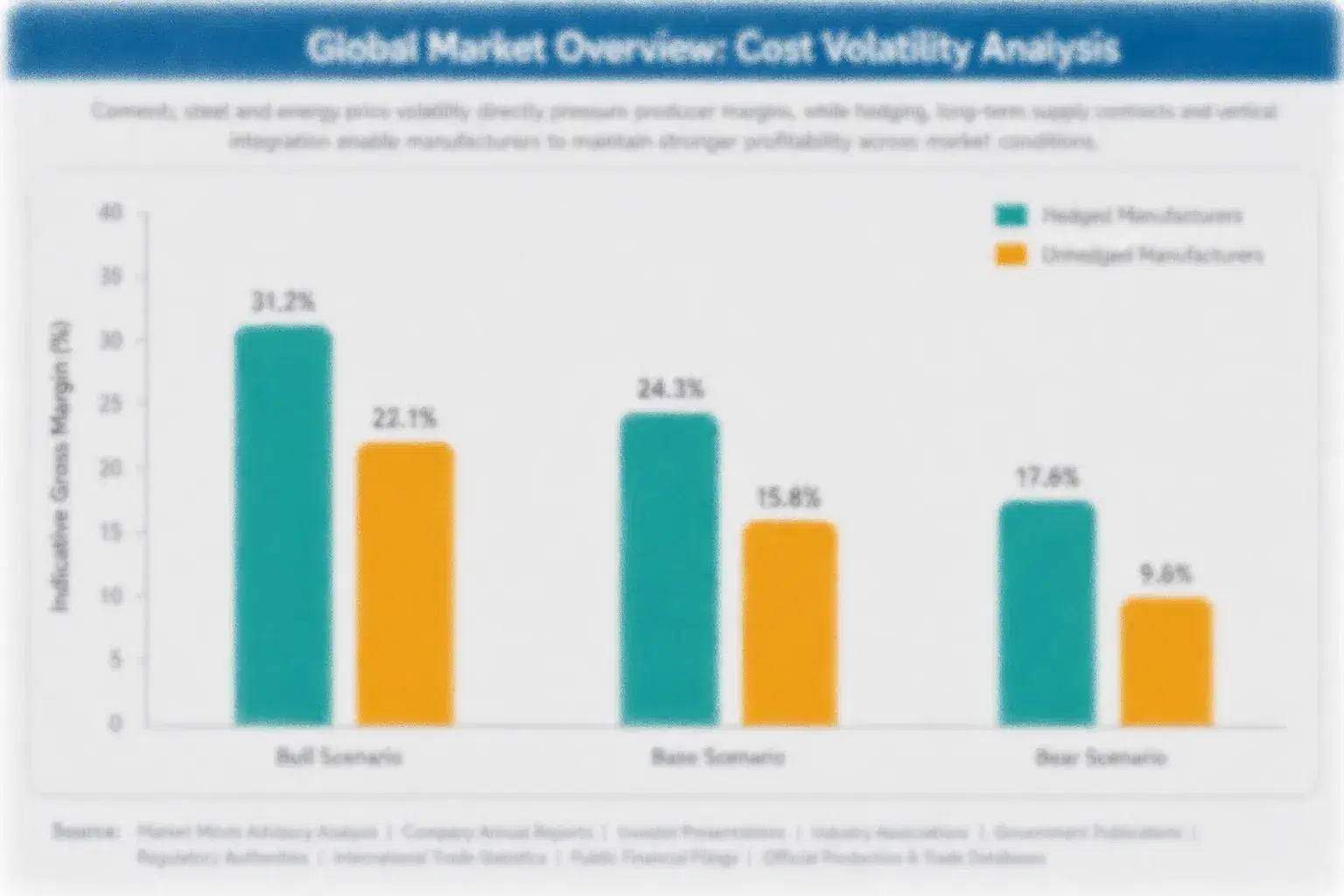
Whey protein feedstock accounts for roughly 64% of cost of goods, energy for evaporation, heat treatment, and drying about 12%, membranes and mineral control consumables about 7%, labour and quality control about 6%, and packaging, freight, and compliance about 11%. Whey comes mainly from cheese plants in the European Union, so exposure differs by country and energy contract. Cost control separates leaders from followers.
The clearest recent shock came from whey protein prices and energy. European Commission dairy market observatory data showed sharp whey protein price increases in 2024 and 2025, and Arla Foods reported in its annual report that protein prices and energy costs shaped ingredient margins. Suppliers raised prices by 15% to 30% and shortened contract validity to one quarter, while some brands cut protein per serving. Clear certificates build buyer trust.

The competitive disadvantage falls on small suppliers, which buy whey on spot markets, pay spot energy rates, and cannot fund dedicated membrane lines. Large cooperatives own cheese plants, integrate whey supply, and spread cost across many protein grades. Exposure also varies by country, since Northern European plants use lower-cost energy while Southern European plants face higher gas costs. Small processors feel every price swing.
demand-of-heat-stable-whey-for-rtd-performance-dri-cost-volatility-analysis-1789816958206

Contracting Whey Across Regions and Cheese Plants

Suppliers contract whey across two regions and cheese plants, forward buy part of annual needs, and blend grades where specifications allow. Multi-supplier contracts cut cost swings by roughly half, though they need volume commitments and working capital that only larger suppliers usually provide. Delivery reliability matters, and brands should approve early. Customer reach compounds over time.

Writing Cost Pass-Through Clauses Into Brand and Retailer Contracts

Suppliers write cost pass-through clauses into brand and retailer contracts that adjust prices with whey protein and energy indices. Index clauses cut margin swings by 10% to 20% in volatile years. The main challenge is customer acceptance, so suppliers publish index sources, offer caps and floors, and pair pricing with application support. Buyers reward consistency over novelty.

Adding Dedicated Heat-Stable Membrane Capacity in Stages

Suppliers add dedicated membrane and mineral control capacity in stages to ease shortages and support premium grades. New lines cost $10 million to $30 million and take 18 to 24 months to commission. The main challenge is capital, so suppliers phase investment against signed brand and private label contracts. Specification sheets decide renewal. Supply reliability decides supplier rankings.

Portfolio Architecture for Margin Defence

Margins run from thin returns on whey-casein blends and premixes sold to mid-sized brands to strong returns on clear heat-stable isolate and hydrolysed peptides sold with performance guarantees. Three tiers separate volume products, certified premium lines, and next-generation formats, and each tier draws on different buyer groups, whey supply, and technical terms. Procurement teams review suppliers every season. Batch records protect future sales.
The tension between volume and premium is sharp. Volume grades protect plant utilisation and customer relationships but face constant price pressure from retailer private label, while premium grades earn higher margins on smaller volumes and depend on whey access, mineral control, and application support. Suppliers that run only volume struggle to fund innovation, while suppliers that run only premium lack the scale to hold whey contracts and absorb shocks. Clear certificates build buyer trust.

High-value pools concentrate in clear heat-stable isolate and native concentrates sold to leading sports brands, premium beverage makers, and clinical nutrition companies. They gather where buyers pay for clarity, heat performance, and clean taste rather than kilograms. Sports brands, premium beverage makers, and clinical nutrition companies add further value, since these buyers ask for reliable supply and consistent performance.

Volume / Commodity-Adjacent Tier

Heat-stable whey-casein blends and premixes and standard neutral drink isolate sold to mid-sized brands and private label bottlers under annual contracts, with thin margins, whey cost exposure, and constant price competition. Small processors feel every price swing.
Gross Margin: 18%-28%

Premium / Certified Tier

Standard heat-stable whey protein isolate for neutral drinks with consistent heat behaviour, Kosher and Halal certification, and documented batch records, sold to sports brands and bottlers that require reliable supply and stable pricing.
Gross Margin: 26%-36%

Sustainability / Regulatory / Next-Generation Tier

Clear heat-stable isolate, native concentrates, and hydrolysed peptides with grass-fed provenance and lower energy use, sold to premium brands that pay premiums for clarity, clean labels, and stronger sustainability performance. Customer reach compounds over time.
Gross Margin: 32%-44%
demand-of-heat-stable-whey-for-rtd-performance-dri-portfolio-architecture-1789816958485

High-value Sub-segments and Strategic Watch-out

Heat-Stable Clear Whey Protein Isolate for Acidic Drinks

Heat-stable clear whey protein isolate for acidic drinks combines the fastest growth with strong pricing, since brands pay 30% to 50% premiums for clarity that survives ultra-high temperature treatment. Mineral control and acid stability limit competition, and suppliers with proven heat performance win. Volume compounds as clear ambient protein
Gross Margin: 34%-44%

Native Heat-Stable Whey Protein Concentrates

Native heat-stable whey protein concentrates deliver solid growth and healthy pricing, since brands pay 20% to 35% premiums for cleaner flavor and simpler labels from skim milk sources. Filtration capacity and casein outlets form the entry barrier, and integrated dairies win. Repeat purchase builds through premium ambient protein ranges.
Gross Margin: 30%-40%

Standard Heat-Stable Whey Protein Isolate for Neutral Drinks

Standard heat-stable whey protein isolate for neutral drinks forms the volume core, sold to brands and private label bottlers under annual contracts at moderate margins. Growth is steady, at about 8.0% a year, as ambient protein launches multiply. Whey cost, heat performance, and delivery reliability decide profit.
Gross Margin: 24%-34%

Heat-Stable Whey-Casein Blends and Premixes

Heat-stable whey-casein blends and premixes are the strategic watch-out, since brands can blend in house, growth trails the market at about 5.4% a year, and margins are tight. Suppliers should bundle them into formulation services before scaling, because customer in-sourcing and price competition can cut margin quickly.
Gross Margin: 16%-26%

Why Bottlers Keep Reordering Heat-Stable Whey

Heat-stable whey demand behaves like an annuity attached to beverage formulations. Once a brand or private label bottler qualifies a grade and files it in a recipe, the buyer repeats the purchase every month, and switching means new heat trials, taste tests, and possible line stoppages. Buyers use last year's performance and delivery record to fix renewals, so successful suppliers earn steadier volume than launches driven by price
Adoption stickiness differs by end-use vertical. Sports brands and clinical nutrition makers are the deepest, since heat stability and taste define the product and switching means new consumer tests, and they change only when supply or performance fails. Private label bottlers are almost as loyal once a grade runs on their lines. Small brands are shallower and switch on price. Buyers reward consistency over novelty.

Buyer profiles are shifting between generations. Older sports brands choose proven neutral isolates and trust established suppliers, while younger brands care about clear drinks, low sugar, and native or grass-fed provenance. Retailers add a third group that wants private label matches to leading brands. Suppliers that publish heat profiles and offer application labs win newer buyers and keep them as formulas evolve.
demand-of-heat-stable-whey-for-rtd-performance-dri-end-use-penetration-index-1789816958756

MMA Verdict on Heat-Stable Whey Strategy

These are among the four positions where our research anticipates prominent divergence between winners and laggards over the coming forecast period. Each is grounded in the demand model, the regulatory perimeter, and the announced capacity pipeline.
01 / CLEAR ISOLATE POSITIONING

Build Clear Heat-Stable Isolate Capacity Before Standard Grades Lose Premium Brands

Heat-Stable Clear Whey Protein Isolate for Acidic Drinks grows at 13.8% a year, about 1.50 times the overall market rate, and suppliers that provide clarity surviving ultra-high temperature treatment earn gross margins of 34% to 44% against 18% to 28% for standard grades. Winners will invest in mineral control, acid stability testing, and dedicated membrane lines that turn chemistry into a reliable ingredient. Suppliers that stay in standard grades will fight on price, and rivals with clear ranges will capture the fastest-growing accounts.
02 / WHEY SUPPLY SECURITY

Contract Whey and Add Capacity Before Shortages and Price Spikes Recur

Whey feedstock takes about 64% of cost of goods and prices rose 40% to 90% within two years with isolate capacity near 88% utilisation, so shortfalls pass straight into supplier margins. Suppliers should contract whey across two regions, forward buy 40% of needs, and add dedicated capacity against signed contracts. Those that buy on the spot market in tight years will absorb losses or lose accounts, and rivals with contracts will hold price and supply through every dairy cycle and energy price spike.
03 / PRIVATE LABEL STRATEGY

Win Retailer Private Label Programmes Before Rivals Lock Multi-Year Supply

Private label holds about 33% of category volume and retailers price 25% to 40% below brands, so private label programmes decide how volume is shared. Suppliers should offer cost-efficient heat-stable grades, standard-line processing guides, and large capacity, and target three retailers in year one. Those that wait will find retailer programmes tied to rivals with capacity, and suppliers with private label supply will hold the fastest-growing volume and use it to fund clear grade and native filtration investment across the wider portfolio.
04 / APPLICATION SUPPORT STRATEGY

Run Application Labs Before Trial Failures Send Brands to Rival Suppliers

Between 6% and 10% of trial batches fail heat stability or taste tests and launches take 9 to 14 months, so speed of support decides which supplier wins the next launch. Suppliers should run application labs, share tested heat profiles, and provide low-sugar guides, since labs cost $1 million to $3 million and cut launch time by up to three months. Those that ignore support will lose brands after a failed trial, and suppliers with labs will win multi-year contracts.

Engagement Snapshot From the Field

A live engagement with an industry participant carrying material or product regulatory and market exposure ahead of a defining policy shift, showing how our research translates into a defensible multi-year portfolio strategy.
MARKET MINDS ADVISORY · CLIENT ENGAGEMENT SUMMARY
Demand of Heat Stable Whey for RTD Performance Drinks in EU Producer Strategic Portfolio Review and Transition Roadmap 2026·Investment Scenario on Demand of Heat Stable Whey for RTD Performance Drinks in EU Exposure Evaluation 2025-26
CLIENT PROFILE
The client is a mid-sized European dairy cooperative with annual sales near EUR 1.5 billion (client-reported, unverified by MMA), a portfolio of cheese, milk powders, and neutral whey protein isolate sold to sports brands and food makers. It had no clear heat-stable grade, sold most isolate on annual contracts, and had two customers accounting for 46% of protein sales.
STRATEGIC CHALLENGE
Brands were launching ambient protein drinks that needed heat-stable clear isolate, whey prices had lifted margin volatility, and retailers were awarding private label programmes to larger suppliers. Management needed to decide whether to build clear grade capacity, chase private label supply, or contract whey, with limited capital and one isolate plant. Specification sheets decide renewal.
MMA APPROACH
MMA analysed sales, cost, and heat trial data across 14 grades, interviewed 10 brand and retailer buyers, six bottlers, and five equipment vendors, and ran a buyer survey on clarity, heat stability, and price across three channels. It modelled margin by grade and customer, tested whey price and claims scenarios, and ranked options by payback and execution risk.
KEY FINDINGS
  1. A clear heat-stable isolate line could reach 14% of protein sales in three years at margins near 40% (client-reported, unverified by MMA). Supply reliability decides supplier rankings.
  2. Two-region whey contracts and forward buying of 40% of needs could cut cost volatility by about half. Margins follow sourcing discipline. Procurement teams review suppliers every season.
  3. An application lab could cut trial failures by half and win six anchor brands within two years. Batch records protect future sales. Cost control separates leaders from followers.
  4. A private label programme with one retailer could add 6% of sales at margins near 26%. Clear certificates build buyer trust. Small processors feel every price swing.
CLIENT PROFILE
The client is a mid-sized European dairy cooperative with annual sales near EUR 1.5 billion (client-reported, unverified by MMA), a portfolio of cheese, milk powders, and neutral whey protein isolate sold to sports brands and food makers. It had no clear heat-stable grade, sold most isolate on annual contracts, and had two customers accounting for 46% of protein sales.
STRATEGIC CHALLENGE
Brands were launching ambient protein drinks that needed heat-stable clear isolate, whey prices had lifted margin volatility, and retailers were awarding private label programmes to larger suppliers. Management needed to decide whether to build clear grade capacity, chase private label supply, or contract whey, with limited capital and one isolate plant. Specification sheets decide renewal.
MMA APPROACH
MMA analysed sales, cost, and heat trial data across 14 grades, interviewed 10 brand and retailer buyers, six bottlers, and five equipment vendors, and ran a buyer survey on clarity, heat stability, and price across three channels. It modelled margin by grade and customer, tested whey price and claims scenarios, and ranked options by payback and execution risk.
KEY FINDINGS
  1. A clear heat-stable isolate line could reach 14% of protein sales in three years at margins near 40% (client-reported, unverified by MMA). Supply reliability decides supplier rankings.
  2. Two-region whey contracts and forward buying of 40% of needs could cut cost volatility by about half. Margins follow sourcing discipline. Procurement teams review suppliers every season.
  3. An application lab could cut trial failures by half and win six anchor brands within two years. Batch records protect future sales. Cost control separates leaders from followers.
  4. A private label programme with one retailer could add 6% of sales at margins near 26%. Clear certificates build buyer trust. Small processors feel every price swing.
RECOMMENDED STRATEGY
Phase 1: Phase 1 (Months 1-6): Sign whey contracts across two regions, design the clear isolate line, and build the application lab. Customer reach compounds over time. Phase 2: Phase 2 (Months 7-24): Install dedicated capacity, launch clear isolate to three brands, and open retailer talks. Buyers reward consistency over novelty. Phase 3: Phase 3 (Months 25-42): Sign a private label programme, extend contracts with index clauses, and review margin quarterly. Specification sheets decide renewal.
OUTCOME
Within 42 months, clear and native heat-stable grades reached 22% of protein sales, cost volatility fell by 44%, and gross margin on the range rose to 32% (client-reported, unverified by MMA). The client won six anchor brands, signed one retailer programme, and raised isolate plant utilisation to 86%.

Frequently Asked Questions

Foundational context covering the market sizes, CAGR, scope, country, region and competition that inform every finding below. This section is provided to cover basics and most often pre-purchase conversations, answered from the MMA Primary Research Dataset.

What is the current size of the Demand of Heat Stable Whey for RTD Performance Drinks in EU?

EU demand for heat-stable whey for RTD performance drinks was valued at $0.32 billion in 2025. Growth is supported by ambient protein drink launches, retailer private label, and clear formats despite whey price swings and tight capacity.

How large will the Demand of Heat Stable Whey for RTD Performance Drinks in EU be by 2036?

The market is projected to reach $0.84 billion by 2036, up from $0.35 billion in 2026. The increase of $0.49 billion reflects clear heat-stable grades, private label programmes, and native whey growth.

What is the CAGR for the Demand of Heat Stable Whey for RTD Performance Drinks in EU 2026 to 2036?

The market is forecast to grow at a 9.2% CAGR from 2026 to 2036. The bull case reaches 10.6% and the bear case 7.9%, depending on whey supply and ambient launch pace.

Which segment is growing fastest?

Heat-Stable Clear Whey Protein Isolate for Acidic Drinks is the fastest-growing segment at 13.8% CAGR, roughly 1.50 times the overall market rate. Native Heat-Stable Whey Protein Concentrates follows as the second-fastest segment at 11.0% CAGR each year.

Who are the major companies in the Demand of Heat Stable Whey for RTD Performance Drinks in EU?

Major companies include Arla Foods Ingredients, FrieslandCampina Ingredients, Glanbia Nutritionals, Lactalis Ingredients, and DMK Group. Carbery Group, Tirlán, Fonterra, Hilmar Ingredients, and Kerry Group also hold meaningful positions.

Which country is growing fastest?

Poland is the fastest-growing country at a 10.4% CAGR, driven by discounter private label and rising protein awareness. Germany remains the largest single EU market for shelf-stable protein drinks.

Report Segmentation Architecture

The full report scope spans multiple orthogonal segmentation dimensions, with cross-tabulated demand data provided for each dimension pair. Coverage extends further to regional breakdowns, trend trajectories, and the competitive detail needed to support segment-level decision-making.

By Primary Market Dimension

  • Heat-Stable Clear Whey Protein Isolate for Acidic Drinks
  • Native Heat-Stable Whey Protein Concentrates
  • Heat-Stable Hydrolysed Whey Peptides
  • Standard Heat-Stable Whey Protein Isolate for Neutral Drinks
  • Heat-Stable Whey-Casein Blends and Premixes

By End-Use Industry

  • Sports and Performance Drinks
  • Clinical and Medical Nutrition Drinks
  • Weight Management Drinks
  • Coffee and Tea Protein Drinks
  • Retailer Private Label Drinks

By Commercial Dimension

  • Direct Supply Contracts
  • Distributors and Traders
  • Contract Bottling Customers
  • Retailer Private Label Programmes
  • Online Ingredient Marketplaces

By Region

  • Western Europe
  • Eastern Europe
  • North America
  • East Asia
  • South Asia and Pacific
  • Latin America
  • Middle East and Africa

Scope, Methodology, and Coverage

Every figure in this report is reproducible from documented input assumptions. The scope below maps the historical period, the forecast horizon, the segmentation dimensions, and the countries covered, alongside the underlying primary and qualitative methodology.
Historical Period
2020 to 2025
Forecast Period
2026 to 2036
Base Year
2025 (USD billions; MMA Primary Research Dataset, September 2026)
Market Definition
Demand of heat stable whey for RTD performance drinks in the EU covers whey protein ingredients engineered to resist gelation and sedimentation during heat treatment and sold to brand owners and bottlers of ready-to-drink sports and performance drinks in the European Union, including heat-stable clear whey protein isolate for acidic drinks, native heat-stable whey protein concentrates, heat-stable hydrolysed whey peptides, standard heat-stable whey protein isolate for neutral drinks, and heat-stable whey-casein blends and premixes. The scope excludes powder shakes, non-EU markets, plant proteins, and finished beverages.
Quantitative Units
USD billions (sales value); tonnes for volume references
Segmentation Dimensions
By Product Type; By End-Use Category; By Commercial Dimension; By Region
Regions Covered
Western Europe, Eastern Europe, North America, East Asia, South Asia and Pacific, Latin America, Middle East and Africa
Countries Covered
Germany, France, Italy, Spain, Netherlands, Belgium, Denmark, Sweden, Finland, Ireland, Austria, Poland, Czech Republic, Hungary, Romania, United States, New Zealand, Japan, China, Turkey, and additional markets relevant to this sector
Key Companies Profiled
Arla Foods Ingredients, FrieslandCampina Ingredients, Glanbia Nutritionals, Lactalis Ingredients, DMK Group, Fonterra, Carbery Group, Tirlán, Hilmar Ingredients, Agropur Ingredients, Volac, Milei, Kerry Group, Ornua, Sodiaal, Savencia Fromage and Dairy, Idaho Milk Products, Milk Specialties Global, Emmi, Westland Milk Products
Quantitative Methodology
Primary survey, n=3,800 respondents, Q4 2025, six countries; demand-side model with trade association cross-validation
Qualitative Methodology
47 expert interviews, Q4 2025; applied to validate demand model assumptions, identify emerging dynamics, and assess competitive positioning
Report Format
PDF and XLSX data workbook (Word format preview document)
Publisher
Market Minds Advisory
Report Code
MMA-2026-AGR-481
Published
September 2026
Contact
sales@marketmindsadvisory.com | www.marketmindsadvisory.com

Purchase the full Demand of Heat Stable Whey for RTD Performance Drinks in EU Report (2026 to 2036).

The full report delivers a detailed assessment of demand for heat-stable whey in EU RTD performance drinks through 2036, covering product type, end-use, and country forecasts, competitive benchmarking of leading suppliers, and input cost analysis. It combines MMA primary research, including a six-country survey of 3,800 respondents and 47 expert interviews, with public statistical and company data. Analysts also model whey price scenarios, capacity paths, and clear grade adoption. Clients receive segment margin ranges, application maps, and a case study on portfolio strategy. Brand and retailer contact frameworks are also included for negotiation planning.
Ten-year grade and application demand forecasts
Whey, membrane, and energy cost tracking
Competitive benchmarking of top twenty whey suppliers
Isolate capacity and utilisation tracker updates
Country demand mechanism comparative analysis included
Quarterly primary survey data update access

Built For The People Who Decide

From boardroom strategy to bench-side execution, this report is read cover-to-cover by leaders shaping the next decade of their industry, turning demand scenarios, market dynamics and valuation benchmarks into decisions.
CXOs/ Presidents/ VPs/ Managers
M&A and Corporate Development
Strategy Teams and R&D Heads
Procurement and Product Directors
Regulatory and Compliance Leaders
Investor Relations and Equity Analysts