

Market Minds Advisory
Demand for Protein-rich Shelf-stable UHT Oat Drinks in Latin America

Demand for Protein-rich Shelf-stable UHT Oat Drinks in Latin America: Demand for Protein-rich Shelf-stable UHT Oat Drinks in Latin America. Pea Protein Blends, Carton Costs, and Warning Labels Shape Category Value.

Protein-rich shelf-stable oat drinks are moving from dairy-free curiosity to household staple in Latin America, but imported oat costs, currency swings, warning labels, and value channel pricing decide which brands earn repeat purchase.

Lead Analyst

Published

September 2026

Make Smarter Decisions with Customized Research Insights

Request a free sample report and evaluate market opportunities, growth trends, and competitive dynamics relevant to your business needs.

2025 MARKET VALUE$0.3BMarket Size 2025
2036 FORECAST VALUE$1.1BBase Case , 2026 to 2036
CAGR 2026 TO 203613.5 %Bull 14.8% / Bear 12.2%
INCREMENTAL OPPORTUNITY$0.8BNet 10- year value creation
EXPANSION MULTIPLE3.55x2036 value over 2026 base
Strategic Levers
M&A Pipeline
Regional Outlook
Country Rankings
Competitive Intelligence
Segmental Deep-dive
Call-Us : 91 93563 13602

Executive Snapshot and Market Trajectory.

Oat drinks arrived in Latin America as a dairy-free curiosity and are turning into a protein story. Buyers want the creamy taste of oats without the lactose, and they want protein numbers close to milk. Shelf-stable cartons make that possible in markets where cold chains still fail.
Oat and pea protein blends grow fastest, since buyers want plant protein near milk levels without soy or lactose, and pea proteins hold up under ultra-high temperature processing. Latin America holds the overwhelming share, because this is a regional demand file and other regions buy only exported cartons and diaspora purchases. Brazil leads country growth. Cartons set reach. Protein sets price. Cost of oats sets margin.
Competition is concentrated, with two global food groups, a soft drink bottler, a Mexican dairy leader, and a European dairy-alternative pioneer competing alongside regional dairies and plant-based start-ups on protein content, carton price, and supermarket placement. Oat imports, aseptic carton costs, and currency swings shape margins, while front-of-pack warning labels and protein claim rules govern how brands present sugar and protein. Big groups own shelf space. Start-ups own formulation. Regulators own the label.
Market Definition
Demand for protein-rich shelf-stable UHT oat drinks in Latin America covers ultra-high temperature treated oat-based beverages fortified with plant or dairy protein and packaged in aseptic cartons for ambient storage, sold to consumers in Latin American countries through supermarkets, traditional stores, and online channels. The scope excludes refrigerated oat drinks, oat milk powders, oat drinks without protein fortification, and other plant-based beverages.
Base Year Value
$0.3B in 2025 (MMA Primary Research Dataset, September 2026)
Forecast Period
2026 to 2036, eleven discrete annual values
CAGR
13.5% base case. Bull 14.8%. Bear 12.2%.
Fastest Growth Segment
Oat-Pea Protein Blends: 17.2% CAGR
Fastest Growth Country
Brazil: 15.6% CAGR
Fastest Growth Region
South Asia and Pacific: 15.5% CAGR
Largest Region
Latin America: 85% of 2025 global value
Market Leaders
Nestlé, The Coca-Cola Company, PepsiCo, Grupo Lala, Danone. Source: MMA Analysis, company annual reports.
Primary Survey
n=3,800 procurement and R&D decision-makers, Q4 2025, six countries
Methodology
Demand-side build-up, cross-validated against public data, 47 expert interviews

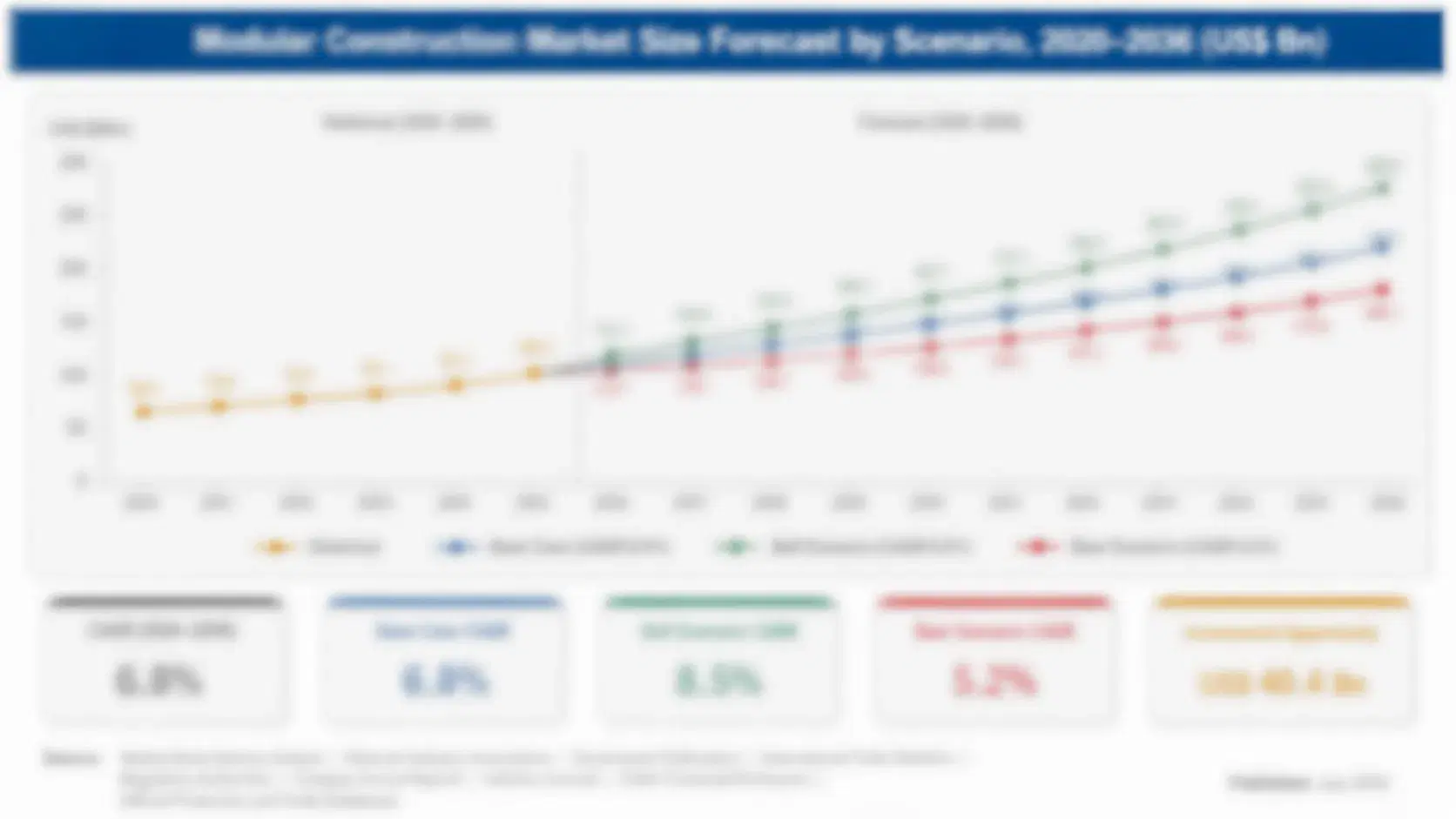
Demand for Protein-rich Shelf-stable UHT Oat Drinks in Latin America Market Forecast Scenarios

demand-for-protein-rich-shelf-stable-uht-oat-drink-size-forecast-scenario-1789805595465
From 2020 to 2025, oat drinks in Latin America grew from a small base as lactose-free and plant-based launches reached supermarkets in Brazil, Mexico, Chile, and Colombia, and protein-fortified cartons followed. Imported oat costs and weak currencies squeezed margins, and price rises supplied part of the value gain. Growth ran a little below the forecast pace as many buyers tried oat drinks once and returned to dairy milk.
The base case rests on three commercial mechanisms. First, protein fortification with pea and dairy proteins narrows the nutrition gap with milk and lifts repeat purchase. Second, shelf-stable cartons extend reach into traditional stores and regions with weak cold chains. Third, local oat milling in Brazil, Chile, and Argentina lowers landed cost and price gaps to dairy. Each mechanism compounds slowly, and none needs a breakout year. Buyers reward consistency over novelty.
The bull case needs stable currencies and local oat milling to cut carton prices by 15%, which would draw value-channel buyers into the category. The bear case is a run of weak oat crops combined with tougher warning labels, which would squeeze margins, delay launches, and push buyers back to dairy milk. Shelf placement decides renewal.

Protein Blends, Carton Costs, and Label Rules Decide Oat Drink Winners

Protein-rich shelf-stable oat drinks span several production models. Millers process oats with enzymes to make a smooth base, blend in pea, soy, dairy, or fava protein, add oil, minerals, and stabilisers, and treat the mix at ultra-high temperature before filling aseptic cartons. Local plants in Brazil, Mexico, and Chile run these lines, while imported ingredients supply oats and protein, and each pack must meet national labelling
MARKET CONCENTRATION52% CR5Leading five groups hold a majority combined share
AVERAGE LITRE PRICE$1.9Typical shelf price for a one litre carton
SUPERMARKET CHANNEL SHARE63%Portion of volume sold through supermarkets and hypermarkets combined
CARTON COST SHARE28%Portion of goods cost taken by aseptic cartons and closures
OAT IMPORT RELIANCE46%Portion of oat supply sourced from overseas growers and millers
PROTEIN PER SERVING8 gTypical protein content in a standard serving carton
Protein blends, carton costs, and label rules decide value. Buyers judge oat drinks by protein per serving, sweetness, texture, and price against dairy milk, so a brand needs a stable protein blend, low-cost cartons, and a label that avoids warning symbols. Large groups own plants and supermarket relationships, while start-ups win on formulation and story. Brands with secure ingredient supply, local production, and clean labels win because price gaps to
Buyers judge oat drinks on protein per serving, sugar content, taste, price per litre, and where they can buy. Supermarket shoppers want premium plant-based options for lactose-free households, while traditional store shoppers want small, affordable cartons. Price sensitivity is high, since buyers compare with dairy milk and powdered milk, which pushes brands toward smaller packs, local production, and protein claims that justify premiums.
"Oat drinks in Latin America are competing with a cheap, familiar litre of dairy milk, so a plant-based label alone will not carry the premium. The brands that win will show protein numbers a mother can read in two seconds and hold a price the household can repeat weekly. Imported oats, not consumer interest, set the ceiling."
Senior Analyst, Beverages and Plant-Based Foods Practice · MMA Protein-Rich Shelf-Stable Oat Drinks in Latin America Practice · September 2026

Market Trends

Protein Fortification Narrows the Nutrition Gap With Dairy Milk

Brands now fortify oat drinks with pea, soy, dairy, and fava protein to reach 6 to 10 grams per serving, close to the 8 grams in dairy milk, and use enzyme treatment to keep texture smooth after ultra-high temperature processing. Protein-rich oat drinks price 15% to 30% above plain oat drinks, and supermarkets place them beside high-protein dairy. Lactose-intolerant households, gym users, and parents seeking dairy-free options form the core groups. The trend rewards brands with reliable protein supply and enzyme know-how, and it pulls buyers from soy drinks and lactose-free dairy.
Market Impact: lactose-free households top 30%

Shelf-Stable Cartons Extend Oat Drinks Beyond Cold Chain Cities

Ultra-high temperature cartons keep oat drinks safe for 9 months without refrigeration, which lets brands reach traditional stores, smaller cities, and regions where cold chains fail. Brazil, Mexico, and Colombia have thousands of small retailers without reliable refrigeration, and shelf-stable formats lower waste and distribution cost by 10% to 20%. Small 200 millilitre and 500 millilitre cartons lower entry price for households. The trend adds volume in value channels that chilled brands cannot reach, and it favours groups with aseptic filling capacity and regional distributors. Supply reliability decides brand rankings. Margins follow sourcing discipline.
Market Impact: local plants avoid 8-12% import duties

Market Opportunities and Growth Drivers

Rising Lactose Intolerance Awareness and Dairy-Free Household Adoption

Lactose intolerance affects a large share of adults in Brazil, Mexico, Chile, and Colombia, and awareness has risen through retailer campaigns, health professionals, and social media. Households with lactose-intolerant members increasingly stock oat drinks beside lactose-free dairy, and vegetarian and flexitarian buyers add further demand. Retailers expand plant-based shelf sections in supermarkets and pharmacies, and brands use recipe content to build trial. Oat drinks appeal because their mild taste suits coffee and cereal, and repeat purchase builds as households switch from soy drinks and powdered milk. Retail buyers review ranges every season.
Market Impact: oats and cartons take 50%

Local Oat Milling and Plant Investment Lower Landed Costs

Brazil, Chile, and Argentina have expanded oat growing and milling, and large food groups have invested in aseptic filling lines for oat drinks in Mexico and Brazil. Local milling cuts import reliance from 46% and shortens supply chains, while local plants avoid import duties of 8% to 12% on finished cartons. Lower landed cost narrows the price gap with dairy milk and supports value channel launches. Regional co-packers add capacity for smaller brands. The trend rewards groups with local supply and gives imported brands less room to charge premiums. Trial data protects future sales.
Market Impact: warning symbols cut sales 10-20%

Market Restraints and Challenges

Imported Oat Costs and Currency Swings Squeeze Margins

Oats and aseptic cartons together take about 50% of cost of goods, and about 46% of oat supply comes from overseas growers in Canada and Europe, so weak Latin American currencies and poor crops raise landed cost by 10% to 20% within a season. The root cause is limited local oat production and reliance on imported cartons. Brands passed on part of the increase through price rises, but buyers compare with cheap dairy milk. Mitigation includes local milling, multi-year contracts, and currency hedging, though these steps take years to build. Cost control separates leaders from followers.
Market Impact: protein blends price 15-30% higher

Front-of-Pack Warning Labels Penalise Sweetened Oat Drinks

Mexico, Chile, Colombia, and Brazil have adopted front-of-pack labelling rules that flag added sugar, and sweetened oat drinks can trigger warning symbols that cut sales by 10% to 20%. Enzyme-treated oats create natural sugars that some rules count as free sugar, which surprises formulators. The root cause is public health policy aimed at sugar, not oat drinks specifically. Brands respond with unsweetened and low-sugar lines, careful protein claims, and packaging changes ahead of rule dates, though reformulation costs time and can alter taste. Clear labelling builds buyer trust. Small brands feel every currency swing.
Market Impact: shelf-stable formats cut distribution cost 10-20%
3 additional market trends, 2 additional growth drivers, and 4 additional restraints and challenges are covered in the full report. Contact sales@marketmindsadvisory.com to access the complete intelligence.

Segment CAGR and Growth Architecture

Protein-rich shelf-stable oat drinks are segmented by protein source, which shows where nutrition claims, volume growth, and pricing power sit. Five segments cover oat and pea protein blends, oat and dairy protein hybrids, oat and soy protein blends, native oat protein concentrate drinks, and oat and fava or lupin blends. Two segments grow fastest on protein credibility.
demand-for-protein-rich-shelf-stable-uht-oat-drink-market-share-analysis-1789805595830

Oat-Pea Protein Blends

Oat-Pea Protein Blends is the fastest-growing segment at 17.2% a year, about 1.27 times the overall market rate. Pea protein lifts protein content to 6 to 10 grams per serving, avoids soy and lactose, and holds up under ultra-high temperature processing when paired with enzyme-treated oats. Cartons price 15% to 30% above plain oat drinks and sell through supermarkets, pharmacies, and online channels. Pea protein supply from Canada and Europe is the main constraint, since import costs and off-flavours limit scaling. Large groups with ingredient contracts win, while start-ups compete on taste masking and local sourcing for lactose-free households. Distribution reach compounds over time. Buyers reward consistency over novelty. Shelf placement decides renewal.
CAGR 17.2%

Oat-Dairy Protein Hybrids

Oat-Dairy Protein Hybrids grow at 15.6% a year, because blends of oats with milk protein deliver 8 to 10 grams of protein per serving with a familiar dairy taste that appeals to flexitarian buyers and parents who want fewer sugar-heavy drinks. Dairy groups in Mexico, Colombia, and Brazil use existing milk protein supply and aseptic lines, and price cartons 10% to 20% above plain oat drinks. Labelling is the main constraint, since hybrids cannot claim vegan status and some rules limit dairy claims. Producers with dairy supply chains hold cost advantages over start-ups that buy protein at spot prices. Supply reliability decides brand rankings. Margins follow sourcing discipline. Retail buyers review ranges every season.
CAGR 15.6%
Full segment breakdown across 5 segments available in the complete report.

Regional Architecture and Country Demand Map

Oat drink demand in Latin America concentrates almost entirely in the region itself. North America holds a small export and diaspora share, Western Europe follows through Iberian retail links, and all other regions carry minor volume linked to Latin American brand exports. Trial data protects future sales.

Latin America

Latin America holds 85% share, far above its usual band, because this file measures demand for protein-rich shelf-stable oat drinks in Latin America, and regional consumers account for nearly all category value. Brazil, Mexico, Chile, Colombia, and Argentina lead, with supermarkets, traditional stores, pharmacies, and online platforms carrying the range. Nestlé, The Coca-Cola Company, PepsiCo, Grupo Lala, and Danone lead. Growth runs above the global rate as protein fortification and local milling widen access. Imported oat costs, currency swings, and warning labels restrain margins across the region. Cost control separates leaders from followers. Clear labelling builds buyer trust. Small brands feel every currency swing. Distribution reach compounds over time. Buyers reward consistency over novelty.
Share: 85% | CAGR: 14.0% (2026 to 2036)

North America

North America holds 5% share, far below its usual band, because this file measures Latin American demand, and North American value reflects exports of Latin American brands to Hispanic grocery stores in the United States and purchases by Latin American expatriates. Mexican and Brazilian brands supply most volume through ethnic supermarkets and online retailers. Growth tracks slightly below the global rate as export volumes grow slowly. Freight cost, import duties, and competition from local oat brands restrain margins, and small volumes leave distributors in control of which cartons reach shelf. Shelf placement decides renewal. Supply reliability decides brand rankings. Margins follow sourcing discipline. Retail buyers review ranges every season. Trial data protects future sales.
Share: 5% | CAGR: 13.0% (2026 to 2036)
Regional intelligence for 5 additional markets available in the complete report: Western Europe, South Asia and Pacific, East Asia, Middle East and Africa, Eastern Europe. Contact sales@marketmindsadvisory.com.
demand-for-protein-rich-shelf-stable-uht-oat-drink-country-cagr-analysis-1789805596183

Four Margin Routes for Oat Drink Brands

Margin in protein-rich oat drinks comes from protein premiums, oat and carton sourcing, label compliance, and value channel packs rather than volume alone. The routes below apply to global food groups, regional dairies, and plant-based start-ups, and each can start inside one planning cycle, with clear measures in gross margin points, protein per serving, and sell-through by channel.

Pricing Oat-Pea and Hybrid Protein Cartons at Premium Levels

Protein-rich oat drinks price 15% to 30% above plain oat drinks, and brands that deliver 8 grams of protein per serving with clean labels report gross margin gains of 5 to 8 points on those lines. Producers that publish protein numbers and use enzyme treatment for smooth texture avoid the price competition that hits plain oat drinks. Supermarkets and pharmacies add volume. Pilot launches in one country and two retail chains typically confirm demand within one quarter, before regional rollouts follow. Supply reliability decides brand rankings. Margins follow sourcing discipline. Retail buyers review ranges every season.
Market Impact: protein premiums lift gross margin by 5-8 points

Securing Local Oat Milling and Multi-Year Carton Contracts

Oats and aseptic cartons take about 50% of cost of goods, and weak currencies raise landed cost by 10% to 20%, so brands that sign multi-year carton contracts and source oats from local millers and at least three origins cut cost volatility by roughly half. Local milling avoids import duties of 8% to 12%. Retailers accept price rises slowly, so contracts matter more than list price increases. Brands that skip planning absorb 12% more cost in volatile years and lose margin to rivals. Trial data protects future sales. Cost control separates leaders from followers.
Market Impact: local milling and contracts cut cost volatility 50%

Reformulating for Front-of-Pack Warning Labels Ahead of Deadlines

Warning symbols cut sales by 10% to 20%, and brands that launch unsweetened and low-sugar lines and check enzyme sugar levels against Mexican, Chilean, and Colombian rules protect shelf space worth 25% of volume. Reformulation adds 2% to 4% to development cost but avoids delisting. Small brands can share regulatory support through trade associations. Brands should review rule changes each quarter, prepare packaging months before effective dates, and keep protein claims within approved wording to avoid regulator action. Clear labelling builds buyer trust. Small brands feel every currency swing. Distribution reach compounds over time.
Market Impact: compliant labels protect shelf space worth 25% of volume

Building Small Value Packs for Traditional Stores and Regional Distributors

Supermarkets carry 63% of volume, but traditional stores and value channels serve most households, so brands that launch 200 millilitre and 500 millilitre cartons priced within 30% of dairy milk reach buyers moving from powdered milk. Regional distributors add reach at 8% to 12% margin. Shelf-stable cartons cut distribution cost by 10% to 20%. Small brands can start with one country and two distributors, offer starter packs, and track order frequency as volume scales. Buyers reward consistency over novelty. Shelf placement decides renewal. Supply reliability decides brand rankings. Margins follow sourcing discipline.
Market Impact: value packs reach households in traditional stores at 8-12% margin

Who Controls the Margin Pool

The protein-rich oat drinks market in Latin America is concentrated, with a CR5 of 52%, and regional dairies, start-ups, and private label suppliers sit outside the leading five. This assessment measures participants on estimated oat drink sales value in Latin America, held constant across all players. Nestlé leads through plants and supermarket relationships, while The Coca-Cola Company, PepsiCo, Grupo Lala, and Danone follow, with a clear gap between the leader
Competition runs on four dimensions today: protein content and taste, carton price and local production, label compliance, and channel reach. Large groups win on aseptic plants, ingredient contracts, and retailer relationships, while start-ups win on formulation and story. Imitators copy popular flavours quickly, so premiums outside proven protein claims erode within a season, and price competition appears in supermarket promotions. Retail buyers review ranges every season.

Emerging pressure comes from dairy groups launching hybrid cartons and soy and almond brands that compete for the same lactose-free shelf. Rankings shift where a brand secures local oat milling, wins a large retailer listing, or launches a standout protein blend. Regional dairies in Brazil and Colombia can move up quickly, since local supply and price matter more
demand-for-protein-rich-shelf-stable-uht-oat-drink-company-positioning-matrix-1789805596518

Competitive Moat and Risk Dimensions

NESTLÉ

Moat: Plants and Retail Relationships

Nestlé operates aseptic filling plants and distribution networks across Brazil, Mexico, Chile, and Colombia, which gives it cost advantages and shelf access for new oat drink launches. Its research on plant proteins and enzyme treatment supports texture and protein claims, and its long relationships with supermarket chains and traditional distributors give it reach that start-ups struggle to match.
NESTLÉ

Risk: Portfolio Breadth and Dairy Conflict

Nestlé sells large dairy brands in Latin America, so oat drinks can cannibalise milk volume and create internal tension over investment. Imported oat cost spikes and currency weakness squeeze margins, and start-ups with sharper protein blends attract younger buyers, while warning labels can hurt sweetened lines quickly.
THE COCA-COLA COMPANY

Moat: Bottler Reach and Brand Marketing

The Coca-Cola Company sells plant-based drinks through its bottler network, including the Ades brand, and uses cold chain, vending, and traditional store routes that reach millions of outlets. Its marketing budgets and bottler relationships give oat drink launches fast distribution, and its scale in packaging sourcing lowers carton cost for large orders.
THE COCA-COLA COMPANY

Risk: Limited Dairy Heritage and Focus

Coca-Cola has less dairy and nutrition credibility than food groups, so protein claims may carry less weight with parents. Oat drinks remain a small share of its portfolio, which limits management focus, and currency swings raise imported ingredient cost while dairy rivals defend their supermarket shelf space with local milk protein.

Players Tracked

Prominent Players

Nestlé
The Coca-Cola Company
PepsiCo
Grupo Lala
Danone

Other Key Players

NotCo
Oatly
Alpina Productos Alimenticios
Alquería
Alpura
Vigor Alimentos
Piracanjuba
Italac
Lactalis
Soprole
Colun
Sancor
Mastellone Hermanos
Verde Campo
Grupo Nutresa

Recent Developments

JANUARY 2026

Nestlé Launches High-Protein Shelf-Stable Oat Drink in Brazil

Nestlé launched a high-protein shelf-stable oat drink in Brazil with pea protein and enzyme-treated oats, targeting lactose-intolerant households and gym users. It is a product launch, and it tests whether a global food group can win share against dairy-free start-ups. Sales volumes were not disclosed. Shelf placement decides renewal.
Signal: Confirms that leading food groups now compete on protein content in shelf-stable oat drinks across major Latin American markets.
FEBRUARY 2026

Grupo Lala Expands Oat Drink Production Capacity in Mexico

Grupo Lala announced organic expansion of aseptic filling capacity for oat and hybrid drinks in Mexico to meet supermarket and traditional store demand. It is a capacity expansion, not an acquisition, and it tests whether dairy groups can add plant-based volume without harming milk sales. Investment figures were not
Signal: Indicates dairy groups are investing in local capacity to defend shelf space as plant-based and hybrid drinks scale.
MARCH 2026

Danone Signs Pea Protein Supply Agreement for Latin American Oat Drinks

Danone signed a supply agreement for pea protein to support plant-based drink launches in Latin America, aiming to secure ingredient quality and cost. It is a supply agreement, not an acquisition, and it tests whether long contracts can protect margins against currency swings. Contract volumes were not disclosed.
Signal: Suggests leading groups are locking in protein supply through contracts to protect margins against currency and crop volatility.

What Drives Oat Drink Production Costs

Aseptic cartons and closures account for roughly 28% of cost of goods, oats about 22%, plant and dairy protein about 16%, logistics about 14%, ultra-high temperature processing energy about 12%, and enzymes and stabilisers about 8%. Oats come mainly from Canada, Argentina, and Europe, pea protein from Canada, France, and China, and cartons from a small set of global packaging groups, so exposure differs by input.
The clearest recent shock came from oat supply and currency. The United States Department of Agriculture Foreign Agricultural Service reported that Canadian oat output fell sharply in the 2021 drought and prices rose, while Nestlé and The Coca-Cola Company reported in annual documents that currency depreciation and packaging inflation weighed on Latin American margins. Brands raised prices by 6% to 12%, shrank packs, and delayed launches.

The competitive disadvantage falls on small brands, which buy oats, protein, and cartons in small lots at spot prices and cannot hedge currency. Large groups own aseptic plants, sign multi-year contracts, and spread costs across many lines. Exposure also varies by geography, since Argentine and Brazilian producers have local oat access while Mexican and Colombian producers rely on imports. Supply reliability decides brand rankings.
demand-for-protein-rich-shelf-stable-uht-oat-drink-cost-volatility-analysis-1789805596845

Signing Multi-Year Oat and Carton Supply Contracts

Brands sign multi-year oat contracts across three origins and forward carton contracts, consolidate orders across products, and dual-source packaging. Forward contracts cut cost swings by roughly half, though they need volume commitments and working capital that only larger brands usually provide. Terms often run two years, delivery reliability matters, and buyers should approve early. Margins follow sourcing discipline.

Developing Local Oat Milling in Brazil, Chile, and Argentina

Brands partner with local oat growers and millers in Brazil, Chile, and Argentina to cut import reliance and shorten supply chains. Local milling cuts landed cost by 8% to 12% and reduces currency exposure. The main risk is quality consistency, so brands invest in grower programmes and testing, while small brands rely on shared mills and co-packer partnerships.

Using Co-Packers to Avoid Capital Costs

Small brands use aseptic co-packers rather than building plants, avoiding capital costs of $1 million or more. Contract services add cost per carton but lower risk and handle seasonal peaks. The main challenge is scheduling, since aseptic slots fill early, so brands book capacity months ahead and agree penalties for late delivery and quality failures.

Portfolio Architecture for Margin Defence

Margins run from thin returns on plain oat drinks and private label cartons sold in multipacks to strong returns on protein-rich, hybrid, and low-sugar oat drinks sold through supermarkets, pharmacies, and online channels. Three tiers separate volume products, certified premium lines, and next-generation formats, and each tier draws on different buyer groups, protein sources, and channel terms. Retail buyers review ranges every season.
The tension between volume and premium is sharp. Volume lines protect plant utilisation and retailer relationships but face constant price pressure from dairy milk, soy drinks, and private label, while premium lines earn higher margins on smaller volumes and depend on protein supply, texture, and shelf placement. Brands that run only volume struggle to fund formulation, while brands that run only premium lack the scale to hold distribution and absorb currency shocks.

High-value pools concentrate in oat-pea and hybrid protein cartons sold through supermarkets, pharmacies, and online channels. They gather where buyers pay for protein, clean labels, and occasion fit rather than volume. Gym operators, lactose-free households, and subscription programmes add further value, since these buyers ask for reliable supply and consistent taste, and they reorder without shopping on price.

Volume / Commodity-Adjacent Tier

Plain oat drinks and private label cartons sold in multipacks to supermarkets and traditional stores, with thin margins, oat and carton cost exposure, and constant price competition, where buyers switch on price, promotion, and pack size.
Gross Margin: 24%-36%

Premium / Certified Tier

Protein-rich oat drinks with pea or dairy protein, lactose-free or vegan certification, and clean labels, sold through supermarkets, pharmacies, and online channels that require reliable supply, clear labelling, and stable pricing across seasons.
Gross Margin: 40%-54%

Sustainability / Regulatory / Next-Generation Tier

Low-sugar, unsweetened, and locally milled oat drinks built on compliant labels and clear sourcing, sold through premium retail, online platforms, and pharmacies to buyers who pay premiums for lighter formats, credible protein claims, and stronger sustainability signals.
Gross Margin: 44%-58%
demand-for-protein-rich-shelf-stable-uht-oat-drink-portfolio-architecture-1789805597198

High-value Sub-segments and Strategic Watch-out

Oat-Pea Protein Blends

Oat-pea protein blends combine the fastest growth with strong pricing, since buyers want plant protein near milk levels and pay 15% to 30% premiums. Pea supply and enzyme know-how limit competition, and brands with ingredient contracts win shelf space. Volume compounds as pharmacies and supermarkets widen plant-based sections.
Gross Margin: 42%-56%

Oat-Dairy Protein Hybrids

Oat-dairy protein hybrids deliver solid growth and healthy pricing, since flexitarian buyers pay 10% to 20% premiums for a familiar dairy taste and high protein. Dairy supply chains form the entry barrier, and groups with milk protein win cost advantages. Repeat purchase builds steadily as retailers expand hybrid ranges.
Gross Margin: 36%-50%

Oat-Soy Protein Blends

Oat-soy protein blends form the volume core, sold through supermarkets and traditional stores at moderate margins. Growth is steady, at about 12.0% a year, as buyers switch from soy drinks and powdered milk. Soy cost, retailer negotiation, and price gaps to dairy decide profit, and brands use the segment
Gross Margin: 28%-40%

Oat-Fava and Lupin Blends

Oat-fava and lupin blends are the strategic watch-out, since supply is thin, taste masking is difficult, and growth trails the market at about 10.4% a year. Brands should test premium repositioning and local sourcing before scaling, because retailer delisting and high ingredient cost can erode margin quickly.
Gross Margin: 24%-36%

Why Households Keep Buying Oat Drinks

Oat drink demand behaves like an annuity of household routines. Families buy the same carton for breakfast, coffee, and school lunches because taste and protein are predictable, and a satisfied household often trades up to a protein blend or larger multipack. Retailers use last month's sell-through to fix ranges, and distributors use route data to plan restocks, so successful brands earn steadier volume than launches driven by novelty alone.
Adoption stickiness differs by end-use vertical. Lactose-intolerant households are the deepest, since alternatives are limited and taste is familiar, and they change only when supply or price fails. Gym users and health-focused buyers are almost as loyal once protein claims prove credible. Value-channel buyers are shallower and switch on price, while foodservice buyers follow cafe and menu cycles. Trial data protects future sales.

Buyer profiles are shifting between generations. Older buyers choose oat drinks for lactose tolerance and trust established dairy brands, while younger buyers care about plant-based sourcing, protein, and social proof shared online. Health-conscious parents add a third group that wants lower sugar and clear labels. Brands that publish protein numbers and use social media for recipe ideas win younger buyers and keep
demand-for-protein-rich-shelf-stable-uht-oat-drink-end-use-penetration-index-1789805597499

MMA Verdict on Oat Drink Strategy

These are among the four positions where our research anticipates prominent divergence between winners and laggards over the coming forecast period. Each is grounded in the demand model, the regulatory perimeter, and the announced capacity pipeline.
01 / PROTEIN BLEND POSITIONING

Lead With Oat-Pea Protein Blends Before Plain Oat Drinks Commoditise

Oat and pea protein blends grow at 17.2% a year, about 1.27 times the overall market rate, and brands that deliver eight grams of protein per serving with clean labels earn gross margins of 40% to 52% against 26% to 36% for plain oat drinks. Winners will invest in pea protein supply, enzyme treatment for smooth texture, and sugar-conscious formulas that pass front-of-pack rules. Brands that sell plain oat drinks will compete on price, and rivals with credible protein claims will take the premium supermarket shelf.
02 / INPUT COST SECURITY

Secure Local Oat and Carton Supply Before Currency Swings Squeeze Margin

Aseptic cartons and oats together take about 50% of cost of goods, and a weak currency or a poor Canadian oat crop can raise landed cost by 10% to 20% within a season. Brands should sign multi-year carton and oat contracts, source oats from at least three origins, and hedge currency exposure on imported protein. Those that buy on the spot market will absorb volatility, and rivals with contracted supply and local milling will hold price and shelf space through every supply shock.
03 / LABEL COMPLIANCE STRATEGY

Reformulate for Warning Labels Before Rule Dates Remove Shelf Space

Front-of-pack warning labels in Mexico, Chile, and Colombia penalise added sugar, and oat drinks that use enzymes to create natural sweetness can still trigger warnings that cut sales by 10% to 20%. Brands should reformulate toward unsweetened and low-sugar lines, document protein claims carefully, and prepare packaging changes months before rules take effect. Those that ignore label rules will lose supermarket listings and buyer trust, and rivals with clean, compliant labels will win the health-conscious shoppers driving the fastest-growing plant-based launches.
04 / VALUE CHANNEL ACCESS

Build Small Value Packs for Traditional Stores Beyond Supermarket Shelves

Supermarkets carry about 63% of volume, yet traditional stores and value channels are where Latin American households buy most milk, and few oat brands have small packs and pricing for them. Brands should build 200 millilitre and 500 millilitre cartons, partner with regional distributors, and price protein-rich oat drinks within 30% of dairy milk. Those that stay in supermarkets alone will cap volume at urban middle-class buyers, and rivals with value packs will capture the households moving from powdered milk to shelf-stable cartons.

Engagement Snapshot From the Field

A live engagement with an industry participant carrying material or product regulatory and market exposure ahead of a defining policy shift, showing how our research translates into a defensible multi-year portfolio strategy.
MARKET MINDS ADVISORY · CLIENT ENGAGEMENT SUMMARY
Demand for Protein-rich Shelf-stable UHT Oat Drinks in Latin America Producer Strategic Portfolio Review and Transition Roadmap 2026·Investment Scenario on Demand for Protein-rich Shelf-stable UHT Oat Drinks in Latin America Exposure Evaluation 2025-26
CLIENT PROFILE
The client is a mid-sized Brazilian dairy processor with annual sales near BRL 2.4 billion (client-reported, unverified by MMA), a portfolio of UHT milk, lactose-free milk, and yogurt sold through supermarkets and regional distributors. It had aseptic filling capacity, no oat drink range, and no experience with plant protein sourcing, while rivals were launching oat drinks in its core states.
STRATEGIC CHALLENGE
Lactose-free milk sales were flat, supermarkets were expanding plant-based shelves, and rivals were launching protein oat drinks at premium prices. Management needed to decide whether to build an oat range, buy a brand, or partner with a plant protein supplier, with limited capital, imported oat exposure, and only one aseptic line able to run new formats.
MMA APPROACH
MMA analysed sales and channel data across 24 products, interviewed 10 supermarket buyers, six distributors, and five ingredient suppliers, and ran a buyer survey on protein, price, and label preferences across three states. It modelled margin by protein source and channel, tested currency and oat scenarios, and ranked options by payback period and execution risk.
KEY FINDINGS
  1. An oat-dairy protein hybrid using existing milk protein could reach 10% of sales in two years at margins near 44% (client-reported, unverified by MMA).
  2. Local oat milling contracts in southern Brazil could cut landed cost by 9% and reduce currency exposure on imported oats. Cost control separates leaders from followers.
  3. Unsweetened and low-sugar lines could avoid warning symbols and protect shelf space in the two largest supermarket chains. Clear labelling builds buyer trust. Small brands feel every currency swing.
  4. Small 200 millilitre cartons for traditional stores could add 6% of sales through regional distributors at margins near 10%. Distribution reach compounds over time.
CLIENT PROFILE
The client is a mid-sized Brazilian dairy processor with annual sales near BRL 2.4 billion (client-reported, unverified by MMA), a portfolio of UHT milk, lactose-free milk, and yogurt sold through supermarkets and regional distributors. It had aseptic filling capacity, no oat drink range, and no experience with plant protein sourcing, while rivals were launching oat drinks in its core states.
STRATEGIC CHALLENGE
Lactose-free milk sales were flat, supermarkets were expanding plant-based shelves, and rivals were launching protein oat drinks at premium prices. Management needed to decide whether to build an oat range, buy a brand, or partner with a plant protein supplier, with limited capital, imported oat exposure, and only one aseptic line able to run new formats.
MMA APPROACH
MMA analysed sales and channel data across 24 products, interviewed 10 supermarket buyers, six distributors, and five ingredient suppliers, and ran a buyer survey on protein, price, and label preferences across three states. It modelled margin by protein source and channel, tested currency and oat scenarios, and ranked options by payback period and execution risk.
KEY FINDINGS
  1. An oat-dairy protein hybrid using existing milk protein could reach 10% of sales in two years at margins near 44% (client-reported, unverified by MMA).
  2. Local oat milling contracts in southern Brazil could cut landed cost by 9% and reduce currency exposure on imported oats. Cost control separates leaders from followers.
  3. Unsweetened and low-sugar lines could avoid warning symbols and protect shelf space in the two largest supermarket chains. Clear labelling builds buyer trust. Small brands feel every currency swing.
  4. Small 200 millilitre cartons for traditional stores could add 6% of sales through regional distributors at margins near 10%. Distribution reach compounds over time.
RECOMMENDED STRATEGY
Phase 1: Phase 1 (Months 1-6): Sign local oat milling contracts, develop the oat-dairy hybrid, and verify label compliance with regulators. Buyers reward consistency over novelty. Phase 2: Phase 2 (Months 7-18): Launch the hybrid and an unsweetened line in two states through supermarkets and pharmacies. Shelf placement decides renewal. Phase 3: Phase 3 (Months 19-30): Add small value cartons for traditional stores, expand to three further states, and review margin quarterly. Supply reliability decides brand rankings.
OUTCOME
Within 30 months, oat drinks reached 11% of company sales, landed cost fell by 9%, and gross margin on the range held near 43% (client-reported, unverified by MMA). The client won listings in two national supermarket chains, added 8,000 traditional stores, and buyers named its hybrid a preferred protein option.

Frequently Asked Questions

Foundational context covering the market sizes, CAGR, scope, country, region and competition that inform every finding below. This section is provided to cover basics and most often pre-purchase conversations, answered from the MMA Primary Research Dataset.

What is the current size of the Demand for Protein-rich Shelf-stable UHT Oat Drinks in Latin America?

Latin American demand for protein-rich shelf-stable oat drinks was valued at $0.28 billion in 2025. Growth is supported by protein fortification, lactose-free household adoption, and shelf-stable cartons despite imported oat costs.

How large will the Demand for Protein-rich Shelf-stable UHT Oat Drinks in Latin America be by 2036?

The market is projected to reach $1.13 billion by 2036, up from $0.32 billion in 2026. The increase of $0.81 billion reflects protein blends, local milling, and wider value channel reach.

What is the CAGR for the Demand for Protein-rich Shelf-stable UHT Oat Drinks in Latin America 2026 to 2036?

The market is forecast to grow at a 13.5% CAGR from 2026 to 2036. The bull case reaches 14.8% and the bear case 12.2%, depending on currency stability and label rules.

Which segment is growing fastest?

Oat-Pea Protein Blends is the fastest-growing segment at 17.2% CAGR, roughly 1.27 times the overall market rate. Oat-Dairy Protein Hybrids follows as the second-fastest segment at 15.6% CAGR each year.

Who are the major companies in the Demand for Protein-rich Shelf-stable UHT Oat Drinks in Latin America?

Major companies include Nestlé, The Coca-Cola Company, PepsiCo, Grupo Lala, and Danone. NotCo, Oatly, Alpina, Alquería, and Piracanjuba also hold meaningful positions in regional and specialty niches.

Which country is growing fastest?

Brazil is the fastest-growing country at a 15.6% CAGR, driven by local oat milling, lactose-free household adoption, and expanding supermarket plant-based sections. Mexico and Colombia follow through dairy group launches and traditional store distribution.

Report Segmentation Architecture

The full report scope spans multiple orthogonal segmentation dimensions, with cross-tabulated demand data provided for each dimension pair. Coverage extends further to regional breakdowns, trend trajectories, and the competitive detail needed to support segment-level decision-making.

By Primary Market Dimension

  • Oat-Pea Protein Blends
  • Oat-Dairy Protein Hybrids
  • Oat-Soy Protein Blends
  • Native Oat Protein Concentrate Drinks
  • Oat-Fava and Lupin Blends

By End-Use Industry

  • Household Daily Consumption
  • Coffee and Cereal Use
  • Sports and Fitness Use
  • Children and School Use
  • Foodservice and Cafe Use

By Commercial Dimension

  • Supermarkets and Hypermarkets
  • Traditional Stores and Kiosks
  • Pharmacies and Health Stores
  • Online and Subscription
  • Foodservice Distributors

By Region

  • Latin America
  • North America
  • Western Europe
  • South Asia and Pacific
  • East Asia
  • Middle East and Africa
  • Eastern Europe

Scope, Methodology, and Coverage

Every figure in this report is reproducible from documented input assumptions. The scope below maps the historical period, the forecast horizon, the segmentation dimensions, and the countries covered, alongside the underlying primary and qualitative methodology.
Historical Period
2020 to 2025
Forecast Period
2026 to 2036
Base Year
2025 (USD billions; MMA Primary Research Dataset, September 2026)
Market Definition
Demand for protein-rich shelf-stable UHT oat drinks in Latin America covers ultra-high temperature treated oat-based beverages fortified with plant or dairy protein and packaged in aseptic cartons for ambient storage, sold to consumers in Latin American countries through supermarkets, traditional stores, pharmacies, and online channels. The scope excludes refrigerated oat drinks, oat milk powders, oat drinks without protein fortification, and other plant-based beverages.
Quantitative Units
USD billions (retail sales value); million litres for volume references
Segmentation Dimensions
By Protein Source; By End-Use Occasion; By Commercial Dimension; By Region
Regions Covered
Latin America, North America, Western Europe, South Asia and Pacific, East Asia, Middle East and Africa, Eastern Europe
Countries Covered
Brazil, Mexico, Chile, Colombia, Argentina, Peru, Uruguay, Costa Rica, United States, Spain, Portugal, Australia, Singapore, Japan, United Arab Emirates, Poland, and additional markets relevant to this sector
Key Companies Profiled
Nestlé, The Coca-Cola Company, PepsiCo, Grupo Lala, Danone, NotCo, Oatly, Alpina Productos Alimenticios, Alquería, Alpura, Vigor Alimentos, Piracanjuba, Italac, Lactalis, Soprole, Colun, Sancor, Mastellone Hermanos, Verde Campo, Grupo Nutresa
Quantitative Methodology
Primary survey, n=3,800 respondents, Q4 2025, six countries; demand-side model with trade association cross-validation
Qualitative Methodology
47 expert interviews, Q4 2025; applied to validate demand model assumptions, identify emerging dynamics, and assess competitive positioning
Report Format
PDF and XLSX data workbook (Word format preview document)
Publisher
Market Minds Advisory
Report Code
MMA-2026-AGR-429
Published
September 2026
Contact
sales@marketmindsadvisory.com | www.marketmindsadvisory.com

Purchase the full Demand for Protein-rich Shelf-stable UHT Oat Drinks in Latin America Report (2026 to 2036).

The full report delivers a detailed assessment of Latin American demand for protein-rich shelf-stable oat drinks through 2036, covering segment, regional, and channel forecasts, competitive benchmarking of leading brands, and input cost analysis. It combines MMA primary research, including a six-country survey of 3,800 respondents and 47 expert interviews, with public trade and company data. Analysts also model currency scenarios, oat cost paths, and label rule changes. Clients receive segment margin ranges, channel maps, and a case study on plant-based entry strategy. Retailer and distributor contact frameworks are also included for negotiation planning.
Ten-year segment and channel demand forecasts
Oat, protein, and carton price tracking
Competitive benchmarking of top twenty oat drink brands
Front-of-pack label rule tracker with quarterly updates
Regional demand mechanism comparative analysis included
Quarterly primary survey data update access

Built For The People Who Decide

From boardroom strategy to bench-side execution, this report is read cover-to-cover by leaders shaping the next decade of their industry, turning demand scenarios, market dynamics and valuation benchmarks into decisions.
CXOs/ Presidents/ VPs/ Managers
M&A and Corporate Development
Strategy Teams and R&D Heads
Procurement and Product Directors
Regulatory and Compliance Leaders
Investor Relations and Equity Analysts