Market Minds Advisory
Demand for Fat Filled Milk Powder in EU

Demand for Fat Filled Milk Powder in EU: Cocoa Cost Substitution, Sourcing Architecture, and Competitive Dynamics Through 2036.

European chocolate and confectionery manufacturers are widening their use of fat filled milk powder as cocoa and dairy fat costs climb, reshaping formulation strategy across bakery, beverage, and compound chocolate production nationwide this decade.

Lead Analyst

Published

September 2026

Make Smarter Decisions with Customized Research Insights

Request a free sample report and evaluate market opportunities, growth trends, and competitive dynamics relevant to your business needs.

2025 MARKET VALUE$0.9BMarket Size 2025
2036 FORECAST VALUE$1.7BBase Case , 2026 to 2036
CAGR 2026 TO 20366.0 %Bull 7.2% / Bear 4.8%
INCREMENTAL OPPORTUNITY$0.8BNet 10- year value creation
EXPANSION MULTIPLE1.79x2036 value over 2026 base
Strategic Levers
M&A Pipeline
Regional Outlook
Country Rankings
Competitive Intelligence
Segmental Deep-dive
Call-Us : 91 93563 13602

Executive Snapshot and Market Trajectory.

Cost-driven substitution is reshaping EU fat filled milk powder demand, as chocolate, confectionery, and bakery manufacturers replace costlier whole milk powder with vegetable-fat blends to defend margins amid volatile cocoa and dairy pricing, pushing formulation and blending capacity investment higher across processors nationwide this current cycle.
Western Europe supplies the largest share of the bloc's own fat filled milk powder demand through established Dutch and German blending capacity built around Interfood Group and FrieslandCampina, while chocolate and confectionery coatings grow fastest as cocoa cost pressure pushes manufacturers toward compound formulations across major retail brands, and Eastern European processors led by Poland sustain a distinct, steadily growing contribution through cost-competitive blended product exports across the internal market and beyond it.
The supply base mixes large integrated dairy cooperatives against specialty ingredient traders, with Interfood Group and FrieslandCampina commanding meaningful contracted volume while Arla Foods and Lactalis Ingredients manage broader distribution across confectionery and bakery accounts nationwide across most member states. That split is widening as EU food safety and origin-labeling requirements become considerably harder for smaller regional processors to satisfy consistently without dedicated compliance investment nationwide.
Market Definition
This market covers fat filled milk powder, a dairy ingredient produced by blending skim milk powder with vegetable fat, sold into the EU's chocolate, confectionery, bakery, beverage, and recombined dairy manufacturing sectors. It excludes whole milk powder, infant formula ingredients, and finished consumer dairy products not manufactured using fat filled milk powder as an input.
Base Year Value
$0.9B in 2025 (MMA Primary Research Dataset, September 2026)
Forecast Period
2026 to 2036, eleven discrete annual values
CAGR
6.0% base case. Bull 7.2%. Bear 4.8%.
Fastest Growth Segment
Chocolate and Confectionery Coatings: 9.5% CAGR
Fastest Growth Country
Poland: 8.5% CAGR
Fastest Growth Region
South Asia and Pacific: 7.9% CAGR
Largest Region
Western Europe: 39% of 2025 global value
Market Leaders
Interfood Group, Royal FrieslandCampina, Arla Foods, Lactalis Ingredients, Fonterra Co-operative Group. Source: MMA Analysis based on company annual reports.
Primary Survey
n=3,800 procurement and R&D decision-makers, Q4 2025, six countries
Methodology
Demand-side build-up, cross-validated against public data, 47 expert interviews

Demand for Fat Filled Milk Powder in EU Market Forecast Scenarios

demand-for-fat-filled-milk-powder-in-eu-size-forecast-scenario-1789899014448
EU fat filled milk powder demand grew steadily between 2020 and 2025, as chocolate and confectionery manufacturers sought lower-cost alternatives to whole milk powder amid repeated cocoa price spikes tied to West African harvest shortfalls and shipping disruption, with historical growth running near five percent annually across most processing segments nationwide throughout the period and into the current cycle.
The base case assumes continued cocoa cost pressure sustains compound chocolate substitution demand across confectionery manufacturing, growing out-of-home coffee consumption expands beverage-creamer volume meaningfully across EU convenience retail and vending channels nationwide, and harmonized EU food labeling standards gradually simplify cross border trade for compliant vegetable-fat blend suppliers, collectively supporting steady demand growth across confectionery, beverage, and bakery channels through the coming decade and well beyond current forecasts for this maturing category.
A bull scenario hinges on accelerated cocoa price inflation pushing chocolate manufacturers toward compound formulations well ahead of current assumptions as retail private-label brands follow suit across most member states, while the bear risk centers on EU dairy policy favoring domestic whole milk powder procurement over vegetable-fat blends, a shift that would meaningfully compress demand growth across several processing segments nationwide.

Substitution Economics Meet Cocoa Cost Pressure

Fat filled milk powder occupies a defensive position in EU food manufacturing: a cost-engineered substitute deployed whenever cocoa or dairy input prices threaten margin, built by blending domestically produced skim milk powder with vegetable fat rather than importing finished blended product from outside the bloc entirely. That positioning shapes almost every purchasing decision confectionery and bakery processors make, from supplier selection to contract length, since price volatility in either input commodity directly threatens margin across the value chain.
MARKET CONCENTRATIONCR5 26%moderately fragmented across dairy cooperatives and specialty ingredient traders
AVERAGE CONTRACT PRICE€1,600-€2,050/tonvegetable-fat blend pricing tracks cocoa and dairy cost trends
TOP PRODUCING COUNTRY SHARENetherlands, ~28%Dutch blending capacity anchors regional supply chains overall
REGULATORY COMPLIANCE LEAD TIME30-50 daysEU labeling and origin documentation extends new launches
VEGETABLE FAT COST SHARE38-46%palm and rapeseed oil dominate total input cost
CROSS-BORDER DISTRIBUTION INTENSITYHighinternal market rules ease movement across member states nationwide
Procurement strategy varies sharply by buyer type. Large chocolate manufacturers negotiate direct supply contracts with integrated cooperatives like FrieslandCampina, locking in volume and price over multi-year terms that hedge against cocoa and dairy commodity swings, while smaller bakeries and confectioners buy through specialty ingredient traders that carry certification and warehousing overhead the manufacturers themselves prefer to avoid managing internally across most member states.
Origin documentation and traceability increasingly determine which suppliers win contracts over the next decade. Processors investing early in EU food safety compliance and vegetable-fat sourcing verification are capturing volume that slower competitors lose to procurement delays entirely, a gap that widens each year regulatory scrutiny increases further across import categories.
"Nobody in Brussels planned for chocolate makers to reach for vegetable fat. Cocoa prices did that for them, and there is no obvious reason for the habit to reverse."
Director, Confectionery and Dairy Ingredients Practice · MMA Agriculture and Food Practice · September 2026

Market Trends

Cocoa Price Crisis Accelerates Compound Chocolate Adoption

Sustained cocoa price inflation, tracked through International Cocoa Organization market reports, is pushing EU confectionery manufacturers toward compound chocolate formulations that substitute fat filled milk powder for a portion of cocoa butter and whole milk powder without violating existing product labeling categories or triggering reformulation delays. This formulation shift is measurable in packaged goods sales data showing steady volume growth in filled-milk chocolate coatings across major EU retail chains, as manufacturers work to preserve retail price points that cocoa cost inflation alone would otherwise force upward across most confectionery product lines nationwide.
Market Impact: Adds 9% substitution-driven demand volume
EU Origin Labeling Rules Reshape Cross-Border Trade

The European Commission has tightened origin and traceability documentation requirements for dairy-blend ingredients moving across internal market borders, requiring more detailed vegetable-fat sourcing records before processors can label finished products for cross-border sale under harmonized EU rules and updated customs guidance published this year. This regulatory tightening is raising compliance costs for smaller regional processors lacking dedicated documentation teams, consolidating volume toward larger integrated cooperatives like FrieslandCampina that already maintain the certification infrastructure needed to trade across member states without delay, audit failure, or customs disruption of any kind whatsoever.
Market Impact: Lifts beverage-creamer demand by 8 percent

Market Opportunities and Growth Drivers

Whole Milk Powder Price Volatility Sustains Substitution

Whole milk powder prices across the EU have swung considerably over the past several years amid feed cost inflation and weather disruption to pasture yields, tracked through European Commission dairy market monitoring reports and national agriculture ministry data, pushing confectionery and bakery manufacturers toward fat filled milk powder as a more price-stable formulation input across most major product categories. Processors report locking in vegetable-fat blend contracts specifically to reduce exposure to whole milk powder price spikes that previously forced sudden recipe reformulation and margin compression across multiple product lines simultaneously nationwide.
Market Impact: Adds 4 percent import cost exposure

Growing Out-of-Home Coffee Consumption Across the EU

Out-of-home coffee consumption across major EU markets continues expanding steadily, supported by growing convenience retail and quick-service restaurant channel demand, tracked through Eurostat food service industry statistics published annually and confirmed by national hospitality trade association data across most member states each year. This expansion is directly increasing industrial-scale demand for cost-stable beverage-creamer inputs, with fat filled milk powder capturing a growing share of formulation volume as beverage manufacturers scale production runs and negotiate larger contracted volumes with integrated dairy suppliers to support that continued growth nationwide this cycle and beyond.
Market Impact: Raises compliance cost by 6 percent

Market Restraints and Challenges

Vegetable Fat Import Dependence Creates Cost Exposure

The EU imports the overwhelming majority of its palm and coconut oil vegetable-fat inputs, creating cost exposure that domestic dairy production alone cannot offset, since the bloc's own oilseed crops like rapeseed only partially substitute for tropical vegetable fats in blend formulations. The root cause traces to the EU's climate, which cannot support commercial palm cultivation, leaving processors dependent on Southeast Asian supply chains for their core cost advantage input. Suppliers are exploring rapeseed-based blend formulations and diversified tropical oil sourcing as mitigation pathways, though both require reformulation testing that delays adoption.
Market Impact: Adds 10% incremental confectionery segment volume

EU Origin Labeling Rules Raise Compliance Cost

Harmonized EU food labeling and traceability rules, while easing cross-border trade for compliant processors, impose meaningful documentation and testing costs that smaller regional dairy blenders struggle to absorb without dedicated compliance staff and legal review capacity of their own. This limits smaller processors ability to compete for contracts with large multinational confectionery buyers who increasingly require full traceability documentation before signing supply agreements of any meaningful duration. Some smaller processors are pooling compliance resources through regional cooperative associations as a mitigation pathway, though this remains uneven across member states currently.
Market Impact: Shifts 11% of volume to compliant
3 additional market trends, 4 additional growth drivers, and 3 additional restraints and challenges are covered in the full report. Contact sales@marketmindsadvisory.com to access the complete intelligence.

Segment CAGR and Growth Architecture

Segmentation follows end-use application, the dimension that most directly determines formulation specification, required vegetable-fat blend ratio, and buyer procurement pattern across chocolate, bakery, beverage, foodservice, and recombined dairy applications of fat filled milk powder sold into EU food manufacturing, reflecting how differently each application values cost against functional performance and regulatory labeling category nationwide.
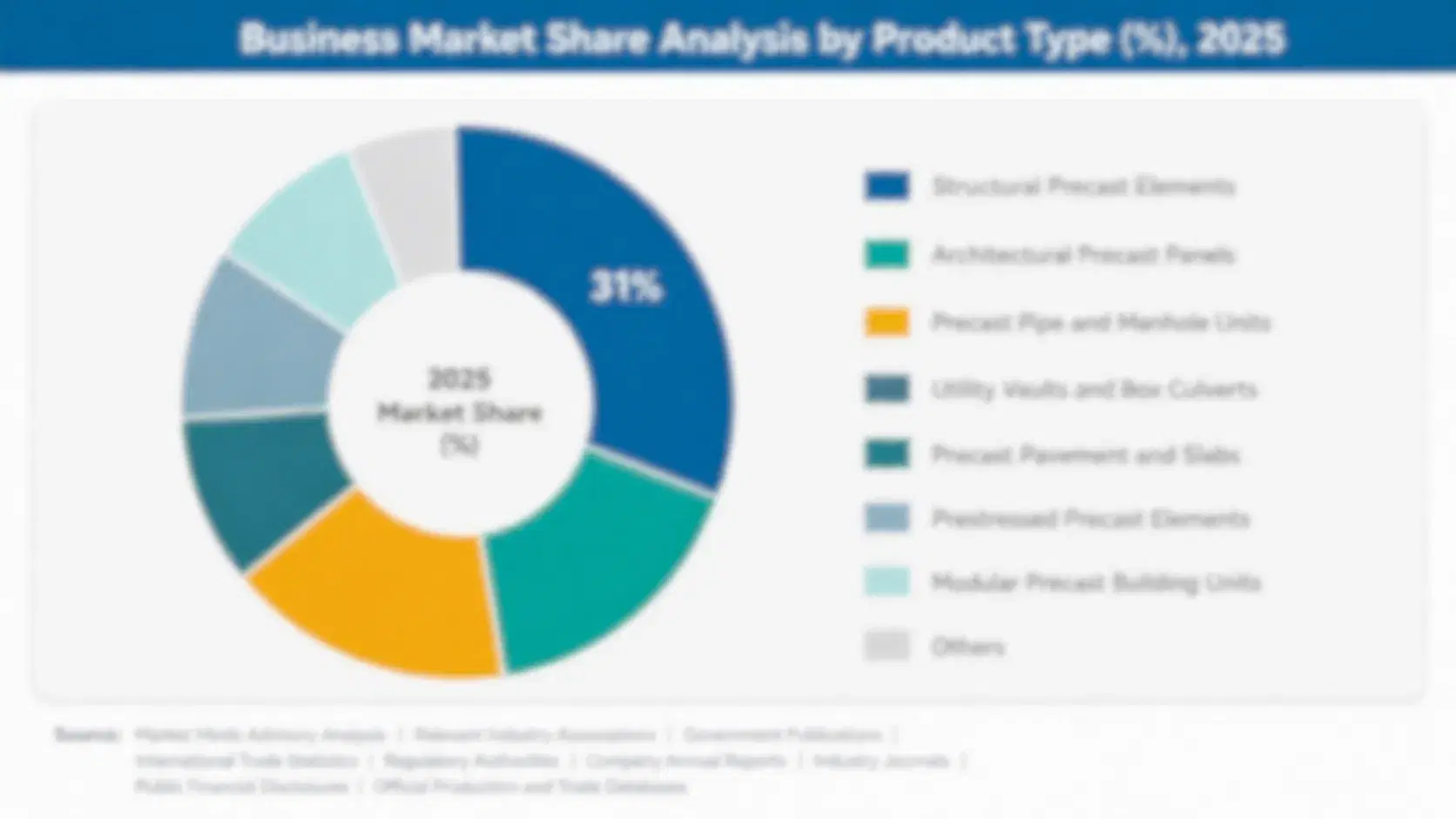
demand-for-fat-filled-milk-powder-in-eu-market-share-analysis-1789899014621

Chocolate and Confectionery Coatings

Chocolate and confectionery coatings are growing fastest as sustained cocoa price inflation pushes manufacturers toward compound chocolate formulations that substitute fat filled milk powder for a portion of cocoa butter and whole milk powder without violating existing product labeling categories across most member states. Confectionery manufacturers increasingly specify vegetable-fat blend ratios precisely to preserve retail price points that cocoa cost inflation alone would otherwise force upward, a formulation discipline pushing suppliers toward more customized blend specifications rather than standardized commodity product across most major confectionery brands and private-label producers nationwide. Growth concentrates among processors serving mid-tier and value confectionery brands rather than premium chocolate makers, who remain more protective of cocoa-forward labeling claims.
CAGR 9.5%

Beverage and Coffee Whitener Applications

Beverage and coffee whitener applications represent the second-fastest-growing segment, as expanding out-of-home coffee consumption across major EU markets pulls fat filled milk powder demand toward finely tuned formulations that balance mouthfeel against ingredient cost for quick-service and convenience retail channels across most major metropolitan markets, travel hubs, and transport corridors nationwide this cycle. Beverage manufacturers increasingly work directly with integrated dairy suppliers to customize blend ratios for specific product lines rather than purchasing standardized commodity powder, a shift raising average contract value even as unit volumes grow steadily across the category nationwide. Growth concentrates among quick-service coffee chains rather than traditional cafés, which remain more attached to fresh dairy sourcing traditions.
CAGR 8.0%
Full segment breakdown across 6 segments available in the complete report.

Regional Architecture and Country Demand Map

Regional shares reflect where fat filled milk powder supplying EU demand is actually produced and blended, with Western Europe supplying the largest volume through established Dutch and German processing capacity, and Eastern Europe, led by Poland, sustaining a meaningful secondary contribution across the internal market.

North America

The United States contributes a modest supporting share of EU fat filled milk powder sourcing through skim milk powder exports from Midwest dairy cooperatives, typically shipped as an unblended input that European processors combine domestically with vegetable fat rather than importing finished blended product across the Atlantic Ocean and its associated shipping lanes and port infrastructure. Canada contributes a smaller additional volume through similar dairy protein export channels, concentrated among a handful of established trading relationships with European ingredient importers. Neither country functions as a meaningful source of finished vegetable-fat blended powder, since domestic EU blending capacity already covers most of that processing step internally and cost-effectively across most member states.
Share: 22% | CAGR: 7.0% (2026 to 2036)

Western Europe

The Netherlands and Germany anchor Western European sourcing through Interfood Group and FrieslandCampina, whose integrated skim milk powder and vegetable-fat blending capacity supplies the overwhelming majority of the bloc's own fat filled milk powder demand without material reliance on imported finished product. France contributes additional processing capacity through its large dairy cooperative sector, primarily serving domestic confectionery and bakery manufacturers. This concentration reflects genuine cost, proximity, and regulatory-familiarity advantages rather than any single dominant buyer relationship, and it continues deepening as EU processors invest further in domestic blending capacity to reduce exposure to non-dairy import complications across most member states, product categories, confectionery segments, and beverage-creamer applications nationwide this current cycle.
Share: 39% | CAGR: 4.5% (2026 to 2036)
Regional intelligence for 5 additional markets available in the complete report: East Asia, South Asia and Pacific, Latin America, Middle East and Africa, Eastern Europe. Contact sales@marketmindsadvisory.com.
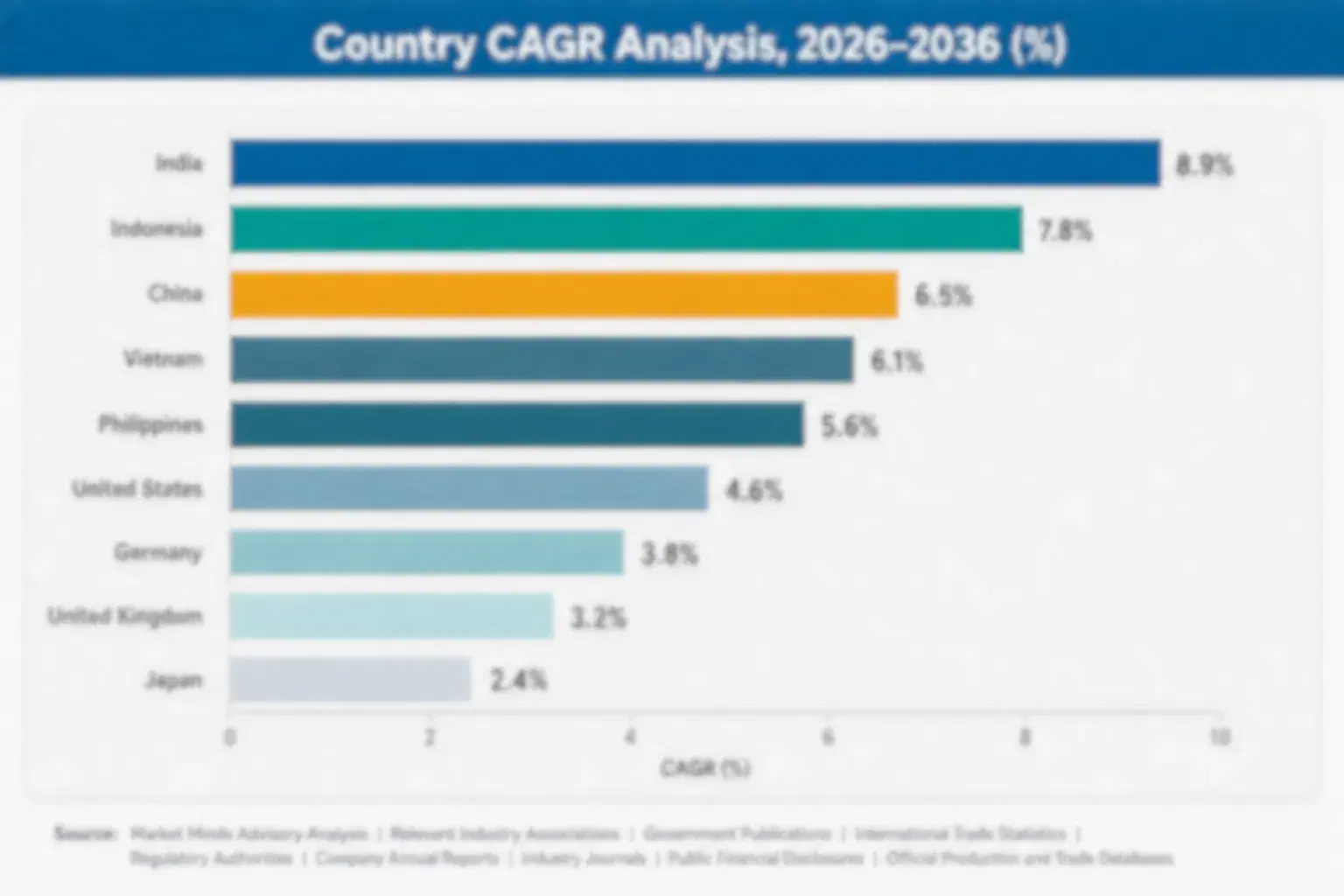
demand-for-fat-filled-milk-powder-in-eu-country-cagr-analysis-1789899014799

Where EU Ingredient Suppliers Can Capture Margin

Margin expansion concentrates around three commercial mechanisms: faster regulatory compliance that shortens time to contracted volume, direct-to-manufacturer blend customization for confectionery producers willing to pay for tailored specifications, and vegetable-fat sourcing diversification to reduce exposure to any single origin country's price or trade policy volatility across the coming decade and well beyond current forecasts.

Accelerated EU Regulatory Compliance Investment Program

Processors that invest early in EU food safety documentation and traceability infrastructure clear cross-border regulatory review meaningfully faster than competitors still assembling compliance paperwork shipment by shipment, winning contracted volume that slower processors lose entirely to procurement delays across member states and customs checkpoints nationwide. This certification pathway typically cuts compliance review time from roughly 50 days to under 20 days, directly reducing working capital tied up in transit inventory. The investment required is modest relative to the volume gains achieved, particularly for processors already serving other regulated European markets.
Market Impact: Cuts compliance review time by roughly 30 days

Direct Confectionery Manufacturer Blend Customization Contracts

Processors willing to formulate customized vegetable-fat blend ratios directly with EU confectionery manufacturers, rather than selling standardized commodity powder through intermediaries, capture meaningfully higher contract value per ton shipped across most product categories and retail tiers. These direct relationships typically command a 10 to 15 percent price premium over commodity-grade product, reflecting the formulation expertise and technical support confectionery manufacturers require to hit precise cocoa-fat interaction specifications. Building this capability requires dedicated technical sales staff, a cost most larger cooperatives can absorb more readily than smaller regional processors currently can.
Market Impact: Commands a 10 to 15 percent price premium

Vegetable Fat Sourcing Diversification and Hedging Strategy

Processors building supply relationships across multiple palm and rapeseed oil origins, rather than depending heavily on Southeast Asian sourcing alone, reduce exposure to any single origin country's export policy shifts or weather-driven supply disruption across the broader supply chain and logistics network. Diversified processors report meaningfully more stable input costs and fewer supply interruptions than single-origin buyers, an advantage worth an estimated 4 to 6 percent in avoided emergency procurement costs during disruption events. This strategy requires maintaining relationships across more suppliers than many smaller processors can justify managing simultaneously.
Market Impact: Avoids 4 to 6 percent in emergency costs

Domestic Recombined Dairy Manufacturing Expansion Program

EU processors expanding recombined milk and dairy-adjacent beverage manufacturing using fat filled milk powder as a primary input capture margin that pure ingredient trading cannot, converting a commodity input into a differentiated finished consumer product sold at meaningfully higher retail value. This vertical integration pathway typically adds 18 to 25 percent in downstream value capture compared to selling the raw ingredient onward to a third party manufacturer, though it requires meaningful investment in recombination equipment, quality control, and consumer-facing brand development that most trading-focused distributors currently lack the capability to build alone.
Market Impact: Adds 18 to 25 percent in downstream value

Who Controls the Margin Pool

The EU fat filled milk powder supply chain is moderately concentrated, with the top five participants holding just over a quarter of measured production volume on a shipment-tonnage basis, and a meaningful gap separates large integrated cooperatives like FrieslandCampina from smaller regional processors still building certification and distribution infrastructure. That gap has widened as EU regulatory documentation requirements raise the bar for market entry.
Current competitive activity concentrates around three dimensions: compliance speed to clear cross-border regulatory review faster than competitors, direct confectioner blend customization to capture premium contract value, and vegetable-fat sourcing diversification to hedge against origin-country policy risk across the supply chain. Processors competing on price alone increasingly struggle against those competing on documented reliability and formulation expertise instead.

Emerging pressure is coming from Polish dairy cooperatives expanding blending capacity specifically to compete with established Dutch and German operations at lower cost, a shift that could pull share away from Western European incumbents faster than most current market participants expect. Domestic recombined dairy manufacturers investing in downstream integration are also beginning to capture margin previously held entirely by ingredient traders, a trend worth monitoring closely over the next several years.
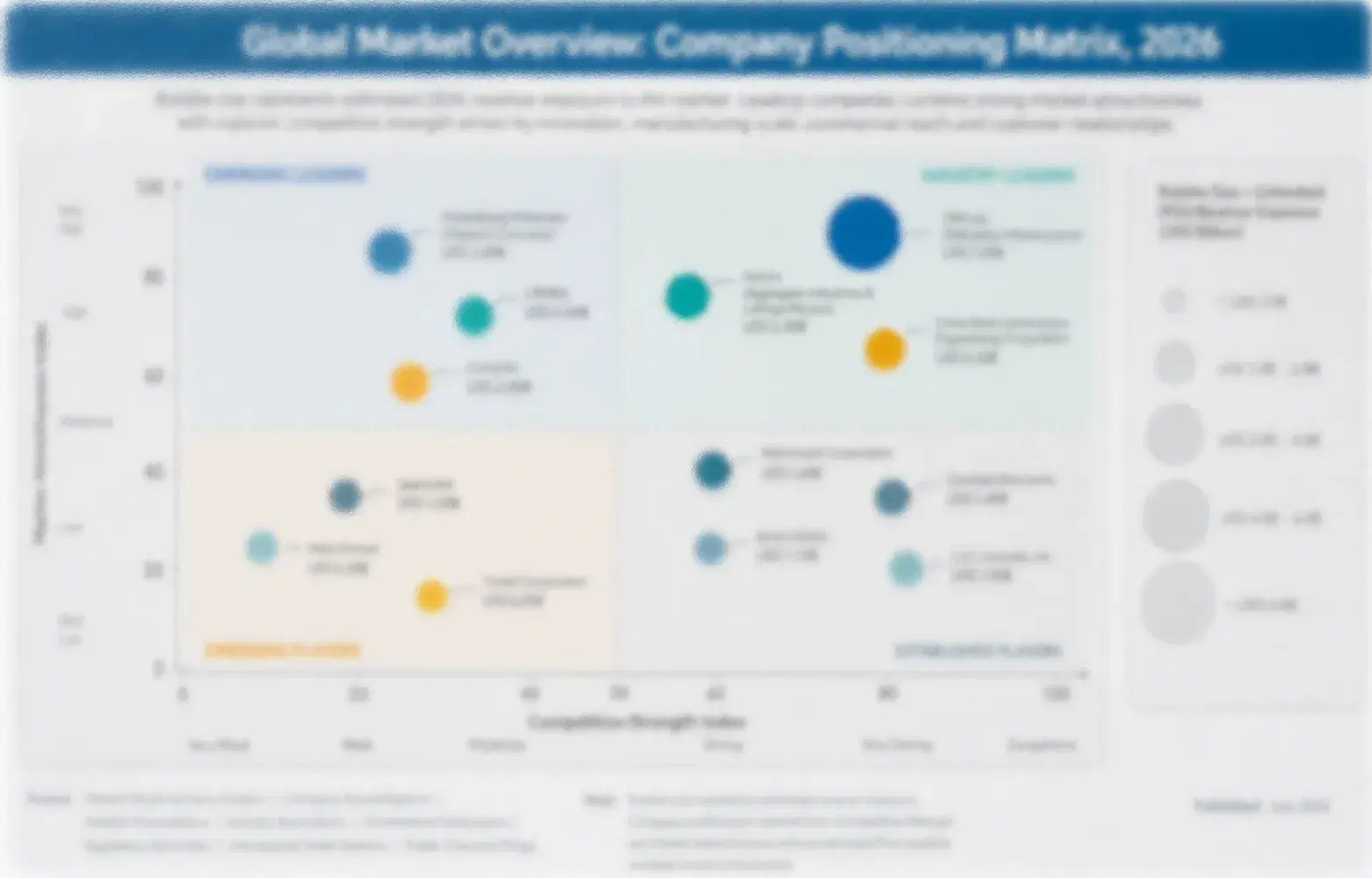
demand-for-fat-filled-milk-powder-in-eu-company-positioning-matrix-1789899014980

Competitive Moat and Risk Dimensions

ROYAL FRIESLANDCAMPINA NV

Moat: Integrated dairy cooperative scale

FrieslandCampina's cooperative ownership structure gives it direct control over milk supply from thousands of member farmers across the Netherlands and Germany, letting it manage both raw material cost and quality more predictably than pure trading intermediaries sourcing skim milk powder on the open market at spot prices.
ROYAL FRIESLANDCAMPINA NV

Risk: Higher cost base than traders

FrieslandCampina's integrated cooperative structure carries meaningfully higher fixed costs than asset-light trading companies, limiting its ability to compete purely on price against smaller regional blenders and specialty traders who carry lower overhead and can undercut on commodity-grade contracts across most member state markets and retail tiers.
INTERFOOD GROUP BV

Moat: Global sourcing and blending network

Interfood Group's decades-long specialization in fat filled milk powder trading gives it established relationships with blending facilities across the Netherlands, Malaysia, and Indonesia simultaneously, letting it offer EU buyers supply flexibility that single-origin processors cannot match when any one sourcing region faces disruption or price volatility.
INTERFOOD GROUP BV

Risk: Limited domestic raw milk control

As a pure trading company without its own dairy herd or farmer cooperative network, Interfood depends entirely on third-party skim milk powder suppliers for raw material, leaving it more exposed to price negotiation leverage from upstream cooperatives than vertically integrated competitors like FrieslandCampina across most contract cycles.

Players Tracked

Prominent Players

Interfood Group BV
Royal FrieslandCampina NV
Arla Foods amba
Lactalis Ingredients
Fonterra Co-operative Group Limited

Other Key Players

Kerry Group plc
Glanbia plc
Sachsenmilch Leppersdorf GmbH
Olam Agri
Milk Specialties Global
Emmi AG
Fayrefield Foods Ltd
Danone S.A.
Nestlé S.A.
Savencia Fromage & Dairy
DMK Group (Deutsches Milchkontor)
Saputo Inc
Zott SE & Co. KG
Hochwald Foods GmbH
Mlekovita

Recent Developments

FEBRUARY 2026

FrieslandCampina Expands Dutch Blending Capacity

FrieslandCampina announced expanded fat filled milk powder blending capacity at its Dutch processing facilities, aiming to meet growing confectionery sector demand for compound chocolate formulations amid sustained cocoa price inflation. The expansion adds dedicated production lines specifically earmarked for cross-border EU export contracts nationwide this fiscal year.
Signal: Signals growing supplier investment in dedicated EU confectionery blend capacity and formulation support this current cycle.
OCTOBER 2025

Interfood Group Signs Multi-Year Palm Oil Supply Agreement

Interfood Group secured a multi-year vegetable-fat supply agreement with a major Malaysian palm oil processor, locking in volume and pricing terms designed to reduce exposure to global vegetable fat commodity price swings over the coming several years across most contracted shipment categories and delivery schedules.
Signal: Confirms large international suppliers are prioritizing long-term contracts over volatile spot-market sourcing strategies nationwide this cycle.
JUNE 2025

Mlekovita Expands Polish Blending Infrastructure

Mlekovita expanded its blending infrastructure at a Polish processing facility, targeting both domestic confectionery accounts and cross-border export volume to Western European buyers seeking lower-cost alternatives to established Dutch and German suppliers amid rising input costs across most member state markets nationwide this current fiscal year.
Signal: Indicates Eastern European processors are capturing more share from established Western European incumbents nationwide this cycle.

Vegetable Fat and Cocoa Cost Exposure

Vegetable fat, primarily palm and rapeseed oil, represents 38 to 46 percent of total production cost for fat filled milk powder blends, sourced from Southeast Asian plantation processors and domestic EU oilseed crushers, with the remainder split across skim milk powder inputs, packaging, and cross-border logistics to confectionery and bakery manufacturers across most member states nationwide.
Cocoa prices rose sharply during 2023 and 2024 amid West African harvest shortfalls tied to weather disruption and crop disease affecting major producing regions, a volatility event documented in International Cocoa Organization market reports and confirmed by rising futures prices tracked on major commodity exchanges, compressing margins across chocolate manufacturers who could not immediately pass costs through to price-sensitive EU retail buyers operating under existing fixed-price contracts signed before the disruption began.

Cost exposure varies meaningfully by player type. Vertically integrated cooperatives with direct dairy sourcing relationships absorb volatility more evenly than pure trading intermediaries reliant on spot-market purchases, a disadvantage particularly acute for smaller regional processors competing against larger established suppliers with longer-term forward contracts across multiple origin countries and diversified vegetable-fat sourcing arrangements built over many years.
demand-for-fat-filled-milk-powder-in-eu-cost-volatility-analysis-1789899015168

Multi-Origin Vegetable Fat Sourcing Diversification

Larger processors are diversifying vegetable fat sourcing across Malaysia, Indonesia, and domestic EU rapeseed crushers rather than depending on a single origin, reducing exposure to any one region's export policy decisions or weather-driven plantation yield disruption, and providing more predictable input cost planning across annual contract negotiation cycles with major confectionery buyers and distributors.

Long-Term Forward Purchase Contracts

International traders are locking in multi-year forward purchase agreements for both vegetable fat and skim milk powder inputs, reducing spot-market exposure and providing more predictable cost forecasting for EU confectionery buyers negotiating annual supply contracts across chocolate, bakery, and beverage channels nationwide, while also stabilizing supplier relationships and production planning over time across member states.

Blend Ratio Flexibility During Cocoa Spikes

Some processors are building formulation flexibility into their blend specifications, allowing modest adjustment of vegetable-fat-to-dairy-protein ratios during periods of extreme cocoa cost volatility without violating customer product labeling specifications, preserving margin without passing full cost increases through to price-sensitive confectionery buyers immediately during short-term disruption events across most member states and retail categories nationwide.

Portfolio Architecture for Margin Defence

Fat filled milk powder's portfolio economics in the EU span a range from thin-margin commodity blending supplying industrial bakery accounts to meaningfully higher-margin customized formulations serving confectionery manufacturers, creating a three-tier architecture where processors decide how much capital to commit to technical formulation capability versus defending existing commodity volume. Margin economics differ sharply by tier, with customized confectionery-grade blends commanding roughly two times the gross margin of commodity bakery-grade product.
The volume versus premium tension is sharpest for smaller regional processors serving price-sensitive bakery accounts, where raising prices to fund formulation capability risks losing share to lower-cost commodity competitors, while larger integrated cooperatives serving confectionery manufacturers face considerably less of that constraint given the premium those buyers already pay for customization. Balancing both buyer pools separates resilient processors from those exposed to a single demand pattern.

High-value margin pools concentrate clearly in customized confectionery formulations and domestic recombined dairy manufacturing, where technical differentiation and certification barriers limit competitive entry and support pricing that commodity bakery-grade blends simply cannot sustain given their different buyer positioning. Processors building formulation capability alongside commodity volume are best positioned to fund innovation without depending on either pool alone.

Volume / Commodity-Adjacent Tier

Commodity-grade fat filled milk powder sold primarily to bakery and confectionery manufacturers on standardized specifications, competing largely on price and delivery reliability rather than formulation differentiation, technical support, or certification depth.
Gross Margin: 10%-16%

Premium / Certified Tier

Customized vegetable-fat blend formulations sold directly to confectionery and beverage manufacturers requiring precise cocoa-fat interaction specifications, commanding meaningfully higher prices than standardized commodity-grade bakery blends across most contract negotiations and retail categories nationwide.
Gross Margin: 22%-30%

Sustainability / Regulatory / Next-Generation Tier

Domestically manufactured recombined dairy and dairy-adjacent beverage products built on fat filled milk powder inputs, requiring downstream processing investment but capturing considerably more retail value than raw ingredient trading alone allows.
Gross Margin: 26%-34%
demand-for-fat-filled-milk-powder-in-eu-portfolio-architecture-1789899015358

High-value Sub-segments and Strategic Watch-out

Customized Confectionery Formulations

Customized confectionery formulations capturing premium contract value across the EU's expanding compound chocolate category, combining high growth with meaningfully elevated margin versus commodity bakery-grade blends as cocoa cost pressure continues deepening across most major confectionery brands and private-label producers nationwide this cycle and well beyond.
Gross Margin: 24%-30%

Beverage and Coffee Whitener Formulations

Beverage and coffee whitener formulations capturing incremental margin as out-of-home coffee consumption expands across major EU markets, growing steadily though constrained by competition from established fresh dairy creamer alternatives at quick-service restaurants and cafés across most metropolitan markets and travel corridors nationwide currently and beyond.
Gross Margin: 20%-27%

Commodity Bakery Powder Supply

Commodity-grade powder supply representing the volume core of the EU fat filled milk powder category, generating the bulk of total category revenue despite thin per-unit margins through bakery manufacturing scale across most established brands and private-label formulators nationwide this current cycle and well beyond current forecasts.
Gross Margin: 10%-15%

Eastern European Blending Expansion

A strategic watch-out segment where Polish blending capacity expansion could pull meaningful share away from established Dutch and German incumbents faster than currently assumed, though commercial traction remains genuinely uncertain given existing brand loyalty and long-standing supply relationships across most member states and retail categories nationwide currently.
Gross Margin: 16%-24%

Why EU Formulation Contracts Persist

Fat filled milk powder generates durable annuity-style demand among industrial confectionery and bakery buyers, where formulation specifications lock in supplier relationships for extended periods since switching vegetable-fat blend ratios requires costly product reformulation and re-certification testing across every affected finished product line and packaging specification. Once a manufacturer qualifies a specific blend for a specific recipe, switching suppliers becomes a meaningful undertaking rather than a routine decision, which explains why established relationships persist for years even as pricing fluctuates.
Adoption depth varies sharply by end-use vertical. Confectionery and bakery consumption runs deep and consistent given established formulation relationships built over years of joint product development, while beverage-creamer adoption is still deepening as manufacturers experiment with customized blend ratios to match evolving consumer taste preferences, and recombined dairy manufacturing adoption remains earliest-stage among the tracked verticals nationwide.

Generational shifts are most visible among younger EU confectionery entrepreneurs launching value and private-label chocolate brands, who show considerably less attachment to cocoa-forward premium positioning than established manufacturers raised on legacy recipes, a buyer profile shift pulling incremental demand toward customized fat-filled blends formulated specifically for cost-managed new product launches rather than inherited legacy formulations.
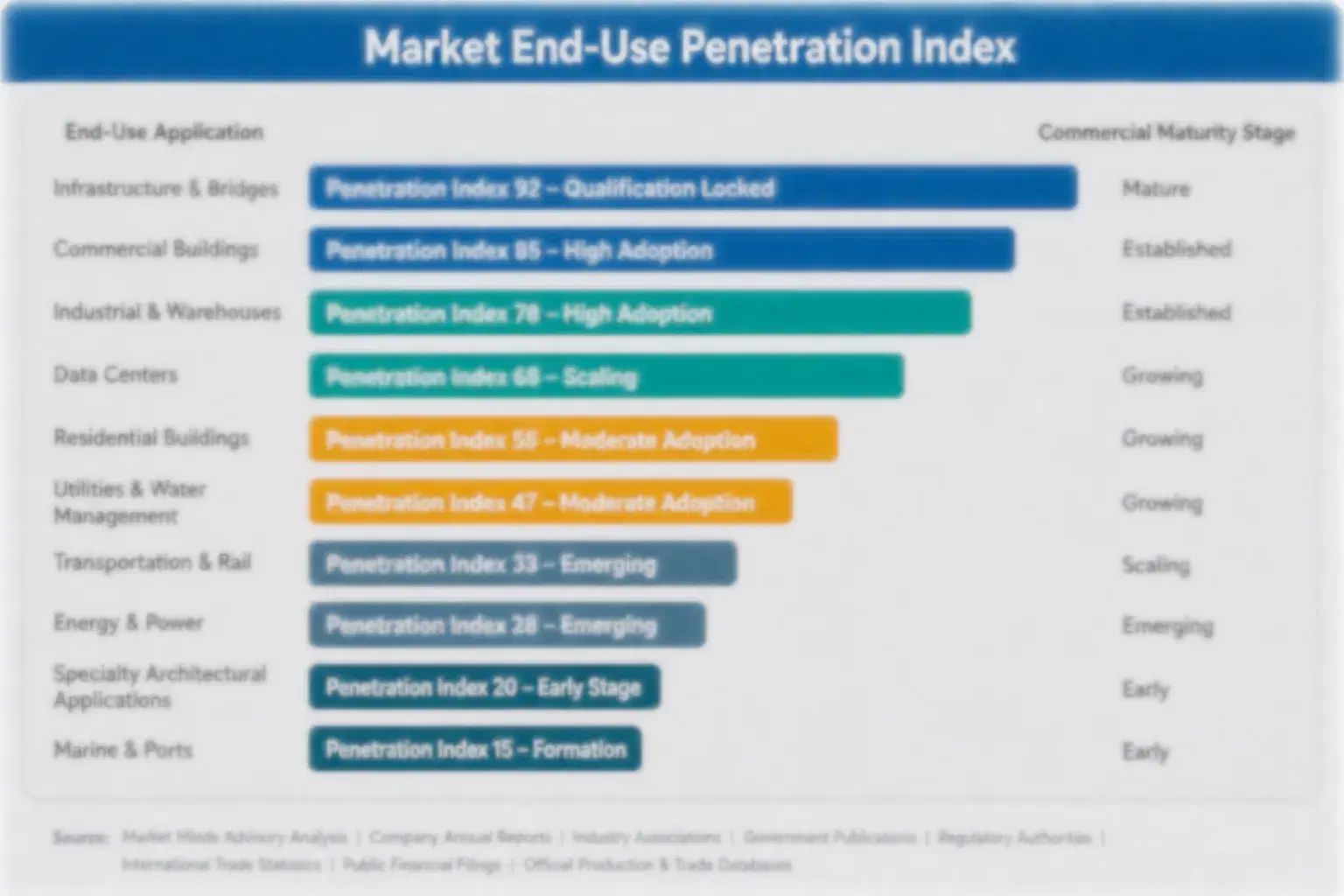
demand-for-fat-filled-milk-powder-in-eu-end-use-penetration-index-1789899015540

Regulatory Speed and Diversification Decide Winners

These are among the four positions where our research anticipates prominent divergence between winners and laggards over the coming forecast period. Each is grounded in the demand model, the regulatory perimeter, and the announced capacity pipeline.
01 / REGULATORY COMPLIANCE PRIORITY

Faster cross-border clearance will separate winning processors from laggards

EU food safety and origin-labeling authorities are tightening documentation requirements for dairy-blend ingredients, a bar smaller regional processors struggle to clear without dedicated compliance teams and established traceability systems built over years of regulatory experience. Processors that invest early in certification infrastructure capture disproportionate contracted volume relative to competitors still assembling paperwork shipment by shipment, cutting cross-border clearance time meaningfully and reducing working capital tied up in transit. This gap will widen further as regulatory scrutiny increases across additional import categories over the coming several years nationwide.
02 / CONFECTIONERY SEGMENT FORMULATION FOCUS

Compound chocolate formulation represents the largest margin opportunity

Sustained cocoa price inflation is pulling EU confectionery demand toward finely tuned vegetable-fat blend specifications that command meaningfully higher contract value than standardized commodity bakery-grade product sold through intermediaries and distributors. Processors building direct technical relationships with confectionery manufacturers are capturing this premium fastest, given their existing formulation expertise and dedicated technical sales infrastructure built specifically for this purpose. Smaller regional processors lacking comparable technical capability will find this opportunity considerably harder to capture profitably at meaningful scale nationwide over time.
03 / VEGETABLE FAT DIVERSIFICATION VALUE

Single-origin dependence on Southeast Asia carries genuine concentration risk

The EU's heavy reliance on Malaysian and Indonesian palm oil for the vegetable-fat component of fat filled milk powder leaves the entire supply chain exposed to any single country's export policy shift or weather-driven plantation disruption. Processors building relationships across multiple sourcing regions, including domestic rapeseed alternatives, are better positioned to weather supply interruption than those depending entirely on Southeast Asian palm oil for their core input needs. Expect diversification investment to accelerate meaningfully as recent cocoa volatility events remain fresh in buyer memory nationwide.
04 / EASTERN EUROPEAN COST COMPETITION

Polish blending capacity growth threatens established Western European incumbents

Polish dairy cooperatives are expanding blending infrastructure specifically to compete with established Dutch and German operations on cost, capturing both domestic confectionery accounts and cross-border export volume that Western European incumbents previously assumed was secure and defensible. This consolidation pressure falls hardest on mid-tier Western European processors lacking either cooperative-scale distribution or specialty certification, leaving them squeezed between larger integrated cooperatives and cost-competitive Eastern European entrants. Expect continued capacity investment across Poland's dairy processing sector over the coming several years nationwide.

Engagement Snapshot From the Field

A live engagement with an industry participant carrying material or product regulatory and market exposure ahead of a defining policy shift, showing how our research translates into a defensible multi-year portfolio strategy.
MARKET MINDS ADVISORY · CLIENT ENGAGEMENT SUMMARY
Demand for Fat Filled Milk Powder in EU Producer Strategic Portfolio Review and Transition Roadmap 2026·Investment Scenario on Demand for Fat Filled Milk Powder in EU Exposure Evaluation 2025-26
CLIENT PROFILE
The client is a mid-size regional confectionery manufacturer operating primarily in Western Europe, with established compound chocolate production but limited direct relationships with international fat filled milk powder suppliers, relying instead on domestic wholesalers for ingredient sourcing. Annual confectionery revenue was reported at approximately €140 million (client-reported, unverified by MMA), with ingredient costs representing a growing share of total product cost amid sustained cocoa price inflation.
STRATEGIC CHALLENGE
The manufacturer sought to reduce ingredient costs and improve supply reliability but lacked direct relationships with international vegetable-fat blend suppliers, leaving it dependent on domestic wholesaler markups and limited visibility into upstream sourcing risk affecting its core compound chocolate product lines amid sustained cocoa cost pressure squeezing already thin margins.
MMA APPROACH
MMA conducted primary research combining supplier landscape mapping, competitive benchmarking against peer confectionery manufacturers, and direct interviews with international traders to identify viable pathways for establishing direct sourcing relationships given the client's existing volume and certification capacity constraints across the EU internal market and its evolving regulatory compliance framework this cycle.
KEY FINDINGS
  1. Domestic wholesaler markups represented a meaningful share of total ingredient cost that direct sourcing relationships could substantially reduce over time across most contracted product lines.
  2. International suppliers required minimum annual volume commitments the client could meet only by consolidating purchases across its full confectionery product portfolio rather than individual lines.
  3. Certification and quality documentation requirements for direct import relationships exceeded the client's existing procurement team capacity without additional dedicated staffing and training investment.
  4. Customized blend formulation offered through direct supplier relationships could improve product consistency beyond what standardized commodity-grade powder currently delivered across flagship chocolate products.
CLIENT PROFILE
The client is a mid-size regional confectionery manufacturer operating primarily in Western Europe, with established compound chocolate production but limited direct relationships with international fat filled milk powder suppliers, relying instead on domestic wholesalers for ingredient sourcing. Annual confectionery revenue was reported at approximately €140 million (client-reported, unverified by MMA), with ingredient costs representing a growing share of total product cost amid sustained cocoa price inflation.
STRATEGIC CHALLENGE
The manufacturer sought to reduce ingredient costs and improve supply reliability but lacked direct relationships with international vegetable-fat blend suppliers, leaving it dependent on domestic wholesaler markups and limited visibility into upstream sourcing risk affecting its core compound chocolate product lines amid sustained cocoa cost pressure squeezing already thin margins.
MMA APPROACH
MMA conducted primary research combining supplier landscape mapping, competitive benchmarking against peer confectionery manufacturers, and direct interviews with international traders to identify viable pathways for establishing direct sourcing relationships given the client's existing volume and certification capacity constraints across the EU internal market and its evolving regulatory compliance framework this cycle.
KEY FINDINGS
  1. Domestic wholesaler markups represented a meaningful share of total ingredient cost that direct sourcing relationships could substantially reduce over time across most contracted product lines.
  2. International suppliers required minimum annual volume commitments the client could meet only by consolidating purchases across its full confectionery product portfolio rather than individual lines.
  3. Certification and quality documentation requirements for direct import relationships exceeded the client's existing procurement team capacity without additional dedicated staffing and training investment.
  4. Customized blend formulation offered through direct supplier relationships could improve product consistency beyond what standardized commodity-grade powder currently delivered across flagship chocolate products.
RECOMMENDED STRATEGY
Phase 1: Phase 1 (Months 1-3): Consolidate ingredient purchasing volume across all confectionery product lines to meet supplier minimum volume thresholds efficiently. Phase 2: Phase 2 (Months 4-8): Establish direct supply relationships with two international traders while building internal certification documentation capacity and staff training. Phase 3: Phase 3 (Months 9-15): Transition fully to direct sourcing and negotiate customized blend formulations for flagship compound chocolate product lines.
OUTCOME
Within fifteen months of implementing the phased strategy, the client reported ingredient cost savings of approximately 13% (client-reported, unverified by MMA), driven primarily by eliminated wholesaler markups and improved formulation consistency, while supply reliability improved measurably given the direct visibility into upstream sourcing conditions the new relationships provided.

Frequently Asked Questions

Foundational context covering the market sizes, CAGR, scope, country, region and competition that inform every finding below. This section is provided to cover basics and most often pre-purchase conversations, answered from the MMA Primary Research Dataset.

What is the current size of the Fat Filled Milk Powder Market in the EU?

EU fat filled milk powder demand was valued at approximately €900 million in 2025. Western Europe supplies the largest share of that volume through domestic blending capacity.

How large will the Fat Filled Milk Powder Market in the EU be by 2036?

The market is projected to reach approximately €1.70 billion by 2036, roughly 1.79 times its 2026 value, driven largely by cocoa cost substitution demand growth.

What is the CAGR for the Fat Filled Milk Powder Market in the EU 2026 to 2036?

The market is forecast to grow at a compound annual growth rate of 6.0% between 2026 and 2036, supported by cocoa cost pressure and coffee demand growth.

Which segment is growing fastest?

Chocolate and confectionery coatings are the fastest-growing segment, expanding at 9.5% annually, roughly 1.58 times the overall market rate, driven by rising cocoa cost inflation.

Who are the major companies in this market?

Leading participants include Interfood Group, Royal FrieslandCampina, Arla Foods, Lactalis Ingredients, and Fonterra, spanning large integrated dairy cooperatives and smaller specialty ingredient trading companies nationwide.

Which country is growing fastest?

Poland is the fastest-growing major country market, expanding at approximately 8.5% annually as its dairy processing sector rapidly builds blending capacity to compete on cost.

Report Segmentation Architecture

The full report scope spans multiple orthogonal segmentation dimensions, with cross-tabulated demand data provided for each dimension pair. Coverage extends further to regional breakdowns, trend trajectories, and the competitive detail needed to support segment-level decision-making.

By End-Use Application

  • Chocolate and Confectionery Coatings
  • Bakery and Biscuit Manufacturing
  • Beverage and Coffee Whitener Applications
  • Foodservice and Catering
  • Dairy Alternative and Recombined Dairy Products
  • Ice Cream and Frozen Desserts

By End-Use Industry

  • Chocolate and Confectionery Manufacturing
  • Bakery and Biscuit Production
  • Beverage and Coffee-Service Manufacturing
  • Dairy Processing and Recombination
  • Retail Private Label Manufacturing

By Commercial Dimension

  • Direct Integrated Cooperative Contracts
  • Specialty Ingredient Trader Channels
  • Customized Blend Specification Contracts
  • Standardized Commodity Purchasing

By Region

  • North America
  • Western Europe
  • East Asia
  • South Asia and Pacific
  • Latin America
  • Middle East and Africa
  • Eastern Europe

Scope, Methodology, and Coverage

Every figure in this report is reproducible from documented input assumptions. The scope below maps the historical period, the forecast horizon, the segmentation dimensions, and the countries covered, alongside the underlying primary and qualitative methodology.
Historical Period
2020 to 2025
Forecast Period
2026 to 2036
Base Year
2025 (USD billions; MMA Primary Research Dataset, September 2026)
Market Definition
This market covers fat filled milk powder, a dairy ingredient produced by blending skim milk powder with vegetable fat, sold into the EU's chocolate, confectionery, bakery, beverage, and recombined dairy manufacturing sectors. It excludes whole milk powder, infant formula ingredients, and finished consumer dairy products not manufactured using fat filled milk powder as an input.
Quantitative Units
USD millions (current prices); import volume in metric tons where applicable
Segmentation Dimensions
By End-Use Application; By End-Use Industry; By Commercial Dimension; By Region
Regions Covered
North America, Western Europe, East Asia, South Asia and Pacific, Latin America, Middle East and Africa, Eastern Europe
Countries Covered
USA, China, Germany, France, UK, Japan, South Korea, India, Australia, Canada, Brazil, Mexico, Indonesia, Vietnam, Thailand, Malaysia, UAE, Saudi Arabia, South Africa, Nigeria, Turkey, Poland, Netherlands, Italy, Spain, Sweden, Switzerland, Argentina, Colombia, Singapore, and additional markets relevant to this sector
Key Companies Profiled
Interfood Group BV, Royal FrieslandCampina NV, Arla Foods amba, Lactalis Ingredients, Fonterra Co-operative Group Limited, Kerry Group plc, Glanbia plc, Sachsenmilch Leppersdorf GmbH, Olam Agri, Milk Specialties Global, Emmi AG, Fayrefield Foods Ltd, Danone S.A., Nestlé S.A., Savencia Fromage & Dairy, DMK Group (Deutsches Milchkontor), Saputo Inc, Zott SE & Co. KG, Hochwald Foods GmbH, Mlekovita
Quantitative Methodology
Primary survey, n=3,800 respondents, Q4 2025, six countries; demand-side model with trade association cross-validation
Qualitative Methodology
47 expert interviews, Q4 2025; applied to validate demand model assumptions, identify emerging dynamics, and assess competitive positioning
Report Format
PDF and XLSX data workbook (Word format preview document)
Publisher
Market Minds Advisory
Report Code
MMA-2026-AGR-101
Published
September 2026
Contact
sales@marketmindsadvisory.com | www.marketmindsadvisory.com

Purchase the full Demand for Fat Filled Milk Powder in EU Report (2026 to 2036).

The full report delivers a comprehensive assessment of EU fat filled milk powder demand, spanning end-use application segmentation, sourcing architecture, and competitive benchmarking across integrated cooperatives and specialty ingredient traders nationwide. It includes detailed forecast modeling through 2036, input cost sensitivity analysis, and portfolio margin benchmarking across commodity, premium, and next-generation tiers. The analysis also covers EU regulatory and origin-labeling dynamics shaping supplier market access. Buyers receive full access to underlying primary survey data and expert interview transcripts supporting every quantitative claim in the analysis.
Ten-year volume and value forecasts by segment
Seven-region sourcing origin and CAGR breakdown
Competitive benchmarking of top 20 suppliers
Input cost sensitivity and mitigation analysis
Portfolio margin tiering by product category
Primary survey and expert interview data access

Built For The People Who Decide

From boardroom strategy to bench-side execution, this report is read cover-to-cover by leaders shaping the next decade of their industry, turning demand scenarios, market dynamics and valuation benchmarks into decisions.
CXOs/ Presidents/ VPs/ Managers
M&A and Corporate Development
Strategy Teams and R&D Heads
Procurement and Product Directors
Regulatory and Compliance Leaders
Investor Relations and Equity Analysts