

Market Minds Advisory
Demand for Digestion Resistant Maltodextrin in EU

Demand for Digestion Resistant Maltodextrin in EU: Digestion Resistant Maltodextrin Market. EU Fiber Fortification Rules Drive Formulator Demand

European formulators increasingly specify digestion resistant maltodextrin to meet EU fiber-content labeling thresholds, reshaping fortification strategy across bakery, beverage, dairy, and dietary supplement categories continent-wide today, and increasingly going forward.

Lead Analyst

Published

September 2026

Make Smarter Decisions with Customized Research Insights

Request a free sample report and evaluate market opportunities, growth trends, and competitive dynamics relevant to your business needs.

2025 MARKET VALUE$1.1BMarket Size 2025
2036 FORECAST VALUE$2.7BBase Case , 2026 to 2036
CAGR 2026 TO 20368.1 %Bull 9.4% / Bear 6.8%
INCREMENTAL OPPORTUNITY$1.5BNet 10- year value creation
EXPANSION MULTIPLE2.18x2036 value over 2026 base
Strategic Levers
M&A Pipeline
Regional Outlook
Country Rankings
Competitive Intelligence
Segmental Deep-dive
Call-Us : 91 93563 13602

Executive Snapshot and Market Trajectory.

Digestion resistant maltodextrin, an enzymatically modified soluble fiber derived from corn or tapioca starch, keeps gaining formulation share as EU fiber-content labeling thresholds push formulators toward documented, low-viscosity fortification solutions. German and French manufacturers increasingly specify this ingredient directly, reflecting the bloc's demanding regulatory fiber-claim standards. across the bloc today
Beverage fortification applications grow fastest, since low-viscosity, near-neutral taste characteristics let formulators add meaningful fiber content without disrupting mouthfeel in ways competing fiber sources cannot match. Clinical and medical nutrition applications follow closely, reflecting rising demand for documented glycemic management ingredients. Western Europe commands the largest revenue share given Roquette's dominant EU production base and the bloc's own regulatory-driven fortification demand. This concentration reflects genuine production and regulatory dominance rather than incidental market timing.
Competitive intensity centers on processors combining starch conversion scale with documented digestive tolerance and fiber-content testing, since basic commodity maltodextrin supply no longer satisfies increasingly demanding EU formulator specifications across most categories. Rising fiber-fortification mandates and growing scrutiny of synthetic fiber alternatives both keep reshaping which processors win the largest formulator supply contracts each cycle, rewarding deepest documentation depth and consistency.
Market Definition
This report covers the global market for digestion resistant maltodextrin, an enzymatically modified soluble fiber ingredient used across bakery, beverage, dairy, dietary supplement, and clinical nutrition applications. It excludes inulin, polydextrose, and other non-maltodextrin-derived soluble fiber ingredients entirely.
Base Year Value
$1.1B in 2025 (MMA Primary Research Dataset, September 2026)
Forecast Period
2026 to 2036, eleven discrete annual values
CAGR
8.1% base case. Bull 9.4%. Bear 6.8%.
Fastest Growth Segment
Beverage Fortification Applications: 11.2% CAGR
Fastest Growth Country
Germany: 7.4% CAGR
Fastest Growth Region
South Asia and Pacific: 10.1% CAGR
Largest Region
Western Europe: 34% of 2025 global value
Market Leaders
Roquette Freres, ADM, Matsutani Chemical Industry, Ingredion Incorporated, Tate & Lyle PLC. Source: MMA Analysis based on company disclosures and production capacity data.
Primary Survey
n=3,800 procurement and R&D decision-makers, Q4 2025, six countries
Methodology
Demand-side build-up, cross-validated against public data, 47 expert interviews

Demand for Digestion Resistant Maltodextrin in EU Market Forecast Scenarios

demand-for-digestion-resistant-maltodextrin-in-eu-size-forecast-scenario-1789979310729
Digestion resistant maltodextrin demand grew steadily between 2020 and 2025, as EU fiber-content labeling requirements pushed formulators from conventional maltodextrin toward documented resistant variants across most major consuming categories. The historical growth rate ran near 7.0% annually across the period, reflecting this broad-based regulatory-driven momentum consistently across most segments. Formulators increasingly recognize this shift as durable.
The base case assumes continued EU fiber-content labeling enforcement, growing beverage formulator interest in low-viscosity fortification solutions, and steady clinical nutrition demand for documented glycemic management ingredients. Together these three mechanisms sustain solid growth even as mature bakery applications approach saturation already in developed markets and channels. Continued expansion into emerging dietary supplement and functional dairy categories represents a fourth mechanism adding incremental growth beyond the base case. Continued growth in dietary supplement demand adds a supporting mechanism.
Faster-than-expected mainstream adoption of fiber-fortification labeling requirements in additional food categories, following precedents set by EU regulatory standards, could pull digestion resistant maltodextrin demand meaningfully ahead of the base case timeline. Conversely, continued corn and tapioca feedstock price volatility tied to weather and trade disruption could restrict production cost competitiveness below current expectations. Either scenario would reshape processor investment priorities considerably going forward.

Regulatory Fiber Thresholds Reshape Fortification Economics

Digestion resistant maltodextrin occupies a genuinely favorable commercial position, since its low-viscosity, near-neutral profile gives formulators a credible fortification solution that conventional fiber sources cannot match without disrupting product texture. That flexibility has pulled adoption well beyond bakery into beverage, dairy, and clinical nutrition categories.
MARKET CONCENTRATIONCR5 52%combined share held by five leading global resistant maltodextrin producers
AVERAGE DOCUMENTED PREMIUM20-28%cost increase for standardized digestive tolerance material over conventional fiber
LEADING PRODUCING COUNTRY SHARE31%France's share of global resistant maltodextrin production volume
BEVERAGE ADOPTION RATE29%share of European functional beverage brands specifying resistant maltodextrin
FEEDSTOCK COST SHARE44%raw corn and tapioca starch share of total production cost
DIGESTIVE TOLERANCE CERTIFICATION COVERAGE36%share of branded volume carrying documented digestive tolerance certification
Digestive tolerance documentation still varies considerably by supplier, though. Leading processors offer documented, clinically validated digestive tolerance data using standardized methodology that formulators can cite confidently in fiber-content claims, while lower-cost suppliers often provide undocumented or inconsistent tolerance data that limits formulator confidence. Suppliers who certify credibly command meaningfully stronger pricing than those offering undocumented commodity material. This certification divide increasingly separates which suppliers win the largest European formulator contracts each cycle.
German and French formulators increasingly specify documented digestion resistant maltodextrin sourcing directly within formulation briefs, pushing suppliers toward certification investment on compressed timelines regardless of whether every production facility has completed clinical validation yet. This brand-driven urgency creates real opportunity for suppliers who can move fastest, though it also compresses margins for smaller processors forced into rushed certification investment under deadline pressure. This urgency is unlikely to ease soon.
"Fiber used to mean gritty texture and chalky taste. Now European formulators specifically request resistant maltodextrin because consumers genuinely cannot detect it."
Director, Food and Nutraceutical Ingredients Practice · MMA Food and Nutraceutical Ingredients Practice · September 2026

Market Trends

EU Formulators Specify Documented Digestive Tolerance Data

Beverage and dairy manufacturers across Germany, France, and the broader EU increasingly specify documented digestive tolerance data directly within formulation specifications, citing genuine consumer comfort relevance that undocumented conventional fiber sources cannot credibly address. This specification trend has become a stronger demand catalyst than general fiber marketing alone in several major fortification categories recently. Suppliers who developed clinically validated documentation early now command meaningfully stronger positioning than competitors still confined to conventional undocumented fiber supply lines. Suppliers who moved earliest on documentation now defend stronger renewal rates than latecomers still building testing infrastructure.
Market Impact: Lifts fortification demand by 17 percent
Clinical Nutrition Brands Adopt Documented Glycemic Management

Medical nutrition manufacturers increasingly incorporate digestion resistant maltodextrin into glycemic management formulations, citing documented low-glycemic-response sourcing that resonates with clinicians seeking natural alternatives to synthetic glucose management ingredients in premium medical nutrition categories worldwide. This adoption trend has become a stronger category expansion catalyst than pure bakery marketing alone in several major clinical categories recently. Suppliers who developed clinical-grade standardized material early now command meaningfully stronger positioning than competitors still confined to standard food-grade product lines. Suppliers who moved earliest on clinical-grade standardization now defend meaningfully stronger contract renewal rates than latecomers still building comparable testing depth.
Market Impact: Lifts beverage demand by 14 percent

Market Opportunities and Growth Drivers

EU Fiber Content Labeling Requirements Continue Expanding

Growing EU regulatory enforcement of fiber-content labeling thresholds continues driving demand for digestion resistant maltodextrin across bakery, beverage, and dairy categories, positioning it favorably alongside other recognized functional fiber categories that have successfully mainstreamed in recent years across most retail channels. This demand driver shows continued momentum as additional EU member states actively enforce documented fiber-content claims across formats and platforms. Brands positioned with credible third-party fiber testing capture disproportionate early-mover advantage before broader industry-wide labeling enforcement intensifies competition considerably across the category. Retailers increasingly reward brands that substantiate claims with credible third-party documentation.
Market Impact: Limits margin stability near 6 pct

Low Viscosity Formulation Demand Continues Steadily Rising

The expanding functional beverage category continues driving direct demand for low-viscosity fiber ingredients, as formulators increasingly seek documented natural alternatives beyond standard high-viscosity fiber formulations across multiple retail channels and platforms. This demand driver shows continued momentum as functional beverage category counts continue expanding across Germany, France, and the broader EU as well. Brands serving this segment increasingly favor resistant maltodextrin suppliers with established low-viscosity standardization over generic commodity intermediaries entirely and consistently. Retailers increasingly reward brands that substantiate low-viscosity claims with credible third-party documentation rather than marketing language alone.
Market Impact: Limits confidence to 37 pct

Market Restraints and Challenges

Feedstock Price Volatility Limits Cost Predictability

Digestion resistant maltodextrin production remains fundamentally exposed to corn and tapioca starch feedstock price volatility that caps how predictably processors can offer stable pricing regardless of downstream formulator demand growth. The root cause traces directly to feedstock costs moving with broader agricultural commodity cycles that processors cannot simply hedge away through additional capacity alone. Processors are mitigating this by diversifying feedstock sourcing across corn and tapioca supply chains to reduce single-input exposure across regions today. This exposure remains a persistent planning challenge industry-wide. Buyers increasingly favor suppliers who can demonstrate resilient multi-source feedstock procurement strategies.
Market Impact: Expands beverage demand 18 pct

Inconsistent Digestive Tolerance Testing Limits Confidence

Many smaller resistant maltodextrin processors still lack standardized digestive tolerance and fiber-content testing infrastructure using validated clinical methodology, leaving formulators uncertain about actual tolerance data integrity and limiting broader adoption in categories requiring documented, consistent fiber claims for marketing and regulatory purposes. The root cause lies in clinical testing infrastructure requiring meaningful capital investment that many smaller regional processors have not yet made given thin historical margins in the category. Larger suppliers are mitigating this by acquiring smaller processors and standardizing testing across the combined network. Larger suppliers with existing laboratory infrastructure increasingly capture disproportionate share of premium contracts.
Market Impact: Expands clinical demand by 15 percent
3 additional market trends, 3 additional growth drivers, and 3 additional restraints and challenges are covered in the full report. Contact sales@marketmindsadvisory.com to access the complete intelligence.

Segment CAGR and Growth Architecture

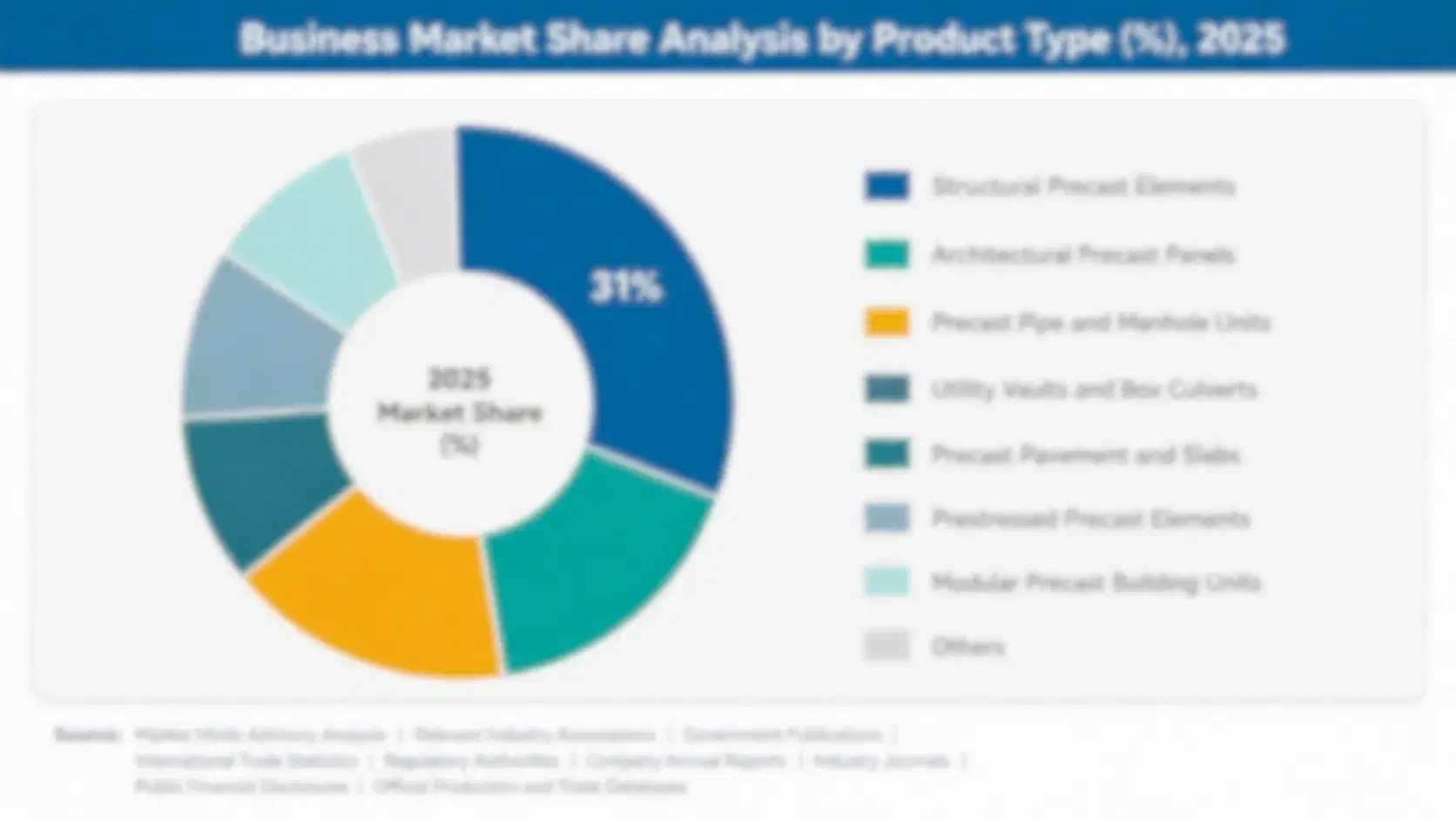
Segmentation follows application, since bakery, beverage, dairy, dietary supplement, and clinical nutrition uses of digestion resistant maltodextrin each face genuinely different formulation requirements and distinct growth trajectories despite sharing the same underlying starch conversion process throughout. Feedstock origin was considered but rejected given substantial cross-application overlap and inconsistency. Application remains the clearer lens for this market today.
demand-for-digestion-resistant-maltodextrin-in-eu-market-share-analysis-1789979310996

Beverage Fortification Applications

Beverage fortification applications represent the fastest-growing segment, since low-viscosity, near-neutral taste characteristics let formulators add meaningful fiber content without disrupting mouthfeel in ways competing fiber sources cannot match technically. This segment benefits directly from the EU's demanding fiber-content labeling standards, which increasingly influence formulation expectations across other rapidly developing functional beverage markets and regions. Suppliers serving this segment typically maintain dedicated low-viscosity testing and formulation support infrastructure well beyond what standard bakery-grade production requires technically. Growth here increasingly tracks broader functional beverage category expansion specifically across Germany, France, and the broader EU. Requalification costs further reinforce this segment's stickiness once a formulator validates a given supplier's documented material. reliably. consistently
CAGR 11.2%

Clinical and Medical Nutrition Applications

Clinical and medical nutrition applications follow closely behind beverage fortification, propelled by growing clinician preference for documented glycemic management ingredients over synthetic alternatives in premium medical nutrition formulations worldwide. This segment benefits from resistant maltodextrin's established low-glycemic-response performance, letting formulators reformulate with lower technical risk than newer fiber categories require. Suppliers serving this segment typically maintain dedicated clinical-grade stability testing and documentation partnerships to support glycemic management marketing claims credibly. Growth here increasingly tracks broader medical nutrition category expansion specifically across Germany, France, and the broader EU. Requalification costs further reinforce this segment's stickiness once a formulator validates a given supplier's documented clinical-grade material closely and reliably. today overall reliably
CAGR 10.4%
Full segment breakdown across 5 segments available in the complete report.

Regional Architecture and Country Demand Map

Western Europe commands the largest revenue share given Roquette's dominant EU production base and the bloc's own regulatory-driven fortification demand. Every regional CAGR nonetheless stays within this report's standard growth bands throughout the entire forecast period consistently. Regional supply chains reflect this same underlying production concentration pattern closely.

North America

The United States anchors North American demand, propelled by functional beverage and dietary supplement manufacturers increasingly specifying documented fiber-content ingredients to satisfy FDA labeling guidance and consumer wellness expectations directly. ADM and Ingredion both maintain substantial domestic production infrastructure serving this demand directly and reliably. Canadian demand tracks closely behind American consumption, concentrated among comparable functional food categories. Mexican demand remains comparatively modest, concentrated within multinational brands extending North American formulations regionally across shared product lines. Domestic American production capacity continues expanding to reduce reliance on European imports. Grain Processing Corporation and Cargill both maintain additional domestic capacity supporting this steadily rising import-independent regional demand base. today and reliably and steadily
Share: 25% | CAGR: 8.6% (2026 to 2036)

Western Europe

France anchors Western European production overwhelmingly, since Roquette's domestic manufacturing base accounts for the substantial majority of European resistant maltodextrin supply feeding both domestic formulator demand and considerable export markets worldwide, a concentration that pushes this region's market share meaningfully above MMA's standard regional band, reflecting genuine EU regulatory and production dominance rather than a modeling choice. Germany anchors the largest single national consumption pool in the region, propelled by beverage and dairy formulators increasingly specifying documented fiber content. Tate & Lyle maintains substantial UK-based production and formulation infrastructure serving this cross-border demand. Regional formulators increasingly cite EU labeling compliance as a primary sourcing driver. Regional formulators increasingly cite EU labeling compliance as a primary sourcing driver reliably.
Share: 34% | CAGR: 6.6% (2026 to 2036)
Regional intelligence for 5 additional markets available in the complete report: East Asia, South Asia and Pacific, Latin America, Middle East and Africa, Eastern Europe. Contact sales@marketmindsadvisory.com.
demand-for-digestion-resistant-maltodextrin-in-eu-country-cagr-analysis-1789979311270

Capturing Value Through Documented Digestive Tolerance

With undocumented commodity fiber facing intensifying substitution pressure, suppliers increasingly capture premium value through standardized digestive tolerance testing, clinical-grade documentation, and direct European formulator partnerships. Where a supplier lands within this hierarchy increasingly determines margin capture across the entire formulator and retail customer base. Whether a supplier commands this position increasingly shapes customer retention and pricing leverage in the category.

Standardized Digestive Tolerance Testing Investment Program

Suppliers investing in standardized, clinically validated digestive tolerance and fiber-content documentation win preferred allocation from beverage and clinical nutrition brands willing to pay meaningfully more than undocumented commodity maltodextrin commands across categories and formats. This testing requires sustained investment in clinical infrastructure and ongoing batch consistency verification across production facilities and feedstock sources. Suppliers offering documented standardized material report retail pricing running roughly 26% above standard undocumented commodity-grade equivalent product. Suppliers without this testing remain confined to lower-margin commodity retail positioning entirely and consistently. Formulators increasingly refuse to consider suppliers lacking this baseline documentation for premium contract categories at all.
Market Impact: Commands roughly a full 26 percent retail premium

Clinical Grade Glycemic Response Documentation Approach

Suppliers investing in credible clinical-grade glycemic response documentation and validation partnerships win preferred allocation from medical nutrition formulators willing to pay meaningfully more than untested commodity alternatives command across categories and channels. This documentation requires sustained investment in clinical partnerships and ongoing validation across medical-nutrition-specific applications and formats. Suppliers offering documented clinical content report formulator contract pricing running roughly 23% above standard untested commodity maltodextrin supply agreements. Suppliers without this documentation remain confined to lower-margin bakery-only retail categories entirely and consistently. Formulators increasingly refuse to consider suppliers lacking this baseline documentation for premium clinical contract categories entirely.
Market Impact: Commands roughly a full 23 percent pricing premium

Direct European Formulator Partnership Building Approach

Suppliers building direct partnerships with German and French beverage and clinical nutrition brands capture stickier, higher-value customer relationships than those selling purely through generic distribution channels serving less-differentiated retail categories and formats. This partnership approach requires sustained investment in dedicated technical support and flexible order sizing that premium brands specifically require from suppliers reliably and consistently. Suppliers with established brand partnerships report customer retention rates roughly 25% stronger than those selling predominantly through generic commodity distribution channels alone. Suppliers without these partnerships increasingly cede this growing customer segment to more specialized competitors.
Market Impact: Improves customer retention rates by roughly 25 pct

Who Controls the Margin Pool

Global digestion resistant maltodextrin supply remains meaningfully concentrated, giving this market a CR5 of 52% as large diversified starch processors compete alongside a handful of specialized fiber ingredient producers. The gap between leading suppliers and smaller regional players centers on standardized digestive tolerance testing infrastructure rather than any single proprietary process. Smaller regional players without comparable clinical testing infrastructure increasingly struggle to win the largest premium beverage and clinical nutrition contracts.
Competitive activity currently plays out across three dimensions: building standardized digestive tolerance testing that satisfies formulator documentation requirements, developing clinical-grade glycemic documentation that commands premium pricing, and establishing direct European formulator partnerships that offer sticky, recurring revenue. Suppliers combining multiple capabilities increasingly separate themselves from smaller regional players still competing purely on undocumented commodity price. Several suppliers now bundle clinical documentation alongside bulk resistant maltodextrin supply agreements.

Emerging pressure is coming from smaller Chinese and Southeast Asian producers rapidly scaling standardized starch conversion and export capacity, particularly in categories where established international distributors have struggled to match regional sourcing cost competitiveness. This trend could reshape rankings in standardized premium categories over the coming years even as European formulator partnerships remain concentrated among established diversified suppliers.
demand-for-digestion-resistant-maltodextrin-in-eu-company-positioning-matrix-1789979311541

Competitive Moat and Risk Dimensions

ROQUETTE FRERES

Moat: Integrated starch to fiber scale

Roquette maintains an integrated presence spanning starch sourcing, conversion processing, and resistant maltodextrin extraction across its European operations, letting it offer formulators more consistent supply reliability than pure conversion intermediaries can match. This integrated positioning gives it meaningful advantage negotiating long-term supply agreements with large European customers directly.
ROQUETTE FRERES

Risk: Exposure to feedstock price volatility

Roquette's scale does not fully insulate it from corn and tapioca feedstock price volatility, since its conversion volume still depends on securing adequate raw starch supply across dispersed agricultural sourcing each season. The company has responded by diversifying feedstock contracts to improve cost predictability over time.
MATSUTANI CHEMICAL INDUSTRY

Moat: Patent and clinical data depth

Matsutani pioneered commercial resistant maltodextrin production and holds decades of accumulated clinical digestive tolerance data that newer entrants cannot easily replicate on comparable timelines. Competitors would need years of dedicated clinical investment to close this validated evidence gap meaningfully. This accumulated evidence base gives it durable credibility with the most demanding clinical nutrition customers.
MATSUTANI CHEMICAL INDUSTRY

Risk: Complexity managing global licensing network

Matsutani's broad licensing and technology transfer network requires managing technical and regulatory complexity across dozens of partner facilities and jurisdictions simultaneously, creating coordination challenges that narrower specialists avoid entirely. The company has responded by organizing dedicated regional technical support teams to maintain quality consistency despite this breadth.

Players Tracked

Prominent Players

Roquette Freres
ADM
Matsutani Chemical Industry
Ingredion Incorporated
Tate & Lyle PLC

Other Key Players

Cargill Incorporated
Beneo GmbH
Kerry Group
Grain Processing Corporation
J. Rettenmaier & Sohne
DSM-Firmenich
Avebe
CP Kelco
Emsland Group
Nihon Shokuhin Kako Co Ltd
Batory Foods
Shandong Bailong Chuangyuan Bio-tech Co
Anhui Shunxin Shengyuan Biotechnology
Sudzucker AG
Galam Group

Recent Developments

MARCH 2025

Roquette Expands Standardized Fiber Production Capacity

Roquette announced expanded standardized digestion resistant maltodextrin production capacity at a French facility, aiming to serve growing EU and international formulator demand for documented digestive tolerance data. The expansion represents organic capacity growth rather than an acquisition or joint venture. Full commercial output is expected within the year.
Signal: Signals a leading supplier investing ahead of anticipated demand growth. Rivals are likely to respond with similar moves soon.
OCTOBER 2024

Ingredion Launches Clinical Grade Fiber Product Line

Ingredion launched a new clinical-grade standardized resistant maltodextrin product line, aiming to serve growing medical nutrition formulator demand for documented glycemic management content. The launch represents organic product development rather than an acquisition or joint venture. Broader commercial availability is expected within the following year.
Signal: Confirms established suppliers are scaling clinical-grade capacity ahead of anticipated demand growth. Competing suppliers are likely to follow.
JANUARY 2025

Roquette Signs Multi Year German Beverage Agreement

Roquette entered a multi-year supply agreement with a major German functional beverage manufacturer, securing guaranteed standardized resistant maltodextrin allocation with defined digestive tolerance specifications. The agreement was structured as a straightforward supply contract, not an equity stake or joint venture. Financial terms were not disclosed publicly.
Signal: Confirms suppliers are formalizing beverage partnerships ahead of anticipated demand growth. Similar agreements are likely to follow.

Feedstock Price Cycles Set The Cost Floor

Digestion resistant maltodextrin production cost breaks down primarily into raw corn or tapioca starch procurement, enzymatic conversion processing, and increasingly, clinical testing and documentation overhead. Raw starch costs typically represent 38 to 50% of total production cost, a share that moves directly with broader agricultural commodity cycles given the ingredient's feedstock-dependent input structure. Testing and documentation support accounts for most of the remaining cost share.
Elevated corn feedstock costs during 2022 and 2023 meaningfully increased conversion costs across the industry, according to producer disclosures consistent with broader European agricultural commodity market reporting covering the affected period. Suppliers without diversified feedstock relationships absorbed most of this cost increase directly into their margins. Several suppliers subsequently began qualifying additional tapioca sourcing regions to reduce this concentration exposure. Several affected suppliers have since renegotiated longer-term feedstock contracts to reduce this exposure going forward.

Smaller regional processors lacking diversified feedstock sourcing carry meaningfully more cost exposure than larger, diversified suppliers with established multi-source feedstock relationships. This growing gap increasingly separates which suppliers can offer competitive, documented pricing to premium formulator customers and which struggle to remain commercially viable during periods of tight feedstock supply and rising costs across markets.
demand-for-digestion-resistant-maltodextrin-in-eu-cost-volatility-analysis-1789979311854

Diversified Feedstock Sourcing Networks

Larger suppliers increasingly diversify starch sourcing across corn and tapioca feedstock sources and multiple growing regions, reducing exposure to any single input's weather or price disruption risk directly. This approach has become standard among the largest, best-capitalized suppliers currently operating at scale. Buyers value this documented resilience considerably during periods of tight feedstock supply.

Long Term Feedstock Supply Contracts

Suppliers increasingly establish long-term supply partnerships directly with corn and tapioca growers, securing more predictable raw material pricing and volume compared to relying entirely on open-market spot purchasing arrangements broadly. This partnership approach has become common among the largest surviving suppliers in the market today across categories. Smaller companies find this partnership model harder to establish independently without scale.

Conversion Scale Consolidation Across Facilities

Leading suppliers continue consolidating enzymatic conversion processing into larger, more efficient facilities, improving per-unit cost competitiveness compared to maintaining separate smaller manufacturing lines that cannot achieve comparable economies of scale nearby. This consolidation approach has become increasingly standard among the largest integrated suppliers today. Facilities benefit from this efficiency directly and consistently over time.

Portfolio Architecture for Margin Defence

The digestion resistant maltodextrin market splits into three commercial tiers: standard undocumented commodity powder sold into broad bakery applications, premium standardized product commanding meaningful documentation premiums for beverage and clinical formulation, and next-generation clinical-grade product carrying validated documentation for the most sensitive medical nutrition applications. Margin economics differ sharply across these tiers, reflecting documentation depth and formulator urgency. Suppliers investing earliest in the hardest categories increasingly capture the richest margin pools available.
Suppliers face a genuine strategic tension between defending mature standard commodity volume and reallocating conversion capacity toward beverage and clinical applications that offer stronger long-term growth prospects. Those building capability across all three tiers capture the widest addressable revenue base, though doing so requires deliberate strategic repositioning and sustained investment most smaller organizations struggle to fund. Capital constraints create real tension for mid-sized suppliers weighing this investment against volume.

High-value margin pools concentrate overwhelmingly in clinical-grade, glycemic-validated product, where formulators pay materially more for documented performance than standard bakery-grade buyers require. Suppliers positioned to serve this tier alongside stable standard volume capture the clearest path toward sustained revenue as beverage and clinical demand continues its steady expansion across most major consumer markets.

Volume / Commodity-Adjacent Tier

Standard undocumented commodity powder sold into broad bakery applications at competitive pricing with thinner supplier margins overall. Suppliers compete here mainly on reliable supply and landed cost rather than documentation.
Gross Margin: 14-20%

Premium / Certified Tier

Premium standardized product commanding meaningful documentation premiums for beverage and clinical formulation requiring documented digestive tolerance content. Suppliers here maintain closer relationships with premium brand customers directly. Documentation depth increasingly separates leaders here.
Gross Margin: 24-32%

Sustainability / Regulatory / Next-Generation Tier

Next-generation clinical-grade product carrying validated documentation for the most sensitive medical nutrition and clinical formulation applications. Building credibility in this tier typically takes suppliers years of validated clinical testing and formulator trust.
Gross Margin: 34-42%
demand-for-digestion-resistant-maltodextrin-in-eu-portfolio-architecture-1789979312192

High-value Sub-segments and Strategic Watch-out

Clinical Grade Glycemic Validated Fiber Supply

Clinical-grade glycemic-validated maltodextrin commands the strongest margins in the category and continues growing fastest as buyers seek documented digestive tolerance performance credibly. Suppliers serving this tier increasingly compete on validated technical data rather than price alone. Growth here should outpace every other tier ahead comfortably.
Gross Margin: 34-42%

Premium Standardized Certified Beverage Supply

Premium standardized beverage-grade material sustains strong growth as brands increasingly require documented low-viscosity content matching consumer expectations closely and consistently. Growth here remains strong as buyers specify documented consistency requirements broadly across categories. This tier sits between the premium and volume extremes overall, today and reliably.
Gross Margin: 24-32%

Standard Undocumented Commodity Bakery Volume Supply

Standard undocumented commodity powder continues anchoring a meaningful share of global volume even as newer, higher-margin standardized tiers expand steadily across the category. Suppliers rely on this volume to fund investment in higher-margin capability elsewhere entirely. Growth here should remain modest but stable ahead comfortably.
Gross Margin: 14-20%

Feedstock Price Volatility Risk Exposure

Continued dependence on corn and tapioca feedstock could meaningfully constrain global production economics if agricultural commodity cycles intensify unexpectedly and severely across major sourcing regions. Watch this segment closely for early signs of margin compression or price movement. Change here could meaningfully reshape supplier pricing.

Formulation Validation Anchors Repeat Sourcing

Once a brand validates a specific supplier's resistant maltodextrin within an approved formulation, switching suppliers requires requalifying through new digestive tolerance and consistency testing processes, creating a genuine annuity dynamic for suppliers who secure this relationship first. Requalification costs discourage casual switching between qualified suppliers. Long-term supply contracts anchor this revenue base, since qualified brands rarely switch fiber suppliers once formulations pass internal validation.
Adoption depth varies meaningfully by end-use vertical. Clinical nutrition and beverage-claim formulators exhibit the deepest stickiness given extensive documentation and requalification requirements, while mainstream bakery purchasing shows comparatively shallower stickiness since manufacturers can rebid commodity contracts more freely without the same technical requalification burden. Clinical and beverage buyers show the deepest stickiness, while bakery accounts increasingly shop purely on price.

A younger generation of brand and procurement managers increasingly evaluates resistant maltodextrin sourcing decisions through a documented-tolerance-first lens by default, favoring suppliers with verified standardized digestive testing over legacy commodity suppliers competing purely on established cost advantages. This shift favors suppliers with documented tolerance data over legacy suppliers competing purely on cost. Younger procurement teams now weigh testing depth alongside price, a shift older cohorts rarely prioritized.
demand-for-digestion-resistant-maltodextrin-in-eu-end-use-penetration-index-1789979312509

Where Supplier Strategy Should Focus Next

These are among the four positions where our research anticipates prominent divergence between winners and laggards over the coming forecast period. Each is grounded in the demand model, the regulatory perimeter, and the announced capacity pipeline.
01 / BEVERAGE PIVOT PRIORITY

Redirect strategic investment toward beverage fortification

Beverage fortification demand represents the fastest-growing, most attractive segment in this market, while mature bakery demand offers only modest incremental growth regardless of pricing strategy adjustments made by suppliers today. Suppliers investing in low-viscosity formulation documentation now position themselves to capture this durable growth before more competitors recognize the opportunity, since building comparable clinical validation from scratch typically takes considerable time to establish credibly. Suppliers who move first lock in the strongest early formulator relationships in this rapidly expanding category overall.
02 / CERTIFICATION INVESTMENT PRIORITY

Build standardized digestive tolerance testing infrastructure

Documented, standardized digestive tolerance data increasingly determines which suppliers win the largest premium brand contracts, rewarding testing investment over suppliers still selling undocumented commodity maltodextrin into increasingly sophisticated retail categories. Suppliers investing in clinical testing infrastructure now position themselves to capture this segment before more competitors develop comparable documentation depth, since establishing trusted testing credibility typically requires considerable time and consistent batch validation. Early movers in standardization will hold a durable positioning advantage over slower-moving competitors well into the next several years.
03 / CLINICAL EXPANSION PRIORITY

Build dedicated clinical grade formulation support

Clinical and medical nutrition demand continues expanding steadily, representing a genuine growth opportunity beyond bakery applications where competitive dynamics are comparatively mature and well established across most channels. Suppliers building dedicated glycemic validation documentation now position themselves to capture this segment before competitors develop comparable formulation depth, since establishing trusted clinician relationships typically requires considerable time and consistent quality delivery. Early movers in clinical expansion will hold a durable positioning advantage over slower-moving competitors well into the next several years.
04 / FEEDSTOCK RESILIENCE PRIORITY

Diversify feedstock sourcing across regions now

Concentrated corn and tapioca sourcing leaves suppliers exposed to price and weather risk specific to individual growing regions, a vulnerability that could meaningfully disrupt supply during any future adverse harvest season. Suppliers building meaningful sourcing relationships across additional feedstock regions now reduce this concentration exposure before any future disruption arrives, since developing reliable alternative sourcing relationships typically requires multiple harvest seasons to establish trust and consistent quality. Early movers on diversification will hold a durable resilience advantage over slower-moving competitors.

Engagement Snapshot From the Field

A live engagement with an industry participant carrying material or product regulatory and market exposure ahead of a defining policy shift, showing how our research translates into a defensible multi-year portfolio strategy.
MARKET MINDS ADVISORY · CLIENT ENGAGEMENT SUMMARY
Demand for Digestion Resistant Maltodextrin in EU Producer Strategic Portfolio Review and Transition Roadmap 2026·Investment Scenario on Demand for Digestion Resistant Maltodextrin in EU Exposure Evaluation 2025-26
CLIENT PROFILE
The client is a German functional beverage manufacturer seeking to reformulate its flagship product line around documented digestion resistant maltodextrin within a nine-month timeline. Annual revenue for the client's relevant product line sits in the tens of millions of dollars (client-reported, unverified by MMA). Leadership needed a defensible supplier selection strategy given intensifying competition from other fiber-fortified beverage brands across the EU market.
STRATEGIC CHALLENGE
The client needed to determine which resistant maltodextrin supplier could provide sufficiently documented digestive tolerance data to support EU fiber-content labeling claims credibly, while confirming the resulting ingredient cost could be absorbed within its target retail pricing structure and margin targets without eroding profitability. The nine-month timeline left little room for extended supplier trials or iterative reformulation cycles.
MMA APPROACH
MMA conducted a comparative supplier capability assessment benchmarking three qualified resistant maltodextrin suppliers against the client's documentation, digestive tolerance, and cost requirements for its planned reformulation directly and comprehensively. The engagement ran across six weeks and drew on supplier technical data review alongside direct competitor product benchmarking and analysis. Findings were validated against comparable prior reformulation engagements.
KEY FINDINGS
  1. Comparative testing confirmed that two of the three evaluated suppliers could provide documentation sufficient to support the client's EU fiber-content labeling claims credibly and reliably.
  2. Cost impact analysis indicated that the documented resistant maltodextrin ingredient would increase per-unit cost by an amount the client's target retail pricing could absorb without material margin erosion.
  3. Competitive positioning analysis showed that documented fiber claims would meaningfully differentiate the client's product from competitors still using conventional undocumented fiber sources currently.
  4. Supplier disclosure review confirmed both shortlisted suppliers maintained sufficient production capacity and documentation depth to support the client's anticipated volume growth reliably.
CLIENT PROFILE
The client is a German functional beverage manufacturer seeking to reformulate its flagship product line around documented digestion resistant maltodextrin within a nine-month timeline. Annual revenue for the client's relevant product line sits in the tens of millions of dollars (client-reported, unverified by MMA). Leadership needed a defensible supplier selection strategy given intensifying competition from other fiber-fortified beverage brands across the EU market.
STRATEGIC CHALLENGE
The client needed to determine which resistant maltodextrin supplier could provide sufficiently documented digestive tolerance data to support EU fiber-content labeling claims credibly, while confirming the resulting ingredient cost could be absorbed within its target retail pricing structure and margin targets without eroding profitability. The nine-month timeline left little room for extended supplier trials or iterative reformulation cycles.
MMA APPROACH
MMA conducted a comparative supplier capability assessment benchmarking three qualified resistant maltodextrin suppliers against the client's documentation, digestive tolerance, and cost requirements for its planned reformulation directly and comprehensively. The engagement ran across six weeks and drew on supplier technical data review alongside direct competitor product benchmarking and analysis. Findings were validated against comparable prior reformulation engagements.
KEY FINDINGS
  1. Comparative testing confirmed that two of the three evaluated suppliers could provide documentation sufficient to support the client's EU fiber-content labeling claims credibly and reliably.
  2. Cost impact analysis indicated that the documented resistant maltodextrin ingredient would increase per-unit cost by an amount the client's target retail pricing could absorb without material margin erosion.
  3. Competitive positioning analysis showed that documented fiber claims would meaningfully differentiate the client's product from competitors still using conventional undocumented fiber sources currently.
  4. Supplier disclosure review confirmed both shortlisted suppliers maintained sufficient production capacity and documentation depth to support the client's anticipated volume growth reliably.
RECOMMENDED STRATEGY
Phase 1: Phase 1 (Months 1 to 2): Finalize supplier selection and negotiate supply contract terms. Confirm the supplier can meet volume and documentation requirements. Phase 2: Phase 2 (Months 3 to 5): Reformulate the product line and validate digestive tolerance performance against the prior formulation baseline closely. Phase 3: Phase 3 (Months 6 to 9): Launch the reformulated product and monitor sales performance against the client's existing product line benchmarks.
OUTCOME
The client launched its reformulated product line on schedule and reported sales performance meaningfully ahead of its existing product line benchmarks within the first two quarters following launch (client-reported, unverified by MMA). The reformulated recipe has since become the client's standard flagship formulation across its full EU distribution network.

Frequently Asked Questions

Foundational context covering the market sizes, CAGR, scope, country, region and competition that inform every finding below. This section is provided to cover basics and most often pre-purchase conversations, answered from the MMA Primary Research Dataset.

What is the current size of the Digestion Resistant Maltodextrin Market?

The market reached approximately USD 1.15 billion in 2025. This reflects global demand for resistant maltodextrin across bakery, beverage, and clinical nutrition applications worldwide today.

How large will the Digestion Resistant Maltodextrin Market be by 2036?

The market is projected to reach approximately USD 2.7087 billion by 2036. This represents roughly 2.18 times the 2026 starting value over the ten-year forecast period.

What is the CAGR for the Digestion Resistant Maltodextrin Market 2026 to 2036?

The market is forecast to grow at an 8.1% CAGR between 2026 and 2036. Bull and bear scenarios range from 9.4% to 6.8% depending on regulatory enforcement outcomes.

Which segment is growing fastest?

Beverage fortification applications lead at an 11.2% CAGR, roughly 1.38 times the overall market rate. Clinical and medical nutrition applications follow closely, reflecting shared documentation momentum.

Who are the major companies in the Digestion Resistant Maltodextrin Market?

Leading suppliers include Roquette, ADM, Matsutani Chemical Industry, Ingredion, and Tate & Lyle, each with substantial production capacity. These five companies hold a combined market share of approximately 52 percent.

Which country is growing fastest?

Germany grows fastest at a 7.4% CAGR, ahead of the broader Western European average, reflecting its demanding fiber-content labeling standards and rising beverage formulator demand.

Report Segmentation Architecture

The full report scope spans multiple orthogonal segmentation dimensions, with cross-tabulated demand data provided for each dimension pair. Coverage extends further to regional breakdowns, trend trajectories, and the competitive detail needed to support segment-level decision-making.

By Application

  • Bakery and Snack Fortification Applications
  • Beverage Fortification Applications
  • Dairy and Yogurt Fortification Applications
  • Dietary Supplement Applications
  • Clinical and Medical Nutrition Applications

By End-Use Industry

  • Bakery and Snack Manufacturing
  • Beverage Manufacturing
  • Dairy Manufacturing
  • Dietary Supplement Manufacturing
  • Clinical and Medical Nutrition Manufacturing

By Commercial Dimension

  • Direct Brand Supply Agreements
  • Retailer Private-Label Formulation Programs
  • Distributor and Import Channel
  • Contract Formulation Support Services

By Region

  • North America
  • Western Europe
  • East Asia
  • South Asia and Pacific
  • Latin America
  • Middle East and Africa
  • Eastern Europe

Scope, Methodology, and Coverage

Every figure in this report is reproducible from documented input assumptions. The scope below maps the historical period, the forecast horizon, the segmentation dimensions, and the countries covered, alongside the underlying primary and qualitative methodology.
Historical Period
2020 to 2025
Forecast Period
2026 to 2036
Base Year
2025 (USD billions; MMA Primary Research Dataset, September 2026)
Market Definition
This report defines the digestion resistant maltodextrin market as global demand for enzymatically modified soluble fiber ingredients derived from corn or tapioca starch used across bakery, beverage, dairy, dietary supplement, and clinical nutrition applications. It excludes inulin, polydextrose, and other non-maltodextrin-derived soluble fiber ingredients entirely.
Quantitative Units
USD billions (current prices); documented premium as percentage of undocumented commodity equivalent cost
Segmentation Dimensions
By Application; By End-Use Industry; By Commercial Dimension; By Region
Regions Covered
North America, Western Europe, East Asia, South Asia and Pacific, Latin America, Middle East and Africa, Eastern Europe
Countries Covered
Germany, France, United Kingdom, Netherlands, Belgium, Spain, Italy, Poland, Hungary, Russia, Romania, Czech Republic, United States, Canada, Mexico, Japan, China, South Korea, Taiwan, India, Australia, New Zealand, Brazil, Argentina, Colombia, Chile, UAE, Saudi Arabia, South Africa, Nigeria, Kenya, and additional markets relevant to this sector
Key Companies Profiled
Roquette Freres, ADM, Matsutani Chemical Industry, Ingredion Incorporated, Tate & Lyle PLC, Cargill Incorporated, Beneo GmbH, Kerry Group, Grain Processing Corporation, J. Rettenmaier & Sohne, DSM-Firmenich, Avebe, CP Kelco, Emsland Group, Nihon Shokuhin Kako Co Ltd, Batory Foods, Shandong Bailong Chuangyuan Bio-tech Co, Anhui Shunxin Shengyuan Biotechnology, Sudzucker AG, Galam Group
Quantitative Methodology
Primary survey, n=3,800 respondents, Q4 2025, six countries; demand-side model with trade association cross-validation
Qualitative Methodology
47 expert interviews, Q4 2025; applied to validate demand model assumptions, identify emerging dynamics, and assess competitive positioning
Report Format
PDF and XLSX data workbook (Word format preview document)
Publisher
Market Minds Advisory
Report Code
MMA-2026-AGR-108
Published
September 2026
Contact
sales@marketmindsadvisory.com | www.marketmindsadvisory.com

Purchase the full Demand for Digestion Resistant Maltodextrin in EU Report (2026 to 2036).

This report delivers a complete commercial assessment of the global digestion resistant maltodextrin market, covering sizing, segmentation, and regional demand through 2036, with particular analytical focus on EU fiber-labeling regulation and formulation trends. It profiles twenty suppliers serving bakery, beverage, and clinical nutrition categories, detailing competitive positioning, digestive tolerance testing, and European production exposure in depth. Analysis extends to raw feedstock cost exposure and mitigation pathways, portfolio margin economics across three commercial tiers, and demand architecture driving long-term formulation switching costs. Bull and bear forecast scenarios are modeled explicitly against named commercial catalysts and clearly identified regulatory risks facing the industry.
Ten-year sizing and forecast model through 2036
Five-segment application demand breakdown by category
Seven-region demand distribution and share analysis
Twenty-company competitive profile and positioning assessments
Raw feedstock cost exposure and volatility assessment
Portfolio tier margin economics and pricing analysis

Built For The People Who Decide

From boardroom strategy to bench-side execution, this report is read cover-to-cover by leaders shaping the next decade of their industry, turning demand scenarios, market dynamics and valuation benchmarks into decisions.
CXOs/ Presidents/ VPs/ Managers
M&A and Corporate Development
Strategy Teams and R&D Heads
Procurement and Product Directors
Regulatory and Compliance Leaders
Investor Relations and Equity Analysts