Market Minds Advisory
Korea Texturized Vegetable Protein Market

Korea Texturized Vegetable Protein Market: Korea Texturized Vegetable Protein Market. Meat Alternative Demand and Extrusion Scale Reshape Plant Protein Supply.

Korean food makers and global meat alternative brands are pushing texturized vegetable protein toward pea and pulse formulas with cleaner labels, while extrusion cost, flavor masking, and protein isolate supply decide who scales profitably.

Lead Analyst

Published

September 2026

Make Smarter Decisions with Customized Research Insights

Request a free sample report and evaluate market opportunities, growth trends, and competitive dynamics relevant to your business needs.

2025 MARKET VALUE$2.3BMarket Size 2025
2036 FORECAST VALUE$5.9BBase Case , 2026 to 2036
CAGR 2026 TO 20369.0 %Bull 10.3% / Bear 7.7%
INCREMENTAL OPPORTUNITY$3.4BNet 10- year value creation
EXPANSION MULTIPLE2.37x2036 value over 2026 base
Strategic Levers
M&A Pipeline
Regional Outlook
Country Rankings
Competitive Intelligence
Segmental Deep-dive
Call-Us : 91 93563 13602

Executive Snapshot and Market Trajectory.

Texturized vegetable protein is the fibrous, meat-like base behind plant-based burgers, dumplings, jerky, and ready meals. Korean food companies, global meat alternative brands, and institutional caterers are increasing purchases, and suppliers are shifting from soy toward pea and pulse formulas with cleaner labels. Volumes are rising steadily across Asia.
Pea-based and pulse-blend products are growing fastest as brands remove soy and wheat for allergen and taste reasons, while soy TVP remains the low-cost volume core. North America and Europe hold most extrusion capacity, East Asia is the fastest-growing consumption base led by South Korea, and Korean buyers increasingly demand kimchi, bulgogi, and dumpling-ready textures from imported and domestic suppliers. Retail listings of plant-based dumplings and meals are widening across convenience stores.
Competition rests on extrusion know-how, protein sourcing, and flavor masking rather than price alone, because texture, bind, and off-notes decide whether a brand repurchases. Protein isolate cost and energy swing margins, and large agribusiness groups with integrated soy and pea processing hold advantages over small extruders that buy ingredients on the spot market. Consumer fatigue with plain burgers pushes suppliers toward hybrid and ethnic formats today.
Market Definition
Texturized vegetable protein comprises plant proteins from soy, pea, pulses, wheat, and other crops that have been extruded or otherwise processed into dry or moist fibrous pieces, crumbles, and chunks for use as meat replacement or extension. The scope covers global production with emphasis on Korean demand, and excludes protein isolates and concentrates sold as powders, tofu, tempeh, seitan sold as finished foods, and fungal or cultivated protein.
Base Year Value
$2.3B in 2025 (MMA Primary Research Dataset, September 2026)
Forecast Period
2026 to 2036, eleven discrete annual values
CAGR
9.0% base case. Bull 10.3%. Bear 7.7%.
Fastest Growth Segment
Pea-Based TVP: 12.0% CAGR
Fastest Growth Country
South Korea: 12.5% CAGR
Fastest Growth Region
South Asia and Pacific: 11.0% CAGR
Largest Region
East Asia: 32% of 2025 global value
Market Leaders
Archer Daniels Midland, Roquette Freres, Cargill, CJ CheilJedang, Ingredion. Source: MMA Analysis, company annual reports.
Primary Survey
n=3,800 procurement and R&D decision-makers, Q4 2025, six countries
Methodology
Demand-side build-up, cross-validated against public data, 47 expert interviews

Korea Texturized Vegetable Protein Market Forecast Scenarios

demand-and-trend-analysis-of-texturized-vegetable--size-forecast-scenario-1789752416162
Between 2020 and 2025, texturized protein demand grew quickly as meat alternative launches, flexitarian eating, and food service menu additions expanded, with Korean brands introducing plant-based dumplings, jerky, and canned meals. Growth averaged 8.4% a year, though category fatigue in burgers and inflation in 2022 and 2023 slowed retail volumes and pushed suppliers toward hybrid products and lower cost recipes.
The base case assumes 9.0% annual growth through 2036, built on three mechanisms: continued conversion from soy to pea, pulse, and hybrid protein systems that improve taste and allergen profiles, expansion of Korean and Asian plant-based dumplings, ready meals, and institutional catering menus, and new extrusion capacity in North America, Europe, and Asia that lowers unit cost and improves texture. Retail listings of plant-forward products keep demand steady. Falling extrusion cost also helps.
The bull case, reaching 10.3%, needs faster taste and price parity with meat and stronger Asian foodservice adoption. The bear case, falling to 7.7%, reflects prolonged consumer fatigue with meat alternatives, higher protein isolate and energy costs, and regulatory limits on naming and labeling that make plant-based products harder to market. Either case reshapes supplier bargaining.

Protein Source Shifts and Extrusion Skill Define Competition

Texturized vegetable protein looks simple but depends on precise processing. A protein-rich flour or concentrate is heated, pressurized, and forced through an extruder die, where steam and cooling create aligned fibers that mimic muscle texture. Small changes in moisture, temperature, or raw material can turn a chewy chunk into a crumbly one, so suppliers compete on process control and customer trials as much as on price.
MARKET CONCENTRATION38% CR5Top five suppliers hold a large combined market share
AVERAGE SELLING PRICE$3.60 per kgDry texturized pieces sell far above raw protein flour
TOP PRODUCING COUNTRY41% shareLeading producer supplies over two fifths of global output
SOY SHARE OF VOLUME52%Soy still supplies the majority of texturized protein volume
PROTEIN COST SHARE46% of COGSProtein inputs dominate cost before extrusion and packing
EXTRUDER UTILIZATION RATE67%Extrusion lines run below capacity for much of the year
Ingredient choice is shifting the market. Soy is cheap, well understood, and high in protein, but concerns about allergens, genetically modified crops, and flavor push brands toward pea, fava, chickpea, and blends that carry cleaner labels. These proteins bring their own challenges, including bitterness, lower gel strength, and higher cost, so suppliers invest in fractionation, deflavoring, and blending to reach the taste and bite that consumers expect.
Korea shows how demand spreads beyond burgers. Food makers use texturized protein in mandu dumplings, jjigae stews, jerky, and instant meals, and temple food and vegan restaurants add cultural demand. Retailers and convenience stores stock plant-based ready meals, while government programs support alternative protein development, so Korean buyers push suppliers for authentic textures, halal and allergen documentation, and stable supply.
"Plant protein is easy to make and hard to make delicious. The winners are the extruders who can hide the beany taste and still deliver the chew of a real dumpling filling."
Practice Lead, Plant-Based Ingredients and Protein Practice · MMA Plant-Based Ingredients and Protein Practice · September 2026

Market Trends

Pea and Pulse Proteins Displace Soy in Premium Formulations

Brands are removing soy and wheat from meat alternatives and moving to pea, fava, chickpea, and blended proteins to meet allergen and clean-label expectations, especially in Europe and North America and increasingly in Korea. Suppliers invest in protein fractionation, deflavoring, and new die designs to match the fibrous texture of soy. Pea-based texturized protein commands higher prices, and buyers sign multi-year agreements with processors that can guarantee consistent supply and flavor. Korean and Japanese buyers also ask for halal and allergen documentation, and suppliers that publish sensory panel results and lot testing win trial orders more quickly.
Market Impact: plant-based ready meals growing 14% annually

Hybrid Plant and Meat Products Widen Texturized Protein Use

Suppliers are developing hybrid texturized products that blend plant protein with chicken, pork, or mushroom to cut cost and improve taste, and retailers see hybrids as a bridge for meat eaters. Korean food companies test hybrid dumplings, meatballs, and ready meals, while global brands launch blended burgers. This trend raises formulation complexity and labeling questions, but it widens the addressable market beyond strict vegetarians and supports steady volume growth. Some brands use hybrids to cut price per serving by 20%, and butchers and meal-kit firms sell blended products under familiar meat brand names, which avoids the taste risk.
Market Impact: public funding exceeded 300 billion won

Market Opportunities and Growth Drivers

Flexitarian Eating Expands Plant-Based Meal Demand

Consumers in Korea, Japan, and Europe are reducing red meat for health, environmental, and cost reasons, and younger shoppers describe themselves as flexitarian. Retailers and quick-service chains add plant-based items to menus and freezers, and institutional buyers such as schools and corporate cafeterias test plant-forward days. Each new product line needs steady texturized protein supply, so brand growth converts directly into orders for extruders with proven texture and taste. Discount chains and convenience stores in Korea have widened plant-based ready meal shelves, and restaurants add vegan options, which raises trial among flexitarian shoppers.
Market Impact: repeat purchase falls 30%

Korean Alternative Protein Programs Support Domestic Capacity Investment

Korean ministries and research institutes fund alternative protein programs, and large food groups build plant-based product lines with dedicated extrusion and R&D facilities. Government procurement and export promotion encourage domestic suppliers, while international protein companies partner with Korean firms to access distribution. This institutional support accelerates product development, improves supply security, and gives suppliers confidence to invest in new capacity aligned with Korean tastes and food safety requirements. Universities and national laboratories are studying extrusion, fermentation, and fiber alignment, and pilot plants let smaller firms test formulations, which shortens development cycles and lowers barriers for new suppliers.
Market Impact: protein adds 46% of unit cost

Market Restraints and Challenges

Beany and Bitter Off-Notes Limit Repeat Purchase

Pea, fava, and chickpea proteins have bitter, grassy, or beany notes that survive extrusion, and consumers who try a poor-tasting product often do not repurchase. The root cause is natural compounds in legumes combined with limited masking options and clean-label limits. Poor taste slows repeat purchase and category growth. Suppliers respond with deflavoring, fermentation, seasoning systems, and hybrid formulas that soften the profile. Sensory testing shows bitterness and grassiness are the top reasons for rejection, and seasoning can only partly cover them, so some brands accept lower protein content to soften the profile and reach broader shoppers.
Market Impact: pea-based share reached 19% of volume

Protein Isolate and Energy Costs Compress Extruder Margins

Texturized protein depends on protein isolates and concentrates, and pea and soy protein prices swing with crops, trade rules, and plant capacity, while extrusion is energy intensive. The root cause is concentrated protein isolate supply and reliance on gas and electricity. Cost spikes squeeze margins when contracts reset slowly. Mitigation includes forward buying, multi-source protein contracts, heat recovery, and pricing clauses linked to protein and energy indices. Smaller extruders often lack heat recovery and storage, so they feel cost spikes first, while larger groups with own protein supply and long contracts can smooth costs and keep pricing stable.
Market Impact: hybrid launches up 27% in 2025
3 additional market trends, 4 additional growth drivers, and 3 additional restraints and challenges are covered in the full report. Contact sales@marketmindsadvisory.com to access the complete intelligence.

Segment CAGR and Growth Architecture

Texturized vegetable protein is segmented by protein source, because raw material determines taste, allergen profile, price, and buyer type more directly than shape or moisture level does. Pea-based and pulse-blend products are absorbing most new investment as brands move away from soy and wheat toward cleaner labels and better flavor. Buyers therefore pay for flavor.
demand-and-trend-analysis-of-texturized-vegetable--market-share-analysis-1789752416335

Pea-Based TVP

Pea-based texturized protein is the fastest-growing segment, made from yellow pea protein isolates or concentrates extruded into chunks, crumbles, and fibrous strips for burgers, dumplings, and ready meals. Buyers value pea protein's allergen-friendly profile and non-genetically modified image, and it avoids the soy label that some Korean and European consumers want to avoid. Suppliers face higher raw material cost and flavor challenges, and processors with pea fractionation and deflavoring capability are signing multi-year contracts with brands seeking premium plant-based positioning. Korean buyers also test pea chunks in mandu and jerky, where chew and juiciness matter, and suppliers run sensory panels with local consumers to tune fiber direction and moisture levels carefully.
CAGR 12.0%

Pulse-Blend TVP

Pulse-blend texturized protein, combining fava, chickpea, lentil, and pea proteins, is the second-fastest segment. Blends allow suppliers to balance texture, amino acids, and cost, and they give brands a distinctive label story tied to local crops. Development effort is high because each pulse behaves differently under extrusion, but blends can reduce bitterness and improve juiciness. European and Canadian processors lead, and Korean firms are testing blends in dumplings and stews to reach tastes tied to traditional pulse-based dishes. Blends also let suppliers use domestic crops, such as Canadian lentils or European fava, to build local sourcing stories, and brands can reduce price by adjusting the mix when one pulse becomes expensive, which gives blended formulas useful flexibility.
CAGR 10.5%
Full segment breakdown across 6 segments available in the complete report.

Regional Architecture and Country Demand Map

Texturized protein value follows extrusion capacity and protein processing. North America leads soy and pea supply, Europe adds pea and fava strength, and East Asia is the largest and fastest-growing consumption base, with South Korea driving new dumpling, jerky, and ready-meal formats across the forecast period.

North America

North America holds 28% share because the United States hosts the largest soy and pea processing base and leading extruders such as ADM, and meat alternative brands and foodservice chains buy texturized protein in large volumes. Canada supplies pea protein and pulses at scale. Retailers demand clean-label and allergen-friendly products, and consolidation among brands concentrates buying power, so suppliers with integrated protein supply and technical service win the largest contracts. Plant-based brands, quick-service chains, and school and hospital caterers buy chunks, crumbles, and strips, and consolidation among brands makes procurement more demanding. Consumer fatigue with burgers is shifting demand toward sausage, nugget, and blended products, and suppliers invest in new die designs and hybrid formulas to stay relevant.
Share: 28% | CAGR: 8.8% (2026 to 2036)

Western Europe

Western Europe holds 20% share, with France, Germany, the Netherlands, and the United Kingdom hosting major pea and fava processors such as Roquette and Beneo, and large retail private label programs in plant-based products. Strict labeling rules, strong environmental and animal welfare attitudes, and high vegetarian penetration support demand. Energy costs squeeze extruders, while premium provenance and non-genetically modified positioning help protect pricing. Supermarkets in the United Kingdom, Germany, and the Netherlands run large private label plant-based ranges, and consumers ask for shorter ingredient lists and European-grown protein. Energy costs and gas dependence weigh on extruders, so suppliers invest in heat recovery, and premium provenance and non-genetically modified claims help defend prices against imported soy.
Share: 20% | CAGR: 7.5% (2026 to 2036)
Regional intelligence for 5 additional markets available in the complete report: East Asia, South Asia and Pacific, Latin America, Middle East and Africa, Eastern Europe. Contact sales@marketmindsadvisory.com.
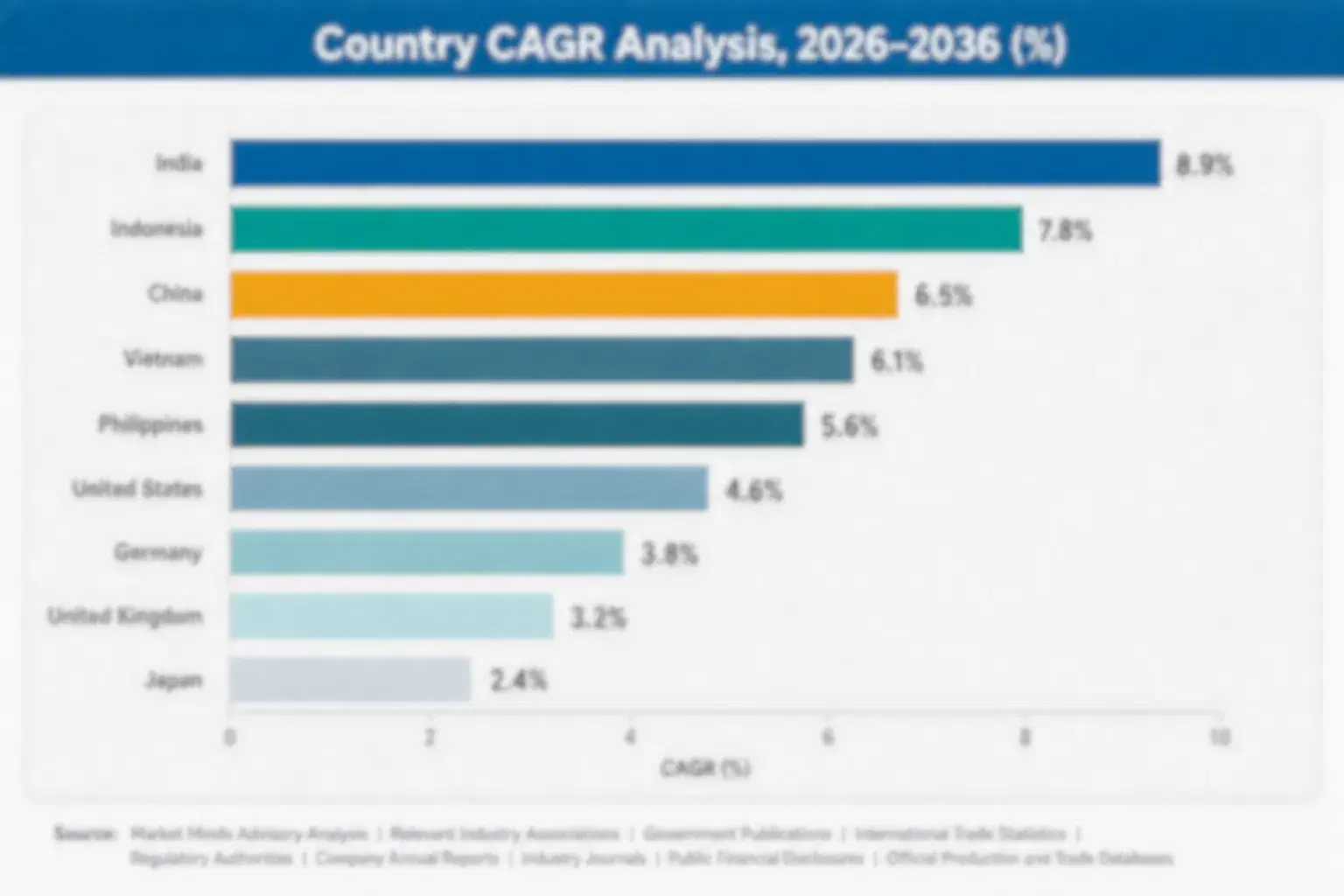
demand-and-trend-analysis-of-texturized-vegetable--country-cagr-analysis-1789752416513

Four Margin Levers Behind Texturized Protein Profits

Margin in texturized protein comes from protein source, flavor performance, and customer integration rather than raw tonnage, since soy chunks compete mainly on price. Suppliers that move toward pea and pulse formulas, control extrusion costs, lock in protein supply, and co-develop products with brands earn returns well above commodity soy extruders in most contract years.

Shifting Mix Toward Pea and Pulse-Blend Products

Pea-based and pulse-blend texturized protein sells at 25% to 40% higher prices per kilogram than soy equivalents, because allergen-friendly, non-genetically modified positioning and cleaner flavor justify premiums for brands targeting health-conscious shoppers. Suppliers must invest in fractionation, deflavoring, and new die designs, but brands sign multi-year agreements with reliable suppliers. Early movers also gain formulation data that later entrants will find difficult to match. Retailers report that pea-based lines show lower promotional depth than soy products, and brands are willing to sign longer agreements with suppliers that can guarantee consistent flavor across many production lots.
Market Impact: pea and pulse grades earn 25% to 40% premium

Raising Extruder Utilization Through Multi-Product Scheduling

Extrusion lines are expensive, and average utilization near 67% leaves fixed cost spread over fewer tonnes, so raising utilization toward 80% cuts unit cost by several percent. Suppliers that schedule pea, soy, and blended products across shared lines, standardize die sets, and reduce changeover time capture savings without raising prices. The approach requires disciplined planning and flexible equipment, but it improves returns while customers negotiate hard on price. Suppliers also cut waste by standardizing recipes across customers and running longer batches of the same shape before switching, which raises output per shift without adding equipment or labor.
Market Impact: utilization gains of 13 points cut unit cost

Locking In Protein Supply With Multi-Year Contracts

Protein inputs are about 46% of cost of goods, and isolate prices can swing by 20% or more between harvests, so multi-year contracts with pea and soy processors protect margin when spot markets spike. Suppliers with secured protein can also guarantee volumes to brands, which supports premium contracts. Larger extruders negotiate better terms and can store inventory, while small players buying spot protein absorb the full impact of price swings. Suppliers with storage capacity can also buy protein in favorable months and hold it, which smooths costs and allows them to quote fixed prices to brands for several quarters.
Market Impact: contracted protein limits cost swings to roughly 10%

Co-Developing Custom Products With Food Brands and Chains

Extruders that co-develop custom textures for dumplings, jerky, or ready meals earn 8% to 15% more margin than those selling standard chunks, because tailored shapes, seasoning, and bite create switching costs. Brands value technical support and consistent supply. The approach requires application labs and skilled staff, but it produces sticky relationships and reduces exposure to commodity soy pricing that competes purely on cost per kilogram. Chains also share menu calendars and forecast volumes, which helps extruders plan production, and co-developed products often carry the supplier's name in quality documentation, which reinforces the relationship.
Market Impact: custom products add 8% to 15% margin overall

Who Controls the Margin Pool

Texturized protein is moderately concentrated, with the top five suppliers holding about 38% of global revenue, the basis used throughout this section. ADM, Roquette, Cargill, and Ingredion combine protein processing with extrusion, CJ CheilJedang leads in Korea, and many regional extruders and start-ups supply niche brands and food manufacturers. Consolidation remains limited so far.
Competitive activity centers on three fronts: adding pea and pulse protein processing, building extrusion capacity with better texture control, and forming partnerships with food brands and chains. Large groups invest in fractionation and flavor masking, Korean firms integrate texturized protein into finished dumplings and ready meals, and suppliers sign longer contracts to secure protein and energy costs while protecting margins. Certification costs favor larger suppliers.

Emerging pressure comes from Chinese suppliers offering low-cost soy chunks at very large scale, from start-ups developing novel extrusion and fermentation methods, and from retailers building private label plant-based lines. Consumer fatigue could slow growth and consolidate weaker brands. Rankings shift most through acquisitions of extruders and protein processors, which give buyers new capacity and formulation skill, and let sellers exit low-margin commodity chunks. Diversified sourcing hedges risk.
demand-and-trend-analysis-of-texturized-vegetable--company-positioning-matrix-1789752416693

Competitive Moat and Risk Dimensions

ARCHER DANIELS MIDLAND

Moat: Integrated Protein Processing Scale

ADM crushes soy, processes pea and other proteins, and operates extrusion and texturizing plants, giving it raw material control, logistics scale, and technical service that small extruders cannot match. This integration supports competitive pricing, reliable supply, and rapid development of new textures, while global relationships with food manufacturers and retailers make it a default supplier for large plant-based launches.
ARCHER DANIELS MIDLAND

Risk: Commodity Culture and Slow Innovation

ADM's core business is large-scale agricultural processing, so plant-based specialty products compete for attention and capital with faster-earning lines. Start-ups and specialist extruders may move faster on novel textures and clean-label products, and margin pressure from big customers limits how much premium ADM can capture.
CJ CHEILJEDANG

Moat: Korean Brand and Distribution Strength

CJ CheilJedang is one of Korea's largest food companies, with strong consumer brands, retail and convenience store distribution, and R&D capability in dumplings, ready meals, and plant-based products. Its close understanding of Korean tastes and its ability to use texturized protein in finished foods give it a route to market that pure ingredient suppliers lack.
CJ CHEILJEDANG

Risk: Reliance on Imported Protein Inputs

CJ CheilJedang depends on imported soy and pea proteins and faces exposure to exchange rates, freight, and crop prices. Limited domestic protein processing raises input costs, and global suppliers with integrated sourcing may undercut it in ingredient sales, while consumer fatigue with meat alternatives could slow finished product volume.

Players Tracked

Prominent Players

Archer Daniels Midland
Roquette Freres
Cargill
CJ CheilJedang
Ingredion

Other Key Players

Pulmuone
Daesang
Ottogi
Beneo
Kerry Group
Fuji Oil Holdings
Bunge Limited
Emsland Group
MGP Ingredients
Puris
Vestkorn
Sotexpro
Harvest Innovations
Axiom Foods
Wilmar International

Recent Developments

MARCH 2026

ADM Expands Pea Protein Texturizing Capacity

ADM completed an organic capacity expansion at a North American plant, adding pea protein extrusion lines and deflavoring equipment for texturized products. The project is internal capital spending, not an acquisition. It increases output of pea-based chunks for meat alternative brands and shortens lead times for customers.
Signal: Shows leading protein processors adding pea texturizing capacity to serve growing plant-based demand across several major markets.
OCTOBER 2025

CJ CheilJedang Launches Plant-Based Dumpling Line

CJ CheilJedang launched a plant-based dumpling and ready-meal line using in-house texturized protein, developed with Korean sensory panels to match traditional textures. The launch is internal product development, not an acquisition. It targets convenience stores and supermarkets and tests demand for premium pricing across Korean retail channels.
Signal: Reflects Korean food groups using texturized protein in finished products to capture higher-margin plant-based demand in Korea.
JANUARY 2026

Roquette Signs Multi-Year Supply Agreement With Brand

Roquette signed a multi-year supply agreement with a European meat alternative brand for pea-based texturized protein, fixing volumes, quality specifications, and protein price indices. The deal is a supply contract, not an equity transaction. It gives the brand reliable supply and gives Roquette predictable extruder utilization across seasons.
Signal: Confirms multi-year supply contracts are becoming standard for scarce pea-based texturized protein supply across the plant-based sector.

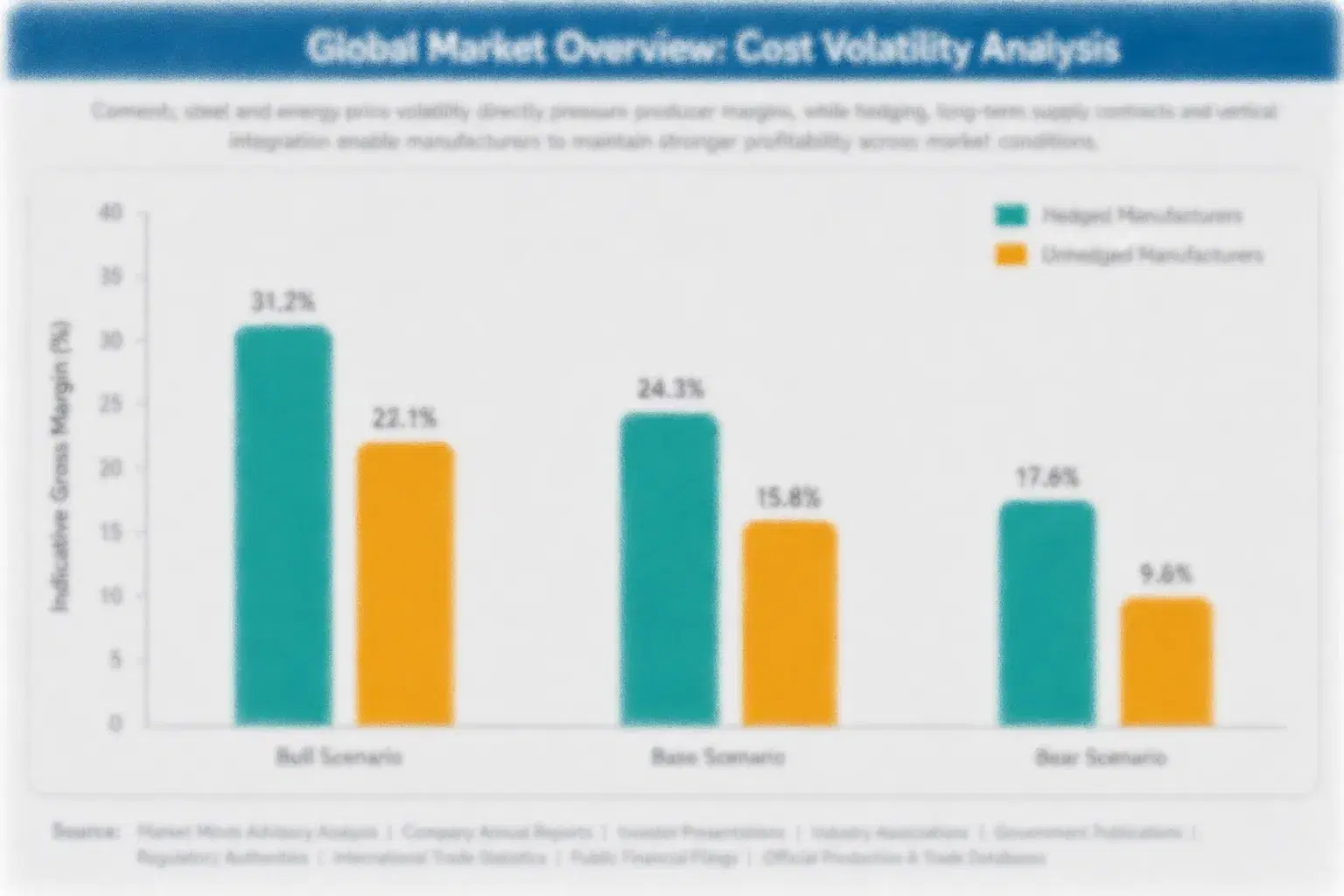
What Drives Texturized Protein Costs

Protein isolates, concentrates, and flours account for roughly 45% to 50% of cost of goods, sourced from soy crushers in North America and Brazil and pea processors in Canada, France, and China. Extrusion energy, labor, packaging, and flavoring make up most of the remainder, and pea protein carries higher raw material cost than soy because isolation requires more processing. Packaging is a small share.
Pea protein prices and natural gas costs rose sharply in 2022 after Canadian crop shortfalls and European energy spikes, according to USDA Foreign Agricultural Service reports on pulses and oilseeds. ADM's fiscal 2023 annual report cited higher energy and logistics costs in its nutrition segments, and suppliers responded with price increases, surcharges, and longer contracts that share protein and energy volatility with brands. Prices stayed elevated afterwards.

Exposure varies by player type and geography. Integrated processors with own protein production and heat recovery absorb shocks better than small extruders buying spot isolate. Suppliers near soy and pea crops benefit from lower logistics costs, while Korean and Japanese producers depend on imports and face currency, freight, and tariff risk that raise landed cost.
demand-and-trend-analysis-of-texturized-vegetable--cost-volatility-analysis-1789752416878

Signing Multi-Year Protein Supply Contracts With Price Bands

Extruders agree volumes and price bands with pea and soy processors before harvest, securing quality and reducing exposure to spot swings. This requires volume commitments and quality monitoring, and price risk remains if spot prices later fall below contracted levels. Larger suppliers benefit most because they can commit to significant tonnage and hold inventory to smooth supply across seasons.

Installing Heat Recovery and Efficient Extrusion Systems

Heat exchangers, better insulation, and efficient drives lower energy used per tonne of texturized product, and some plants use renewable power to hedge gas costs. Savings of 10% to 20% of energy are common, and lower emissions support brand sustainability claims. Capital cost is meaningful, but paybacks typically arrive within a few years, especially when energy prices are elevated.

Adding Protein and Energy Index Clauses to Customer Contracts

Suppliers negotiate price adjustment clauses linked to published protein and energy indices, so brands share volatility rather than leaving extruders to absorb it entirely. This reduces surprise margin losses when inputs spike, though it limits gains when costs fall. Large suppliers with strong brand relationships obtain better terms, while small extruders face resistance during annual price discussions.

Portfolio Architecture for Margin Defence

Texturized protein margins run from thin spreads on commodity soy chunks to richer returns on pea, pulse-blend, and custom products, with gross margin roughly doubling between the volume tier and the top tier. Protein source, flavor performance, and co-development add pricing power over similar extrusion equipment, and brands pay for reliability because a poor texture or off-taste can sink a product launch quickly. Mix decides returns.
Volume and premium pull in different directions. Soy chunks fill extrusion lines and sustain relationships with food manufacturers but earn thin margins and expose suppliers to soy and energy swings, while pea and custom products earn better returns on smaller volumes yet need development and marketing effort. Suppliers must balance the two so idle capacity does not erode overall returns. Balancing both is essential.

High-value pools concentrate in pea-based and pulse-blend texturized protein, custom dumpling and jerky textures, and hybrid products for flexitarian shoppers, sold under multi-year contracts with technical support. These segments benefit from documented performance, sticky relationships, and limited competition from small extruders. Suppliers that combine protein sourcing, extrusion skill, and application labs hold advantages that are hard to replicate.

Volume / Commodity-Adjacent Tier

Soy and wheat gluten texturized chunks and crumbles sold on price to food manufacturers and institutional buyers, with thin spreads and heavy exposure to soy, wheat, and energy costs across regions worldwide today.
Gross Margin: 10%-16%

Premium / Certified Tier

Pea-based and pulse-blend products with non-genetically modified, allergen-free, and organic certification, sold under annual contracts to brands and chains that require documented quality, consistent texture, and reliable delivery across major markets.
Gross Margin: 22%-30%

Sustainability / Regulatory / Next-Generation Tier

Hybrid, low-energy, and locally sourced texturized products with traceable protein and clear labeling, positioned ahead of stricter naming rules and rising retailer sustainability expectations across major markets over the coming decade.
Gross Margin: 26%-36%
demand-and-trend-analysis-of-texturized-vegetable--portfolio-architecture-1789752417067

High-value Sub-segments and Strategic Watch-out

Pea-Based TVP

Pea-based texturized protein combines the fastest growth in the category with strong pricing power, because brands want allergen-friendly, non-soy products with cleaner labels. Suppliers with fractionation and deflavoring capability are winning multi-year contracts, though higher raw material cost and flavor challenges require sustained development investment.
Gross Margin: 24%-34%

Pulse-Blend TVP

Pulse-blend texturized protein offers strong growth and healthy premiums, giving brands distinctive label stories and improved taste, though each pulse behaves differently in extrusion and supply chains are less mature. Suppliers that invest in blending expertise and local sourcing gain durable relationships with premium plant-based brands.
Gross Margin: 22%-32%

Soy-Based TVP

Soy-based texturized protein remains the volume core of the category, moving the largest tonnage to food manufacturers, institutions, and price-sensitive markets. Margins are thin and volatile because pricing follows soy and energy costs and buyers switch suppliers, so returns depend on scale, protein sourcing, and extrusion efficiency.
Gross Margin: 10%-14%

Meat and Cultivated Substitution

Conventional meat, cultivated meat, and fungal protein represent the main strategic watch-out, since consumer fatigue with plant-based products or falling meat prices could reduce demand, while fermentation-based proteins may offer better texture and taste that draw brands away from extruded plant protein over the coming years.
Gross Margin: n/a (substitution risk)

Why Food Brands Keep Protein Suppliers

Texturized protein demand behaves like an annuity for suppliers that pass brand qualification. Once a food maker validates a supplier's chunk for texture, taste, and cook performance in a product, reformulating risks failed launches and consumer complaints, so orders repeat monthly. Multi-year supply contracts reinforce this pattern, and brands often accept modest price increases to protect production schedules and product quality. Contracts renew each year.
Stickiness varies by end-use vertical. Meat alternative brands and dumpling makers show the deepest loyalty because texture is central to product identity and consumer trials are costly. Institutional caterers value consistent supply and stay with reliable suppliers, while small food processors buying soy chunks through distributors switch readily on price and availability, making that segment more volatile for suppliers to plan around. Distributors face constant switching.

Buyer profiles are shifting generationally. Younger product developers and shoppers expect clean labels, allergen-friendly proteins, and sustainability claims, and they favor suppliers that share data and application support digitally. Older buyers still anchor soy chunk volume on price. Suppliers must serve both groups, but growth is concentrated among brands seeking pea, pulse, and hybrid products for flexitarian consumers.
demand-and-trend-analysis-of-texturized-vegetable--end-use-penetration-index-1789752417251

MMA Verdict on Texturized Protein Strategy

These are among the four positions where our research anticipates prominent divergence between winners and laggards over the coming forecast period. Each is grounded in the demand model, the regulatory perimeter, and the announced capacity pipeline.
01 / PEA PROTEIN CAPABILITY INVESTMENT

Build Pea and Pulse Capability Before Contracts Lock In

Pea-based texturized protein grows about 1.3 times faster than the market and earns premiums of 25% to 40%, yet brands are choosing suppliers now for products launching over the next several years. Extruders that invest in fractionation, deflavoring, and die design will win multi-year contracts before later entrants can qualify. MMA recommends committing within the next two years, before pea capacity catches up with demand and premiums compress, because brand teams are selecting suppliers now for launches planned over the next several years and rarely switch afterward.
02 / EXTRUSION UTILIZATION DISCIPLINE

Raise Extruder Utilization Through Multi-Product Scheduling

Extrusion lines are capital intensive, and utilization near 67% leaves fixed cost spread over too few tonnes, so raising it toward 80% cuts unit cost meaningfully. Suppliers that schedule pea, soy, and blended products across shared lines and standardize dies reduce changeover time and waste. MMA regards utilization as the most reliable internal margin lever, since it depends on planning discipline rather than market conditions, and extruders with high utilization can quote lower prices to customers while still earning acceptable returns.
03 / PROTEIN COST PROTECTION

Lock In Protein Supply and Add Index Clauses

Protein is about 46% of cost, and isolate prices can swing by 20% or more between harvests, so extruders buying spot protein carry repeated shocks that brands rarely relieve. Multi-year protein contracts and index-linked customer clauses reduce volatility and protect returns in downturns. MMA advises treating protein procurement as a core commercial discipline, particularly for mid-sized extruders without integrated sourcing, since brands rarely accept price increases quickly and a single poor harvest year can erase months of margin for unprotected extruders across the industry.
04 / CUSTOM PRODUCT PARTNERSHIP STRATEGY

Co-Develop Custom Textures With Food Brands and Chains

Extruders that co-develop textures for dumplings, jerky, and ready meals earn 8% to 15% more margin than those selling standard chunks, because tailored shapes and seasoning create switching costs. Application labs and skilled staff are needed, but relationships prove sticky once products launch. MMA sees custom partnerships as a durable source of separation from commodity soy suppliers, and recommends building them now with Korean and global brands, especially as Korean food groups build in-house texturizing capacity and look for partners rather than mere vendors.

Engagement Snapshot From the Field

A live engagement with an industry participant carrying material or product regulatory and market exposure ahead of a defining policy shift, showing how our research translates into a defensible multi-year portfolio strategy.
MARKET MINDS ADVISORY · CLIENT ENGAGEMENT SUMMARY
Korea Texturized Vegetable Protein Producer Strategic Portfolio Review and Transition Roadmap 2026·Investment Scenario on Korea Texturized Vegetable Protein Exposure Evaluation 2025-26
CLIENT PROFILE
The client is a mid-sized Korean food manufacturer with roughly $340 million in annual revenue (client-reported, unverified by MMA), producing frozen dumplings, ready meals, and snacks sold through supermarkets and convenience stores. It had launched a plant-based dumpling line using imported soy chunks bought from a trader, and repeat purchase rates were below expectations. The firm employs about 900 staff.
STRATEGIC CHALLENGE
Consumer feedback showed the plant-based dumplings tasted beany and lacked chew, while soy allergen labeling limited listings at two retailers. Leadership needed a protein sourcing and reformulation strategy that improved taste and allergen profile without raising cost so much that pricing would exceed consumer acceptance. Retail buyers also asked for clearer labeling.
MMA APPROACH
MMA benchmarked eight texturized protein suppliers on taste, texture, allergen status, and technical support, ran blind consumer panels comparing candidate pea and pulse blends with the existing soy chunks, and modeled landed costs for imports from Canada, Europe, and China. The engagement also assessed multi-year supply options and co-development partnerships.
KEY FINDINGS
  1. A pea and fava blend scored 22% higher than soy chunks on flavor acceptance in blind Korean consumer panels, with equal ratings for chew.
  2. Switching to the blend raised protein cost per kilogram by about 26%, but lower seasoning needs and a 40% higher retail price tolerance kept margins stable.
  3. Only three of the eight suppliers offered Korean-style texture trials and allergen documentation, and all three had established relationships with major Asian food groups.
  4. Multi-year contracts with two suppliers could secure roughly 70% of projected volume at prices about 9% below recent spot levels during the first year.
CLIENT PROFILE
The client is a mid-sized Korean food manufacturer with roughly $340 million in annual revenue (client-reported, unverified by MMA), producing frozen dumplings, ready meals, and snacks sold through supermarkets and convenience stores. It had launched a plant-based dumpling line using imported soy chunks bought from a trader, and repeat purchase rates were below expectations. The firm employs about 900 staff.
STRATEGIC CHALLENGE
Consumer feedback showed the plant-based dumplings tasted beany and lacked chew, while soy allergen labeling limited listings at two retailers. Leadership needed a protein sourcing and reformulation strategy that improved taste and allergen profile without raising cost so much that pricing would exceed consumer acceptance. Retail buyers also asked for clearer labeling.
MMA APPROACH
MMA benchmarked eight texturized protein suppliers on taste, texture, allergen status, and technical support, ran blind consumer panels comparing candidate pea and pulse blends with the existing soy chunks, and modeled landed costs for imports from Canada, Europe, and China. The engagement also assessed multi-year supply options and co-development partnerships.
KEY FINDINGS
  1. A pea and fava blend scored 22% higher than soy chunks on flavor acceptance in blind Korean consumer panels, with equal ratings for chew.
  2. Switching to the blend raised protein cost per kilogram by about 26%, but lower seasoning needs and a 40% higher retail price tolerance kept margins stable.
  3. Only three of the eight suppliers offered Korean-style texture trials and allergen documentation, and all three had established relationships with major Asian food groups.
  4. Multi-year contracts with two suppliers could secure roughly 70% of projected volume at prices about 9% below recent spot levels during the first year.
RECOMMENDED STRATEGY
Phase 1: Phase 1 (Months 1-4): Qualify two suppliers, run texture trials, and negotiate multi-year contracts with protein and energy index clauses. Phase 2: Phase 2 (Months 5-10): Reformulate the flagship dumpling with the pea and fava blend and validate taste, cook performance, and labeling. Phase 3: Phase 3 (Months 11-18): Extend the blend across the plant-based range and use allergen-friendly claims to win additional retailer listings.
OUTCOME
Within eighteen months, the client reformulated four plant-based products and raised repeat purchase rates by an estimated 31% (client-reported, unverified by MMA), gaining listings at two additional retailers. Protein cost per kilogram fell about 7% through contracted pricing, and no quality rejections occurred during the scale-up period.

Frequently Asked Questions

Foundational context covering the market sizes, CAGR, scope, country, region and competition that inform every finding below. This section is provided to cover basics and most often pre-purchase conversations, answered from the MMA Primary Research Dataset.

What is the current size of the Korea Texturized Vegetable Protein Market?

The global texturized vegetable protein market was valued at $2.3 billion in 2025. This covers extruded plant protein pieces, with Korean demand a leading growth market.

How large will the Korea Texturized Vegetable Protein Market be by 2036?

MMA projects the market will reach approximately $5.9 billion by 2036. This represents cumulative growth of roughly $3.4 billion over the full ten-year forecast window.

What is the CAGR for the Korea Texturized Vegetable Protein Market 2026 to 2036?

The market is forecast to grow at a 9.0% compound annual rate between 2026 and 2036. The bull case reaches 10.3% while the bear case falls to 7.7%.

Which segment is growing fastest?

Pea-Based TVP is the fastest-growing segment at 12.0% CAGR, roughly 1.3 times the overall market rate. Pulse-Blend TVP follows as the second-fastest segment at 10.5%.

Who are the major companies in the Korea Texturized Vegetable Protein Market?

Leading companies include Archer Daniels Midland, Roquette Freres, Cargill, CJ CheilJedang, and Ingredion. These five players together hold an estimated 38% of total global market revenue today.

Which country is growing fastest?

South Korea is the fastest-growing major market, expanding at approximately 12.5% CAGR each year. Plant-based dumplings, ready meals, and government-backed protein programs are driving this above-market growth.

Report Segmentation Architecture

The full report scope spans multiple orthogonal segmentation dimensions, with cross-tabulated demand data provided for each dimension pair. Coverage extends further to regional breakdowns, trend trajectories, and the competitive detail needed to support segment-level decision-making.

By Primary Market Dimension

  • Pea-Based TVP
  • Pulse-Blend TVP
  • Soy-Based TVP
  • Wheat-Gluten TVP
  • Canola and Sunflower TVP
  • Hybrid Multi-Protein TVP

By End-Use Industry

  • Meat Alternative Manufacturing
  • Dumplings and Ready Meals
  • Snacks and Jerky
  • Institutional and Foodservice Catering
  • Meat Extension Products

By Commercial Dimension

  • Direct Brand Supply Contracts
  • Ingredient Distributor Channels
  • Private Label Manufacturing
  • Export Trade Channels

By Region

  • North America
  • Western Europe
  • East Asia
  • South Asia and Pacific
  • Latin America
  • Middle East and Africa
  • Eastern Europe

Scope, Methodology, and Coverage

Every figure in this report is reproducible from documented input assumptions. The scope below maps the historical period, the forecast horizon, the segmentation dimensions, and the countries covered, alongside the underlying primary and qualitative methodology.
Historical Period
2020 to 2025
Forecast Period
2026 to 2036
Base Year
2025 (USD billions; MMA Primary Research Dataset, September 2026)
Market Definition
Texturized vegetable protein comprises plant proteins from soy, pea, pulses, wheat, and other crops that have been extruded or otherwise processed into dry or moist fibrous pieces, crumbles, and chunks for use as meat replacement or extension. The scope covers global production with emphasis on Korean demand, and excludes protein isolates and concentrates sold as powders, tofu, tempeh, seitan sold as finished foods, and fungal or cultivated protein.
Quantitative Units
USD billions (current prices); metric tons for volume references
Segmentation Dimensions
By Protein Source; By End-Use Industry; By Commercial Dimension; By Region
Regions Covered
North America, Western Europe, East Asia, South Asia and Pacific, Latin America, Middle East and Africa, Eastern Europe
Countries Covered
USA, China, Germany, France, UK, Japan, South Korea, India, Australia, Canada, Brazil, Mexico, Indonesia, Vietnam, Thailand, Malaysia, UAE, Saudi Arabia, South Africa, Nigeria, Turkey, Poland, Netherlands, Italy, Spain, Sweden, Switzerland, Argentina, Ukraine, Singapore, and additional markets relevant to this sector
Key Companies Profiled
Archer Daniels Midland, Roquette Freres, Cargill, CJ CheilJedang, Ingredion, Pulmuone, Daesang, Ottogi, Beneo, Kerry Group, Fuji Oil Holdings, Bunge Limited, Emsland Group, MGP Ingredients, Puris, Vestkorn, Sotexpro, Harvest Innovations, Axiom Foods, Wilmar International
Quantitative Methodology
Primary survey, n=3,800 respondents, Q4 2025, six countries; demand-side model with trade association cross-validation
Qualitative Methodology
47 expert interviews, Q4 2025; applied to validate demand model assumptions, identify emerging dynamics, and assess competitive positioning
Report Format
PDF and XLSX data workbook (Word format preview document)
Publisher
Market Minds Advisory
Report Code
MMA-2026-AGR-242
Published
September 2026
Contact
sales@marketmindsadvisory.com | www.marketmindsadvisory.com

Purchase the full Korea Texturized Vegetable Protein Market Report (2026 to 2036).

The full report delivers a detailed assessment of global texturized vegetable protein supply, extrusion technology, and Korean demand dynamics through 2036. It includes segment forecasts by protein source, country-level data for all seven world regions, and profiles of the twenty companies most relevant to protein processing and extrusion. Analysts also receive input cost modeling and portfolio margin benchmarking built from MMA's primary research dataset. A scenario planning module lets subscribers stress-test bull and bear assumptions against their own sourcing plans. Quarterly updates keep the whole dataset current throughout.
Ten-year segment and regional demand forecasts
Protein source and extrusion capacity tracking
Competitive benchmarking of top twenty suppliers
Protein and energy cost sensitivity modeling tools
Regional demand mechanism comparative analysis included
Quarterly primary survey data update access

Built For The People Who Decide

From boardroom strategy to bench-side execution, this report is read cover-to-cover by leaders shaping the next decade of their industry, turning demand scenarios, market dynamics and valuation benchmarks into decisions.
CXOs/ Presidents/ VPs/ Managers
M&A and Corporate Development
Strategy Teams and R&D Heads
Procurement and Product Directors
Regulatory and Compliance Leaders
Investor Relations and Equity Analysts