Market Minds Advisory
Defense HVAC Systems Market

Defense HVAC Systems Market: Defense HVAC Systems Market. Global Sizing, Segmentation, and Competitive Analysis to 2036

Rising defense budgets and CBRN threat doctrine are pushing military HVAC specification toward overpressure, filtration-rated systems, as legacy platforms reach the end of their qualified service life across most allied fleets.

Lead Analyst

Published

October 2026

Make Smarter Decisions with Customized Research Insights

Request a free sample report and evaluate market opportunities, growth trends, and competitive dynamics relevant to your business needs.

2025 MARKET VALUE$3.4BMarket Size 2025
2036 FORECAST VALUE$7.8BBase Case , 2026 to 2036
CAGR 2026 TO 20367.8 %Bull 9.1% / Bear 6.5%
INCREMENTAL OPPORTUNITY$4.1BNet 10- year value creation
EXPANSION MULTIPLE2.12x2036 value over 2026 base
Strategic Levers
M&A Pipeline
Regional Outlook
Country Rankings
Competitive Intelligence
Segmental Deep-dive
Call-Us : 91 93563 13602

Executive Snapshot and Market Trajectory.

Defense HVAC specification is shifting toward CBRN-rated overpressure systems as modernization programs replace Cold War era platform equipment that lacks the filtration and pressurization capability current threat doctrine requires across most allied procurement programs and platform types entering service today. and legacy fleets. now. today.
Naval vessel and armored vehicle platforms drive the largest share of volume, with CBRN-rated systems capturing disproportionate specification share as procurement authorities chase overpressure protection standard commercial HVAC cannot provide at comparable cost. North America leads global volume through sustained defense procurement spend, while India adds capacity quickly behind expanding domestic defense manufacturing and modernization programs across multiple platform categories. Lead times for CBRN-rated systems have lengthened meaningfully given this surge in demand.
The competitive base remains concentrated among a handful of cleared defense contractors, with qualification testing increasingly separating incumbents who hold program-of-record status from newer entrants lacking comparable certification history. Procurement authorities increasingly require documented military specification compliance before awarding contracts, a requirement smaller commercial HVAC suppliers have struggled to meet as consistently as established defense contractors with dedicated qualification testing resources in place. This gap keeps widening.
Market Definition
This market covers HVAC systems engineered for military platforms, including naval vessels, armored vehicles, and fixed defense installations, with CBRN filtration and overpressure protection capability. It excludes commercial HVAC equipment and general building ventilation systems sold outside qualified defense procurement programs.
Base Year Value
$3.4B in 2025 (MMA Primary Research Dataset, October 2026)
Forecast Period
2026 to 2036, eleven discrete annual values
CAGR
7.8% base case. Bull 9.1%. Bear 6.5%.
Fastest Growth Segment
CBRN-Rated Filtration and Overpressure HVAC Systems: 11.2% CAGR
Fastest Growth Country
India: 10.5% CAGR
Fastest Growth Region
South Asia and Pacific: 10.0% CAGR
Largest Region
North America: 30% of 2025 global value
Market Leaders
Collins Aerospace, Parker Hannifin, Marotta Controls, FlÃĪktGroup Defense, AAF International. Source: MMA Primary Research Dataset, July 2026.
Primary Survey
n=3,800 procurement and R&D decision-makers, Q4 2025, six countries
Methodology
Demand-side build-up, cross-validated against public data, 47 expert interviews

Defense HVAC Systems Market Forecast Scenarios

defense-hvac-systems-market-size-forecast-scenario-1791057110530
Demand between 2020 and 2025 tracked defense procurement budget cycles closely, with CBRN-rated equipment orders rising as modernization programs across multiple allied nations committed funding to platform-level life extension and new vessel construction. Pandemic-era supply chain disruption briefly slowed specialized component delivery in 2020 and 2021, pulling historical growth modestly below the forecast rate now underway as that disruption has fully cleared.
The base case assumes continued defense budget growth across major allied nations, expanding CBRN threat doctrine adoption, and gradual replacement of legacy platform HVAC as the three mechanisms sustaining growth through 2036. Naval and land vehicle modernization programs are specifying overpressure-rated systems from the outset rather than retrofitting legacy platforms later, procurement authorities facing evolving CBRN threat assessments are mandating documented filtration certification on new contracts, and aging platform HVAC is approaching the point where qualified replacement becomes mandatory under current standards.
A bull scenario centers on accelerated defense modernization spending pulling CBRN-rated system volume well above base case assumptions across multiple allied procurement programs simultaneously. The bear risk is a broader defense budget slowdown that delays platform modernization decisions, since HVAC replacement typically rides alongside larger platform procurement programs rather than proceeding independently. across most affected programs.

CBRN Certification Becomes the Contract Gate

CBRN-rated overpressure systems are moving from a niche specialty option to the baseline specification requirement for new naval and land vehicle platforms, displacing legacy equipment that previously dominated the category on lower qualification cost and simpler maintenance. Procurement authorities now treat filtration certification as a genuine contract gate rather than a secondary consideration behind cooling capacity alone. Suppliers unable to demonstrate comparable qualification breadth are increasingly losing bids on major platform programs.
MARKET CONCENTRATIONCR5 52%Cleared defense contractors dominate qualified program segments overall
AVERAGE SELLING PRICE$420K per systemPlatform-rated systems command substantial premium over commercial equivalents
TOP PRODUCER SHAREUnited States 34%Concentrated defense procurement spend drives domestic contractor demand
CAPACITY UTILIZATION67%Contractors run below peak amid lumpy platform procurement order timing
TRADE INTENSITY18% cross-borderCleared equipment ships selectively given export control restrictions worldwide
FEEDSTOCK COST SHARE37%Specialized filtration media and sealed components dominate input cost structure
Qualification testing breadth and documented program-of-record history remain the primary factors separating which contractors win new platform awards, since defense procurement authorities favor suppliers with proven certification across multiple platform classes over single-platform specialists. Contractors able to demonstrate verified performance across naval, land vehicle, and fixed installation applications simultaneously are winning broader specification than narrower competitors.
Replacement demand from aging legacy platform HVAC is running alongside new platform construction, as modernization programs retrofit existing fleets with CBRN-rated systems regardless of individual platform remaining service life. This replacement wave is expected to continue accelerating as more allied nations formalize CBRN threat doctrine requirements across their existing platform inventories. Equipment makers are preparing dedicated fleet-wide retrofit programs anticipating this sustained demand across most allied fleets.
"On a commercial building, HVAC failure means a complaint. On a naval vessel in a contaminated environment, it means the crew cannot survive inside their own ship."
Senior Analyst, Defense Platform Systems Practice · MMA Construction and Industrial Equipment Practice · October 2026

Market Trends

CBRN Threat Doctrine Expansion Drives Overpressure Specification

Allied defense ministries are expanding CBRN threat doctrine requirements across more platform classes, mandating overpressure and filtration-rated HVAC on new construction programs that previously specified only standard climate control equipment. This shift has accelerated faster than most contractors anticipated, catching single-platform specialists without broader CBRN certification at a competitive disadvantage on multi-platform procurement awards. Several established contractors have expanded their certification testing investment within the past two years specifically in response to this broadening doctrine requirement across major allied procurement programs. Lead times for multi-platform certified equipment have lengthened as this demand surges across allied programs.
Market Impact: Adds 30 new platform programs yearly
Digital Health Monitoring Integration Enters Platform Specifications

Defense HVAC manufacturers are increasingly integrating digital health monitoring sensors that track filtration performance, pressure differential, and component wear continuously during platform deployment, replacing periodic manual inspection that maintenance crews previously relied on exclusively. This capability is particularly valuable for extended deployment missions where equipment failure could go undetected for critical periods under manual monitoring alone. Suppliers offering this monitoring capability are winning specification on the most demanding naval and expeditionary programs where operators previously accepted periodic manual checks as the only available verification method. Adoption is expected to broaden beyond demanding programs as integration costs decline industry-wide.
Market Impact: Opens 12 new export markets yearly

Market Opportunities and Growth Drivers

Rising Defense Budgets Drive Platform Modernization Volume

Defense spending continues expanding across North America, Europe, and Asia as allied nations commit to platform modernization programs responding to shifting geopolitical threat assessments, each new platform requiring dedicated HVAC infrastructure sized to its specific mission profile and CBRN protection requirements. Budget growth in naval and armored vehicle programs specifically favors CBRN-rated systems from project inception, since these platforms typically face higher threat exposure than fixed installations, creating demand that skews toward the highest-value product category from the outset. Equipment lead times have lengthened accordingly across most affected supply chains serving these programs.
Market Impact: Adds 3 years qualification testing time

Export Control Easing Opens New Partner Nation Access

Several allied nations have eased export control restrictions on CBRN-rated defense equipment sales to trusted partner countries, opening market access that previously confined qualified contractors to serving only their domestic defense procurement programs. This policy shift is pulling new export revenue toward contractors with established certification history, since partner nations typically require the same qualification standard the exporting nation's own military demands. This dynamic is particularly significant for smaller allied nations lacking domestic development capability for this specialized equipment category. Suppliers are preparing dedicated export compliance teams anticipating this emerging demand wave across multiple regions.
Market Impact: Adds 8 months export approval delay

Market Restraints and Challenges

Lengthy Qualification Testing Delays Market Entry

CBRN-rated defense HVAC equipment requires extensive qualification testing against military specification standards before contractors can bid on procurement programs, a process that can take several years and substantial capital investment with no guaranteed contract award at completion. The root cause is that defense procurement authorities require documented testing across multiple threat scenarios and platform conditions that commercial HVAC certification never addresses. Contractors are responding by pursuing qualification on adjacent platform classes simultaneously to spread the testing investment across multiple potential revenue streams. This approach trades upfront testing cost for broader long-term market access across adjacent programs.
Market Impact: Cuts eligible bidder pool 35 percent

Export Control Complexity Limits International Sales Growth

Defense HVAC equipment sales across borders remain subject to export control regulations that vary meaningfully between exporting and importing nations, forcing contractors to navigate complex approval processes that purely domestic competitors do not face. The root cause is that CBRN-rated defense equipment is classified as sensitive technology by most exporting governments, triggering review processes that can delay or block sales entirely. Some contractors are responding by establishing joint ventures with partner-nation companies to navigate local content and technology transfer requirements more effectively. This approach adds organizational complexity but reduces regulatory delay meaningfully.
Market Impact: Cuts undetected failure incidents 30 percent
4 additional market trends, 3 additional growth drivers, and 2 additional restraints and challenges are covered in the full report. Contact sales@marketmindsadvisory.com to access the complete intelligence.

Segment CAGR and Growth Architecture

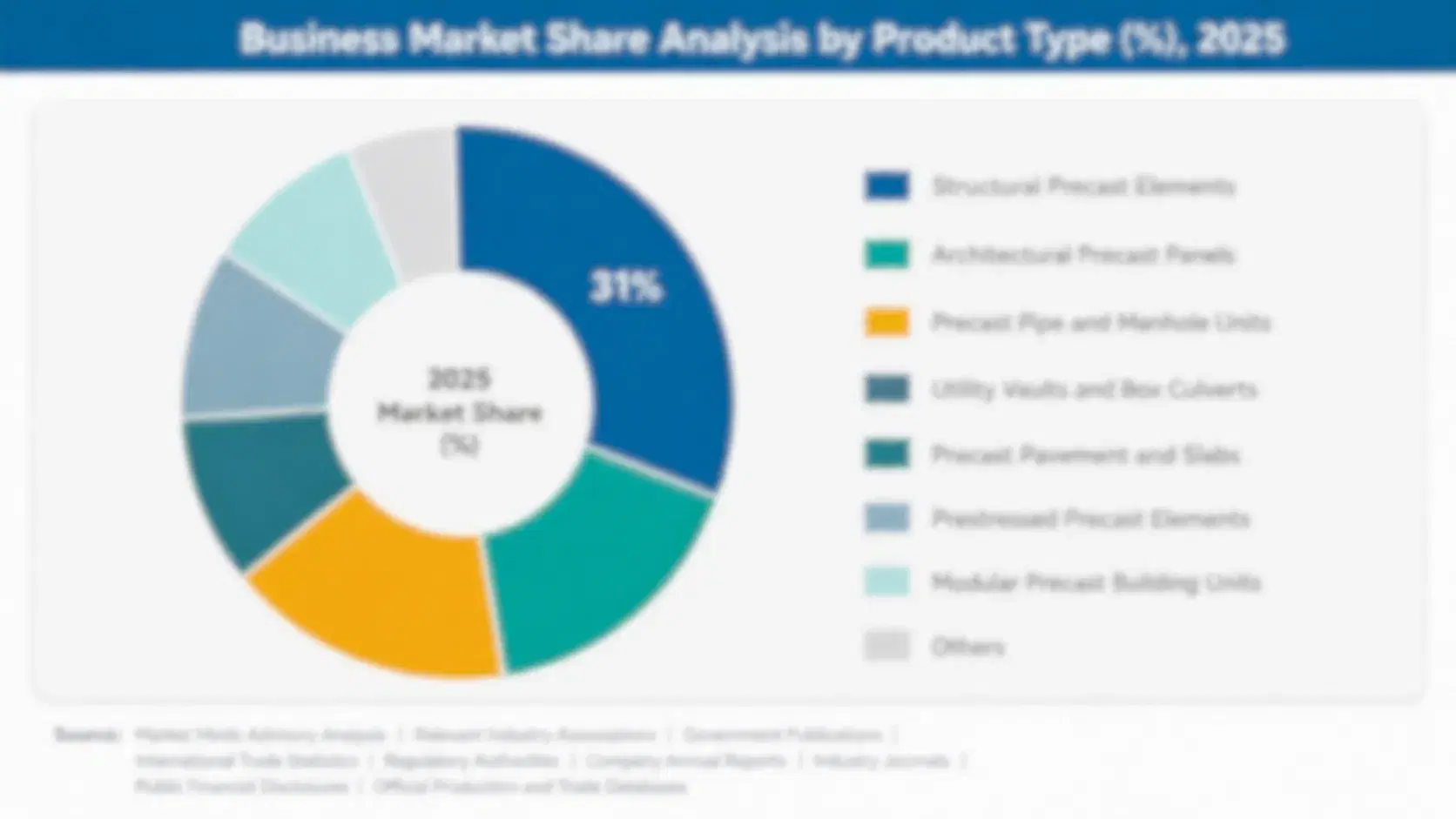
Defense HVAC systems segment here by protection level, since standard climate control versus CBRN-rated overpressure and filtration construction determines threat protection scope, cost, and qualification requirements most directly for procurement authorities specifying equipment. CBRN-rated systems are capturing the fastest-growing specification share across most platform classes today. across most procurement programs worldwide. and types. overall.
defense-hvac-systems-market-market-share-analysis-1791057110703

CBRN-Rated Filtration and Overpressure HVAC Systems

CBRN-rated filtration and overpressure systems have become the specification default for new naval and armored vehicle platforms, as procurement authorities avoid the vulnerability standard climate control equipment increasingly carries under current threat doctrine. This category is capturing a disproportionate share of new equipment orders as CBRN requirements expand beyond their initial handful of leading platform classes into broader fixed installation and expeditionary applications. Contractors in this category have built dedicated filtration media and pressure control engineering capability distinct from traditional climate control expertise, positioning them favorably as more programs standardize ahead of anticipated doctrine expansion, straining fabricators with limited specialized testing capacity. Order backlogs now extend well beyond typical lead times.
CAGR 11.2%

HVAC Systems with Integrated Digital Health Monitoring

HVAC systems with integrated digital health monitoring sensors are growing faster than standard systems without monitoring capability, as maintenance crews increasingly specify continuous performance verification over periodic manual checks for extended deployment missions. This category benefits directly from rising documentation of equipment failure incidents, since monitoring data provides the evidence maintenance planners need to schedule proactive component replacement before mission-critical failure occurs. Suppliers offering integrated monitoring and HVAC platforms are capturing specification share from competitors selling standard equipment without comparable diagnostic capability, a meaningful barrier for new entrants. Suppliers entering this category from traditional HVAC backgrounds often require significant investment in sensor integration partnerships before winning meaningful specification volume from safety-conscious procurement authorities across most programs.
CAGR 8.9%
Full segment breakdown across 6 segments available in the complete report.

Regional Architecture and Country Demand Map

North America leads through sustained defense procurement spend and established program-of-record relationships, while Gulf state defense budgets push Middle East and Africa well above its standard band on a genuinely outsized per-platform spending basis relative to the region's modest population and broader industrial footprint overall.

North America

Sustained defense procurement spending is the defining variable here rather than general industrial equipment replacement cycles. The United States Navy's shipbuilding programs and Army vehicle modernization initiatives both specify CBRN-rated HVAC almost universally, and established program-of-record relationships give incumbent contractors a durable advantage on follow-on orders. Several multi-year procurement contracts have locked in demand well beyond typical annual budget cycles, providing suppliers with unusually predictable order visibility. Equipment contractors with proven qualification documentation are winning a disproportionate share of specification across most affected platform categories. Several additional multi-year procurement awards are expected over the next two years, sustaining this favorable order visibility pattern. Contractors without comparable program-of-record status face a genuinely difficult path to winning meaningful specification share.
Share: 30% | CAGR: 7.4% (2026 to 2036)

Western Europe

NATO modernization commitments following renewed regional security concerns have pushed several European nations to accelerate platform procurement and CBRN protection upgrades faster than organic replacement timing alone would suggest. Germany, France, and the United Kingdom anchor most regional demand through their domestic defense industrial bases. Growth trails North America since much of the region's existing platform fleet already carries some CBRN protection capability from earlier Cold War era specifications, leaving a smaller incremental upgrade opportunity than regions building capability from a lower baseline. Remaining demand increasingly concentrates on expeditionary and naval applications still expanding here. Domestic contractors continue investing in certification capability to serve these tightening CBRN requirements across multiple platform classes.
Share: 20% | CAGR: 6.0% (2026 to 2036)
Regional intelligence for 5 additional markets available in the complete report: East Asia, South Asia and Pacific, Latin America, Middle East and Africa, Eastern Europe. Contact sales@marketmindsadvisory.com.
defense-hvac-systems-market-country-cagr-analysis-1791057110882

Capturing Value Beyond System Delivery

Equipment sale alone leaves meaningful value on the table in a market defined by multi-decade platform life and rising qualification demands, so the strongest contractors are building sustainment, monitoring, and service revenue streams around the core system sale that smaller competitors still treat as a single one-time transaction rather than an ongoing relationship. today.

Long-Term Platform Sustainment Contract Program Rollout

Contractors that attach long-term sustainment and spare parts support to every new platform HVAC sale capture recurring revenue worth 15 to 25 percent of original contract value annually over a platform's multi-decade service life, rather than ceding that revenue to third-party maintenance providers after delivery. This arrangement also gives contractors ongoing visibility into actual field performance data that strengthens their position when customers consider future platform upgrades, reinforcing switching costs that favor the incumbent contractor over new entrants bidding on follow-on work. across most major accounts. and recurring institutional customers.
Market Impact: Adds 15 to 25 percent recurring annual revenue

Digital Health Monitoring Subscription Service Rollout

Contractors that bundle digital health monitoring with ongoing data subscription service capture recurring revenue tied to predictive maintenance scheduling, rather than ceding that revenue to third-party defense sustainment providers after installation concludes. This arrangement generates subscription revenue worth 10 to 15 percent of original contract value annually and also gives contractors ongoing visibility into performance data that strengthens future product development, reinforcing switching costs favoring the incumbent supplier over competitors bidding on replacement work. Several contractors have built this into a standalone revenue line billed separately from equipment cost, with default rates remaining low.
Market Impact: Adds 10 to 15 percent recurring subscription revenue

Who Controls the Margin Pool

Concentration is high, with the top five firms holding roughly 52 percent of reported equipment revenue, reflecting the cleared facility access and qualification testing investment that keeps smaller commercial HVAC suppliers largely locked out of this market. The gap between leaders and mid-tier challengers is wide, since program-of-record status and accumulated certification history both favor incumbents substantially over newer entrants lacking comparable track record.
Current competitive activity centers on multi-platform qualification expansion, as leaders race to secure certification across naval, land vehicle, and expeditionary applications simultaneously before smaller contractors catch up on any single category. Several firms have also launched digital health monitoring subscription programs this year, tying predictive maintenance data to specification wins in a category where qualification breadth previously stood as the only meaningful differentiator.

Emerging pressure comes from Indian domestic defense manufacturers scaling CBRN certification capability quickly, a shift that mirrors the broader domestic defense industrial base policy driving procurement decisions across the country. Rankings are most likely to shift first on large Indian and Gulf state platform programs where local content requirements favor regional contractors over established incumbents. Local content preferences could accelerate this shift considerably.
defense-hvac-systems-market-company-positioning-matrix-1791057111063

Competitive Moat and Risk Dimensions

COLLINS AEROSPACE

Moat: Decades of Program-of-Record Status

Collins Aerospace's decades-long program-of-record relationships across multiple naval and air platform classes give it certification credibility and accumulated qualification history newer entrants into defense HVAC cannot replicate quickly, a capability increasingly central to winning follow-on contract awards. This depth translates into default specification status among procurement authorities familiar with its track record.
COLLINS AEROSPACE

Risk: Legacy Platform Revenue Concentration

A substantial share of Collins Aerospace's installed base and sustainment revenue remains tied to legacy platforms facing eventual retirement, exposing it to revenue pressure as newer platform programs introduce fresh competitive bidding opportunities that incumbents do not automatically retain. Diversification into newer platform programs is proceeding, but revenue mix still skews heavily toward legacy sustainment.
PARKER HANNIFIN

Moat: Broad Multi-Platform Certification Portfolio

Parker Hannifin's certification portfolio spans naval, land vehicle, and fixed installation applications simultaneously, letting it bid competitively across multiple procurement programs that single-platform specialists cannot match without years of additional qualification investment. This breadth also lets it cross-subsidize new certification investment using steady revenue from established platform categories.
PARKER HANNIFIN

Risk: Diversified Conglomerate Focus Risk

Parker Hannifin's broader industrial conglomerate focus means defense HVAC competes internally for capital investment against other business segments, potentially disadvantaging it against pure-play defense contractors able to dedicate resources exclusively to this specialized category. Several specialists have already begun targeting these specific defense niches aggressively.

Players Tracked

Prominent Players

Collins Aerospace
Parker Hannifin
Marotta Controls
FlÃĪktGroup Defense
AAF International

Other Key Players

Honeywell Defense Systems
L3Harris Environmental Control
Moog Defense Systems
Flowserve Naval Systems
Dover Precision Components
Curtiss-Wright Defense
Woodward Defense Solutions
TransDigm Defense Group
Meggitt Defense Systems
Cobham Defense Electronics
Exlar Naval Systems
Thales Environmental Systems
Leonardo DRS Environmental
Esterline Defense
Sauer Compressors Defense

Recent Developments

MARCH 2026

Collins Aerospace announced a long-term supply agreement to deliver CBRN-rated HVAC systems for a new naval vessel class, securing a multi-year contract tied directly to the shipbuilding program's construction timeline and broader fleet modernization commitments made to the procuring nation's defense ministry. across multiple shipyard locations.
Signal: Signals established contractors are now locking in multi-year supply contracts tied directly to vessel construction schedules.
SEPTEMBER 2025

Parker Hannifin launched a digital health monitoring subscription program for its defense HVAC product lines, following similar programs several competitors had already introduced in response to growing procurement authority demand for predictive maintenance data ahead of mission-critical failure events. Several large multi-platform defense customers have already enrolled in the program.
Signal: Signals monitoring capability is now quickly becoming a standard competitive requirement across the entire defense industry.

Filtration Media and Sealed Components Drive Costs

Specialized filtration media and sealed component systems together account for roughly 37 percent of total equipment cost, sourced from a concentrated defense-qualified supplier base considerably smaller than general industrial filtration manufacturing. Pressure-rated housing and sealed electronics add a further meaningful cost share as monitoring integration expands across most platform classes. Control electronics represent a growing share of this cost mix as monitoring requirements expand.
Specialized filtration media prices rose sharply during 2023 supply disruption affecting qualified defense-grade material production, a volatility event documented in company annual reports and corroborated by industry trade association data, forcing some contractors to extend delivery lead times on new equipment orders. Contractors without diversified sourcing absorbed meaningfully higher input costs than those with multiple qualified supplier relationships in place. Lead times have only partially normalized since that disruption period concluded.

Smaller contractors face disproportionate exposure since they lack the purchasing scale to negotiate favorable filtration media and sealed component supply terms that larger diversified manufacturers secure routinely, leaving them more vulnerable to sudden input cost spikes. Contractors concentrated in single-platform certified product lines, which require less diverse component sourcing than multi-platform equivalents, face a different cost exposure profile than multi-platform specialists.
defense-hvac-systems-market-cost-volatility-analysis-1791057111249

Multi-Year Filtration Media Supply Contracts

Larger contractors are locking in multi-year filtration media and component supply agreements with price adjustment formulas tied to published index prices, reducing exposure to spot market volatility on large orders placed well ahead of fabrication schedules across major defense accounts and recurring institutional customers they continue serving repeatedly throughout the broader multi-year supplier relationship.

Standardized Sealed Component Platforms

Larger contractors are standardizing sealed component designs across multiple platform classes, giving them purchasing scale with specialized component manufacturers that smaller single-platform competitors cannot replicate, reducing per-unit component cost meaningfully across their entire certified product range covering several platform categories. Several suppliers have also begun qualifying secondary component manufacturers to reduce single-source dependency risk further.

Portfolio Architecture for Margin Defence

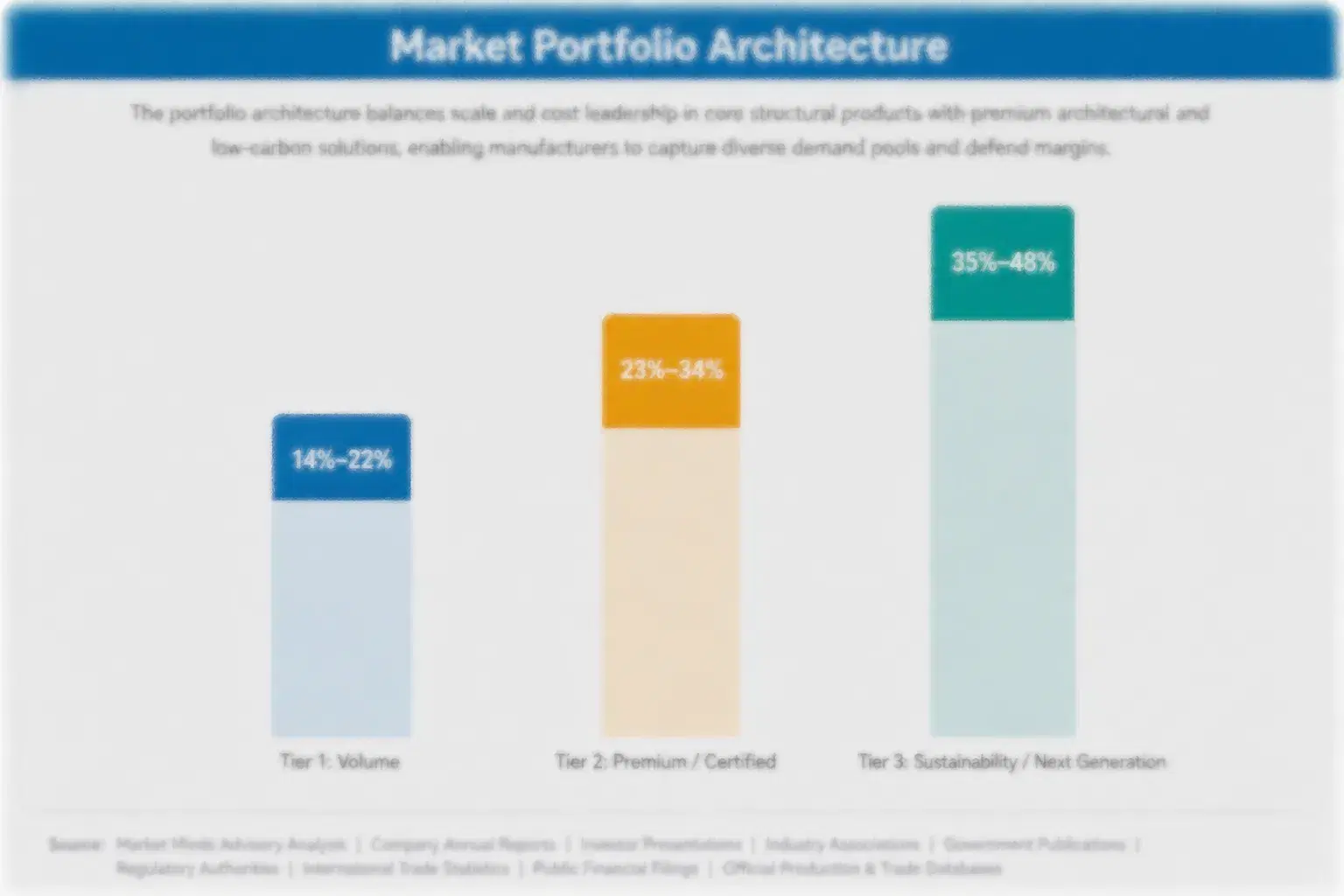
Margin architecture splits along qualification tier, with standard climate control units running moderate margins typical of mature industrial equipment, while CBRN-rated and multi-platform certified systems command meaningfully better economics tied to specialized testing investment rather than commodity differentiation alone. This gap has widened as CBRN threat doctrine has expanded well beyond its initial handful of leading platform classes over the past several years.
The volume versus premium tension here is straightforward: standard equipment remains viable on fixed installations without elevated threat exposure, but the fastest-growing demand sits entirely in CBRN-rated and monitored systems that standard equipment simply cannot provide, forcing contractors to choose which capability to build. Those serving both tiers evenly often struggle to invest adequately in either path. across most project categories and defense applications.

High-value margin pools concentrate specifically in multi-platform certified systems for naval and expeditionary applications, where qualification breadth and documented performance command premium pricing standard equipment cannot match. Contractors without these capabilities are increasingly confined to the thinner commodity tier as CBRN doctrine spreads to more platform classes, a divergence widening the gap between specialized contractors and generalist suppliers. with comparable testing depth.

Standard climate control systems for low-threat fixed defense installations, with gross margins in the 18 to 24 percent range typical of mature industrial equipment serving established accounts and sites nationwide.
Gross Margin

CBRN-rated single-platform certified systems, earning gross margins in the 28 to 36 percent range on verified qualification data and specification wins across most competitive bidding processes in major defense markets.
Gross Margin

Multi-platform certified systems with integrated monitoring for the most demanding naval and expeditionary applications, commanding gross margins in the 36 to 46 percent range under early specification exclusivity across sites.
Gross Margin
defense-hvac-systems-market-portfolio-architecture-1791057111439

High-value Sub-segments and Strategic Watch-out

Multi-Platform Certified Naval and Expeditionary Systems

Multi-platform certified systems for naval and expeditionary applications are both high-value and fast-growing, as procurement authorities commit to compliance requirements spanning multiple platform classes, creating a durable premium revenue stream for the handful of contractors with proven capability today. Few rivals compete directly. Pricing power remains strong.

Digital Health Monitoring Subscription Services

Digital health monitoring subscription services combine high value with moderate growth, since this category expands steadily alongside broader equipment specification rather than in sharp bursts, offering contractors a more predictable premium revenue base over time. Margins remain healthy and stable. Adoption keeps broadening steadily across most defense accounts.

Standard Climate Control Equipment

Standard climate control equipment remains the volume core of the market in lower-threat applications, generating steady unit count at moderate commodity-adjacent margins that leave limited room for differentiation beyond price and delivery reliability. Margins continue eroding slowly as fabricators compete for remaining volume nationwide. overall.

Indian Certification Competition

Rising domestic Indian certification capability is a strategic watch-out for established global contractors, since local content preferences on domestic projects increasingly favor regional firms over traditional incumbent suppliers on home-market contracts. Partnership structures remain one defensive option. being actively explored by established contractors. going forward.

From Equipment Sale to Sustainment Partner

Revenue is shifting from one-time equipment sale toward ongoing sustainment and monitoring relationships that renew across a platform's multi-decade operating life rather than ending at delivery. Contractors that secure these relationships capture value well beyond the original equipment sale, since switching providers mid-contract means rebuilding qualification documentation history that procurement authorities have come to expect continuity on. This makes compliance documentation central to contractor strategy.
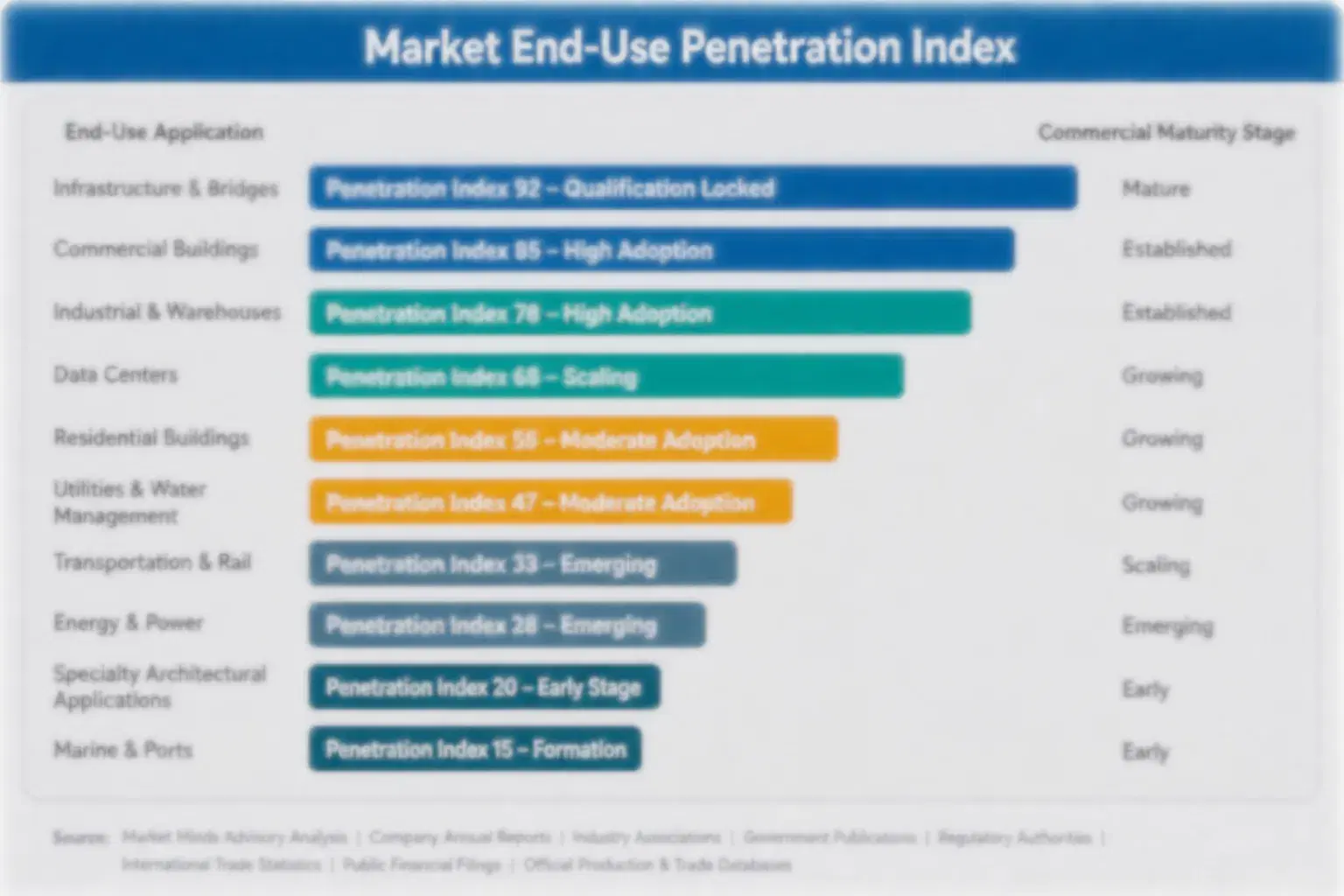
Adoption stickiness varies by end-use context. Naval and armored vehicle procurement programs show the deepest stickiness, having built equipment specifications directly into their own platform design documentation in ways that would be costly to restructure under a different contractor. Fixed installation programs remain comparatively more price-sensitive and more willing to switch providers between procurement cycles given less formalized platform-specific requirements.

Buyer profiles are shifting generationally as procurement officers who once treated HVAC as a basic utility line item are replaced by threat-focused acquisition professionals trained during the period when CBRN certification already determined which contractors won major contracts. This generational shift is accelerating specification of certified, monitored systems among mid-sized allied nations who previously deferred such decisions to whichever contractor served their first platform.
defense-hvac-systems-market-end-use-penetration-index-1791057111625

Where Contractors Should Focus Next

These are among the four positions where our research anticipates prominent divergence between winners and laggards over the coming forecast period. Each is grounded in the demand model, the regulatory perimeter, and the announced capacity pipeline.
01 / CERTIFICATION CAPABILITY INVESTMENT

Build multi-platform certification before single-platform equipment becomes uncompetitive

Procurement authorities increasingly require certification across multiple platform classes simultaneously, and contractors without multi-platform capability will simply be unable to bid on an expanding share of large defense programs as this buyer requirement spreads beyond its current handful of leading accounts. Building this capability requires sustained investment in qualification testing that smaller contractors may struggle to fund without a strategic partner. Those that move first will capture specification that slower competitors are permanently locked out of contesting across most major accounts.
02 / SUSTAINMENT CONTRACT BUILD

Attach sustainment contracts to every new platform HVAC sale

Contractors that attach long-term sustainment contracts to every new platform HVAC sale capture meaningfully more lifetime revenue per account while building switching costs that protect against competitor displacement over the platform's multi-decade service life. This transition requires investing in service infrastructure and spare parts logistics that smaller contractors may struggle to fund without additional capital. Those that complete it first will set the contract structure that slower competitors are eventually forced to match across most major global defense accounts worldwide.
03 / EMERGING MARKET FOCUS

Prioritize Gulf state and Indian programs ahead of mature market demand

Gulf state and Indian defense budgets are growing faster than mature market procurement spending, and contractors that establish early relationships with these programs are building a track record competitors will struggle to displace once specification habits set in across repeat platform orders. This focus requires dedicating business development resources specifically to these faster-growing markets rather than defending mature market share alone. Contractors that wait too long risk missing this emerging opportunity entirely to competitors already well positioned across these markets.
04 / INDIAN COMPETITION RESPONSE

Prepare a defensive response to rising Indian domestic certification capability

Domestic Indian defense manufacturers are scaling CBRN certification capability quickly, threatening established contractors most directly on home-market projects where local content preferences increasingly favor regional firms over traditional incumbents operating there today across many defense programs. Global contractors should either pursue joint venture or licensing arrangements with domestic partners to retain market access, or concentrate capital on regions where local competition remains less developed. Standing still against this shift risks losing a genuinely meaningful market over the coming decade entirely.

Engagement Snapshot From the Field

A live engagement with an industry participant carrying material or product regulatory and market exposure ahead of a defining policy shift, showing how our research translates into a defensible multi-year portfolio strategy.
MARKET MINDS ADVISORY · CLIENT ENGAGEMENT SUMMARY
Defense HVAC Systems Producer Strategic Portfolio Review and Transition Roadmap 2026·Investment Scenario on Defense HVAC Systems Exposure Evaluation 2025-26
CLIENT PROFILE
The client is a mid-sized allied nation's defense ministry planning a fleet modernization program across several naval vessel classes, with limited prior experience procuring CBRN-rated HVAC equipment at this scale. The ministry had historically relied on a single legacy supplier whose equipment no longer met updated threat doctrine requirements the modernization program needed to satisfy.
STRATEGIC CHALLENGE
Ministry leadership needed to select a qualified contractor capable of delivering certified CBRN-rated systems across multiple vessel classes on an accelerated timeline, while navigating export control approval processes given that no domestic contractor held the necessary certification for this equipment category currently. before the ministry's publicly announced modernization deadline arrived.
MMA APPROACH
MMA benchmarked candidate contractors against their documented multi-platform certification history and current order backlog, modeled export control approval timelines based on comparable procurement programs in similarly situated allied nations, and assessed which contractors could realistically meet the ministry's accelerated modernization schedule. given reported certification backlogs across the broader allied defense industrial base.
KEY FINDINGS
  1. Only two of five candidate contractors held certification across all the vessel classes the modernization program required simultaneously. based on a review of documented certification records during the engagement.
  2. Export control approval in comparable allied nation procurements had historically taken longer than the ministry's accelerated timeline assumed. even after accounting for the ministry's own internal planning buffer.
  3. Splitting the contract across two certified suppliers reduced single-vendor dependency risk given the accelerated modernization schedule. given the compressed modernization timeline the ministry had publicly committed to.
  4. Early engagement with export control authorities before finalizing the contract reduced approval delay meaningfully (client-reported, unverified by MMA). ahead of the formal contract award process concluding.
CLIENT PROFILE
The client is a mid-sized allied nation's defense ministry planning a fleet modernization program across several naval vessel classes, with limited prior experience procuring CBRN-rated HVAC equipment at this scale. The ministry had historically relied on a single legacy supplier whose equipment no longer met updated threat doctrine requirements the modernization program needed to satisfy.
STRATEGIC CHALLENGE
Ministry leadership needed to select a qualified contractor capable of delivering certified CBRN-rated systems across multiple vessel classes on an accelerated timeline, while navigating export control approval processes given that no domestic contractor held the necessary certification for this equipment category currently. before the ministry's publicly announced modernization deadline arrived.
MMA APPROACH
MMA benchmarked candidate contractors against their documented multi-platform certification history and current order backlog, modeled export control approval timelines based on comparable procurement programs in similarly situated allied nations, and assessed which contractors could realistically meet the ministry's accelerated modernization schedule. given reported certification backlogs across the broader allied defense industrial base.
KEY FINDINGS
  1. Only two of five candidate contractors held certification across all the vessel classes the modernization program required simultaneously. based on a review of documented certification records during the engagement.
  2. Export control approval in comparable allied nation procurements had historically taken longer than the ministry's accelerated timeline assumed. even after accounting for the ministry's own internal planning buffer.
  3. Splitting the contract across two certified suppliers reduced single-vendor dependency risk given the accelerated modernization schedule. given the compressed modernization timeline the ministry had publicly committed to.
  4. Early engagement with export control authorities before finalizing the contract reduced approval delay meaningfully (client-reported, unverified by MMA). ahead of the formal contract award process concluding.
RECOMMENDED STRATEGY
Phase 1: Phase one: shortlist contractors based on verified multi-vessel certification history within the required timeline. given the ministry's compliance and delivery requirements. Phase 2: Phase two: engage export control authorities early in parallel with contractor selection to compress approval timing. rather than waiting until after contractor selection concluded. Phase 3: Phase three: structure the contract across two qualified suppliers to reduce single-vendor dependency risk during delivery. across all vessel classes covered by the program.
OUTCOME
The ministry selected two contractors within the accelerated timeline the engagement identified and secured export control approval faster than comparable historical procurements, reducing overall program delay meaningfully (client-reported, unverified by MMA). The dual-supplier structure proceeded as recommended throughout vessel delivery. Both outcomes met the ministry's original modernization expectations.

Frequently Asked Questions

Foundational context covering the market sizes, CAGR, scope, country, region and competition that inform every finding below. This section is provided to cover basics and most often pre-purchase conversations, answered from the MMA Primary Research Dataset.

What is the current size of the Defense HVAC Systems Market?

The global defense HVAC systems market reached 3.4 billion dollars in 2025. Growth is driven by expanding CBRN threat doctrine pushing adoption toward overpressure systems.

How large will the Defense HVAC Systems Market be by 2036?

The market is projected to reach 7.767 billion dollars by 2036, up from 3.665 billion dollars in 2026. That represents a 2.12 times expansion over the forecast decade.

What is the CAGR for the Defense HVAC Systems Market 2026 to 2036?

The market is forecast to grow at a 7.8 percent compound annual rate between 2026 and 2036, up from an estimated 6.4 percent historical rate over 2020 to 2025.

Which segment is growing fastest?

CBRN-rated filtration and overpressure HVAC systems are growing fastest, at an 11.2 percent CAGR, roughly 1.44 times the overall market rate, driven by threat doctrine expansion.

Who are the major companies in the Defense HVAC Systems Market?

Leading participants include Collins Aerospace, Parker Hannifin, Marotta Controls, FlÃĪktGroup Defense, and AAF International, together holding roughly 52 percent combined share on a reported equipment revenue basis.

Which country is growing fastest?

India is growing fastest among major markets, expanding at an estimated 10.5 percent CAGR as domestic defense manufacturing capacity and modernization programs continue scaling rapidly.

Report Segmentation Architecture

The full report scope spans multiple orthogonal segmentation dimensions, with cross-tabulated demand data provided for each dimension pair. Coverage extends further to regional breakdowns, trend trajectories, and the competitive detail needed to support segment-level decision-making.
  • Standard Climate Control Systems
  • CBRN-Rated Filtration Systems
  • Overpressure Protection Systems
  • Systems with Integrated Monitoring Sensors
  • Multi-Platform Certified Systems
  • Naval Vessels
  • Armored and Land Vehicles
  • Fixed Defense Installations
  • Aircraft and Expeditionary Shelters
  • Submarines and Undersea Platforms
  • Direct Equipment Purchase
  • Long-Term Sustainment Contracts
  • Digital Monitoring Subscription Services
  • Spare Parts and Component Supply

By Region

  • North America
  • Western Europe
  • East Asia
  • South Asia and Pacific
  • Latin America
  • Middle East and Africa
  • Eastern Europe

Scope, Methodology, and Coverage

Every figure in this report is reproducible from documented input assumptions. The scope below maps the historical period, the forecast horizon, the segmentation dimensions, and the countries covered, alongside the underlying primary and qualitative methodology.
Historical Period
2020 to 2025
Forecast Period
2026 to 2036
Base Year
2025 (USD billions; MMA Primary Research Dataset, October 2026)
Market Definition
This market covers HVAC systems engineered for military platforms, including naval vessels, armored vehicles, and fixed defense installations, with CBRN filtration and overpressure protection capability. It excludes commercial HVAC equipment and general building ventilation systems sold outside qualified defense procurement programs.
Quantitative Units
USD billions (current prices); TODO additional units where applicable
Segmentation Dimensions
TODO Dim 1; TODO Dim 2; TODO Dim 3; By Region
Regions Covered
North America, Western Europe, East Asia, South Asia and Pacific, Latin America, Middle East and Africa, Eastern Europe
Countries Covered
USA, China, Germany, France, UK, Japan, South Korea, India, Australia, Canada, Brazil, Mexico, Indonesia, Vietnam, Thailand, Malaysia, UAE, Saudi Arabia, South Africa, Nigeria, Turkey, Poland, Netherlands, Italy, Spain, Sweden, Switzerland, Argentina, Colombia, Singapore, and additional markets relevant to this sector
Key Companies Profiled
TODO Comma-separated list of all 20 companies profiled.
Quantitative Methodology
Primary survey, n=3,800 respondents, Q4 2025, six countries; demand-side model with trade association cross-validation
Qualitative Methodology
47 expert interviews, Q4 2025; applied to validate demand model assumptions, identify emerging dynamics, and assess competitive positioning
Report Format
PDF and XLSX data workbook (Word format preview document)
Publisher
Market Minds Advisory
Report Code
MMA-2026-CON-739
Published
October 2026
Contact
sales@marketmindsadvisory.com | www.marketmindsadvisory.com

Purchase the full Defense HVAC Systems Market Report (2026 to 2036).

This report provides a complete analysis of the global defense HVAC systems market, covering market sizing, segmentation, and regional dynamics through 2036. It profiles the leading defense contractors across the competitive landscape. The analysis examines filtration media and sealed component input cost exposure and margin architecture across product tiers, and details the demand mechanisms driving adoption across naval, land vehicle, and fixed installation platforms worldwide. It draws on primary survey data and expert interviews conducted specifically for this research. Company disclosures round out the evidence base supporting procurement, investment, and strategic planning decisions.
Seven-region market sizing and growth forecasts
Segment-level CAGR and market share breakdowns
Competitive benchmarking of 20 named contractors
Input cost exposure and mitigation strategy analysis
Margin architecture across three product tiers
Anonymized client case study with recommended strategy

Built For The People Who Decide

From boardroom strategy to bench-side execution, this report is read cover-to-cover by leaders shaping the next decade of their industry, turning demand scenarios, market dynamics and valuation benchmarks into decisions.
CXOs/ Presidents/ VPs/ Managers
M&A and Corporate Development
Strategy Teams and R&D Heads
Procurement and Product Directors
Regulatory and Compliance Leaders
Investor Relations and Equity Analysts