Market Minds Advisory
Date Paste Market

Date Paste Market: Date Paste Market. Sugar Reduction Demand and Gulf Processing Investment Reshape a Traditional Sweetener.

Sugar reduction mandates, clean-label reformulation, and Gulf processing investment are turning date paste from a regional confection ingredient into a global natural sweetener, while palm harvest limits and water scarcity constrain fruit supply.

Lead Analyst

Published

September 2026

Make Smarter Decisions with Customized Research Insights

Request a free sample report and evaluate market opportunities, growth trends, and competitive dynamics relevant to your business needs.

2025 MARKET VALUE$1.2BMarket Size 2025
2036 FORECAST VALUE$2.5BBase Case , 2026 to 2036
CAGR 2026 TO 20366.8 %Bull 8.0% / Bear 5.6%
INCREMENTAL OPPORTUNITY$1.2BNet 10- year value creation
EXPANSION MULTIPLE1.93x2036 value over 2026 base
Strategic Levers
M&A Pipeline
Regional Outlook
Country Rankings
Competitive Intelligence
Segmental Deep-dive
Call-Us : 91 93563 13602

Executive Snapshot and Market Trajectory.

Date paste is moving from a regional pantry item to a global natural sweetener and binder. Bakers, snack makers, and plant-based brands use it to replace refined sugar and add fiber, and consumer interest in whole-food sweeteners is widening its use well beyond traditional Middle Eastern sweets across categories.
Organic and ready-to-use squeezable pastes are growing fastest, helped by clean-label reformulation in snack bars, bakery fillings, and infant and plant-based foods. The Middle East and North Africa still grow and process most of the world's dates, so value sits close to the orchards, while North America and Western Europe drive premium consumption. Export processing capacity in Saudi Arabia and the United Arab Emirates is expanding quickly.
Competition centers on fruit sourcing, pitting and paste-making efficiency, and food safety certification, since aflatoxin, pests, and moisture control decide which lots reach export buyers. Water scarcity and palm labor limit supply growth, and brands increasingly ask for traceable, pesticide-free fruit, so large cooperatives and integrated processors with orchard access hold advantages over small traders and blenders. Irrigation upgrades widen supply only gradually, and new orchards need years before commercial harvests.
Market Definition
Date paste comprises pitted date fruit, chiefly Medjool, Deglet Noor, Khalas, and Sukkari varieties, ground into a smooth or chunky paste for use as a sweetener, binder, or filling. The scope excludes whole and pitted dates sold as fruit, date syrup, date sugar, and finished confectionery or snack products.
Base Year Value
$1.2B in 2025 (MMA Primary Research Dataset, September 2026)
Forecast Period
2026 to 2036, eleven discrete annual values
CAGR
6.8% base case. Bull 8.0%. Bear 5.6%.
Fastest Growth Segment
Organic Date Paste: 9.5% CAGR
Fastest Growth Country
Saudi Arabia: 9.2% CAGR
Fastest Growth Region
South Asia and Pacific: 9.0% CAGR
Largest Region
Middle East and Africa: 36% of 2025 global value
Market Leaders
Al Foah Company, Bateel International, Hadiklaim Israel Date Growers Cooperative, Natural Delights, Alkhaleej Date Factory. Source: MMA Analysis, company annual reports.
Primary Survey
n=3,800 procurement and R&D decision-makers, Q4 2025, six countries
Methodology
Demand-side build-up, cross-validated against public data, 47 expert interviews

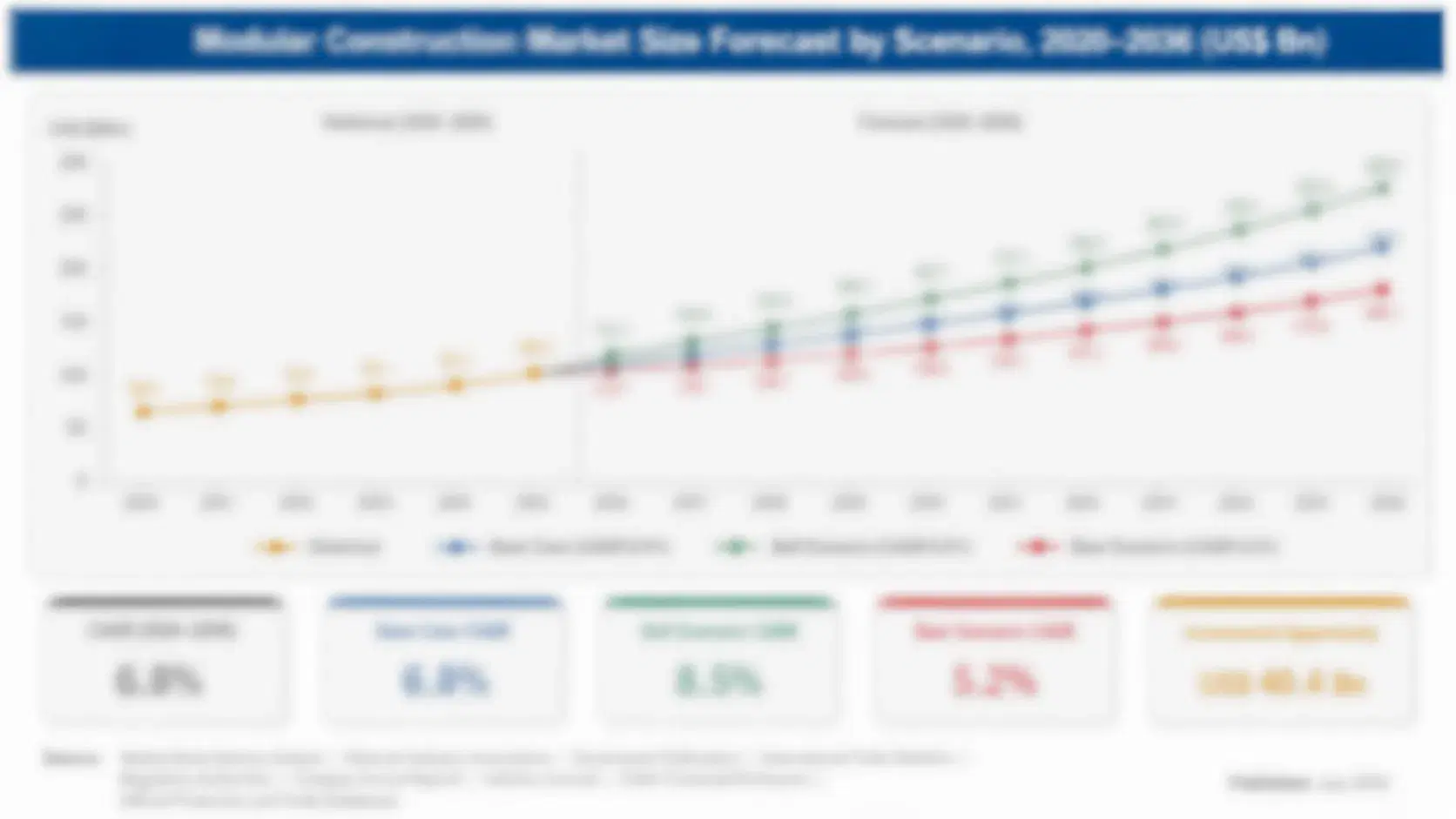
Date Paste Market Forecast Scenarios

date-paste-market-size-forecast-scenario-1789747442786
Between 2020 and 2025, date paste grew steadily as bakers, bar makers, and plant-based brands looked for natural sweeteners and clean labels. Growth averaged 6.0% a year, supported by expanded Gulf processing capacity and by retail listings of squeezable and organic products in North America and Europe that made the ingredient familiar to ordinary shoppers.
The base case assumes 6.8% annual growth through 2036, built on three mechanisms: continued sugar reduction and clean-label reformulation across bakery, snack, and infant foods, expansion of Saudi and Emirati processing that lowers cost and improves food safety documentation, and rising consumer adoption of ready-to-use pastes as household sweeteners in Europe, North America, and East Asia, where whole-food ingredients carry a premium. Larger retailers listing squeezable packs also help brands reach ordinary shoppers.
The bull case, reaching 8.0%, needs faster reformulation by large food manufacturers and stronger organic supply. The bear case, falling to 5.6%, reflects drought, palm disease, or export bottlenecks that raise fruit prices, plus competition from cheaper sweeteners such as monk fruit blends, fruit juice concentrates, and rice syrups that some brands may prefer during high-cost years. Either case reshapes fruit pricing.

Orchard Access and Food Safety Define Date Paste Value

Date paste is a processing business built on a perennial tree crop. Palms take years to bear fruit, harvest is labor-intensive and seasonal, and quality depends on weather at ripening, so supply cannot respond quickly to demand. Value therefore accrues first to processors that secure orchard access or long contracts, and only afterward to brands that build consumer recognition and shelf presence.
MARKET CONCENTRATION20% CR5Top five processors hold a small combined market share
AVERAGE SELLING PRICE$3.10 per kgOrganic grades sell well above plain conventional paste
TOP PRODUCING COUNTRY29% shareLeading producer supplies almost a third of fruit output
ORGANIC SHARE12%Certified organic remains a small but expanding niche
FRUIT COST SHARE58% of COGSFruit purchases dominate cost before pitting and packing
EXPORT ORIENTATION64%Most processed paste is shipped outside producing countries
Processing turns variable fruit into a consistent ingredient. Sorting, washing, pitting, steaming, and grinding must control moisture, sugar, and microbial load, and export buyers demand testing for aflatoxin and pesticide residues. Facilities that meet European and North American audit standards can charge meaningful premiums, while small traders selling untested paste struggle to reach retailers and multinational food manufacturers that are increasingly risk averse.
Demand is broadening from traditional sweets and Ramadan consumption to everyday uses in baking, bars, spreads, smoothies, and infant foods. Formulators like the ingredient's fiber, minerals, and caramel flavor, though color and moisture create technical challenges. Retailers now stock squeezable date paste next to honey and maple syrup, which signals that the product is entering the mainstream sweetener aisle in developed markets.
"Dates are the only major sweetener whose supply cannot be surged by next season's planting decisions. Anyone promising unlimited volume at a fixed price has not talked to an orchard manager."
Practice Lead, Agricultural Commodities and Food Ingredients Practice · MMA Agricultural Commodities and Food Ingredients Practice · September 2026

Market Trends

Sugar Replacement Reformulation Spreads Across Snack and Bakery

Food manufacturers are replacing refined sugar and syrups with date paste in snack bars, cookies, sauces, and plant-based desserts, because it provides sweetness, fiber, and binding in one ingredient with a short label. Retail brands now advertise no added sugar claims built on date paste, and formulators report consumer acceptance improves when the ingredient list reads as whole fruit. This trend increases requirements for consistent color, moisture, and microbial quality across batches. Manufacturers increasingly specify moisture and color tolerances in purchase contracts, and they reject shipments that fall outside agreed ranges, which pushes processors toward tighter process control.
Market Impact: sugar taxes now cover 50 countries
Gulf Processors Automate Pitting and Paste Production Lines

Processors in Saudi Arabia, the United Arab Emirates, and Israel are investing in automated sorting, pitting, and paste lines with clean-room packing to meet European and North American audit standards. Government programs in the Gulf support date value-addition as part of food security and diversification plans, and export incentives encourage branded exports. The result is larger, more standardized processors that can serve multinational food manufacturers with dependable volume and documentation. Export incentives and shared cold storage help smaller growers deliver fruit into these plants, which increases fruit quality and reduces the losses that previously occurred between harvest and processing.
Market Impact: Saudi date exports up 7% yearly

Market Opportunities and Growth Drivers

Sugar Reduction Rules Push Brands Toward Whole-Fruit Sweeteners

Health authorities and retailers are pushing manufacturers to cut added sugar, and several countries have introduced sugar taxes and front-of-pack warnings that penalize refined sweeteners. Date paste offers a whole-fruit route that lowers added sugar claims while retaining sweetness and moisture, so brands in bakery, cereal, and dairy alternatives are testing it as a partial replacement. Each reformulation project can consume several tonnes of paste annually once it reaches national distribution. Retailers also request sugar reduction roadmaps from suppliers, so a successful pilot with one bar or bakery range often leads to broader adoption across the customer's portfolio.
Market Impact: palm irrigation needs 20,000 cubic meters

Gulf Value-Addition Programs Expand Processing Capacity

Middle Eastern and North African governments are funding date value-addition programs, including processing plants, cold storage, and export marketing, as part of food security and economic diversification plans. Saudi Vision 2030 and comparable Emirati and Egyptian initiatives support new facilities and research on cultivation and water use. This public investment lowers processors' capital costs and helps small farmers deliver fruit into organized supply chains that meet export quality standards. Cold storage hubs and shared packing houses reduce post-harvest losses, and export promotion agencies help processors meet buyer audits, which accelerates access to European and North American retailers.
Market Impact: export rejections affect 6% of lots

Market Restraints and Challenges

Water Scarcity Limits Orchard Expansion and Raises Fruit Costs

Date palms need large volumes of irrigation water, and many producing countries face declining aquifers and rising salinity, so orchard expansion is limited. The root cause is arid geography combined with heavy water demand per hectare. Fruit prices rise in poor seasons, hurting paste margins, while smaller growers abandon marginal plots. Mitigation includes drip irrigation, treated wastewater, drought-tolerant varieties, and investment in orchards in less water-stressed regions. Some Gulf producers are already using treated wastewater and desalinated supplies, though these solutions raise costs and cannot yet supply the whole sector, so fruit prices still rise in dry years.
Market Impact: date paste in 15% of bars

Aflatoxin and Pest Rejections Raise Compliance Costs

Dates are prone to aflatoxin contamination, insect infestation such as date moth, and moisture-related spoilage, and export buyers reject lots that fail testing. The root cause is hot, humid harvest and storage conditions combined with fragmented smallholder supply chains. Rejections raise costs and damage buyer confidence. Processors respond with fumigation alternatives, cold storage, laboratory testing, and cooperative programs that train growers on harvest handling and drying. Cooperatives that provide shared fumigation-free storage and testing reduce rejections, but many small growers still sell through informal traders, which keeps quality variable across lots and raises the burden on processors' laboratories.
Market Impact: Gulf capacity expanding 9% annually
3 additional market trends, 4 additional growth drivers, and 3 additional restraints and challenges are covered in the full report. Contact sales@marketmindsadvisory.com to access the complete intelligence.

Segment CAGR and Growth Architecture

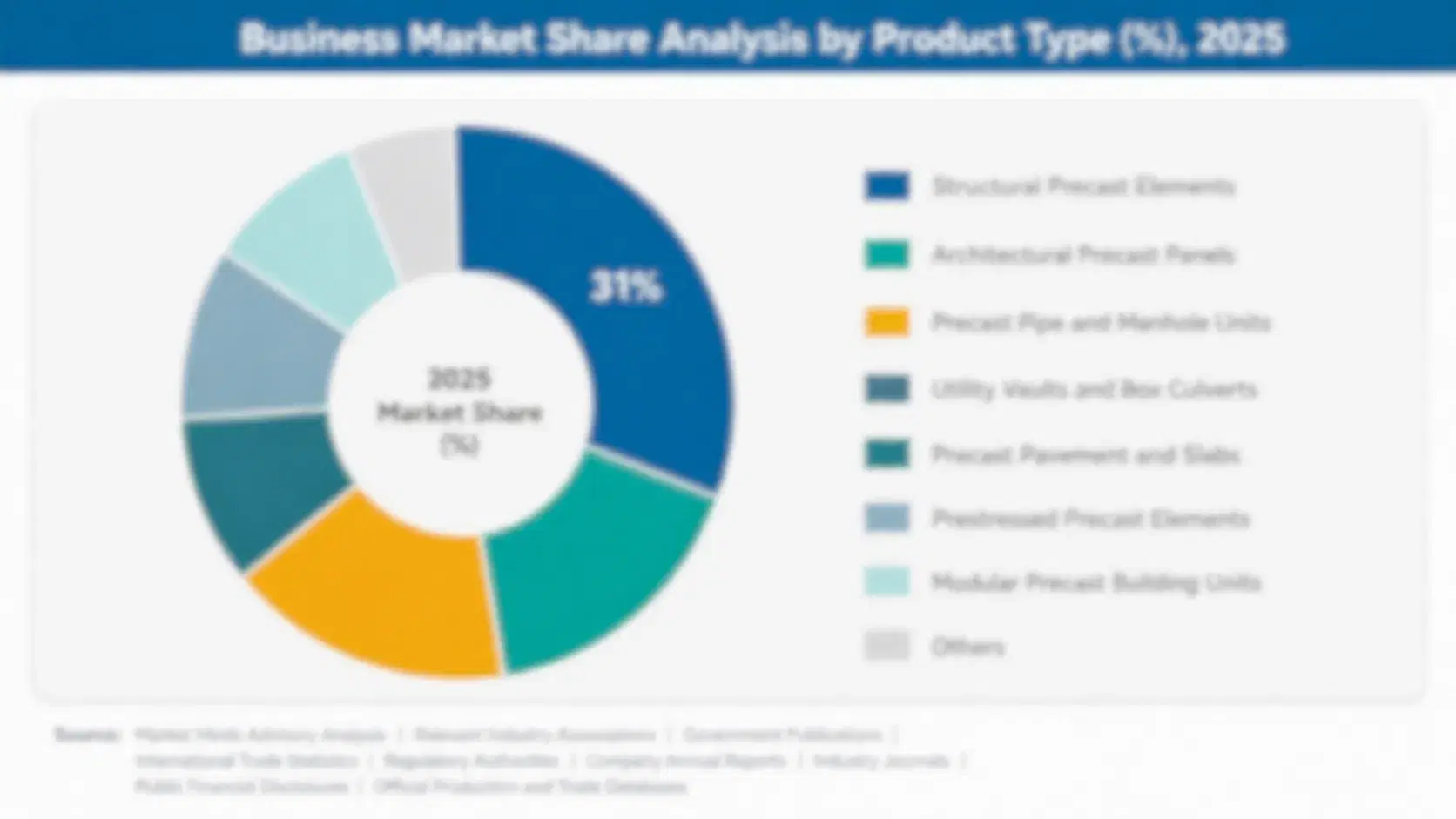
Date paste is segmented by product format and grade, because certification, packaging, and formulation determine price, channel, and buyer type more directly than variety alone. Organic and ready-to-use squeezable grades are attracting most investment as retailers and consumers seek convenient, clean-label sweeteners for everyday cooking and baking. Buyers therefore pay premiums for certification and convenience.
date-paste-market-market-share-analysis-1789747443061

Organic Date Paste

Organic date paste is the fastest-growing segment because retailers and food brands want certified products that match organic snack bars, infant foods, and clean-label baking. Organic dates come mainly from smaller orchards in Tunisia, Egypt, Israel, and California that have completed conversion periods, so supply is limited and prices carry a clear premium. Buyers value traceable, pesticide-free fruit and third-party certification, and processors with organic orchards or dedicated grower programs are signing multi-year contracts that guarantee volume for premium brands. Supply growth is slow because conversion takes about three years, and certified orchards must keep records and buffer zones. Premium brands increasingly ask for fair-labor and water-efficiency documentation as well, which favors integrated processors that can supply verified data.
CAGR 9.5%

Ready-to-Use Squeezable Date Paste

Ready-to-use squeezable date paste is the second-fastest segment, sold in pouches and bottles for household baking, smoothies, and spreads. It costs more per kilogram than bulk paste because of packaging, pasteurization, and branding, but consumers pay for convenience and consistent texture. Retail distribution has expanded in North America, Europe, and Australia, and brands that build recipes, social media content, and grocery listings are converting shoppers who once considered dates a specialty fruit purchase. Packaging is the main cost, since pouches and bottles need pasteurization, barrier films, and branded design. Successful brands invest in recipes, influencer content, and retailer promotions, and they use the consumer pack to build recognition that helps them negotiate better terms with grocery chains.
CAGR 8.4%
Full segment breakdown across 6 segments available in the complete report.

Regional Architecture and Country Demand Map

Date paste value sits close to the orchards. The Middle East and North Africa grow and process most fruit, while North America and Western Europe drive premium consumption, and East Asia remains an early-stage market with fast growth from a small base over the next decade.

North America

North America holds 22% share, driven by United States and Canadian demand for clean-label snack bars, plant-based desserts, and household sweeteners sold through grocery and natural food stores. California and Arizona grow Medjool and Deglet Noor dates that supply premium fresh and processed products, but most paste is imported from the Middle East, North Africa, and Israel. Retailers demand audit reports and organic certification, and brands pay premiums for recognizable origin stories and consistent texture. Sugar reduction pressure from retailers and rising interest in plant-based desserts keep reformulation projects active. Foodservice chains and coffee shops are also adding date-sweetened drinks, and squeezable packs sit beside honey and maple syrup in many grocery stores.
Share: 22% | CAGR: 7.0% (2026 to 2036)

Western Europe

Western Europe holds 18% share, with Germany, France, the United Kingdom, and Spain leading demand for organic date paste in bakery, breakfast cereals, and infant foods. The region imports large volumes from Tunisia, Algeria, Israel, and Iran, and retailers require strict testing for mycotoxins and pesticide residues under European Union rules. Reformulation for sugar reduction is active, though Ramadan-related consumption from large Muslim communities also creates seasonal demand peaks in several countries. Discounters and organic chains are widening private label ranges, and bakery chains use date paste to cut declared sugar. Regulatory attention to contaminants keeps import testing strict, so suppliers with documented food safety systems win listings, while smaller traders struggle with rejections and delays at border checks.
Share: 18% | CAGR: 5.2% (2026 to 2036)
Regional intelligence for 5 additional markets available in the complete report: East Asia, South Asia and Pacific, Latin America, Middle East and Africa, Eastern Europe. Contact sales@marketmindsadvisory.com.
date-paste-market-country-cagr-analysis-1789747443404

Four Margin Levers Behind Date Paste Profits

Margin in date paste comes from controlling fruit supply and upgrading it into certified, convenient, and documented products, not from volume alone. Processors that secure orchard access, add organic and squeezable formats, invest in food safety systems, and sell directly to manufacturers can earn far more than traders selling bulk paste at commodity prices.

Converting Bulk Paste Into Organic Certified Grades

Organic date paste sells at 30% to 50% above conventional paste, because certified fruit is scarcer and buyers in snack bars and infant foods pay for traceability and residue-free claims. Conversion requires a multi-year transition on orchards, third-party audits, and segregated processing, which raises cost and delays returns. Processors that convert early or contract organic growers secure multi-year supply agreements with premium brands that later entrants will struggle to replicate. Supply agreements usually last several years, and premium customers value the traceability data that organic processors can provide for every lot.
Market Impact: organic paste earns 30% to 50% premium overall

Launching Squeezable Consumer Packs for Retail Channels

Ready-to-use pouches and bottles sell at roughly two to three times the price per kilogram of bulk paste, since consumers pay for convenience and consistent texture. Building consumer brands requires investment in pasteurization, packaging, and marketing, but processors that achieve national retail listings gain steady, higher-margin volume. Retailers also favor suppliers who can support recipe content and promotions, which strengthens negotiating position beyond commodity price competition alone. Brands report that consumer packs can lift gross margin by 15 points versus bulk sales, and retailer promotions increase repeat purchases when recipes and in-store displays are supported consistently.
Market Impact: consumer packs sell at 2 to 3 times bulk price

Investing in Food Safety Systems and Certification

Export buyers reject lots that fail aflatoxin or pesticide testing, so processors that invest in laboratory testing, cold storage, and audited food safety systems win accounts worth roughly 10% more than uncertified competitors and avoid costly returns. Certification to international standards opens European and North American supermarket and food manufacturer contracts. The investment costs a few percent of revenue, but it protects reputation and allows processors to price above commodity levels. Certification also reduces rejected shipments, which otherwise cost freight, waste, and lost customer confidence that take many seasons to rebuild.
Market Impact: certified processors earn roughly 10% higher prices overall

Supplying Food Manufacturers Directly Under Annual Contracts

Processors that sell directly to bar and bakery manufacturers under annual agreements capture 8% to 15% more margin than those relying on traders, and gain demand visibility that supports production planning. Direct relationships allow joint work on moisture, color, and texture specifications, which customers value. The approach requires dedicated technical support and reliable supply during poor harvests, but creates sticky relationships that competitors find hard to displace. Manufacturers also share production forecasts, which lets processors schedule pitting runs efficiently, reduce stockholding, and avoid the price discounts that sometimes accompany unsold inventory at season end.
Market Impact: direct contracts add 8% to 15% margin overall

Who Controls the Margin Pool

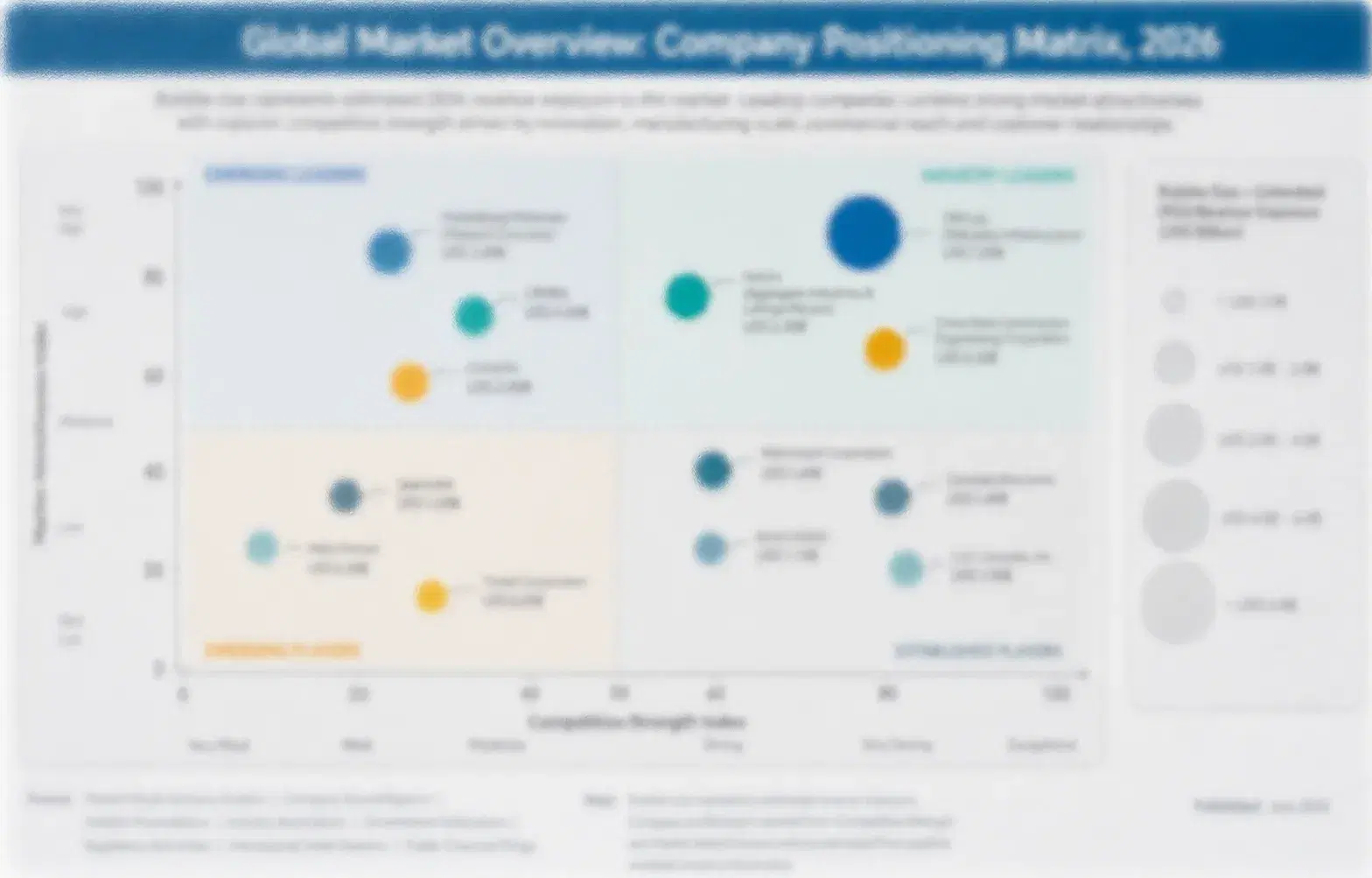
Date paste is fragmented, with the top five processors holding about 20% of global revenue, the basis used throughout this section. Al Foah and Bateel lead in the Gulf, Hadiklaim and Natural Delights are prominent in Israel and California, and many regional cooperatives and traders supply significant volume without global brand recognition. Consolidation remains limited so far.
Competitive activity centers on three fronts: securing orchard access and grower contracts, investing in automated pitting and paste lines with food safety certification, and building retail brands for squeezable and organic products. Gulf processors are also expanding cold storage and export marketing, while Israeli and Californian producers emphasize premium Medjool varieties, traceability, and direct relationships with food manufacturers seeking stable supply. Certification costs favor larger processors.

Emerging pressure comes from Saudi and Emirati government-backed processors that can invest at scale and from North African exporters offering organic fruit at lower cost. Large food manufacturers may also integrate backward into sourcing, which would reduce independent paste demand. Rankings could shift quickly if drought, disease, or export bottlenecks hit one producing region and favor suppliers with geographically diversified orchard access. Diversified orchards hedge weather.
date-paste-market-company-positioning-matrix-1789747443708

Competitive Moat and Risk Dimensions

AL FOAH COMPANY

Moat: Orchard Scale and Government Backing

Al Foah, linked to the Abu Dhabi government, collects large volumes of fruit from local growers and operates modern processing and packing facilities. This scale secures raw material, allows investment in automated lines and testing, and gives access to export marketing support that private competitors struggle to match, especially during poor harvests when smaller processors lose supply.
AL FOAH COMPANY

Risk: State-Linked Structure Limits Agility

Government ties can slow commercial decision making, and reliance on domestic growers and Gulf logistics exposes Al Foah to regional disruptions and water constraints. Private competitors may move faster in consumer brand building and new product development, especially in squeezable and organic segments where speed to retail decides shelf placement.
BATEEL INTERNATIONAL

Moat: Premium Brand and Retail Presence

Bateel built a luxury brand around dates through its own retail stores and gift products, which gives it pricing power and direct contact with consumers. It sources premium fruit from selected orchards and processes paste and confectionery in controlled facilities. Brand recognition across Gulf and international markets lets it command higher prices than commodity paste suppliers.
BATEEL INTERNATIONAL

Risk: Narrow Positioning Limits Volume Growth

Bateel's premium retail model focuses on gifting and specialty products, so it has limited exposure to industrial paste volumes that drive category growth. Food manufacturers seeking large, low-cost supply may prefer processors with bigger capacity, which could limit Bateel's share in ingredient channels. Growth may lag peers.

Players Tracked

Prominent Players

Al Foah Company
Bateel International
Hadiklaim Israel Date Growers Cooperative
Natural Delights
Alkhaleej Date Factory

Other Key Players

Al Rabie Saudi Foods
Almarai
Savola Group
Sunsweet Growers
Sun-Maid Growers
Shields Date Garden
Jordan Valley Medjool
Date Lady LLC
Al Madina Dates Company
Tunisian Date Interprofessional Group
Medjool Direct
Dabur India
Sahara Dates Trading
Emirates Dates Company
Morocco Dates Cooperative

Recent Developments

APRIL 2026

Al Foah Expands Automated Paste Processing Capacity

Al Foah completed an organic capacity expansion at its processing complex, adding automated pitting and paste lines with new cold storage. The project is internal capital spending, not an acquisition. It increases export output, shortens turnaround during harvest, and supports certification requirements demanded by European and North American manufacturers.
Signal: Shows Gulf processors investing at scale to serve multinational food manufacturers seeking documented, standardized paste supply.
SEPTEMBER 2025

Hadiklaim Signs Multi-Year Supply Agreement With Bar Maker

Hadiklaim signed a multi-year supply agreement with a European snack bar manufacturer, fixing annual volumes and quality specifications for Medjool date paste. The deal is a commercial contract, not an equity transaction. It gives the manufacturer secure supply for a sugar-reduced bar range and Hadiklaim predictable volumes.
Signal: Confirms sugar-reduction reformulation is turning date paste into contracted ingredient supply rather than spot commodity trade.
DECEMBER 2025

Bateel Acquires European Distribution Business

Bateel completed the acquisition of a European specialty food distributor to bring date products, including squeezable paste, closer to retailers in Germany, France, and the United Kingdom. The transaction adds warehouses, logistics, and existing retail listings. The goal is faster delivery and better promotion of consumer packs.
Signal: Reflects Gulf brands buying distribution assets to control access to premium European retail shelves directly across Europe.

What Drives Date Paste Costs

Dates account for roughly 55% to 60% of cost of goods, sourced from orchards in Saudi Arabia, the United Arab Emirates, Egypt, Iran, Algeria, Tunisia, Israel, and California. Labor for pollination, harvest, and sorting is the next largest cost, while energy, packaging, and food safety testing account for most of the remainder in processing plants. Packaging costs are comparatively small.
Date fruit prices rose sharply in several seasons after 2022 as drought, palm disease, and higher labor costs reduced yields in parts of North Africa, according to FAO statistics on date production and trade. Almarai's fiscal 2023 annual report cited higher agricultural input costs across its food businesses, and processors responded by raising prices and signing longer grower contracts to protect supply during shortages. Prices stayed elevated afterwards.

Exposure varies by player type. Processors with owned orchards or multi-year grower contracts absorb shocks better than traders buying spot fruit. Suppliers in Gulf countries benefit from proximity and government support, while importers in Europe and North America face freight, currency, and tariff risk on both fruit and finished paste. Freight and insurance add further geographic differences.
date-paste-market-cost-volatility-analysis-1789747444019

Signing Multi-Year Grower Contracts With Price Bands

Processors negotiate multi-year agreements with cooperatives and large growers that fix volumes and set price bands linked to seasonal averages, protecting supply during poor harvests. This reduces spot-market exposure but requires financing growers and quality monitoring, and processors accept some price risk if market prices later fall. Larger processors can commit to substantial volumes and benefit most.

Diversifying Fruit Sourcing Across Producing Regions

Suppliers buy fruit from several countries, such as Saudi Arabia, Egypt, Tunisia, and California, so drought, disease, or export restrictions in one region do not halt production. Diversification raises complexity in quality control and logistics, since varieties and contaminant profiles differ, but it protects continuity and allows processors to serve customers demanding specific origins.

Investing in Water-Efficient Orchard Management

Growers and processors with orchard interests adopt drip irrigation, treated wastewater, and improved palm management to hold yields with less water. These investments lower long-run production cost and reduce exposure to groundwater depletion. Upfront capital is significant and returns arrive over several seasons, but they strengthen supply security in regions facing rising salinity and water scarcity.

Portfolio Architecture for Margin Defence

Date paste margins run from thin trader spreads on bulk conventional paste to rich returns on organic, consumer-packed, and certified products, with gross margin roughly doubling between the volume tier and the top tier. Certification, packaging, and brand all add pricing power over the same underlying fruit, and buyers pay for reliability because fruit supply is fixed by orchard capacity and quality varies widely across origins.
Volume and premium tension is real. Bulk paste sold to food manufacturers fills plants and builds relationships but earns thin margins and leaves suppliers exposed to fruit price swings. Consumer packs and organic grades earn steadier returns on smaller volumes, yet they require marketing spend and certification. Processors must decide how to allocate scarce fruit between low-margin bulk customers and premium channels, and most favor the latter.

High-value pools concentrate in organic paste, squeezable consumer packs, and certified supply for infant and clean-label food brands. These segments benefit from documented quality, longer contracts, and limited competition from small traders. Suppliers that combine orchard access with modern processing and retail relationships hold advantages that are hard to replicate and can defend pricing when fruit costs rise.

Volume / Commodity-Adjacent Tier

Conventional bulk and block date paste sold through traders to bakeries and food manufacturers, with limited certification, thin spreads, and pricing driven by seasonal fruit availability across producing regions worldwide today.
Gross Margin: 10%-18%

Premium / Certified Tier

Organic and food-safety-certified paste sold under annual contracts to snack, bakery, and infant food brands that require traceability, residue-free testing, and consistent color and moisture across shipments throughout the year.
Gross Margin: 22%-32%

Sustainability / Regulatory / Next-Generation Tier

Traceable, water-efficient, and fair-labor certified paste in squeezable consumer packs and fortified formats, positioned ahead of tighter sugar regulation and retailer sustainability requirements across export markets worldwide today and in future years.
Gross Margin: 28%-38%
date-paste-market-portfolio-architecture-1789747444408

High-value Sub-segments and Strategic Watch-out

Organic Date Paste

Organic date paste combines the fastest growth in the category with strong pricing power, because snack, bakery, and infant food brands want certified, residue-free ingredients and supply is limited by orchard conversion periods. Processors with organic orchards or dedicated grower programs are signing multi-year contracts with premium customers.
Gross Margin: 28%-38%

Ready-to-Use Squeezable Date Paste

Squeezable consumer packs deliver strong growth and healthy premiums as retailers place them beside honey and maple syrup, though packaging, pasteurization, and marketing costs limit near-term returns. Brands that win national listings and build recipe content gain durable consumer loyalty and better negotiating power against commodity suppliers.
Gross Margin: 24%-34%

Plain Conventional Bulk Paste

Plain conventional bulk paste remains the volume core of the category, moving the largest tonnage to bakeries and food manufacturers. Margins are thin and volatile because pricing follows fruit availability, and buyers switch suppliers readily, so returns depend on orchard access, processing efficiency, and logistics discipline over time.
Gross Margin: 10%-15%

Competing Natural Sweetener Substitution

Monk fruit blends, fruit juice concentrates, rice syrup, and other natural sweeteners represent the main strategic watch-out, since brands may switch when date fruit prices spike or when formulation challenges around color and moisture make date paste harder to use in certain products across categories.
Gross Margin: n/a (substitution risk)

Why Date Paste Buyers Renew Contracts

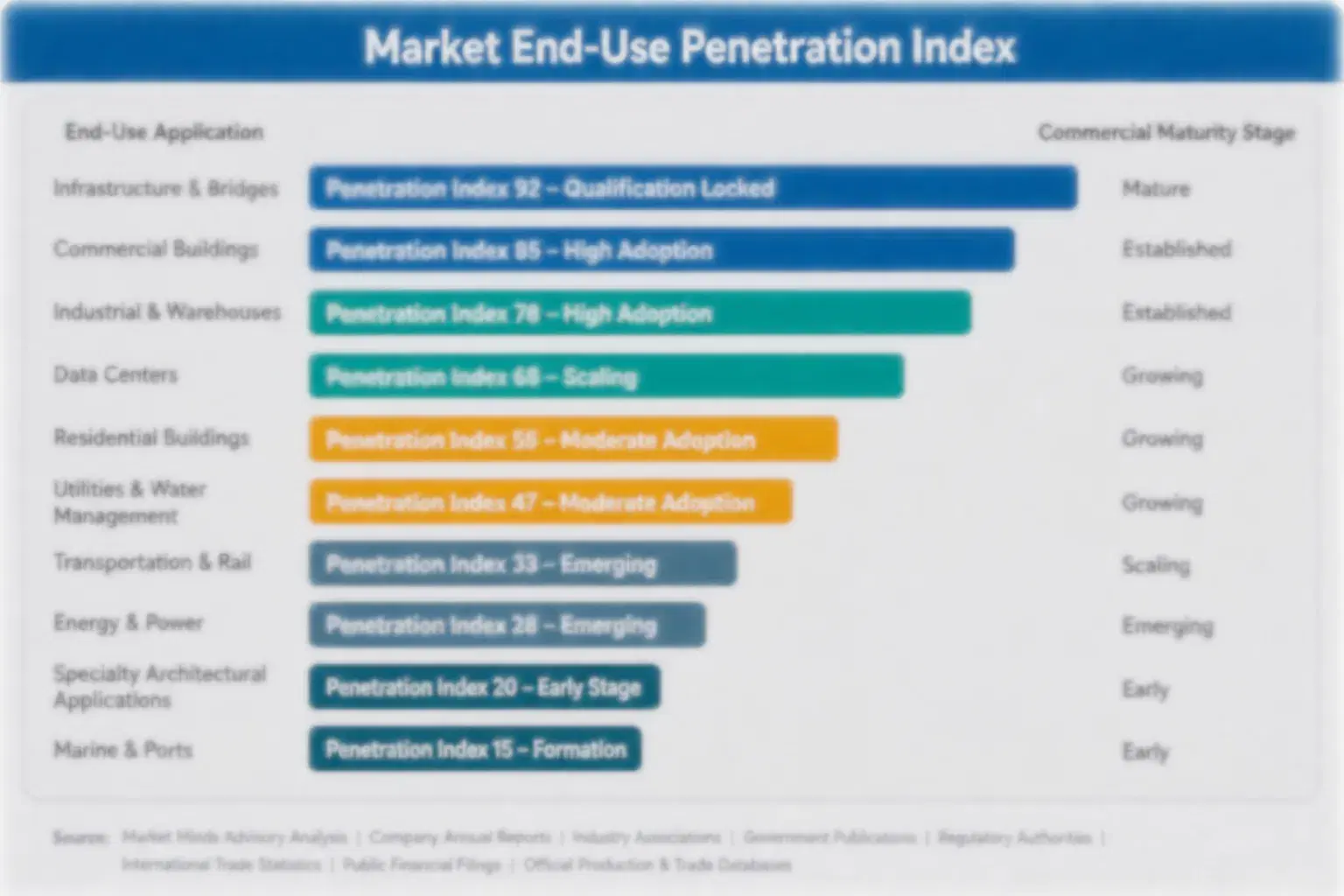
Date paste demand behaves like an annuity once a food manufacturer qualifies a supplier's paste for a specific product. Reformulating a bar or bakery filling changes color, moisture, and shelf life, so switching costs discourage buyers from moving suppliers unless quality fails. Annual and multi-year supply agreements reinforce this pattern, and brands often accept moderate price increases to protect launches. Buyers accept modest price increases to protect launches.
Stickiness varies by end-use vertical. Snack bar and infant food manufacturers show the deepest loyalty because they invest heavily in validating recipes and safety documentation. Bakeries and foodservice buyers switch more readily on price and availability, while household consumers buying squeezable packs show brand loyalty only when taste, texture, and convenience meet expectations consistently through repeat purchases. Bakeries buy mainly on price and availability.

Buyer profiles are shifting generationally. Younger shoppers seek natural sweeteners, expect clear origin stories, and respond to social media recipes featuring date paste, while older consumers still associate dates with festive occasions and traditional sweets. Suppliers must serve both groups, but growth is concentrated among younger, health-conscious buyers who prize clean labels, sustainability claims, and convenient formats for everyday cooking. Recipe content increasingly drives discovery.
date-paste-market-end-use-penetration-index-1789747444686

MMA Verdict on Date Paste Strategy

These are among the four positions where our research anticipates prominent divergence between winners and laggards over the coming forecast period. Each is grounded in the demand model, the regulatory perimeter, and the announced capacity pipeline.
01 / ORCHARD ACCESS SECURITY

Secure Orchard Access Before Supply Tightens

Fruit is the scarcest input in this market, because palms take years to mature and water scarcity limits expansion in most producing countries. Processors that sign multi-year grower contracts or invest in orchards now will lock in volume and costs while later entrants compete for spot fruit at peak prices. MMA recommends treating orchard access as a strategic asset and financing grower networks before poor harvests recur, before rising water costs and tighter export rules push fruit prices higher across the whole sector.
02 / ORGANIC CERTIFICATION INVESTMENT

Invest in Organic Conversion and Certification Early

Organic date paste grows about 1.4 times faster than the category and earns a premium of 30% to 50%, yet supply is limited by multi-year orchard conversion periods. Processors that start conversion or contract certified growers now will hold advantaged positions when premium brands finalize their supplier lists. MMA advises acting within the next two harvest cycles, before organic capacity becomes widely available and margins compress, because premium brands are already choosing suppliers for reformulations planned over the next several product cycles and will keep them.
03 / CONSUMER BRAND BUILDING

Build Squeezable Consumer Brands for Retail Shelves

Ready-to-use squeezable paste sells at two to three times the price per kilogram of bulk paste and is winning permanent shelf space beside honey and maple syrup. Processors that remain purely business-to-business risk permanent commodity pricing and dependence on a few large manufacturers. MMA recommends building or acquiring consumer brands with retailer support, since shelf relationships are hard to displace once established, because grocery chains reward suppliers that supply recipes, displays, and reliable volume, and they rarely relist a shelf position once another brand has won loyal repeat buyers.
04 / FOOD SAFETY SYSTEMS DISCIPLINE

Invest in Testing and Certification to Protect Access

Export buyers reject lots that fail aflatoxin or pesticide testing, and a single rejection can end a relationship with a large food manufacturer. Investing in laboratory testing, cold storage, and international certification costs a few percent of revenue but opens supermarket and multinational contracts. MMA regards food safety systems as the cheapest insurance against market access loss, especially for processors expanding into Europe and North America, and the same testing records help suppliers answer buyer audits quickly when contaminant rules change in importing countries.

Engagement Snapshot From the Field

A live engagement with an industry participant carrying material or product regulatory and market exposure ahead of a defining policy shift, showing how our research translates into a defensible multi-year portfolio strategy.
MARKET MINDS ADVISORY · CLIENT ENGAGEMENT SUMMARY
Date Paste Producer Strategic Portfolio Review and Transition Roadmap 2026·Investment Scenario on Date Paste Exposure Evaluation 2025-26
CLIENT PROFILE
The client is a mid-sized European snack bar manufacturer with roughly $210 million in annual revenue (client-reported, unverified by MMA), selling fruit and nut bars through grocery chains and discount retailers in several countries. It planned to replace part of the sugar and glucose syrup in its main bar range with date paste but had limited experience sourcing the ingredient.
STRATEGIC CHALLENGE
The client faced pressure from retailers to reduce added sugar while keeping taste and texture stable, and early pilot batches suffered from inconsistent color and moisture from a spot supplier. Leadership needed a sourcing strategy that secured consistent, safe supply at a predictable cost as volumes scaled across national distribution.
MMA APPROACH
MMA mapped the date paste supply chain, benchmarked seven suppliers on food safety certification, moisture control, and orchard access, and interviewed the client's formulation and quality teams. The engagement also modeled the cost of switching to a two-supplier contract structure and tested pilot batches against retailer specifications. Results were shared with management.
KEY FINDINGS
  1. Only three of the seven suppliers evaluated held recognized food safety certification and offered batch testing for aflatoxin and pesticide residues on every shipment.
  2. Paste moisture varied by up to four percentage points between spot lots, which explained the color and texture problems seen in early pilot production runs.
  3. Multi-year contracts with two certified suppliers could secure roughly 75% of projected volume at prices about 10% below recent spot levels during the pilot.
  4. Replacing 30% of glucose syrup with date paste cut declared added sugar by about a fifth without harming retailer taste panel scores.
CLIENT PROFILE
The client is a mid-sized European snack bar manufacturer with roughly $210 million in annual revenue (client-reported, unverified by MMA), selling fruit and nut bars through grocery chains and discount retailers in several countries. It planned to replace part of the sugar and glucose syrup in its main bar range with date paste but had limited experience sourcing the ingredient.
STRATEGIC CHALLENGE
The client faced pressure from retailers to reduce added sugar while keeping taste and texture stable, and early pilot batches suffered from inconsistent color and moisture from a spot supplier. Leadership needed a sourcing strategy that secured consistent, safe supply at a predictable cost as volumes scaled across national distribution.
MMA APPROACH
MMA mapped the date paste supply chain, benchmarked seven suppliers on food safety certification, moisture control, and orchard access, and interviewed the client's formulation and quality teams. The engagement also modeled the cost of switching to a two-supplier contract structure and tested pilot batches against retailer specifications. Results were shared with management.
KEY FINDINGS
  1. Only three of the seven suppliers evaluated held recognized food safety certification and offered batch testing for aflatoxin and pesticide residues on every shipment.
  2. Paste moisture varied by up to four percentage points between spot lots, which explained the color and texture problems seen in early pilot production runs.
  3. Multi-year contracts with two certified suppliers could secure roughly 75% of projected volume at prices about 10% below recent spot levels during the pilot.
  4. Replacing 30% of glucose syrup with date paste cut declared added sugar by about a fifth without harming retailer taste panel scores.
RECOMMENDED STRATEGY
Phase 1: Phase 1 (Months 1-3): Qualify two certified suppliers, agree moisture and color specifications, and negotiate multi-year volume contracts with price bands. Phase 2: Phase 2 (Months 4-9): Reformulate the flagship bar range with date paste and validate taste, shelf life, and production line performance. Phase 3: Phase 3 (Months 10-18): Extend the reformulation to remaining ranges and publish added sugar reductions to retail customers and add retailer reporting.
OUTCOME
Within eighteen months, the client reformulated four bar ranges and reduced declared added sugar by an estimated 22% (client-reported, unverified by MMA), securing extended listings at two grocery chains. Date paste cost per kilogram fell about 9% through contracted pricing, and no quality rejections occurred during the scale-up period.

Frequently Asked Questions

Foundational context covering the market sizes, CAGR, scope, country, region and competition that inform every finding below. This section is provided to cover basics and most often pre-purchase conversations, answered from the MMA Primary Research Dataset.

What is the current size of the Date Paste Market?

The global date paste market was valued at $1.2 billion in 2025. This covers ground date fruit paste used as a sweetener, binder, or filling in foods and consumer packs.

How large will the Date Paste Market be by 2036?

MMA projects the market will reach approximately $2.6 billion by 2036. This represents cumulative growth of roughly $1.4 billion over the full ten-year forecast window.

What is the CAGR for the Date Paste Market 2026 to 2036?

The market is forecast to grow at a 6.8% compound annual rate between 2026 and 2036. The bull case reaches 8.0% while the bear case falls to 5.6%.

Which segment is growing fastest?

Organic Date Paste is the fastest-growing segment at 9.5% CAGR, roughly 1.4 times the overall market rate. Ready-to-Use Squeezable Date Paste follows as the second-fastest segment at 8.4%.

Who are the major companies in the Date Paste Market?

Leading companies include Al Foah Company, Bateel International, Hadiklaim Israel Date Growers Cooperative, Natural Delights, and Alkhaleej Date Factory. These five players together hold an estimated 20% of global revenue.

Which country is growing fastest?

Saudi Arabia is the fastest-growing major market, expanding at approximately 9.2% CAGR each year. Government-backed processing investment and export programs are driving this above-market growth rate.

Report Segmentation Architecture

The full report scope spans multiple orthogonal segmentation dimensions, with cross-tabulated demand data provided for each dimension pair. Coverage extends further to regional breakdowns, trend trajectories, and the competitive detail needed to support segment-level decision-making.

By Primary Market Dimension

  • Organic Date Paste
  • Ready-to-Use Squeezable Date Paste
  • Flavored and Fortified Date Paste
  • Plain Conventional Bulk Paste
  • Block and Industrial Paste
  • Date Paste Sweetener Blends

By End-Use Industry

  • Bakery and Confectionery
  • Snack Bars and Cereals
  • Infant and Clinical Nutrition
  • Household and Retail Consumption
  • Foodservice and Catering

By Commercial Dimension

  • Direct Manufacturer Supply Contracts
  • Ingredient Distributor Channels
  • Retail Branded Consumer Packs
  • Export Trade Channels

By Region

  • North America
  • Western Europe
  • East Asia
  • South Asia and Pacific
  • Latin America
  • Middle East and Africa
  • Eastern Europe

Scope, Methodology, and Coverage

Every figure in this report is reproducible from documented input assumptions. The scope below maps the historical period, the forecast horizon, the segmentation dimensions, and the countries covered, alongside the underlying primary and qualitative methodology.
Historical Period
2020 to 2025
Forecast Period
2026 to 2036
Base Year
2025 (USD billions; MMA Primary Research Dataset, September 2026)
Market Definition
Date paste comprises pitted date fruit, chiefly Medjool, Deglet Noor, Khalas, and Sukkari varieties, ground into a smooth or chunky paste for use as a sweetener, binder, or filling. The scope excludes whole and pitted dates sold as fruit, date syrup, date sugar, and finished confectionery or snack products.
Quantitative Units
USD billions (current prices); metric tons for volume references
Segmentation Dimensions
By Product Format and Grade; By End-Use Industry; By Commercial Dimension; By Region
Regions Covered
North America, Western Europe, East Asia, South Asia and Pacific, Latin America, Middle East and Africa, Eastern Europe
Countries Covered
USA, China, Germany, France, UK, Japan, South Korea, India, Australia, Canada, Brazil, Mexico, Indonesia, Vietnam, Thailand, Malaysia, UAE, Saudi Arabia, Egypt, Iran, Algeria, Tunisia, Israel, Turkey, Poland, Netherlands, Italy, Spain, Pakistan, Singapore, and additional markets relevant to this sector
Key Companies Profiled
Al Foah Company, Bateel International, Hadiklaim Israel Date Growers Cooperative, Natural Delights, Alkhaleej Date Factory, Al Rabie Saudi Foods, Almarai, Savola Group, Sunsweet Growers, Sun-Maid Growers, Shields Date Garden, Jordan Valley Medjool, Date Lady LLC, Al Madina Dates Company, Tunisian Date Interprofessional Group, Medjool Direct, Dabur India, Sahara Dates Trading, Emirates Dates Company, Morocco Dates Cooperative
Quantitative Methodology
Primary survey, n=3,800 respondents, Q4 2025, six countries; demand-side model with trade association cross-validation
Qualitative Methodology
47 expert interviews, Q4 2025; applied to validate demand model assumptions, identify emerging dynamics, and assess competitive positioning
Report Format
PDF and XLSX data workbook (Word format preview document)
Publisher
Market Minds Advisory
Report Code
MMA-2026-AGR-233
Published
September 2026
Contact
sales@marketmindsadvisory.com | www.marketmindsadvisory.com

Purchase the full Date Paste Market Report (2026 to 2036).

The full report delivers a detailed assessment of global date paste supply, processing technology, and competitive positioning through 2036. It includes segment forecasts by product format and grade, country-level data for all seven world regions, and profiles of the twenty companies most relevant to fruit sourcing and paste production. Analysts also receive input cost modeling and portfolio margin benchmarking built from MMA's primary research dataset. A scenario planning module lets subscribers stress-test bull and bear assumptions against their own sourcing plans. Quarterly updates keep the whole dataset current throughout.
Ten-year segment and regional demand forecasts
Orchard supply and processing capacity tracking
Competitive benchmarking of top twenty processors
Fruit cost and margin sensitivity modeling tools
Regional demand mechanism comparative analysis included
Quarterly primary survey data update access

Built For The People Who Decide

From boardroom strategy to bench-side execution, this report is read cover-to-cover by leaders shaping the next decade of their industry, turning demand scenarios, market dynamics and valuation benchmarks into decisions.
CXOs/ Presidents/ VPs/ Managers
M&A and Corporate Development
Strategy Teams and R&D Heads
Procurement and Product Directors
Regulatory and Compliance Leaders
Investor Relations and Equity Analysts