Market Minds Advisory
Dark Rum Market

Dark Rum Market: Dark Rum Market. Premium Ageing, Spiced Formats, and Molasses and Barrel Costs Reshape Cask-Aged Rum.

Dark rum earns its colour and price in the barrel, but molasses and cask costs, angel's share losses, labelling disputes, and tariff rules decide which distillers turn aged and spiced styles into durable margin.

Lead Analyst

Published

September 2026

Make Smarter Decisions with Customized Research Insights

Request a free sample report and evaluate market opportunities, growth trends, and competitive dynamics relevant to your business needs.

2025 MARKET VALUE$9.4BMarket Size 2025
2036 FORECAST VALUE$16.8BBase Case , 2026 to 2036
CAGR 2026 TO 20365.4 %Bull 6.7% / Bear 4.1%
INCREMENTAL OPPORTUNITY$6.9BNet 10- year value creation
EXPANSION MULTIPLE1.69x2036 value over 2026 base
Strategic Levers
M&A Pipeline
Regional Outlook
Country Rankings
Competitive Intelligence
Segmental Deep-dive
Call-Us : 91 93563 13602

Executive Snapshot and Market Trajectory.

Dark rum is sold on two stories at once: a Caribbean sipping spirit priced like whisky, and a cheap, sweet mixer poured by the millions in India and the Philippines. The distillers who make money are the ones who know which story each bottle is telling.
Aged premium and super-premium dark rum grows fastest, because sipping culture, age statements, and cocktail bars lift prices, while single-estate and craft dark rums follow as drinkers seek provenance. South Asia and Pacific holds the largest share, since India and the Philippines drink more dark rum than any other region, with North America and Western Europe following. India leads country growth. Volume sets scale. Age sets price.
The industry is moderately concentrated, with global spirits groups, Caribbean distillers, and Indian and Filipino volume brands competing on brand, age, and distribution. Molasses costs, cask prices, angel's share losses, sweetening disputes, and tariffs shape recipes and margins, while cocktail bars and duty-free shops carry premium sales. Large groups own bonded warehouses. Small distillers sell scarcity. Buyers ask for transparency. Timing decides everything. Reliable delivery beats headline price. Stock sets the pace for brands.
Market Definition
Dark rum comprises rum distilled from sugarcane molasses or juice and coloured or aged to a dark style, including blended dark rum, aged premium and super-premium dark rum, spiced dark rum, navy-strength and overproof dark rum, single-estate and craft dark rum, and cask-finished and limited-edition dark rum, sold through liquor retail, on-premise venues, duty-free, and online channels. The scope excludes white and gold rum, rum-based ready-to-drink cocktails, cachaca, and rhum agricole sold as white spirit.
Base Year Value
$9.4B in 2025 (MMA Primary Research Dataset, September 2026)
Forecast Period
2026 to 2036, eleven discrete annual values
CAGR
5.4% base case. Bull 6.7%. Bear 4.1%.
Fastest Growth Segment
Aged Premium and Super-Premium Dark Rum: 8.2% CAGR
Fastest Growth Country
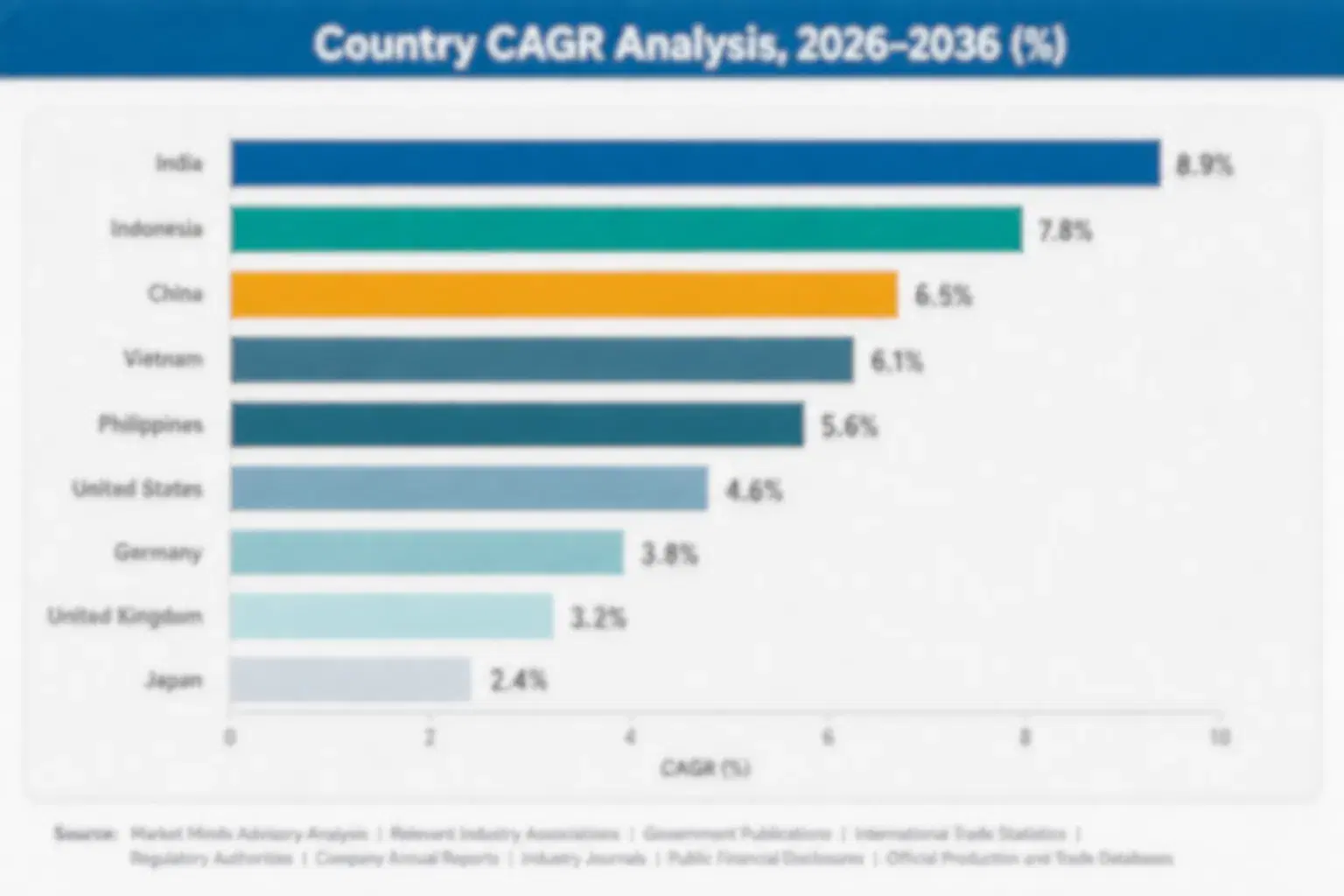
India: 8.6% CAGR
Fastest Growth Region
South Asia and Pacific: 7.5% CAGR
Largest Region
South Asia and Pacific: 34% of 2025 global value
Market Leaders
Diageo, Bacardi, Pernod Ricard, Campari Group, Mohan Meakin. Source: MMA Analysis, company annual reports.
Primary Survey
n=3,800 procurement and R&D decision-makers, Q4 2025, six countries
Methodology
Demand-side build-up, cross-validated against public data, 47 expert interviews

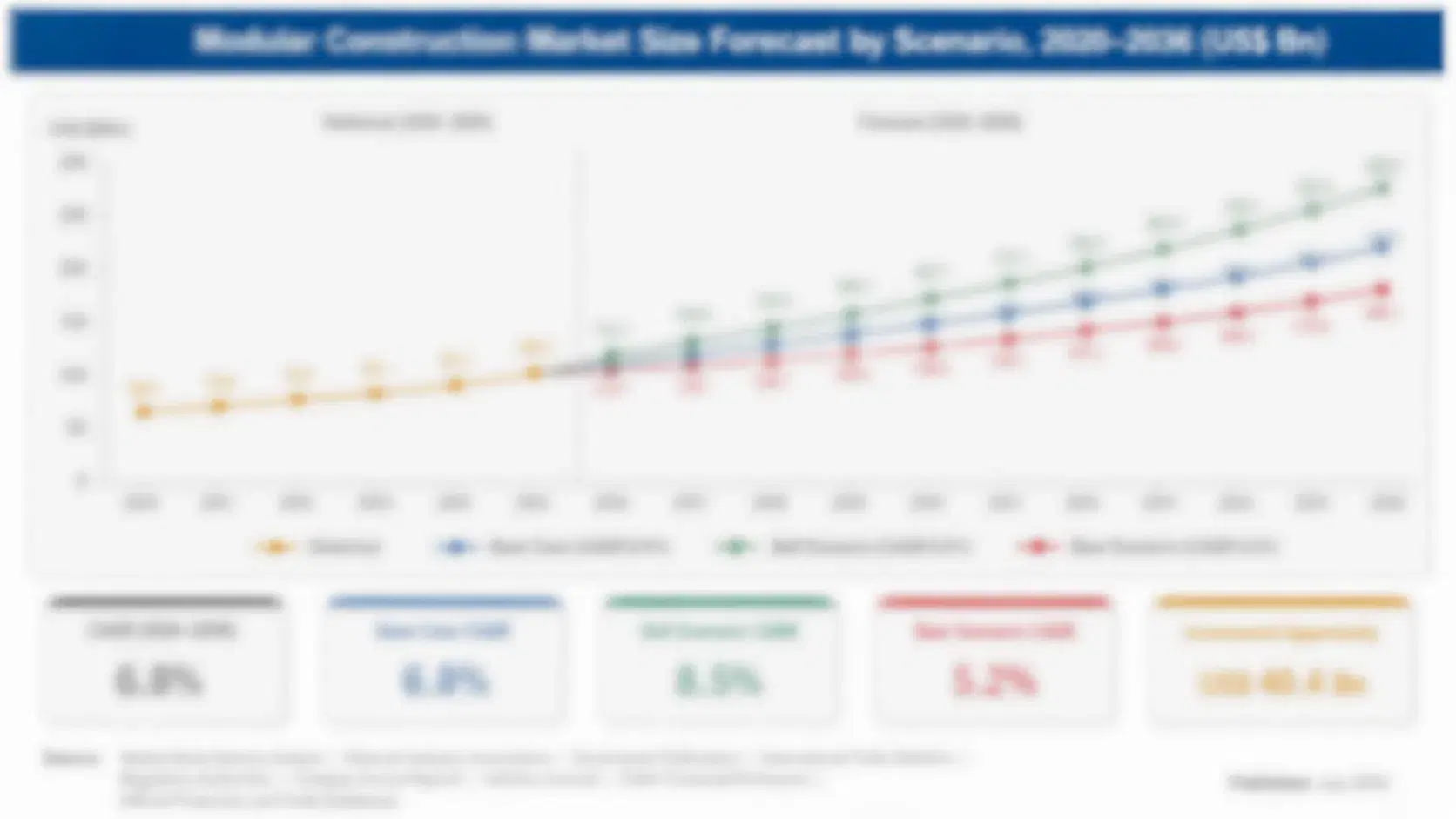
Dark Rum Market Forecast Scenarios

dark-rum-market-size-forecast-scenario-1789793714453
From 2020 to 2025, dark rum moved from a niche mixing spirit toward a premium and volume story at once. Cocktail bar reopenings, premium sipping interest, and strong Indian and Filipino volumes widened demand, while molasses, glass, and freight costs spiked in 2021 and 2022 and squeezed margins. Growth ran slightly below today's pace, and price increases supplied part of the reported value gain.
The base case rests on three commercial mechanisms. First, premium and super-premium dark rum gains share as drinkers trade up from whisky and brandy for age-stated sipping rums. Second, India, the Philippines, and Southeast Asia add volume as incomes rise and rum wins share from other spirits. Third, spiced and cask-finished rums bring younger drinkers into the category. Each mechanism compounds slowly, and none needs a breakout year. Producers plan capacity around all three drivers.
The bull case needs clear labelling rules and transparent sweetening data, which would build premium credibility and let age-stated rum command whisky-like prices. The bear case is a tariff escalation or a cask and molasses cost spike combined with weaker consumer spending, which would squeeze margins and slow trading up. Buyers would trade down within one season.

Age Statements and Molasses Costs Decide Dark Rum Winners

Dark rum begins as molasses or cane juice fermented and distilled in pot or column stills, then aged in oak casks, often ex-bourbon, and coloured with caramel in many volume brands. Ageing in tropical climates is fast, with about three percent lost each year to evaporation, so a ten-year rum can lose most of its volume. Blenders combine ages and stills to build flavour, sweetness, and consistency.
MARKET CONCENTRATION41% CR5Leading five spirits groups hold a substantial combined share
MOLASSES COST SHARE14%Portion of cost taken by molasses and sugar feedstock
ANGEL'S SHARE LOSS3%Typical annual evaporation loss in tropical cask ageing
PREMIUM MIX SHARE22%Portion of value sold as premium and super-premium dark rum
ON-TRADE SHARE31%Portion of value sold through bars, restaurants, and venues
MINIMUM AGEING TIME1 yearTypical minimum ageing before a rum is sold as dark
Age, provenance, and transparency decide value. Premium buyers ask whether an age statement is honest, whether sugar was added, and which still made the rum, and disputes over labelling have hurt some brands. Distillers with bonded warehouses, long-aged stock, and geographical indications such as Jamaica and Barbados win pricing power because scarcity cannot be manufactured quickly. Volume brands win on price and distribution instead.
Buyers judge dark rum on taste, age, brand credibility, and price per serve. Bars want reliable supply and cocktail versatility, while retailers want clear tiering from mixers to sipping bottles. Duty-free and travel retail add premium sales. Private label is small, which lets brands hold prices, and spiced rum pulls younger drinkers toward the category before some trade up to aged styles.
"Dark rum is the only major spirit where the cheapest bottle and the dearest bottle sit on the same shelf and claim the same name. The distillers who win will be the ones who make that gap honest, because premium buyers will pay whisky prices only if they trust the label."
Practice Lead, Aged Spirits Practice · MMA Aged and Spiced Spirits Practice · September 2026

Market Trends

Age-Stated and Single-Estate Rums Build Whisky-Like Premium Positioning

Premium drinkers now buy 8 to 25 year old dark rums and single-estate bottlings priced at $60 to $300 a bottle, treating them like malt whisky and cognac. Distillers such as Foursquare, Appleton Estate, Zacapa, and Diplomatico use age statements, cask finishes, and limited editions to build scarcity. Geographical indications in Jamaica and Barbados support provenance. Transparency on sugar additions and blending is now a selling point, and brands that publish still type, cask type, and additives win credibility among bartenders and collectors. Auction results confirm strong demand for rare bottles.
Market Impact: India ranks top 3 for rum
Spiced and Flavoured Dark Rums Bring Younger Drinkers In

Spiced dark rums with vanilla, cinnamon, and orange notes, such as Captain Morgan and Kraken, attract younger drinkers who mix them with cola, ginger beer, and coffee. Spiced rum sells at lower prices than aged rum but at high volume in North America and Europe, and brands add coconut, coffee, and honey flavours. Spiced lines act as an entry point, and some drinkers later trade up to aged rum. Producers use social media, festivals, and collaborations to keep the style fresh, and retailers give large shelf space. Limited editions appear each season.
Market Impact: 1,000+ bars list aged rum

Market Opportunities and Growth Drivers

Rising Incomes in India and Southeast Asia Sustain Rum Volume

India is one of the largest rum markets by volume, driven by brands such as Old Monk and McDowell's, and the Philippines drinks large volumes of rum through Tanduay. Rising incomes, urbanisation, and preference for dark spirits over white spirits in cooler months lift consumption. Local brands sell at low prices and premium versions are emerging. Distillers that expand distribution, offer quarter and half bottles, and adapt flavour to local tastes win volume, and global groups invest in Indian and Filipino premium ranges to capture trading up. Festive seasons lift sales sharply.
Market Impact: molasses takes 14% of cost

Cocktail Culture and Bartender Advocacy Sustain Premium Aged Rum

Tiki bars, craft cocktail venues, and restaurant groups use dark rum in classics such as the Dark 'n' Stormy, Mai Tai, and Old Fashioned variations. Bartenders recommend aged rums for sipping and for premium cocktails, and brands invest in masterclasses and bar programmes. Duty-free and travel retail add premium sales for international buyers. Distillers that supply cocktail versatility, consistent supply, and educational support win bar lists, and each cocktail placement adds trial among drinkers who may later buy bottles for home. Restaurant groups add rum flights to menus, which lifts trial among diners.
Market Impact: disputes span 30+ countries

Market Restraints and Challenges

Molasses, Cask, and Glass Costs Squeeze Margins Under Fixed Pricing

Molasses takes about 14% of cost of goods, and casks, glass, and freight also cost more than before 2021. Ageing ties up capital for years, and angel's share losses of about three percent a year raise cost per bottle. The root cause is agricultural and industrial cost inflation combined with long production cycles. Mitigations include forward molasses contracts, cask recycling, lighter glass, and price tiering, though small distillers have little bargaining power and cannot reprice aged stock quickly. Retailers resist price rises, so distillers absorb part of the increase or shrink promotions during peak seasons.
Market Impact: aged rums cost $60-300

Labelling Disputes and Tariffs Undermine Premium Credibility and Trade Flows

Some rums contain added sugar and colour that are not clearly declared, and disputes over age statements and sweetening reduce trust. United States and European tariffs on spirits create price uncertainty for exporters. The root cause is uneven labelling rules across countries. Producers respond with transparent labelling, third-party certification, and geographical indications, though compliance adds cost, and small brands struggle to prove authenticity against larger competitors that can absorb tariffs and legal costs. Bars and retailers also ask for documentation on age and additives, which increases paperwork and audit costs for exporters.
Market Impact: spiced lines launch 10+ flavours yearly
3 additional market trends, 2 additional growth drivers, and 3 additional restraints and challenges are covered in the full report. Contact sales@marketmindsadvisory.com to access the complete intelligence.

Segment CAGR and Growth Architecture

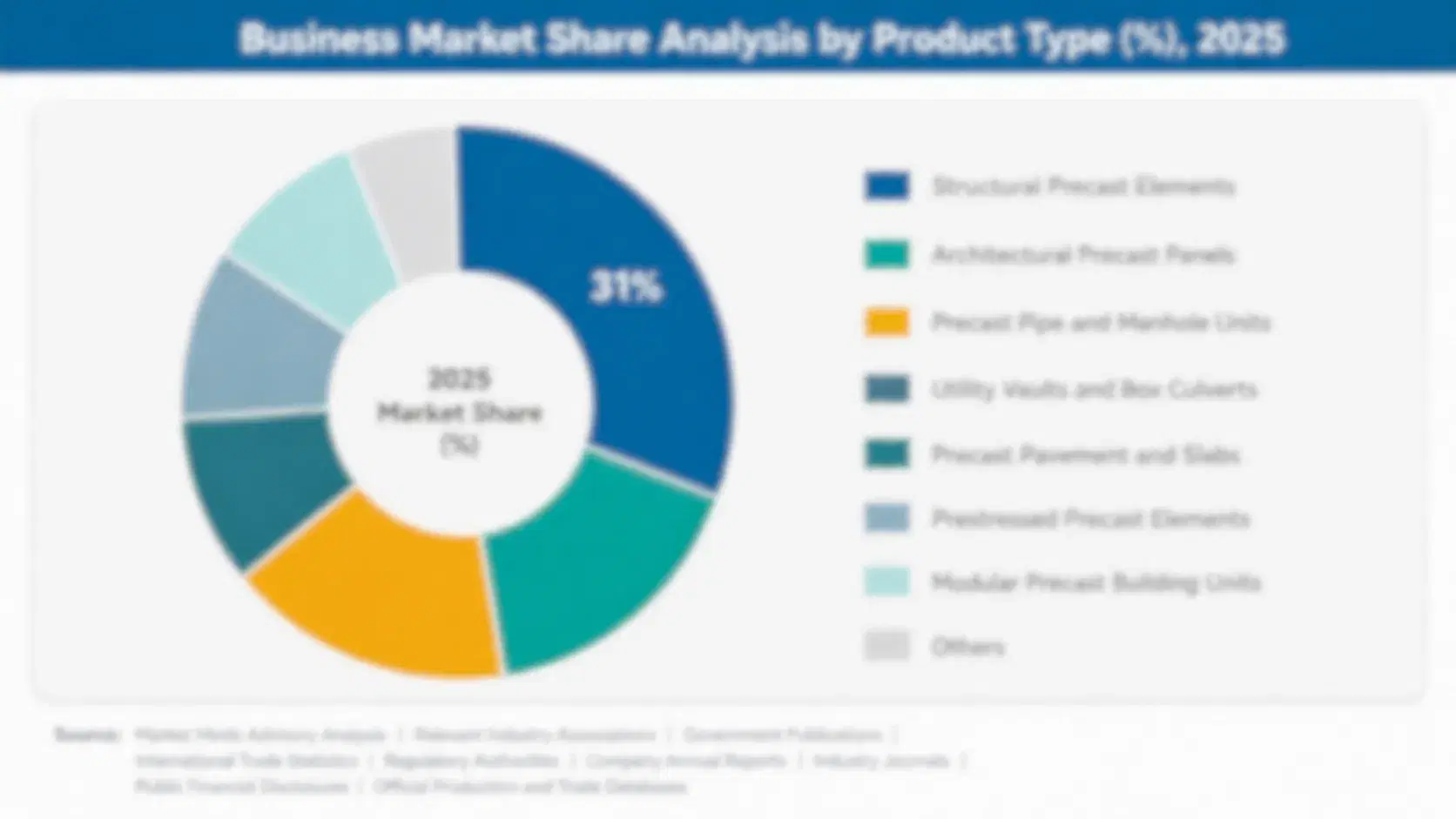
Dark rum is segmented by style and ageing tier, which shows where provenance, volume, and pricing power sit. Six segments cover blended dark rum, aged premium and super-premium, spiced, navy-strength and overproof, single-estate and craft, and cask-finished and limited-edition dark rum. Two segments grow fastest, and each depends on a different driver, either premium sipping or craft provenance.
dark-rum-market-market-share-analysis-1789793714707

Aged Premium and Super-Premium Dark Rum

Aged premium and super-premium dark rum is the fastest-growing segment, at 8.2% a year, about 1.52 times the overall market rate. Sipping culture, age statements, and cocktail bars lift demand, and bottles of 8 to 25 years sell at $60 to $300. Distillers such as Foursquare, Zacapa, Appleton, and Diplomatico use scarcity and provenance to justify prices. Stock is the main constraint, since ageing takes years and angel's share reduces volume, so brands plan releases carefully. Transparent labelling on additives and blending wins bartender trust, and duty-free and collectors add high-value sales. Auction houses and specialist retailers report rising prices for rare releases, and duty-free buyers in Singapore and Dubai add high-value gift sales during peak travel seasons.
CAGR 8.2%

Single-Estate and Craft Dark Rum

Single-estate and craft dark rum grows at 7.4% a year, because drinkers seek provenance, still type, and cane origin similar to malt whisky. Small distillers in Barbados, Jamaica, Guyana, and Australia bottle cask-strength and estate rums, and independent bottlers select casks. Prices run 40% to 120% above blended premium rum. Supply and labelling are the main constraints, since small volumes sell out quickly and disclosure of sugar and age must be clear. Specialist retailers, bars, and online communities drive volume, and brands with strong storytelling win loyalty across collectors and enthusiasts. Independent bottlers release single casks, and online forums share tasting notes that lift interest among whisky drinkers exploring rum and cognac.
CAGR 7.4%
Full segment breakdown across 6 segments available in the complete report.

Regional Architecture and Country Demand Map

Dark rum value follows drinking culture, volume markets, and Caribbean production. South Asia and Pacific leads through India and the Philippines, North America and Western Europe follow through premium and spiced rum, and Latin America holds an above-band share through Caribbean and Central American production and drinking.

North America

North America holds 24% share, with the United States and Canada leading through spiced rum, premium sipping rum, and cocktail bars. Diageo's Captain Morgan and Bacardi lead volume, while craft and aged brands grow in liquor stores and tiki bars. Canada adds a strong navy-style rum tradition in Atlantic provinces. Growth tracks the global rate as premium rum offsets slower mainstream spiced volume. North America and South Asia and Pacific hold the top two positions because both combine large rum drinking bases with premium and volume segments. Tariffs, duty, and retailer pressure restrain margins. Liquor chains in Florida, Texas, and California stock large rum sets, and tiki bars in New York and Chicago list aged rums.
Share: 24% | CAGR: 5.2% (2026 to 2036)

Western Europe

Western Europe holds 16% share, below its usual band, because dark rum competes with whisky, gin, and cognac in mature spirits markets, and the region's rum culture is concentrated in the United Kingdom, France, Spain, and Germany. Halewood's Lamb's Navy Rum, Pernod Ricard's Havana Club, and premium imports lead, and rum festivals and specialist retailers support aged brands. Growth stays below the global rate because the base is mature, duty is high, and tastes shift toward gin and agave spirits, though premium rum lifts value beyond volume in specialist channels. British supermarkets stock navy rum and spiced rum in large volumes, French retailers list Caribbean imports beside cognac, and specialist shops in London and Paris carry aged rums.
Share: 16% | CAGR: 4.3% (2026 to 2036)
Regional intelligence for 5 additional markets available in the complete report: East Asia, South Asia and Pacific, Latin America, Middle East and Africa, Eastern Europe. Contact sales@marketmindsadvisory.com.
dark-rum-market-country-cagr-analysis-1789793714998

Four Margin Routes for Dark Rum Distillers

Margin in dark rum comes from age-stated releases, spiced entry lines, cask and molasses cost control, and transparent labelling rather than volume alone. The routes below apply to spirits groups, Caribbean distillers, and Indian and Filipino volume brands, and each can be started inside one planning cycle, with measures in gross margin points, price per bottle, and warehouse utilisation.

Releasing Age-Stated Premium Rums With Transparent Blending Data

Aged premium and super-premium dark rum sells at $60 to $300 a bottle, and drinkers pay when age statements, still types, and additives are clearly published. Distillers that release limited editions, publish blending data, and support bartender programmes report margin gains of 6 to 10 points on those lines. Long-aged stock takes years to build, so release planning matters, and duty-free and collector channels add high-value sales that lift blended margin across the range. Auction results and specialist retailer reports confirm strong demand for rare rums, which supports pricing for planned annual releases.
Market Impact: premium releases lift blended margin 6 to 10 points

Using Spiced Rum as an Entry Line for Younger Drinkers

Spiced dark rums sell at high volume to younger drinkers who mix them with cola and ginger beer, and flavour extensions keep the style fresh. Brands that add limited flavours, run festival activations, and support bar programmes hold volume against seltzer and whisky. Spiced lines earn thinner margins than aged rum but fund distribution and marketing, and some drinkers trade up later, so brands should keep upgrade paths clear and use collaborations to move buyers toward aged expressions. Spiced lines can take 30% to 40% of brand volume at lower margin, yet they fund marketing.
Market Impact: spiced lines fund 15-25% of brand marketing spend

Contracting Molasses and Recycling Casks to Cut Cost Per Bottle

Molasses takes about 14% of cost of goods, and casks and glass have risen in price, so forward molasses contracts and cask recycling protect margin. Distillers that fix molasses volumes for 12 months, buy used casks at scale, and use lighter glass reduce cost swings by roughly half and save two to three points of margin. Retailers accept price changes slowly, so cost control matters, and small distillers can use buying groups to gain bargaining power on casks and glass. Distillers also use joint purchasing groups to gain scale with cask and glass suppliers.
Market Impact: cost control saves 2-3 points of cost of goods

Building Volume and Premium Ladders in India and the Philippines

India and the Philippines drink more dark rum than any other region, and local brands sell at low prices in quarter and half bottles. Global groups that add premium ladders, such as aged expressions and gift packs, capture trading up as incomes rise and lift average price per litre by 15% to 25%. State excise rules vary, so distillers need local partners, and licensing costs are high, but the scale of demand supports steady returns for brands that adapt flavour and pack size. Local partners also manage licensing and price filings across states.
Market Impact: premium ladders lift price per litre by 15-25%

Who Controls the Margin Pool

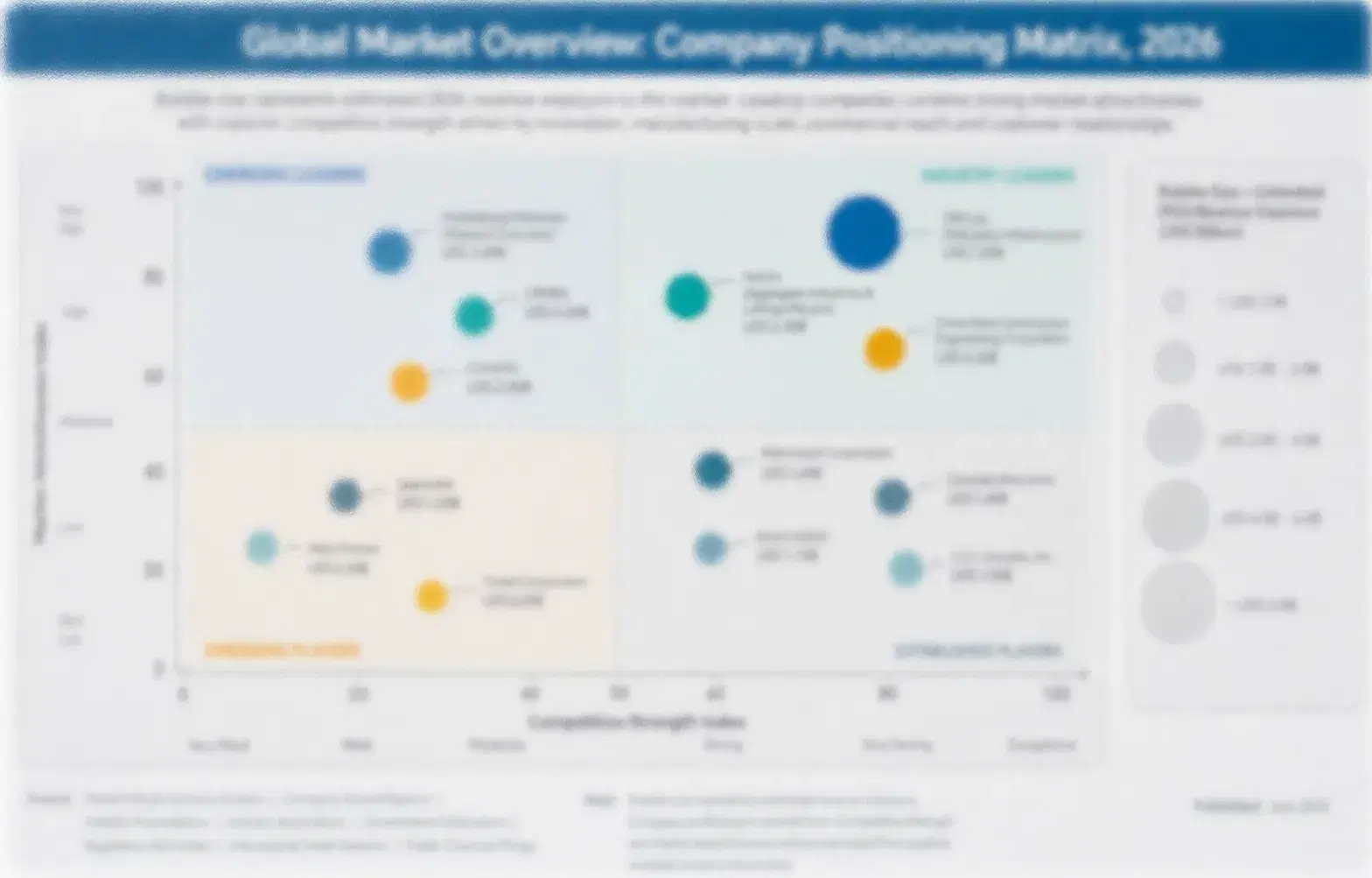
The dark rum industry is moderately concentrated, with a CR5 of 41%, and many Caribbean distillers, independent bottlers, and regional volume brands sit outside the leading five. This assessment measures participants on estimated dark rum sales value, held constant across all players. Diageo leads through Captain Morgan, Zacapa, and Bundaberg, while Bacardi, Pernod Ricard, Campari Group, and Mohan Meakin follow with a clear gap between the leader and the challengers.
Competition runs on four dimensions today: brand and age credibility, distribution reach, price per serve, and labelling transparency. Global groups win on distribution and marketing, while Caribbean distillers win on provenance and scarcity. Retailer private labels are small, so premiums hold, but craft and independent bottlers copy premium styles quickly, and Indian and Filipino brands compete fiercely on price in volume tiers.

Emerging pressure comes from craft and independent bottlers, rum-based ready-to-drink cocktails, and whisky and agave spirits competing for premium drinkers. Rankings shift where a group secures aged stock, wins bar lists, or expands premium ladders in India and the Philippines. Regional distillers in the Caribbean can move up quickly, since provenance and scarcity matter more than advertising scale for aged rum buyers.
dark-rum-market-company-positioning-matrix-1789793715304

Competitive Moat and Risk Dimensions

DIAGEO

Moat: Spiced Volume and Premium Breadth

Diageo owns Captain Morgan, Zacapa, and Bundaberg, spanning spiced volume, premium sipping, and Australian dark rum, and it distributes through bars, retailers, and duty-free in more than 180 countries. Its marketing scale, bartender programmes, and bonded stock give it pricing power in premium tiers, and its reach lets it launch spiced flavours quickly across markets.
DIAGEO

Risk: Spiced Maturity and Cask Costs

Diageo depends heavily on spiced rum in North America, where growth has slowed, and cask and molasses costs squeeze margins on aged expressions. Craft and independent bottlers win enthusiasts with transparent labelling, while tariffs and trade disputes can disrupt exports of premium brands from Latin America.
BACARDI

Moat: Caribbean Heritage and Global Reach

Bacardi is one of the world's largest privately held spirits companies, with rum brands rooted in the Caribbean and distribution in more than 160 countries. Its blending scale, warehouse stock, and long-standing bar relationships support dark and aged expressions, while its marketing budgets and brand heritage give it credibility with cocktail drinkers and retailers.
BACARDI

Risk: White Rum Reliance, Premium Gap

Bacardi's core strength lies in white rum, so its dark and aged offerings face specialist distillers with stronger sipping credentials. Cask costs, tariffs, and labelling scrutiny weigh on premium ambitions, and the company must invest heavily to prove authenticity in aged expressions across all major markets.

Players Tracked

Prominent Players

Diageo
Bacardi
Pernod Ricard
Campari Group
Mohan Meakin

Other Key Players

Tanduay Distillers
Angostura Limited
Destilerias Unidas
Halewood Wines and Spirits
Gosling Brothers
Remy Cointreau
Maison Ferrand
Foursquare Distillery
Sazerac Company
Beam Suntory
Brown-Forman
Amrut Distillers
Radico Khaitan
Allied Blenders and Distillers
Havana Club International

Recent Developments

JANUARY 2026

Diageo Extends Zacapa Limited Editions With Cask Finish Releases in Premium Retail

Diageo announced new cask-finished limited editions of Zacapa for premium retail and travel channels, using ex-sherry and ex-bourbon finishes. It is a product range extension, and it tests whether collectors and gift buyers will pay higher prices for finished expressions. Sales volumes were not disclosed.
Signal: Confirms leading spirits groups are using cask finishes and limited editions to lift price per bottle in aged rum.
FEBRUARY 2026

Campari Group Expands Appleton Estate Aged Rum Distribution in Asia

Campari Group announced expanded distribution of Appleton Estate aged rums in Asia, using bar programmes and duty-free channels, and highlighting Jamaican geographical indication rules. It is a distribution expansion, and it tests demand for Jamaican aged rum among Asian cocktail bars. Timing depends on distributor approvals.
Signal: Shows global groups are pushing Jamaican aged rum into Asian bars to capture premium demand where whisky dominates.
MARCH 2026

Mohan Meakin Launches Premium Old Monk Aged Expression for Indian Metros

Mohan Meakin launched a premium aged expression of Old Monk aimed at Indian metros, using gift packaging and cask-aged blends to build a premium ladder above its volume brand. It is a product launch, and it tests whether Indian drinkers will trade up within a heritage rum brand.
Signal: Indicates Indian rum leaders are adding premium ladders to their volume brands to capture trading up as incomes rise.

What Drives Dark Rum Production Costs

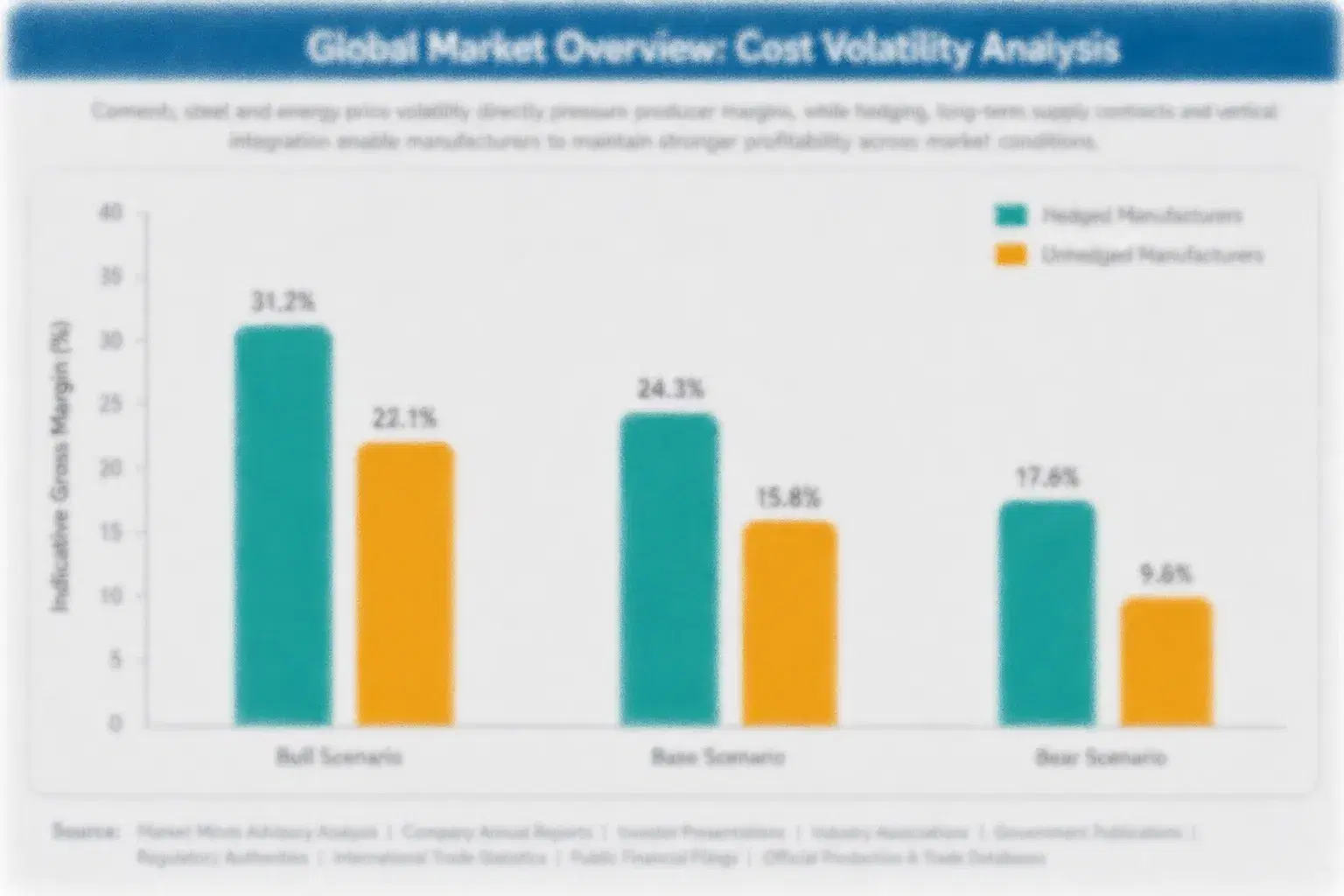
Molasses and sugarcane feedstock account for roughly 14% of cost of goods, casks and ageing about 20%, glass and packaging 24%, and distillation and energy about 10%. Labour, warehousing, and freight take the rest. Molasses comes from India, Brazil, Thailand, and the Caribbean, casks from American bourbon and European sherry producers, and glass from a small set of global makers, so input exposure differs by producer and region.
The clearest recent shock came from sugar and glass. Food and Agriculture Organization price data showed sugar prices rising through 2021 to 2023, and the International Energy Agency reported that European glass and energy costs surged in 2022. Distillers raised prices by 6% to 12%, cut promotions, and moved to lighter bottles, which squeezed gross margin by two to four points through the following year.

The competitive disadvantage falls on small distillers, which buy casks and glass in small lots and cannot age stock for years without capital. Large groups own bonded warehouses, buy casks under long contracts, and spread costs across many brands. Exposure also varies by geography, since Indian producers face state taxes and molasses controls while Caribbean producers face freight, tariffs, and hurricane risk.
dark-rum-market-cost-volatility-analysis-1789793715667

Contracting Molasses and Sugar Feedstock Under Forward Agreements

Distillers sign annual agreements for molasses with price bands linked to published sugar indexes and dual-source from more than one origin. Forward contracts cut feedstock cost swings by roughly half, though they need storage and working capital that only larger distillers usually provide. Terms usually run one year, and quality checks protect fermentation yield.

Recycling Casks and Buying Used Bourbon Barrels at Scale

Distillers buy used bourbon and sherry casks in volume, refill them across several ageing cycles, and recondition staves where needed. Cask recycling lowers cost per litre aged by 10% to 20%. The main risk is flavour fade, so blenders track cask history and rotate stock. Sales data guides release timing, and warehouse audits protect quality.

Lightweighting Glass and Standardising Bottle Formats

Distillers adopt lighter bottles and standard formats across brands to lower glass cost and freight. Lightweighting saves one to two points of cost of goods. Retailers and bartenders accept lighter glass when premium cues such as labels and closures remain strong. Premium lines keep heavier glass where gift value matters. Buyers approve early. Trials continue quarterly.

Portfolio Architecture for Margin Defence

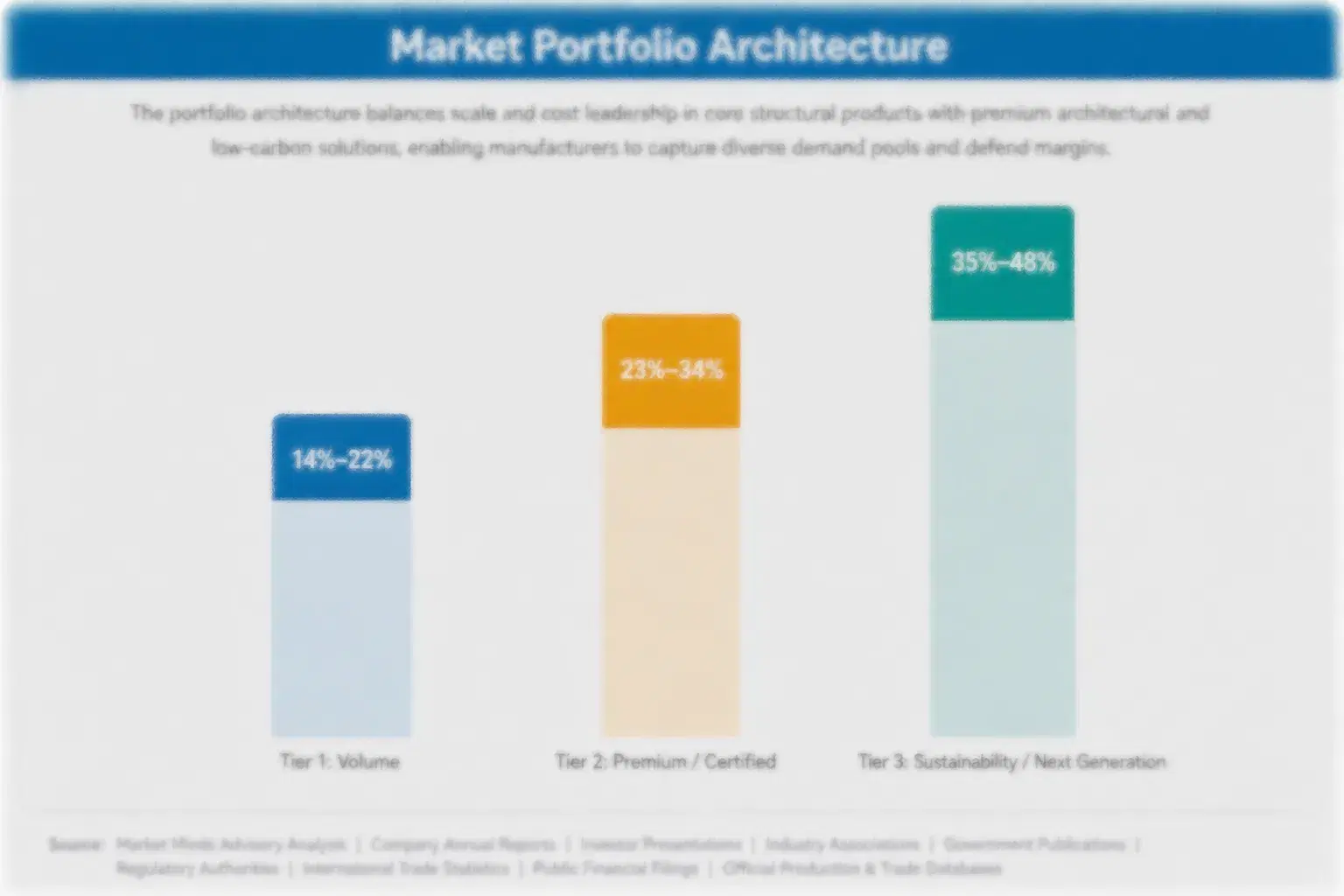
Margins run from thin returns on blended dark rum sold in volume to Indian and Filipino retailers and private label programmes to strong returns on aged premium and craft rums sold through bars, specialist retailers, duty-free, and online storefronts. Three tiers separate volume products, certified premium lines, and next-generation formats, and each tier draws on different buyer groups, ageing systems, and channel terms.
The tension between volume and premium is sharp. Volume lines protect distillery utilisation and retailer relationships but face constant price pressure from local brands, while premium lines earn higher margins on smaller volumes and depend on aged stock, provenance, and labelling credibility. Distillers that run only volume struggle to fund ageing programmes, while distillers that run only premium lack the volume to hold distribution and bar lists.

High-value pools concentrate in aged premium and single-estate rums sold through bars, collectors, and duty-free. They gather where buyers pay for age, provenance, or scarcity rather than volume of spirit. Cocktail bars, travel retail, and gift buyers add further value, since these buyers ask for documented age, reliable supply, and consistent taste, and they reorder without shopping on price, particularly during festive seasons.

Volume / Commodity-Adjacent Tier

Blended and spiced dark rums sold in bulk to retailers and private label programmes, with thin margins, molasses and glass cost exposure, and constant price competition from local brands, where shoppers switch on price, promotion, and bottle size across India and the Philippines.
Gross Margin: 26%-36%

Premium / Certified Tier

Aged and navy-strength dark rums with age statements, consistent blending, and documented sourcing, sold through bars, specialist retailers, and duty-free channels that require reliable delivery, clear labelling, and stable supply across seasons and promotions.
Gross Margin: 36%-50%

Sustainability / Regulatory / Next-Generation Tier

Single-estate, cask-finished, and limited-edition rums backed by geographical indications, still data, and transparent additive disclosure, sold through collectors, online communities, and premium bars to buyers who pay premiums for provenance, scarcity, and honest labelling.
Gross Margin: 44%-62%
dark-rum-market-portfolio-architecture-1789793715977

High-value Sub-segments and Strategic Watch-out

Aged Premium and Super-Premium Dark Rum

Aged premium and super-premium dark rum combines the fastest growth with strong pricing, since drinkers pay whisky-like prices for age statements and provenance. Aged stock and bartender advocacy limit competition, and distillers with transparent labelling win trust. Repeat purchase compounds across collectors. Prices hold firm today.
Gross Margin: 44%-62%

Single-Estate and Craft Dark Rum

Single-estate and craft dark rum delivers strong growth and healthy pricing, since enthusiasts pay 40% to 120% premiums for still type, cane origin, and cask strength. Small volumes and disclosure form the entry barrier, and distillers with storytelling win loyal buyers. Trust compounds. Volumes follow steadily.
Gross Margin: 40%-56%

Blended Dark Rum

Blended dark rum forms the volume core, sold through retailers and bars at moderate margins. Growth is modest, at about 3.4% a year, as drinkers shift toward spiced and aged styles. Molasses cost, glass, and distribution scale decide profit, and brands use it as anchor volume for distilleries.
Gross Margin: 26%-36%

Navy-Strength and Overproof Dark Rum

Navy-strength and overproof dark rum is the strategic watch-out, since high alcohol limits mixing occasions, excise rules penalise strong spirits, and demand is concentrated in a few cocktail bars. Distillers should test demand with bartenders before scaling, because duty costs and slow turns can erode margin quickly.
Gross Margin: 30%-44%

Why Dark Rum Buyers Keep Purchasing

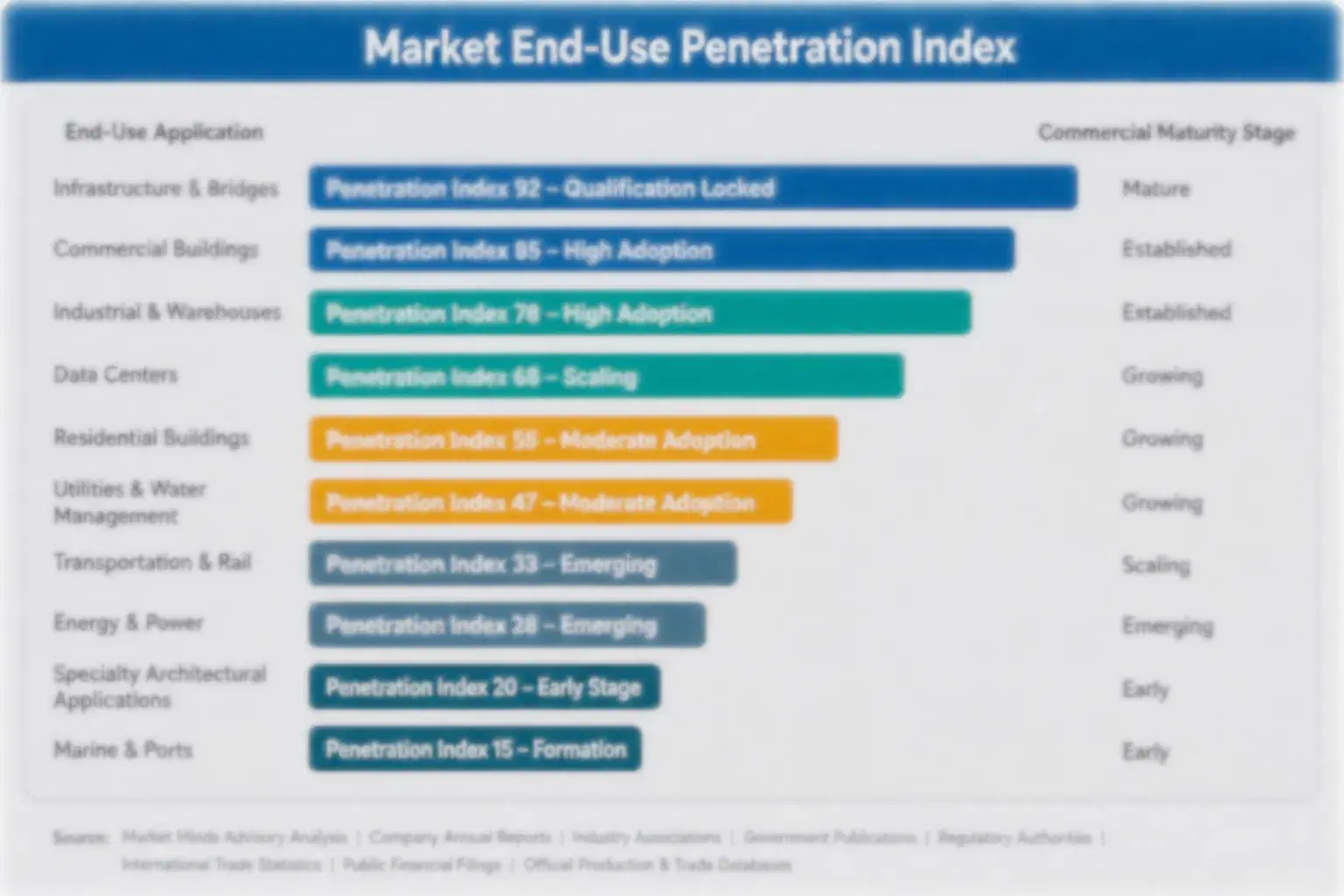
Dark rum demand behaves like an annuity of habits and occasions. Drinkers in India and the Philippines buy the same brand every winter, cocktail bars reorder monthly, and a satisfied buyer typically stays with a brand for years. Retailers use last festive season's sales to fix shelf space, and bar programmes add predictability, so successful brands earn steadier volume than launches driven by promotion alone. Repeat cycles anchor stock planning.
Adoption stickiness differs by occasion. Home drinking in volume markets is the deepest, since brand habits pass between generations and price ladders keep buyers within a brand. Cocktail bars are almost as loyal, because bartenders build menus around specific rums. Collectors are shallower and chase releases, while gift buyers follow seasonal promotions and travel retail offers.

Buyer profiles are shifting between generations. Older drinkers buy dark rum for tradition and trust heritage brands, while younger buyers care about spiced flavours, cocktails, transparency, and social media appeal. Health-conscious drinkers add a third group that wants lower sugar and clearer labelling. Brands that publish additive data, tell provenance stories, and use bar education win younger buyers and keep them as tastes mature.
dark-rum-market-end-use-penetration-index-1789793716281

MMA Verdict on Dark Rum Strategy

These are among the four positions where our research anticipates prominent divergence between winners and laggards over the coming forecast period. Each is grounded in the demand model, the regulatory perimeter, and the announced capacity pipeline.
01 / PREMIUM AGEING STRATEGY

Build Age-Stated Premium Stock and Publish Blending Data Before Rivals

Aged premium and super-premium dark rum grows at 8.2% a year, about 1.52 times the market rate, and bottles of 8 to 25 years sell at $60 to $300, so early stock investment pays back over roughly a decade on most releases. Winners lay down aged stock, publish still and additive data, and support bartender programmes before drinkers shift toward rivals with clearer labels. Distillers that wait will find scarce aged stock committed to competitors and premium credibility already claimed.
02 / EMERGING VOLUME STRATEGY

Add Premium Ladders to Volume Brands in India and the Philippines

India and the Philippines drink more dark rum than any other region, and local brands sell at low prices in small bottle sizes across many states. Global groups and local leaders that add premium ladders, such as aged expressions and gift packs, can lift average price per litre by 15% to 25% as incomes rise each year. Those that stay in low-price tiers will miss trading up and cede premium share to rivals that build aspirational products now in each market.
03 / LABEL TRANSPARENCY STRATEGY

Disclose Sugar, Age, and Still Data to Defend Premium Credibility

Disputes over sweetening and age statements have reduced trust in some rums across more than 30 countries, so premium buyers now ask what is really in the bottle. Distillers should openly publish still type, cask type, additives, and sugar levels, use third-party certification, and support geographical indications where available. Those that stay vague will lose bartender and collector trust as disclosure quickly becomes an expectation, and premium prices will steadily erode as buyers move to competitors that clearly prove authenticity.
04 / COST DISCIPLINE STRATEGY

Contract Molasses, Recycle Casks, and Lighten Glass to Protect Margin

Molasses takes about 14% of cost of goods, and casks and glass cost more than before 2021, so unhedged distillers lose several margin points when shelf prices are already fixed for the season. Distillers should promptly sign forward molasses contracts, recycle casks at scale, and adopt lighter glass, which saves two to three points of cost of goods across brands. Those that delay too long will simply absorb cost spikes, shrink margins, or lose retailer trust before competitors with stable supply take listings.

Engagement Snapshot From the Field

A live engagement with an industry participant carrying material or product regulatory and market exposure ahead of a defining policy shift, showing how our research translates into a defensible multi-year portfolio strategy.
MARKET MINDS ADVISORY · CLIENT ENGAGEMENT SUMMARY
Dark Rum Producer Strategic Portfolio Review and Transition Roadmap 2026·Investment Scenario on Dark Rum Exposure Evaluation 2025-26
CLIENT PROFILE
The client is a mid-sized Caribbean rum distiller with annual sales near $190 million (client-reported, unverified by MMA), two distilleries, and a portfolio led by blended dark rum and a small aged range sold through retailers, bars, and duty-free. It had no single-estate line, limited Asian distribution, and heavy exposure to cask and glass costs.
STRATEGIC CHALLENGE
Blended volumes were flat for three years, cask and glass costs had cut margins, and importers in Asia asked for aged and single-estate expressions. Management needed to decide whether to invest in aged stock, single-estate releases, or Asian distribution, with limited capital and only one distillery able to run separate estate batches.
MMA APPROACH
MMA analysed sales and cost data across 45 products, interviewed 12 importers, eight bartenders, and six cask suppliers, and ran a drinker survey on age, provenance, and price tolerance across three regions. It modelled margin by segment and channel, tested cask and glass scenarios, and ranked investments by payback period and execution risk.
KEY FINDINGS
  1. Aged and single-estate releases could reach 12% of sales within four years at margins 14 points above the blended range (client-reported, unverified by MMA).
  2. Asian distribution through two importers could add 8% of sales within three years at prices 30% above domestic retail through premium bars and duty-free stores.
  3. Forward molasses and cask contracts covering 70% of volume could protect about three margin points when input prices moved sharply over a 12-month cycle.
  4. Transparent additive and age disclosure could raise bartender listing rates by about 20% and support premium price points within 18 months of launch across major markets.
CLIENT PROFILE
The client is a mid-sized Caribbean rum distiller with annual sales near $190 million (client-reported, unverified by MMA), two distilleries, and a portfolio led by blended dark rum and a small aged range sold through retailers, bars, and duty-free. It had no single-estate line, limited Asian distribution, and heavy exposure to cask and glass costs.
STRATEGIC CHALLENGE
Blended volumes were flat for three years, cask and glass costs had cut margins, and importers in Asia asked for aged and single-estate expressions. Management needed to decide whether to invest in aged stock, single-estate releases, or Asian distribution, with limited capital and only one distillery able to run separate estate batches.
MMA APPROACH
MMA analysed sales and cost data across 45 products, interviewed 12 importers, eight bartenders, and six cask suppliers, and ran a drinker survey on age, provenance, and price tolerance across three regions. It modelled margin by segment and channel, tested cask and glass scenarios, and ranked investments by payback period and execution risk.
KEY FINDINGS
  1. Aged and single-estate releases could reach 12% of sales within four years at margins 14 points above the blended range (client-reported, unverified by MMA).
  2. Asian distribution through two importers could add 8% of sales within three years at prices 30% above domestic retail through premium bars and duty-free stores.
  3. Forward molasses and cask contracts covering 70% of volume could protect about three margin points when input prices moved sharply over a 12-month cycle.
  4. Transparent additive and age disclosure could raise bartender listing rates by about 20% and support premium price points within 18 months of launch across major markets.
RECOMMENDED STRATEGY
Phase 1: Phase 1 (Months 1-6): Sign forward molasses and cask contracts, publish additive and age data, and select stock for single-estate batches. Phase 2: Phase 2 (Months 7-18): Launch limited single-estate releases through bars and specialist retailers and open distribution with two Asian importers. Phase 3: Phase 3 (Months 19-30): Reduce low-margin blended volume, steadily expand aged stock, and add duty-free limited editions and premium gift packs.
OUTCOME
Within 30 months, aged and single-estate products reached 14% of sales, input-cost volatility fell by about half, and gross margin improved by five points (client-reported, unverified by MMA). The client secured listings with two Asian importers and 90 premium bars, while retailers named it a preferred supplier for aged Caribbean rum.

Frequently Asked Questions

Foundational context covering the market sizes, CAGR, scope, country, region and competition that inform every finding below. This section is provided to cover basics and most often pre-purchase conversations, answered from the MMA Primary Research Dataset.

What is the current size of the Dark Rum Market?

The global dark rum market was valued at $9.4 billion in 2025. Growth is supported by premium sipping culture, spiced rum, and volume growth in India and the Philippines.

How large will the Dark Rum Market be by 2036?

The market is projected to reach $16.8 billion by 2036, up from $9.9 billion in 2026. The increase of $6.9 billion reflects aged premium rums, emerging market volume, and cocktail culture.

What is the CAGR for the Dark Rum Market 2026 to 2036?

The market is forecast to grow at a 5.4% CAGR from 2026 to 2036. The bull case reaches 6.7% and the bear case 4.1%, depending on tariffs and cask costs.

Which segment is growing fastest?

Aged Premium and Super-Premium Dark Rum is the fastest-growing segment at 8.2% CAGR, roughly 1.52 times the overall market rate. Single-Estate and Craft Dark Rum follows as the second-fastest segment at 7.4% CAGR each year.

Who are the major companies in the Dark Rum Market?

Major companies include Diageo, Bacardi, Pernod Ricard, Campari Group, and Mohan Meakin. Tanduay Distillers, Angostura, Halewood, Foursquare Distillery, and independent bottlers also hold meaningful positions.

Which country is growing fastest?

India is the fastest-growing country at an 8.6% CAGR, driven by rising incomes, dark spirit preference in cooler months, and premium launches. The Philippines and Australia follow through volume and cocktail demand.

Report Segmentation Architecture

The full report scope spans multiple orthogonal segmentation dimensions, with cross-tabulated demand data provided for each dimension pair. Coverage extends further to regional breakdowns, trend trajectories, and the competitive detail needed to support segment-level decision-making.

By Primary Market Dimension

  • Blended Dark Rum
  • Aged Premium and Super-Premium Dark Rum
  • Spiced Dark Rum
  • Navy-Strength and Overproof Dark Rum
  • Single-Estate and Craft Dark Rum
  • Cask-Finished and Limited-Edition Dark Rum

By End-Use Industry

  • Home Drinking
  • Cocktail Bars and On-Premise
  • Travel Retail and Duty Free
  • Gifting and Collectors
  • Hospitality and Events

By Commercial Dimension

  • Liquor Stores and Retail Chains
  • Supermarkets and Convenience Stores
  • On-Premise Distributors
  • Online and Direct-to-Consumer
  • Travel Retail Operators

By Region

  • North America
  • Western Europe
  • East Asia
  • South Asia and Pacific
  • Latin America
  • Middle East and Africa
  • Eastern Europe

Scope, Methodology, and Coverage

Every figure in this report is reproducible from documented input assumptions. The scope below maps the historical period, the forecast horizon, the segmentation dimensions, and the countries covered, alongside the underlying primary and qualitative methodology.
Historical Period
2020 to 2025
Forecast Period
2026 to 2036
Base Year
2025 (USD billions; MMA Primary Research Dataset, September 2026)
Market Definition
Dark rum comprises rum distilled from sugarcane molasses or juice and coloured or aged to a dark style, including blended dark rum, aged premium and super-premium dark rum, spiced dark rum, navy-strength and overproof dark rum, single-estate and craft dark rum, and cask-finished and limited-edition dark rum, sold through liquor retail, on-premise venues, duty-free, and online channels. The scope excludes white and gold rum, rum-based ready-to-drink cocktails, cachaca, and rhum agricole sold as white spirit.
Quantitative Units
USD billions (retail sales value); million litres for volume references
Segmentation Dimensions
By Style and Ageing Tier; By End-Use Occasion; By Commercial Dimension; By Region
Regions Covered
North America, Western Europe, East Asia, South Asia and Pacific, Latin America, Middle East and Africa, Eastern Europe
Countries Covered
USA, Canada, Mexico, Guatemala, Venezuela, Cuba, Jamaica, Barbados, Trinidad, UK, France, Spain, Germany, Poland, Czechia, South Africa, Nigeria, UAE, Japan, South Korea, China, India, Philippines, Australia, and additional markets relevant to this sector
Key Companies Profiled
Diageo, Bacardi, Pernod Ricard, Campari Group, Mohan Meakin, Tanduay Distillers, Angostura Limited, Destilerias Unidas, Halewood Wines and Spirits, Gosling Brothers, Remy Cointreau, Maison Ferrand, Foursquare Distillery, Sazerac Company, Beam Suntory, Brown-Forman, Amrut Distillers, Radico Khaitan, Allied Blenders and Distillers, Havana Club International
Quantitative Methodology
Primary survey, n=3,800 respondents, Q4 2025, six countries; demand-side model with trade association cross-validation
Qualitative Methodology
47 expert interviews, Q4 2025; applied to validate demand model assumptions, identify emerging dynamics, and assess competitive positioning
Report Format
PDF and XLSX data workbook (Word format preview document)
Publisher
Market Minds Advisory
Report Code
MMA-2026-AGR-391
Published
September 2026
Contact
sales@marketmindsadvisory.com | www.marketmindsadvisory.com

Purchase the full Dark Rum Market Report (2026 to 2036).

The full report delivers a detailed assessment of global dark rum through 2036, covering segment, regional, and country forecasts, competitive benchmarking of leading distillers, and input cost analysis. It combines MMA primary research, including a six-country survey of 3,800 respondents and 47 expert interviews, with public trade and company data. Analysts also model tariff scenarios, cask cost paths, and premium ladder economics in India. Clients receive segment margin ranges, channel maps, and a case study on portfolio strategy. Supplier and retailer contact frameworks are also included for negotiation planning.
Ten-year segment and regional demand forecasts
Molasses, cask, and glass price tracking
Competitive benchmarking of top twenty distillers
Spirits labelling and tariff rule tracker
Regional demand mechanism comparative analysis included
Quarterly primary survey data update access

Built For The People Who Decide

From boardroom strategy to bench-side execution, this report is read cover-to-cover by leaders shaping the next decade of their industry, turning demand scenarios, market dynamics and valuation benchmarks into decisions.
CXOs/ Presidents/ VPs/ Managers
M&A and Corporate Development
Strategy Teams and R&D Heads
Procurement and Product Directors
Regulatory and Compliance Leaders
Investor Relations and Equity Analysts