Market Minds Advisory
Dairy Herd Management Market

Dairy Herd Management Market: Dairy Herd Management Market. Sensors Replace Spreadsheets

Precision livestock software is replacing paper records and visual inspection on commercial dairy farms, as wearable sensors, AI-driven health analytics, and integrated milking-robot platforms push adoption well beyond early large-scale operations.

Lead Analyst

Published

September 2026

Make Smarter Decisions with Customized Research Insights

Request a free sample report and evaluate market opportunities, growth trends, and competitive dynamics relevant to your business needs.

2025 MARKET VALUE$4.8BMarket Size 2025
2036 FORECAST VALUE$15.9BBase Case , 2026 to 2036
CAGR 2026 TO 203611.5 %Bull 12.8% / Bear 10.3%
INCREMENTAL OPPORTUNITY$10.5BNet 10- year value creation
EXPANSION MULTIPLE2.97x2036 value over 2026 base
Strategic Levers
M&A Pipeline
Regional Outlook
Country Rankings
Competitive Intelligence
Segmental Deep-dive
Call-Us : 91 93563 13602

Executive Snapshot and Market Trajectory.

Dairy herd management software converts scattered paper records and visual health checks into continuous sensor-driven data, and adoption is accelerating fast as commercial operations discover that early disease detection alone can justify the entire technology investment within a single herd health season before veterinarians would otherwise catch the issue.
Activity and behavior monitoring wearables are outgrowing every other segment as ear-tag and collar sensors reach a price point that pays for itself through earlier estrus detection and disease intervention, cutting veterinary costs meaningfully across most commercial herds. North America anchors the category's largest regional share, reflecting the scale and capital intensity of its large commercial dairy operations reflecting the scale and capital intensity of its largest commercial operations nationwide.
Five companies hold a bit over two-fifths of global revenue, a moderate concentration that still leaves considerable room for specialized sensor and software startups to compete on niche functionality. Integration between hardware sensor makers and software analytics platforms is accelerating as the largest vendors race to build unified platforms ahead of point-solution competitors that address only one part of the herd management workflow worldwide today overall.
Market Definition
The dairy herd management market covers software platforms, wearable sensors, and integrated hardware-software systems used to monitor health, reproduction, milk yield, and feed intake across commercial dairy operations. It excludes general farm accounting software, milking equipment sold without integrated monitoring capability, and veterinary diagnostic laboratory services.
Base Year Value
$4.8B in 2025 (MMA Primary Research Dataset, September 2026)
Forecast Period
2026 to 2036, eleven discrete annual values
CAGR
11.5% base case. Bull 12.8%. Bear 10.3%.
Fastest Growth Segment
Activity and Behavior Monitoring Wearables: 15.5% CAGR
Fastest Growth Country
India: 15.0% CAGR
Fastest Growth Region
South Asia and Pacific: 13.5% CAGR
Largest Region
North America: 28% of 2025 global value
Market Leaders
DeLaval, Lely, Allflex Livestock Intelligence, Nedap, and Afimilk lead by platform revenue. Source: MMA Analysis based on company annual reports.
Primary Survey
n=3,800 procurement and R&D decision-makers, Q4 2025, six countries
Methodology
Demand-side build-up, cross-validated against public data, 47 expert interviews

Dairy Herd Management Market Forecast Scenarios

dairy-herd-management-market-size-forecast-scenario-1790362484169
Dairy herd management software adoption grew steadily between 2020 and 2025, expanding at roughly a 10.2 percent historical annual rate as commercial operations increasingly replaced manual record-keeping with sensor-driven platforms. Growth accelerated meaningfully after 2023 as wearable sensor prices fell enough to justify adoption across a much broader range of herd sizes reshaping how operations of every size evaluate technology purchases.
The base case rests on three mechanisms: continued wearable sensor cost declines expanding adoption into mid-sized commercial operations, AI-driven health analytics demonstrating measurable disease-prevention return on investment across large-scale herds, and rapid dairy sector modernization programs expanding software access across China, India, and other fast-growing Asian dairy markets. Robotic milking system adoption continues reinforcing integrated platform demand across mature markets Emerging-market government subsidy programs continue reinforcing this modernization trajectory further across most tracked producing countries.
The bull case turns on accelerated integration between milking robot manufacturers and third-party analytics platforms, pulling growth toward the mid teens. The bear case is persistent connectivity infrastructure gaps in rural farming regions limiting sensor deployment, slowing overall growth toward the high single digits as operations in poorly connected regions default back toward manual monitoring practices.

Sensors Move From Pilot to Standard Practice

Dairy herd management software solves a straightforward operational problem, replacing manual health checks and paper records with continuous sensor data that catches disease and reproductive issues earlier than visual inspection ever could, and the vendors who lead this category built their advantage through years of sensor accuracy refinement and integration with existing milking and feeding infrastructure at comparable technical reliability, integration depth, or manufacturing scale.
MARKET CONCENTRATION42% CR5moderate concentration leaves room for niche sensor specialists
AVERAGE SELLING PRICE$85/cow/yearintegrated platforms command premium pricing over point solutions
TOP REGION SHARENorth America, 29%leads on large-scale commercial dairy technology investment broadly
FARM PENETRATION RATE38% of commercial herdssensor-based monitoring continues displacing manual visual inspection steadily
ROBOTIC MILKING INTEGRATION27% of platform revenuemilking robot manufacturers increasingly bundle analytics software directly
SUBSCRIPTION REVENUE SHARE64% of software COGSrecurring subscription models dominate platform revenue structure today
Commercially, the category increasingly rewards platforms that unify hardware and software rather than point solutions addressing a single workflow, since farm managers strongly prefer one integrated dashboard over juggling separate systems for health monitoring, reproduction tracking, and feed management. Distribution through equipment dealers who already sell milking systems remains the primary channel shaping how quickly any single vendor can scale adoption across each of the seven regions MMA tracks worldwide.
The next decade will be shaped by wearable sensor costs falling further into mid-sized farm budgets, AI-driven health analytics demonstrating clearer disease-prevention returns, and dairy sector modernization programs expanding software access across fast-growing Asian and Latin American markets that historically lacked the connectivity infrastructure and capital access mature markets have long taken for granted lacking established local distribution and technical support infrastructure.
"The farms getting the most value from herd management software aren't the ones with the most sensors, they're the ones whose staff actually changed how they respond to an alert."
Director, Agricultural Technology Practice · MMA Technology: Precision Livestock and Agricultural Software Practice · September 2026

Market Trends

AI-Driven Health Analytics Move Into Mainstream Adoption

AI-driven health analytics platforms, which flag early disease and lameness indicators from continuous sensor data rather than relying on periodic visual inspection, have moved from a premium niche technology into mainstream commercial adoption across large-scale dairy operations since 2023. These platforms reduce veterinary intervention costs meaningfully by catching conditions days before visible symptoms appear, a combination that has shortened payback periods enough to justify adoption even among mid-sized operations that previously considered the technology too expensive. Vendors increasingly bundle predictive analytics directly into existing sensor hardware subscriptions rather than selling it as a separate premium add-on.
Market Impact: Cuts sensor cost 25%
Milking Robot Integration Reshapes Platform Bundling

Robotic milking system manufacturers are increasingly bundling herd management analytics software directly into their equipment platforms, reshaping how commercial dairy operations evaluate technology purchases since 2023. This bundling trend matters commercially because it shifts purchasing decisions away from standalone software evaluations toward equipment-plus-software packages that favor vendors with both hardware and software capability. Manufacturers without native milking robot integration are increasingly forming formal partnership agreements with robot makers to remain competitive in this bundled purchasing environment across most major dairy markets tracked Vendors without native milking robot integration risk losing the largest commercial accounts entirely over time.
Market Impact: Cuts labor hours 20%

Market Opportunities and Growth Drivers

Falling Sensor Costs Expand Mid-Sized Farm Adoption

Wearable sensor hardware costs have fallen meaningfully since 2022 as manufacturing scale increased and component costs declined, expanding the addressable market well beyond the large-scale commercial operations that historically drove adoption. This price decline has shortened the payback period calculation mid-sized dairy operations use when evaluating sensor investment, making the technology genuinely more accessible even before accounting for the labor savings and disease-prevention benefits that follow. Manufacturers positioning sensors explicitly around this expanded affordability are capturing faster adoption than those still targeting only the largest commercial operations across most emerging and mature dairy markets tracked.
Market Impact: Limits real-time coverage to roughly 55%

Labor Shortages Push Automation Investment Forward

Persistent labor shortages across major dairy-producing regions are pushing commercial operations toward automated monitoring technology that reduces the staff hours needed for manual health checks, reproduction tracking, and feed management oversight. This labor dynamic has made herd management software a genuine operational necessity rather than an optional efficiency upgrade for operations struggling to fill skilled herdsman positions at competitive wages. Vendors positioning their platforms explicitly around labor cost reduction are capturing faster commercial adoption than those relying purely on animal welfare or productivity messaging alone across most producing regions worldwide today.
Market Impact: Limits smallholder adoption to roughly 14%

Market Restraints and Challenges

Rural Connectivity Gaps Limit Sensor Deployment Reach

Inconsistent rural broadband and cellular connectivity across much of the world's dairy-producing regions limits how effectively continuous sensor data can be transmitted and analyzed in real time, a persistent friction point distinct from the sensor hardware and software cost challenges the category otherwise faces. The root cause is that rural connectivity infrastructure investment has not kept pace with agricultural technology adoption, leaving many commercial operations without the bandwidth reliability that real-time analytics platforms require. Vendors are mitigating this through offline data caching and periodic sync capability, though full real-time functionality still remains unavailable across many poorly connected farming regions.
Market Impact: Cuts veterinary costs by roughly 18%

Upfront Capital Cost Limits Smallholder Adoption Pace

The upfront capital cost of comprehensive sensor and software platforms remains genuinely prohibitive for smallholder and mid-sized operations across most emerging dairy markets, limiting adoption in those segments to lower-cost single-function tools that capture less of the category's full efficiency benefit. The root cause is that equipment financing options remain underdeveloped outside mature dairy markets, leaving smaller operations without an accessible path to the integrated platforms that deliver the strongest commercial returns. Vendors are mitigating this through equipment leasing partnerships and modular pricing tiers, though full-platform adoption still remains years away across most emerging markets tracked.
Market Impact: Adds 27% of category platform revenue
3 additional market trends, 4 additional growth drivers, and 2 additional restraints and challenges are covered in the full report. Contact sales@marketmindsadvisory.com to access the complete intelligence.

Segment CAGR and Growth Architecture

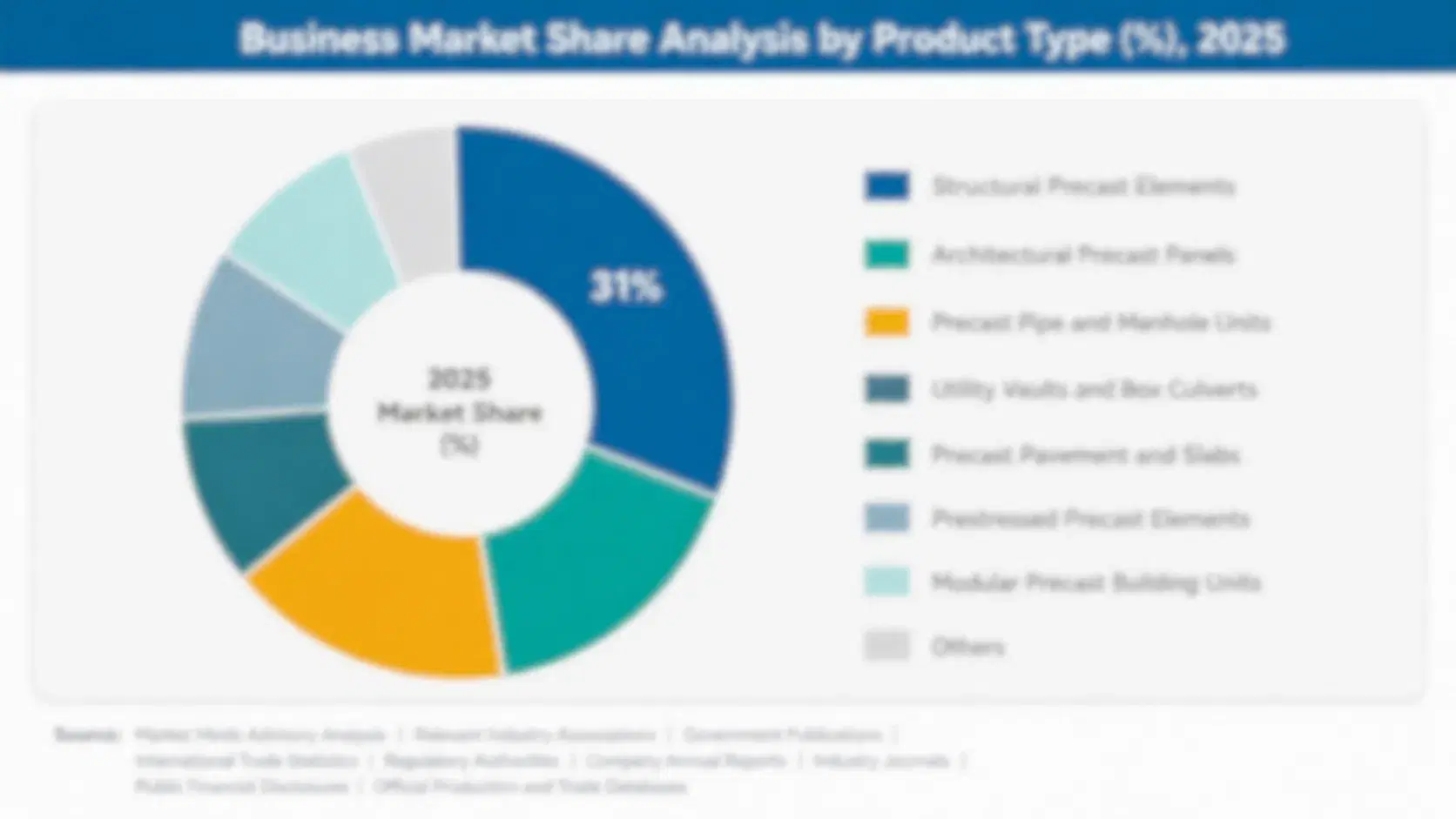
MMA segments the dairy herd management market by solution type, the dimension that most directly determines pricing structure, integration complexity, and the buyer segment a given platform serves across large-scale and emerging commercial dairy operations worldwide today Buyers increasingly evaluate competing solutions on total workflow coverage across health, reproduction, and feed management rather than single-function capability alone.
dairy-herd-management-market-market-share-analysis-1790362484452

Activity and Behavior Monitoring Wearables

Activity and behavior monitoring wearables are the fastest-growing segment because falling sensor hardware costs finally put continuous estrus and disease detection within reach of mid-sized commercial operations that previously could not justify the investment, a shift that has meaningfully expanded the category's addressable customer base beyond the largest dairy operations. This format benefits from a genuinely compelling payback story precisely because earlier disease and reproductive issue detection translates directly into measurable veterinary cost savings and improved conception rates that farm managers can track quarter over quarter. Vendors with established wearable sensor manufacturing capability are capturing a disproportionate share of this growth as legacy software-only competitors work to add hardware partnerships to remain competitive.
CAGR 15.5%

Feed and Nutrition Management Software

Feed and nutrition management software is the second-fastest growing segment as commercial dairy operations increasingly value precise ration formulation and feed cost tracking beyond basic record-keeping alone, particularly as feed represents the largest single operating cost most dairy operations face across most major producing regions. This format commands meaningfully higher per-farm pricing than basic herd record software, since nutrition management platforms require additional formulation science integration that delivers a genuinely differentiated cost-control claim commercial operations are increasingly willing to pay for consistently. Vendors with established animal nutrition formulation expertise are capturing a disproportionate share of this growth as operations worldwide professionalize their feed management practices worldwide across every major producing region tracked.
CAGR 13.5%
Full segment breakdown across 6 segments available in the complete report.

Regional Architecture and Country Demand Map

North America leads global dairy herd management demand on large-scale commercial farm technology investment, with Western Europe and East Asia close behind, while South Asia and Pacific posts the fastest regional growth as modernization programs expand access as India and China modernize dairy operations rapidly.

North America

North America's large-scale commercial dairy operations, concentrated in California, Wisconsin, and Idaho, drive the category's highest regional revenue, with wearable sensor and integrated platform penetration among the highest globally following a decade of steady technology capital investment across mid-sized and large operations. DeLaval and Allflex both run extensive domestic sales and technical support infrastructure built around this commercial-scale customer base. Adoption here increasingly centers on AI-driven health analytics as operations professionalize disease prevention practices, a shift that is lifting average platform pricing even as underlying farm-count growth moderates toward the pace of overall dairy consolidation. Canada contributes a smaller but steadily growing share tied to its own consolidating commercial operations.
Share: 28% | CAGR: 11.0% (2026 to 2036)

Western Europe

Western Europe's dense commercial dairy sector, concentrated across the Netherlands, Germany, and France, anchors deep robotic milking system integration, since Lely and other regional manufacturers built much of their installed base domestically before expanding internationally. Regulatory frameworks around animal welfare and structured health monitoring reinforce software adoption as a near-standard commercial practice rather than an optional investment. Growth here trails the fastest-growing emerging regions meaningfully because adoption is already close to saturation among commercial operations, leaving platform upgrades rather than new customer acquisition as the primary growth lever going forward across most producing countries tracked Denmark and Belgium round out the region's most technically advanced commercial dairy clusters, each running comparably high robotic milking penetration rates.
Share: 22% | CAGR: 10.0% (2026 to 2036)
Regional intelligence for 5 additional markets available in the complete report: East Asia, South Asia and Pacific, Latin America, Middle East and Africa, Eastern Europe. Contact sales@marketmindsadvisory.com.
dairy-herd-management-market-country-cagr-analysis-1790362484766

Integration and Analytics Investment Playbook

Dairy herd management economics reward vendors who can unify hardware and software while defending share against fast-improving point-solution rivals. Four levers separate durable growth from commodity margin erosion: milking robot integration, AI-driven analytics investment, emerging-market distribution buildout, and wearable sensor cost reduction worldwide across both mature technology-forward markets and fast-growing emerging producing regions today.

Integrating Directly With Robotic Milking Platforms

Vendors building native integration with robotic milking system manufacturers are capturing bundled equipment-plus-software purchasing decisions that standalone software providers cannot easily win on their own, since farm managers strongly prefer a single vendor relationship over coordinating separate hardware and software contracts. One vendor's 2024 native integration partnership reportedly lifted platform attach rates by roughly 35 percent among customers purchasing new robotic milking equipment during the same period. This lever requires sustained technical partnership investment with equipment manufacturers rather than software development alone Vendors without this integration increasingly lose deals during the equipment purchasing evaluation stage.
Market Impact: Lifts platform attach rate by roughly 35 percent

Investing in AI-Driven Predictive Health Analytics

Vendors investing in genuinely predictive AI health analytics that flag disease indicators days before visible symptoms appear are capturing premium pricing from commercial operations that have already validated measurable veterinary cost savings from earlier intervention. One vendor's 2024 predictive analytics module reportedly cut veterinary intervention costs by roughly 18 percent among pilot customers while improving early disease detection rates measurably across tested herds. This lever requires sustained data science investment rather than simple threshold-based alerting alone across most large-scale commercial dairy operations tracked closely by MMA analysts across major producing regions worldwide.
Market Impact: Cuts veterinary costs by roughly 18 percent overall

Building Distribution Across Fast-Growing Emerging Markets

Vendors building formal distribution partnerships with dairy sector modernization programs across China, India, and Latin America are capturing emerging-market demand that conventional equipment-dealer distribution cannot reach cost-effectively at meaningful scale across dispersed rural production regions. Companies that formalized modernization program partnerships since 2023 report reaching emerging-market farms roughly 2 years faster than competitors building distribution purely through traditional dealer channels alone. This lever requires genuine local partnership investment rather than treating emerging markets as a secondary export opportunity Distribution partnerships of this kind also generate valuable on-the-ground usage data manufacturers use to refine products.
Market Impact: Reaches emerging farms roughly 2 years sooner overall

Cutting Wearable Sensor Hardware Costs Further

Vendors reducing wearable sensor hardware manufacturing costs through component standardization and manufacturing scale are capturing mid-sized farm demand that previously could not justify sensor investment at prior price points. One manufacturer's 2024 component redesign reportedly cut sensor hardware costs by roughly 25 percent while maintaining comparable accuracy and battery life across tested herds. This lever requires sustained manufacturing investment and supply chain scale that smaller vendors often cannot easily replicate on their own Vendors without this manufacturing scale increasingly struggle to compete on price in the fastest-growing mid-sized farm segment.
Market Impact: Cuts sensor hardware cost by roughly 25 percent

Who Controls the Margin Pool

Five companies hold a bit over two-fifths of global revenue, a moderate concentration that reflects how the category still fragments meaningfully across specialized sensor and software startups competing in functionality niches that the largest vendors have not yet fully consolidated. The gap between DeLaval and Lely's combined installed-base scale and the next tier of specialized competitors remains substantial in mature markets, though point-solution vendors continue capturing meaningful share in specific workflow niches.
Current competitive activity centers on three fronts: robotic milking platform integration defending bundled purchasing decisions in mature markets, AI-driven health analytics development capturing premium pricing globally, and emerging-market distribution partnership building with dairy sector modernization programs across Asia and Latin America. Wearable sensor cost reduction is becoming a meaningful differentiator among mid-sized commercial customers worldwide as adoption expands beyond the largest operations.

Pressure is building from specialized sensor and analytics startups offering narrower, lower-cost point solutions that established platform vendors cannot always match given their higher corporate cost structures and broader platform positioning strategies. Rankings could shift meaningfully if a major vendor achieves genuine breakthrough in predictive analytics accuracy before competitors, capturing the category's fastest-growing wearable segment before it becomes standard practice across the broader industry.
dairy-herd-management-market-company-positioning-matrix-1790362485095

Competitive Moat and Risk Dimensions

DELAVAL INC.

Moat: Integrated milking-and-monitoring platform

DeLaval's combined milking equipment and monitoring software platform gives it deep integration advantages that standalone software vendors cannot easily replicate, reinforcing its position with large commercial customers who value a single vendor relationship across both hardware and analytics This scale advantage compounds meaningfully as commercial customers expand their fleets over time.
DELAVAL INC.

Risk: High integrated system cost

DeLaval's premium integrated system pricing makes it genuinely less accessible than software-only point solutions for cost-sensitive mid-sized operations, a growing customer segment increasingly prioritizing affordable single-function tools over comprehensive integrated platforms worldwide This gap is widening as point-solution vendors improve their affordable single-function offerings worldwide.
LELY HOLDING S.À R.L.

Moat: Robotic milking system installed base

Lely's extensive robotic milking system installed base across Western Europe gives it a natural distribution channel for bundled analytics software that newer entrants must build essentially from scratch, reinforcing its leadership position among the category's most technically demanding commercial customers Newer entrants face a steep distribution-building cost and timeline by comparison across most markets.
LELY HOLDING S.À R.L.

Risk: Premium pricing against software-only entrants

Lely's hardware-centric pricing model makes it genuinely less competitive than software-only entrants for operations that already own milking equipment from other manufacturers and want analytics without a full hardware replacement investment This gap could narrow Lely's long-term position as software-only vendors improve compatibility broadly over time.

Players Tracked

Prominent Players

DeLaval Inc.
Lely Holding S.à r.l.
Allflex Livestock Intelligence
Nedap N.V.
Afimilk Ltd.

Other Key Players

GEA Group AG
BouMatic LLC
Fullwood JOZ
SCR Dairy
Dairymaster
CowManager B.V.
Connecterra B.V.
Antelliq Corporation
Ceres Tag Pty Ltd.
Datamars SA
Moocall Ltd.
Smaxtec animal care GmbH
Zoetis Inc.
IceRobotics Ltd.
FarmWizard Ltd.

Recent Developments

MARCH 2025

DeLaval Launches AI-Based Health Analytics Module

DeLaval launched a new AI-driven health analytics module in March 2025, extending its existing monitoring platform with predictive disease detection capability designed for large-scale commercial dairy operations seeking earlier intervention timing and measurably lower veterinary cost outcomes across their herds across the region's most intensive dairy-producing states.
Signal: Signals established equipment vendors now see predictive analytics as central to platform competitive strategy in the category's most demanding segment.
SEPTEMBER 2024

Lely Expands Asian Distribution Partnership Network

Lely expanded its distribution partnership network across several Asian dairy markets in September 2024, a supply and technical support arrangement rather than an acquisition, formalizing commercial farm access to its robotic milking and analytics platform through regional equipment dealer networks across the continent's fastest-growing dairy-producing provinces and clusters.
Signal: Indicates established vendors are formalizing emerging-market partnerships to accelerate distribution access as domestic and international competition intensify further.
JANUARY 2025

Nedap Launches Next-Generation Wearable Sensor Line

Nedap launched a next-generation wearable sensor line in January 2025, targeting mid-sized commercial dairy operations seeking lower-cost activity and health monitoring capability previously accessible mainly to the largest operations with dedicated technology budgets and established vendor relationships and established vendor relationships within their local markets.
Signal: Shows established vendors are moving down-market to capture mid-sized farm adoption previously underserved as adoption expands beyond the largest operations.

Sensor Hardware Costs Anchor Platform Pricing

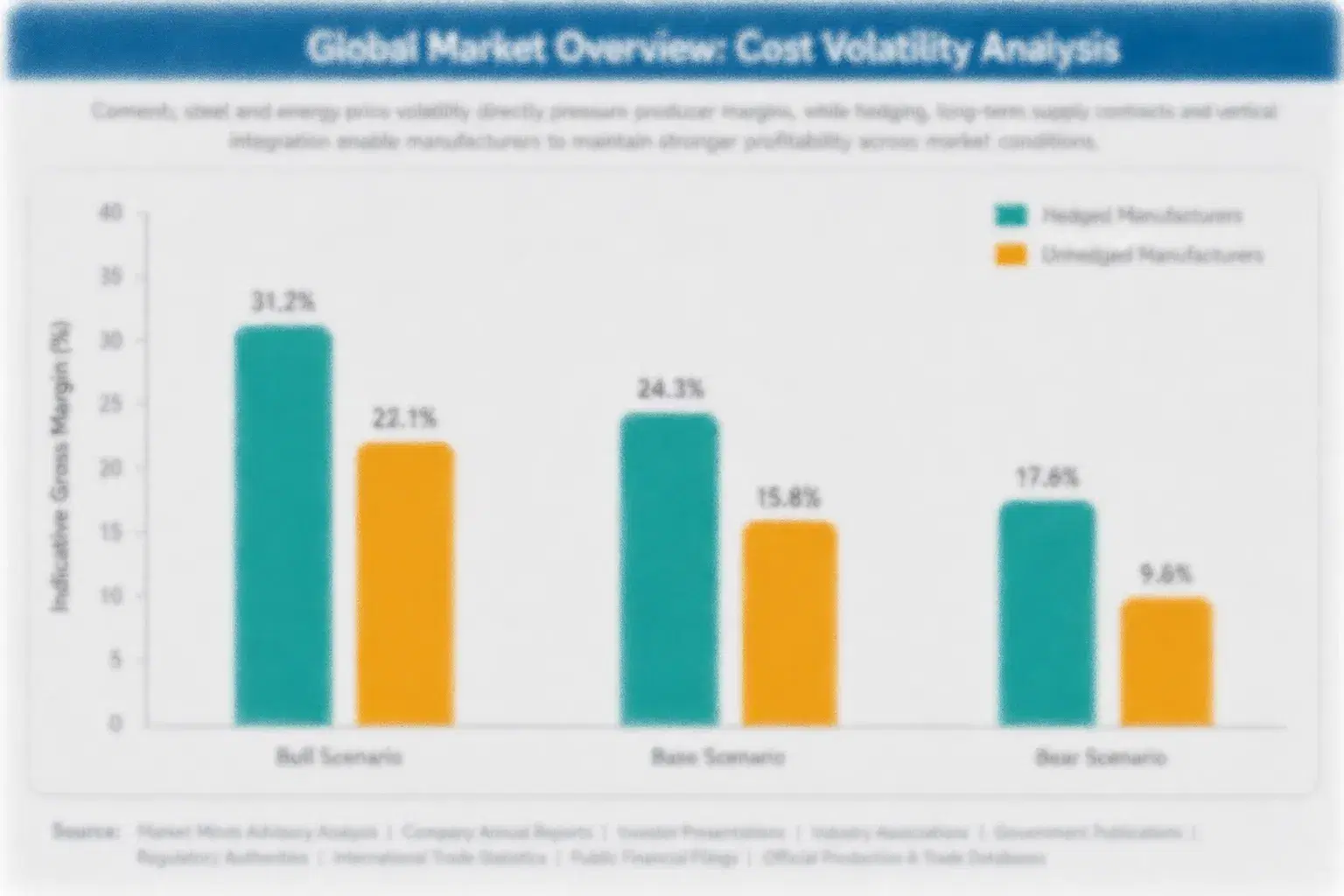
Sensor hardware, primarily semiconductor components and battery cells, represents roughly thirty-four percent of cost of goods sold for a typical wearable monitoring device, sourced primarily from component manufacturers across East Asia and North America. Cloud infrastructure and data processing costs represent a growing secondary cost share as platforms expand predictive analytics capability with cloud infrastructure costs continuing to rise steadily.
Global semiconductor component prices rose meaningfully through 2021 and 2022 as supply chain disruption and elevated demand across multiple industries tightened component availability, a volatility event documented in industry supply chain reporting and company annual filings, before easing through 2023 and 2024 as component manufacturing capacity expanded globally. That price spike accelerated vendor interest in component standardization and supply diversification That volatility episode also accelerated broader industry interest in modular hardware design and multi-sourcing strategies.

Larger vendors with diversified component sourcing agreements absorbed the 2022 price spike without major pricing increases, protecting customer relationships during the disruption, while smaller sensor manufacturers more often passed costs through immediately, risking the most price-sensitive portion of their mid-sized farm customer base at exactly the moment adoption was accelerating fastest across several tracked regions and channels.
dairy-herd-management-market-cost-volatility-analysis-1790362485396

Diversifying Semiconductor Component Sourcing

Vendors are diversifying semiconductor component sourcing across multiple manufacturing regions, reducing dependence on any single supplier or geography and giving procurement teams meaningfully more negotiating leverage during periods of component supply tightness. This diversification reduces production disruption risk considerably and shortens the time needed to recover from any single regional supply disruption significantly overall.

Standardizing Sensor Hardware Component Designs

Standardizing sensor hardware component designs across product lines reduces the number of unique parts vendors must source, allowing higher-volume purchasing agreements with fewer suppliers and meaningfully better per-unit pricing than smaller, more fragmented component sourcing arrangements typically achieve This standardization also shortens new product development cycles considerably across most vendor product lines worldwide today.

Building Long-Term Component Supply Agreements

Formalizing multi-year component supply agreements with key semiconductor and battery manufacturers ahead of rising demand reduces exposure to spot-market volatility that periodically affects specialized components with less diversified global supply infrastructure than commodity electronics, a meaningful advantage as sensor adoption continues scaling globally This approach reduces exposure meaningfully as sensor adoption continues expanding across most producing regions.

Portfolio Architecture for Margin Defence

The category organizes into three commercial tiers. A volume and commodity-adjacent tier competes on price using single-function monitoring tools, a premium and certified tier commands a real price premium tied to integrated hardware-software platforms with dedicated technical support, and a smaller sustainability and next-generation tier built around AI-driven predictive analytics commands the strongest per-unit margin despite representing the smallest current customer base across the category overall today.
Robotic milking integration is concentrating premium tier growth among vendors with established equipment-manufacturer relationships, while the volume tier remains genuinely competitive between specialized sensor startups and lower-cost fabricators fighting for the same cost-sensitive mid-sized farm segment across most producing countries. Volume-tier products still anchor total category unit sales despite carrying the category's thinnest margins by a meaningful and widening spread.

High-value margin pools concentrate in the sustainability and next-generation tier, where predictive AI analytics support the strongest pricing power available today across the category, and in robotic-milking-integrated commercial channels where vendors can command premium pricing without facing the same cost sensitivity present across mass-market point-solution distribution segments. Vendors able to defend both tiers simultaneously hold the strongest long-term competitive position worldwide.

Volume / Commodity-Adjacent Tier

Single-function monitoring tools competing primarily on price, distributed broadly to mid-sized and smallholder farms worldwide with minimal integration or technical support features attached to the product itself Distribution reach through equipment dealers matters more than brand reputation here.
Gross Margin: 18-24%

Premium / Certified Tier

Integrated hardware-software platforms carrying formal technical support and equipment-manufacturer partnerships, merchandised at a meaningful price premium over standard point solutions within the same broader herd management category Buyers value consistent integration quality and dependable technical support relationships.
Gross Margin: 34-42%

Sustainability / Regulatory / Next-Generation Tier

AI-driven predictive analytics platforms aimed at the most engaged, highest-spending commercial operators, commanding the category's strongest per-unit margin despite still-limited adoption relative to standard platforms currently Buyers here prioritize proven disease-prevention and cost-saving performance outcomes above all else.
Gross Margin: 46-54%
dairy-herd-management-market-portfolio-architecture-1790362485682

High-value Sub-segments and Strategic Watch-out

Activity and Behavior Monitoring Wearables

This high-value, high-growth format is expanding fastest as falling sensor costs reach mid-sized farm budgets, and vendors are widening distribution for it faster than for any other format tracked, making it the clearest near-term margin opportunity worldwide for vendors with established sensor manufacturing capability today.
Gross Margin: 32-40%

AI-Driven Predictive Health Analytics Segment

High-value and steadily growing, predictive analytics platforms command meaningful pricing power tied to genuine veterinary cost savings, though volume remains constrained to larger operations where sensor infrastructure has already reached commercially meaningful deployment scale Early movers here are positioned to defend this pricing power over the long term.
Gross Margin: 44-52%

Basic Herd Records Software Format

The volume core of the category, basic herd records software anchors total customer count across smallholder and commercial farms and remains the primary format most buyers encounter first, even as sensor-based formats capture growing category revenue share Vendor customer counts still depend heavily on this entry-level format.
Gross Margin: 18-24%

Point-Solution Sensor Startup Segment

The strategic watch-out segment, specialized point-solution sensor startups are narrowing the functionality gap with integrated platform vendors fastest at the category's most price-sensitive point, and their continued expansion could compress platform pricing power meaningfully absent further integration investment Vendors without a clear integration advantage face the greatest pricing risk.
Gross Margin: 14-20%

From Pilot Program to Farm Standard

Dairy herd management software behaves more like an annuity product once a farm adopts it as a standard part of daily operations, since subscription renewal rates among converted operations run meaningfully higher than for occasional trial buyers, giving vendors a more predictable global revenue base than the category's still-uneven regional penetration might otherwise suggest at first glance across mature and emerging dairy markets tracked worldwide.
Adoption depth varies meaningfully by end-use vertical: large-scale commercial dairy operations in mature markets show the deepest platform integration and highest module attach rates given their systematic approach to herd management economics, mid-sized emerging-market operations adopt more cautiously through modernization program trials before committing to full subscriptions, and predictive analytics buyers represent a newer segment tied specifically to disease-prevention goals rather than basic record-keeping alone.

Younger farm managers entering dairy operations through formalized agricultural technology training programs worldwide show meaningfully more comfort evaluating software return on investment than an older generation of farmers who relied primarily on visual inspection and paper records passed down across generations, a generational shift reshaping how vendors position platform adoption across their broader commercial and emerging-market outreach programs today.
dairy-herd-management-market-end-use-penetration-index-1790362485977

Where MMA Sees the Real Opportunity

These are among the four positions where our research anticipates prominent divergence between winners and laggards over the coming forecast period. Each is grounded in the demand model, the regulatory perimeter, and the announced capacity pipeline.
01 / ROBOTIC MILKING INTEGRATION PRIORITY

Build native equipment integration before rivals do

Robotic milking integration remains the clearest bundled-purchasing lever in mature markets, and vendors investing in genuine equipment-manufacturer partnerships now will hold a durable distribution advantage as competitors relying on standalone software struggle to match bundled purchasing convenience. Integration partnerships take meaningful time to develop and validate properly across different equipment platforms and dairy systems. Vendors that delay risk losing this premium segment to faster-moving equipment-integrated competitors already active in the category before the category matures further and losing the premium tier for good.
02 / PREDICTIVE ANALYTICS INVESTMENT PRIORITY

Build AI-driven health analytics for premium pricing

Predictive AI health analytics remain the single biggest lever for capturing premium pricing from commercial operations, and vendors investing in genuine data science capability now will hold a durable pricing advantage as competitors relying on basic threshold alerting struggle to match measurable veterinary cost savings. Data science investment takes meaningful time to develop and validate properly across different herd sizes and farming systems. Vendors that delay risk losing this fast-growing segment to faster-moving analytics-focused competitors already active worldwide as adoption accelerates further.
03 / EMERGING-MARKET DISTRIBUTION STRATEGY

Partner with modernization programs before competitors do

Dairy sector modernization programs provide a structured channel to reach emerging-market farms that conventional dealer-based distribution cannot access cost-effectively, and vendors formalizing these partnerships now will establish access before competitors fully consolidate that relationship themselves across fast-growing markets. This partnership approach requires genuine investment in local extension relationships rather than treating emerging markets as an afterthought export opportunity. Vendors that wait risk losing this fast-growing distribution channel to faster-moving domestic competitors already establishing early relationships across these regions today as fast-growing markets consolidate around early movers.
04 / SENSOR COST REDUCTION STRATEGY

Cut hardware costs to reach mid-sized farms

Falling wearable sensor hardware costs remain the clearest lever for expanding into the mid-sized farm segment that previously could not justify the investment, and vendors reducing component costs now will command volume that competitors relying on premium-only pricing cannot capture as broadly across most producing markets tracked. Manufacturing scale investment takes meaningful time to develop and validate properly across different sensor form factors. Vendors that wait risk losing this expanding mid-sized segment to faster-moving, cost-focused competitors already scaling production capacity worldwide.

Engagement Snapshot From the Field

A live engagement with an industry participant carrying material or product regulatory and market exposure ahead of a defining policy shift, showing how our research translates into a defensible multi-year portfolio strategy.
MARKET MINDS ADVISORY · CLIENT ENGAGEMENT SUMMARY
Dairy Herd Management Producer Strategic Portfolio Review and Transition Roadmap 2026·Investment Scenario on Dairy Herd Management Exposure Evaluation 2025-26
CLIENT PROFILE
The client is a mid-sized North American dairy cooperative representing roughly 35 member farms, reporting collective annual revenue of approximately 70 million dollars (client-reported, unverified by MMA) evaluating whether wearable sensor and analytics platform adoption would justify a meaningful technology investment across member operations. The cooperative approached MMA to benchmark realistic payback timelines before committing capital broadly.
STRATEGIC CHALLENGE
Leadership needed to determine which sensor platform and analytics vendor pairing would deliver the fastest realistic payback given member farms' varying herd sizes, existing labor costs, and appetite for capital investment during a period of persistent skilled labor shortages across the broader region while keeping downside risk manageable for the smallest member farms involved.
MMA APPROACH
MMA combined primary survey data with vendor interviews to benchmark realistic payback timelines and labor savings, modeled platform and sensor pairing options across three commercial scenarios, and produced a phased cooperative-wide adoption sequence tailored to member farms' capital budgets and existing labor structures across the engagement and validated against vendor-reported equipment performance data.
KEY FINDINGS
  1. Wearable sensor adoption improved early disease detection meaningfully relative to visual inspection alone across every pilot farm tested during the engagement during the engagement period overall.
  2. Labor cost savings from automated monitoring exceeded vendor projections on larger member farms with higher existing labor costs per cow reinforcing the case for equipment financing support.
  3. Smaller member farms saw meaningfully longer payback periods, making phased equipment financing essential to cooperative-wide adoption success across the board making phased financing essential to broader adoption success.
  4. Bulk cooperative platform purchasing secured meaningfully better subscription pricing than individual farm purchasing would have achieved independently for comparable herd size reinforcing the value of cooperative-level negotiation overall.
CLIENT PROFILE
The client is a mid-sized North American dairy cooperative representing roughly 35 member farms, reporting collective annual revenue of approximately 70 million dollars (client-reported, unverified by MMA) evaluating whether wearable sensor and analytics platform adoption would justify a meaningful technology investment across member operations. The cooperative approached MMA to benchmark realistic payback timelines before committing capital broadly.
STRATEGIC CHALLENGE
Leadership needed to determine which sensor platform and analytics vendor pairing would deliver the fastest realistic payback given member farms' varying herd sizes, existing labor costs, and appetite for capital investment during a period of persistent skilled labor shortages across the broader region while keeping downside risk manageable for the smallest member farms involved.
MMA APPROACH
MMA combined primary survey data with vendor interviews to benchmark realistic payback timelines and labor savings, modeled platform and sensor pairing options across three commercial scenarios, and produced a phased cooperative-wide adoption sequence tailored to member farms' capital budgets and existing labor structures across the engagement and validated against vendor-reported equipment performance data.
KEY FINDINGS
  1. Wearable sensor adoption improved early disease detection meaningfully relative to visual inspection alone across every pilot farm tested during the engagement during the engagement period overall.
  2. Labor cost savings from automated monitoring exceeded vendor projections on larger member farms with higher existing labor costs per cow reinforcing the case for equipment financing support.
  3. Smaller member farms saw meaningfully longer payback periods, making phased equipment financing essential to cooperative-wide adoption success across the board making phased financing essential to broader adoption success.
  4. Bulk cooperative platform purchasing secured meaningfully better subscription pricing than individual farm purchasing would have achieved independently for comparable herd size reinforcing the value of cooperative-level negotiation overall.
RECOMMENDED STRATEGY
Phase 1: Phase 1 (Months 1 to 4): Launch pilot sensor adoption with five largest member farms to validate payback assumptions fully. Phase 2: Phase 2 (Months 5 to 12): Expand adoption across mid-sized member farms with cooperative-negotiated subscription pricing support in place across all remaining farms. Phase 3: Phase 3 (Months 13 to 20): Formalize a multi-year platform subscription agreement based on cooperative-wide adoption data collected collected across all phases.
OUTCOME
Within three quarters of phased rollout, participating member farms reportedly reduced veterinary intervention costs by roughly seventeen percent while improving early disease detection rates measurably (client-reported, unverified by MMA), supporting a decision to formalize the multi-year platform subscription agreement ahead of the original two-year timeline MMA had modeled for the engagement.

Frequently Asked Questions

Foundational context covering the market sizes, CAGR, scope, country, region and competition that inform every finding below. This section is provided to cover basics and most often pre-purchase conversations, answered from the MMA Primary Research Dataset.

What is the current size of the Dairy Herd Management Market?

The global dairy herd management market reached approximately 4.8 billion dollars in 2025. Growth has been driven by falling sensor costs and AI-driven health analytics improving return on investment.

How large will the Dairy Herd Management Market be by 2036?

MMA projects the market will reach roughly 15.9 billion dollars by 2036. Growth is supported by continued sensor cost declines and emerging-market distribution expansion across Asia.

What is the CAGR for the Dairy Herd Management Market 2026 to 2036?

The market is projected to grow at an 11.5 percent compound annual rate between 2026 and 2036. This reflects the category's shift from pilot adoption to standard commercial practice.

Which segment is growing fastest?

Activity and behavior monitoring wearables are growing fastest, at roughly a 15.5 percent CAGR. Falling sensor costs now deliver genuinely compelling payback for mid-sized commercial operations.

Who are the major companies in the Dairy Herd Management Market?

DeLaval, Lely, Allflex Livestock Intelligence, Nedap, and Afimilk lead the category. Specialized sensor and analytics startups are capturing a growing share of niche functionality demand.

Which country is growing fastest?

India is the fastest-growing country market, driven by rapid dairy sector modernization and large-scale cooperative technology investment. China shows a similarly strong adoption trajectory as modernization programs continue expanding access.

Report Segmentation Architecture

The full report scope spans multiple orthogonal segmentation dimensions, with cross-tabulated demand data provided for each dimension pair. Coverage extends further to regional breakdowns, trend trajectories, and the competitive detail needed to support segment-level decision-making.

By Solution Type

  • Herd Health and Disease Monitoring Software
  • Reproduction and Breeding Management Software
  • Milk Yield and Quality Analytics Software
  • Activity and Behavior Monitoring Wearables
  • Feed and Nutrition Management Software
  • Herd Records and Compliance Management Software

By End-Use Industry

  • Large-Scale Commercial Dairy Operations
  • Mid-Sized Commercial Dairy Farms
  • Smallholder Dairy Farms
  • Dairy Cooperatives
  • Agricultural Technology Consultancies

By Commercial Dimension

  • Hardware-Software Bundled
  • Software-as-a-Service Subscription
  • Equipment-Dealer Distributed
  • Cooperative Bulk Purchasing

By Region

  • North America
  • Western Europe
  • East Asia
  • South Asia and Pacific
  • Latin America
  • Middle East and Africa
  • Eastern Europe

Scope, Methodology, and Coverage

Every figure in this report is reproducible from documented input assumptions. The scope below maps the historical period, the forecast horizon, the segmentation dimensions, and the countries covered, alongside the underlying primary and qualitative methodology.
Historical Period
2020 to 2025
Forecast Period
2026 to 2036
Base Year
2025 (USD billions; MMA Primary Research Dataset, September 2026)
Market Definition
The dairy herd management market covers software platforms, wearable sensors, and integrated hardware-software systems used to monitor health, reproduction, milk yield, and feed intake across commercial dairy operations. It excludes general farm accounting software, milking equipment sold without integrated monitoring capability, and veterinary diagnostic laboratory services.
Quantitative Units
USD billions (current prices); installed sensor units for volume where disclosed
Segmentation Dimensions
By Solution Type; By End-Use Industry; By Commercial Dimension; By Region
Regions Covered
North America, Western Europe, East Asia, South Asia and Pacific, Latin America, Middle East and Africa, Eastern Europe
Countries Covered
USA, Canada, Netherlands, Germany, France, China, India, Japan, South Korea, Brazil, Argentina, Mexico, South Africa, Poland, Russia, Vietnam, Philippines, Australia, New Zealand, and additional markets relevant to this sector
Key Companies Profiled
DeLaval Inc., Lely Holding S.à r.l., Allflex Livestock Intelligence, Nedap N.V., Afimilk Ltd., GEA Group AG, BouMatic LLC, Fullwood JOZ, SCR Dairy, Dairymaster, CowManager B.V., Connecterra B.V., Antelliq Corporation, Ceres Tag Pty Ltd., Datamars SA, Moocall Ltd., Smaxtec animal care GmbH, Zoetis Inc., IceRobotics Ltd., FarmWizard Ltd.
Quantitative Methodology
Primary survey, n=3,800 respondents, Q4 2025, six countries; demand-side model with trade association cross-validation
Qualitative Methodology
47 expert interviews, Q4 2025; applied to validate demand model assumptions, identify emerging dynamics, and assess competitive positioning
Report Format
PDF and XLSX data workbook (Word format preview document)
Publisher
Market Minds Advisory
Report Code
MMA-2026-TEC-107
Published
September 2026
Contact
sales@marketmindsadvisory.com | www.marketmindsadvisory.com

Purchase the full Dairy Herd Management Market Report (2026 to 2036).

The full report delivers a complete quantitative and qualitative assessment of the global dairy herd management market, including ten-year forecasts by solution type, region, and commercial channel through 2036. It profiles twenty companies across the hardware and software competitive set, with detailed moat and risk analysis for the two category leaders. The report includes primary survey data from 3,800 respondents across six countries and 47 expert interviews conducted in the fourth quarter of 2025, alongside sensor hardware cost modeling and channel-specific revenue lever analysis. Buyers receive segmentation data, regional demand architecture, and a strategic verdict section designed to support entry and portfolio decisions.
Ten-year market forecasts by solution type and region
Competitive profiles of twenty hardware and software companies
Primary survey data from 3,800 respondents across six countries
Sensor hardware cost modeling and mitigation strategy analysis
Revenue lever analysis across four commercial growth strategies
Regional demand architecture covering all seven global regions

Built For The People Who Decide

From boardroom strategy to bench-side execution, this report is read cover-to-cover by leaders shaping the next decade of their industry, turning demand scenarios, market dynamics and valuation benchmarks into decisions.
CXOs/ Presidents/ VPs/ Managers
M&A and Corporate Development
Strategy Teams and R&D Heads
Procurement and Product Directors
Regulatory and Compliance Leaders
Investor Relations and Equity Analysts