Market Minds Advisory
Dairy-free Evaporated Milk Market

Dairy-free Evaporated Milk Market: Dairy-free Evaporated Milk Market. Vegan Baking, Naming Rules, and Retort Stability Shape Concentrated Plant Milk Value.

Evaporated milk anchors pies, coffee, and Caribbean desserts, and dairy-free cans now reach shelves, yet naming rules, retort stability, and plant base costs decide which brands earn repeat pantry purchases each season.

Lead Analyst

Published

September 2026

Make Smarter Decisions with Customized Research Insights

Request a free sample report and evaluate market opportunities, growth trends, and competitive dynamics relevant to your business needs.

2025 MARKET VALUE$0.4BMarket Size 2025
2036 FORECAST VALUE$1.0BBase Case , 2026 to 2036
CAGR 2026 TO 20368.6 %Bull 10.0% / Bear 7.3%
INCREMENTAL OPPORTUNITY$0.6BNet 10- year value creation
EXPANSION MULTIPLE2.28x2036 value over 2026 base
Strategic Levers
M&A Pipeline
Regional Outlook
Country Rankings
Competitive Intelligence
Segmental Deep-dive
Call-Us : 91 93563 13602

Executive Snapshot and Market Trajectory.

Evaporated milk sits in the back of the pantry for pumpkin pie, fudge, coffee, and a hundred regional desserts. Vegans and lactose-intolerant bakers have been substituting it for years, badly. Now brands are canning plant-based versions with the same thick body. Buyers reward consistency over novelty. Retail contracts decide renewal.
Oat-based dairy-free evaporated milk grows fastest, since oat gives a creamy body, mild flavor, and a clean label that survives canning better than most plant bases. North America holds the largest share because vegan baking, holiday cooking, and pantry staples matter most there. The Philippines leads country growth. Base sets cost. Retort sets stability. Rules set naming. Supply reliability decides brand rankings. Margins follow sourcing discipline.
Competition is concentrated, with a Swiss food group, a New York natural foods importer, two Thai coconut processors, and a Hispanic food distributor competing alongside plant milk brands and private label on body, heat stability, and price. Base cost, tinplate cost, and naming rules shape profits. Big brands own pantry shelves. Origin processors own coconut. Trust decides reorders. Retail buyers review suppliers every season. Batch records protect future sales. Cost control separates leaders from followers.
Market Definition
The dairy-free evaporated milk market covers shelf-stable concentrated plant-based milks in cans, cartons, and pouches that replace evaporated dairy milk in cooking, baking, and beverages, sold to households, bakeries, and food service, including oat-based, pea and novel protein-based, coconut-based, almond and nut-based, and soy-based dairy-free evaporated milk. The scope excludes evaporated dairy milk, condensed milk, plant-based drinks sold as ready-to-drink milk, and dairy-free creamers sold in single-serve cups.
Base Year Value
$0.4B in 2025 (MMA Primary Research Dataset, September 2026)
Forecast Period
2026 to 2036, eleven discrete annual values
CAGR
8.6% base case. Bull 10.0%. Bear 7.3%.
Fastest Growth Segment
Oat-Based Dairy-Free Evaporated Milk: 13.6% CAGR
Fastest Growth Country
Philippines: 11.6% CAGR
Fastest Growth Region
South Asia and Pacific: 10.6% CAGR
Largest Region
North America: 32% of 2025 global value
Market Leaders
Nestlé, Edward and Sons Trading, Thai Agri Foods, Theppadungporn Coconut Company, Goya Foods. Source: MMA Analysis, company annual reports.
Primary Survey
n=3,800 procurement and R&D decision-makers, Q4 2025, six countries
Methodology
Demand-side build-up, cross-validated against public data, 47 expert interviews

Dairy-free Evaporated Milk Market Forecast Scenarios

dairy-free-evaporated-milk-market-size-forecast-scenario-1789820739815
From 2020 to 2025, dairy-free evaporated milk grew as vegan holiday baking spread, coconut-based cans reached mainstream grocery, and oat and pea versions launched. Plant base, tinplate, and energy costs rose from 2022, and brands passed on part of the increase through price steps. Growth ran slightly below the forecast pace as some buyers used homemade blends or coconut cream instead.
The base case rests on three commercial mechanisms. First, oat and pea bases close the taste gap and widen mainstream use in baking and coffee. Second, holiday and Caribbean, Latin American, and Southeast Asian recipes adopt dairy-free versions as lactose intolerance awareness rises. Third, retailers list dairy-free evaporated milk beside dairy in the baking aisle. Each mechanism compounds steadily. Brands plan base contracts, retort capacity, and retailer listings around all three. Clear labelling builds buyer trust.
The bull case needs faster listing gains and stable base costs, which would lift volumes and margins. The bear case is a run of ingredient and tinplate cost spikes combined with stricter naming rules, which would squeeze margins and cut volumes. Small brands feel every price swing. Distribution reach compounds over time. Buyers reward consistency over novelty.

Plant Base Costs, Retort Stability, and Naming Rules Decide Dairy-Free Evaporated Winners

The dairy-free evaporated milk market spans several production models. Brands press or blend plant bases such as oat, pea, coconut, almond, or soy, concentrate the liquid by evaporation or formulate it at higher solids, add stabilisers, and homogenise before filling cans and cartons and retorting at 121 degrees for shelf stability. Some brands use enzyme treatment to develop sweetness in oat bases.
MARKET CONCENTRATION54% CR5Leading five brands hold a majority combined share
PLANT BASE COST SHARE30%Portion of goods cost taken by plant base inputs
PACKAGING COST SHARE22%Portion of goods cost taken by cans and closures
HOLIDAY SEASON SHARE38%Portion of annual sales made in the holiday baking season
SHELF LIFE MONTHS18Typical unopened storage life at room temperature conditions
PRICE PREMIUM OVER DAIRY45%Average shelf premium over evaporated dairy milk equivalents
Plant base costs, retort stability, and naming rules decide value. Buyers judge cans on body, flavor, colour after baking, ingredient list, and price per can, so a brand needs base sourcing, stable emulsions, and retort skill. Large groups own pantry shelves and marketing, while origin processors own coconut and start-ups own oat and pea. Brands with consistent viscosity, heat stability, and reliable supply win because retailers reorder only
Buyers judge dairy-free evaporated milk on body, flavor, heat stability, sweetness, and price. Bakers want thick, creamy performance in pies and custards, coffee drinkers want stable whitening, and cooks want dairy-free substitution without a strong flavor. Price sensitivity is moderate because pantry cans are bought seasonally, which pushes brands toward holiday promotions, larger multipacks, and recipe marketing. Retail contracts decide renewal.
"A can of evaporated milk has to survive heat, acid, and a month in the pantry. Plant bases hate all three. The brands that get oat and pea to hold a custard without splitting will own the aisle, and the naming lawyers will decide what to call it."
Senior Analyst, Plant-Based Foods Practice · MMA Dairy-Free Evaporated Milk and Concentrated Plant Creams Practice · September 2026

Market Trends

Oat and Pea Bases Improve Body and Stability in Cans

Enzyme-treated oat and pea protein bases give dairy-free evaporated milk thicker body and better heat stability, and blind tests put leading oat cans within 10% to 15% of dairy evaporated milk on custard and pie performance. Oat-based cans price at $2.5 to $4 each and earn gross margins of 26% to 36%. The trend needs enzyme skill and retort tuning, and it rewards brands with oat supply and formulation expertise. Supply reliability decides brand rankings. Margins follow sourcing discipline. Retail buyers review suppliers every season. Batch records protect future sales. Cost control separates leaders from followers.
Market Impact: vegan households grow 5-8% yearly

Vegan Holiday Baking and Regional Recipes Drive Seasonal Pantry Purchases

Holiday baking accounts for about 38% of annual sales, and vegan pumpkin pie, fudge, and fruit desserts use dairy-free evaporated milk, while Caribbean, Latin American, and Southeast Asian recipes using evaporated milk in coffee, ice, and cakes are adapting to lactose-free needs. The trend needs recipe marketing and seasonal supply, and it rewards brands with retailer holiday programmes, recipe content, and dependable inventory before peak season. Clear labelling builds buyer trust. Small brands feel every price swing. Distribution reach compounds over time. Buyers reward consistency over novelty. Retail contracts decide renewal. Supply reliability decides brand rankings.
Market Impact: coconut cans price 10-25% below dairy

Market Opportunities and Growth Drivers

Lactose Intolerance and Vegan Diets Widen Dairy-Free Pantry Demand

About 65% of adults digest lactose poorly, and vegan and flexitarian households grow by 5% to 8% a year, so pantry staples such as evaporated milk face rising demand for dairy-free versions. Retailers now stock dairy-free evaporated milk beside dairy in baking aisles in the United States, United Kingdom, and Australia. The driver sustains base demand and rewards brands with clear labelling, recipe support, and consistent texture. Margins follow sourcing discipline. Retail buyers review suppliers every season. Batch records protect future sales. Cost control separates leaders from followers. Clear labelling builds buyer trust.
Market Impact: base and can costs rose 20-45%

Asian and Latin Coffee and Dessert Traditions Adopt Dairy-Free Cans

Evaporated milk is used in Filipino, Malaysian, Mexican, and Caribbean coffee, halo-halo, tres leches, and flan, and lactose intolerance rates above 70% in Asia create pull for dairy-free versions. Coconut-based cans fit local tastes and price at 10% to 25% below imported dairy cans. The driver widens demand beyond vegan buyers and rewards origin brands with coconut supply, local filling, and retail distribution. Small brands feel every price swing. Distribution reach compounds over time. Buyers reward consistency over novelty. Retail contracts decide renewal. Supply reliability decides brand rankings. Margins follow sourcing discipline.
Market Impact: 8-12% of trial lots fail

Market Restraints and Challenges

Plant Base Costs and Tinplate Prices Squeeze Evaporated Milk Margins

Plant bases take about 30% of cost of goods and cans another 22%, and oat, coconut, pea protein, and tinplate prices rose by 20% to 45% within two years, while dairy-free cans already carry premiums of about 45% over dairy equivalents. The root cause is small-scale plant ingredient supply and steel costs. Brands pass on part of the increase through price steps, but shoppers resist, and mitigation includes cartons, larger packs, and multi-year contracts. Retail buyers review suppliers every season. Batch records protect future sales. Cost control separates leaders from followers. Clear labelling builds buyer trust.
Market Impact: oat cans score within 10-15%

Naming Rules, Curdling Risk, and Taste Gaps Limit Baking Adoption

European Union and other rules restrict use of the term evaporated milk for plant products, forcing names such as dairy-free evaporated alternative, and heat and acid can curdle plant bases, with 8% to 12% of trial lots failing custard or coffee tests. The root cause is dairy naming law and protein chemistry. Brands respond with clear alternative names, stabiliser tuning, and recipe guides, though some bakers still prefer dairy for critical recipes. Small brands feel every price swing. Distribution reach compounds over time. Buyers reward consistency over novelty. Retail contracts decide renewal.
Market Impact: holiday baking holds 38% of sales
3 additional market trends, 2 additional growth drivers, and 4 additional restraints and challenges are covered in the full report. Contact sales@marketmindsadvisory.com to access the complete intelligence.

Segment CAGR and Growth Architecture

The dairy-free evaporated milk market is segmented by base ingredient, which shows where body, stability, and pricing power sit. Five segments cover oat-based, pea and novel protein-based, coconut-based, almond and nut-based, and soy-based dairy-free evaporated milk. Two segments grow fastest on taste and stability demand. Supply reliability decides brand rankings. Margins follow sourcing discipline.
dairy-free-evaporated-milk-market-market-share-analysis-1789820740103

Oat-Based Dairy-Free Evaporated Milk

Oat-Based Dairy-Free Evaporated Milk is the fastest-growing segment at 13.6% a year, about 1.58 times the overall market rate. Oat gives a creamy body, mild flavor, and a clean label that survives canning better than most plant bases, and prices of $2.5 to $4 a can support gross margins of 26% to 36%. Retort stability and oat cost are the main constraints, since oat can thicken or separate in heat. Brands with enzyme skill win. Retail buyers review suppliers every season. Batch records protect future sales. Cost control separates leaders from followers. Clear labelling builds buyer trust. Small brands feel every price swing. Distribution reach compounds over time. Buyers reward consistency over novelty.
CAGR 13.6%

Pea and Novel Protein-Based Dairy-Free Evaporated Milk

Pea and Novel Protein-Based Dairy-Free Evaporated Milk grows at 11.4% a year, because pea and fermentation-derived proteins give higher protein and stable structure in custards and coffee, and buyers accept premiums of 15% to 30% over oat cans. Flavor and cost are the main constraints, since pea can taste beany and novel proteins remain expensive. Brands with flavor management and secure protein supply hold price better than followers. Retail contracts decide renewal. Supply reliability decides brand rankings. Margins follow sourcing discipline. Retail buyers review suppliers every season. Batch records protect future sales. Cost control separates leaders from followers. Clear labelling builds buyer trust. Small brands feel every price swing. Distribution reach compounds over time.
CAGR 11.4%
Full segment breakdown across 5 segments available in the complete report.

Regional Architecture and Country Demand Map

Dairy-free evaporated milk value concentrates in North America, where vegan baking and holiday cooking are strongest. Western Europe follows under strict naming rules, South Asia and Pacific and Latin America hold high evaporated milk habits, and South Asia and Pacific grows fastest. Buyers reward consistency over novelty.

North America

North America holds 32% share, at the top of its band, because American and Canadian vegan and lactose-intolerant bakers, holiday cooking traditions, and retailer baking aisles make it the largest market, and Nestlé, Edward and Sons Trading, Goya Foods, and plant milk brands such as Califia Farms and Pacific Foods sell cans. Growth tracks the global rate. Ingredient costs, tinplate prices, and seasonal demand restrain margins. Retail contracts decide renewal. Supply reliability decides brand rankings. Margins follow sourcing discipline. Retail buyers review suppliers every season. Batch records protect future sales. Cost control separates leaders from followers. Clear labelling builds buyer trust. Small brands feel every price swing. Distribution reach compounds over time.
Share: 32% | CAGR: 8.4% (2026 to 2036)

Western Europe

Western Europe holds 22% share, inside its band, because British, German, Dutch, and Nordic vegan and lactose-free bakers buy dairy-free evaporated alternatives and Alpro, Oatly Group, Upfield, and retailer brands supply cartons and cans, under strict naming rules. Growth trails the global rate as the market matures. Naming restrictions, energy prices, and retort costs restrain margins, and retailers push private label. Buyers reward consistency over novelty. Retail contracts decide renewal. Supply reliability decides brand rankings. Margins follow sourcing discipline. Retail buyers review suppliers every season. Batch records protect future sales. Cost control separates leaders from followers. Clear labelling builds buyer trust. Small brands feel every price swing. Distribution reach compounds over time.
Share: 22% | CAGR: 7.2% (2026 to 2036)
Regional intelligence for 5 additional markets available in the complete report: East Asia, South Asia and Pacific, Latin America, Middle East and Africa, Eastern Europe. Contact sales@marketmindsadvisory.com.
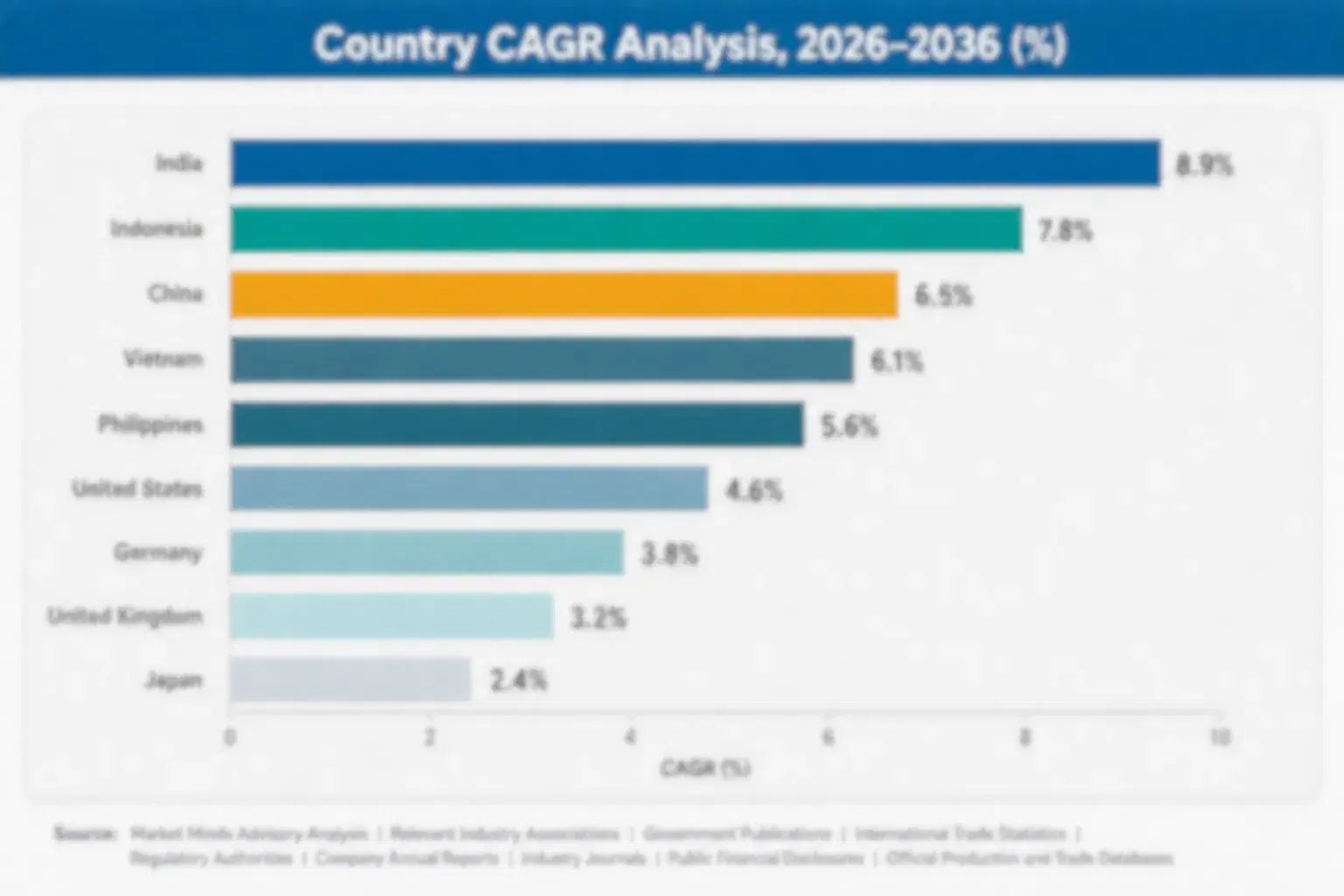
dairy-free-evaporated-milk-market-country-cagr-analysis-1789820740399

Four Margin Routes for Dairy-Free Evaporated Brands

Margin in dairy-free evaporated milk comes from oat and pea formulations, retailer listings, seasonal programmes, and base contracting rather than volume alone. The routes below apply to large food groups, origin processors, and plant milk brands, and each can start inside one planning cycle, with clear measures in gross margin points, cost per can, and retailer listings won.

Reformulating Toward Oat and Pea Bases With Retort-Stable Emulsions

Oat cans price $2.5 to $4 and earn gross margins of 26% to 36% against 16% to 24% for soy cans, so brands that add enzyme-treated oat, pea protein blends, and tested stabiliser systems report gross margin gains of 4 to 7 points on the mix. Development costs $1 million to $3 million. Bakers and retailers add volume. A pilot with two retailers confirms demand within two quarters. Retail contracts decide renewal. Supply reliability decides brand rankings. Margins follow sourcing discipline. Retail buyers review suppliers every season. Batch records protect future sales.
Market Impact: oat and pea bases lift gross margin by 4-7 points

Winning Baking Aisle Listings and Holiday Programmes at Major Retailers

Holiday baking holds about 38% of annual sales and retailers list dairy-free evaporated milk beside dairy in baking aisles, so brands that offer recipe marketing, holiday displays, and early inventory win listings and space. Trade spending of 10% to 18% of sales is typical. Brands should target 10 retailers in year one and measure sell-through during the holiday quarter to prove the return. Cost control separates leaders from followers. Clear labelling builds buyer trust. Small brands feel every price swing. Distribution reach compounds over time. Buyers reward consistency over novelty. Retail contracts decide renewal.
Market Impact: holiday programmes target 38% of annual baking sales

Contracting Plant Bases and Tinplate Before Cost Spikes Recur

Oat, coconut, pea protein, and tinplate prices rose by 20% to 45% within two years, so brands that contract bases across two suppliers, forward buy 40% of tinplate, and write index clauses into retailer contracts cut cost volatility by roughly half. Retailers accept price rises slowly, so contracts matter more than list prices. Brands that skip planning absorb 12% more cost in tight years. Supply reliability decides brand rankings. Margins follow sourcing discipline. Retail buyers review suppliers every season. Batch records protect future sales. Cost control separates leaders from followers. Clear labelling builds buyer trust.
Market Impact: contracts and hedges cut volatility by roughly 50%

Adapting Coconut and Oat Cans to Asian and Latin Recipes

Evaporated milk is used in Filipino, Malaysian, Mexican, and Caribbean coffee and desserts and lactose intolerance rates exceed 70% in Asia, so brands that tune sweetness, price cans 10% to 25% below imported dairy, and fill locally reach new households and avoid import duties of 10% to 30%. Local fill costs $3 million to $8 million. Brands should launch in three cities first. Small brands feel every price swing. Distribution reach compounds over time. Buyers reward consistency over novelty. Retail contracts decide renewal. Supply reliability decides brand rankings. Margins follow sourcing discipline.
Market Impact: local fill avoids 10-30% import duties on cans

Who Controls the Margin Pool

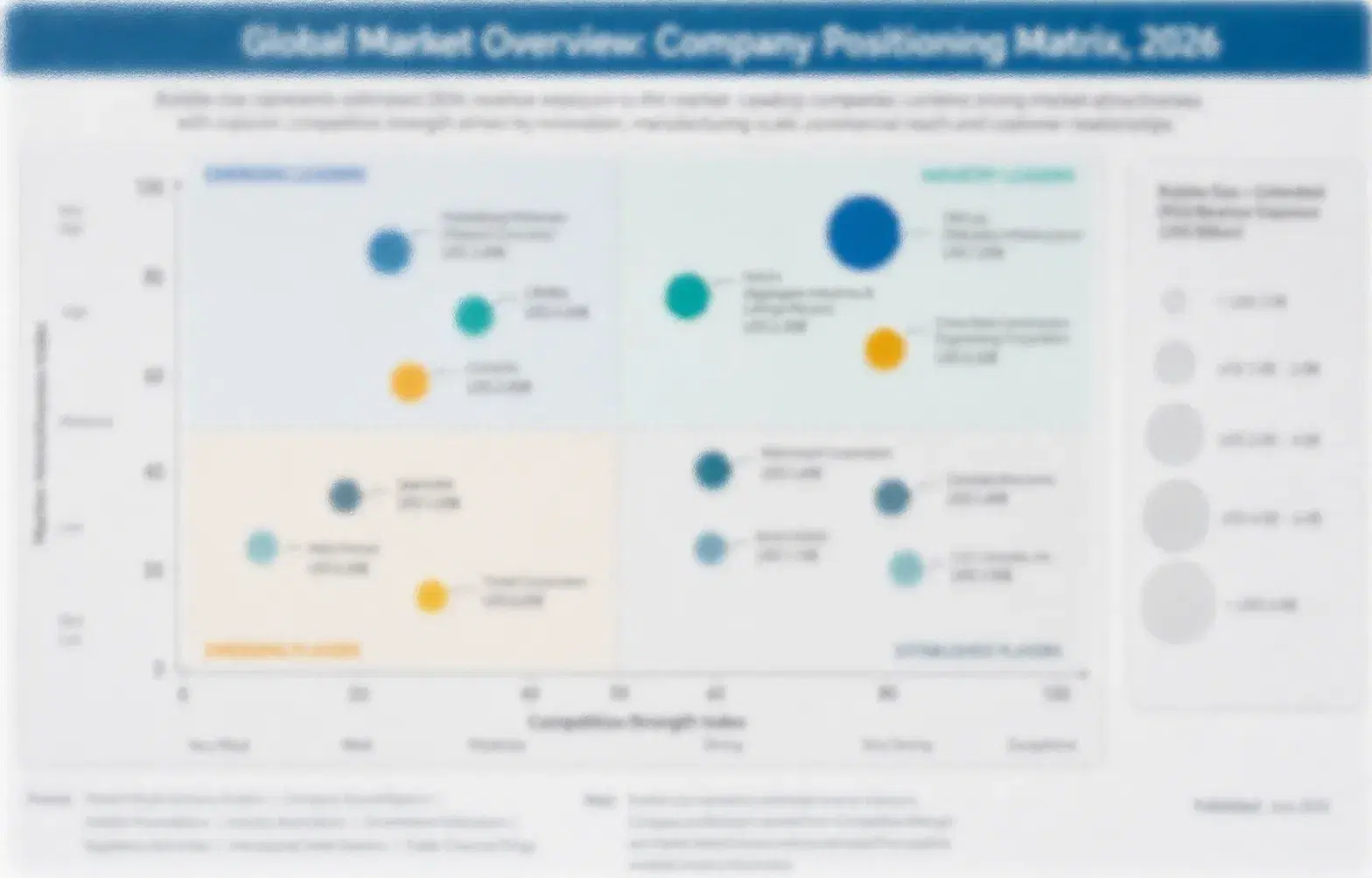
The dairy-free evaporated milk market is concentrated, with a CR5 of 54%, and plant milk brands, origin processors, and private label suppliers sit outside the leading five. This assessment measures participants on estimated dairy-free evaporated milk and concentrated plant cream sales value worldwide, held constant across all players. Nestlé leads through Carnation and pantry brand reach, while Edward and Sons Trading, Thai Agri Foods, Theppadungporn Coconut Company.
Competition runs on four dimensions today: body and heat stability, base cost and supply security, pantry shelf listings, and price. Large groups win on shelves and marketing, while origin processors win on coconut supply and cost. Imitators copy popular formats quickly, so premiums outside proven quality erode within a season, and price competition appears in annual retailer negotiations and holiday promotions. Retail buyers review suppliers every season.

Emerging pressure comes from oat and pea plant milk brands launching cans, private label dairy-free evaporated milk, and Asian coconut processors branding for export. Rankings shift where a brand wins a baking aisle listing, secures a stable base, or launches a distinctive oat can. Start-ups can move up quickly, since taste and stability matter more than scale.
dairy-free-evaporated-milk-market-company-positioning-matrix-1789820740655

Competitive Moat and Risk Dimensions

NESTLÉ

Moat: Carnation Brand and Pantry Reach

Nestlé sells Carnation evaporated milk and related pantry products across North America, Latin America, and Asia through supermarkets and traditional trade, and supports dairy-free alternatives through its plant-based research. Its brand recognition, pantry distribution, and retort manufacturing skill give it shelf space and trust, and its recipe marketing supports seasonal demand that smaller brands struggle to match.
NESTLÉ

Risk: Dairy Identity and Portfolio Focus

Nestlé's evaporated milk identity is dairy, so dairy-free versions risk cannibalising core sales and competing for capital. Plant base and tinplate costs squeeze margins, and start-ups launch oat and pea cans faster, while retailers push private label. Batch records protect future sales. Cost control separates leaders from followers.
EDWARD AND SONS TRADING

Moat: Organic Coconut Milk, Natural Reach

Edward and Sons Trading, a New York natural foods company, sells Native Forest organic coconut milk and other natural pantry products through natural and mainstream grocery. Its organic credentials, coconut sourcing relationships, and natural channel presence give it strong positions among vegan and health-focused buyers, and its cans suit dairy-free baking substitution.
EDWARD AND SONS TRADING

Risk: Coconut Price and Scale Limits

Edward and Sons depends on imported organic coconut whose prices spike, and it is smaller than global food groups with larger marketing budgets. Oat and pea cans compete on taste, and retailers push private label, while tinplate costs squeeze margins. Clear labelling builds buyer trust. Small brands feel every price swing.

Players Tracked

Prominent Players

Nestlé
Edward and Sons Trading
Thai Agri Foods
Theppadungporn Coconut Company
Goya Foods

Other Key Players

Danone
Upfield
Oatly Group
Alpro
Califia Farms
Pacific Foods
Vitasoy
Yili Group
Kara
Ampol Food Processing
Marico
Amul
Britannia Industries
Almarai
Lotte Foods

Recent Developments

JANUARY 2026

Nestlé Launches Oat-Based Dairy-Free Evaporated Milk Under Carnation Brand

Nestlé launched an oat-based dairy-free evaporated milk under the Carnation brand in North American retail, tuned for pies, custards, and coffee. It is a product launch, and it tests whether a leading pantry brand can win vegan bakers. Sales volumes were not disclosed. Distribution reach compounds over time.
Signal: Confirms that leading pantry brands are launching oat-based dairy-free evaporated milk to win vegan and lactose-intolerant bakers.
FEBRUARY 2026

Thai Agri Foods Expands Canning Capacity for Coconut-Based Evaporated Alternatives

Thai Agri Foods announced organic expansion of canning capacity for coconut-based evaporated alternatives, targeting export retail in North America and Europe. It is a capacity expansion, not an acquisition, and it tests whether origin processors can scale export cans. Investment figures were not disclosed. Buyers reward consistency over novelty.
Signal: Indicates origin processors are expanding canning capacity to scale coconut-based evaporated alternatives for Western export retail.
MARCH 2026

Oatly Group Introduces Concentrated Oat Cooking Cream for Baking and Coffee

Oatly Group introduced a concentrated oat cooking cream for baking and coffee, formulated at higher solids for custard and pie performance. It is a product launch, and it tests whether oat can lead concentrated plant creams. Sales volumes were not disclosed. Retail contracts decide renewal. Margins follow sourcing discipline.
Signal: Suggests oat brands are launching concentrated cooking creams to compete with canned dairy-free evaporated milk in baking aisles.

What Drives Dairy-Free Evaporated Milk Production Costs

Plant bases such as oat, coconut, pea protein, and almond account for roughly 30% of cost of goods, cans and closures about 22%, sugars and stabilisers about 8%, retort energy about 10%, freight and warehousing about 12%, and labour and compliance about 18%. Ingredients come mainly from North America, Europe, and Southeast Asia, so exposure differs by crop, steel price, and currency.
The clearest recent shock came from ingredients and steel. United States Department of Agriculture Foreign Agricultural Service reports showed higher coconut, oat, and pea prices, and Oatly reported in its annual filing that input and packaging costs weighed on margins, while tinplate prices rose with steel. Brands raised prices by 8% to 15% and trimmed promotions. Batch records protect future sales. Cost control separates leaders from followers. Clear labelling builds buyer trust.

The competitive disadvantage falls on small brands, which buy bases in small lots at spot prices, use contract retort plants with limited capacity, and cannot hold safety stock. Large groups sign long ingredient contracts, own retort lines, and spread cost across many pantry products. Exposure also varies by base, since coconut faces plantation supply limits while oat and pea face crop cycles.
dairy-free-evaporated-milk-market-cost-volatility-analysis-1789820740962

Contracting Bases and Tinplate Across Suppliers

Brands contract oat, coconut, and pea bases and tinplate across two suppliers, forward buy part of annual needs, and switch to cartons where retailers allow. Multi-supplier contracts cut cost swings by roughly half, though they need volume commitments and working capital that only larger brands usually provide. Delivery reliability matters. Small brands feel every price swing.

Writing Cost Pass-Through Clauses Into Retail Contracts

Brands write cost pass-through clauses into retail contracts that adjust prices with oat, coconut, and tinplate indices. Index clauses cut margin swings by 10% to 20% in volatile years. The main challenge is retailer acceptance, so brands publish index sources, offer caps and floors, and pair pricing with holiday merchandising support. Distribution reach compounds over time.

Using Contract Retort Plants and Aseptic Cartons

Small brands use contract retort plants and aseptic cartons rather than building lines, avoiding capital costs of $3 million or more. Contract production adds cost per can but lowers risk and handles seasonal peaks. The main challenge is scheduling and quality, so brands book capacity before the holiday season and agree penalties for late delivery.

Portfolio Architecture for Margin Defence

Margins run from thin returns on soy-based and almond cans sold through mass retail to strong returns on oat, pea, and coconut cans sold with baking performance and clean labels. Three tiers separate volume products, certified premium lines, and next-generation formats, and each tier draws on different buyer groups, plant bases, and channel terms. Buyers reward consistency over novelty. Retail contracts decide renewal.
The tension between volume and premium is sharp. Volume cans protect retort utilisation and retailer relationships but face constant price pressure from dairy promotions and private label, while premium oat and pea ranges earn higher margins on smaller volumes and depend on stability, base supply, and brand trust. Brands that run only volume struggle to fund innovation, while brands that run only premium lack the scale to hold ingredient contracts and absorb shocks.

High-value pools concentrate in oat and pea cans sold to vegan bakers, premium grocers, and cafes. They gather where buyers pay for baking performance, clean labels, and dairy-free assurance rather than millilitres. Vegan bakers, premium grocers, and cafes add further value, since these buyers ask for reliable supply and consistent performance, and they renew purchases without shopping on price.

Volume / Commodity-Adjacent Tier

Soy-based and almond dairy-free evaporated cans sold through mass retail and private label under annual contracts, with thin margins, base and tinplate cost exposure, and constant price competition, where buyers switch on price.
Gross Margin: 14%-24%

Premium / Certified Tier

Coconut-based dairy-free evaporated milk with organic certification, consistent viscosity, and clear allergen labelling, sold to premium grocers and ethnic retailers that require reliable supply and stable pricing. Supply reliability decides brand rankings. Margins follow sourcing discipline.
Gross Margin: 22%-32%

Sustainability / Regulatory / Next-Generation Tier

Oat-based and pea protein-based cans with shorter ingredient lists, recyclable packaging, and heat-stable formulas, sold to vegan bakers who pay premiums for baking performance and stronger sustainability performance. Retail buyers review suppliers every season.
Gross Margin: 26%-36%
dairy-free-evaporated-milk-market-portfolio-architecture-1789820741242

High-value Sub-segments and Strategic Watch-out

Oat-Based Dairy-Free Evaporated Milk

Oat-based dairy-free evaporated milk combines the fastest growth with strong pricing, since vegan and lactose-free bakers pay $2.5 to $4 a can for creamy body and a clean label. Enzyme skill and retort stability limit competition, and brands with texture expertise win. Volume compounds as retailers list more dairy-free
Gross Margin: 26%-36%

Pea and Novel Protein-Based Dairy-Free Evaporated Milk

Pea and novel protein-based dairy-free evaporated milk delivers solid growth and healthy pricing, since buyers pay 15% to 30% premiums over oat cans for higher protein and stable structure. Flavor management and protein supply form the entry barrier, and brands with novel proteins win. Repeat purchase builds through protein-focused
Gross Margin: 24%-34%

Coconut-Based Dairy-Free Evaporated Milk

Coconut-based dairy-free evaporated milk forms the volume core, sold through grocery and ethnic retail under annual contracts at moderate margins. Growth is steady, at about 8.2% a year, as Asian and Caribbean recipes adopt cans. Coconut cost, retort efficiency, and retailer negotiation decide profit, and brands anchor plant utilisation
Gross Margin: 18%-28%

Soy-Based Dairy-Free Evaporated Milk

Soy-based dairy-free evaporated milk is the strategic watch-out, since taste perception lags oat and pea, growth trails the market at about 4.0% a year, and margins are tight. Brands should shift volume toward oat and pea before soy demand erodes, because retailer delisting and buyer preference can cut margin
Gross Margin: 10%-20%

Why Bakers Keep Reordering Dairy-Free Cans

Dairy-free evaporated milk demand behaves like a pantry purchase attached to baking and coffee routines. Once a baker finds a can that holds a custard and tastes right, they repeat the purchase every season, and switching means new recipe tests and possible disappointment. Shoppers use last year's baking result and availability to fix renewals, so successful brands earn steadier volume than launches driven by novelty alone.
Adoption stickiness differs by end-use vertical. Vegan bakers and lactose-intolerant households are the deepest, since dairy-free assurance defines the purchase, and they change only when supply or performance fails. Regional dessert cooks are almost as loyal once a can matches tradition. Casual buyers are shallower and switch on price and promotion, while food service follows seasonal menus. Batch records protect future sales.

Buyer profiles are shifting between generations. Older buyers use evaporated milk from habit and trust familiar brands, while younger buyers care about dairy-free options, clean labels, and recipe content. Health-focused cooks add a third group that wants lower sugar and higher protein. Brands that publish recipe results and offer sampling win younger buyers and keep them as habits evolve.
dairy-free-evaporated-milk-market-end-use-penetration-index-1789820741535

MMA Verdict on Dairy-Free Evaporated Strategy

These are among the four positions where our research anticipates prominent divergence between winners and laggards over the coming forecast period. Each is grounded in the demand model, the regulatory perimeter, and the announced capacity pipeline.
01 / OAT FORMULATION POSITIONING

Reformulate Toward Oat and Pea Bases Before Soy Cans Lose Vegan Bakers

Oat-Based Dairy-Free Evaporated Milk grows at 13.6% a year, about 1.58 times the overall market rate, and brands that deliver creamy body and heat stability earn gross margins of 26% to 36% against 14% to 24% for soy and almond cans. Winners will invest in enzyme-treated oat, pea protein blends, and tested stabiliser systems that hold a custard. Brands that stay in soy will fight on price, and rivals with oat and pea cans will capture the fastest-growing baking accounts.
02 / BASE COST DISCIPLINE

Contract Bases and Tinplate Before Cost Spikes Squeeze Dairy-Free Can Margins Again

Oat, coconut, pea protein, and tinplate prices rose by 20% to 45% within two years, while dairy-free cans already carry premiums of about 45% over dairy equivalents. Brands should contract bases across two suppliers, forward buy 40% of tinplate, and write index clauses into retailer contracts. Those that buy on the spot market in tight years will absorb losses or lose listings, and rivals with contracts will hold price and stability through every crop cycle, steel price move, currency swing, and freight disruption.
03 / RETAILER LISTING STRATEGY

Win Baking Aisle Listings and Holiday Programmes Before Private Label

Holiday baking holds about 38% of annual sales and retailers list dairy-free evaporated milk beside dairy in baking aisles, so early listings decide the season. Brands should offer recipe marketing, holiday displays, and early inventory, targeting 10 retailers in year one and measuring sell-through in the holiday quarter. Those that wait will find baking aisle space taken by private label and rivals, and brands with proven sell-through will hold space and use it to justify further innovation across several holiday seasons.
04 / NAMING AND STABILITY STRATEGY

Fix Naming and Curdling Risk Before Failed Lots Erode Trust

Rules restrict the term evaporated milk for plant products and 8% to 12% of trial lots fail baking tests, so naming and stability are commercial issues. Brands should adopt clear alternative names, tune stabilisers and retort profiles to cut failures below 3%, and publish recipe guides. Those that ignore these risks will face relabelling costs and returns, and brands that solve both will hold baker trust, avoid recalls, and turn a fragile substitution into a dependable pantry staple across every holiday season.

Engagement Snapshot From the Field

A live engagement with an industry participant carrying material or product regulatory and market exposure ahead of a defining policy shift, showing how our research translates into a defensible multi-year portfolio strategy.
MARKET MINDS ADVISORY · CLIENT ENGAGEMENT SUMMARY
Dairy-free Evaporated Milk Producer Strategic Portfolio Review and Transition Roadmap 2026·Investment Scenario on Dairy-free Evaporated Milk Exposure Evaluation 2025-26
CLIENT PROFILE
The client is a mid-sized United States plant-based foods company with annual sales near $280 million (client-reported, unverified by MMA), a portfolio of plant milks, creamers, and one soy-based dairy-free evaporated can sold through grocery chains and natural retailers. It used a contract retort plant, had no oat can, and had two retailers accounting for 48% of sales.
STRATEGIC CHALLENGE
Soy cans had lost shelf space to coconut and oat rivals, plant base and tinplate costs had lifted cost by 35%, and holiday season lot failures had cost 9% of production. Management needed to decide whether to build an oat can, tune stability, or add coconut, with limited capital and one co-packer.
MMA APPROACH
MMA analysed sales, cost, and lot failure data across 14 products, interviewed 10 grocery and natural retail buyers, six base suppliers, and five co-packers, and ran a baker survey on body, heat stability, and price across three channels. It modelled margin by product and customer, tested cost and listing scenarios, and ranked options by payback and execution risk.
KEY FINDINGS
  1. An oat-based can could reach 16% of sales in three years at margins near 32% (client-reported, unverified by MMA). Cost control separates leaders from followers.
  2. Stabiliser tuning could cut lot failures from 9% to under 3% and save about $1.2 million a year. Clear labelling builds buyer trust. Small brands feel every price swing.
  3. Two-supplier base contracts and forward buying of 40% of tinplate could cut cost volatility by about half. Distribution reach compounds over time. Buyers reward consistency over novelty.
  4. Holiday programmes with 10 retailers could add 9% of sales and protect baking aisle listings. Retail contracts decide renewal. Supply reliability decides brand rankings.
CLIENT PROFILE
The client is a mid-sized United States plant-based foods company with annual sales near $280 million (client-reported, unverified by MMA), a portfolio of plant milks, creamers, and one soy-based dairy-free evaporated can sold through grocery chains and natural retailers. It used a contract retort plant, had no oat can, and had two retailers accounting for 48% of sales.
STRATEGIC CHALLENGE
Soy cans had lost shelf space to coconut and oat rivals, plant base and tinplate costs had lifted cost by 35%, and holiday season lot failures had cost 9% of production. Management needed to decide whether to build an oat can, tune stability, or add coconut, with limited capital and one co-packer.
MMA APPROACH
MMA analysed sales, cost, and lot failure data across 14 products, interviewed 10 grocery and natural retail buyers, six base suppliers, and five co-packers, and ran a baker survey on body, heat stability, and price across three channels. It modelled margin by product and customer, tested cost and listing scenarios, and ranked options by payback and execution risk.
KEY FINDINGS
  1. An oat-based can could reach 16% of sales in three years at margins near 32% (client-reported, unverified by MMA). Cost control separates leaders from followers.
  2. Stabiliser tuning could cut lot failures from 9% to under 3% and save about $1.2 million a year. Clear labelling builds buyer trust. Small brands feel every price swing.
  3. Two-supplier base contracts and forward buying of 40% of tinplate could cut cost volatility by about half. Distribution reach compounds over time. Buyers reward consistency over novelty.
  4. Holiday programmes with 10 retailers could add 9% of sales and protect baking aisle listings. Retail contracts decide renewal. Supply reliability decides brand rankings.
RECOMMENDED STRATEGY
Phase 1: Phase 1 (Months 1-6): Sign base and tinplate contracts, tune stabilisers, and design the oat can. Margins follow sourcing discipline. Retail buyers review suppliers every season. Phase 2: Phase 2 (Months 7-18): Launch oat cans to two retailers, run holiday programmes, and add recipe marketing. Batch records protect future sales. Phase 3: Phase 3 (Months 19-36): Add pea and coconut cans, extend contracts with index clauses, and review margin quarterly. Cost control separates leaders from followers.
OUTCOME
Within 36 months, oat, pea, and coconut cans reached 26% of sales, lot failures fell to 2.5%, and gross margin on the range rose to 29% (client-reported, unverified by MMA). The client held all baking aisle listings, cut top-two retailer share to 40%, and raised retort utilisation to 85%.

Frequently Asked Questions

Foundational context covering the market sizes, CAGR, scope, country, region and competition that inform every finding below. This section is provided to cover basics and most often pre-purchase conversations, answered from the MMA Primary Research Dataset.

What is the current size of the Dairy-free Evaporated Milk Market?

The dairy-free evaporated milk market was valued at $0.40 billion in 2025. Growth is supported by vegan baking, lactose intolerance, and regional dessert traditions despite plant base costs and naming rules.

How large will the Dairy-free Evaporated Milk Market be by 2036?

The market is projected to reach $0.99 billion by 2036, up from $0.43 billion in 2026. The increase of $0.56 billion reflects oat and pea cans, retailer listings, and Asian and Latin American recipe adoption.

What is the CAGR for the Dairy-free Evaporated Milk Market 2026 to 2036?

The market is forecast to grow at an 8.6% CAGR from 2026 to 2036. The bull case reaches 10.0% and the bear case 7.3%, depending on listing gains and ingredient costs.

Which segment is growing fastest?

Oat-Based Dairy-Free Evaporated Milk is the fastest-growing segment at 13.6% CAGR, roughly 1.58 times the overall market rate. Pea and Novel Protein-Based Dairy-Free Evaporated Milk follows as the second-fastest segment at 11.4% CAGR each year.

Who are the major companies in the Dairy-free Evaporated Milk Market?

Major companies include Nestlé, Edward and Sons Trading, Thai Agri Foods, Theppadungporn Coconut Company, and Goya Foods. Danone, Upfield, Oatly Group, Califia Farms, and Vitasoy also hold meaningful positions.

Which country is growing fastest?

The Philippines is the fastest-growing country at an 11.6% CAGR, driven by coffee and dessert traditions adopting dairy-free cans. The United States remains the largest single market for dairy-free evaporated milk.

Report Segmentation Architecture

The full report scope spans multiple orthogonal segmentation dimensions, with cross-tabulated demand data provided for each dimension pair. Coverage extends further to regional breakdowns, trend trajectories, and the competitive detail needed to support segment-level decision-making.

By Primary Market Dimension

  • Oat-Based Dairy-Free Evaporated Milk
  • Pea and Novel Protein-Based Dairy-Free Evaporated Milk
  • Coconut-Based Dairy-Free Evaporated Milk
  • Almond and Nut-Based Dairy-Free Evaporated Milk
  • Soy-Based Dairy-Free Evaporated Milk

By End-Use Industry

  • Home Baking and Cooking
  • Coffee and Beverage Whitening
  • Bakeries and Confectionery
  • Food Service and Restaurants
  • Institutional and Healthcare Catering

By Commercial Dimension

  • Supermarkets and Hypermarkets
  • Natural and Specialty Retailers
  • Ethnic and Traditional Trade
  • Online and Subscription Sales
  • Private Label and Store Brand Supply

By Region

  • North America
  • Western Europe
  • East Asia
  • South Asia and Pacific
  • Latin America
  • Middle East and Africa
  • Eastern Europe

Scope, Methodology, and Coverage

Every figure in this report is reproducible from documented input assumptions. The scope below maps the historical period, the forecast horizon, the segmentation dimensions, and the countries covered, alongside the underlying primary and qualitative methodology.
Historical Period
2020 to 2025
Forecast Period
2026 to 2036
Base Year
2025 (USD billions; MMA Primary Research Dataset, September 2026)
Market Definition
The dairy-free evaporated milk market covers shelf-stable concentrated plant-based milks in cans, cartons, and pouches that replace evaporated dairy milk in cooking, baking, and beverages, sold to households, bakeries, and food service, including oat-based, pea and novel protein-based, coconut-based, almond and nut-based, and soy-based dairy-free evaporated milk. The scope excludes evaporated dairy milk, condensed milk, plant-based drinks sold as ready-to-drink milk, and dairy-free creamers sold in single-serve cups.
Quantitative Units
USD billions (sales value); million cans for volume references
Segmentation Dimensions
By Base Ingredient; By End-Use Channel; By Commercial Dimension; By Region
Regions Covered
North America, Western Europe, East Asia, South Asia and Pacific, Latin America, Middle East and Africa, Eastern Europe
Countries Covered
United States, Canada, Mexico, Brazil, Colombia, Peru, United Kingdom, Germany, Netherlands, France, Sweden, Philippines, Malaysia, Indonesia, Thailand, India, Australia, China, Japan, South Korea, United Arab Emirates, Nigeria, Poland, and additional markets relevant to this sector
Key Companies Profiled
Nestlé, Edward and Sons Trading, Thai Agri Foods, Theppadungporn Coconut Company, Goya Foods, Danone, Upfield, Oatly Group, Alpro, Califia Farms, Pacific Foods, Vitasoy, Yili Group, Kara, Ampol Food Processing, Marico, Amul, Britannia Industries, Almarai, Lotte Foods
Quantitative Methodology
Primary survey, n=3,800 respondents, Q4 2025, six countries; demand-side model with trade association cross-validation
Qualitative Methodology
47 expert interviews, Q4 2025; applied to validate demand model assumptions, identify emerging dynamics, and assess competitive positioning
Report Format
PDF and XLSX data workbook (Word format preview document)
Publisher
Market Minds Advisory
Report Code
MMA-2026-AGR-496
Published
September 2026
Contact
sales@marketmindsadvisory.com | www.marketmindsadvisory.com

Purchase the full Dairy-free Evaporated Milk Market Report (2026 to 2036).

The full report delivers a detailed assessment of the dairy-free evaporated milk market through 2036, covering base ingredient, channel, and regional forecasts, competitive benchmarking of leading brands, and input cost analysis. It combines MMA primary research, including a six-country survey of 3,800 respondents and 47 expert interviews, with public statistical and company data. Analysts also model ingredient cost scenarios, listing gains, and oat adoption. Clients receive segment margin ranges, channel maps, and a case study on portfolio strategy. Retailer contact frameworks are also included for negotiation planning.
Ten-year base and channel demand forecasts
Plant base, tinplate, and energy cost tracking
Competitive benchmarking of top twenty plant milk brands
Naming and labelling rule tracker updates
Regional demand mechanism comparative analysis included
Quarterly primary survey data update access

Built For The People Who Decide

From boardroom strategy to bench-side execution, this report is read cover-to-cover by leaders shaping the next decade of their industry, turning demand scenarios, market dynamics and valuation benchmarks into decisions.
CXOs/ Presidents/ VPs/ Managers
M&A and Corporate Development
Strategy Teams and R&D Heads
Procurement and Product Directors
Regulatory and Compliance Leaders
Investor Relations and Equity Analysts