Market Minds Advisory
Current Monitoring Relays Market

Current Monitoring Relays Market: Current Monitoring Relays Market: Protection Devices for Grid, Motor, and Renewable Integration

Renewable interconnection rules and data center power density growth are pulling current monitoring relay demand toward faster-acting, communication-enabled devices, forcing legacy electromechanical relay suppliers to compete against automation-focused entrants for the first time in decades.

Lead Analyst

Published

October 2026

Make Smarter Decisions with Customized Research Insights

Request a free sample report and evaluate market opportunities, growth trends, and competitive dynamics relevant to your business needs.

2025 MARKET VALUE$1.8BMarket Size 2025
2036 FORECAST VALUE$3.7BBase Case , 2026 to 2036
CAGR 2026 TO 20366.8 %Bull 8.0% / Bear 5.6%
INCREMENTAL OPPORTUNITY$1.8BNet 10- year value creation
EXPANSION MULTIPLE1.93x2036 value over 2026 base
Strategic Levers
M&A Pipeline
Regional Outlook
Country Rankings
Competitive Intelligence
Segmental Deep-dive
Call-Us : 91 93563 13602

Executive Snapshot and Market Trajectory.

Current monitoring relay demand is pivoting from standard motor protection toward renewable integration and data center applications, where fault response speed and communication capability now decide specification outcomes across major procurement accounts worldwide, reshaping how manufacturers prioritize research spending. That shift is already visible in new specifications.
Grid interconnection codes for solar and wind generation are the clearest commercial force behind this shift, pulling volume toward communication-enabled relays even as standard motor protection demand grows only modestly across mature industrial markets. Data center power protection is the second fastest-growing application, concentrated heavily among hyperscale operators in North America and East Asia who specify sub-cycle fault detection as a baseline requirement. That dominance is becoming harder for new entrants to challenge quickly.
Competition splits between large electrical conglomerates controlling testing infrastructure and communication protocol certification, and smaller regional manufacturers competing mostly on price for legacy electromechanical relay volume. Tightening grid interconnection standards and rising data center reliability requirements are pushing the fragmented legacy tier toward consolidation or exit over the next several years as buyers increasingly demand documented response time evidence. Buyers increasingly treat this bifurcation as permanent rather than cyclical.
Market Definition
This report covers current monitoring relays used in motor protection, grid and substation protection, industrial panel monitoring, and renewable energy and data center integration. It excludes voltage-only relays and general-purpose control relays not configured for current sensing.
Base Year Value
$1.8B in 2025 (MMA Primary Research Dataset, October 2026)
Forecast Period
2026 to 2036, eleven discrete annual values
CAGR
6.8% base case. Bull 8.0%. Bear 5.6%.
Fastest Growth Segment
Renewable Energy Integration Protection Relays: 9.5% CAGR
Fastest Growth Country
China: 8.8% CAGR
Fastest Growth Region
South Asia and Pacific: 8.9% CAGR
Largest Region
East Asia: 28% of 2025 global value
Market Leaders
Schneider Electric SE, Siemens AG, ABB Ltd, Eaton Corporation plc, Mitsubishi Electric Corporation. Source: MMA Analysis based on company annual reports.
Primary Survey
n=3,800 procurement and R&D decision-makers, Q4 2025, six countries
Methodology
Demand-side build-up, cross-validated against public data, 47 expert interviews

Current Monitoring Relays Market Forecast Scenarios

current-monitoring-relays-market-size-forecast-scenario-1790893746727
Between 2020 and 2025, current monitoring relay demand grew at roughly a 6.0 percent historical CAGR as industrial automation investment recovered unevenly from pandemic-era disruption and early renewable interconnection volume began reaching meaningful scale across multiple grid operator territories simultaneously. Demand softened only briefly during the supply chain disruptions of 2022, recovering faster than most comparable industrial equipment categories.
The base case assumes 6.8 percent annual growth through 2036, driven by three mechanisms: tightening renewable interconnection codes requiring faster-acting protection across solar and wind facilities, hyperscale data center capacity expansion specifying sub-cycle fault detection as a baseline requirement, and industrial motor protection replacement demand as aging electromechanical relay fleets reach end of service life across multiple regions. These three mechanisms reinforce rather than offset one another, giving suppliers unusually consistent demand visibility across the full forecast horizon.
A bull scenario near 8.0 percent assumes faster renewable interconnection approvals compress procurement timelines across multiple countries simultaneously, pulling forward several years of planned hardware spend. The bear case near 5.6 percent reflects slower industrial capital spending and delayed data center buildout weighing on replacement demand broadly across mature manufacturing economies. Suppliers are watching both scenarios closely.

Communication Capability Redraws the Relay Market

Current monitoring relay demand is increasingly shaped by communication capability rather than unit count, as grid operators and data center buyers specify relays that report fault data continuously rather than simply tripping on threshold. This shift favors manufacturers with proven protocol certification and sub-cycle response engineering, since a single missed fault on a renewable interconnection point or data center feeder carries consequences far larger than the relay's own unit cost.
SUPPLIER CONCENTRATION LEVEL46%Share held by the top five electrical equipment manufacturers
AVERAGE UNIT PRICE$180 per relayTypical price for a standard communication-enabled relay unit
CHINA PRODUCTION SHARE38%Portion of global relay output manufactured domestically there
FACTORY UTILIZATION RATE76%Average capacity use across dedicated relay assembly plants
EXPORT TRADE INTENSITY54%Share of output shipped across international customer borders yearly
REPLACEMENT CYCLE LENGTH12 yearsTypical service life before relay fleet replacement occurs
Manufacturing capability concentrates among large electrical conglomerates who control both protocol certification and sub-cycle testing infrastructure, while smaller regional manufacturers compete primarily on price for legacy electromechanical relay volume that continues shrinking as aging industrial fleets convert to digital protection. This dynamic has kept the competitive field for premium applications narrower than the broader relay category as a whole would suggest at first glance.
The next decade will likely be defined by renewable interconnection volume, as solar and wind capacity additions require protection relays at both the generation and grid interconnection point simultaneously. Suppliers investing now in faster-acting, communication-enabled relay platforms stand to capture disproportionate share as interconnection codes tighten across major renewable buildout markets.
"A relay that just trips is a commodity now. Buyers want the data stream that comes with it, and that's where the margin actually sits."
Director, Grid and Industrial Automation Practice · MMA Construction and Industrial Equipment Practice · October 2026

Market Trends

Communication Protocol Certification Entering Standard Specification

Grid operators and data center buyers increasingly require relays certified against modern communication protocols before approving design-in specifications, replacing the threshold-only tripping logic that governed relay procurement for decades. Several major grid operators in Europe and North America now specify IEC 61850 communication capability directly in interconnection tenders, forcing suppliers without certified protocol support out of contention entirely. Suppliers that built internal certification capability early are winning disproportionate shares of these contracts, and procurement teams increasingly treat protocol certification as a pass or fail screening gate rather than a negotiable preference across multi-year framework agreements.
Market Impact: Adds 34 GW interconnection volume annually
Hyperscale Data Center Buildout Reaching Record Deployment Pace

Hyperscale data center operators are installing current monitoring relays at a record pace as rack power density climbs and operators specify sub-cycle fault detection to protect increasingly expensive compute hardware from feeder-level faults. North American and East Asian hyperscale campuses alone added thousands of new relay installations over the past two years, and this deployment wave favors suppliers who can engineer units for continuous high-density duty cycles rather than the intermittent fault conditions typical of conventional industrial panels, a reliability requirement several legacy suppliers have struggled to meet without substantial redesign work.
Market Impact: Adds 28 GW hyperscale capacity pipeline

Market Opportunities and Growth Drivers

Renewable Interconnection Codes Tightening Across Major Grid Operators

Grid operators across Europe, North America, and China are tightening interconnection codes for solar and wind generation, requiring faster-acting protection relays capable of detecting and isolating faults within a fraction of a standard cycle. These tightened codes apply retroactively to many existing interconnection points in several jurisdictions, creating replacement demand alongside new capacity additions. This buildout gives relay manufacturers with proven sub-cycle response capability a predictable multi-year order pipeline that legacy electromechanical suppliers cannot access at comparable scale or contract certainty across major renewable buildout regions. Export competitors cannot match this pipeline depth easily.
Market Impact: Cuts 7 percent legacy volume

Hyperscale Capital Spending Accelerating Across Multiple Continents

Hyperscale data center capital spending is accelerating across North America, East Asia, and Western Europe simultaneously, with multiple large campus projects reaching final construction stage over the past two years alone. Each campus requires dedicated power protection infrastructure including current monitoring relays at every feeder and rack power distribution point, creating demand that scales directly with installed compute capacity rather than grid interconnection timing alone. Several hyperscale operators have committed to multi-year capacity expansion plans, giving suppliers unusually long demand visibility compared to most industrial equipment categories. This visibility supports longer capacity planning horizons across the supplier base.
Market Impact: Adds 16 percent qualification cost burden

Market Restraints and Challenges

Legacy Electromechanical Relay Volume Facing Permanent Decline

Legacy electromechanical relay shipments have declined for five consecutive years as industrial facilities digitize protection schemes and standardize on communication-enabled devices, shrinking the volume base that smaller regional manufacturers historically relied upon. The root cause is straightforward: once a facility digitizes its protection architecture, the marginal need for standalone electromechanical relays collapses permanently rather than merely slowing. Suppliers concentrated in this segment face shrinking addressable volume with few comparable replacement markets of similar scale. Several smaller manufacturers are pursuing diversification into basic industrial panel monitoring as a mitigation pathway, though margins there run thinner than legacy relay supply commanded.
Market Impact: Adds 11 percentage points design-in share

Protocol Fragmentation Raising Qualification Cost Barriers

Fragmented communication protocol standards across different grid operators and regions are raising the testing and certification cost suppliers must absorb before winning design-in contracts, a burden that falls disproportionately on smaller manufacturers lacking in-house protocol testing infrastructure. The underlying cause is regulatory fragmentation: certification standards differ meaningfully between the European Union, the United States, and major Asian grid operators, forcing suppliers to qualify products multiple times for materially similar performance claims. Several mid-tier suppliers are pursuing shared third-party testing consortiums as a mitigation pathway, spreading certification cost across multiple smaller firms unable to individually justify dedicated testing labs.
Market Impact: Adds 9 GW protected capacity
3 additional market trends, 3 additional growth drivers, and 4 additional restraints and challenges are covered in the full report. Contact sales@marketmindsadvisory.com to access the complete intelligence.

Segment CAGR and Growth Architecture

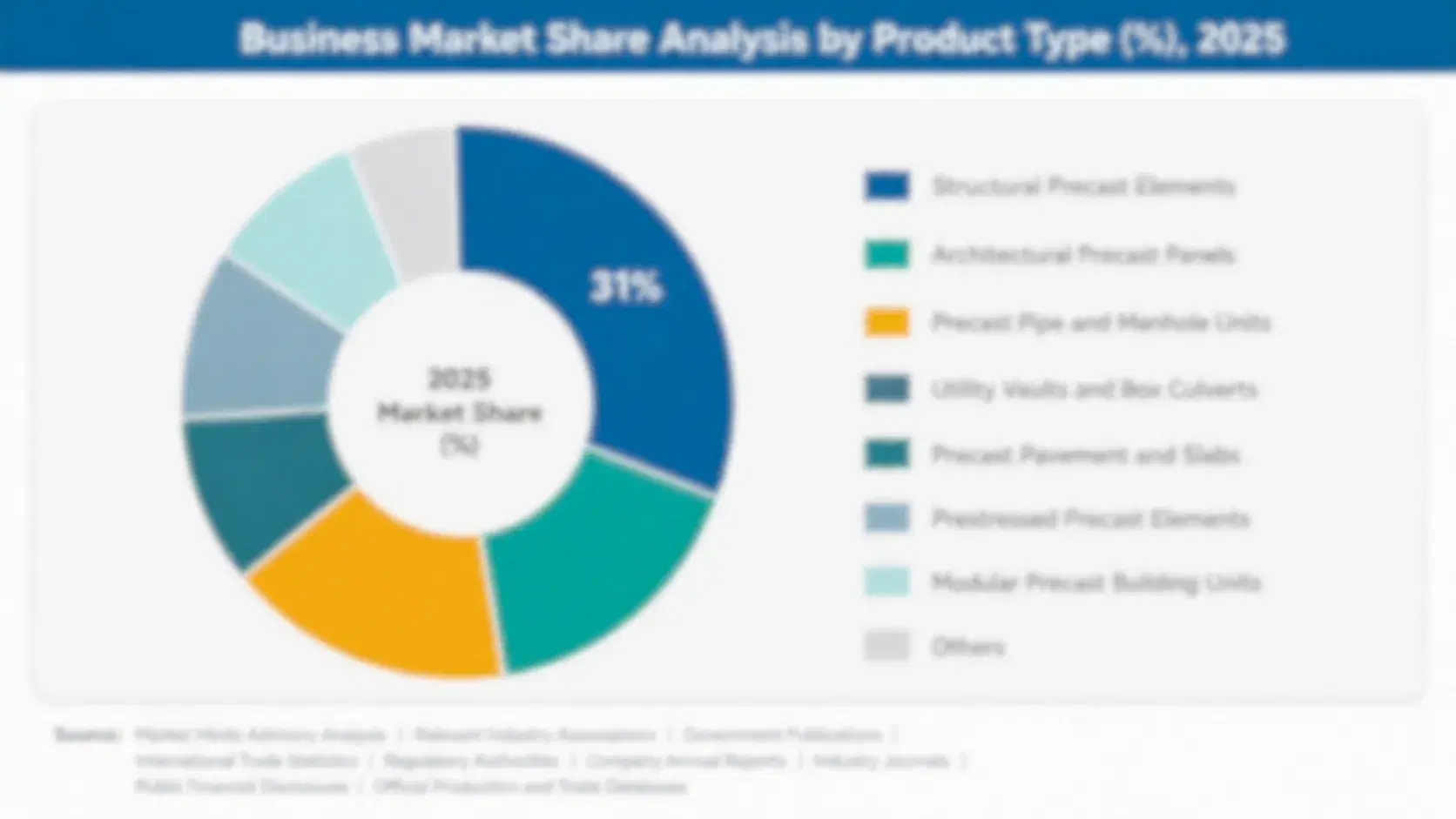
The market segments by application, the dimension that determines response time requirements, communication protocol depth, and certification burden. Motor protection, grid and substation protection, industrial panel monitoring, renewable integration, data center, and marine applications each carry distinct technical specifications that shape supplier economics and competitive positioning overall. No other dimension splits supplier capability as cleanly across these application categories.
current-monitoring-relays-market-market-share-analysis-1790893746992

Renewable Energy Integration Protection Relays

This is the fastest-growing segment, expanding at roughly 1.40 times the overall market rate as grid operators tighten interconnection codes requiring faster-acting protection across solar and wind facilities. Europe, North America, and China are driving sustained multi-year order volume rather than one-time purchases, and each new interconnection point requires relays engineered to sub-cycle response specifications distinct from conventional motor protection equipment entirely. Suppliers winning these contracts typically hold proven communication protocol certification built over multiple interconnection cycles. Pricing in this segment runs meaningfully above legacy relay equivalents, reflecting both the certification burden and the reliability engineering these grid-critical applications demand from every participating supplier. That gap is widening as certification requirements tighten further across jurisdictions.
CAGR 9.5%

Data Center Power Protection Relays

The second-fastest segment, growing at roughly 1.20 times the overall market rate, serves hyperscale and enterprise data center operators protecting increasingly expensive compute hardware from feeder-level faults. North American and East Asian hyperscale campuses are the largest single source of new order volume, followed by growing European data center buildout tied to cloud and AI compute demand. Buyers increasingly specify sub-cycle fault detection as a baseline requirement, consolidating demand among manufacturers with proven high-density duty cycle engineering. Suppliers able to demonstrate successful prior campus deployments, rather than theoretical design capability alone, are capturing the bulk of new hyperscale contract awards across multiple regions. Capital investment requirements for this reliability engineering keep rising across the supplier base.
CAGR 8.2%
Full segment breakdown across 6 segments available in the complete report.

Regional Architecture and Country Demand Map

East Asia leads on concentrated relay manufacturing and renewable integration buildout, while North America and South Asia and Pacific drive the fastest-growing demand pools tied to data center expansion and renewable interconnection across multiple continents simultaneously. Western Europe trails on grid spend, while Eastern Europe remains the smallest contributor.

North America

Hyperscale data center buildout drives this region's demand more than any other single factor. US and Canadian cloud operators are installing current monitoring relays at record pace across new campus construction, specifying sub-cycle fault detection as a baseline requirement for every feeder and rack distribution point. Grid modernization adds a second substantial channel, as utilities replace aging electromechanical relay fleets with communication-enabled devices under renewed federal infrastructure funding programs. Renewable interconnection volume contributes a growing third source of demand as solar and wind capacity additions require protection at the grid interconnection point. Suppliers serving this market typically carry protocol certification as a baseline requirement for major utility and hyperscale accounts.
Share: 25% | CAGR: 7.6% (2026 to 2036)

Western Europe

Grid modernization under aging infrastructure replacement programs is the clearest demand driver in this region, with Germany, France, and the United Kingdom all funding substantial substation protection upgrades. Renewable interconnection volume adds a second meaningful channel, as offshore wind and solar capacity additions require protection relays at both generation and grid interconnection points. The region trails East Asia and North America on absolute growth because much of its grid infrastructure modernization already happened in earlier investment cycles, leaving renewable interconnection as the primary remaining growth channel. Suppliers here compete heavily on protocol certification depth, since European buyers frequently require evidence spanning multiple national grid codes rather than a single unified standard.
Share: 20% | CAGR: 5.3% (2026 to 2036)
Regional intelligence for 5 additional markets available in the complete report: East Asia, South Asia and Pacific, Latin America, Middle East and Africa, Eastern Europe. Contact sales@marketmindsadvisory.com.
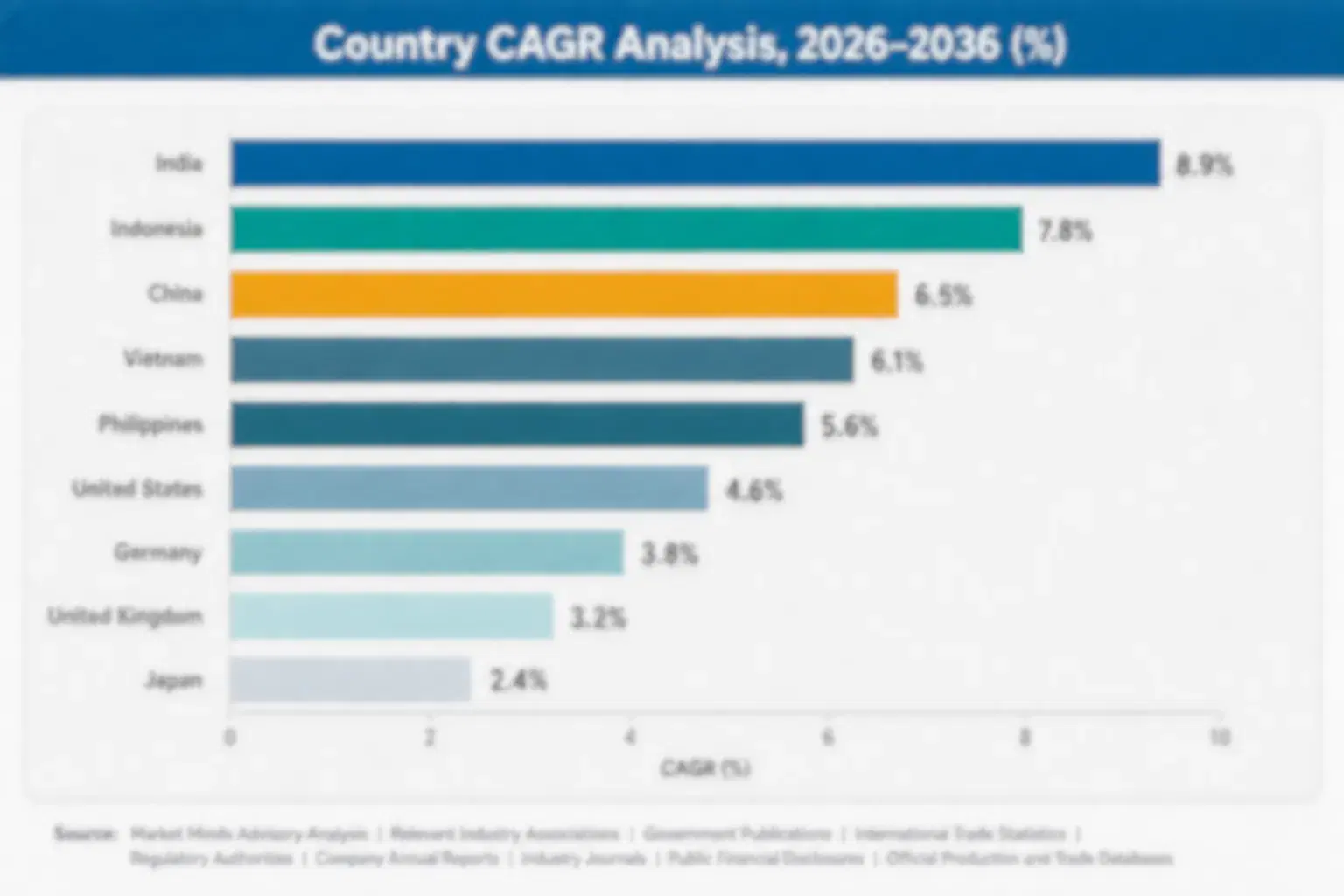
current-monitoring-relays-market-country-cagr-analysis-1790893747340

Capturing Value as Relays Get Smarter

Margin is shifting from standard unit sales toward protocol certification, consulting, and monitoring services layered around the physical relay itself. Four distinct levers capture where suppliers are building defensible recurring revenue beyond the base equipment sale across grid and data center buyer segments. These levers are becoming the primary differentiator among otherwise comparable suppliers across the industry.

Communication Protocol Certification Service Programs Today

Suppliers offering in-house or partnered communication protocol certification are winning design-in contracts that price-only competitors cannot access at all. This certification layer typically adds 12 to 18 percent to effective unit pricing once bundled into multi-year supply agreements with grid operators and hyperscale buyers. Smaller manufacturers without certification capability are increasingly locked out of large institutional contracts entirely, regardless of how competitively they price the underlying hardware component. Building this capability requires sustained investment in testing infrastructure and accredited laboratory partnerships. This arrangement is becoming standard practice across the industry's smaller manufacturing tier.
Market Impact: Adds 12 to 18 percent effective pricing premium

Remote Condition Monitoring and Analytics Contracts

Grid operators and hyperscale buyers increasingly bundle multi-year remote condition monitoring and analytics contracts alongside hardware purchases, recognizing that continuous fault data streams carry standalone commercial value beyond the relay's protective function. Suppliers offering this service layer are converting one-time hardware sales into recurring revenue streams worth roughly 7 to 11 percent of original contract value annually. This recurring layer also deepens customer relationships considerably, making it harder for competitors to displace incumbent suppliers at contract renewal since switching costs extend well beyond the hardware itself. Buyers increasingly expect this bundled offering as a baseline contract term.
Market Impact: Adds 7 to 11 percent annual recurring revenue

Grid Interconnection Compliance Consulting Advisory Services

Suppliers serving grid operators across multiple regulatory jurisdictions increasingly offer compliance consulting alongside hardware, helping customers navigate fragmented interconnection standards that differ meaningfully between the European Union, the United States, and major Asian grid operators. This consulting layer influences roughly 22 percent of new cross-border contract decisions, according to supplier-reported deal data, since buyers increasingly value vendors who can simplify a genuinely complicated compliance landscape. Suppliers without this capability increasingly lose multi-country contracts to competitors who can demonstrate broader regulatory fluency. Pricing power here keeps rising as compliance complexity grows.
Market Impact: Influences roughly 22 percent of cross-border contract decisions

High-Density Duty Cycle Engineering Support Services

Hyperscale data center customers increasingly pay premium pricing for relays engineered specifically for continuous high-density duty cycles rather than adapted industrial-grade components, since unplanned feeder downtime carries direct compute revenue cost. Suppliers offering custom engineering services command price premiums of roughly 20 to 26 percent above standard relay pricing for comparable response specifications. This premium reflects both the engineering investment required and the reliability assurance hyperscale buyers demand before committing to multi-year campus supply contracts. Developers increasingly treat this consulting capability as a prerequisite for shortlisting suppliers. This shift is accelerating as compute density keeps climbing.
Market Impact: Adds 20 to 26 percent hyperscale pricing premium

Who Controls the Margin Pool

The top five manufacturers hold a combined 46 percent of global output on a revenue basis, leaving the market meaningfully more fragmented than premium communication-enabled applications alone would suggest. Schneider Electric and Siemens lead on protocol certification depth and long-standing utility relationships, while challengers like Mitsubishi Electric compete primarily on manufacturing scale and regional price positioning rather than proprietary certification depth. That gap is widening.
Current competitive activity concentrates around three dimensions: communication protocol certification expansion, sub-cycle response engineering for data center applications, and remote monitoring service bundling to deepen customer relationships. Several suppliers have announced new certification laboratory investment over the past year, while others are pursuing analytics software partnerships to bundle condition monitoring directly into existing hardware contracts across multiple customer segments.

Emerging pressure comes from automation-focused software firms entering the relay analytics space directly, bypassing the traditional hardware-first relationship entirely. These entrants often lack manufacturing scale but compete aggressively on data platform sophistication and integration speed. Rankings are most likely to shift among suppliers without proven protocol certification capability, as communication requirements increasingly separate credible grid and data center suppliers from legacy electromechanical relay vendors.
current-monitoring-relays-market-company-positioning-matrix-1790893747660

Competitive Moat and Risk Dimensions

SCHNEIDER ELECTRIC SE

Moat: Protocol certification and testing depth

Schneider Electric operates extensive communication protocol testing infrastructure, giving it qualification advantages for the largest grid operator and hyperscale contracts. This infrastructure took years to build and supports faster certification turnaround for buyers requiring documented performance evidence before awarding multi-year framework contracts. Few rivals can match this depth quickly.
SCHNEIDER ELECTRIC SE

Risk: High fixed cost base exposure

Schneider Electric's extensive testing and manufacturing infrastructure carries substantial fixed costs that pressure margins during periods of order softness, limiting its ability to compete purely on price for smaller contracts where buyers prioritize cost over documented protocol certification depth. Scaling back this investment would weaken its qualification edge over time.
SIEMENS AG

Moat: Utility relationship and grid expertise

Siemens holds some of the deepest grid protection engineering expertise in the industry, built over decades of utility relationship management across Europe and North America. This track record gives it a credibility advantage with grid operators evaluating suppliers for increasingly demanding interconnection protection contracts. Rivals struggle to replicate this quickly.
SIEMENS AG

Risk: European cost base disadvantage

Siemens's European manufacturing base carries higher labor and input costs than Chinese and South Korean competitors, limiting its ability to compete on price for standard motor protection contracts outside its core grid specialization where engineering depth matters less. This gap narrows only slowly given automation limits.

Players Tracked

Prominent Players

Schneider Electric SE
Siemens AG
ABB Ltd
Eaton Corporation plc
Mitsubishi Electric Corporation

Other Key Players

General Electric Company
Rockwell Automation Inc
Littelfuse Inc
Schweitzer Engineering Laboratories Inc
Omron Corporation
IDEC Corporation
Carlo Gavazzi Holding AG
Larsen and Toubro Limited
Fuji Electric Co Ltd
Hitachi Ltd
Toshiba Corporation
NHP Electrical Engineering Products Pty Ltd
Socomec SA
Finder SpA
WEG SA

Recent Developments

MARCH 2026

Schneider Electric Expands Protocol Certification Laboratory

Schneider Electric announced expansion of its communication protocol certification laboratory capacity to meet rising demand from grid operators and hyperscale data center customers requiring documented compliance evidence. The expansion adds testing throughput across multiple protocol standards, reducing qualification turnaround time for new contract awards. Observers see this as defensive.
Signal: Signals suppliers are racing to scale certification capability ahead of tightening interconnection codes worldwide right now.
NOVEMBER 2025

Siemens Signs Analytics Software Partnership Agreement

Siemens signed a multi-year partnership agreement with an industrial analytics software firm to bundle remote condition monitoring directly into its relay hardware contracts. The agreement is not an acquisition or joint venture, but a dedicated commercial partnership intended to deepen customer relationships over the contract term.
Signal: Signals suppliers are increasingly bundling analytics services to deepen customer relationships across the full contract term.
JUNE 2026

Mitsubishi Electric Opens Data Center Relay Production Line

Mitsubishi Electric opened a dedicated production line for high-density duty cycle relays targeting hyperscale data center customers across North America and East Asia. The organic capacity expansion targets a segment Mitsubishi Electric had not previously served at meaningful scale or dedicated volume. Early orders have reportedly exceeded internal sales projections.
Signal: Signals mid-tier suppliers are chasing the fastest-growing demand segment directly rather than ceding it to rivals.

Copper and Semiconductor Component Exposure

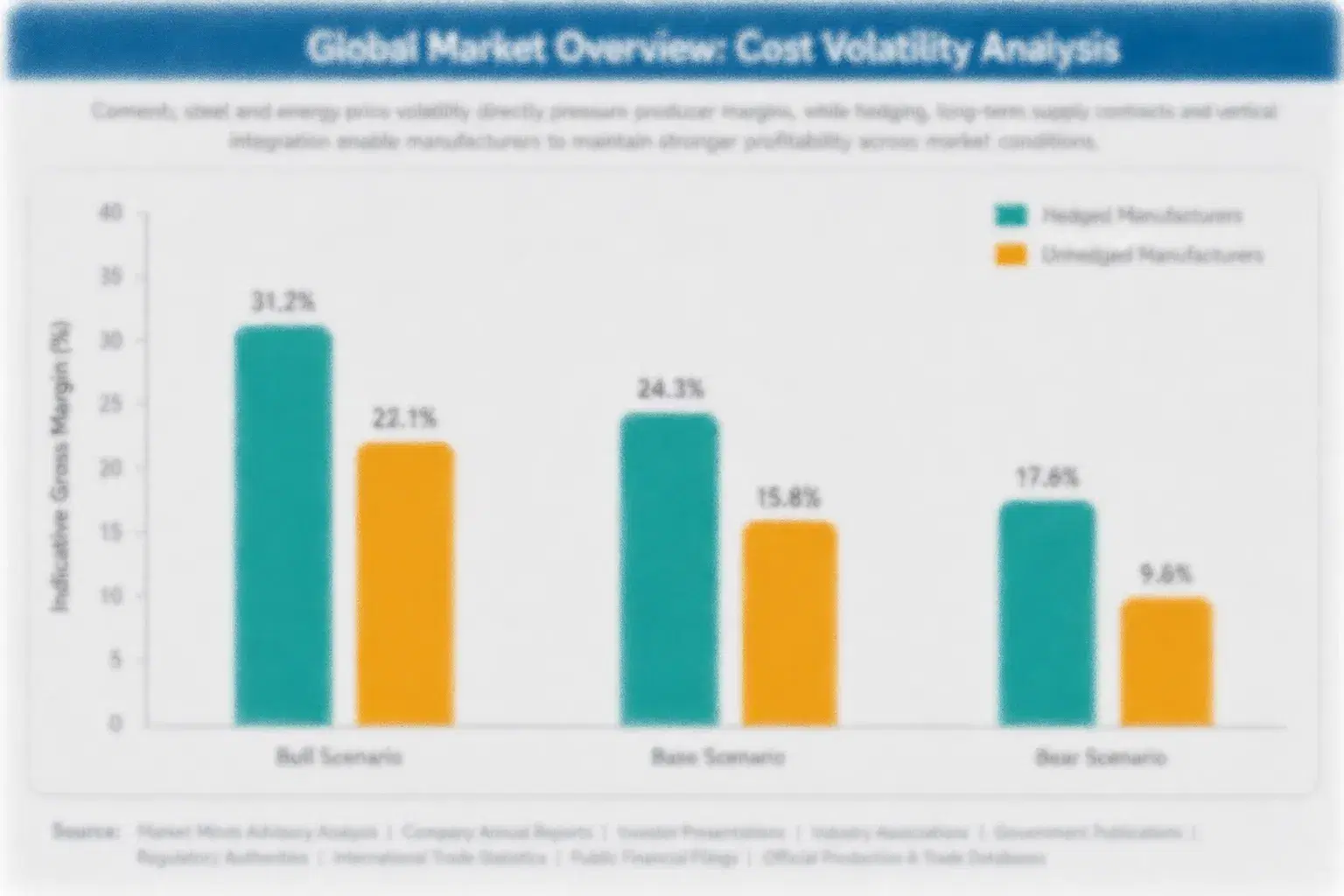
Copper winding and contact material accounts for roughly 24 percent of unit cost of goods sold, sourced predominantly from refined copper markets tied to Chilean and Peruvian mine output. Semiconductor components for communication-enabled relays add a further 19 percent, drawn mostly from Taiwanese and South Korean foundry capacity. These two inputs together account for nearly half of total manufacturing cost across premium relay categories.
Semiconductor component prices and lead times spiked sharply during the 2021 to 2022 global chip shortage, according to IEA industrial supply chain tracking data, as automotive and consumer electronics demand competed for the same foundry capacity used in relay communication modules. Several suppliers reported multi-quarter delivery delays during this period, forcing some manufacturers to redesign products around more available chip alternatives. Pricing has since stabilized but lead times remain longer than pre-2021 levels.

Vertically integrated manufacturers with long-term semiconductor supply agreements absorb far less margin volatility than smaller competitors dependent on open-market purchasing, giving large electrical conglomerates a durable cost advantage over regional manufacturers. This exposure gap widens further during supply tightness, since integrated suppliers can prioritize internal allocation while smaller manufacturers compete openly for constrained external chip volume across multiple regions.
current-monitoring-relays-market-cost-volatility-analysis-1790893747991

Multi-Year Semiconductor Supply Agreements

Several suppliers are signing multi-year fixed-volume supply agreements with foundry partners to stabilize both pricing and availability ahead of expected demand growth. These agreements typically lock in allocation priority rather than fixed prices, balancing predictability against normal market movement over the contract term. Large buyers now require this kind of supply security before awarding major framework contracts.

Component Design Flexibility for Chip Substitution

Larger manufacturers increasingly design relay communication modules to accept multiple interchangeable semiconductor components, reducing dependence on any single chip supplier during periods of allocation tightness. This approach requires sophisticated engineering capability that smaller manufacturers typically lack, limiting the mitigation to larger players with dedicated design engineering resources. Early movers in this design flexibility are reducing allocation risk measurably.

Copper Hedging Through Futures Contracts

Some manufacturers increasingly hedge copper exposure through futures contracts tied to major commodity exchanges, reducing margin volatility on long-lead-time production runs spanning multiple quarters. This diversification requires treasury capability that smaller manufacturers often lack, though early results suggest meaningful margin stabilization is achievable even at moderate hedging volumes. Treasury teams increasingly view this as standard practice.

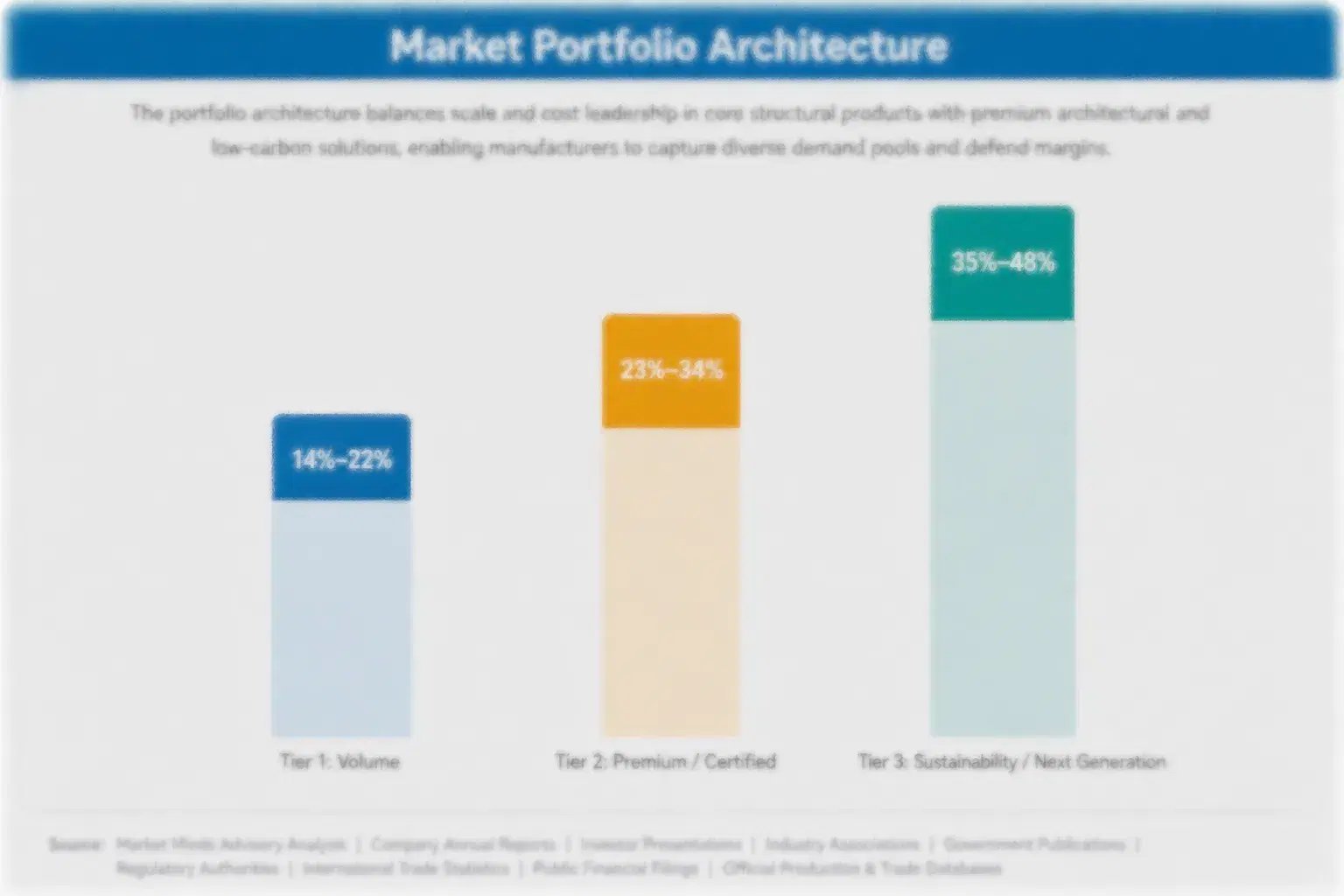
Portfolio Architecture for Margin Defence

Portfolio economics split across three tiers. Volume and commodity-adjacent relays compete on cost with gross margins in the low twenties, serving standard motor protection and basic industrial panel demand where differentiation carries limited commercial value and buyers choose largely on landed unit price. Premium certified relays carry proven communication protocol certification and sub-cycle response evidence, commanding meaningfully higher margins from grid operator and hyperscale buyers willing to pay for documented track records.
The sustainability and next-generation tier, covering renewable interconnection and data center duty-cycle relays, carries the highest margins but also the highest engineering and certification investment requirement of the three. Tension between volume and premium positioning defines supplier strategy: chasing standard motor protection volume preserves manufacturing scale but caps margin upside permanently, while premium positioning requires sustained capital investment that smaller manufacturers consistently struggle to fund without outside backing.

High-value margin pools concentrate overwhelmingly in renewable interconnection and data center applications, where documented certification evidence commands durable pricing power that standard motor protection volume never offered even at peak historical industrial demand. Suppliers positioned exclusively in the volume tier face hard margin ceilings that premium-tier competitors simply do not.

Volume / Commodity-Adjacent

Standard motor protection and basic industrial panel relays competing primarily on unit price and manufacturing scale. These units serve buyers with limited certification needs. Margins here stay thin and highly competitive across most regional markets.
Gross Margin: 19-24%

Premium / Certified

Relays carrying proven communication protocol certification and sub-cycle response evidence for grid operator and hyperscale buyers who specify documentation directly. Certification depth increasingly determines which suppliers get invited to bid at all.
Gross Margin: 30-37%

Sustainability / Regulatory / Next-Generation

Renewable interconnection and data center duty-cycle relays engineered for the most demanding reliability and response time conditions. Few manufacturers sustain this investment. Margins here lead the entire portfolio by a wide and growing margin.
Gross Margin: 40-48%
current-monitoring-relays-market-portfolio-architecture-1790893748297

High-value Sub-segments and Strategic Watch-out

Renewable Interconnection Relays

Highest-value, fastest-growing segment as grid operators specify sub-cycle response directly in interconnection tenders. Suppliers lacking certification enter from a clear competitive disadvantage against earlier movers. Early validation history is becoming a prerequisite for large contract awards. Developers increasingly treat this history as a baseline screening requirement.
Gross Margin: 34-41%

Hyperscale Data Center Relays

High-value recurring opportunity as hyperscale operators expand compute capacity. Suppliers mastering high-density duty cycle engineering deepen customer relationships considerably beyond the initial hardware sale into multi-year contracts and monitoring agreements. Buyers increasingly bundle multi-year maintenance alongside these equipment purchases directly. Smaller suppliers rarely compete here without comparable engineering depth.
Gross Margin: 29-36%

Standard Motor Protection Relays

Volume core of the market, still generating meaningful unit sales despite steady margin pressure across mature industrial applications. This segment anchors baseline manufacturing scale even as competition intensifies across the broader relay category. Losing position here would meaningfully damage overall manufacturing scale and negotiating leverage with distributors.
Gross Margin: 19-23%

Entry-Level Regional Manufacturer Lines

Strategic watch-out segment facing intensifying pressure from certification requirements that smaller manufacturers increasingly cannot meet without substantial capital investment they do not have readily available. Several are exiting the category. Investment appetite keeps shrinking across this tier. Several are exiting rather than continuing to chase shrinking margin pools.
Gross Margin: 15-19%

From Device Sale to Monitoring Partnership

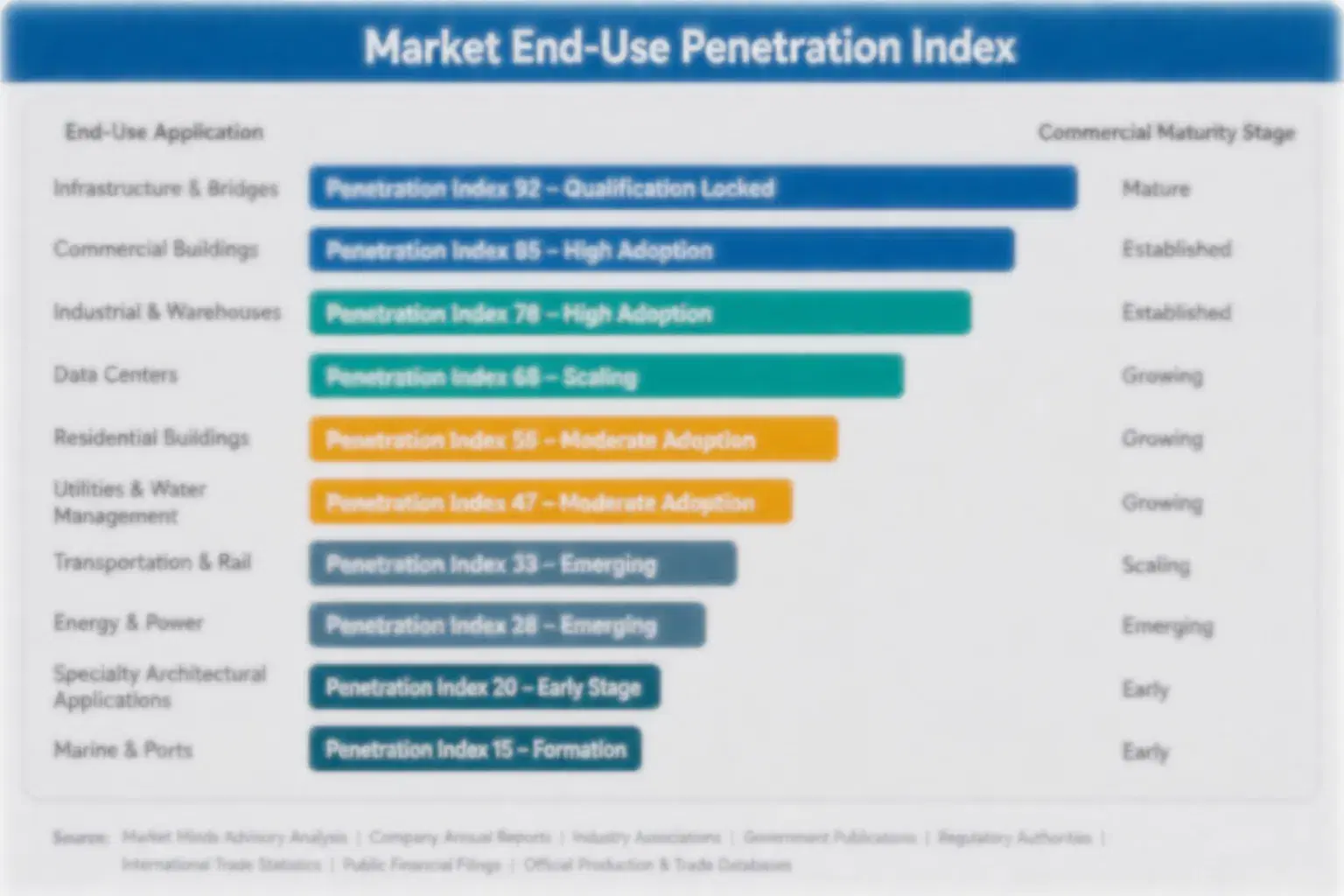
Relay purchases historically followed predictable project-by-project procurement tied to individual panel or interconnection build-outs, but condition monitoring and analytics contracts now create recurring revenue relationships that persist well past the initial device sale across a facility's full operating life. Grid operators and hyperscale buyers increasingly structure procurement around framework agreements spanning multiple sites rather than single transactions, fundamentally changing how suppliers price long-term relationships.
Adoption depth varies meaningfully by end-use vertical: large grid operators and hyperscale data center buyers show the deepest and most formalized procurement relationships, specifying documented response time and protocol certification directly in design decisions, while smaller industrial buyers remain more focused on baseline cost than communication capability. That gap narrows only as smaller buyers face rising reliability requirements of their own.

A generational handover is underway as younger protection engineers increasingly favor documented response time data and protocol certification over established supplier relationships alone, a shift that favors manufacturers who can quantify performance clearly rather than relying on decades-old brand reputation and informal buyer trust built over many years of prior institutional dealings. Suppliers slow to adapt their technical marketing toward data-driven validation risk losing share.
current-monitoring-relays-market-end-use-penetration-index-1790893748617

Where Suppliers Should Focus Next

These are among the four positions where our research anticipates prominent divergence between winners and laggards over the coming forecast period. Each is grounded in the demand model, the regulatory perimeter, and the announced capacity pipeline.
01 / PROTOCOL CERTIFICATION INVESTMENT

Build certification capability before buyers standardize on competitors

Protocol certification already commands a 12 to 18 percent effective pricing premium, and procurement teams increasingly treat documentation as a pass or fail screening gate rather than a negotiable preference across most grid and hyperscale tenders today. Suppliers that delay this investment risk entering the certification transition from a position of weakness relative to competitors already building credible testing track records across multiple institutional accounts. Early movers in certification are already capturing the bulk of new design-in contract wins across both grid and hyperscale channels.
02 / REMOTE MONITORING SERVICE BUILDOUT

Build recurring monitoring contracts before buyers lock in partners

Remote monitoring contracts already generate recurring revenue worth roughly 7 to 11 percent of original contract value annually, confirming service capability as a genuine differentiator beyond pure hardware specification across comparable supplier offerings. Suppliers without this capability risk losing multi-year grid and hyperscale contracts to competitors who can demonstrate analytics platform reach. Several mid-tier competitors are already pursuing shared analytics partnerships to close this gap faster across their existing customer base and adjacent grid operator accounts, a pattern likely to repeat across every major deployment region.
03 / HIGH-DENSITY ENGINEERING CAPABILITY

Formalize hyperscale engineering before data center demand peaks

High-density duty cycle relays already command price premiums of roughly 20 to 26 percent above standard specifications, confirming engineering depth as a genuine competitive advantage rather than a marginal consideration for suppliers pursuing hyperscale growth. Suppliers that delay this investment risk ceding the category's second-fastest demand pool to competitors who established engineering capability earlier in the deployment cycle. That early positioning is becoming increasingly harder to reverse as operators standardize their procurement around proven, certified suppliers across the industry, a dynamic already visible across recent contract awards.
04 / SEMICONDUCTOR SUPPLY SECURITY PROGRAMS

Lock in chip supply agreements before volatility returns industrywide

Semiconductor components already account for roughly 19 percent of unit cost, and the 2021 chip shortage showed how quickly margin volatility can spread across manufacturers lacking secured foundry agreements of meaningful duration. Suppliers without multi-year supply commitments risk losing price competitiveness relative to vertically integrated rivals during the next tightening cycle across major sourcing regions. Securing supply now protects margin durability through the full forecast horizon regardless of how input pricing moves over the coming decade, a shift already underway across several leading suppliers.

Engagement Snapshot From the Field

A live engagement with an industry participant carrying material or product regulatory and market exposure ahead of a defining policy shift, showing how our research translates into a defensible multi-year portfolio strategy.
MARKET MINDS ADVISORY · CLIENT ENGAGEMENT SUMMARY
Current Monitoring Relays Producer Strategic Portfolio Review and Transition Roadmap 2026·Investment Scenario on Current Monitoring Relays Exposure Evaluation 2025-26
CLIENT PROFILE
A hyperscale data center operator planning multiple new campus facilities across North America and East Asia requiring current monitoring relays at every feeder and rack distribution point. The client manages procurement for power protection hardware across a multi-year construction program spanning several regional jurisdictions and utility interconnection requirements. The operator coordinates procurement across multiple regional utility interconnection authorities throughout the program.
STRATEGIC CHALLENGE
The client's existing supplier shortlist lacked clear differentiation on sub-cycle response performance, relying instead on general brand reputation and price rather than documented fault detection speed. A prior feeder fault incident had raised internal concern about repeating similar reliability gaps on considerably larger upcoming campus builds. Senior leadership wanted an independent view before finalizing the supplier shortlist.
MMA APPROACH
MMA conducted a structured supplier capability assessment benchmarking five current monitoring relay manufacturers against documented sub-cycle response data and communication protocol depth, supplemented by interviews with each supplier's engineering leadership. The assessment mapped supplier capability against the campus construction timeline to identify genuine reliability risk. The review spanned roughly six weeks of structured fieldwork and supplier interviews.
KEY FINDINGS
  1. Two of five evaluated suppliers lacked documented sub-cycle response data for comparable rack density applications across comparable rack density tiers (client-reported, unverified by MMA).
  2. Switching to certified high-density relays reduced projected feeder fault incidents by an estimated 26 percent over a one-year rollout window (client-reported, unverified by MMA).
  3. Suppliers offering remote monitoring contracts alongside hardware cut average incident response time by roughly four hours per event (client-reported, unverified by MMA).
  4. Total landed cost for certified high-density relays ran approximately 19 percent above baseline components, but incident savings offset this within ten months (client-reported, unverified by MMA).
CLIENT PROFILE
A hyperscale data center operator planning multiple new campus facilities across North America and East Asia requiring current monitoring relays at every feeder and rack distribution point. The client manages procurement for power protection hardware across a multi-year construction program spanning several regional jurisdictions and utility interconnection requirements. The operator coordinates procurement across multiple regional utility interconnection authorities throughout the program.
STRATEGIC CHALLENGE
The client's existing supplier shortlist lacked clear differentiation on sub-cycle response performance, relying instead on general brand reputation and price rather than documented fault detection speed. A prior feeder fault incident had raised internal concern about repeating similar reliability gaps on considerably larger upcoming campus builds. Senior leadership wanted an independent view before finalizing the supplier shortlist.
MMA APPROACH
MMA conducted a structured supplier capability assessment benchmarking five current monitoring relay manufacturers against documented sub-cycle response data and communication protocol depth, supplemented by interviews with each supplier's engineering leadership. The assessment mapped supplier capability against the campus construction timeline to identify genuine reliability risk. The review spanned roughly six weeks of structured fieldwork and supplier interviews.
KEY FINDINGS
  1. Two of five evaluated suppliers lacked documented sub-cycle response data for comparable rack density applications across comparable rack density tiers (client-reported, unverified by MMA).
  2. Switching to certified high-density relays reduced projected feeder fault incidents by an estimated 26 percent over a one-year rollout window (client-reported, unverified by MMA).
  3. Suppliers offering remote monitoring contracts alongside hardware cut average incident response time by roughly four hours per event (client-reported, unverified by MMA).
  4. Total landed cost for certified high-density relays ran approximately 19 percent above baseline components, but incident savings offset this within ten months (client-reported, unverified by MMA).
RECOMMENDED STRATEGY
Phase 1: Phase one: consolidate relay specifications around two certified suppliers with documented sub-cycle response data across comparable facilities. before finalizing commercial terms. Phase 2: Phase two: formalize remote monitoring agreements with primary suppliers to compress incident response time ahead of new campus openings. and reduce incident exposure. Phase 3: Phase three: build an internal supplier scorecard tracking response time performance to inform procurement across future campuses. and remaining regional campuses.
OUTCOME
The client consolidated its relay supply base from six vendors to two within twelve months, prioritizing documented sub-cycle response performance over incumbent pricing relationships. Feeder fault incident rates declined meaningfully across subsequent campus deployments, and the client's procurement team adopted MMA's benchmarking framework as a standing input to future sourcing decisions (client-reported, unverified by MMA).

Frequently Asked Questions

Foundational context covering the market sizes, CAGR, scope, country, region and competition that inform every finding below. This section is provided to cover basics and most often pre-purchase conversations, answered from the MMA Primary Research Dataset.

What is the current size of the Current Monitoring Relays Market?

The market is valued at $1.8 billion in 2025, MMA's base year, reflecting global demand across motor protection and grid applications. This spans both electromechanical and communication-enabled devices.

How large will the Current Monitoring Relays Market be by 2036?

MMA projects the market will reach $3.7 billion by 2036, reflecting sustained demand growth. Growth is driven primarily by renewable interconnection and hyperscale data center buildout.

What is the CAGR for the Current Monitoring Relays Market 2026 to 2036?

The market is forecast to grow at a 6.8 percent CAGR between 2026 and 2036. Bull and bear scenarios range from 5.6 to 8.0 percent.

Which segment is growing fastest?

Renewable Energy Integration Protection Relays leads at a 9.52 percent CAGR, roughly 1.40 times the overall market rate. Tightening grid interconnection codes are the primary driver behind this gap.

Who are the major companies in the Current Monitoring Relays Market?

Leading suppliers include Schneider Electric, Siemens, ABB, Eaton, and Mitsubishi Electric. These five companies hold a combined 46 percent of global output on a revenue basis.

Which country is growing fastest?

China leads growth, driven by unprecedented renewable integration buildout and expanding domestic manufacturing capacity. Solar and wind interconnection volume together with domestic manufacturing scale support this pace.

Report Segmentation Architecture

The full report scope spans multiple orthogonal segmentation dimensions, with cross-tabulated demand data provided for each dimension pair. Coverage extends further to regional breakdowns, trend trajectories, and the competitive detail needed to support segment-level decision-making.

By Primary Market Dimension

  • Renewable Energy Integration Protection Relays
  • Data Center Power Protection Relays
  • Motor Protection Relays
  • Grid and Substation Protection Relays
  • Industrial Panel and Switchgear Monitoring Relays
  • Marine and Offshore Protection Relays

By End-Use Industry

  • Electric Utilities and Grid Operators
  • Data Centers and Cloud Infrastructure
  • Industrial Manufacturing
  • Renewable Energy Generation
  • Marine and Offshore

By Commercial Dimension

  • Direct Utility Procurement
  • Original Equipment Manufacturers
  • System Integrators
  • Aftermarket Replacement Channels

By Region

  • North America
  • Western Europe
  • East Asia
  • South Asia and Pacific
  • Latin America
  • Middle East and Africa
  • Eastern Europe

Scope, Methodology, and Coverage

Every figure in this report is reproducible from documented input assumptions. The scope below maps the historical period, the forecast horizon, the segmentation dimensions, and the countries covered, alongside the underlying primary and qualitative methodology.
Historical Period
2020 to 2025
Forecast Period
2026 to 2036
Base Year
2025 (USD billions; MMA Primary Research Dataset, October 2026)
Market Definition
This report covers current monitoring relays used in motor protection, grid and substation protection, industrial panel monitoring, and renewable energy and data center integration. It excludes voltage-only relays and general-purpose control relays not configured for current sensing.
Quantitative Units
USD billions (current prices); unit shipment volume where disclosed
Segmentation Dimensions
By Application; By End-Use Industry; By Commercial Dimension; By Region
Regions Covered
North America, Western Europe, East Asia, South Asia and Pacific, Latin America, Middle East and Africa, Eastern Europe
Countries Covered
USA, China, Germany, France, UK, Japan, South Korea, India, Australia, Canada, Brazil, Mexico, Indonesia, Vietnam, Thailand, Malaysia, UAE, Saudi Arabia, South Africa, Nigeria, Turkey, Poland, Netherlands, Italy, Spain, Sweden, Switzerland, Argentina, Colombia, Singapore, and additional markets relevant to this sector
Key Companies Profiled
Schneider Electric SE, Siemens AG, ABB Ltd, Eaton Corporation plc, Mitsubishi Electric Corporation, General Electric Company, Rockwell Automation Inc, Littelfuse Inc, Schweitzer Engineering Laboratories Inc, Omron Corporation, IDEC Corporation, Carlo Gavazzi Holding AG, Larsen and Toubro Limited, Fuji Electric Co Ltd, Hitachi Ltd, Toshiba Corporation, NHP Electrical Engineering Products Pty Ltd, Socomec SA, Finder SpA, WEG SA
Quantitative Methodology
Primary survey, n=3,800 respondents, Q4 2025, six countries; demand-side model with trade association cross-validation
Qualitative Methodology
47 expert interviews, Q4 2025; applied to validate demand model assumptions, identify emerging dynamics, and assess competitive positioning
Report Format
PDF and XLSX data workbook (Word format preview document)
Publisher
Market Minds Advisory
Report Code
MMA-2026-CON-583
Published
October 2026
Contact
sales@marketmindsadvisory.com | www.marketmindsadvisory.com

Purchase the full Current Monitoring Relays Market Report (2026 to 2036).

This report provides a comprehensive analysis of the global Current Monitoring Relays Market, covering market sizing, segmentation, and competitive dynamics through 2036. It examines demand drivers across renewable interconnection, data center protection, and motor protection applications, alongside regional breakdowns spanning all seven major geographies. The analysis includes detailed competitive profiling of leading suppliers, input cost exposure, and portfolio strategy guidance for participants. It closes with forward-looking guidance on where protocol certification is reshaping supplier selection criteria industrywide. It is designed for procurement and strategy teams planning multi-year sourcing decisions across the full portfolio.
Ten-year market sizing and forecast model
Seven-region demand and growth breakdown overview
Competitive benchmarking of twenty key suppliers
Input cost and supply chain exposure analysis
Portfolio tier and margin economics framework
Primary research from 3,800 survey respondents

Built For The People Who Decide

From boardroom strategy to bench-side execution, this report is read cover-to-cover by leaders shaping the next decade of their industry, turning demand scenarios, market dynamics and valuation benchmarks into decisions.
CXOs/ Presidents/ VPs/ Managers
M&A and Corporate Development
Strategy Teams and R&D Heads
Procurement and Product Directors
Regulatory and Compliance Leaders
Investor Relations and Equity Analysts