Market Minds Advisory
Cupcakes Market

Cupcakes Market: Cupcakes Market. Egg Costs, Dietary Reformulation, and Snack-Size Formats Reshape Packaged and Fresh Cupcake Supply.

Cupcakes sell as a boutique treat and a supermarket snack, but egg prices, frosting costs, and short shelf life squeeze margins, so dietary reformulation, mini formats, and in-store scale decide who wins cupcake shelves.

Lead Analyst

Published

September 2026

Make Smarter Decisions with Customized Research Insights

Request a free sample report and evaluate market opportunities, growth trends, and competitive dynamics relevant to your business needs.

2025 MARKET VALUE$11.5BMarket Size 2025
2036 FORECAST VALUE$20.7BBase Case , 2026 to 2036
CAGR 2026 TO 20365.5 %Bull 6.8% / Bear 4.2%
INCREMENTAL OPPORTUNITY$8.6BNet 10- year value creation
EXPANSION MULTIPLE1.71x2036 value over 2026 base
Strategic Levers
M&A Pipeline
Regional Outlook
Country Rankings
Competitive Intelligence
Segmental Deep-dive
Call-Us : 91 93563 13602

Executive Snapshot and Market Trajectory.

A cupcake is a portion-controlled cake with its own frosting, which makes it easy to sell, easy to give, and hard to make well at scale. The category runs from boutique cupcakes priced like a coffee to snack cakes priced like candy, and both depend on eggs, sugar, and speed.
Functional and dietary cupcakes grow fastest, because gluten-free, vegan, high-protein, and reduced-sugar versions serve buyers who otherwise skip cake, while packaged shelf-stable cupcakes anchor volume in supermarkets and convenience stores. North America holds the largest share, since the United States has both the boutique cupcake culture and the largest packaged snack cake companies, with Western Europe and East Asia following. Indonesia leads country growth. Party occasions add steady demand.
Competition mixes snack cake majors and bakery chains. Grupo Bimbo, Smucker through Hostess, McKee Foods, Flowers Foods, and Premier Foods supply most packaged volume, while in-store bakeries and boutique chains hold fresh sales. Regulation matters through allergen labelling, food dye rules, and sugar policy, and buyers reward soft crumb, generous frosting, and shelf life that survives distribution to thousands of small stores. Traceability is now expected. Retail buyers ask for proof before listing.
Market Definition
Cupcakes comprise individually portioned small cakes baked in cups and finished with frosting, icing, filling, or toppings, including packaged shelf-stable cupcakes, fresh bakery and boutique cupcakes, in-store and supermarket cupcakes, frozen and ready-to-decorate cupcakes, mini and snack-size cupcakes, and functional and dietary cupcakes, sold through retail, bakery, foodservice, and online channels. The scope excludes muffins without frosting, full-size cakes, cake mixes, and cake pops.
Base Year Value
$11.5B in 2025 (MMA Primary Research Dataset, September 2026)
Forecast Period
2026 to 2036, eleven discrete annual values
CAGR
5.5% base case. Bull 6.8%. Bear 4.2%.
Fastest Growth Segment
Functional and Dietary Cupcakes: 9.1% CAGR
Fastest Growth Country
Indonesia: 8.4% CAGR
Fastest Growth Region
South Asia and Pacific: 7.5% CAGR
Largest Region
North America: 33% of 2025 global value
Market Leaders
Grupo Bimbo, The J.M. Smucker Company, McKee Foods, Flowers Foods, Premier Foods. Source: MMA Analysis, company annual reports.
Primary Survey
n=3,800 procurement and R&D decision-makers, Q4 2025, six countries
Methodology
Demand-side build-up, cross-validated against public data, 47 expert interviews

Cupcakes Market Forecast Scenarios

cupcakes-market-size-forecast-scenario-1789783737221
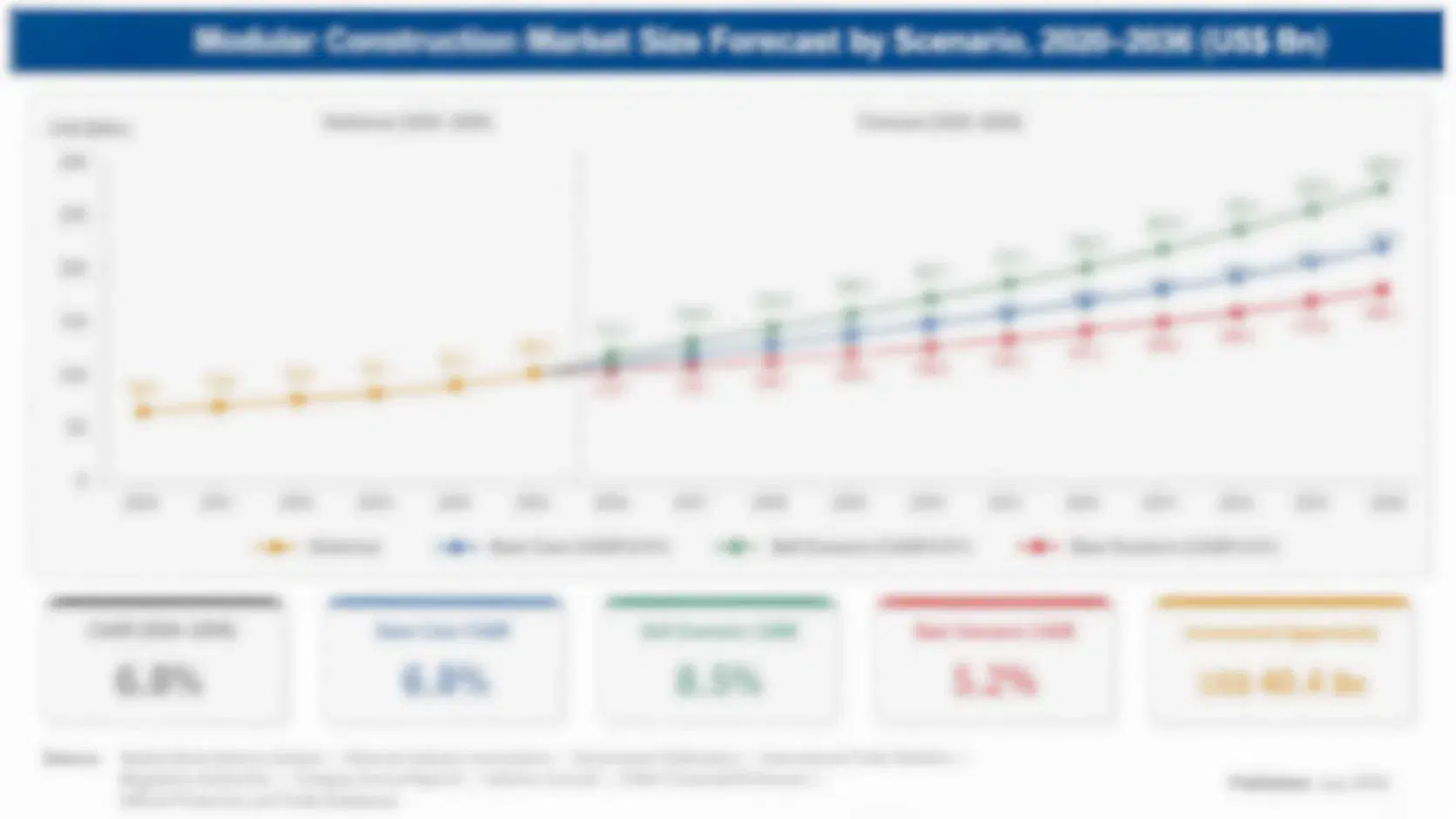
From 2020 to 2025, cupcakes moved between celebration treat and everyday snack. Boutique chains recovered after the pandemic, supermarkets expanded in-store cupcake ranges, packaged snack cakes gained from convenience demand, and prices rose with egg, sugar, and packaging costs. Growth averaged 4.9% a year, though sugar concerns, inflation, and private-label competition slowed volume in mature markets.
The base case assumes 5.5% annual growth through 2036, built on three named mechanisms: expansion of packaged snack cakes and mini formats in Asia, Latin America, and the Gulf where modern retail is growing, dietary and functional launches that reach gluten-free, vegan, and protein-focused buyers, and premium party and gifting formats sold through supermarkets and online bakeries. Frosting innovation and stable pricing reinforce each mechanism across channels. Frosting innovation supports pricing.
The bull case, at 6.8%, needs egg and sugar costs to ease and dietary variants to reach mainstream shelves. The bear case, at 4.2%, reflects cost spikes, consumer trade-down, and stricter sugar policy. Either path leaves the celebration occasion intact, though mix and pricing would shift. Analysts watch egg prices and sugar policy most closely, since each moves margin directly.

Egg Cost and Shelf Life Decide Cupcake Winners

Cupcake batter is mixed from flour, sugar, eggs, fat, leavening, and flavour, deposited into paper cups, and baked at 170 to 190 degrees Celsius for 15 to 25 minutes. Cooled cakes are topped with buttercream, cream cheese, or compound icing, sometimes filled with cream or jam, and decorated. Packaged versions use preservatives, water activity control, and barrier packaging to last several weeks.
MARKET CONCENTRATION28% CR5Leading five bakers hold a small combined share
EGG SHARE OF COGS10%Eggs are a volatile ingredient in most cupcake recipes
PACKAGED CHANNEL SHARE52%Portion of value sold as packaged shelf-stable cupcakes
BOUTIQUE PRICE PREMIUM180%Boutique cupcakes sell far above packaged units per piece
PACKAGED SHELF LIFE45 daysTypical shelf life of packaged cupcakes with preservatives
FROSTING SHARE OF COGS12%Icing and fillings add notable cost per unit
Buyers use cupcakes in several ways. Households buy multipacks of packaged cupcakes for lunchboxes and parties, convenience stores sell single packs, supermarkets and boutique bakeries sell fresh cupcakes for birthdays and events, and offices and schools order boxes for celebrations. Pricing follows egg, sugar, and packaging costs, and premium frosting, novelty designs, and custom orders lift prices.
Suppliers sit at several levels. Snack cake majors such as Grupo Bimbo, Hostess, McKee, Flowers Foods, and Premier Foods run large plants and national distribution, supermarket in-store bakeries supply fresh cupcakes, and boutique chains and independent bakers serve premium and custom demand. Customers judge them on softness, frosting quality, allergen control, shelf life, and price at the shelf or counter. Supply stays tight. Reliable delivery beats headline price.
"A cupcake is a cake that has been stripped of every excuse. There is nowhere to hide a weak crumb or a cheap frosting, and the suppliers that will keep growing are those who protect the crumb through eggs, sugar, and distribution shocks."
Practice Lead, Cakes and Sweet Bakery Practice · MMA Cakes and Sweet Baked Goods Practice · September 2026

Market Trends

Gluten-Free, Vegan, and Protein Cupcakes Reach Buyers Who Skipped Cake

Brands and bakeries now sell cupcakes made with rice and tapioca flours, plant-based egg replacers, and added protein, aimed at celiac, vegan, and fitness-focused buyers. Gluten-free and vegan cupcakes sell at 30% to 70% above standard versions, and supermarket in-store bakeries and boutique chains list them in dedicated cases. The technical challenge is crumb and moisture, since egg and gluten give structure, so bakers use hydrocolloids, enzymes, and pulse proteins. Dedicated production lines or cleaning protocols are needed for allergen claims, which add cost, and chains with clear labelling and reliable taste win repeat purchase from allergen-conscious households.
Market Impact: packs sell at $1-5
Mini and Snack-Size Cupcakes Extend Occasions and Price Points

Makers now sell mini cupcakes in multipacks of 12 to 24, and single-serve snack cupcakes in convenience stores at $1 to $2 per pack, targeting portion control, party trays, and office snacking. Minis sell at 40% to 90% higher price per gram than full-size cupcakes and cut waste for retailers. Packaged mini cupcakes need barrier films and preservative systems that add 8% to 12% to cost, and fresh minis need careful frosting control. Supermarkets, foodservice caterers, and online party sellers order minis for events, which lifts basket size and repeat purchase across the year.
Market Impact: boutique cupcakes sell at $3-6 each

Market Opportunities and Growth Drivers

Convenience and Supermarket Snack Cake Demand Sustains Packaged Cupcake Volume

Packaged cupcakes and snack cakes sell through convenience stores, supermarkets, and vending machines at price points of $1 to $5, and they are among the best-selling categories in sweet baked snacks in the United States, Latin America, and Asia. Hostess, Little Debbie, Tastykake, Mr Kipling, and Bimbo brands hold strong recognition. Shelf life of four to eight weeks lets makers serve thousands of small stores through direct delivery. Modern retail expansion in Indonesia, India, and Vietnam adds new outlets each year, which supports volume growth for makers that can deliver reliably and price for local budgets.
Market Impact: egg prices doubled in 2022-2023

Celebration Occasions and Boutique Bakery Culture Support Premium Fresh Cupcakes

Birthdays, office celebrations, weddings, and holidays drive fresh cupcake orders, and boutique chains such as Magnolia Bakery, Sprinkles, and Georgetown Cupcake sell cupcakes at $3 to $6 each, roughly three times packaged prices. Supermarkets offer party boxes of 12 at $12 to $25, and online bakeries ship cupcakes and kits for gifting. Social media content around decorated cupcakes keeps demand for novelty designs, and events season peaks in spring and December. Fresh cupcakes carry gross margins of 55% to 70%, which attracts bakeries despite high labour cost, and custom orders add premium pricing.
Market Impact: frosted cupcakes contain 25-40% sugar

Market Restraints and Challenges

Egg, Sugar, and Packaging Cost Volatility Squeezes Cupcake Margins

Egg prices roughly doubled between 2022 and 2023 during avian influenza outbreaks, and sugar and packaging film costs rose, according to United States Department of Agriculture data. The root cause is flock disease, weather, and dependence on concentrated supply chains. Snack cake makers hold to price points of $1 to $5 and cut unit weight, which risks shopper backlash, and boutique bakers raise prices in small steps. Mitigation includes forward contracts, egg-free formulas, and index-linked pricing with retailers, though margin recovery takes several quarters, and private label pushes prices down in prime shelf positions.
Market Impact: dietary cupcakes sell 30-70% above standard

Sugar Policy and Health Concerns Limit Frosted Snack Growth

Sugar levies in the United Kingdom, front-of-pack warning labels in Chile and Mexico, and school food rules limit sales of high-sugar snacks, according to national health agency policies. The root cause is public concern about sugar intake and childhood obesity. Frosted cupcakes contain 25% to 40% sugar by weight, so retailers cut promotions and some schools restrict sales. Bakers respond with smaller sizes, reduced-sugar recipes, and adult positioning, though reformulation takes 12 to 18 months and taste acceptance is uncertain, and warning labels reduce trial among parents, which slows growth in family-focused channels.
Market Impact: minis sell 40-90% higher per gram
3 additional market trends, 2 additional growth drivers, and 3 additional restraints and challenges are covered in the full report. Contact sales@marketmindsadvisory.com to access the complete intelligence.

Segment CAGR and Growth Architecture

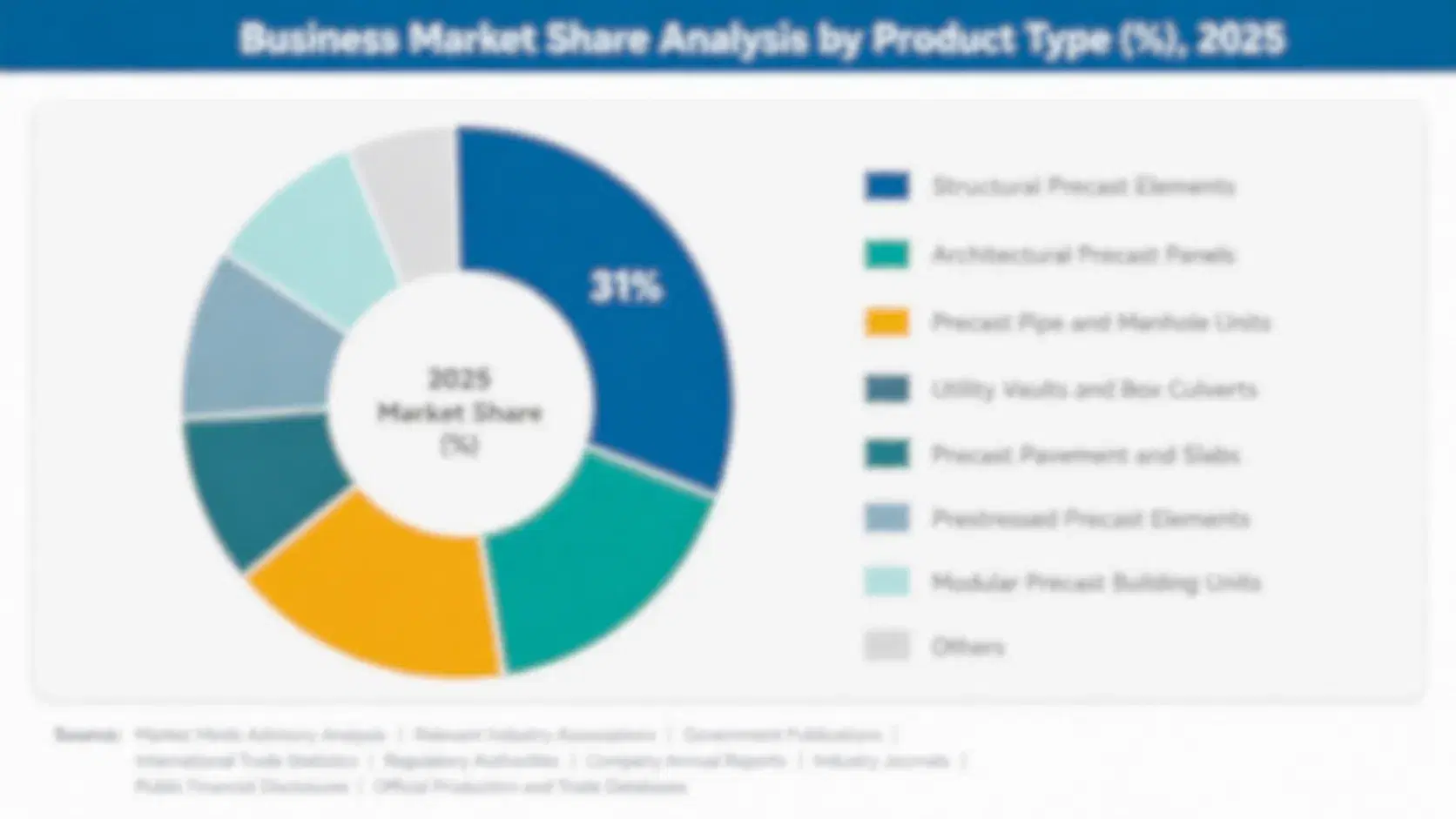
Cupcakes are segmented by product format and dietary system, because production process, shelf life, allergen status, price, and buyer group differ more between packaged shelf-stable, fresh boutique, in-store bakery, frozen and ready-to-decorate, mini and snack-size, and functional and dietary cupcakes than they do by flavour. Dietary and mini formats attract most investment as bakers reach new occasions.
cupcakes-market-market-share-analysis-1789783737395

Functional and Dietary Cupcakes

Functional and dietary cupcakes are the fastest-growing segment, covering gluten-free, vegan, high-protein, and reduced-sugar recipes made with rice, tapioca, and pulse flours, plant-based egg replacers, whey or pea protein, and fibres. Boutique chains, supermarket bakeries, and packaged brands sell them at 30% to 70% above standard cupcakes, and they serve celiac, allergic, vegan, and fitness-focused buyers who otherwise skip cake. Growth depends on crumb texture, allergen controls, and taste parity, and bakers with dedicated lines, clear labelling, and strong reviews win repeat purchase, while chains list them in dedicated cases that raise visibility and support premium pricing. Retailers report that dedicated dietary cases lift basket size, and bakeries share ingredient lists on labels and menus to build trust.
CAGR 9.1%

Mini and Snack-Size Cupcakes

Mini and snack-size cupcakes are the second-fastest segment, sold in multipacks of 12 to 24, party trays, and single-serve packs in convenience stores at 40% to 90% higher price per gram than full-size cupcakes. Retailers value the format for portion control, lower waste, and event demand, and offices and caterers use minis for celebrations. Packaged minis need barrier films and preservatives, and fresh minis need careful frosting control. Growth depends on portion trends and party occasions, and makers with flexible depositing lines, small-format packaging, and strong distribution capture larger programmes from supermarkets and caterers. Online party sellers ship boxes with candles and toppers that raise basket size, and retailers place minis at checkouts to lift impulse sales.
CAGR 7.3%
Full segment breakdown across 6 segments available in the complete report.

Regional Architecture and Country Demand Map

Cupcake value follows snack cake culture, bakery chain density, and celebration habits. North America leads through packaged snack cakes and boutique bakeries, Western Europe follows through supermarket and packaged brands, East Asia grows through convenience retail, and Indonesia is the fastest-growing country as modern retail expands.

North America

North America holds 33% share, above its usual band, because the United States has both the world's largest packaged snack cake companies and a mature boutique cupcake culture, and Canada adds supermarket and bakery demand, so per-capita cupcake spending is the highest of any region. Hostess, McKee Foods, Flowers Foods, Grupo Bimbo, and boutique chains such as Magnolia Bakery lead. Egg costs, sugar concerns, and private label restrain returns, though dietary launches and convenience distribution keep growth near the global rate. North America and Western Europe hold the top two positions because both combine large snack cake makers with dense supermarket networks. Warehouse clubs sell party boxes each season, and schools buy cupcakes for events.
Share: 33% | CAGR: 5.4% (2026 to 2036)

Western Europe

Western Europe holds 24% share, with the United Kingdom, Ireland, France, Germany, and Spain selling cupcakes through supermarkets, cafes, and packaged snack ranges, and Mr Kipling in the United Kingdom is a leading packaged brand with fresh cupcake sections at Tesco and Sainsbury's. Premier Foods, Bimbo Bakeries Europe, Lantmannen Unibake, and Vandemoortele lead. Sugar levies, warning labels, and energy costs hold growth below the global rate, though vegan and gluten-free launches add value. German bakeries add cupcake ranges beside traditional cakes, and Nordic chains extend mini formats for office coffee breaks. Retailers such as Tesco, Aldi, and Carrefour sell party cupcakes at events and holidays, and Irish and British bakeries make celebration cupcakes for corporate orders.
Share: 24% | CAGR: 4.1% (2026 to 2036)
Regional intelligence for 5 additional markets available in the complete report: East Asia, South Asia and Pacific, Latin America, Middle East and Africa, Eastern Europe. Contact sales@marketmindsadvisory.com.
cupcakes-market-country-cagr-analysis-1789783737573

Four Margin Routes for Cupcake Makers

Margin in cupcakes comes from mix, distribution, and egg cost control rather than volume alone. Makers that sell dietary and mini formats at premiums, win convenience and supermarket programmes, convert bakeries to premixes and central frosting, and pass egg and sugar costs through index-linked pricing earn more per unit than those competing on price.

Selling Dietary and Functional Cupcakes at Premium Prices

Gluten-free, vegan, and protein cupcakes sell at 30% to 70% above standard versions, so a bakery moving 15% of volume into these lines lifts blended gross margin by 3 to 6 points. Development costs $300,000 to $1 million per range, and dedicated lines or cleaning protocols cost $1 million to $4 million. Supermarkets and boutique chains list them in dedicated cases, and allergen-conscious households repurchase weekly. Bakeries that publish ingredient and allergen data earn trust, which builds loyalty that generic rivals find hard to match through promotions. Reviews compound trust over time.
Market Impact: dietary lines lift blended margin 3 to 6 points

Building Mini and Party-Box Programmes With Supermarkets and Caterers

Minis sell at 40% to 90% higher price per gram than full-size cupcakes, and party boxes of 12 to 24 sell at $12 to $25, so a maker with flexible depositing lines can raise revenue per kilogram by 10% to 20% in these formats. Supermarkets order for events, and caterers buy in cartons for offices and weddings. Seasonal peaks in spring and December need planning, and unsold stock must stay under 5% of volume. Programmes of one to two years with rebate structures secure shelf position and reduce sales effort.
Market Impact: minis lift average revenue per kilogram by 10-20%

Winning Convenience and Direct-Store-Delivery Programmes for Packaged Cupcakes

Packaged cupcakes sold through convenience stores earn gross margins of 35% to 45% when delivered directly and merchandised well, and a route serving 300 stores can sell 2,000 to 5,000 units a week. Direct delivery costs 12% to 18% of sales, but it protects freshness and shelf space. Retailers value makers with reliable service and promotional support, and once a route is established, competitors need months of investment to displace it. Data on store sales helps optimise orders and cuts stale returns to under 3%. Reliable delivery and promotional support matter most to store owners.
Market Impact: DSD earns 35-45% gross margin at convenience stores

Passing Egg and Sugar Costs Through Index-Linked Pricing With Retailers

Egg, sugar, and flour make up about 50% of cost of goods, so index-linked pricing with supermarkets and convenience distributors protects margin from swings of 4 to 8 points in a bad year. Formulas link prices to published egg and sugar indices plus a fixed baking margin, with quarterly resets. Retailers accept indexation when supply is reliable, and makers with forward contracts and egg-free lines can offer certainty. Makers that hold margins through commodity shocks retain shelf space, while smaller rivals cut weight or exit. Reliable supply is valued during shortages.
Market Impact: index pricing protects 4 to 8 margin points

Who Controls the Margin Pool

The cupcake industry is fragmented, with the top five bakers holding about 28% of global revenue, the basis used throughout this section. Grupo Bimbo, The J.M. Smucker Company through Hostess, McKee Foods, Flowers Foods, and Premier Foods lead in packaged snack cakes through plants, brands, and direct delivery, while supermarket in-store bakeries and boutique chains hold fresh sales through freshness, customisation, and local reach.
Competition centers on three dimensions: brand and shelf strength, measured by recognition and convenience store coverage; cost management, including egg, sugar, and packaging contracts; and format range across packaged, fresh, mini, and dietary cupcakes. Leaders invest in direct delivery and dietary lines, while challengers compete on boutique quality, novelty designs, and regional flavours that large plants cannot always match at scale.

Emerging pressure comes from private-label snack cakes at discounters, from Asian makers scaling packaged cupcakes, and from health rules that raise sugar reduction costs. Rankings shift where bakers win convenience programmes, hold price points, or lose to cheaper supply. Acquisitions of regional bakeries and premium brands will reorder positions faster than organic growth, particularly as egg and sugar volatility pushes smaller makers to sell to larger groups.
cupcakes-market-company-positioning-matrix-1789783737752

Competitive Moat and Risk Dimensions

GRUPO BIMBO

Moat: Global Distribution and Brand Scale

Grupo Bimbo is the world's largest baking company, with plants across the Americas, Europe, Asia, and Africa, and its Marinela and regional brands sell cupcakes and snack cakes through direct store delivery to millions of outlets. Its purchasing scale in flour, sugar, and eggs, plant automation, and distribution give cost and reach advantages that smaller bakers cannot match.
GRUPO BIMBO

Risk: Complexity and Private Label

Grupo Bimbo faces private-label competition and health rules that limit sweet snack promotion, and managing brands across many countries adds complexity. Egg and sugar cost spikes squeeze margins, and boutique and dietary brands can win premium shoppers. Currency swings in emerging markets also affect reported margins.
THE J.M. SMUCKER COMPANY

Moat: Hostess Brand and Convenience Reach

The J.M. Smucker Company owns Hostess Brands, maker of Hostess Cupcakes, Twinkies, and Donettes, and sells sweet baked goods through convenience stores, supermarkets, and clubs across North America. Hostess Cupcakes is one of the best-known packaged cupcakes, and the company's brand recognition, distribution network, and marketing scale give it a strong position in single-serve and multipack snack cakes.
THE J.M. SMUCKER COMPANY

Risk: Sugar Policy and Integration

Smucker must integrate Hostess and manage sugar concerns among health-focused consumers. Private-label cupcakes undercut on price, and egg and packaging costs squeeze margins on fixed price points. Debt from the Hostess acquisition also limits flexibility, and price increases have tested shopper loyalty in a sugar-conscious market.

Players Tracked

Prominent Players

Grupo Bimbo
The J.M. Smucker Company
McKee Foods
Flowers Foods
Premier Foods

Other Key Players

Yamazaki Baking
Orion
Lotte Confectionery
Pasco Shikishima
Britannia Industries
Monginis Foods
Aryzta
Vandemoortele
Dawn Foods
Bakemark
Sprinkles Cupcakes
Magnolia Bakery
Georgetown Cupcake
Wilton Brands
Mondelez International

Recent Developments

JANUARY 2026

Hostess Brands Extends Mini Cupcake and Multipack Formats in North America

Hostess Brands extended mini cupcake and multipack formats in North American convenience and grocery channels, adding barrier packaging and new flavours for party and lunchbox occasions. It is a product launch. It tests demand for minis at higher price per gram, and gives retailers a portion-controlled format.
Signal: Confirms leading snack cake brands now extend mini formats to reach party occasions and portion-conscious buyers.
OCTOBER 2025

Grupo Bimbo Expands Snack Cake Production Capacity in Latin America

Grupo Bimbo expanded snack cake production capacity at a Latin American plant, adding depositing, cooling, and wrapping lines for cupcakes and filled cakes sold through direct store delivery. This is organic capacity expansion, not an acquisition. It shortens delivery routes, supports growth in small stores, and improves cost per unit.
Signal: Shows global bakers now investing in regional snack cake capacity to serve growing small-store demand across the region.
JUNE 2025

Premier Foods Signs Supply Agreements for Mr Kipling Cupcakes With Retailers

Premier Foods signed supply agreements with retailers for Mr Kipling cupcakes, covering ranges, promotions, and index-linked pricing across the United Kingdom. The deals are commercial supply contracts. They give Premier steadier volume, share ingredient cost risk with retailers, and support seasonal party and celebration ranges.
Signal: Confirms brand owners now lock in retailer volume through agreements that share ingredient cost volatility across programmes.

What Drives Cupcake Costs

Wheat flour accounts for roughly 24% of cost of goods, sugar about 16%, fats and oils about 14%, and eggs about 10%, with wheat sourced from North America, Europe, and the Black Sea region and sugar from Brazil, India, and European beet processors. Frosting and fillings add about 12%, packaging about 14%, and labour, energy, and freight make up the rest, so egg, sugar, and packaging costs shape margin.
Egg prices roughly doubled between 2022 and 2023 during avian influenza outbreaks, according to the United States Department of Agriculture, while wheat and gas prices spiked after Black Sea disruption, according to the International Energy Agency, raising flour and oven energy costs by 20% to 35%. Makers passed increases through with lags of two to three months, cut unit weights, or delayed promotions, and some shoppers switched to private label.

The disadvantage falls on makers without scale or contracts. Large groups with flour, sugar, and egg contracts and multi-plant networks absorb shocks. Exposure varies by product and geography: packaged makers face fixed price points, boutique bakers face rent and labour, and dietary and mini formats pass costs through more easily than standard cupcakes sold on price.
cupcakes-market-cost-volatility-analysis-1789783737938

Contracting Flour, Sugar, and Egg Under Forward Agreements

Makers sign annual and multi-year agreements for flour, sugar, and eggs, mixing fixed and index-linked prices to spread risk. Diversifying suppliers across regions reduces exposure to a single outbreak or export ban. Forward buying lets makers plan production and quote retailers with confidence, and hold price points during commodity peaks without repeated weight cuts.

Shifting Volume to Egg-Free and Reduced-Egg Formulations

Makers move 20% to 40% of volume to egg-free or reduced-egg recipes using pulse proteins and enzymes, which avoids outbreak exposure and opens vegan customers. The shift needs bake trials and consumer testing, and adds development cost. Retailers reward diversification with dedicated space and longer programmes, and egg-free lines pass costs through more easily. Terms usually run two years.

Passing Costs Through Index-Linked Pricing and Weight Management

Retailers and distributors agree to formulas linking prices to published egg and sugar indices plus a fixed baking margin, and makers adjust unit weight by no more than 3% to 5% per step. Quarterly resets keep buyers informed and reduce disputes. Dietary and mini lines use annual pricing, since customers value stable quality and supply.

Portfolio Architecture for Margin Defence

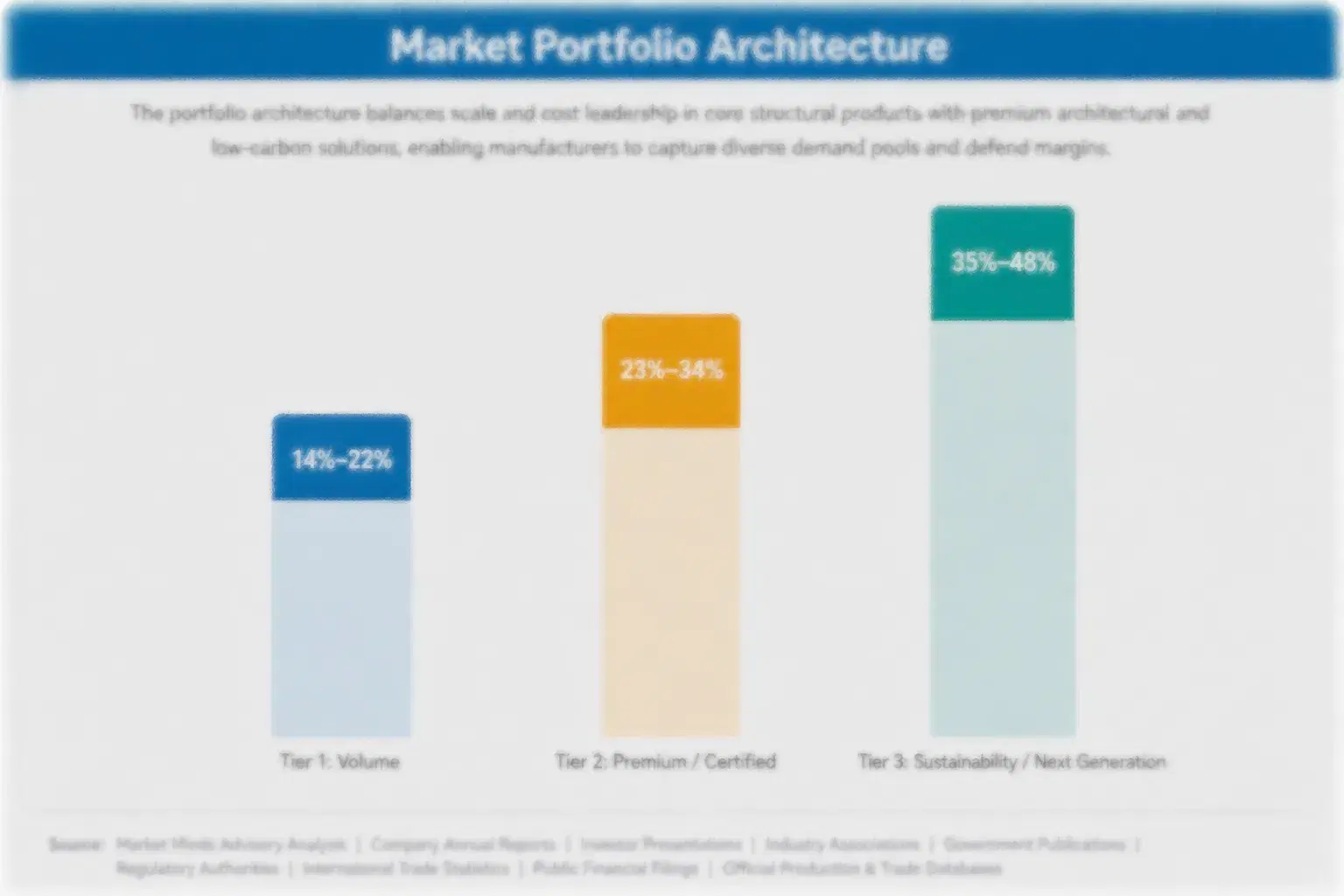
Margins run from thin returns on standard packaged cupcakes sold at fixed price points to strong profits on dietary, mini, and boutique ranges sold with premium positioning, with gross margin roughly doubling between the volume tier and the top tier. Brand, distribution, and frosting quality create pricing power, and shoppers pay more for a cupcake that stays soft and looks like a treat.
Volume and premium pull in different directions. Standard packaged cupcakes sell in very large lots to convenience stores and supermarkets at thin margins and face egg and sugar swings, while dietary, mini, and boutique cupcakes sell in smaller lots at higher margins but need allergen controls, packaging, and skilled decorating. Makers must decide how much capital to commit to premium ranges and how quickly to move, since tastes shift.

High-value pools concentrate in functional and dietary cupcakes for allergen-conscious and fitness-focused buyers, mini and party formats for events, and boutique and custom cupcakes for gifting. These segments benefit from repeat purchase, documented positioning, and limited competition from generic snack cakes. Makers that combine distribution, allergen expertise, and brand hold advantages that rivals cannot copy quickly.

Volume / Commodity-Adjacent Tier

Standard packaged cupcakes and snack cakes sold in bulk to convenience stores and supermarkets at fixed price points, with thin margins, egg, sugar, and packaging cost exposure, and constant price competition from private label and regional bakeries, where shoppers switch on price.
Gross Margin: 18%-28%

Premium / Certified Tier

In-store and boutique cupcakes with real buttercream, allergen labelling, and consistent decoration, sold through supermarkets, cafes, and events that require documented food safety, reliable delivery, and stable quality across weekends, holidays, and peak celebration seasons.
Gross Margin: 28%-42%

Sustainability / Regulatory / Next-Generation Tier

Gluten-free, vegan, protein, and reduced-sugar cupcakes with dedicated lines, clear labelling, and clean ingredient lists, sold through dedicated cases and online channels to buyers who pay premiums for dietary safety, health positioning, and giftable presentation.
Gross Margin: 36%-58%
cupcakes-market-portfolio-architecture-1789783738128

High-value Sub-segments and Strategic Watch-out

Functional and Dietary Cupcakes

Functional and dietary cupcakes combine the fastest growth with strong pricing, since celiac, vegan, and fitness-focused shoppers pay 30% to 70% premiums. Allergen controls and crumb know-how limit competition, and bakers with strong reviews win dedicated case space. Repeat purchase compounds across weekly baskets. Prices hold.
Gross Margin: 36%-58%

Mini and Snack-Size Cupcakes

Mini and snack-size cupcakes offer high value with solid growth, because retailers and caterers pay 40% to 90% more per gram for portion control and events. Barrier packaging and flexible lines limit scale, though makers with strong distribution defend margin. Seasonal peaks reward planning and reliable supply.
Gross Margin: 30%-48%

Packaged Shelf-Stable Cupcakes

Packaged shelf-stable cupcakes form the volume core, sold to households, schools, and convenience shoppers who want an affordable treat with long shelf life. Margins are thin and exposed to egg and sugar swings, but steady demand supports scale, and makers with direct delivery and large plants hold cost advantages.
Gross Margin: 18%-30%

Fresh Boutique Cupcakes

Fresh boutique cupcakes are a strategic watch-out, valued for high margins and gifting but limited by labour cost, rent, and short shelf life. Consumer spending and social media trends could expand or restrict demand, so bakers should track order volumes and unsold stock before committing capital to new shops.
Gross Margin: 45%-68%

Why Shoppers Keep Buying Cupcakes

Cupcake demand behaves like an annuity once a household or store adopts a brand or bakery. Lunchboxes are packed weekly, convenience stores reorder several times a week, and party orders repeat every birthday season. Makers that hold a route or a shelf for years earn steady volume, and renewals follow price and freshness rather than tenders.
Stickiness varies by vertical. Convenience stores with direct delivery routes are deepest, since delivery schedules and merchandising are built around one maker. Supermarket in-store bakeries are next, because central specifications lock in premixes and frostings. Boutique bakeries with loyal local customers are moderate, while online and event buyers are shallower, choosing on design and price, and discount channels rotate suppliers when a cheaper lot appears, so makers defend accounts through freshness.

Buyer profiles are shifting. Older buyers bought the same packaged cupcake for years and baked at home for events, while younger households look for dietary options, minis, and photogenic designs, and order through apps. They compare labels, read reviews, and switch quickly if a cupcake tastes stale, so makers that publish ingredients, keep crumb soft, and offer dietary variants keep loyalty across age groups and win larger shares of party baskets.
cupcakes-market-end-use-penetration-index-1789783738311

MMA Verdict on Cupcake Strategy

These are among the four positions where our research anticipates prominent divergence between winners and laggards over the coming forecast period. Each is grounded in the demand model, the regulatory perimeter, and the announced capacity pipeline.
01 / DIETARY RANGE STRATEGY

Launch Certified Gluten-Free and Vegan Cupcakes Before Dedicated Cases Fill Up

Functional and dietary cupcakes grow at 9.1% a year, about 1.65 times the market rate, and sell 30% to 70% above standard versions. Dedicated lines cost $1 million to $4 million. MMA recommends launching two certified dietary lines within 18 months and pitching them to two supermarket chains, because retailers list a limited number of dietary cupcakes per case, and early makers with proven taste hold space that later entrants struggle to win, and retailers seldom reopen a set after dietary lines perform.
02 / MINI FORMAT STRATEGY

Build Mini and Party-Box Programmes With Supermarkets and Caterers Before Peaks Reset

Minis sell at 40% to 90% higher price per gram, and party boxes sell at $12 to $25. Flexible depositing lines raise revenue per kilogram by 10% to 20%. MMA advises launching mini multipacks and party boxes with three retailers within 12 months, because seasonal ranges are planned months ahead, and makers that secure spring and December programmes hold shelf position while later entrants must pay for promotional support to win any space, which raises entry cost for most newcomers.
03 / ROUTE DISTRIBUTION STRATEGY

Win Convenience Store Routes in Indonesia and India Before Local Brands Consolidate

Indonesia grows at 8.4% a year and modern retail is expanding across Asia. Direct delivery earns 35% to 45% gross margin and costs 12% to 18% of sales. MMA recommends building two regional routes and signing distributors within 24 months, because store owners rarely change suppliers once delivery is reliable, and early routes with local pricing and small packs capture repeat orders as convenience formats multiply across cities and towns, while local price points and small packs also fit informal store budgets.
04 / INPUT COST STRATEGY

Contract Eggs and Sugar Forward and Build Egg-Free Recipes Before Prices Spike

Eggs are 10% of cost of goods and sugar 16%, and egg prices doubled in 2022 to 2023. Index pricing protects 4 to 8 margin points. MMA advises contracting 60% of egg and sugar needs and moving 30% of volume to egg-free or reduced-egg recipes within two years, because makers that hold margins through commodity shocks retain retailers that rivals lose, and lenders reward that stability with lower borrowing costs, which helps them fund new depositing lines ahead of expected demand.

Engagement Snapshot From the Field

A live engagement with an industry participant carrying material or product regulatory and market exposure ahead of a defining policy shift, showing how our research translates into a defensible multi-year portfolio strategy.
MARKET MINDS ADVISORY · CLIENT ENGAGEMENT SUMMARY
Cupcakes Producer Strategic Portfolio Review and Transition Roadmap 2026·Investment Scenario on Cupcakes Exposure Evaluation 2025-26
CLIENT PROFILE
The client is a mid-sized Southeast Asian snack cake maker with two plants and roughly $120 million in annual revenue (client-reported, unverified by MMA), selling packaged cupcakes and filled cakes through 90,000 small stores and modern trade. Gross margin sat near 28% (client-reported, unverified by MMA), and eggs were 12% of cost of goods. Utilisation averaged 73% (client-reported, unverified by MMA).
STRATEGIC CHALLENGE
Egg and packaging costs had risen sharply, price points at small stores limited increases, modern trade chains asked for reduced-sugar and eggless variants, competitors were launching mini multipacks, and stale returns reached 6% of volume. Leadership needed a plan that protected margin, added new formats, and improved distribution without a large capital programme.
MMA APPROACH
MMA interviewed 60 store owners, distributors, and modern trade buyers, analysed sales and cost data across 40 products, benchmarked five makers on formats and returns, and modeled economics for eggless cupcakes, minis, and route changes under high, base, and low ingredient scenarios. Analysts also visited both plants. Findings were validated with client managers.
KEY FINDINGS
  1. Eggless cupcakes could reach 10% of volume within two years of launch at margins 6 points above standard units (client-reported, unverified by MMA).
  2. Mini multipacks would open modern trade sales worth 9% of revenue at higher price per gram, based on interviews with six modern trade buyers.
  3. Route optimisation and demand data would cut stale returns from 6% to about 3%, saving about $2 million a year, based on route analysis.
  4. Index-linked pricing with two modern trade chains would cut margin volatility by three points, according to scenario modeling and discussions with two large chains.
CLIENT PROFILE
The client is a mid-sized Southeast Asian snack cake maker with two plants and roughly $120 million in annual revenue (client-reported, unverified by MMA), selling packaged cupcakes and filled cakes through 90,000 small stores and modern trade. Gross margin sat near 28% (client-reported, unverified by MMA), and eggs were 12% of cost of goods. Utilisation averaged 73% (client-reported, unverified by MMA).
STRATEGIC CHALLENGE
Egg and packaging costs had risen sharply, price points at small stores limited increases, modern trade chains asked for reduced-sugar and eggless variants, competitors were launching mini multipacks, and stale returns reached 6% of volume. Leadership needed a plan that protected margin, added new formats, and improved distribution without a large capital programme.
MMA APPROACH
MMA interviewed 60 store owners, distributors, and modern trade buyers, analysed sales and cost data across 40 products, benchmarked five makers on formats and returns, and modeled economics for eggless cupcakes, minis, and route changes under high, base, and low ingredient scenarios. Analysts also visited both plants. Findings were validated with client managers.
KEY FINDINGS
  1. Eggless cupcakes could reach 10% of volume within two years of launch at margins 6 points above standard units (client-reported, unverified by MMA).
  2. Mini multipacks would open modern trade sales worth 9% of revenue at higher price per gram, based on interviews with six modern trade buyers.
  3. Route optimisation and demand data would cut stale returns from 6% to about 3%, saving about $2 million a year, based on route analysis.
  4. Index-linked pricing with two modern trade chains would cut margin volatility by three points, according to scenario modeling and discussions with two large chains.
RECOMMENDED STRATEGY
Phase 1: Phase 1 (Months 1-6): Sign forward agreements for eggs and sugar, optimise routes with sales data, and pilot eggless cupcakes in 200 stores. Phase 2: Phase 2 (Months 7-18): Launch mini multipacks, roll out eggless lines nationally, and sign two modern trade chains on indexed pricing. Phase 3: Phase 3 (Months 19-30): Add reduced-sugar variants, review pricing each quarter, and evaluate a third plant for growth once volumes justify it.
OUTCOME
Within 30 months, eggless and mini products reached about 19% of revenue, and gross margin rose from 28% to about 33% (client-reported, unverified by MMA). Stale returns fell to 3.2%, two chains signed indexed agreements, and the board approved a third plant study for the following year.

Frequently Asked Questions

Foundational context covering the market sizes, CAGR, scope, country, region and competition that inform every finding below. This section is provided to cover basics and most often pre-purchase conversations, answered from the MMA Primary Research Dataset.

What is the current size of the Cupcakes Market?

The global cupcakes market was valued at $11.5 billion in 2025. This covers packaged, fresh, in-store, frozen, mini, and dietary cupcakes sold through retail, bakery, foodservice, and online channels.

How large will the Cupcakes Market be by 2036?

MMA projects the market will reach approximately $20.7 billion by 2036. This represents cumulative growth of roughly $8.6 billion over the full ten-year forecast window.

What is the CAGR for the Cupcakes Market 2026 to 2036?

The market is forecast to grow at a 5.5% compound annual rate between 2026 and 2036. The bull case reaches 6.8% while the bear case falls to 4.2%.

Which segment is growing fastest?

Functional and Dietary Cupcakes is the fastest-growing segment at 9.1% CAGR, roughly 1.65 times the overall market rate. Mini and Snack-Size Cupcakes follows as the second-fastest segment at 7.3% CAGR each year.

Who are the major companies in the Cupcakes Market?

Leading companies include Grupo Bimbo, Smucker through Hostess, McKee Foods, Flowers Foods, and Premier Foods. These five bakers together hold an estimated 28% of total global market revenue, based on MMA analysis of company disclosures.

Which country is growing fastest?

Indonesia is the fastest-growing major market, expanding at approximately 8.4% CAGR each year. Modern retail expansion, convenience store growth, and rising snack spending are driving this above-market growth across the country.

Report Segmentation Architecture

The full report scope spans multiple orthogonal segmentation dimensions, with cross-tabulated demand data provided for each dimension pair. Coverage extends further to regional breakdowns, trend trajectories, and the competitive detail needed to support segment-level decision-making.

By Primary Market Dimension

  • Functional and Dietary Cupcakes
  • Mini and Snack-Size Cupcakes
  • Packaged Shelf-Stable Cupcakes
  • Fresh Boutique Cupcakes
  • In-Store and Supermarket Cupcakes
  • Frozen and Ready-to-Decorate Cupcakes

By End-Use Industry

  • Household Consumption
  • Convenience and Impulse Retail
  • Celebrations and Events
  • Cafes and Foodservice
  • Schools and Offices

By Commercial Dimension

  • Convenience and Direct Delivery
  • Supermarket and Modern Trade
  • Boutique and Independent Bakeries
  • Online and Gifting Sales

By Region

  • North America
  • Western Europe
  • East Asia
  • South Asia and Pacific
  • Latin America
  • Middle East and Africa
  • Eastern Europe

Scope, Methodology, and Coverage

Every figure in this report is reproducible from documented input assumptions. The scope below maps the historical period, the forecast horizon, the segmentation dimensions, and the countries covered, alongside the underlying primary and qualitative methodology.
Historical Period
2020 to 2025
Forecast Period
2026 to 2036
Base Year
2025 (USD billions; MMA Primary Research Dataset, September 2026)
Market Definition
Cupcakes comprise individually portioned small cakes baked in cups and finished with frosting, icing, filling, or toppings, including packaged shelf-stable cupcakes, fresh bakery and boutique cupcakes, in-store and supermarket cupcakes, frozen and ready-to-decorate cupcakes, mini and snack-size cupcakes, and functional and dietary cupcakes, sold through retail, bakery, foodservice, and online channels. The scope excludes muffins without frosting, full-size cakes, cake mixes, and cake pops.
Quantitative Units
USD billions (current prices); billion units for volume references
Segmentation Dimensions
By Product Format and Dietary System; By End-Use Industry; By Commercial Dimension; By Region
Regions Covered
North America, Western Europe, East Asia, South Asia and Pacific, Latin America, Middle East and Africa, Eastern Europe
Countries Covered
USA, Canada, Mexico, Brazil, Argentina, Chile, UK, Ireland, France, Germany, Spain, Poland, Romania, Turkey, South Africa, UAE, Japan, South Korea, China, India, Indonesia, Australia, and additional markets relevant to this sector
Key Companies Profiled
Grupo Bimbo, The J.M. Smucker Company, McKee Foods, Flowers Foods, Premier Foods, Yamazaki Baking, Orion, Lotte Confectionery, Pasco Shikishima, Britannia Industries, Monginis Foods, Aryzta, Vandemoortele, Dawn Foods, Bakemark, Sprinkles Cupcakes, Magnolia Bakery, Georgetown Cupcake, Wilton Brands, Mondelez International
Quantitative Methodology
Primary survey, n=3,800 respondents, Q4 2025, six countries; demand-side model with trade association cross-validation
Qualitative Methodology
47 expert interviews, Q4 2025; applied to validate demand model assumptions, identify emerging dynamics, and assess competitive positioning
Report Format
PDF and XLSX data workbook (Word format preview document)
Publisher
Market Minds Advisory
Report Code
MMA-2026-AGR-358
Published
September 2026
Contact
sales@marketmindsadvisory.com | www.marketmindsadvisory.com

Purchase the full Cupcakes Market Report (2026 to 2036).

The full report delivers a detailed assessment of global cupcake demand, product formats, and competitive positioning through 2036. It includes segment forecasts by product type, country-level data for all seven world regions, and profiles of the twenty companies most relevant to cupcake supply. Analysts also receive input cost modeling and portfolio margin benchmarking built from MMA's primary research dataset. A scenario planning module lets subscribers stress-test bull and bear assumptions against egg prices, sugar policy, and dietary adoption. Quarterly updates keep the whole dataset current throughout the subscription year for every subscriber.
Ten-year segment and regional demand forecasts
Egg, sugar, and flour price tracking
Competitive benchmarking of top twenty bakers
Sugar policy and warning label tracker
Regional demand mechanism comparative analysis included
Quarterly primary survey data update access

Built For The People Who Decide

From boardroom strategy to bench-side execution, this report is read cover-to-cover by leaders shaping the next decade of their industry, turning demand scenarios, market dynamics and valuation benchmarks into decisions.
CXOs/ Presidents/ VPs/ Managers
M&A and Corporate Development
Strategy Teams and R&D Heads
Procurement and Product Directors
Regulatory and Compliance Leaders
Investor Relations and Equity Analysts