Market Minds Advisory
Cultured Buttermilk Market

Cultured Buttermilk Market: Fermented Dairy Demand and Regional Consumption Patterns Through 2036.

Traditional fermented dairy consumption across South Asia collides with rising probiotic-beverage demand in mature Western markets, pushing processors toward fortified, certified, shelf-stable formats at retail and foodservice scale worldwide this decade.

Lead Analyst

Published

September 2026

Make Smarter Decisions with Customized Research Insights

Request a free sample report and evaluate market opportunities, growth trends, and competitive dynamics relevant to your business needs.

2025 MARKET VALUE$3.6BMarket Size 2025
2036 FORECAST VALUE$6.8BBase Case , 2026 to 2036
CAGR 2026 TO 20366.0 %Bull 7.2% / Bear 4.8%
INCREMENTAL OPPORTUNITY$3.0BNet 10- year value creation
EXPANSION MULTIPLE1.79x2036 value over 2026 base
Strategic Levers
M&A Pipeline
Regional Outlook
Country Rankings
Competitive Intelligence
Segmental Deep-dive
Call-Us : 91 93563 13602

Executive Snapshot and Market Trajectory.

Probiotic fortification and packaged spiced formats are reshaping the global cultured buttermilk market, as processors respond to health-conscious buyers seeking gut-friendly beverages beyond yogurt and kefir, pushing daily formulation investment, extended shelf-life packaging, and certified sourcing documentation across both mature and daily-staple markets nationwide this cycle.
South Asia and Pacific anchors demand through India's deeply embedded chaas consumption, where buttermilk functions as a daily dietary staple rather than a specialty product, while probiotic-fortified and organic formats grow fastest as urban retail chains expand cold-chain distribution into secondary cities and previously underserved tier-two provincial markets, and North America sustains a distinct baking and cooking-ingredient demand pool that keeps volumes resilient through economic cycles across grocery and foodservice channels alike.
The competitive field mixes large regional dairy cooperatives against multinational processors, with Amul's cooperative model commanding outsized share across its home Indian market while Danone and Lactalis push fortified, certified positioning internationally through acquisitions of regional organic and probiotic producers. That split is widening as certification and documented probiotic-strain sourcing become considerably harder for smaller regional players to replicate without dedicated laboratory partnerships and meaningful upfront capital commitments.
Market Definition
The cultured buttermilk market covers fermented dairy beverages produced by culturing milk or cream with lactic acid bacteria, sold as plain, spiced, low-fat, organic, or probiotic-fortified retail and foodservice products. It excludes powdered buttermilk derivatives, non-dairy fermented beverages, and industrial buttermilk solids sold solely as bakery or processed-food ingredients.
Base Year Value
$3.6B in 2025 (MMA Primary Research Dataset, September 2026)
Forecast Period
2026 to 2036, eleven discrete annual values
CAGR
6.0% base case. Bull 7.2%. Bear 4.8%.
Fastest Growth Segment
Probiotic-Fortified Cultured Buttermilk: 9.5% CAGR
Fastest Growth Country
India: 8.8% CAGR
Fastest Growth Region
South Asia and Pacific: 8.3% CAGR
Largest Region
South Asia and Pacific: 28% of 2025 global value
Market Leaders
Amul, Danone S.A., Lactalis Group, Nestlé S.A., Britannia Industries Ltd. Source: MMA Analysis based on company annual reports.
Primary Survey
n=3,800 procurement and R&D decision-makers, Q4 2025, six countries
Methodology
Demand-side build-up, cross-validated against public data, 47 expert interviews

Cultured Buttermilk Market Forecast Scenarios

cultured-buttermilk-market-size-forecast-scenario-1789890479262
Global cultured buttermilk volumes expanded steadily between 2020 and 2025, supported by resilient South Asian daily consumption and a gradual North American and European rediscovery of fermented dairy as a probiotic beverage category, with historical growth running near five percent annually across most established and emerging retail markets worldwide throughout the period, even as cold-chain gaps limited packaged penetration in several secondary regional markets.
The base case assumes continued urban cold-chain expansion across India, growing supermarket penetration of packaged spiced buttermilk across South Asia, and steady premiumization in North America and Western Europe as processors add documented probiotic strains, organic certification, and extended-shelf-life packaging that reduces spoilage losses across distribution networks and widens accessible retail footprint for smaller regional brands competing against multinational processors nationwide, while foodservice channels contribute a smaller but steadily growing share of total volume.
A bull scenario hinges on accelerated cold-chain rollout across secondary Indian cities lifting packaged penetration meaningfully faster than assumed, converting substantial informal consumption into branded volume well ahead of current projections, while the bear risk centers on raw milk price volatility compressing processor margins enough to slow fortification investment and delay planned probiotic-strain product launches across several key markets.

Fermented Dairy Demand Meets Probiotic Premiumization

Cultured buttermilk sits at an unusual intersection of tradition and premiumization. In South Asia it is a daily dietary staple consumed at scale across income levels, while in North America and Western Europe it functions increasingly as a specialty probiotic beverage competing against kefir and drinkable yogurt for shelf space. That duality is unusual among fermented dairy categories, where most products settle into a single positioning rather than serving both a daily-staple and a specialty audience simultaneously.
MARKET CONCENTRATIONCR5 32%moderately fragmented overall, with regional dairy cooperative strength dominant
AVERAGE SELLING PRICE$1.10-$1.60/literpremium packaged formats command a notable retail price uplift
TOP PRODUCING COUNTRY SHAREIndia, ~34%domestic cooperative processing dominates regional milk supply chains
CAPACITY UTILIZATION72-80%seasonal demand swings limit sustained peak plant throughput levels
FEEDSTOCK COST SHARE58-64%raw milk procurement dominates total processing cost base
COLD-CHAIN DISTRIBUTION INTENSITYModerate to Highshelf-stability constraints meaningfully shape retail distribution reach overall
That dual identity shapes processor strategy directly. Cooperative processors in India optimize for volume and affordability across a dense retail footprint, while multinational players in mature markets chase margin through certified organic sourcing, extended shelf life, and documented probiotic-strain counts that justify premium retail pricing. Neither approach is inherently superior, but the two strategies require fundamentally different capital allocation and marketing investment over the next decade.
Cold-chain investment increasingly determines who wins share over the next decade. Processors extending shelf-stable packaging into secondary cities and export corridors are capturing volume that spoilage losses previously locked out of formal retail entirely. Processors slow to make that investment risk losing share to faster-moving regional and multinational competitors alike.
"Buttermilk never needed a health halo to sell in South Asia; it already had one, and that is precisely why Western processors are now racing to borrow it."
Director, Dairy and Fermented Foods Practice · MMA Agriculture and Food Practice · September 2026

Market Trends

Probiotic Strain Documentation Becomes a Retail Requirement

Major grocery chains across North America and Western Europe now require documented live-culture counts and specific probiotic strain identification before granting premium shelf placement, following expanded FDA guidance on structure-function claims for fermented beverages sold at national retail scale to health-focused consumers. Processors unable to certify strain-level documentation increasingly lose placement to competitors carrying third-party laboratory verification, pushing smaller regional dairies toward shared testing consortia and cooperative certification programs to remain eligible for premium retail shelf programs across major grocery chains nationwide this cycle and into the following several years.
Market Impact: Adds 11% incremental urban demand

Cold-Chain Expansion Into Indian Secondary Cities

India's dairy cooperatives are extending refrigerated distribution networks into tier-two and tier-three cities where packaged buttermilk previously could not compete with informal fresh-market sales due to spoilage risk during transport across longer distances and poorly maintained rural roads. This infrastructure buildout, tracked through national dairy development programs and state agriculture departments, is converting a meaningful share of previously informal consumption into branded packaged volume, expanding the addressable retail market for cooperative and private processors alike across newly connected regional distribution corridors substantially and measurably over the coming several years and beyond.
Market Impact: Adds 8% additional processing capacity

Market Opportunities and Growth Drivers

Rising Gut-Health Awareness Among Younger Urban Consumers

Growing consumer interest in gut microbiome health, amplified by dietitian and physician recommendations tracked in national nutrition surveys, is expanding buttermilk's addressable audience beyond traditional South Asian households into younger urban consumers across North America and Western Europe seeking accessible, affordable probiotic beverages as an alternative to costlier specialty drinks like kefir. This demand shift is measurable in packaged goods sales data showing double-digit unit growth in fortified and flavored buttermilk lines across major metropolitan retail chains over the past several years consistently and without significant seasonal variation across most tracked regional markets.
Market Impact: Costs 6% of volume annually

Government Dairy Cooperative Modernization Investment Programs

National dairy development initiatives in India, including cooperative infrastructure grants tracked by the Ministry of Commerce and state agriculture departments, are funding processing capacity upgrades and cold-chain equipment that directly expand branded buttermilk output capacity across previously underserved regions and secondary distribution corridors. These programs specifically target smallholder-linked cooperative networks, increasing the volume of milk available for value-added fermented products rather than raw fluid milk sales, a shift processors are capturing through expanded packaged buttermilk product lines nationwide and across several neighboring export markets as well, further reinforcing branded volume gains nationwide.
Market Impact: Compresses margins by 4 percentage points

Market Restraints and Challenges

Short Shelf Life Limits Export and Long-Haul Distribution

Fresh cultured buttermilk typically carries a shelf life of ten to fourteen days under refrigeration, a constraint rooted in its live-culture composition that limits export viability and long-distance distribution compared to shelf-stable dairy alternatives like powdered buttermilk or UHT-treated beverages. The commercial impact shows up directly in spoilage-related losses across secondary-city distribution, which several regional cooperatives report absorbing as a fixed cost of market expansion. Processors are exploring extended-shelf-life packaging technology and localized micro-processing facilities closer to end markets as mitigation pathways, though both require capital investment that smaller regional dairies often cannot readily commit.
Market Impact: Adds 9% premium-shelf eligible volume

Raw Milk Price Volatility Compresses Processor Margins

Raw milk procurement represents the dominant input cost for cultured buttermilk processors, and price volatility driven by feed costs, weather disruption to pasture yields, and regional supply-demand imbalances directly compresses margins for processors who cannot pass costs through quickly to price-sensitive retail buyers. The root cause traces to buttermilk's positioning as a value or daily-staple product in core markets, which limits pricing flexibility relative to premium dairy categories. Larger processors are mitigating exposure through longer-term milk supply contracts and vertically integrated cooperative sourcing, a pathway less accessible to smaller independent dairies operating on spot-market procurement.
Market Impact: Converts 14% of informal volume
4 additional market trends, 3 additional growth drivers, and 3 additional restraints and challenges are covered in the full report. Contact sales@marketmindsadvisory.com to access the complete intelligence.

Segment CAGR and Growth Architecture

Segmentation follows product formulation, the dimension that most directly determines processing complexity, achievable shelf life, and retail price positioning across plain, spiced, low-fat, organic, probiotic-fortified, and value-added fortified cultured buttermilk categories sold through retail, foodservice, and export channels worldwide, reflecting how differently each format is manufactured, certified, and priced across mature and daily-staple markets.
cultured-buttermilk-market-market-share-analysis-1789890479527

Probiotic-Fortified Cultured Buttermilk

Probiotic-fortified buttermilk is expanding fastest as processors add documented live-culture strains beyond traditional fermentation bacteria, targeting consumers actively seeking gut-health benefits comparable to kefir or specialty yogurt drinks. Retail chains in North America and Western Europe increasingly require certified strain counts for premium shelf placement, pushing processors toward third-party laboratory verification and extended cold-chain handling that preserves culture viability through distribution. Growth concentrates among mid-size regional dairies partnering with probiotic culture suppliers rather than developing proprietary strains internally, since licensing established documented cultures shortens the certification timeline meaningfully. Pricing runs thirty to fifty percent above plain buttermilk, reflecting both ingredient cost and the marketing premium attached to documented health claims across specialty and mainstream grocery channels alike.
CAGR 9.5%

Organic Cultured Buttermilk

Organic buttermilk is growing fastest in mature markets where certified organic dairy supply chains already exist for milk and cream, allowing processors to extend certification downstream into fermented products without building entirely new sourcing relationships from the ground up. Demand concentrates among health-conscious urban consumers in North America and Western Europe willing to pay a documented premium for pasture-based, hormone-free sourcing verified through third-party audit. The segment faces a persistent supply constraint: certified organic milk volumes remain limited relative to conventional supply, capping how quickly processors can scale organic buttermilk lines even where retail demand clearly exceeds current shelf availability across major grocery chains nationwide this cycle and across the following several years as certified acreage expands gradually.
CAGR 8.5%
Full segment breakdown across 6 segments available in the complete report.

Regional Architecture and Country Demand Map

Regional shares reflect the geographic concentration of daily cultured buttermilk consumption in South Asia against smaller, faster-premiumizing probiotic and organic demand pools across North America and Western Europe, with East Asia and Latin America contributing steady, gradually growing retail volume across established metropolitan channels nationwide.

North America

The United States drives most regional demand through both a traditional Southern drinking-buttermilk heritage and a newer probiotic-beverage audience, supported by grocery chains expanding cold-case space for fermented dairy across established metropolitan and suburban retail corridors nationwide. Baking and culinary applications sustain a separate, steady volume base largely insulated from health-positioning trends. Canada's smaller dairy processing sector contributes additional demand through similar culinary and probiotic-beverage channels, concentrated in Ontario and Quebec, with cooperative dairy associations supporting product development for regional retail chains expanding fermented dairy assortments across grocery and specialty store networks. Cooperative dairy associations across both countries continue supporting product development and shelf-life extension work for regional retail chains expanding fermented dairy assortments across grocery and specialty networks nationwide.
Share: 22% | CAGR: 6.8% (2026 to 2036)

Western Europe

Germany and the Netherlands anchor regional demand through long-standing buttermilk consumption traditions in baking and as a standalone beverage, supported by well-established dairy cooperative processing infrastructure across established regional production corridors. France and the United Kingdom contribute growing probiotic-beverage demand as retailers expand fermented dairy assortments beyond yogurt into buttermilk and kefir-adjacent categories. Organic certification carries particular commercial weight across the region, with certified organic buttermilk commanding retail premiums that reflect broader European consumer preference for documented, traceable dairy sourcing across most major grocery and specialty retail channels nationwide. Scandinavian markets contribute smaller but steady demand through long-standing cultured-dairy consumption habits, supported by dairy cooperatives extending existing yogurt and kefir production lines into buttermilk variants for regional grocery chains nationwide.
Share: 18% | CAGR: 4.6% (2026 to 2036)
Regional intelligence for 5 additional markets available in the complete report: East Asia, South Asia and Pacific, Latin America, Middle East and Africa, Eastern Europe. Contact sales@marketmindsadvisory.com.
cultured-buttermilk-market-country-cagr-analysis-1789890479806

Where Buttermilk Processors Can Expand Margin

Margin expansion concentrates around three commercial mechanisms: certified probiotic and organic documentation that opens premium shelf placement, extended shelf-life packaging technology that reaches previously unreachable secondary-city and export distribution, and foodservice channel growth beyond traditional retail beverage sales, each requiring meaningfully different capital commitments across both mature and daily-staple regional markets worldwide this decade.

Certified Probiotic Strain Documentation and Verification

Processors that invest in third-party laboratory verification of live-culture strain counts gain access to premium retail placement that uncertified competitors cannot reach, particularly across North American and Western European grocery chains now requiring documented probiotic claims before granting cold-case shelf space to any new supplier. This certification pathway typically adds 30 to 40 percent to retail price versus unverified plain buttermilk, while requiring only modest incremental investment in laboratory partnerships and quality-control documentation relative to the meaningful pricing uplift achieved across premium retail programs nationwide this cycle and across the following several years.
Market Impact: Lifts retail price by 30 to 40 percent

Extended Shelf-Life Packaging Technology Investment Program

Investment in high-barrier packaging and mild thermal processing that extends shelf life from roughly 12 days to 25 or more days without materially degrading live-culture content opens secondary-city and export distribution previously blocked by spoilage risk during longer transport. Indian cooperative processors piloting this technology report an 18 percent expansion in addressable retail footprint across tier-two and tier-three cities, where cold-chain reliability previously made fresh buttermilk distribution commercially unviable, converting informal consumption into branded packaged volume across newly reachable regional markets consistently and at genuinely meaningful commercial scale nationwide each year.
Market Impact: Expands addressable retail footprint by roughly 18 percent

Foodservice and Institutional Channel Expansion Strategy

Buttermilk's use as a cooking and baking ingredient in professional kitchens represents an underdeveloped channel relative to retail beverage sales, particularly in North America where culinary demand has historically been served through generic commodity supply rather than branded, differentiated products at premium pricing. Processors building dedicated foodservice sales channels and bulk packaging formats are capturing an estimated 7 percent incremental volume from bakeries, restaurants, and institutional food-service operators seeking consistent quality and reliable supply chains across metropolitan distribution networks nationwide this cycle and steadily going forward each year without interruption.
Market Impact: Adds an estimated 7 percent incremental foodservice volume

Spiced and Regional Flavor Line Extensions

Regionally tailored spiced and flavored buttermilk variants, particularly across South Asian markets where masala chaas carries strong existing consumer familiarity, allow processors to command a documented 15 to 20 percent premium over plain buttermilk while using existing production infrastructure with minimal incremental capital investment required. Packaged spiced variants are capturing disproportionate share of new product launches across Indian organized retail, reflecting consumer willingness to pay for convenience over home preparation of traditionally hand-mixed spiced buttermilk recipes across most major urban and secondary regional retail markets nationwide throughout this current cycle.
Market Impact: Commands a 15 to 20 percent price premium

Who Controls the Margin Pool

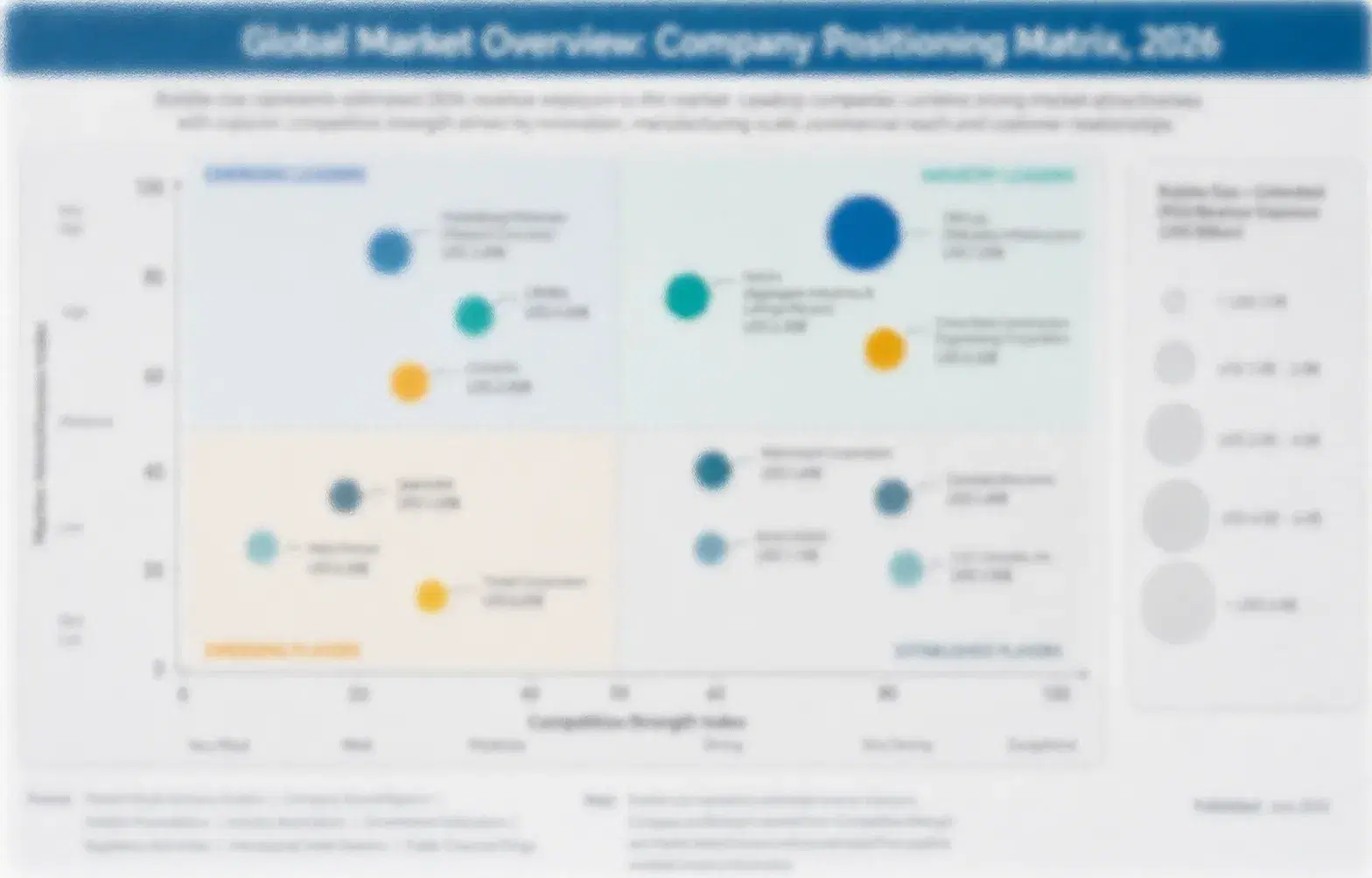
The cultured buttermilk market is moderately concentrated, with the top five participants holding just under a third of measured production volume on a shipment-tonnage basis, and a meaningful gap separates Amul's cooperative-scale dominance in India from multinational challengers competing primarily in premiumized North American and European segments. That gap has widened over the past several years as certification requirements raise the bar for smaller regional entrants.
Current competitive activity concentrates around three dimensions: probiotic strain certification to open premium retail placement, cold-chain infrastructure investment to extend distribution reach into underserved secondary markets, and organic certification to capture health-conscious premium buyers willing to pay documented sourcing premiums across specialty grocery channels. Processors lacking capital for all three increasingly focus on a single dimension rather than competing broadly.

Emerging pressure is coming from mid-size regional dairies partnering with probiotic culture suppliers rather than multinational processors building proprietary fermentation science internally, a shift that could reshuffle rankings among mid-tier players faster than among the established cooperative and multinational leaders over the next several years. Acquisition activity targeting certified organic producers is also accelerating as larger players seek faster routes to premium retail eligibility.
cultured-buttermilk-market-company-positioning-matrix-1789890480088

Competitive Moat and Risk Dimensions

AMUL (GUJARAT COOPERATIVE MILK MARKETING FEDERATION)

Moat: Cooperative-scale distribution network

Amul's cooperative structure aggregates milk from millions of smallholder farmers across India, giving it procurement cost advantages and distribution reach into rural and secondary-city markets that multinational competitors cannot easily replicate without decades of relationship-building with regional dairy cooperatives and state agriculture bodies across the country.
AMUL (GUJARAT COOPERATIVE MILK MARKETING FEDERATION)

Risk: Limited premiumization positioning globally

Amul's brand identity is built firmly around affordability and daily staple positioning within India, which constrains its ability to command the premium pricing that multinational competitors achieve through probiotic and organic certification in North American and European specialty retail channels well outside its home market.
DANONE S.A.

Moat: Proprietary probiotic strain science

Danone's long-standing investment in fermentation science and proprietary probiotic strain research, developed originally for its broader yogurt portfolio, gives it a documented scientific basis for health claims that smaller regional buttermilk processors struggle to match without comparable research and development infrastructure and clinical substantiation capacity nationwide.
DANONE S.A.

Risk: High production cost structure

Danone's premium positioning and proprietary strain licensing carry meaningfully higher production costs than cooperative or regional processors, limiting its ability to compete on price in value-sensitive South Asian and Latin American markets where daily-staple buttermilk consumption dominates overall category volume by a considerable margin nationwide.

Players Tracked

Prominent Players

Amul (Gujarat Cooperative Milk Marketing Federation)
Danone S.A.
Lactalis Group
Nestlé S.A.
Britannia Industries Ltd

Other Key Players

Mother Dairy Fruit & Vegetable Pvt Ltd
Parag Milk Foods Ltd
Hatsun Agro Product Ltd
Dodla Dairy Ltd
Arla Foods amba
Royal FrieslandCampina NV
Saputo Inc
Dairy Farmers of America Inc
Organic Valley (CROPP Cooperative)
Darigold Inc
Prairie Farms Dairy Inc
Emmi AG
Fonterra Co-operative Group Limited
Karnataka Cooperative Milk Producers Federation
Banas Dairy

Recent Developments

MARCH 2026

Amul Expands Cold-Chain Network Into Secondary Cities

Amul announced expanded refrigerated distribution infrastructure targeting tier-two and tier-three Indian cities, aiming to convert informal fresh buttermilk sales into branded packaged volume across newly connected regional retail networks and cooperative distribution centers nationwide, part of a broader multi-year infrastructure investment program this fiscal year.
Signal: Signals accelerating formalization of previously informal regional buttermilk consumption channels across secondary Indian city markets nationwide.
NOVEMBER 2025

Danone Launches Probiotic-Certified Buttermilk Line in North America

Danone introduced a new probiotic-fortified buttermilk product line across North American retail chains, carrying third-party laboratory certification of live-culture strain counts to meet expanded grocery chain requirements for premium fermented-dairy shelf placement across major metropolitan retail markets and specialty grocery channels nationwide this current fiscal year.
Signal: Confirms multinational processors are prioritizing certified health claims over price-based competition strategies across mature Western retail markets.
JULY 2025

Lactalis Acquires Regional French Fermented Dairy Producer

Lactalis completed an acquisition of a mid-size regional French fermented dairy producer specializing in organic buttermilk and kefir products, adding certified organic production capacity and an established regional distribution network across Western European specialty retail channels and select export markets nationwide over the coming cycle.
Signal: Indicates consolidation pressure is building steadily among mid-tier organic and specialty dairy processors across Western Europe.

Raw Milk Procurement Dominates Processor Cost Structure

Raw milk procurement represents 58 to 64 percent of total production cost for cultured buttermilk processors, sourced primarily from domestic dairy farms and cooperative networks across each producing region and season, with the remainder split across culture inoculants, packaging, and cold-chain logistics required to preserve live-culture viability through distribution to retail and foodservice buyers nationwide throughout the year.
Global raw milk prices rose meaningfully during 2023 and 2024 amid feed cost inflation and regional weather disruption to pasture yields, a volatility event documented in USDA dairy market reports and confirmed by European Commission agricultural monitoring data, compressing margins across processors who could not pass costs through quickly given buttermilk's positioning as a value-priced daily staple across core South Asian markets throughout that period and into the following year.

Cost exposure varies meaningfully by player type. Cooperative processors with vertically integrated milk sourcing absorb volatility more evenly across their member-farmer network, while independent processors reliant on spot-market procurement face sharper margin compression, a disadvantage particularly acute for smaller regional dairies competing against multinational players with longer-term supply contracts and diversified sourcing geographies spanning multiple producing countries and continents.
cultured-buttermilk-market-cost-volatility-analysis-1789890480381

Long-Term Milk Supply Contracts

Larger processors are locking in multi-year milk procurement agreements with dairy cooperatives and large-scale farms, reducing spot-market exposure and providing more predictable input cost forecasting for annual pricing and product development planning cycles nationwide, while also stabilizing supplier relationships needed to sustain consistent output quality year over year across every producing region and distribution channel served nationwide.

Vertically Integrated Cooperative Sourcing

Cooperative-structured processors like Amul source directly from member-farmer networks, insulating them from the sharpest spot-market price swings that independent processors reliant on open-market milk purchases experience during periods of supply disruption or feed cost inflation, a durable procurement advantage that smaller independent dairies find genuinely difficult to replicate quickly at comparable scale without decades of accumulated cooperative infrastructure.

Alternative Culture and Packaging Cost Reduction

Processors are exploring lower-cost culture inoculant sourcing and packaging material substitution to offset raw milk cost pressure, preserving margin without passing full cost increases through to price-sensitive daily-staple buyers across core South Asian retail channels, while also piloting regional co-packing arrangements to reduce per-unit processing overhead across smaller production facilities and regional co-packing partner sites nationwide.

Portfolio Architecture for Margin Defence

Cultured buttermilk's portfolio economics span a wide range, from thin-margin daily-staple volume in South Asia to meaningfully higher-margin probiotic and organic positioning in North America and Western Europe, creating a three-tier architecture where processors decide how much capital to commit to premiumization versus defending existing volume across price-sensitive channels. Margin economics differ sharply by tier, with certified premium products commanding two to three times the gross margin of plain daily-staple buttermilk.
The volume versus premium tension is sharpest for cooperative processors serving price-sensitive daily-staple markets, where raising prices to fund fortification investment risks losing share to informal or unbranded alternatives, while multinational processors operating in mature markets face considerably less of that constraint given buttermilk's established specialty positioning there and greater consumer price tolerance. Balancing both pools separates resilient processors from those exposed to a single demand pattern.

High-value margin pools concentrate clearly in certified probiotic and organic segments across North America and Western Europe, where documented health claims and certification barriers limit competitive entry and support retail pricing that daily-staple markets simply cannot sustain given their fundamentally different consumer positioning. Processors present in both tiers are best positioned to fund innovation without depending on either pool alone.

Volume / Commodity-Adjacent Tier

Plain and daily-staple buttermilk sold primarily across South Asian retail and informal channels, competing largely on price and distribution reach rather than differentiated brand positioning, certification, or documented health claims of any kind.
Gross Margin: 8%-14%

Premium / Certified Tier

Organic and probiotic-fortified buttermilk carrying documented certification, sold primarily through specialty and mainstream grocery chains in North America and Western Europe at meaningfully higher retail price points than daily-staple formats command.
Gross Margin: 22%-30%

Sustainability / Regulatory / Next-Generation Tier

Extended-shelf-life and next-generation probiotic formulations targeting export and secondary-city distribution, requiring meaningfully higher upfront processing investment but opening previously unreachable retail footprint and channel access across underserved regional markets nationwide this cycle.
Gross Margin: 26%-34%
cultured-buttermilk-market-portfolio-architecture-1789890480702

High-value Sub-segments and Strategic Watch-out

Certified Probiotic Beverage Buttermilk

Documented live-culture strain products capturing premium retail placement across North American and Western European grocery chains, combining high growth with meaningfully elevated margin versus daily-staple positioning as certification requirements continue tightening across most premium retail programs nationwide this cycle and into the following several years.
Gross Margin: 26%-32%

Organic Certified Buttermilk

Certified organic buttermilk sold through specialty retail, growing steadily on documented traceable sourcing premiums though constrained by limited certified organic milk supply availability across most producing regions currently, a constraint expected to ease only gradually as certified acreage expands meaningfully over the coming several years.
Gross Margin: 24%-30%

Daily-Staple Packaged Buttermilk

The volume core of the category across India and broader South Asia, generating the bulk of total category revenue despite thin per-unit margins through sheer transaction scale nationwide, and remaining the single largest funding source for cooperative processor infrastructure investment across the region and beyond.
Gross Margin: 8%-13%

Extended Shelf-Life Export Formats

A strategic watch-out segment where packaging technology investment could open meaningful new export and secondary-city volume, though commercial viability at scale remains genuinely unproven across most processor pilot programs currently underway, leaving its ultimate margin contribution uncertain for the foreseeable future across most tracked regional markets currently.
Gross Margin: 18%-26%

Daily Staple Meets Specialty Beverage Economics

Cultured buttermilk generates unusually durable annuity-style demand in South Asia, where daily consumption habits formed over generations create repeat-purchase volume largely insulated from marketing cycles, a demand pattern fundamentally different from the discretionary, campaign-driven purchasing that characterizes probiotic beverage demand in North America and Western Europe, where trial and repeat-purchase habits are still forming and category growth still depends heavily on marketing investment.
Adoption depth varies sharply by end-use vertical. Retail beverage consumption in South Asia runs deep and consistent across income levels, while foodservice and baking-ingredient use in North America remains a smaller but steady channel, and probiotic-beverage retail adoption in Western Europe is still building depth against entrenched kefir and yogurt drink competition that has built years of established consumer loyalty and dedicated retail shelf space across most major grocery chains.

Generational shifts are most visible in mature markets, where younger urban consumers are discovering buttermilk through gut-health framing rather than culinary tradition, a buyer profile shift that is pulling category growth toward fortified, branded formats even as older consumers in traditional markets continue favoring plain, unfortified products consistently across most retail and informal channels, a divide that shows little sign of narrowing quickly.
cultured-buttermilk-market-end-use-penetration-index-1789890481015

Certification and Cold Chain Decide Winners

These are among the four positions where our research anticipates prominent divergence between winners and laggards over the coming forecast period. Each is grounded in the demand model, the regulatory perimeter, and the announced capacity pipeline.
01 / CERTIFICATION AND RETAIL INVESTMENT

Probiotic and organic certification will separate premium from commodity players

Retail chains across North America and Western Europe are increasingly requiring documented live-culture strain counts before granting premium shelf placement, a bar smaller regional processors struggle to clear without laboratory partnerships and dedicated quality-control staff. Processors that invest early in third-party certification capture disproportionate premium retail access relative to competitors still selling uncertified plain buttermilk at lower price points. This gap will widen further as more grocery chains formalize probiotic documentation requirements across mainstream, not just specialty, retail categories nationwide over the coming several years.
02 / COLD-CHAIN DISTRIBUTION EXPANSION

Secondary-city distribution in India represents the largest volume opportunity

India's informal fresh-market buttermilk consumption remains substantial in areas lacking reliable cold-chain retail infrastructure, representing meaningful convertible volume for processors willing to invest in refrigerated distribution networks and secondary-city retail partnerships. Cooperative processors extending networks into tier-two and tier-three cities are capturing this conversion fastest given their existing farmer-network relationships and established brand trust. Independent processors without comparable distribution infrastructure will find this opportunity considerably harder to capture profitably at scale nationwide over the next decade, ceding meaningful volume growth to better-capitalized cooperative rivals.
03 / PORTFOLIO MARGIN DIVERSIFICATION

Daily-staple volume alone cannot fund fortification investment

Thin margins in South Asian daily-staple buttermilk limit how much processors serving that market can reinvest in probiotic certification or extended shelf-life technology without raising prices in a fundamentally price-sensitive category. Processors balancing daily-staple volume against premium export or specialty lines are best positioned to fund innovation from genuinely diversified margin pools rather than a single revenue source. Single-market processors reliant solely on daily-staple volume face a real funding constraint on premiumization investment nationwide going forward, a gap that widens further each year certification requirements tighten.
04 / COMPETITIVE CONSOLIDATION PRESSURE

Mid-tier regional processors face mounting acquisition pressure

Multinational processors seeking organic and probiotic certification capacity are increasingly acquiring mid-size regional dairies rather than building certified production internally, a faster route to premium retail eligibility and established distribution relationships. This consolidation pressure falls hardest on regional processors lacking either cooperative-scale distribution or specialty certification, leaving them squeezed between larger daily-staple cooperatives and certified premium multinationals. Expect continued acquisition activity targeting certified organic and probiotic-capable regional processors across Western Europe and North America over the next several years as this consolidation trend continues to build.

Engagement Snapshot From the Field

A live engagement with an industry participant carrying material or product regulatory and market exposure ahead of a defining policy shift, showing how our research translates into a defensible multi-year portfolio strategy.
MARKET MINDS ADVISORY · CLIENT ENGAGEMENT SUMMARY
Cultured Buttermilk Producer Strategic Portfolio Review and Transition Roadmap 2026·Investment Scenario on Cultured Buttermilk Exposure Evaluation 2025-26
CLIENT PROFILE
The client is a mid-size regional dairy cooperative operating primarily in South Asia, with established fresh milk and yogurt production but limited presence in packaged, branded buttermilk despite operating in a market with substantial daily-staple buttermilk consumption. Annual dairy revenue was reported at approximately $180 million (client-reported, unverified by MMA), with buttermilk representing under five percent of total product mix prior to the engagement despite clear category demand.
STRATEGIC CHALLENGE
The cooperative sought to expand its packaged buttermilk business but faced uncertainty over segment prioritization between daily-staple volume defense and premium probiotic positioning, alongside limited internal data on cold-chain investment returns and competitive positioning against established regional processors already capturing meaningful category share across its core operating territory, with limited time to decide before competitors locked up key tier-two distribution relationships.
MMA APPROACH
MMA conducted primary research combining retail channel checks, cooperative member-farmer capacity assessment, and competitive benchmarking against regional processors to identify the most commercially viable segment entry points given the client's existing cold-chain and distribution infrastructure constraints and the limited capital it had available for near-term expansion, drawing on both quantitative retail data and qualitative interviews with cooperative leadership.
KEY FINDINGS
  1. Informal fresh-market buttermilk sales in the client's core operating region represented a larger convertible volume opportunity than premium probiotic positioning given existing infrastructure limitations.
  2. Competing cooperatives with established cold-chain networks already captured most branded packaged share in tier-one cities, leaving tier-two and tier-three markets comparatively underserved.
  3. Spiced and flavored variants commanded meaningfully higher retail margins than plain buttermilk with minimal incremental production complexity for the client's existing processing infrastructure.
  4. Probiotic certification investment required capital and laboratory partnerships beyond what near-term returns in the client's core market could reasonably justify at current scale.
CLIENT PROFILE
The client is a mid-size regional dairy cooperative operating primarily in South Asia, with established fresh milk and yogurt production but limited presence in packaged, branded buttermilk despite operating in a market with substantial daily-staple buttermilk consumption. Annual dairy revenue was reported at approximately $180 million (client-reported, unverified by MMA), with buttermilk representing under five percent of total product mix prior to the engagement despite clear category demand.
STRATEGIC CHALLENGE
The cooperative sought to expand its packaged buttermilk business but faced uncertainty over segment prioritization between daily-staple volume defense and premium probiotic positioning, alongside limited internal data on cold-chain investment returns and competitive positioning against established regional processors already capturing meaningful category share across its core operating territory, with limited time to decide before competitors locked up key tier-two distribution relationships.
MMA APPROACH
MMA conducted primary research combining retail channel checks, cooperative member-farmer capacity assessment, and competitive benchmarking against regional processors to identify the most commercially viable segment entry points given the client's existing cold-chain and distribution infrastructure constraints and the limited capital it had available for near-term expansion, drawing on both quantitative retail data and qualitative interviews with cooperative leadership.
KEY FINDINGS
  1. Informal fresh-market buttermilk sales in the client's core operating region represented a larger convertible volume opportunity than premium probiotic positioning given existing infrastructure limitations.
  2. Competing cooperatives with established cold-chain networks already captured most branded packaged share in tier-one cities, leaving tier-two and tier-three markets comparatively underserved.
  3. Spiced and flavored variants commanded meaningfully higher retail margins than plain buttermilk with minimal incremental production complexity for the client's existing processing infrastructure.
  4. Probiotic certification investment required capital and laboratory partnerships beyond what near-term returns in the client's core market could reasonably justify at current scale.
RECOMMENDED STRATEGY
Phase 1: Phase 1 (Months 1-4): Prioritize cold-chain investment and distribution expansion into underserved tier-two cities within the cooperative's existing operating region. Phase 2: Phase 2 (Months 5-10): Launch spiced and flavored packaged buttermilk variants using existing processing infrastructure to capture premium margin with minimal capital investment. Phase 3: Phase 3 (Months 11-18): Evaluate probiotic certification investment based on tier-two market performance data before committing capital to premium positioning.
OUTCOME
Within eighteen months of implementing the phased strategy, the client reported packaged buttermilk revenue growth of approximately 62% (client-reported, unverified by MMA), driven primarily by tier-two city distribution expansion and the spiced-variant product launch, while probiotic certification investment remained deferred pending further market validation data.

Frequently Asked Questions

Foundational context covering the market sizes, CAGR, scope, country, region and competition that inform every finding below. This section is provided to cover basics and most often pre-purchase conversations, answered from the MMA Primary Research Dataset.

What is the current size of the Cultured Buttermilk Market?

The global cultured buttermilk market was valued at approximately $3.6 billion in 2025. India and broader South Asia account for the largest share of that volume.

How large will the Cultured Buttermilk Market be by 2036?

The market is projected to reach approximately $6.8 billion by 2036, roughly 1.79 times its 2026 value, driven largely by continued South Asian volume growth and Western premiumization.

What is the CAGR for the Cultured Buttermilk Market 2026 to 2036?

The market is forecast to grow at a compound annual growth rate of 6.0% between 2026 and 2036, supported by both daily-staple South Asian consumption and probiotic premiumization in mature markets.

Which segment is growing fastest?

Probiotic-fortified cultured buttermilk is the fastest-growing segment, expanding at 9.5% annually, roughly 1.58 times the overall market rate, as certified retail placement requirements accelerate globally.

Who are the major companies in the Cultured Buttermilk Market?

Leading participants include Amul, Danone S.A., Lactalis Group, Nestlé S.A., and Britannia Industries Ltd, spanning cooperative and multinational processor models across daily-staple and premium segments.

Which country is growing fastest?

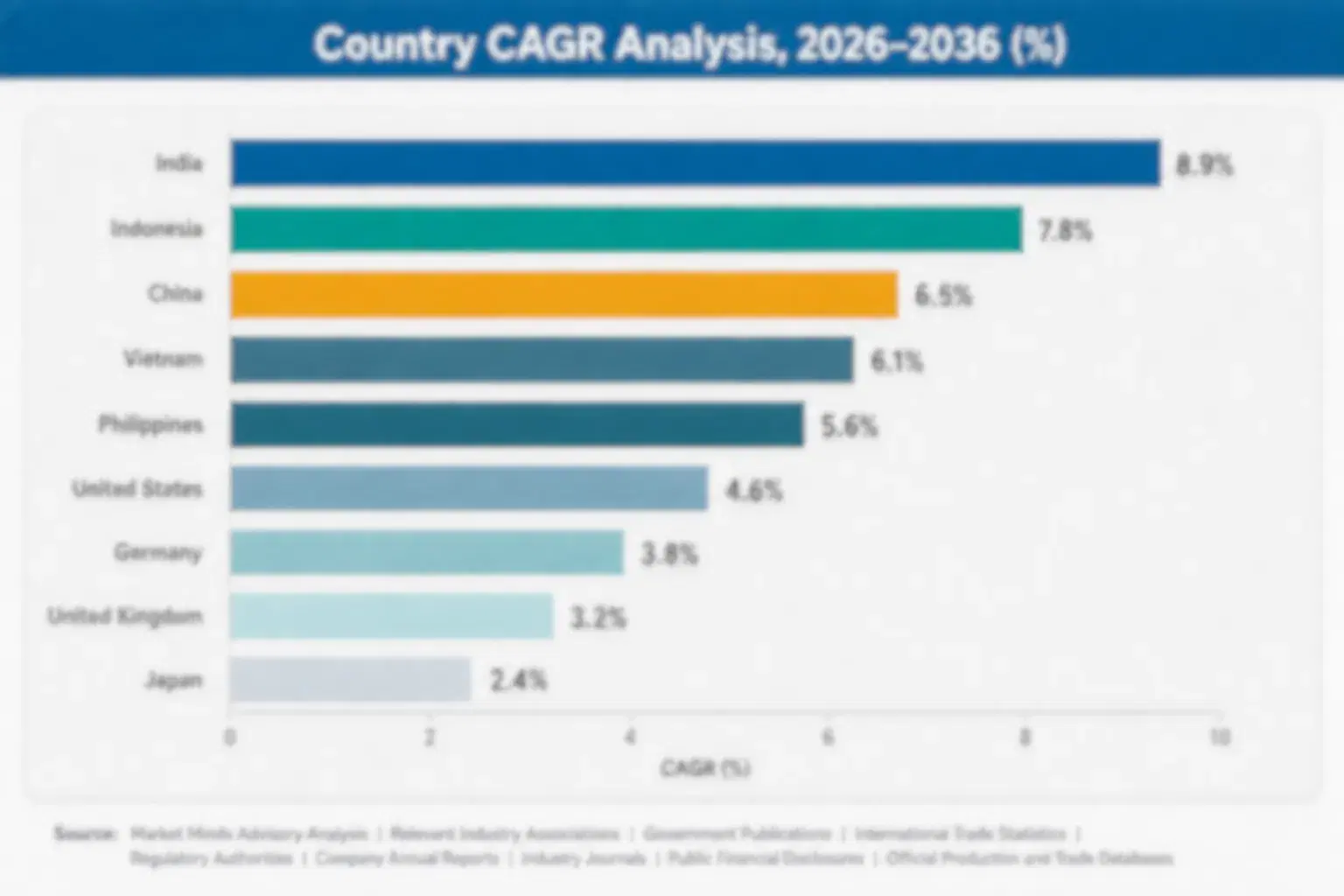
India is the fastest-growing major market, expanding at approximately 8.8% annually as cold-chain infrastructure investment converts previously informal buttermilk consumption into branded packaged retail volume across secondary cities.

Report Segmentation Architecture

The full report scope spans multiple orthogonal segmentation dimensions, with cross-tabulated demand data provided for each dimension pair. Coverage extends further to regional breakdowns, trend trajectories, and the competitive detail needed to support segment-level decision-making.

By Product Formulation

  • Plain/Traditional Cultured Buttermilk
  • Spiced and Flavored Cultured Buttermilk
  • Low-Fat and Skimmed Cultured Buttermilk
  • Organic Cultured Buttermilk
  • Probiotic-Fortified Cultured Buttermilk
  • Value-Added Fortified Cultured Buttermilk

By End-Use Industry

  • Retail Beverage Consumption
  • Foodservice and Institutional
  • Baking and Culinary Ingredient
  • Household Culinary Use
  • Export and Specialty Distribution

By Commercial Dimension

  • Organized Retail and Supermarket
  • Informal and Fresh-Market Channels
  • Foodservice Direct Supply
  • Online and Direct-to-Consumer

By Region

  • North America
  • Western Europe
  • East Asia
  • South Asia and Pacific
  • Latin America
  • Middle East and Africa
  • Eastern Europe

Scope, Methodology, and Coverage

Every figure in this report is reproducible from documented input assumptions. The scope below maps the historical period, the forecast horizon, the segmentation dimensions, and the countries covered, alongside the underlying primary and qualitative methodology.
Historical Period
2020 to 2025
Forecast Period
2026 to 2036
Base Year
2025 (USD billions; MMA Primary Research Dataset, September 2026)
Market Definition
The cultured buttermilk market covers fermented dairy beverages produced by culturing milk or cream with lactic acid bacteria, sold as plain, spiced, low-fat, organic, or probiotic-fortified retail and foodservice products. It excludes powdered buttermilk derivatives, non-dairy fermented beverages, and industrial buttermilk solids sold solely as bakery or processed-food ingredients.
Quantitative Units
USD billions (current prices); volume in metric tons where applicable
Segmentation Dimensions
By Product Formulation; By End-Use Industry; By Commercial Dimension; By Region
Regions Covered
North America, Western Europe, East Asia, South Asia and Pacific, Latin America, Middle East and Africa, Eastern Europe
Countries Covered
USA, China, Germany, France, UK, Japan, South Korea, India, Australia, Canada, Brazil, Mexico, Indonesia, Vietnam, Thailand, Malaysia, UAE, Saudi Arabia, South Africa, Nigeria, Turkey, Poland, Netherlands, Italy, Spain, Sweden, Switzerland, Argentina, Colombia, Singapore, and additional markets relevant to this sector
Key Companies Profiled
Amul (Gujarat Cooperative Milk Marketing Federation), Danone S.A., Lactalis Group, Nestlé S.A., Britannia Industries Ltd, Mother Dairy Fruit & Vegetable Pvt Ltd, Parag Milk Foods Ltd, Hatsun Agro Product Ltd, Dodla Dairy Ltd, Arla Foods amba, Royal FrieslandCampina NV, Saputo Inc, Dairy Farmers of America Inc, Organic Valley (CROPP Cooperative), Darigold Inc, Prairie Farms Dairy Inc, Emmi AG, Fonterra Co-operative Group Limited, Karnataka Cooperative Milk Producers Federation, Banas Dairy
Quantitative Methodology
Primary survey, n=3,800 respondents, Q4 2025, six countries; demand-side model with trade association cross-validation
Qualitative Methodology
47 expert interviews, Q4 2025; applied to validate demand model assumptions, identify emerging dynamics, and assess competitive positioning
Report Format
PDF and XLSX data workbook (Word format preview document)
Publisher
Market Minds Advisory
Report Code
MMA-2026-AGR-106
Published
September 2026
Contact
sales@marketmindsadvisory.com | www.marketmindsadvisory.com

Purchase the full Cultured Buttermilk Market Report (2026 to 2036).

The full report delivers a comprehensive assessment of the global cultured buttermilk market, spanning product formulation segmentation, regional demand architecture, and competitive benchmarking across cooperative and multinational processors. It includes detailed forecast modeling through 2036, input cost sensitivity analysis, and portfolio margin benchmarking across volume, premium, and next-generation tiers. The analysis also covers regulatory and certification dynamics shaping premium retail access across North America and Western Europe. Buyers receive full access to underlying primary survey data and expert interview transcripts supporting every quantitative claim in the analysis.
Ten-year volume and value forecasts by segment
Seven-region demand and CAGR breakdown analysis
Competitive benchmarking of top 20 processors
Input cost sensitivity and mitigation analysis
Portfolio margin tiering by product category
Primary survey and expert interview data access

Built For The People Who Decide

From boardroom strategy to bench-side execution, this report is read cover-to-cover by leaders shaping the next decade of their industry, turning demand scenarios, market dynamics and valuation benchmarks into decisions.
CXOs/ Presidents/ VPs/ Managers
M&A and Corporate Development
Strategy Teams and R&D Heads
Procurement and Product Directors
Regulatory and Compliance Leaders
Investor Relations and Equity Analysts