Market Minds Advisory
Cultivated Seafood & Poultry (Duck) Market

Cultivated Seafood & Poultry (Duck) Market: Cultivated Seafood and Poultry (Duck) Market. Regulatory Approvals, Growth Media Cost, and Premium Species Focus Shape Commercial Entry.

Cultivated seafood and duck grow fish, shrimp, and duck cells in bioreactors for premium sashimi, salmon, and foie gras products, and commercial entry turns on regulatory approvals, growth media cost, scaffold and texture technology.

Lead Analyst

Published

September 2026

Make Smarter Decisions with Customized Research Insights

Request a free sample report and evaluate market opportunities, growth trends, and competitive dynamics relevant to your business needs.

2025 MARKET VALUE$0.1BMarket Size 2025
2036 FORECAST VALUE$0.6BBase Case , 2026 to 2036
CAGR 2026 TO 203617.0 %Bull 18.3% / Bear 15.7%
INCREMENTAL OPPORTUNITY$0.4BNet 10- year value creation
EXPANSION MULTIPLE4.81x2036 value over 2026 base
Strategic Levers
M&A Pipeline
Regional Outlook
Country Rankings
Competitive Intelligence
Segmental Deep-dive
Call-Us : 91 93563 13602

Executive Snapshot and Market Trajectory.

Cultivated seafood and duck are made by growing fish, shrimp, or duck cells in bioreactors on nutrient media, then shaping them into fillets, sashimi, or foie gras products. Producers sell first to restaurants and premium retailers in approved markets. Value depends on regulatory approvals, growth media cost, cell line performance.
Cultivated Tuna and Premium Sashimi-Grade Fish grow fastest because buyers pay high prices for scarce, premium species that are costly to fish, while cultivated duck and shrimp follow. North America holds the largest share because the United States cleared cultivated salmon and hosts most seafood start-ups, and East Asia and South Asia and Pacific follow as Japan, Singapore, and South Korea back the sector. Buyers review suppliers every season.
Competition is concentrated among funded pioneers: a United States cultivated salmon company, a United States cultivated bluefin company, a French cultivated duck company, a Singapore cultivated seafood company, and a Hong Kong cultivated seafood company lead, measured here on estimated cultivated seafood and duck sales and licensed output capacity, while dozens of start-ups wait for approvals. Buyers judge taste and price. Supply contracts decide renewal. Delivery reliability decides supplier rankings. Margins follow yield discipline.
Market Definition
The market covers global sales of cultivated seafood and cultivated duck products grown from animal cells and valued at producer level, including cultivated tuna and premium sashimi-grade fish, cultivated duck and foie gras products, cultivated shrimp and crustaceans, cultivated white fish, and cultivated hybrid seafood ingredients, sold to restaurants, retailers, and food makers in approved markets. The scope excludes conventional seafood, plant-based seafood, and cultivated beef, pork, and chicken.
Base Year Value
$0.1B in 2025 (MMA Primary Research Dataset, September 2026)
Forecast Period
2026 to 2036, eleven discrete annual values
CAGR
17.0% base case. Bull 18.3%. Bear 15.7%.
Fastest Growth Segment
Cultivated Tuna and Premium Sashimi-Grade Fish: 23.8% CAGR
Fastest Growth Country
Singapore: 22.0% CAGR
Fastest Growth Region
South Asia and Pacific: 19.0% CAGR
Largest Region
North America: 26% of 2025 global value
Market Leaders
Wildtype, BlueNalu, Gourmey, Umami Bioworks, Avant Meats. Source: MMA Analysis, company disclosures.
Primary Survey
n=3,800 procurement and R&D decision-makers, Q4 2025, six countries
Methodology
Demand-side build-up, cross-validated against public data, 47 expert interviews

Cultivated Seafood & Poultry (Duck) Market Forecast Scenarios

cultivated-seafood-and-poultry-duck-market-size-forecast-scenario-1789928525911
Between 2020 and 2025, cultivated seafood and duck moved from laboratory work to first regulatory milestones. The United States cleared cultivated salmon in 2025, Singapore and other regulators reviewed seafood and duck dossiers, and a French duck company filed in Europe. Sales stayed tiny and restaurant based, funding tightened after 2022, and several start-ups closed or restructured. Batch records protect future sales.
The base case rests on three commercial mechanisms. First, more regulators clear premium seafood and duck products. Second, media and bioreactor costs fall as capacity scales and cell lines improve. Third, hybrid products with small cultivated inputs reach premium retail at workable prices. Producers plan approvals, media supply, and restaurant partnerships around these three drivers. Cost control separates leaders from followers. Clear specifications build buyer trust. Small producers feel every input swing.
The bull case needs faster approvals and media cost cuts, which would open retail and lift volume. The bear case is state bans, funding shortfalls, and slow cost reduction, which would delay scale and force further consolidation. Scale compounds over time. Audits repeat every year. Buyers review suppliers every season. Supply contracts decide renewal. Delivery reliability decides supplier rankings.

Approvals, Media Cost, and Premium Species Set Cultivated Seafood Outcomes

Cultivated seafood and duck begin with cell lines from fish, shrimp, or duck tissue, expanded in bioreactors on nutrient media, then harvested and shaped, sometimes on plant scaffolds. Media takes 55% to 65% of production cost, and cost remains three to 10 times conventional supply. Premium species such as bluefin tuna and duck liver carry price multiples that make early entry more viable. Margins follow yield discipline.
MARKET CONCENTRATION55% CR5Top five producers hold a large combined share
GROWTH MEDIA SHARE55-65%Portion of production cost taken by nutrient media
APPROVED JURISDICTIONS3Number of jurisdictions with cleared cultivated seafood or duck
PREMIUM PRICE MULTIPLE5-20xTypical wild bluefin price against commodity whitefish per kilogram
COST GAP TO WILD3-10xTypical cost of cultivated seafood against conventional supply
BATCH CYCLE TIME14-28 daysTypical time from cell seeding to harvest in a bioreactor
Regulatory clearance, cell density, media cost, texture, taste, and price decide value. Regulators review cell lines, media, and safety, chefs test taste and texture, and premium buyers pay for scarce species. Wildtype won United States clearance for salmon, BlueNalu pursues bluefin, Gourmey pursues duck in Europe, and Umami Bioworks and Avant Meats work on fish in Asia. Funding runway matters as much as science.
Buyers judge cultivated seafood and duck on taste, texture, price, safety, and label clarity. Chefs want consistency, retailers want price parity, food makers want ingredient cost, and regulators want data. Price sensitivity is lower for premium species. Approvals and trials decide entry, and most producers need several years of filings before first commercial sales in each market. Batch records protect future sales.
"Cultivated seafood will win first where the wild fish is scarce and the price is high, which is why bluefin and foie gras come before cod. The producers who target premium species and hybrid products first will earn revenue years before commodity cuts reach parity."
Senior Analyst, Alternative Protein Practice · MMA Cultivated Seafood and Duck Practice · September 2026

Market Trends

Premium Species Like Bluefin Tuna Give Cultivated Seafood Price Entry

Wild bluefin, eel, and premium salmon sell at prices five to 20 times commodity fish, so cultivated versions can reach restaurants before commodity parity. Cultivated Tuna and Premium Sashimi-Grade Fish grow about 23.8% a year, and pilot gross margins can reach 35% to 50% against negative margins for cultivated whitefish. The trend needs cell lines, texture technology, regulatory clearance, and chef partnerships. Cost control separates leaders from followers. Clear specifications build buyer trust. Small producers feel every input swing. Scale compounds over time. Audits repeat every year. Buyers review suppliers every season.
Market Impact: 3 jurisdictions have cleared products
Cultivated Duck and Foie Gras Alternatives Target Ethical Pressure

Foie gras is banned or restricted in several jurisdictions, and cultivated duck liver offers a product without force-feeding. Cultivated Duck and Foie Gras Products grow about 20.4% a year. The trend needs approvals in Europe and Asia, cell lines for liver-like texture, and premium restaurant partners, and it rewards producers with early regulatory dossiers and strong culinary positioning. Supply contracts decide renewal. Delivery reliability decides supplier rankings. Margins follow yield discipline. Batch records protect future sales. Cost control separates leaders from followers. Clear specifications build buyer trust. Small producers feel every input swing.
Market Impact: funding has topped $500 million

Market Opportunities and Growth Drivers

Regulators Are Clearing Cultivated Seafood and Filing Duck Dossiers

The United States cleared cultivated salmon in 2025, Singapore has an established pathway, and a French duck company filed the first cultivated meat application in the European Union. Three jurisdictions have cleared cultivated seafood or duck products so far. The driver sustains investment and rewards producers with complete safety dossiers, cell line data, and regulator relationships that shorten later approvals. Scale compounds over time. Audits repeat every year. Buyers review suppliers every season. Supply contracts decide renewal. Delivery reliability decides supplier rankings. Margins follow yield discipline. Batch records protect future sales. Cost control separates leaders from followers.
Market Impact: costs run 3-10 times conventional

Overfishing, Scarcity, and Premium Prices Fund Cultivated Seafood Research

Wild bluefin and eel stocks are under pressure, premium seafood prices are high, and about a third of fish stocks are overfished, so investors back cultivated alternatives with clear price headroom. Public and private funding for cultivated seafood has topped $500 million. The driver widens the funding base and rewards producers with premium species focus and clear paths to first sales. Clear specifications build buyer trust. Small producers feel every input swing. Scale compounds over time. Audits repeat every year. Buyers review suppliers every season. Supply contracts decide renewal. Delivery reliability decides supplier rankings.
Market Impact: approvals take 18-36 months

Market Restraints and Challenges

Growth Media Cost and Scaffold Complexity Keep Costs Above Parity

Growth media takes 55% to 65% of production cost, and whole-cut fish and duck liver need scaffolds and tissue structure that raise complexity. The root cause is reliance on pharmaceutical-grade inputs and difficult texture engineering. Producers respond with serum-free media and hybrid products, though costs remain three to 10 times conventional supply and structured cuts lag ground products. Margins follow yield discipline. Batch records protect future sales. Cost control separates leaders from followers. Clear specifications build buyer trust. Small producers feel every input swing. Scale compounds over time. Audits repeat every year.
Market Impact: premium fish segment grows 23.8% yearly

Bans, Labelling Fights, and Funding Gaps Limit Access and Runway

Florida, Alabama, and Italy have banned cultivated meat sales, labelling rules are contested, and funding has tightened since 2022. The root cause is farm and fishing lobby opposition and investor caution. Producers respond with filings in friendly jurisdictions, partnerships, and hybrids, though approval timelines of 18 to 36 months and cash needs push several start-ups toward closure. Buyers review suppliers every season. Supply contracts decide renewal. Delivery reliability decides supplier rankings. Margins follow yield discipline. Batch records protect future sales. Cost control separates leaders from followers. Clear specifications build buyer trust. Small producers feel every input swing.
Market Impact: cultivated duck segment grows 20.4% yearly
3 additional market trends, 2 additional growth drivers, and 4 additional restraints and challenges are covered in the full report. Contact sales@marketmindsadvisory.com to access the complete intelligence.

Segment CAGR and Growth Architecture

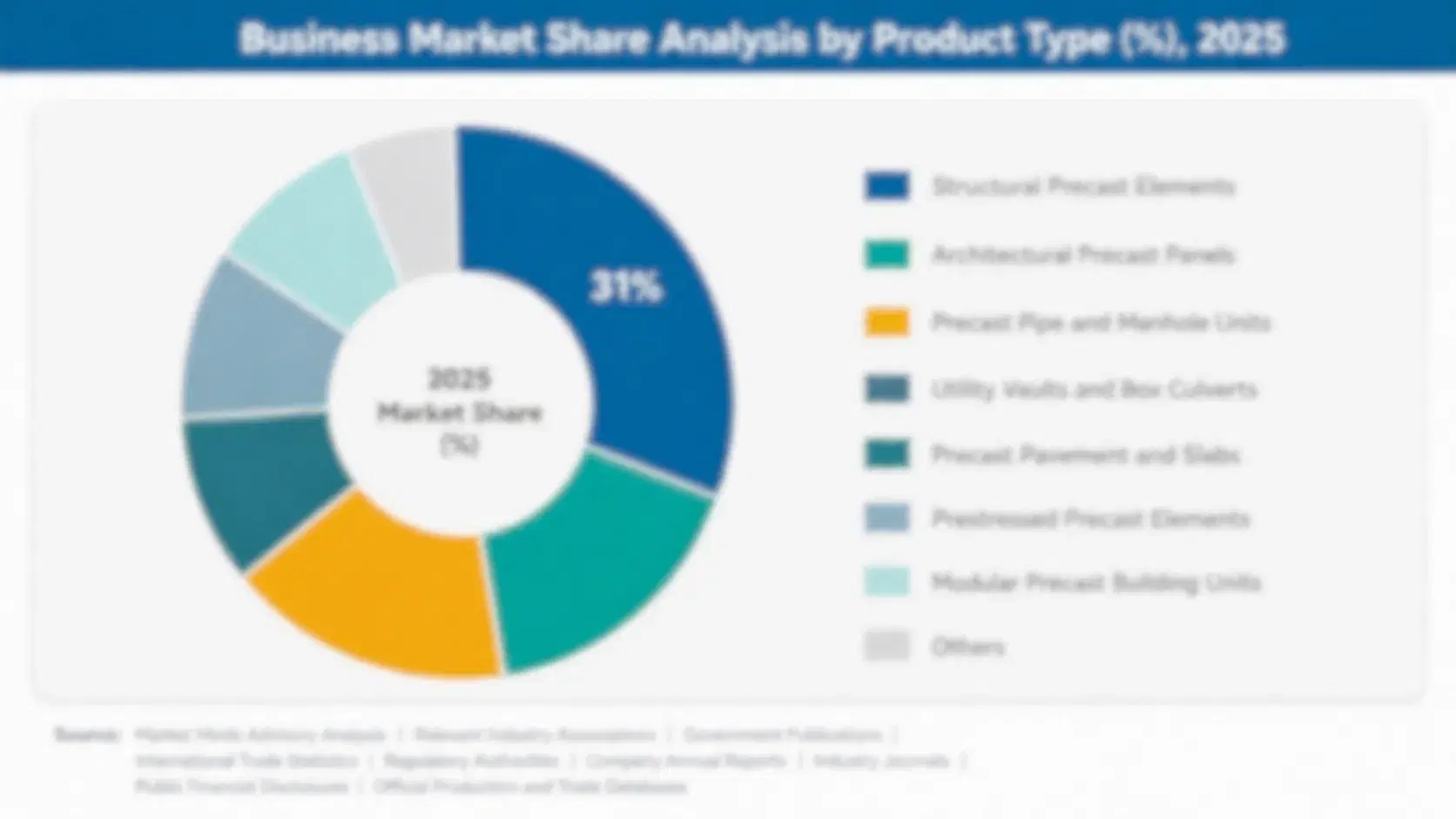
The global cultivated seafood and duck market is segmented by species and product type, which shows where premium prices, cell line performance, and regulatory approval create commercial entry in a nascent, concentrated market. Five segments cover cultivated tuna and premium sashimi-grade fish, cultivated duck and foie gras products, cultivated shrimp and crustaceans, cultivated white fish.
cultivated-seafood-and-poultry-duck-market-market-share-analysis-1789928526205

Cultivated Tuna and Premium Sashimi-Grade Fish

Cultivated Tuna and Premium Sashimi-Grade Fish is the fastest-growing segment at 23.8% a year, about 1.40 times the overall market rate, from a very small base. Chefs and premium buyers pay five to 20 times commodity prices for scarce species, so pilot gross margins of 35% to 50% against negative margins for whitefish support cell line and media research. Approval and texture are the main constraints. Partners win. Scale compounds over time. Audits repeat every year. Buyers review suppliers every season. Supply contracts decide renewal. Delivery reliability decides supplier rankings. Margins follow yield discipline. Batch records protect future sales. Cost control separates leaders from followers. Clear specifications build buyer trust. Small producers feel every input swing.
CAGR 23.8%

Cultivated Duck and Foie Gras Products

Cultivated Duck and Foie Gras Products grows at 20.4% a year, about 1.20 times the overall market rate, because restrictions on foie gras production and premium restaurant demand create a niche for cultivated liver, and producers target gross margins of 30% to 45% at scale. Approvals and cell line performance shape entry. Producers with early European and Asian dossiers and chef partners lead early sales. Scale compounds over time. Audits repeat every year. Buyers review suppliers every season. Supply contracts decide renewal. Delivery reliability decides supplier rankings. Margins follow yield discipline. Batch records protect future sales. Cost control separates leaders from followers. Clear specifications build buyer trust. Small producers feel every input swing.
CAGR 20.4%
Full segment breakdown across 5 segments available in the complete report.

Regional Architecture and Country Demand Map

North America leads at 26% because the United States cleared cultivated salmon and hosts the most seafood start-ups, with East Asia at 22% and South Asia and Pacific at 20%. Singapore grows fastest as its approval pathway and pilot plants scale. Scale compounds over time. Audits repeat every year.

North America

North America holds 26% share, inside its band and the largest of any region, because the United States cleared cultivated salmon in 2025 and hosts the most seafood start-ups, including Wildtype, BlueNalu, Finless Foods, and Bluu partners, with strong restaurant and venture funding networks. Growth runs at the global rate. State bans, labelling fights, and funding gaps restrain returns. Buyers review suppliers every season. Supply contracts decide renewal. Delivery reliability decides supplier rankings. Margins follow yield discipline. Batch records protect future sales. Cost control separates leaders from followers. Clear specifications build buyer trust. Small producers feel every input swing. Scale compounds over time. Audits repeat every year. Buyers review suppliers every season. Supply contracts decide renewal.
Share: 26% | CAGR: 17.0% (2026 to 2036)

East Asia

East Asia reaches 22% share, at the bottom of its band, with value from Japan, South Korea, China, and Hong Kong, where Avant Meats, Japanese consortia, and Korean programmes back cultivated seafood, and premium sashimi and eel demand is strong. Growth runs above the global rate. Approval timing, consumer acceptance, and media costs restrain returns. Delivery reliability decides supplier rankings. Margins follow yield discipline. Batch records protect future sales. Cost control separates leaders from followers. Clear specifications build buyer trust. Small producers feel every input swing. Scale compounds over time. Audits repeat every year. Buyers review suppliers every season. Supply contracts decide renewal. Delivery reliability decides supplier rankings. Margins follow yield discipline.
Share: 22% | CAGR: 18.0% (2026 to 2036)
Regional intelligence for 5 additional markets available in the complete report: South Asia and Pacific, Western Europe, Middle East and Africa, Latin America, Eastern Europe. Contact sales@marketmindsadvisory.com.
cultivated-seafood-and-poultry-duck-market-country-cagr-analysis-1789928526494

Four Margin Routes for Cultivated Seafood Producers

Margin in cultivated seafood and duck comes from premium species, lower media cost, regulatory sequencing, and contract manufacturing rather than commodity cuts at sub-scale. The routes below apply to cultivated producers, media suppliers, and restaurant partners, and each can start inside one planning cycle, with clear measures in gross margin points, media cost per litre, and approved markets.

Launching Premium Species Products Through Chef Partnerships First

Premium species earn pilot gross margins of 35% to 50% against negative margins for cultivated whitefish, so producers that partner with restaurants to launch bluefin, salmon, or duck liver products report revenue years earlier than commodity plans. Programmes cost $5 million to $20 million. Pilots with five chef groups confirm demand and prices of five to 20 times commodity fish. Small producers feel every input swing. Scale compounds over time. Audits repeat every year. Buyers review suppliers every season. Supply contracts decide renewal. Delivery reliability decides supplier rankings. Margins follow yield discipline.
Market Impact: premium launches deliver gross margins of 35-50% at pilot

Cutting Media Cost Through Serum-Free and Recycled Formulations

Growth media takes 55% to 65% of production cost, so producers that adopt serum-free formulations, recycle spent media, and source food-grade inputs cut media cost per litre by 30% to 60% over three years. Programmes cost $10 million to $40 million. Producers should start with the highest-value cell lines, where savings compound quickly and unit economics decide funding rounds. Batch records protect future sales. Cost control separates leaders from followers. Clear specifications build buyer trust. Small producers feel every input swing. Scale compounds over time. Audits repeat every year. Buyers review suppliers every season.
Market Impact: media programmes cut cost per litre by 30-60%

Sequencing Filings Across Singapore, the United States, and Europe

Approvals take 18 to 36 months, so producers that file first in the United States and Singapore and reuse dossiers in Europe, Japan, and Australia cut later approval time by 20% to 35% and reach revenue sooner. Programmes cost $2 million to $8 million per market. Producers should target friendly regulators first, where precedent shortens review. Supply contracts decide renewal. Delivery reliability decides supplier rankings. Margins follow yield discipline. Batch records protect future sales. Cost control separates leaders from followers. Clear specifications build buyer trust. Small producers feel every input swing. Scale compounds over time.
Market Impact: dossier reuse cuts later approval time by 20-35%

Using Contract Manufacturing to Avoid Heavy Bioreactor Capital Spending

Food-grade bioreactors cost tens of millions of dollars, so producers that use contract manufacturers and shared facilities avoid up to 70% of capital cost and reach commercial volumes sooner. Programmes cost $3 million to $12 million in transfer and validation. Producers should start with one premium product line, where yield data supports transfer and where partners can share risk. Audits repeat every year. Buyers review suppliers every season. Supply contracts decide renewal. Delivery reliability decides supplier rankings. Margins follow yield discipline. Batch records protect future sales. Cost control separates leaders from followers.
Market Impact: contract manufacturing avoids up to 70% of capital cost

Who Controls the Margin Pool

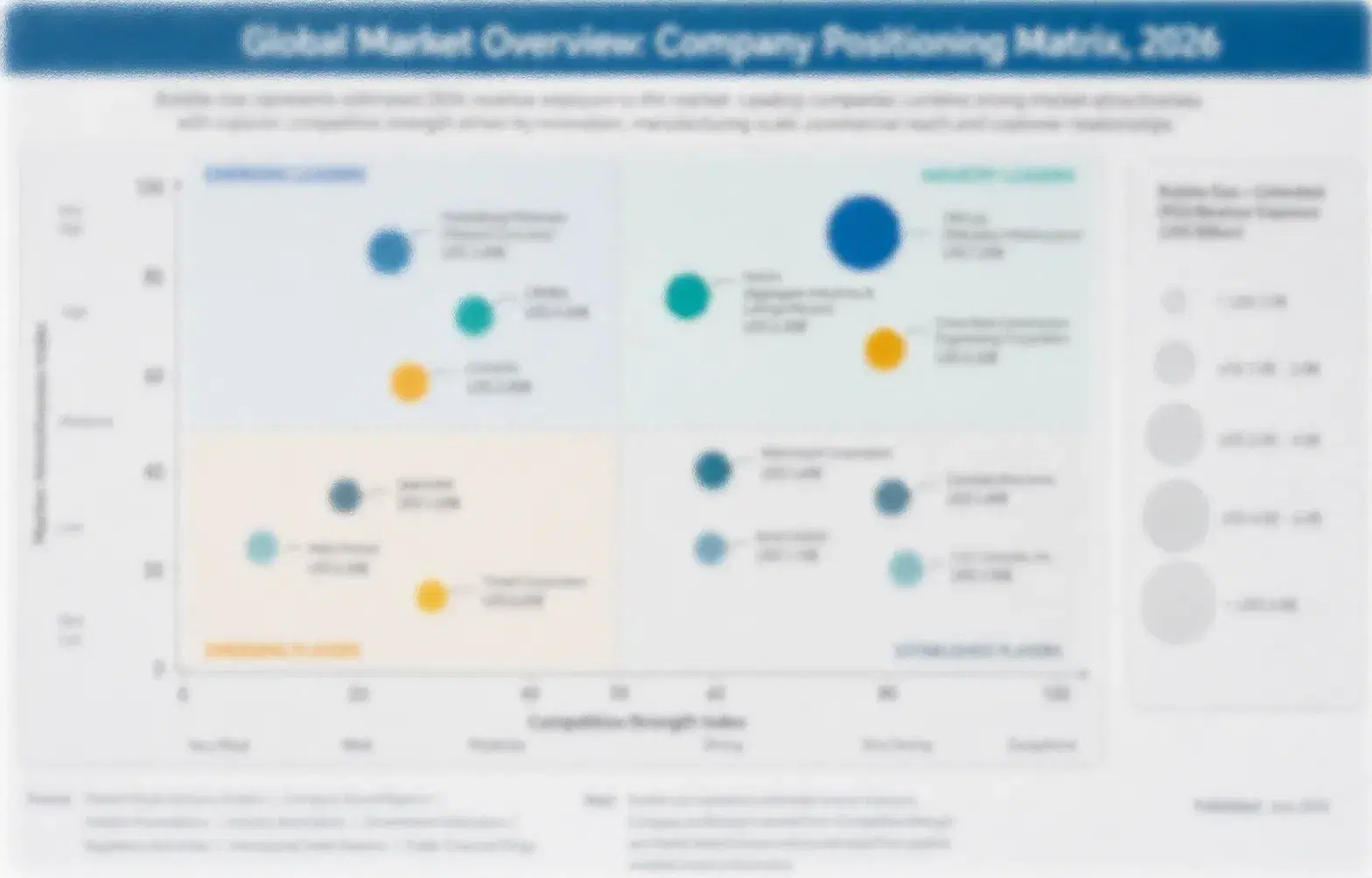
The global cultivated seafood and duck market is concentrated among a few funded pioneers, with a CR5 of 55%, and dozens of start-ups sit outside the leading five awaiting approvals. This assessment measures participants on estimated cultivated seafood and duck sales and licensed output capacity, held constant across all players. Wildtype leads through early United States clearance, while BlueNalu, Gourmey, Umami Bioworks, and Avant Meats follow, with a modest gap.
Competition runs on four dimensions today: regulatory approvals, growth media cost, cell line and texture technology, and restaurant partnerships. American producers win on early clearance, French and Singaporean producers win on European and Asian pathways, and Hong Kong and Israeli producers win on species and cost focus. Imitators copy hybrid concepts quickly, so premiums outside cell line and media know-how erode within a funding cycle. Clear specifications build buyer trust.

Emerging pressure comes from well-funded Asian entrants, seafood groups buying cultivated capacity, and funding shortfalls that reshuffle positions. Rankings shift where a producer wins a new approval, cuts media cost sharply, or signs a large restaurant partner. Challengers can move up quickly when leaders run short of cash, since consolidation reshuffles cell lines and plants. Scale compounds over time.
cultivated-seafood-and-poultry-duck-market-company-positioning-matrix-1789928526762

Competitive Moat and Risk Dimensions

WILDTYPE

Moat: United States Salmon Clearance

Wildtype, a United States cultivated salmon company, received United States clearance for cultivated salmon and sells through restaurant partners, with cell culture know-how, pilot production, and chef relationships. Its regulatory precedent, product data, and restaurant launch experience give it a technical advantage, and its position supports credibility with regulators, investors.
WILDTYPE

Risk: Cost and Scale Pressure

Wildtype faces high production cost and small scale, so funding and unit economics can tighten. Rivals with cheaper media can win partners. Audits repeat every year. Buyers review suppliers every season. Supply contracts decide renewal. Delivery reliability decides supplier rankings. Margins follow yield discipline. Batch records protect future sales.
GOURMEY

Moat: European Duck Dossier and Culinary

Gourmey, a French cultivated duck company, filed the first cultivated meat application in the European Union for a foie gras product and works with chefs on premium positioning. Its regulatory filings, cell line work, and culinary credibility give it a market advantage, and its position supports early access to European premium restaurants and partners once clearance arrives.
GOURMEY

Risk: Approval Timing Risk

Gourmey depends on European novel food timelines and bans in some countries, so delays can strain funding. Producers with cleared products can win early sales. Cost control separates leaders from followers. Clear specifications build buyer trust. Small producers feel every input swing. Scale compounds over time. Audits repeat every year.

Players Tracked

Prominent Players

Wildtype
BlueNalu
Gourmey
Umami Bioworks
Avant Meats

Other Key Players

Finless Foods
Forsea Foods
Wanda Fish
Steakholder Foods
Bluu Seafood
Atlantic Fish Co
Vow
Eat Just
Upside Foods
Mosa Meat
Aleph Farms
Meatable
Ivy Farm Technologies
Mission Barns
Believer Meats

Recent Developments

JANUARY 2026

Wildtype Expands Restaurant Distribution of Cultivated Salmon Across United States Cities

Wildtype expanded restaurant distribution of cultivated salmon across United States cities, according to company communications. It is a commercial rollout, not an acquisition, and it tests restaurant demand. Sales figures were not disclosed. Buyers review suppliers every season. Supply contracts decide renewal. Delivery reliability decides supplier rankings.
Signal: Suggests cleared producers are extending restaurant distribution to prove demand and build revenue before retail approvals arrive.
FEBRUARY 2026

BlueNalu Advances Regulatory Filings and Pilot Production for Cultivated Bluefin Tuna

BlueNalu advanced regulatory filings and pilot production for cultivated bluefin tuna, according to company communications. It is a regulatory and production step, not an approval, and it tests premium species economics. Costs were not disclosed. Margins follow yield discipline. Batch records protect future sales. Clear specifications build buyer trust.
Signal: Indicates premium species remain the most viable early market for cultivated seafood, where price multiples narrow the cost gap.
MARCH 2026

Gourmey Signs Culinary Partnership With Premium French Restaurant Group for Cultivated Duck

Gourmey signed a culinary partnership with a premium French restaurant group for cultivated duck, according to company communications. It is a commercial partnership, not a merger or acquisition, and it tests chef demand. Terms were not disclosed. Small producers feel every input swing. Scale compounds over time.
Signal: Confirms producers are building chef relationships ahead of approvals to secure early menu placements when clearance arrives.

What Drives Cultivated Seafood Costs

Growth media accounts for roughly 55% to 65% of cost of goods, bioreactor depreciation and energy about 20%, cell lines, scaffolds, and quality control about 10%, and labour and facility costs about 10%. Amino acids, sugars, and growth factors come from fermentation and chemical producers in China, Europe, and the United States. Delivery reliability decides supplier rankings. Margins follow yield discipline.
The clearest recent shock came from funding and energy costs. IEA data showed European gas and power prices surging in 2022, raising pilot plant costs, and Steakholder Foods disclosed net losses and cost pressure in its 20-F filings. Producers cut headcount, paused plants, and shifted to contract manufacturing. Batch records protect future sales. Cost control separates leaders from followers. Clear specifications build buyer trust. Small producers feel every input swing.

The competitive disadvantage falls on small producers without media supply deals, bioreactor access, or regulatory approvals, which cannot reach commercial volume before funding ends. Large or well-funded producers negotiate media contracts, use contract manufacturers, and hold approvals. Exposure also varies by species, since fish cell lines are less mature than duck. Scale compounds over time. Audits repeat every year.
cultivated-seafood-and-poultry-duck-market-cost-volatility-analysis-1789928527047

Serum-Free and Recycled Media Formulations

Producers adopt serum-free formulations and recycle spent media to cut nutrient cost. Programmes cut media cost per litre by 30% to 60% over three years. The main challenge is cell line adaptation, so producers run long trials and keep proven formulations for approved products. Buyers review suppliers every season. Supply contracts decide renewal. Delivery reliability decides supplier rankings.

Contract Manufacturing and Shared Bioreactor Capacity

Producers use contract manufacturers and shared facilities instead of building large plants. Sharing avoids up to 70% of capital cost. The main challenge is technology transfer, so producers validate one product line first and keep cell line control through licence terms. Margins follow yield discipline. Batch records protect future sales. Cost control separates leaders from followers.

Premium Species and Hybrid Product Focus

Producers focus on premium species and hybrid products with small cultivated inclusion to reach viable price points sooner. Premium and hybrid launches reach pilot gross margins of 35% to 50%. The main challenge is regulatory clearance for each product, so producers file early and partner with chefs. Clear specifications build buyer trust. Small producers feel every input swing.

Portfolio Architecture for Margin Defence

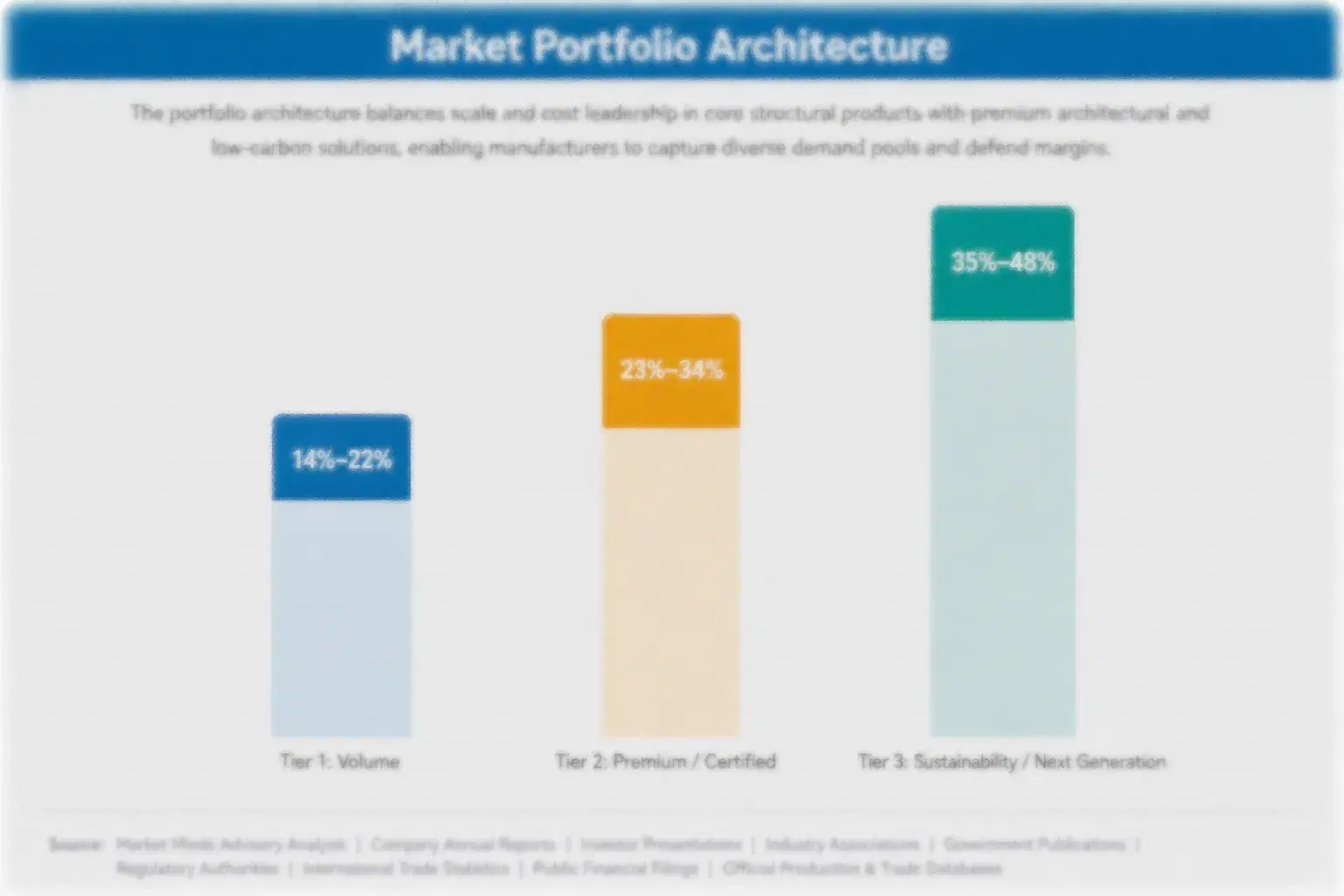
Margins in cultivated seafood and duck run from negative returns on cultivated whitefish and shrimp at pilot scale to strong returns on premium species and hybrid ingredients. Three tiers separate near-commodity cuts, certified premium products, and next-generation hybrid formats, and each tier draws on different approvals, media supply, and bioreactor access in a nascent, concentrated market. Delivery reliability decides supplier rankings.
The tension between volume and premium is sharp. Cultivated whitefish and shrimp target large seafood markets but face cost gaps of three to 10 times, while premium tuna, duck, and hybrid products earn higher margins on smaller volumes and depend on cell lines, approvals, and chef partners. Producers that chase only volume run out of funding, while producers that run only premium stay small. Margins follow yield discipline. Batch records protect future sales.

High-value pools concentrate in cultivated tuna and premium sashimi-grade fish sold to top restaurants and in cultivated duck and foie gras products sold to premium chefs. They gather where buyers pay for scarcity, taste, and ethical positioning rather than kilograms. Hybrid seafood ingredients add a smaller pool. Cost control separates leaders from followers. Clear specifications build buyer trust.

Volume / Commodity-Adjacent Tier

Cultivated white fish and shrimp aimed at large seafood markets, currently sold in tiny restaurant volumes at negative or thin margins pending cost parity. Small producers feel every input swing. Scale compounds over time.
Gross Margin: -30%-10%

Premium / Certified Tier

Cultivated hybrid seafood ingredients with small cultivated inclusion, regulatory clearance, and brand partnerships, sold to food makers seeking taste and cost gains. Audits repeat every year. Buyers review suppliers every season. Supply contracts decide renewal.
Gross Margin: 20%-40%

Sustainability / Regulatory / Next-Generation Tier

Cultivated tuna, premium fish, and duck products with approved cell lines, regulatory dossiers, and chef partnerships, sold at premium prices in approved markets. Delivery reliability decides supplier rankings. Margins follow yield discipline. Batch records protect future sales.
Gross Margin: 30%-50%
cultivated-seafood-and-poultry-duck-market-portfolio-architecture-1789928527348

High-value Sub-segments and Strategic Watch-out

Cultivated Tuna and Premium Sashimi-Grade Fish

Cultivated tuna and premium sashimi-grade fish combine the fastest growth with strong pricing, since chefs and premium buyers pay five to 20 times commodity prices for scarce species at pilot gross margins of 35% to 50%. Approval and texture limit competition, and partners win. Repeat supply builds through long
Gross Margin: 35%-50%

Cultivated Duck and Foie Gras Products

Cultivated duck and foie gras products deliver firm growth and pricing, since foie gras restrictions and premium restaurant demand create a niche for cultivated liver at gross margins of 30% to 45% at scale. Approvals and cell line performance form the entry barrier, and producers with dossiers win.
Gross Margin: 30%-45%

Cultivated Shrimp and Crustaceans

Cultivated shrimp and crustaceans are the volume core for early producers targeting large seafood markets. Value grows about 15% a year, and media cost, yield, and approval timing decide profit. Producers anchor sales on partnerships with restaurants and distributors in approved markets. Cost control separates leaders from followers.
Gross Margin: -30%-10%

Cultivated White Fish

Cultivated white fish is the strategic watch-out, since growth of about 14% to 15% a year trails the leaders, cost gaps against wild cod and hake are largest, and approvals are slower. Producers should manage these lines selectively and steer capital toward premium species and hybrids.
Gross Margin: -40%-5%

Why Chefs Adopt Cultivated Seafood

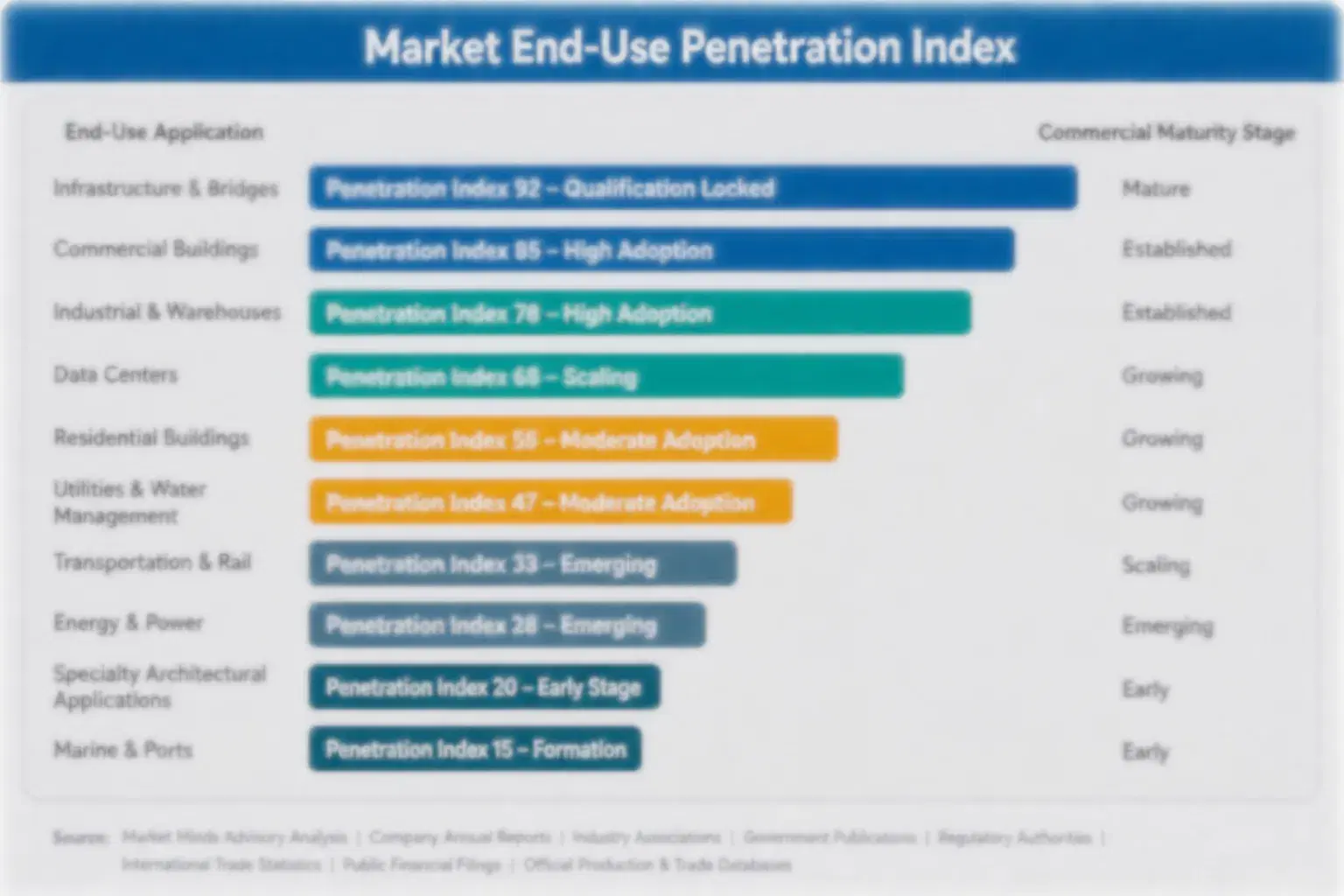
Cultivated seafood and duck demand behaves like a pilot annuity attached to approved menus and partner chefs. Once a restaurant qualifies a producer whose taste, safety, and supply it trusts, it repeats the order, and switching means new tasting trials, regulatory checks, and possible menu change. Buyers use delivery records to fix renewals, so producers with reliable supply earn steadier volume than those with erratic batches.
Adoption stickiness differs by end-use vertical. Premium restaurants and tasting menus are the deepest, since cultivated products are built into signature dishes and change only when supply or price fails. Food makers follow cost data. Retailers are moderate and wait for parity, while consumer trial buyers are shallow and buy on novelty. Clear specifications build buyer trust. Small producers feel every input swing.

Buyer profiles are shifting between generations. Older buyers chose seafood and duck on tradition and price, while younger buyers ask about overfishing, animal welfare, and novelty, and some worry about naturalness. Regulators and legislators add a third group that sets approval and labelling rules. Producers that publish safety and process data win trust and keep it. Clear specifications build buyer trust.
cultivated-seafood-and-poultry-duck-market-end-use-penetration-index-1789928527630

MMA Verdict on Cultivated Seafood Strategy

These are among the four positions where our research anticipates prominent divergence between winners and laggards over the coming forecast period. Each is grounded in the demand model, the regulatory perimeter, and the announced capacity pipeline.
01 / PREMIUM SPECIES STRATEGY

Target Premium Species First Before Whitefish Cost Gaps Exhaust Funding

Cultivated Tuna and Premium Sashimi-Grade Fish grow at 23.8% a year, about 1.40 times the overall market rate, and pilot gross margins of 35% to 50% compare with negative margins for whitefish. Producers should commit $5 million to $20 million to premium cell lines, chef partnerships, and pilot production, and launch premium products first to earn revenue years earlier. Those that chase commodity whitefish will run out of funding, while early premium movers keep partners and cash, whatever the funding climate brings for the wider sector in the years ahead.
02 / MEDIA COST STRATEGY

Cut Growth Media Cost Before Investors Stop Funding Sub-Scale Producers

Growth media takes 55% to 65% of production cost, costs remain three to 10 times conventional supply, and producers without media supply deals cannot reach parity. Producers should invest $10 million to $40 million in serum-free formulations, media recycling, and food-grade sourcing, and cut media cost per litre by 30% to 60% over three years. Those that leave media unaddressed will lose funding and partners, while efficient producers hold cost position, regulator confidence, and long agreements, whatever the funding climate brings for the wider sector in the years ahead.
03 / REGULATORY SEQUENCING STRATEGY

File in Friendly Jurisdictions First Before Bans Narrow Market Access

Approvals take 18 to 36 months, bans in some states close markets, and reusable dossiers shorten later reviews. Producers should invest $2 million to $8 million per market in filings, target the United States, Singapore, and Australia first, and cut later approval time by 20% to 35% through dossier reuse. Those without a sequence will lose time and cash, while prepared producers hold access, pricing power, and partner relationships across every cycle, whatever the funding climate brings for the wider sector in the years ahead.
04 / CAPITAL LIGHT MANUFACTURING STRATEGY

Use Contract Manufacturing Before Bioreactor Capital Costs Drain Balance Sheets

Food-grade bioreactors cost tens of millions of dollars, funding has tightened since 2022, and producers that build alone risk running short before volume arrives. Producers should invest $3 million to $12 million in technology transfer and validation with contract manufacturers, start with one premium product line, and avoid up to 70% of capital cost. Those that build alone will lose runway, while capital-light producers hold flexibility, partner relationships, and agreements across every cycle, whatever the funding climate brings for the wider sector in the years ahead.

Engagement Snapshot From the Field

A live engagement with an industry participant carrying material or product regulatory and market exposure ahead of a defining policy shift, showing how our research translates into a defensible multi-year portfolio strategy.
MARKET MINDS ADVISORY · CLIENT ENGAGEMENT SUMMARY
Cultivated Seafood & Poultry (Duck) Producer Strategic Portfolio Review and Transition Roadmap 2026·Investment Scenario on Cultivated Seafood & Poultry (Duck) Exposure Evaluation 2025-26
CLIENT PROFILE
The client is a mid-sized Japanese seafood trading group with annual sales near $850 million (client-reported, unverified by MMA), supplying tuna, eel, and premium fish to sushi chains and supermarkets across Asia. It bought wild and farmed tuna from six suppliers, and had received two enquiries from cultivated seafood developers about partnership and distribution. Small producers feel every input swing.
STRATEGIC CHALLENGE
Wild tuna and eel supply was tightening, premium prices were rising, and cultivated developers offered early access to bluefin toro if the group would fund trials and distribution. Management needed to decide whether to partner, invest in its own cell work, or wait, with regulatory timing uncertain and limited capital. Scale compounds over time.
MMA APPROACH
MMA analysed supply, price, and consumer data across eight premium species, interviewed eight cultivated seafood, regulatory, and sushi chain experts and four developers, and ran a consumer survey on acceptance across three countries. It modelled cost by partnership scenario, tested approval and price cases, and ranked options by payback and execution risk.
KEY FINDINGS
  1. Cultivated bluefin toro could sell at prices near wild premium grades, giving pilot gross margins near 40% (client-reported, unverified by MMA). Audits repeat every year.
  2. Approval in Japan was expected to take about 24 months, while Singapore approval could come within 12. Buyers review suppliers every season. Supply contracts decide renewal.
  3. Consumer trials showed 58% of premium diners would try cultivated tuna at wild-equivalent prices. Delivery reliability decides supplier rankings. Margins follow yield discipline. Batch records protect future sales.
  4. Partnering with an approved developer would cost about $3 million less than building cell capability internally. Cost control separates leaders from followers. Clear specifications build buyer trust.
CLIENT PROFILE
The client is a mid-sized Japanese seafood trading group with annual sales near $850 million (client-reported, unverified by MMA), supplying tuna, eel, and premium fish to sushi chains and supermarkets across Asia. It bought wild and farmed tuna from six suppliers, and had received two enquiries from cultivated seafood developers about partnership and distribution. Small producers feel every input swing.
STRATEGIC CHALLENGE
Wild tuna and eel supply was tightening, premium prices were rising, and cultivated developers offered early access to bluefin toro if the group would fund trials and distribution. Management needed to decide whether to partner, invest in its own cell work, or wait, with regulatory timing uncertain and limited capital. Scale compounds over time.
MMA APPROACH
MMA analysed supply, price, and consumer data across eight premium species, interviewed eight cultivated seafood, regulatory, and sushi chain experts and four developers, and ran a consumer survey on acceptance across three countries. It modelled cost by partnership scenario, tested approval and price cases, and ranked options by payback and execution risk.
KEY FINDINGS
  1. Cultivated bluefin toro could sell at prices near wild premium grades, giving pilot gross margins near 40% (client-reported, unverified by MMA). Audits repeat every year.
  2. Approval in Japan was expected to take about 24 months, while Singapore approval could come within 12. Buyers review suppliers every season. Supply contracts decide renewal.
  3. Consumer trials showed 58% of premium diners would try cultivated tuna at wild-equivalent prices. Delivery reliability decides supplier rankings. Margins follow yield discipline. Batch records protect future sales.
  4. Partnering with an approved developer would cost about $3 million less than building cell capability internally. Cost control separates leaders from followers. Clear specifications build buyer trust.
RECOMMENDED STRATEGY
Phase 1: Phase 1 (Months 1-6): Sign a development and distribution agreement with an approved developer. Small producers feel every input swing. Scale compounds over time. Phase 2: Phase 2 (Months 7-24): Launch cultivated tuna at premium restaurants in Singapore and file in Japan. Audits repeat every year. Buyers review suppliers every season. Phase 3: Phase 3 (Months 25-42): Extend to sushi chains after approval and review partner terms yearly. Supply contracts decide renewal. Delivery reliability decides supplier rankings.
OUTCOME
Within 42 months, cultivated tuna launched in premium restaurants and reached sushi chains in two markets, and premium tuna supply risk eased (client-reported, unverified by MMA). Premium seafood margin rose by 3 points, and profit exceeded plan by about 2%. Margins follow yield discipline. Batch records protect future sales.

Frequently Asked Questions

Foundational context covering the market sizes, CAGR, scope, country, region and competition that inform every finding below. This section is provided to cover basics and most often pre-purchase conversations, answered from the MMA Primary Research Dataset.

What is the current size of the Cultivated Seafood & Poultry (Duck) Market?

The global cultivated seafood and duck market was valued at $0.1 billion in 2025 on a producer-value basis. Sales come from restaurant and pilot programmes in approved markets, and costs remain far above conventional supply.

How large will the Cultivated Seafood & Poultry (Duck) Market be by 2036?

The market is projected to reach $0.56 billion by 2036, up from $0.12 billion in 2026. The increase of $0.45 billion reflects premium species launches, duck approvals, and hybrid products.

What is the CAGR for the Cultivated Seafood & Poultry (Duck) Market 2026 to 2036?

The market is forecast to grow at a 17.0% CAGR from 2026 to 2036. The bull case reaches 18.3% and the bear case 15.7%, depending on media cost, approvals, and funding.

Which segment is growing fastest?

Cultivated Tuna and Premium Sashimi-Grade Fish is the fastest-growing segment at 23.8% CAGR, roughly 1.40 times the overall market rate. Cultivated Duck and Foie Gras Products follows at 20.4% CAGR each year.

Who are the major companies in the Cultivated Seafood & Poultry (Duck) Market?

Major companies include Wildtype, BlueNalu, Gourmey, Umami Bioworks, and Avant Meats. Finless Foods, Forsea Foods, Wanda Fish, Steakholder Foods, and Bluu Seafood also hold positions in cultivated seafood.

Which country is growing fastest?

Singapore is growing fastest at about 22.0% CAGR, because it has an established approval pathway and supports pilot plants and restaurant launches. Japan and Australia follow as approvals and public funding build.

Report Segmentation Architecture

The full report scope spans multiple orthogonal segmentation dimensions, with cross-tabulated demand data provided for each dimension pair. Coverage extends further to regional breakdowns, trend trajectories, and the competitive detail needed to support segment-level decision-making.

By Primary Market Dimension

  • Cultivated Tuna and Premium Sashimi-Grade Fish
  • Cultivated Duck and Foie Gras Products
  • Cultivated Shrimp and Crustaceans
  • Cultivated White Fish
  • Cultivated Hybrid Seafood Ingredients

By End-Use Industry

  • Restaurants and Sushi Chains
  • Premium Retail
  • Food Manufacturing
  • Hotels and Catering
  • Seafood Trading and Distribution

By Commercial Dimension

  • Direct Restaurant Supply
  • Brand Partnership Agreements
  • Contract Manufacturing Agreements
  • Licensing and Co-Development
  • Retail Distribution

By Region

  • North America
  • East Asia
  • South Asia and Pacific
  • Western Europe
  • Middle East and Africa
  • Latin America
  • Eastern Europe

Scope, Methodology, and Coverage

Every figure in this report is reproducible from documented input assumptions. The scope below maps the historical period, the forecast horizon, the segmentation dimensions, and the countries covered, alongside the underlying primary and qualitative methodology.
Historical Period
2020 to 2025
Forecast Period
2026 to 2036
Base Year
2025 (USD billions; MMA Primary Research Dataset, September 2026)
Market Definition
The market covers global sales of cultivated seafood and cultivated duck products grown from animal cells and valued at producer level, including cultivated tuna and premium sashimi-grade fish, cultivated duck and foie gras products, cultivated shrimp and crustaceans, cultivated white fish, and cultivated hybrid seafood ingredients, sold to restaurants, retailers, and food makers in approved markets. The scope excludes conventional seafood, plant-based seafood, and cultivated beef, pork, and chicken.
Quantitative Units
USD billions (producer value); tonnes of cultivated seafood and duck for volume references
Segmentation Dimensions
By Species and Product Type; By End-Use Industry; By Commercial Dimension; By Region
Regions Covered
North America, East Asia, South Asia and Pacific, Western Europe, Middle East and Africa, Latin America, Eastern Europe
Countries Covered
United States, Canada, Mexico, France, Switzerland, Netherlands, Germany, United Kingdom, Italy, Spain, Poland, Czechia, Hungary, China, Hong Kong, Japan, South Korea, Singapore, Thailand, Australia, New Zealand, India, Brazil, Chile, Argentina, Israel, United Arab Emirates, Saudi Arabia, and additional markets relevant to this sector
Key Companies Profiled
Wildtype, BlueNalu, Gourmey, Umami Bioworks, Avant Meats, Finless Foods, Forsea Foods, Wanda Fish, Steakholder Foods, Bluu Seafood, Atlantic Fish Co, Vow, Eat Just, Upside Foods, Mosa Meat, Aleph Farms, Meatable, Ivy Farm Technologies, Mission Barns, Believer Meats
Quantitative Methodology
Primary survey, n=3,800 respondents, Q4 2025, six countries; demand-side model with trade association cross-validation
Qualitative Methodology
47 expert interviews, Q4 2025; applied to validate demand model assumptions, identify emerging dynamics, and assess competitive positioning
Report Format
PDF and XLSX data workbook (Word format preview document)
Publisher
Market Minds Advisory
Report Code
MMA-2026-AGR-949
Published
September 2026
Contact
sales@marketmindsadvisory.com | www.marketmindsadvisory.com

Purchase the full Cultivated Seafood & Poultry (Duck) Market Report (2026 to 2036).

The full report delivers a detailed assessment of the cultivated seafood and duck market through 2036, covering species, end-use, and regional forecasts, competitive benchmarking of leading producers, and input cost analysis. It combines MMA primary research, including a six-country survey of 3,800 respondents and 47 expert interviews, with public regulatory and company data. Analysts also model approval timelines, media cost paths, and premium species adoption. Clients receive segment margin ranges, approval maps, and a case study on cultivated tuna partnership strategy. Partnership and contract frameworks are also included for planning.
Ten-year species and end-use demand forecasts
Growth media, energy, and bioreactor cost tracking
Competitive benchmarking of leading cultivated seafood producers
Regulatory approval and ban tracker by jurisdiction
Regional market comparative analysis and forecasts included
Quarterly primary survey data update access

Built For The People Who Decide

From boardroom strategy to bench-side execution, this report is read cover-to-cover by leaders shaping the next decade of their industry, turning demand scenarios, market dynamics and valuation benchmarks into decisions.
CXOs/ Presidents/ VPs/ Managers
M&A and Corporate Development
Strategy Teams and R&D Heads
Procurement and Product Directors
Regulatory and Compliance Leaders
Investor Relations and Equity Analysts