Market Minds Advisory
Cultivated Coffee & Cell-Based Beverage Ingredients Market

Cultivated Coffee & Cell-Based Beverage Ingredients Market: Cultivated Coffee & Cell-Based Beverage Ingredients Market. Unit Economics, Approvals, and Flavour Parity Reshape Bean-Free Ingredient Value.

Cultivated coffee and cell-based ingredients promise supply without frost, farms, or deforestation risk, but cost per kilogram, approval timelines, flavour gaps, and funding cycles decide which developers reach cafes and beverage brands at commercial scale.

Lead Analyst

Published

September 2026

Make Smarter Decisions with Customized Research Insights

Request a free sample report and evaluate market opportunities, growth trends, and competitive dynamics relevant to your business needs.

2025 MARKET VALUE$0.2BMarket Size 2025
2036 FORECAST VALUE$1.2BBase Case , 2026 to 2036
CAGR 2026 TO 203618.0 %Bull 19.4% / Bear 16.6%
INCREMENTAL OPPORTUNITY$1.0BNet 10- year value creation
EXPANSION MULTIPLE5.23x2036 value over 2026 base
Strategic Levers
M&A Pipeline
Regional Outlook
Country Rankings
Competitive Intelligence
Segmental Deep-dive
Call-Us : 91 93563 13602

Executive Snapshot and Market Trajectory.

Cultivated coffee starts from the premise that a coffee cherry is a container, and the part that matters can be grown in a tank. It is a bet on climate risk, deforestation rules, and price spikes. The bet only pays if the tank can beat a farmer on cost.
Cell-cultured coffee grows fastest, since brands want beans-free supply that avoids frost, deforestation exposure, and price spikes. North America holds the largest share, because United States start-up funding, regulatory pathways, and beverage brand pilots concentrate activity there, with East Asia and Western Europe following. Singapore leads country growth. Cost sets scale. Approval sets timing. Taste sets acceptance. Trust sets sales. Funding sets survival. Scale sets curves.
Competition is fragmented and pre-commercial, with an Israeli cell-based developer, a molecular coffee start-up, a beanless coffee company, a chocolate innovator, and a precision fermentation leader competing alongside flavour majors and research institutes on cost per kilogram, taste, and regulatory progress. Culture media, bioreactor scale, and approval timelines shape economics, while coffee brands wait for proof at commercial volume. Start-ups own science. Majors own distribution. Regulators own the clock. Money owns patience.
Market Definition
Cultivated coffee and cell-based beverage ingredients comprise ingredients produced from cultured plant cells or fermentation platforms rather than field crops, including cell-cultured coffee, precision-fermented milk proteins and fats for beverages, cell-cultured cocoa and tea ingredients, beanless upcycled coffee ingredients, and cell-based flavour and aroma compounds, sold to coffee brands, beverage makers, and ingredient buyers. The scope excludes conventional coffee and cocoa, cultivated meat, and plant-based drinks made from field crops.
Base Year Value
$0.2B in 2025 (MMA Primary Research Dataset, September 2026)
Forecast Period
2026 to 2036, eleven discrete annual values
CAGR
18.0% base case. Bull 19.4%. Bear 16.6%.
Fastest Growth Segment
Cell-Cultured Coffee: 24.0% CAGR
Fastest Growth Country
Singapore: 21.4% CAGR
Fastest Growth Region
South Asia and Pacific: 20.0% CAGR
Largest Region
North America: 32% of 2025 global value
Market Leaders
Pluri, Atomo Coffee, Minus Coffee, Voyage Foods, Perfect Day. Source: MMA Analysis, company disclosures.
Primary Survey
n=3,800 procurement and R&D decision-makers, Q4 2025, six countries
Methodology
Demand-side build-up, cross-validated against public data, 47 expert interviews

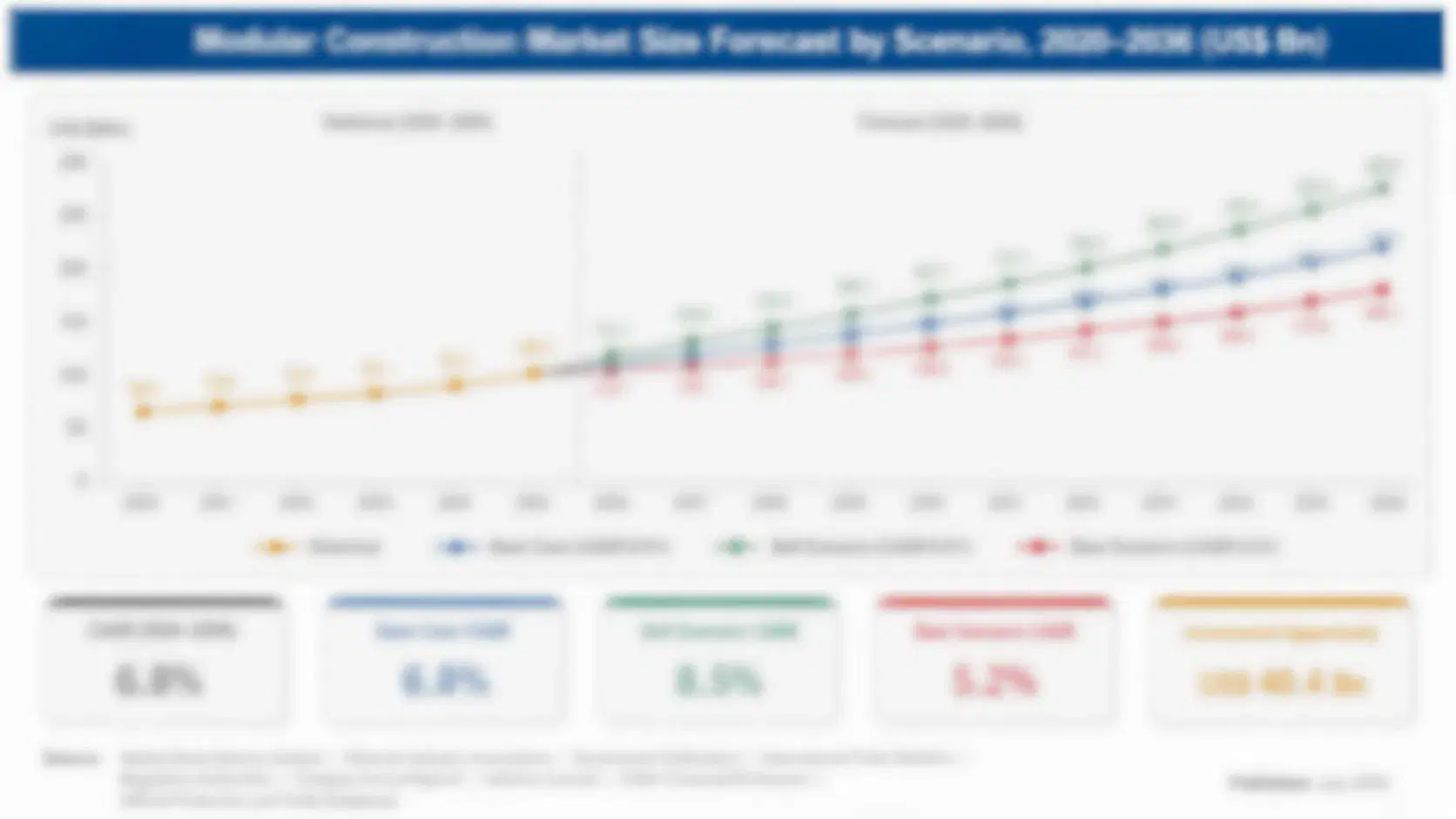
Cultivated Coffee & Cell-Based Beverage Ingredients Market Forecast Scenarios

cultivated-coffee-and-cell-based-beverage-ingredie-size-forecast-scenario-1789811270782
From 2020 to 2025, cultivated coffee and cell-based beverage ingredients moved from laboratory demonstrations to pilot production as coffee and cocoa prices spiked, deforestation rules tightened, and start-ups raised early capital. Beanless and precision-fermented ingredients reached limited retail, while cell-cultured coffee remained pre-commercial. Growth from a very small base ran a little below the forecast pace as approvals and cost targets slipped.
The base case rests on three commercial mechanisms. First, record coffee and cocoa prices and climate risk push brands to pilot bean-free supply for part of their volume. Second, approvals in Singapore, the United States, and Israel open early commercial channels for cell-based ingredients. Third, media cost and bioreactor scale improve as developers partner with flavour and ingredient majors. Each mechanism compounds slowly, and none needs a breakout year. Developers plan approvals, partnerships, and cost curves around all three.
The bull case needs faster approvals and cost falls below $30 a kilogram, which would open blended cafe products and premium brands. The bear case is a run of funding failures combined with consumer resistance to cell-based labels, which would idle pilot plants and delay commercial launches. Buyers reward consistency over novelty. Pilot data decides renewal.

Unit Economics, Approvals, and Flavour Parity Decide Cell-Based Winners

Cultivated coffee and cell-based ingredients span several production models. Developers grow coffee or cocoa cells in bioreactors on nutrient media, harvest and dry the biomass, and roast or process it into ingredients. Precision fermentation uses engineered microbes to make milk proteins and fats, while beanless routes ferment upcycled materials. Each product needs safety testing, allergen review, and regulatory approval before sale. Approval timing decides developer rankings.
MARKET CONCENTRATION18% CR5Leading five developers hold a small combined share
PILOT PRODUCTION COST$150/kgEstimated current cost per kilogram of cell-cultured coffee biomass
LARGEST BIOREACTOR SIZE5,000 LApproximate largest production vessel volume used by developers
APPROVAL LEAD TIME24 monthsTypical time to complete novel food review in major markets
MEDIA COST SHARE30%Portion of goods cost taken by culture media
COST GAP MULTIPLE20xEstimated cost multiple against conventional green coffee beans
Unit economics, approvals, and flavour parity decide value. Buyers judge cell-based ingredients by taste, cost per kilogram, safety record, and label acceptance, so a developer needs cheap culture media, scalable bioreactors, and regulatory momentum. Start-ups own science, while flavour and ingredient majors own distribution. Developers with proven cost curves and partners win because pilot plants burn capital long before commercial volume. Margins follow media discipline.
Buyers judge cell-based coffee and ingredients on taste, aroma, cost, safety, and story. Coffee brands want parity with specialty beans and cost that allows blended products, while regulators want safety data and allergen clarity. Price sensitivity is high, since conventional coffee remains far cheaper, which pushes developers toward blends, premium niches, and partnerships with brands that can absorb early cost.
"Cultivated coffee is a technology looking for a price point, and the price point is set by a farmer, not a laboratory. The developers that survive will be those that find a niche where scarcity pays before scale arrives. Approval clocks and cash runways, not curiosity, decide who reaches a cafe."
Senior Analyst, Food Technology and Beverages Practice · MMA Cultivated Coffee and Cell-Based Beverage Ingredients Practice · September 2026

Market Trends

Price Spikes Push Brands to Pilot Bean-Free Supply

Arabica and cocoa prices hit records after weather losses, and brands seek supply that does not depend on frost, drought, or smallholder farms. Cell-cultured coffee, beanless coffee, and cell-based cocoa ingredients offer hedges, even at costs many times conventional. Brands sign pilot agreements for blended products at 5% to 15% of volume and premium niches. The trend needs cost falls and approvals, and it rewards developers with partner brands, scalable bioreactors, and flavour that passes specialty panels rather than novelty tastings. Brand teams review developers every quarter. Batch records protect future sales.
Market Impact: coffee and cocoa costs rose 40-90%

Precision Fermentation Delivers Milk Proteins and Fats for Coffee Beverages

Precision-fermented whey and casein proteins and milk fats give coffee beverages dairy-like foam and texture without cows, and developers sell them to creamer, latte, and protein coffee makers. Precision-fermented proteins price 50% to 150% above dairy proteins today but avoid animal supply and allergen limits in some formats. The trend needs safety approvals and cost falls, and it rewards developers with large-scale fermentation partners, allergen-clear labelling, and customers that value animal-free supply for vegan and sustainability claims. Cost control separates leaders from followers. Clear specifications build buyer trust. Small developers feel every funding delay.
Market Impact: traceability adds 2-5% to bean costs

Market Opportunities and Growth Drivers

Climate Risk and Record Prices Make Supply Independence Valuable

Coffee and cocoa supply faces frost, drought, disease, and land pressure, and record prices have lifted input cost for brands by 40% to 90% within two years. Scientists project that suitable coffee land could shrink significantly by 2050. Brands and traders seek diversification, and investors fund bean-free supply as a hedge. The driver supports funding for developers even before cost parity and rewards those that show credible cost curves, but it depends on brands keeping interest through funding cycles and on approvals arriving in time. Scale compounds over time. Buyers reward consistency over novelty.
Market Impact: cost sits near 20 times beans

Deforestation Rules and Sustainability Targets Favour Bean-Free Supply

The European Union Deforestation Regulation and corporate commitments require traceable, deforestation-free coffee and cocoa, and compliance adds 2% to 5% to cost. Cell-based and beanless ingredients avoid farm traceability entirely, and brands use them to meet emissions and land use targets. Life cycle studies suggest lower land and water use, though energy use in bioreactors remains a question. The driver supports early interest from sustainability-led brands and rewards developers that publish independent life cycle data and renewable energy plans. Pilot data decides renewal. Approval timing decides developer rankings. Margins follow media discipline.
Market Impact: approvals take 24 months per market

Market Restraints and Challenges

Cost Per Kilogram and Bioreactor Scale Limit Commercial Use

Current cost near $150 a kilogram is about 20 times green coffee, and largest vessels run around 5,000 litres, so commercial use is limited to blends and premium niches. Culture media takes about 30% of cost of goods and bioreactor energy and depreciation another 26%. The root cause is early-stage process design and small scale. Mitigation includes cheaper media, continuous processing, larger vessels, and partnerships with fermentation majors, though each step needs capital and several years of engineering. Brand teams review developers every quarter. Batch records protect future sales. Cost control separates leaders from followers.
Market Impact: brand pilots cover 5-15% of volume

Long Approvals and Consumer Acceptance Slow Launches

Novel food approvals for cell-based ingredients take about 24 months in major markets and differ by country, so a developer approved in one market may wait years elsewhere. Consumer acceptance is uncertain, and early tastings show flavour gaps in roast depth and aroma. The root cause is new technology and cautious regulators. Mitigation includes staged filings, safety data that transfers across regulators, blind tastings against specialty beans, and honest labelling, though delays burn capital and can stall launches. Clear specifications build buyer trust. Small developers feel every funding delay. Scale compounds over time.
Market Impact: fermented proteins price 50-150% above dairy
3 additional market trends, 2 additional growth drivers, and 4 additional restraints and challenges are covered in the full report. Contact sales@marketmindsadvisory.com to access the complete intelligence.

Segment CAGR and Growth Architecture

Cultivated coffee and cell-based beverage ingredients are segmented by technology, which shows where cost, approvals, and pricing power sit. Five segments cover cell-cultured coffee, precision-fermented milk proteins and fats, cell-cultured cocoa and tea ingredients, cell-based flavour and aroma compounds, and beanless upcycled coffee ingredients. Two segments grow fastest on brand pilot demand. Buyers reward consistency over novelty.
cultivated-coffee-and-cell-based-beverage-ingredie-market-share-analysis-1789811271097

Cell-Cultured Coffee

Cell-Cultured Coffee is the fastest-growing segment at 24.0% a year, about 1.33 times the overall market rate, from a very small base. Developers grow coffee cells in bioreactors to make ingredients for blended products and premium niches, avoiding frost, farms, and deforestation exposure. Cost near $150 a kilogram and flavour parity are the main constraints, since cost is about 20 times green coffee and roast depth and aroma lag specialty beans. Developers with partner brands, cheaper media, and larger vessels win, while pilot-only companies run out of capital. Pilot data decides renewal. Approval timing decides developer rankings. Margins follow media discipline. Brand teams review developers every quarter. Batch records protect future sales.
CAGR 24.0%

Precision-Fermented Milk Proteins and Fats

Precision-Fermented Milk Proteins and Fats grow at 20.4% a year, because engineered microbes make whey and casein proteins and milk fats that give coffee beverages dairy-like foam and mouthfeel without cows, and creamer, latte, and protein coffee makers pilot them. Prices run 50% to 150% above dairy proteins. Cost and approvals are the main constraints, since fermentation capacity is limited and safety review takes time. Producers with fermentation partners and clear allergen labelling hold price better than newcomers. Cost control separates leaders from followers. Clear specifications build buyer trust. Small developers feel every funding delay. Scale compounds over time. Buyers reward consistency over novelty. Pilot data decides renewal. Approval timing decides developer rankings.
CAGR 20.4%
Full segment breakdown across 5 segments available in the complete report.

Regional Architecture and Country Demand Map

Cell-based beverage ingredient value follows start-up funding, regulatory pathways, and brand pilots. North America leads through funding and United States approvals, East Asia follows through food technology investment, Western Europe holds a cautious share, Middle East and Africa gains from Israel, and South Asia and Pacific grows fastest.

North America

North America holds 32% share, with the United States and Canada leading through start-up funding, regulatory pathways with the Food and Drug Administration, and pilots with beverage brands and cafe chains. Atomo Coffee, Minus Coffee, Voyage Foods, Perfect Day, and Ginkgo Bioworks lead, and buyers reach ingredients through pilot agreements and direct supply. Growth runs slightly below the global rate as funding cycles tighten. Approval timelines, cost gaps, and consumer acceptance restrain margins, and some states restrict cell-based foods. Margins follow media discipline. Brand teams review developers every quarter. Batch records protect future sales. Cost control separates leaders from followers. Clear specifications build buyer trust. Small developers feel every funding delay. Scale compounds over time.
Share: 32% | CAGR: 17.8% (2026 to 2036)

East Asia

East Asia holds 22% share, with Japan, South Korea, China, and Taiwan leading through strong food technology investment, ingredient majors, and interest in bean-free supply. Ajinomoto, local start-ups, and research institutes lead, and buyers reach ingredients through pilot agreements with beverage groups. Growth runs above the global rate as regulators build pathways and companies fund pilot plants. Approval timelines, consumer caution about novel foods, and cost gaps restrain margins, and Japanese buyers demand strict taste standards. Buyers reward consistency over novelty. Pilot data decides renewal. Approval timing decides developer rankings. Margins follow media discipline. Brand teams review developers every quarter. Batch records protect future sales. Cost control separates leaders from followers. Clear specifications build buyer trust.
Share: 22% | CAGR: 19.0% (2026 to 2036)
Regional intelligence for 5 additional markets available in the complete report: Western Europe, South Asia and Pacific, Latin America, Middle East and Africa, Eastern Europe. Contact sales@marketmindsadvisory.com.
cultivated-coffee-and-cell-based-beverage-ingredie-country-cagr-analysis-1789811271406

Four Routes to Commercial Value for Cell-Based Developers

Value in cultivated coffee and cell-based ingredients comes from unit economics, staged approvals, flavour parity, and strategic partnerships rather than pilot announcements alone. The routes below apply to cell-based start-ups, precision fermentation companies, and ingredient majors, and each can start inside one planning cycle, with clear measures in cost per kilogram, approvals secured, and blend volume contracted.

Cutting Media Cost and Scaling Bioreactors Toward Cafe Pricing

Culture media takes about 30% of cost of goods and bioreactor energy and depreciation another 26%, so developers that cut media cost, adopt continuous processing, and scale vessels from 5,000 to 50,000 litres can lower cost per kilogram by 50% to 70% over three to five years. Scale-up costs $20 million to $80 million. Partnerships with fermentation majors share capital and risk. Developers should publish cost milestones each year. Clear specifications build buyer trust. Small developers feel every funding delay. Scale compounds over time. Buyers reward consistency over novelty. Pilot data decides renewal.
Market Impact: media savings and scale cut cost per kilogram by 50-70%

Filing Approvals in Stages and Reusing Safety Data Across Regulators

Novel food approvals take about 24 months per market, so developers that file first in the fastest jurisdictions, build safety data packages that transfer across regulators, and plan launches around approval dates reach revenue 12 to 18 months earlier than developers that file in sequence without planning. Regulatory costs run $2 million to $6 million per market. Small developers can share dossiers through partners. Approval timing decides developer rankings. Margins follow media discipline. Brand teams review developers every quarter. Batch records protect future sales. Cost control separates leaders from followers. Clear specifications build buyer trust.
Market Impact: staged filings bring revenue 12-18 months earlier each market

Matching Flavour Parity With Blind Panels and Honest Labelling

Early tastings show flavour gaps in roast depth and aroma, so developers that invest in aroma chemistry, run blind panels against specialty beans, and label honestly build repeat purchase in blended products at 5% to 15% inclusion. Panels cost $50,000 to $150,000 per round. Brands reward proof with pilot commitments. Developers should target niches where scarcity pays before broader scale and share panel data with partner brands. Small developers feel every funding delay. Scale compounds over time. Buyers reward consistency over novelty. Pilot data decides renewal. Approval timing decides developer rankings. Margins follow media discipline.
Market Impact: flavour parity supports blends at 5-15% inclusion rates

Partnering With Flavour Majors and Coffee Brands to Fund Scale-Up

Developers burn $20 million to $80 million before commercial volume, so those that partner with flavour majors and coffee brands, stage capital to milestones, and license technology to regions with cheaper production reach commercial volume earlier and survive funding winters. Partnerships bring distribution, testing, and capital of $5 million to $30 million. Developers should secure at least one anchor customer before building scale and protect intellectual property. Brand teams review developers every quarter. Batch records protect future sales. Cost control separates leaders from followers. Clear specifications build buyer trust. Small developers feel every funding delay.
Market Impact: strategic partners bring $5-30 million and distribution access

Who Controls the Margin Pool

The cultivated coffee and cell-based beverage ingredients market is fragmented and pre-commercial, with a CR5 of 18%, and dozens of start-ups, research institutes, and ingredient majors sit outside the leading five. This assessment measures participants on estimated pilot and commercial sales value plus development scale, held constant across all players. Pluri leads through cell-cultured coffee progress, while Atomo Coffee, Minus Coffee, Voyage Foods, and Perfect Day follow.
Competition runs on four dimensions today: cost per kilogram and scale, regulatory progress, flavour parity, and partnerships with brands and majors. Start-ups win on science and speed, while majors win on distribution, capital, and sensory expertise. Imitators copy processes slowly because patents and know-how take years, so leads erode only as scale-up costs fall, and price competition remains limited until commercial volumes appear. Scale compounds over time.

Emerging pressure comes from conventional coffee brands securing long-term bean contracts, new precision-fermentation platforms with lower media cost, and flavour majors developing in-house cell-based routes. Rankings shift where a developer wins approval, hits a cost milestone, or signs a major brand. Regional developers in Singapore and Israel can move up quickly, since regulatory support and government funding matter
cultivated-coffee-and-cell-based-beverage-ingredie-company-positioning-matrix-1789811271671

Competitive Moat and Risk Dimensions

PLURI

Moat: Cell Platform and Coffee Pilots

Pluri is an Israeli cell-based technology company with a platform for growing plant cells and a cultured coffee programme developed with partners. Its cell expertise, bioreactor know-how, and pilot production give it a lead in cell-cultured coffee, and its partnerships with coffee and ingredient companies support scale-up and market access, while its Israeli location supports regulatory engagement.
PLURI

Risk: Capital Needs and Cost Gap

Pluri needs large amounts of capital to scale from pilot to commercial volume, and cost per kilogram is far above green coffee. Approval timelines and consumer acceptance are uncertain, and competing routes such as precision fermentation and beanless coffee may reach commercial volume sooner, while funding cycles can stall programmes.
ATOMO COFFEE

Moat: Molecular Coffee and Brand Access

Atomo Coffee makes beanless coffee from upcycled ingredients using fermentation and roasting, and sells through cafe and retail partners with a focus on cost and supply resilience. Its route avoids some cell culture costs and approval hurdles, and its brand pilots and consumer marketing give it market access that pure research developers lack.
ATOMO COFFEE

Risk: Flavour Parity and Consumer Trust

Atomo faces scepticism about beanless coffee taste and honesty, and it competes with conventional coffee whose price could fall as supply recovers. Its ingredient sourcing and fermentation costs are still high, while cell-cultured and precision-fermented rivals with stronger science and approvals could overtake it in premium niches.

Players Tracked

Prominent Players

Pluri
Atomo Coffee
Minus Coffee
Voyage Foods
Perfect Day

Other Key Players

California Cultured
Celleste Bio
Food Brewer
Compound Foods
NoBean
Prefer Coffee
Ajinomoto
dsm-firmenich
Givaudan
Nestlé
Onego Bio
The EVERY Company
Remilk
Imagindairy
Ginkgo Bioworks

Recent Developments

JANUARY 2026

Pluri Scales Cell-Cultured Coffee Production to Larger Bioreactors With Partner Brand

Pluri announced scale-up of cell-cultured coffee production to larger bioreactors with a partner coffee brand, aiming to lower cost per kilogram. It is a scale-up programme, not an acquisition, and it tests whether cost can fall toward blended cafe pricing. Investment figures were not disclosed. Pilot data decides renewal.
Signal: Confirms that leading cell-based developers are scaling production with brand partners to test cost curves at larger volumes.
FEBRUARY 2026

Atomo Coffee Signs Distribution Agreement With Cafe Chain for Beanless Coffee Blends

Atomo Coffee signed a distribution agreement with a cafe chain to supply beanless coffee blends in select stores. It is a distribution agreement, not an acquisition, and it tests whether cafe chains will list bean-free products. Terms were not disclosed. Approval timing decides developer rankings. Margins follow media discipline.
Signal: Suggests cafe chains are testing bean-free blends in select stores to gauge consumer acceptance and cost benefits.
MARCH 2026

Perfect Day Expands Precision Fermentation Capacity for Beverage Proteins

Perfect Day announced organic expansion of precision fermentation capacity for beverage proteins to serve creamer and coffee customers. It is a capacity expansion, not an acquisition, and it tests whether scale can lower cost toward dairy protein levels. Investment figures were not disclosed. Brand teams review developers every quarter.
Signal: Indicates precision fermentation leaders are investing in capacity to lower protein costs and win beverage customers.

What Drives Cell-Based Ingredient Production Costs

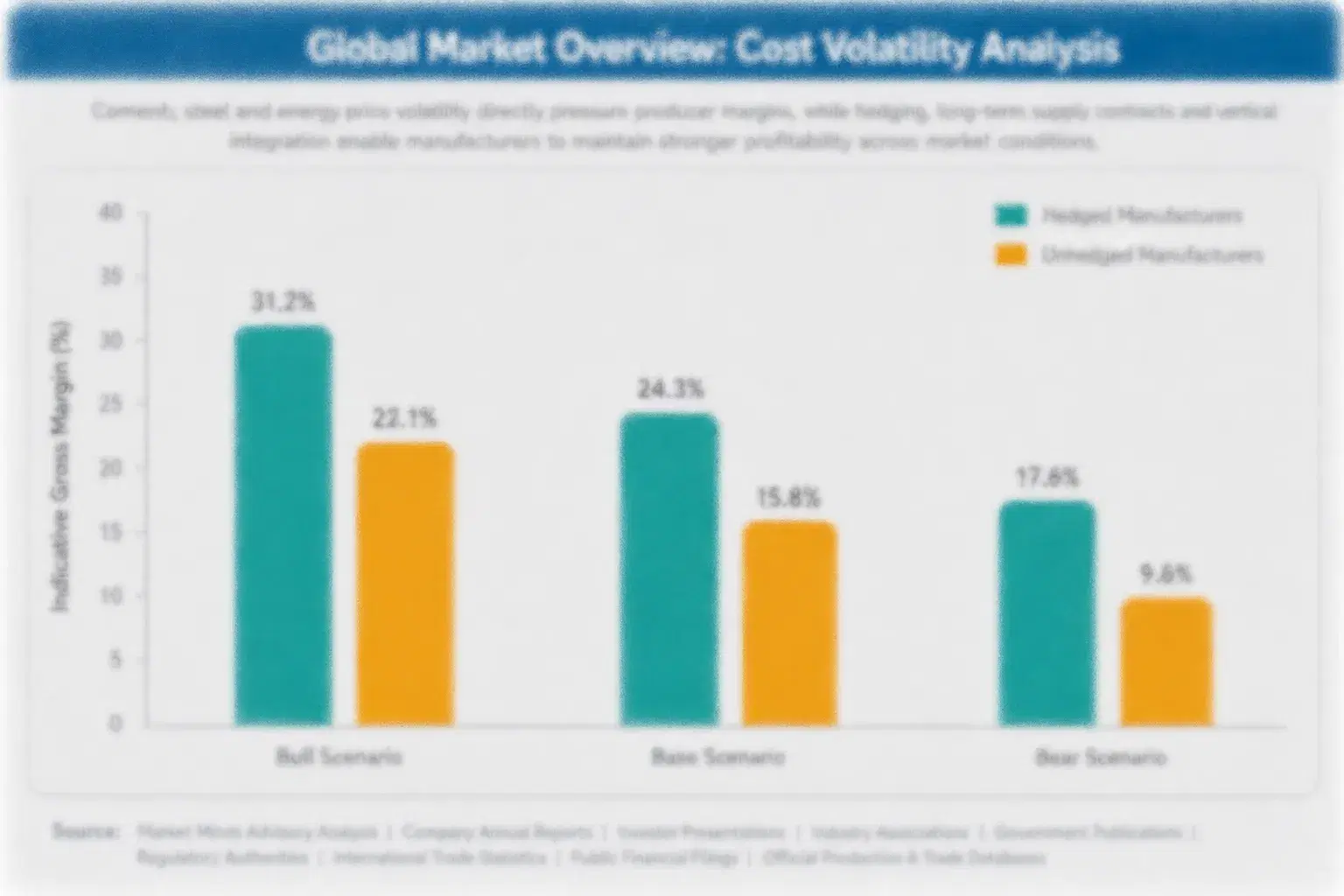
Culture media and growth supplements account for roughly 30% of cost of goods, bioreactor energy and depreciation about 26%, labour about 12%, downstream processing and drying about 14%, quality assurance and regulatory testing about 10%, and packaging and logistics about 8%. Media components come from a few global suppliers, and bioreactor energy varies by country, so exposure differs by region and input.
The clearest recent shock came from energy and capital costs. The International Energy Agency reported energy price spikes in 2021 and 2022, and Pluri and Ginkgo Bioworks reported in annual documents that rising costs and tighter funding conditions slowed scale-up plans. Developers delayed vessel expansions, cut headcount, and prioritised partnerships, which extended timelines for cost reduction by a year or more. Cost control separates leaders from followers. Clear specifications build buyer trust.

The competitive disadvantage falls on small developers, which buy media in small lots at high prices and cannot fund large bioreactors or multi-market approvals. Large ingredient groups own fermentation capacity, run sensory laboratories, and spread regulatory cost across many products. Exposure also varies by geography, since energy cost differs across regions while approvals are faster in Singapore, the United States, and Israel.
cultivated-coffee-and-cell-based-beverage-ingredie-cost-volatility-analysis-1789811271989

Developing Cheaper Culture Media and Recycling Streams

Developers replace expensive media components with cheaper food-grade inputs, recycle nutrient streams, and adopt continuous processing. Cheaper media can cut cost per kilogram by 20% to 40%. The main risk is cell performance and flavour, so developers run comparative trials and scale changes in stages, while partners with fermentation experience share know-how. Small developers feel every funding delay.

Partnering With Fermentation Majors for Capacity

Developers partner with fermentation and ingredient majors that own large vessels, avoiding capital costs of $20 million or more. Partnerships add licence fees but lower risk and speed scale-up. The main challenge is intellectual property and control, so developers negotiate clear terms on rights and keep core cell lines protected. Scale compounds over time. Buyers reward consistency over novelty.

Staging Approvals and Reusing Safety Data

Developers file in the fastest jurisdictions first and build safety data that transfers across regulators. Staged filing brings revenue 12 to 18 months earlier. The main risk is inconsistent requirements, so developers work with regulatory advisors, engage regulators early, and prepare allergen and composition data for every market. Pilot data decides renewal. Approval timing decides developer rankings.

Portfolio Architecture for Margin Defence

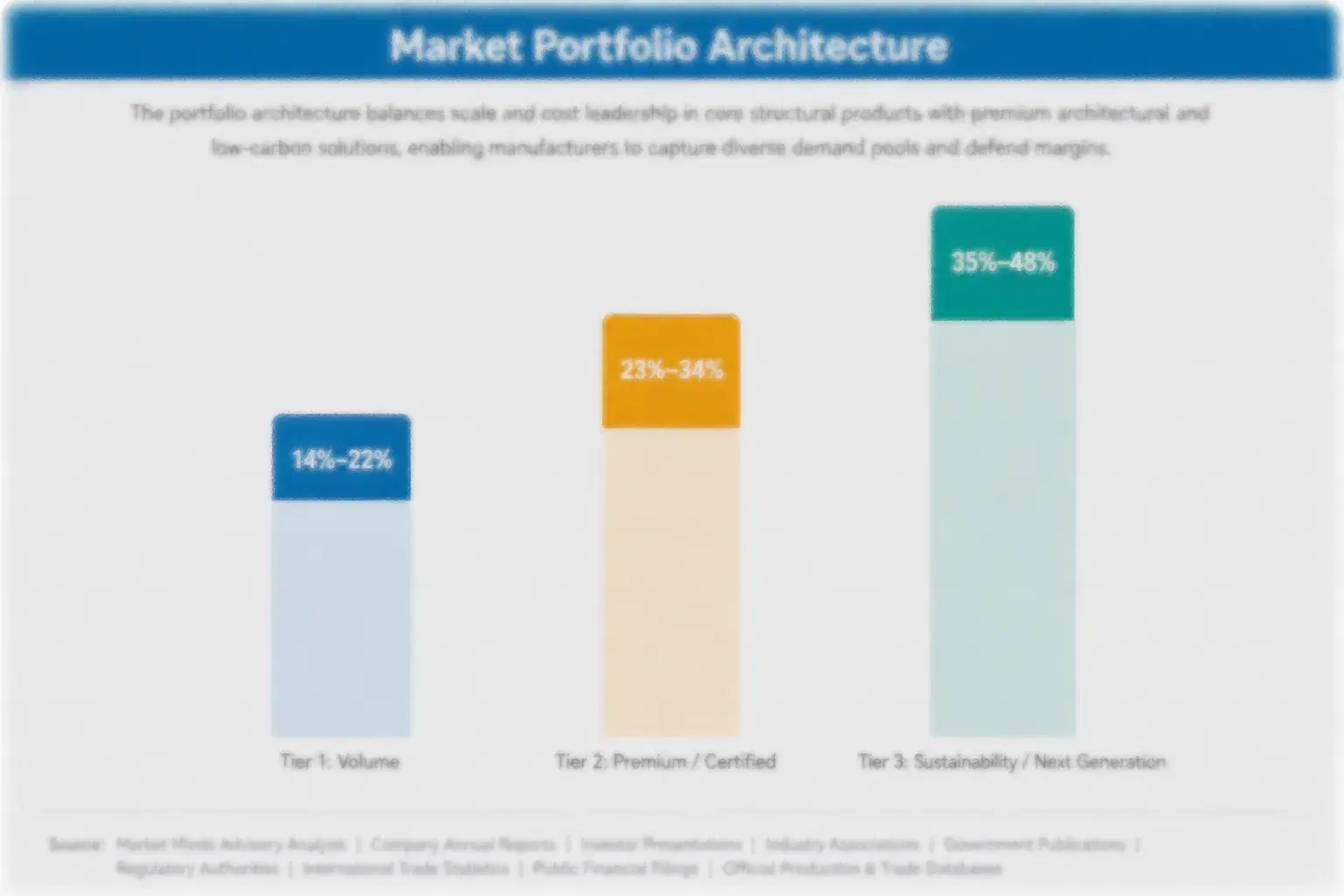
Margins run from negative returns on pilot-scale cell-cultured coffee sold in small lots to modest returns on beanless and precision-fermented ingredients sold to beverage makers, and stronger returns on licensed technology and premium blends. Three tiers separate volume products, certified premium lines, and next-generation formats, and each tier draws on different buyer groups, technology routes, and approval terms. Margins follow media discipline.
The tension between volume and premium is sharp. Volume lines such as precision-fermented proteins protect fermentation utilisation but face price pressure from dairy proteins, while premium lines such as cell-cultured coffee earn higher unit prices on tiny volumes and depend on approvals, taste, and partner brands. Developers that chase volume too early burn capital on low margins, while developers that stay in premium pilots lack the scale to lower cost and win contracts.

High-value pools concentrate in blended cafe products, premium single-serve brands, and licensed technology for regions with local coffee and cocoa supply. They gather where buyers pay for supply security, sustainability claims, and novelty rather than cost. Coffee brands, sustainability-led retailers, and ingredient majors add further value, since these buyers ask for reliable pilots and data, and they commit funding without shopping on

Volume / Commodity-Adjacent Tier

Precision-fermented milk proteins and fats and beanless upcycled ingredients sold to creamer and beverage makers, with modest margins, media and energy cost exposure, and price competition from dairy and bean supply, where buyers switch on cost and taste.
Gross Margin: 10%-22%

Premium / Certified Tier

Approved cell-cultured coffee and cocoa ingredients with safety data, allergen clarity, and partner brand testing, sold in blends and premium niches to buyers that require reliable pilots, transparent labelling, and stable supply terms.
Gross Margin: 20%-38%

Sustainability / Regulatory / Next-Generation Tier

Licensed technology platforms and cell-based aroma compounds with life cycle data, renewable energy plans, and regional production, sold to ingredient majors and coffee groups that pay for supply resilience and stronger sustainability claims.
Gross Margin: 30%-52%
cultivated-coffee-and-cell-based-beverage-ingredie-portfolio-architecture-1789811272302

High-value Sub-segments and Strategic Watch-out

Cell-Cultured Coffee

Cell-cultured coffee combines the fastest growth with strong future pricing, since brands want supply that avoids frost, farms, and deforestation exposure. Cost, approvals, and flavour limit competition, and developers with partner brands win pilots. Volume compounds only as cost falls toward blended cafe pricing. Batch records protect future sales.
Gross Margin: 20%-38%

Precision-Fermented Milk Proteins and Fats

Precision-fermented milk proteins and fats deliver solid growth and near-term revenue, since coffee creamer and latte makers pay premiums for animal-free foam and texture. Fermentation capacity and approvals form the entry barrier, and producers with partners win contracts. Repeat purchase builds as costs fall toward dairy levels.
Gross Margin: 16%-32%

Cell-Based Flavour and Aroma Compounds

Cell-based flavour and aroma compounds form a supporting core, sold to flavour majors and cell-based developers to close taste gaps. Growth is steady, at about 16.4% a year, as parity becomes the gating factor. Enzyme and media cost, IP protection, and customer trials decide profit. Scale compounds over time.
Gross Margin: 30%-48%

Beanless Upcycled Coffee Ingredients

Beanless upcycled coffee ingredients are the strategic watch-out, since consumer scepticism, taste gaps, and cost that may fall for conventional coffee keep growth near 15.0% a year and margins thin. Developers should test blended positioning and honest labels before scaling, because retailer delisting and price competition can erode margin
Gross Margin: 10%-22%

Why Brands Stay With Partners

Cell-based ingredient demand behaves like an option attached to future coffee and cocoa supply. Once a brand invests in pilots, safety data, and consumer testing with a developer, it repeats commitments as milestones are met, and switching means restarting approvals and taste trials. Buyers use pilot results to fix next-stage funding, so successful developers earn steadier support than launches driven by novelty alone. Buyers reward consistency over novelty.
Adoption stickiness differs by end-use vertical. Sustainability-led coffee brands and cafe chains are the deepest, since supply resilience and emissions targets justify early cost, and they change only when milestones fail. Premium cocoa and dairy alternative brands are almost as loyal once formulas are set. Mass beverage makers are shallower and wait for cost parity, while retail buyers follow consumer acceptance. Pilot data decides renewal.

Buyer profiles are shifting between generations. Older procurement teams choose conventional beans for cost and familiarity and distrust novel ingredients, while younger brand teams care about climate risk, deforestation rules, and supply security. Investors and sustainability-led retailers add a third group that funds pilots for strategic reasons. Developers that publish cost curves and life cycle data win these buyers and keep them
cultivated-coffee-and-cell-based-beverage-ingredie-end-use-penetration-index-1789811272620

MMA Verdict on Cell-Based Strategy

These are among the four positions where our research anticipates prominent divergence between winners and laggards over the coming forecast period. Each is grounded in the demand model, the regulatory perimeter, and the announced capacity pipeline.
01 / UNIT ECONOMICS STRATEGY

Cut Media Cost and Scale Bioreactors Before Pilot Plants Exhaust Funding

Cell-cultured coffee grows at 24.0% a year, about 1.33 times the overall market rate, but cost near $150 a kilogram is about 20 times green coffee, so only developers that scale bioreactors and cut media cost will reach cafe pricing. Winners will invest in cheaper culture media, continuous processing, and partnerships with beverage brands that fund scale-up. Developers that stay at pilot scale will run out of capital, and rivals with proven unit economics will win the first commercial contracts before 2030.
02 / STAGED APPROVAL STRATEGY

File in Fast Jurisdictions First Before Approval Delays Strand Launch Plans

Novel food approvals for cell-based ingredients take about 24 months in major markets and differ by country, so a developer approved in Singapore or the United States may still wait years for Europe. Developers should file in the fastest jurisdictions first, invest in safety data that transfers across regulators, and plan launch calendars around approval dates. Those that promise global launches on one approval will miss revenue targets, and rivals with staged filings and consistent data will reach cafes earlier and fund later expansion.
03 / FLAVOUR PARITY DISCIPLINE

Match Specialty Bean Flavour With Blind Panels Before Novelty Trial Fades

Buyers accept cell-based coffee only if it tastes like the real thing and the label feels honest, and early tastings show flavour gaps in roast depth and aroma that decide whether cafes reorder. Developers should invest in aroma chemistry, blind taste panels against specialty beans, and transparent labelling that explains the process. Those that launch on novelty will see one-time trial, and rivals with matching flavour and honest storytelling will build the repeat purchase that funds scale over the next decade.
04 / PARTNERSHIP CAPITAL STRATEGY

Partner With Majors and Brands Before Funding Winters End Independent Developers

Cell-based developers burn $20 million to $80 million before commercial volume, and most raise money against approval and cost milestones that slip by a full year or more. Developers should partner with flavour majors and coffee brands for scale-up and distribution, stage capital to milestones, and license technology in regions where local production is cheaper. Those that go alone will exhaust funding before revenue, and rivals with strategic partners will reach commercial volume and survive funding winters in the years ahead.

Engagement Snapshot From the Field

A live engagement with an industry participant carrying material or product regulatory and market exposure ahead of a defining policy shift, showing how our research translates into a defensible multi-year portfolio strategy.
MARKET MINDS ADVISORY · CLIENT ENGAGEMENT SUMMARY
Cultivated Coffee & Cell-Based Beverage Ingredients Producer Strategic Portfolio Review and Transition Roadmap 2026·Investment Scenario on Cultivated Coffee & Cell-Based Beverage Ingredients Exposure Evaluation 2025-26
CLIENT PROFILE
The client is a mid-sized European coffee roaster with annual sales near EUR 340 million (client-reported, unverified by MMA), a portfolio of roast and ground, capsules, and cafe supply sold in eight countries. It bought beans through two importers, faced record green coffee costs, and had no exposure to bean-free technologies or partnerships. Approval timing decides developer rankings.
STRATEGIC CHALLENGE
Green coffee cost had risen by 65%, deforestation compliance was adding 4% to cost, and the board asked whether cultivated coffee could become a hedge. Management needed to decide whether to invest, partner, or wait, with limited innovation capital and uncertain approvals. Margins follow media discipline. Brand teams review developers every quarter.
MMA APPROACH
MMA analysed cost and supply data across two origins, interviewed 10 developers, six regulators and advisors, and eight cafe buyers, and ran a consumer survey on acceptance and labelling across three countries. It modelled cost curves and approval timelines by technology, tested bean price scenarios, and ranked options by payback period and strategic value.
KEY FINDINGS
  1. A pilot partnership covering 5% of volume in blended cafe products could cost EUR 4 million over three years and generate learning (client-reported, unverified by MMA).
  2. Cell-cultured coffee would remain about 15 times green coffee cost through 2030 unless media costs fall by more than half. Batch records protect future sales.
  3. Precision-fermented milk proteins for cafe lattes could offer earlier returns at modest premiums and diversify dairy exposure. Cost control separates leaders from followers. Clear specifications build buyer trust.
  4. Consumer surveys showed 42% acceptance of blended products with honest labels, against 21% for undisclosed novelty. Small developers feel every funding delay. Scale compounds over time.
CLIENT PROFILE
The client is a mid-sized European coffee roaster with annual sales near EUR 340 million (client-reported, unverified by MMA), a portfolio of roast and ground, capsules, and cafe supply sold in eight countries. It bought beans through two importers, faced record green coffee costs, and had no exposure to bean-free technologies or partnerships. Approval timing decides developer rankings.
STRATEGIC CHALLENGE
Green coffee cost had risen by 65%, deforestation compliance was adding 4% to cost, and the board asked whether cultivated coffee could become a hedge. Management needed to decide whether to invest, partner, or wait, with limited innovation capital and uncertain approvals. Margins follow media discipline. Brand teams review developers every quarter.
MMA APPROACH
MMA analysed cost and supply data across two origins, interviewed 10 developers, six regulators and advisors, and eight cafe buyers, and ran a consumer survey on acceptance and labelling across three countries. It modelled cost curves and approval timelines by technology, tested bean price scenarios, and ranked options by payback period and strategic value.
KEY FINDINGS
  1. A pilot partnership covering 5% of volume in blended cafe products could cost EUR 4 million over three years and generate learning (client-reported, unverified by MMA).
  2. Cell-cultured coffee would remain about 15 times green coffee cost through 2030 unless media costs fall by more than half. Batch records protect future sales.
  3. Precision-fermented milk proteins for cafe lattes could offer earlier returns at modest premiums and diversify dairy exposure. Cost control separates leaders from followers. Clear specifications build buyer trust.
  4. Consumer surveys showed 42% acceptance of blended products with honest labels, against 21% for undisclosed novelty. Small developers feel every funding delay. Scale compounds over time.
RECOMMENDED STRATEGY
Phase 1: Phase 1 (Months 1-6): Sign a pilot partnership with one developer, set cost and flavour milestones, and design blind taste panels. Phase 2: Phase 2 (Months 7-18): Test blended cafe products in two markets and pilot precision-fermented proteins in one latte range. Buyers reward consistency over novelty. Phase 3: Phase 3 (Months 19-30): Review milestones, expand pilots if cost falls below targets, and secure long-term bean contracts as a hedge.
OUTCOME
Within 30 months, blended pilots reached 2% of cafe sales, precision-fermented lattes reached 4% of a range, and bean cost volatility fell by 38% through contracts (client-reported, unverified by MMA). The client learned cost and flavour limits, avoided premature spending, and cafes named it an early leader in supply innovation.

Frequently Asked Questions

Foundational context covering the market sizes, CAGR, scope, country, region and competition that inform every finding below. This section is provided to cover basics and most often pre-purchase conversations, answered from the MMA Primary Research Dataset.

What is the current size of the Cultivated Coffee & Cell-Based Beverage Ingredients Market?

The global cultivated coffee and cell-based beverage ingredients market was valued at $0.2 billion in 2025. Growth is supported by climate risk, record coffee prices, and early approvals despite very high costs.

How large will the Cultivated Coffee & Cell-Based Beverage Ingredients Market be by 2036?

The market is projected to reach $1.2 billion by 2036, up from $0.2 billion in 2026. The increase of $1.0 billion reflects cell-cultured coffee, precision-fermented proteins, and brand pilots.

What is the CAGR for the Cultivated Coffee & Cell-Based Beverage Ingredients Market 2026 to 2036?

The market is forecast to grow at an 18.0% CAGR from 2026 to 2036. The bull case reaches 19.4% and the bear case 16.6%, depending on approvals and cost falls.

Which segment is growing fastest?

Cell-Cultured Coffee is the fastest-growing segment at 24.0% CAGR, roughly 1.33 times the overall market rate. Precision-Fermented Milk Proteins and Fats follows as the second-fastest segment at 20.4% CAGR each year.

Who are the major companies in the Cultivated Coffee & Cell-Based Beverage Ingredients Market?

Major developers include Pluri, Atomo Coffee, Minus Coffee, Voyage Foods, and Perfect Day. California Cultured, Food Brewer, Givaudan, Ajinomoto, and Ginkgo Bioworks also hold meaningful positions.

Which country is growing fastest?

Singapore is the fastest-growing country at a 21.4% CAGR, driven by early regulatory approvals for cell-based foods and strong government support. Israel and the United States follow through developer clusters and pilot programmes.

Report Segmentation Architecture

The full report scope spans multiple orthogonal segmentation dimensions, with cross-tabulated demand data provided for each dimension pair. Coverage extends further to regional breakdowns, trend trajectories, and the competitive detail needed to support segment-level decision-making.

By Primary Market Dimension

  • Cell-Cultured Coffee
  • Precision-Fermented Milk Proteins and Fats
  • Cell-Cultured Cocoa and Tea Ingredients
  • Cell-Based Flavour and Aroma Compounds
  • Beanless Upcycled Coffee Ingredients

By End-Use Industry

  • Cafe Chains and Foodservice
  • Ready-to-Drink Coffee Makers
  • Creamer and Dairy Alternative Makers
  • Cocoa and Chocolate Beverage Makers
  • Premium and Specialty Brands

By Commercial Dimension

  • Pilot and Development Agreements
  • Direct Ingredient Supply Contracts
  • Licensing and Technology Transfer
  • Ingredient Distributors
  • Co-Manufacturing Partnerships

By Region

  • North America
  • East Asia
  • Western Europe
  • South Asia and Pacific
  • Latin America
  • Middle East and Africa
  • Eastern Europe

Scope, Methodology, and Coverage

Every figure in this report is reproducible from documented input assumptions. The scope below maps the historical period, the forecast horizon, the segmentation dimensions, and the countries covered, alongside the underlying primary and qualitative methodology.
Historical Period
2020 to 2025
Forecast Period
2026 to 2036
Base Year
2025 (USD billions; MMA Primary Research Dataset, September 2026)
Market Definition
Cultivated coffee and cell-based beverage ingredients comprise ingredients produced from cultured plant cells or fermentation platforms rather than field crops, including cell-cultured coffee, precision-fermented milk proteins and fats for beverages, cell-cultured cocoa and tea ingredients, beanless upcycled coffee ingredients, and cell-based flavour and aroma compounds, sold to coffee brands, beverage makers, and ingredient buyers through pilot agreements, direct supply, and licensing. The scope excludes conventional coffee and cocoa, cultivated meat, and plant-based drinks made from field crops.
Quantitative Units
USD billions (ingredient sales value); tonnes for volume references
Segmentation Dimensions
By Technology Route; By End-Use Industry; By Commercial Dimension; By Region
Regions Covered
North America, East Asia, Western Europe, South Asia and Pacific, Latin America, Middle East and Africa, Eastern Europe
Countries Covered
United States, Canada, Finland, Germany, United Kingdom, Netherlands, Switzerland, Japan, South Korea, China, Singapore, Australia, India, Israel, United Arab Emirates, Brazil, Colombia, Poland, and additional markets relevant to this sector
Key Companies Profiled
Pluri, Atomo Coffee, Minus Coffee, Voyage Foods, Perfect Day, California Cultured, Celleste Bio, Food Brewer, Compound Foods, NoBean, Prefer Coffee, Ajinomoto, dsm-firmenich, Givaudan, Nestlé, Onego Bio, The EVERY Company, Remilk, Imagindairy, Ginkgo Bioworks
Quantitative Methodology
Primary survey, n=3,800 respondents, Q4 2025, six countries; demand-side model with trade association cross-validation
Qualitative Methodology
47 expert interviews, Q4 2025; applied to validate demand model assumptions, identify emerging dynamics, and assess competitive positioning
Report Format
PDF and XLSX data workbook (Word format preview document)
Publisher
Market Minds Advisory
Report Code
MMA-2026-TEC-455
Published
September 2026
Contact
sales@marketmindsadvisory.com | www.marketmindsadvisory.com

Purchase the full Cultivated Coffee & Cell-Based Beverage Ingredients Market Report (2026 to 2036).

The full report delivers a detailed assessment of global cultivated coffee and cell-based beverage ingredients through 2036, covering segment, regional, and country forecasts, competitive benchmarking of leading developers, and unit economics analysis. It combines MMA primary research, including a six-country survey of 3,800 respondents and 47 expert interviews, with public regulatory and company data. Analysts also model approval timelines, media cost paths, and blend adoption. Clients receive segment margin ranges, partnership maps, and a case study on innovation strategy. Developer and regulator contact frameworks are also included for planning.
Ten-year segment and regional demand forecasts
Culture media, energy, and coffee price tracking
Competitive benchmarking of top twenty developers
Novel food approval and regulation tracker
Regional demand mechanism comparative analysis included
Quarterly primary survey data update access

Built For The People Who Decide

From boardroom strategy to bench-side execution, this report is read cover-to-cover by leaders shaping the next decade of their industry, turning demand scenarios, market dynamics and valuation benchmarks into decisions.
CXOs/ Presidents/ VPs/ Managers
M&A and Corporate Development
Strategy Teams and R&D Heads
Procurement and Product Directors
Regulatory and Compliance Leaders
Investor Relations and Equity Analysts