Counter Bags Market

Counter Bags Market

Counter Bags Market Outlook from 2026 to 2033

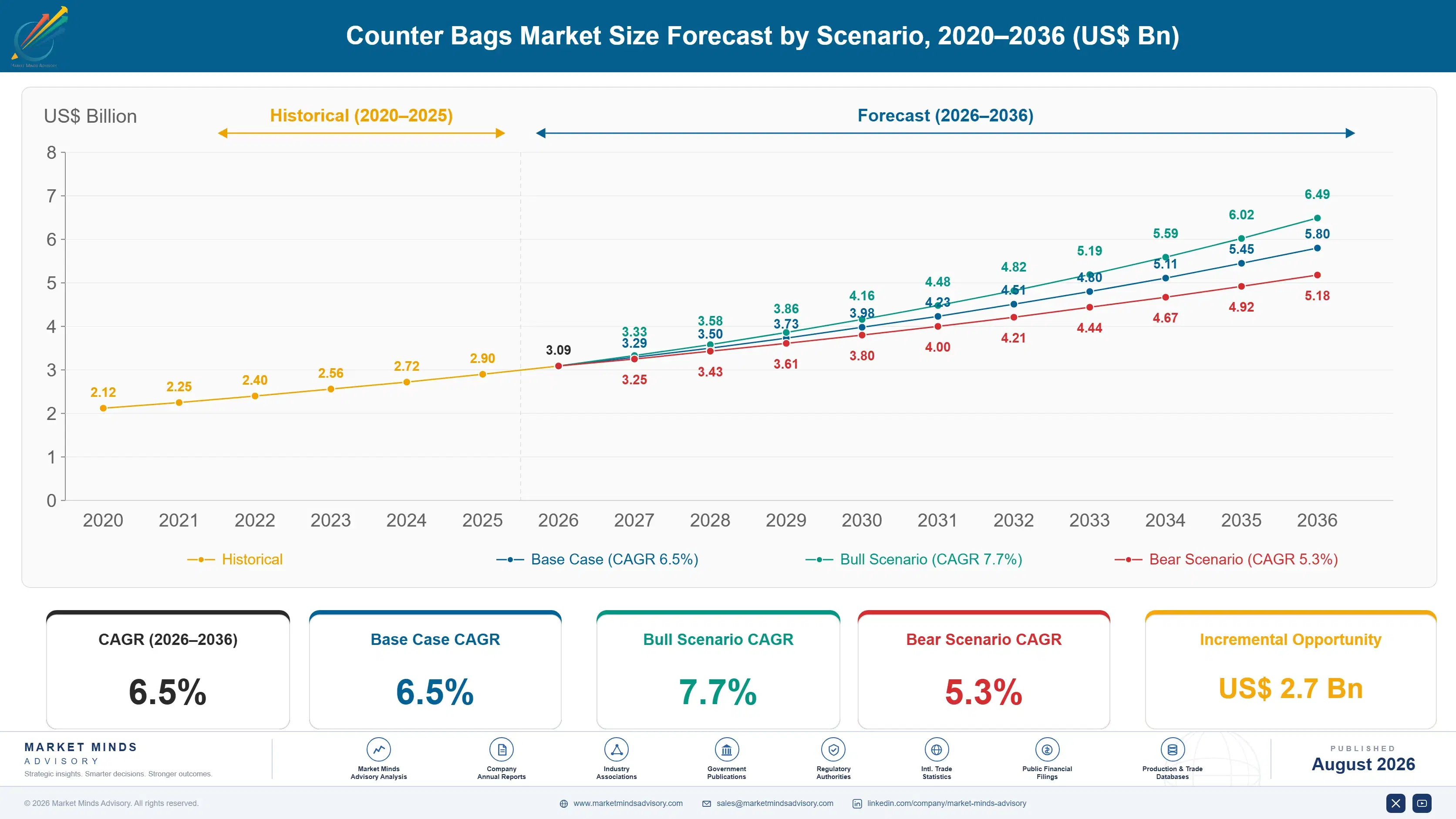
The counter bags market is poised for steady expansion, driven by the increasing demand for convenient, hygienic, and sustainable packaging solutions across retail, food service, and pharmaceutical sectors. The global counter bags market was valued at USD 1.82 billion in 2025 and is projected to reach USD 2.48 billion by 2033, reflecting a CAGR of 4.4% during the forecast period. This growth is underpinned by the rising adoption of counter bags in supermarkets, bakeries, and quick-service restaurants, where efficient product handling and customer convenience are paramount.

The market is witnessing a shift towards eco-friendly materials and innovative bag designs, responding to evolving consumer preferences and stringent regulatory requirements. Manufacturers are investing in biodegradable, compostable, and recyclable counter bags to address environmental concerns and enhance brand reputation. The proliferation of organized retail and the expansion of the foodservice industry, particularly in emerging economies, are further catalyzing market growth, making counter bags an integral component of modern packaging solutions.

Counter Bags Market

Counter Bags Market Scenario & Strategic Insights

The counter bags market is characterized by a dynamic interplay of regulatory, technological, and consumer-driven factors. Regulatory mandates on single-use plastics have accelerated the transition towards paper-based and compostable counter bags, compelling manufacturers to innovate and diversify their product portfolios. The market is also benefiting from the increasing penetration of organized retail formats, which prioritize efficient and hygienic packaging to enhance the customer experience and streamline operations.

Strategically, market participants are focusing on product differentiation through customization, printability, and enhanced barrier properties. The integration of digital printing technologies allows brands to leverage counter bags as marketing tools, fostering brand visibility at the point of sale. Furthermore, the adoption of automation in bag manufacturing and filling processes is improving operational efficiency and reducing costs. However, the market faces challenges related to raw material price volatility and the need for continuous innovation to meet evolving sustainability standards.

Attribute2026 (USD Billion)2033 (USD Billion)CAGR (2026 – 2033)
Market Size1.902.484.4%

Counter Bags Market Trends

  • Sustainability and Eco-Friendly Materials

The counter bags market is undergoing a significant transformation as sustainability becomes a central concern for both consumers and regulators. There is a marked shift from conventional plastic bags to paper-based, biodegradable, and compostable alternatives. Brands are increasingly adopting materials certified by recognized environmental standards, such as FSC-certified paper and PLA-based bioplastics. This trend is further reinforced by government bans and levies on single-use plastics, compelling retailers and foodservice providers to seek greener packaging solutions. The focus on sustainability not only addresses environmental concerns but also enhances brand image and customer loyalty.

  • Customization and Brand Differentiation

Customization has emerged as a key trend in the counter bags market, with businesses leveraging advanced printing technologies to create visually appealing and brand-centric packaging. Digital and flexographic printing enable high-quality graphics, logos, and promotional messages on counter bags, transforming them into effective marketing tools. This trend is particularly prominent in the foodservice and retail sectors, where packaging plays a crucial role in influencing purchase decisions and reinforcing brand identity. The ability to offer customized sizes, shapes, and finishes further enhances product differentiation and customer engagement.

  • Technological Advancements in Manufacturing

The adoption of automation and smart manufacturing technologies is reshaping the counter bags market. Automated bag-making machines, integrated quality control systems, and efficient filling and sealing solutions are improving production speed, consistency, and cost-effectiveness. These advancements enable manufacturers to meet large-scale demand while maintaining high standards of hygiene and product integrity. Additionally, innovations in barrier coatings and multilayer structures are enhancing the functional properties of counter bags, such as moisture resistance and extended shelf life, catering to the specific needs of food and pharmaceutical applications.

Segment & Category Analysis for Counter Bags Market

By Material Type

  • Paper
    • Plastic (Polyethylene, Polypropylene)
    • Biodegradable/Compostable Materials

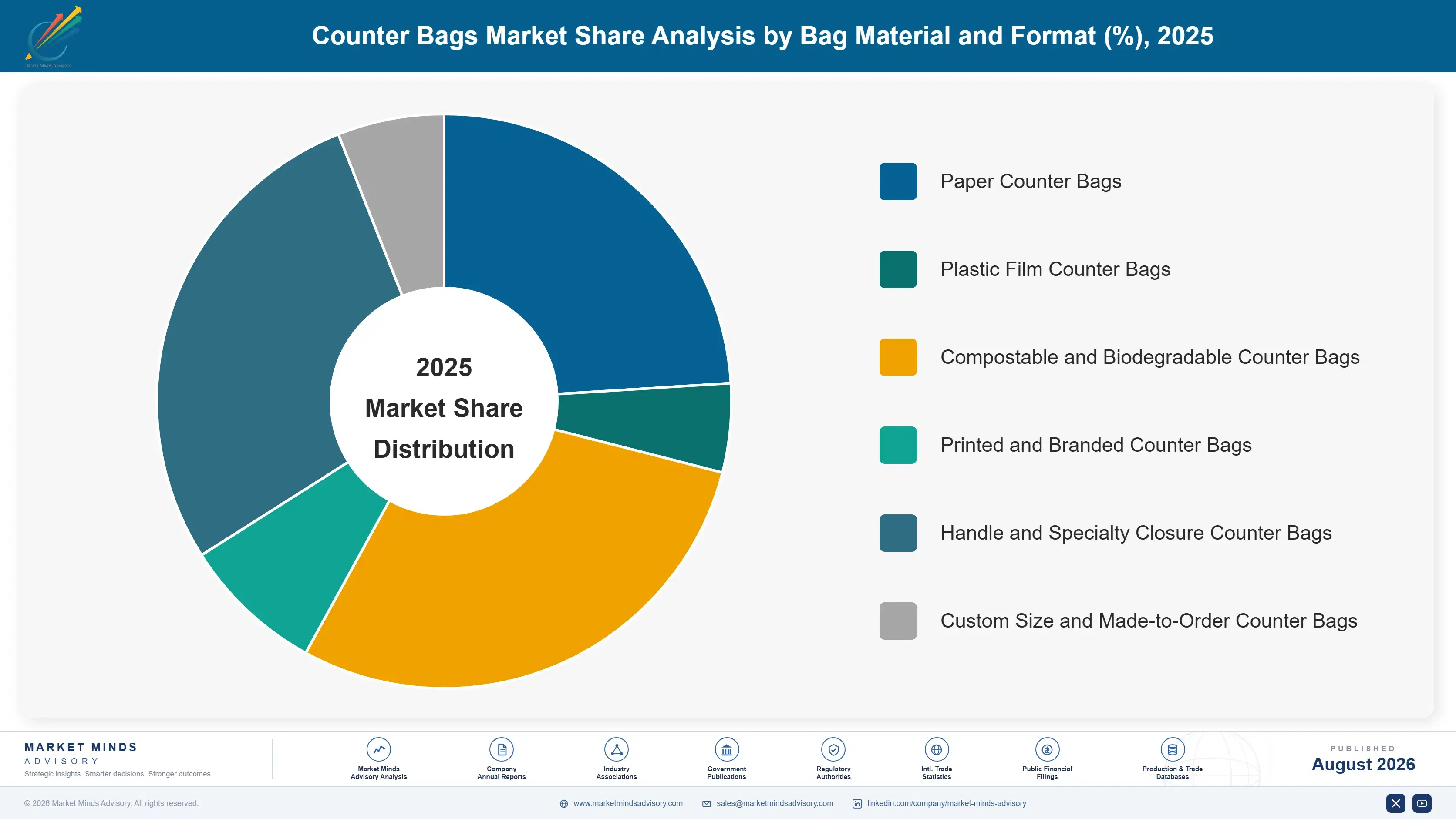
The material type segment is pivotal in shaping the counter bags market landscape. Paper counter bags are gaining traction due to their eco-friendly attributes and compliance with regulatory norms. Plastic counter bags, while still prevalent, are facing declining demand in regions with stringent plastic bans. Biodegradable and compostable materials are emerging as the fastest-growing segment, driven by increasing environmental awareness and consumer preference for sustainable packaging. Manufacturers are investing in research and development to enhance the strength, printability, and barrier properties of alternative materials, ensuring they meet the functional requirements of diverse end-use applications.

Counter Bags Market Material Type

By End-Use Industry

  • Retail (Supermarkets, Hypermarkets, Convenience Stores)
    • Foodservice (Bakeries, Quick-Service Restaurants, Cafés)
    • Pharmaceuticals
    • Others (Electronics, Apparel)

The end-use industry segment highlights the versatility of counter bags across multiple sectors. Retail remains the largest consumer, utilizing counter bags for packaging fresh produce, bakery items, and deli products. The foodservice industry is witnessing robust growth, with counter bags facilitating hygienic and convenient takeaway solutions. Pharmaceutical applications are also expanding, particularly for over-the-counter medications and health supplements. The adaptability of counter bags to various product types and regulatory requirements underscores their indispensability in modern packaging.

By Bag Type

  • Flat Bags
    • Gusseted Bags
    • Self-Opening Satchel (SOS) Bags
    • Handle Bags

Bag type segmentation reflects the diverse functional and aesthetic requirements of end-users. Flat bags are widely used for lightweight items and quick-service applications, while gusseted bags offer increased capacity and stability for bulkier products. Self-opening satchel (SOS) bags are favored in retail and foodservice settings for their ease of use and efficient filling. Handle bags, though less common, provide added convenience for customers carrying heavier or multiple items. The choice of bag type is influenced by product characteristics, customer preferences, and operational considerations.

By Closure Type

  • Open Top
    • Heat Sealable
    • Adhesive Strip
    • Zip Lock

Closure type is a critical factor in ensuring product safety, freshness, and tamper resistance. Open top counter bags are suitable for quick-service and low-risk items, while heat sealable and adhesive strip closures offer enhanced protection for perishable or sensitive products. Zip lock closures are gaining popularity for their reusability and ability to maintain product integrity after initial opening. Manufacturers are innovating closure mechanisms to balance convenience, security, and cost-effectiveness, catering to the evolving needs of end-users.

By Distribution Channel

  • Direct Sales (B2B)
    • Distributors/Wholesalers
    • Online Retail

The distribution channel segment underscores the importance of efficient supply chain management in the counter bags market. Direct sales to large retailers and foodservice chains account for a significant share, enabling customized solutions and bulk procurement. Distributors and wholesalers play a crucial role in reaching small and medium-sized enterprises, while online retail is emerging as a convenient channel for smaller orders and niche products. The growing adoption of e-commerce platforms is facilitating market access for new entrants and expanding the reach of innovative counter bag solutions.

Counter Bags Market Distribution Channel

Growth Drivers and Opportunities in Counter Bags Market

  • Regulatory Push for Sustainable Packaging

Stringent regulations on single-use plastics and increasing governmental support for sustainable packaging are major growth drivers for the counter bags market. Policies promoting the use of biodegradable and recyclable materials are compelling manufacturers and retailers to transition towards eco-friendly counter bags. This regulatory environment not only mitigates environmental impact but also creates new opportunities for innovation and market differentiation. Companies that proactively adopt sustainable practices are well-positioned to capture market share and build long-term customer trust.

  • Expansion of Organized Retail and Foodservice Sectors

The rapid expansion of organized retail and foodservice sectors, particularly in emerging economies, is fueling demand for counter bags. Supermarkets, hypermarkets, and quick-service restaurants require efficient, hygienic, and customizable packaging solutions to enhance operational efficiency and customer satisfaction. The proliferation of modern retail formats and the growing trend of takeaway and home delivery services are creating a robust demand pipeline for counter bags, offering significant growth opportunities for manufacturers and suppliers.

Emerging Opportunities for Counter Bags Market

  • Adoption of Smart Packaging Technologies

The integration of smart packaging technologies, such as QR codes, RFID tags, and interactive printing, presents new opportunities for the counter bags market. These innovations enable enhanced product traceability, customer engagement, and supply chain transparency. Brands can leverage smart counter bags to deliver value-added services, such as product authentication, promotional campaigns, and personalized experiences, differentiating themselves in a competitive market landscape.

  • Expansion into Niche and Premium Segments

The counter bags market is witnessing emerging opportunities in niche and premium segments, such as luxury retail, organic food, and specialty pharmaceuticals. These segments demand high-quality, aesthetically appealing, and functionally superior packaging solutions. Manufacturers can capitalize on this trend by offering customized, premium counter bags with advanced features, such as anti-microbial coatings, moisture barriers, and unique finishes, catering to the specific needs of discerning customers.

Growth Restrain factors and Challenges in Counter Bags Market

  • Raw Material Price Volatility and Supply Chain Disruptions

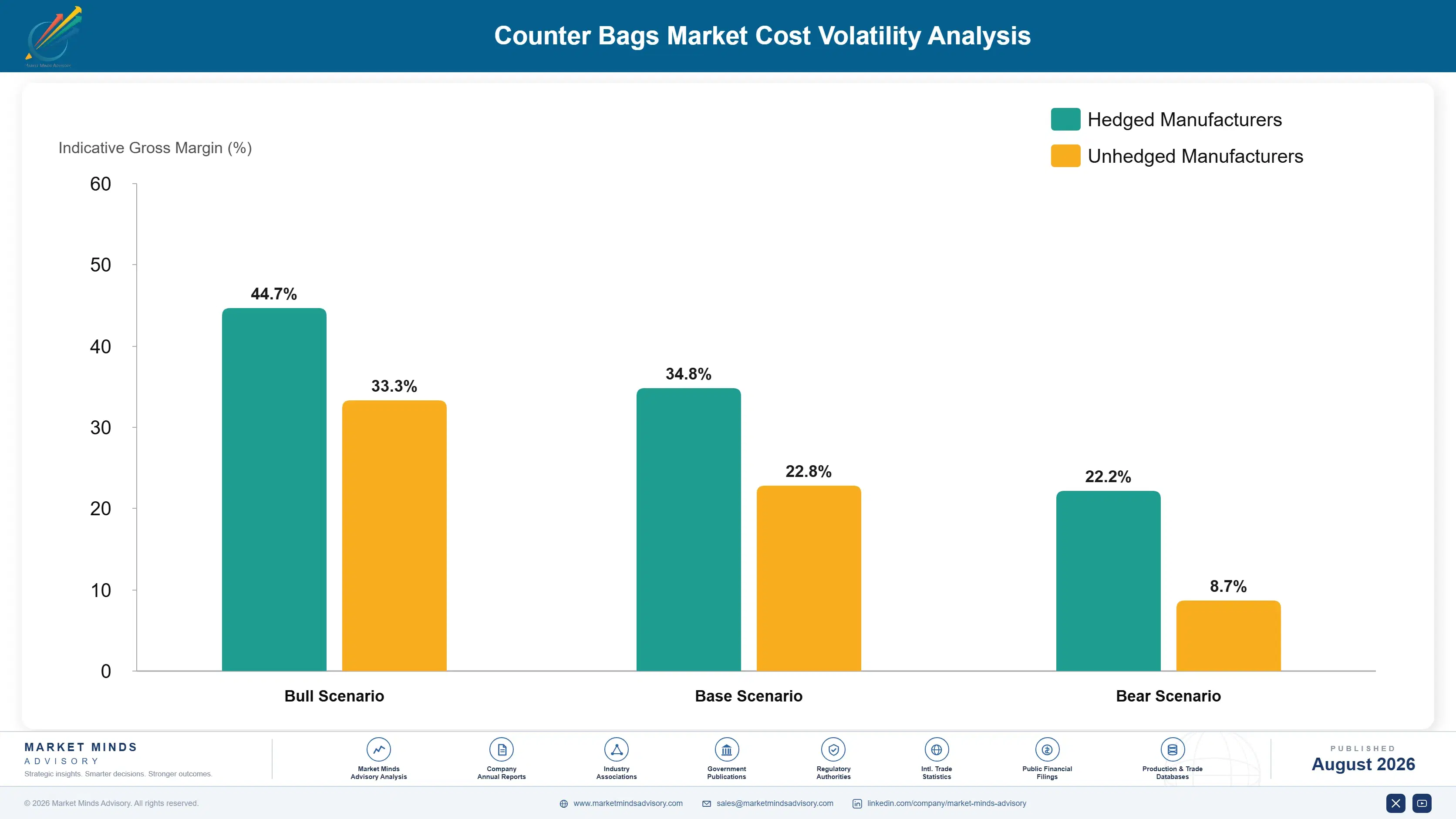
The counter bags market is susceptible to fluctuations in raw material prices, particularly for paper, bioplastics, and specialty coatings. Volatile input costs can erode profit margins and create pricing pressures for manufacturers, especially in highly competitive markets. Additionally, supply chain disruptions, such as those experienced during global crises or natural disasters, can impact the availability and cost of essential materials. Companies must adopt robust procurement strategies, diversify supplier bases, and invest in supply chain resilience to mitigate these risks.

Another challenge stems from the increasing competition among manufacturers, which can lead to price wars and reduced profitability. Smaller players may struggle to invest in innovation and sustainability initiatives, limiting their ability to compete with larger, well-capitalized firms. Market consolidation and strategic partnerships may become necessary for survival and growth in this dynamic environment.

  • Balancing Sustainability with Performance and Cost

While the shift towards sustainable counter bags is a key market driver, it also presents challenges related to performance and cost. Biodegradable and compostable materials may not always match the strength, barrier properties, or cost-effectiveness of conventional plastics. Manufacturers must invest in research and development to bridge these gaps and ensure that sustainable alternatives meet the functional requirements of end-users. Educating customers about the benefits and limitations of eco-friendly counter bags is also essential to drive adoption and manage expectations.

Furthermore, compliance with diverse regulatory standards across regions adds complexity to product development and market entry strategies. Companies must navigate varying definitions of “biodegradable” and “compostable,” as well as certification requirements, to ensure their products are accepted in target markets. This necessitates ongoing investment in regulatory intelligence and product testing, adding to operational costs and complexity.

Counter Bags Market Regional Analysis

RegionMarket Share (2025)Key Market Highlight
Asia-Pacific34%Rapid retail expansion, strong demand for sustainable packaging
North America27%Stringent regulations, high adoption of eco-friendly materials
Europe22%Advanced recycling infrastructure, innovation in bag design
South America10%Growing foodservice sector, increasing urbanization
Middle East & Africa7%Emerging retail formats, gradual shift to sustainable packaging

Asia-Pacific

Asia-Pacific leads the counter bags market, driven by rapid urbanization, expanding organized retail, and increasing consumer awareness of sustainability. Countries such as China, India, and Japan are witnessing robust demand for eco-friendly counter bags, supported by government initiatives to reduce plastic waste. The region’s large population base and growing middle class further contribute to market growth, making Asia-Pacific a focal point for manufacturers and investors.

North America

North America holds a significant share of the counter bags market, characterized by stringent regulatory frameworks and high consumer preference for sustainable packaging. The United States and Canada are at the forefront of adopting biodegradable and recyclable counter bags, with retailers and foodservice providers actively seeking alternatives to single-use plastics. The region’s advanced manufacturing capabilities and strong focus on innovation support the development of high-performance counter bags.

Europe

Europe is a mature market for counter bags, distinguished by advanced recycling infrastructure and a strong emphasis on circular economy principles. The European Union’s directives on packaging waste and single-use plastics are driving the adoption of paper-based and compostable counter bags. Innovation in bag design, such as water-based coatings and digital printing, is prevalent in the region, catering to the diverse needs of retail and foodservice sectors.

South America

South America is experiencing steady growth in the counter bags market, fueled by the expansion of the foodservice sector and increasing urbanization. Brazil, Argentina, and Chile are key markets, with rising demand for convenient and hygienic packaging solutions. While the adoption of sustainable counter bags is still in its early stages, growing environmental awareness and regulatory initiatives are expected to accelerate the transition in the coming years.

Middle East & Africa

The Middle East & Africa region is witnessing gradual growth in the counter bags market, supported by the emergence of modern retail formats and a slow but steady shift towards sustainable packaging. Countries such as South Africa, UAE, and Saudi Arabia are investing in retail infrastructure and exploring alternatives to conventional plastic bags. The market presents opportunities for manufacturers to introduce innovative and cost-effective counter bag solutions tailored to local preferences and regulatory requirements.

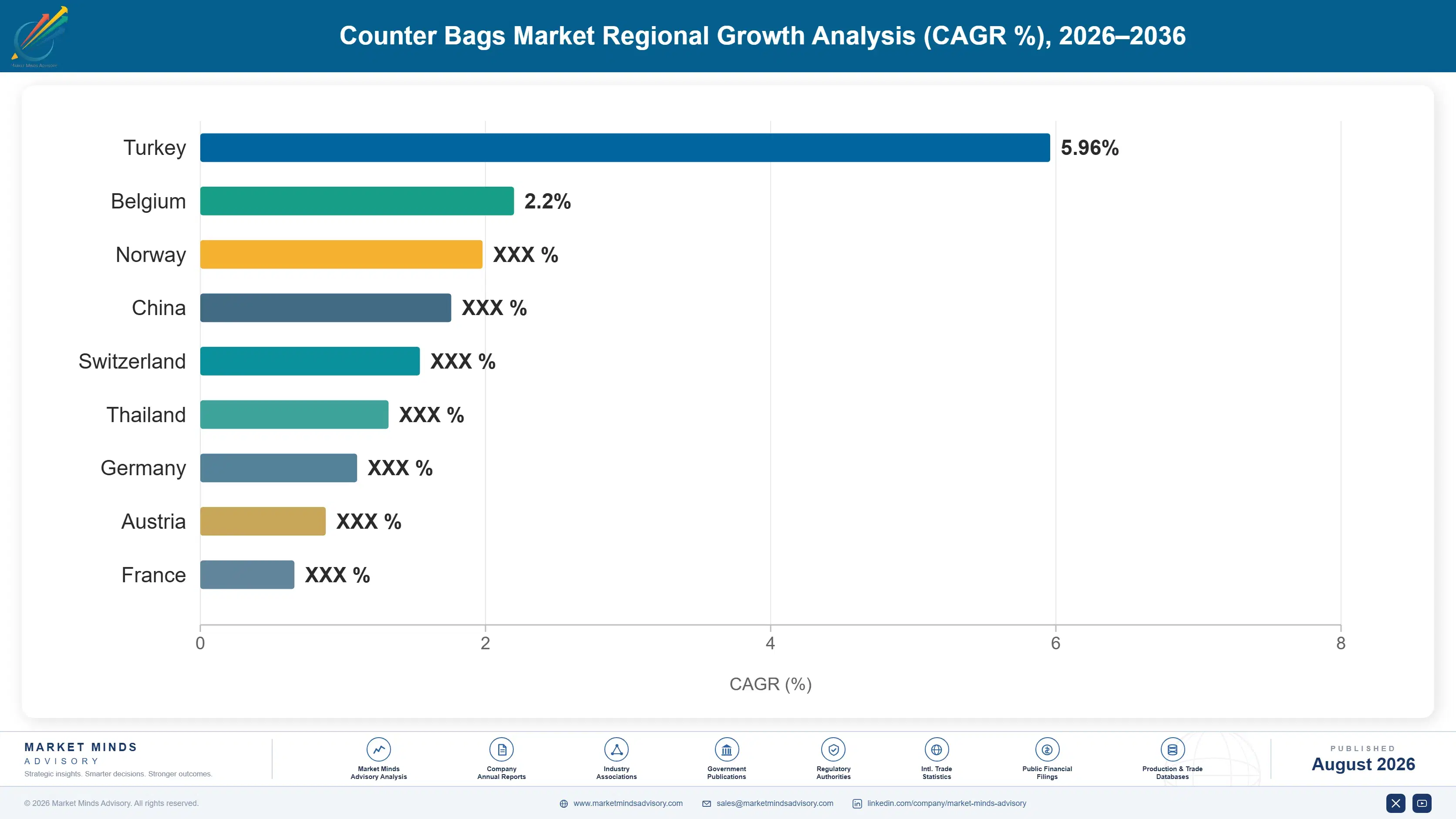
Counter Bags Market Regional

Competition Landscape in Counter Bags Market

The counter bags market is highly competitive, with a mix of global, regional, and local players vying for market share. Leading companies are focusing on product innovation, sustainability, and strategic partnerships to strengthen their market position. The competitive landscape is characterized by continuous investment in research and development, expansion of production capacities, and adoption of advanced manufacturing technologies. Mergers, acquisitions, and collaborations are common strategies to enhance product portfolios and expand geographic reach. The market also features a significant presence of small and medium-sized enterprises, particularly in emerging economies, contributing to a diverse and dynamic competitive environment.

Major Players in Counter Bags Market

  • Mondi Group
  • Novolex Holdings, Inc.
  • Smurfit Kappa Group
  • WestRock Company
  • International Paper Company
  • Huhtamaki Oyj
  • Amcor plc
  • Sealed Air Corporation
  • Coveris Holdings S.A.
  • BillerudKorsnäs AB
  • DS Smith Plc
  • ProAmpac LLC
  • Uflex Ltd.
  • Stora Enso Oyj
  • Sonoco Products Company
  • Klabin S.A.
  • Graphic Packaging International, LLC
  • El Dorado Packaging, Inc.
  • PaperPak Pty Ltd.
  • BioBag International AS

Recent Developments in Counter Bags Market

  • In January 2024, Mondi Group launched a new range of fully recyclable paper counter bags targeting the European retail sector.
  • In October 2023, Novolex Holdings, Inc. expanded its portfolio with compostable counter bags for foodservice applications in North America.
  • In August 2023, Smurfit Kappa Group announced the acquisition of a regional paper bag manufacturer in Asia-Pacific to strengthen its market presence.
  • In May 2023, WestRock Company introduced digitally printed counter bags with enhanced customization options for retail clients.
  • In March 2023, Huhtamaki Oyj partnered with a leading supermarket chain in Europe to supply biodegradable counter bags.
  • In December 2022, Amcor plc invested in new manufacturing lines to increase the production capacity of eco-friendly counter bags in South America.

FAQ for Counter Bags Market

  1. What are the primary factors driving the growth of the counter bags market?

The growth of the counter bags market is primarily driven by increasing demand for sustainable packaging, regulatory restrictions on single-use plastics, and the expansion of organized retail and foodservice sectors. Consumer preference for eco-friendly and convenient packaging solutions further accelerates market growth.

  1. Which material type is expected to dominate the counter bags market during the forecast period?

Paper-based counter bags are expected to dominate the market, owing to their biodegradability, recyclability, and compliance with environmental regulations. The adoption of biodegradable and compostable materials is also gaining momentum as sustainability becomes a key market driver.

  1. How are technological advancements impacting the counter bags market?

Technological advancements, such as automation in manufacturing, digital printing, and innovative barrier coatings, are enhancing the efficiency, customization, and functional properties of counter bags. These innovations enable manufacturers to meet diverse end-user requirements and improve operational efficiency.

  1. Which regions are expected to offer the highest growth opportunities in the counter bags market?

Asia-Pacific is expected to offer the highest growth opportunities, driven by rapid urbanization, expanding retail infrastructure, and increasing environmental awareness. North America and Europe also present significant opportunities due to stringent regulations and high adoption of sustainable packaging.

  1. What are the major challenges faced by manufacturers in the counter bags market?

Major challenges include raw material price volatility, supply chain disruptions, and the need to balance sustainability with performance and cost. Compliance with diverse regulatory standards and the requirement for continuous innovation to meet evolving market demands also pose significant challenges for manufacturers.

Contact us today to access the full report and gain comprehensive insights to propel your business forward.