Market Minds Advisory
Corrugated Wraps Market

Corrugated Wraps Market: A Freight Problem Dressed As A Product Market

Wraps are bulky and cheap by weight, so hauling them any distance destroys the margin, which is why an industry containing several enormous companies still competes plant by plant against local rivals.

Lead Analyst

Published

September 2026

Make Smarter Decisions with Customized Research Insights

Request a free sample report and evaluate market opportunities, growth trends, and competitive dynamics relevant to your business needs.

2025 MARKET VALUE$6.4BMarket Size 2025
2036 FORECAST VALUE$13.2BBase Case , 2026 to 2036
CAGR 2026 TO 20366.8 %Bull 8.0% / Bear 5.6%
INCREMENTAL OPPORTUNITY$6.4BNet 10- year value creation
EXPANSION MULTIPLE1.93x2036 value over 2026 base
Strategic Levers
M&A Pipeline
Regional Outlook
Country Rankings
Competitive Intelligence
Segmental Deep-dive
Call-Us : 91 93563 13602

Executive Snapshot and Market Trajectory

Corrugated wrap is bulky, light and cheap, which means the economics are set by how far it travels rather than by what it is made of. Beyond a few hundred kilometres the freight costs more than the product, so this market is local whatever the corporate logos suggest.
East Asia takes 36% of value because China produces and consumes more corrugated than anywhere else by a wide margin and its e-commerce packaging volume has no equivalent. Paper-based cushioning wraps grow at 10.2%, half again the market rate of 6.8%, driven by plastic substitution rather than by any performance advantage. Paper cushioning protects less well per unit and costs more, which the industry rarely says aloud.
Concentration is remarkably low at 29% despite several very large companies participating, because freight economics prevent anybody dominating a region they cannot supply from a nearby plant. Input cost runs off old corrugated container pricing, a scrap market that swings violently with Chinese import policy, which makes this business considerably harder to forecast than its steady end demand implies. Steady end demand conceals an input market that moves violently and without warning.
Market Definition
The market covers corrugated paper-based materials supplied to wrap, cushion and protect products in transit, including single-face corrugated rolls, wrap-around blanks and sleeves, corrugated pads and layer sheets, die-cut protective wraps and inserts, moisture and grease barrier coated wraps, and paper-based cushioning wraps. Corrugated shipping boxes and cases, folding cartons, plastic cushioning materials, stretch film, and containerboard sold as an input material are excluded. Packaging machinery and contract packing services fall outside scope.
Base Year Value
$6.4B in 2025 (MMA Primary Research Dataset, August 2026)
Forecast Period
2026 to 2036, eleven discrete annual values
CAGR
6.8% base case. Bull 8.0%. Bear 5.6%.
Fastest Growth Segment
Paper-Based Cushioning Wraps: 10.2% CAGR
Fastest Growth Country
India: 9.0% CAGR
Fastest Growth Region
South Asia and Pacific: 9.0% CAGR
Largest Region
East Asia: 36% of 2025 global value
Market Leaders
International Paper, Smurfit Westrock, Mondi, Nine Dragons Paper, Oji Holdings. Source: MMA Analysis based on disclosed corrugated packaging and containerboard revenue, company annual reports 2025.
Primary Survey
n=3,800 procurement and R&D decision-makers, Q4 2025, six countries
Methodology
Demand-side build-up, cross-validated against public data, 47 expert interviews

Corrugated Wraps Market Forecast Scenarios

corrugated-wraps-market-size-forecast-scenario-1787686872578
Growth from 2020 to 2025 ran at 5.8% and two forces pulled in opposite directions. Online retail volumes surged and then normalised, taking wrap consumption with them in both directions. Meanwhile packaging regulation and brand commitments pushed shippers away from plastic cushioning toward paper alternatives, which added volume steadily throughout. Old corrugated container pricing swung sharply across the period and made reported revenue considerably less informative than tonnage.
The 6.8% base case rests on three mechanisms. Plastic packaging regulation continues tightening across Europe and parts of Asia, which moves cushioning applications toward paper regardless of relative performance. Barrier coated wraps are replacing plastic film in food and industrial applications where moisture or grease resistance was the only reason plastic was there. And Indian and Southeast Asian organised retail is building the packaging supply chains that consumption follows. Each operates independently of the others.
The bull case at 8.0% turns on plastic cushioning restrictions extending to major Asian markets, which would convert a brand-led substitution into a regulatory one across enormous volumes. The bear case at 5.6% is automated right-sizing systems reducing void volume inside shipping boxes, which shrinks the cushioning requirement that most wrap consumption exists to fill.

Why This Business Stays Local

A tonne of corrugated wrap occupies an enormous amount of trailer space and sells for very little, which sets everything else in this business. Past roughly 320 kilometres the freight bill exceeds what the material is worth, so a plant serves a region and competes only against other plants inside it. Five very large companies together hold about 29% globally.
FIVE-FIRM CONCENTRATION29%Share of corrugated packaging revenue held by leading producers
ECONOMIC HAUL RADIUS320 kmDistance beyond which freight cost exceeds the product value
TOP PRODUCING COUNTRYChina 31%Chinese share of global corrugated wrap volume produced annually
RECYCLED FIBRE CONTENT84%Proportion of wrap furnish sourced from recovered corrugated material
SUBSTITUTION DAMAGE DELTA0.5 pointsDamage rate increase when paper cushioning replaces foam protection
RECOVERED FIBRE VOLATILITY3.1 timesRatio between peak and trough recovered fibre pricing recently
The substitution story is real and it is not the one the industry tells. Paper cushioning is replacing bubble wrap and foam because packaging regulation and brand commitments require it, not because it protects better or costs less. It generally does neither. A shipper watching damage rise half a point has lost more than the packaging saving, and that number lives in returns data rather than on any specification sheet.
Input cost behaves unlike most packaging materials. Roughly 84% of wrap furnish comes from recovered corrugated material, so the cost base sits in a scrap market rather than a pulp market. Recovered fibre pricing has moved by a factor of over three since 2020 on Chinese import policy and collection volumes rather than packaging demand. Producers on fixed annual contracts lost money in ways nobody modelled.
"Everyone talks about this as a sustainability story. It is a trucking story with a scrap market attached, and the customers switching to paper are quietly absorbing more damage than they admit."
Director, Paper Packaging and Protective Materials Practice · MMA Packaging Practice · August 2026

Market Trends

Regulation Rather Than Performance Drives Plastic Substitution

Paper cushioning wraps are displacing bubble film and expanded foam because packaging regulations and corporate commitments increasingly forbid the alternatives, and that is a different force from a product winning on merit. Paper protects less well per unit of thickness and generally costs more per item protected. Shippers accept both because compliance and brand positioning are not negotiable in the way packaging cost is. Suppliers selling on protective performance are making an argument their own customers can disprove, while those selling on compliance are answering the question actually being asked.
Market Impact: Consumes 31% of global volume

Barrier Coatings Replace Plastic Film In Food Applications

Grease and moisture resistance was the only reason plastic film sat in many wrapping applications, and water-based and dispersion barrier coatings now deliver enough of it on paper to satisfy the requirement. Recyclability in existing paper streams is the deciding advantage, since a coated paper wrap goes into the same collection as everything else. Growth at 8.8% reflects that. The technical limit is genuine and worth stating: barrier coated paper still underperforms plastic film on high moisture and long shelf life applications, and suppliers overselling that capability generate returns. Overselling that capability costs accounts.
Market Impact: Covers 27 regulated jurisdictions

Market Opportunities and Growth Drivers

Asian E-Commerce Volume Creates The Largest Consumption Base

China produces and consumes roughly 31% of global corrugated wrap volume, driven by a parcel economy operating at a scale nothing else approaches and by domestic manufacturing shipping to the world. Indian organised retail and online delivery are building comparable supply chains now from a much lower base. Regional producers are numerous, competitive and increasingly sophisticated on coated and cushioning grades. Western producers looking at this growth cannot serve it from existing plants, since freight economics make export supply impossible past a few hundred kilometres. Serving it requires building there.
Market Impact: Limits supply beyond 320 kilometres

Plastic Packaging Rules Tighten Across Multiple Jurisdictions

European packaging regulation, extended producer responsibility fees and national plastic restrictions have made plastic cushioning progressively more expensive and in places prohibited, which pushes volume toward paper regardless of comparative performance. Compliance deadlines create demand on fixed dates rather than gradually, which suits producers who prepared capacity and punishes those who did not. Similar rules are advancing across parts of Asia and Latin America. The commercial consequence is a demand driver that responds to legislative calendars rather than to any economic cycle a producer would normally track. Legislative calendars are the forecasting tool nobody in packaging keeps.
Market Impact: Removes void from 3 parcels

Market Restraints and Challenges

Freight Economics Cap How Far Any Producer Can Compete

Corrugated wrap is bulky and cheap by weight, and past roughly 320 kilometres freight exceeds the value of what is being hauled. Root cause is basic density: a trailer fills long before it reaches weight, so every kilometre is paid on air. The commercial impact is that growth requires building or buying plants rather than winning customers, which makes expansion capital intensive and slow. Mitigation involves regional acquisition and, for cushioning grades, supplying compressed or expandable material that ships denser and expands at the customer's site. Expandable formats are the only genuine escape.
Market Impact: Adds 0.5 points to damage rates

Right-Sizing Automation Shrinks The Void Being Filled

Automated packaging systems that build a box around the product remove the void that cushioning wrap exists to fill, and the largest online retailers have deployed them extensively. Root cause is that wrap consumption was always a function of empty space rather than of parcel count. The commercial impact is that parcel volume growth overstates wrap demand growth, sometimes considerably, and producers forecasting from shipment data have been repeatedly wrong. Mitigation runs toward wrap formats used for product protection rather than void fill, which right-sizing does not eliminate. Void fill and product protection are different businesses.
Market Impact: Replaces film in 8.8% growing uses
3 additional market trends, 4 additional growth drivers, and 2 additional restraints and challenges are covered in the full report. Contact sales@marketmindsadvisory.com to access the complete intelligence.

Segment CAGR and Growth Architecture

Segmentation follows product format: how the wrap is constructed and supplied to the packer, rather than which goods it protects or which channel buys it. Six formats cover the market without overlap, from single-face rolls through to paper cushioning wraps. End-use industry and commercial arrangement are handled separately, since both cut across every format.
corrugated-wraps-market-market-share-analysis-1787686872883

Paper-Based Cushioning Wraps

Expandable and honeycomb paper cushioning grows at 10.2%, half again the market rate of 6.8%, and almost all of that comes from displacing bubble film and expanded foam under regulatory and brand pressure. The honest position is that paper cushions less effectively per unit of thickness and usually costs more per item protected, which shippers accept because compliance is not negotiable. One genuine commercial advantage is density in transit: compressed or expandable formats ship far more efficiently than finished cushioning, which partly escapes the freight constraint governing everything else in this category and lets a plant serve a wider radius profitably. Nobody has priced that particular freight advantage properly yet.
CAGR 10.2%

Moisture and Grease Barrier Coated Wraps

Dispersion and water-based barrier coatings give paper enough grease and moisture resistance to replace plastic film in many wrapping applications, and recyclability in existing paper collection is what decides the substitution. Growth at 8.8% comes mainly from food service, bakery, protein packing and industrial component wrapping. The limitation deserves stating plainly, because suppliers who oversell it generate returns and lose accounts: coated paper still underperforms plastic film on high moisture content and extended shelf life, and specifying it into those applications produces failures that damage the wider substitution argument for everybody. Regulatory pressure will carry the segment regardless, and the suppliers who specify honestly will hold the accounts that matter.
CAGR 8.8%
Full segment breakdown across 6 segments available in the complete report.

Regional Architecture and Country Demand Map

Geography follows manufacturing and parcel volume rather than any technology position, since production capability is broadly comparable everywhere. East Asia leads on sheer consumption scale, North America and Western Europe follow on regulation-driven substitution, and South Asia grows fastest. Plant location decides participation more than capability does.

North America

American demand splits between online fulfilment operations and industrial shipping, with the largest retailers having deployed right-sizing automation that reduces void fill consumption per parcel considerably. Producers are regionally organised around plant networks, since freight economics prevent national supply from any single site. Recovered fibre supply is comparatively good and collection infrastructure is mature. Canadian demand follows similar patterns with a smaller domestic plant base and cross-border supply where distances permit. Mexican consumption has grown through manufacturing for export, particularly automotive and appliance components requiring protective wraps in transit. Void fill consumption per parcel has fallen even as parcel counts rose, which producers forecasting from shipment data consistently failed to anticipate. Regional plant density decides who competes.
Share: 22% | CAGR: 6.0% (2026 to 2036)

Western Europe

European packaging regulation and extended producer responsibility fees have pushed plastic cushioning substitution further here than anywhere, which makes paper cushioning growth regulatory rather than commercial in origin. German and French producers serve dense industrial regions from tightly spaced plant networks. Italian and Spanish demand runs heavily through food and agricultural packing with barrier coated grades. Nordic producers benefit from strong fibre positions and export containerboard rather than finished wraps. British demand has been shaped by both regulation and a large online retail sector, though domestic production capacity has contracted over the past decade. Compliance deadlines rather than commercial arguments set the pace of substitution here, and producers who tracked those calendars won qualification work early.
Share: 19% | CAGR: 5.2% (2026 to 2036)
Regional intelligence for 5 additional markets available in the complete report: East Asia, South Asia and Pacific, Latin America, Middle East and Africa, Eastern Europe. Contact sales@marketmindsadvisory.com.
corrugated-wraps-market-country-cagr-analysis-1787686873205

Winning Inside The Haul Radius

Freight caps competition at roughly 320 kilometres, recovered fibre pricing has moved by more than three times since 2020, and substitution runs on regulation rather than performance. Four levers work on geography, fibre exposure and compliance timing rather than on product characteristics competitors can match within a season. Product characteristics matter far less than any of that.

Buy Plants Rather Than Chase Distant Customers

Past roughly 320 kilometres freight exceeds the value of the material, which means a producer cannot win a customer it has no nearby plant to serve. Growth is therefore a capital allocation question rather than a commercial one, and the companies that understood this bought regional capacity while competitors funded sales coverage they could not supply profitably. Acquisition economics turn on plant location relative to demand density rather than on the acquired business itself, which is a different valuation discipline from the one most packaging groups apply. Most groups still apply the wrong one.
Market Impact: Extends supply past a 320 kilometre freight limit

Write Fibre Pass-Through Into Every Contract

Recovered corrugated pricing has ranged by more than three times since 2020, driven by Chinese import policy and collection volumes rather than by packaging demand at all. Producers holding annual contracts without an indexed pass-through absorbed movements that exceeded their entire margin on affected volume. Customers resist the clause and accept it when the alternative is explained properly, since a supplier that fails financially is worse than one that adjusts price. Negotiating it during a low fibre price period is far easier than attempting it during a spike. Timing the negotiation is the whole skill.
Market Impact: Covers a 3.1 times recovered fibre price swing

Sell Compliance Timing Rather Than Protective Performance

Paper cushioning adds roughly half a percentage point to damage rates against foam, so selling on protection invites a comparison the customer can settle from returns data. Selling against regulatory deadlines reaches the actual decision, since compliance dates are fixed and the packaging manager needs qualified material before them. Producers who mapped customer compliance calendars across 27 regulated jurisdictions and approached accounts ahead of each deadline won qualification work competitors reached too late. The requirement is regulatory tracking rather than any product development at all. Compliance dates cannot be moved.
Market Impact: Tracks the compliance deadlines across 27 separate jurisdictions

Ship Density Rather Than Finished Cushioning

Compressed and expandable cushioning formats that expand at the customer's site ship far denser than finished material, which partly escapes the freight constraint governing everything else here. A producer supplying expandable grades can serve profitably well past the 320 kilometre limit that caps conventional wrap supply. That extends the addressable region around every plant without any capital investment. Cushioning grades already grow at 10.2% for regulatory reasons, and the freight advantage is a second argument that most producers have not yet made to their customers at all. It costs nothing to make and widens every plant's reach.
Market Impact: Serves customers well past the 320 kilometre limit

Who Controls the Margin Pool

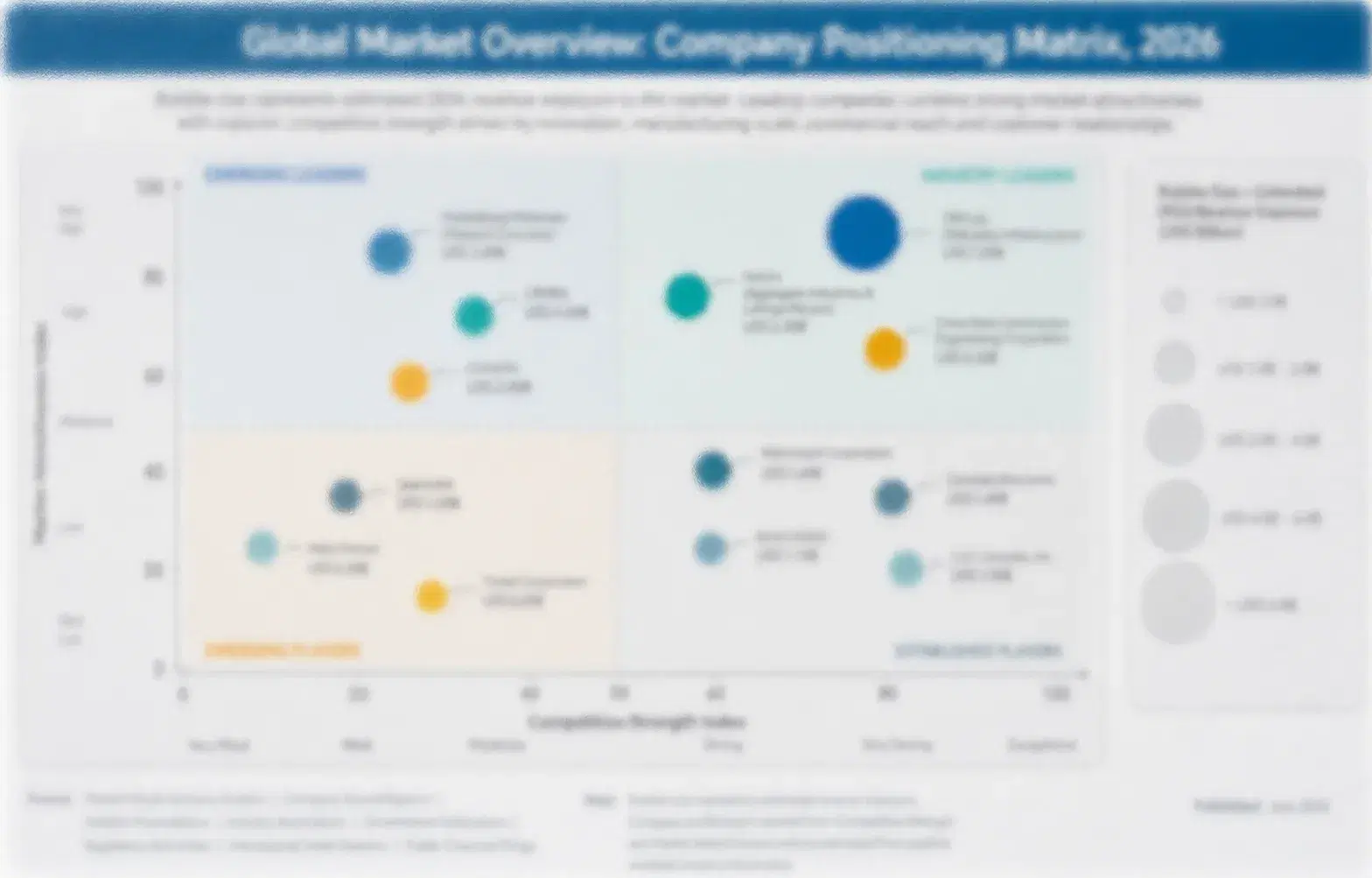
Measured on disclosed corrugated packaging and containerboard revenue, the five largest producers hold a CR5 of just 29%, which is extraordinarily low and follows directly from freight economics rather than from any absence of scale. International Paper and Smurfit Westrock hold the broadest plant networks, while Nine Dragons dominates Chinese containerboard supply. Competition happens plant by plant against whoever else is nearby.
Three contests define activity. Conventional wrap supply competes on plant proximity and price within a haul radius, where relationships matter less than distance. Barrier coated grades compete on coating technology and food contact qualification. Paper cushioning competes on compliance qualification timing, which reaches the packaging manager rather than the procurement department. A producer strong in one of those contests is usually irrelevant in the others, since the buyers sit in entirely different functions.

Pressure comes from Chinese producers moving up into coated and cushioning grades within their own vast domestic market, and from right-sizing automation reducing void fill demand in developed markets. Rankings shift by acquisition rather than by competitive win, since buying a plant is the only way to enter a region. Competitive wins move very little.
corrugated-wraps-market-company-positioning-matrix-1787686873479

Competitive Moat and Risk Dimensions

INTERNATIONAL PAPER

Moat: Plant Network Geographic Coverage

International Paper operates a plant network dense enough to serve most North American demand centres inside economic haul distance, which is the only durable advantage available in a business where freight caps competition at a few hundred kilometres. That network took decades and considerable capital to assemble. A competitor with better products cannot deliver them profitably without a nearby plant.
INTERNATIONAL PAPER

Risk: Recovered Fibre Cost Exposure

Roughly 84% of wrap furnish comes from recovered corrugated material whose price has ranged by over three times since 2020 on Chinese import policy and collection volumes. Integrated producers carry that exposure across enormous tonnage. Contract structures without indexed pass-through convert a fibre spike directly into lost margin, and customers resist the clause hardest exactly when it matters most.
SMURFIT WESTROCK

Moat: Integrated Fibre And Conversion

Smurfit Westrock holds containerboard mills alongside conversion plants, which means it captures margin across the chain and controls furnish supply during periods when recovered fibre tightens. That integration matters most precisely when input markets are disorderly. A converter buying board on the open market competes against a supplier who is also its raw material source.
SMURFIT WESTROCK

Risk: Asian Market Access Limitation

East Asia holds 36% of global value and cannot be served from European or American plants at any distance, since freight economics forbid it entirely. Entering means acquiring or building capacity against numerous established domestic competitors with lower cost positions. Scale elsewhere provides no advantage in a region where the only relevant asset is a nearby plant.

Players Tracked

Prominent Players

International Paper
Smurfit Westrock
Mondi
Nine Dragons Paper
Oji Holdings

Other Key Players

Packaging Corporation of America
Rengo
Cascades
Klabin
Sonoco Products
Pratt Industries
VPK Group
Prinzhorn Group
Saica
Lee and Man Paper
Shanying International
ITC Limited
Georgia-Pacific
Stora Enso
Ranpak

Recent Developments

FEBRUARY 2025

Producer commissions expandable paper cushioning line at converting plant

A corrugated producer commissioned an expandable paper cushioning line at an existing converting plant, an organic capital investment rather than any acquisition or partnership. Expandable formats ship compressed and expand at the customer site, which allows profitable supply well beyond the haul distance that limits conventional wrap distribution.
Signal: Density in transit is becoming a deliberate design objective, because it directly widens the region a plant can serve.
JUNE 2025

Barrier coated wrap qualified for direct food contact applications

A water-based barrier coated corrugated wrap completed qualification for direct food contact use in bakery and protein packing applications, a regulatory clearance rather than any commercial transaction. Recyclability within existing paper collection streams was the deciding factor for the customers driving the qualification programme forward.
Signal: Recyclability rather than barrier performance is deciding these substitutions, which favours paper even where film performs better.
SEPTEMBER 2025

Online retailer expands right-sizing automation across fulfilment network

A major online retailer expanded automated right-sizing packaging across additional fulfilment centres, an internal operations investment rather than any supplier agreement. The systems construct boxes around individual products, removing the void space that protective cushioning wrap exists specifically to fill in conventional packing. Cushioning demand falls accordingly.
Signal: Parcel growth is decoupling from wrap consumption, and producers forecasting from shipment volumes will keep getting it wrong.

What The Fibre Actually Costs

Recovered fibre dominates and it is not a conventional raw material. Old corrugated container material makes up roughly 84% of wrap furnish and runs 41 to 47% of manufacturing cost, purchased from collection and recycling markets rather than from pulp producers. Energy for drying and corrugating is the next largest element, followed by starch adhesive and, for coated grades, the dispersion barrier chemistry itself.
The volatility that matters is scrap market volatility. Recovered corrugated pricing has ranged by more than three times since 2020, driven principally by Chinese import policy decisions and by collection volumes that move with retail activity rather than with packaging demand. International Paper and Smurfit Westrock annual reports describe those movements explicitly. Producers holding indexed pass-through clauses passed the swings through. Those on fixed annual pricing absorbed movements exceeding their entire margin on affected volume.

Exposure divides by integration and contract structure. Integrated producers holding mills control furnish supply during tight periods and carry fibre exposure across far greater tonnage. Independent converters buying board on the open market carry price risk without any offsetting mill position. Producers in regions with weak collection infrastructure, carry higher furnish cost and depend on imported material freight makes expensive.
corrugated-wraps-market-cost-volatility-analysis-1787686873781

Index every contract to recovered fibre pricing

Recovered corrugated pricing has moved by more than three times since 2020 and fixed annual contracts converted those swings straight into lost margin. Indexed pass-through clauses are resisted by customers and accepted once the alternative is explained, since an unprofitable supplier serves nobody. Negotiating the clause while fibre pricing is low is far easier than during a spike.

Secure local collection supply before regional expansion

A new plant in a region with weak recovered fibre collection carries permanently higher furnish cost and depends on material that freight makes expensive to import. Collection infrastructure should be assessed before plant location is committed, not afterward. Producers who evaluated demand density without checking fibre availability have built capacity that cannot compete locally on cost.

Design coated grades around available barrier chemistry

Dispersion barrier chemistry is supplied by a limited number of specialist producers and pricing moves with their capacity rather than with paper markets. Designing coated grades that run on more than one supplier's chemistry costs qualification work and prevents a single supplier setting the cost of an entire growth segment. Single-source chemistry sets the cost of a growth segment.

Portfolio Architecture for Margin Defence

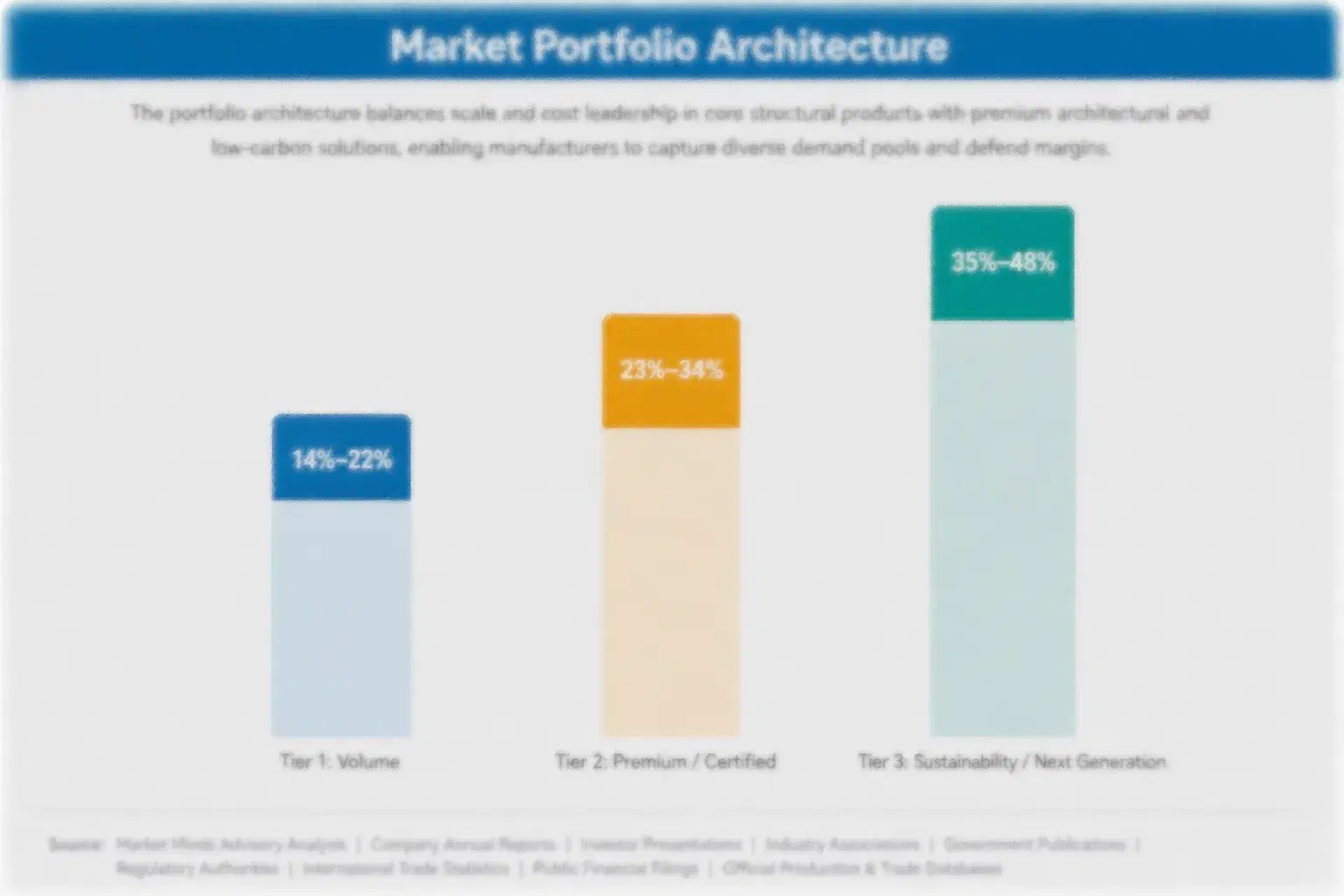
Margin follows how far a product can travel and how hard it is to qualify. Conventional single-face rolls and pads are comparable, local and thin, competing against whoever has a plant nearby. Die-cut protective wraps earn more because tooling and fit create a switching cost. Barrier coated grades earn better still on food contact qualification. Paper cushioning earns well and carries an unpriced freight advantage.
The tension is that scale helps least where margin is highest. A large group's advantage is plant density and fibre integration, both of which serve the commodity end. The qualification-driven grades reward technical depth and customer-specific development, which regional specialists frequently do better. Several large producers have discovered that acquiring a converter does not automatically transfer the capability that made it profitable.

High-value pools sit in three places. Barrier coated grades with food contact qualification, which take time to approve and hold once approved. Die-cut protective wraps tooled to a specific product. And expandable cushioning, which escapes part of the freight constraint and therefore widens the region every plant can profitably serve. Each of the three rewards technical depth rather than the plant density and fibre integration that large groups have built their advantage around.

Volume / Commodity-Adjacent

Single-face rolls, pads and layer sheets sold within a haul radius against whichever competitors have nearby plants. The 7-point range separates integrated producers controlling their own board supply from independent converters buying on the open market at prevailing prices.
Gross Margin: 14-21%

Premium / Certified

Die-cut protective wraps and wrap-around blanks tooled to specific products, where fit and tooling create genuine switching cost. The 7-point spread separates producers with in-house design and tooling capability from those converting to a customer's supplied specification only.
Gross Margin: 26-33%

Sustainability / Regulatory / Next-Generation

Barrier coated wraps with food contact qualification and expandable paper cushioning grades. The 13-point range is wide because coated grades carry qualification barriers that hold pricing while cushioning competes against plastic incumbents on compliance rather than on cost.
Gross Margin: 31-44%
corrugated-wraps-market-portfolio-architecture-1787686874080

High-value Sub-segments and Strategic Watch-out

Food Contact Barrier Coated Wraps

Highest value here, protected by food contact qualification that takes time to complete and holds firmly once achieved by a supplier. The risk is over-specification, since coated paper underperforms film on high moisture applications and failures there damage the substitution argument broadly. Honest specification protects it.
Gross Margin: 41-44%

Expandable Cushioning Grades

Strong growth at 10.2% and an unusual freight advantage, since compressed material ships densely and expands at the customer site well beyond normal haul limits. The risk is that competitors adopt the same format quickly, since the technology is not difficult to replicate. Nobody holds it exclusively.
Gross Margin: 36-39%

Single-Face Rolls And Pads

The volume core, sold on price within a haul radius against whoever has a nearby plant and comparable board cost. Producers hold the line because tonnage carries plant utilisation, and utilisation rather than product margin determines whether a converting site earns anything. Utilisation is what matters here.
Gross Margin: 15-18%

Fixed Price Contract Volume

The strategic watch-out. Volume sold on annual fixed pricing carries full exposure to a recovered fibre market that has moved by over three times since 2020 on policy decisions nobody controls. The risk is a fibre spike converting an entire year's contracted margin into a loss.
Gross Margin: 17-20%

Consumption Tied To Throughput

Wrap is consumed with every item packed and never accumulates anywhere, which makes demand a direct function of a customer's throughput rather than of any purchasing decision they revisit. A packing line running three shifts consumes wrap continuously and reorders on a schedule nobody thinks about. Producers defend tonnage at margins that look unattractive in isolation.
Stickiness varies by how much qualification sat behind the choice. A die-cut protective wrap tooled to a specific product changes only when the product does, because the tooling and the fit were developed together. A food contact barrier coated grade holds through qualification cycles measured in years. Single-face roll supply moves whenever a nearby competitor quotes lower, which is continuously, and relationships delay that rather than preventing it.

The buyer is moving from procurement toward sustainability and compliance functions in developed markets, and those people ask entirely different questions. A procurement manager wants price per thousand square metres. A packaging compliance lead wants recyclability documentation, regulatory qualification and a substitution timetable. Producers whose commercial organisation was built for the first conversation are increasingly absent from the second, which is where the growth grades are specified.
corrugated-wraps-market-end-use-penetration-index-1787686874351

Geography Beats Everything Else

These are among the four positions where our research anticipates prominent divergence between winners and laggards over the coming forecast period. Each is grounded in the demand model, the regulatory perimeter, and the announced capacity pipeline.
01 / PLANT FOOTPRINT ALLOCATION

Growth is a capital decision, not a sales one

Past roughly 320 kilometres the freight bill exceeds the value of the material being hauled, which means no producer can win a customer it has no nearby plant available to serve properly. Growth is therefore a capital allocation question rather than a commercial one, and the companies that understood this bought regional capacity while competitors funded sales coverage they could never supply profitably. Acquisition economics turn on plant location relative to demand density rather than on the acquired business itself.
02 / FIBRE INDEX CONTRACTING

Fixed annual pricing is an unhedged commodity bet

Recovered corrugated pricing has ranged by more than three times since 2020, driven by Chinese import policy and collection volumes rather than by anything happening in packaging demand at all. Producers holding fixed annual contracts absorbed movements that exceeded their entire margin on the affected volume, which no commercial performance could offset. Indexed pass-through clauses meet customer resistance and get accepted once the alternative is explained, and negotiating them during low fibre pricing is far easier than during a spike.
03 / COMPLIANCE CALENDAR SELLING

Sell against deadlines, not damage rates

Paper cushioning adds roughly half a percentage point to damage rates against expanded foam, so any pitch built on protective performance invites a comparison the customer can settle from its own returns data. Selling against fixed regulatory compliance deadlines reaches the decision that is actually being made, since packaging managers need qualified material before dates they cannot move. Producers who mapped their customers' compliance calendars across 27 regulated jurisdictions won qualification work that competitors reached far too late to contest.
04 / TRANSIT DENSITY DESIGN

Compressed formats widen every plant's reach

Compressed and expandable cushioning formats that expand at the customer's own site ship considerably denser than finished material does, which partly escapes the freight constraint governing everything else in this category. A producer supplying expandable grades can serve customers profitably well past the 320 kilometre limit that caps conventional wrap distribution entirely. That widens the addressable region around every existing plant without requiring any capital investment at all, and most producers have not yet made this argument to their own customers.

Engagement Snapshot From the Field

A live engagement with an industry participant carrying material or product regulatory and market exposure ahead of a defining policy shift, showing how our research translates into a defensible multi-year portfolio strategy.
MARKET MINDS ADVISORY · CLIENT ENGAGEMENT SUMMARY
Corrugated Wraps Producer Strategic Portfolio Review and Transition Roadmap 2026·Investment Scenario on Corrugated Wraps Exposure Evaluation 2025-26
CLIENT PROFILE
A European corrugated converter operating four plants and supplying protective wraps and cushioning across three countries, with reported revenue of 186 million euros (client-reported, unverified by MMA). Roughly 76% came from single-face rolls and pads sold on annual fixed pricing. The company had recently invested in a paper cushioning line and was selling it on protective performance against plastic incumbents.
STRATEGIC CHALLENGE
Margins had collapsed during a recovered fibre price spike and had not recovered, while the new cushioning line was running well below planned utilisation. Management attributed both to competitor pricing. Nobody had examined the contract structures that transmitted the fibre spike, or established why cushioning qualification cycles were being lost so consistently.
MMA APPROACH
MMA analysed contract terms across the customer base against fibre price movements, quantifying exactly how much margin each structure had transmitted. Fifteen expert interviews with packaging managers and compliance leads established how cushioning material is actually specified and when. The analysis separated pricing structure from competitive pricing, which management had treated as one problem.
KEY FINDINGS
  1. Fixed annual contracts covered 71% of volume and had transmitted the entire fibre spike into margin, which no competitive pricing response could have offset.
  2. Cushioning was being specified by compliance and sustainability leads on regulatory timetables, while the sales team was calling on procurement about protective performance.
  3. Two accounts had already qualified competitors ahead of compliance deadlines the client had not tracked and had not known were approaching. Nobody tracked those dates.
  4. Expandable format capability on the new line was unused, though it would have extended profitable supply well past the current haul radius (client-reported, unverified by MMA).
CLIENT PROFILE
A European corrugated converter operating four plants and supplying protective wraps and cushioning across three countries, with reported revenue of 186 million euros (client-reported, unverified by MMA). Roughly 76% came from single-face rolls and pads sold on annual fixed pricing. The company had recently invested in a paper cushioning line and was selling it on protective performance against plastic incumbents.
STRATEGIC CHALLENGE
Margins had collapsed during a recovered fibre price spike and had not recovered, while the new cushioning line was running well below planned utilisation. Management attributed both to competitor pricing. Nobody had examined the contract structures that transmitted the fibre spike, or established why cushioning qualification cycles were being lost so consistently.
MMA APPROACH
MMA analysed contract terms across the customer base against fibre price movements, quantifying exactly how much margin each structure had transmitted. Fifteen expert interviews with packaging managers and compliance leads established how cushioning material is actually specified and when. The analysis separated pricing structure from competitive pricing, which management had treated as one problem.
KEY FINDINGS
  1. Fixed annual contracts covered 71% of volume and had transmitted the entire fibre spike into margin, which no competitive pricing response could have offset.
  2. Cushioning was being specified by compliance and sustainability leads on regulatory timetables, while the sales team was calling on procurement about protective performance.
  3. Two accounts had already qualified competitors ahead of compliance deadlines the client had not tracked and had not known were approaching. Nobody tracked those dates.
  4. Expandable format capability on the new line was unused, though it would have extended profitable supply well past the current haul radius (client-reported, unverified by MMA).
RECOMMENDED STRATEGY
Phase 1: Phase one: renegotiate contracts onto indexed fibre pass-through immediately, starting while recovered fibre pricing sits at the low end of its range. Phase 2: Phase two: redirect cushioning selling toward compliance and sustainability functions, and build a customer regulatory deadline calendar for the sales organisation. Phase 3: Phase three: commercialise the expandable format to serve customers beyond the haul radius that currently limits every other product line.
OUTCOME
Indexed contracts covered a majority of volume within a year and margin stabilised through a subsequent fibre movement. Cushioning line utilisation improved materially once selling moved to compliance functions (client-reported, unverified by MMA). Expandable format supply opened three accounts previously considered unreachable on freight grounds.

Frequently Asked Questions

Foundational context covering the market sizes, CAGR, scope, country, region and competition that inform every finding below. This section is provided to cover basics and most often pre-purchase conversations, answered from the MMA Primary Research Dataset.

What is the current size of the Corrugated Wraps Market?

The market was worth 6.4 billion dollars in 2025, covering single-face rolls, wrap-around blanks, pads, die-cut wraps, barrier coated grades and paper cushioning. It reaches 6.84 billion dollars in 2026.

How large will the Corrugated Wraps Market be by 2036?

MMA forecasts 13.20 billion dollars by 2036, an increase of 6.36 billion dollars over the 2026 base. That represents an expansion multiple of 1.93 times across the forecast period.

What is the CAGR for the Corrugated Wraps Market 2026 to 2036?

The base case compounds at 6.8% annually. MMA's bull case reaches 8.0% if plastic cushioning restrictions extend across Asia, while the bear case sits at 5.6% on right-sizing automation reducing void fill.

Which segment is growing fastest?

Paper-based cushioning wraps, at 10.2%, half again the market rate of 6.8%. Growth comes from regulatory substitution of plastic rather than from any protective performance advantage.

Who are the major companies in the Corrugated Wraps Market?

International Paper, Smurfit Westrock, Mondi, Nine Dragons Paper and Oji Holdings lead on disclosed corrugated packaging and containerboard revenue. Klabin, Rengo, Saica and Ranpak hold strong regional or format positions.

Which country is growing fastest?

India at 9.0%, driven by organised retail and online delivery building packaging supply chains from a low base. China remains by far the largest consumer overall.

Report Segmentation Architecture

The full report scope spans multiple orthogonal segmentation dimensions, with cross-tabulated demand data provided for each dimension pair. Coverage extends further to regional breakdowns, trend trajectories, and the competitive detail needed to support segment-level decision-making.

By Product Format

  • Single-Face Corrugated Rolls
  • Wrap-Around Blanks and Sleeves
  • Corrugated Pads and Layer Sheets
  • Die-Cut Protective Wraps and Inserts
  • Moisture and Grease Barrier Coated Wraps
  • Paper-Based Cushioning Wraps

By End-Use Industry

  • Online Retail Fulfilment
  • Food and Beverage Packing
  • Electronics and Appliances
  • Furniture and Homewares
  • Automotive Component Shipping
  • Industrial and Export Packing

By Commercial Dimension

  • Annual Fixed Price Contract
  • Fibre Indexed Contract
  • Spot and Transactional Supply
  • Distributor Supplied Volume
  • Tooled Custom Specification
  • Compliance Qualified Supply

By Region

  • North America
  • Western Europe
  • East Asia
  • South Asia and Pacific
  • Latin America
  • Middle East and Africa
  • Eastern Europe

Scope, Methodology, and Coverage

Every figure in this report is reproducible from documented input assumptions. The scope below maps the historical period, the forecast horizon, the segmentation dimensions, and the countries covered, alongside the underlying primary and qualitative methodology.
Historical Period
2020 to 2025
Forecast Period
2026 to 2036
Base Year
2025 (USD billions; MMA Primary Research Dataset, August 2026)
Market Definition
Scope covers corrugated paper-based materials supplied specifically to wrap, cushion, separate and protect goods in transit, spanning single-face corrugated rolls, wrap-around blanks and sleeves, corrugated pads and layer sheets, die-cut protective wraps and inserts, moisture and grease barrier coated wraps, and paper-based cushioning wraps including expandable and honeycomb formats. Corrugated shipping boxes and regular slotted cases, folding cartons, moulded pulp packaging, plastic cushioning materials including bubble film and expanded foam, stretch and shrink film, and containerboard sold as an input material are excluded. Packaging machinery, void fill dispensing equipment and contract packing services fall outside the boundary.
Quantitative Units
USD billions (current prices); tonnes converted; square metres supplied; plants operating; recovered fibre price index
Segmentation Dimensions
By Product Format; By End-Use Industry; By Commercial Dimension; By Region
Regions Covered
North America, Western Europe, East Asia, South Asia and Pacific, Latin America, Middle East and Africa, Eastern Europe
Countries Covered
China, USA, Japan, Germany, India, France, Italy, UK, Brazil, South Korea, Spain, Poland, Mexico, Vietnam, Saudi Arabia
Key Companies Profiled
International Paper, Smurfit Westrock, Mondi, Nine Dragons Paper, Oji Holdings, Packaging Corporation of America, Rengo, Cascades, Klabin, Sonoco Products, Pratt Industries, VPK Group, Prinzhorn Group, Saica, Lee and Man Paper, Shanying International, ITC Limited, Georgia-Pacific, Stora Enso, Ranpak
Quantitative Methodology
Primary survey, n=3,800 respondents, Q4 2025, six countries; demand-side model with trade association cross-validation
Qualitative Methodology
47 expert interviews, Q4 2025; applied to validate demand model assumptions, identify emerging dynamics, and assess competitive positioning
Report Format
PDF and XLSX data workbook (Word format preview document)
Publisher
Market Minds Advisory
Report Code
MMA-2026-PAC-101
Published
August 2026
Contact
sales@marketmindsadvisory.com | www.marketmindsadvisory.com

Purchase the full Corrugated Wraps Market Report (2026 to 2036).

The full report runs to 165 pages and covers all six product format segments, seven regions and 20 profiled companies in detail. It includes the complete segment CAGR set, regional production and consumption data, and recovered fibre cost pass-through analysis across contract structures. Company profiles carry evaluation on disclosed corrugated packaging and containerboard revenue, with moat and risk assessment for the top five producers. The competitive section extends to 14 tracked corporate developments across 2024 and 2025, each with commercial interpretation. Primary research inputs include a quantitative survey of 3,800 respondents and 47 expert interviews conducted in Q4 2025.
Six product format segments with individual CAGR forecasts
Seven regional markets with production and consumption data
Twenty company profiles on consistent revenue evaluation basis
Fourteen tracked corporate developments with commercial interpretation notes
Recovered fibre cost pass-through analysis by contract structure
Plastic substitution timetables mapped across regulated jurisdictions

Built For The People Who Decide

From boardroom strategy to bench-side execution, this report is read cover-to-cover by leaders shaping the next decade of their industry, turning demand scenarios, market dynamics and valuation benchmarks into decisions.
CXOs/ Presidents/ VPs/ Managers
M&A and Corporate Development
Strategy Teams and R&D Heads
Procurement and Product Directors
Regulatory and Compliance Leaders
Investor Relations and Equity Analysts