Market Minds Advisory
Corn-Based Protein Market

Corn-Based Protein Market: Corn-Based Protein Market. Wet-Milling Innovation and Plant-Based Demand Reshape Grain Byproduct Economics.

Plant-based protein formulation demand and advances in wet-milling extraction technology are reshaping corn processing economics, pushing grain processors toward higher-purity protein isolates that command premium pricing over traditional feed-grade byproducts.

Lead Analyst

Published

September 2026

Make Smarter Decisions with Customized Research Insights

Request a free sample report and evaluate market opportunities, growth trends, and competitive dynamics relevant to your business needs.

2025 MARKET VALUE$6.8BMarket Size 2025
2036 FORECAST VALUE$16.7BBase Case , 2026 to 2036
CAGR 2026 TO 20368.5 %Bull 9.8% / Bear 7.2%
INCREMENTAL OPPORTUNITY$9.3BNet 10- year value creation
EXPANSION MULTIPLE2.26x2036 value over 2026 base
Strategic Levers
M&A Pipeline
Regional Outlook
Country Rankings
Competitive Intelligence
Segmental Deep-dive
Call-Us : 91 93563 13602

Executive Snapshot and Market Trajectory.

Corn wet millers worldwide are converting what was once a low-value feed byproduct into a differentiated protein ingredient portfolio as plant-based food formulation demand pulls purified corn protein into entirely new consumer-facing applications across beverages, bars, and meat analog products sold globally today.
Corn protein isolate is expanding fastest as food formulators seek allergen-friendly, non-soy plant protein alternatives for beverages, bars, and meat analogs across nearly every major retail category worldwide and across emerging markets too, especially in Asia. Textured corn protein is gaining traction in extruded meat alternative applications, while North America's wet-milling infrastructure anchors global supply and Brazilian processors are scaling extraction capacity fastest as domestic corn production expands rapidly and steadily each growing season.
Competitive dynamics center on extraction purity and functional performance rather than commodity grain trading patterns, since protein fraction value depends heavily on flavor neutrality and solubility characteristics that vary meaningfully by processing method and equipment investment across facilities nationwide and abroad. Established feed-grade gluten meal producers face pressure to invest in higher-purity fractionation technology or cede the fastest-growing segments to specialized protein processors entirely and permanently going forward.
Market Definition
Corn-based protein comprises protein fractions derived from corn wet-milling and dry-milling processes, including gluten meal, zein, and purified protein concentrates and isolates used in food, feed, and industrial applications. The scope excludes whole-grain corn products and starch or oil fractions sold separately.
Base Year Value
$6.8B in 2025 (MMA Primary Research Dataset, September 2026)
Forecast Period
2026 to 2036, eleven discrete annual values
CAGR
8.5% base case. Bull 9.8%. Bear 7.2%.
Fastest Growth Segment
Corn Protein Isolate: 13.0% CAGR
Fastest Growth Country
Brazil: 10.2% CAGR
Fastest Growth Region
South Asia and Pacific: 10.5% CAGR
Largest Region
North America: 42% of 2025 global value
Market Leaders
Archer Daniels Midland Company, Cargill Incorporated, Ingredion Incorporated, Roquette Freres, Tate & Lyle plc. Source: MMA Analysis, company annual reports.
Primary Survey
n=3,800 procurement and R&D decision-makers, Q4 2025, six countries
Methodology
Demand-side build-up, cross-validated against public data, 47 expert interviews

Corn-Based Protein Market Forecast Scenarios

corn-based-protein-market-size-forecast-scenario-1789747436661
Between 2020 and 2025, corn-based protein demand grew steadily as wet millers expanded fractionation capacity beyond feed-grade gluten meal toward higher-purity food-grade protein products across major processing regions. Growth ran at roughly a 7.3% historical rate, accelerating in the back half of the period as plant-based food formulation demand pulled corn protein into entirely new applications and product categories.
The base case assumes 8.5% annual growth through 2036, anchored on three mechanisms: continued expansion of plant-based food and beverage formulations seeking allergen-friendly, non-soy protein sources across most major retail categories worldwide, growing capacity investment in high-purity fractionation technology among established wet millers, and rising Brazilian processing capacity as domestic corn production scales. Textured corn protein adoption in meat alternative products is accelerating faster than the broader protein category average.
The bull case, reaching 9.8%, depends on plant-based meat and beverage formulation demand accelerating faster than currently expected alongside continued Brazilian capacity expansion across most producing regions and export corridors. The bear case, falling to 7.2%, reflects slower-than-expected plant-based food category growth forcing processors to lean more heavily on lower-margin feed-grade protein applications and export markets.

Fractionation Technology Redefines Corn Protein Value

Corn-based protein occupies an unusual position among ingredient categories, since the same underlying corn kernel yields products spanning from thirty-cent-per-kilogram feed-grade gluten meal to purified food-grade isolates commanding several times that price per kilogram sold to formulators. Value capture depends almost entirely on how far downstream a processor invests in fractionation and purification technology rather than on raw corn volume processed.
MARKET CONCENTRATION52% CR5Top five wet millers hold a majority combined market share
AVERAGE SELLING PRICE$1.85 per kgPurified isolate commands substantially higher pricing than feed grade
TOP PRODUCING COUNTRY34% shareLeading producer concentrates a substantial portion of global capacity
FOOD-GRADE PROTEIN SHARE28%Roughly a quarter of output meets food formulation purity standards
EXTRACTION YIELD RATE62%Typical processing recovers less than two thirds of available protein
FEED-GRADE VOLUME SHARE72%Most tonnage still serves lower-value livestock feed applications currently
Extraction technology is the primary lever separating commodity processors from premium players, since achieving food-grade purity and flavor neutrality requires membrane filtration and purification steps that traditional wet-milling infrastructure was never designed to support at meaningful scale. Processors retrofitting existing plants face significant capital investment, while newer facilities increasingly build purification capacity in from the start rather than adding it later.
Application breadth is expanding rapidly beyond traditional animal feed into beverages, protein bars, and extruded meat alternative products, each demanding distinct functional properties from solubility to emulsification performance under varying processing conditions. This diversification is pulling corn protein into direct competition with soy, pea, and wheat protein suppliers on functional performance grounds rather than price alone, a genuinely new dynamic for the category.
"Everyone still thinks of corn gluten meal as a feed byproduct. That's the mistake: the purified fraction sitting inside it is becoming a genuine plant protein platform in its own right."
Practice Lead, Agricultural Commodities and Food Ingredients Practice · MMA Agricultural Commodities and Food Ingredients Practice · September 2026

Market Trends

Plant-Based Formulators Adopt Corn Protein as Soy Alternative

Beverage and bar manufacturers are increasingly formulating with corn protein isolate as a non-soy, allergen-friendly alternative that avoids the labeling concerns some consumers associate with soy and pea protein sourcing across various retail categories and regions. The functional properties of purified corn protein, including neutral flavor and reasonable solubility, make it a workable substitute in applications where soy previously dominated almost by default. Formulators report that blending corn protein with other plant proteins improves amino acid completeness while keeping ingredient panels simpler than multi-protein blends typically require to achieve comparable results.
Market Impact: protein fortification programs expanding 8% yearly

Membrane Filtration Investment Expands Food-Grade Capacity

Wet millers are investing in membrane filtration and advanced purification technology to convert existing feed-grade gluten meal capacity into food-grade protein production capable of meeting formulator purity and flavor specifications across diverse product categories and end markets worldwide today and going forward. This capital investment is substantial, but the price premium for purified protein over feed-grade material justifies the conversion for processors with access to committed customer demand. Several major grain processors have announced dedicated food-grade protein facility expansions over the past two years, signaling confidence in sustained demand growth ahead.
Market Impact: protein now 25% of plant profit

Market Opportunities and Growth Drivers

Rising Global Demand for Affordable Plant Protein Sources

Population growth and rising protein consumption targets across developing markets are driving demand for affordable, non-animal protein sources that corn-based products can supply at meaningfully lower cost than soy or specialty pea protein in many regions and countries worldwide today and increasingly tomorrow. Government nutrition and food security programs in several emerging markets have specifically incorporated corn protein fortification into public feeding initiatives, creating institutional demand beyond commercial food manufacturing alone. This demand base provides wet millers with volume stability that pure commercial formulation demand alone would not reliably guarantee.
Market Impact: decolorizing adds 15% to processing cost

Co-Product Economics Improve Overall Wet-Milling Profitability

Wet millers processing corn into starch, oil, and protein fractions simultaneously are finding that improved protein recovery economics meaningfully strengthen overall plant profitability, since starch and ethanol margins alone often run thin during periods of oversupply and volatile grain pricing across major producing markets worldwide today. Protein fraction value increasingly determines whether a given wet-milling facility operates profitably during challenging grain price environments, elevating protein strategy from a secondary consideration to a central plant economics driver. This shift is prompting renewed capital investment in protein recovery technology across the industry.
Market Impact: reformulation testing can take 12 months

Market Restraints and Challenges

Residual Color and Flavor Limit Food Applications

Unpurified corn protein carries a yellow pigment and mild bitterness rooted in the carotenoid and phenolic compounds naturally present in the corn kernel, limiting its use in white or neutral-colored food formulations without additional processing steps applied well beforehand. This root cause forces formulators toward either accepting visible color in finished products or paying meaningfully more for decolorized, deflavored protein fractions that require extra purification steps. Processors are mitigating the constraint through improved bleaching and flavor-masking technology, though these steps add measurable cost per kilogram produced across the entire batch.
Market Impact: 13.0% CAGR in isolate segment

Established Soy and Pea Protein Limit Switching

Food formulators have built recipes, supply relationships, and regulatory approvals around soy and pea protein over decades, creating switching costs rooted in reformulation risk and the testing burden required to requalify a new protein source in an existing product line and packaging format. This root cause slows corn protein adoption even where its functional or cost profile genuinely competes favorably, since formulators are reluctant to disrupt products already performing well commercially. Corn protein suppliers are mitigating this friction by targeting new product development where no incumbent protein relationship yet exists.
Market Impact: food-grade capacity up 40% since 2023
3 additional market trends, 4 additional growth drivers, and 3 additional restraints and challenges are covered in the full report. Contact sales@marketmindsadvisory.com to access the complete intelligence.

Segment CAGR and Growth Architecture

Corn-based protein segments by product purity and functional form, since purification depth determines both price tier and application access more directly than any other classification available to buyers sourcing plant protein today across food and feed channels. Isolate and textured protein are absorbing disproportionate investment as food formulators chase functional performance that feed-grade gluten meal cannot deliver.
corn-based-protein-market-market-share-analysis-1789747436834

Corn Protein Isolate

Corn protein isolate has become the fastest-growing segment as food and beverage formulators seek the highest available purity level, typically above ninety percent protein content, needed for clean-label beverage and nutrition bar applications sold at premium price points across most developed retail markets and export channels worldwide today. Achieving this purity requires membrane filtration and multi-stage purification that only a subset of wet millers currently operate at commercial scale, keeping supply meaningfully tighter than the fastest-growing demand segments would otherwise suggest to industry observers. Processors that invested early in isolate-grade purification technology are securing premium-priced, multi-year supply agreements with major beverage and nutrition brands well ahead of competitors still building comparable capacity.
CAGR 13.0%

Textured and Extruded Corn Protein

Textured and extruded corn protein is expanding rapidly as meat alternative manufacturers seek functional proteins that replicate fibrous meat-like texture through high-moisture or dry extrusion processing techniques applied at industrial scale nationwide and increasingly abroad across growing export markets and entirely new geographies. Corn protein's neutral flavor profile and reasonable cost position it as a complementary ingredient alongside soy and pea protein in blended meat alternative formulations rather than a standalone replacement in most current products sold today across major retail channels. Extrusion equipment manufacturers are increasingly optimizing processing parameters specifically for corn protein feedstock, a signal that the segment is transitioning from experimental formulation work toward established commercial-scale production.
CAGR 11.5%
Full segment breakdown across 6 segments available in the complete report.

Regional Architecture and Country Demand Map

Corn protein value concentrates where wet-milling infrastructure and purification technology investment are deepest rather than where raw corn acreage alone happens to be largest today and historically. North America's processing base anchors global capacity, while East Asian food-grade protein production remains comparatively early-stage across most facilities.

North America

North America holds 42% share, well above its typical band, because the region's wet-milling infrastructure, built originally for starch and ethanol production, has accumulated the deepest installed base of fractionation and purification equipment anywhere in the world, making this a manufacturing-concentrated market rather than one sized on population or corn acreage alone. Major grain processors headquartered in the region continue investing in membrane filtration capacity to convert feed-grade gluten meal into food-grade protein products across dozens of facilities nationwide. This concentration of processing capability gives North American suppliers a meaningful lead time advantage in serving global food formulation demand relative to newer entrants elsewhere, an advantage that persists across multiple product categories.
Share: 42% | CAGR: 8.0% (2026 to 2036)

Western Europe

Western Europe holds 20% share, positioned mid-band, anchored by France and the Netherlands, where established grain processors operate significant wet-milling capacity serving both regional food manufacturing and export markets across the continent and well beyond its borders into neighboring regions and long-standing trading partners worldwide and across oceans. European Union clean-label and allergen labeling requirements are pushing food manufacturers toward transparently sourced plant protein ingredients, supporting steady demand for purified corn protein fractions across many product categories and formulation applications used daily. Regional processors generally compete on formulation technical support and regulatory documentation quality rather than price alone, reflecting the sophistication of European food manufacturing customers and their exacting specifications.
Share: 20% | CAGR: 7.0% (2026 to 2036)
Regional intelligence for 5 additional markets available in the complete report: East Asia, South Asia and Pacific, Latin America, Middle East and Africa, Eastern Europe. Contact sales@marketmindsadvisory.com.
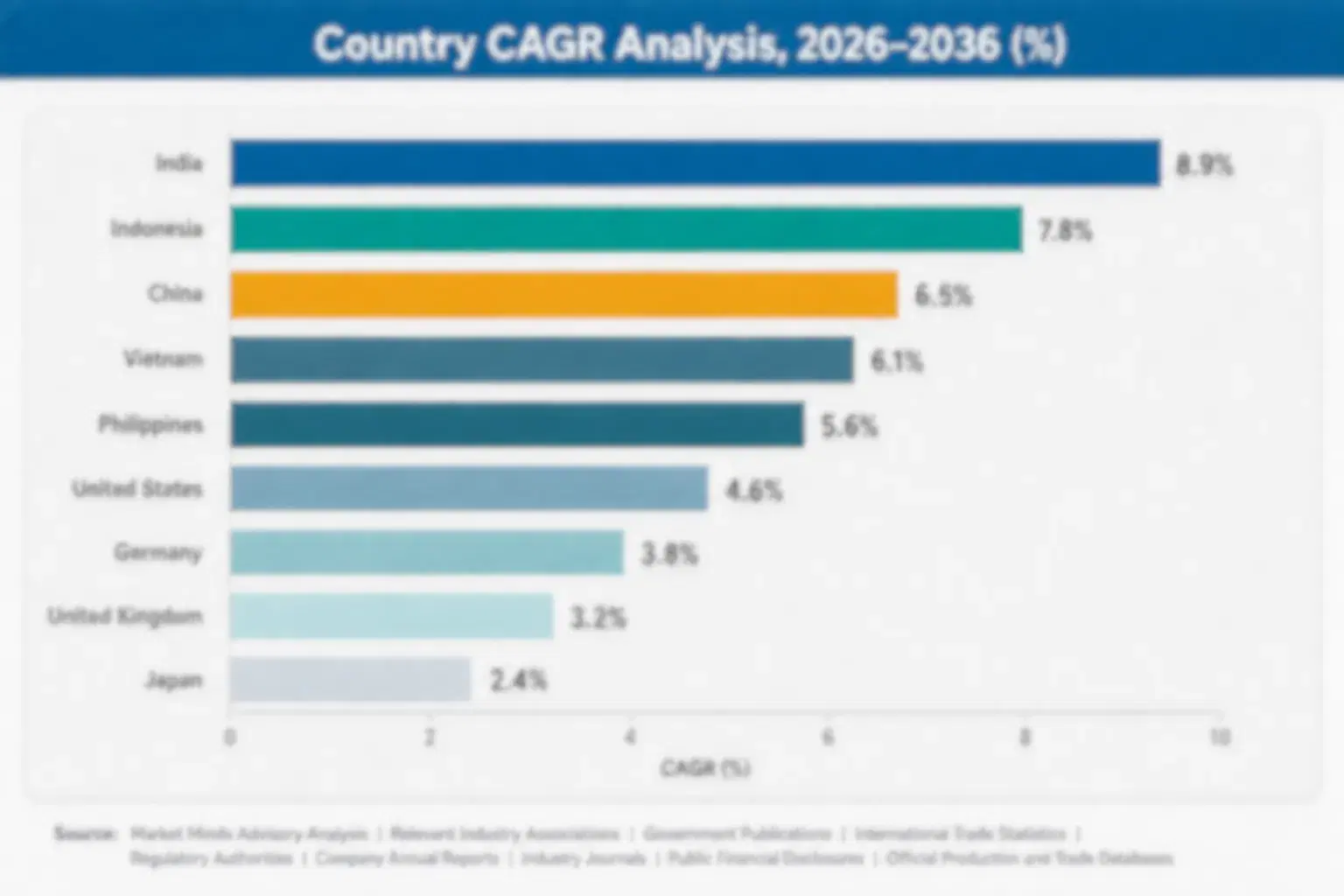
corn-based-protein-market-country-cagr-analysis-1789747437013

Four Margin Levers Reshaping Protein Economics

Margin growth in corn-based protein increasingly comes from purity upgrading and formulation partnership rather than raw tonnage alone, since feed-grade gluten meal commands thin, commoditized pricing regardless of volume processed at any given facility. Processors that pair purification investment with direct customer formulation support are capturing disproportionate share of food and beverage brand budgets.

Upgrading Feed-Grade Meal to Food-Grade Isolate

Processors that invest in membrane filtration to convert feed-grade gluten meal into food-grade isolate capture price premiums of 4 to 6 times per kilogram over unpurified material, since food formulators pay substantially more for the flavor neutrality and purity that purification delivers to their finished consumer products and packaging. This upgrade requires meaningful capital investment in filtration and drying equipment, but the margin gain typically justifies conversion for processors with committed customer demand already secured. Companies that converted capacity earliest are securing multi-year supply agreements with major beverage and nutrition brands.
Market Impact: premiums of 4 to 6 times per kilogram

Bundling Starch, Oil, and Protein Co-Products Together

Wet millers that optimize the entire corn fractionation stream, not just the protein fraction, capture 8% to 12% additional margin by selling starch and oil co-products alongside protein into complementary customer relationships across the entire plant output and production cycle each season. This integrated approach improves overall plant economics even when any single fraction faces pricing pressure, since strength in one product line can offset softness in another throughout the year. Processors with integrated co-product marketing teams are more resilient to single-market price swings than those selling protein in isolation.
Market Impact: co-product bundling adds 8% to 12% margin overall

Embedding Technical Formulation Support Services Directly

Suppliers that embed food scientists directly within customer product development teams are winning formulation projects worth roughly 20% more than standalone ingredient sales, since manufacturers value hands-on support solving solubility and flavor challenges specific to their application and product line each season and formulation cycle repeatedly and consistently. This service-intensive approach deepens the technical relationship well beyond a transactional ingredient purchase, creating switching costs that protect the relationship across multiple product generations and reformulation cycles going forward. Suppliers offering this support are increasingly named preferred-partner status by major beverage brands.
Market Impact: formulation partnerships worth roughly 20% more revenue captured

Securing Multi-Year Export Supply Contracts Early

Processors that lock in multi-year export supply agreements with international food and beverage manufacturers secure pricing and volume predictability worth 10% to 15% more than season-by-season spot export sales, since overseas customers value supply reliability given the logistics complexity of importing specialty protein ingredients across long distances and multiple international borders and customs regimes each and every single shipment cycle without fail. These agreements typically bundle purity specifications with delivery scheduling commitments, giving processors better production planning visibility while protecting customers from the supply volatility that periodically affects smaller, less established exporters.
Market Impact: export contracts worth 10% to 15% more value

Who Controls the Margin Pool

Corn protein processing shows meaningful concentration, with the top five wet millers controlling roughly 52% of global revenue on a consistent revenue basis used throughout this section. ADM and Cargill lead by a substantial margin over mid-tier challengers, reflecting the scale advantages that decades of integrated grain processing infrastructure investment provide across their global operations.
Current competitive activity centers on food-grade purification capacity expansion, functional formulation partnerships, and textured protein extrusion capability rather than feed-grade commodity trading patterns across most major markets. Companies are investing in dedicated food-grade production lines and pilot formulation facilities to capture beverage and nutrition brand relationships earlier in the product development cycle, while several are pursuing co-product bundling strategies to strengthen overall plant economics and customer retention.

Emerging pressure comes from Brazilian and Chinese processors scaling domestic wet-milling capacity to reduce reliance on imported protein ingredients, a category historically dominated by North American and European suppliers and their established distribution networks. These regional entrants compete on proximity to fast-growing domestic food manufacturing demand and government-supported capacity investment, a dynamic that could meaningfully reorder mid-tier rankings as emerging market processing capability matures further.
corn-based-protein-market-company-positioning-matrix-1789747437192

Competitive Moat and Risk Dimensions

ARCHER DANIELS MIDLAND COMPANY

Moat: Global Wet-Milling Scale Advantage

ADM operates one of the world's largest integrated wet-milling networks, giving it purification capacity, logistics infrastructure, and customer relationships that smaller processors cannot easily replicate. This scale supports rapid capacity conversion toward food-grade protein production and lets ADM offer bundled starch, oil, and protein solutions that single-fraction specialists cannot match.
ARCHER DANIELS MIDLAND COMPANY

Risk: Diversified Focus Slows Protein Investment

As one business line within a much larger diversified agricultural trading operation, corn protein competes internally for capital allocation against grain, oilseed, and other processing divisions that may offer faster or larger returns in a given year. This can slow protein-specific investment decisions relative to specialized competitors for whom protein is the sole strategic priority.
CARGILL INCORPORATED

Moat: Integrated Agricultural Trading Infrastructure

Cargill's corn protein business draws on logistics, risk management, and customer relationship infrastructure built across its much broader agricultural trading operation, letting it fund purification technology investment and absorb pricing volatility that standalone protein processors cannot match. This cross-commodity scale supports longer-horizon capacity investment decisions.
CARGILL INCORPORATED

Risk: Internal Capital Competes Against Protein

Because corn protein is one of many product lines within Cargill's broader portfolio, it competes internally for capital against grain trading, protein alternatives, and other divisions that may offer faster returns in a given budget cycle. This structure can slow corn-protein-specific investment decisions relative to pure-play processors for whom protein is the sole focus.

Players Tracked

Prominent Players

Archer Daniels Midland Company
Cargill Incorporated
Ingredion Incorporated
Roquette Freres
Tate & Lyle plc

Other Key Players

Bunge Limited
Grain Processing Corporation
Tereos Group
Global Bio-chem Technology Group
COFCO Corporation
CJ CheilJedang Corporation
Manildra Group
Emsland Group
AGRANA Beteiligungs-AG
Royal Avebe
MGP Ingredients Inc.
Wilmar International Limited
Sanstar Ltd
Gulshan Polyols Ltd
Sudzucker AG

Recent Developments

APRIL 2026

ADM Expands Food-Grade Isolate Production Capacity

ADM completed an organic capacity expansion at its food-grade isolate production facility, adding membrane filtration capacity dedicated to serving growing plant-based beverage and nutrition bar demand across North America and Europe. The expansion supports faster customer onboarding for manufacturers seeking high-purity, allergen-friendly corn protein ingredients.
Signal: Signals accelerating capacity investment in food-grade purification among leading global wet millers and their smaller regional competitors.
NOVEMBER 2025

Cargill Signs North American Beverage Supply Agreement

Cargill signed a multi-year supply agreement with a major North American beverage manufacturer, locking in fixed-volume corn protein isolate commitments tied to functional performance specifications across multiple product lines and formulation categories. The agreement is a long-term supply contract, not an equity transaction or acquisition.
Signal: Confirms multi-year supply lock-in has become standard competitive practice among leading corn protein suppliers across most regions.
FEBRUARY 2026

Ingredion Acquires Brazilian Corn Processing Facility

Ingredion completed an acquisition of a mid-sized Brazilian corn processing facility, expanding its South American wet-milling footprint in a region gaining renewed investment amid domestic corn production growth and rising export demand across neighboring countries. The deal strengthens Ingredion's proximity to fast-scaling Brazilian food manufacturing demand.
Signal: Reflects growing investor interest in Brazil's expanding corn processing base and its substantial long-term export potential.

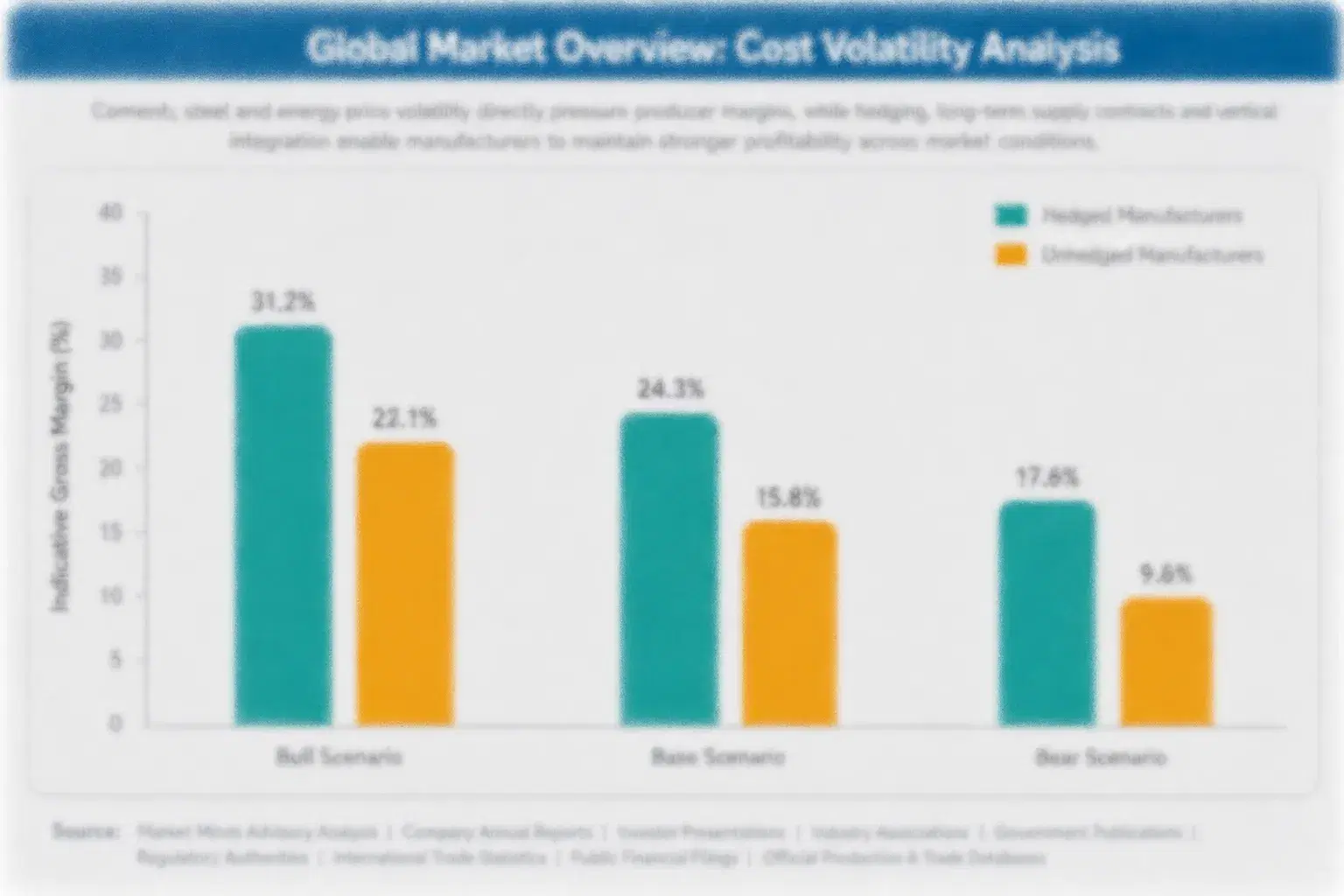
What Drives Corn Protein Feedstock Cost

Raw corn feedstock represents 55% to 65% of total cost of goods sold for wet-milling processors, sourced primarily from United States, Brazilian, and Argentine corn belts through direct farmer contracts and grain elevator purchasing. Energy for drying and processing, purification chemicals, and packaging make up most of the remainder, with energy cost varying sharply by regional electricity and natural gas pricing.
Corn futures prices rose sharply following the 2012 Midwest drought, according to USDA National Agricultural Statistics Service crop reports, cutting yields well below trade expectations and compressing wet-milling margins industrywide across most major processors. ADM's fiscal 2012 annual report cited elevated corn costs as a direct driver of processing margin compression, prompting the company to prioritize higher-value protein and specialty starch fractions over commodity-grade output during the shortage.

Smaller processors without forward corn purchasing contracts or diversified sourcing absorb price spikes more directly than large integrated players able to buy across multiple growing regions and lock in pricing months ahead of processing. Processors located near major corn-growing regions also hold a meaningful logistics advantage over distant importers, since they avoid the freight cost inflation that periodically compounds feedstock price volatility.
corn-based-protein-market-cost-volatility-analysis-1789747437378

Locking In Forward Corn Purchase Contracts

Larger processors increasingly negotiate forward-priced corn purchasing agreements months ahead of processing needs to smooth feedstock cost volatility rather than buying entirely on the spot market at prevailing prices each cycle. This approach requires meaningful working capital commitment but protects processing margin predictability, an increasingly important advantage when competing for long-term customer supply agreements.

Diversifying Corn Sourcing Across Multiple Regions

Processors are increasingly sourcing corn from multiple growing regions, including Brazil and Argentina alongside traditional United States supply, reducing exposure to any single region's weather or harvest disruption each season. This diversification requires building relationships with new grain elevator networks and logistics providers, but meaningfully reduces single-region concentration risk during periods of localized weather stress.

Maximizing Co-Product Revenue to Offset Feedstock Cost

Processors are optimizing starch, oil, and protein fraction recovery simultaneously to maximize total revenue per bushel processed, reducing the effective feedstock cost burden any single product line must absorb. This approach requires investment in integrated fractionation technology, but improves overall plant resilience during periods when corn prices rise faster than finished product pricing can adjust.

Portfolio Architecture for Margin Defence

Corn protein margin structure runs from thin volume-tier spreads on feed-grade gluten meal to substantially richer premium and next-generation pools, with gross margin roughly quadrupling between the volume tier and the sustainability tier across most supplier portfolios. Purification depth, functional performance, and formulation partnership all function as margin multipliers layered on top of the same underlying corn kernel and wet-milling process.
Volume tension persists: most tonnage still moves through feed-grade gluten meal sold largely on price into livestock feed channels, leaving thin spreads for processors without differentiation in a crowded commodity field worldwide. Food-grade isolate and textured protein volume remains a minority of total tonnage but captures a disproportionate share of processor profit, pulling capital investment steadily toward higher-purity fractionation technology.

High-value pools concentrate where purification purity, functional performance, and formulation support intersect, since food and beverage manufacturers pay the steepest premiums for suppliers who can demonstrate flavor neutrality and solubility at commercial scale reliably and consistently. Plant-based beverage and nutrition bar brands anchor this demand, and processors serving them consistently are capturing margin growth well ahead of the broader market's underlying volume expansion rate.

Volume / Commodity-Adjacent Tier

Feed-grade corn gluten meal sold primarily on price into livestock feed channels, with minimal purification and thin competitive spreads across most producing regions and export markets worldwide today and historically.
Gross Margin: 6%-12%

Premium / Certified Tier

Food-grade corn protein concentrate and textured protein meeting functional performance specifications for meat alternative and snack applications, commanding consistent premiums from formulators worldwide across many product categories and applications today.
Gross Margin: 20%-28%

Sustainability / Regulatory / Next-Generation Tier

Purified corn protein isolate paired with embedded formulation support and allergen documentation, positioned well ahead of anticipated clean-label and functional nutrition demand across major retail categories and export markets globally.
Gross Margin: 25%-35%
corn-based-protein-market-portfolio-architecture-1789747437568

High-value Sub-segments and Strategic Watch-out

Corn Protein Isolate

Corn protein isolate combines the fastest volume growth in the market with strong pricing power, drawing accelerating manufacturer investment as clean-label beverage and nutrition bar demand continues expanding across most major markets and export regions worldwide today and well into the coming decade and beyond.
Gross Margin: 26%-34%

Textured and Extruded Corn Protein

Textured and extruded corn protein sustains strong growth and durable premiums among meat alternative manufacturers, though formulation complexity and extrusion equipment investment constrain how quickly new capacity reaches commercial scale across most manufacturing facilities and geographies worldwide each and every single calendar year without pause.
Gross Margin: 18%-26%

Feed-Grade Corn Gluten Meal

Feed-grade corn gluten meal remains the volume core of the market, moving the largest absolute tonnage even as its share of total value steadily shrinks relative to food-grade segments gaining share steadily across most producing regions and growing export markets each and every year without exception.
Gross Margin: 6%-10%

Soy and Pea Protein Substitution

Soy and pea protein substitution represents a genuine strategic watch-out, since established supply chains and regulatory approvals give incumbent proteins durable switching cost advantages that corn protein must overcome to gain meaningful formulation share across most food and beverage categories and applications worldwide still today.
Gross Margin: n/a (substitution risk)

Why Corn Protein Contracts Renew

Corn protein demand behaves like an annuity once a formulator qualifies a supplier's protein fraction for a specific application, since switching carries real reformulation risk that most manufacturers avoid absent a clear cost or performance problem to solve. Multi-year supply agreements, increasingly bundled with embedded formulation support, extend this repeat-purchase pattern further for processors that qualify early.
Stickiness varies by end-use vertical. Beverage and nutrition bar manufacturers show the deepest relationship depth, since protein solubility and flavor changes are immediately noticeable to consumers and require extensive requalification testing. Meat alternative manufacturers show somewhat shallower loyalty, since extrusion formulations blend multiple protein sources and can adjust ratios more flexibly, while livestock feed buyers of feed-grade gluten meal purchase almost entirely on price with minimal switching friction.

Buyer profiles are shifting generationally as younger food scientists and procurement leaders prioritize documented sustainability and clean-label credentials over pure cost competitiveness, a meaningful change from purchasing norms that dominated commodity ingredient sourcing for decades. This generational shift is accelerating food-grade protein's share of total procurement spend, even among manufacturers whose finished products still compete primarily on price at retail.
corn-based-protein-market-end-use-penetration-index-1789747437753

MMA Verdict on Protein Strategy

These are among the four positions where our research anticipates prominent divergence between winners and laggards over the coming forecast period. Each is grounded in the demand model, the regulatory perimeter, and the announced capacity pipeline.
01 / ISOLATE PURIFICATION INVESTMENT

Invest Now in Food-Grade Isolate Capacity

Processors that delay food-grade purification investment risk ceding qualification slots as beverage and nutrition bar formulators continue converting toward higher-purity, allergen-friendly plant protein sources across most major retail categories. Corn protein isolate already commands growth roughly 1.5 times the overall market rate, and early movers are securing multi-year supply agreements well ahead of competitors still expanding filtration capacity. MMA views the next two to three years as the critical window before isolate-grade capacity saturates available premium demand and the advantage compresses meaningfully.
02 / CO-PRODUCT PORTFOLIO STRATEGY

Optimize Starch, Oil, and Protein Together

Wet millers that optimize starch, oil, and protein fractions simultaneously rather than treating protein as an afterthought are strengthening overall plant economics meaningfully across market cycles and commodity price swings, since strength in one fraction can offset softness in another during periods of commodity price pressure. This integrated approach requires coordinated marketing across multiple product lines, a capability not every processor has built. MMA recommends treating co-product optimization as core plant strategy rather than a secondary consideration left to individual product teams.
03 / FORMULATION PARTNERSHIP DEPTH

Embed Food Scientists in Customer Teams

Suppliers that embed food scientists directly within customer product development teams are winning formulation projects and building durable switching costs that protect relationships across multiple product generations and reformulation cycles spanning many years and product lines. This service-intensive approach requires genuine technical investment beyond simple ingredient sales, but the resulting customer stickiness compounds over time as more products get built around a given supplier's protein fraction. MMA sees formulation partnership depth as an increasingly durable source of competitive separation industrywide.
04 / FEEDSTOCK DIVERSIFICATION PRIORITY

Diversify Corn Sourcing Beyond a Single Region

Processors overly dependent on a single corn-growing region remain exposed to weather and harvest disruption that periodically compresses margins industrywide, a risk that diversified sourcing across Brazil, Argentina, and the United States can meaningfully reduce over time. Building these alternative sourcing relationships takes years and requires new logistics infrastructure, favoring processors who start early over those who wait for the next shortage to force the decision. MMA recommends feedstock diversification as a near-term strategic priority for processors of every scale.

Engagement Snapshot From the Field

A live engagement with an industry participant carrying material or product regulatory and market exposure ahead of a defining policy shift, showing how our research translates into a defensible multi-year portfolio strategy.
MARKET MINDS ADVISORY · CLIENT ENGAGEMENT SUMMARY
Corn-Based Protein Producer Strategic Portfolio Review and Transition Roadmap 2026·Investment Scenario on Corn-Based Protein Exposure Evaluation 2025-26
CLIENT PROFILE
The client is a mid-sized North American plant-based beverage manufacturer generating approximately $95 million in annual revenue (client-reported, unverified by MMA), producing protein-fortified beverages sold through grocery, convenience, and specialty retail channels nationwide and online. The company relied exclusively on pea protein isolate prior to engaging MMA, facing rising ingredient costs and ongoing supply constraints.
STRATEGIC CHALLENGE
The client faced margin pressure from rising pea protein prices and supply tightness, while consumer feedback indicated some resistance to pea protein's characteristic flavor profile in certain product lines. Leadership needed to evaluate alternative protein sources that could reduce cost and improve taste without disrupting existing product formulations or consumer loyalty.
MMA APPROACH
MMA conducted a supplier capability assessment across corn protein isolate producers, then facilitated blind taste testing comparing corn-pea protein blends against the client's existing pure pea protein formulation across multiple consumer panels nationwide. The engagement combined primary consumer panel research, cost modeling for blended formulations, and supplier qualification timeline assessment.
KEY FINDINGS
  1. Blind taste testing showed a 70% pea, 30% corn protein blend scored higher on flavor acceptance than pure pea protein among surveyed consumers.
  2. Blended formulation could reduce total protein ingredient cost by an estimated 12% to 18% compared to the client's existing pure pea protein recipe.
  3. Two qualified corn protein isolate suppliers offered dedicated pilot-plant testing capacity that could support formulation trials within roughly three months total time.
  4. A phased blend-ratio testing approach meaningfully reduced consumer acceptance risk compared to an immediate full-scale reformulation launch across the entire product line.
CLIENT PROFILE
The client is a mid-sized North American plant-based beverage manufacturer generating approximately $95 million in annual revenue (client-reported, unverified by MMA), producing protein-fortified beverages sold through grocery, convenience, and specialty retail channels nationwide and online. The company relied exclusively on pea protein isolate prior to engaging MMA, facing rising ingredient costs and ongoing supply constraints.
STRATEGIC CHALLENGE
The client faced margin pressure from rising pea protein prices and supply tightness, while consumer feedback indicated some resistance to pea protein's characteristic flavor profile in certain product lines. Leadership needed to evaluate alternative protein sources that could reduce cost and improve taste without disrupting existing product formulations or consumer loyalty.
MMA APPROACH
MMA conducted a supplier capability assessment across corn protein isolate producers, then facilitated blind taste testing comparing corn-pea protein blends against the client's existing pure pea protein formulation across multiple consumer panels nationwide. The engagement combined primary consumer panel research, cost modeling for blended formulations, and supplier qualification timeline assessment.
KEY FINDINGS
  1. Blind taste testing showed a 70% pea, 30% corn protein blend scored higher on flavor acceptance than pure pea protein among surveyed consumers.
  2. Blended formulation could reduce total protein ingredient cost by an estimated 12% to 18% compared to the client's existing pure pea protein recipe.
  3. Two qualified corn protein isolate suppliers offered dedicated pilot-plant testing capacity that could support formulation trials within roughly three months total time.
  4. A phased blend-ratio testing approach meaningfully reduced consumer acceptance risk compared to an immediate full-scale reformulation launch across the entire product line.
RECOMMENDED STRATEGY
Phase 1: Phase 1 (Months 1-3): Test corn-pea protein blend ratios through several consumer panels and formulation trials across multiple product categories. Phase 2: Phase 2 (Months 4-6): Pilot the optimal blend ratio in a limited regional product launch alongside the original formulation nationwide. Phase 3: Phase 3 (Months 7-12): Scale the blended formulation nationally based on validated pilot performance results and detailed consumer feedback data.
OUTCOME
Within nine months, the client launched a corn-pea protein blend formulation across 60% of its product line (client-reported, unverified by MMA), reducing protein ingredient costs by an estimated 14% while maintaining consumer acceptance scores within two points of the original pure pea protein formulation overall.

Frequently Asked Questions

Foundational context covering the market sizes, CAGR, scope, country, region and competition that inform every finding below. This section is provided to cover basics and most often pre-purchase conversations, answered from the MMA Primary Research Dataset.

What is the current size of the Corn-Based Protein Market?

The global corn-based protein market was valued at $6.8 billion in 2025. This figure covers gluten meal, zein, and purified corn protein concentrates and isolates.

How large will the Corn-Based Protein Market be by 2036?

MMA projects the market will reach approximately $16.7 billion by 2036. This represents cumulative growth of roughly $9.3 billion over the full ten-year forecast window.

What is the CAGR for the Corn-Based Protein Market 2026 to 2036?

The market is forecast to grow at an 8.5% compound annual rate between 2026 and 2036. The bull case reaches 9.8% while the bear case falls to 7.2%.

Which segment is growing fastest?

Corn Protein Isolate is the fastest-growing segment, expanding at 13.0% CAGR, roughly 1.5 times the overall market rate. Textured and Extruded Corn Protein follows at 11.5%.

Who are the major companies in the Corn-Based Protein Market?

Leading companies include Archer Daniels Midland Company, Cargill Incorporated, Ingredion Incorporated, Roquette Freres, and Tate & Lyle plc. These five players control an estimated 52% of global revenue.

Which country is growing fastest?

Brazil is currently the fastest-growing major market, expanding at approximately 10.2% CAGR each year. Rapidly scaling wet-milling capacity investment is driving this above-market growth rate.

Report Segmentation Architecture

The full report scope spans multiple orthogonal segmentation dimensions, with cross-tabulated demand data provided for each dimension pair. Coverage extends further to regional breakdowns, trend trajectories, and the competitive detail needed to support segment-level decision-making.

By Primary Market Dimension

  • Corn Protein Isolate
  • Textured and Extruded Corn Protein
  • Corn Protein Concentrate
  • Zein Protein
  • Corn Gluten Meal
  • Hydrolyzed Corn Protein

By End-Use Industry

  • Beverages and Nutrition Bars
  • Meat and Dairy Alternatives
  • Bakery and Snack Products
  • Animal Feed
  • Pharmaceutical and Industrial Coatings

By Commercial Dimension

  • Direct-to-Manufacturer Sales
  • Distributor and Trader Channels
  • Private Label Formulation Partnerships
  • Export Supply Agreements

By Region

  • North America
  • Western Europe
  • East Asia
  • South Asia and Pacific
  • Latin America
  • Middle East and Africa
  • Eastern Europe

Scope, Methodology, and Coverage

Every figure in this report is reproducible from documented input assumptions. The scope below maps the historical period, the forecast horizon, the segmentation dimensions, and the countries covered, alongside the underlying primary and qualitative methodology.
Historical Period
2020 to 2025
Forecast Period
2026 to 2036
Base Year
2025 (USD billions; MMA Primary Research Dataset, September 2026)
Market Definition
Corn-based protein comprises protein fractions derived from corn wet-milling and dry-milling processes, including gluten meal, zein, and purified protein concentrates and isolates used in food, feed, and industrial applications. The scope excludes whole-grain corn products and starch or oil fractions sold separately.
Quantitative Units
USD billions (current prices); metric tons for volume references
Segmentation Dimensions
By Purity and Functional Form; By End-Use Industry; By Commercial Dimension; By Region
Regions Covered
North America, Western Europe, East Asia, South Asia and Pacific, Latin America, Middle East and Africa, Eastern Europe
Countries Covered
USA, China, Germany, France, UK, Japan, South Korea, India, Australia, Canada, Brazil, Mexico, Argentina, Poland, Hungary, Ukraine, Netherlands, Italy, Spain, Turkey, South Africa, Nigeria, Saudi Arabia, UAE, Vietnam, Thailand, Indonesia, Malaysia, Switzerland, Sweden, and additional markets relevant to this sector
Key Companies Profiled
Archer Daniels Midland Company, Cargill Incorporated, Ingredion Incorporated, Roquette Freres, Tate & Lyle plc, Bunge Limited, Grain Processing Corporation, Tereos Group, Global Bio-chem Technology Group, COFCO Corporation, CJ CheilJedang Corporation, Manildra Group, Emsland Group, AGRANA Beteiligungs-AG, Royal Avebe, MGP Ingredients Inc., Wilmar International Limited, Sanstar Ltd, Gulshan Polyols Ltd, Sudzucker AG
Quantitative Methodology
Primary survey, n=3,800 respondents, Q4 2025, six countries; demand-side model with trade association cross-validation
Qualitative Methodology
47 expert interviews, Q4 2025; applied to validate demand model assumptions, identify emerging dynamics, and assess competitive positioning
Report Format
PDF and XLSX data workbook (Word format preview document)
Publisher
Market Minds Advisory
Report Code
MMA-2026-AGR-229
Published
September 2026
Contact
sales@marketmindsadvisory.com | www.marketmindsadvisory.com

Purchase the full Corn-Based Protein Market Report (2026 to 2036).

The full report delivers a comprehensive assessment of global corn-based protein supply, purification technology, and processor competitive positioning through 2036. It includes detailed segment-level forecasts across purity and functional form categories, country-level demand data for all seven world regions, and profiles of the twenty companies most relevant to corn fractionation and protein purification. Analysts also receive input cost modeling and portfolio margin benchmarking built from MMA's primary research dataset. A dedicated scenario planning module lets subscribers stress-test bull and bear case assumptions against their own formulation and sourcing plans.
Ten-year segment and regional demand forecasts
Purification technology and capacity investment tracking
Competitive benchmarking of top twenty processors
Input cost and margin sensitivity modeling tools
Regional demand mechanism comparative analysis included
Quarterly primary survey data update access

Built For The People Who Decide

From boardroom strategy to bench-side execution, this report is read cover-to-cover by leaders shaping the next decade of their industry, turning demand scenarios, market dynamics and valuation benchmarks into decisions.
CXOs/ Presidents/ VPs/ Managers
M&A and Corporate Development
Strategy Teams and R&D Heads
Procurement and Product Directors
Regulatory and Compliance Leaders
Investor Relations and Equity Analysts