Market Minds Advisory
Cookie Cutters Market

Cookie Cutters Market: Cookie Cutters Market. Custom 3D-Printed Designs, Craft Baking Growth, and Marketplace Price Competition Reshape Baking Tool Supply.

Cookie cutters are moving from commodity tin sets to custom designs, licensed characters, and embossing sets as craft baking and online marketplaces grow, while low barriers, food contact rules, and seasonal swings test maker margin.

Lead Analyst

Published

September 2026

Make Smarter Decisions with Customized Research Insights

Request a free sample report and evaluate market opportunities, growth trends, and competitive dynamics relevant to your business needs.

2025 MARKET VALUE$0.5BMarket Size 2025
2036 FORECAST VALUE$0.9BBase Case , 2026 to 2036
CAGR 2026 TO 20366.4 %Bull 7.7% / Bear 5.1%
INCREMENTAL OPPORTUNITY$0.4BNet 10- year value creation
EXPANSION MULTIPLE1.86x2036 value over 2026 base
Strategic Levers
M&A Pipeline
Regional Outlook
Country Rankings
Competitive Intelligence
Segmental Deep-dive
Call-Us : 91 93563 13602

Executive Snapshot and Market Trajectory.

A cookie cutter costs a few dollars and lasts decades, which makes it an odd product to build a business on. The change is design: a shopper can now order a cutter shaped like a pet, a logo, or a wedding invitation, printed within days by a small seller.
Three-dimensional printed custom cutters grow fastest, driven by craft bakers, cottage food sellers, and gift shoppers who want personalised shapes and licensed characters, while stainless steel sets anchor volume in traditional retail. North America holds the largest share because home baking, holiday cookie culture, and marketplace selling are strongest there, with Western Europe following through Christmas baking traditions. China leads country growth. Online marketplaces widen reach.
Competition is fragmented among long-established housewares brands, thousands of independent online sellers, and Asian manufacturers that supply most private label sets. Advantage comes from design, licensing, and marketplace ranking rather than manufacturing scale alone. Regulation shapes returns, since food contact rules, intellectual property enforcement, and marketplace policies decide which products can be sold. Buyers reward distinctive shapes, clean edges, and fast delivery before holidays. Supply stays tight. Certification adds cost but earns premiums.
Market Definition
Cookie cutters comprise hand-held and stamp-style cutting tools for shaping rolled cookie dough, sold as stainless steel, tinned and copper, plastic molded, silicone, and three-dimensional printed sets, including embossing cutter and stamp sets and industrial die and rotary cutters used in bakeries. The scope excludes cookie presses and depositors, cake and bread pans, cookie dough and mixes, and decorating supplies sold separately.
Base Year Value
$0.5B in 2025 (MMA Primary Research Dataset, September 2026)
Forecast Period
2026 to 2036, eleven discrete annual values
CAGR
6.4% base case. Bull 7.7%. Bear 5.1%.
Fastest Growth Segment
3D-Printed Custom Cutters: 13.2% CAGR
Fastest Growth Country
China: 8.6% CAGR
Fastest Growth Region
South Asia and Pacific: 8.4% CAGR
Largest Region
North America: 36% of 2025 global value
Market Leaders
Wilton Brands, Ann Clark, Fox Run Brands, Nordic Ware, Helen of Troy. Source: MMA Analysis, company annual reports.
Primary Survey
n=3,800 procurement and R&D decision-makers, Q4 2025, six countries
Methodology
Demand-side build-up, cross-validated against public data, 47 expert interviews

Cookie Cutters Market Forecast Scenarios

cookie-cutters-market-size-forecast-scenario-1789773747143
From 2020 to 2025, cookie cutter sales grew as home baking surged, social media made decorated cookies a visible hobby, and small online sellers offered custom printed shapes. Growth averaged 5.7% a year, with custom and embossing designs outpacing plain metal sets, though price competition on marketplaces, shipping costs, and resin and steel inflation squeezed margins and led to frequent discounting in traditional retail.
The base case assumes 6.4% annual growth through 2036, built on three named mechanisms: continued growth of craft baking and cottage food businesses that buy custom and themed cutters in volume, expansion of licensed character and event-specific ranges sold through retailers and online marketplaces around holidays, and improving desktop printing and injection molding that lower the cost of small runs. Gift demand supports seasonal peaks. Each mechanism reinforces the others across the forecast period.
The bull case, at 7.7%, needs sustained interest in decorated cookies and strong licensing deals. The bear case, at 5.1%, reflects fading hobby interest, marketplace price wars, and tariff cost increases. Either path leaves the demand base intact, though mix and pricing would shift noticeably across regions. Investors should weight the base case most heavily given current evidence.

Design, Licensing, and Marketplace Ranking Decide Cookie Cutter Winners

Cookie cutters are shaped rims that press through rolled dough to cut identical shapes. Traditional cutters are stamped from tinplate or stainless steel and folded into a sharp edge, plastic cutters are injection molded, and custom cutters are printed layer by layer from food-safe filament or resin. Embossing cutters add a stamp so the cookie carries a pattern. Edge sharpness, clean release, and food contact safety are the main performance tests.
MARKET CONCENTRATION24% CR5Leading five brands hold a modest combined share
AVERAGE SET PRICE$12 per setTypical retail price for a multi-piece cutter set
HOLIDAY SALES SHARE46%Portion of annual sales made in the peak season
MATERIAL SHARE OF COGS41%Steel, resin, and filament are the largest cost line
ONLINE CHANNEL SHARE52%Portion of sales made through online marketplaces and stores
DESIGN REFRESH CYCLE12 monthsTypical interval between seasonal range renewals for leading brands
Buyers use cookie cutters in several ways. Households buy sets for holiday baking and children's activities, craft bakers and cottage food sellers buy custom shapes for themed orders, commercial bakeries and foodservice teams use metal and die cutters for consistent portions, and gift shoppers buy decorated sets. Retailers sell through mass merchants, kitchen specialty stores, craft stores, and online marketplaces.
The industry is fragmented at the maker and seller stage. Wilton, Ann Clark, Fox Run, Nordic Ware, and Helen of Troy hold brand recognition and retail placement, while thousands of independent sellers print and ship custom designs, and Asian factories supply most private label sets. Food contact rules, licensing, and marketplace policies shape investment, and holiday demand dominates working capital planning for the whole chain.
"Cookie cutters are a design business with a manufacturing tail. The brands that keep margin are the ones with a shape nobody else can sell, whether that is a licensed character or a design printed for one baker's wedding order."
Practice Lead, Baking Tools and Kitchenware Practice · MMA Baking Tools and Kitchenware Practice · September 2026

Market Trends

Three-Dimensional Printing Lets Small Sellers Offer Custom Cutters on Demand

Desktop printers using food-safe polylactic acid and resin now let small sellers print cutters shaped to a customer's request, from logos to pet portraits, within days. Custom cutters sell at $8 to $25 each, three to five times the price of a mass-produced piece, and marketplaces such as Etsy list hundreds of thousands of cookie cutter items. Custom orders serve craft bakers and event planners, and repeat purchases follow when designs are saved. Concerns about cleaning porous printed surfaces and heat limits require clear care guidance, and reputable sellers use food-safe materials and smooth finishes.
Market Impact: baking sales remain above 2019 levels
Licensed Character and Embossing Sets Raise Average Selling Prices

Retailers and brands sell themed sets tied to holidays, films, and characters, and embossing cutter and stamp sets that press patterns into dough command higher prices than plain metal cutters. Licensed sets sell at 30% to 80% above unlicensed equivalents, and embossing sets add a functional reason to buy again. Wilton, Fox Run, and specialty brands sign licences for seasonal ranges. Licensing needs approval cycles of three to six months and minimum guarantees, but well-chosen licences lift sell-through and reduce discounting, while embossing designs create a base of repeat buyers for stamps and cutters each holiday.
Market Impact: sellers buy 50-300 cutters yearly

Market Opportunities and Growth Drivers

Home Baking and Decorated Cookie Culture Sustain Baking Tool Demand

Home baking surged in 2020 and 2021 and settled at a higher level, and decorated cookies became a visible hobby on social media, which sustains demand for cutters, stamps, and decorating tools. Baking supplies sales in the United States remain well above pre-2020 levels, according to industry association reporting, and craft bakers buy dozens of cutters a year for themed orders. Holiday baking, school events, and birthday parties add seasonal peaks. Retailers stock cutter walls in November and December, and online sellers plan inventory months earlier, which supports steady replacement and gift purchasing across households and small businesses.
Market Impact: basic set prices fell 15-25%

Cottage Food Businesses and Personalised Gifts Expand Custom Cutter Demand

Cottage food laws in most United States states let people sell cookies from home kitchens, and thousands of small sellers use custom cutters to make branded, themed, or personalised cookies for weddings, corporate gifts, and events. A custom cookie seller may buy 50 to 300 cutters a year, and a logo cutter can support orders worth $200 to $2,000. Personalised gifts are among the fastest-growing online categories, and marketplaces reward sellers with custom offerings. Small commercial customers value edge quality and release, which favours suppliers that offer trade pricing, quick turnaround, and reliable food-safe materials.
Market Impact: testing costs $500-3,000 per material

Market Restraints and Challenges

Marketplace Price Competition and Low Barriers to Entry Erode Margins

Online marketplaces list thousands of near-identical cutter sets from Asian factories and small sellers, and shoppers compare price, delivery time, and ratings, according to marketplace listing data. The root cause is that stamping and printing are easy to copy and design protection is weak. Prices of basic stainless sets fell 15% to 25% in recent years, and sellers pay 10% to 15% of sales in marketplace fees and advertising. Mitigation includes exclusive designs, licensing, bundles, and brand building, though these steps cost time and capital, and copycats appear within weeks of a popular design, which shortens product lifecycles.
Market Impact: custom cutters sell at $8-25 each

Food Contact Compliance, Counterfeits, and Seasonal Demand Swings Add Risk

Cutters must meet food contact rules such as United States Food and Drug Administration regulations and European Union framework regulation 1935/2004, and printed plastic parts raise cleaning and heat resistance questions, according to regulator guidance. The root cause is porous printed surfaces and unverified material sources. Counterfeit and unlicensed character cutters risk takedowns and lawsuits. About 46% of sales occur in the holiday season, so inventory and working capital swing widely. Mitigation includes tested materials, clear labeling, licence checks, and flexible manufacturing, though testing costs $500 to $3,000 per material and delays launches.
Market Impact: licensed sets sell at 30-80% premiums
3 additional market trends, 4 additional growth drivers, and 2 additional restraints and challenges are covered in the full report. Contact sales@marketmindsadvisory.com to access the complete intelligence.

Segment CAGR and Growth Architecture

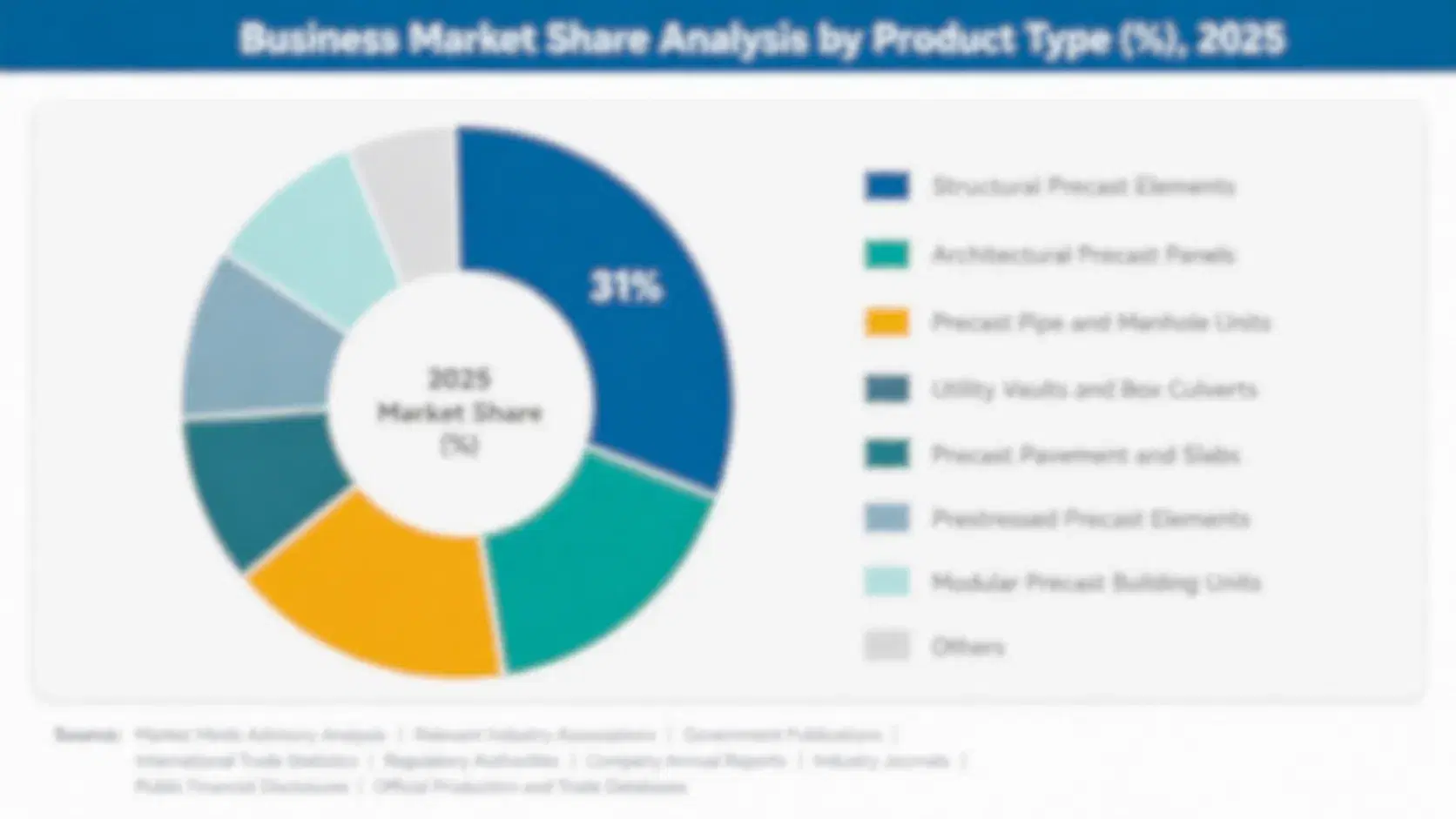
Cookie cutters are segmented by material and production method, because tooling cost, customisation, durability, price, and buyer group differ more sharply between stainless steel, molded plastic, printed custom, metal heritage, and embossing sets than by shape. Three-dimensional printed custom cutters attract the most investment as craft bakers and gift sellers convert personalisation into repeat orders with small makers.
cookie-cutters-market-market-share-analysis-1789773747416

3D-Printed Custom Cutters

Three-dimensional printed custom cutters are the fastest-growing segment, produced from food-safe polylactic acid, resin, or other filaments on desktop printers and sold as made-to-order pieces to craft bakers, event planners, and gift shoppers. Buyers choose them for personalised shapes, logos, and small runs that mass production cannot serve. Prices run three to five times those of stamped metal cutters, and lead times are a few days. Sellers with strong design skills, food-safe materials, clear care guidance, and marketplace ratings win repeat orders, and platforms give them prominent placement in holiday search results and gift categories. Pilot orders typically run through one holiday season before brands commit to full ranges and licensed launches with makers.
CAGR 13.2%

Embossing Cutter and Stamp Sets

Embossing cutter and stamp sets are the second-fastest segment, combining a cutting rim with a raised or engraved stamp so the cookie carries a pattern such as lettering, snowflakes, or florals. Home bakers, craft bakers, and gift buyers choose them because they create decorated cookies with little skill, and sets are often themed for seasons. Prices run 40% to 90% above plain cutters, and molded acrylic and printed stamps dominate. Brands with strong designs, licensing, and step-by-step content win shelf space, though stamp quality and dough type limit results, and sellers must give clear instructions for chilling and rolling dough. Retailers also review stamp durability and dough release before ordering seasonal ranges.
CAGR 8.7%
Full segment breakdown across 6 segments available in the complete report.

Regional Architecture and Country Demand Map

Cookie cutter value follows home baking culture, holiday traditions, and online marketplace selling. North America leads through the United States and Canada, Western Europe follows through Christmas baking traditions in Germany, Britain, and the Nordics, and China is the fastest-growing country as domestic baking and marketplace selling expand.

North America

North America holds 36% share, above its usual band, because the United States has the world's largest home baking, holiday cookie, and cottage food culture, and its marketplaces host most custom cutter sellers, so both demand and design supply concentrate in the region. Wilton, Ann Clark, Fox Run, Nordic Ware, and OXO sell through Walmart, Target, Michaels, and Amazon, while Etsy sellers print custom designs. Marketplace price competition, tariffs on Asian imports, and seasonal working capital restrain returns, though craft baking and personalised gifts keep growth close to the global rate. Canadian and Mexican retailers add regional volume each year. Costco and Hobby Lobby also run seasonal cutter events, and school bake sales add steady demand each winter.
Share: 36% | CAGR: 6.2% (2026 to 2036)

Western Europe

Western Europe holds 24% share, with Germany, the United Kingdom, France, and the Nordic countries leading demand through strong Christmas baking traditions such as German Plaetzchen and Scandinavian gingerbread. Birkmann, Staedter, Kaiser Backformen, Tala, and KitchenCraft supply metal and plastic cutters, and retailers such as IKEA, Lakeland, and Dunelm sell seasonal sets. Marketplace competition, European Union food contact rules, and mature volumes hold growth below the global rate, though custom printed and embossing sets add value. Dutch and Belgian craft baking communities add online demand, and Austrian and Swiss makers preserve traditional tinned designs. British and Irish retailers also expand Christmas baking aisles, while Dutch and Belgian craft sellers print custom shapes for speculoos and gingerbread.
Share: 24% | CAGR: 5.0% (2026 to 2036)
Regional intelligence for 5 additional markets available in the complete report: East Asia, South Asia and Pacific, Latin America, Middle East and Africa, Eastern Europe. Contact sales@marketmindsadvisory.com.
cookie-cutters-market-country-cagr-analysis-1789773747674

Four Margin Routes for Cookie Cutter Makers

Margin in cookie cutters comes from moving beyond commodity metal sets toward custom printed designs, licensed and embossing ranges, and trade programs for craft bakers that buyers cannot easily replace. Makers and sellers that invest in design, licensing, and food-safe materials earn more per piece than sellers competing on price and set size alone in crowded marketplaces.

Building Custom Printed Cutter Offers With Fast Delivery

Custom printed cutters sell at three to five times the price of stamped metal cutters, so sellers that add design tools, print farms, and fast delivery capture much higher margin per piece. A print farm of 10 printers costs $5,000 to $20,000, produces 300 to 600 cutters a day, and pays back within two seasons at a gross margin of 55% to 70%. Repeat customers who save designs order again, and cottage bakers value reliable turnaround before holiday peaks. Sellers with clear care guidance and food-safe materials earn strong ratings, which lift marketplace ranking and reduce advertising cost per order.
Market Impact: custom printing earns 55% to 70% gross margins

Signing Licences for Characters and Seasonal Themes Early

Licensed cutter sets sell at 30% to 80% above unlicensed equivalents and reduce discounting, so brands that secure character and event licences capture higher margin and retailer placement. Licences need approval cycles of three to six months and royalties of 8% to 12% of sales, but strong themes lift sell-through by 20% to 40%. Retailers give licensed sets end cap displays in peak weeks, and marketplaces reward branded listings with higher trust. Brands that plan licences a year ahead avoid last-minute stock shortages, and successful sets bring repeat sales of accessories and decorating tools alongside the cutters.
Market Impact: licensed sets lift sell-through by 20% to 40%

Selling Embossing Sets and Bundles With Recipes and Decorating Content

Embossing sets and bundles with recipes and video content sell at 40% to 90% above plain cutters and raise average order value by 25% to 45%. Content costs $2,000 to $10,000 per range but reduces returns and lifts repeat rates as bakers return for new stamps each season. Brands that share step-by-step tutorials on social platforms build communities that buy across ranges, and retailers value packaged sets that sell themselves. Bundles with icing, sprinkles, and tools raise basket size, and subscription boxes of seasonal cutters build recurring revenue outside the holiday peak.
Market Impact: bundles raise order value by 25% to 45%

Serving Craft Bakers and Small Bakeries With Trade Pricing

Craft bakers and cottage food sellers may buy 50 to 300 cutters a year, so sellers that offer trade pricing, fast reorders, and quantity discounts earn loyal repeat customers with gross margins of 40% to 55%, above single-piece retail sales at 30% to 40%. Trade programs cost 3% to 5% of sales in discounts and service but reduce advertising cost by 20% to 30%. Small bakeries value consistent edge quality and dependable delivery, and commercial buyers of metal die cutters sign annual volumes of 500 to 5,000 pieces, which stabilises production between holiday peaks.
Market Impact: trade programs earn 40% to 55% gross margins

Who Controls the Margin Pool

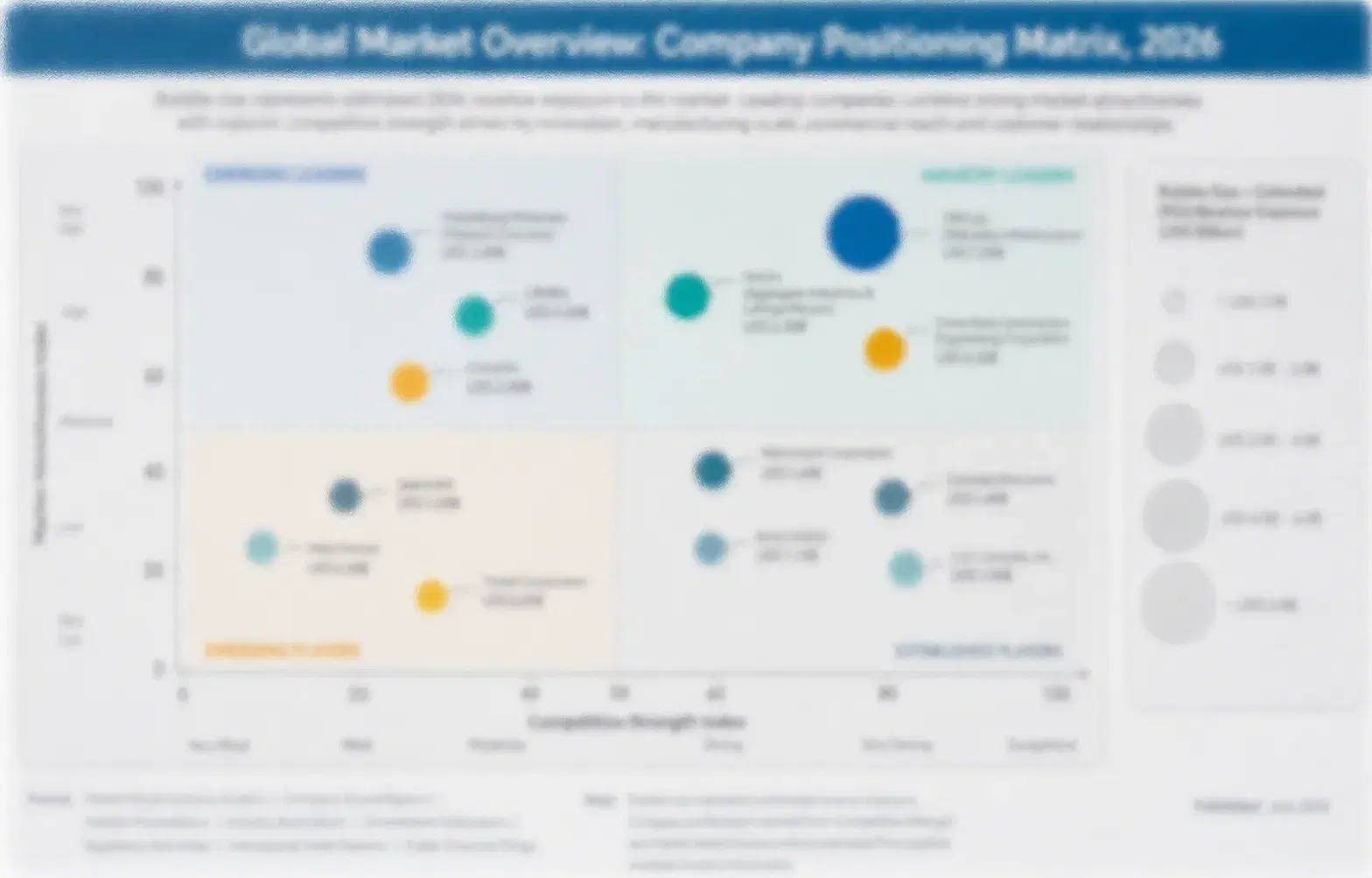
The cookie cutter industry is fragmented among established housewares brands, independent online sellers, and Asian manufacturers, with the top five brands holding about 24% of global revenue, the basis used throughout this section. Wilton Brands, Ann Clark, Fox Run Brands, Nordic Ware, and Helen of Troy lead through retail placement, brand recognition, and licensing, while thousands of small sellers and private label suppliers compete for shelf and search ranking.
Competition centers on three dimensions: design and licensing that create products that are hard to copy, channel access across mass merchants, specialty stores, craft retailers, and online marketplaces, and cost and speed of manufacturing measured by lead time and unit cost. Leaders sign licences and retailer programs, while challengers compete on price and niche designs. Custom printing adds another layer of differentiation.

Emerging pressure comes from marketplace sellers with direct factory sourcing, from custom print farms offering personalised designs at scale, and from tariffs raising costs for imported sets. Rankings shift where brands secure licences, win holiday shelf space, or lose to cheaper copies. Acquisitions of small design-led brands and print businesses will reorder positions faster than organic growth.
cookie-cutters-market-company-positioning-matrix-1789773747981

Competitive Moat and Risk Dimensions

WILTON BRANDS

Moat: Baking Tool Brand and Reach

Wilton is one of the best-known American baking and cake decorating brands, with a wide range of cutters, pans, and decorating tools sold through mass merchants, craft stores, and online channels. Its brand recognition, licensing relationships, and retailer programs give it strong seasonal shelf presence, and its design teams launch large numbers of themed sets each year.
WILTON BRANDS

Risk: Marketplace Price Pressure

Wilton competes with low-priced factory-direct sellers and custom print shops on marketplaces, and its mass-produced sets are easy to copy. Retailer consolidation and tariffs on imported goods raise cost pressure, and reliance on seasonal peaks creates inventory and cash flow risk in weak holiday years.
ANN CLARK

Moat: American-Made Tinplate Heritage

Ann Clark is a Vermont-based maker of American-made tin and copper cookie cutters with a large library of designs and a reputation for quality and edge sharpness. Its domestic production supports fast turnaround for custom orders and licensing partners, and its brand appeals to craft bakers and gift buyers who value domestic manufacturing.
ANN CLARK

Risk: Higher Cost Structure

Ann Clark's domestic manufacturing gives it higher unit costs than imported sets, so it must rely on brand and quality to defend price. Custom print sellers can undercut it on small custom orders, and steel and labour costs can squeeze margins when retailers push for lower prices.

Players Tracked

Prominent Players

Wilton Brands
Ann Clark
Fox Run Brands
Nordic Ware
Helen of Troy

Other Key Players

Ateco
Cuisipro
Kaiser Backformen
Birkmann
Staedter
Tala
Lekue
Fat Daddio's
KitchenCraft
Zenker
Patisse
Williams-Sonoma
Sur La Table
Lifetime Brands
Newell Brands

Recent Developments

MARCH 2026

Wilton Expands Licensed Seasonal Cutter Ranges for United States Retail

Wilton expanded its licensed seasonal cutter ranges for United States retail, adding character and event themes for the holiday season. The move is a range expansion, not an acquisition. It targets higher-priced licensed sets, reduces reliance on plain metal cutters, and gives retailers themed products that lift basket size.
Signal: Shows established baking brands now expanding licensed ranges to defend price against sharp marketplace price competition.
OCTOBER 2025

Ann Clark Adds Custom Cutter Production Line and Online Design Tool

Ann Clark added a custom cutter production line and an online design tool that lets customers upload shapes and order small runs of tin and stainless cutters. The project is internal capital spending. It shortens custom lead times, opens trade programs, and helps compete with print shops.
Signal: Confirms heritage makers are now adding custom design and production lines to compete with print-on-demand sellers.
MAY 2025

Fox Run Brands Signs Multi-Year Manufacturing Agreements With Vietnamese Factories

Fox Run Brands signed multi-year manufacturing agreements with factories in Vietnam to diversify cutter and baking tool supply beyond China, covering volumes, quality standards, and price formulas. The deals are commercial contracts. They reduce tariff exposure, share inventory planning with suppliers, and support new seasonal ranges.
Signal: Shows housewares brands now diversifying factory sources to reduce tariff and supply chain risk in baking tools.

What Drives Cookie Cutter Costs

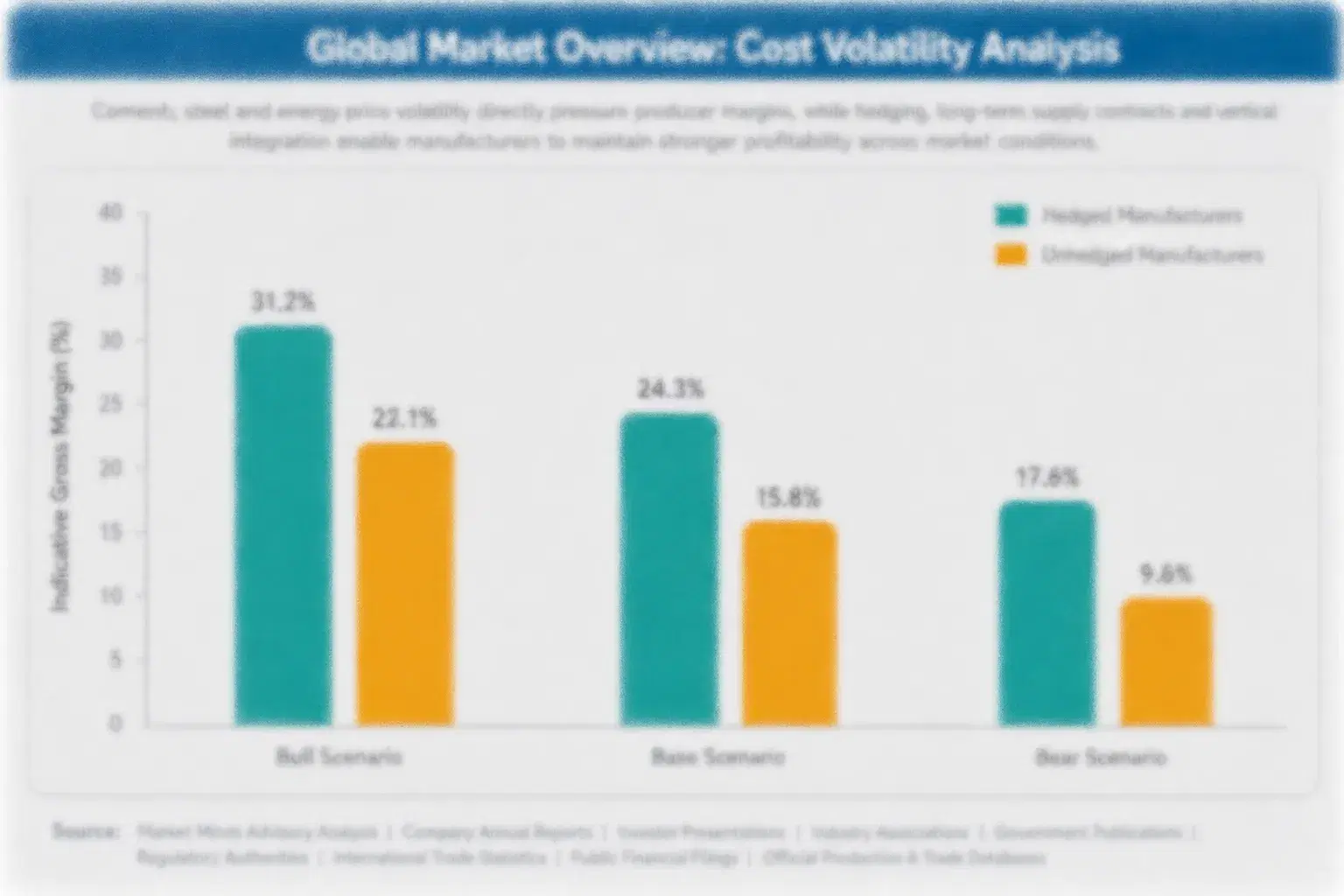
Steel, resin, and printing filament account for roughly 41% of cost of goods, with stainless steel strip sourced from China, Vietnam, and India, plastic resin from petrochemical producers, and filament from specialist suppliers. Tooling, packaging, labour, freight, marketplace fees, and duties add most of the remainder, so nickel-linked steel price, ocean freight, and tariff levels together determine margin for brands and sellers.
Nickel and stainless steel prices spiked in 2022, according to the International Nickel Study Group and United States Bureau of Labor Statistics producer price data, as trading disruption and energy costs raised stainless strip prices, while container freight rates rose sharply in 2021 and 2022. Brands with fixed-price contracts absorbed losses, others added surcharges or cut sizes, and some delayed launches. Margins narrowed as retailers resisted price increases and marketplace sellers cut prices for later seasons.

Exposure varies by player type and geography. Large brands with multiple factories, licensing income, and retailer contracts absorb shocks better than small sellers buying spot sets from marketplaces. Asian factories face steel and labour cost, American makers face wage and steel cost, and custom printed and licensed lines pass costs through more easily than plain metal sets sold on price.
cookie-cutters-market-cost-volatility-analysis-1789773748270

Diversifying Factory Sources Across China, Vietnam, and India

Brands sign multi-year manufacturing agreements with factories in China, Vietnam, and India, mixing fixed and index-linked prices to spread risk across countries. Diversifying sources reduces exposure to tariffs and single-country disruption, and quality clauses secure edge sharpness and food contact compliance. Forward planning lets brands time orders and avoid emergency air freight before holiday peaks.

Shifting Mix Toward Custom, Licensed, and Embossing Lines

Brands and sellers steer sales toward custom printed, licensed, and embossing products that carry margins 15 to 30 points above plain metal sets, reducing dependence on steel price. The shift needs design skill, licensing, and print capacity, but it lifts average selling price and reduces discounting. Mix improvement compounds yearly and protects margin during cost spikes.

Passing Costs Through Seasonal Pricing With Major Retailers

Large retailers and brands agree to seasonal price lists set before peak orders, with formulas linking price to published steel and freight indices plus a fixed margin, so cost swings are shared rather than absorbed by brands. Premium licensed lines use annual pricing, since retailers value stable supply and predictable shelf prices. Terms remain annual.

Portfolio Architecture for Margin Defence

Margins run from thin returns on plain metal and plastic sets sold in bulk to strong profits on custom printed, licensed, and embossing lines sold with design content and marketplace reputation, with gross margin roughly doubling between the volume tier and the top tier. Design, licensing, and speed of delivery add pricing power over the same steel and resin, and buyers pay more for a shape they cannot find anywhere else.
Volume and premium pull in different directions. Plain sets sell in large lots to price-driven retailers and marketplace resellers at thin margins and face constant copying and tariff pressure. Custom, licensed, and embossing lines sell in smaller lots at much higher margins but need design teams, print capacity, and licensing, so makers must choose how much capital to commit to premium positioning and how quickly to move.

High-value pools concentrate in custom printed cutters for craft bakers, embossing sets for gift and hobby buyers, and licensed themed ranges for holiday retail. These segments benefit from repeat purchases, distinctive designs, and limited competition from generic factory sets. Makers combining design skill, print capacity, and retailer relationships hold advantages that are difficult to replicate quickly.

Volume / Commodity-Adjacent Tier

Plain stainless steel and plastic cutter sets sold in bulk to mass merchants and marketplace resellers, with thin margins, steel and freight exposure, and constant copying from factory-direct sellers worldwide, where shoppers switch on price and brand loyalty is low.
Gross Margin: 28%-38%

Premium / Certified Tier

Tinplate, copper, and heritage cutters with tested food contact materials, quality edge finishing, and brand reputation, sold through specialty retailers and gift channels that require verified safety, consistent quality, documented materials, and reliable seasonal delivery.
Gross Margin: 38%-50%

Sustainability / Regulatory / Next-Generation Tier

Custom printed cutters, licensed character sets, and embossing sets with design content, personalisation tools, and trade programs, positioned for craft bakers, gift shoppers, and holiday retail across major markets, supported by licences and marketplace ratings.
Gross Margin: 48%-68%
cookie-cutters-market-portfolio-architecture-1789773748586

High-value Sub-segments and Strategic Watch-out

3D-Printed Custom Cutters

Custom printed cutters combine the fastest growth with strong pricing, as craft bakers and gift shoppers pay premiums for personalised shapes and quick delivery. Design skill, food-safe materials, and marketplace ratings limit competition, and sellers with reliable turnaround win repeat orders from cottage food businesses. Repeat orders follow.
Gross Margin: 55%-70%

Embossing Cutter and Stamp Sets

Embossing sets offer high value with solid growth, since home bakers and gift buyers pay steady premiums for patterned cookies with little skill. Stamp quality and dough limits constrain results, though strong designs and tutorial content help brands defend margin. Volume compounds yearly across seasonal ranges.
Gross Margin: 45%-62%

Stainless Steel Cutter Sets

Stainless steel sets form the volume core, sold through mass merchants and marketplaces to households who want durable, dishwasher-safe cutters at low cost. Margins are moderate and exposed to steel and freight swings, but steady demand supports scale, and brands with multiple factories and retailer contracts hold cost advantages.
Gross Margin: 26%-38%

Industrial Die and Rotary Cutters

Industrial die and rotary cutters are a strategic watch-out, used in bakeries and food plants for portioning and shaping but limited by capital equipment cycles, customisation, and competition from wire-cut and depositor systems. Changing production methods could restrict volume, so makers should track bakery investment and margins carefully.
Gross Margin: 24%-48%

Why Bakers Reorder the Same Shapes

Cookie cutter demand behaves partly like an annuity for craft bakers and small bakeries, who reorder shapes tied to their recipes, brands, and customer orders. A saved custom design or a favourite supplier reduces search time and quality risk, so repeat purchases follow. Sellers that serve the same baker for years earn steady volume, and trade pricing programs renew annually with modest changes rather than fresh price comparisons each season.
Stickiness varies by vertical. Craft bakers and cottage food sellers with branded shapes are the deepest, since custom designs and delivery speed define their product. Commercial bakeries and foodservice teams are next, because die tooling and consistent portions raise switching cost. Household gift buyers are shallower, moving between brands and marketplace listings when price or ratings change, and holiday shoppers rotate suppliers freely each season.

Buyer profiles are shifting. Older buyers relied on kitchen stores, brand names, and traditional tin cutters, while younger bakers use social media, marketplaces, and design tools to find and order shapes themselves. They share designs, compare ratings, and switch quickly if delivery slips, so sellers that publish tutorials, save designs, and ship reliably keep loyalty across age groups.
cookie-cutters-market-end-use-penetration-index-1789773748869

MMA Verdict on Cookie Cutter Strategy

These are among the four positions where our research anticipates prominent divergence between winners and laggards over the coming forecast period. Each is grounded in the demand model, the regulatory perimeter, and the announced capacity pipeline.
01 / CUSTOM PRINTING STRATEGY

Build Print Capacity and Design Tools Before Marketplaces Commoditise Custom Shapes

Custom printed cutters sell at three to five times the price of stamped cutters and grow at 13.2% a year, about 2.06 times the market rate. A 10-printer farm costs $5,000 to $20,000 and earns 55% to 70% gross margins. MMA recommends adding print capacity and a design upload tool within 12 months, because sellers that build ratings and repeat customers early gain marketplace ranking that late entrants struggle to match, while craft bakers value dependable delivery before holiday peaks and reorder freely.
02 / LICENSING PORTFOLIO STRATEGY

Secure Character and Seasonal Licences a Year Ahead of Holiday Peak Demand

Licensed sets sell at 30% to 80% above unlicensed equivalents and lift sell-through by 20% to 40%, at royalties of 8% to 12% of sales. Approval cycles take three to six months. MMA advises signing two character or event licences a year ahead and securing end cap placement with three retailers, since themed sets reduce discounting and bring repeat sales of tools, and brands that plan early avoid stock shortages and gain retailer trust, while accessories extend the value of each licence across the season.
03 / FACTORY DIVERSIFICATION STRATEGY

Diversify Factory Sources Beyond China Before Tariffs and Freight Bite Again

Steel and freight swings cut margins by several points, and tariffs raise landed cost for imported sets. Multi-year agreements across Vietnam and India spread risk. MMA recommends shifting at least 40% of volume to two additional countries and locking peak season freight early within two years, because brands that keep shelves stocked through disruption win permanent retailer space from rivals that cannot, and steady sourcing protects margin, while quality clauses secure food contact compliance and edge sharpness across all sites.
04 / TRADE PROGRAM STRATEGY

Build Reorder Programs for Craft Bakers and Small Bakeries With Trade Pricing

Craft bakers may buy 50 to 300 cutters a year, and trade programs earn gross margins of 40% to 55% against 30% to 40% for single retail sales. Programs cost 3% to 5% of sales. MMA advises launching trade pricing, saved designs, and fast reorder tools for the top 500 customers within 12 months, since loyal bakers cut advertising cost by 20% to 30% and smooth demand outside the holiday peak, while suppliers that deliver consistent edge quality become the default source for small businesses.

Engagement Snapshot From the Field

A live engagement with an industry participant carrying material or product regulatory and market exposure ahead of a defining policy shift, showing how our research translates into a defensible multi-year portfolio strategy.
MARKET MINDS ADVISORY · CLIENT ENGAGEMENT SUMMARY
Cookie Cutters Producer Strategic Portfolio Review and Transition Roadmap 2026·Investment Scenario on Cookie Cutters Exposure Evaluation 2025-26
CLIENT PROFILE
The client is a mid-sized North American baking tool brand selling metal and plastic cutter sets through mass merchants and online marketplaces, with roughly $46 million in annual revenue (client-reported, unverified by MMA) and about 45% of sales in the holiday season. Gross margin sat near 31% (client-reported, unverified by MMA), and marketplace price cuts had reduced unit prices by a fifth in two years.
STRATEGIC CHALLENGE
Plain sets faced constant copying, tariffs raised landed cost, two retailers asked for licensed and embossing ranges the client lacked, and small sellers were winning custom orders from craft bakers. Leadership needed a plan that justified licensing and print capacity, diversified factories, and lifted margin without overextending inventory. The board wanted a decision within nine months, before the next holiday range planning cycle began.
MMA APPROACH
MMA benchmarked nine baking tool brands and sellers on range, licensing, and channel mix, interviewed retailers, craft bakers, and marketplace sellers about design and pricing, and modeled the economics of a print farm, licensed ranges, embossing sets, factory diversification, and trade programs under bull, base, and bear demand scenarios. Analysts also reviewed the client's tariff exposure and returns.
KEY FINDINGS
  1. A print farm of 20 printers costing about $30,000 (client-reported, unverified by MMA) could serve craft bakers at gross margins near 60% and reach 8% of revenue within two years.
  2. Two licences with royalties of 10% would lift sell-through by 25% and support price premiums of 40%, based on retailer interviews and pilot sales.
  3. Shifting 40% of volume to Vietnamese factories would cut tariff cost by about three margin points, according to detailed landed cost modeling by MMA.
  4. Trade programs for 400 craft bakers would add 5% of revenue at margins 10 points above retail, though they needed reorder tools in the first year.
CLIENT PROFILE
The client is a mid-sized North American baking tool brand selling metal and plastic cutter sets through mass merchants and online marketplaces, with roughly $46 million in annual revenue (client-reported, unverified by MMA) and about 45% of sales in the holiday season. Gross margin sat near 31% (client-reported, unverified by MMA), and marketplace price cuts had reduced unit prices by a fifth in two years.
STRATEGIC CHALLENGE
Plain sets faced constant copying, tariffs raised landed cost, two retailers asked for licensed and embossing ranges the client lacked, and small sellers were winning custom orders from craft bakers. Leadership needed a plan that justified licensing and print capacity, diversified factories, and lifted margin without overextending inventory. The board wanted a decision within nine months, before the next holiday range planning cycle began.
MMA APPROACH
MMA benchmarked nine baking tool brands and sellers on range, licensing, and channel mix, interviewed retailers, craft bakers, and marketplace sellers about design and pricing, and modeled the economics of a print farm, licensed ranges, embossing sets, factory diversification, and trade programs under bull, base, and bear demand scenarios. Analysts also reviewed the client's tariff exposure and returns.
KEY FINDINGS
  1. A print farm of 20 printers costing about $30,000 (client-reported, unverified by MMA) could serve craft bakers at gross margins near 60% and reach 8% of revenue within two years.
  2. Two licences with royalties of 10% would lift sell-through by 25% and support price premiums of 40%, based on retailer interviews and pilot sales.
  3. Shifting 40% of volume to Vietnamese factories would cut tariff cost by about three margin points, according to detailed landed cost modeling by MMA.
  4. Trade programs for 400 craft bakers would add 5% of revenue at margins 10 points above retail, though they needed reorder tools in the first year.
RECOMMENDED STRATEGY
Phase 1: Phase 1 (Months 1-6): Sign Vietnamese factory agreements, negotiate two licences, and install the print farm at once this year. Phase 2: Phase 2 (Months 7-18): Launch licensed and embossing ranges, open the design tool, and start trade pricing for craft bakers this year. Phase 3: Phase 3 (Months 19-30): Scale premium volume, add bundles with recipes, and review pricing formulas each quarter with all major retailers.
OUTCOME
Within 30 months, custom, licensed, and embossing lines reached about 34% of revenue, and gross margin rose from 31% to about 42% (client-reported, unverified by MMA). Two retailers gave the licensed sets end cap space, tariff cost fell after factory diversification, and the board approved a second print farm for the following year.

Frequently Asked Questions

Foundational context covering the market sizes, CAGR, scope, country, region and competition that inform every finding below. This section is provided to cover basics and most often pre-purchase conversations, answered from the MMA Primary Research Dataset.

What is the current size of the Cookie Cutters Market?

The global cookie cutters market was valued at $0.45 billion in 2025. This covers stainless steel, plastic, copper, printed custom, and embossing cutters sold to households, craft bakers, and bakeries.

How large will the Cookie Cutters Market be by 2036?

MMA projects the market will reach approximately $0.89 billion by 2036. This represents cumulative growth of roughly $0.41 billion over the full ten-year forecast window.

What is the CAGR for the Cookie Cutters Market 2026 to 2036?

The market is forecast to grow at a 6.4% compound annual rate between 2026 and 2036. The bull case reaches 7.7% while the bear case falls to 5.1%.

Which segment is growing fastest?

3D-Printed Custom Cutters is the fastest-growing segment at 13.2% CAGR, roughly 2.06 times the overall market rate. Embossing Cutter and Stamp Sets follows as the second-fastest segment at 8.7% CAGR each year.

Who are the major companies in the Cookie Cutters Market?

Leading companies include Wilton Brands, Ann Clark, Fox Run Brands, Nordic Ware, and Helen of Troy. These five brands together hold an estimated 24% of total global market revenue, based on MMA analysis of company disclosures.

Which country is growing fastest?

China is the fastest-growing major market, expanding at approximately 8.6% CAGR each year. Rising home baking and live-stream selling are driving this above-market growth across the country.

Report Segmentation Architecture

The full report scope spans multiple orthogonal segmentation dimensions, with cross-tabulated demand data provided for each dimension pair. Coverage extends further to regional breakdowns, trend trajectories, and the competitive detail needed to support segment-level decision-making.

By Primary Market Dimension

  • 3D-Printed Custom Cutters
  • Embossing Cutter and Stamp Sets
  • Stainless Steel Cutter Sets
  • Plastic Molded Cutter Sets
  • Copper and Tinplate Heritage Cutters
  • Industrial Die and Rotary Cutters

By End-Use Industry

  • Household Baking
  • Craft Bakers and Cottage Food Sellers
  • Commercial Bakeries
  • Foodservice and Catering
  • Gifting and Hobby Consumers

By Commercial Dimension

  • Online Marketplaces and Direct Stores
  • Mass Merchants and Craft Retail
  • Kitchen Specialty Retail
  • Trade and Wholesale Programs

By Region

  • North America
  • Western Europe
  • East Asia
  • South Asia and Pacific
  • Latin America
  • Middle East and Africa
  • Eastern Europe

Scope, Methodology, and Coverage

Every figure in this report is reproducible from documented input assumptions. The scope below maps the historical period, the forecast horizon, the segmentation dimensions, and the countries covered, alongside the underlying primary and qualitative methodology.
Historical Period
2020 to 2025
Forecast Period
2026 to 2036
Base Year
2025 (USD billions; MMA Primary Research Dataset, September 2026)
Market Definition
Cookie cutters comprise hand-held and stamp-style cutting tools for shaping rolled cookie dough, sold as stainless steel, tinned and copper, plastic molded, silicone, and three-dimensional printed sets, including embossing cutter and stamp sets and industrial die and rotary cutters used in bakeries. The scope excludes cookie presses and depositors, cake and bread pans, cookie dough and mixes, and decorating supplies sold separately.
Quantitative Units
USD billions (current prices); million units for volume references
Segmentation Dimensions
By Material and Production Method; By End-Use Industry; By Commercial Dimension; By Region
Regions Covered
North America, Western Europe, East Asia, South Asia and Pacific, Latin America, Middle East and Africa, Eastern Europe
Countries Covered
USA, Canada, Mexico, Brazil, Argentina, Chile, Germany, UK, France, Sweden, Netherlands, Poland, Czechia, Turkey, UAE, Saudi Arabia, South Africa, China, Japan, South Korea, India, Australia, Vietnam, and additional markets relevant to this sector
Key Companies Profiled
Wilton Brands, Ann Clark, Fox Run Brands, Nordic Ware, Helen of Troy, Ateco, Cuisipro, Kaiser Backformen, Birkmann, Staedter, Tala, Lekue, Fat Daddio's, KitchenCraft, Zenker, Patisse, Williams-Sonoma, Sur La Table, Lifetime Brands, Newell Brands
Quantitative Methodology
Primary survey, n=3,800 respondents, Q4 2025, six countries; demand-side model with trade association cross-validation
Qualitative Methodology
47 expert interviews, Q4 2025; applied to validate demand model assumptions, identify emerging dynamics, and assess competitive positioning
Report Format
PDF and XLSX data workbook (Word format preview document)
Publisher
Market Minds Advisory
Report Code
MMA-2026-CON-328
Published
September 2026
Contact
sales@marketmindsadvisory.com | www.marketmindsadvisory.com

Purchase the full Cookie Cutters Market Report (2026 to 2036).

The full report delivers a detailed assessment of global cookie cutter demand, material mix, and competitive positioning through 2036. It includes segment forecasts by material and method, country-level data for all seven world regions, and profiles of the twenty companies most relevant to baking tool supply. Analysts also receive input cost modeling and portfolio margin benchmarking built from MMA's primary research dataset. A scenario planning module lets subscribers stress-test bull and bear assumptions against tariff and demand outcomes. Quarterly updates keep the whole dataset current throughout the subscription year.
Ten-year segment and regional demand forecasts
Steel and resin price tracking data
Competitive benchmarking of top twenty brands
Tariff and food contact rule modeling
Regional demand mechanism comparative analysis included
Quarterly primary survey data update access

Built For The People Who Decide

From boardroom strategy to bench-side execution, this report is read cover-to-cover by leaders shaping the next decade of their industry, turning demand scenarios, market dynamics and valuation benchmarks into decisions.
CXOs/ Presidents/ VPs/ Managers
M&A and Corporate Development
Strategy Teams and R&D Heads
Procurement and Product Directors
Regulatory and Compliance Leaders
Investor Relations and Equity Analysts