Market Minds Advisory
Converged Infrastructure Market

Converged Infrastructure Market: Converged Infrastructure: Consumption-Based Delivery and the Retreat of the Fixed Appliance

Enterprises tired of buying fixed compute, storage, and networking bundles years ahead of need are pushing vendors toward consumption-based converged infrastructure, forcing a decades-old hardware business to compete on utility pricing instead.

Lead Analyst

Published

September 2026

Make Smarter Decisions with Customized Research Insights

Request a free sample report and evaluate market opportunities, growth trends, and competitive dynamics relevant to your business needs.

2025 MARKET VALUE$24.6BMarket Size 2025
2036 FORECAST VALUE$76.0BBase Case , 2026 to 2036
CAGR 2026 TO 203610.8 %Bull 12.1% / Bear 9.5%
INCREMENTAL OPPORTUNITY$48.8BNet 10- year value creation
EXPANSION MULTIPLE2.79x2036 value over 2026 base
Strategic Levers
M&A Pipeline
Regional Outlook
Country Rankings
Competitive Intelligence
Segmental Deep-dive
Call-Us : 91 93563 13602

Executive Snapshot and Market Trajectory.

IT buyers are rejecting multi-year fixed hardware refresh cycles in favor of infrastructure priced like a cloud service, and that shift is now the single clearest signal of which vendors will still matter once the next major refresh cycle actually arrives at all across the entire global industry landscape.
Converged infrastructure-as-a-service offerings are pulling budget away from traditional fixed-appliance purchases, and North American enterprises are moving fastest, backed by the deepest concentration of data center modernization spending found anywhere in the world today, while Indian data center operators add a second, rapidly scaling pool of demand for consumption-based deployment models that vendors are only now beginning to fully address and monetize at real scale.
Competitive character is shifting from a hardware-bundling business toward a software-defined, consumption-priced platform one, and legacy appliance vendors that built moats around reference-architecture certification are racing to acquire composable and as-a-service delivery capability before cloud-native challengers with no hardware legacy win the next generation of data center contracts outright, a shift that hybrid cloud repatriation trends and steadily rising energy costs are accelerating considerably faster than most incumbents had originally expected.
Market Definition
The converged infrastructure market covers integrated compute, storage, and networking systems, including hyperconverged appliances, composable infrastructure, and consumption-priced as-a-service delivery models. It excludes standalone compute, storage, or networking hardware sold without an integrated management and orchestration layer and public cloud infrastructure services sold without dedicated on-premises hardware.
Base Year Value
$24.6B in 2025 (MMA Primary Research Dataset, September 2026)
Forecast Period
2026 to 2036, eleven discrete annual values
CAGR
10.8% base case. Bull 12.1%. Bear 9.5%.
Fastest Growth Segment
Converged Infrastructure-as-a-Service: 16.5% CAGR
Fastest Growth Country
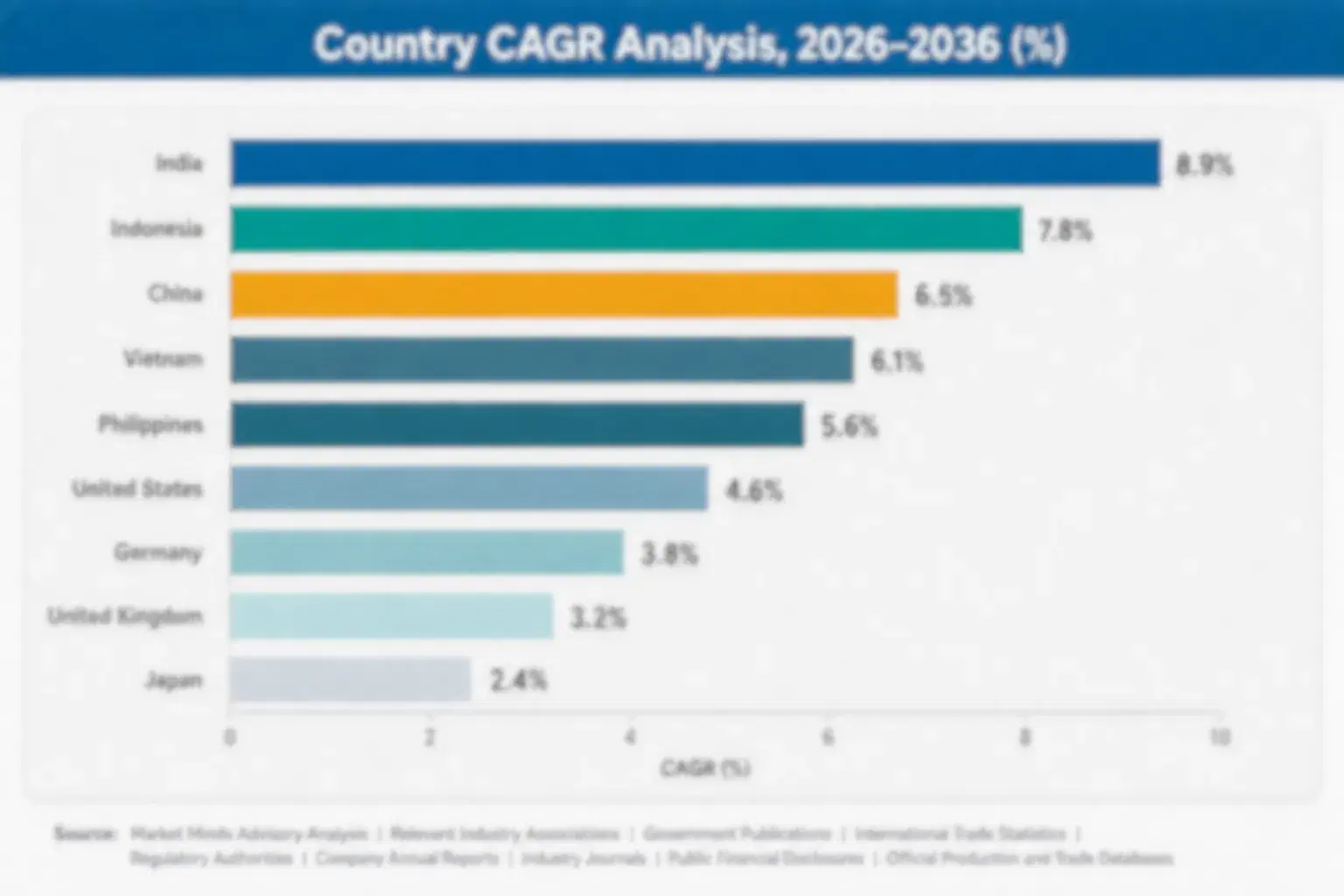
India: 14.2% CAGR
Fastest Growth Region
South Asia and Pacific: 12.8% CAGR
Largest Region
North America: 30% of 2025 global value
Market Leaders
Dell Technologies, Hewlett Packard Enterprise, Cisco Systems, NetApp, and Nutanix lead the market. Source: MMA Primary Research Dataset, July 2026.
Primary Survey
n=3,800 procurement and R&D decision-makers, Q4 2025, six countries
Methodology
Demand-side build-up, cross-validated against public data, 47 expert interviews

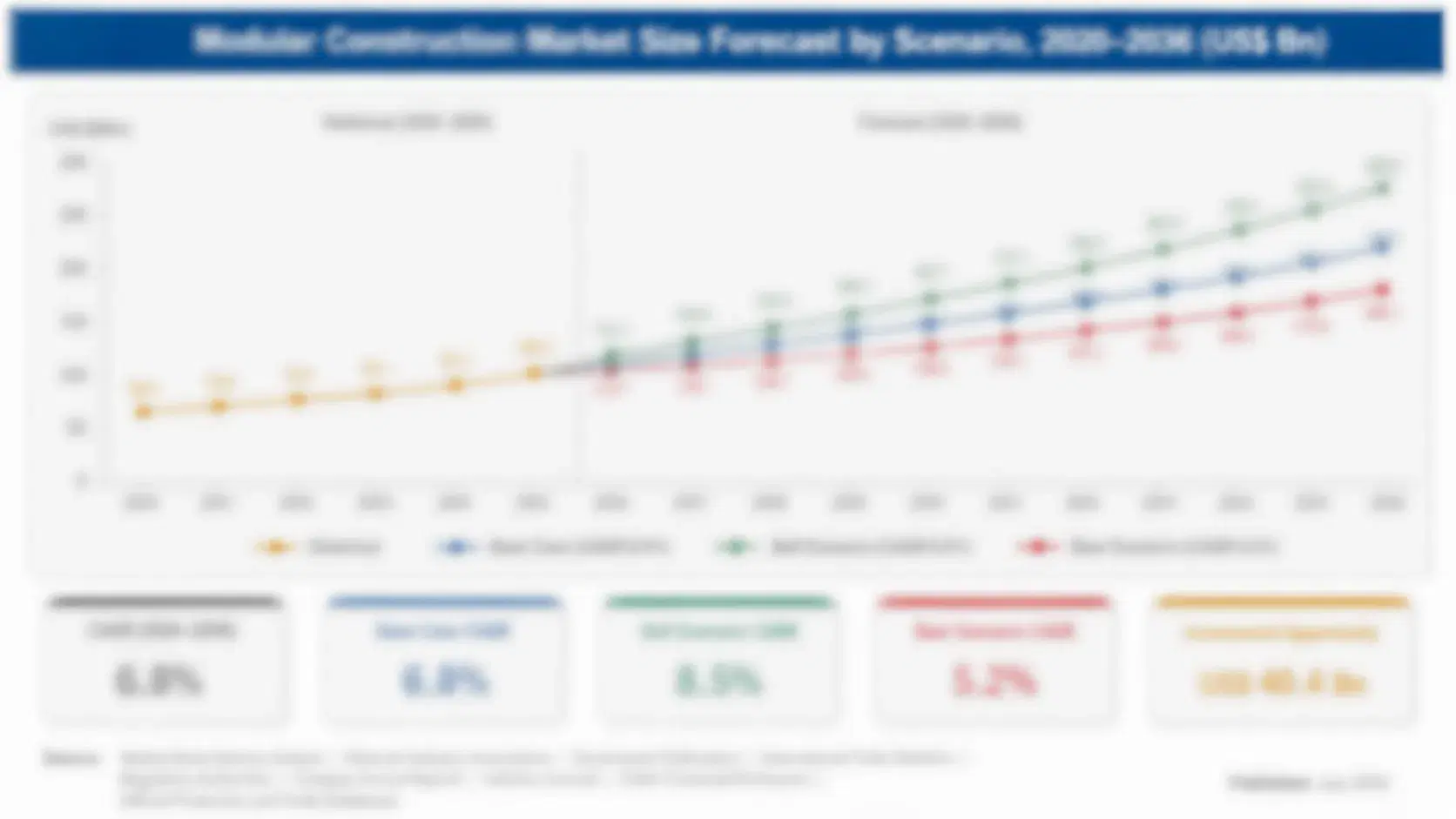
Converged Infrastructure Market Forecast Scenarios

converged-infrastructure-market-size-forecast-scenario-1788851827386
Between 2020 and 2025 the market grew at an estimated 9.8 percent annual clip as enterprises consolidated compute, storage, and networking purchases into pre-validated reference architectures across most major industry verticals worldwide, though most deployments at that time still involved fixed, upfront capital purchases rather than consumption-based pricing arrangements that are far more common across the industry today.
The base case assumes 10.8 percent annual growth through 2036, driven by three mechanisms: enterprises shifting capital-expenditure budgets toward operating-expense-friendly as-a-service consumption models across most major industry sectors and company sizes alike, hybrid cloud repatriation projects bringing workloads back on-premises onto converged platforms rather than rebuilding standalone infrastructure from scratch, and composable infrastructure adoption letting IT teams reallocate compute and storage resources without physical hardware changes across the data center.
The bull case turns on enterprise AI workloads accelerating on-premises infrastructure refresh cycles faster than currently planned, pulling forward converged platform adoption industry-wide well ahead of current vendor roadmaps and annual budget cycles. The bear case centers on continued public cloud migration reducing the on-premises infrastructure footprint that converged systems ultimately depend on for sustained long-term growth.

From Fixed Bundles to Consumption-Priced Platforms

Enterprises that spent a decade consolidating hardware purchases into pre-validated reference architectures are now confronting the harder problem of paying for that infrastructure the way they pay for cloud services rather than as a one-time capital purchase made years in advance, and vendors that can deliver consumption-based pricing are capturing the largest share of new procurement across nearly every industry vertical tracked in this report.
TOP-FIVE VENDOR CONCENTRATION48%Combined revenue share held by the leading global suppliers
AVERAGE SYSTEM CONTRACT VALUE$620,000Typical value of a large enterprise deployment contract
LEADING DEPLOYMENT COUNTRY SHARE33%Share of global enterprise deployments concentrated in one country
AS-A-SERVICE CONSUMPTION ADOPTION44%Share of new deployments priced under consumption-based terms
AVERAGE REFRESH CYCLE LENGTH5 yearsTypical interval between full infrastructure hardware replacements for most enterprises
CUSTOMER RENEWAL RATE82%Share of enterprise customers renewing their platform contract annually
Commercial activity concentrates around large, multi-year enterprise data center modernization programmes rather than one-off hardware refreshes, since a converged infrastructure platform choice typically locks an organization into a single vendor's management software for years given the operational cost of migrating workloads and fully retraining IT staff onto a competing architecture across every affected data center, business unit, and region.
Over the next decade, the decisive forces will be hybrid cloud repatriation bringing workloads back on-premises onto converged platforms, composable infrastructure adoption that lets IT teams reallocate compute and storage resources without any physical hardware changes, and rising data center energy costs that push buyers toward more efficient, tightly integrated systems rather than sprawling standalone components purchased and managed entirely separately.
"The vendors losing renewal battles aren't the ones with weaker hardware. They're the ones still asking customers to sign a five-year check upfront."
Director, Data Center Infrastructure Practice · MMA Technology Practice · September 2026

Market Trends

Consumption-Based Pricing Becoming a Procurement Requirement

Large enterprise IT buyers are increasingly writing consumption-based, pay-as-you-use pricing directly into converged infrastructure procurement specifications, treating it as a baseline requirement rather than an optional commercial term. This shift is forcing vendors that historically sold only fixed-capital hardware to rebuild their entire go-to-market motion around metered billing and usage monitoring infrastructure they never needed to operate before. Vendors that already offer mature as-a-service delivery are winning replacement contracts well ahead of competitors still building comparable billing and consumption-tracking infrastructure from scratch, and finance departments are increasingly involved earlier in the procurement process than IT alone.
Market Impact: Adds $3.2 billion AI-driven refresh demand
Hybrid Cloud Repatriation Reviving On-Premises Demand

Enterprises that moved workloads to public cloud during the last decade are increasingly repatriating a meaningful share of those workloads back on-premises, citing unpredictable cloud cost growth and data governance concerns as the primary drivers. Converged infrastructure vendors are positioning their platforms as the natural landing zone for repatriated workloads, since the integrated management layer reduces the operational complexity that originally pushed those workloads to the cloud in the first place. This reversal is creating renewed demand for on-premises hardware refresh cycles that many vendors had assumed were permanently in decline.
Market Impact: Expands India's addressable base 32 percent

Market Opportunities and Growth Drivers

Enterprise AI Workloads Driving On-Premises Refresh Cycles

Enterprises deploying AI applications that require low-latency access to sensitive proprietary data are increasingly choosing on-premises converged infrastructure over public cloud for these specific workloads, even while continuing to run less sensitive applications in the cloud as they always have without hesitation or concern. This selective on-premises preference is creating a distinct converged infrastructure demand pool tied directly to AI initiative budgets rather than general IT modernization spending, and vendors that can demonstrate validated AI reference architectures are winning disproportionate share of these AI-specific procurement decisions ahead of generalist competitors.
Market Impact: Delays as-a-service migration by 16 months

India's Data Center Construction Boom Scaling Demand

India's data center construction pipeline is expanding rapidly as both domestic digital services growth and global hyperscaler capacity expansion drive new facility construction across major metro areas nationwide and well beyond them into secondary cities and industrial corridors, and each new facility requires converged infrastructure to support workloads that do not run directly on hyperscaler-native compute platforms. Domestic system integrators are increasingly certified as implementation partners by global vendors, extending market reach into mid-sized enterprise accounts that direct sales teams previously could not economically serve at scale on their own.
Market Impact: Erodes 9 percent of addressable workloads

Market Restraints and Challenges

Fixed-Capital Sunk Cost Slowing As-a-Service Migration

Enterprises that recently completed multi-year fixed-capital converged infrastructure purchases have little financial incentive to migrate to consumption-based pricing before that hardware reaches the end of its depreciation schedule, regardless of how attractive the newer commercial model appears. The root cause is that capital budgeting cycles in most large enterprises are structured around multi-year depreciation schedules that make early hardware replacement financially unattractive even when operationally desirable. Vendors are mitigating the friction by offering buyback and trade-in programmes that let customers convert remaining depreciation value into credit toward new as-a-service contracts.
Market Impact: Adds $4.8 billion as-a-service spend

Public Cloud Competition Eroding On-Premises Market Share

Public cloud providers continue capturing workloads that would otherwise run on converged on-premises infrastructure, particularly among smaller enterprises that lack the capital or IT staff to manage on-premises hardware themselves at meaningful scale. The root cause is that public cloud requires no upfront capital investment and scales elastically in ways traditional converged infrastructure historically could not match without over-provisioning capacity in advance. Vendors are mitigating the competitive pressure by building cloud-like elasticity directly into on-premises platforms and offering hybrid management tools that let customers manage both environments through one consistent interface.
Market Impact: Recovers 14 percent of migrated workloads
3 additional market trends, 2 additional growth drivers, and 4 additional restraints and challenges are covered in the full report. Contact sales@marketmindsadvisory.com to access the complete intelligence.

Segment CAGR and Growth Architecture

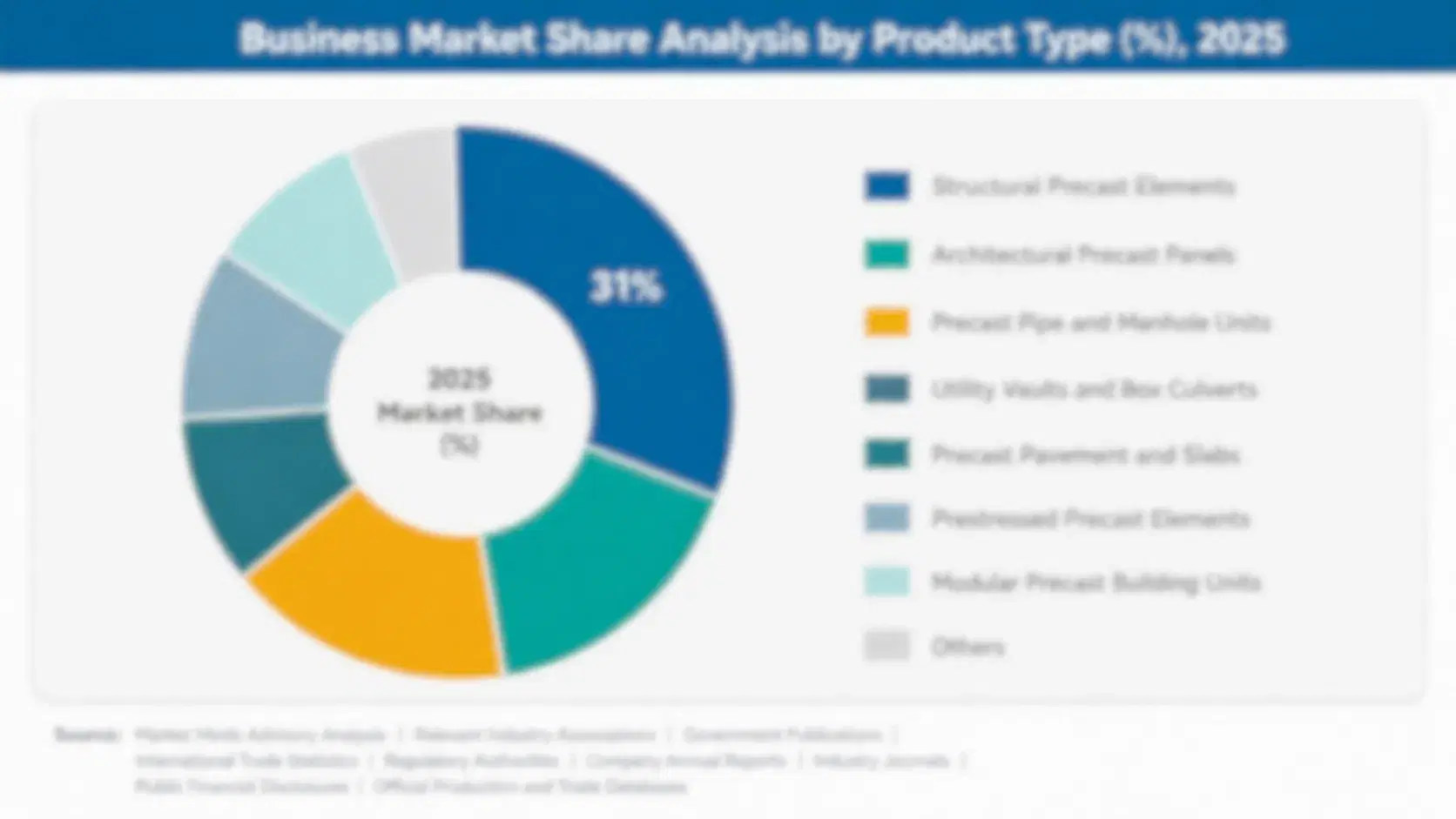
This report segments the market by deployment and delivery model rather than by end-use industry, since the same underlying hardware and software platform typically serves financial services, healthcare, and manufacturing buyers interchangeably across very different regulatory and operational contexts each buyer faces. Six deployment segments capture how vendors differentiate on commercial terms and infrastructure flexibility.
converged-infrastructure-market-market-share-analysis-1788851827691

Converged Infrastructure-as-a-Service

Converged infrastructure-as-a-service is growing fastest because enterprises increasingly demand infrastructure priced like a cloud service rather than as a multi-year fixed-capital purchase negotiated years in advance and rarely revisited afterward by either the vendor or the buyer involved in the deal. Vendors that already offer mature consumption-based billing and usage monitoring are winning replacement contracts against traditional appliance vendors still building comparable metering infrastructure from scratch, and finance departments increasingly favor the operating-expense treatment this model provides over capital expenditure line items on the balance sheet. The segment also benefits from recurring revenue that traditional fixed-hardware sales never generated, giving vendors a more predictable income stream tied to actual customer usage.
CAGR 16.5%

Composable and Disaggregated Infrastructure

Composable and disaggregated infrastructure, which lets IT teams reallocate compute, storage, and networking resources independently through software rather than being locked into fixed hardware ratios set at initial purchase time, is the second-fastest-growing segment as enterprises seek flexibility that traditional converged appliances simply cannot provide at meaningful scale or speed today and well into the future. This architecture appeals particularly to enterprises running highly variable workloads that would otherwise require significant over-provisioning under a fixed-ratio converged model design. Vendors that already sell traditional converged appliances are extending their platforms toward composable architecture rather than ceding this segment entirely to newer, software-defined infrastructure specialists with no installed base to build on.
CAGR 14.0%
Full segment breakdown across 6 segments available in the complete report.

Regional Architecture and Country Demand Map

North America leads on enterprise data center modernization spend, while East Asia and Western Europe follow with steady infrastructure refresh activity across large corporate accounts. South Asia and Pacific is expanding fastest as new data center capacity comes online across several of its fastest-growing economies.

North America

North America's demand centers on large enterprise data center modernization programmes, with financial services and technology companies leading adoption of consumption-based converged platforms ahead of tightening operating-expense budget preferences across most large corporations nationwide and across every major industry vertical tracked in this report today and well into tomorrow. United States enterprises dominate regional volume, and hybrid cloud repatriation projects are adding a second distinct source of demand as companies bring workloads back on-premises after years of public cloud experimentation that did not deliver expected savings. Canada's financial services and government sectors follow a similar pattern at somewhat smaller scale, with data sovereignty requirements reinforcing on-premises infrastructure preferences across regulated industries.
Share: 30% | CAGR: 11.5% (2026 to 2036)

Western Europe

Western Europe's growth trails North America because stricter data-residency and sustainability reporting requirements slow adoption of new consumption-based commercial models relative to jurisdictions with lighter compliance burdens to satisfy before deployment even begins across the entire continent today and well into tomorrow too and beyond. Germany and the United Kingdom remain the region's largest buyers, and financial services firms there favor validated reference architectures for regulatory audit purposes over newer composable designs still proving themselves in production environments across the continent broadly and consistently over time. Vendors that can demonstrate EU data-residency compliance and energy-efficiency credentials out of the box are winning disproportionate share of new European enterprise contracts each year.
Share: 21% | CAGR: 9.3% (2026 to 2036)
Regional intelligence for 5 additional markets available in the complete report: East Asia, South Asia and Pacific, Latin America, Middle East and Africa, Eastern Europe. Contact sales@marketmindsadvisory.com.
converged-infrastructure-market-country-cagr-analysis-1788851827974

Monetizing Consumption, Composability, and Management

Vendors are finding that the largest incremental margin sits outside the initial hardware sale, in recurring consumption-based billing, composable capacity add-ons, and managed monitoring services layered onto infrastructure that customers across many different industries have already deployed across their data centers and highly business-critical production environments throughout this entire current decade and well beyond.

Converting Fixed Sales Into Consumption-Based Contracts

Vendors are shifting pricing away from a single upfront capital purchase toward a recurring, usage-metered consumption model that scales with actual customer resource utilization over time and across every workload type deployed. This model produces a more predictable revenue stream than one-time capital contracts, and vendors report the shift increasing average contract lifetime value by roughly 28 percent once customers move from a capital purchase to a consumption agreement. Recurring billing also gives vendors a natural entry point for cross-selling managed services and analytics modules onto the same underlying platform.
Market Impact: Increases average contract lifetime value by 28 percent

Selling Composable Capacity Expansion as a Premium Add-On

Vendors are packaging composable resource reallocation capability as a premium software add-on sold on top of the base converged appliance, letting customers reallocate compute and storage independently without buying additional fixed hardware components. This upsell path captures incremental software revenue from customers who already own the underlying hardware, and vendors report composability add-on attach rates reaching roughly 22 percent of the installed base within eighteen months of launch. Margin on the composability layer runs well above hardware margin, since there is no manufacturing cost attached once the software is built.
Market Impact: Achieves a composability add-on attach rate near 22 percent

Packaging Managed Monitoring as a Standing Service

Vendors are packaging proactive infrastructure monitoring and predictive maintenance as a standing annual managed service rather than a one-time support contract negotiated separately during initial deployment and largely forgotten afterward. Enterprises with limited internal IT staff are paying a premium to offload this ongoing operational burden entirely, and vendors offering the service report renewal rates roughly 13 percentage points higher among customers who purchase it compared with those managing infrastructure monitoring internally on their own. The service also creates a natural annual touchpoint for broader platform upsell conversations across adjacent business units.
Market Impact: Lifts customer renewal rates by 13 percentage points

Expanding Usage-Based Pricing for Growing Workloads

Vendors are moving toward usage-based pricing tiers that automatically scale billing as customer workload volume grows, rather than requiring a separate renegotiation each time capacity needs expand beyond the original contract terms agreed at signing months or years earlier in the relationship. This pricing model captures expansion revenue automatically as customers grow into additional capacity across new business units and workloads, and vendors pursuing this approach report average contract value expanding by roughly 24 percent within two full years of a customer's initial deployment, well ahead of typical renewal-cycle timing.
Market Impact: Expands average contract value by roughly 24 percent

Who Controls the Margin Pool

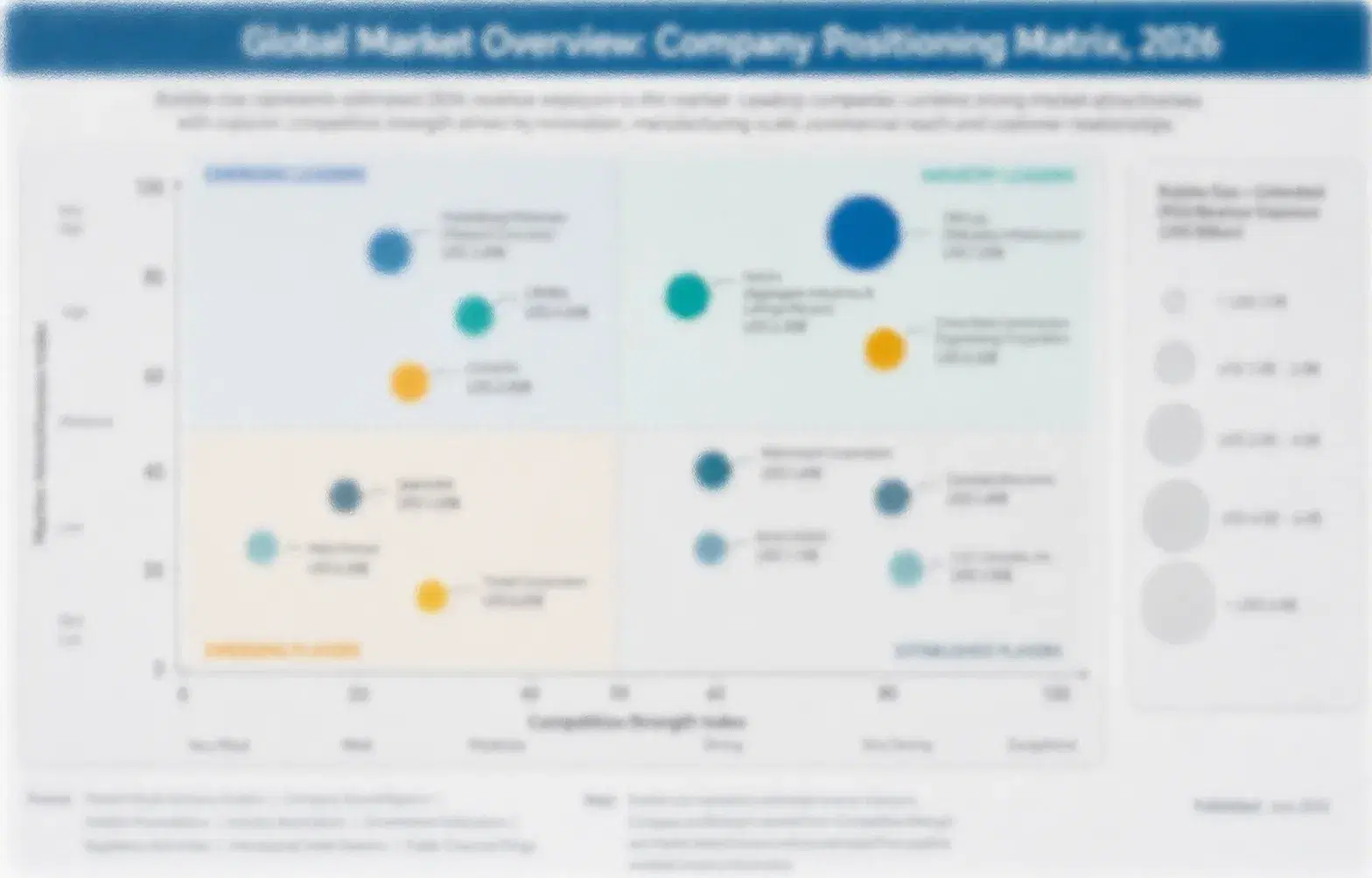
At an estimated 48 percent combined share, the top five vendors hold a substantial lead over a long tail of regional systems integrators and single-product software specialists, and the gap between the leading suppliers and the next tier is widening as consumption-based delivery capability becomes a harder investment for smaller challengers to replicate quickly without outside capital.
Current competitive activity centers on three fronts: acquiring composable and Kubernetes-native infrastructure startups rather than building comparable capability internally, forming as-a-service delivery partnerships with channel resellers to reach mid-market accounts more efficiently, and bundling managed monitoring services with legacy appliance contracts to defend renewal revenue against cloud-native entrants with no hardware relationship to protect.

Emerging pressure is coming from public cloud providers extending their management planes into customer data centers, undercutting incumbents on operational simplicity for enterprises that want a single consistent interface across on-premises and cloud environments alike. Rankings are most likely to shift wherever a challenger wins a large enterprise-wide standardization contract before an incumbent does, since those contracts function as reference deployments that shape adjacent procurement decisions for years afterward and are difficult for slower rivals to dislodge.
converged-infrastructure-market-company-positioning-matrix-1788851828310

Competitive Moat and Risk Dimensions

DELL TECHNOLOGIES

Moat: End-to-End Portfolio and Channel Depth

Dell's combination of compute, storage, networking, and a global channel network gives it a single-vendor procurement advantage that fragmented, best-of-breed competitors struggle to match, since large enterprises increasingly prefer consolidating data center vendor relationships rather than managing dozens of separate contracts across many different suppliers entirely.
DELL TECHNOLOGIES

Risk: As-a-Service Transition Execution Risk

Dell's core revenue still leans heavily on traditional hardware sales, and the company's as-a-service transition requires rebuilding billing, finance, and sales compensation systems that were built around one-time capital transactions rather than recurring consumption revenue collected steadily over many years instead of upfront as before.
NUTANIX

Moat: Software-Defined Platform Independence

Nutanix's software-defined approach runs across multiple hardware vendors rather than being tied to one manufacturer's appliances, giving it a credibility advantage with enterprises wary of hardware lock-in and appealing to buyers who want to separate their hardware refresh cycle from their software platform decision entirely.
NUTANIX

Risk: Smaller Scale Versus Diversified Rivals

Nutanix lacks the broad hardware portfolio and global services organization that diversified competitors like Dell and HPE can offer, limiting its ability to win the largest enterprise-wide standardization deals that require a single vendor to supply the entire data center stack from top to bottom.

Players Tracked

Prominent Players

Dell Technologies
Hewlett Packard Enterprise
Cisco Systems
NetApp
Nutanix

Other Key Players

VMware
Lenovo
IBM
Hitachi Vantara
Fujitsu
Scale Computing
Pure Storage
DataCore Software
StarWind Software
Huawei
Supermicro
Oracle
Cohesity
Rubrik
Diamanti

Recent Developments

NOVEMBER 2025

Dell Launches Expanded Consumption-Based Converged Infrastructure Offering

Dell launched an expanded consumption-based converged infrastructure offering covering its complete compute, storage, and networking hardware portfolio, extending its as-a-service product line considerably ahead of several pending enterprise modernization contracts scheduled for the coming year across multiple industry verticals, geographies, and company sizes worldwide today.
Signal: Extends Dell's as-a-service portfolio considerably ahead of several major enterprise modernization contracts due early next year
FEBRUARY 2026

Nutanix Acquires Kubernetes-Native Composable Infrastructure Startup

Nutanix acquired a Kubernetes-native infrastructure startup specializing in composable resource orchestration, adding capability that Nutanix had previously lacked internally for container-based workloads and cloud-native applications running at scale. The acquisition brings composable orchestration technology in-house ahead of several enterprise deployment contracts scheduled for the coming year.
Signal: Brings composable orchestration technology fully in-house at Nutanix, closing a notable capability gap against key rivals
JULY 2025

HPE Forms Joint Venture for Southeast Asian Edge Infrastructure Delivery

HPE formed a joint venture with a regional systems integrator to deliver edge converged infrastructure across Southeast Asia's rapidly expanding manufacturing and logistics sectors, combining HPE's platform directly with the integrator's already established local enterprise relationships and existing delivery capacity across the entire wider region.
Signal: Opens a new Southeast Asian distribution channel for HPE through an established regional systems integration partner

Component, Memory, and Software R&D Costs

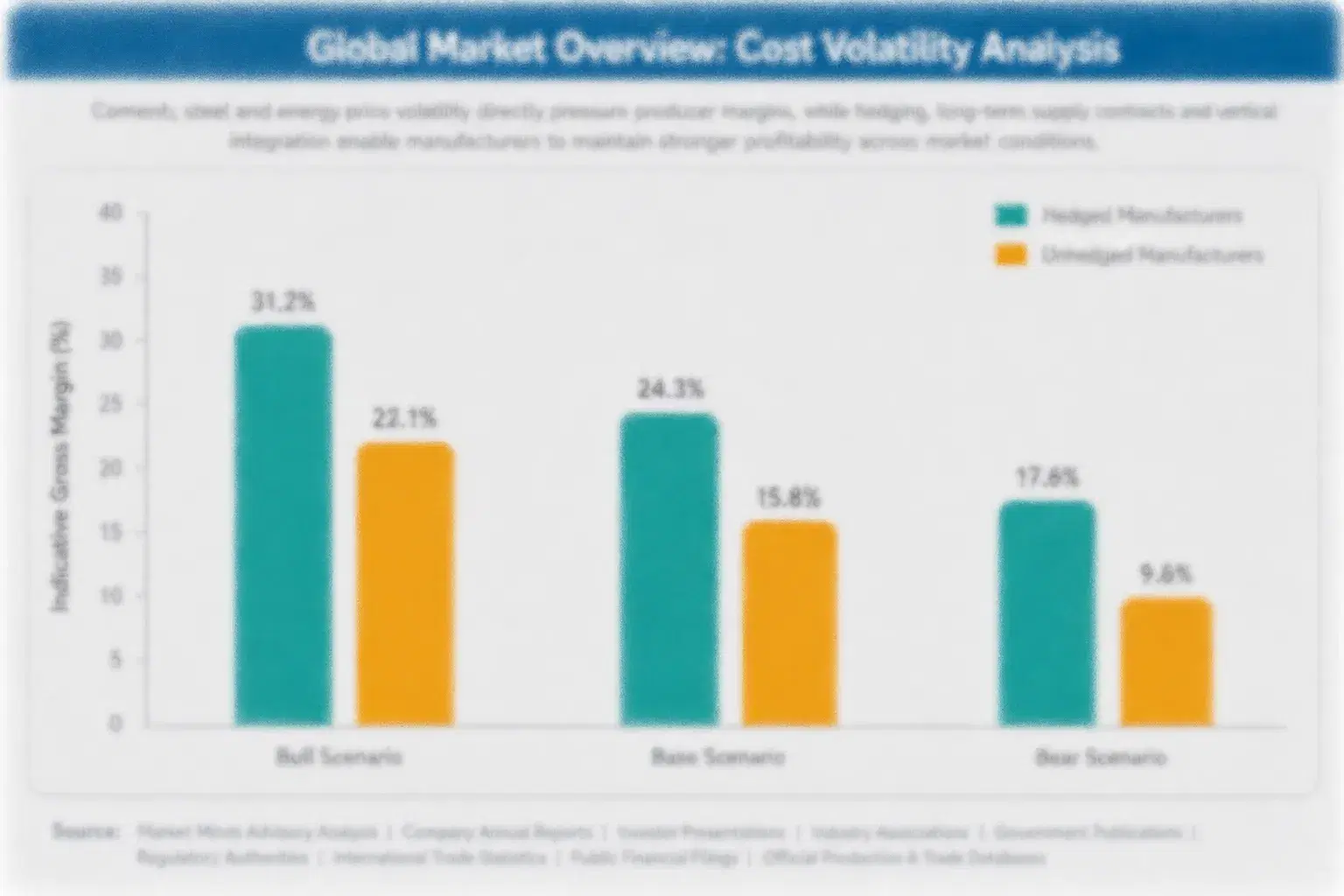
Server processors, memory, and solid-state storage components together account for roughly 40 to 48 percent of vendor cost of goods sold for converged infrastructure appliances, sourced almost entirely from a concentrated group of semiconductor and memory manufacturers vendors have limited leverage to negotiate below a certain purchase volume. Software engineering and management-platform development add the next largest cost line.
The 2024 to 2025 rise in high-bandwidth memory pricing, driven by demand from AI accelerator manufacturers competing for the same memory production capacity converged infrastructure vendors rely on, pushed component costs up meaningfully according to company investor disclosures. Vendors with long-term memory supply agreements absorbed the increase more gradually, while smaller vendors paying closer to spot pricing saw margin compression on fixed-price enterprise contracts signed before the increase.

The competitive disadvantage falls hardest on smaller vendors that lack the purchasing scale to negotiate reserved memory and component supply agreements, forcing them to buy closer to spot prices than larger rivals with standing manufacturer relationships. Vendors with in-house or long-term component supply contracts can price large enterprise deals more aggressively, widening the cost gap between scaled incumbents and smaller regional appliance makers over successive product cycles.
converged-infrastructure-market-cost-volatility-analysis-1788851828658

Multi-Year Component Supply Agreements

Leading vendors are locking in multi-year memory and processor supply agreements directly with manufacturers to smooth exposure to price spikes driven by AI-related component demand across the broader technology industry as a whole. These agreements typically trade a modest capacity commitment premium for pricing stability that lets vendors bid confidently on large multi-year enterprise contracts.

Standardizing Component Configurations Across Product Lines

Vendors are designing product families around shared memory, storage, and processor configurations rather than custom-engineering each appliance model separately, reducing the total number of distinct components purchased and increasing per-component order volume with suppliers considerably each year across every product line. This standardization improves negotiating position on unit pricing even without formal reserved-capacity agreements in place.

Portfolio Architecture for Margin Defence

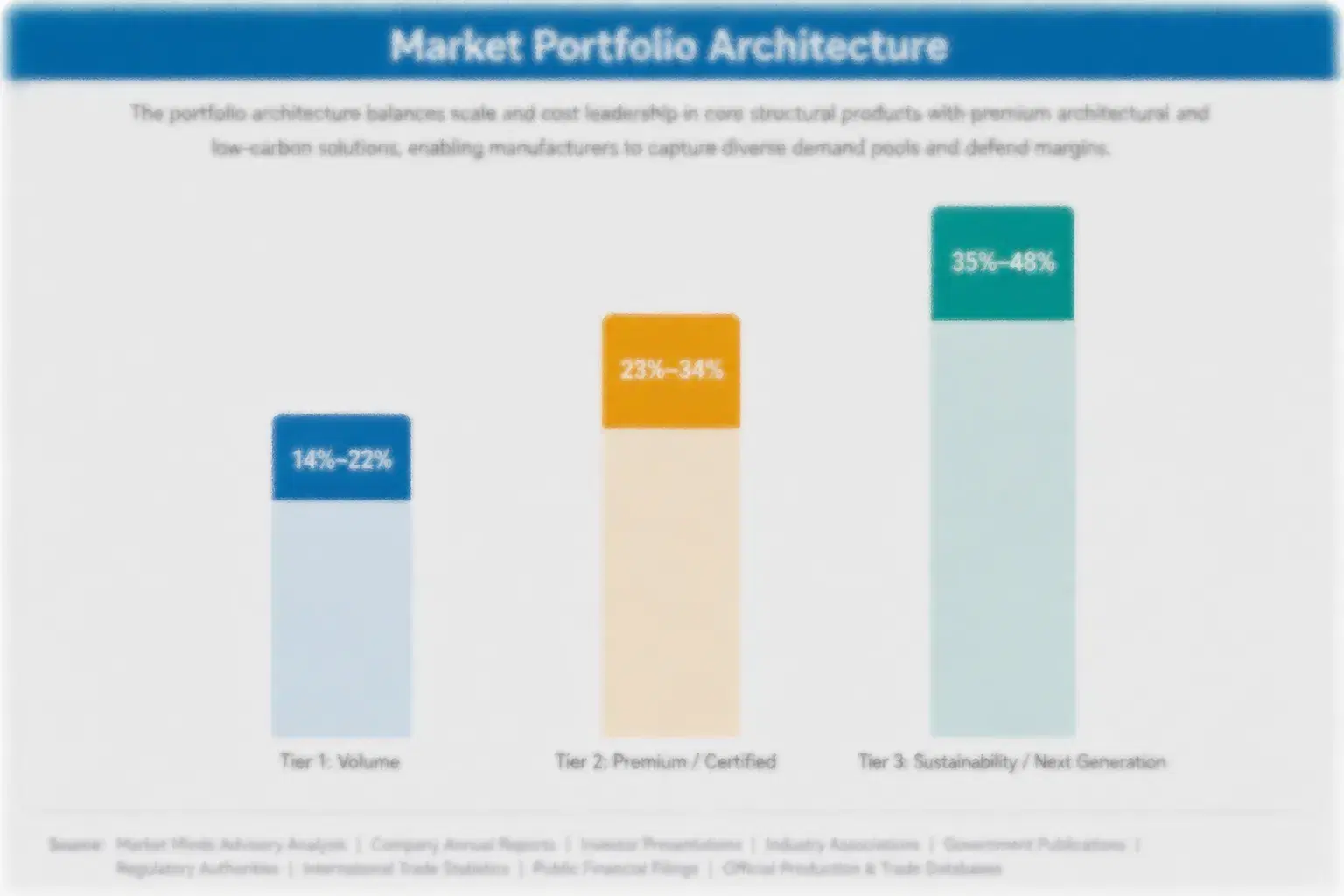
Portfolio economics split cleanly along three tiers: commodity fixed-appliance hardware sold mostly on unit price, certified enterprise-grade converged platforms sold on validated reference architecture and support assurance, and next-generation as-a-service and composable offerings sold on recurring consumption terms. Gross margin widens sharply moving up this ladder, since consumption-based and software revenue carries pricing power that fixed hardware sales never command once the underlying platform is fully built out.
The volume tier still generates the largest unit shipment count by far, dominated by fixed-appliance hardware sold into mid-market enterprises that treat competing products as largely interchangeable on specification sheets and price alone. Premium tiers instead compete on software platform depth and consumption flexibility, and large enterprise buyers there pay materially more for proven operational simplicity rather than for raw hardware specifications alone.

High-value margin pools concentrate almost entirely in as-a-service and composable infrastructure contracts, where recurring consumption revenue commands premium pricing well above anything the volume tier can support today. Vendors positioned purely on fixed-appliance hardware increasingly find themselves squeezed toward the bottom of the portfolio as buyers pay for operational flexibility rather than for raw compute density alone.

Fixed-appliance converged hardware sold into mid-market enterprises, priced almost entirely on unit cost with thin differentiation between competing suppliers and very limited room for margin expansion at all today or tomorrow.
Gross Margin

Certified enterprise-grade converged platforms with validated reference architectures, sold into large enterprises that require documented support and compliance before any large contract is ever awarded and subsequently renewed each year.
Gross Margin

As-a-service and composable infrastructure offerings priced on recurring consumption terms rather than one-time hardware cost, with margin scaling alongside customer resource usage and the overall pace of platform adoption over time.
Gross Margin
converged-infrastructure-market-portfolio-architecture-1788851828949

High-value Sub-segments and Strategic Watch-out

Converged Infrastructure-as-a-Service

Converged infrastructure-as-a-service, where recurring consumption revenue justifies premium pricing and adoption is accelerating well ahead of most other segments as enterprises shift budgets toward operating-expense terms this year, pulling forward demand considerably from buyers that had originally planned much slower, more gradual multi-year adoption cycles.

Composable and Disaggregated Infrastructure Contracts

Composable and disaggregated infrastructure contracts, where large enterprise engagement values and steady multi-year renewal cycles deliver reliable margin even as unit growth moderates from earlier peak years across mature enterprise markets that adopted the model first and fastest overall among their entire global industry peer group.

Fixed-Appliance Converged Hardware

Fixed-appliance converged hardware, the largest unit-volume segment overall but one facing continual price compression from commoditized components and a rising number of low-cost regional suppliers entering the entire global market each year with broadly comparable technical specifications, features, pricing, and progressively thinner incumbent margin overall.

Traditional Reference-Architecture Converged Systems

Traditional reference-architecture converged systems sold without consumption-based pricing options, which face mounting displacement pressure as buyers shift toward flexible commercial models instead, risking a lasting decline in demand for fixed-capital purchases specifically across most enterprise markets and geographies worldwide today, tomorrow, and for years beyond.

Why Reference Architecture Locks In Renewal

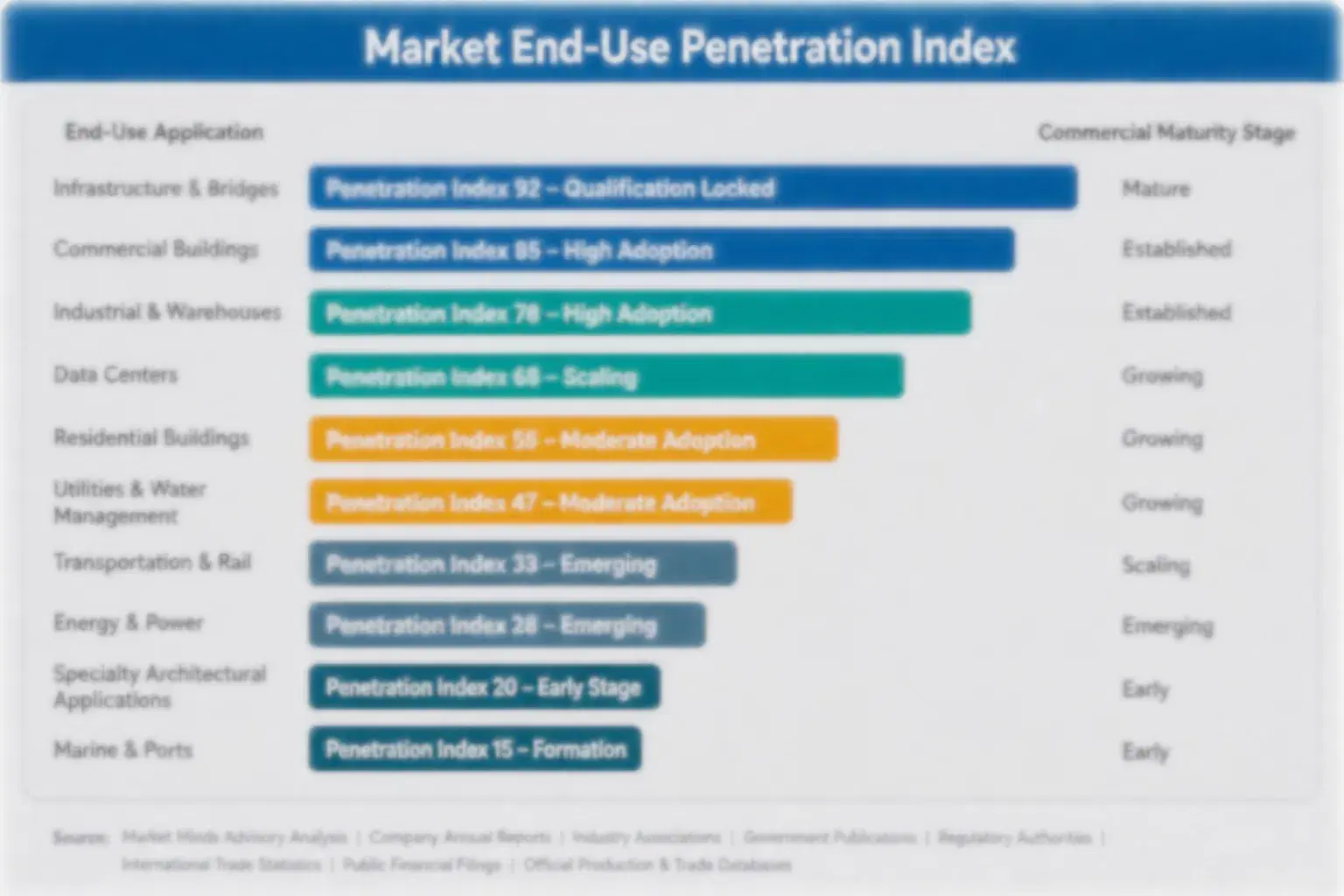
Converged infrastructure relationships behave like annuities once management software and validated reference architectures are deeply embedded in an enterprise's IT operations, since migrating requires rebuilding operational playbooks and retraining staff across every affected data center rather than simply swapping hardware. Customers renew rather than switch, and renewal pricing typically holds steady as platform capability deepens with each successive generation.
Stickiness varies by vertical: financial services and healthcare renew at very high rates because switching risks a compliance and operational gap during the migration window that regulators would notice immediately, while smaller retail and mid-market businesses switch more freely since their infrastructure footprint is simpler and switching costs are correspondingly lower. Manufacturing sits between the two, renewing steadily but occasionally consolidating vendors during broader IT modernization projects.

A generational shift in buyer profile is underway as chief technology officers and infrastructure architects, rather than procurement teams focused purely on unit cost, increasingly own the vendor selection decision, weighting consumption flexibility and software platform depth over raw hardware specifications alone. That shift favors vendors who can demonstrate proven as-a-service delivery over those competing on fixed-hardware pricing alone.
converged-infrastructure-market-end-use-penetration-index-1788851829342

Where MMA Sees Durable Advantage

These are among the four positions where our research anticipates prominent divergence between winners and laggards over the coming forecast period. Each is grounded in the demand model, the regulatory perimeter, and the announced capacity pipeline.
01 / CONSUMPTION PRICING PRIORITY

Prioritize vendors with mature consumption-based billing capability

Buyers evaluating converged infrastructure vendors should weight consumption-based billing maturity at least as heavily as raw hardware specifications, since finance departments increasingly require operating-expense treatment before approving new infrastructure purchases at all across most large corporations today and going forward. Vendors with mature metering and usage-tracking capability are winning enterprise deals well before competitors still building comparable billing infrastructure from scratch. This dynamic will only intensify as more enterprises shift capital budgets toward consumption models over the coming several years ahead.
02 / COMPOSABLE ARCHITECTURE TIMING

Migrate toward composable architecture ahead of the refresh cycle

Enterprises still running fixed-ratio converged appliances should evaluate composable architecture migration now rather than waiting for the next hardware refresh cycle, since vendors are already shipping composable platforms that avoid a costly rip-and-replace across the entire data center footprint today and tomorrow. Waiting risks locking in another multi-year cycle of inflexible fixed-ratio infrastructure that cannot adapt to changing workload demands quickly enough. Early movers also secure favorable multi-year pricing before broader market demand pushes costs upward considerably across the industry.
03 / INDIAN MARKET REFERENCE TIMING

Track India's data center boom as an early demand signal

India's data center construction pipeline is scaling faster than almost any comparable market anywhere in the world today and for years to come, and vendors that win early reference contracts there gain credibility that eases procurement in adjacent Southeast Asian tenders considerably. Investors and buyers tracking vendor momentum should treat these regional wins as a leading indicator of broader commercial traction rather than a purely regional phenomenon worth setting aside entirely. The pattern has already repeated across multiple vendors this cycle alone consistently.
04 / MANAGED SERVICES REVENUE

Build managed monitoring revenue streams ahead of commoditization

Vendors and enterprise buyers alike underestimate how much long-term value sits in managed monitoring services rather than in the initial hardware sale itself, since service revenue compounds meaningfully over the entire life of an installed base. Building a managed services capability early, rather than defaulting to a one-time hardware sale structure, measurably improves lifetime customer value and positions vendors well ahead of rivals still selling appliances as a single isolated transaction. That discipline is becoming a genuine differentiator between vendors.

Engagement Snapshot From the Field

A live engagement with an industry participant carrying material or product regulatory and market exposure ahead of a defining policy shift, showing how our research translates into a defensible multi-year portfolio strategy.
MARKET MINDS ADVISORY · CLIENT ENGAGEMENT SUMMARY
Converged Infrastructure Producer Strategic Portfolio Review and Transition Roadmap 2026·Investment Scenario on Converged Infrastructure Exposure Evaluation 2025-26
CLIENT PROFILE
The client is a top-twenty global retail bank operating data centers across more than fifteen countries, supporting core banking, digital channel, and fraud-detection applications for tens of millions of customers. The bank had relied on fixed-capital converged infrastructure purchases for over a decade and was evaluating a shift to consumption-based pricing to reduce upfront capital exposure amid tightening technology budgets.
STRATEGIC CHALLENGE
The bank's finance department was pushing hard for operating-expense treatment of infrastructure spending, but internal IT teams had no experience negotiating or managing consumption-based contracts and worried about losing budget predictability entirely. Leadership needed a framework for evaluating as-a-service offers that would satisfy both finance and IT operational requirements simultaneously.
MMA APPROACH
MMA assessed four converged infrastructure vendors' as-a-service offerings against a common evaluation framework covering consumption pricing transparency, minimum commitment terms, and total cost of ownership across a five-year horizon. The engagement included a phased migration roadmap and a vendor negotiation playbook designed to secure favorable consumption pricing tiers ahead of contract renewal.
KEY FINDINGS
  1. Two of the four shortlisted vendors' as-a-service contracts included minimum commitment terms that effectively eliminated most of the promised pricing flexibility entirely.
  2. Migrating existing fixed-capital assets into a consumption model required a one-time transition fee the bank had not initially budgeted for (client-reported, unverified by MMA).
  3. The selected vendor offered detailed usage dashboards that gave finance teams real-time visibility into consumption trends across every single regional data center.
  4. IT staff reported the new consumption model required meaningfully less manual capacity-planning effort than the previous fixed-purchase approach (client-reported, unverified by MMA).
CLIENT PROFILE
The client is a top-twenty global retail bank operating data centers across more than fifteen countries, supporting core banking, digital channel, and fraud-detection applications for tens of millions of customers. The bank had relied on fixed-capital converged infrastructure purchases for over a decade and was evaluating a shift to consumption-based pricing to reduce upfront capital exposure amid tightening technology budgets.
STRATEGIC CHALLENGE
The bank's finance department was pushing hard for operating-expense treatment of infrastructure spending, but internal IT teams had no experience negotiating or managing consumption-based contracts and worried about losing budget predictability entirely. Leadership needed a framework for evaluating as-a-service offers that would satisfy both finance and IT operational requirements simultaneously.
MMA APPROACH
MMA assessed four converged infrastructure vendors' as-a-service offerings against a common evaluation framework covering consumption pricing transparency, minimum commitment terms, and total cost of ownership across a five-year horizon. The engagement included a phased migration roadmap and a vendor negotiation playbook designed to secure favorable consumption pricing tiers ahead of contract renewal.
KEY FINDINGS
  1. Two of the four shortlisted vendors' as-a-service contracts included minimum commitment terms that effectively eliminated most of the promised pricing flexibility entirely.
  2. Migrating existing fixed-capital assets into a consumption model required a one-time transition fee the bank had not initially budgeted for (client-reported, unverified by MMA).
  3. The selected vendor offered detailed usage dashboards that gave finance teams real-time visibility into consumption trends across every single regional data center.
  4. IT staff reported the new consumption model required meaningfully less manual capacity-planning effort than the previous fixed-purchase approach (client-reported, unverified by MMA).
RECOMMENDED STRATEGY
Phase 1: Phase 1 (Months 1-3): Negotiate consumption pricing terms and minimum commitments with the two finalist vendors quite carefully and thoroughly. Phase 2: Phase 2 (Months 4-9): Migrate a pilot set of production workloads onto the newly selected vendor's consumption-based platform quite gradually. Phase 3: Phase 3 (Months 10-15): Scale the consumption model across all remaining data centers and then fully retire the old fixed contracts.
OUTCOME
The bank successfully transitioned a majority of its converged infrastructure spend to consumption-based pricing ahead of its original renewal deadline. Finance reported improved budget predictability and the bank reported a meaningful reduction in unused capacity costs within the first year (client-reported, unverified by MMA), though full transition across every legacy contract remains in progress.

Frequently Asked Questions

Foundational context covering the market sizes, CAGR, scope, country, region and competition that inform every finding below. This section is provided to cover basics and most often pre-purchase conversations, answered from the MMA Primary Research Dataset.

What is the current size of the Converged Infrastructure Market?

The converged infrastructure market is valued at approximately $24.6 billion in 2025. This figure covers hyperconverged appliances, composable infrastructure, and consumption-priced delivery models sold worldwide.

How large will the Converged Infrastructure Market be by 2036?

MMA projects the market will reach approximately $76.0 billion by 2036. That represents nearly a threefold expansion from the 2026 base value of $27.3 billion.

What is the CAGR for the Converged Infrastructure Market 2026 to 2036?

The market is forecast to grow at a 10.8 percent compound annual rate between 2026 and 2036. Bull and bear scenarios range from 9.5 to 12.1 percent.

Which segment is growing fastest?

Converged infrastructure-as-a-service is the fastest-growing segment, expanding at an estimated 16.5 percent CAGR through 2036. That is roughly 1.53 times the overall market growth rate.

Who are the major companies in the Converged Infrastructure Market?

Dell Technologies, Hewlett Packard Enterprise, Cisco Systems, NetApp, and Nutanix lead the market. Together they hold an estimated 48 percent combined share on a revenue basis.

Which country is growing fastest?

India is the fastest-growing country, expanding at an estimated 14.2 percent CAGR through 2036. Growth is driven by rapid data center construction and rising domestic enterprise digitization.

Report Segmentation Architecture

The full report scope spans multiple orthogonal segmentation dimensions, with cross-tabulated demand data provided for each dimension pair. Coverage extends further to regional breakdowns, trend trajectories, and the competitive detail needed to support segment-level decision-making.

By Primary Market Dimension

  • Hyperconverged Infrastructure (HCI) Appliances
  • Traditional Converged Infrastructure Systems
  • Composable and Disaggregated Infrastructure
  • Converged Infrastructure Software and Management Platforms
  • Edge Converged Infrastructure Systems
  • Converged Infrastructure-as-a-Service

By End-Use Industry

  • Financial Services
  • Healthcare
  • Retail and E-Commerce
  • Manufacturing
  • Government and Public Sector

By Commercial Dimension

  • Capital Purchase
  • Consumption-Based Subscription
  • Managed Services
  • Channel and Reseller Distribution

By Region

  • North America
  • Western Europe
  • East Asia
  • South Asia and Pacific
  • Latin America
  • Middle East and Africa
  • Eastern Europe

Scope, Methodology, and Coverage

Every figure in this report is reproducible from documented input assumptions. The scope below maps the historical period, the forecast horizon, the segmentation dimensions, and the countries covered, alongside the underlying primary and qualitative methodology.
Historical Period
2020 to 2025
Forecast Period
2026 to 2036
Base Year
2025 (USD billions; MMA Primary Research Dataset, September 2026)
Market Definition
The converged infrastructure market covers integrated compute, storage, and networking systems, including hyperconverged appliances, composable infrastructure, and consumption-priced as-a-service delivery models. It excludes standalone compute, storage, or networking hardware sold without an integrated management and orchestration layer and public cloud infrastructure services sold without dedicated on-premises hardware.
Quantitative Units
USD billions (current prices); unit shipment volumes where applicable
Segmentation Dimensions
Deployment and Delivery Model; End-Use Industry; Commercial Dimension; By Region
Regions Covered
North America, Western Europe, East Asia, South Asia and Pacific, Latin America, Middle East and Africa, Eastern Europe
Countries Covered
USA, China, Germany, France, UK, Japan, South Korea, India, Australia, Canada, Brazil, Mexico, Indonesia, Vietnam, Thailand, Malaysia, UAE, Saudi Arabia, South Africa, Nigeria, Turkey, Poland, Netherlands, Italy, Spain, Sweden, Switzerland, Argentina, Colombia, Singapore, and additional markets relevant to this sector
Key Companies Profiled
Dell Technologies, Hewlett Packard Enterprise, Cisco Systems, NetApp, Nutanix, VMware, Lenovo, IBM, Hitachi Vantara, Fujitsu, Scale Computing, Pure Storage, DataCore Software, StarWind Software, Huawei, Supermicro, Oracle, Cohesity, Rubrik, Diamanti
Quantitative Methodology
Primary survey, n=3,800 respondents, Q4 2025, six countries; demand-side model with trade association cross-validation
Qualitative Methodology
47 expert interviews, Q4 2025; applied to validate demand model assumptions, identify emerging dynamics, and assess competitive positioning
Report Format
PDF and XLSX data workbook (Word format preview document)
Publisher
Market Minds Advisory
Report Code
MMA-2026-TEC-656
Published
September 2026
Contact
sales@marketmindsadvisory.com | www.marketmindsadvisory.com

Purchase the full Converged Infrastructure Market Report (2026 to 2036).

This report provides a ten-year quantitative sizing and forecast model for the converged infrastructure market, covering hyperconverged appliances, composable systems, and consumption-priced delivery models across all seven global regions. It includes detailed segmentation by deployment and delivery model, competitive benchmarking of the top twenty vendors, and a proprietary MMA Primary Research dataset drawn from expert interviews and a large-scale quantitative survey. Buyers receive regional deep-dives, vendor moat and risk assessments, and forward-looking scenario modeling calibrated against historical adoption patterns. An anonymized case study and a full revenue-lever breakdown round out the deliverable for teams building vendor strategy or infrastructure modernization roadmaps.
Ten-year quantitative market sizing and forecast model
Segmentation by deployment model and commercial terms
Vendor moat and risk assessment for top players
Regional deep-dives across all seven global regions
Primary survey and expert interview dataset access
Revenue lever and portfolio margin benchmarking analysis

Built For The People Who Decide

From boardroom strategy to bench-side execution, this report is read cover-to-cover by leaders shaping the next decade of their industry, turning demand scenarios, market dynamics and valuation benchmarks into decisions.
CXOs/ Presidents/ VPs/ Managers
M&A and Corporate Development
Strategy Teams and R&D Heads
Procurement and Product Directors
Regulatory and Compliance Leaders
Investor Relations and Equity Analysts