Market Minds Advisory
Container Mouth Inner Seal Market

Container Mouth Inner Seal Market Forecast 2026-2036

Brand owners expanding tamper evidence and leak prevention requirements are pulling container mouth inner seal specification toward higher barrier, pressure sensitive liner formats across food, beverage, and pharmaceutical closures worldwide.

Lead Analyst

Bilal Shaikh

Published

November 2026

Make Smarter Decisions with Customized Research Insights

Request a free sample report and evaluate market opportunities, growth trends, and competitive dynamics relevant to your business needs.

2025 MARKET VALUE$1.4BMarket Size 2025
2036 FORECAST VALUE$2.6BBase Case , 2026 to 2036
CAGR 2026 TO 20366.0 %Bull 7.2% / Bear 4.8%
INCREMENTAL OPPORTUNITY$1.1BNet 10- year value creation
EXPANSION MULTIPLE1.79x2036 value over 2026 base
Strategic Levers
M&A Pipeline
Regional Outlook
Country Rankings
Competitive Intelligence
Segmental Deep-dive
Call-Us : 91 93563 13602

Container Mouth Inner Seal Market Outlook

Pressure sensitive induction liners are gaining share fastest among brand owners chasing stronger tamper evidence and leak prevention without slowing high speed capping line throughput, a shift reshaping procurement budgets across most packaged goods brand owner facilities currently investing in liner upgrades this cycle industry wide.
Demand concentrates around food, beverage, and pharmaceutical closures, where brand owners increasingly specify induction liners to meet retailer tamper evidence requirements and reduce product leakage claims during transit and shelf storage. East Asia and South Asia and Pacific account for a growing share of new liner orders as regional packaged goods production capacity expands rapidly across most major markets, a concentration MMA expects to deepen as regional packaged goods consumption outpaces mature Western market growth.
The supplier field splits between established Western liner converters and faster growing Asian producers competing on price and delivery speed. Shifting aluminum foil and polymer input costs are pushing liner suppliers to defend margin through coating efficiency gains rather than price increases alone, favoring suppliers that invest early in validated coating technology over those relying on legacy pulp pad liner designs, particularly for pharmaceutical and nutraceutical closure applications specifically.
Market Definition
The Container Mouth Inner Seal market covers induction activated and pressure sensitive liner components fitted inside closures to seal the container mouth against leakage, tampering, and contamination. It excludes the closures and caps themselves and the induction sealing machinery that activates the liner, both outside this report's defined scope.
Base Year Value
$1.4B in 2025 (MMA Primary Research Dataset, October 2026)
Forecast Period
2026 to 2036, eleven discrete annual values
CAGR
6.0% base case. Bull 7.2%. Bear 4.8%.
Fastest Growth Segment
Pressure Sensitive Induction Liners: 8.7% CAGR
Fastest Growth Country
India: 7.9% CAGR
Fastest Growth Region
South Asia and Pacific: 8.2% CAGR
Largest Region
North America: 27% of 2025 global value
Market Leaders
Selig Group, Tekni-Plex, Pactiv Evergreen, Berry Global, Phoenix Closures. Source: MMA Primary Research, July 2026.
Primary Survey
n=3,800 procurement and R&D decision-makers, Q4 2025, six countries
Methodology
Demand-side build-up, cross-validated against public data, 47 expert interviews

Container Mouth Inner Seal Market Forecast to 2036

container-mouth-inner-seal-market-size-forecast-scenario-1791320197476
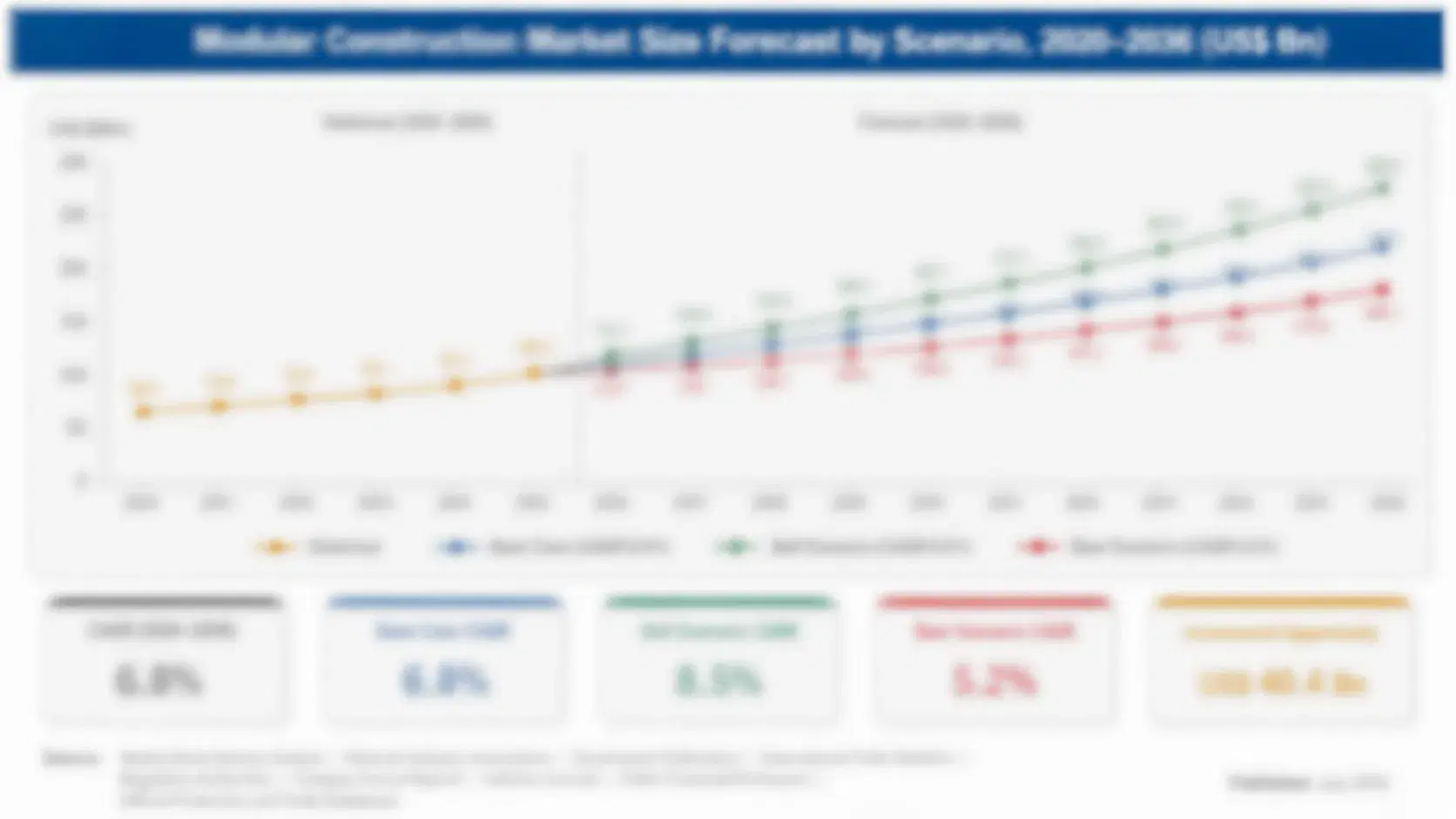
Container mouth inner seal demand grew steadily through 2020 to 2025 as packaged goods brand owners expanded tamper evidence requirements, though standard pulp pad liner orders slowed as induction and pressure sensitive formats gained traction among larger brand owners seeking stronger seal integrity, with the historical period characterized by steady rather than explosive capacity expansion across most established packaged goods markets globally today.
The base case assumes continued induction liner adoption acceleration, rising tamper evidence regulation across food, beverage, and pharmaceutical categories, and expanding packaged goods capacity in South Asia and Pacific as regional consumption grows. These three mechanisms together sustain order volume even as individual liner prices face competitive pressure from Asian suppliers, sustaining healthy order books even as unit pricing compresses modestly, particularly in East Asia where capacity expansion continues at a steady pace.
A bull case centers on accelerated leak prevention standards forcing wholesale liner upgrades across the brand owner base. The bear risk is prolonged brand owner capital spending caution if packaged goods category growth slows meaningfully across major developed export markets, a scenario that would stall new liner orders meaningfully for several consecutive quarters across most regions industry wide.

Tamper Evidence Rules Redefine Liner Specification

Brand owners are specifying pressure sensitive induction liners at a pace that is reshaping converter product roadmaps faster than most suppliers anticipated even two years ago, forcing a rapid reassessment of product roadmaps and coating investment priorities across most major converter organizations currently competing for brand owner procurement budgets worldwide.
MARKET CONCENTRATION52% CR5Top five suppliers hold more than half global share
AVERAGE SELLING PRICE$0.018/unitMid tier induction liner, standard diameter pricing per closure
TOP PRODUCING COUNTRYUnited States 20%Leading export base for induction and pressure sensitive liners
CAPACITY UTILISATION80%Average converter factory utilisation across major production sites
TRADE INTENSITY26% cross-borderShare of liner volume moving across national borders yearly
FEEDSTOCK COST SHARE41% of COGSAluminum foil, polymer film, and adhesive combined input share
Food, beverage, and pharmaceutical categories drive the bulk of new orders, with leak prevention and tamper evidence increasingly a purchase requirement rather than an optional feature brand owners can defer. Converters unable to validate reliable induction bonding at commercial capping speed are losing bids to competitors who invested earlier in coating technology, a dynamic reshaping which suppliers win the largest multi year contracts from major packaged goods brand owners expanding capacity at scale.
Asian suppliers are closing the technology gap with Western incumbents on liner coating sophistication while undercutting on price and delivery lead time. That combination is forcing established converters to defend share through technical service depth and formulation expertise rather than price alone, a strategy that favors incumbents with deep brand owner relationships over newer entrants competing primarily on upfront price, especially in mature Western export markets.
"Suppliers betting on standard pulp pad liners are underestimating how quickly tamper evidence regulation will force a liner specification upgrade cycle. Induction bonding is becoming table stakes, not a premium feature."
Senior Analyst, Closure and Liner Materials Practice · MMA Packaging Practice · October 2026

Container Mouth Inner Seal Adoption Trends

Pressure Sensitive Liner Adoption Displacing Pulp Pad Formats

Brand owners are shifting specification toward pressure sensitive induction liners that bond more reliably across a wider range of container neck finishes than legacy pulp pad formats, forcing converters to redesign foil and polymer coating formulations entirely. Pharmaceutical and nutraceutical brand owners face the earliest adoption pressure given stricter tamper evidence enforcement, creating a wave of qualification demand that is already visible in converter order backlogs across most major packaged goods producing regions globally, with several converters reporting order lead times extending as supplier backlogs grow across the sector industry wide.
Market Impact: Adds 4,100 million units yearly
Retailer Tamper Evidence Rules Raising Seal Integrity Requirements

Retailers increasingly demand documented tamper evidence performance that preserves seal integrity through transit and shelf handling at higher confidence levels than standard liner formats can guarantee without extensive validation work. This shift is reshaping purchase specifications across food, beverage, and pharmaceutical closures where format proliferation continues increasing steadily each year across most major packaged goods categories served, prompting even conservative standard liner buyers to reconsider their next specification cycle entirely this year, a reconsideration that is reshaping procurement budgets even among brand owners that had planned to defer requalification for another full cycle entirely.
Market Impact: Adds 11 percent to order value

Container Mouth Inner Seal Growth Opportunities

Packaged Goods Capacity Expansion Driving New Liner Orders

Packaged goods brand owners are adding production capacity across East Asia, South Asia and Pacific, and Latin America to serve growing domestic consumption, directly translating into new container mouth inner seal orders as brand owners expand existing facilities or commission new lines entirely. MMA's primary survey indicates roughly 57 percent of brand owners surveyed plan capacity additions within the next three years, sustaining order volume even as individual unit pricing faces competitive pressure from Asian suppliers undercutting established Western incumbents, a pattern MMA expects to persist through the remainder of the forecast window given ongoing packaged goods category growth.
Market Impact: Adds 35 percent to upfront cost

Pharmaceutical Packaging Growth Expanding Liner Demand

Pharmaceutical and nutraceutical brand owners are shifting packaging from standard closures toward induction sealed formats that provide documented tamper evidence and contamination protection, a format transition requiring dedicated coating capacity that many converters currently lack. This category is growing faster than overall packaged goods volume, pulling disproportionate capital investment toward specialized coating lines capable of handling the more demanding pharmaceutical grade liners typically require, a response that is helping some converters win incremental share among pharmaceutical brand owner accounts, a trend reshaping capital allocation across most major converters serving pharmaceutical accounts specifically each year broadly.
Market Impact: Adds 6 weeks to qualification timelines

Container Mouth Inner Seal Challenges and Constraints

High Reformulation Cost Deterring Smaller Converters

Pressure sensitive induction liner coating lines carry upfront costs 25 to 45 percent higher than comparable standard pulp pad coating platforms, a gap rooted in specialty adhesive, precision coating head, and quality control costs that smaller converters struggle to justify against uncertain near term volume growth. The commercial impact shows up most clearly among regional converters serving smaller brand owner accounts, who delay reformulation well beyond the typical cycle. Several suppliers are exploring co-investment and licensing programs to bridge this affordability gap for smaller customers, though adoption of these programs remains uneven across regional converter markets so far.
Market Impact: Adds 12 percent qualification order volume

Skilled Technician Shortage Slowing Qualification Timelines

Qualifying new container mouth inner seal formulations for induction compatibility requires technicians fluent in both coating formulation and seal integrity validation, a skill combination that remains scarce relative to the pace of new liner qualification across most major packaged goods markets currently. The root cause traces to specialty materials training programs that have not kept pace with the shift toward pressure sensitive liner architecture. Suppliers are responding with remote technical support and expanded technician training academies to narrow the gap, though results vary considerably depending on how quickly local materials institutions adapt their curricula.
Market Impact: Cuts leak claims by 45 percent
3 additional market trends, 4 additional growth drivers, and 2 additional restraints and challenges are covered in the full report. Contact sales@marketmindsadvisory.com to access the complete intelligence.

Container Mouth Inner Seal Segment Performance

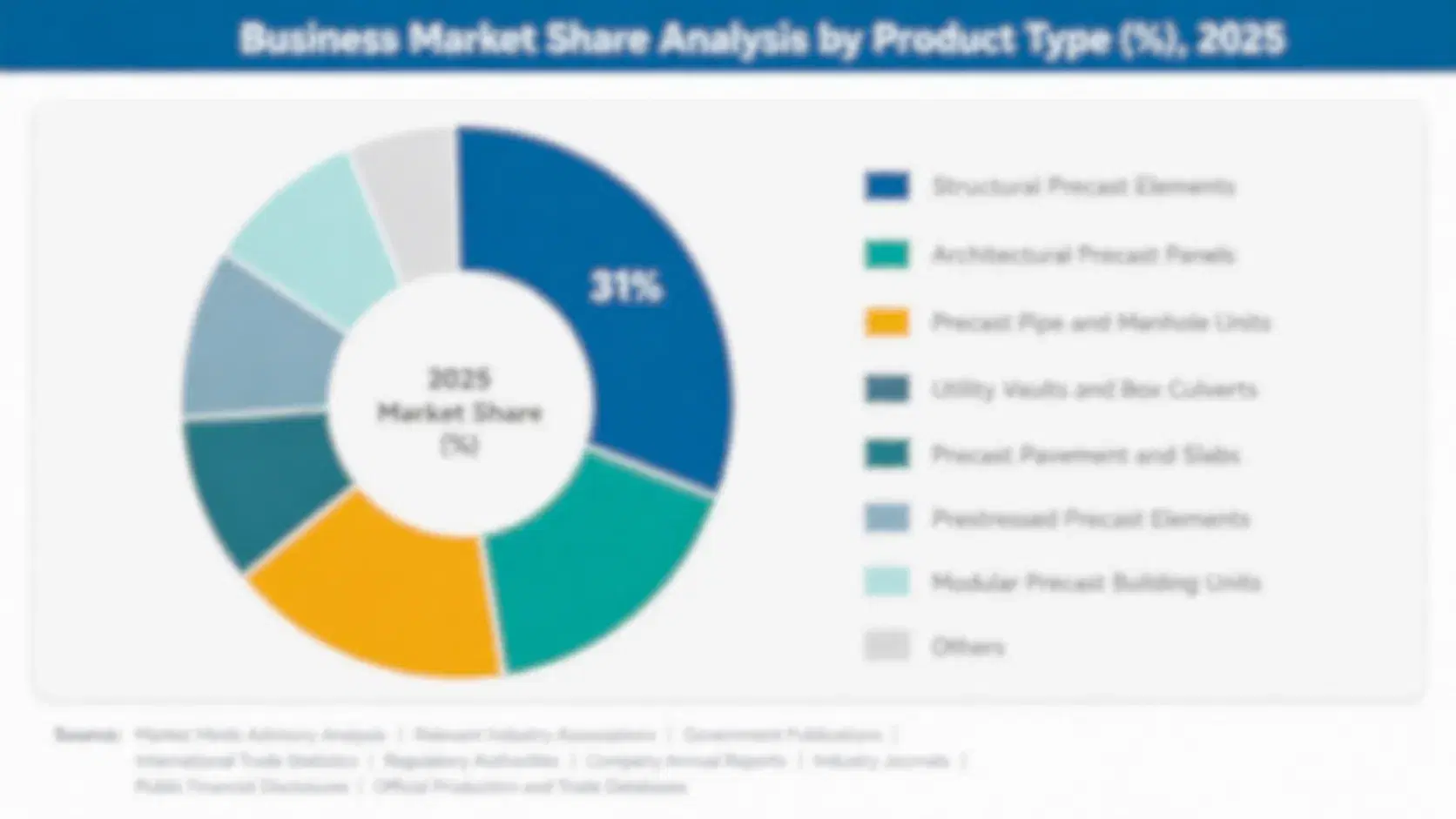
Container mouth inner seals segment by bonding mechanism, the clearest technology dividing line in the market. Pressure sensitive induction liners are displacing standard pulp pad formats fastest, pulling disproportionate brand owner procurement investment as tamper evidence and leak prevention requirements tighten across most major packaged goods categories entirely, a dividing line that is reshaping converter product roadmaps this cycle broadly.
container-mouth-inner-seal-market-market-share-analysis-1791320197757

Pressure Sensitive Induction Liners

Pressure sensitive induction liners are the fastest growing segment, pulling share from standard pulp pad formats as brand owners prioritize documented tamper evidence and leak prevention for food, beverage, and pharmaceutical closures. Brand owners running multiple SKUs on a single filling line represent the core buyer base, valuing the bonding reliability and seal integrity consistency this liner format delivers across varied neck finishes. Converters are investing heavily in coating formulation and quality control to differentiate within this segment, since hardware specifications are converging quickly across competing suppliers. Order backlogs for this segment already extend well beyond four months at several leading converters currently. Brand owners report the transition pays back within roughly two years.
CAGR 8.7%

Standard Pulp Pad Liners

Standard pulp pad liners remain the volume core of the installed base, valued for lower upfront cost and proven sealing performance that smaller brand owners and emerging market buyers still prioritize over tamper evidence certification. Growth has slowed considerably as larger brand owners migrate toward induction formats, leaving this segment increasingly dependent on price sensitive buyers in Latin America, South Asia, and parts of Eastern Europe who cannot yet justify the induction liner premium. Converters serving this segment compete primarily on reliability and technical service depth rather than performance differentiation, since most standard liners now offer comparable core performance Several converters maintain dedicated standard product lines specifically to preserve relationships with these price sensitive brand owner accounts.
CAGR 3.4%
Full segment breakdown across 7 segments available in the complete report.

Where Container Mouth Inner Seal Demand Is Growing

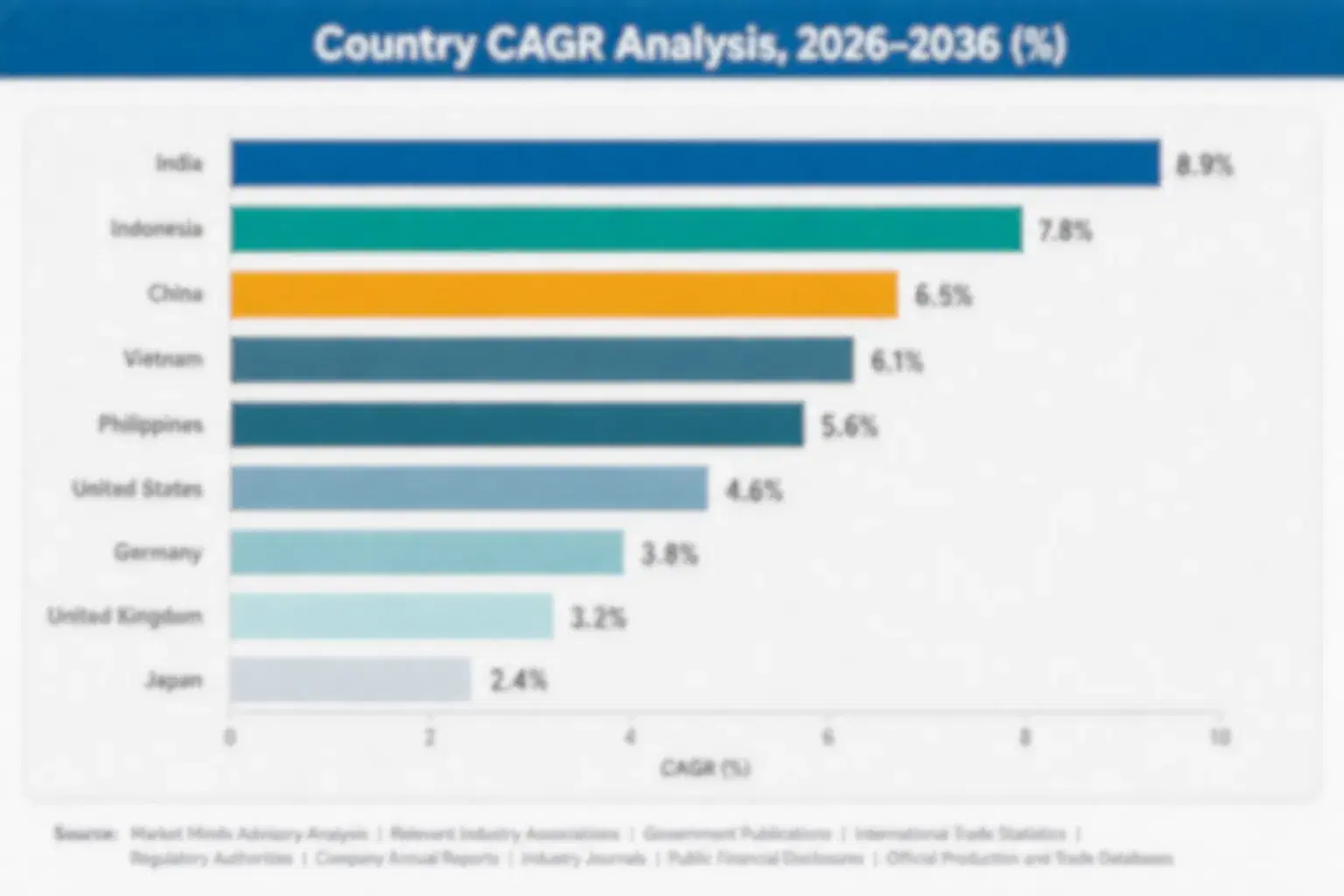
North America leads container mouth inner seal demand given its concentration of established liner converters and the region's dense food, beverage, and pharmaceutical closure base. East Asia follows closely as China's packaged goods output scales, while South Asia and Pacific posts the fastest regional growth rate as domestic consumption accelerates.

North America

United States brand owners continue replacing standard pulp pad liners with pressure sensitive induction formats, concentrating demand among large multi plant food, beverage, and pharmaceutical producers serving national retail accounts. Canada contributes a smaller but steady share tied to its own packaged goods processing base. Mexico's brand owner base is expanding fastest within the region as nearshoring investment draws new packaging capacity south of the border, adding incremental liner orders. United States converters also export meaningfully into Latin America from their domestic manufacturing footprint, reinforcing the region's commercial weight beyond domestic consumption alone. Brand owners across the region increasingly favor converters offering strong technical support given how costly leak claims become on high volume filling lines. MMA tracks this demand in the beverage packaging market, which it projects to grow at 5.4% a year through 2036.
Share: 27% | CAGR: 6.3% (2026 to 2036)

Western Europe

Germany and France anchor Western European demand given their concentration of established liner converters serving food, beverage, and pharmaceutical brand owners across the continent. The United Kingdom and Italy contribute steady replacement demand tied to retailer tamper evidence requirements. Spain's brand owner base, heavily weighted toward beverage and food packaging, is adopting pressure sensitive liners somewhat more slowly than Germany given a larger share of smaller family owned producer operations. Regional growth trails the global average as the installed converter base is already comparatively modern and well established. Poland and the Benelux countries contribute smaller but growing demand as brand owners there follow the broader regional shift toward pressure sensitive formats.
Share: 21% | CAGR: 4.6% (2026 to 2036)
Regional intelligence for 5 additional markets available in the complete report: East Asia, South Asia and Pacific, Latin America, Middle East and Africa, Eastern Europe. Contact sales@marketmindsadvisory.com.
container-mouth-inner-seal-market-country-cagr-analysis-1791320198026

Where Liner Converters Can Capture More Margin

Converters are finding margin expansion less in new standard liner volume and more in validation testing services and recurring technical formulation support. Service and certification revenue is becoming an increasingly important complement to liner sales as brand owners stretch qualification cycles while demanding more from existing supplier relationships overall, a pattern MMA expects to persist through forecast.

Seal Integrity Validation and Testing Service Program

Converters are packaging seal integrity validation and compliance testing services alongside liner sales, capturing brand owners who need documented proof of tamper evidence performance without building in house testing capability. This approach generates meaningful incremental revenue from the large installed base of brand owners still qualifying new liner formats, while building a technical relationship that often leads to full volume conversion at the next contract renewal cycle. Converters report testing service margins now exceeding comparable liner margins by roughly 6 points, a margin advantage expected to persist as certification demand keeps outpacing standard liner orders broadly.
Market Impact: Adds roughly 10 to 14 percent margin uplift

Remote Technical Formulation Support Program Growth

Converters are bundling remote technical formulation support with liner sales, addressing the skilled technician shortage constraining qualification capacity across most packaged goods markets served currently. This recurring service revenue stream partially offsets the cyclicality of new liner orders, smoothing converter revenue across capital spending cycles that otherwise concentrate heavily around packaged goods category expansion phases specifically. Brand owners increasingly value this capability given how costly leak claims become on high speed lines, and converters with the strongest technical support capability now win roughly 13 percent more new contracts on service reputation alone.
Market Impact: Secures roughly 12 percent of total recurring revenue

Container Mouth Inner Seal Pricing and Margins

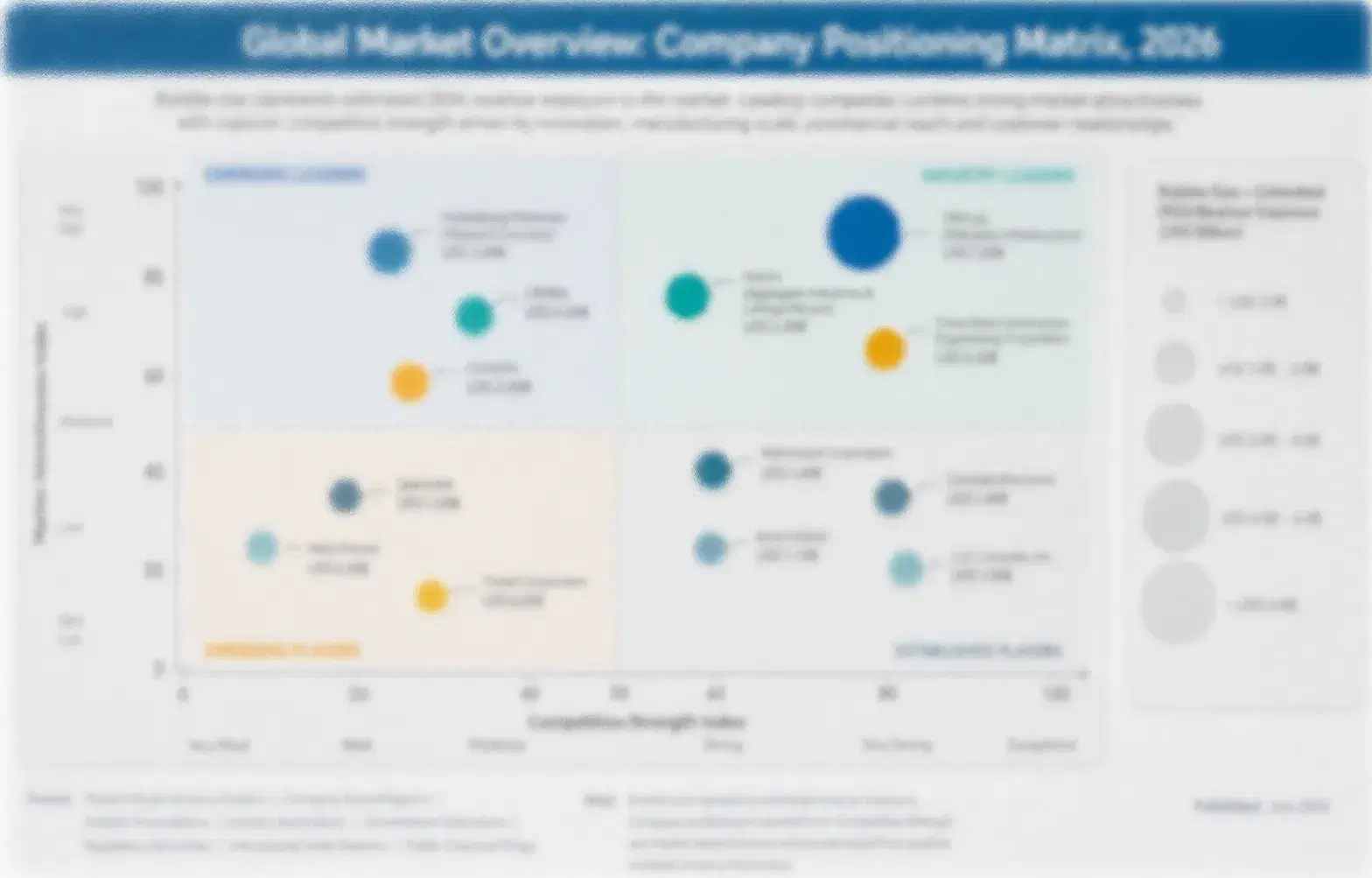
Container mouth inner seal supply remains moderately concentrated, with the top five converters holding roughly 52 percent of global volume on a combined basis. Selig Group's coating technology depth and global converting footprint give it a durable lead over the next closest challenger, Tekni-Plex, whose gap sits near 11 share points on the same volume basis, a gap builders expect to persist barring a major acquisition.
Competitive activity currently centers on pressure sensitive induction reformulation, seal integrity validation capability, and capacity expansion among Asian converters targeting export markets previously dominated by Western incumbents. Several challengers have announced new coating line capacity in China and India to shorten delivery lead times, while established converters are racing to qualify compliant liner grades ahead of tightening retailer tamper evidence standards, with several converters citing capacity constraints as the binding factor on fulfillment.

Emerging pressure comes from Indian and Chinese converters improving coating consistency and documentation quality enough to win contracts previously reserved for established Western suppliers. Rankings could shift meaningfully over the next five years as regional brand owners in South Asia and Pacific increasingly favor converters offering the fastest delivery and strongest local technical support over legacy brand reputation alone.
container-mouth-inner-seal-market-company-positioning-matrix-1791320198316

How Container Mouth Inner Seal Suppliers Compete

SELIG GROUP

Moat: Global Converting Footprint Scale

Selig Group's manufacturing footprint spans multiple continents, giving it the ability to serve multinational brand owner contracts with consistent liner specifications across regions, a relationship advantage that keeps brand owners loyal through multiple qualification cycles even when competitors offer comparable technical specifications at modestly lower prices.
SELIG GROUP

Risk: Legacy Pulp Pad Exposure

Selig Group's revenue base still carries meaningful exposure to legacy pulp pad liner sales, leaving it comparatively exposed should brand owner demand shift faster than expected toward pressure sensitive formats where Asian challengers are gaining technical parity while undercutting significantly on price and delivery lead time.
TEKNI-PLEX

Moat: Pharmaceutical Compliance Expertise

Tekni-Plex's deep experience serving pharmaceutical and nutraceutical closure requirements gives it specification credibility that smaller regional converters struggle to match, keeping Tekni-Plex embedded in the qualification process for large multi year pharmaceutical brand owner supply agreements across several continents and regulatory jurisdictions worldwide entirely overall.
TEKNI-PLEX

Risk: North American Cost Base Pressure

Tekni-Plex's North American manufacturing cost base puts it at a durable price disadvantage against Asian converters competing for price sensitive brand owner accounts in South Asia and Latin America, a dynamic that is pushing Tekni-Plex toward higher value certification and pharmaceutical grade offerings where price sensitivity matters less.

Players Tracked

Prominent Players

Selig Group
Tekni-Plex
Pactiv Evergreen
Berry Global
Phoenix Closures

Other Key Players

Shandong Huapeng
TriMas Corporation
Closure Systems International
Guala Closures
Pelliconi
Blackhawk Molding
Comar
Ropack Packaging
Innoseal Systems
Shanghai Xinggang Packaging
Jiangsu Jixiang Packing
Novembal
United Caps
Pano Cap
Weener Plastics

Recent Developments

FEBRUARY 2026

Selig Group commissioned a new pressure sensitive coating line at its United States facility, expanding dedicated capacity for induction liner production serving customers seeking leak prevention performance without full supplier switching cost, with commissioning completing ahead of anticipated demand growth, adding roughly 15,000 tonnes of annual dedicated induction liner capacity.
Signal: Signals sustained induction liner demand that justifies continued dedicated capital investment in coating capacity across most brand owner segments.
JULY 2025

Tekni-Plex completed an acquisition of a specialty pharmaceutical liner validation testing supplier, strengthening its capability to document seal integrity performance at commercial converting speed for brand owners facing tightening compliance deadlines, adding roughly 9 million dollars of testing revenue yearly, strengthening its position across the broader North American pharmaceutical closure.
Signal: Signals validation consolidation accelerating steadily around pharmaceutical compliance capability specifically among major pharmaceutical suppliers specifically today.

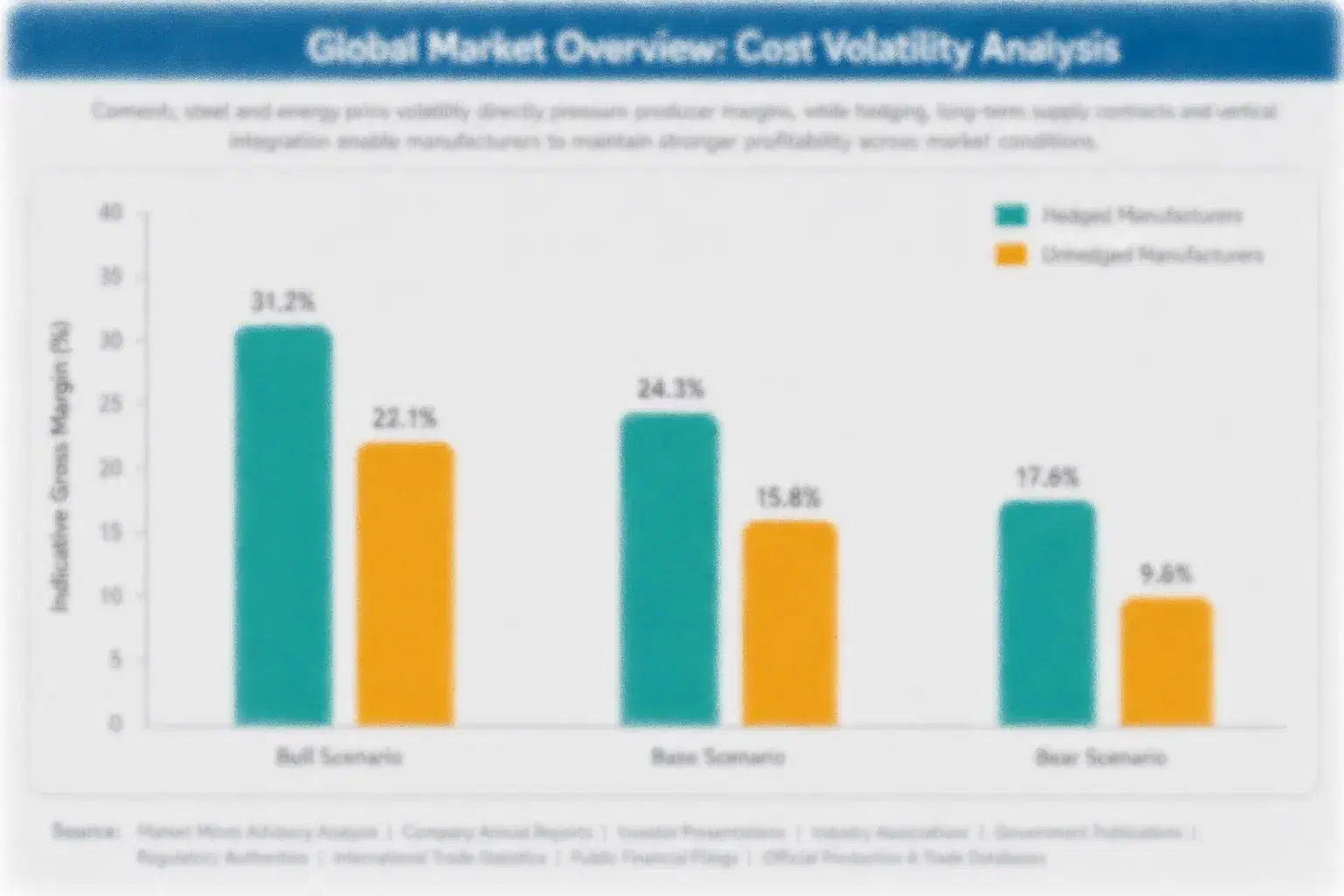
Foil and Polymer Cost Exposure in Liners

Aluminum foil and polymer film together make up roughly 41 percent of cost of goods sold for container mouth inner seal converters, with aluminum sourced predominantly from North American and Middle Eastern smelters and polymer film sourced heavily from petrochemical producers under annual volume agreements, with secondary inputs including specialty adhesive and release coating additives adding smaller but still measurable shares to total cost.
Aluminum pricing spiked sharply during the 2022 energy driven smelting disruption, when several converters faced multi month allocation delays on foil grade aluminum, according to IEA and national statistical office reporting on energy and metals supply disruption. Converters absorbed order delays and margin compression before supply normalized through 2023 as smelting capacity recovered, though several converters reported the episode prompted permanent changes to their foil inventory buffering practices going forward.

Smaller converters lacking long term foil supply agreements carry greater exposure to price volatility than larger converters with established smelter relationships and purchasing scale, creating a durable cost disadvantage that shows up most clearly during supply disruption windows. European converters face additional exposure given heavier reliance on imported aluminum relative to North American converters sourcing domestically.
container-mouth-inner-seal-market-cost-volatility-analysis-1791320198636

Multi Year Foil Supply Agreements

Larger converters are locking multi year aluminum foil supply agreements with volume commitments that secure priority allocation during shortage periods, trading some pricing flexibility for supply reliability across capital planning cycles that span several years at a time for major brand owner customers, an approach now standard among the largest converters serving multi year brand owner contracts.

Dual Sourcing Across Foil Suppliers

Converters are qualifying secondary foil suppliers across multiple smelting regions to avoid single supplier dependency, reducing exposure to any one supply disruption while accepting modestly higher logistics costs in exchange for meaningfully improved supply continuity during volatile periods industry wide, a strategy particularly valuable for converters serving customers across multiple continents simultaneously today and reduce risk.

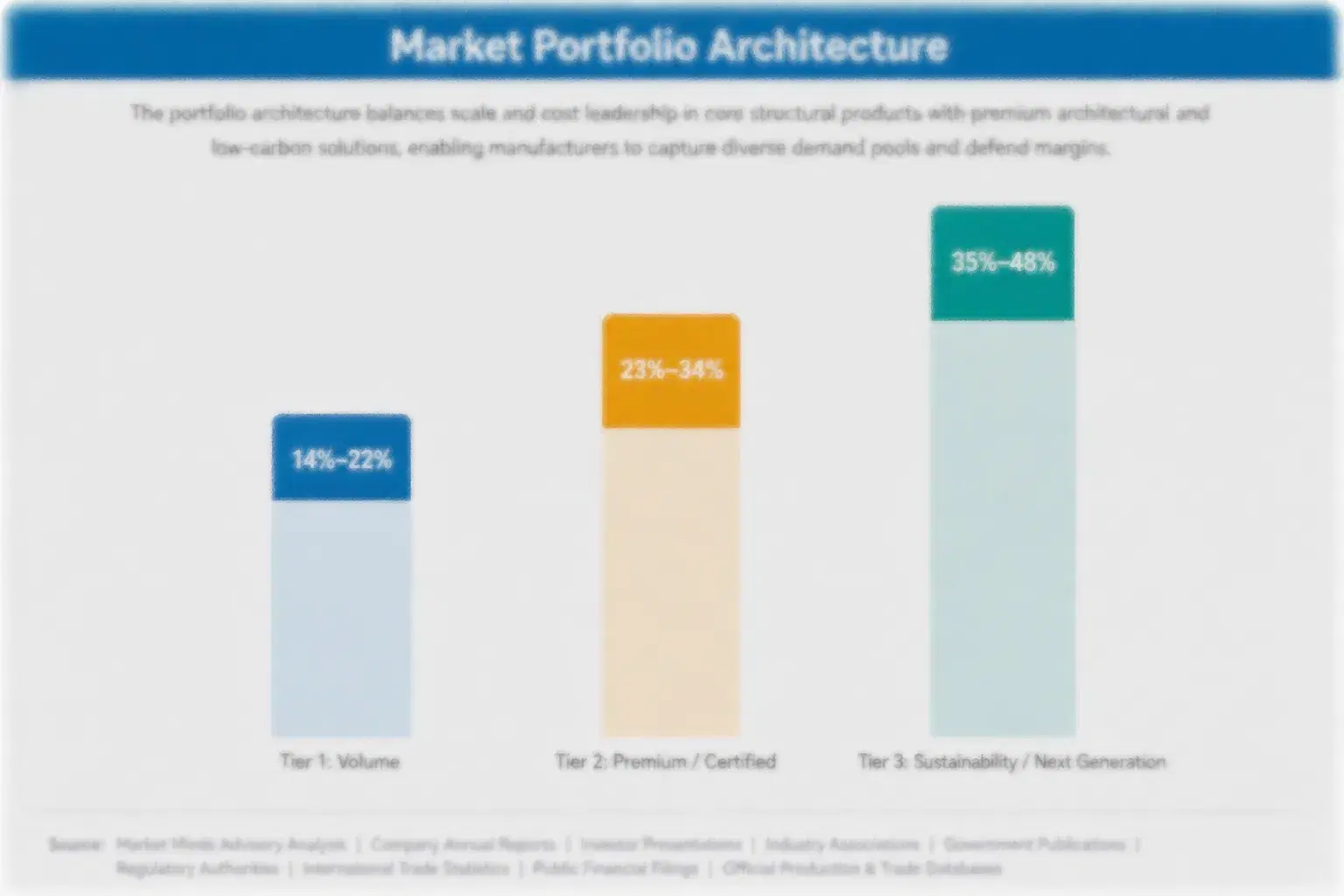
Portfolio Architecture for Margin Defence

Container mouth inner seal margin pools concentrate toward the certified and next generation tiers, where seal integrity validation, pressure sensitive coating, and tamper evidence certification command premiums over conventional standard volume liners that have become comparatively commoditized across most established regional converters currently competing for price sensitive orders, and that concentration is deepening further as regulatory tamper evidence mandates push more brand owners.
Volume commodity adjacent standard liners compete primarily on upfront price and delivery speed, while premium pressure sensitive formats serving pharmaceutical and nutraceutical customers command gross margins roughly 9 to 14 points higher given the formulation engineering and certification work bundled into each sale and ongoing technical relationship, a gap that has widened over the past several years as brand owner specification requirements continue tightening steadily across most major export markets.

This volume versus premium tension is reshaping capital allocation across the industry, as converters increasingly direct coating investment toward next generation tamper evidence capable platforms rather than incremental throughput gains on legacy standard lines, a shift that favors converters already positioned in certification and premium pharmaceutical liner work, reinforcing a durable separation between converters chasing volume economics and those building lasting certification and technology advantages instead.

Conventional standard pulp pad liners competing primarily on upfront cost, serving smaller brand owners and price sensitive emerging market buyers with stable but modest margin economics overall, with most converters competing heavily on price given limited differentiation across comparable standard liner specifications.
Gross Margin

Pressure sensitive induction liners serving established food, beverage, and pharmaceutical customer accounts, commanding durable premiums tied to certification and documented reliability track record across installed supply relationships, supported by multi year brand owner relationships that raise switching costs considerably once a liner grade is validated.
Gross Margin

Specialty barrier and foam backed liner grades requiring the newest coating and formulation capability, where early mover converters capture the highest margins before broader competition intensifies, though margins typically compress as competitors qualify comparable next generation grades over subsequent years.
Gross Margin
container-mouth-inner-seal-market-portfolio-architecture-1791320198957

High-value Sub-segments and Strategic Watch-out

Pressure Sensitive Induction Liners

The fastest growing and highest value segment, driven by brand owner demand for tamper evidence and leak prevention capability, with converters investing heavily to secure share ahead of accelerating replacement demand, a dynamic expected to persist through the remainder of the forecast window given continued brand owner format proliferation.

Foam Backed Induction Liners

A large and still growing high value pool anchored in high volume filling operations seeking maximum seal reliability across varied neck finishes, carrying strong margins given formulation complexity involved in multi grade coordination, a trend MMA expects to continue as large brand owners consolidate production onto fewer lines.

Standard Pulp Pad Liners

The volume core of the market, mature and price competitive, generating steady cash flow but facing margin pressure as induction grades capture share among larger brand owners across most developed markets over time, though it remains the segment generating the largest absolute unit volume across the forecast period overall.

Specialty Barrier Induction Liners

A strategic watch out segment given its low margin profile and potential to divert converter capital away from mainstream grade production, worth monitoring as a niche market for barrier coatings slowly matures and expands globally, particularly during periods when brand owner capital budgets tighten and niche barrier grades become attractive.

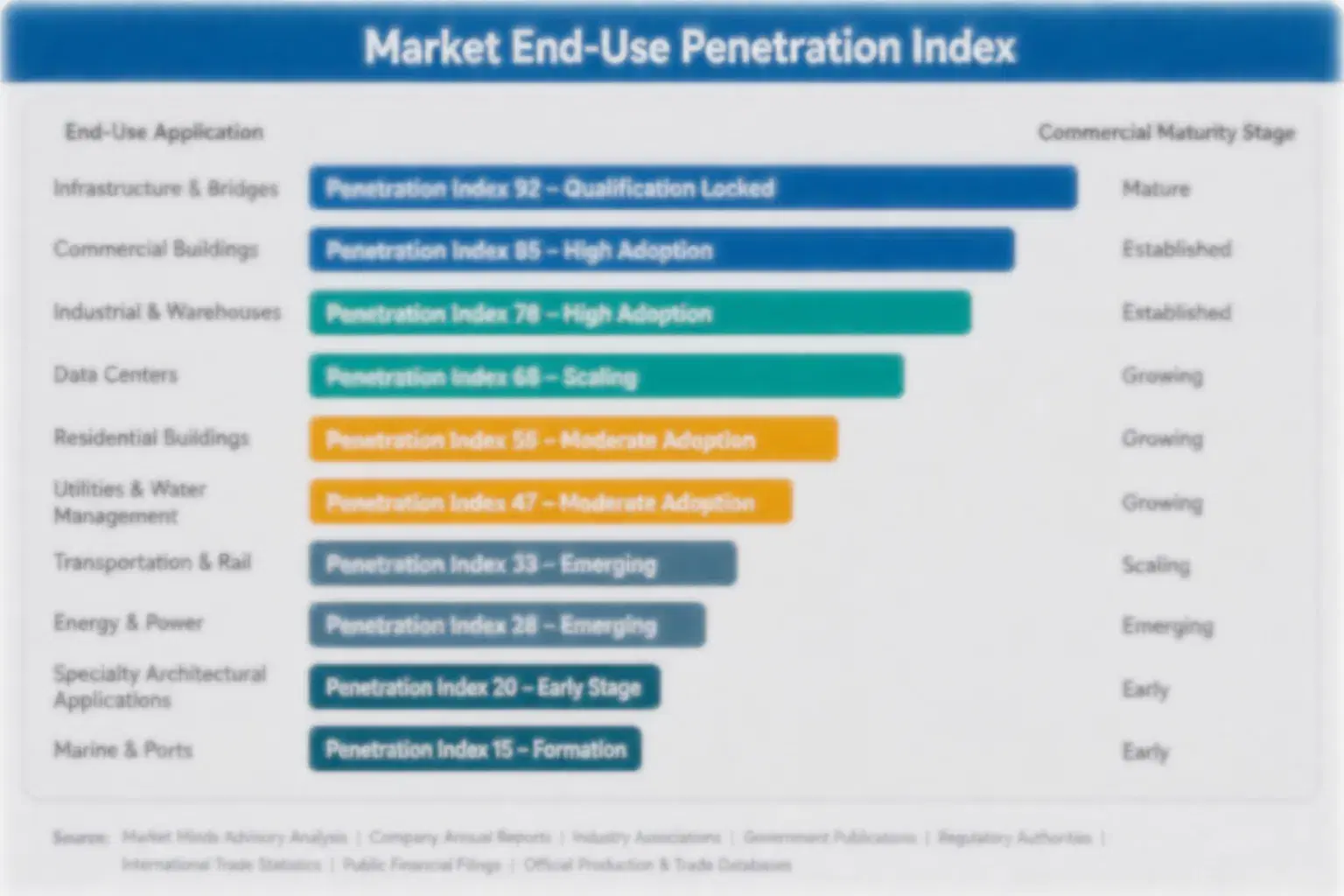
Annuity Economics of Liner Contracts

Container mouth inner seal supplier relationships behave like annuities once a liner grade clears brand owner qualification, since switching converters mid production cycle triggers costly requalification and filling line recalibration that most brand owners avoid unless performance or supply problems force the decision, locking in multi year revenue visibility for incumbent converters, a dynamic that gives incumbent converters meaningful pricing power.
Adoption stickiness varies meaningfully by end use vertical. Pharmaceutical and nutraceutical brand owners running high volume multi shift filling operations exhibit the deepest stickiness given certification dependencies tied to specific liner grades, while smaller food and beverage brand owners switch more readily since lower volume lines carry lighter requalification burdens and more substitutable liner options across competing converters.

Buyer profiles are shifting generationally as compliance focused procurement teams, often younger and more technically specialized than legacy purchasing staff, increasingly drive liner specification decisions directly rather than deferring entirely to plant engineering, reshaping how converters position tamper evidence certification and coating consistency capability during sales conversations with brand owners, a shift that favors converters able to speak fluently to both coating performance and regulatory compliance requirements simultaneously.
container-mouth-inner-seal-market-end-use-penetration-index-1791320199246

MMA Strategic Priorities for Liner Converters

These are among the four positions where our research anticipates prominent divergence between winners and laggards over the coming forecast period. Each is grounded in the demand model, the regulatory perimeter, and the announced capacity pipeline.
01 / CAPACITY INVESTMENT TIMING

Expand pressure sensitive coating capacity ahead of demand

Converters that commission pressure sensitive coating capacity now will capture disproportionate share as tamper evidence mandates accelerate liner requalification through 2030. Waiting for demand confirmation risks ceding brand owner relationships to faster moving competitors already investing in validated induction coating technology. Capacity built today compounds advantage for roughly a decade given multi year brand owner relationship cycles that lock in repeat business, well before competitors without comparable capacity can respond, a lead measured not just in share but in the depth of brand owner trust accumulated over successive qualification cycles.
02 / CERTIFICATION PROGRAM DEPTH

Build seal integrity validation track record early

Certification program depth increasingly determines which converters win new brand owner qualification work, since customers weight documented seal integrity testing heavily when selecting partners for new liner supply. Converters lacking that track record face longer sales cycles and steeper discounting pressure to win trial business. Building this credibility early compounds into durable competitive advantage over subsequent qualification rounds, particularly among brand owners targeting the fastest growing export markets, since validated testing experience functions as a credible signal nearly impossible for new entrants to manufacture quickly.
03 / SERVICE REVENUE DIVERSIFICATION

Expand recurring service revenue beyond liner sales

Liner sales alone leave converters exposed to the cyclicality of brand owner capital spending, while recurring certification and technical support revenue smooths that volatility considerably across market cycles. Converters investing in remote technical support and formulation consulting capability are already winning more new contracts on reputation. This diversification also raises brand owner switching costs meaningfully over time, since each additional service relationship strengthens the case for the next contract renewal, particularly for converters targeting the fastest growing certification and induction grade customer segments specifically.
04 / GEOGRAPHIC CAPACITY BALANCE

Balance capacity investment across regions proactively

Converters overly concentrated in a single geography face disproportionate exposure when regional brand owner capital spending slows or regulatory priorities shift unexpectedly between major markets. Diversifying coating capacity plans across North America, East Asia, and Western Europe reduces this cyclicality while positioning converters to capture growth wherever it materializes fastest. This balance also hedges against localized foil supply disruption, allowing converters to redeploy capacity toward whichever segment accelerates fastest, a prudent posture given how unevenly brand owner capital spending has historically distributed across regions.

Engagement Snapshot From the Field

A live engagement with an industry participant carrying material or product regulatory and market exposure ahead of a defining policy shift, showing how our research translates into a defensible multi-year portfolio strategy.
MARKET MINDS ADVISORY · CLIENT ENGAGEMENT SUMMARY
Container Mouth Inner Seal Producer Strategic Portfolio Review and Transition Roadmap 2026·Investment Scenario on Container Mouth Inner Seal Exposure Evaluation 2025-26
CLIENT PROFILE
The client is a mid size beverage brand owner operating three production facilities in North America, serving regional retail and export customers with annual revenue in the low hundreds of millions, seeking to transition its container mouth inner seal sourcing toward pressure sensitive induction liners ahead of retailer tamper evidence mandates entirely, while facing growing pressure from larger integrated competitors already moving aggressively toward induction liner formats.
STRATEGIC CHALLENGE
The client lacked clarity on whether to single source induction liners from its incumbent converter or qualify a second supplier for pricing leverage, given limited internal testing capability and uncertainty about how quickly retailer partners would mandate stricter tamper evidence specifications specifically, a decision further complicated by limited internal engineering bandwidth to manage dual qualification simultaneously.
MMA APPROACH
MMA conducted primary interviews with retailer procurement teams and benchmarked comparable brand owner transitions, modeling supply risk and cost scenarios for both the single source and dual source paths under conservative and aggressive compliance timeline assumptions over a five year horizon, drawing on MMA's primary survey dataset and expert interview network to validate assumptions against observed regional behavior.
KEY FINDINGS
  1. Dual sourcing reduced supply disruption risk by roughly 30 percent compared to single source arrangements during the transition period (client-reported, unverified by MMA).
  2. Retailer procurement teams weighted documented seal integrity certification more heavily than raw pricing when approving new brand owner supply arrangements for contracts.
  3. Comparable mid size brand owners that qualified a second induction liner supplier captured an average of 12 percent cost savings within two years (client-reported, unverified by MMA).
  4. Customer willingness to approve a new liner source depended heavily on documented certification testing rather than general supplier reputation or prior relationship history.
CLIENT PROFILE
The client is a mid size beverage brand owner operating three production facilities in North America, serving regional retail and export customers with annual revenue in the low hundreds of millions, seeking to transition its container mouth inner seal sourcing toward pressure sensitive induction liners ahead of retailer tamper evidence mandates entirely, while facing growing pressure from larger integrated competitors already moving aggressively toward induction liner formats.
STRATEGIC CHALLENGE
The client lacked clarity on whether to single source induction liners from its incumbent converter or qualify a second supplier for pricing leverage, given limited internal testing capability and uncertainty about how quickly retailer partners would mandate stricter tamper evidence specifications specifically, a decision further complicated by limited internal engineering bandwidth to manage dual qualification simultaneously.
MMA APPROACH
MMA conducted primary interviews with retailer procurement teams and benchmarked comparable brand owner transitions, modeling supply risk and cost scenarios for both the single source and dual source paths under conservative and aggressive compliance timeline assumptions over a five year horizon, drawing on MMA's primary survey dataset and expert interview network to validate assumptions against observed regional behavior.
KEY FINDINGS
  1. Dual sourcing reduced supply disruption risk by roughly 30 percent compared to single source arrangements during the transition period (client-reported, unverified by MMA).
  2. Retailer procurement teams weighted documented seal integrity certification more heavily than raw pricing when approving new brand owner supply arrangements for contracts.
  3. Comparable mid size brand owners that qualified a second induction liner supplier captured an average of 12 percent cost savings within two years (client-reported, unverified by MMA).
  4. Customer willingness to approve a new liner source depended heavily on documented certification testing rather than general supplier reputation or prior relationship history.
RECOMMENDED STRATEGY
Phase 1: Phase one: qualify a second induction liner supplier in parallel with the incumbent converter within six months of project start. Phase 2: Phase two: pursue certification testing with two anchor retailer partners, prioritizing those facing the nearest term compliance deadlines first broadly. Phase 3: Phase three: shift majority volume to the lower cost qualified supplier only once performance parity is confirmed over two quarters.
OUTCOME
The client completed dual source qualification within seven months, achieving an 11 percent liner cost reduction within a year and securing certification approval from its two largest retailer partners ahead of the original eighteen month timeline (client-reported, unverified by MMA), well ahead of comparable mid size brand owner transitions MMA tracked across the region.

Frequently Asked Questions

Foundational context covering the market sizes, CAGR, scope, country, region and competition that inform every finding below. This section is provided to cover basics and most often pre-purchase conversations, answered from the MMA Primary Research Dataset.

What is the current size of the Container Mouth Inner Seal Market?

The Container Mouth Inner Seal Market reached an estimated 1.35 billion dollars in 2025. Growth is led by brand owners upgrading to pressure sensitive induction liners for stronger tamper evidence.

How large will the Container Mouth Inner Seal Market be by 2036?

MMA projects the market will reach approximately 2.56 billion dollars by 2036. That represents nearly double the 2026 value over the eleven year forecast window.

What is the CAGR for the Container Mouth Inner Seal Market 2026 to 2036?

The base case compound annual growth rate is 6.0 percent across the forecast period. Bull and bear scenarios range between 4.8 and 7.2 percent depending on induction liner adoption pace.

Which segment is growing fastest?

Pressure Sensitive Induction Liners leads at an 8.7 percent CAGR, roughly 1.5 times the overall market rate. Retailer tamper evidence requirements are the main driver behind this pace.

Who are the major companies in the Container Mouth Inner Seal Market?

Selig Group, Tekni-Plex, Pactiv Evergreen, Berry Global, and Phoenix Closures lead the competitive landscape. Together they hold roughly 52 percent of global liner volume consistently.

Which country is growing fastest?

India leads country level growth at a 7.9 percent CAGR, outpacing the regional South Asia and Pacific average. Expanding packaged goods manufacturing capacity is the main force behind that acceleration.

How the Container Mouth Inner Seal Market Is Segmented

The full report scope spans multiple orthogonal segmentation dimensions, with cross-tabulated demand data provided for each dimension pair. Coverage extends further to regional breakdowns, trend trajectories, and the competitive detail needed to support segment-level decision-making.
  • Pressure Sensitive Induction Liners
  • Standard Pulp Pad Liners
  • Foam Backed Induction Liners
  • Vented Induction Liners
  • Dual Ply Composite Liners
  • Specialty Barrier Induction Liners
  • Food Processing
  • Beverage Processing
  • Pharmaceutical and Nutraceutical Packaging
  • Personal Care and Cosmetics
  • Household and Industrial Chemicals
  • Direct Converter Contract Purchase
  • Distributor and Agent Sales
  • Certification and Testing Services
  • Technical Formulation Support Services

By Region

  • North America
  • Western Europe
  • East Asia
  • South Asia and Pacific
  • Latin America
  • Middle East and Africa
  • Eastern Europe

Scope, Methodology, and Coverage

Every figure in this report is reproducible from documented input assumptions. The scope below maps the historical period, the forecast horizon, the segmentation dimensions, and the countries covered, alongside the underlying primary and qualitative methodology.
Historical Period
2020 to 2025
Forecast Period
2026 to 2036
Base Year
2025 (USD billions; MMA Primary Research Dataset, October 2026)
Market Definition
The Container Mouth Inner Seal market covers induction activated and pressure sensitive liner components fitted inside closures to seal the container mouth against leakage, tampering, and contamination. It excludes the closures and caps themselves and the induction sealing machinery that activates the liner, both outside this report's defined scope.
Quantitative Units
USD billions, unit volume where disclosed
Segmentation Dimensions
Bonding mechanism type, end-use industry, commercial dimension, region
Regions Covered
North America, Western Europe, East Asia, South Asia and Pacific, Latin America, Middle East and Africa, Eastern Europe
Countries Covered
United States, Germany, China, India, Brazil, Japan, and 18 additional countries
Key Companies Profiled
Selig Group, Tekni-Plex, Pactiv Evergreen, Berry Global, Phoenix Closures, and 15 additional participants
Quantitative Methodology
Primary survey, n=3,800 respondents, Q4 2025, six countries; demand-side model with trade association cross-validation
Qualitative Methodology
47 expert interviews, Q4 2025; applied to validate demand model assumptions, identify emerging dynamics, and assess competitive positioning
Report Format
PDF and XLSX data workbook (Word format preview document)
Publisher
Market Minds Advisory
Report Code
MMA-2026-PAC-358
Published
October 2026
Contact
sales@marketmindsadvisory.com | www.marketmindsadvisory.com

Purchase the full Container Mouth Inner Seal Market Report (2026 to 2036).

This report delivers a complete view of the Container Mouth Inner Seal market, covering sizing, segmentation, regional dynamics, and competitive positioning through 2036. It draws on MMA's primary survey of 3,800 respondents and 47 expert interviews conducted in the fourth quarter of 2025. Analysts quantify induction liner adoption, input cost exposure, and portfolio margin economics across every major producing region. The report is built for strategy, investment, and procurement teams evaluating closure sourcing decisions, and it further benchmarks revenue levers and demand architecture guidance for prioritizing capacity investment.
Seven region market sizing and forecast data
Five to six segment MECE breakdown with CAGRs
Twenty company competitive benchmarking dataset and profiles
Input cost exposure and mitigation analysis
Portfolio tier margin economics by segment
Anonymized client case study with strategy playbook

Built For The People Who Decide

From boardroom strategy to bench-side execution, this report is read cover-to-cover by leaders shaping the next decade of their industry, turning demand scenarios, market dynamics and valuation benchmarks into decisions.
CXOs/ Presidents/ VPs/ Managers
M&A and Corporate Development
Strategy Teams and R&D Heads
Procurement and Product Directors
Regulatory and Compliance Leaders
Investor Relations and Equity Analysts