Market Minds Advisory
Confectionery Flexible Packaging Market

Confectionery Flexible Packaging Market Outlook 2026-2036

Chinese confectionery manufacturing scale is pushing stand-up pouch adoption past flow-wrap film, rewarding converters who engineered barrier performance ahead of generic laminate suppliers nationwide across major markets today broadly today.

Lead Analyst

Bilal Shaikh

Published

November 2026

Make Smarter Decisions with Customized Research Insights

Request a free sample report and evaluate market opportunities, growth trends, and competitive dynamics relevant to your business needs.

2025 MARKET VALUE$5.4BMarket Size 2025
2036 FORECAST VALUE$10.2BBase Case , 2026 to 2036
CAGR 2026 TO 20366.0 %Bull 7.2% / Bear 4.8%
INCREMENTAL OPPORTUNITY$4.5BNet 10- year value creation
EXPANSION MULTIPLE1.79x2036 value over 2026 base
Strategic Levers
M&A Pipeline
Regional Outlook
Country Rankings
Competitive Intelligence
Segmental Deep-dive
Call-Us : 91 93563 13602

Confectionery Flexible Packaging Market Outlook

Chinese confectionery manufacturing scale is pushing stand-up pouch adoption past flow-wrap film, as multipack and bulk candy brands increasingly demand resealability and shelf standout rather than accepting generic flow-wrap performance across most major confectionery markets this year broadly This shift is reshaping category economics across most major confectionery manufacturing.
Stand-up pouches are capturing the fastest growth within this category, as multipack and bulk candy brands increasingly specify resealable barrier formats rather than relying on flow-wrap and twist-wrap film alone. Confectionery manufacturers across China and Indonesia are specifying verified barrier and seal-integrity grades directly in supplier contracts, pulling volume away from standard flow-wrap film at a pace most converters did not anticipate even two years ago across most major confectionery manufacturing markets this cycle.
Supply remains concentrated among established flexible packaging specialists, with Amcor and Constantia Flexibles holding multi-layer laminate and barrier formulation depth that smaller generalist converters cannot easily replicate. Confectionery brand supplier qualification programmes increasingly dictate barrier-performance and seal-integrity specifications across multiple product categories simultaneously, giving specialists with proven laminate construction a durable advantage over generalist film producers nationwide across most regional distribution channels broadly this cycle.
Market Definition
The Confectionery Flexible Packaging Market covers flow-wrap, twist-wrap, stand-up pouch, and flexible laminate packaging specifically for candy, chocolate, and confectionery products. It excludes general snack food flexible packaging and other food categories, each covered under separate MMA reports.
Base Year Value
$5.4B in 2025 (MMA Primary Research Dataset, October 2026)
Forecast Period
2026 to 2036, eleven discrete annual values
CAGR
6.0% base case. Bull 7.2%. Bear 4.8%.
Fastest Growth Segment
Stand-Up Pouches: 8.7% CAGR
Fastest Growth Country
Indonesia: 8.5% CAGR
Fastest Growth Region
South Asia and Pacific: 8.2% CAGR
Largest Region
East Asia: 27% of 2025 global value
Market Leaders
Amcor, Mondi, Constantia Flexibles, Huhtamaki, ProAmpac. Source: MMA Primary Research Dataset, July 2026.
Primary Survey
n=3,800 procurement and R&D decision-makers, Q4 2025, six countries
Methodology
Demand-side build-up, cross-validated against public data, 47 expert interviews

Confectionery Flexible Packaging Market Forecast Scenarios

confectionery-flexible-packaging-market-size-forecast-scenario-1791223773776
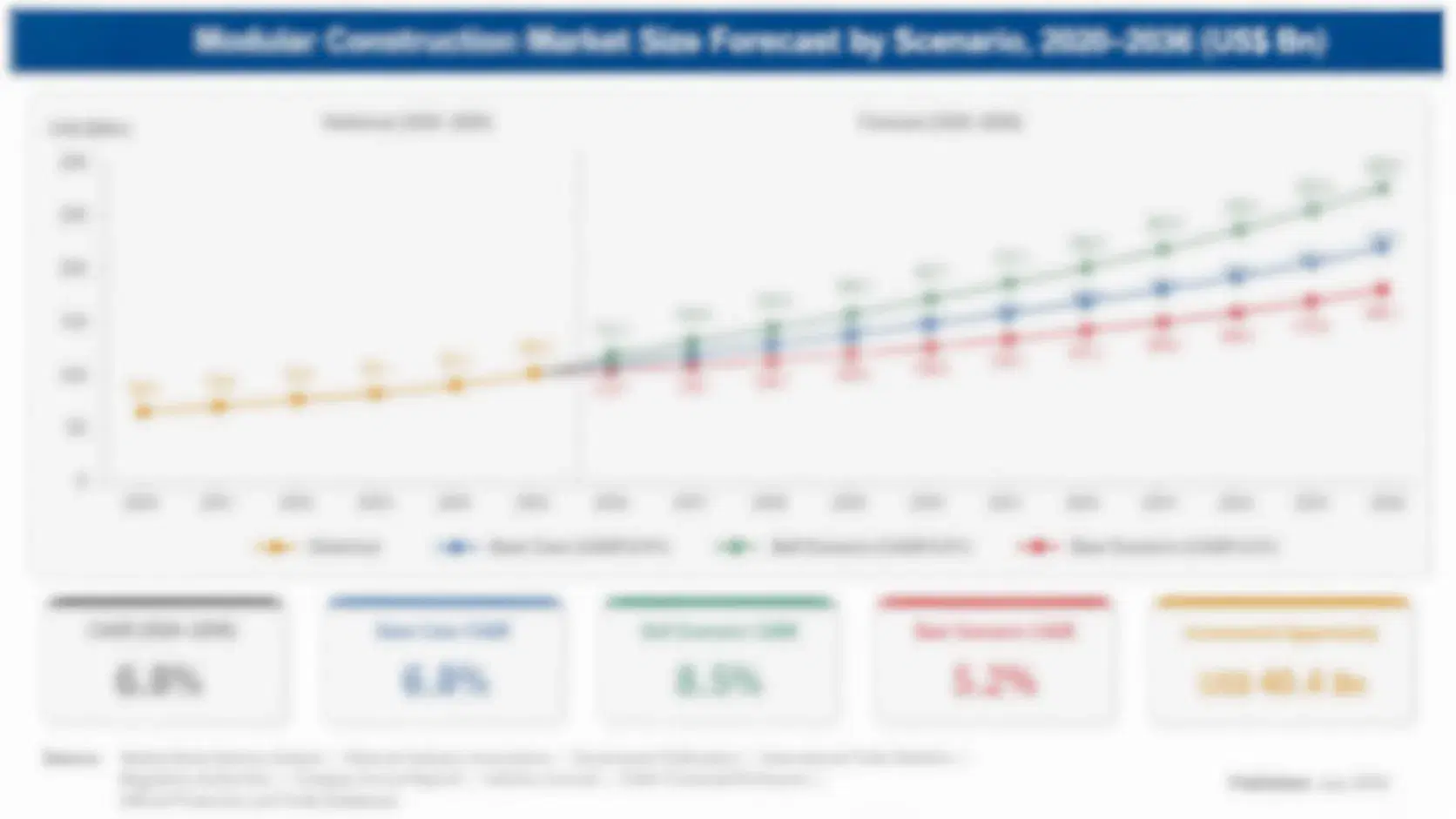
Confectionery flexible packaging demand grew steadily between 2020 and 2025, anchored by expanding confectionery manufacturing and consumption volume across China, with growth accelerating as additional brands adopted stand-up pouch and resealable specifications in place of standard flow-wrap film nationwide heading into the current decade This growth pattern tracks closely with broader Chinese confectionery consumption trade volumes nationwide.
The base case assumes continued expansion driven by three mechanisms: confectionery manufacturing and consumption volume sustaining baseline demand across major developed and emerging markets, brand supplier qualification programmes spreading verified barrier and resealability specifications across additional product categories, and multipack and bulk candy format growth favoring stand-up pouches over single-piece flow-wrap nationwide through the full forecast window without major disruption to established supply chains across most regional confectionery markets broadly this decade.
A bull scenario assumes faster-than-expected brand mandate adoption across additional confectionery categories, pulling forward stand-up pouch volume meaningfully ahead of current projections. A bear scenario assumes a slowdown in confectionery consumption tied to softer consumer discretionary spending delays packaging format upgrades, keeping standard flow-wrap film dominant longer than currently modeled across several major confectionery manufacturing markets.

Barrier and Resealability Are Reshaping Brand Specification

Confectionery flexible packaging demand sits apart from general snack food packaging entirely, as confectionery brand buyers increasingly evaluate suppliers on barrier performance and seal-integrity verification rather than price alone, a shift that rewards specialists who engineered products specifically for shelf-life extension and resealability over generalist converters still selling undifferentiated flow-wrap into this channel nationwide this cycle and across the coming several years of supplier qualification expansion worldwide. The same pressures carry over to the nutraceutical flexible packaging market, where MMA forecasts USD 6.8 billion by 2036 at an 8.2% CAGR.
MARKET CONCENTRATIONCR5 38%Elevated fragmentation level seen across most regional specialists today
AVERAGE SELLING PRICE$0.03 per wrapperVaries meaningfully by format type and barrier layer count
TOP PRODUCING COUNTRY SHAREChina 23%Largest single manufacturing base found anywhere nationwide today
CAPACITY UTILIZATION78%Reflects steady confectionery manufacturing driven demand across most markets
FEEDSTOCK COST SHARE42%Share of production cost tied to resin and laminate pricing
REPLACEMENT CYCLE LENGTHSingle useConfectionery consumption drives frequent predictable repurchase behavior nationwide
Specialty laminate and resin cost volatility continues to pressure margins across the category, pushing specialists toward longer-term supply contracts even as confectionery brands negotiate aggressively on unit pricing across multi-year supplier agreements, a dynamic that favors scaled producers who can absorb feedstock swings without passing the full increase through to brand buyers nationwide this year, reshaping category economics across most regional markets broadly. MMA's view of the flex pack coating market offers a useful comparison, at USD 2.4 billion in 2025 rising to USD 4.95 billion by 2036, a 6.8% CAGR.
Market concentration remains elevated, with established laminate specialists commanding premium confectionery brand supplier contracts while regional converters compete on cost for smaller independent candy manufacturer accounts, a split that is narrowing as larger confectionery companies consolidate purchasing across additional supplier qualification programmes this year and into subsequent cycles ahead across most major confectionery manufacturing markets broadly. Linked demand sits in the candy and twisting paper market, projected by MMA to reach USD 1.0 billion by 2036 on a 6.2% CAGR.
"Confectionery brands used to treat wrapper film as an undifferentiated commodity purchase. The ones launching multipack and bulk formats are now specifying barrier performance by layer count, and that single shift is reshuffling which converters win these contracts."
Director, Packaging and Confectionery Brand Practice · MMA Packaging Practice · October 2026

What Is Changing in Confectionery Flexible Packaging

Multipack Brand Resealable Format Supplier Qualification Expansion

Major confectionery brands are expanding supplier qualification programmes that mandate verified seal-integrity and barrier performance testing for stand-up pouches, with roughly 75 major confectionery brands across China and Southeast Asia having finalized qualification standards by 2025 and additional brands expected to follow within the next several budget cycles. This is forcing regional converters to switch from standard flow-wrap film to qualified stand-up pouch suppliers even where they previously used generic wrapper film year-round nationwide across most major confectionery manufacturing markets broadly this cycle This qualification wave is accelerating fastest across the largest confectionery manufacturing brands nationwide. For a connected opportunity, MMA values the metallised polyester films market at USD 3.6 billion in 2025.
Market Impact: Adds 1,800 new product launches

Twist Wrap Automation Driving High Speed Line Adoption

Converters are standardizing high-speed twist-wrap film formats compatible with automated wrapping equipment, replacing older flow-wrap lines that required more frequent maintenance stoppages, with major confectionery manufacturers reporting roughly 32 percent reduction in line stoppages when switching to optimized twist-wrap film as of 2025. This shift is reshaping which producers can win the largest confectionery brand supplier contracts, favoring specialists with proven high-speed film formulation over generalist converters still selling standard wrapper film nationwide across most confectionery distribution channels broadly this cycle This shift is accelerating fastest among the largest multinational confectionery manufacturers nationwide broadly. MMA sizes the twist wrap packaging market at USD 4.6 billion in 2025, with growth of 5.2% a year expected through 2036.
Market Impact: Adds 30 percent price premium

Where the Confectionery Flexible Packaging Opportunity Lies

Confectionery Consumption Volume Sustaining Baseline Demand

Confectionery manufacturing and consumption volume continues to expand baseline flexible packaging demand even as broader consumer discretionary spending moderates, with Chinese confectionery manufacturers adding roughly 1,800 new product launches during 2025 alone according to industry trade data, each requiring standardized wrapper or pouch packaging from launch onward. This consumption volume sustains predictable baseline demand regardless of broader economic cycles, giving producers serving confectionery brands a more stable demand base than producers dependent on smaller accounts alone nationwide across most regional confectionery markets broadly this cycle This stability appeals strongly to producers seeking predictable revenue streams.
Market Impact: Adds 27 percent laminate cost

Stand Up Pouch Format Commanding Premium Pricing

Stand-up pouches providing resealability and shelf standout over conventional flow-wrap film command roughly 30 percent price premium and are becoming the default specification across major multipack confectionery brands rather than a premium upgrade option reserved for bulk formats alone. This format shift is reshaping which producers can compete for the largest confectionery brand contracts, favoring specialists with laminate construction depth over generalist converters nationwide across most regional confectionery distribution channels broadly this cycle Adoption is accelerating fastest among the largest multinational confectionery brands nationwide broadly today across the sector today.
Market Impact: Limits 18 percent recyclable share

Confectionery Flexible Packaging Challenges and Constraints

Multi Layer Laminate Cost Premium Limiting Smaller Brand Margin

Multi-layer barrier laminate carries a meaningful cost premium over standard single-layer flow-wrap film, a root cause tied to the specialty resin and adhesive chemistry required for consistent barrier and seal-integrity performance, which smaller independent confectionery brands with thinner margins struggle to absorb even where retail buyers technically require compliance. The commercial impact creates a compliance gap between large confectionery companies that can absorb the premium and smaller brands who delay adoption until retailer enforcement tightens meaningfully. Some producers are mitigating this through licensing partnerships that reduce formulation cost for smaller regional converters nationwide across most affected confectionery markets broadly.
Market Impact: Covers 75 major confectionery brands

Recyclability Pressure Limiting Multi Material Format Use

Multi-material laminate structures combining plastic and metallized layers for barrier performance face growing recyclability pressure, a root cause tied to the difficulty of separating bonded material layers during conventional recycling processes, which increasingly conflicts with retailer sustainability commitments and emerging packaging waste regulations. The commercial impact falls hardest on brands using premium foil laminate wrappers that recyclers struggle to process economically. Some producers are mitigating this through mono-material barrier film development that maintains performance while improving recyclability nationwide across most affected confectionery markets broadly this cycle today across the sector overall. Much of this also feeds into the metallized rollstock film market, which MMA expects to grow at 6.8% a year through 2036.
Market Impact: Cuts 32 percent line stoppages
3 additional market trends, 2 additional growth drivers, and 2 additional restraints and challenges are covered in the full report. Contact sales@marketmindsadvisory.com to access the complete intelligence.

Confectionery Flexible Packaging Growth by Segment

Segmentation follows package format rather than candy type, separating single-piece flow-wrap and twist-wrap from multipack stand-up pouches and flexible laminate bags, since confectionery brand specifications increasingly hinge on resealability and barrier performance rather than format tradition alone across most regional confectionery markets broadly this cycle across most national and regional confectionery distribution channels broadly this cycle today.
confectionery-flexible-packaging-market-market-share-analysis-1791223774092

Stand-Up Pouches

Stand-up pouches have moved from a niche bulk-candy category into a mainstream specification across multipack confectionery brands, a shift driven directly by resealability data that justifies the format's higher cost over flow-wrap and twist-wrap alternatives. Confectionery manufacturers are following their largest brand competitors' lead into stand-up pouch specifications, pulling volume away from conventional flow-wrap at a pace most converters did not anticipate even two years ago. Multi-layer laminate equipment investment is removing the barrier-performance concerns that previously limited broader adoption, and pricing is narrowing toward flow-wrap as production scale improves across most confectionery markets this decade and the years immediately ahead broadly today overall This trend continues to strengthen across most national confectionery markets broadly.
CAGR 8.7%

Flexible Laminate Bags

Flexible laminate bags, offering multipack capacity with moderate barrier performance at a lower cost than full stand-up pouch construction, represent the second-fastest-growing segment as confectionery brands seek a middle-ground option between basic flow-wrap and premium pouch formats. Supply remains fragmented among numerous regional laminate converters, keeping flexible laminate bag pricing competitive relative to more specialized formats. Producers with integrated laminate capability, like Constantia Flexibles, are capturing disproportionate share of this segment's growth, while flow-wrap-only converters face pressure to either add laminate production or exit multipack accounts entirely nationwide across most major confectionery manufacturing markets broadly this cycle This dynamic is reshaping converter investment priorities nationwide across most regional confectionery markets broadly today.
CAGR 7.5%
Full segment breakdown across 5 segments available in the complete report.

Where Confectionery Flexible Packaging Demand Is Growing

East Asia leads global confectionery flexible packaging demand, driven by China's manufacturing and consumption scale, with North America and Western Europe following on established confectionery brand portfolios nationwide across most regional markets broadly this decade and the years immediately ahead broadly speaking as qualification programmes expand nationwide today across most.

East Asia

China anchors this category through its massive confectionery manufacturing and consumption scale, with domestic candy and chocolate brands collectively launching well over 1,800 new products annually that require standardized flexible packaging across flow-wrap, twist-wrap, and stand-up pouch formats. Japan and South Korea maintain substantial demand tied to established confectionery brand portfolios that predate China's current manufacturing expansion by decades, with both countries' brands setting some of the strictest barrier performance standards tracked anywhere in this report. This region's growth increasingly tracks domestic consumption scale rather than export manufacturing alone nationwide across most East Asian manufacturing and distribution networks broadly this cycle. This export driven structure is unlikely to shift within the current forecast window nationwide across most provinces broadly today.
Share: 27% | CAGR: 7.0% (2026 to 2036)

North America

The United States anchors regional demand through its deeply established confectionery brand portfolio, with major chocolate and candy companies headquartered domestically setting flexible packaging specification standards that ripple through supplier contracts across the broader confectionery industry. Mexico's growing confectionery manufacturing sector, serving North American supply chains, adds a parallel demand layer tied to cross-border packaging requirements. Canada's smaller confectionery sector follows similar qualification dynamics at reduced scale, giving this region a sophisticated specification-driven demand base nationwide across most North American confectionery markets broadly. This brand headquartered advantage is unlikely to shift meaningfully within the current forecast window nationwide across most markets. now This established brand depth continues to anchor category demand across most major metropolitan markets nationwide today.
Share: 25% | CAGR: 6.3% (2026 to 2036)
Regional intelligence for 5 additional markets available in the complete report: Western Europe, South Asia and Pacific, Latin America, Middle East and Africa, Eastern Europe. Contact sales@marketmindsadvisory.com.
confectionery-flexible-packaging-market-country-cagr-analysis-1791223774389

Barrier Laminate and Format Diversification Pathways

Producers are pursuing three distinct revenue levers as specification criteria shift toward resealability: stand-up pouch engineering, laminate bag integration, and confectionery brand supplier qualification, each rewarding different capabilities across most regional confectionery markets broadly this cycle and the years immediately ahead overall across most regional confectionery manufacturing and distribution networks this cycle today now.

Expand Stand Up Pouch Laminate Production Capacity

Producers investing in stand-up pouch multi-layer laminate production capability are capturing premium confectionery brand supplier contracts that flow-wrap-only producers cannot bid on, a dynamic adding roughly 27 percent average selling price premium over standard flow-wrap formats. This requires meaningful capital investment in laminating equipment and zipper-seal integration infrastructure, a different process window than standard flow-wrap production. Early movers have already locked multi-year supplier qualification contracts with the largest confectionery brands, effectively excluding late entrants from the largest near-term volume opportunities nationwide across most confectionery distribution channels broadly this cycle today.
Market Impact: Adds 27 percent average selling price premium yearly

Build Flexible Laminate Bag Integration Capability

Converters adding flexible laminate bag production lines alongside existing flow-wrap film are capturing mid-tier multipack contracts that flow-wrap-only producers cannot bid on, insulating revenue from the price-based competition dominating conventional single-piece formats. This integration pathway requires meaningful capital investment in laminate bonding equipment and barrier testing infrastructure, a different capability than standard flow-wrap production entirely. Several specialists like Constantia Flexibles have already locked multi-year contracts with brands seeking a middle-ground multipack option. This pathway typically adds 21 percent pricing power over flow-wrap suppliers nationwide across most major confectionery manufacturing markets broadly.
Market Impact: Captures 21 percent laminate pricing premium every year

Confectionery Flexible Packaging Pricing and Margins

Market concentration sits elevated at CR5 38 percent, with Amcor and Constantia Flexibles holding the clearest leadership positions through laminate engineering depth and confectionery-specific formulation scale respectively, while a long tail of regional converters compete primarily on cost for smaller independent brand accounts. The gap between leaders and mid-tier challengers is widening as barrier verification and supplier qualification documentation requirements raise the capability bar for winning the largest.
Current competitive activity centers on stand-up pouch launches and laminate bag partnership announcements rather than price competition alone, with most major producers disclosing new barrier performance grades to signal engineering depth to confectionery brand buyers. Several producers have announced laminating capacity expansions over the past year specifically to serve multipack demand ahead of competitors, while others expand laminate bag partnerships to lock distribution.

Emerging pressure is coming from mid-sized converters racing to add stand-up pouch capability before the largest confectionery brand contract renewal cycles begin, a window that could reshuffle rankings meaningfully if several challengers qualify simultaneously. Smaller regional producers lacking capital for laminating investment face acquisition pressure from larger players seeking to add capability quickly rather than build it organically nationwide across most regional confectionery markets broadly.
confectionery-flexible-packaging-market-company-positioning-matrix-1791223774646

Confectionery Flexible Packaging Competition and Risks

AMCOR PLC

Moat: Laminate Engineering Patent Depth

Amcor holds the deepest multi-layer barrier laminate engineering patent portfolio in the category, built over decades of flexible packaging product development, giving it first access to the largest confectionery brand supplier qualification contracts well ahead of most rivals currently racing to catch up nationwide across most confectionery manufacturing.
AMCOR PLC

Risk: Scale Versus Specialization Tradeoff

Amcor's broad flexible packaging portfolio spanning many food categories leaves it somewhat less specialized in confectionery-specific formulation than dedicated specialists, a gap that could matter more as brands increasingly demand category-specific barrier expertise rather than generalist packaging capability nationwide across most confectionery markets today today.
CONSTANTIA FLEXIBLES GROUP GMBH

Moat: Confectionery Specific Formulation Scale

Constantia Flexibles' dedicated confectionery packaging division gives it formulation depth specifically tuned to candy and chocolate barrier requirements that generalist flexible packaging producers cannot easily replicate, positioning it well for the largest confectionery brand supplier qualification contracts nationwide across most regional markets This specialization depth continues to widen across most confectionery brand accounts.
CONSTANTIA FLEXIBLES GROUP GMBH

Risk: Scale Disadvantage Versus Generalists

Constantia Flexibles' smaller overall scale relative to diversified flexible packaging giants like Amcor leaves it potentially less competitive on unit pricing for the largest multinational confectionery contracts, a gap that could matter more as brands consolidate purchasing across fewer global suppliers nationwide broadly overall today.

Players Tracked

Prominent Players

Amcor plc
Mondi plc
Constantia Flexibles Group GmbH
Huhtamaki Oyj
ProAmpac LLC

Other Key Players

Sonoco Products Company
Sealed Air Corporation
Berry Global Inc.
Toppan Holdings Inc.
Toray Industries Inc.
Taghleef Industries Group
Coveris Holdings S.A.
Innovia Films Limited
Transcontinental Inc.
WestRock Company
Winpak Ltd.
Uflex Limited
Cosmo Films Limited
Jindal Poly Films Limited
Novolex Holdings LLC

Recent Developments

FEBRUARY 2025

Amcor announced an expansion of its stand-up pouch laminate production capacity at its China facility, adding approximately 11,000 tonnes of annual output specifically targeted at meeting rising confectionery brand supplier qualification demand following several major contract wins this year across the region nationwide broadly overall.
Signal: Signals confidence in near-term stand up pouch demand across major confectionery brand qualification contracts nationwide this cycle overall.
JULY 2025

Constantia Flexibles signed a multi-year supply partnership with a major European chocolate brand to expand recyclable mono-material laminate availability across its distribution network, positioning the company to meet rising sustainability driven packaging demand among premium confectionery customers this year nationwide broadly today overall now broadly.
Signal: Signals mono material laminate strategy against rising sustainability driven packaging demand across European confectionery markets nationwide today.

Resin and Laminate Cost Risk

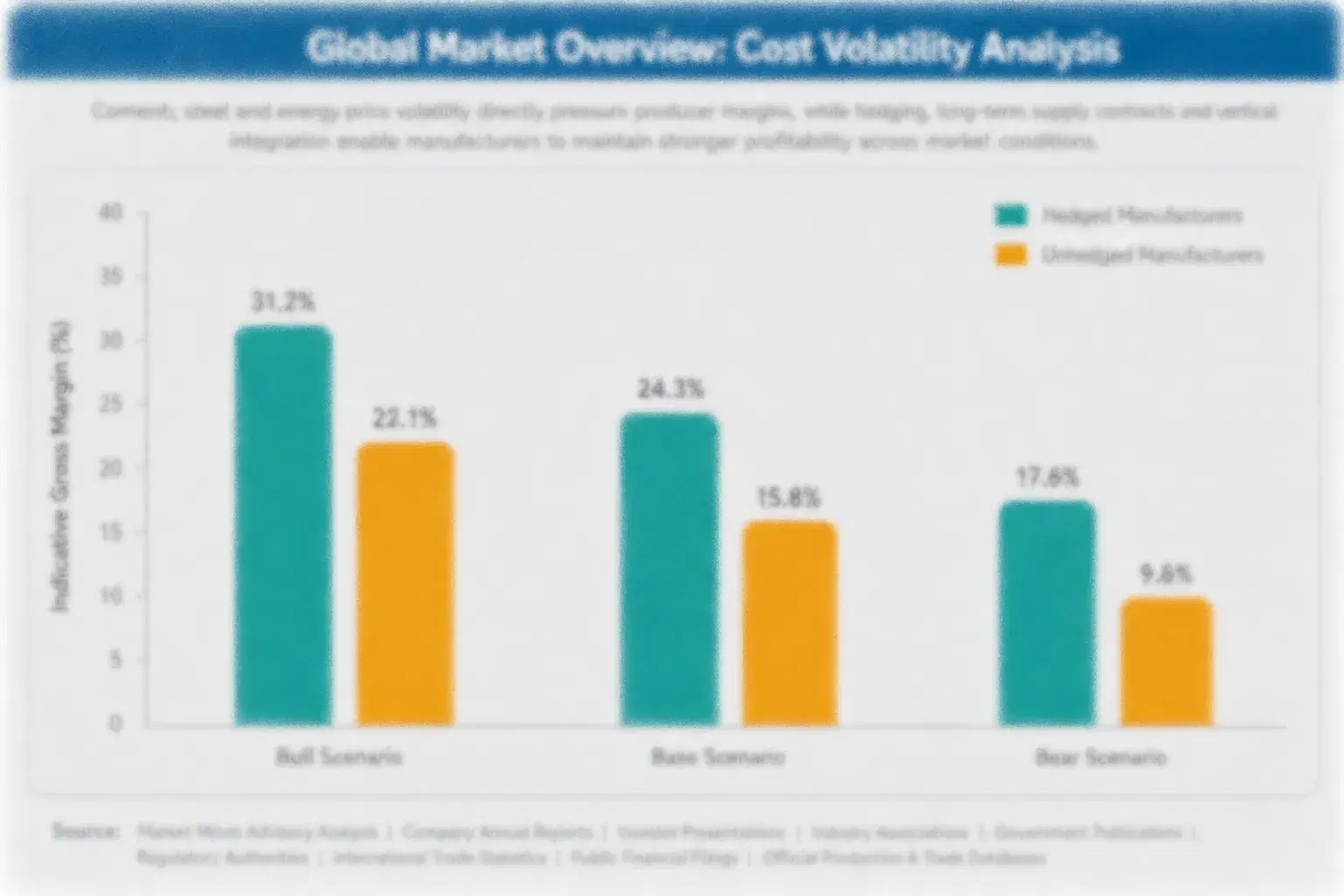
Polypropylene and polyester resin together with specialty barrier laminate represent roughly 42 percent of production cost across this category, with resin sourced primarily from East Asian and Middle Eastern petrochemical crackers while barrier laminate flows from a smaller set of specialized converters supplying the broader confectionery packaging base nationwide across most regional production networks this cycle.
Asian polypropylene prices spiked roughly 16 percent during the second quarter of 2024 following unplanned cracker outages across several major Chinese petrochemical facilities, according to International Energy Agency petrochemical market monitoring data, squeezing margin for producers mid-way through fixed-price confectionery brand supplier contracts that could not pass through the increase before contract renewal. Several producers absorbed the cost entirely rather than risk losing multi-year supplier qualification relationships over a short-term feedstock spike nationwide.

This feedstock exposure disadvantages smaller regional converters lacking long-term supply contracts most severely, since they typically buy resin on shorter-term or spot-market terms than the largest producers who negotiate multi-year fixed pricing directly with petrochemical suppliers. Exposure also varies by geography: producers near East Asian petrochemical hubs face shorter logistics chains and lower transport cost volatility than producers further from major production centers who depend on longer supply routes.
confectionery-flexible-packaging-market-cost-volatility-analysis-1791223774930

Diversify Feedstock Sourcing Across Supplier Regions

Producers are signing supply agreements across multiple petrochemical and laminate suppliers spanning different geographies, reducing exposure to any single regional outage or disruption and giving negotiating leverage during periods of tight feedstock supply across most major converter operations broadly this cycle today This reduces single-supplier dependency risk meaningfully across most converter operations nationwide broadly today.

Negotiate Index Linked Supplier Qualification Pricing

Several producers are shifting confectionery brand supply contracts toward resin-price index-linked terms rather than fixed pricing, passing feedstock volatility through to buyers more transparently and protecting margin during periods of unexpected cracker outages or feedstock shortages nationwide across most regional contract relationships broadly today This approach is gaining traction fastest among mid-sized specialists nationwide today.

Portfolio Architecture for Margin Defence

Gross margin economics vary sharply across the three portfolio tiers, with laminate engineering depth and brand qualification relationships separating volume producers from premium specialists more decisively than brand or scale alone. Volume and commodity-adjacent producers compete primarily on manufacturing cost efficiency, while premium specialists capture pricing power tied directly to barrier performance and qualification credentials nationwide across most regional contract channels this cycle, a split becoming the primary lens investors use to.
The tension between volume and premium positioning is intensifying as confectionery brands increasingly specify stand-up pouch and laminate bag formats outright, shrinking the addressable volume for standard flow-wrap among the largest supplier qualification programmes while leaving it largely intact among smaller independent candy manufacturers still buying on basic cost alone. Producers straddling both tiers face difficult capital allocation decisions about how quickly to shift capacity nationwide across most.

High-value margin pools concentrate overwhelmingly in stand-up pouch and laminate bag formats sold into confectionery brand supplier qualification contracts serving the largest multinational companies, where documented barrier performance commands pricing power that standard flow-wrap simply cannot access regardless of manufacturing efficiency nationwide across most national distribution channels broadly this cycle.

Standard flow wrap and twist wrap film competing primarily on manufacturing cost and distribution reach rather than engineered barrier performance credentials across most price sensitive smaller brand accounts nationwide broadly.
Gross Margin

Flexible laminate bag formats meeting confectionery brand supplier qualification specifications while retaining moderate cost competitiveness against standard alternatives across most mid tier brand accounts broadly this cycle nationwide across most mid tier confectionery markets broadly this cycle today.
Gross Margin

Fully multi layer stand up pouch formats commanding the category's highest margins through documented barrier credentials that grant access to premium confectionery brand contracts nationwide broadly today nationwide across most major East Asian confectionery contract channels broadly.
Gross Margin
confectionery-flexible-packaging-market-portfolio-architecture-1791223775264

High-value Sub-segments and Strategic Watch-out

Confectionery Brand Stand Up Pouch Contracts

Confectionery brand supplier qualification contracts for stand-up pouch formats represent the highest-value, fastest-growing pool in this category, combining premium pricing with multi-year contract durations across the largest East Asian confectionery manufacturing hubs specifically this cycle and the years immediately ahead broadly speaking nationwide today now.

Flexible Laminate Bag Mid Tier Contracts

Flexible laminate bag mid-tier contracts offer solid margin with moderate growth, anchored by multipack brand specifications that are expanding steadily but without the same urgency driving the fastest-growing stand-up pouch segment nationwide across most national confectionery markets broadly this cycle today overall today again now.

Standard Flow Wrap Volume Core

Standard flow-wrap and twist-wrap film sold through smaller independent candy manufacturers remain the volume core of the category, generating steady but unremarkable margins in markets where supplier qualification consolidation has not yet reached full penetration, a segment producers increasingly treat as a cash-generating base nationwide across.

Multi Material Recyclability Pressure Risk

Multi-material laminate recyclability pressure represents the clearest strategic watch-out, where producers relying on traditional foil laminate construction risk losing premium brand accounts if mono-material alternatives do not scale fast enough nationwide across most regional confectionery distribution markets broadly this cycle today overall today again now.

Qualification Driven Replacement Economics

Confectionery flexible packaging demand behaves like a consumption-linked annuity, renewed with every purchase regardless of broader economic cycles, which gives this category unusually predictable baseline revenue even as which specific format captures that revenue shifts meaningfully under confectionery brand specification pressure nationwide across most regional markets broadly this cycle. This predictability is a key reason investors value this category despite its modest average selling price per unit.
Adoption stickiness varies meaningfully by end-use vertical: confectionery brand supplier qualification contracts lock in format and barrier specifications for multi-year terms once written into procurement documents, creating deep switching costs that favor incumbent certified suppliers, while smaller independent manufacturer purchasing remains far more price-sensitive and willing to switch between brands depending on distributor availability and basic compliance needs nationwide across most regional confectionery and retail channels this cycle and beyond broadly.

A generational shift in confectionery brand procurement officers and sustainability-focused retail buyers is accelerating specification language toward documented barrier and recyclability credentials rather than price alone, a change that favors producers who invested early in laminate and mono-material infrastructure over legacy generalist suppliers still competing primarily on manufacturing cost nationwide across most regional procurement organizations broadly this cycle.
confectionery-flexible-packaging-market-end-use-penetration-index-1791223775552

Where Confectionery Packagers Should Bet

These are among the four positions where our research anticipates prominent divergence between winners and laggards over the coming forecast period. Each is grounded in the demand model, the regulatory perimeter, and the announced capacity pipeline.
01 / STAND UP POUCH PRIORITY

Build Pouch Laminate Before Renewal Cycles Close

Producers lacking stand-up pouch laminate production capability face a narrowing window before the largest confectionery brand supplier qualification renewal cycles close, at which point incumbent specialists will likely hold multi-year agreements that exclude late entrants entirely. Investment in laminate capability should be treated as urgent rather than opportunistic given the pace of multipack format standardization. Producers who wait for demand signals to become unambiguous will find the best contracts already allocated to competitors who moved earlier nationwide across most confectionery markets.
02 / LAMINATE BAG INTEGRATION TIMING

Build Laminate Bag Capability Ahead Of Demand

Mid-tier confectionery brands are expanding demand for flexible laminate bag middle-ground formats faster than most producers currently anticipate across major confectionery markets. Producers without laminate bag production capability risk being excluded from the largest mid-tier contracts just as adoption accelerates over the coming several years. Building this capability now, even ahead of unambiguous demand signals, protects access to the fastest-growing contract pool that most competitors are still underestimating nationwide across the region broadly overall This window will not stay open indefinitely as rivals catch up quickly nationwide.
03 / GEOGRAPHIC EXPANSION TIMING

Prioritize Indonesia And Southeast Asia Entry Now

Indonesia and the broader Southeast Asian confectionery market remain underpenetrated by barrier-certified specialists, giving early movers a chance to establish distribution relationships before formalization accelerates and competition intensifies later this decade. Producers who wait until these markets match East Asian qualification density will face considerably more competition for the same confectionery brand accounts. Entering now, even at thinner margins than mature markets offer, builds relationships that compound in value nationwide across the region broadly across most regional confectionery markets broadly this cycle today.
04 / PORTFOLIO ALLOCATION DISCIPLINE

Avoid Overinvesting In Standard Flow Wrap Expansion

Standard flow-wrap film capacity is becoming a shrinking share of category value even where volume holds steady. This makes it a poor target for new capital investment relative to stand-up pouch and laminate bag formats capturing the category's growth. Producers should treat existing flow-wrap capacity as a cash-generating asset to harvest rather than expand, redirecting incremental capital toward laminate engineering and pouch integration that position them for where demand is clearly heading nationwide across the broader region this cycle and beyond.

Engagement Snapshot From the Field

A live engagement with an industry participant carrying material or product regulatory and market exposure ahead of a defining policy shift, showing how our research translates into a defensible multi-year portfolio strategy.
MARKET MINDS ADVISORY · CLIENT ENGAGEMENT SUMMARY
Confectionery Flexible Packaging Producer Strategic Portfolio Review and Transition Roadmap 2026·Investment Scenario on Confectionery Flexible Packaging Exposure Evaluation 2025-26
CLIENT PROFILE
The client is a regional confectionery brand selling individually wrapped chocolates and a growing multipack candy line across Chinese retail and e-commerce channels. The client faced declining multipack shelf differentiation as national competitors introduced resealable stand-up pouches, while its existing flow-wrap supplier could not provide the barrier performance needed to match competitor shelf-life claims, prompting an evaluation of switching to stand-up pouch packaging ahead of the next.
STRATEGIC CHALLENGE
The client needed to determine whether switching its multipack line to stand-up pouches would justify the higher packaging cost given its smaller purchase volume relative to national competitors, without disrupting its current production line equipment or triggering cost increases that would erode its competitive pricing before the next retail buying cycle closed.
MMA APPROACH
MMA conducted a supplier capability assessment and cost modeling exercise across the client's prospective stand-up pouch suppliers, benchmarking barrier performance, pricing, and equipment compatibility against the client's existing production line and target retail price point to determine the most cost effective transition path available within the client's launch timeline today.
KEY FINDINGS
  1. Switching to stand up pouches required retrofitting a portion of the client's existing production line at moderate cost without requiring a full line replacement.
  2. The qualified stand up pouch supplier's laminate added approximately 24 percent to unit packaging cost over flow wrap compared to the client's prior flow wrap packaging.
  3. The new pouch format matched roughly 85 percent of the shelf life performance offered by national brand competitors at a meaningfully lower incremental cost overall.
  4. Retail buyers responded positively to the resealable claim even at the modest retail price increase implemented across the client's primary retail distribution channels.
CLIENT PROFILE
The client is a regional confectionery brand selling individually wrapped chocolates and a growing multipack candy line across Chinese retail and e-commerce channels. The client faced declining multipack shelf differentiation as national competitors introduced resealable stand-up pouches, while its existing flow-wrap supplier could not provide the barrier performance needed to match competitor shelf-life claims, prompting an evaluation of switching to stand-up pouch packaging ahead of the next.
STRATEGIC CHALLENGE
The client needed to determine whether switching its multipack line to stand-up pouches would justify the higher packaging cost given its smaller purchase volume relative to national competitors, without disrupting its current production line equipment or triggering cost increases that would erode its competitive pricing before the next retail buying cycle closed.
MMA APPROACH
MMA conducted a supplier capability assessment and cost modeling exercise across the client's prospective stand-up pouch suppliers, benchmarking barrier performance, pricing, and equipment compatibility against the client's existing production line and target retail price point to determine the most cost effective transition path available within the client's launch timeline today.
KEY FINDINGS
  1. Switching to stand up pouches required retrofitting a portion of the client's existing production line at moderate cost without requiring a full line replacement.
  2. The qualified stand up pouch supplier's laminate added approximately 24 percent to unit packaging cost over flow wrap compared to the client's prior flow wrap packaging.
  3. The new pouch format matched roughly 85 percent of the shelf life performance offered by national brand competitors at a meaningfully lower incremental cost overall.
  4. Retail buyers responded positively to the resealable claim even at the modest retail price increase implemented across the client's primary retail distribution channels.
RECOMMENDED STRATEGY
Phase 1: Phase one involved retrofitting a portion of the client's production line to accommodate the new stand up pouch format ahead of the next product launch deadline. Phase 2: Phase two tested the new pouch format in limited retail markets to confirm shelf life performance before full rollout across a representative sample of retail accounts. Phase 3: Phase three expanded the stand up pouch format across the client's full multipack line following positive retail testing results to capture the full sales benefit available.
OUTCOME
The client adopted the stand-up pouch format across its full multipack line, reporting an estimated 14 percent sales lift attributable to the resealable claim within the first full season of implementation (client-reported, unverified by MMA). The client has since referenced this transition in discussions with other regional confectionery brands facing similar competitive pressure.

Frequently Asked Questions

Foundational context covering the market sizes, CAGR, scope, country, region and competition that inform every finding below. This section is provided to cover basics and most often pre-purchase conversations, answered from the MMA Primary Research Dataset.

What is the current size of the Confectionery Flexible Packaging Market?

The global confectionery flexible packaging market was valued at approximately $5.4 billion in 2025, led by China's confectionery manufacturing and consumption scale across East Asia.

How large will the Confectionery Flexible Packaging Market be by 2036?

The market is projected to reach approximately $10.2 billion by 2036, driven primarily by stand-up pouch adoption and confectionery brand supplier qualification programmes nationwide broadly.

What is the CAGR for the Confectionery Flexible Packaging Market 2026 to 2036?

The market is expected to grow at a compound annual growth rate of 6.0 percent between 2026 and 2036, led by barrier and format driven qualification shifts.

Which segment is growing fastest?

Stand-up pouches are the fastest-growing segment, expanding at roughly 8.7 percent annually as multipack confectionery brands standardize resealable specifications across major markets today overall now.

Who are the major companies in the Confectionery Flexible Packaging Market?

Amcor, Mondi, Constantia Flexibles, Huhtamaki, and ProAmpac lead the category through laminate engineering depth across the sector and distribution networks across most national confectionery markets today.

Which country is growing fastest?

Indonesia is the fastest-growing country tracked in this report, expanding at approximately 8.5 percent annually as packaged confectionery consumption scales rapidly across urban markets today.

Confectionery Flexible Packaging Market Breakdown

The full report scope spans multiple orthogonal segmentation dimensions, with cross-tabulated demand data provided for each dimension pair. Coverage extends further to regional breakdowns, trend trajectories, and the competitive detail needed to support segment-level decision-making.
  • Flow Wrap Films
  • Twist Wrap Films
  • Stand-Up Pouches
  • Flexible Laminate Bags
  • Foil Laminate Wrappers
  • Chocolate Confectionery
  • Sugar and Hard Candy
  • Gum and Mint Products
  • Multipack and Bulk Candy
  • Seasonal and Gift Confectionery
  • Confectionery Brand Supply
  • Retail Private Label
  • Direct Manufacturer Procurement
  • Third-Party Distribution

By Region

  • North America
  • Western Europe
  • East Asia
  • South Asia and Pacific
  • Latin America
  • Middle East and Africa
  • Eastern Europe

Scope, Methodology, and Coverage

Every figure in this report is reproducible from documented input assumptions. The scope below maps the historical period, the forecast horizon, the segmentation dimensions, and the countries covered, alongside the underlying primary and qualitative methodology.
Historical Period
2020 to 2025
Forecast Period
2026 to 2036
Base Year
2025 (USD billions; MMA Primary Research Dataset, October 2026)
Market Definition
This report covers flow-wrap, twist-wrap, stand-up pouch, and flexible laminate packaging specifically for candy, chocolate, and confectionery products globally, with East Asia analyzed as the largest and most closely examined regional market given China's manufacturing and consumption scale. It excludes general snack food flexible packaging and other food categories, each covered under separate MMA reports.
Quantitative Units
USD billions
Segmentation Dimensions
Regions Covered
North America, Western Europe, East Asia, South Asia and Pacific, Latin America, Middle East and Africa, Eastern Europe
Countries Covered
Key Companies Profiled
Amcor, Mondi, Constantia Flexibles, Huhtamaki, ProAmpac, and fifteen additional producers across flow-wrap, pouch, and laminate formats.
Quantitative Methodology
Primary survey, n=3,800 respondents, Q4 2025, six countries; demand-side model with trade association cross-validation
Qualitative Methodology
47 expert interviews, Q4 2025; applied to validate demand model assumptions, identify emerging dynamics, and assess competitive positioning
Report Format
PDF and XLSX data workbook (Word format preview document)
Publisher
Market Minds Advisory
Report Code
MMA-2026-PAC-201
Published
October 2026
Contact
sales@marketmindsadvisory.com | www.marketmindsadvisory.com

Purchase the full Confectionery Flexible Packaging Market Report (2026 to 2036).

This report provides comprehensive coverage of the global confectionery flexible packaging market with primary analytical depth on East Asia. It includes segment-level sizing, seven-region demand analysis, and competitive benchmarking across twenty producers. Detailed coverage addresses confectionery brand supplier qualification programmes and stand-up pouch standardization, with particular emphasis on how China's manufacturing scale is reshaping specification standards across the sector. The analysis draws on primary survey data spanning 3,800 respondents and 47 expert interviews conducted in the fourth quarter of 2025 across six countries, with additional focus on how laminate engineering investment is shaping global supplier strategy.
Seven-region demand sizing and growth forecasts.
Twenty-producer competitive benchmarking and market positioning analysis.
Confectionery brand qualification programme trend tracking.
Segment-level laminate and material cost breakdowns.
Stand-up pouch standardization pathway and trend analysis.
Primary survey and expert interview data appendix.

Built For The People Who Decide

From boardroom strategy to bench-side execution, this report is read cover-to-cover by leaders shaping the next decade of their industry, turning demand scenarios, market dynamics and valuation benchmarks into decisions.
CXOs/ Presidents/ VPs/ Managers
M&A and Corporate Development
Strategy Teams and R&D Heads
Procurement and Product Directors
Regulatory and Compliance Leaders
Investor Relations and Equity Analysts