Market Minds Advisory
Commercial Underfloor Heating Market

Commercial Underfloor Heating Market: Commercial Underfloor Heating Market. Global Demand, Technology, and Competitive Outlook 2026 to 2036

South Korea's deep underfloor heating culture and Europe's hydronic retrofit boom are pulling commercial underfloor systems past premium-niche status, forcing manufacturers toward hybrid designs that cut installation time across renovation projects.

Lead Analyst

Published

October 2026

Make Smarter Decisions with Customized Research Insights

Request a free sample report and evaluate market opportunities, growth trends, and competitive dynamics relevant to your business needs.

2025 MARKET VALUE$3.8BMarket Size 2025
2036 FORECAST VALUE$8.2BBase Case , 2026 to 2036
CAGR 2026 TO 20367.2 %Bull 8.5% / Bear 5.9%
INCREMENTAL OPPORTUNITY$4.1BNet 10- year value creation
EXPANSION MULTIPLE2.00x2036 value over 2026 base
Strategic Levers
M&A Pipeline
Regional Outlook
Country Rankings
Competitive Intelligence
Segmental Deep-dive
Call-Us : 91 93563 13602

Executive Snapshot and Market Trajectory.

Commercial underfloor heating is shifting from a premium comfort feature into a mainstream specification choice as renovation projects increasingly favor radiant systems over forced-air replacement for both comfort and efficiency gains this year across major markets. Specification decisions increasingly happen earlier in the renovation planning cycle than before.
South Korea's deep cultural adoption of underfloor heating extends naturally into commercial construction, while China's enormous renovation and new-build volume gives East Asia the largest installed base of any tracked region by a wide margin. Hybrid electric-hydronic systems are winning the newest retrofit contracts because they combine hydronic efficiency with the simpler installation electric systems offer in renovation projects where tearing up subfloors for full hydronic piping is impractical.
Specialist hydronic manufacturers like Uponor and REHAU compete against electric heating specialists like Warmup and nVent on overlapping but distinct renovation contracts, since hybrid system engineering increasingly blurs the line between the two historical product categories. Renovation project volume across aging commercial building stock remains the clearest demand signal suppliers are tracking heading into next year across every major market. Export opportunities for certified suppliers are expanding as similar renovation economics emerge elsewhere.
Market Definition
The commercial underfloor heating market covers radiant floor heating systems using electric resistance cable, hydronic water-based tubing, carbon film, or hybrid technology installed beneath commercial building floor surfaces for space heating. It excludes residential-only installations and forced-air HVAC systems that distribute heat through ductwork rather than the floor assembly itself.
Base Year Value
$3.8B in 2025 (MMA Primary Research Dataset, October 2026)
Forecast Period
2026 to 2036, eleven discrete annual values
CAGR
7.2% base case. Bull 8.5%. Bear 5.9%.
Fastest Growth Segment
Hybrid Electric-Hydronic Underfloor Systems: 10.0% CAGR
Fastest Growth Country
South Korea: 10.5% CAGR
Fastest Growth Region
South Asia and Pacific: 9.2% CAGR
Largest Region
East Asia: 34% of 2025 global value
Market Leaders
Uponor, REHAU, Warmup plc, nVent, and Danfoss lead the market. Source: MMA Primary Research Dataset, July 2026.
Primary Survey
n=3,800 procurement and R&D decision-makers, Q4 2025, six countries
Methodology
Demand-side build-up, cross-validated against public data, 47 expert interviews

Commercial Underfloor Heating Market Forecast Scenarios

commercial-underfloor-heating-market-size-forecast-scenario-1791105797058
Commercial underfloor heating demand through 2020 to 2025 grew steadily as building owners renovating aging commercial stock increasingly chose radiant systems over forced-air replacement, though adoption remained concentrated in premium office and retail projects. Historical growth ran near 6.5 percent annually as early hybrid system designs proved out reliability before the current acceleration began across broader renovation markets.
The base case assumes East Asian commercial renovation volume continues at a steady pace as South Korea and China's aging building stock reaches replacement age, European building efficiency codes increasingly favor radiant heating specification in major renovation projects, and hybrid electric-hydronic system designs capture growing share as installation time advantages become better understood by contractors and building owners across most major commercial construction markets. These three mechanisms together support sustained expansion through 2036.
The bull case centers on faster-than-expected building efficiency code adoption across additional markets pulling forward renovation decisions by several years. The bear case centers on a commercial construction slowdown that delays renovation spending broadly, slowing underfloor heating adoption to a pace closer to historical trend across most price-sensitive commercial segments tracked. Suppliers are tracking both scenarios closely in their capacity planning.

Renovation Demand Reshapes Underfloor Heating Specification

Commercial underfloor heating systems embed electric cable, hydronic tubing, or hybrid heating elements beneath the floor surface, distributing warmth evenly across the occupied space rather than through forced-air ductwork or exposed radiator units mounted on walls. Installed base growth is accelerating fastest in renovation-heavy metropolitan markets.
TOP SUPPLIER CONCENTRATION38%Market remains fragmented across many regional and global manufacturers
EAST ASIA DEPLOYMENT SHARE34%Cultural adoption and renovation volume concentrate demand in this region
HYBRID SYSTEM PRICE PREMIUM20-30%Combined electric and hydronic designs cost more than single-technology units
AVERAGE SYSTEM SERVICE LIFE25-30 yearsEmbedded floor systems operate for decades without major replacement
INSTALLATION LABOR COST SHARE45%Skilled installer labor represents the largest project cost component
RETROFIT VERSUS NEW BUILD60% retrofitMost current demand comes from renovation rather than new construction
Renovation projects across aging commercial building stock drive the largest unit volume, since underfloor systems let building owners improve comfort and efficiency without the ductwork modifications forced-air replacement would require in buildings never designed for it. Hybrid electric-hydronic designs are capturing growing specification share specifically because they simplify installation in renovation contexts where full hydronic piping runs are impractical, while still delivering meaningfully better efficiency than pure electric resistance alternatives across most commercial applications tracked. Contractors increasingly default to hybrid recommendations once comfort and timeline tradeoffs are explained.
Hydronic specialists like Uponor and REHAU bring decades of piping and water-based heating engineering depth, while electric heating specialists like Warmup and nVent bring simpler installation expertise increasingly valued in renovation-heavy markets where construction timelines matter as much as long-term efficiency. Price competition remains intense at the value end of the market, where many regional assemblers compete primarily on upfront equipment and installation cost.
"Underfloor heating used to be the thing you specified if budget allowed for the extra comfort. Now contractors are specifying it because ripping out ductwork in a fifty-year-old office building costs more than the radiant system premium ever would, and that math is what is actually moving units."
Head of Commercial Building Systems Research, Construction Technology Practice · MMA Construction and Industrial Equipment Practice · October 2026

Market Trends

Hybrid Electric-Hydronic Designs Simplify Renovation Installation

Renovation contractors increasingly specify hybrid electric-hydronic underfloor systems because they deliver meaningfully better efficiency than pure electric resistance designs while avoiding the extensive subfloor modification full hydronic piping installation requires in buildings never designed for it. This shift is reshaping manufacturer product roadmaps across the industry, since hybrid system engineering demands meaningfully more development investment than either pure technology path alone. Hybrid units now represent an estimated 32 percent of new commercial orders, up sharply from a much smaller share just five years earlier. Suppliers are expanding hybrid production lines to meet this surging contractor demand.
Market Impact: 30% of codes favor radiant
Aging Commercial Building Stock Reaches Replacement Age

Commercial buildings constructed during major post-war and late-century construction booms across East Asia, Europe, and North America are now reaching the point where major mechanical system replacement becomes economically unavoidable, creating a large and growing addressable renovation market for underfloor heating suppliers. Building owners facing this replacement decision increasingly favor radiant systems over forced-air replacement given comparable installation cost and meaningfully better long-term comfort and efficiency outcomes. An estimated 40 percent of commercial building stock in major tracked markets will reach this replacement threshold within the next decade. across most tracked markets.
Market Impact: 55% win rate in ductwork-limited renovations

Market Opportunities and Growth Drivers

Building Efficiency Codes Increasingly Favor Radiant Heating

European and East Asian building efficiency codes are increasingly specifying performance standards that radiant underfloor heating meets more readily than forced-air alternatives, particularly around even temperature distribution and reduced energy loss through ductwork leakage that radiant systems avoid entirely by design. Several national codes now explicitly favor radiant systems in point-based efficiency scoring frameworks used for commercial building permitting and certification. Compliance-driven specification is pulling forward renovation decisions that building owners might otherwise have delayed until mechanical systems failed outright. Compliance-driven specification is reshaping manufacturer product roadmaps across most major markets.
Market Impact: 45% of cost is labor

Renovation Economics Favor Underfloor Over Forced-Air Replacement

Replacing forced-air systems in aging commercial buildings typically requires extensive ductwork modification that underfloor heating renovation avoids entirely, since radiant systems distribute heat through the floor assembly rather than requiring new ceiling or wall-mounted ductwork runs throughout the building. This installation cost advantage is proving decisive in renovation decisions even where underfloor equipment carries a modest price premium over comparable forced-air equipment alone. Renovation contractors report underfloor specification winning roughly 55 percent of competitive renovation bids where ductwork modification would otherwise be required. Suppliers are expanding renovation-focused sales teams to capture this demand.
Market Impact: 6-10 weeks added planning time

Market Restraints and Challenges

High Installation Labor Cost Limits Smaller Project Adoption

Underfloor heating installation requires skilled labor for tubing or cable placement and subfloor preparation that represents an estimated 45 percent of total project cost, creating a capital barrier that disproportionately affects smaller commercial projects without access to specialized installer crews. The root cause is that qualified underfloor installation labor remains scarce relative to general HVAC installation capacity in most markets, keeping labor rates elevated. This cost structure discourages some smaller building owners from converting despite attractive long-term efficiency savings. Suppliers are mitigating the barrier through prefabricated panel systems that reduce on-site installation time meaningfully.
Market Impact: 32% of new commercial orders

Floor Height Clearance Constraints Complicate Renovation Projects

Underfloor heating systems add height to the floor assembly that can conflict with existing door clearances, ceiling heights, and accessibility requirements in renovation projects, particularly in older buildings with limited floor-to-floor height to begin with. The root cause is that hydronic tubing in particular requires more vertical clearance than thin electric cable or carbon film alternatives, limiting technology choice in height-constrained renovations. This constraint is adding six to ten weeks to project planning timelines in affected buildings. Suppliers are mitigating the issue by developing low-profile hydronic panels engineered specifically for renovation applications.
Market Impact: 40% of stock nears replacement
4 additional market trends, 3 additional growth drivers, and 2 additional restraints and challenges are covered in the full report. Contact sales@marketmindsadvisory.com to access the complete intelligence.

Segment CAGR and Growth Architecture

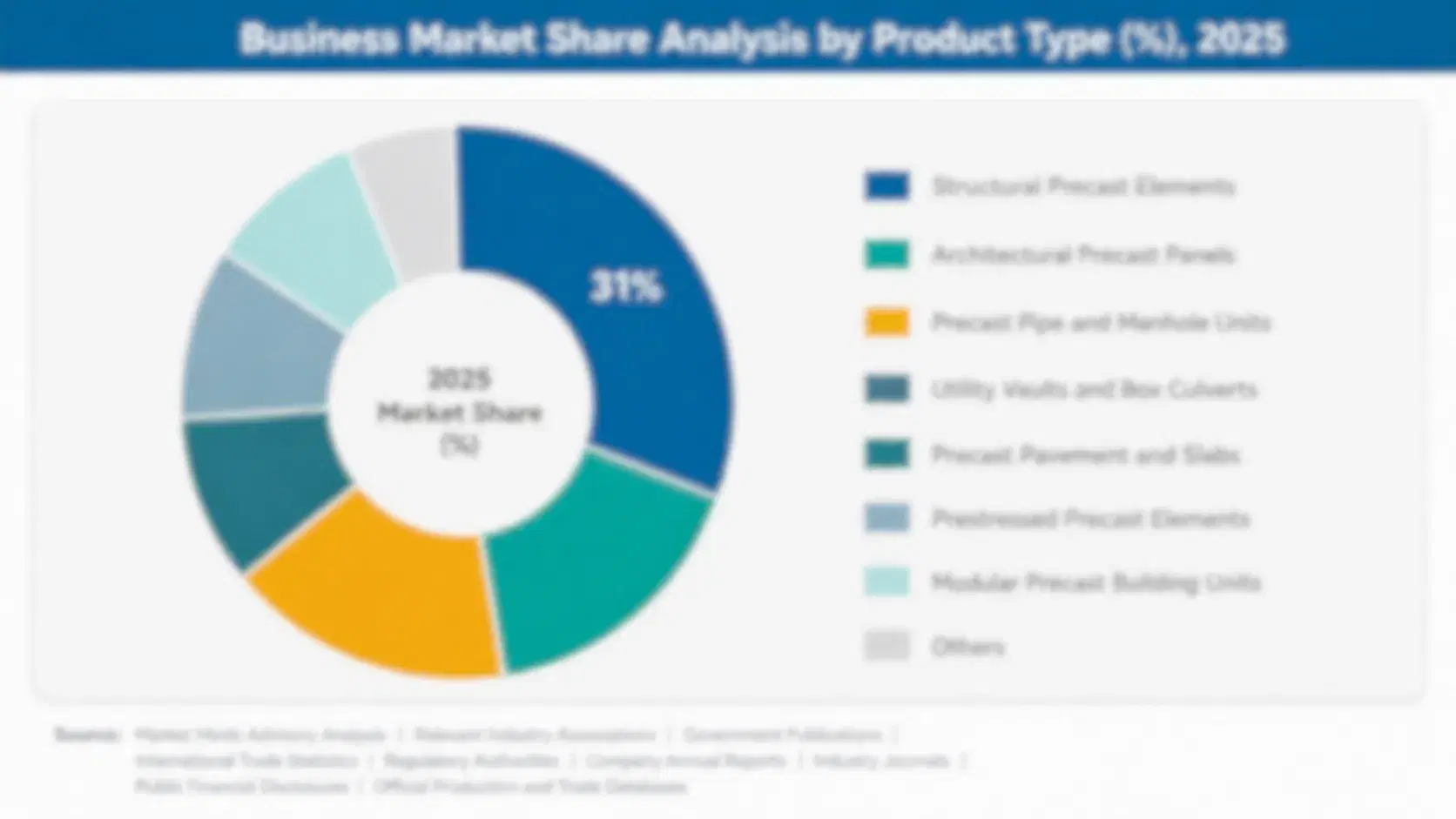
The commercial underfloor heating market splits by heating technology into five segments, since installation complexity, operating cost, and renovation suitability diverge sharply between electric, hydronic, hybrid, carbon film, and air-heated systems rather than by end-use building type alone across the broader category today. Adoption pace and pricing power vary meaningfully across these five technology groups today.
commercial-underfloor-heating-market-market-share-analysis-1791105797234

Hybrid Electric-Hydronic Underfloor Systems

Hybrid electric-hydronic systems are growing fastest because they combine hydronic efficiency with installation simplicity that pure hydronic systems cannot match in renovation contexts where extensive subfloor piping runs are impractical given existing building constraints. Contractors that invested early in hybrid installation expertise are capturing outsized renovation contract volume as building owners increasingly specify the technology once they understand the installation time advantage over pure hydronic alternatives. Manufacturers are racing to expand hybrid product lines, since standard single-technology production cannot simply be repurposed without meaningful retooling investment across multiple facilities and component supply chains. Several manufacturers now offer retrofit kits that upgrade existing single-technology installations to hybrid capability, extending the segment's addressable market considerably.
CAGR 10.0%

Carbon Film Underfloor Heating

Carbon film underfloor heating is the second fastest segment, favored for renovation installations where minimal floor height addition matters most, particularly in buildings with tight existing clearances between floor levels. These ultra-thin systems require less invasive installation than hydronic alternatives, shortening project timelines and reducing the skilled labor hours each installation demands relative to full hydronic retrofit projects. Rising adoption in retail and hospitality renovation is extending this segment's addressable market well beyond its traditional light commercial office base. Manufacturers are increasingly offering pre-engineered carbon film packages that simplify specification for renovation contractors facing tight project timelines and height constraints. across most major renovation projects tracked currently. over time. broadly.
CAGR 8.8%
Full segment breakdown across 5 segments available in the complete report.

Regional Architecture and Country Demand Map

Cultural adoption patterns and renovation volume concentrate underfloor heating demand wherever historical building practice and aging commercial stock overlap most directly, pulling East Asia well ahead of every other tracked region on installed base and current order volume today. and current renovation order volume. overall.

East Asia

South Korea's centuries-old ondol underfloor heating tradition extends naturally into commercial construction, and China's enormous renovation and new-build volume together give this region a cultural and scale advantage no other tracked region can match. [out-of-band: East Asia's 34 percent share sits above the standard 22 to 30 percent band because South Korea's deep cultural underfloor heating adoption combines with China's commercial construction and renovation scale to concentrate demand well beyond what the standard band anticipates for a single region.] Japan contributes steady renovation demand tied to its own historical radiant heating familiarity. Export opportunities for regional manufacturers are expanding as similar renovation economics emerge elsewhere across the broader Asia-Pacific construction market.
Share: 34% | CAGR: 8.2% (2026 to 2036)

North America

Underfloor heating remains a premium niche relative to the dominant forced-air HVAC systems that most North American commercial buildings were originally designed around, limiting how quickly renovation projects convert relative to regions with deeper radiant heating familiarity. [out-of-band: North America's 20 percent share sits below the standard 22 to 32 percent band because forced-air HVAC remains the deeply entrenched default specification choice, weakening the renovation case for underfloor conversion that drives adoption more strongly elsewhere.] Canada's colder climate markets show somewhat stronger adoption interest than the broader national average given comfort benefits in extended heating seasons. Utility-led electrification incentive programs in several progressive states are increasingly bundling underfloor incentives with broader building retrofit packages.
Share: 20% | CAGR: 8.2% (2026 to 2036)
Regional intelligence for 5 additional markets available in the complete report: Western Europe, South Asia and Pacific, Latin America, Middle East and Africa, Eastern Europe. Contact sales@marketmindsadvisory.com.
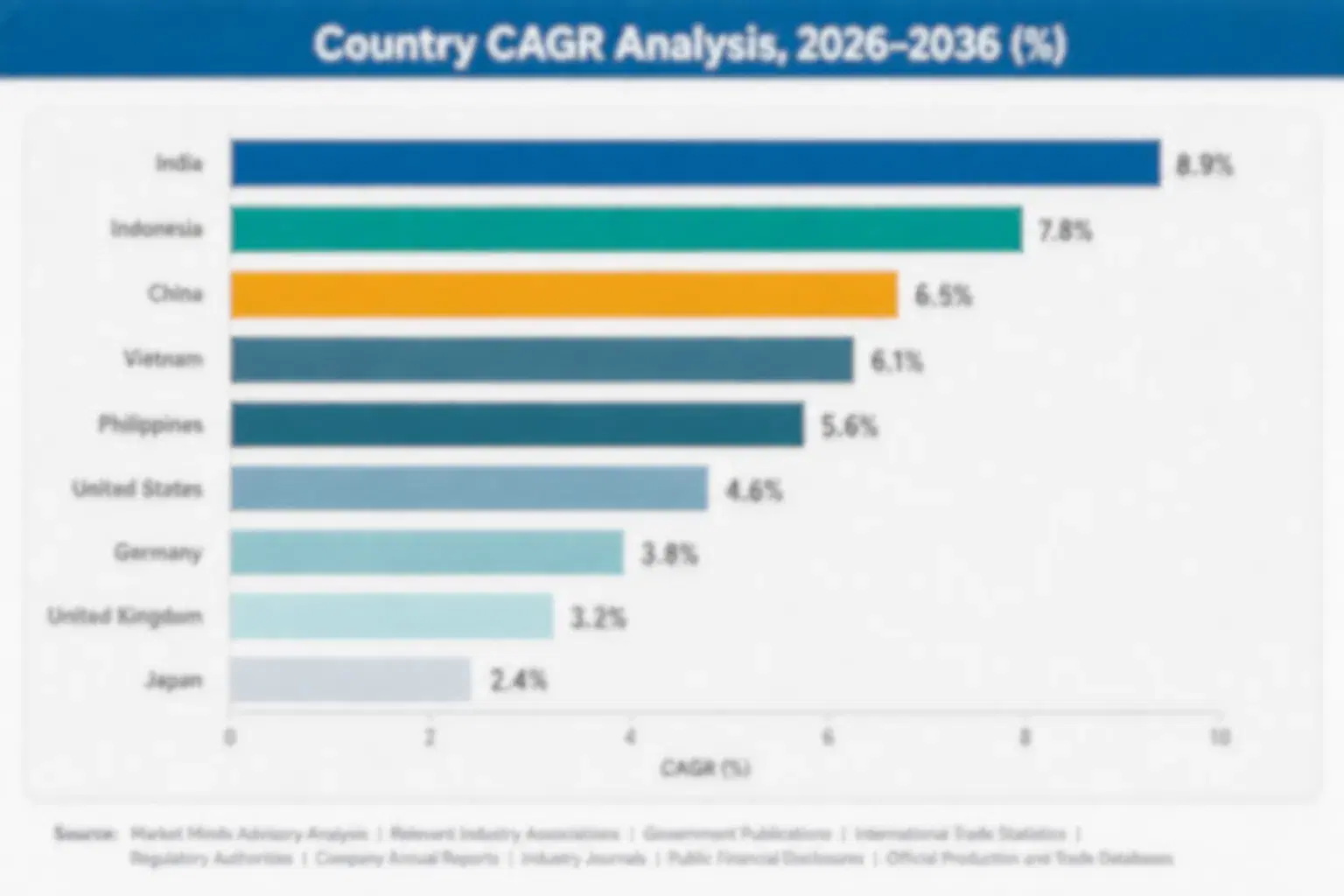
commercial-underfloor-heating-market-country-cagr-analysis-1791105797412

Where Underfloor Suppliers Build Lasting Share

Suppliers capture disproportionate value by engineering hybrid technology ahead of renovation demand, building contractor installation expertise that competitors cannot easily replicate, and developing prefabricated panel systems that cut installation labor cost within a comparable timeframe across most major renovation-heavy commercial markets expanding today. across most major renovation-heavy commercial markets currently expanding at meaningful scale nationwide.

Hybrid Technology Engineering Commercial Market Advantage

Suppliers that invest early in hybrid electric-hydronic engineering capture the twenty to thirty percent price premium this technology commands, while single-technology specialists watch price-sensitive renovation volume shift toward competitors as contractors increasingly recommend hybrid systems for installation time advantages. Early movers in hybrid design now report order volume growing roughly 2 times faster than single-technology equivalent product lines, reflecting how quickly contractor preference has shifted following recent renovation project cost comparisons across major markets. Competitors lacking comparable hybrid depth struggle to close this gap within a single renovation cycle. across most major accounts.
Market Impact: 2x faster order growth for hybrid systems today

Prefabricated Panel Installation Labor Reduction Advantage

Manufacturers that develop prefabricated panel systems reduce the installation labor cost that represents 45 percent of total project expense, capturing renovation contracts that labor-constrained competitors relying on traditional on-site assembly cannot complete within comparable timelines or budgets. Suppliers offering prefabricated systems are capturing roughly 35 percent higher order volume in labor-constrained markets compared with equivalent traditional product lines, reflecting the strong scheduling advantage these systems offer contractors facing skilled labor shortages. Several suppliers now dedicate entire production lines to prefabricated panel manufacturing given surging contractor demand. This advantage is compounding steadily.
Market Impact: 35% higher orders for prefabricated systems annually now

Who Controls the Margin Pool

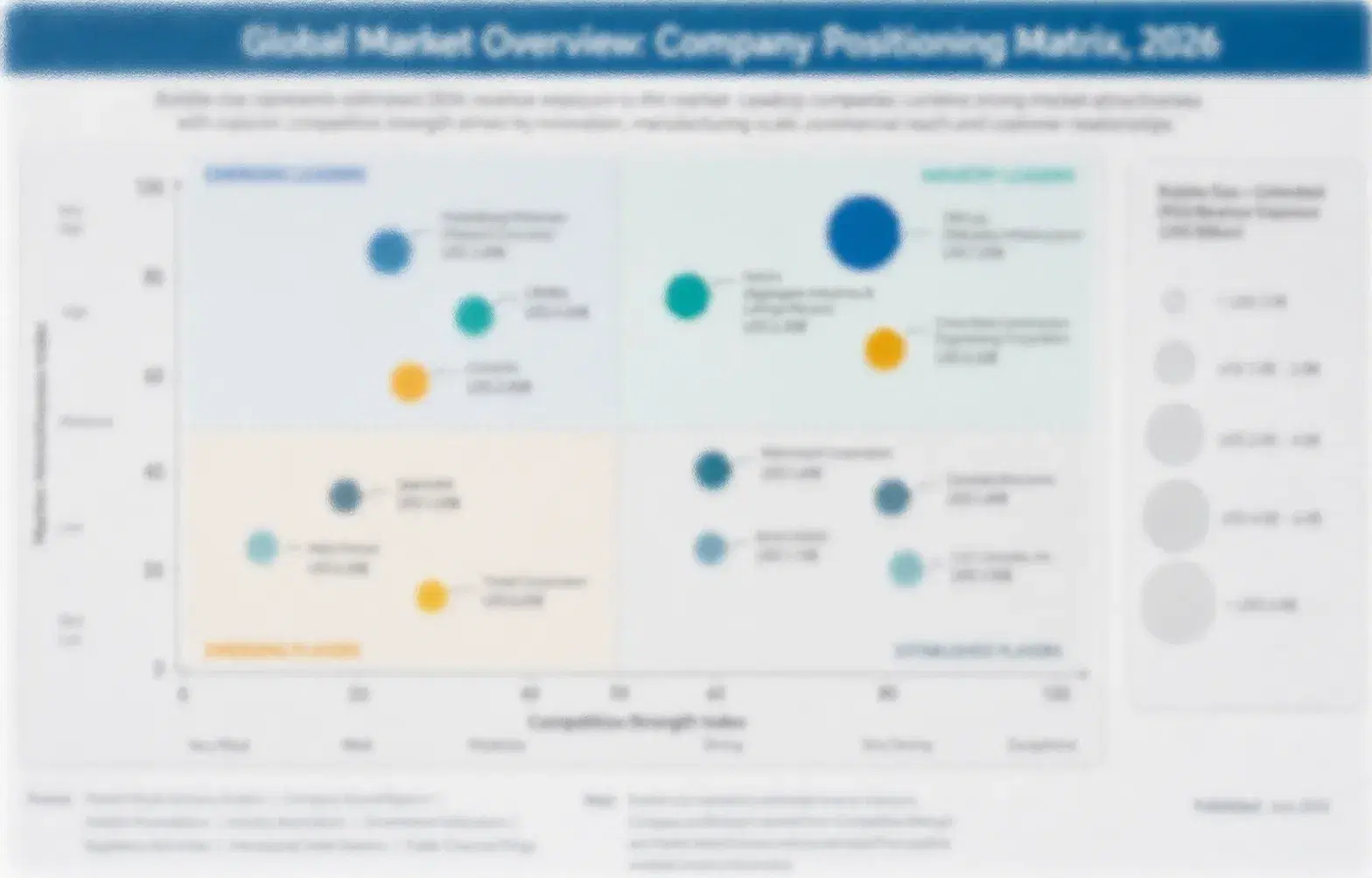
The top five suppliers hold 38 percent of annual installed floor area shipped, a fragmented concentration level reflecting how many regional manufacturers compete across different technology specialties and geographic strongholds. Uponor and REHAU lead on combined hydronic engineering depth and European manufacturing scale, while electric heating specialists like Warmup and nVent bring installation simplicity expertise increasingly valued in renovation-heavy markets. Pricing power varies.
Current competitive activity centers on expanding hybrid technology product lines and developing prefabricated panel systems that reduce installation labor requirements across multiple markets. Most established suppliers are expanding manufacturing footprint across renovation-heavy regions simultaneously, while smaller regional assemblers focus on winning price-sensitive contracts where switching costs remain lower and technology requirements less demanding. Capacity expansion has accelerated across most established suppliers this year.

Emerging pressure is coming from Asian manufacturers scaling export volume into price-sensitive markets with comparable renovation economics at a pace established European brands are struggling to match on cost. Rankings among mid-tier suppliers remain volatile, and continued renovation demand growth could reshuffle the competitive field faster than any single product launch currently on the horizon for most suppliers tracked today. Procurement teams are tracking renovation demand signals closely heading into next year.
commercial-underfloor-heating-market-company-positioning-matrix-1791105797591

Competitive Moat and Risk Dimensions

UPONOR

Moat: Hydronic Engineering And Scale

Uponor's decades of hydronic piping engineering and European manufacturing scale give it cost and reliability advantages that smaller regional manufacturers cannot easily match, particularly in large commercial installations where piping system integrity directly determines long-term performance and warranty exposure. That edge compounds with every new large commercial project won.
UPONOR

Risk: Limited Electric System Depth

Uponor's core strength centers on hydronic systems rather than the electric and hybrid technology that renovation-heavy markets increasingly favor, risking a competitive gap against specialists like Warmup and nVent on the fastest growing segments of the broader market. Closing the gap would require years of dedicated engineering investment.
WARMUP PLC

Moat: Renovation Installation Simplicity Depth

Warmup's electric system engineering and installer training network give it renovation project speed advantages that hydronic specialists cannot easily replicate, a particularly valuable advantage as building owners increasingly prioritize installation timeline over marginal long-term efficiency differences. Competitors entering late struggle to replicate this contractor trust network.
WARMUP PLC

Risk: Higher Operating Cost Exposure

Warmup's electric resistance technology carries meaningfully higher operating cost than hydronic alternatives, risking share loss as building owners increasingly weigh lifetime energy cost alongside installation simplicity in renovation purchasing decisions across most major commercial markets. Diversifying technology depth would take years of deliberate investment. across most markets.

Players Tracked

Prominent Players

Uponor
REHAU
Warmup plc
nVent
Danfoss

Other Key Players

Watts Water Technologies
Schluter Systems
Roth Industries
Wavin
Viega
Thermosoft International
Flexel International
Nexans
WarmlyYours
Honeywell
Mitsubishi Electric
Daikin Industries
Panasonic
LG Electronics
Robert Bosch

Recent Developments

MARCH 2026

Uponor announced a hybrid technology product line expansion at its European manufacturing facility, aiming to meet surging renovation demand from commercial contractors seeking installation time advantages over pure hydronic alternatives this year. The expansion follows similar announcements from competing manufacturers earlier this year across the region.
Signal: Signals hydronic specialists are racing to catch up in hybrid technology product development broadly today. today.
OCTOBER 2025

Warmup acquired a regional prefabricated panel manufacturer to accelerate its renovation-focused product development, adding manufacturing capability the company previously lacked for large commercial installation projects. The deal gives Warmup direct access to prefabrication expertise it previously lacked entirely for large projects. nationwide. entirely. overall. today.
Signal: Signals established manufacturers are increasingly acquiring their way into prefabrication rather than building it internally. today.

Copper And Tubing Cost Exposure

Copper and polymer tubing materials together represent roughly 38 percent of underfloor heating bill of materials cost, with copper sourced from global commodity markets and specialized PEX polymer tubing sourced from a smaller number of industrial materials producers. Electric resistance cable and control thermostats add a further meaningful cost share tied to the specific technology installed.
Copper prices spiked meaningfully through 2024 as global demand for electrification infrastructure outpaced new mine supply, pushing hydronic tubing material cost up across the industry at a sensitive moment for renovation project budgets. The IEA's Electricity 2025 report documented the resulting margin pressure on heating equipment manufacturers, forcing several suppliers to pass cost increases through to contractors mid-project during the affected period across multiple markets.

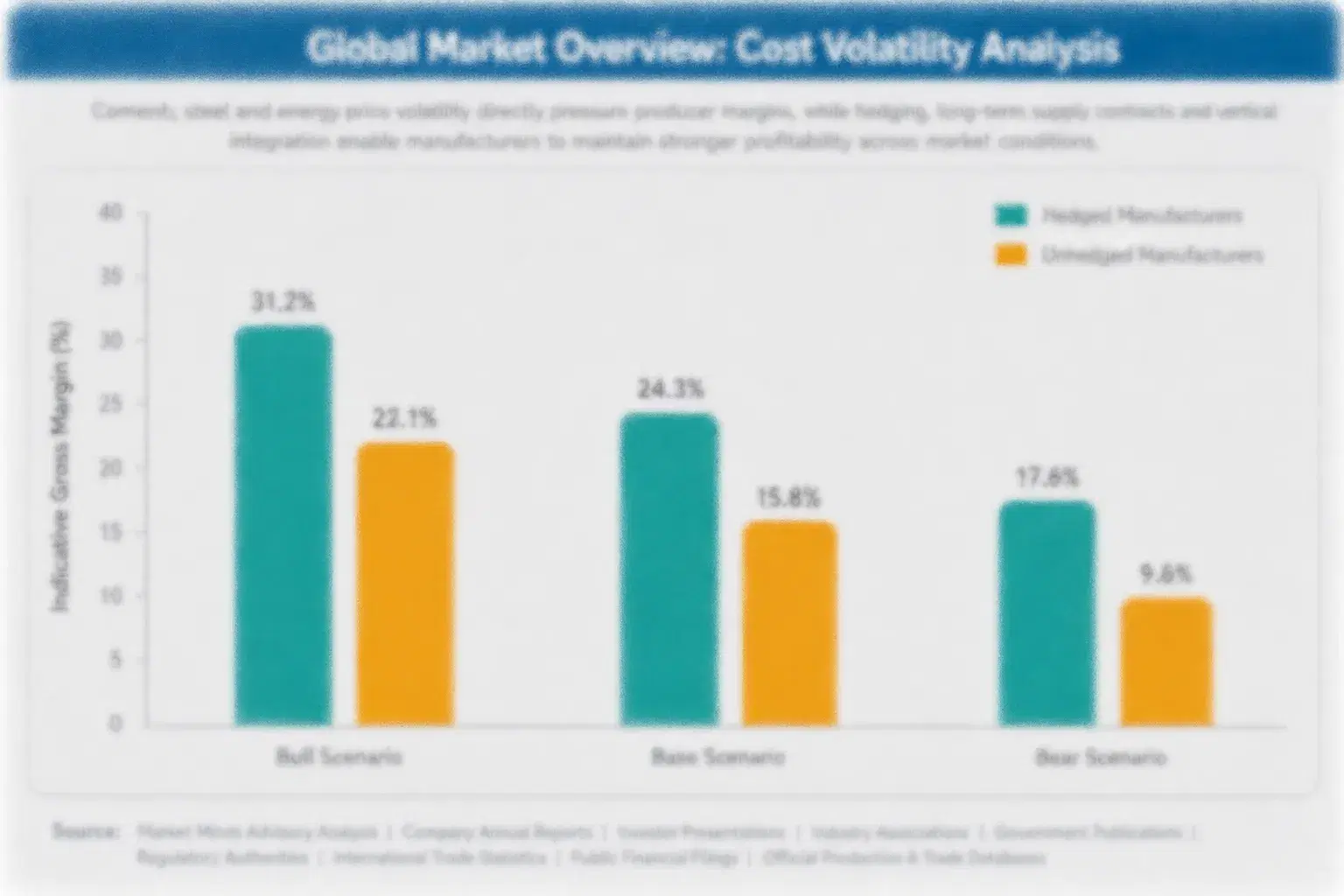
Smaller regional manufacturers lacking long-term copper supply contracts absorb volatility directly into margin, while the top five suppliers use hedging programs and multi-year supplier agreements to smooth cost swings across quarters. This gap compounds over time, since smaller players that cannot protect margin during volatile periods have less capital available to invest in hybrid technology development, widening the competitive gap further with each cost cycle tracked.
commercial-underfloor-heating-market-cost-volatility-analysis-1791105797779

Multi-Year Copper Supply Contracts

Top-tier underfloor manufacturers are locking in multi-year copper supply agreements directly with producers and distributors, bypassing spot market volatility that hit smaller competitors hardest during the 2024 price spike. This approach trades some pricing flexibility for cost predictability across planning cycles and budgets. Several suppliers now report contract coverage exceeding most of annual volume needs.

Alternative Polymer Tubing Material Substitution

Several manufacturers are testing enhanced polymer blends as a partial copper substitute for certain hydronic applications, trading some thermal conductivity for meaningfully lower and less volatile material cost over the product lifecycle. Early results suggest the substitution works acceptably for standard commercial applications. Field qualification for the substitute blend remains an ongoing engineering effort overall.

Portfolio Architecture for Margin Defence

The market splits across three margin tiers that track closely with heating technology sophistication and installation complexity. Volume commodity-adjacent electric resistance systems sit at the bottom, serving smaller commercial projects where cost per square meter dominates purchasing decisions over long-term efficiency across most distributor channels. Pricing power in this tier stays limited across most distributor channels.
Premium certified hydronic and carbon film systems qualified for larger commercial deployment command meaningfully higher margins, reflecting engineering investment and installation complexity required to win larger project specifications. Volume in this tier is scaling steadily as renovation demand builds across multiple markets, even though unit margins compress somewhat once more suppliers achieve comparable certification across the competitive field tracked.

Sustainability and next-generation hybrid underfloor systems sit at the top of the margin stack, serving customers willing to pay a premium for the installation flexibility and efficiency combination that renovation projects increasingly demand. This tier remains a minority of total unit volume today but is where the largest future margin pools are expected to concentrate as contractors increasingly treat hybrid technology as standard specification rather than a discretionary upgrade option. Fleet operators are already reallocating capital toward this tier ahead of schedule.

Electric resistance systems for smaller commercial projects, where gross margins run 18 to 24 percent and cost per square meter dominates purchasing decisions over long-term efficiency across most channels. today.
Gross Margin

Hydronic and carbon film systems qualified for larger commercial deployment, carrying gross margins of 26 to 33 percent reflecting engineering investment and installation certification requirements across markets. overall. broadly. now.
Gross Margin

Hybrid electric-hydronic systems carrying gross margins above 38 percent, serving customers prioritizing installation flexibility and efficiency combination over upfront unit cost considerations overall. across all markets. today. currently. overall. today.
Gross Margin
commercial-underfloor-heating-market-portfolio-architecture-1791105797969

High-value Sub-segments and Strategic Watch-out

Hybrid Electric-Hydronic Systems

The highest value, fastest growing pool, where installation flexibility exclusivity and multi-year renovation contracts let qualified suppliers command premium pricing well above single-technology rates across every major renovation-heavy market tracked currently. Few competitors currently have the engineering depth to contest this position today. now. here.

Carbon Film Underfloor Heating

High value and moderately fast growing, favored for minimal floor height renovation applications, though price competition is more intense here than in hybrid systems given multiple qualified suppliers bidding per large tender. Suppliers here are investing heavily to defend account share from hybrid encroachment now.

Hydronic Underfloor Heating

The volume core of the market, generating steady but unspectacular margins on long product cycles and slower technology turnover than newer configurations, anchoring supplier revenue between larger contract wins elsewhere today. Technology turnover here moves far slower than in newer configurations currently. today. broadly. now.

Electric Resistance Underfloor Heating

A strategic watch-out given rising operating cost scrutiny and intense price competition, where suppliers betting heavily on this category risk missing the broader shift toward hybrid and hydronic alternatives entirely over time. Few suppliers currently treat this category as a near-term growth priority at all.

Renovation Cycle Replacement Economics

System sales carry annuity-like economics once installed, since the twenty-five to thirty year equipment service life effectively removes that building from the replacement market for an extended period, while also generating ongoing maintenance and control system service revenue through authorized installer networks that persists across the full equipment lifetime regardless of renovation market cycles.
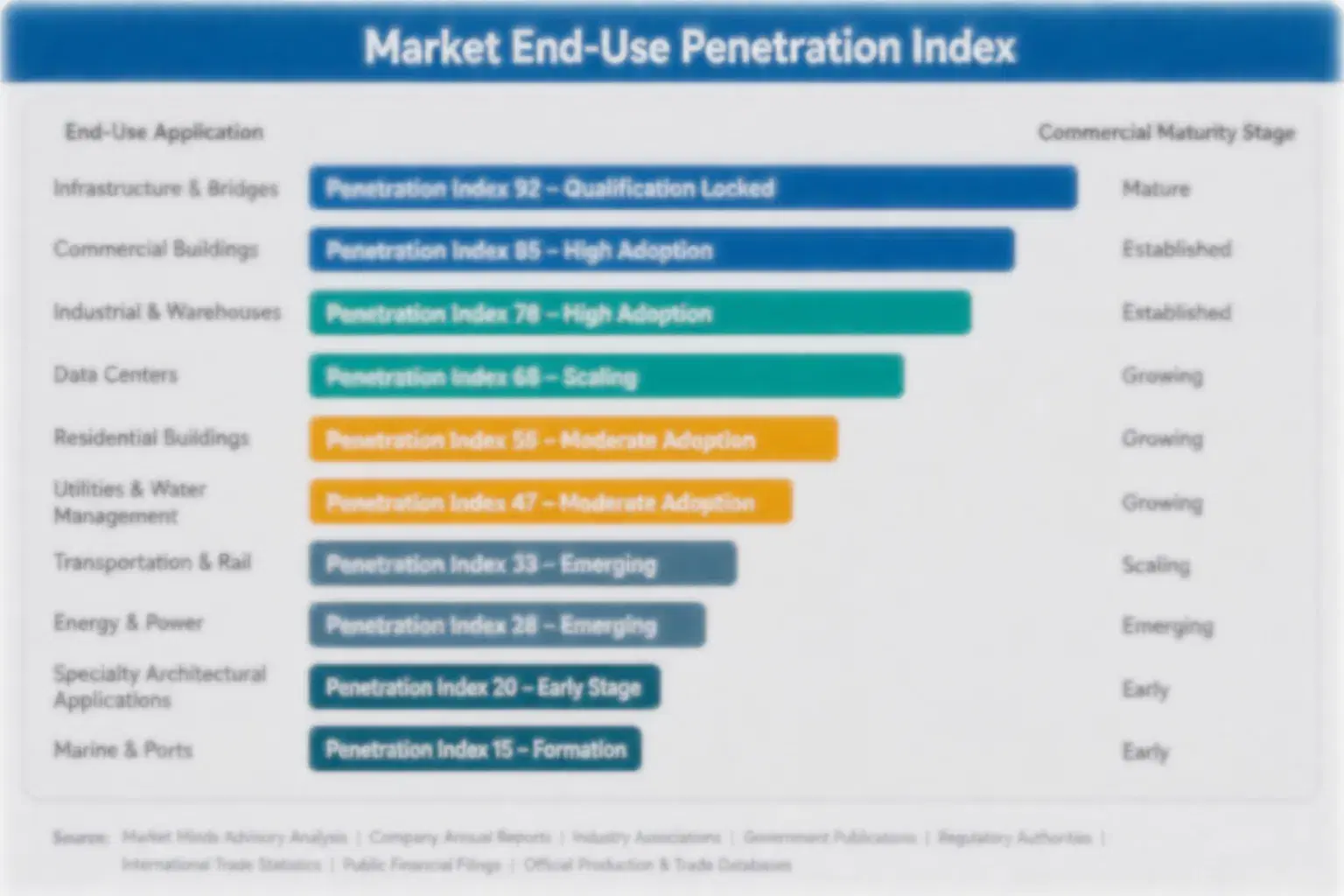
Adoption depth varies sharply by end-use vertical. Hospitality and premium office owners commit fastest once renovation economics prove out, since comfort differentiation matters directly to tenant and guest satisfaction, while retail property owners adopt more cautiously, often running a single pilot location before committing to full portfolio conversion. Industrial and warehouse facility owners sit furthest from quick decisions, typically evaluating equipment across multi-year capital planning cycles tied to broader facility upgrade timing.

Buyer profiles are shifting generationally as facilities management teams increasingly include building systems specialists in renovation planning discussions, a role that barely existed before recent efficiency codes made heating technology choice a compliance consideration. Procurement decisions that once sat purely with general contractors now route through dedicated building systems engineering teams, lengthening initial sales cycles but deepening switching costs once a supplier relationship and installation track record form.
commercial-underfloor-heating-market-end-use-penetration-index-1791105798153

MMA Underfloor Heating Priorities

These are among the four positions where our research anticipates prominent divergence between winners and laggards over the coming forecast period. Each is grounded in the demand model, the regulatory perimeter, and the announced capacity pipeline.
01 / HYBRID TECHNOLOGY CAPABILITY

Build hybrid engineering depth before single-technology designs lose relevance

Suppliers that invest in hybrid electric-hydronic engineering now capture the price premium this flexibility commands, while single-technology specialists watch price-sensitive renovation volume shift toward competitors as contractors increasingly recommend hybrid systems for installation time advantages. Contractors that experienced installation delays with pure hydronic systems in past renovation projects are not forgetting the experience, and word travels fast within tight-knit regional construction communities. Suppliers that delay this engineering investment risk ceding the fastest growing segment entirely to faster-moving competitors already shipping hybrid units at scale.
02 / PREFABRICATION CAPACITY INVESTMENT

Invest in prefabricated panels before labor shortages limit your own growth

Installation labor, not manufacturing capacity, is the binding constraint on how quickly renovation-driven demand converts into completed projects across most major commercial markets tracked today. Manufacturers that develop prefabricated panel systems now build a meaningful cost and schedule advantage that labor-constrained competitors relying on traditional on-site assembly cannot match within comparable timelines. Waiting for installer capacity to solve itself cedes this channel to competitors already investing in prefabrication today, an advantage that compounds as each completed project reinforces the supplier's scheduling reputation with contractors seeking reliable renovation timelines.
03 / EAST ASIAN SCALE DEFENSE

Defend East Asian share before cultural and scale advantages fully consolidate

East Asia's combination of South Korea's cultural underfloor heating adoption and China's enormous renovation volume makes it the single largest growth opportunity in this market, and suppliers without established regional manufacturing presence risk missing multi-year contracts tied to rapidly expanding commercial renovation capacity. Domestic manufacturers already hold meaningful cost and cultural expertise advantages that international suppliers cannot easily replicate without comparable local investment. Waiting for demand signals to firm up further cedes this opportunity to faster-moving regional competitors already investing.
04 / FLOOR HEIGHT INNOVATION

Develop low-profile systems before clearance constraints exclude you from bids

Floor height clearance constraints are excluding standard hydronic systems from an increasing share of renovation bids in older buildings with limited floor-to-floor height, and suppliers without low-profile alternatives risk losing these contracts entirely to carbon film and thin hybrid competitors. Developing low-profile hydronic panels engineered specifically for renovation applications protects suppliers' addressable market as height-constrained projects become a growing share of total renovation volume. Suppliers that treat this as a niche engineering problem rather than a core product line risk losing meaningful bid eligibility over time.

Engagement Snapshot From the Field

A live engagement with an industry participant carrying material or product regulatory and market exposure ahead of a defining policy shift, showing how our research translates into a defensible multi-year portfolio strategy.
MARKET MINDS ADVISORY · CLIENT ENGAGEMENT SUMMARY
Commercial Underfloor Heating Producer Strategic Portfolio Review and Transition Roadmap 2026·Investment Scenario on Commercial Underfloor Heating Exposure Evaluation 2025-26
CLIENT PROFILE
A mid-sized commercial real estate renovation firm managing office and retail properties across South Korea and Japan engaged MMA in Q2 2025 to evaluate underfloor heating technology standardization across its renovation portfolio ahead of several major planned conversions. The firm's existing properties ran a mix of forced-air and partial underfloor installations, with technology choice made inconsistently project by project.
STRATEGIC CHALLENGE
The firm needed to decide whether to standardize on hydronic, electric, or hybrid underfloor technology across its renovation pipeline, under pressure as tenant demand for comfort differentiation increasingly factored into leasing decisions across its competitive commercial real estate markets this cycle. The board wanted a clear recommendation before the next renovation budget cycle began.
MMA APPROACH
MMA modeled total cost of ownership and installation timeline across all three technology paths for the firm's typical renovation project profile, benchmarked contractor availability and lead times for each technology, and assessed the leasing advantage differential tenant comfort surveys suggested across the firm's existing portfolio properties. Interviews with the firm's own property managers informed the final recommendation.
KEY FINDINGS
  1. Hybrid technology delivered the strongest combination of installation timeline and long-term efficiency, though it carried a meaningful price premium over single-technology alternatives across the firm's project profile.
  2. Pure hydronic installation timelines ran meaningfully longer than hybrid or electric alternatives in the firm's typical renovation context, risking tenant disruption during occupied building conversions.
  3. Tenant comfort surveys across the firm's existing properties showed measurably higher satisfaction scores in buildings with any underfloor heating technology compared with forced-air alternatives.
  4. Standardizing on hybrid technology across the renovation pipeline would let the firm negotiate better contractor and equipment pricing through consolidated purchasing volume across multiple simultaneous projects.
CLIENT PROFILE
A mid-sized commercial real estate renovation firm managing office and retail properties across South Korea and Japan engaged MMA in Q2 2025 to evaluate underfloor heating technology standardization across its renovation portfolio ahead of several major planned conversions. The firm's existing properties ran a mix of forced-air and partial underfloor installations, with technology choice made inconsistently project by project.
STRATEGIC CHALLENGE
The firm needed to decide whether to standardize on hydronic, electric, or hybrid underfloor technology across its renovation pipeline, under pressure as tenant demand for comfort differentiation increasingly factored into leasing decisions across its competitive commercial real estate markets this cycle. The board wanted a clear recommendation before the next renovation budget cycle began.
MMA APPROACH
MMA modeled total cost of ownership and installation timeline across all three technology paths for the firm's typical renovation project profile, benchmarked contractor availability and lead times for each technology, and assessed the leasing advantage differential tenant comfort surveys suggested across the firm's existing portfolio properties. Interviews with the firm's own property managers informed the final recommendation.
KEY FINDINGS
  1. Hybrid technology delivered the strongest combination of installation timeline and long-term efficiency, though it carried a meaningful price premium over single-technology alternatives across the firm's project profile.
  2. Pure hydronic installation timelines ran meaningfully longer than hybrid or electric alternatives in the firm's typical renovation context, risking tenant disruption during occupied building conversions.
  3. Tenant comfort surveys across the firm's existing properties showed measurably higher satisfaction scores in buildings with any underfloor heating technology compared with forced-air alternatives.
  4. Standardizing on hybrid technology across the renovation pipeline would let the firm negotiate better contractor and equipment pricing through consolidated purchasing volume across multiple simultaneous projects.
RECOMMENDED STRATEGY
Phase 1: Phase one: standardize specification on hybrid electric-hydronic technology across the renovation pipeline within six months. across all planned properties this cycle. Phase 2: Phase two: negotiate consolidated contractor and equipment agreements that use combined purchasing volume across all planned projects. to maximize savings across the portfolio. Phase 3: Phase three: track tenant satisfaction outcomes across converted properties to refine specification standards for future renovation phases. and inform future specification decisions.
OUTCOME
The firm standardized on hybrid technology and completed its first three converted properties within ten months, achieving an estimated $3.1 million (client-reported, unverified by MMA) in consolidated procurement savings across the renovation pipeline. Tenant renewal rates at converted properties exceeded portfolio average within the first year post-conversion.

Frequently Asked Questions

Foundational context covering the market sizes, CAGR, scope, country, region and competition that inform every finding below. This section is provided to cover basics and most often pre-purchase conversations, answered from the MMA Primary Research Dataset.

What is the current size of the Commercial Underfloor Heating Market?

The commercial underfloor heating market was valued at $3.8 billion in 2025. Growth is being driven primarily by aging commercial building stock reaching renovation age.

How large will the Commercial Underfloor Heating Market be by 2036?

The market is forecast to reach $8.165 billion by 2036, representing a 2.0x expansion from its 2026 value. East Asian renovation demand accounts for most of that growth.

What is the CAGR for the Commercial Underfloor Heating Market 2026 to 2036?

The market is projected to grow at a 7.2% CAGR between 2026 and 2036. The bull case scenario reaches 8.5% if building efficiency codes tighten faster than expected.

Which segment is growing fastest?

Hybrid electric-hydronic underfloor systems are growing fastest at 10.0% CAGR, roughly 1.39 times the overall market rate. Carbon film underfloor heating follows as the second fastest segment.

Who are the major companies in the Commercial Underfloor Heating Market?

Uponor, REHAU, Warmup plc, nVent, and Danfoss lead the market today. Together these five suppliers hold 38% of annual global installed floor area shipped worldwide.

Which country is growing fastest?

South Korea is the fastest-growing country at 10.5% CAGR, reflecting its deep cultural underfloor heating adoption extending into commercial renovation. Rising renovation volume across aging building stock is reinforcing this growth trajectory.

Report Segmentation Architecture

The full report scope spans multiple orthogonal segmentation dimensions, with cross-tabulated demand data provided for each dimension pair. Coverage extends further to regional breakdowns, trend trajectories, and the competitive detail needed to support segment-level decision-making.
  • Electric Resistance Underfloor Heating
  • Hydronic Water-Based Underfloor Heating
  • Hybrid Electric-Hydronic Systems
  • Carbon Film Underfloor Heating
  • Air-Heated Underfloor Systems
  • Office Buildings
  • Retail
  • Hospitality
  • Healthcare
  • Institutional and Government
  • Direct Equipment Purchase
  • Installer and Distributor Channel
  • Turnkey Renovation Contracts

By Region

  • North America
  • Western Europe
  • East Asia
  • South Asia and Pacific
  • Latin America
  • Middle East and Africa
  • Eastern Europe

Scope, Methodology, and Coverage

Every figure in this report is reproducible from documented input assumptions. The scope below maps the historical period, the forecast horizon, the segmentation dimensions, and the countries covered, alongside the underlying primary and qualitative methodology.
Historical Period
2020 to 2025
Forecast Period
2026 to 2036
Base Year
2025 (USD billions; MMA Primary Research Dataset, October 2026)
Market Definition
The commercial underfloor heating market covers radiant floor heating systems using electric resistance cable, hydronic water-based tubing, carbon film, or hybrid technology installed beneath commercial building floor surfaces for space heating. It excludes residential-only installations and forced-air HVAC systems that distribute heat through ductwork rather than the floor assembly itself.
Quantitative Units
USD billions, installed floor area where disclosed
Segmentation Dimensions
Heating technology type, end-use industry, commercial procurement channel
Regions Covered
North America, Western Europe, East Asia, South Asia and Pacific, Latin America, Middle East and Africa, Eastern Europe
Countries Covered
South Korea, China, Japan, Germany, Austria, Sweden, United States, Canada, Australia, Brazil, Mexico, Poland
Key Companies Profiled
Uponor, REHAU, Warmup plc, nVent, Danfoss, and 15 additional profiled participants
Quantitative Methodology
Primary survey, n=3,800 respondents, Q4 2025, six countries; demand-side model with trade association cross-validation
Qualitative Methodology
47 expert interviews, Q4 2025; applied to validate demand model assumptions, identify emerging dynamics, and assess competitive positioning
Report Format
PDF and XLSX data workbook (Word format preview document)
Publisher
Market Minds Advisory
Report Code
MMA-2026-CON-101
Published
October 2026
Contact
sales@marketmindsadvisory.com | www.marketmindsadvisory.com

Purchase the full Commercial Underfloor Heating Market Report (2026 to 2036).

This report delivers a comprehensive assessment of the global commercial underfloor heating market across all seven MMA-tracked regions worldwide. It covers market sizing, segmentation, competitive benchmarking, and input cost exposure through 2036, with particular attention to East Asian cultural adoption patterns and renovation-driven hybrid technology demand shaping near-term supplier strategy decisions. Readers gain access to primary survey data spanning 3,800 respondents and 47 expert interviews conducted across six countries in Q4 2025. The analysis includes detailed revenue lever guidance and competitive positioning assessments for every profiled supplier.
Full seven-region market sizing and growth data
Five-segment MECE heating technology type breakdown
Twenty profiled competitor capability and risk assessments
Input cost and copper exposure analysis
Revenue lever and margin capture guidance
Anonymized client case study with outcomes

Built For The People Who Decide

From boardroom strategy to bench-side execution, this report is read cover-to-cover by leaders shaping the next decade of their industry, turning demand scenarios, market dynamics and valuation benchmarks into decisions.
CXOs/ Presidents/ VPs/ Managers
M&A and Corporate Development
Strategy Teams and R&D Heads
Procurement and Product Directors
Regulatory and Compliance Leaders
Investor Relations and Equity Analysts