Market Minds Advisory
Combi Ovens Market

Combi Ovens Market: Buying Equipment Because Nobody Can Hire

A combi oven is bought to replace a cook, not another oven, which is why kitchens that cannot hire keep buying them at prices that would look absurd measured against cooking capacity alone.

Lead Analyst

Published

September 2026

Make Smarter Decisions with Customized Research Insights

Request a free sample report and evaluate market opportunities, growth trends, and competitive dynamics relevant to your business needs.

2025 MARKET VALUE$3.2BMarket Size 2025
2036 FORECAST VALUE$6.3BBase Case , 2026 to 2036
CAGR 2026 TO 20366.4 %Bull 7.6% / Bear 5.2%
INCREMENTAL OPPORTUNITY$2.9BNet 10- year value creation
EXPANSION MULTIPLE1.85x2036 value over 2026 base
Strategic Levers
M&A Pipeline
Regional Outlook
Country Rankings
Competitive Intelligence
Segmental Deep-dive
Call-Us : 91 93563 13602

Executive Snapshot and Market Trajectory

The purchase decision has nothing to do with cooking. A programmed combi lets a kitchen produce consistent food without a trained chef standing over it, which is what operators are actually buying when they cannot fill a position for six months. Labour scarcity is what sells these ovens.
North America takes 27% of value and Western Europe 26%, with European kitchens carrying far higher penetration and European manufacturers supplying most of the world. Ventless and compact combi ovens grow at 9.6%, half again the market rate of 6.4%, because an integral condenser removes the exhaust hood requirement and opens locations where a kitchen was previously impossible to build. India grows fastest anywhere. The hood, not the oven, was always the real constraint.
Five manufacturers hold 58% of professional cooking equipment revenue, which is high for capital equipment and reflects how much of this market runs on brand preference among chefs. Water is the recurring problem nobody advertises: scale destroys boilers and drives most service cost and early replacement. Connectivity is sold as recipe management and bought for automatic food safety records that a health inspector will accept without argument.
Market Definition
The market covers commercial cooking appliances that combine convection heat and steam in one cavity under unified control, across countertop, floor-standing, roll-in, ventless and automated configurations for professional kitchens. Domestic steam ovens, conventional convection ovens, standalone steamers, rack ovens for bakery production and cook-chill tunnels are excluded. Water treatment cartridges, exhaust hoods and installation services fall outside scope.
Base Year Value
$3.2B in 2025 (MMA Primary Research Dataset, August 2026)
Forecast Period
2026 to 2036, eleven discrete annual values
CAGR
6.4% base case. Bull 7.6%. Bear 5.2%.
Fastest Growth Segment
Ventless and Compact Combi Ovens: 9.6% CAGR
Fastest Growth Country
India: 9.4% CAGR
Fastest Growth Region
South Asia and Pacific: 8.6% CAGR
Largest Region
North America: 27% of 2025 global value
Market Leaders
Rational, Ali Group, Middleby, Electrolux Professional, Unox. Source: MMA Analysis based on disclosed professional cooking equipment revenue, company annual reports 2025.
Primary Survey
n=3,800 procurement and R&D decision-makers, Q4 2025, six countries
Methodology
Demand-side build-up, cross-validated against public data, 47 expert interviews

Combi Ovens Market Forecast Scenarios

combi-ovens-market-size-forecast-scenario-1787680683727
Growth from 2020 to 2025 ran at 5.2% and it was two different periods stitched together. Foodservice closures destroyed equipment demand through 2020, then the reopening arrived alongside a labour shortage nobody had planned for. Operators who could not staff kitchens bought automation instead, which pulled combi demand forward. Replacement cycles then normalised while the labour problem did not.
The 6.4% base case rests on three mechanisms. Kitchen labour remains scarce across every developed market, and a programmed combi is the cheapest way to remove skill from a production process. Ventless designs keep opening sites that could never host a hooded kitchen, including convenience retail, hospital wards and food halls. And food safety record-keeping requirements keep tightening, which makes automatic logging a compliance purchase rather than a technology one. None of the three depends on restaurant openings.
The bull case at 7.6% turns on ventless adoption in convenience retail and grocery foodservice moving faster than expected, which would add sites rather than replace equipment. The bear case at 5.2% is discretionary dining weakening enough that independent operators defer replacement, since a working oven can always be kept another year. Deferral is the usual response.

Why Kitchens Buy Them And What Breaks

An operator comparing a combi oven against a convection oven is doing the wrong arithmetic and usually knows it. The comparison that matters is against a kitchen brigade. A programmed combi produces the same result from a supervisor and an untrained operator that a skilled cook produced before, which is the only justification for a price several times what a conventional oven costs. Labour scarcity is the demand driver and always has been.
FIVE-FIRM CONCENTRATION58%Share of professional cooking equipment revenue held by leaders
AVERAGE UNIT PRICE$18,400Typical installed cost of a mid-capacity professional combi
TOP PRODUCING COUNTRYGermany 31%German share of global combi oven manufacturing output
HOOD INSTALLATION COST$24,000Typical cost of the exhaust system a hooded oven requires
EQUIPMENT REPLACEMENT CYCLE9 yearsMedian service life before a commercial kitchen replaces one
SCALE-RELATED SERVICE SHARE44%Portion of service calls traced to water hardness problems
The exhaust hood costs more than the oven and requires building work, permits and roof capacity many premises do not have. Ventless designs condense the steam internally and remove the requirement, which is why they are opening sites nobody previously counted as a foodservice location. A convenience store, a hospital ward pantry, a hotel lobby: none of these could host a hooded kitchen and all of them can host a ventless combi.
Water decides how long any of them lasts. Roughly 44% of service calls trace to scale, and a boiler destroyed by hard water is the most common reason a kitchen replaces an oven early. Manufacturers who sell treatment with the machine cut their own warranty cost and capture the consumable revenue.
"Chefs choose the brand and finance approves it. Nobody in either group has ever compared the running cost, which is where the whole thing is actually won."
Director, Foodservice Equipment Practice · MMA Industrial Equipment Practice · August 2026

Market Trends

Ventless Designs Open Sites No Hood Could Reach

A conventional combi needs a Type I exhaust hood, which costs more than the oven, requires permits and mechanical work, and cannot be fitted in many premises. Ventless models condense the steam internally and vent nothing greasy, which removes the requirement entirely. That turns a large population of locations into potential foodservice sites: convenience stores, hospital ward pantries, office buildings, food halls and hotel lobbies. The unit sells at a premium and the operator still saves money, because the hood they avoided cost more than the difference. Nobody in the category expected this to be the growth engine.
Market Impact: Replaces 1.4 skilled kitchen positions

Connectivity Sells As Recipes And Buys Compliance

Manufacturers market connected ovens on recipe libraries and remote monitoring, and operators buy them for the temperature logs. Food safety record-keeping requirements have tightened across most jurisdictions, and a multi-site operator who must demonstrate cooking temperatures for every batch has a paperwork problem no amount of staff training solves. An oven that records automatically and exports to a compliance system removes it. That reframes connectivity from a feature buyers discount to a requirement they specify, which is a considerably better commercial position for whoever offers it. Very few manufacturers sell it that way.
Market Impact: Adds 2,800 new installation sites

Market Opportunities and Growth Drivers

Kitchen Labour Scarcity Converts Skill Into Equipment

Commercial kitchens across every developed market cannot fill positions, and the vacancies that stay open longest are the skilled ones. A programmed combi oven produces a consistent result from an operator with a day of training, which converts a hiring problem into a capital purchase. Operators describe this openly now in a way they did not a decade ago, when buying equipment to replace cooks carried a stigma. The purchase logic is entirely different from equipment replacement: it competes against a wage bill rather than against another oven, and wage bills only move one way.
Market Impact: Causes 44% of service calls

Grocery And Convenience Foodservice Adds Entirely New Sites

Supermarkets and convenience chains have moved into prepared food at scale, and the equipment they install goes into retail floor space rather than into a designed kitchen. Ventless combis suit that exactly, since there is no hood, no grease duct and no mechanical plant room available. The volumes involved are substantial because chains roll out across hundreds of sites at once rather than buying one machine at a time. Specification runs through a central category buyer, which changes the sales motion completely from selling to individual restaurant operators. Most manufacturers are still learning that.
Market Impact: Extends replacement past 9 years

Market Restraints and Challenges

Water Hardness Destroys Boilers And Drives Replacement

Roughly 44% of combi oven service calls trace to scale, and a boiler ruined by hard water is the most common reason a kitchen replaces a machine years before its design life. Root cause is chemistry rather than engineering: steam generation concentrates dissolved minerals, and every cycle deposits more. The commercial impact falls on manufacturers through warranty cost and on operators through downtime during service. Mitigation is water treatment sold with the oven and boilerless direct injection designs, and neither is universally applied because both cost something upfront. Nobody budgets for water.
Market Impact: Avoids 24,000 dollar hood cost

Independent Operators Defer Replacement Whenever Trading Weakens

A working oven can be kept another year, and independent restaurant operators do exactly that whenever trading softens. Root cause is balance sheet rather than preference: an independent has no capital budget and buys equipment from cash flow, which disappears first in a downturn. The commercial effect is a market that swings harder than foodservice volumes do, since replacement is discretionary in a way food purchasing is not. Manufacturers mitigate through financing and rental programmes, which convert a capital decision into an operating one and work reasonably well. Chains never had this problem.
Market Impact: Logs 100% of cooking cycles
3 additional market trends, 4 additional growth drivers, and 2 additional restraints and challenges are covered in the full report. Contact sales@marketmindsadvisory.com to access the complete intelligence.

Segment CAGR and Growth Architecture

Segmentation follows oven configuration: physical format, capacity class and how the machine installs, rather than which operator buys it or what gets cooked in it. Six configurations cover the market without overlap, from countertop units through to continuous production systems. End-use channel and purchase route are treated separately, because a chain and an independent buy the same configurations differently.
combi-ovens-market-market-share-analysis-1787680683902

Ventless and Compact Combi Ovens

A ventless combi condenses its own steam and vents nothing that requires a grease duct, which removes an exhaust hood costing more than the oven itself. Growth at 9.6%, half again the market rate of 6.4%, comes almost entirely from sites that were never foodservice locations: convenience stores, hospital ward pantries, office buildings, food halls and hotel lobbies. Capacity is smaller and the price per unit is higher, which operators accept because the installation they avoided cost more than the difference. Chain rollouts dominate the order pattern, since a category buyer specifying hundreds of sites behaves nothing like a restaurant owner buying one. Selling to one teaches you nothing about the other.
CAGR 9.6%

Automated Multi-Cook Combi Platforms

These run several products at once on independent timers with automatic humidity and temperature control per zone, and they exist because a kitchen with one trained supervisor cannot watch six processes. Growth at 8.4% follows the same labour logic driving the whole category, taken further. Chain quick service and contract catering adopt fastest, since standardised menus suit programmed cooking and the operators involved measure labour minutes per cover precisely. Independents resist, partly on price and partly because a chef who can cook resents a machine that decides. That resistance is generational and it is fading faster than most manufacturers assume. The chefs who object are retiring at some pace. Their replacements object far less.
CAGR 8.4%
Full segment breakdown across 6 segments available in the complete report.

Regional Architecture and Country Demand Map

Geography follows professional kitchen density and how expensive kitchen labour is, which correlate closely. North America and Western Europe lead on both counts, with European penetration higher and European manufacturers supplying most of the world. South Asia grows fastest on hotel and chain restaurant expansion.

North America

American foodservice is the largest single market by value, and chain operators drive most of the volume through central specification rather than site-level purchasing. That concentration makes a handful of category buyers extremely important to any manufacturer. Ventless demand is strongest here, because convenience retail and grocery prepared food have expanded into spaces that could never take a hood. Independent restaurants remain a large installed base and a volatile one, deferring replacement whenever trading weakens. Canadian demand follows American practice closely. Mexican hotel and resort kitchens buy European brands directly, on specification set by international operators rather than locally. Nobody in the region manufactures these at meaningful scale any more.
Share: 27% | CAGR: 5.6% (2026 to 2036)

Western Europe

European professional kitchens carry the highest combi penetration anywhere, largely because the technology was developed here and chefs trained on it for two generations. German manufacturing supplies most of the world, and the brand preference among European chefs is strong enough that price rarely decides a purchase. Italian producers compete on value and have taken meaningful share in the mid-market. French and Spanish demand runs through hotels and contract catering more than through independent restaurants. British operators buy on labour economics more explicitly than anyone else in the region, which reflects a hiring market that has been difficult for years. Penetration this high leaves replacement as the main demand. New sites are scarce.
Share: 26% | CAGR: 4.8% (2026 to 2036)
Regional intelligence for 5 additional markets available in the complete report: East Asia, South Asia and Pacific, Latin America, Middle East and Africa, Eastern Europe. Contact sales@marketmindsadvisory.com.
combi-ovens-market-country-cagr-analysis-1787680684088

Selling The Labour Saving, Not The Oven

Priced against another oven, a combi looks expensive and always will. Priced against the wage bill it removes, it looks like a bargain and the conversation ends quickly. Four levers move the sale onto that ground, and each requires a manufacturer to know things about the customer's kitchen it has never bothered to ask. Most never learn to ask.

Quote Against The Wage Bill, Not The Equipment Budget

A combi oven replaces roughly 1.4 skilled kitchen positions in a typical operation, and a skilled cook costs more every year than the oven costs once. Quoting against an equipment budget invites comparison with a convection oven and a steamer. Quoting against a staffing line that the operator cannot fill anyway removes the comparison entirely and moves the decision to somebody with authority over payroll. The requirement is a sales team that can read a kitchen roster, which is not what most equipment sales organisations were built to do. Very few have retrained for it.
Market Impact: Displaces roughly 1.4 kitchen positions per installed unit

Lead With Ventless Where No Hood Can Fit

An exhaust hood costs around 24,000 dollars installed and cannot be fitted at all in a large share of premises. Leading with a ventless unit turns a conversation about ovens into a conversation about whether foodservice is possible at that site, which is a question no competitor selling hooded equipment can even enter. Convenience retail, healthcare, offices and food halls all sit in that population. The trade is unit capacity, since ventless designs are smaller, and operators accept it readily once they price the installation they avoided. Nobody argues once they see that number.
Market Impact: Avoids a hood installation costing 24,000 dollars entirely

Attach Water Treatment To Every Machine Sold

Scale causes roughly 44% of service calls and destroys boilers years before the machine should fail, which costs the manufacturer warranty money and the operator downtime. Selling treatment with the oven fixes both at once and creates a cartridge annuity worth real money across a nine year service life. Operators resist the upfront cost until somebody shows them a scaled boiler. The commercial argument that works is not water chemistry, which nobody wants to hear, but the replacement cost of an oven that failed at year four instead of year nine.
Market Impact: Prevents most of the 44% of service calls

Sell Compliance Logging Rather Than Recipe Libraries

Connected ovens are marketed on recipe management, which buyers discount as a feature they will never use. The same machine logs every cooking cycle automatically and produces food safety records a health inspector accepts, which multi-site operators need and currently generate by hand. Repositioning the connectivity as compliance infrastructure moves it from a discounted extra to a specified requirement, particularly in healthcare, education and contract catering where record-keeping obligations are heaviest. The change costs nothing in engineering. It costs a marketing department admitting its positioning was wrong for 5 years.
Market Impact: Reframes 5 years of largely unsuccessful product positioning

Who Controls the Margin Pool

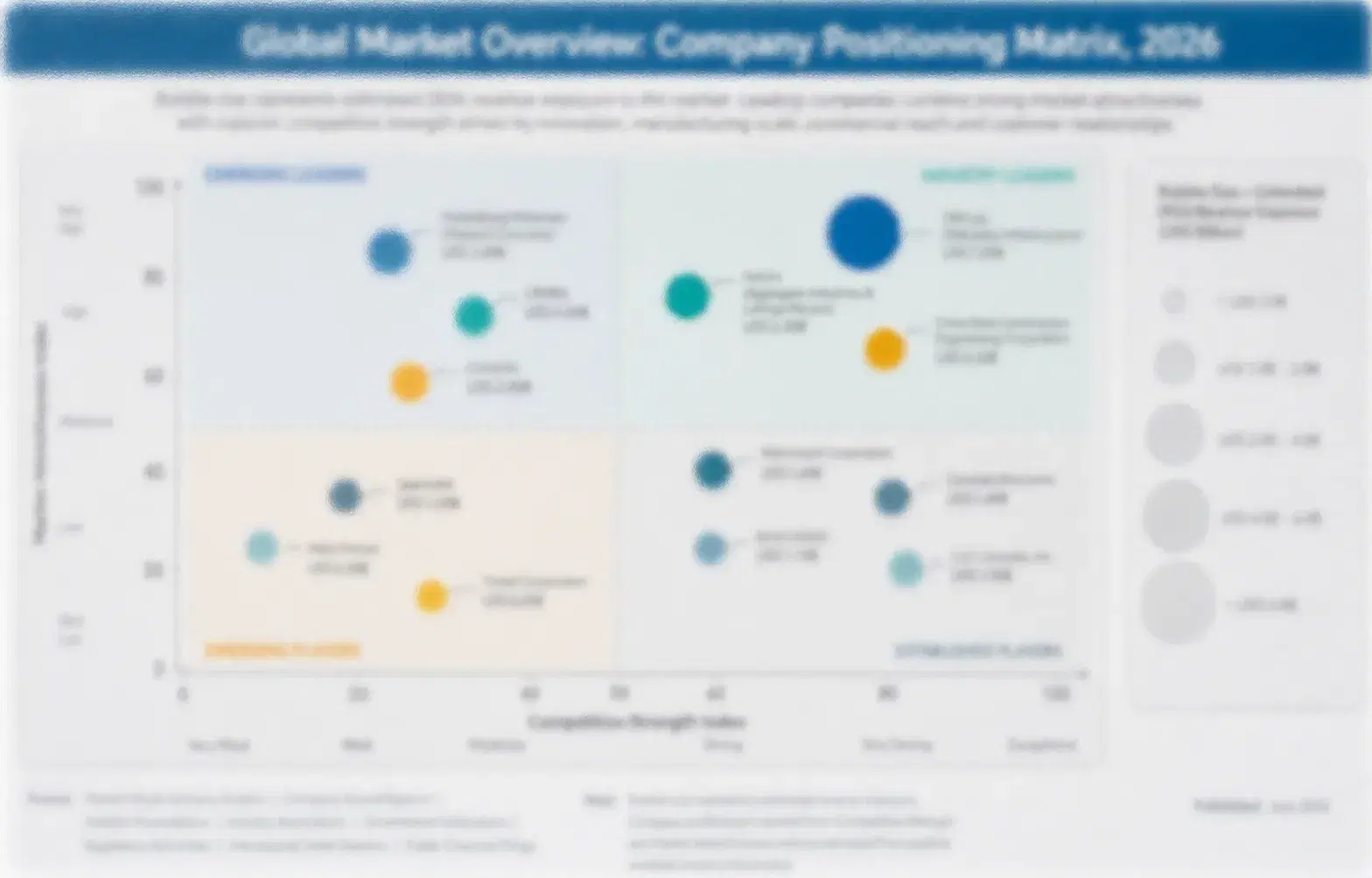
Measured on disclosed professional cooking equipment revenue, the five largest manufacturers hold a CR5 of 58%, which is high for capital equipment and reflects something unusual: chefs have brand preferences and finance departments rarely overrule them. Rational sits clearly ahead of the group on installed base and on the training network behind it, with Ali Group leading the challengers through breadth rather than through any single position.
Three contests define the market. Chef preference is the first, built through cooking schools, demonstration kitchens and the fact that a chef who learned on one brand specifies it for 20 years. Chain specification is the second, decided centrally by category buyers who care about labour minutes and nothing else. Service network reach is the third, since a kitchen with a broken oven needs somebody today. Price appears late in all three and decides very little.

Pressure comes from Chinese and Turkish manufacturers whose build quality has improved faster than most incumbents acknowledge, competing hardest where brand preference is weakest. That means new markets rather than established ones. Rankings shift wherever chain buyers specify on labour economics alone, since a category buyer comparing spreadsheets has no chef loyalty to overcome.
combi-ovens-market-company-positioning-matrix-1787680684288

Competitive Moat and Risk Dimensions

RATIONAL

Moat: Chef Training Network Depth

Rational runs demonstration kitchens and cooking academies at a scale no competitor matches, which produces chefs who learned on its equipment and specify it for their careers. That is a distribution channel disguised as a training programme. Replicating it means decades of investment in an activity that generates no revenue and produces brand preference nobody can dislodge with a discount.
RATIONAL

Risk: Single Category Concentration

A business built almost entirely on one product category is exposed to anything that changes how professional kitchens cook, and to any downturn in foodservice capital spending with no other line to cushion it. Competitors carrying refrigeration, warewashing and preparation equipment can hold a customer relationship through a cycle in which nobody buys ovens at all.
ALI GROUP

Moat: Full Kitchen Portfolio Breadth

Ali Group supplies refrigeration, warewashing, preparation and cooking equipment across dozens of brands, which lets it quote an entire kitchen to a chain operator or a project consultant as a single package. Consultants specifying a hotel kitchen prefer one commercial relationship to twelve. That breadth is only assembled through acquisition over many years and cannot be built by any specialist.
ALI GROUP

Risk: Brand Portfolio Coordination Difficulty

Dozens of acquired brands with their own engineering, factories and dealer relationships are difficult to coordinate, and combi products across the group compete with each other in the same tenders more often than anyone would like. Focused competitors present one clear proposition where Ali presents several overlapping ones, which costs deals that breadth should have won.

Players Tracked

Prominent Players

Rational
Ali Group
Middleby
Electrolux Professional
Unox

Other Key Players

MKN
Alto-Shaam
Hoshizaki
Fujimak
Retigo
Angelo Po
Giorik
Henny Penny
Illinois Tool Works
Tecnoinox
Sammic
Eloma
Houno
Metos
Moffat Group

Recent Developments

MARCH 2025

Rational expands ventless combi oven production capacity in Germany

Rational commissioned additional production capacity for ventless combi models at its German manufacturing site, an organic investment rather than an acquisition. The company cited demand from convenience retail and healthcare operators installing cooking equipment in premises with no exhaust infrastructure, a customer group it had not previously served in volume.
Signal: The growth is coming from sites that were never kitchens, which is a different market rather than a bigger one.
JULY 2025

Middleby acquires commercial kitchen water treatment business

Middleby acquired a supplier of water treatment systems for commercial cooking equipment. This was an acquisition rather than a partnership. The stated rationale was reducing warranty exposure from scale damage while capturing cartridge revenue across the installed base, two objectives the company had previously pursued through third-party arrangements.
Signal: Buying the water problem rather than managing around it suggests the warranty cost was larger than disclosed.
OCTOBER 2025

Unox signs multi-year supply agreement with European convenience retail chain

Unox entered a multi-year supply agreement covering ventless combi ovens for a European convenience retail chain rolling out prepared food across several hundred sites. This was a supply agreement, not a joint venture, and specification was set centrally by a category buyer rather than by any individual store operator.
Signal: Central specification by retail category buyers removes chef preference from the decision entirely, which changes who wins.

What A Combi Oven Costs

Stainless steel dominates. Sheet and fabricated stainless together run 28 to 31% of manufacturing cost, purchased from European and Asian mills at pricing that follows nickel and energy rather than anything in foodservice. Electronic controls, sensors and the connectivity module add roughly 19%. Motors, fans, boilers and valves make up most of the remainder, and none of them moves independently of the metals market.
Nickel is what moves stainless pricing, and the 2022 movement was violent enough to reset every manufacturer's cost base within a quarter. European energy costs compounded it for producers running their own fabrication, and IEA data on European industrial electricity prices documents the period clearly. Electrolux Professional and Middleby annual reports for the year describe input cost pressure and the price increases used to recover it. Buyers absorbed those increases because equipment was already on order and delivery mattered more.

Exposure follows fabrication footprint. Manufacturers with European plants carried both nickel and energy risk together and had the least room to absorb either. Asian producers running on regulated power tariffs carried only the metals move. Manufacturers who outsource fabrication carry supplier margin on top of both, with less visibility and no ability to hedge it.
combi-ovens-market-cost-volatility-analysis-1787680684478

Index equipment pricing to published stainless benchmarks

Foodservice equipment has historically been priced annually with fixed lists, which worked until nickel moved by more than the margin in a single quarter. Indexed pricing tied to published stainless benchmarks shares that movement rather than concentrating it in the manufacturer. Dealers resist because list pricing is easier to sell, and most accepted it after watching suppliers reprice mid-year regardless.

Shift revenue mix toward service and consumables

Machine revenue carries stainless and nickel exposure and service revenue does not. Every point of mix moved toward water treatment cartridges, cleaning chemicals, service contracts and spare parts reduces sensitivity to metals pricing while improving margin. The barrier is building a service network, which manufacturers selling through independent dealers have historically avoided owning at all.

Qualify stainless supply on two continents

European and Asian stainless pricing diverged sharply during the energy crisis, and manufacturers qualified on only one continent had no alternative when their side moved. Dual qualification costs testing and inventory complexity and buys the ability to shift purchasing without changing the product. Very few equipment makers did this before 2022 and rather more have done it since.

Portfolio Architecture for Margin Defence

Margin follows what the buyer is comparing against. A standard countertop combi quoted against two competing countertop combis earns equipment margins, because the buyer has three quotes on a desk. A ventless unit quoted against the impossibility of building a kitchen at all earns considerably more, since there is nothing to compare it with. Service and consumables earn more again.
The tension sits between dealer distribution and service capture. Independent dealers sell the machines, hold the customer relationship and keep the service revenue, which suits manufacturers on working capital and starves them of the annuity. Manufacturers who built direct service networks earn the consumable and maintenance stream and spend years fighting the dealers. Those who did not are selling equipment into a market where most of the lifetime value goes to somebody else entirely.

High-value pools sit in three places. Ventless units, where the comparison is against an impossible installation rather than another oven. Water treatment consumables, which recur across a nine year service life and prevent warranty cost at the same time. And chain rollout programmes, which commit hundreds of units on one specification decision taken centrally. None of them is the standard machine.

Volume / Commodity-Adjacent

Standard countertop and floor-standing combi ovens sold through dealer networks to independent restaurants and small operators. The 7-point range separates manufacturers with their own fabrication from those assembling bought-in cabinets. Three competing quotes on a desk decide most of these.
Gross Margin: 24-31%

Premium / Certified

Branded premium combis specified by chefs, roll-in banqueting systems and equipment supplied into hotel and institutional projects through consultants. The 7-point spread separates brands with training network reach from those competing on specification alone. Chef preference rather than measurable performance holds this pricing.
Gross Margin: 38-45%

Sustainability / Regulatory / Next-Generation

Ventless units, automated multi-cook platforms, connected compliance logging and water treatment consumables. The 13-point range is unusually wide because ventless equipment prices against an avoided installation while consumables price as a recurring annuity, and the two behave very differently through a downturn.
Gross Margin: 47-60%
combi-ovens-market-portfolio-architecture-1787680684673

High-value Sub-segments and Strategic Watch-out

Ventless Combi Installations

Highest value and fastest growth, priced against an exhaust installation the operator avoided rather than against another oven. Convenience retail and healthcare drive the volume through central specification. The risk is that competitors reach the same positioning quickly, since the engineering advantage is smaller than the commercial one currently suggests.
Gross Margin: 56-59%

Water Treatment Consumables

High value with steady growth, recurring across a nine year service life and reducing warranty cost. Attachment at point of sale is the whole battle, since an operator who declined treatment initially rarely adds it later. Dealer networks capture much of this revenue where manufacturers have not built direct service.
Gross Margin: 52-55%

Standard Countertop Combi Ovens

The volume core, carrying most units shipped and facing three competing quotes on every independent restaurant purchase. Chinese and Turkish manufacturers compete hardest here and their build quality has improved considerably. Most established brands run this line to hold dealer relationships that carry premium equipment alongside it.
Gross Margin: 25-28%

Independent Restaurant Installed Base

The strategic watch-out. Independents carry a large share of the installed base and defer replacement whenever trading softens, since a working oven can always be kept another year. The risk is production capacity and dealer inventory planned against demand that disappears faster than any forecast anticipates.
Gross Margin: 31-34%

Why Kitchens Keep Buying Back

An installed combi generates revenue for nine years through cleaning chemicals, water treatment cartridges, spare parts and service visits, and most of it arrives whether or not anyone sells anything. The consumable stream alone runs to a meaningful fraction of what the machine cost. Manufacturers who measure themselves on units shipped are counting the smaller part of their own business.
Stickiness varies by who chose the machine. A chef who trained on a brand specifies it for a career and takes the preference to every kitchen they run, which is the most durable loyalty in commercial equipment. Chain operators are the opposite, retendering at every rollout on labour economics with no sentiment involved. Hospitals and schools sit between, buying through procurement rules that favour whoever won last time. Independents change brand when a dealer changes what they stock.

The buyer profile has moved away from the kitchen. A decade ago a chef specified the oven and finance approved it. Now a chain category buyer, a retail operations director or a project consultant decides, and none of them has ever cooked professionally. Manufacturers whose entire commercial model rests on chef preference are selling to people who no longer sign anything.
combi-ovens-market-end-use-penetration-index-1787680684858

Where The Oven Money Is

These are among the four positions where our research anticipates prominent divergence between winners and laggards over the coming forecast period. Each is grounded in the demand model, the regulatory perimeter, and the announced capacity pipeline.
01 / LABOUR ARGUMENT POSITIONING

Quote against payroll, never against another oven

A combi oven displaces roughly 1.4 skilled kitchen positions in a typical operation, and a skilled cook costs more every single year than the oven costs once, which is an argument no competing oven quotation can answer. Quoting into an equipment budget instead invites a straight comparison with a convection oven and a steamer, and the price gap then looks indefensible to anyone reading three quotes. The requirement is a sales organisation that can read a kitchen roster rather than a specification sheet, and very few equipment manufacturers have retrained.
02 / VENTLESS SITE EXPANSION

Chase the sites that were never kitchens

An exhaust hood costs around 24,000 dollars installed and cannot be fitted in a large share of premises at any price, which is why ventless combis grow at 9.6% against a market rate of 6.4%. The demand is not replacement equipment but new foodservice locations: convenience stores, hospital ward pantries, offices and food halls that could never previously host cooking at all. Reaching it means selling to retail category buyers and facilities managers rather than to chefs, and the manufacturers still organised around the professional kitchen are missing the population.
03 / SERVICE ANNUITY CAPTURE

Own the water problem or lose the annuity

Scale causes roughly 44% of combi service calls and destroys boilers years before design life, which costs the manufacturer warranty money and the operator an early replacement neither of them budgeted. Selling water treatment at the point of sale fixes both simultaneously and creates a cartridge annuity running across a nine year service life. The obstacle is distribution rather than product, because independent dealers currently capture that revenue and manufacturers who want it must build direct service networks and then argue with their own channel.
04 / CHAIN SPECIFICATION ACCESS

Learn to sell to a category buyer

Chain rollouts commit hundreds of units on a single specification decision taken centrally by somebody who has never cooked and does not care which brand a chef prefers. That buyer compares labour minutes per cover, installed cost and service response, and nothing else enters the evaluation at any stage. Manufacturers whose commercial model rests entirely on chef preference and dealer relationships are simply absent from those conversations, and the population of decisions taken this way grows every year while restaurant-by-restaurant selling shrinks.

Engagement Snapshot From the Field

A live engagement with an industry participant carrying material or product regulatory and market exposure ahead of a defining policy shift, showing how our research translates into a defensible multi-year portfolio strategy.
MARKET MINDS ADVISORY · CLIENT ENGAGEMENT SUMMARY
Combi Ovens Producer Strategic Portfolio Review and Transition Roadmap 2026·Investment Scenario on Combi Ovens Exposure Evaluation 2025-26
CLIENT PROFILE
A European combi oven manufacturer selling through dealer networks across 26 countries, with equipment revenue reported at 310 million euros (client-reported, unverified by MMA). Roughly 91% of revenue came from machine sales and the remainder from spare parts. Service, water treatment and consumables were handled entirely by independent dealers, and the company had no visibility into that revenue at all.
STRATEGIC CHALLENGE
Warranty costs had risen for three consecutive years and management assumed a manufacturing quality problem. Engineering could find nothing wrong with the machines. Meanwhile the company was losing chain tenders it expected to win, and the sales team blamed price. Nobody had examined whether the warranty claims and the lost tenders shared a cause.
MMA APPROACH
MMA analysed warranty claims against local water hardness data and against whether treatment had been sold with the machine, which the company had never linked. Ten expert interviews with chain category buyers established what those tenders were actually evaluated on. The analysis treated the dealer channel, not the product, as the common factor behind both problems.
KEY FINDINGS
  1. Warranty claims correlated almost perfectly with water hardness and with whether a dealer had sold treatment, and 68% of machines shipped without any treatment attached.
  2. Dealers had no incentive to attach treatment, because the resulting service calls were revenue for them and warranty cost for the manufacturer.
  3. Chain tenders were lost on service response commitments the dealer network could not guarantee, not on price, which the sales team had never been told.
  4. Attaching treatment at the factory and building direct service in six countries modelled lower warranty cost and higher tender win rates simultaneously (client-reported, unverified by MMA).
CLIENT PROFILE
A European combi oven manufacturer selling through dealer networks across 26 countries, with equipment revenue reported at 310 million euros (client-reported, unverified by MMA). Roughly 91% of revenue came from machine sales and the remainder from spare parts. Service, water treatment and consumables were handled entirely by independent dealers, and the company had no visibility into that revenue at all.
STRATEGIC CHALLENGE
Warranty costs had risen for three consecutive years and management assumed a manufacturing quality problem. Engineering could find nothing wrong with the machines. Meanwhile the company was losing chain tenders it expected to win, and the sales team blamed price. Nobody had examined whether the warranty claims and the lost tenders shared a cause.
MMA APPROACH
MMA analysed warranty claims against local water hardness data and against whether treatment had been sold with the machine, which the company had never linked. Ten expert interviews with chain category buyers established what those tenders were actually evaluated on. The analysis treated the dealer channel, not the product, as the common factor behind both problems.
KEY FINDINGS
  1. Warranty claims correlated almost perfectly with water hardness and with whether a dealer had sold treatment, and 68% of machines shipped without any treatment attached.
  2. Dealers had no incentive to attach treatment, because the resulting service calls were revenue for them and warranty cost for the manufacturer.
  3. Chain tenders were lost on service response commitments the dealer network could not guarantee, not on price, which the sales team had never been told.
  4. Attaching treatment at the factory and building direct service in six countries modelled lower warranty cost and higher tender win rates simultaneously (client-reported, unverified by MMA).
RECOMMENDED STRATEGY
Phase 1: Phase one: ship every machine with treatment fitted as standard and price it into the list rather than offering it as an option. Phase 2: Phase two: build direct service capability in the six countries where chain tenders concentrate, accepting the dealer conflict that follows. Phase 3: Phase three: rebuild the chain sales proposition around service response commitments and labour economics rather than around equipment specification entirely.
OUTCOME
Factory-fitted treatment reached every machine within two quarters and warranty cost fell 31% across the following year. Direct service opened in four of the six target countries, and the company won three chain tenders it had lost previously (client-reported, unverified by MMA). Dealer relationships in those four countries deteriorated as expected and were judged worth it.

Frequently Asked Questions

Foundational context covering the market sizes, CAGR, scope, country, region and competition that inform every finding below. This section is provided to cover basics and most often pre-purchase conversations, answered from the MMA Primary Research Dataset.

What is the current size of the Combi Ovens Market?

The market was worth 3.2 billion dollars in 2025, covering countertop, floor-standing, roll-in, ventless and automated combi oven configurations. It reaches 3.4 billion dollars in 2026 on current forecasts.

How large will the Combi Ovens Market be by 2036?

MMA forecasts 6.3 billion dollars by 2036, an increase of 2.9 billion dollars over the 2026 base. That represents an expansion multiple of 1.85 times across the forecast period.

What is the CAGR for the Combi Ovens Market 2026 to 2036?

The base case compounds at 6.4% annually. MMA's bull case reaches 7.6% if ventless adoption in convenience retail accelerates, while the bear case sits at 5.2% if independent operators defer replacement.

Which segment is growing fastest?

Ventless and compact combi ovens, at 9.6%, half again the market rate of 6.4%. Removing the exhaust hood requirement opens locations that could never previously host a commercial kitchen.

Who are the major companies in the Combi Ovens Market?

Rational, Ali Group, Middleby, Electrolux Professional and Unox lead on disclosed professional cooking equipment revenue. MKN, Alto-Shaam, Hoshizaki, Retigo and Angelo Po compete strongly in specific configurations.

Which country is growing fastest?

India at 9.4%, driven by hotel and organised restaurant expansion arriving with international brand standards that specify equipment centrally. China follows on central kitchen production capacity.

Report Segmentation Architecture

The full report scope spans multiple orthogonal segmentation dimensions, with cross-tabulated demand data provided for each dimension pair. Coverage extends further to regional breakdowns, trend trajectories, and the competitive detail needed to support segment-level decision-making.

By Oven Configuration

  • Countertop Combi Ovens
  • Floor-Standing Combi Ovens
  • Roll-In and Banqueting Systems
  • Ventless and Compact Combi Ovens
  • Automated Multi-Cook Combi Platforms
  • Heavy-Duty Continuous Production Combis

By End-Use Industry

  • Full Service Restaurants
  • Quick Service and Chain Restaurants
  • Hotels and Resorts
  • Healthcare and Aged Care
  • Education and Institutional Catering
  • Grocery and Convenience Foodservice

By Commercial Dimension

  • Dealer Network Supply
  • Direct Chain Account
  • Project Consultant Specified
  • Rental and Financing Programme
  • Buying Group Contract
  • Replacement Parts and Service

By Region

  • North America
  • Western Europe
  • East Asia
  • South Asia and Pacific
  • Latin America
  • Middle East and Africa
  • Eastern Europe

Scope, Methodology, and Coverage

Every figure in this report is reproducible from documented input assumptions. The scope below maps the historical period, the forecast horizon, the segmentation dimensions, and the countries covered, alongside the underlying primary and qualitative methodology.
Historical Period
2020 to 2025
Forecast Period
2026 to 2036
Base Year
2025 (USD billions; MMA Primary Research Dataset, August 2026)
Market Definition
Scope covers commercial cooking appliances combining forced convection heat and generated steam within a single controlled cavity, spanning countertop, floor-standing, roll-in and banqueting, ventless and compact, automated multi-cook and heavy-duty continuous production configurations for professional kitchens. Domestic steam ovens, conventional convection ovens, standalone pressure steamers, bakery rack ovens and cook-chill tunnels are excluded. Water treatment cartridges sold separately, exhaust hood systems, installation labour and kitchen design services fall outside the boundary.
Quantitative Units
USD billions (current prices); units shipped; installed base; sites served; consumable attachment rate
Segmentation Dimensions
By Oven Configuration; By End-Use Industry; By Commercial Dimension; By Region
Regions Covered
North America, Western Europe, East Asia, South Asia and Pacific, Latin America, Middle East and Africa, Eastern Europe
Countries Covered
USA, China, Germany, France, UK, Japan, South Korea, India, Brazil, Mexico, Italy, Spain, Poland, Saudi Arabia, South Africa
Key Companies Profiled
Rational, Ali Group, Middleby, Electrolux Professional, Unox, MKN, Alto-Shaam, Hoshizaki, Fujimak, Retigo, Angelo Po, Giorik, Henny Penny, Illinois Tool Works, Tecnoinox, Sammic, Eloma, Houno, Metos, Moffat Group
Quantitative Methodology
Primary survey, n=3,800 respondents, Q4 2025, six countries; demand-side model with trade association cross-validation
Qualitative Methodology
47 expert interviews, Q4 2025; applied to validate demand model assumptions, identify emerging dynamics, and assess competitive positioning
Report Format
PDF and XLSX data workbook (Word format preview document)
Publisher
Market Minds Advisory
Report Code
MMA-2026-CON-125
Published
August 2026
Contact
sales@marketmindsadvisory.com | www.marketmindsadvisory.com

Purchase the full Combi Ovens Market Report (2026 to 2036).

The full report runs to 175 pages and covers all six oven configuration segments, seven regions and 20 profiled companies in detail. It includes the complete segment CAGR set, regional installed base and penetration data, and total cost of ownership analysis across water hardness conditions. Company profiles carry evaluation on disclosed professional cooking equipment revenue, with moat and risk assessment for the top five manufacturers. The competitive section extends to 16 tracked corporate developments across 2024 and 2025, each with commercial interpretation. Primary research inputs include a quantitative survey of 3,800 respondents and 47 expert interviews conducted in Q4 2025.
Six oven configuration segments with individual CAGR forecasts
Seven regional markets with installed base and penetration
Twenty company profiles on consistent revenue evaluation basis
Sixteen tracked corporate developments with commercial interpretation notes
Ownership cost analysis across varying water hardness conditions
Ventless site opportunity sizing by premises category

Built For The People Who Decide

From boardroom strategy to bench-side execution, this report is read cover-to-cover by leaders shaping the next decade of their industry, turning demand scenarios, market dynamics and valuation benchmarks into decisions.
CXOs/ Presidents/ VPs/ Managers
M&A and Corporate Development
Strategy Teams and R&D Heads
Procurement and Product Directors
Regulatory and Compliance Leaders
Investor Relations and Equity Analysts