Market Minds Advisory
Collagen Snack Foods Market

Collagen Snack Foods Market: Collagen Snack Foods Market. Protein Snacking, Labelling Limits, and Cocoa and Peptide Costs Shape Functional Snack Returns.

Collagen snack foods turn on protein snacking and bone broth trends, incomplete protein labelling limits, taste and texture challenges from peptides, cocoa and nut cost swings, and mainstream snack groups testing collagen claims against whey

Lead Analyst

Published

September 2026

Make Smarter Decisions with Customized Research Insights

Request a free sample report and evaluate market opportunities, growth trends, and competitive dynamics relevant to your business needs.

2025 MARKET VALUE$0.8BMarket Size 2025
2036 FORECAST VALUE$2.4BBase Case , 2026 to 2036
CAGR 2026 TO 203610.5 %Bull 11.8% / Bear 9.2%
INCREMENTAL OPPORTUNITY$1.5BNet 10- year value creation
EXPANSION MULTIPLE2.71x2036 value over 2026 base
Strategic Levers
M&A Pipeline
Regional Outlook
Country Rankings
Competitive Intelligence
Segmental Deep-dive
Call-Us : 91 93563 13602

Executive Snapshot and Market Trajectory.

Collagen snack foods are bars, savoury crisps, meat snacks, baked snacks and nut clusters that carry collagen peptides or collagen-rich broth as a main feature. Value depends on protein snacking, labelling rules, taste and texture, and the cost of peptides, cocoa and nuts. Buyers review suppliers every season.
Bone Broth and Collagen Savoury Crisps grows fastest as buyers who avoid sugar look for crunchy, savoury snacks with a wellness story, while collagen protein bars still carry the volume. North America holds the largest share because American protein snacking and bone broth trends are the strongest, and East Asia follows on beauty snacks. Supply contracts decide renewal. Delivery reliability decides supplier rankings. Margins follow process discipline.
Competition is fragmented among wellness brands and large food groups: an American bone broth wellness brand, an American packaged food group, a Swiss health science company, an American snack company and an American nutrition bar company lead, measured here on estimated collagen snack sales volume, while start-ups and private label fill gaps. Buyers judge taste, protein content and price. Trial records protect future sales. Cost control separates leaders from followers. Clear specifications build buyer trust.
Market Definition
The market covers global sales of packaged snack foods in which collagen peptides or collagen-rich bone broth are a primary marketed feature, valued at brand level, including collagen protein bars, bone broth and collagen savoury crisps, collagen meat snacks and sticks, collagen baked snacks and cookies, and nut and seed clusters with collagen, sold through grocery, online, convenience and specialty retail. The scope excludes gummies, powders, drinks and capsules.
Base Year Value
$0.8B in 2025 (MMA Primary Research Dataset, September 2026)
Forecast Period
2026 to 2036, eleven discrete annual values
CAGR
10.5% base case. Bull 11.8%. Bear 9.2%.
Fastest Growth Segment
Bone Broth and Collagen Savoury Crisps: 14.7% CAGR
Fastest Growth Country
India: 12.9% CAGR
Fastest Growth Region
South Asia and Pacific: 12.5% CAGR
Largest Region
North America: 40% of 2025 global value
Market Leaders
Ancient Nutrition, General Mills, Nestlé Health Science, Kellanova, The Simply Good Foods Company. Source: MMA Analysis, company annual reports.
Primary Survey
n=3,800 procurement and R&D decision-makers, Q4 2025, six countries
Methodology
Demand-side build-up, cross-validated against public data, 47 expert interviews

Collagen Snack Foods Market Forecast Scenarios

collagen-snack-foods-market-size-forecast-scenario-1789945544017
Between 2020 and 2025, collagen snack value grew quickly from a small base as protein snacking boomed and bone broth moved from soup aisles into bars and crisps. Peptide taste and texture problems limited early launches, mainstream groups tested collagen claims, and online sales carried most of the growth. Small brands feel every price swing. Scale compounds over time.
The base case rests on three commercial mechanisms. First, protein snacking keeps expanding across age groups. Second, savoury and meat formats attract buyers who avoid sugary bars. Third, larger food groups bring formulation skill, distribution and lower unit cost. Brands plan taste work, labelling strategy and retail programmes around these three drivers. Audits repeat every year. Buyers review suppliers every season. Supply contracts decide renewal. Delivery reliability decides supplier rankings. Margins follow process discipline.
The bull case needs better peptide taste and clearer evidence for beauty and joint benefits, which would lift repeat purchase. The bear case is a labelling restriction or cocoa and nut cost spike combined with cheaper whey and plant protein snacks, which would cut margins and slow launches. Trial records protect future sales. Cost control separates leaders from followers.

Protein Snacking, Labelling Limits, and Peptide Taste Set Collagen Snack Outcomes

Brands blend collagen peptides or bone broth powder with nuts, cocoa, fruit, seasonings and other proteins into bars, crisps, sticks and baked snacks sold through grocery, online and convenience channels. Peptides take 6% to 12% of finished cost, online channels take about 34% of sales, and collagen snacks sell at 1.5 to 2.5 times normal snack prices. Taste, protein claims and price therefore set returns.
MARKET CONCENTRATION29% CR5Top five brands hold a small combined share
PEPTIDE COST SHARE6-12%Portion of finished cost taken by collagen peptides
PROTEIN PER SERVING10-20 gTypical protein content of a collagen bar or snack serving
ONLINE SALES SHARE34%Portion of sales made through online and direct channels
PRICE PREMIUM OVER BARS1.5-2.5xPrice multiple over comparable non-collagen snack bars sold
COLLAGEN PROTEIN SCORE0Protein quality score used for United States labelling
Taste, protein positioning, texture, price and label standing decide value. Buyers judge flavour and fullness, retailers judge velocity and margin, nutritionists judge protein quality, and regulators check claims and protein labelling. Ancient Nutrition wins on bone broth heritage, General Mills wins on meat snack expertise and retail reach, and Nestlé wins on collagen brand strength. Labelling questions move listings quickly. Clear specifications build buyer trust.
Buyers judge collagen snacks on taste, fullness, protein content, price and wellness story. Fitness buyers want protein, beauty shoppers want skin support, and low-sugar buyers want savoury choices. Price sensitivity is high. Reviews and creator content decide shortlists, and most brands need several months of taste and shelf-life testing before launch. Small brands feel every price swing. Scale compounds over time. Audits repeat every year.
"Collagen is a great story and a poor protein by the FDA's own scoring. The snack brands that win will sell the crunch and the broth, keep the collagen claim modest, and stop pretending a peptide bar competes with whey."
Senior Analyst, Functional Snacks and Protein Ingredients Practice · MMA Collagen Snack Foods Practice · September 2026

Market Trends

Bone Broth Crisps and Savoury Collagen Snacks Reach Low-Sugar Buyers

Brands turn bone broth and collagen into crunchy chips, puffs and pork-skin-style crisps for buyers who avoid sugar, using savoury flavours and clean labels. Bone Broth and Collagen Savoury Crisps grows about 14.7% a year, and gross margins run 42% to 56% against 32% to 42% for collagen bars. The trend needs crisp texture, stable seasonings and honest protein labelling. Buyers review suppliers every season. Supply contracts decide renewal. Delivery reliability decides supplier rankings. Margins follow process discipline. Trial records protect future sales. Cost control separates leaders from followers. Clear specifications build buyer trust.
Market Impact: 60% seek more protein
Collagen Meat Snacks and Sticks Combine Complete Protein With Collagen

Meat stick makers add collagen or bone broth to beef and chicken snacks, which supplies complete protein from the meat and a wellness claim from collagen. Collagen Meat Snacks and Sticks grows about 12.6% a year. The trend needs supply of grass-fed or clean meat, stable shelf life and clear labelling, and it rewards brands with meat snack expertise, cold chain reliability and strong convenience and club retail partnerships. Small brands feel every price swing. Scale compounds over time. Audits repeat every year. Buyers review suppliers every season. Supply contracts decide renewal.
Market Impact: online holds 34% of sales

Market Opportunities and Growth Drivers

Protein Snacking Expands Across Age Groups and Purchase Occasions

Protein claims now sell snacks to fitness buyers, older adults and busy workers, and the protein bar and snack category grows faster than most packaged foods. About 60% of American adults say they try to eat more protein. The driver widens the buyer base and rewards brands with clear positioning, good taste, credible sourcing and retail programmes that connect collagen to beauty and ageing. Delivery reliability decides supplier rankings. Margins follow process discipline. Trial records protect future sales. Cost control separates leaders from followers. Clear specifications build buyer trust. Small brands feel every price swing.
Market Impact: collagen scores 0 for labelling

Bone Broth and Collagen Trends Move From Soups Into Snacks

Bone broth built a wellness following through soups, powders and supplements, and brands now carry the story into bars, chips and sticks that fit a snacking lifestyle. Online sales hold about 34% of the category. The driver lowers education cost for snack brands and rewards those with tested peptides, clean labels and partnerships with broth and supplement brands that already have followers. Scale compounds over time. Audits repeat every year. Buyers review suppliers every season. Supply contracts decide renewal. Delivery reliability decides supplier rankings. Margins follow process discipline. Trial records protect future sales.
Market Impact: cost spikes cut margin 4-6 points

Market Restraints and Challenges

Incomplete Collagen Protein Limits Protein Claims and Nutritional Credibility

Collagen lacks tryptophan and has a protein digestibility-corrected score of zero, so United States labelling rules do not let collagen count toward percent daily value or high-protein claims. The root cause is its amino acid profile. Brands respond by blending whey, nuts or meat, though this dilutes the collagen story and lets rivals with complete protein win fitness buyers. Cost control separates leaders from followers. Clear specifications build buyer trust. Small brands feel every price swing. Scale compounds over time. Audits repeat every year. Buyers review suppliers every season. Supply contracts decide renewal.
Market Impact: savoury crisps grow 14.7% yearly

Peptide Taste, Texture, and Ingredient Costs Squeeze Snack Margins

Collagen peptides can taste bitter or add chalky texture, and cocoa and nut prices spiked in 2024. The root cause is peptide chemistry and weather shocks in West Africa and California. Brands respond with flavour masking and price rises, though a 30% cocoa and nut cost rise can cut gross margin by four to six points and slow repeat purchase. Delivery reliability decides supplier rankings. Margins follow process discipline. Trial records protect future sales. Cost control separates leaders from followers. Clear specifications build buyer trust. Small brands feel every price swing. Scale compounds over time.
Market Impact: collagen meat snacks grow 12.6% yearly
3 additional market trends, 2 additional growth drivers, and 4 additional restraints and challenges are covered in the full report. Contact sales@marketmindsadvisory.com to access the complete intelligence.

Segment CAGR and Growth Architecture

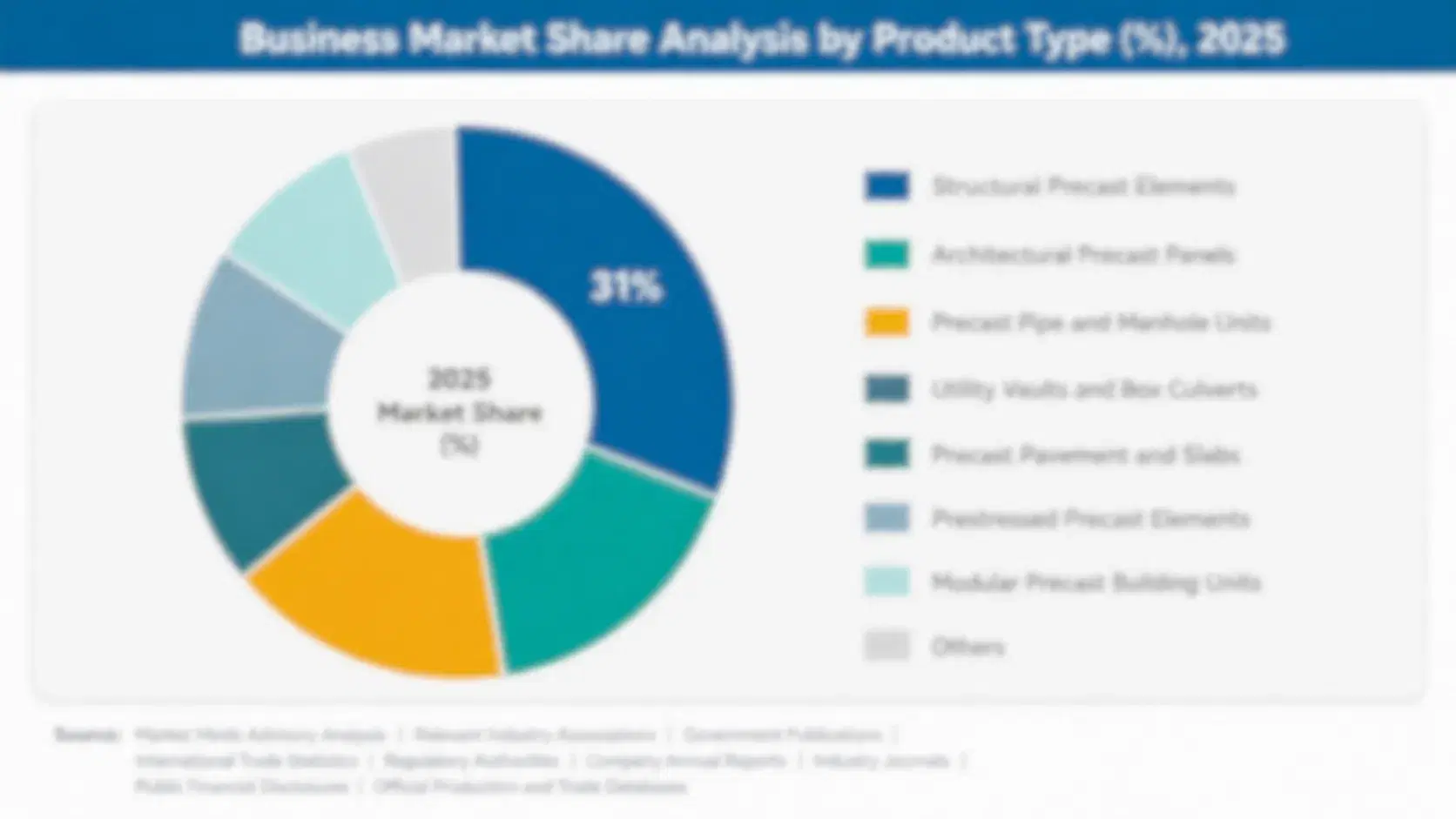
The global collagen snack food market is segmented by snack format, which shows where taste, texture and protein positioning create pricing power in a fragmented market. Five segments cover collagen protein bars, bone broth and collagen savoury crisps, collagen meat snacks and sticks, collagen baked snacks and cookies, and nut and seed clusters. Savoury crisps and meat snacks
collagen-snack-foods-market-market-share-analysis-1789945544302

Bone Broth and Collagen Savoury Crisps

Bone Broth and Collagen Savoury Crisps is the fastest-growing segment at 14.7% a year, about 1.40 times the overall market rate, from a small base. Buyers who avoid sugar pay for crunchy snacks with a wellness story, so gross margins of 42% to 56% against 32% to 42% for collagen bars support formulation and marketing spend. Crisp texture and protein labelling are the main constraints. Brands with taste win. Audits repeat every year. Buyers review suppliers every season. Supply contracts decide renewal. Delivery reliability decides supplier rankings. Margins follow process discipline. Trial records protect future sales. Cost control separates leaders from followers. Clear specifications build buyer trust. Small brands feel every price swing.
CAGR 14.7%

Collagen Meat Snacks and Sticks

Collagen Meat Snacks and Sticks grows at 12.6% a year, about 1.20 times the overall market rate, because meat sticks give complete protein and collagen adds a wellness claim, and brands accept gross margins of 38% to 50% for products with clean meat sourcing. Supply of quality meat and cold chain discipline shape entry. Brands with meat snack expertise hold price better than bar makers. Scale compounds over time. Audits repeat every year. Buyers review suppliers every season. Supply contracts decide renewal. Delivery reliability decides supplier rankings. Margins follow process discipline. Trial records protect future sales. Cost control separates leaders from followers. Clear specifications build buyer trust. Small brands feel every price swing.
CAGR 12.6%
Full segment breakdown across 5 segments available in the complete report.

Regional Architecture and Country Demand Map

North America leads at 40% because American protein snacking, bone broth and meat stick trends are the strongest in the world, with East Asia at 22% on beauty snacks. South Asia and Pacific grows fastest as Indian online protein snack sales expand. Scale compounds over time.

North America

North America holds 40% share, far above its band, because American protein snacking, bone broth and meat stick trends are the strongest in the world, and Ancient Nutrition, General Mills, Nestlé and Simply Good Foods sell collagen and bone broth snacks through grocery, club and online channels, which justifies the out-of-band share and puts it far ahead of other regions. Growth runs slightly below the global rate. FDA protein labelling and private label pressure restrain returns. Audits repeat every year. Buyers review suppliers every season. Supply contracts decide renewal. Delivery reliability decides supplier rankings. Margins follow process discipline. Trial records protect future sales. Cost control separates leaders from followers. Clear specifications build buyer trust.
Share: 40% | CAGR: 10.0% (2026 to 2036)

East Asia

East Asia holds 22% share, at the bottom of its band, because Japanese and Korean shoppers buy beauty snacks such as collagen jellies and biscuits from Meiji, Calbee and Lotte, and Chinese e-commerce sells imported bone broth snacks, though savoury collagen snacks are still small. Growth exceeds the global rate. Claims rules, local competition and format preferences restrain margins. Small brands feel every price swing. Scale compounds over time. Audits repeat every year. Buyers review suppliers every season. Supply contracts decide renewal. Delivery reliability decides supplier rankings. Margins follow process discipline. Trial records protect future sales. Cost control separates leaders from followers. Clear specifications build buyer trust. Small brands feel every price swing.
Share: 22% | CAGR: 11.5% (2026 to 2036)
Regional intelligence for 5 additional markets available in the complete report: Western Europe, South Asia and Pacific, Latin America, Middle East and Africa, Eastern Europe. Contact sales@marketmindsadvisory.com.
collagen-snack-foods-market-country-cagr-analysis-1789945544622

Four Margin Routes for Collagen Snack Brands

Margin in collagen snacks comes from savoury and meat formats, honest protein positioning, taste engineering and secure ingredient supply rather than plain collagen bar volume. The routes below apply to snack brands, contract manufacturers and peptide suppliers, and each can start inside one planning cycle, with clear measures in gross margin points, listings and repeat purchase.

Shifting Bar Volume Into Bone Broth and Collagen Savoury Crisps

Savoury crisps earn gross margins of 42% to 56% against 32% to 42% for collagen bars, so brands that add crisp formulation, seasoning skill and low-sugar positioning to shift 10% of volume into savoury formats report gross margin gains of two to four points on the mix. Programmes cost $3 million to $10 million. Pilots with five retailers confirm demand. Trial records protect future sales. Cost control separates leaders from followers. Clear specifications build buyer trust. Small brands feel every price swing. Scale compounds over time. Audits repeat every year. Buyers review suppliers every season.
Market Impact: savoury mix shift lifts gross margin by 2-4 points

Blending Collagen With Complete Proteins to Support Credible Protein Claims

Collagen scores zero for labelling protein, so brands that blend whey, egg, nuts or meat with collagen support protein claims and win fitness accounts worth 8% to 14% of sales without dropping the collagen story. Programmes cost $1 million to $4 million in reformulation. Brands should reformulate best sellers first, where label claims drive the most purchases. Supply contracts decide renewal. Delivery reliability decides supplier rankings. Margins follow process discipline. Trial records protect future sales. Cost control separates leaders from followers. Clear specifications build buyer trust. Small brands feel every price swing.
Market Impact: complete protein blends win accounts worth 8-14% of sales

Engineering Taste and Texture Through Peptide Selection and Flavour Masking

Peptide bitterness and chalky texture cut repeat purchase, so brands that select low-bitterness peptides, use flavour masking and run consumer taste panels lift repeat purchase by six to ten points and cut cost per retained customer by 15% to 25%. Programmes cost $1 million to $5 million. Brands should test on existing customers first, where feedback is fastest. Scale compounds over time. Audits repeat every year. Buyers review suppliers every season. Supply contracts decide renewal. Delivery reliability decides supplier rankings. Margins follow process discipline. Trial records protect future sales. Cost control separates leaders from followers.
Market Impact: taste engineering lifts repeat purchase by 6-10 points

Securing Cocoa, Nut, and Peptide Supply Through Multi-Year Contracts

A 30% cocoa and nut cost rise can cut gross margin by four to six points, so brands that sign multi-year contracts, blend origins and offer reduced-cocoa recipes protect margin from swings. Programmes cost $1 million to $5 million in commitments. Brands should contract for premium cocoa and almonds first, where price swings are largest and where quality decides taste. Clear specifications build buyer trust. Small brands feel every price swing. Scale compounds over time. Audits repeat every year. Buyers review suppliers every season. Supply contracts decide renewal. Delivery reliability decides supplier rankings.
Market Impact: supply contracts protect margin from 4-6 point swings

Who Controls the Margin Pool

The global collagen snack market is fragmented, with a CR5 of 29%, and hundreds of start-ups and private label programmes sit outside the leading five. This assessment measures participants on estimated collagen snack sales volume, held constant across all players. Ancient Nutrition leads through bone broth heritage, while General Mills, Nestlé Health Science, Kellanova and The Simply Good Foods Company follow, with a narrow gap between the leader and the
Competition runs on four dimensions today: taste and texture, protein positioning and label standing, retail reach, and wellness credibility. Bone broth pioneers win on story, food groups win on distribution and formulation, and start-ups win on speed. Imitators copy popular formats quickly, so premiums outside tasty and honestly labelled products erode within a year. Margins follow process discipline. Trial records protect future sales. Cost control separates leaders from followers.

Emerging pressure comes from mainstream snack makers that add collagen claims, whey and plant protein brands that offer complete protein at lower cost, and regulators that police protein labelling. Rankings shift where a brand wins a grocery listing, fixes taste or secures meat and peptide supply. Challengers can move up quickly when leaders face labelling questions.
collagen-snack-foods-market-company-positioning-matrix-1789945544889

Competitive Moat and Risk Dimensions

ANCIENT NUTRITION

Moat: Bone Broth Heritage and Following

Ancient Nutrition, an American wellness brand, sells bone broth protein, collagen and related bars and snacks through online stores, grocery and specialty retail, with a long bone broth heritage, a large online following and strong ingredient sourcing stories. Its heritage, community and sourcing narrative give it a market advantage, and its position supports premium pricing and repeat subscriptions.
ANCIENT NUTRITION

Risk: Scale and Distribution Limits

Ancient Nutrition has smaller manufacturing and retail scale than large food groups, so cost inflation and promotional pressure can cut margins. Large groups can copy popular formats and win grocery space. Clear specifications build buyer trust. Small brands feel every price swing. Scale compounds over time. Audits repeat every year.
GENERAL MILLS

Moat: Meat Snack Expertise and Reach

General Mills, an American packaged food group, owns Epic Provisions and other snack brands that sell meat snacks and bars through grocery, club and convenience channels, with formulation skill, large manufacturing scale and strong retailer relationships. Its snack expertise, scale and distribution give it a market advantage, and its position supports quick launches and stable listings.
GENERAL MILLS

Risk: Portfolio Priority Competition

General Mills spreads attention across many brands and categories, so collagen snacks may receive less focus than core products. Specialists can move faster on niche wellness claims. Buyers review suppliers every season. Supply contracts decide renewal. Delivery reliability decides supplier rankings. Margins follow process discipline. Trial records protect future sales.

Players Tracked

Prominent Players

Ancient Nutrition
General Mills
Nestlé Health Science
Kellanova
The Simply Good Foods Company

Other Key Players

Mondelez International
PepsiCo
Chomps
Kettle and Fire
Calbee
Ezaki Glico
Meiji Holdings
Lotte
Jack Link's
Hormel Foods
Gelita
Rousselot
Nitta Gelatin
Darling Ingredients
Tyson Foods

Recent Developments

JANUARY 2026

Ancient Nutrition Launches Bone Broth Savoury Crisps in National Grocery Chains

Ancient Nutrition launched bone broth savoury crisps in national grocery chains, according to company communications. It is a product launch, not an acquisition, and it tests savoury demand. Sales terms were not disclosed. Cost control separates leaders from followers. Clear specifications build buyer trust. Scale compounds over time.
Signal: Confirms wellness brands are moving from bars into savoury crisps because low-sugar buyers want crunchy, protein-adjacent snacks.
FEBRUARY 2026

General Mills Adds Collagen Bone Broth Meat Sticks to Epic Provisions Range

General Mills added collagen bone broth meat sticks to its Epic Provisions range, according to company communications. It is a product expansion, not an acquisition, and it tests meat stick demand. Sales terms were not disclosed. Audits repeat every year. Buyers review suppliers every season. Supply contracts decide renewal.
Signal: Suggests large food groups are combining collagen claims with meat snacks where complete protein already supports the nutrition story.
MARCH 2026

Nestlé Health Science Launches Vital Proteins Collagen Protein Bars Blended With Whey for Labelling

Nestlé Health Science launched Vital Proteins collagen protein bars blended with whey for protein labelling, according to company communications. It is a product launch, not an acquisition, and it tests blended demand. Terms were not disclosed. Delivery reliability decides supplier rankings. Margins follow process discipline. Scale compounds over time.
Signal: Indicates collagen brands are blending complete proteins into bars to satisfy labelling rules and meet fitness buyer expectations.

What Drives Collagen Snack Costs

Cocoa, nuts, oils and sweeteners account for roughly 32% of finished cost, collagen peptides or broth powder about 6% to 12%, meat or other proteins about 14%, packaging about 14%, and manufacturing, marketing and freight about 26%. Cocoa comes mainly from West Africa, almonds from California, and peptides from Europe, Brazil and China. Delivery reliability decides supplier rankings. Margins follow process discipline.
The clearest recent shock came from cocoa. Mondelez International Annual Report 2024 described record cocoa costs after poor West African harvests, and USDA reports pointed to tight almond and nut supplies, so snack makers raised prices by 6% to 12% and reduced cocoa in some recipes. Trial records protect future sales. Cost control separates leaders from followers. Clear specifications build buyer trust. Small brands feel every price swing.

The competitive disadvantage falls on small brands without cocoa contracts or contract manufacturing scale, which cannot pass through cost swings or match promotions from large groups. Large brands negotiate cocoa and nut terms. Exposure also varies by format, since bar makers face cocoa and nut costs while savoury brands face oil and seasoning costs. Scale compounds over time.
collagen-snack-foods-market-cost-volatility-analysis-1789945545210

Multi-Year Cocoa, Nut, and Peptide Contracts

Brands sign multi-year contracts for cocoa, nuts and peptides and blend origins. Contracts protect margin from four to six point swings. The main challenge is volume commitment, so larger brands lock terms first, while smaller brands buy through distributors at a premium. Audits repeat every year. Buyers review suppliers every season. Supply contracts decide renewal.

Complete Protein Blends for Label Standing

Brands blend whey, egg, nuts or meat with collagen to support protein claims. Blends win accounts worth 8% to 14% of sales. The main challenge is story dilution, so brands keep collagen in the name and explain the benefits of each ingredient clearly. Delivery reliability decides supplier rankings. Margins follow process discipline. Trial records protect future sales.

Taste Panels and Flavour Masking

Brands select low-bitterness peptides and use flavour masking and consumer taste panels. Programmes lift repeat purchase by six to ten points. The main challenge is cost, so brands test on existing customers and roll out winning recipes across ranges. Cost control separates leaders from followers. Clear specifications build buyer trust. Small brands feel every price swing.

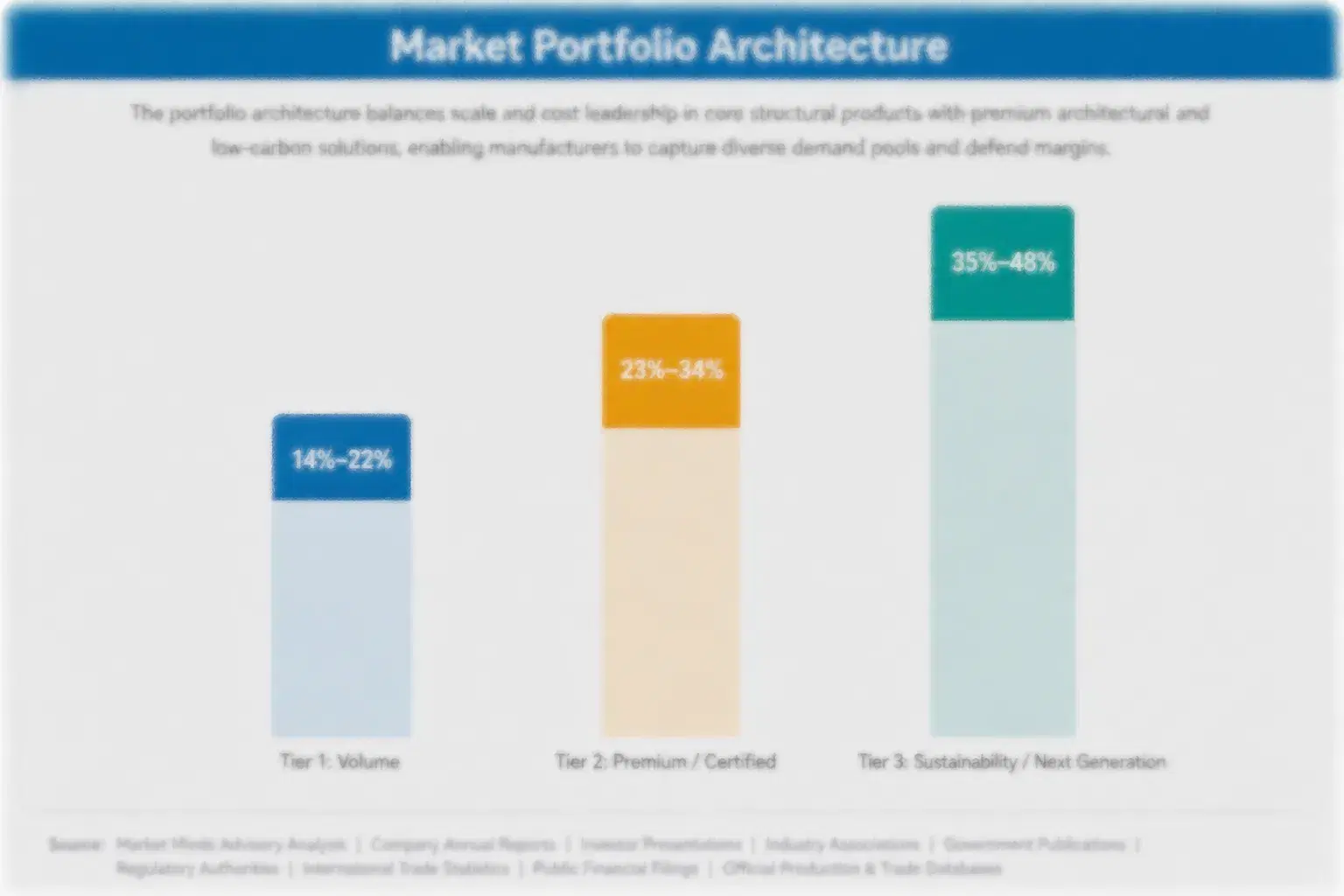
Portfolio Architecture for Margin Defence

Margins run from moderate returns on collagen protein bars and baked snacks sold in volume to strong returns on savoury crisps and meat snacks sold with taste proof and wellness storytelling. Three tiers separate volume products, premium certified lines and next-generation savoury formats, and each tier draws on different ingredient access, formulation skill and retailer relationships in a fragmented market.
The tension between volume and premium is sharp. Collagen bars and baked snacks fill large grocery and online orders and serve habit-driven buyers but face cocoa costs and protein labelling limits, while savoury crisps and meat snacks earn higher margins on smaller volumes and depend on texture, sourcing and brand story. Brands that run only volume struggle when costs rise, while brands that run only premium lose early volume. Supply contracts decide renewal.

High-value pools concentrate in bone broth and collagen savoury crisps sold to low-sugar buyers and in collagen meat snacks and sticks sold to protein-seeking shoppers. They gather where buyers pay for taste and honest positioning rather than collagen milligrams. Nut and seed clusters add a middle pool. Delivery reliability decides supplier rankings. Margins follow process discipline. Trial records protect future sales.

Volume / Commodity-Adjacent Tier

Collagen protein bars and baked snacks and cookies sold in volume to grocery, online and convenience buyers at moderate margins. Cost control separates leaders from followers. Clear specifications build buyer trust. Small brands feel every price swing.
Gross Margin: 32%-42%

Premium / Certified Tier

Nut and seed clusters with organic certificates, tested peptides, clear protein labels and quality files, sold to specialty and health retailers. Scale compounds over time. Audits repeat every year. Buyers review suppliers every season.
Gross Margin: 38%-50%

Sustainability / Regulatory / Next-Generation Tier

Savoury crisps and meat snacks with bone broth, complete protein blends and tested taste, sold through grocery, club and online channels. Supply contracts decide renewal. Delivery reliability decides supplier rankings. Margins follow process discipline.
Gross Margin: 38%-56%
collagen-snack-foods-market-portfolio-architecture-1789945545501

High-value Sub-segments and Strategic Watch-out

Bone Broth and Collagen Savoury Crisps

Bone broth and collagen savoury crisps combine the fastest growth with strong pricing, since buyers who avoid sugar pay for crunchy snacks with a wellness story at gross margins of 42% to 56%. Crisp texture and protein labelling limit competition, and brands with taste win. Repeat purchase builds through
Gross Margin: 42%-56%

Collagen Meat Snacks and Sticks

Collagen meat snacks and sticks deliver firm growth and pricing, since meat provides complete protein and collagen adds a wellness claim at gross margins of 38% to 50%. Meat sourcing and cold chain discipline form the entry barrier, and brands with meat snack expertise win listings.
Gross Margin: 38%-50%

Collagen Protein Bars

Collagen protein bars are the volume core for brands with peptide contracts and bar manufacturing scale. Value grows about 8.0% a year, and cocoa cost, taste and delivery reliability decide profit. Brands anchor sales on long relationships with grocers and online buyers. Trial records protect future sales.
Gross Margin: 32%-42%

Collagen Baked Snacks and Cookies

Collagen baked snacks and cookies are the strategic watch-out, since growth of about 7.0% a year trails the leaders, heat can degrade texture and buyers compare them with ordinary cookies. Brands should manage these lines selectively and steer capacity toward savoury and meat formats. Clear specifications build buyer trust.
Gross Margin: 30%-40%

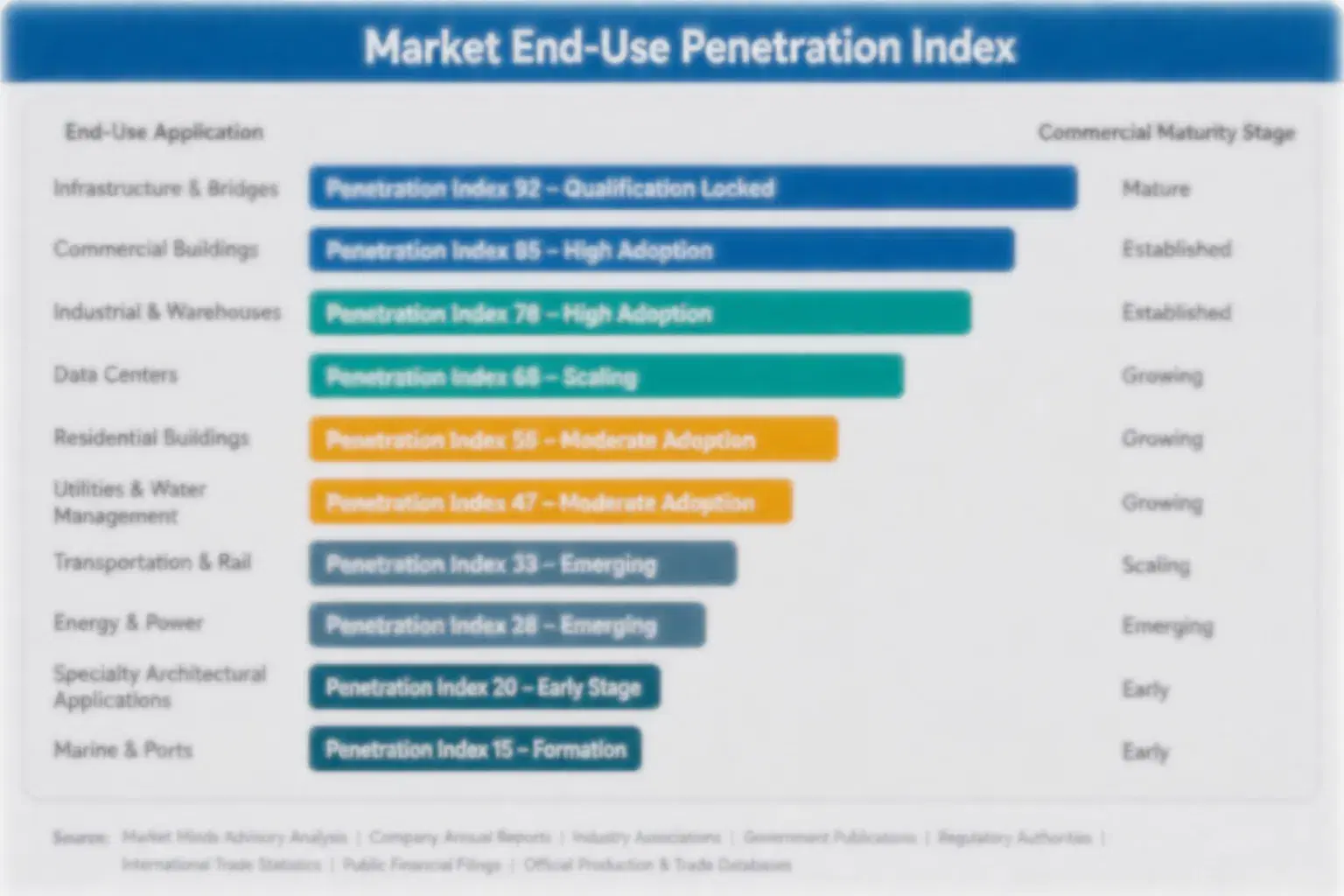
Why Buyers Keep Collagen Snacks

Collagen snack demand behaves like a short annuity attached to daily snacking, subscriptions and trusted brand relationships. Once a buyer finds a snack that tastes good and fits a wellness routine, it repeats the purchase every few weeks, and switching means new taste trials, doubts about protein claims and lost habit. Buyers use last month's experience to fix renewals, so brands with strong taste earn steadier volume.
Adoption stickiness differs by end-use vertical. Fitness and low-sugar routines with subscriptions are the deepest, since products are written into daily habits and change only when taste or price fails. Beauty buyers follow creator advice. Grocery shoppers are moderate and switch on promotion, while impulse buyers are shallow. Small brands feel every price swing. Scale compounds over time. Audits repeat every year. Supply contracts decide renewal.

Buyer profiles are shifting between generations. Older buyers chose bone broth for joints on family advice, while younger buyers ask for protein, savoury flavour, clean labels, creator recommendations and online convenience. Regulators add a third group that sets labelling rules. Brands that publish clear nutrition data win newer buyers and keep them. Delivery reliability decides supplier rankings. Margins follow process discipline.
collagen-snack-foods-market-end-use-penetration-index-1789945545820

MMA Verdict on Collagen Snack Strategy

These are among the four positions where our research anticipates prominent divergence between winners and laggards over the coming forecast period. Each is grounded in the demand model, the regulatory perimeter, and the announced capacity pipeline.
01 / SAVOURY FORMAT STRATEGY

Shift Volume Into Savoury Crisps Before Established Snack Groups Own Low-Sugar Shelves

Bone Broth and Collagen Savoury Crisps grows at 14.7% a year, about 1.40 times the overall market rate, and gross margins of 42% to 56% compare with 32% to 42% for collagen bars. Brands should commit $3 million to $10 million to crisp formulation, seasoning skill and low-sugar positioning, and shift 10% of volume into savoury formats to lift gross margin by two to four points. Those that stay in bars will lose growth, while early movers keep loyalty and premium pricing over time.
02 / PROTEIN CREDIBILITY STRATEGY

Blend Complete Proteins With Collagen Before Labelling Rules Undercut Fitness Buyer Confidence

Collagen scores zero for United States protein labelling, fitness buyers compare bars with whey rivals, and brands without complete protein blends lose accounts to competitors with cleaner claims at every review. Brands should therefore invest $1 million to $4 million in reformulation with whey, egg, nuts or meat, reformulate best sellers first, and win accounts worth 8% to 14% of sales. Those without blends will lose credibility, while prepared brands hold premium pricing and retailer trust across every buying season.
03 / TASTE ENGINEERING STRATEGY

Engineer Taste and Texture Before Bitter Peptides Cut Repeat Purchase and Support

Peptide bitterness and chalky texture reduce repeat purchase, buyers judge snacks on taste first, and brands without taste panels lose subscribers within a quarter of the first order and rarely return. Brands should therefore invest $1 million to $5 million in low-bitterness peptides, flavour masking and consumer panels, test on existing customers first, and lift repeat purchase by six to ten points. Those without taste engineering will lose growth, while prepared brands hold premium pricing and retailer confidence across every buying season.
04 / INGREDIENT SECURITY STRATEGY

Secure Cocoa and Nut Supply Before Another Cost Spike Squeezes Snack Margins

A 30% cocoa and nut cost rise can cut gross margin by four to six points, cocoa prices spiked in 2024, and brands without contracts pay spot prices and face quality risk. Brands should therefore sign multi-year contracts for cocoa, almonds and peptides, commit $1 million to $5 million in guarantees, and blend origins to protect margin from swings. Those without contracts will lose margin and recipe flexibility, while prepared brands hold premium pricing and steady, stable supply across every buying season.

Engagement Snapshot From the Field

A live engagement with an industry participant carrying material or product regulatory and market exposure ahead of a defining policy shift, showing how our research translates into a defensible multi-year portfolio strategy.
MARKET MINDS ADVISORY · CLIENT ENGAGEMENT SUMMARY
Collagen Snack Foods Producer Strategic Portfolio Review and Transition Roadmap 2026·Investment Scenario on Collagen Snack Foods Exposure Evaluation 2025-26
CLIENT PROFILE
The client is a mid-sized American protein snack brand with annual sales near $130 million (client-reported, unverified by MMA), selling collagen protein bars through grocery, club and online channels. It bought cocoa and nuts on spot terms, used one contract manufacturer, and had seen repeat purchase fall after customers complained about bitter aftertaste and chalky texture.
STRATEGIC CHALLENGE
Repeat purchase fell, a retailer questioned protein claims on collagen bars, and cocoa costs rose by 25%. Management needed to decide whether to reformulate bars, launch savoury snacks, or sign supply contracts, with limited working capital and dependence on bars and one contract manufacturer. Trial records protect future sales. Cost control separates leaders from followers.
MMA APPROACH
MMA analysed sales, cost and review data across 15 products, interviewed eight retail buyers, food scientists and contract manufacturers, and ran a buyer survey on taste, protein and price across three countries. It modelled margin by format and scenario and ranked options by payback and execution risk. Clear specifications build buyer trust.
KEY FINDINGS
  1. Blending whey with collagen would fix protein claims and cost about $1.2 million in reformulation (client-reported, unverified by MMA). Small brands feel every price swing.
  2. Taste panels and low-bitterness peptides would lift repeat purchase by about eight points and cost about $1.6 million. Scale compounds over time. Audits repeat every year.
  3. A savoury crisp line would earn gross margins near 50% against 38% for bars and cost about $3.5 million to launch. Buyers review suppliers every season.
  4. Two-year cocoa and almond contracts would cap ingredient cost increases at about 5% a year. Supply contracts decide renewal. Delivery reliability decides supplier rankings.
CLIENT PROFILE
The client is a mid-sized American protein snack brand with annual sales near $130 million (client-reported, unverified by MMA), selling collagen protein bars through grocery, club and online channels. It bought cocoa and nuts on spot terms, used one contract manufacturer, and had seen repeat purchase fall after customers complained about bitter aftertaste and chalky texture.
STRATEGIC CHALLENGE
Repeat purchase fell, a retailer questioned protein claims on collagen bars, and cocoa costs rose by 25%. Management needed to decide whether to reformulate bars, launch savoury snacks, or sign supply contracts, with limited working capital and dependence on bars and one contract manufacturer. Trial records protect future sales. Cost control separates leaders from followers.
MMA APPROACH
MMA analysed sales, cost and review data across 15 products, interviewed eight retail buyers, food scientists and contract manufacturers, and ran a buyer survey on taste, protein and price across three countries. It modelled margin by format and scenario and ranked options by payback and execution risk. Clear specifications build buyer trust.
KEY FINDINGS
  1. Blending whey with collagen would fix protein claims and cost about $1.2 million in reformulation (client-reported, unverified by MMA). Small brands feel every price swing.
  2. Taste panels and low-bitterness peptides would lift repeat purchase by about eight points and cost about $1.6 million. Scale compounds over time. Audits repeat every year.
  3. A savoury crisp line would earn gross margins near 50% against 38% for bars and cost about $3.5 million to launch. Buyers review suppliers every season.
  4. Two-year cocoa and almond contracts would cap ingredient cost increases at about 5% a year. Supply contracts decide renewal. Delivery reliability decides supplier rankings.
RECOMMENDED STRATEGY
Phase 1: Phase 1 (Months 1-6): Reformulate bars with complete protein and start taste panels. Margins follow process discipline. Trial records protect future sales. Phase 2: Phase 2 (Months 7-24): Launch the savoury crisp line and sign cocoa and almond contracts. Cost control separates leaders from followers. Phase 3: Phase 3 (Months 25-42): Add a second contract manufacturer and review terms yearly. Clear specifications build buyer trust. Small brands feel every price swing.
OUTCOME
Within 42 months, savoury products reached 28% of sales, repeat purchase recovered, and the retailer concern was resolved (client-reported, unverified by MMA). Gross margin rose by four points, and profit exceeded plan by about 3%. Scale compounds over time. Audits repeat every year. Buyers review suppliers every season.

Frequently Asked Questions

Foundational context covering the market sizes, CAGR, scope, country, region and competition that inform every finding below. This section is provided to cover basics and most often pre-purchase conversations, answered from the MMA Primary Research Dataset.

What is the current size of the Collagen Snack Foods Market?

The global collagen snack foods market was valued at $0.80 billion in 2025 on a brand-value basis. Growth is supported by protein snacking and bone broth trends, offset by labelling limits and taste challenges.

How large will the Collagen Snack Foods Market be by 2036?

The market is projected to reach $2.40 billion by 2036, up from $0.88 billion in 2026. The increase of $1.52 billion reflects savoury crisps, meat snacks and wider retail distribution.

What is the CAGR for the Collagen Snack Foods Market 2026 to 2036?

The market is forecast to grow at a 10.5% CAGR from 2026 to 2036. The bull case reaches 11.8% and the bear case 9.2%, depending on labelling rules, taste improvements and ingredient costs.

Which segment is growing fastest?

Bone Broth and Collagen Savoury Crisps is the fastest-growing segment at 14.7% CAGR, roughly 1.40 times the overall market rate. Collagen Meat Snacks and Sticks follows at 12.6% CAGR each year.

Who are the major companies in the Collagen Snack Foods Market?

Major companies include Ancient Nutrition, General Mills, Nestlé Health Science, Kellanova and The Simply Good Foods Company. Mondelez International, PepsiCo, Chomps, Calbee and Meiji Holdings also hold positions in collagen snacks.

Which country is growing fastest?

India is growing fastest at about 12.9% CAGR from a small base, because online protein snack sales and wellness interest are widening collagen snack use. Indonesia and Brazil follow as fitness culture spreads.

Report Segmentation Architecture

The full report scope spans multiple orthogonal segmentation dimensions, with cross-tabulated demand data provided for each dimension pair. Coverage extends further to regional breakdowns, trend trajectories, and the competitive detail needed to support segment-level decision-making.

By Primary Market Dimension

  • Collagen Protein Bars
  • Bone Broth and Collagen Savoury Crisps
  • Collagen Meat Snacks and Sticks
  • Collagen Baked Snacks and Cookies
  • Collagen Nut and Seed Clusters

By End-Use Industry

  • Fitness and Active Nutrition
  • Beauty and Skin Support
  • Healthy Ageing and Joint Support
  • Low-Sugar Snacking
  • On-the-Go Convenience

By Commercial Dimension

  • Mass Grocery and Club Retail
  • Online and Direct Sales
  • Convenience Stores
  • Specialty and Health Retail
  • Subscription Programmes

By Region

  • North America
  • East Asia
  • Western Europe
  • South Asia and Pacific
  • Latin America
  • Middle East and Africa
  • Eastern Europe

Scope, Methodology, and Coverage

Every figure in this report is reproducible from documented input assumptions. The scope below maps the historical period, the forecast horizon, the segmentation dimensions, and the countries covered, alongside the underlying primary and qualitative methodology.
Historical Period
2020 to 2025
Forecast Period
2026 to 2036
Base Year
2025 (USD billions; MMA Primary Research Dataset, September 2026)
Market Definition
The market covers global sales of packaged snack foods in which collagen peptides or collagen-rich bone broth are a primary marketed feature, valued at brand level, including collagen protein bars, bone broth and collagen savoury crisps, collagen meat snacks and sticks, collagen baked snacks and cookies, and nut and seed clusters with collagen, sold through grocery, online, convenience and specialty retail. The scope excludes gummies, powders, drinks and capsules.
Quantitative Units
USD billions (brand value); millions of snack units for volume references
Segmentation Dimensions
By Snack Format; By End-Use Industry; By Commercial Dimension; By Region
Regions Covered
North America, East Asia, Western Europe, South Asia and Pacific, Latin America, Middle East and Africa, Eastern Europe
Countries Covered
United States, Canada, Japan, South Korea, China, United Kingdom, Germany, France, Italy, India, Australia, Indonesia, Brazil, Mexico, Colombia, Saudi Arabia, United Arab Emirates, South Africa, Poland, Turkey, and additional markets relevant to this sector
Key Companies Profiled
Ancient Nutrition, General Mills, Nestlé Health Science, Kellanova, The Simply Good Foods Company, Mondelez International, PepsiCo, Chomps, Kettle and Fire, Calbee, Ezaki Glico, Meiji Holdings, Lotte, Jack Link's, Hormel Foods, Gelita, Rousselot, Nitta Gelatin, Darling Ingredients, Tyson Foods
Quantitative Methodology
Primary survey, n=3,800 respondents, Q4 2025, six countries; demand-side model with trade association cross-validation
Qualitative Methodology
47 expert interviews, Q4 2025; applied to validate demand model assumptions, identify emerging dynamics, and assess competitive positioning
Report Format
PDF and XLSX data workbook (Word format preview document)
Publisher
Market Minds Advisory
Report Code
MMA-2026-HLT-121
Published
September 2026
Contact
sales@marketmindsadvisory.com | www.marketmindsadvisory.com

Purchase the full Collagen Snack Foods Market Report (2026 to 2036).

The full report delivers a detailed assessment of the collagen snack food market through 2036, covering snack format, end-use and regional forecasts, competitive benchmarking of leading brands, and input cost analysis. It combines MMA primary research, including a six-country survey of 3,800 respondents and 47 expert interviews, with public statistical and company data. Analysts also model labelling scenarios, cocoa price paths and savoury format adoption. Clients receive segment margin ranges, supply maps and a case study on formulation and sourcing strategy. Supplier programme and contract frameworks are also included for planning.
Ten-year snack format demand forecasts by region
Cocoa, nut, and peptide cost tracking
Competitive benchmarking of leading collagen snack brands
Protein labelling and claims rule tracker
Regional market comparative analysis and forecasts included
Quarterly primary survey data update access

Built For The People Who Decide

From boardroom strategy to bench-side execution, this report is read cover-to-cover by leaders shaping the next decade of their industry, turning demand scenarios, market dynamics and valuation benchmarks into decisions.
CXOs/ Presidents/ VPs/ Managers
M&A and Corporate Development
Strategy Teams and R&D Heads
Procurement and Product Directors
Regulatory and Compliance Leaders
Investor Relations and Equity Analysts