Market Minds Advisory
Cocoglycerides Market

Cocoglycerides Market: Cocoglycerides Market. Coconut Derived Emollients Ride The Clean Beauty Wave

Formulators are reaching for coconut-derived cocoglycerides over synthetic emollients as clean beauty positioning spreads from skincare into sun care and color cosmetics across every major cosmetic market worldwide. and across most retail channels today

Lead Analyst

Published

September 2026

Make Smarter Decisions with Customized Research Insights

Request a free sample report and evaluate market opportunities, growth trends, and competitive dynamics relevant to your business needs.

2025 MARKET VALUE$0.7BMarket Size 2025
2036 FORECAST VALUE$1.5BBase Case , 2026 to 2036
CAGR 2026 TO 20366.8 %Bull 8.0% / Bear 5.5%
INCREMENTAL OPPORTUNITY$0.7BNet 10- year value creation
EXPANSION MULTIPLE1.93x2036 value over 2026 base
Strategic Levers
M&A Pipeline
Regional Outlook
Country Rankings
Competitive Intelligence
Segmental Deep-dive
Call-Us : 91 93563 13602

Executive Snapshot and Market Trajectory.

Cocoglycerides, glyceride esters derived from coconut oil and glycerin, keep gaining formulation share as cosmetic and personal care brands replace synthetic emollients with recognizable, plant-derived alternatives. Skincare, sun care, and color cosmetics formulators all cite the same clean-label motivation driving reformulation decisions. Retailers increasingly reward this transition.
Sun care applications grow fastest, since natural emollient positioning resonates strongly with the clean beauty consumer segment now demanding transparency in sunscreen formulations specifically across categories and formats. Skincare and facial care applications follow closely behind, sustained by the same clean beauty consumer demand that first established this ingredient category. East Asia commands the largest revenue share given the region's intense K-beauty and J-beauty formulation innovation pace. This continues accelerating across most channels.
Competitive intensity centers on oleochemical producers combining coconut feedstock sourcing scale with cosmetic-grade purification technology, since basic industrial-grade cocoglycerides no longer satisfy increasingly sophisticated formulator specifications across most retail channels. Coconut oil price volatility and shifting clean beauty certification requirements both keep reshaping which producers win the largest formulator supply contracts each cycle across the industry broadly. and reliably overall and consistently overall and steadily
Market Definition
This report covers the global market for cocoglycerides, coconut oil and glycerin derived glyceride ester ingredients used as emollients, emulsifiers, and skin-conditioning agents across cosmetic, personal care, and select food applications. It excludes cocoa bean derived ingredients entirely, despite the similar product naming.
Base Year Value
$0.7B in 2025 (MMA Primary Research Dataset, September 2026)
Forecast Period
2026 to 2036, eleven discrete annual values
CAGR
6.8% base case. Bull 8.0%. Bear 5.5%.
Fastest Growth Segment
Sun Care Applications: 9.4% CAGR
Fastest Growth Country
South Korea: 9.1% CAGR
Fastest Growth Region
South Asia and Pacific: 8.9% CAGR
Largest Region
East Asia: 27% of 2025 global value
Market Leaders
Croda International Plc, BASF SE, Clariant AG, Evonik Industries AG, KLK OLEO. Source: MMA Analysis based on company disclosures and formulation contract data.
Primary Survey
n=3,800 procurement and R&D decision-makers, Q4 2025, six countries
Methodology
Demand-side build-up, cross-validated against public data, 47 expert interviews

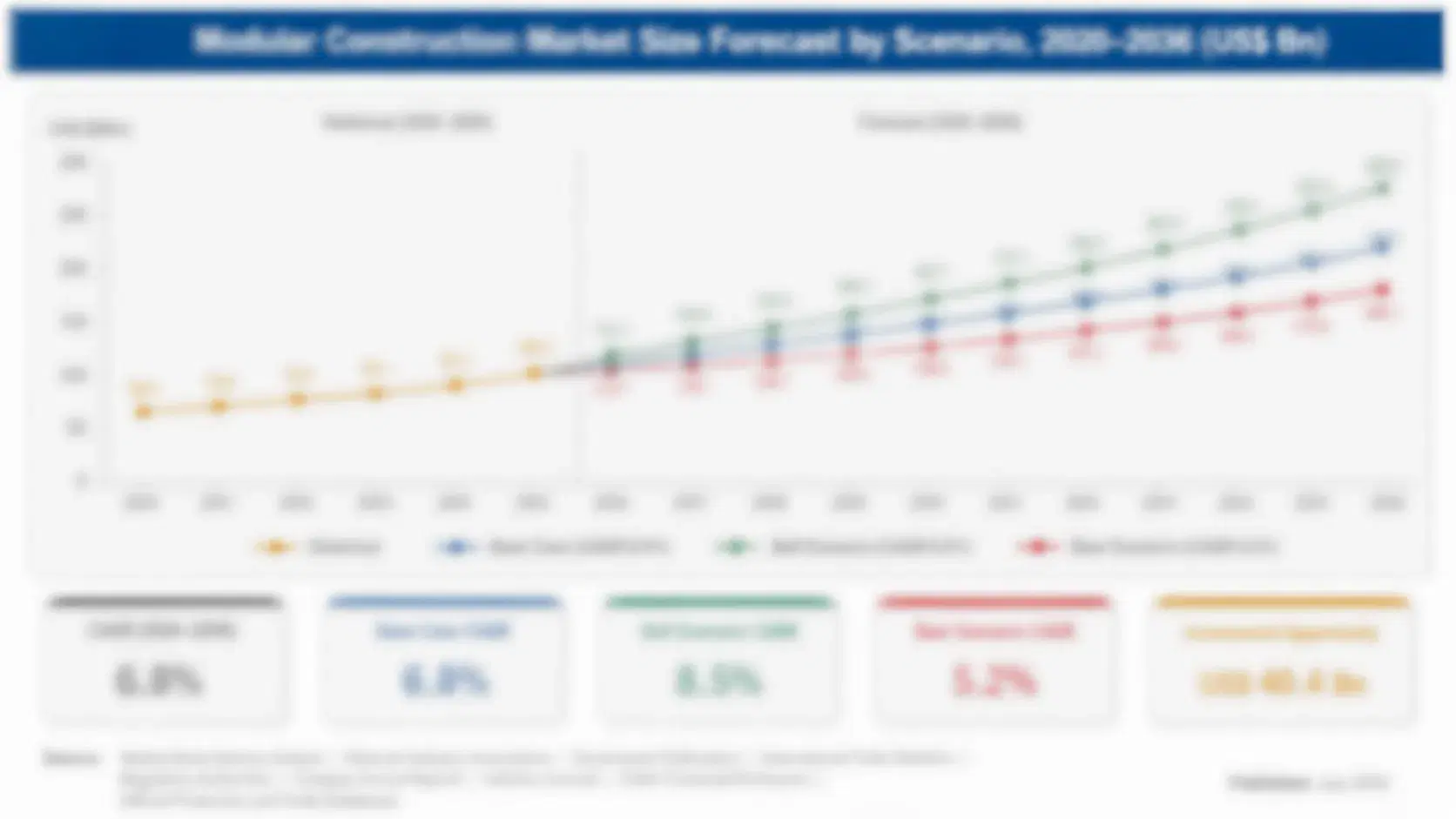
Cocoglycerides Market Forecast Scenarios

cocoglycerides-market-size-forecast-scenario-1789973709587
Cocoglycerides demand grew steadily between 2020 and 2025, as clean beauty reformulation momentum expanded from skincare into sun care and color cosmetics categories across most major consumer markets and channels. The historical growth rate ran near 5.9% annually across the period, reflecting this broad-based formulation reformulation momentum industry-wide and consistently throughout. and reliably across regions and steadily overall
The base case assumes continued clean beauty retail policy expansion, growing regulatory scrutiny of certain synthetic emollients in multiple jurisdictions, and steady formulator demand for coconut-derived alternatives matching synthetic performance closely. Together these three mechanisms sustain solid growth even as some mature skincare categories approach reformulation saturation already in developed markets. Continued expansion into emerging market personal care categories represents a fourth mechanism adding incremental growth beyond the base case.
Faster-than-expected regulatory restriction on specific synthetic emollients in additional jurisdictions could pull reformulation timelines meaningfully ahead of the base case across affected cosmetic categories. Conversely, persistent coconut oil price volatility tied to weather disruption in Southeast Asian growing regions could constrain cocoglycerides cost competitiveness relative to synthetic alternatives. Either scenario would reshape producer investment priorities considerably going forward.

Coconut Feedstock Meets Formulator Sophistication

Cocoglycerides occupy a genuinely favorable commercial position, since coconut-derived emollient reformulation is a comparatively well-established clean beauty conversion available to formulators today. That maturity has let cocoglycerides expand well beyond skincare into sun care and color cosmetics categories where reformulation activity is now accelerating. This durability distinguishes cocoglycerides from more narrowly discretionary cosmetic ingredient trends entirely.
MARKET CONCENTRATIONCR5 34%combined share held by the five leading global cocoglycerides producers
AVERAGE FORMULATION PREMIUM24-32%typical cost increase versus synthetic emollient equivalents replaced
LEADING PRODUCING COUNTRY SHARE26%the Philippines' share of global coconut oil feedstock supply
REFORMULATION PROJECT CYCLE9-15 monthstypical timeline from formulation trial through retail launch
FEEDSTOCK COST SHARE51%coconut oil share of total cocoglycerides cost of goods sold
CLEAN BEAUTY CERTIFICATION COVERAGE38%share of cosmetic brands with clean beauty policies
Cosmetic-grade purity requirements still vary considerably by application, though. Skincare and facial care formulations tolerate standard cosmetic-grade cocoglycerides comparatively easily, while sun care formulations requiring extended stability under UV exposure remain harder to convert without additional stabilization technology. Producers who solve this harder stability problem credibly command meaningfully stronger pricing than those serving only standard skincare applications. This technical divide increasingly separates which producers win the largest sun care formulator contracts each cycle.
Cosmetic brands increasingly specify coconut-derived emollient sourcing directly in formulator briefs, pushing producers toward capacity investment on compressed timelines regardless of whether every stability question is fully resolved yet. This brand-driven urgency creates real opportunity for producers who can move fastest, though it also compresses margins for formulators forced into rushed reformulation decisions under launch deadline pressure.
"Coconut oil used to be a kitchen staple ingredient story. Now formulators treat it as a serious emollient chemistry platform with real technical depth."
Director, Food and Nutraceutical Ingredients Practice · MMA Food and Nutraceutical Ingredients Practice · September 2026

Market Trends

Clean Beauty Momentum Expands Into Sun Care

Cosmetic brands across North America and Western Europe increasingly reformulate sun care products around coconut-derived cocoglycerides, extending clean beauty positioning well beyond its original skincare origins into a category that historically relied heavily on synthetic emollient and stabilizer systems and formulations. This expansion trend has become a stronger reformulation catalyst than pure skincare momentum alone in several major cosmetic categories recently and consistently. Producers who developed sun-stable cocoglycerides formulations early now command meaningfully stronger pricing than competitors still confined to standard skincare-grade product lines. This shift is reshaping investment priorities across the entire sun care category.
Market Impact: Lifts clean beauty demand 18 percent
Color Cosmetics Formulators Adopt Natural Emollients

Color cosmetics and makeup formulators increasingly incorporate coconut-derived cocoglycerides to replace synthetic emollients in foundation, lipstick, and other pigmented product formulations, seeking documented natural sourcing that satisfies growing clean beauty consumer expectations in a historically synthetic-heavy category and industry. This adoption trend has become a stronger reformulation catalyst than regulatory pressure alone in several major color cosmetics categories specifically and consistently. Formulators serving this segment increasingly favor producers with established pigment-compatible cocoglycerides grades over standard skincare-focused product lines entirely. This shift continues gaining momentum across most major color cosmetics brands.
Market Impact: Lifts East Asian demand 14 percent

Market Opportunities and Growth Drivers

Clean Beauty Movement Continues Broadening Category Reach

Expanding consumer and retailer pressure toward clean beauty ingredient declarations continues driving demand for coconut-derived emollients that avoid synthetic ingredient labeling concerns, positioning cocoglycerides favorably as brands reformulate across skincare, sun care, and color cosmetics categories simultaneously and reliably. This demand driver shows continued momentum as additional cosmetic categories actively pursue clean beauty reformulation following precedents set in leading skincare reform markets across North America. Brands positioned to reformulate quickly with documented cocoglycerides alternatives capture disproportionate early-mover advantage before broader industry-wide reformulation intensifies competition considerably further. This momentum shows no sign of slowing across most major markets.
Market Impact: Creates margin volatility near 14 percent

K-Beauty and J-Beauty Innovation Drives Formulation Demand

Rapidly evolving South Korean and Japanese cosmetic formulation trends continue driving global demand for novel coconut-derived emollient combinations, as these innovation-forward markets consistently set formulation trends that other regions subsequently adopt across mainstream cosmetic categories and channels. This demand driver shows continued momentum as East Asian formulation innovation expands its global influence across premium and mass-market cosmetic categories alike and consistently. Formulators serving this segment increasingly favor producers with established East Asian formulation partnership and innovation support capability specifically and reliably. This influence continues expanding across most premium and mass retail tiers.
Market Impact: Limits conversion near 58 percent

Market Restraints and Challenges

Coconut Oil Price Volatility Pressures Producer Margins

Coconut oil feedstock prices fluctuate considerably with Southeast Asian weather patterns and broader vegetable oil commodity cycles, creating margin pressure for cocoglycerides producers that cannot pass through cost increases quickly given fixed-price supply contracts with major cosmetic brand customers across regions. The root cause traces to coconut cultivation being concentrated within a comparatively narrow tropical growing belt exposed to typhoon and drought risk specific to that region and climate. Producers are mitigating this through diversified Southeast Asian sourcing that reduces dependence on any single country's harvest cycle and season. This exposure remains a persistent planning challenge industry-wide.
Market Impact: Expands sun care reformulation 20 percent

Sun Stability Performance Gaps Limit Full Conversion

Cocoglycerides still fall short of certain synthetic emollient systems in extended ultraviolet exposure stability testing, limiting full reformulation in sun care categories requiring the longest stability performance under intense sunlight conditions and extended outdoor exposure. The root cause lies in coconut-derived glyceride esters lacking the precise molecular stability that some synthetic emollients achieve through targeted chemical engineering specifically for UV resistance and durability. Producers are mitigating this by combining cocoglycerides with complementary natural stabilizers to approximate synthetic performance more closely across formats. Formulation science continues narrowing this remaining performance gap steadily.
Market Impact: Expands color cosmetics 15 percent
3 additional market trends, 3 additional growth drivers, and 3 additional restraints and challenges are covered in the full report. Contact sales@marketmindsadvisory.com to access the complete intelligence.

Segment CAGR and Growth Architecture

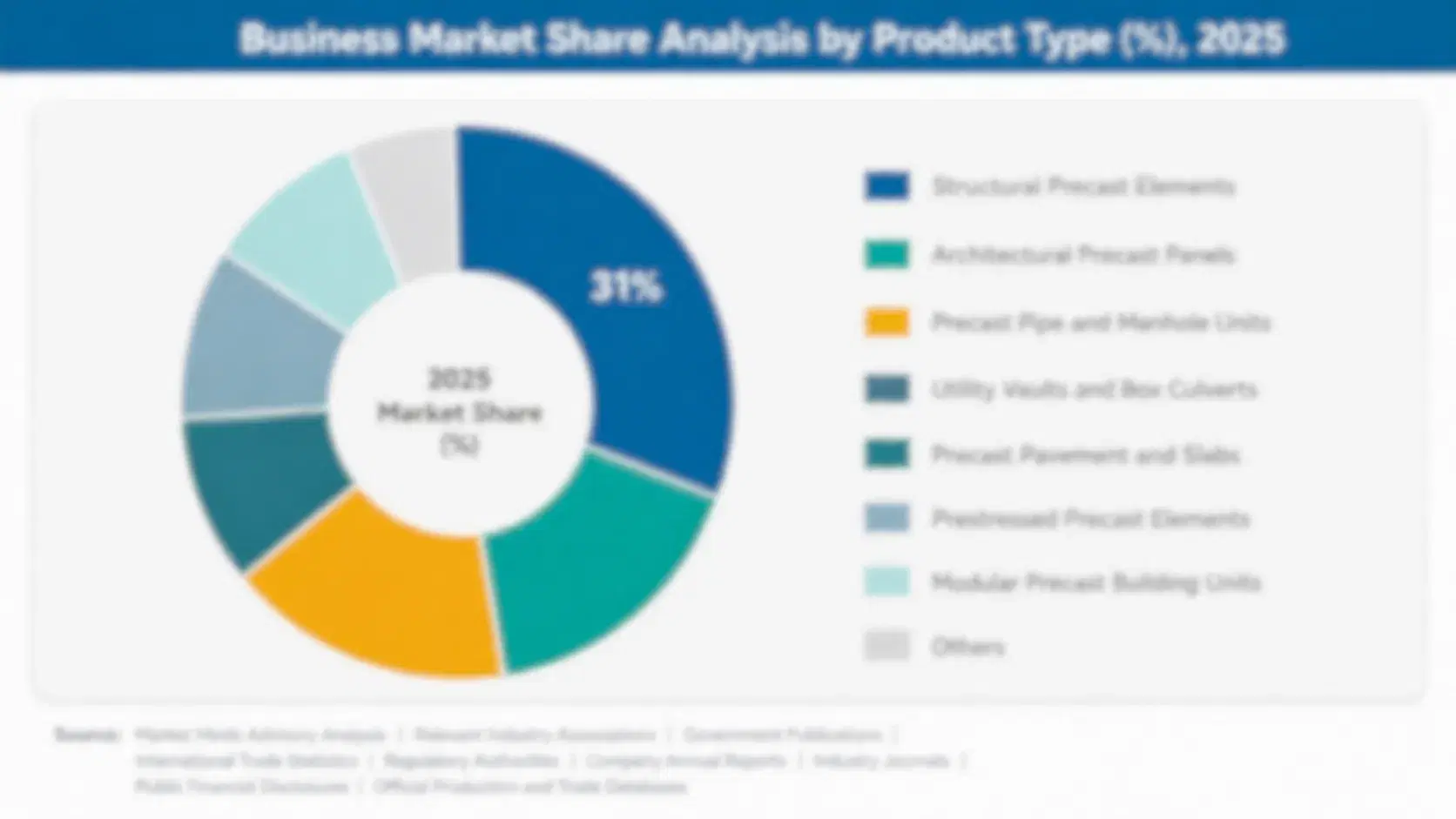
Segmentation follows end-use application, since skincare, hair care, sun care, color cosmetics, and food and pharmaceutical uses of cocoglycerides each face different formulation requirements and growth trajectories despite sharing the same coconut-derived feedstock base. Purification grade was considered but rejected since most applications accept multiple grades interchangeably across the industry today. Region was similarly rejected given cross-regional overlap.
cocoglycerides-market-market-share-analysis-1789973709855

Sun Care Applications

Sun care applications represent the fastest-growing segment, since natural emollient positioning resonates strongly with the clean beauty consumer segment now demanding transparency in sunscreen formulations specifically across most major retail markets and channels. This segment benefits directly from expanding consumer scrutiny of synthetic sunscreen ingredient safety, a scrutiny that has pushed formulators toward documented natural alternatives across the entire sun care category broadly and consistently. Producers serving this segment typically maintain dedicated UV stability testing infrastructure well beyond what standard skincare formulation requires technically or operationally. Growth here increasingly tracks broader clean beauty reformulation momentum across North America, Western Europe, and East Asia specifically. This positioning should strengthen further as clean beauty expands globally.
CAGR 9.4%

Skincare and Facial Care Applications

Skincare and facial care applications follow closely behind sun care, propelled by sustained clean beauty consumer demand that first established cocoglycerides as a credible synthetic emollient replacement within the broader cosmetic industry and value chain. This segment benefits from comparatively mature formulation science and established supplier relationships, letting brands reformulate with lower technical risk than newer application categories require or demand. Manufacturers serving this segment typically maintain broad cosmetic-grade product lines spanning multiple purity and viscosity specifications to serve diverse formulator needs reliably. Growth here increasingly tracks broader clean beauty retail expansion specifically across North America, Western Europe, and East Asia. This trajectory should continue as clean beauty adoption matures further.
CAGR 8.6%
Full segment breakdown across 5 segments available in the complete report.

Regional Architecture and Country Demand Map

East Asia commands the largest revenue share given the region's intense K-beauty and J-beauty formulation innovation pace and scale. Every regional CAGR nonetheless still stays within this report's standard growth bands throughout the full ten-year forecast period ahead. That leadership reflects sustained regional formulation science investment over many years.

North America

The United States drives North American demand through its substantial cosmetic and personal care manufacturing sector, with major clean beauty brands increasingly specifying coconut-derived emollient sourcing directly within formulator briefs nationwide. Croda and BASF both maintain substantial domestic formulation and application support infrastructure serving this demand directly. Canadian demand tracks closely behind, reflecting similar clean beauty retail dynamics at smaller absolute scale. Mexican demand remains comparatively modest, concentrated within multinational brands extending North American formulations regionally. Regional producers increasingly compete on formulation support depth given how sophisticated formulator expectations have become recently. Distributors increasingly specialize by application given differing purity and stability documentation requirements across categories. Regional producers also invest in dedicated formulation support labs near major cosmetic brand headquarters.
Share: 25% | CAGR: 7.1% (2026 to 2036)

Western Europe

Germany, France, and the United Kingdom anchor Western European demand, reflecting the region's long-standing cosmetic formulation heritage and sophisticated clean beauty consumer expectations across most retail categories. Established European specialty chemical houses maintain deep formulation science infrastructure serving both domestic and considerable export markets worldwide. Nordic countries show particularly strong clean beauty adoption rates relative to population, reflecting strong consumer sustainability and transparency preferences generally. Italian and Spanish demand centers increasingly on sun care and color cosmetics reformulation specifically. Regional regulatory harmonization efforts continue shaping which formulation approaches producers standardize across the continent. Swiss specialty ingredient distributors also contribute a smaller but technically sophisticated regional volume across premium categories. Belgian formulators also contribute a modest regional volume.
Share: 22% | CAGR: 5.3% (2026 to 2036)
Regional intelligence for 5 additional markets available in the complete report: East Asia, South Asia and Pacific, Latin America, Middle East and Africa, Eastern Europe. Contact sales@marketmindsadvisory.com.
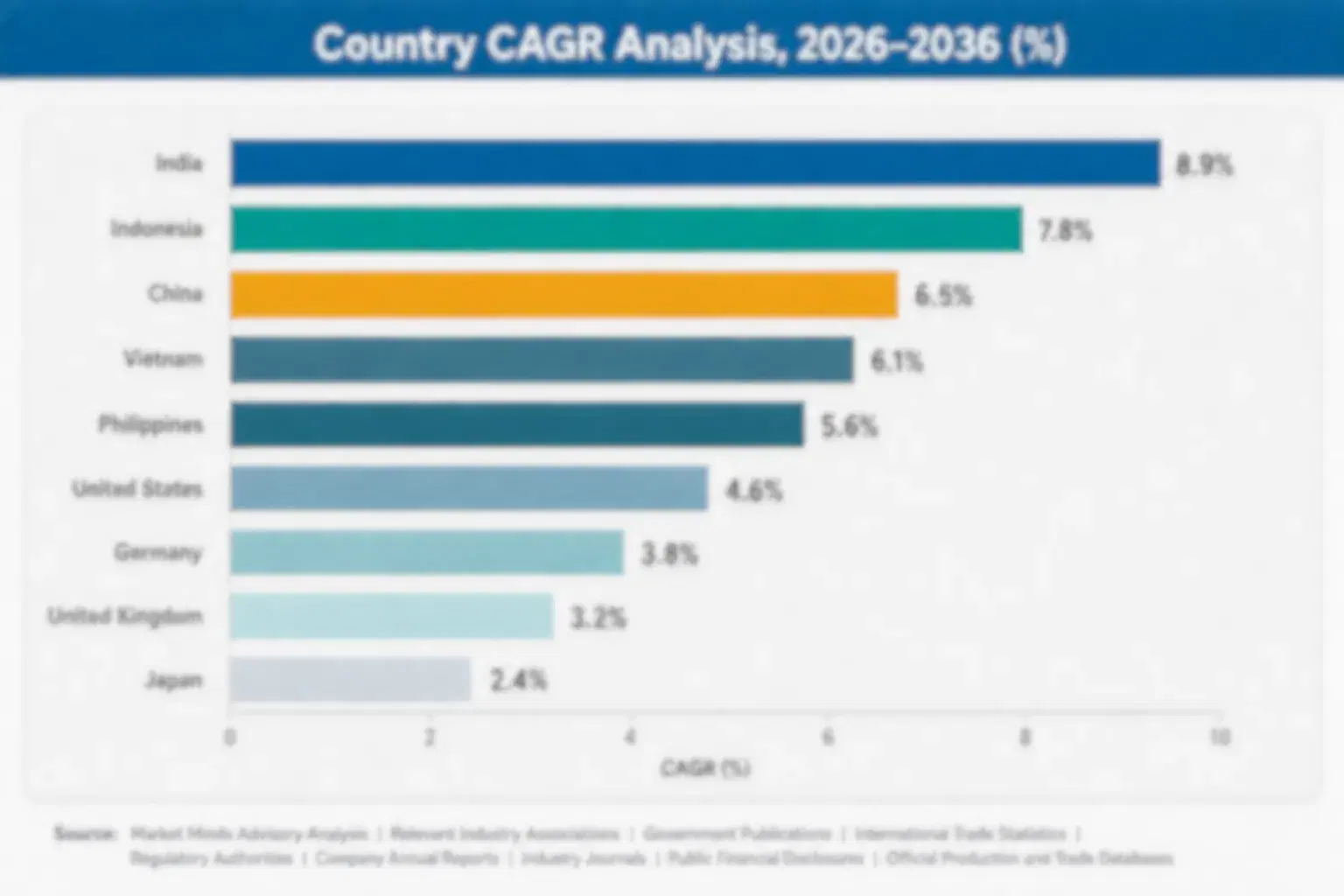
cocoglycerides-market-country-cagr-analysis-1789973710171

Winning Formulator Trust Beyond Basic Skincare

With standard skincare reformulation increasingly commoditized, producers increasingly capture premium value by solving the hardest sun care stability problems, developing pigment-compatible color cosmetics grades, and building direct East Asian formulation partnerships. Where a producer lands within this hierarchy increasingly determines margin capture across the entire formulator relationship and customer base and lifetime. This gap continues widening across most product categories.

Sun Care Stability Technology Investment Programs

Producers investing in advanced UV stability and stabilizer-compatible cocoglycerides research win preferred allocation on the hardest, most technically demanding sun care reformulation contracts that competitors cannot credibly solve today or reliably. This leadership requires sustained investment in stability testing equipment and extensive formulation trial infrastructure beyond what standard skincare-grade product demands technically or operationally. Producers offering proven sun-stable systems report contract pricing running roughly 31% above standard skincare-grade cocoglycerides supply agreements of comparable volume. Producers without this capability remain confined to lower-margin, more commoditized skincare categories entirely and consistently. This trend should persist for years.
Market Impact: Commands roughly a full 31 percent pricing premium

Pigment Compatible Color Cosmetics Grade Development

Producers developing pigment-compatible cocoglycerides grades specifically formulated for color cosmetics applications capture disproportionate share of foundation and lipstick reformulation contracts that generic skincare-grade product cannot satisfy technically or reliably. This development requires sustained investment in pigment dispersion testing and color stability validation across diverse cosmetic formulation types and bases and formats. Producers with established color cosmetics grades report contract pricing running roughly 26% above standard skincare-grade equivalent product of comparable volume. Producers without this capability remain confined to skincare-only formulator relationships entirely and consistently. This trend should persist as color cosmetics reformulation continues expanding.
Market Impact: Commands roughly a full 26 percent pricing premium

Direct East Asian Formulation Partnership Programs

Producers building direct partnerships with South Korean and Japanese formulation innovators capture stickier, higher-value customer relationships than those selling purely through generic distribution channels serving less innovation-driven markets and regions. This partnership approach requires sustained investment in regional technical support teams and rapid formulation trial turnaround capability that East Asian brands specifically demand from suppliers reliably. Producers with established East Asian partnerships report customer retention rates roughly 24% stronger than those selling predominantly through Western distribution channels alone. Producers without these partnerships increasingly cede this influential customer segment to competitors.
Market Impact: Improves total customer retention by roughly 24 percent

Who Controls the Margin Pool

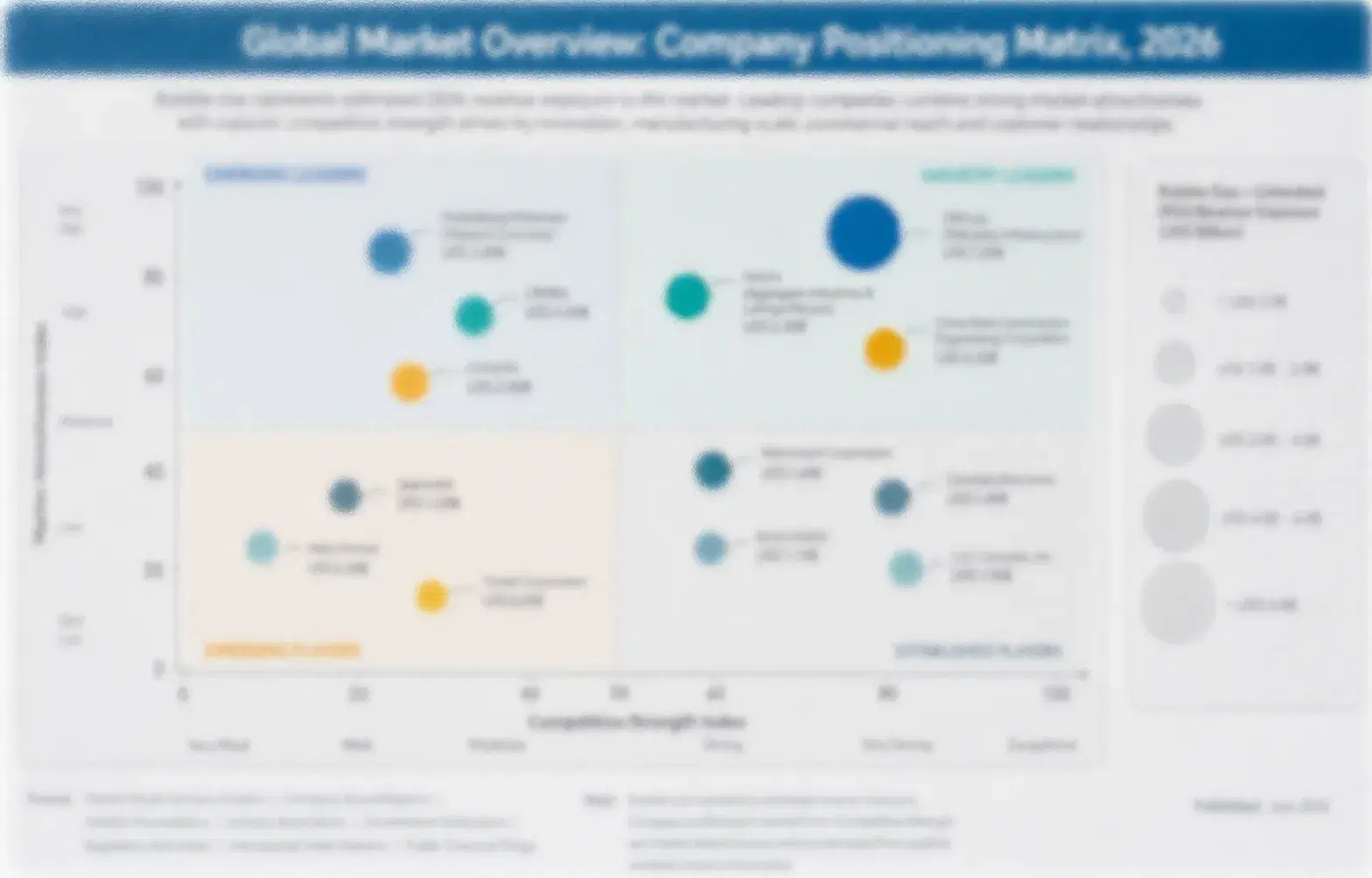
Global cocoglycerides supply remains moderately concentrated, giving this market a CR5 of 34% as large diversified specialty chemical houses compete alongside numerous smaller regional oleochemical producers. The gap between leading producers and smaller regional players centers on cosmetic-grade purification technology and formulation support depth rather than any single proprietary ingredient. Smaller regional players without comparable purification technology increasingly struggle to win the largest premium formulator contracts.
Competitive activity currently plays out across three dimensions: solving the hardest sun care stability problems, developing pigment-compatible color cosmetics grades, and building direct East Asian formulation partnerships that offer sticky, recurring revenue. Producers combining multiple capabilities increasingly separate themselves from smaller regional players still competing purely on commodity oleochemical price. Several producers now bundle formulation support services alongside bulk cocoglycerides supply agreements.

Emerging pressure is coming from Southeast Asian oleochemical processors rapidly scaling cosmetic-grade purification capacity to serve both domestic formulator demand and growing export markets, particularly in categories where established Western producers have struggled to match regional cost competitiveness. This trend could reshape rankings in standard skincare-grade segments over the coming years even as premium sun care and color cosmetics grades remain concentrated among established diversified producers.
cocoglycerides-market-company-positioning-matrix-1789973710452

Competitive Moat and Risk Dimensions

CRODA INTERNATIONAL PLC

Moat: Deep cosmetic formulation science base

Croda maintains one of the industry's deepest cosmetic ingredient formulation science capabilities, letting it serve brands seeking single-supplier reformulation support across skincare, sun care, and color cosmetics categories simultaneously. Competitors would need years of comparable research investment to close this formulation science gap meaningfully across every category.
CRODA INTERNATIONAL PLC

Risk: Coconut price exposure

Croda's cocoglycerides business remains exposed to coconut oil feedstock price volatility tied to Southeast Asian weather and harvest cycles, a risk shared across the industry regardless of formulation science depth. The company has responded by diversifying sourcing across multiple Southeast Asian growing regions gradually to manage this feedstock exposure over time.
BASF SE

Moat: Integrated oleochemical production scale

BASF maintains an integrated presence spanning coconut oil sourcing, oleochemical processing, and cosmetic-grade purification across its global operations, letting it offer formulators more consistent supply reliability than pure trading intermediaries can match. This integrated positioning gives it meaningful advantage negotiating long-term supply agreements with large multinational cosmetic brand customers directly.
BASF SE

Risk: Complexity managing diverse portfolio

BASF's cocoglycerides business operates within a much larger diversified chemical conglomerate, creating internal resource allocation competition with other business units that can slow cosmetic-ingredient-specific investment decisions relative to more focused competitors. The company has responded by granting its personal care division greater operational autonomy recently.

Players Tracked

Prominent Players

Croda International Plc
BASF SE
Clariant AG
Evonik Industries AG
KLK OLEO

Other Key Players

Emery Oleochemicals
Musim Mas Group
Wilmar International
P&G Chemicals
Vantage Specialty Ingredients
Lubrizol Corporation
Innospec Inc
Galaxy Surfactants Ltd
KAO Corporation
Symrise AG
Ashland Global Holdings Inc
Stepan Company
Sabinsa Corporation
Berg + Schmidt GmbH
Oleon NV

Recent Developments

APRIL 2025

Croda Launches Sun Stable Cocoglycerides Platform

Croda announced a new sun-stable cocoglycerides platform targeting sun care reformulation, aiming to close remaining UV stability performance gaps versus synthetic emollient alternatives. The launch represents organic product development rather than an acquisition or joint venture arrangement. Broader commercial availability is expected within the following year.
Signal: Signals a leading producer investing ahead of anticipated sun care demand. Rivals are likely to respond with similar launches soon.
OCTOBER 2024

KLK OLEO Expands Cosmetic Grade Purification Capacity

KLK OLEO announced expanded cosmetic-grade purification capacity at a Southeast Asian facility, aiming to serve growing formulator demand for documented natural emollient sourcing. The investment represents organic capacity expansion rather than a corporate transaction with another company. Full commercial output is expected within the following year.
Signal: Confirms Southeast Asian producers are scaling ahead of anticipated demand growth. Competing producers are likely to evaluate similar expansions.
FEBRUARY 2025

Clariant Signs Multi Year Coconut Oil Supply Agreement

Clariant entered a multi-year supply agreement with a Philippine coconut oil cooperative, securing guaranteed feedstock allocation for its cocoglycerides production. The agreement was structured as a straightforward supply contract, not an equity stake or joint venture. Financial terms beyond the general structure were not disclosed publicly.
Signal: Confirms producers are securing diversified feedstock ahead of anticipated demand growth. Similar agreements are likely to follow across the industry.

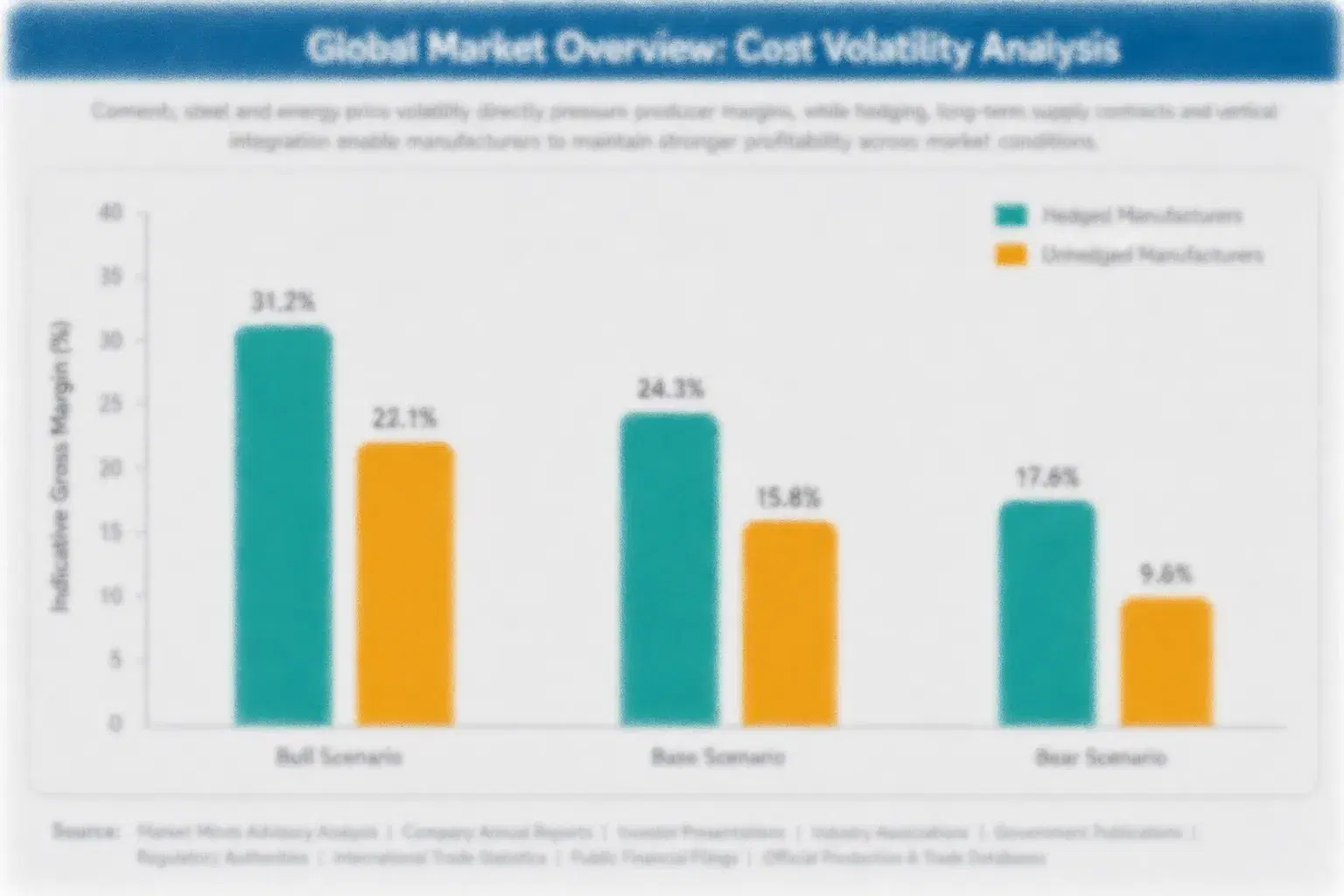
Coconut Oil Sets The Formulation Cost Floor

Cocoglycerides production cost breaks down primarily into coconut oil feedstock procurement, esterification and purification processing, and increasingly, cosmetic-grade quality testing and stability validation overhead. Coconut oil costs typically represent 45 to 57% of total production cost, a share that moves directly with broader vegetable oil commodity cycles given the compound's coconut-dependent input structure. Testing and validation support accounts for most of the remaining cost share.
Elevated coconut oil prices during 2022 and 2023 meaningfully increased feedstock costs across the cocoglycerides industry, according to producer disclosures consistent with broader Philippine Coconut Authority agricultural commodity market reporting covering the affected period. Producers without diversified sourcing relationships absorbed most of this cost increase directly into their margins. Several producers subsequently began qualifying additional Southeast Asian sourcing regions to reduce this concentration exposure. Several producers subsequently began diversifying sourcing across multiple growing regions.

Smaller regional producers lacking diversified coconut sourcing carry meaningfully more cost exposure than larger, diversified producers with established multi-region supply relationships across categories. This growing gap increasingly separates which producers can offer competitive formulator pricing and which struggle to remain commercially viable during periods of tight coconut oil supply and volatility across every affected region and market.
cocoglycerides-market-cost-volatility-analysis-1789973710764

Diversified Southeast Asian Sourcing Networks

Larger producers increasingly diversify coconut oil sourcing across the Philippines, Indonesia, and Vietnam simultaneously, reducing exposure to any single country's weather or agricultural supply disruption risk directly. This approach has become standard among the largest, best-capitalized producers currently operating at scale. Buyers value this documented resilience considerably during periods of tight coconut oil supply.

Long Term Coconut Cooperative Supply Contracts

Producers increasingly establish long-term supply partnerships directly with coconut farming cooperatives, securing more predictable feedstock pricing and volume compared to relying entirely on open-market spot purchasing arrangements. This partnership approach has become common among the largest surviving producers in the market today. Smaller companies find this partnership model harder to establish independently without scale.

Production Scale Consolidation Across Facilities

Leading producers continue consolidating esterification and purification processing into larger, more efficient facilities, improving per-unit cost competitiveness compared to maintaining separate smaller manufacturing lines that cannot achieve comparable economies of scale nearby. This consolidation approach has become increasingly standard among the largest integrated producers today across most regions. Facilities benefit from this efficiency directly and consistently over time.

Portfolio Architecture for Margin Defence

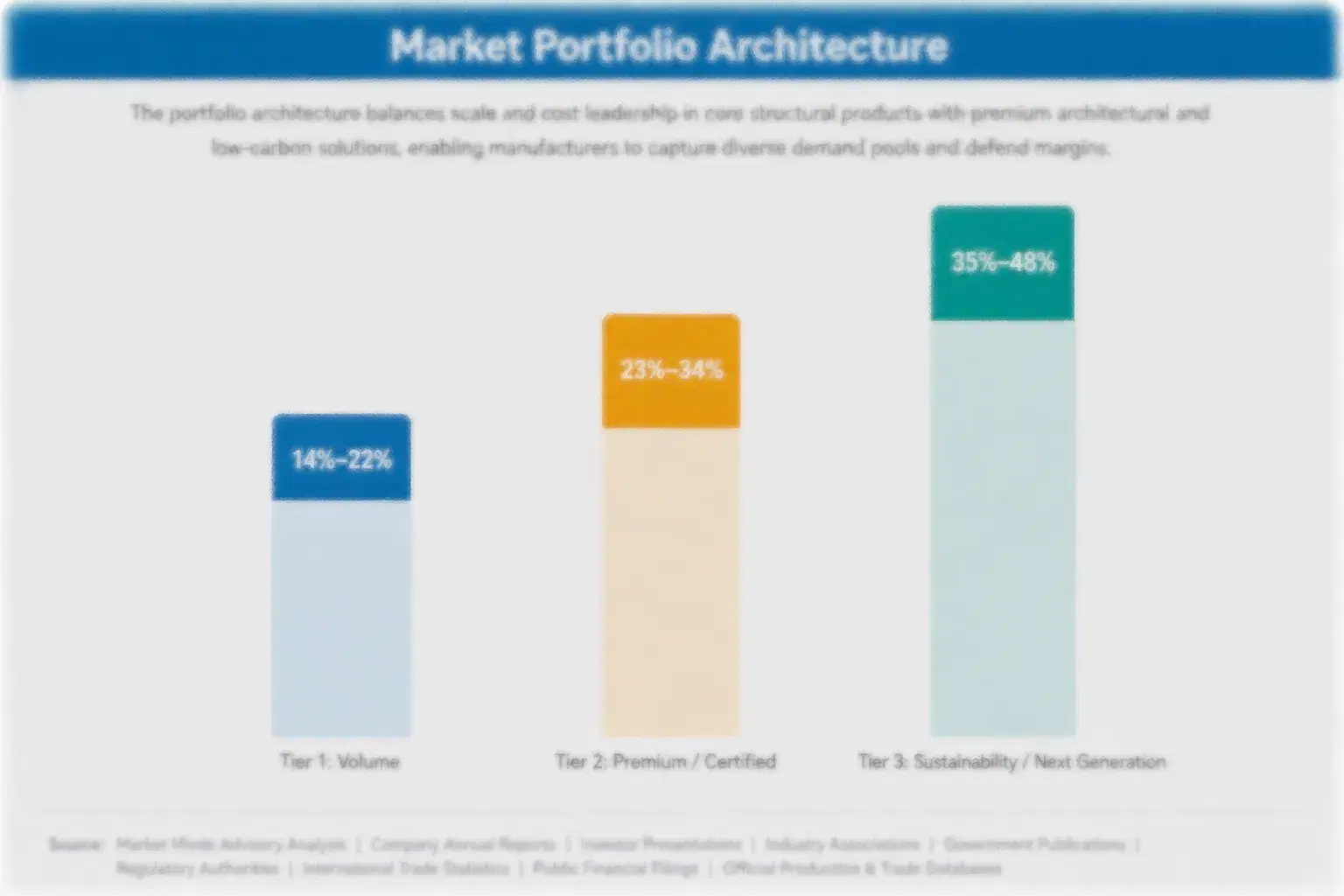
The cocoglycerides market splits into three commercial tiers: standard industrial-grade cocoglycerides sold into broad personal care applications, premium cosmetic-grade product commanding meaningful formulation premiums for skincare and color cosmetics, and next-generation sun-stable systems solving the hardest remaining stability challenges. Margin economics differ sharply across these tiers, reflecting purification depth and formulation urgency. Producers investing earliest in the hardest categories increasingly capture the richest margin pools available.
Producers face a genuine strategic tension between defending mature standard cosmetic-grade volume and reallocating capacity toward sun care and color cosmetics applications that offer stronger long-term growth prospects. Those building capability across all three tiers capture the widest addressable revenue base, though doing so requires deliberate strategic repositioning and sustained investment most smaller organizations struggle to fund. Capital constraints create real tension for mid-sized producers weighing this investment against volume.

High-value margin pools concentrate overwhelmingly in sun-stable, color-cosmetics-compatible grades, where formulators pay materially more for documented stability performance than standard skincare-grade buyers require. Producers positioned to serve this tier alongside stable skincare-grade volume capture the clearest path toward sustained revenue as clean beauty demand continues its steady expansion across most major consumer markets.

Volume / Commodity-Adjacent Tier

Standard industrial-grade cocoglycerides sold into broad personal care applications at competitive pricing with thinner producer margins overall. Producers compete here mainly on reliable supply and landed cost rather than technical differentiation.
Gross Margin: 13-19%

Premium / Certified Tier

Premium cosmetic-grade product commanding meaningful formulation premiums for skincare and color cosmetics applications requiring documented purity and consistency. Producers here maintain closer relationships with premium cosmetic brand customers directly and reliably over time.
Gross Margin: 23-31%

Sustainability / Regulatory / Next-Generation Tier

Next-generation sun-stable systems solving the hardest remaining UV stability and formulation compatibility challenges credibly. Building credibility in this tier typically takes producers years of validated stability testing and regulatory engagement.
Gross Margin: 33-41%
cocoglycerides-market-portfolio-architecture-1789973711063

High-value Sub-segments and Strategic Watch-out

Sun Stable Color Cosmetics Compatible Grade Supply

Sun-stable, color-cosmetics-compatible grade material commands the strongest margins in the category and continues growing fastest as brands seek documented stability performance credibly. Producers serving this tier increasingly compete on validated technical data rather than price alone today. Growth here should outpace every other tier ahead comfortably.
Gross Margin: 33-41%

Certified Cosmetic Grade Skincare Formulation Supply

Certified cosmetic-grade material sustains strong growth as skincare manufacturers increasingly require documented purity and formulation performance specifications consistently. Growth here remains strong as manufacturers specify documented consistency requirements broadly across categories. This tier sits between the premium and volume extremes overall today. This growth trend remains consistent.
Gross Margin: 23-31%

Standard Industrial Grade Personal Care Volume Supply

Standard industrial-grade material continues anchoring the majority of global volume even as newer application tiers expand steadily across most retail categories. Producers rely on this volume to fund investment in higher-margin capability elsewhere entirely and consistently. Growth here should remain modest but stable ahead comfortably.
Gross Margin: 13-19%

Coconut Oil Feedstock Concentration Risk Exposure

Continued dependence on Southeast Asian coconut oil supply could meaningfully constrain global cocoglycerides production if weather disruption affects the concentrated growing region unexpectedly and severely. Watch this segment closely for early signs of supply tightening. Change here could meaningfully reshape pricing across every tier and category.

Formulation Validation Anchors Repeat Sourcing

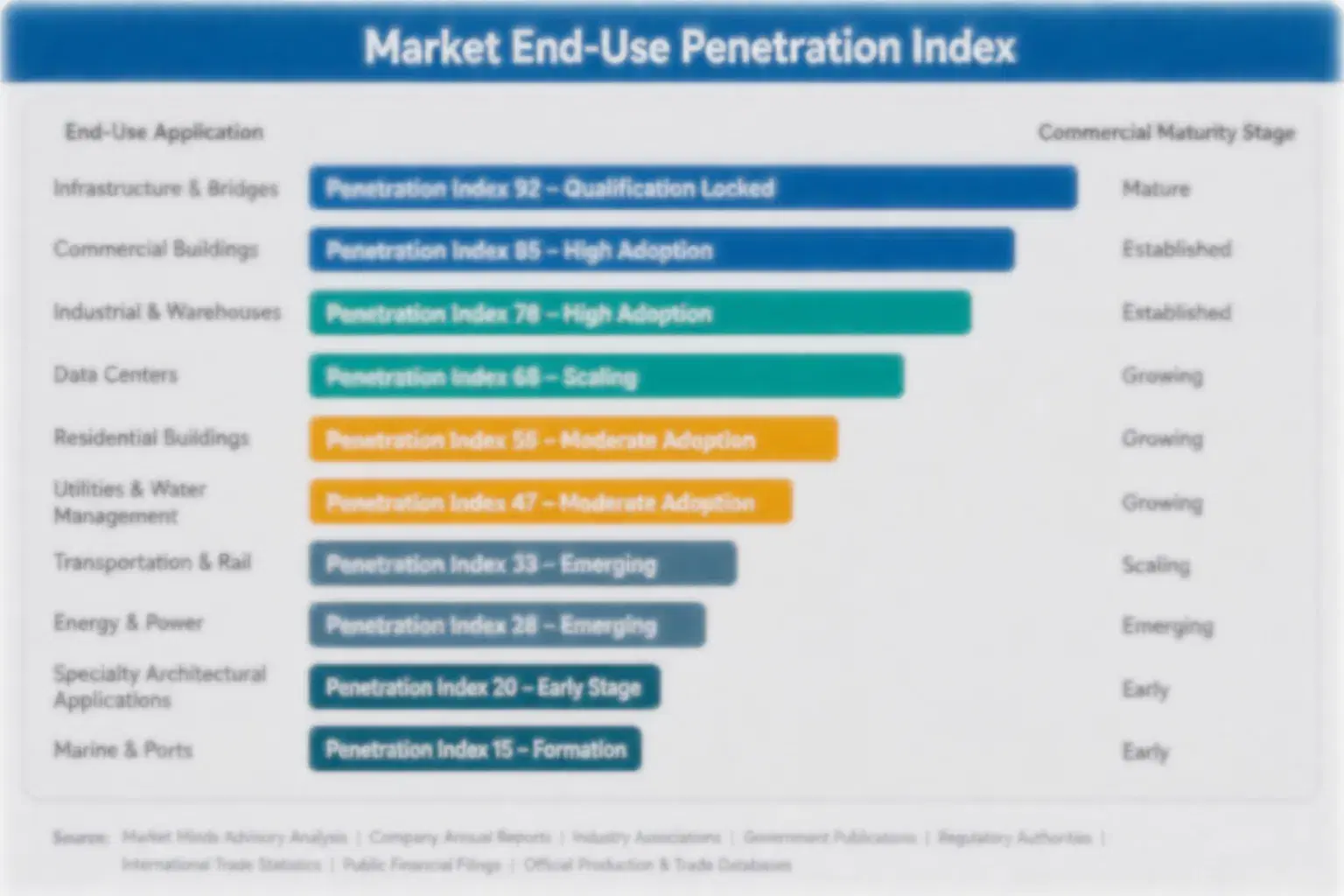
Once a cosmetic brand validates a specific producer's cocoglycerides within an approved formulation, switching suppliers requires requalifying through new stability and safety testing processes, creating a genuine annuity dynamic for producers who secure this relationship first. Requalification costs discourage casual switching between qualified suppliers. Long-term supply contracts anchor this revenue base, since qualified brands rarely switch cocoglycerides suppliers once formulations pass internal validation.
Adoption depth varies meaningfully by end-use vertical. Skincare and sun care manufacturers exhibit the deepest stickiness given extensive stability documentation and requalification requirements, while color cosmetics purchasing shows comparatively shallower stickiness since manufacturers can rebid formulation contracts more freely without the same technical requalification burden. Skincare and sun care buyers show the deepest stickiness, while color cosmetics accounts increasingly shop purely on formulation performance.

A younger generation of cosmetic brand managers increasingly evaluates ingredient decisions through a documented clean-label lens by default, favoring producers with verified coconut sourcing over legacy synthetic emollient suppliers competing purely on established cost advantages. This shift favors producers with documented sourcing over legacy suppliers competing purely on cost. Younger procurement teams now weigh sourcing documentation alongside price, a shift older cohorts rarely prioritized.
cocoglycerides-market-end-use-penetration-index-1789973711339

Where Producer Strategy Should Focus Next

These are among the four positions where our research anticipates prominent divergence between winners and laggards over the coming forecast period. Each is grounded in the demand model, the regulatory perimeter, and the announced capacity pipeline.
01 / SUN CARE PIVOT PRIORITY

Redirect strategic investment toward sun care stability

Sun care demand represents the fastest-growing, most attractive segment in this market, while mature skincare demand offers only modest incremental growth regardless of pricing strategy adjustments made by producers today. Producers investing in sun-stable cocoglycerides formulation now position themselves to capture this durable growth before more competitors recognize the opportunity, since building comparable stability performance documentation from scratch typically takes considerable time to establish credibly. Producers who move first lock in the strongest early formulator relationships in this expanding category.
02 / COLOR COSMETICS PRIORITY

Build pigment compatible grades ahead of demand

Color cosmetics demand continues expanding steadily, representing a genuine margin expansion opportunity beyond skincare applications where price competition dominates purchasing decisions across most established formulator relationships. Producers building dedicated pigment-compatible cocoglycerides grades now position themselves to capture this segment before competitors develop comparable formulation depth, since establishing trusted formulator relationships typically requires considerable time and consistent quality delivery across product lines. Early movers in color cosmetics will hold a durable positioning advantage over slower-moving competitors well into the next several years.
03 / EAST ASIAN PARTNERSHIP PRIORITY

Deepen direct partnerships with East Asian innovators

South Korean and Japanese formulation trends consistently set direction for global cosmetic innovation, rewarding producers who build direct partnerships with these markets over those relying purely on generic distribution channels serving less influential markets. Producers building dedicated East Asian technical support teams now position themselves to capture this influential customer segment before competitors develop comparable regional partnerships, since establishing trusted formulation relationships typically requires considerable time and consistent quality delivery. Early movers on East Asian partnerships will hold a durable advantage over slower-moving competitors.
04 / FEEDSTOCK RESILIENCE PRIORITY

Diversify coconut sourcing beyond single countries now

Concentrated coconut oil sourcing leaves producers exposed to weather and agricultural supply risk specific to individual Southeast Asian growing regions, a vulnerability that could meaningfully disrupt supply during any future adverse growing season somewhere. Producers building meaningful sourcing relationships across the Philippines, Indonesia, and Vietnam now reduce this concentration exposure before any future disruption arrives, since developing reliable alternative origin relationships typically requires multiple harvest seasons to establish trust and consistent quality. Early movers on diversification will hold a durable resilience advantage over slower-moving competitors.

Engagement Snapshot From the Field

A live engagement with an industry participant carrying material or product regulatory and market exposure ahead of a defining policy shift, showing how our research translates into a defensible multi-year portfolio strategy.
MARKET MINDS ADVISORY · CLIENT ENGAGEMENT SUMMARY
Cocoglycerides Producer Strategic Portfolio Review and Transition Roadmap 2026·Investment Scenario on Cocoglycerides Exposure Evaluation 2025-26
CLIENT PROFILE
The client is a mid-sized North American sun care brand producing mineral and chemical sunscreen products distributed across mass retail and specialty channels, seeking to reformulate its flagship product line around coconut-derived cocoglycerides to replace synthetic emollients currently in use across its portfolio. Annual revenue for the relevant product line sits in the tens of millions of dollars (client-reported, unverified by MMA).
STRATEGIC CHALLENGE
The client needed to determine which cocoglycerides supplier could reliably provide the UV stability and texture performance its existing formulation required, while also assessing whether the resulting cost increase could be absorbed within its target retail pricing structure and existing margin targets. Leadership needed a defensible answer to inform its broader sourcing strategy decisions.
MMA APPROACH
MMA conducted a comparative functional performance and cost impact assessment benchmarking three qualified suppliers against the client's existing UV stability specifications and target retail price point. The engagement ran across six weeks and drew on both laboratory testing review and supplier disclosure analysis covering production capacity and documentation depth. Findings were presented directly to the client's leadership team.
KEY FINDINGS
  1. Laboratory testing confirmed that two of the three evaluated suppliers could match the client's existing UV stability specification closely enough to avoid meaningful performance reduction.
  2. Cost impact analysis indicated that reformulation would increase per-unit ingredient cost by an amount the client's target retail price point could absorb without margin erosion.
  3. Competitive positioning analysis showed that documented clean beauty claims would meaningfully differentiate the client's product line from competitors still using synthetic emollient systems currently.
  4. Supplier disclosure review confirmed both shortlisted suppliers maintained sufficient production capacity and quality documentation to support the client's anticipated volume growth reliably.
CLIENT PROFILE
The client is a mid-sized North American sun care brand producing mineral and chemical sunscreen products distributed across mass retail and specialty channels, seeking to reformulate its flagship product line around coconut-derived cocoglycerides to replace synthetic emollients currently in use across its portfolio. Annual revenue for the relevant product line sits in the tens of millions of dollars (client-reported, unverified by MMA).
STRATEGIC CHALLENGE
The client needed to determine which cocoglycerides supplier could reliably provide the UV stability and texture performance its existing formulation required, while also assessing whether the resulting cost increase could be absorbed within its target retail pricing structure and existing margin targets. Leadership needed a defensible answer to inform its broader sourcing strategy decisions.
MMA APPROACH
MMA conducted a comparative functional performance and cost impact assessment benchmarking three qualified suppliers against the client's existing UV stability specifications and target retail price point. The engagement ran across six weeks and drew on both laboratory testing review and supplier disclosure analysis covering production capacity and documentation depth. Findings were presented directly to the client's leadership team.
KEY FINDINGS
  1. Laboratory testing confirmed that two of the three evaluated suppliers could match the client's existing UV stability specification closely enough to avoid meaningful performance reduction.
  2. Cost impact analysis indicated that reformulation would increase per-unit ingredient cost by an amount the client's target retail price point could absorb without margin erosion.
  3. Competitive positioning analysis showed that documented clean beauty claims would meaningfully differentiate the client's product line from competitors still using synthetic emollient systems currently.
  4. Supplier disclosure review confirmed both shortlisted suppliers maintained sufficient production capacity and quality documentation to support the client's anticipated volume growth reliably.
RECOMMENDED STRATEGY
Phase 1: Phase 1 (Months 1 to 2): Finalize supplier selection and negotiate supply contract terms. Confirm the supplier can meet volume and documentation requirements before signing. Phase 2: Phase 2 (Months 3 to 4): Reformulate the flagship product line and validate UV stability performance against the prior formulation baseline closely. Phase 3: Phase 3 (Months 5 to 9): Launch the reformulated product line and monitor sales performance against the prior formulation trajectory.
OUTCOME
The client completed its reformulation on schedule and reported UV stability performance meaningfully in line with the prior formulation's trajectory within the first two quarters following launch (client-reported, unverified by MMA). The reformulated product line has since become the client's standard flagship recipe across its full retail distribution network.

Frequently Asked Questions

Foundational context covering the market sizes, CAGR, scope, country, region and competition that inform every finding below. This section is provided to cover basics and most often pre-purchase conversations, answered from the MMA Primary Research Dataset.

What is the current size of the Cocoglycerides Market?

The market reached approximately USD 0.74 billion in 2025. This reflects global demand across skincare, sun care, color cosmetics, and hair care applications worldwide today.

How large will the Cocoglycerides Market be by 2036?

The market is projected to reach approximately USD 1.5258 billion by 2036. This represents roughly 1.93 times the 2026 starting value over the ten-year forecast period.

What is the CAGR for the Cocoglycerides Market 2026 to 2036?

The market is forecast to grow at a 6.8% CAGR between 2026 and 2036. Bull and bear scenarios range from 8.0% to 5.5% depending on clean beauty and feedstock outcomes.

Which segment is growing fastest?

Sun care applications lead at a 9.4% CAGR, roughly 1.38 times the overall market rate. Skincare and facial care applications follow closely, reflecting shared clean beauty momentum.

Who are the major companies in the Cocoglycerides Market?

Leading producers include Croda, BASF, Clariant, Evonik, and KLK OLEO, each with substantial oleochemical capacity. These five companies hold a combined production capacity share of approximately 34 percent.

Which country is growing fastest?

South Korea grows fastest at a 9.1% CAGR, ahead of the broader East Asia regional average overall. This reflects its intensely innovation-driven cosmetic formulation industry and culture.

Report Segmentation Architecture

The full report scope spans multiple orthogonal segmentation dimensions, with cross-tabulated demand data provided for each dimension pair. Coverage extends further to regional breakdowns, trend trajectories, and the competitive detail needed to support segment-level decision-making.

By Application

  • Skincare and Facial Care Applications
  • Hair Care Applications
  • Sun Care Applications
  • Color Cosmetics and Makeup Applications
  • Food and Pharmaceutical Emulsifier Applications

By End-Use Industry

  • Skincare and Facial Care Manufacturing
  • Hair Care Manufacturing
  • Sun Care Manufacturing
  • Color Cosmetics Manufacturing
  • Food and Pharmaceutical Manufacturing

By Commercial Dimension

  • Direct Brand Supply Agreements
  • Contract Formulation Partnerships
  • Distributor and Import Channel
  • Private Label Manufacturing Supply

By Region

  • North America
  • Western Europe
  • East Asia
  • South Asia and Pacific
  • Latin America
  • Middle East and Africa
  • Eastern Europe

Scope, Methodology, and Coverage

Every figure in this report is reproducible from documented input assumptions. The scope below maps the historical period, the forecast horizon, the segmentation dimensions, and the countries covered, alongside the underlying primary and qualitative methodology.
Historical Period
2020 to 2025
Forecast Period
2026 to 2036
Base Year
2025 (USD billions; MMA Primary Research Dataset, September 2026)
Market Definition
This report defines the cocoglycerides market as global demand for coconut oil and glycerin derived glyceride ester ingredients used as emollients, emulsifiers, and skin-conditioning agents across cosmetic, personal care, and select food applications. It excludes cocoa bean derived ingredients entirely, despite the similar product naming.
Quantitative Units
USD billions (current prices); formulation cost premium as percentage of synthetic emollient equivalent cost
Segmentation Dimensions
By Application; By End-Use Industry; By Commercial Dimension; By Region
Regions Covered
North America, Western Europe, East Asia, South Asia and Pacific, Latin America, Middle East and Africa, Eastern Europe
Countries Covered
United States, Canada, Mexico, Germany, France, United Kingdom, Italy, Spain, Nordic countries, South Korea, Japan, China, Taiwan, Philippines, Indonesia, India, Vietnam, Australia, Brazil, Argentina, Colombia, Chile, UAE, Saudi Arabia, South Africa, Nigeria, Kenya, Poland, Russia, Romania, Hungary, and additional markets relevant to this sector
Key Companies Profiled
Croda International Plc, BASF SE, Clariant AG, Evonik Industries AG, KLK OLEO, Emery Oleochemicals, Musim Mas Group, Wilmar International, P&G Chemicals, Vantage Specialty Ingredients, Lubrizol Corporation, Innospec Inc, Galaxy Surfactants Ltd, KAO Corporation, Symrise AG, Ashland Global Holdings Inc, Stepan Company, Sabinsa Corporation, Berg + Schmidt GmbH, Oleon NV
Quantitative Methodology
Primary survey, n=3,800 respondents, Q4 2025, six countries; demand-side model with trade association cross-validation
Qualitative Methodology
47 expert interviews, Q4 2025; applied to validate demand model assumptions, identify emerging dynamics, and assess competitive positioning
Report Format
PDF and XLSX data workbook (Word format preview document)
Publisher
Market Minds Advisory
Report Code
MMA-2026-AGR-108
Published
September 2026
Contact
sales@marketmindsadvisory.com | www.marketmindsadvisory.com

Purchase the full Cocoglycerides Market Report (2026 to 2036).

This report delivers a complete commercial assessment of the global cocoglycerides market, covering sizing, segmentation, and regional demand through 2036. It profiles twenty producers serving skincare, sun care, color cosmetics, and hair care categories, detailing competitive positioning, formulation technology, and coconut oil sourcing exposure in depth. Analysis extends to feedstock cost exposure and mitigation pathways, portfolio margin economics across three commercial tiers, and demand architecture driving long-term formulation switching costs. Bull and bear forecast scenarios are modeled explicitly against named commercial catalysts and clearly identified supply risks facing the industry.
Ten-year sizing and forecast model through 2036
Five-segment application demand breakdown by category
Seven-region demand distribution and share analysis
Twenty-company competitive profile and positioning assessments
Coconut oil feedstock cost exposure and volatility assessment
Portfolio tier margin economics and pricing analysis

Built For The People Who Decide

From boardroom strategy to bench-side execution, this report is read cover-to-cover by leaders shaping the next decade of their industry, turning demand scenarios, market dynamics and valuation benchmarks into decisions.
CXOs/ Presidents/ VPs/ Managers
M&A and Corporate Development
Strategy Teams and R&D Heads
Procurement and Product Directors
Regulatory and Compliance Leaders
Investor Relations and Equity Analysts