Market Minds Advisory
Cocoa Market

Cocoa Market: Cocoa Market. Supply Shortages and Traceability Regulation Reshape a Centuries-Old Commodity Trade.

Cocoa supply shortages and new traceability regulation are reshaping a centuries-old commodity trade long dominated by opaque, fragmented smallholder sourcing networks across West African and Latin American growing regions worldwide.

Lead Analyst

Published

September 2026

Make Smarter Decisions with Customized Research Insights

Request a free sample report and evaluate market opportunities, growth trends, and competitive dynamics relevant to your business needs.

2025 MARKET VALUE$22.5BMarket Size 2025
2036 FORECAST VALUE$37.7BBase Case , 2026 to 2036
CAGR 2026 TO 20364.8 %Bull 6.0% / Bear 3.6%
INCREMENTAL OPPORTUNITY$14.1BNet 10- year value creation
EXPANSION MULTIPLE1.60x2036 value over 2026 base
Strategic Levers
M&A Pipeline
Regional Outlook
Country Rankings
Competitive Intelligence
Segmental Deep-dive
Call-Us : 91 93563 13602

Executive Snapshot and Market Trajectory.

Cocoa is confronting its most severe supply crisis in decades, as aging West African tree stock, climate stress, and disease pressure collide with surging global chocolate demand to push farm-gate prices to historic levels that are reshaping procurement strategy across the entire value chain and industry worldwide and permanently.
Certified sustainable and traceable cocoa is pulling ahead of conventional bulk supply as new European deforestation regulation forces buyers to document farm-level origin data or lose market access entirely across most major chocolate manufacturing accounts, retail brands, and confectionery producers. West Africa continues to dominate global production through Ivory Coast and Ghana, giving the region a genuine commodity-geography advantage that outweighs any typical appliance or industrial category pattern seen elsewhere.
Competitive intensity centers on supply chain traceability and farmer relationship depth rather than price alone, as major grinders and traders compete to secure direct sourcing agreements ahead of mandatory deforestation-free certification deadlines across most major consuming markets worldwide today and consistently over extended recent time. Smallholder farmer income and aging tree replacement remain the central constraint underlying nearly every supply forecast published across the industry today.
Market Definition
The Cocoa Market covers raw cocoa beans, cocoa butter, cocoa powder, and cocoa liquor traded as agricultural commodities and intermediate food ingredients. It excludes finished chocolate confectionery products, cocoa-flavored beverages, and downstream consumer packaged goods, which represent separate market categories.
Base Year Value
$22.5B in 2025 (MMA Primary Research Dataset, September 2026)
Forecast Period
2026 to 2036, eleven discrete annual values
CAGR
4.8% base case. Bull 6.0%. Bear 3.6%.
Fastest Growth Segment
Certified Sustainable Cocoa: 8.0% CAGR
Fastest Growth Country
Ivory Coast: 6.5% CAGR
Fastest Growth Region
South Asia and Pacific: 6.8% CAGR
Largest Region
Middle East and Africa: 42% of 2025 global value
Market Leaders
Barry Callebaut AG, Cargill Incorporated, Olam Agri, ECOM Agroindustrial Corp, Touton S.A. Source: MMA Analysis, company annual reports.
Primary Survey
n=3,800 procurement and R&D decision-makers, Q4 2025, six countries
Methodology
Demand-side build-up, cross-validated against public data, 47 expert interviews

Cocoa Market Forecast Scenarios

cocoa-market-size-forecast-scenario-1789747433735
Between 2020 and 2025 the market grew at a 4.1 percent historical CAGR, reflecting steady chocolate demand growth colliding with severe West African supply shortfalls that drove farm-gate and futures prices to record highs during 2023 and 2024, disrupting normal grinding and trading volume patterns across the entire industry and broader global supply chain worldwide today.
The base case projects 4.8 percent annual growth through 2036, anchored by three mechanisms: gradual West African tree replanting and disease management programs steadily restoring production capacity over the medium term and well beyond current shortfalls, continued certified sustainable cocoa premiumization driven by mandatory European traceability regulation, enforcement, and stricter documentation verification, and steady chocolate demand growth across emerging middle-class consumer markets increasingly adopting Western confectionery habits nationwide and internationally.
A bull scenario built on accelerated production recovery and premium certified cocoa adoption across most major consuming markets and confectionery brands could push growth toward 6.0 percent annually and steadily. A bear case tied to continued disease pressure and delayed tree replanting investment would compress growth toward 3.6 percent, primarily by sustaining supply shortfalls rather than eroding underlying chocolate demand.

Traceability Mandates Redefine Cocoa Sourcing Relationships

Cocoa functions as a genuine agricultural commodity market, where physical production geography rather than manufacturing capability or consumer preference determines value concentration across most segments, price tiers, and trading channels. This pattern, unusual among the industrial and consumer categories MMA typically covers, means the largest single value pool sits in cultivation and primary processing rather than downstream branded goods and finished confectionery products.
MARKET CONCENTRATIONCR5 62%top five grinders and traders hold nearly two-thirds global revenue
AVERAGE SELLING PRICE$8,500 per tonnebenchmark cocoa bean futures price across major commodity exchanges
TOP PRODUCING COUNTRYIvory Coast 38% shareconcentrates global raw cocoa bean cultivation and harvest capacity
GRINDING CAPACITY UTILIZATION78% of capacityreflects current global cocoa processing plant operating efficiency levels
CERTIFIED SEGMENT SHARE28% of revenuereflects growing sustainable and traceable sourcing certification adoption
FARMER INCOME SHARE7% of retail valueportion of finished chocolate retail price reaching smallholder cocoa farmers
West Africa dominates global raw material supply through Ivory Coast and Ghana specifically, while Western Europe anchors grinding and processing capacity through the Netherlands and Germany's established trading infrastructure built over many decades and generations. Certified sustainable cocoa now represents a meaningful and growing share of total category revenue, reflecting mandatory European traceability requirements reshaping global procurement practices entirely and permanently.
Grinding capacity utilization runs meaningfully below full capacity given current supply constraints, creating real processing margin pressure across the industry and broader global trading community overall and quite consistently over time. Smallholder farmer income remains a persistent industry concern, since a small fraction of finished chocolate retail value historically reaches the growers who cultivate the underlying raw material year after year.
"Cocoa is the rare category where a weather event in a handful of West African districts moves global commodity prices more than any brand decision ever could."
Practice Lead, Agricultural Commodities and Ingredients Practice · MMA Agricultural Commodities and Food Ingredients Practice · September 2026

Market Trends

EU Deforestation Regulation Forces Full-Chain Traceability Documentation

The European Union's deforestation-free products regulation requires importers to document precise farm-level origin data for every cocoa shipment entering the market, forcing traders and grinders to build entirely new traceability systems that most smallholder-dominated supply chains never previously required at scale. This regulatory shift is accelerating consolidation among smaller traders lacking the technology and field agent networks needed to verify farm-level compliance at scale. Suppliers that invested early in geolocation and documentation systems are winning preferential contracts from major chocolate manufacturers racing to secure compliant supply ahead of enforcement deadlines.
Market Impact: 6.5% CAGR in top-producing origin demand
Direct Farmer Sourcing Programs Expand Amid Price Volatility

Major grinders and chocolate manufacturers are expanding direct sourcing programs that bypass traditional intermediary trading networks entirely and deliberately, seeking to secure stable supply relationships and genuine pricing predictability during a period of unprecedented futures market volatility and uncertainty. These programs typically bundle premium pricing with agronomic support and tree replacement assistance, addressing the aging tree stock problem that underlies much of the current supply shortfall. Companies with established direct sourcing infrastructure are proving more resilient to price shocks than competitors still dependent on spot market purchasing through traditional intermediaries.
Market Impact: 62% of launches now dark chocolate

Market Opportunities and Growth Drivers

Global Premium Chocolate Demand Outpaces Constrained Bean Supply

Premium and craft chocolate manufacturers across North America and Western Europe continue expanding production lines even as West African harvests fall short of processing capacity, pushing grinders into direct competition for a shrinking pool of quality beans. Swollen shoot virus and aging tree stock across Ivory Coast and Ghana have cut yields well below the levels processors budgeted for, while newer growing regions in Latin America and Southeast Asia have not yet reached the scale needed to close the gap. Manufacturers willing to pay origin premiums for guaranteed volume are increasingly locking in multi-year supply contracts ahead of smaller competitors.
Market Impact: swings exceeding 100% within a year

Health-Conscious Consumers Drive Demand for High-Cocoa Products

Consumers across developed and increasingly developing markets are shifting purchases toward dark chocolate and high-cocoa-content products, drawn by flavanol research linking cocoa consumption to cardiovascular and cognitive benefits that mass-market milk chocolate cannot claim. Retailers have responded by expanding dark chocolate shelf space and introducing single-origin lines that command meaningfully higher margins than commodity confectionery products sold under private label. This shift raises average cocoa solids content per unit sold, lifting per-capita bean demand even where overall confectionery volume growth is essentially flat across mature retail channels in most developed economies today.
Market Impact: trees average over 30 years old

Market Restraints and Challenges

Extreme Futures Price Volatility Disrupts Budgeting and Contracts

Cocoa futures prices have swung by more than 100% within single twelve-month windows in recent years, a volatility rooted in heavily concentrated West African production meeting speculative financial positioning on thin exchange volumes. The resulting uncertainty makes forward budgeting difficult for chocolate manufacturers and squeezes grinders caught between fixed-price retail contracts and spot-priced bean purchases. Some processors are mitigating exposure through longer-dated hedging structures and direct farmer contracts that lock in origin pricing ahead of harvest, while others are reformulating recipes to reduce cocoa solids content where consumer acceptance permits.
Market Impact: 28% of volume now certified traceable

Aging Tree Stock Limits Smallholder Yield Recovery

Much of West Africa's cocoa tree stock now exceeds thirty years of age and produces well below the yields of newly planted trees, a consequence of decades of smallholder underinvestment driven by historically thin farmgate margins that left little capital for replanting. This aging profile means even favorable weather cannot restore output to prior levels, constraining supply response to rising prices. Industry programs offering replanting grants, improved seedling stock, and guaranteed offtake agreements are beginning to address the problem, though tree maturation timelines mean any yield recovery remains years away still.
Market Impact: 8.0% CAGR in certified segment
3 additional market trends, 4 additional growth drivers, and 3 additional restraints and challenges are covered in the full report. Contact sales@marketmindsadvisory.com to access the complete intelligence.

Segment CAGR and Growth Architecture

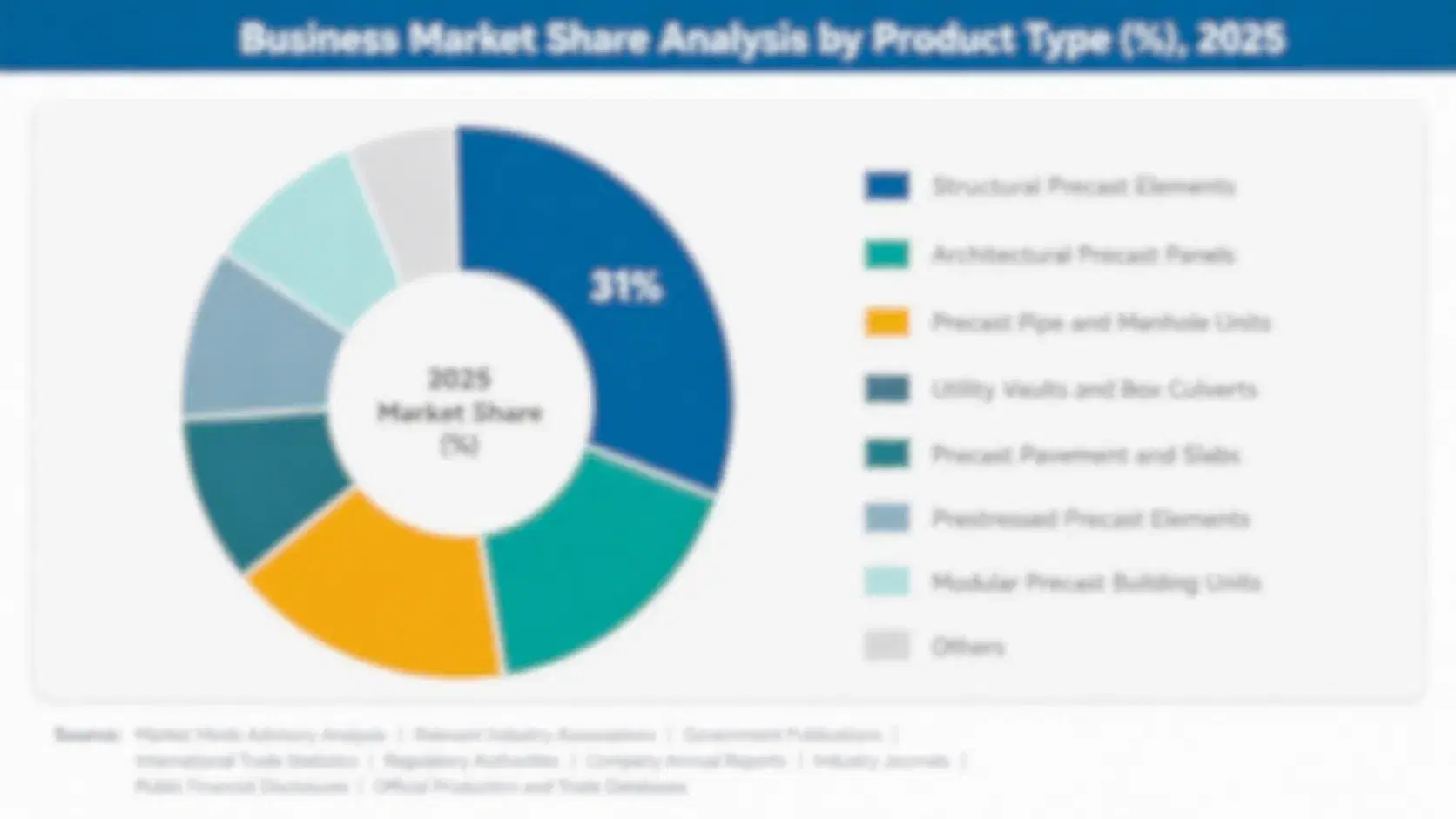
Cocoa is segmented by certification and sourcing model rather than processing form, since certification status increasingly determines which buyers a given bean pool can reach today. Certified sustainable and organic cocoa command consistent premiums over conventional bulk supply, and both segments are absorbing disproportionate manufacturer investment as traceability requirements tighten steadily across export markets worldwide.
cocoa-market-market-share-analysis-1789747434050

Certified Sustainable Cocoa

Certified Sustainable Cocoa, verified under Rainforest Alliance, UTZ, or Fairtrade standards, has become the fastest-growing segment as chocolate manufacturers race to meet European Union traceability requirements and corporate sustainability commitments announced over the past several years. Buyers pay a documented premium over conventional bulk pricing in exchange for farm-level origin data, audited labor practices, and deforestation-free land use verification that satisfies both regulators and retail customers. Cooperatives that achieved certification early are now securing multi-year offtake agreements at fixed premiums, insulating members from the worst spot market volatility. Processors without certified supply lines increasingly find themselves excluded from premium retail contracts entirely, accelerating the segment's expansion well beyond conventional bulk cocoa's underlying growth rate.
CAGR 8.0%

Organic Cocoa

Organic Cocoa continues expanding as health-focused consumers in North America and Western Europe pay meaningfully more for products free of synthetic fertilizers and pesticides, a preference that has spread from packaged chocolate into cocoa powder and butter used in cosmetics and nutraceuticals. Certification requires a multi-year transition period on farm land, which has historically limited supply growth even as demand accelerated, creating a persistent premium over both conventional and certified-sustainable cocoa that lacks the organic designation. Dominican Republic and Peruvian smallholders have captured much of this segment's early growth given favorable growing conditions and established transition infrastructure, while West African organic conversion remains at an early stage relative to overall regional production.
CAGR 6.5%
Full segment breakdown across 6 segments available in the complete report.

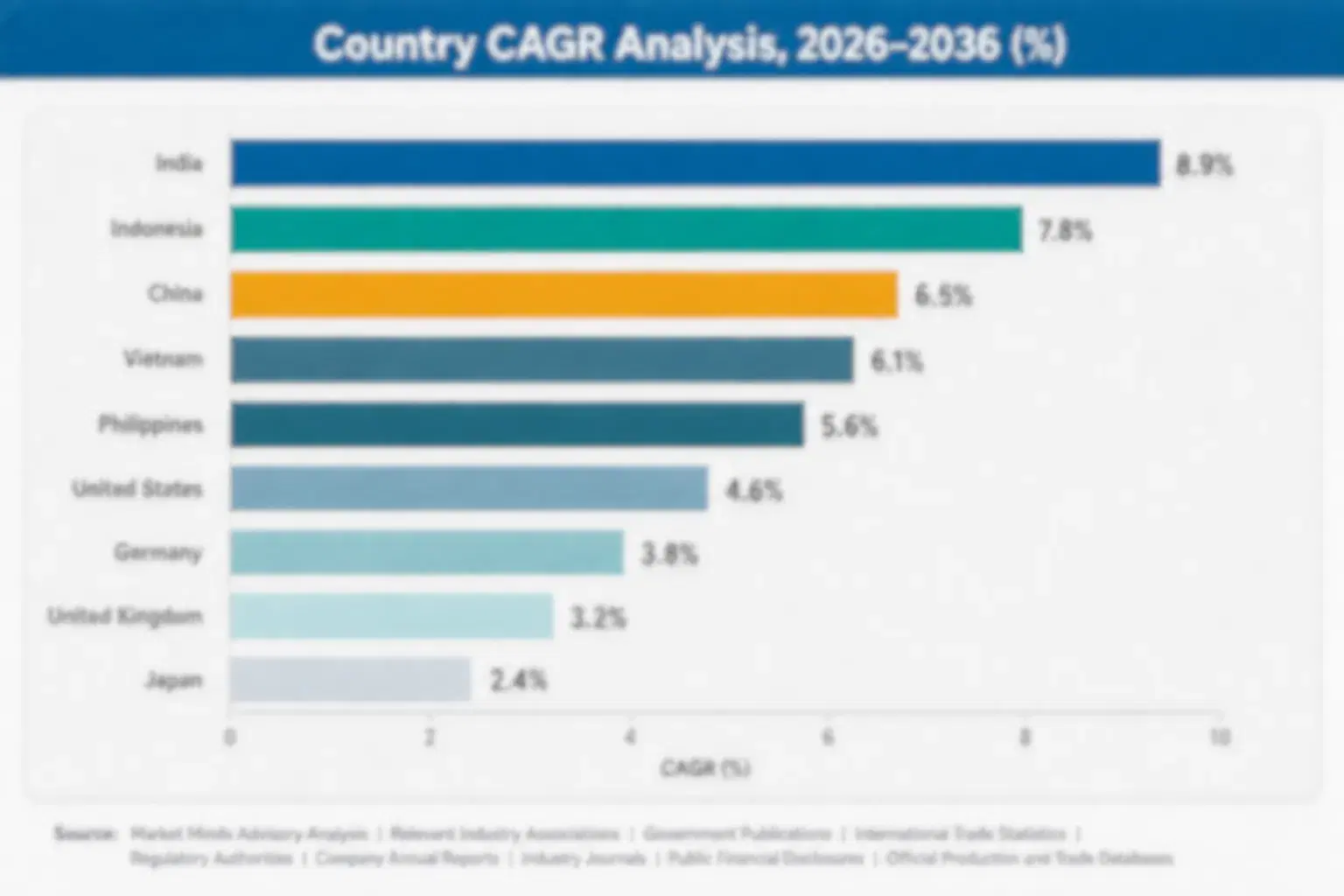
Regional Architecture and Country Demand Map

Cocoa value concentrates overwhelmingly in West African production origin rather than in consuming markets, reflecting this report's raw and semi-processed scope. Middle East and Africa dominates on output, while processing and consumption remain comparatively modest across North America, East Asia, and other mature import regions.

North America

North America's 9% share sits below its usual band because this market scopes cocoa as an agricultural input rather than finished confectionery, and the region grows essentially no cocoa itself, depending entirely on imported beans and semi-finished cocoa products. Demand still grows steadily, driven by grinding and processing capacity built to serve domestic chocolate manufacturers and a rapidly expanding market for cocoa-derived ingredients in nutraceuticals and cosmetics. Certified and organic cocoa penetration runs meaningfully higher here than in most producing regions, as retailers actively market ethical sourcing credentials to price-insensitive premium shoppers. Import terminal capacity along the eastern seaboard continues expanding to accommodate growing container volumes from West African and Latin American origins alike.
Share: 9% | CAGR: 4.5% (2026 to 2036)

Western Europe

Western Europe holds 20% share and remains the world's dominant grinding hub, with Netherlands and Germany processing far more cocoa than their domestic chocolate consumption alone would explain, since beans arrive at Antwerp and Amsterdam ports before redistribution across the continent and well beyond it. Regulatory pressure from the European Union's deforestation-free products rules is reshaping purchasing practices faster here than anywhere else, forcing every importer to document supply chains down to individual farm plots. Swiss and Belgian chocolate makers continue anchoring the world's premium confectionery segment, sustaining demand for certified and single-origin cocoa even as overall regional chocolate volume growth has slowed across most mature retail channels in recent years.
Share: 20% | CAGR: 3.2% (2026 to 2036)
Regional intelligence for 5 additional markets available in the complete report: East Asia, South Asia and Pacific, Latin America, Middle East and Africa, Eastern Europe. Contact sales@marketmindsadvisory.com.
cocoa-market-country-cagr-analysis-1789747434356

Four Paths to Margin Expansion in Cocoa

Margin expansion in cocoa increasingly comes from where and how value is captured rather than from raw volume growth, since bean output is constrained by tree stock and weather regardless of price. Processors and cooperatives able to shift up the value chain, into certification, origin processing, or byproduct monetization, are outperforming those still selling undifferentiated bulk cocoa at commodity pricing.

Capturing Certified and Traceable Origin Premiums

Cooperatives and exporters that invest early in farm-level geolocation mapping and third-party certification are securing premiums of 15% to 20% over conventional bulk pricing from buyers racing to satisfy European Union traceability requirements ahead of enforcement deadlines. The upfront cost of certification audits and documentation systems is meaningful for smaller cooperatives, but buyers increasingly refuse uncertified supply outright, making the investment close to mandatory rather than optional for continued market access. Exporters that certified earliest now hold multi-year supply agreements locking in these premiums well before smaller, slower-moving competitors can catch up.
Market Impact: premiums of 15% to 20% over bulk pricing

Building Direct Farmer Sourcing Relationships at Scale

Grinders and manufacturers that bypass intermediary trading houses to contract directly with farmer cooperatives are cutting 3 to 5 percentage points of margin leakage that traditionally accrued to layers of local buying agents and exporters. Direct relationships also give buyers better visibility into quality and origin, reducing blending risk and supporting premium positioning downstream. Building this infrastructure requires sustained field presence and farmer financing capability that smaller trading houses often lack, giving scaled players with established origin operations a durable advantage over new entrants attempting to replicate direct sourcing quickly.
Market Impact: 3 to 5 points of margin leakage recovered

Monetizing Cocoa Fruit Byproducts and Husk Waste

Roughly 70% of the cocoa pod's weight is traditionally discarded as husk and pulp waste at the farm gate, representing an underused revenue pool that processors are beginning to capture through pulp juice, spirits, and compost or biofuel applications for husk material. Early movers in Ecuador and Ivory Coast have built dedicated collection and processing infrastructure to convert this waste stream into saleable products, adding a secondary revenue line that improves overall farm economics without requiring additional tree planting or land conversion. Scaling collection logistics across dispersed smallholder farms remains the primary constraint on faster adoption.
Market Impact: up to 70% of pod weight now monetized

Expanding Domestic Grinding Capacity at Origin

Producing countries that grind beans into liquor, butter, and powder domestically capture 20% to 30% more value per ton than exporters shipping raw beans for processing abroad, a gap that Ivory Coast and Ghana are both targeting through government-backed grinding capacity investment. Domestic processing also insulates origin economies somewhat from raw bean price volatility, since semi-finished products command steadier contractual pricing than spot bean markets. Building grinding capacity requires substantial capital and reliable power infrastructure, constraints that have historically kept processing concentrated in Western Europe despite the logic favoring origin-based investment.
Market Impact: 20% to 30% more value captured per ton

Who Controls the Margin Pool

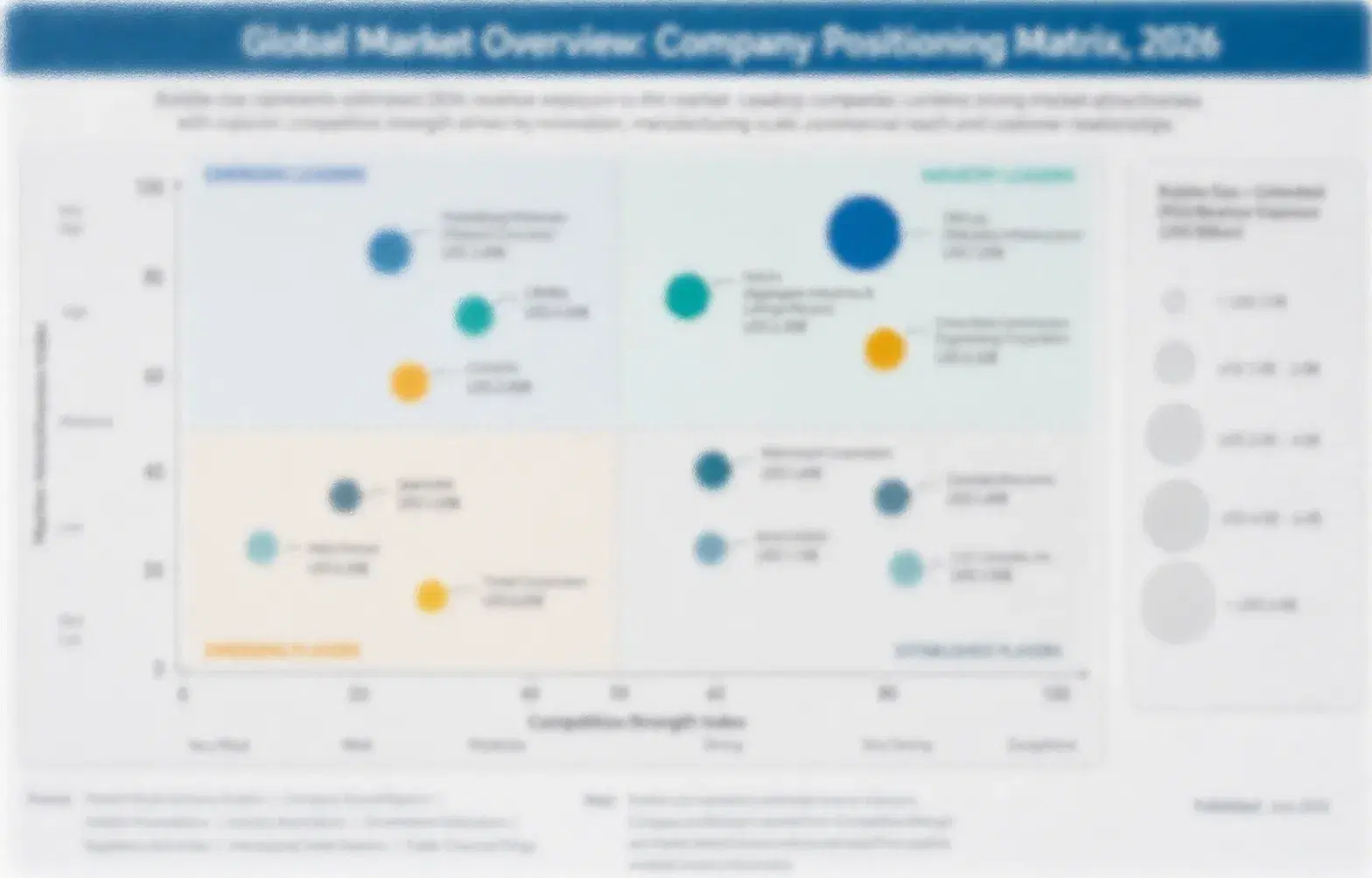
Cocoa processing remains moderately concentrated, with the top five companies controlling 62% of global grinding revenue on a revenue-basis comparison used consistently throughout this section. Barry Callebaut and Cargill lead by a meaningful margin over mid-tier challengers, whose processing footprints are regional rather than genuinely global in scope or reach.
Current competitive activity centers on three fronts: certification infrastructure investment to meet European Union traceability requirements, direct farmer sourcing programs that bypass traditional intermediaries, and domestic grinding capacity expansion within producing countries themselves. Leading players are also racing to lock in multi-year supply agreements with certified cooperatives before smaller competitors can secure the same origin relationships, a scramble reshaping who controls premium-grade bean access across every major growing region.

Emerging pressure comes from origin-country processors gaining grinding scale with government backing, threatening the traditional advantage held by Western European and North American grinders. Ivorian and Ghanaian state-linked entities are climbing the rankings as they capture more value domestically rather than exporting raw beans, a shift that could meaningfully reorder the competitive tier structure over the coming decade if replanting programs restore yield growth across aging plantation acreage.
cocoa-market-company-positioning-matrix-1789747434535

Competitive Moat and Risk Dimensions

BARRY CALLEBAUT AG

Moat: Unmatched Global Grinding Scale

Barry Callebaut operates the world's largest cocoa grinding network, giving it factory-to-brand relationships with most major chocolate manufacturers that smaller processors cannot replicate. This scale lets it absorb bean price swings across a diversified customer base and offer manufacturing outsourcing services that deepen customer dependency and switching costs over multi-year contract cycles.
BARRY CALLEBAUT AG

Risk: Bean Price Pass-Through Lag

When bean prices spike sharply within a single season, contractual pass-through mechanisms lag the underlying cost move, compressing margins for several quarters before pricing catches up. This exposure is amplified by Barry Callebaut's sheer processing volume, since even small per-ton margin compression translates into outsized absolute earnings impact across its grinding footprint.
CARGILL INCORPORATED

Moat: Diversified Agricultural Trading Infrastructure

Cargill's cocoa business draws on logistics, financing, and risk management infrastructure built across its much broader agricultural trading operation, letting it fund origin investment and absorb volatility that standalone cocoa processors cannot match. This cross-commodity scale supports longer-horizon origin commitments, including farmer financing programs that smaller rivals struggle to fund internally.
CARGILL INCORPORATED

Risk: Internal Capital Competes Against Cocoa

Because cocoa is one of many commodities within Cargill's broader portfolio, it competes internally for capital allocation against grain, protein, and other trading divisions that may offer faster or larger returns in a given year. This structure can slow cocoa-specific investment decisions relative to pure-play processors for whom cocoa is the sole strategic priority.

Players Tracked

Prominent Players

Barry Callebaut AG
Cargill Incorporated
Olam Agri
ECOM Agroindustrial Corp
Touton S.A.

Other Key Players

Sucden (Sucres et Denrees)
Blommer Chocolate Company
JB Foods Limited
Cemoi Group
Indcresa S.A.
Guan Chong Berhad
Ciranda Inc
Tulip Cocoa Processing
Cocoa Processing Company Ghana Ltd
SIAT S.A.
Continaf B.V.
Theobroma Chocolate
Federation des Cooperatives Agricoles de Cacaoculteurs de Cote d'Ivoire
Fuji Oil Holdings Inc.
Cococo Chocolatiers

Recent Developments

FEBRUARY 2026

Barry Callebaut Expands Ivory Coast Grinding Capacity

Barry Callebaut completed an organic capacity expansion at its Ivory Coast grinding facility, adding processing volume aimed at capturing more origin-based value before beans leave the country. The expansion supports efforts to shorten the supply chain and reduce reliance on raw bean shipments to European grinding hubs.
Signal: Signals an accelerating shift toward origin-based processing investment among leading global cocoa grinders and their competitors.
OCTOBER 2025

Cargill Signs Multi-Year Ghana Cooperative Supply Agreement

Cargill signed a multi-year supply agreement with certified cooperatives in Ghana, locking in fixed-premium pricing for traceable, sustainably certified cocoa ahead of European Union enforcement deadlines. The agreement is a long-term offtake commitment, not an equity transaction, structured specifically to secure certified volume at scale.
Signal: Confirms certified supply lock-in has become standard competitive practice among major cocoa processors racing regulatory deadlines.
MAY 2026

ECOM Agroindustrial Acquires Brazilian Processing Facility

ECOM Agroindustrial Corp completed an acquisition of a mid-sized cocoa processing facility in Bahia, Brazil, expanding its grinding footprint in a producing region gaining renewed investment after decades of disease-driven decline in output volume. The deal strengthens ECOM's Latin American origin presence alongside existing operations.
Signal: Reflects growing investor interest in Brazil's recovering cocoa production base and its steadily expanding processing capacity today.

What Drives Cocoa's Cost Base Today

Raw bean cost represents 75% to 80% of cocoa grinders' cost of goods sold, sourced almost entirely from smallholder farms across Ivory Coast, Ghana, Ecuador, and a handful of secondary origins. Energy for roasting and grinding, packaging, and inland logistics to port make up most of the remainder, with farm labor cost embedded within the bean price itself rather than billed separately to processors.
Cocoa futures prices more than doubled between 2023 and 2024 according to USDA Foreign Agricultural Service crop reports, driven by harmattan weather damage and swollen shoot virus spread across Ivory Coast and Ghana that cut harvest volumes well below trade expectations. Barry Callebaut's fiscal 2024 annual report cited the price surge as the primary driver of volume declines, as manufacturers reformulated recipes and raised retail prices to preserve margin.

Smaller processors without long-term hedging positions or direct farmer contracts absorb price spikes almost immediately, while scaled players with forward-priced supply agreements pass through cost increases more gradually across multi-year customer contracts. West African origin processors also hold a logistics advantage over distant European buyers, since they avoid the freight cost inflation that periodically compounds bean price volatility on landed cost.
cocoa-market-cost-volatility-analysis-1789747434723

Locking In Multi-Year Forward Hedging Positions

Grinders increasingly use futures contracts and forward-priced supply agreements spanning multiple years to smooth bean cost volatility rather than absorbing spot market swings directly. This approach trades some upside if prices fall for meaningfully greater predictability, letting finance teams budget with confidence and protect customer-facing pricing commitments across multi-year chocolate manufacturing contracts worldwide today.

Building Direct Farmer Sourcing Relationships

Contracting directly with farmer cooperatives, bypassing intermediary trading layers, gives processors more predictable volume commitments and reduces exposure to spot market price spikes during shortage periods across major growing regions worldwide. It also supports certification compliance, since direct relationships make farm-level origin documentation far easier to maintain than purchases sourced through anonymous intermediary channels.

Reformulating Recipes to Reduce Cocoa Content

Some confectionery manufacturers are lowering cocoa solids content or substituting cocoa butter equivalents made from other vegetable fats where regulations and consumer acceptance permit, cutting bean exposure per unit produced. This approach works best in mass-market products, since premium and certified segments generally cannot substitute cocoa content without losing the positioning that commands their price premium.

Portfolio Architecture for Margin Defence

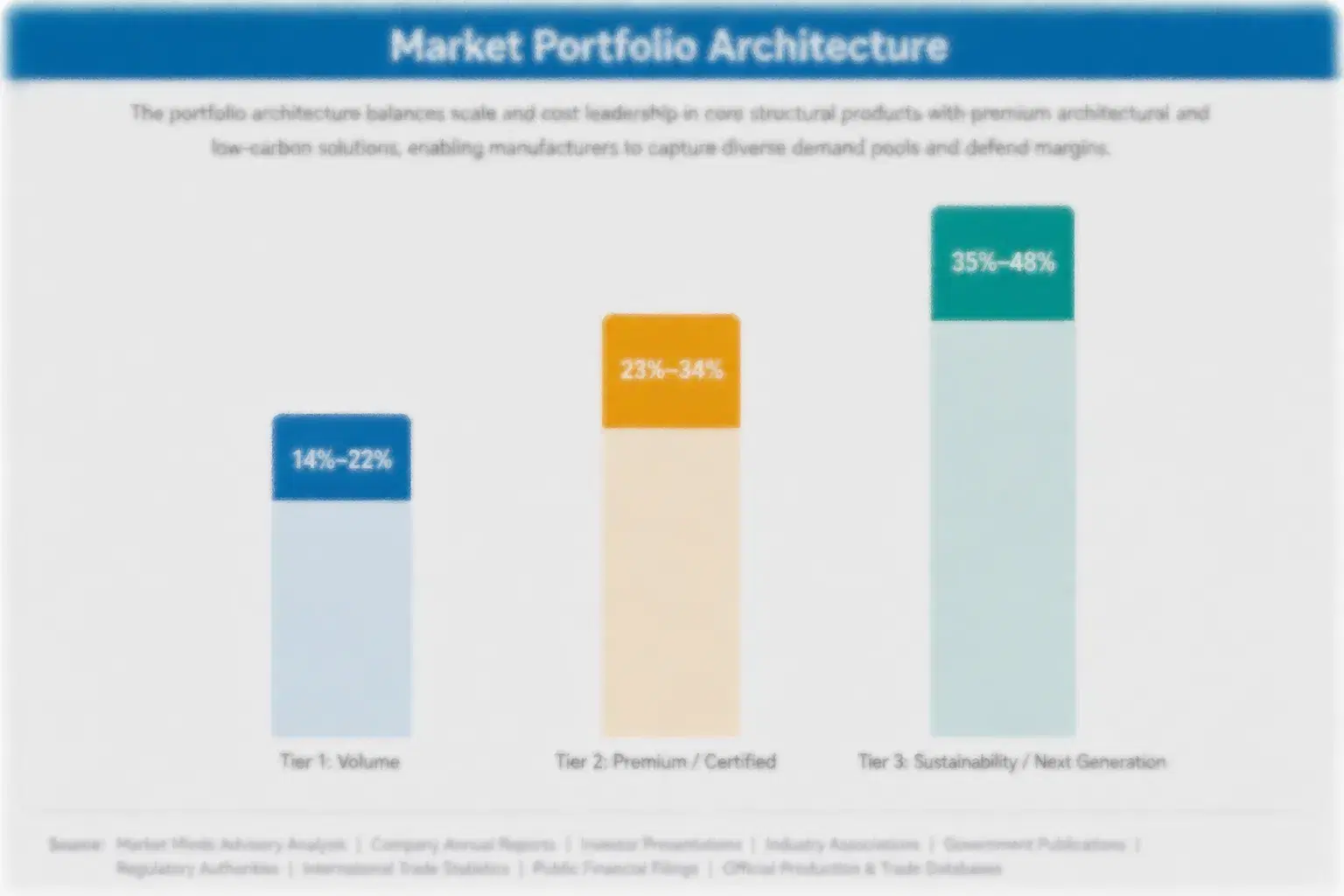
Cocoa's margin structure runs from thin commodity-grade grinding spreads to substantially richer certified and specialty pools, with gross margin roughly tripling between the volume tier and the sustainability tier. Certification, traceability documentation, and origin story all function as margin multipliers layered on top of the same underlying bean, rewarding processors that invest early in verification infrastructure rather than those that do not.
Volume tension is real: most global tonnage still moves through conventional bulk channels where buyers compete almost entirely on price, leaving thin spreads for processors without differentiation. Premium and certified volume remains a minority of total tonnage but captures a disproportionate share of processor profit, pulling investment steadily away from undifferentiated commodity supply toward documented, traceable origin that regulators and retailers increasingly require before purchase.

High-value pools concentrate at the intersection of certification and origin specificity, where single-origin, certified, and organic attributes stack to command the steepest premiums available anywhere in the value chain. Specialty chocolate manufacturers and premium ingredient buyers anchor this demand, and processors able to serve them consistently are capturing margin growth well ahead of the broader market's underlying volume expansion.

Volume / Commodity-Adjacent Tier

Undifferentiated bulk beans, liquor, and standard-grade butter and powder sold primarily on price into mass-market confectionery and industrial food applications, with minimal traceability documentation and margins compressed by intense commodity-style competition among buyers.
Gross Margin: 8%-14%

Premium / Certified Tier

Rainforest Alliance, UTZ, or Fairtrade certified cocoa with verified farm-level origin data, commanding consistent premiums from manufacturers meeting European Union traceability and sustainability sourcing commitments across their branded retail product lines.
Gross Margin: 18%-26%

Sustainability / Regulatory / Next-Generation Tier

Organic, single-origin, and direct-trade cocoa paired with advanced traceability platforms, deforestation-free verification, and farmer income transparency programs, positioned well ahead of anticipated regulatory tightening and rising retailer sustainability disclosure requirements.
Gross Margin: 22%-32%
cocoa-market-portfolio-architecture-1789747434913

High-value Sub-segments and Strategic Watch-out

Certified Sustainable Cocoa

Certified Sustainable Cocoa combines the fastest volume growth in the market with premiums of 15% to 20% over bulk pricing, drawing accelerating manufacturer investment as European Union traceability enforcement deadlines approach and buyers refuse uncertified supply outright across most premium retail channels and export contracts today.
Gross Margin: 20%-28%

Organic Cocoa

Organic Cocoa sustains strong growth and durable pricing power among health-focused consumers, though multi-year land transition requirements constrain how quickly supply can expand, keeping premiums elevated even as manufacturer demand for organic-labeled products continues broadening steadily across confectionery, cosmetics, and nutraceutical categories alike worldwide today.
Gross Margin: 18%-25%

Conventional Bulk Cocoa

Conventional bulk cocoa remains the volume core of the market, moving the largest absolute tonnage even as its share of total value shrinks relative to certified and organic segments, with processors here competing almost entirely on cost efficiency and logistics rather than differentiation or certification-based pricing power.
Gross Margin: 8%-12%

Cocoa Butter Equivalent Substitution

Cocoa butter equivalents, vegetable-fat substitutes permitted at limited concentrations under some national confectionery regulations, represent a strategic watch-out since expanded regulatory allowances could erode butter segment demand meaningfully if manufacturers adopt them broadly to manage input cost during future price spikes and prolonged supply shortages ahead.
Gross Margin: n/a (substitution risk)

Why Cocoa Demand Repeats and Deepens

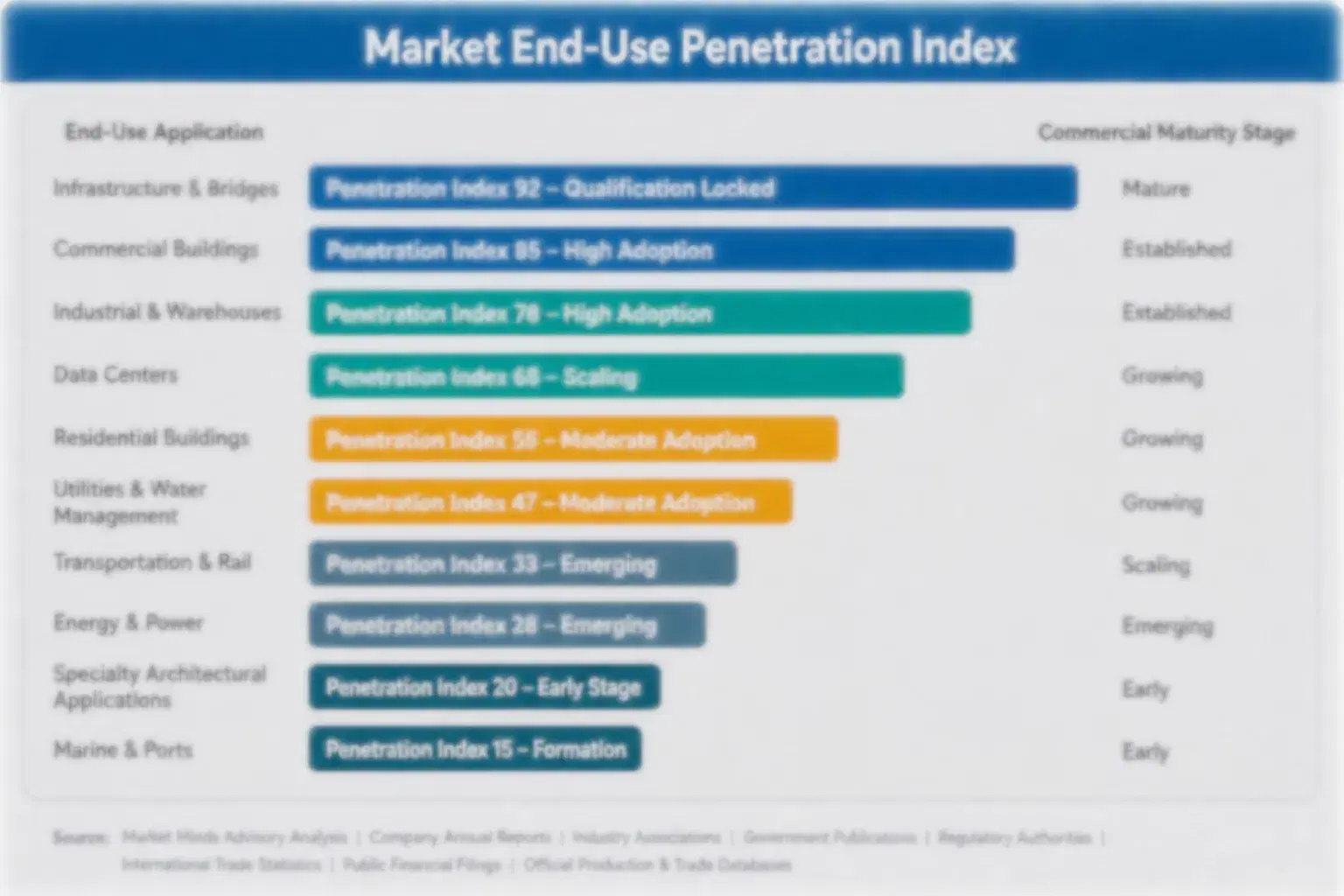
Cocoa demand behaves like an annuity for established suppliers: once a chocolate manufacturer qualifies a bean origin and processor relationship, switching costs from reformulation risk and supply continuity concerns keep that relationship intact for years at a time. Multi-year supply agreements, increasingly tied to certification compliance, extend this repeat-purchase pattern further, locking in predictable volume for processors that qualify early and consistently.
Stickiness varies meaningfully by end-use vertical. Confectionery manufacturers demonstrate the deepest loyalty, since recipe reformulation risks altering taste and texture that consumers notice immediately and often reject outright. Cosmetics and personal care buyers of cocoa butter show similar persistence tied to formulation stability, while nutraceutical and pharmaceutical buyers, though smaller in volume, demand the strictest quality consistency and therefore switch suppliers least often of any vertical served.

Buyer profiles are shifting generationally as younger procurement leaders at major manufacturers prioritize documented sustainability credentials over pure price competitiveness, a meaningful change from purchasing norms that dominated the category for decades. This generational shift is accelerating certified and traceable cocoa's share of total procurement spend, even among buyers whose end products still sell primarily on price at retail shelves nationwide.
cocoa-market-end-use-penetration-index-1789747435095

MMA Verdict on Cocoa Strategy

These are among the four positions where our research anticipates prominent divergence between winners and laggards over the coming forecast period. Each is grounded in the demand model, the regulatory perimeter, and the announced capacity pipeline.
01 / CERTIFICATION INVESTMENT TIMING

Certify Early to Lock In Traceability Premiums

Processors that delay third-party certification investment risk losing access to premium retail contracts entirely once European Union enforcement deadlines pass and buyers finalize their compliant supplier lists for the coming multi-year cycle. Certification costs are meaningful but modest relative to the 15% to 20% premiums early movers are already securing on certified volume across most major export markets today. MMA views 2026 through 2027 as the critical window before certified capacity saturates available premium demand and the advantage compresses meaningfully for latecomers.
02 / ORIGIN DIVERSIFICATION STRATEGY

Diversify Beyond West Africa to Manage Supply Risk

Concentration risk in Ivory Coast and Ghana, which together supply roughly 60% of global cocoa, leaves buyers exposed to a single region's weather, disease, and political disruption in ways few other agricultural commodities anywhere replicate today. Ecuador, Peru, and recovering Brazilian production offer genuine alternative volume, particularly within the fine-flavor and organic segments where premiums partially offset higher landed logistics cost over time. MMA recommends building origin diversification into sourcing strategy now, well before the next shortage forces the decision.
03 / DIRECT SOURCING INFRASTRUCTURE

Build Direct Farmer Relationships Before Rivals Do

Direct sourcing infrastructure, including field agents, farmer financing, and geolocation systems, takes years to build properly and cannot be assembled quickly once a competitor has already secured preferred cooperative relationships in a given growing region or country. Companies with established direct sourcing already report three to five percentage points of recovered margin versus intermediary-dependent purchasing, a gap that continues widening as certification requirements tighten further. MMA sees this infrastructure as an increasingly durable source of competitive separation over the coming decade.
04 / BYPRODUCT REVENUE CAPTURE

Capture Byproduct Value From Underused Pod Material

Roughly 70% of each cocoa pod's weight is discarded as husk and pulp waste, an underused resource that early movers in Ecuador and Ivory Coast are actively converting into juice, spirits, and biofuel revenue streams today. This byproduct opportunity improves farm-level economics without requiring additional land or tree planting, addressing sustainability concerns while adding meaningful incremental margin per hectare farmed. MMA expects byproduct monetization to become a standard differentiator among leading cocoa origin investors well within the current forecast period.

Engagement Snapshot From the Field

A live engagement with an industry participant carrying material or product regulatory and market exposure ahead of a defining policy shift, showing how our research translates into a defensible multi-year portfolio strategy.
MARKET MINDS ADVISORY · CLIENT ENGAGEMENT SUMMARY
Cocoa Producer Strategic Portfolio Review and Transition Roadmap 2026·Investment Scenario on Cocoa Exposure Evaluation 2025-26
CLIENT PROFILE
The client is a mid-sized European chocolate manufacturer generating approximately $340 million in annual revenue (client-reported, unverified by MMA), producing branded and private-label confectionery for retail chains across Western Europe. The company sources cocoa primarily through intermediary traders and had limited direct visibility into farm-level origin data across its West African bean supply prior to engaging MMA.
STRATEGIC CHALLENGE
The client faced a compliance deadline under European Union deforestation-free products regulation without adequate traceability documentation across roughly 60% of its bean volume, risking loss of market access for several branded product lines. Leadership needed a sourcing strategy that would achieve compliance without triggering the cost increases that direct-to-certified conversion typically requires across an entire supply base.
MMA APPROACH
MMA conducted a supply chain mapping exercise identifying which existing supplier relationships already met partial traceability standards, then modeled a phased certification pathway prioritizing highest-volume, lowest-cost conversion opportunities first. The engagement combined primary interviews with the client's procurement team, benchmarking against certified peer manufacturers, and cost modeling for alternative sourcing structures.
KEY FINDINGS
  1. Roughly 40% of existing bean volume already flowed through suppliers with partial traceability infrastructure, requiring only modest documentation upgrade investment to reach full compliance.
  2. Direct sourcing from three priority cooperatives could close the compliance gap within eighteen months at meaningfully lower cost than replacing the entire intermediary supply base.
  3. Competitors that certified earlier were already capturing sustained pricing premiums of 15% to 20% on certified volume sold into the same retail distribution channels.
  4. Delaying certification investment risked losing valuable shelf space with two major retail customers that had announced binding sourcing compliance requirements effective for 2027.
CLIENT PROFILE
The client is a mid-sized European chocolate manufacturer generating approximately $340 million in annual revenue (client-reported, unverified by MMA), producing branded and private-label confectionery for retail chains across Western Europe. The company sources cocoa primarily through intermediary traders and had limited direct visibility into farm-level origin data across its West African bean supply prior to engaging MMA.
STRATEGIC CHALLENGE
The client faced a compliance deadline under European Union deforestation-free products regulation without adequate traceability documentation across roughly 60% of its bean volume, risking loss of market access for several branded product lines. Leadership needed a sourcing strategy that would achieve compliance without triggering the cost increases that direct-to-certified conversion typically requires across an entire supply base.
MMA APPROACH
MMA conducted a supply chain mapping exercise identifying which existing supplier relationships already met partial traceability standards, then modeled a phased certification pathway prioritizing highest-volume, lowest-cost conversion opportunities first. The engagement combined primary interviews with the client's procurement team, benchmarking against certified peer manufacturers, and cost modeling for alternative sourcing structures.
KEY FINDINGS
  1. Roughly 40% of existing bean volume already flowed through suppliers with partial traceability infrastructure, requiring only modest documentation upgrade investment to reach full compliance.
  2. Direct sourcing from three priority cooperatives could close the compliance gap within eighteen months at meaningfully lower cost than replacing the entire intermediary supply base.
  3. Competitors that certified earlier were already capturing sustained pricing premiums of 15% to 20% on certified volume sold into the same retail distribution channels.
  4. Delaying certification investment risked losing valuable shelf space with two major retail customers that had announced binding sourcing compliance requirements effective for 2027.
RECOMMENDED STRATEGY
Phase 1: Phase 1 (Months 1-4): Map existing supplier traceability status in full detail and prioritize the highest-volume, lowest-cost conversion opportunities first. Phase 2: Phase 2 (Months 5-12): Establish direct cooperative relationships, complete certification audits, and build farm-level documentation systems across priority origin volume. Phase 3: Phase 3 (Months 13-18): Scale certified sourcing across remaining bean volume and renegotiate retail contracts to capture premium pricing terms.
OUTCOME
Within fourteen months, the client converted 55% of total bean volume to certified, traceable sourcing (client-reported, unverified by MMA), securing renewed contracts with both retail customers ahead of the 2027 compliance deadline. Certified volume commanded an average premium of 17% over prior bulk pricing, more than offsetting certification and audit costs within the first sourcing cycle.

Frequently Asked Questions

Foundational context covering the market sizes, CAGR, scope, country, region and competition that inform every finding below. This section is provided to cover basics and most often pre-purchase conversations, answered from the MMA Primary Research Dataset.

What is the current size of the Cocoa Market?

The global cocoa market was valued at $22.5 billion in 2025. This figure covers raw beans, liquor, butter, and powder, excluding finished chocolate confectionery products.

How large will the Cocoa Market be by 2036?

MMA projects the cocoa market will reach $37.7 billion by 2036. This represents cumulative growth of roughly $14.1 billion over the ten-year forecast window ahead.

What is the CAGR for the Cocoa Market 2026 to 2036?

The cocoa market is forecast to grow at a 4.8% compound annual rate between 2026 and 2036. The bull case reaches 6.0% while the bear case falls to 3.6%.

Which segment is growing fastest?

Certified Sustainable Cocoa is the fastest-growing segment, expanding at 8.0% CAGR, roughly 1.7 times the overall market rate. Organic Cocoa follows closely as the second-fastest segment at 6.5%.

Who are the major companies in the Cocoa Market?

Leading companies include Barry Callebaut AG, Cargill Incorporated, Olam Agri, ECOM Agroindustrial Corp, and Touton S.A. These five players together control an estimated 62% of global grinding revenue.

Which country is growing fastest?

Ivory Coast is the fastest-growing major cocoa origin, expanding at approximately 6.5% CAGR. Government-backed grinding investment and farmgate reforms are supporting this above-market growth rate.

Report Segmentation Architecture

The full report scope spans multiple orthogonal segmentation dimensions, with cross-tabulated demand data provided for each dimension pair. Coverage extends further to regional breakdowns, trend trajectories, and the competitive detail needed to support segment-level decision-making.

By Primary Market Dimension

  • Certified Sustainable Cocoa
  • Organic Cocoa
  • Direct-Trade Cocoa
  • Fine-Flavor Cocoa
  • Conventional Bulk Cocoa
  • Blended Commodity-Grade Cocoa

By End-Use Industry

  • Confectionery and Chocolate Manufacturing
  • Bakery and Snack Products
  • Beverages
  • Cosmetics and Personal Care
  • Nutraceuticals and Pharmaceuticals

By Commercial Dimension

  • Direct-to-Manufacturer Sales
  • Trader and Broker Intermediated Sales
  • Private Label Supply Agreements
  • Spot Market Transactions

By Region

  • North America
  • Western Europe
  • East Asia
  • South Asia and Pacific
  • Latin America
  • Middle East and Africa
  • Eastern Europe

Scope, Methodology, and Coverage

Every figure in this report is reproducible from documented input assumptions. The scope below maps the historical period, the forecast horizon, the segmentation dimensions, and the countries covered, alongside the underlying primary and qualitative methodology.
Historical Period
2020 to 2025
Forecast Period
2026 to 2036
Base Year
2025 (USD billions; MMA Primary Research Dataset, September 2026)
Market Definition
The cocoa market comprises raw cocoa beans, cocoa liquor and mass, cocoa butter, and cocoa powder traded globally as agricultural and semi-processed commodities. It excludes finished chocolate confectionery, compound coatings, and branded consumer products manufactured from these inputs.
Quantitative Units
USD billions (current prices); metric tons for volume references
Segmentation Dimensions
By Certification and Sourcing Model; By End-Use Industry; By Commercial Dimension; By Region
Regions Covered
North America, Western Europe, East Asia, South Asia and Pacific, Latin America, Middle East and Africa, Eastern Europe
Countries Covered
USA, China, Germany, France, UK, Japan, South Korea, India, Australia, Canada, Brazil, Mexico, Indonesia, Vietnam, Thailand, Malaysia, UAE, Saudi Arabia, South Africa, Nigeria, Turkey, Poland, Netherlands, Italy, Spain, Sweden, Switzerland, Argentina, Colombia, Singapore, Ivory Coast, Ghana, Ecuador, and additional markets relevant to this sector
Key Companies Profiled
Barry Callebaut AG, Cargill Incorporated, Olam Agri, ECOM Agroindustrial Corp, Touton S.A., Sucden (Sucres et Denrees), Blommer Chocolate Company, JB Foods Limited, Cemoi Group, Indcresa S.A., Guan Chong Berhad, Ciranda Inc, Tulip Cocoa Processing, Cocoa Processing Company Ghana Ltd, SIAT S.A., Continaf B.V., Theobroma Chocolate, Federation des Cooperatives Agricoles de Cacaoculteurs de Cote d'Ivoire, Fuji Oil Holdings Inc., Cococo Chocolatiers
Quantitative Methodology
Primary survey, n=3,800 respondents, Q4 2025, six countries; demand-side model with trade association cross-validation
Qualitative Methodology
47 expert interviews, Q4 2025; applied to validate demand model assumptions, identify emerging dynamics, and assess competitive positioning
Report Format
PDF and XLSX data workbook (Word format preview document)
Publisher
Market Minds Advisory
Report Code
MMA-2026-AGR-226
Published
September 2026
Contact
sales@marketmindsadvisory.com | www.marketmindsadvisory.com

Purchase the full Cocoa Market Report (2026 to 2036).

The full report delivers a comprehensive assessment of global cocoa supply, certification dynamics, and processor competitive positioning through 2036. It includes detailed segment-level forecasts across certification and sourcing categories, country-level production and demand data for all seven world regions, and profiles of the twenty companies most relevant to bean sourcing and grinding capacity. Analysts receive input cost modeling and portfolio margin benchmarking built from MMA's primary research dataset. A dedicated scenario planning module lets subscribers stress-test bull and bear case assumptions against their own procurement volumes.
Ten-year segment and regional demand forecasts
Certification and traceability adoption rate tracking
Competitive benchmarking of top twenty players
Input cost and margin sensitivity modeling tools
Regional demand mechanism comparative analysis included
Quarterly primary survey data update access

Built For The People Who Decide

From boardroom strategy to bench-side execution, this report is read cover-to-cover by leaders shaping the next decade of their industry, turning demand scenarios, market dynamics and valuation benchmarks into decisions.
CXOs/ Presidents/ VPs/ Managers
M&A and Corporate Development
Strategy Teams and R&D Heads
Procurement and Product Directors
Regulatory and Compliance Leaders
Investor Relations and Equity Analysts