Market Minds Advisory
Citrus Seeds Market

Citrus Seeds Market: Citrus Seeds Market. Greening Disease Pressure and Certified Nursery Programs Reshape Rootstock Seed Economics.

Citrus rootstock seed is shifting toward greening-tolerant hybrids and certified disease-free sources, while fruit-supply seasonality, quarantine rules, and slow breeding cycles decide which nurseries and seed producers win long-term contracts with orchard growers.

Lead Analyst

Published

September 2026

Make Smarter Decisions with Customized Research Insights

Request a free sample report and evaluate market opportunities, growth trends, and competitive dynamics relevant to your business needs.

2025 MARKET VALUE$0.4BMarket Size 2025
2036 FORECAST VALUE$0.7BBase Case , 2026 to 2036
CAGR 2026 TO 20365.8 %Bull 7.1% / Bear 4.5%
INCREMENTAL OPPORTUNITY$0.3BNet 10- year value creation
EXPANSION MULTIPLE1.76x2036 value over 2026 base
Strategic Levers
M&A Pipeline
Regional Outlook
Country Rankings
Competitive Intelligence
Segmental Deep-dive
Call-Us : 91 93563 13602

Executive Snapshot and Market Trajectory.

Citrus rootstock seed is a small market that decides a very large one. Every commercial citrus tree is a grafted plant, and the seedling rootstock underneath sets its disease tolerance, soil fit, and yield for 25 years. Greening disease has made that choice urgent. Timing is critical.
Greening-tolerant hybrid rootstock seed is growing fastest, helped by replanting programs in Florida, Brazil, and China, while Volkamer lemon and Rangpur lime seed follows in drought-prone regions. East Asia holds the largest share because China plants and replants more citrus than any other country, and Latin America and North America add demand through large orange and lime industries. India and Egypt add new orchards, and buyers pay premiums for virus-tested seed with documented sources.
The competitive field mixes global propagation companies, regional certified nurseries, and government-linked foundation seed programs. Advantage comes from clean seed sources, protected screenhouse production, and access to tolerant hybrids rather than price. Regulation cuts both ways, since quarantine and certification rules raise compliance cost while rewarding suppliers with virus-tested, traceable seed lots. Buyers reward documented sources, verified virus status, and reliable delivery timing above the lowest price.
Market Definition
Citrus seeds comprise the seed of rootstock species and hybrids, including trifoliate orange, citrange, citrumelo, Volkamer lemon, Rangpur lime, sour orange, mandarin, and greening-tolerant hybrids, sold to nurseries and orchard developers for producing grafted citrus trees. The scope excludes budwood and scion material, clonal micropropagated rootstocks, finished grafted trees, citrus fruit, and citrus seed extracts or oils.
Base Year Value
$0.4B in 2025 (MMA Primary Research Dataset, September 2026)
Forecast Period
2026 to 2036, eleven discrete annual values
CAGR
5.8% base case. Bull 7.1%. Bear 4.5%.
Fastest Growth Segment
HLB-Tolerant Hybrid Rootstock Seed: 10.2% CAGR
Fastest Growth Country
India: 8.6% CAGR
Fastest Growth Region
South Asia and Pacific: 7.9% CAGR
Largest Region
East Asia: 30% of 2025 global value
Market Leaders
Agromillora, Southern Citrus Nurseries, Willits and Newcomb, Citrograf, Four Winds Growers. Source: MMA Analysis, company annual reports.
Primary Survey
n=3,800 procurement and R&D decision-makers, Q4 2025, six countries
Methodology
Demand-side build-up, cross-validated against public data, 47 expert interviews

Citrus Seeds Market Forecast Scenarios

citrus-seeds-market-size-forecast-scenario-1789754925598
Between 2020 and 2025, citrus rootstock seed grew steadily as greening disease forced replanting in Florida, Brazil, Mexico, and China, and as certified nursery programs expanded in Spain and Morocco. Growth averaged 5.0% a year, with tolerant hybrids outpacing sour orange and Cleopatra mandarin, though hurricane damage and fruit shortages in 2022 disrupted seed extraction and delayed nursery orders.
The base case assumes 5.8% annual growth through 2036, built on three named mechanisms: replanting of greening-affected orchards with tolerant hybrid rootstocks, expansion of certified screenhouse nurseries in India, Egypt, and Vietnam that raises seed demand for new plantings, and grower adoption of drought and salinity tolerant rootstocks such as Volkamer lemon in water-stressed regions. Public funding for disease resistant plantings supports steady seed volumes. Each mechanism reinforces the others over time.
The bull case, at 7.1%, needs faster release of tolerant hybrids and stronger replanting subsidies. The bear case, at 4.5%, reflects continued orchard abandonment in disease-hit regions, competition from clonal micropropagated rootstocks that bypass seed, and low juice prices that reduce grower investment. Either scenario leaves the underlying demand base intact, though pricing and mix would differ noticeably from the base path.

Clean Seed Sources and Tolerant Hybrids Set Rootstock Value

Citrus rootstock seed is extracted from fruit of selected mother trees, cleaned, treated, and sown in nurseries. Many citrus seeds are polyembryonic, meaning they produce seedlings genetically identical to the mother tree, which keeps rootstock quality uniform. Seed must be fresh, disease-free, and kept moist, because it loses viability quickly, so extraction timing and logistics matter. Freshness decides germination.
MARKET CONCENTRATION15% CR5Leading five suppliers hold a small combined share
AVERAGE SELLING PRICE$140 per kgTolerant hybrid seed sells far above sour orange
TOP PRODUCING COUNTRY29% shareChina supplies over a quarter of world citrus
SEED YIELD PER FRUIT12 seedsExtracted fruit gives a small number of usable seeds
NURSERY CYCLE LENGTH18 monthsSeedling rootstocks need long nursery growth before they are grafted
CERTIFIED SEED SHARE31%Most seed is still bought outside formal certification
Buyers use the seed in different ways. Commercial nurseries grow seedlings for grafting and sell trees to orchard developers, large growers run in-house nurseries, and government programs supply foundation seed to certified nurseries. Specifications cover cultivar identity, germination, and freedom from citrus tristeza virus, viroids, and greening bacteria, and buyers increasingly ask for documented mother tree records. Records matter as much as germination.
The industry is fragmented and regulated. Foundation seed sources are held by public research agencies and a few companies, certified nurseries multiply and sell seed or seedlings, and informal seed sales still supply parts of Asia and Africa. Quarantine rules, disease pressure, and breeding cycles shape investment, and partnerships between nurseries, researchers, and grower associations are expanding tolerant rootstock supply. Buyers also ask about licensing.
"Growers talk about scions, varieties, and juice prices. The seed under the graft union gets no attention until disease strikes. Then it becomes the most valuable gram in the orchard, and suppliers who held clean sources get paid for it."
Practice Lead, Agricultural Inputs and Horticultural Propagation Practice · MMA Agricultural Inputs and Horticultural Propagation Practice · September 2026

Market Trends

Greening Disease Replanting Drives Demand for Tolerant Hybrid Rootstock Seed

Florida, Brazil, Mexico, and China are replanting orchards affected by huanglongbing, or greening disease, using rootstocks that tolerate infection better than sour orange or Swingle citrumelo. Newer hybrids released by public breeding programs show higher yield and fruit quality on infected trees, and growers are ordering seed and seedlings years ahead. Nurseries expand screenhouse capacity, and orchard developers sign multi-year supply agreements to secure tolerant material. Growers report that trees on tolerant rootstocks hold fruit longer and show less canopy decline, and nurseries that promise licensed seedlings within two years win orders from large orchard groups.
Market Impact: USDA replanting support exceeds $600 million

Protected Screenhouse Nurseries Raise Standards for Clean Traceable Seed

Nurseries are moving production into protected screenhouses with insect-proof screening, because the Asian citrus psyllid spreads greening bacteria, and certified programs increasingly require protected production. Screenhouse seedlings are healthier, and buyers pay premiums for them. Investment is large, so nurseries seek long contracts, and seed suppliers that provide clean, traceable seed for screenhouse systems gain preferred status and higher margins with growers replanting affected regions. Screenhouse production costs roughly 25% more per tree than open-field nurseries, yet buyers accept the premium because they avoid early infection, and regulators are drafting rules that will make protected production mandatory.
Market Impact: 300-600 trees planted per hectare

Market Opportunities and Growth Drivers

Replanting Subsidies in Disease-Hit Regions Lift Seedling and Seed Orders

Government and grower association programs in Florida, California, Brazil, and China fund replanting and disease-resistant plantings, and cost-share payments cover part of the nursery tree cost. The United States has funded citrus research and replanting through USDA programs, and Brazil's grower fund supports disease management. Subsidies lower grower risk, which lifts seedling orders, and multi-year programs give seed suppliers volume visibility. Payments typically cover 30% to 50% of tree cost, and growers who replant with certified trees qualify for additional support, which pulls forward nursery orders by a year or more.
Market Impact: Florida output fell over 90%

New Orchards in India, Egypt, and Vietnam Add Seed Demand

New orchards in India, Egypt, Vietnam, Morocco, and South Africa are expanding to supply domestic and export markets, and each hectare needs about 300 to 600 trees, each on a seedling rootstock. Governments in these countries support citrus expansion through irrigation and export programs, and nurseries scale up. Growth in new plantings creates steady demand for certified seed, even when mature orchard regions face disease pressure. Drip irrigation and export contracts support investment, and new orchard developers usually buy certified trees from the start because European and Gulf importers audit plant health records.
Market Impact: rootstock breeding takes 10-15 years

Market Restraints and Challenges

Greening Disease Losses Shrink Orchard Acreage in Mature Producing Regions

Greening disease has devastated Florida, where orange output fell more than 90% from its peak, according to USDA National Agricultural Statistics Service data. The root cause is bacterial infection spread by the psyllid, with no cure. Many growers abandoned orchards rather than replant, cutting seed demand in the region. Suppliers respond by shifting sales to Brazil, California, and Asia, and by developing tolerant hybrids. Florida acreage fell from several hundred thousand acres to a small fraction, and processors closed plants, so juice-linked seed extraction volumes fell as well, while remaining growers replant slowly because tree losses continue.
Market Impact: replanting covers 30% of affected acreage

Slow Breeding Cycles Limit Supply of Proven Tolerant Rootstock Hybrids

Breeding and testing a new rootstock takes 10 to 15 years, and few tolerant hybrids have reached commercial release, so supply of proven material is thin. The root cause is long tree generation times, complex disease screening, and limited research funding. Growers wait for trial results and hesitate to commit. Mitigation includes shared field trials, clonal micropropagation for faster scale-up, and licensing agreements between public breeders and nurseries. Field trials must be repeated across soil types and climates, and licensing terms vary, so nurseries cannot always scale new hybrids quickly even after trial results look encouraging to growers.
Market Impact: screenhouse trees earn 20% premiums
3 additional market trends, 4 additional growth drivers, and 3 additional restraints and challenges are covered in the full report. Contact sales@marketmindsadvisory.com to access the complete intelligence.

Segment CAGR and Growth Architecture

Citrus seed is segmented by rootstock type, because disease tolerance, soil and climate adaptation, and vigor determine grower choice, price, and nursery volume more directly than pack size or seed source does. Greening-tolerant hybrid rootstock seed attracts the most new investment as growers convert replanting programs into multi-year nursery orders. Access to licensed genetics shapes pricing.
citrus-seeds-market-market-share-analysis-1789754925890

HLB-Tolerant Hybrid Rootstock Seed

Greening-tolerant hybrid rootstock seed is the fastest-growing segment, covering hybrids selected for better performance under greening infection, such as new citrandarin and related crosses released by public breeding programs. Growers pay premiums of 40% to 80% over standard citrange seed, and many programs restrict release through licensed nurseries. Supply is scarce because mother tree populations are small, so suppliers with protected foundation blocks and licensing rights hold strong pricing power. Public breeders release hybrids through exclusive or non-exclusive licenses, so nurseries in one region may hold rights that others lack. Trials run five to seven years before growers commit, and orchard developers ask for documented field performance under infection, so suppliers that share transparent data build confidence faster.
CAGR 10.2%

Volkamer Lemon and Rangpur Lime Seed

Volkamer lemon and Rangpur lime seed is the second-fastest segment, used for drought, salinity, and heat tolerant rootstocks in Brazil, India, the Middle East, and Australia. Vigorous growth and good yield make it popular for lemons and sweet oranges in warm climates, though fruit quality and cold tolerance are trade-offs. Seed is polyembryonic, so seedlings stay true to type, and regional nurseries supply local growers with lower-cost material. Growers in Brazil use Rangpur lime widely on sandy soils because it tolerates drought and produces early yield, though susceptibility to citrus sudden death and blight has pushed some growers toward alternatives. Indian and Middle Eastern nurseries also rely on Rangpur, and Volkamer seed suits salty soils.
CAGR 6.6%
Full segment breakdown across 6 segments available in the complete report.

Regional Architecture and Country Demand Map

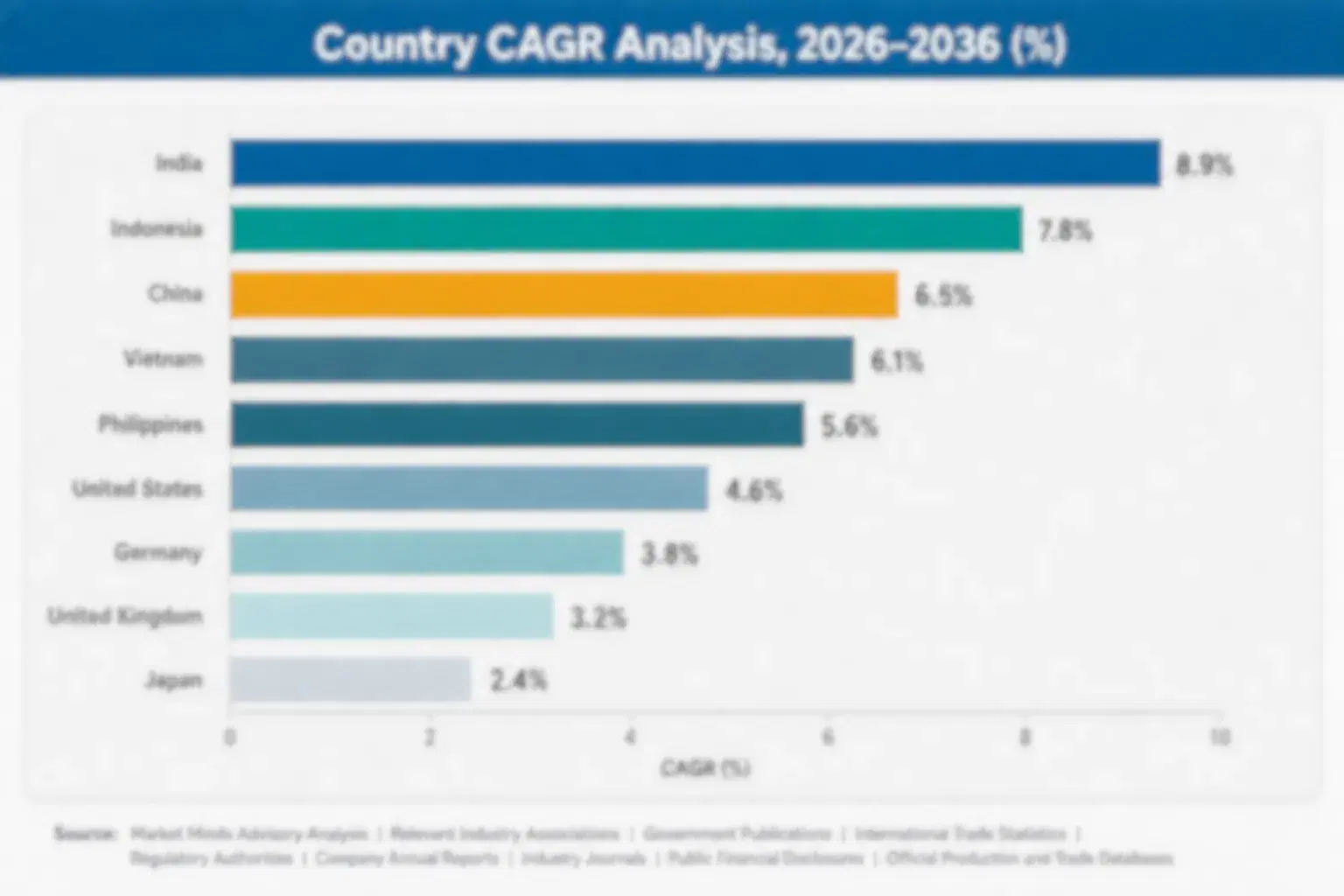
Citrus seed value follows orchard area and replanting pressure. East Asia leads through Chinese plantings, North America and Latin America add demand through greening replanting, and India is the fastest-growing consumer as certified nurseries expand for new mandarin and lime orchards. India is the fastest-growing market.

North America

North America holds 16% share, below its usual band, because citrus acreage in Florida has shrunk sharply under greening, and California and Texas plantings are smaller than Asian or Latin American ones. Replanting programs and California's clean stock program support demand for tolerant hybrids and certified seed. Southern Citrus Nurseries and Willits and Newcomb supply growers, while Mexican lime and orange nurseries add cross-border volume and regulatory scrutiny. California's clean stock program requires certified budwood and rootstock sources, and Texas growers replant after freeze and disease losses. Mexican lime nurseries supply regional growers and export trees to Central America, while Florida replanting under state and federal programs supports steady but smaller demand than in earlier decades.
Share: 16% | CAGR: 6.3% (2026 to 2036)

Western Europe

Western Europe holds 14% share, below its usual band, because citrus is grown mainly in Spain, Italy, and Portugal on smaller orchard areas than in Asia or Latin America. Spain leads through certified nurseries that supply export orchards and sell to Morocco and Egypt, and Agromillora holds a strong propagation position. EU certification rules and tristeza control programs support demand for virus-tested seed, though mature orchards limit new planting volume. Valencia and Murcia nurseries supply Spanish growers and export to Morocco, Egypt, and South Africa, and Italy's Sicilian growers plant new blood orange orchards. Tristeza control programs and mandatory certification limit informal trade, so nurseries invest in tested mother trees, though water shortages weigh on new orchard plans.
Share: 14% | CAGR: 4.3% (2026 to 2036)
Regional intelligence for 5 additional markets available in the complete report: East Asia, South Asia and Pacific, Latin America, Middle East and Africa, Eastern Europe. Contact sales@marketmindsadvisory.com.
citrus-seeds-market-country-cagr-analysis-1789754926068

Four Margin Levers for Citrus Seed Suppliers

Margin in citrus rootstock seed comes from moving beyond commodity sour orange and citrange seed toward licensed tolerant hybrids and certified virus-free sources that growers cannot easily replace. Suppliers that invest in foundation blocks, screenhouses, licensing, and grower programs earn more per kilogram than sellers competing only on price. Each route needs different capital and timing.

Licensing Greening-Tolerant Hybrids From Public Breeding Programs

Tolerant hybrid seed earns 40% to 80% more per kilogram than standard citrange seed, because growers replanting greening-hit orchards need better performance. Licenses from public breeders give access to protected material, often with royalty terms. Suppliers that secure exclusive regional rights and build foundation blocks capture lasting pricing power, though licensing costs and field trials require patient capital over several years. Royalty terms usually run 5% to 10% of seed sales, and exclusivity clauses can last five years, so suppliers weigh the cost against pricing power, and those with strong grower relationships in disease-hit regions negotiate the best terms.
Market Impact: tolerant hybrids earn 40% to 80% more per kilogram

Building Protected Foundation Blocks for Virus-Free Mother Trees

Foundation blocks under insect-proof screening keep mother trees free of tristeza, viroids, and greening bacteria, and seed from them earns 15% to 25% more than unprotected sources. Construction costs several hundred thousand dollars per hectare, but certification agencies and nurseries require documented clean sources. Suppliers with protected blocks win multi-year contracts, and regulators often permit them to sell across regional borders. Sensors and logs record who enters, and quarterly testing keeps records current, so regulators trust the sources and permit sales across regional borders, which widens the customer base for suppliers with certified documented foundation blocks over time.
Market Impact: protected sources earn 15% to 25% premiums per kilogram

Offering Seedling Supply Programs With Nursery Partners

Growers value bundled programs that deliver certified seedlings on a fixed schedule, and seed suppliers that partner with nurseries earn 10% to 15% more than bulk sellers. Orders are placed 18 to 24 months ahead, giving suppliers volume visibility and letting them plan extraction during fruit season. Programs need coordination and quality systems, but they build loyalty and reduce the risk of grower switching to competitors. Nurseries value predictable seed supply because seedlings need 18 months of growth before grafting, and missing a sowing window delays orchard planting by a full season.
Market Impact: bundled programs earn 10% to 15% more than bulk seed

Expanding Regional Extraction and Storage Capacity Near Juice Plants

Seed is extracted from fruit, and juice plants generate large volumes of seed as a by-product during the season, so suppliers that sign agreements with processors secure low-cost raw material. Cool, humid storage keeps seed viable for months, smoothing supply across nursery cycles. Capacity near Brazilian, Egyptian, and Spanish juice plants cuts transport cost and protects margins of 3 to 5 points. Extraction lines separate seed from pulp, wash, and treat it with fungicide, and a plant near a juice factory can process hundreds of tonnes of fruit residue per day, which supports supply to distant nurseries.
Market Impact: regional extraction protects 3 to 5 margin points

Who Controls the Margin Pool

The citrus seed industry is fragmented, with the top five suppliers holding about 15% of global revenue, the basis used throughout this section. Agromillora, Southern Citrus Nurseries, Willits and Newcomb, Citrograf, and Four Winds Growers lead through propagation networks, certified sources, and grower relationships, while many regional nurseries and public foundation programs supply the rest. The gap between leaders and challengers is wide in tolerant hybrids.
Competition centers on three dimensions: access to clean foundation seed and licensed tolerant hybrids, protected production and certification capability, and nursery relationships that bundle seed with seedling supply. Leaders sign multi-year agreements with large growers and juice companies, while challengers compete on price and local delivery. Documented virus testing and traceable mother tree records add another layer of differentiation.

Emerging pressure comes from clonal micropropagation companies that bypass seed, from Indian and Egyptian nurseries adding certified capacity, and from growers integrating backward into nursery production. Rankings shift where suppliers win licenses to tolerant hybrids, expand protected blocks, or lose orchard customers to disease. Acquisitions of regional nurseries and licensing of new rootstocks will reorder positions faster than organic growth.
citrus-seeds-market-company-positioning-matrix-1789754926246

Competitive Moat and Risk Dimensions

AGROMILLORA

Moat: Global Propagation and Tissue Culture

Agromillora operates propagation and nursery capacity across Europe, the Americas, and other regions, with strength in tissue culture and certified plant production. Its scale supports investment in protected facilities, its relationships with growers and researchers give access to new rootstocks, and its multi-country footprint lets it serve growers in Spain, Peru, Chile, and beyond with consistent quality standards.
AGROMILLORA

Risk: Clonal Focus Limits Seed Positioning

Agromillora's strength in clonal and tissue culture propagation places it partly in competition with seed-based rootstock supply, so seed is not its main growth engine. Specialist seed and nursery suppliers with strong foundation blocks may hold advantages in some regions, and licensing disputes or disease outbreaks could limit growth.
SOUTHERN CITRUS NURSERIES

Moat: Florida Greening Experience and Screenhouses

Southern Citrus Nurseries operates protected screenhouse production in Florida, where greening disease pressure is highest, and holds practical experience in growing clean trees under disease pressure. Its relationships with growers, researchers, and licensors give early access to tolerant rootstocks, and its screenhouse systems deliver certified trees that command premiums in replanting programs across the United States.
SOUTHERN CITRUS NURSERIES

Risk: Florida Acreage Decline Risk

Southern Citrus Nurseries depends on grower replanting in a state where orchard acreage has shrunk sharply, so demand is tied to subsidies and disease outcomes. Competitors with broader geographic reach can serve Brazil and Asia, and if tolerant rootstocks underperform, growers may abandon citrus, cutting nursery volume.

Players Tracked

Prominent Players

Agromillora
Southern Citrus Nurseries
Willits and Newcomb
Citrograf
Four Winds Growers

Other Key Players

Monrovia Growers
Stark Bro's Nurseries
Dave Wilson Nursery
Bay Laurel Nursery
Duarte Nursery
Fall Creek Farm and Nursery
Cutrale
Citrosuco
Louis Dreyfus Company
Sunkist Growers
Limoneira
Bayer Crop Science
Syngenta
Corteva Agriscience
Bejo Zaden

Recent Developments

MARCH 2026

Southern Citrus Nurseries Expands Protected Screenhouse Capacity

Southern Citrus Nurseries completed an organic capacity expansion in Florida, adding insect-proof screenhouse space for growing certified citrus rootstock seedlings. The project is internal capital spending, not an acquisition. It increases output of clean seedlings for replanting programs and supports multi-year supply agreements with growers replacing greening-affected orchards.
Signal: Shows leading nurseries investing in protected production to serve greening replanting programs with clean seedlings to growers.
OCTOBER 2025

Citrograf Signs Rootstock Licensing Agreement With Research Institute

Citrograf signed a licensing agreement with a Brazilian research institute for greening-tolerant rootstock hybrids. The deal is a license, not an equity stake or joint venture. It gives Citrograf access to protected genetics, supports royalty payments to the institute, and expands its tolerant rootstock range for orange growers.
Signal: Confirms licensing agreements with public breeders are becoming standard for accessing greening-tolerant rootstock genetics in Brazil.
JANUARY 2026

Agromillora Acquires Moroccan Citrus Nursery to Expand Certified Capacity

Agromillora completed the acquisition of a Moroccan citrus nursery with certified rootstock production and export links to Europe. The purchase adds protected seedling capacity, grower relationships, and phytosanitary certification, and it gives Agromillora closer access to expanding North African orchards. Management said the nursery will follow Agromillora quality systems.
Signal: Reflects propagation companies buying regional nurseries to secure certified capacity for new North African orchard plantings.

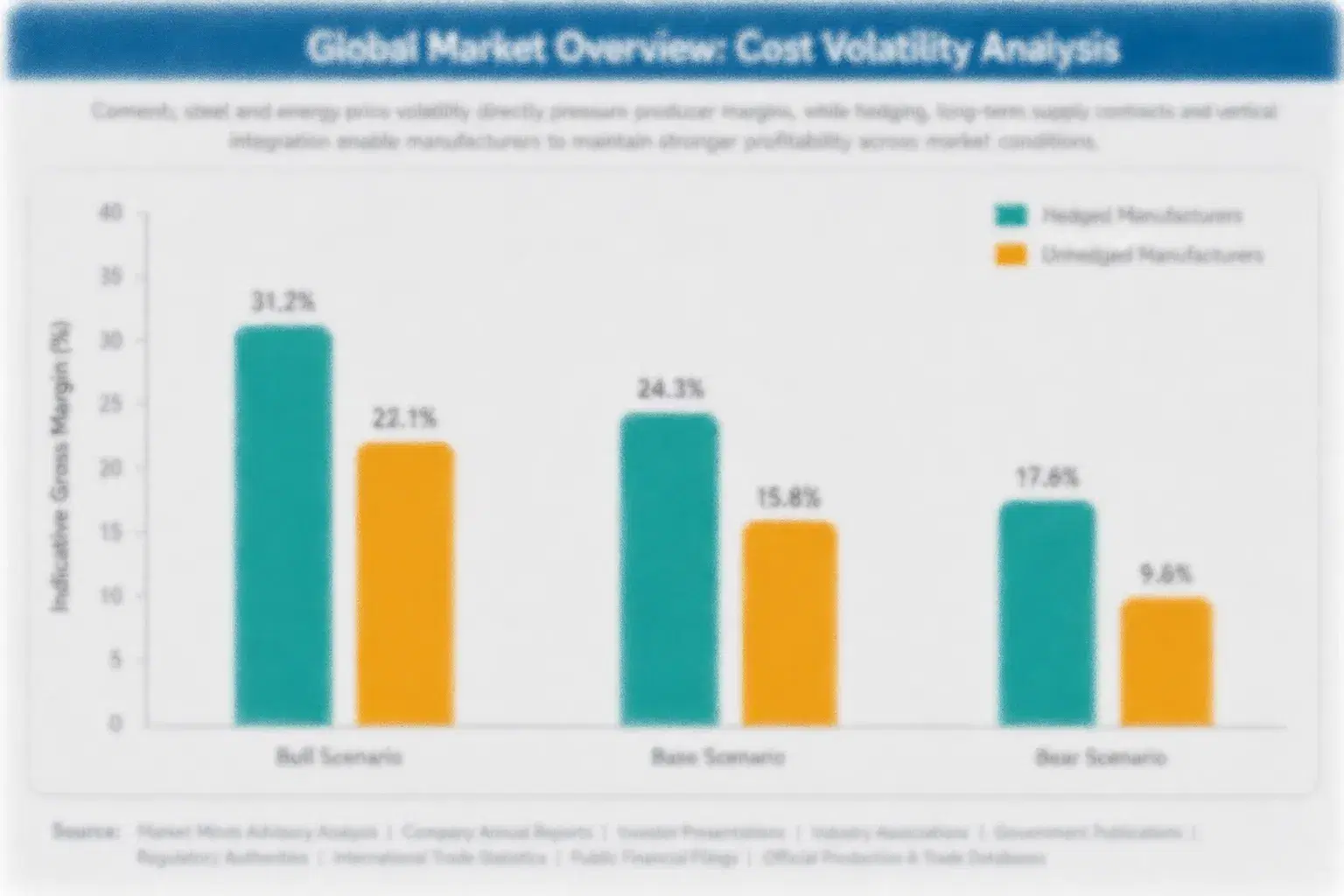
What Drives Citrus Seed Costs

Fruit or by-product seed sourced from juice plants and mother tree blocks accounts for roughly 30% of cost of goods, with foundation block maintenance, labor, cleaning, treatment, and testing adding about 40%. Packaging, freight, and licensing royalties make up most of the remainder, so fruit availability and virus testing costs together determine gross margin for most seed suppliers.
Greening disease and hurricanes cut Florida citrus output sharply, according to USDA National Agricultural Statistics Service reports, and Brazil's crop fell in 2022 and 2023 because of heat, according to USDA Foreign Agricultural Service data. Seed suppliers reported reduced fruit for extraction and higher testing and screenhouse costs, added surcharges to contracts, and in some cases delayed deliveries, while growers postponed replanting until subsidy timelines became clear.

Exposure varies by player type and geography. Suppliers with owned mother tree blocks and protected screenhouses absorb shocks better than merchants buying seed from juice plants at spot prices. Florida producers face the highest disease risk and labor costs, while Brazilian, Spanish, and Egyptian suppliers benefit from larger fruit volumes, and licensed tolerant hybrids pass costs through more easily than commodity seed.
citrus-seeds-market-cost-volatility-analysis-1789754926433

Building Owned Mother Tree Blocks Under Protected Screening

Suppliers plant mother tree blocks under insect-proof screening and test them for tristeza, viroids, and greening bacteria on a schedule. Owned blocks reduce dependence on spot fruit purchases and guarantee traceable seed. Construction is costly and takes years to reach full production, but it locks in supply and supports certification, which protects margins in tight fruit years.

Signing Seed Supply Agreements With Juice Processors

Suppliers sign seasonal agreements with juice processors and packers to collect fruit residues and cull fruit for seed extraction. Contracts fix price bands and quality standards, and they smooth supply when local harvests vary. Processors gain a small extra revenue stream, and suppliers gain lower-cost raw material, though quality control and virus history require careful documentation and testing.

Diversifying Across Regions and Rootstock Types

Suppliers operate mother tree blocks in several regions and offer a range of rootstocks, so greening, weather, or policy shocks in one area do not stop deliveries. Diversification requires licensing, testing, and quality systems in each region, but it protects customer commitments and improves negotiating position with juice companies and government programs during disease outbreaks.

Portfolio Architecture for Margin Defence

Margins run from thin returns on standard citrange and sour orange seed to strong profits on licensed tolerant hybrids and virus-free certified seed, with gross margin roughly doubling between the volume tier and the top tier. Licensing rights, protected sources, and testing add pricing power over what starts as the same fruit seed, and buyers pay for reliability because a diseased rootstock can destroy an orchard investment. Certification also cushions margin during weak fruit years.
Volume and premium pull in different directions. Standard rootstock seed sells in larger lots to price-sensitive nurseries at thin margins and competes with informal sources. Tolerant hybrid and certified seed sells in smaller lots at much higher margins but needs licensing, protected blocks, and testing, so suppliers must choose how much capital to commit to premium positioning.

High-value pools concentrate in licensed greening-tolerant hybrids for replanting programs, virus-free certified seed for export orchards, and drought-tolerant Volkamer and Rangpur seed for warm regions. These segments benefit from recurring orders, documented sources, and limited competition from informal nurseries. Suppliers combining licensed genetics, protected foundation blocks, and testing capability hold advantages that are difficult to copy quickly.

Volume / Commodity-Adjacent Tier

Standard sour orange, trifoliate orange, and citrange seed sold to nurseries on price, with thin margins, competition from informal sources, and exposure to fruit supply swings and disease outbreaks across producing regions worldwide.
Gross Margin: 20%-30%

Premium / Certified Tier

Certified virus-free seed from tested mother tree blocks with documentation, sold under annual contracts to nurseries and orchard developers that require traceable cultivar identity, phytosanitary compliance, and reliable delivery timing each season.
Gross Margin: 32%-44%

Sustainability / Regulatory / Next-Generation Tier

Licensed greening-tolerant hybrid seed and seedlings from protected foundation blocks, positioned for replanting programs, subsidy eligibility, and disease-resistant orchard systems across producing regions, supported by breeder royalties and long-term licensing.
Gross Margin: 42%-58%
citrus-seeds-market-portfolio-architecture-1789754926622

High-value Sub-segments and Strategic Watch-out

HLB-Tolerant Hybrid Rootstock Seed

Tolerant hybrid seed combines the fastest growth with strong pricing, as growers replanting greening-hit orchards pay for better tree performance. Licensing and protected blocks limit competition, though suppliers must keep foundation sources clean and honor royalty terms to keep access to public genetics and long-term nursery customers.
Gross Margin: 42%-58%

Volkamer Lemon and Rangpur Lime Seed

Volkamer and Rangpur seed offers solid growth and healthy volume, because warm and dry regions favor vigorous drought and salinity tolerant rootstocks. Regional nurseries supply local growers, while fruit quality trade-offs and cold sensitivity limit use, so suppliers need agronomic advice and reliable delivery to hold customers.
Gross Margin: 28%-40%

Citrange and Citrumelo Seed

Citrange and citrumelo seed remains the volume core, moving the largest quantity to nurseries in Asia, Latin America, and the United States at moderate prices. Margins depend on fruit supply and extraction cost, and greening is eroding demand in some regions, so returns rely on cost discipline and scale.
Gross Margin: 20%-30%

Clonal Micropropagated Rootstocks

Clonal rootstocks produced by tissue culture are the main strategic watch-out, since they bypass seed, deliver uniform plants, and are gaining share in disease-hit regions. If costs fall or tolerant clones prove superior, nurseries may shift away from seed, slowing seed growth and pressuring supplier pricing in premium categories.
Gross Margin: n/a (substitution risk)

Why Nurseries Stay With Seed Suppliers

Citrus seed demand behaves like an annuity once a nursery or orchard developer approves a supplier. Rootstock identity, virus status, and germination are tied to a specific source, so switching means new testing, possible certification steps, and risk of a failed planting that takes years to detect. Annual agreements reinforce repeat orders, and buyers often accept modest price increases to protect supply continuity and tree quality.
Stickiness varies by end-use vertical. Large orchard developers and juice companies running replanting programs show the deepest loyalty because rootstock choice is written into planting plans. Independent nurseries switch more often, since price and availability dominate, though certification requirements limit churn. Informal and small-scale growers buy on price and convenience, making that group the most price sensitive and least attractive for long-term capacity planning.

Buyer profiles are changing. Younger growers and corporate orchard managers emphasize disease tolerance, certified sources, and documented traceability, and they favor suppliers that publish testing records and licensing rights. Older growers anchor on familiar rootstocks and local nurseries. Suppliers must serve both groups, but growth concentrates among replanting programs and new export orchards that meet phytosanitary and sustainability commitments.
citrus-seeds-market-end-use-penetration-index-1789754926805

MMA Verdict on Citrus Seed Strategy

These are among the four positions where our research anticipates prominent divergence between winners and laggards over the coming forecast period. Each is grounded in the demand model, the regulatory perimeter, and the announced capacity pipeline.
01 / LICENSED GENETICS STRATEGY

License Greening-Tolerant Hybrids Before Rivals Do

Tolerant hybrid seed grows about 1.76 times faster than the market and earns 40% to 80% more per kilogram than standard citrange seed, as growers replant greening-hit orchards. Suppliers that secure exclusive regional licenses and build foundation blocks gain lasting pricing power. MMA recommends negotiating licenses within the next 18 months, before public breeders grant rights to competitors and the best growing regions are taken, and exclusive rights, once granted to one supplier in a region, often last a decade or more, which leaves later entrants without access.
02 / PROTECTED SOURCE INVESTMENT

Build Protected Foundation Blocks for Virus-Free Seed

Seed from protected mother tree blocks earns 15% to 25% more than unprotected sources, and nurseries increasingly require documented clean origins for certification. Blocks cost several hundred thousand dollars per hectare but lock in supply and support multi-year contracts. MMA regards protected blocks as the foundation of every credible supply commitment to growers, since a diseased rootstock can destroy an orchard investment, and buyers now ask for scans of test certificates and mother tree records before signing, which turns clean sourcing into a purchase requirement.
03 / NURSERY PROGRAM BUNDLING

Bundle Seed and Seedling Supply Through Nursery Partners

Bundled programs that deliver certified seedlings on a fixed schedule earn 10% to 15% more than bulk seed, and orders placed 18 to 24 months ahead give suppliers volume visibility. Coordination and quality systems are required, but loyalty builds quickly. MMA advises starting with two anchor nurseries and one large orchard developer, then extending programs as performance data and reference plantings accumulate, and nurseries that see reliable delivery in the first year tend to expand orders in the next two years as replanting budgets grow.
04 / REGIONAL EXTRACTION CAPACITY

Build Extraction and Storage Capacity Near Juice Plants

Juice plants generate large volumes of seed during the season, and suppliers with agreements near Brazilian, Egyptian, and Spanish plants secure low-cost raw material. Cool storage keeps seed viable for months and protects 3 to 5 margin points. MMA recommends signing processor agreements early, because fruit availability, not demand, is the constraint that decides which suppliers can honor annual commitments to nurseries, and suppliers who contract early also learn which juice plants deliver clean fruit, which lowers virus testing failures and rework costs.

Engagement Snapshot From the Field

A live engagement with an industry participant carrying material or product regulatory and market exposure ahead of a defining policy shift, showing how our research translates into a defensible multi-year portfolio strategy.
MARKET MINDS ADVISORY · CLIENT ENGAGEMENT SUMMARY
Citrus Seeds Producer Strategic Portfolio Review and Transition Roadmap 2026·Investment Scenario on Citrus Seeds Exposure Evaluation 2025-26
CLIENT PROFILE
The client is a mid-sized Brazilian citrus nursery group with two nurseries and roughly $26 million in annual revenue (client-reported, unverified by MMA), producing seedling rootstocks and grafted trees for orange growers. About 75% of seed was standard citrange and Rangpur lime, gross margin sat near 27% (client-reported, unverified by MMA), and it lacked licensed tolerant hybrids and protected mother tree blocks.
STRATEGIC CHALLENGE
Greening disease was shrinking orchard acreage, and large growers asked for tolerant hybrids and certified virus-free trees the client could not supply, while informal nurseries undercut prices on standard trees. Leadership needed a plan that secured licensed genetics, protected sources, and premium contracts without overextending capital. The board wanted a decision within a year.
MMA APPROACH
MMA benchmarked 10 nurseries and seed suppliers on genetics access and certification capability, interviewed orchard managers, juice company agronomists, and nursery buyers about specifications and price points, and modeled the economics of licensing, a protected foundation block, and processor extraction agreements under bull, base, and bear disease and subsidy scenarios.
KEY FINDINGS
  1. Licensed tolerant hybrid seed earned premiums of about 60% and needed royalty payments equal to about 8% of seed and seedling revenue.
  2. Two large orchard groups indicated they would sign annual contracts if seed sources were virus-tested and documented for every lot, according to interviews.
  3. A protected foundation block of four hectares would cost about $1.6 million and pay back within five seasons at current premiums, based on current quotations.
  4. Standard seed volume would remain necessary to fill nurseries, so the client should keep informal-market sales at about 50% of volume, which keeps nurseries running.
CLIENT PROFILE
The client is a mid-sized Brazilian citrus nursery group with two nurseries and roughly $26 million in annual revenue (client-reported, unverified by MMA), producing seedling rootstocks and grafted trees for orange growers. About 75% of seed was standard citrange and Rangpur lime, gross margin sat near 27% (client-reported, unverified by MMA), and it lacked licensed tolerant hybrids and protected mother tree blocks.
STRATEGIC CHALLENGE
Greening disease was shrinking orchard acreage, and large growers asked for tolerant hybrids and certified virus-free trees the client could not supply, while informal nurseries undercut prices on standard trees. Leadership needed a plan that secured licensed genetics, protected sources, and premium contracts without overextending capital. The board wanted a decision within a year.
MMA APPROACH
MMA benchmarked 10 nurseries and seed suppliers on genetics access and certification capability, interviewed orchard managers, juice company agronomists, and nursery buyers about specifications and price points, and modeled the economics of licensing, a protected foundation block, and processor extraction agreements under bull, base, and bear disease and subsidy scenarios.
KEY FINDINGS
  1. Licensed tolerant hybrid seed earned premiums of about 60% and needed royalty payments equal to about 8% of seed and seedling revenue.
  2. Two large orchard groups indicated they would sign annual contracts if seed sources were virus-tested and documented for every lot, according to interviews.
  3. A protected foundation block of four hectares would cost about $1.6 million and pay back within five seasons at current premiums, based on current quotations.
  4. Standard seed volume would remain necessary to fill nurseries, so the client should keep informal-market sales at about 50% of volume, which keeps nurseries running.
RECOMMENDED STRATEGY
Phase 1: Phase 1 (Months 1-6): Negotiate a license for tolerant hybrids and sign extraction agreements with two juice processors, with progress reviewed monthly. Phase 2: Phase 2 (Months 7-18): Build a protected foundation block and complete virus testing and certification for the mother trees, with audits scheduled first. Phase 3: Phase 3 (Months 19-36): Launch bundled seed and seedling programs with large orchard groups and expand into Mexico and Argentina.
OUTCOME
Within 36 months, the client moved about 28% of volume into licensed tolerant and certified grades and raised gross margin from 27% to an estimated 38% (client-reported, unverified by MMA). Two orchard groups signed annual contracts, processor agreements held seed costs stable through a weak fruit year, and revenue reached roughly $34 million (client-reported, unverified by MMA).

Frequently Asked Questions

Foundational context covering the market sizes, CAGR, scope, country, region and competition that inform every finding below. This section is provided to cover basics and most often pre-purchase conversations, answered from the MMA Primary Research Dataset.

What is the current size of the Citrus Seeds Market?

The global citrus seeds market was valued at $0.4 billion in 2025. This covers rootstock seed sold to nurseries and orchard developers for producing grafted citrus trees.

How large will the Citrus Seeds Market be by 2036?

MMA projects the market will reach approximately $0.7 billion by 2036. This represents cumulative growth of roughly $0.3 billion over the full ten-year forecast window.

What is the CAGR for the Citrus Seeds Market 2026 to 2036?

The market is forecast to grow at a 5.8% compound annual rate between 2026 and 2036. The bull case reaches 7.1% while the bear case falls to 4.5%.

Which segment is growing fastest?

HLB-Tolerant Hybrid Rootstock Seed is the fastest-growing segment at 10.2% CAGR, roughly 1.76 times the overall market rate. Volkamer Lemon and Rangpur Lime Seed follows as the second-fastest segment at 6.6%.

Who are the major companies in the Citrus Seeds Market?

Leading companies include Agromillora, Southern Citrus Nurseries, Willits and Newcomb, Citrograf, and Four Winds Growers. These five suppliers together hold an estimated 15% of total global market revenue today.

Which country is growing fastest?

India is the fastest-growing major market, expanding at approximately 8.6% CAGR each year. New mandarin and lime orchards and government horticulture missions are driving this above-market growth.

Report Segmentation Architecture

The full report scope spans multiple orthogonal segmentation dimensions, with cross-tabulated demand data provided for each dimension pair. Coverage extends further to regional breakdowns, trend trajectories, and the competitive detail needed to support segment-level decision-making.

By Primary Market Dimension

  • HLB-Tolerant Hybrid Rootstock Seed
  • Volkamer Lemon and Rangpur Lime Seed
  • Citrange and Citrumelo Seed
  • Trifoliate Orange Seed
  • Cleopatra and Sunki Mandarin Seed
  • Sour Orange Seed

By End-Use Industry

  • Commercial Nursery Production
  • Orange and Juice Orchards
  • Lemon and Lime Orchards
  • Mandarin and Fresh Fruit Orchards
  • Research and Foundation Programs

By Commercial Dimension

  • Licensed Nursery Supply Programs
  • Direct Orchard Developer Contracts
  • Distributor and Merchant Channels
  • Public Foundation Seed Programs

By Region

  • North America
  • Western Europe
  • East Asia
  • South Asia and Pacific
  • Latin America
  • Middle East and Africa
  • Eastern Europe

Scope, Methodology, and Coverage

Every figure in this report is reproducible from documented input assumptions. The scope below maps the historical period, the forecast horizon, the segmentation dimensions, and the countries covered, alongside the underlying primary and qualitative methodology.
Historical Period
2020 to 2025
Forecast Period
2026 to 2036
Base Year
2025 (USD billions; MMA Primary Research Dataset, September 2026)
Market Definition
Citrus seeds comprise the seed of rootstock species and hybrids, including trifoliate orange, citrange, citrumelo, Volkamer lemon, Rangpur lime, sour orange, mandarin, and greening-tolerant hybrids, sold to nurseries and orchard developers for producing grafted citrus trees. The scope excludes budwood and scion material, clonal micropropagated rootstocks, finished grafted trees, citrus fruit, and citrus seed extracts or oils.
Quantitative Units
USD billions (current prices); metric tons for volume references
Segmentation Dimensions
By Rootstock Type; By End-Use Industry; By Commercial Dimension; By Region
Regions Covered
North America, Western Europe, East Asia, South Asia and Pacific, Latin America, Middle East and Africa, Eastern Europe
Countries Covered
USA, Mexico, Brazil, Argentina, Peru, Chile, Spain, Italy, Portugal, Greece, Georgia, Turkey, Egypt, Morocco, Tunisia, South Africa, Israel, UAE, China, Japan, South Korea, India, Pakistan, Thailand, Vietnam, Australia, Indonesia, Philippines, and additional markets relevant to this sector
Key Companies Profiled
Agromillora, Southern Citrus Nurseries, Willits and Newcomb, Citrograf, Four Winds Growers, Monrovia Growers, Stark Bro's Nurseries, Dave Wilson Nursery, Bay Laurel Nursery, Duarte Nursery, Fall Creek Farm and Nursery, Cutrale, Citrosuco, Louis Dreyfus Company, Sunkist Growers, Limoneira, Bayer Crop Science, Syngenta, Corteva Agriscience, Bejo Zaden
Quantitative Methodology
Primary survey, n=3,800 respondents, Q4 2025, six countries; demand-side model with trade association cross-validation
Qualitative Methodology
47 expert interviews, Q4 2025; applied to validate demand model assumptions, identify emerging dynamics, and assess competitive positioning
Report Format
PDF and XLSX data workbook (Word format preview document)
Publisher
Market Minds Advisory
Report Code
MMA-2026-AGR-255
Published
September 2026
Contact
sales@marketmindsadvisory.com | www.marketmindsadvisory.com

Purchase the full Citrus Seeds Market Report (2026 to 2036).

The full report delivers a detailed assessment of global citrus rootstock seed production, rootstock mix, and competitive positioning through 2036. It includes segment forecasts by rootstock type, country-level data for all seven world regions, and profiles of the twenty companies most relevant to propagation and seed supply. Analysts also receive input cost modeling and portfolio margin benchmarking built from MMA's primary research dataset. A scenario planning module lets subscribers stress-test bull and bear assumptions against disease and subsidy outcomes. Quarterly updates keep the whole dataset current throughout.
Ten-year segment and regional demand forecasts
Orchard replanting and nursery capacity tracking
Competitive benchmarking of top twenty suppliers
Disease and fruit supply sensitivity modeling tools
Regional demand mechanism comparative analysis included
Quarterly primary survey data update access

Built For The People Who Decide

From boardroom strategy to bench-side execution, this report is read cover-to-cover by leaders shaping the next decade of their industry, turning demand scenarios, market dynamics and valuation benchmarks into decisions.
CXOs/ Presidents/ VPs/ Managers
M&A and Corporate Development
Strategy Teams and R&D Heads
Procurement and Product Directors
Regulatory and Compliance Leaders
Investor Relations and Equity Analysts