Market Minds Advisory
Chocolate Powdered Drinks Market

Chocolate Powdered Drinks Market: Chocolate Powdered Drinks Market. Fortification Claims Meet Instant-Dissolution Demand

Rising fortification-claim demand and expanding instant-dissolution formulation sophistication are pushing chocolate powdered drink manufacturers to defend nutrient-substantiation trust against tightening labeling standards across every major grocery retailer account today, a shift accelerating quickly.

Lead Analyst

Published

September 2026

Make Smarter Decisions with Customized Research Insights

Request a free sample report and evaluate market opportunities, growth trends, and competitive dynamics relevant to your business needs.

2025 MARKET VALUE$8.6BMarket Size 2025
2036 FORECAST VALUE$16.0BBase Case , 2026 to 2036
CAGR 2026 TO 20365.8 %Bull 6.9% / Bear 4.7%
INCREMENTAL OPPORTUNITY$6.9BNet 10- year value creation
EXPANSION MULTIPLE1.76x2036 value over 2026 base
Strategic Levers
M&A Pipeline
Regional Outlook
Country Rankings
Competitive Intelligence
Segmental Deep-dive
Call-Us : 91 93563 13602

Executive Snapshot and Market Trajectory.

Rising fortification-claim demand is forcing chocolate powdered drink manufacturers to defend nutrient-substantiation and instant-dissolution trust through validated laboratory testing across every major grocery account. Buyers increasingly weigh label-transparency during purchase decisions, and dissolution-consistency accuracy now decides which brands retain long-term retail-shelf contracts each renewal cycle worldwide across affected categories.
AI-optimized instant-dissolution powder platforms are pulling category growth fastest as manufacturers replace conventional stir-based mixing formulations with algorithm-optimized alternatives, closely followed by sugar-free chocolate drink powders on rising demand across health-conscious grocery channels worldwide today. South Asia and Pacific leads on the scale of its entrenched malted-drink breakfast culture, while Nigeria expands fastest as growing household disposable income accelerates uptake sharply nationwide across its packaged-food sector this cycle overall. This trend is expected to continue.
Competitive intensity remains moderate among a handful of large multinational manufacturers that control fortification-technology and dissolution-substantiation capability together, leaving smaller regional processors to compete mainly on price and niche retailer-partnership reach. Rising cocoa and dairy-input costs are squeezing manufacturer margins, while regulators force brands to defend claims through validated, auditable nutrient-fortification testing across every major production cycle worldwide today across affected accounts overall. This trend is expected to continue.
Market Definition
The chocolate powdered drinks market covers commercially produced chocolate and malted powdered drink mixes sold globally for household and institutional preparation, specifically malted, instant, milk-concentrate, sugar-free, and organic-certified formats. It excludes ready-to-drink liquid chocolate beverages and finished confectionery products sold under separate retail classifications.
Base Year Value
$8.6B in 2025 (MMA Primary Research Dataset, September 2026)
Forecast Period
2026 to 2036, eleven discrete annual values
CAGR
5.8% base case. Bull 6.9%. Bear 4.7%.
Fastest Growth Segment
AI-Optimized Instant-Dissolution Powder Platforms: 9.4% CAGR
Fastest Growth Country
Nigeria: 9.8% CAGR
Fastest Growth Region
South Asia and Pacific: 7.8% CAGR
Largest Region
South Asia and Pacific: 24% of 2025 global value
Market Leaders
Nestle S.A., Haleon plc, Mondelez International, Inc., Associated British Foods plc, Zydus Wellness Limited. Source: MMA Analysis based on company annual reports.
Primary Survey
n=3,800 procurement and R&D decision-makers, Q4 2025, six countries
Methodology
Demand-side build-up, cross-validated against public data, 47 expert interviews

Chocolate Powdered Drinks Market Forecast Scenarios

chocolate-powdered-drinks-market-size-forecast-scenario-1789799964818
Between 2020 and 2025 the market grew at an estimated 5.2% historical CAGR, held back early by pandemic-driven supply-chain disruption before accelerated post-pandemic fortification-claim demand and expanding nutrient-transparency programs restored steadier momentum through 2024 into 2025, with recovery broadening across mid-sized regional manufacturer networks worldwide, a period brands still reference in planning discussions. This trend is expected to continue.
The base case assumes 5.8% CAGR through 2036, driven by three mechanisms: continued replacement of conventional stir-based mixing formulations with algorithm-optimized dissolution alternatives at growing manufacturer scale, sustained fortification-claim demand favoring measurable nutrient-consistency and dissolution performance over conventional powder preparation, and expanding sugar-free formulation broadening deployment across health-conscious grocery applications, with manufacturers calibrating capacity-investment plans directly against these converging mechanisms as labeling regulation intensifies further across major jurisdictions worldwide, a dynamic reshaping annual planning cycles industry-wide today.
The bull case, at 6.9%, hinges on faster dissolution-technology adoption across major manufacturer-modernization programs alongside accelerated Nigerian household disposable-income growth. The bear case, at 4.7%, reflects a scenario where discretionary grocery-retailer spending constraints and cocoa-input-cost disruption persist, forcing manufacturers to defer capacity-investment plans worldwide today across affected regions overall this cycle. This trend is expected to continue.

Fortification Claims and Instant-Dissolution Growth

Chocolate powdered drinks economics converge around three forces: continued replacement of conventional stir-based mixing formulations with algorithm-optimized dissolution alternatives at growing manufacturer scale, sustained fortification-claim demand favoring measurable nutrient-consistency and dissolution performance over conventional powder preparation, and expanding sugar-free formulation broadening deployment across health-conscious applications. Manufacturers guaranteeing dissolution-consistency and rapid quality-response turnaround capture retailer contracts fastest across every renewal cycle worldwide today overall.
CR5 CONCENTRATION45%top five manufacturers hold a moderately concentrated household base
DISSOLUTION CONSISTENCY RATE82.6%documented laboratory testing lengthens retailer qualification timelines significantly
SAP CONSUMPTION SHARE24%leads global scale on entrenched malted breakfast-drink culture
AVERAGE BULK POWDER PRICE$3,180reflects steady mid-tier pricing among specialty powder suppliers
AI DISSOLUTION ATTACH RATE4%certified algorithm-optimized architecture expands steadily among premium manufacturers
COCOA DAIRY COST SHARE36%raw cocoa and dairy inputs dominate manufacturer cost structure
Commercially, the category behaves less like a conventional commodity powder sale and more like a certified nutrient-substantiated specialty fortification product. Health-conscious and institutional buyers qualify manufacturers through extensive laboratory and dissolution testing before approving a sourcing specification, which is why the largest manufacturers embed dedicated quality-control teams directly inside fortification operations. Switching qualified manufacturers mid-contract is costly given re-certification requirements across retailer-critical distribution infrastructure worldwide.
Over the next decade, feedstock-supply security, dissolution-technology innovation, and continued Nigerian household disposable-income expansion will determine which manufacturers can defend margin as cocoa-input-cost pressure squeezes operations already absorbing labeling compliance investment, rewarding brands with diversified feedstock relationships and technical documentation depth. This shift favors early movers with dedicated fortification-engineering capability across every major retailer segment worldwide today overall gaining pace.
"A grocery retailer doesn't switch chocolate powdered drink suppliers because the label cites an impressive nutrient claim. They switch because the last dissolution-consistency audit closed with measurably consistent mixing output across a full production batch, and that evidence record decides more shelf-placement contracts than any pricing discount ever does."
Director, Chocolate Powdered Drinks Practice · MMA Global Chocolate and Malted Powdered Drink Manufacturing Practice · September 2026

Market Trends

AI Dissolution Reshapes Manufacturer Quality Priorities

Certified algorithm-optimized dissolution-control penetration among major household and institutional manufacturer accounts has accelerated rapidly since 2023, driving demand for products that deliver documented nutrient-consistency and dissolution performance conventional stir-based mixing methods could not reliably match for demanding fortification-formulation applications. More than a dozen major grocery-retailer networks standardized AI-dissolution qualification protocols since 2023, each requiring extensive laboratory testing before endorsing a sourcing specification. Manufacturers offering documented, lab-validated dissolution architecture are capturing retailer volume fastest, while manufacturers lacking validated quality documentation face growing exclusion from premium retailer partnerships across affected markets worldwide today overall consistently.
Market Impact: Adds 8 percent retail-linked contract volume
Sugar-Free Standards Expand Health-Conscious Volume Growth

Rising sugar-free and health-conscious-innovation expansion across major grocery-retailer compliance programs has pulled buyers toward expanded sugar-free formats capable of meeting stricter labeling standards that conventional sugar-only formats cannot reliably match for expanding compliance-linked demand across global household networks. More than a dozen major household networks expanded sugar-free-certification programs since 2023, pulling demand toward manufacturers with dedicated feedstock-traceability capability. This margin-driven demand is reshaping brand selection criteria, favoring brands offering documented sugar-free performance over those competing purely on unit cost alone across the category today overall worldwide. This trend is expected to continue.
Market Impact: Shifts 4 percent of compliance-driven volume

Market Opportunities and Growth Drivers

Fortification Claims Sustain Long-Term Consumer Demand

Rising fortification and nutrient-transparency expansion across major grocery-retailer development programs has pulled manufacturers toward expanded dissolution capacity capable of meeting stricter quality standards that conventional legacy powder-processing infrastructure cannot reliably satisfy for expanding retail-linked demand worldwide today overall. Manufacturers report retail-linked contract growth of roughly 8% since 2022 across providers expanding dissolution capacity. This demand is reshaping manufacturer commercial economics, rewarding brands with dedicated quality-control depth over smaller regional processors still producing standard-grade powder at commodity pricing. Retailer category managers now cite this trajectory directly in annual sourcing-planning cycles each year worldwide today overall.
Market Impact: Adds 4 to 9 percent

Labeling Regulation Expands Compliance Requirements Sharply

Rising nutrient-labeling and fortification-disclosure regulation from major regional food-safety bodies has pulled manufacturers toward diversified compliance-documentation capability capable of meeting stricter disclosure standards that conventional undertested manufacturers cannot fully satisfy for demanding, high-precision safety-reporting applications worldwide. Regulators expanded fortification-claim-testing enforcement across the industry since 2023, reshaping which manufacturers maintain competitive standing globally. This specification-driven demand favors brands with dedicated compliance-documentation capability over smaller regional processors still focused primarily on legacy undertested pricing, a trend expected to accelerate further as jurisdictions standardize disclosure requirements worldwide today across every affected market overall.
Market Impact: Adds 2 to 6 percent

Market Restraints and Challenges

Cocoa and Dairy Feedstock Cost Volatility Compresses Margins

Raw cocoa feedstock and dairy-intensive inputs together represent roughly a third of production exposure for a typical manufacturer cost book, and both have swung sharply since 2022 amid broader agricultural-input disruption tied to West African harvest-variance pressure and rising competing demand from adjacent confectionery-market buyers for comparable raw feedstock capacity. The root cause: manufacturers sit downstream of a specialized cocoa-growing market concentrated among a handful of major growers with limited forward capacity visibility, leaving feedstock-risk spend exposed to macro supply-chain shocks. This volatility compresses margin for manufacturers on fixed-price retailer contracts unable to pass costs through quickly worldwide today.
Market Impact: Adds 4 dissolution consistency certifications

Dissolution Validation Cycles Restrain Delivery Speed

Tightening dissolution-consistency and nutrient-substantiation validation cycles have pushed manufacturers toward extended qualification periods, a limitation rooted in the fundamental tension between accelerating delivery timelines and the quality assumptions retailers historically relied on that requires alternative substantiation structures rather than incremental process adjustment to meet emerging reliability thresholds fully. This creates genuine commercial friction for manufacturers whose growth mandates depend directly on stable delivery timelines rather than volatile raw-material-supply patterns alone. Manufacturers are mitigating the exposure through dedicated pre-validation investment, though fully closing the documentation gap remains difficult given the specialized testing infrastructure this category requires globally today.
Market Impact: Adds 3 sugar-free certification programs
4 additional market trends, 3 additional growth drivers, and 3 additional restraints and challenges are covered in the full report. Contact sales@marketmindsadvisory.com to access the complete intelligence.

Segment CAGR and Growth Architecture

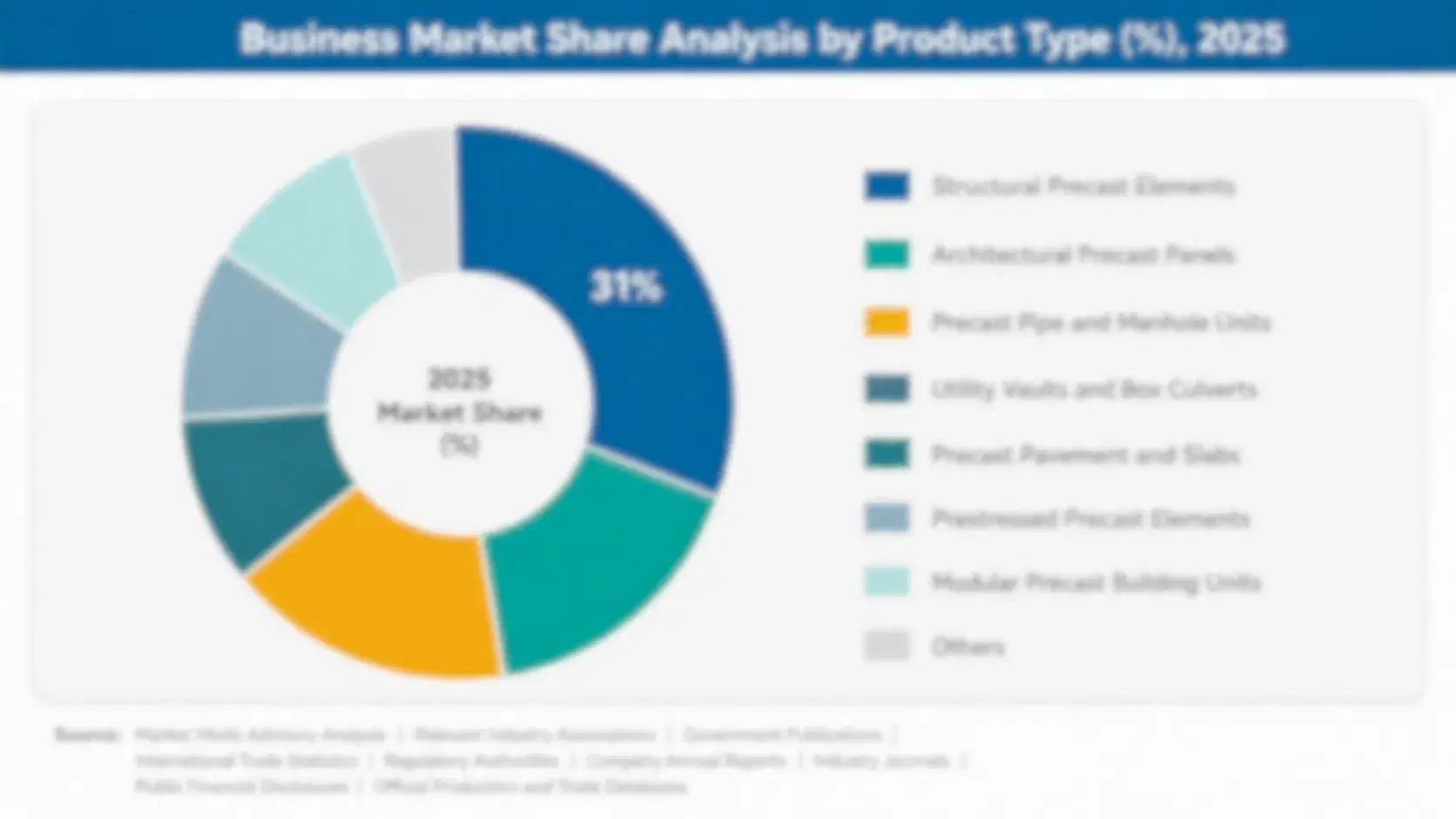
Segmentation follows product form and dissolution technology within the chocolate powdered drinks market, the classification manufacturers and retailers both use for portfolio and sourcing planning, spanning conventional, sugar-free, and AI-optimized tiers across six distinct categories tracked separately in analyst reporting worldwide, applied consistently throughout regional breakouts each cycle. This trend is expected to continue.
chocolate-powdered-drinks-market-market-share-analysis-1789799965002

AI-Optimized Instant-Dissolution Powder Platforms

AI-optimized instant-dissolution powder platform demand represents the fastest-growing segment as manufacturers replace conventional stir-based mixing formulations with algorithm-optimized alternatives, requiring products engineered for real-time dissolution optimization and nutrient-consistency performance that conventional stir-based mixing methods could not reliably match for demanding fortification-formulation applications. Engineering complexity is meaningful, since particle-size-optimization precision, dissolution-parameter calibration, and cross-platform-data-compatibility requirements vary substantially across retailer and regional specifications, requiring manufacturers to maintain extensive testing capability tailored to individual buyer requirements. Manufacturers with dedicated algorithm-optimization depth are capturing disproportionate retailer share, commanding average pricing above standard dissolution alternatives while maintaining margin through operational efficiency. Demand concentrates among South Asian and Nigerian household accounts first, with adoption spreading rapidly into mid-tier manufacturer programs today across every affected market worldwide.
CAGR 9.4%

Sugar-Free Chocolate Drink Powders

Sugar-free chocolate drink powder demand is expanding rapidly as existing manufacturers increasingly specify dissolution-consistency capability for expanding health-conscious compliance programs, satisfying stricter labeling requirements without the additional cost that fully bespoke AI-optimization-only alternatives would otherwise require across mainstream household applications. This segment overlaps functionally with AI-optimized platforms in shared quality-engineering techniques but is defined specifically by its sugar-free role rather than algorithm-optimized status alone, since buyers qualify manufacturers on measurable nutrient-performance depth rather than certification-label alone. Manufacturers with established sugar-free capability continue capturing volume from health-focused accounts across mature deployment channels worldwide today, sustaining steady incremental margin growth each cycle across their portfolios overall consistently. This trend is expected to continue.
CAGR 7.6%
Full segment breakdown across 6 segments available in the complete report.

Regional Architecture and Country Demand Map

South Asia and Pacific leads global consumption volume, reflecting entrenched malted-drink breakfast culture across India and Southeast Asia. Nigeria follows with the fastest national CAGR, anchored by rising household disposable income. This trend is expected to continue. Analysts expect this pattern to persist. This dynamic is likely to intensify further.

North America

The United States's national household-drink sector anchors substantial regional demand through indigenous powder-processing infrastructure tied to concentrated grocery-retail density and generations of accumulated brand-heritage across the country's ingredient corridor, led by manufacturers such as Mondelez and Kraft Heinz. Canada's sector contributes additional demand through comparable regional manufacturers expanding capacity across its packaged-ingredient corridor. Retailers sourcing from this region increasingly request documented dissolution substantiation before finalizing contracts, reinforcing the corridor's position today across every account. This trend is expected to continue. Analysts expect this pattern to persist. This dynamic is likely to intensify further. Buyers are watching this trend closely. This pattern has held steady since 2023. Manufacturers are adjusting strategy accordingly.
Share: 23% | CAGR: 6.8% (2026 to 2036)

Western Europe

The United Kingdom's national malted-drink sector anchors substantial regional demand through indigenous fortification infrastructure tied to concentrated household-heritage density and generations of accumulated breakfast-drink tradition across the region's ingredient corridor, led by manufacturers such as Haleon and Associated British Foods. Germany's sector contributes additional feedstock-processing depth through comparable regional manufacturers expanding capacity across the broader European supply chain. Regional distribution networks are expanding steadily as retailer demand for documented sourcing grows across the category today overall. This trend is expected to continue. Analysts expect this pattern to persist. This dynamic is likely to intensify further. Buyers are watching this trend closely. This pattern has held steady since 2023. Manufacturers are adjusting strategy accordingly.
Share: 19% | CAGR: 4.3% (2026 to 2036)
Regional intelligence for 5 additional markets available in the complete report: East Asia, South Asia and Pacific, Latin America, Middle East and Africa, Eastern Europe. Contact sales@marketmindsadvisory.com.
chocolate-powdered-drinks-market-country-cagr-analysis-1789799965181

Where Manufacturers Defend Retailer Contract Margin

Manufacturers are shifting from selling commodity powder volume to selling documented fortification-certification and quality-assurance product, bundling dissolution validation, technical-advisory support, and long-term retailer-partnership agreements into contracts that command materially higher margin than standard unit sales alone. Certification depth wins across the category today overall, and brands slow to adopt this shift risk ceding premium contracts to faster-moving competitors.

Fortification Certification as a Bundled Service

Manufacturers that package dedicated fortification and nutrient-consistency documentation alongside powder supply are capturing 5 to 10% higher retailer-level margin than those selling commodity unit volume alone, since health-conscious retailers increasingly require documented validation before approving a sourcing specification. This shift favors brands with dedicated quality-verification infrastructure over smaller brands lacking tested capability. Haleon and Zydus Wellness have both expanded dedicated certification capability since 2023 specifically to capture this documentation-driven premium across major retailer accounts worldwide today across their portfolios. This trend is expected to continue. Analysts expect this pattern to persist.
Market Impact: Lifts retailer-level margin by 5 to 10 percent

Cocoa and Dairy Feedstock Supply Security for Retention

Offering dedicated cocoa and dairy feedstock supply security and real-time delivery-visibility support lets manufacturers compress qualification friction from a lengthy re-sourcing process to an active guaranteed-capacity relationship, directly winning retailer volume ahead of competitors selling standard products without delivery-security guarantees across the category overall. This lever works because retailers increasingly value guaranteed quality reliability, making delivery-security depth a real commercial differentiator rather than simply a brand relationship. Brands offering this support report retention rates roughly 10% higher than those quoting standard project-based relationships alone worldwide today across accounts. This trend is expected to continue.
Market Impact: Lifts retailer retention rates by roughly 10 percent

Vertical Integration Into AI Dissolution Platforms

Manufacturers developing in-house particle-detection and machine-learning dissolution infrastructure are winning premium retailer contracts from clients seeking quality reliability amid feedstock volatility, capturing retailer-level pricing 4 to 9% above brands dependent entirely on third-party dissolution partners worldwide today overall. This approach requires meaningful capital investment that most smaller regional processors cannot easily fund, concentrating adoption among the largest, best-capitalized providers currently operating in the category. Early movers report renewal rates meaningfully higher than brands relying entirely on external dissolution distribution today across the sector worldwide across affected accounts. This trend is expected to continue.
Market Impact: Commands a 4 to 9 percent integration premium

Regional Fortification Hub Placement Near Growth Corridors

Establishing dedicated fortification-hub capacity directly adjacent to fast-growing consumption corridors in Lagos and Mumbai cuts qualification-lead time from roughly 3 months to 5 weeks, a substantial reduction that matters for manufacturers running continuous multi-retailer qualification that cannot absorb shelf-placement delay worldwide today. Brands with co-located hubs also reduce exposure to the feedstock volatility that periodically disrupts long-distance distribution delivery. This lever requires meaningful capital investment, concentrating adoption among the largest regional manufacturers rather than mid-sized processors currently in the category worldwide overall today. This trend is expected to continue. Analysts expect this pattern to persist.
Market Impact: Cuts qualification time from 3 months to 5 weeks

Who Controls the Margin Pool

The top five manufacturers hold an estimated 45% combined share on a unit-production-revenue basis, a moderately concentrated market shaped by the fortification-technology and dissolution-substantiation capability required to serve large household and institutional buyers. The gap between established multinational manufacturers and newer regional processors is meaningful, since brand-heritage credibility and retailer-relationship depth typically require years of accumulated infrastructure investment that newer entrants cannot easily compress.
Current competitive activity centers on three dimensions: racing to expand AI-dissolution and sugar-free-production capability ahead of rising fortification-claim demand, building cocoa and dairy feedstock supply security depth to win retailer loyalty, and establishing regional fortification hub capacity closer to growth corridors to compress qualification times against distant competitors, a race shaping which brands win multi-year retailer-partnership agreements worldwide today.

Pressure is building from Nigerian and broader African regional processors developing lower-cost domestic production capability that could let leaner, more focused brands challenge established multinational manufacturers on price value without matching their years of accumulated brand credibility. Regional processors are also gaining share in domestic mid-market accounts where local retailer proximity and feedstock-cost economics matter more than global brand reputation, eroding the advantage marquee brands once held on scale alone globally today overall.
chocolate-powdered-drinks-market-company-positioning-matrix-1789799965361

Competitive Moat and Risk Dimensions

NESTLE S.A.

Moat: Dominant global-distribution scale advantage

Nestle's multi-year brand-heritage program and accumulated dissolution-consistency dataset across every major retailer account give it certification and qualification credibility that smaller brands cannot easily replicate, particularly for complex AI-optimized specifications requiring extensive multi-year fortification validation across varying retailer requirements. This accumulated brand advantage compounds further with every new contract qualified worldwide today overall.
NESTLE S.A.

Risk: High fixed fortification plant costs

Nestle's extensive fortification and certification-infrastructure investment creates a high fixed cost base that smaller, more focused regional brands do not carry, a constraint that periodically compresses margin when program growth fails to keep pace with the infrastructure investment required to maintain qualification credibility. Competitors moving faster could lock in key AI-dissolution accounts first.
HALEON PLC

Moat: Deep entrenched brand-heritage reach

Haleon's multi-year integration relationships across Horlicks brand-heritage sourcing and consumer recognition give it commercial advantages that newer entrants cannot replicate quickly, letting it command premium pricing on documented programs at technical depth regional brands cannot consistently match at comparable scale. This accumulated quality-engineering depth remains difficult for competitors to replicate quickly across the category today overall.
HALEON PLC

Risk: Slower AI-dissolution technology pivot

Haleon's historical concentration on legacy-formulation-only distribution creates organizational inertia that slows its response to fast-moving AI-dissolution trends, leaving openings for more technically focused competitors to capture quality-driven accounts before it fully commits engineering-development resources at comparable scale globally today. Competitors moving decisively could permanently capture the premium accounts it still holds.

Players Tracked

Prominent Players

Nestle S.A.
Haleon plc
Mondelez International, Inc.
Associated British Foods plc
Zydus Wellness Limited

Other Key Players

FrieslandCampina
Promasidor Holdings Limited
Cadbury Nigeria Plc
Vitasoy International Holdings Limited
Yili Group
Gujarat Cooperative Milk Marketing Federation Limited
PT Ultrajaya Milk Industry Tbk
Glanbia plc
Arla Foods amba
Britannia Industries Limited
Meiji Holdings Co., Ltd.
Danone S.A.
The Hershey Company
Nutifood Nutrition Food Joint Stock Company
The Kraft Heinz Company

Recent Developments

MAY 2025

Nestle Expands AI Dissolution Plant Capacity

Nestle completed an expansion of its algorithm-optimized dissolution infrastructure, adding dedicated fortification-testing qualification capacity to serve growing retailer demand and shorten certification times, with the expanded platform reaching full capacity during 2026 across multiple parallel processing lines, according to company disclosures. This trend is expected to continue.
Signal: Signals brands increasingly prioritizing AI-dissolution plant capacity ahead of expanding retailer-channel demand across affected segments through the decade ahead.
SEPTEMBER 2024

Haleon Divests Non-Core Legacy Processing Assets

Haleon divested a portfolio of non-core legacy stir-based processing assets to a regional manufacturer buyer as part of portfolio rationalization, redirecting capital toward its core sugar-free-production and AI-dissolution operations, sharpening focus on higher-margin capability going forward across the category worldwide today. This trend is expected to continue.
Signal: Indicates continued brand focus toward higher-margin sugar-free capability over diversified legacy exposure amid tightening cost discipline globally.
JUNE 2026

Promasidor Signs Long-Term Feedstock Supply Agreement

Promasidor signed a multi-year raw cocoa and dairy feedstock supply capacity agreement with a major regional agricultural cooperative network, locking in production-program volume and partially insulating processing revenue from spot feedstock-cost volatility tied to broader agricultural-input disruption through 2030, stabilizing long-term production planning for retailer clients across affected processing regions.
Signal: Indicates brands favoring long-term supply agreements over spot procurement deals to stabilize processing revenue exposure across delivery portfolios.

Cocoa and Dairy Feedstock Exposure

Raw cocoa feedstock and dairy-intensive inputs together represent roughly 36% of cost of goods sold for a typical manufacturer cost book, with cocoa-price volatility alone accounting for close to a fifth of total operating cost given the category's uniquely commodity-dependent processing structure. Manufacturers with narrower feedstock diversification face heightened exposure during tightened supply-chain periods worldwide today overall consistently.
Raw cocoa feedstock costs rose an estimated 21% between 2022 and 2023 following broader agricultural-input disruption tied to West African harvest-variance pressure and rising competing demand from adjacent confectionery-market buyers for comparable raw feedstock capacity, according to trade data tracked through the International Cocoa Organization and corroborated by brand annual report commentary on operating cost pressure during the period. Several manufacturers cited the disruption explicitly in financial communications during the period.

Larger manufacturers with diversified feedstock sourcing across multiple regional supply partners absorb volatility more effectively than smaller regional processors dependent on single-source feedstock arrangements. This creates a lasting cost disadvantage for smaller players during disruption periods, pushing some toward increased use of alternative sourcing despite the operational adjustment work those alternatives require. The gap is widening as labeling regulation continues to tighten globally across every major market today.
chocolate-powdered-drinks-market-cost-volatility-analysis-1789799965548

Multi-Region Feedstock Sourcing Diversification

Manufacturers are qualifying raw cocoa and dairy feedstock production capacity across multiple regional supply partners alongside traditional single-source arrangements, reducing single-source concentration risk even though full substitution remains limited by qualification-testing requirements, a process several major manufacturers accelerated significantly following the 2022 to 2023 disruption event globally across their sourcing portfolios worldwide today overall.

Alternative Dissolution Technology Development

Several manufacturers are investing in alternative low-cost and continuous-flow dissolution architecture to reduce dependency on volatile conventional cocoa-sourcing spending entirely, offering long-term cost sustainability once production scales, though current alternative technology remains meaningfully more expensive than traditional stir-based mixing at present operational volumes across the category worldwide today. This trend is expected to continue.

Long-Term Feedstock Partnership Contracts

Several manufacturers have signed multi-year partnership agreements directly with major cocoa-growing partners, locking in delivery-program access and partially insulating pricing from spot market volatility during acute disruption periods, giving contracted manufacturers more predictable processing revenue exposure than competitors relying on spot procurement deals alone across the category worldwide today overall. This trend is expected to continue.

Portfolio Architecture for Margin Defence

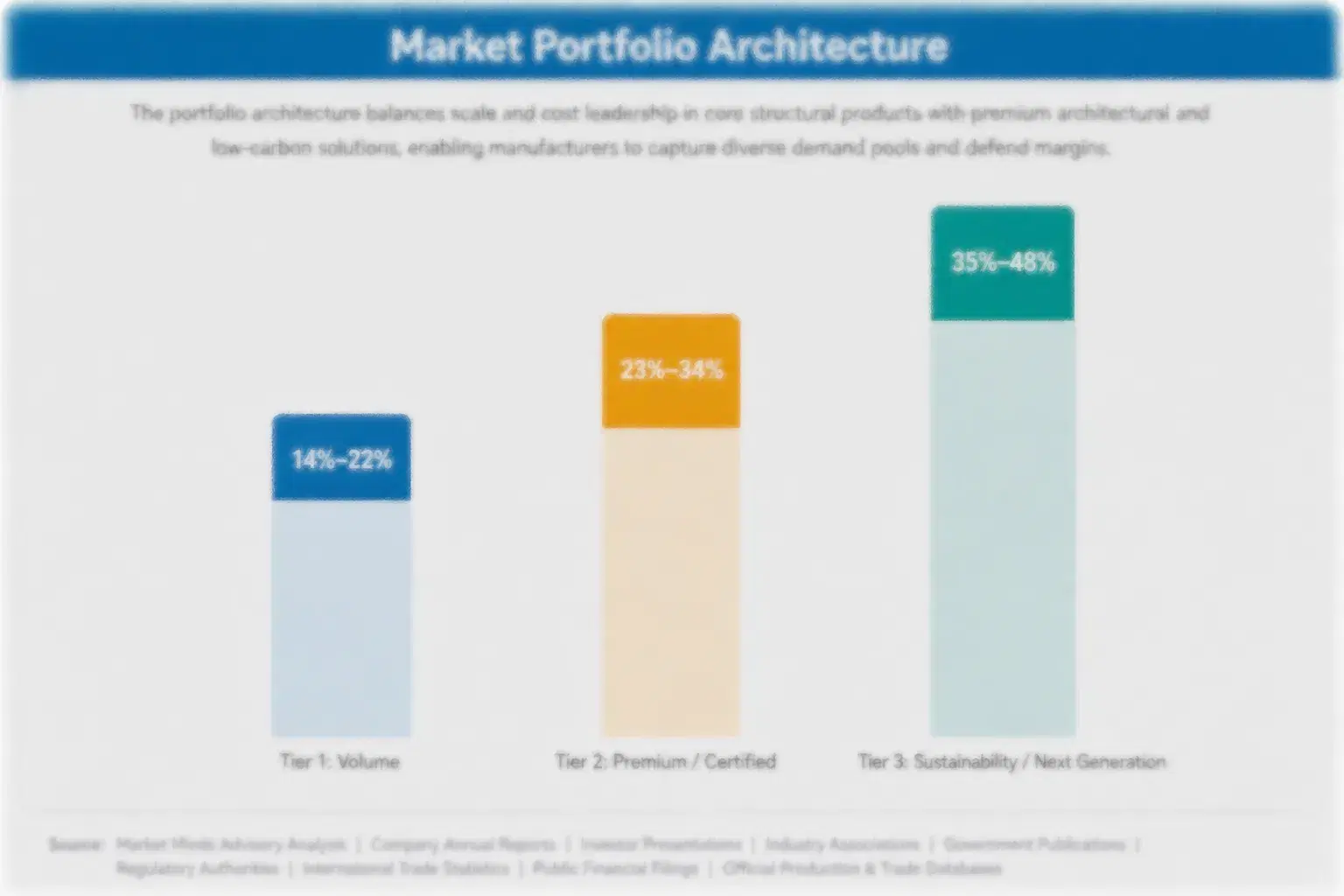
The portfolio splits across three tiers with materially different margin economics: volume-grade conventional powder carrying thin margins under intense price competition, certified premium-grade and fortification-substantiated products commanding a meaningful premium, and next-generation AI-optimized and sugar-free-grade products capturing the highest margins currently available in the category, a spread wide enough that positioning strategy now matters more to manufacturer profitability than raw volume. This spread is widening as retailer scrutiny intensifies across every major program review worldwide.
The volume versus premium tension is acute right now because health-conscious retailers increasingly demand documented fortification-consistency adequacy and nutrient-labeling credentials, compressing the addressable market for standard commodity powder faster than manufacturers can shift capacity toward higher-value alternatives, leaving some providers holding underutilized legacy processing operations across several regional facilities that no longer match concentrated buyer demand today.

High-value margin pools concentrate specifically in AI-optimized and sugar-free-grade formulations carrying multi-retailer certification, both of which command premium pricing tied to dissolution-engineering complexity and documentation depth rather than raw volume alone, rewarding brands with diversified feedstock relationships that invested early in dissolution technology over those competing purely on scale globally, a gap expected to widen as disclosure requirements tighten further across the decade ahead worldwide.

Volume / Commodity-Adjacent Tier

Standard conventional powder and basic bulk formulations sold primarily on price into mainstream household applications, facing intense competitive pressure from established brands and carrying thin, increasingly squeezed margins as buyers shift toward certified, higher-value alternatives.
Gross Margin: 12%-20%

Premium / Certified Tier

Premium-grade and fortification-substantiated products commanding premium pricing tied to documentation, regulatory compliance support, and validated dissolution performance across demanding qualification and multi-retailer applications that commodity powder cannot reliably match at scale.
Gross Margin: 26%-35%

Sustainability / Regulatory / Next-Generation Tier

AI-optimized and sugar-free-grade products serving health-conscious applications at the highest technical complexity, commanding premium pricing tied to dissolution-engineering few competitors currently possess at meaningful commercial scale today across the category.
Gross Margin: 39%-48%
chocolate-powdered-drinks-market-portfolio-architecture-1789799965739

High-value Sub-segments and Strategic Watch-out

AI-Optimized Instant-Dissolution Powder Platforms

Highest-value, fastest-growing segment driven by expanding dissolution-optimization qualification mandates, commanding premium pricing on dissolution-engineering technology competitors cannot easily replicate, since building comparable quality credibility typically requires several more years of dedicated validation investment worldwide today overall. This trend is expected to continue. Analysts expect this pattern to persist.

Sugar-Free Chocolate Drink Powders

High-value segment growing steadily as manufacturers extend nutrient-performance compliance into documented broad-retailer targets, with margin supported by health-conscious research investment rather than raw technical complexity alone, favoring brands with strong documentation capability and dedicated formulation teams worldwide today overall. This trend is expected to continue.

Malted Chocolate Drink Powders

Volume core of the category, serving mainstream household and institutional applications with stable but thin margins under sustained global competition among brands, where fortification scale and support efficiency matter more than technical sophistication for winning large-volume accounts across mature portfolios worldwide today overall. This trend is expected to continue.

Instant Chocolate Drink Mixes

Strategic watch-out segment facing steady margin compression as AI-optimized adoption and fortification-claim requirements both favor higher-value certified alternatives, leaving manufacturers reliant on this tier exposed to shrinking addressable volume and thinning margin over time as programs complete specification upgrades globally through the decade ahead worldwide today.

Retailer Renewal and Brand Loyalty

Chocolate powdered drinks revenue behaves like an annuity once a manufacturer wins the retailer's sourcing-qualification specification, since health-conscious retailers rarely re-qualify manufacturers mid-contract given the cost and risk of revalidating fortification-integration documentation and quality performance, giving incumbent manufacturers multi-year revenue visibility on won retailer contracts, a dynamic that makes initial qualification wins disproportionately valuable relative to their first-year unit volume alone.
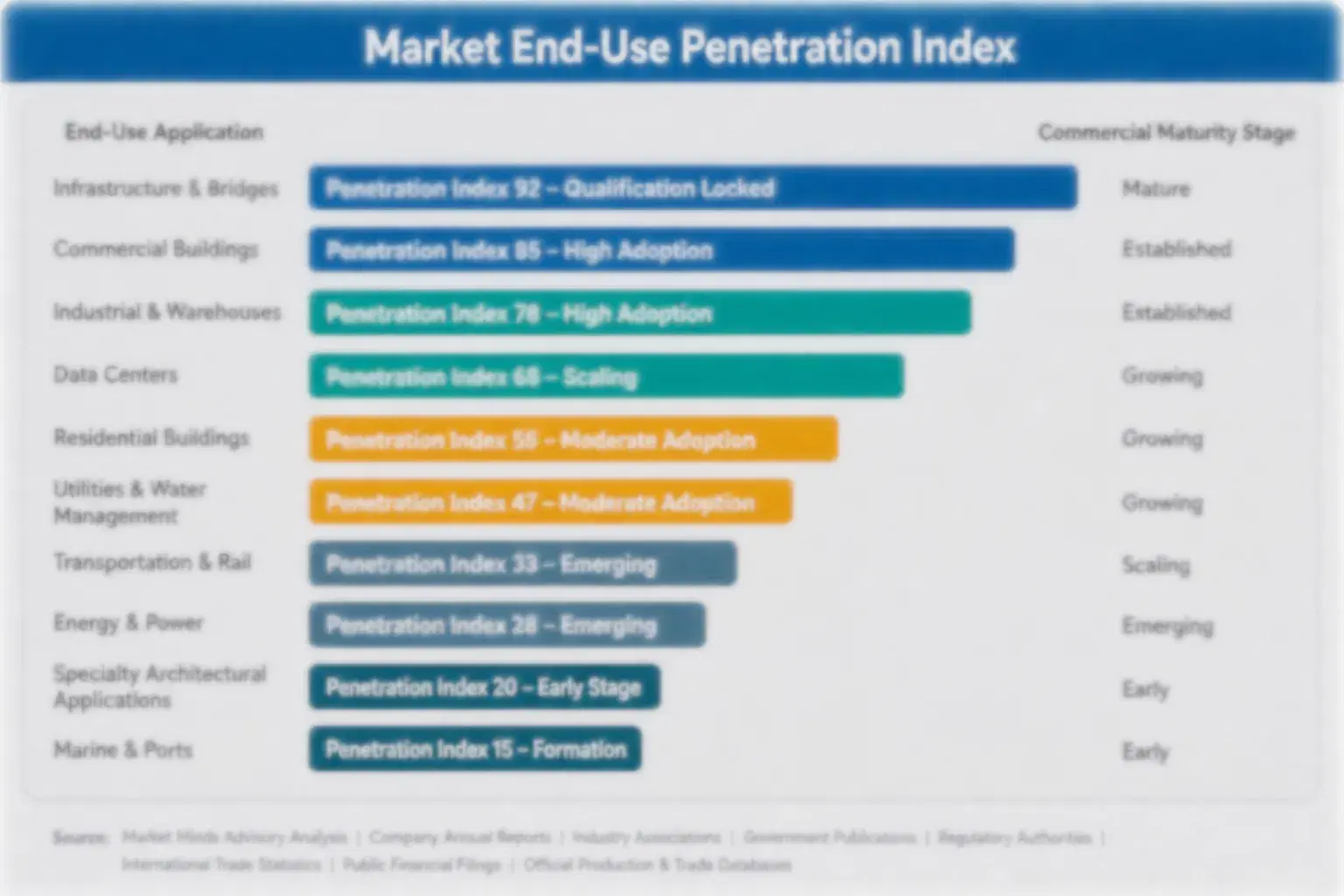
Adoption depth varies sharply by end-use vertical: established household and institutional relationships show the deepest, most entrenched manufacturer relationships given years-long program stability, while emerging AI-optimized and sugar-free categories remain more contestable as retailer-procurement teams actively experiment with new manufacturers during early qualification phases, when switching costs remain low and specifications have not yet been finalized. Retailer networks weigh switching costs carefully during these formative windows worldwide today overall.

A generational shift in buyer profiles is underway as younger, digitally native food-science and retailer-procurement teams, increasingly focused on documented fortification-consistency performance and real-time process-integration testing, prioritize documented transparency and diversified sourcing over the years-long manufacturer relationships and standard-grade specifications that defined operations at legacy retailers still relying on outdated stir-based practices. This generational shift is expected to accelerate steadily through the forecast period ahead worldwide overall.
chocolate-powdered-drinks-market-end-use-penetration-index-1789799965925

Priorities for Chocolate Powdered Drink Manufacturers

These are among the four positions where our research anticipates prominent divergence between winners and laggards over the coming forecast period. Each is grounded in the demand model, the regulatory perimeter, and the announced capacity pipeline.
01 / CERTIFICATION QUALIFICATION PRIORITY

Accelerate AI-dissolution substantiation ahead of demand

Manufacturers still lacking documented AI-dissolution consistency certification evidence face a shrinking addressable market as reliability-disclosure mandates and labeling regulation tighten simultaneously across major retailer programs globally today. The window to pre-build certification portfolios against expanding regulatory benchmarks is narrowing quickly as faster-moving competitors capture qualification partnerships ahead of manufacturers still completing internal validation work across their organizations. Manufacturers that delay risk losing multi-year retailer relationships entirely to faster-moving rivals carrying validated compliance documentation into every subsequent renewal cycle, compounding cost each production season overall.
02 / FEEDSTOCK SOURCING DIVERSIFICATION

Reduce single-source cocoa concentration risk

Single-source raw cocoa feedstock dependency has produced repeated cost shocks tied to West African harvest-variance pressure over the past several years, directly compressing margins for manufacturers without diversified feedstock sourcing across multiple regional supply partners and cooperatives. Qualifying multiple supply origins reduces exposure meaningfully, though full substitution requires qualification-testing validation since quality profiles differ across sources considerably. Manufacturers that fail to diversify remain persistently vulnerable to the next agricultural-market disruption event affecting their primary supply base without a diversified strategy already firmly in place today.
03 / SUGAR-FREE INVESTMENT PRIORITY

Build dissolution expertise ahead of demand

Sugar-free chocolate drink powders represent the second-fastest-growing segment behind AI-optimized platforms, but requires alternative-sweetener-formulation engineering and documentation infrastructure that most sugar-only manufacturers currently lack entirely. This gap is particularly pronounced around multi-retailer certification work, where documentation depth determines which brands win large formulation accounts across competitive tender cycles worldwide. Building this capability now positions manufacturers to capture premium accounts before the segment fully matures and margins inevitably compress under intensifying competitive pressure from new entrants entering the category each successive year across every affected qualification account this cycle.
04 / REGIONAL SUPPORT PLACEMENT

Prioritize Nigerian growth-corridor co-location

Entrenched malted-drink breakfast culture across South Asia and Pacific alongside expanding Nigerian household disposable-income investment make co-located fortification hubs increasingly decisive for qualification-time performance and overall cost competitiveness worldwide. Manufacturers still serving these markets through centralized distribution face a growing cost and speed disadvantage against regionally established competitors already operating co-located hub capacity closer to major growth corridors. Capital committed to regional capacity now compounds advantage steadily as certified-format volume continues expanding through the forecast period, an edge that deepens further with every successive renewal cycle ahead.

Engagement Snapshot From the Field

A live engagement with an industry participant carrying material or product regulatory and market exposure ahead of a defining policy shift, showing how our research translates into a defensible multi-year portfolio strategy.
MARKET MINDS ADVISORY · CLIENT ENGAGEMENT SUMMARY
Chocolate Powdered Drinks Producer Strategic Portfolio Review and Transition Roadmap 2026·Investment Scenario on Chocolate Powdered Drinks Exposure Evaluation 2025-26
CLIENT PROFILE
The client is a mid-sized West African grocery retailer managing several disconnected supplier relationships across private-label affiliates, with reported annual sourcing-procurement spending exceeding 2.6 million dollars (client-reported, unverified by MMA) across its full chocolate powdered drink portfolio prior to engaging MMA for supplier-strategy support ahead of a multi-brand consolidation spanning several regional private-label affiliates worldwide.
STRATEGIC CHALLENGE
Facing rising competitive pressure from a six-month product-launch deadline, the client's fragmented supplier relationships across four different regional qualification tiers created inconsistent fortification documentation, risking reporting shortfalls across its largest private-label affiliates if a consolidated sourcing strategy could not be established quickly across affected facilities worldwide today overall. This trend is expected to continue.
MMA APPROACH
MMA conducted a supplier capability assessment across five candidate powder manufacturers, benchmarking qualification-documentation depth, delivery-speed reliability, and regional logistics interoperability, then facilitated a structured consolidation process that compressed the client's typical evaluation timeline substantially against historical cycles, drawing on MMA's primary survey and expert interview data throughout the engagement. This trend is expected to continue.
KEY FINDINGS
  1. Only two of five evaluated suppliers had qualification documentation covering all powder formats the client's private-label affiliates required, a gap the client had not previously quantified.
  2. Consolidating to two primary suppliers reduced projected reporting-shortfall exposure from an estimated 8% to under 3% across affected labels, exceeding the client's initial timeline improvement target.
  3. Raw cocoa feedstock sourcing diversification among finalist suppliers correlated strongly with the pricing stability commitments the client required for multi-year partnership terms, a factor weighted heavily during final scoring.
  4. Bundled qualification documentation and compliance-advisory services materially reduced the client's internal procurement burden during the entire consolidation transition period, freeing staff for higher-value planning tasks.
CLIENT PROFILE
The client is a mid-sized West African grocery retailer managing several disconnected supplier relationships across private-label affiliates, with reported annual sourcing-procurement spending exceeding 2.6 million dollars (client-reported, unverified by MMA) across its full chocolate powdered drink portfolio prior to engaging MMA for supplier-strategy support ahead of a multi-brand consolidation spanning several regional private-label affiliates worldwide.
STRATEGIC CHALLENGE
Facing rising competitive pressure from a six-month product-launch deadline, the client's fragmented supplier relationships across four different regional qualification tiers created inconsistent fortification documentation, risking reporting shortfalls across its largest private-label affiliates if a consolidated sourcing strategy could not be established quickly across affected facilities worldwide today overall. This trend is expected to continue.
MMA APPROACH
MMA conducted a supplier capability assessment across five candidate powder manufacturers, benchmarking qualification-documentation depth, delivery-speed reliability, and regional logistics interoperability, then facilitated a structured consolidation process that compressed the client's typical evaluation timeline substantially against historical cycles, drawing on MMA's primary survey and expert interview data throughout the engagement. This trend is expected to continue.
KEY FINDINGS
  1. Only two of five evaluated suppliers had qualification documentation covering all powder formats the client's private-label affiliates required, a gap the client had not previously quantified.
  2. Consolidating to two primary suppliers reduced projected reporting-shortfall exposure from an estimated 8% to under 3% across affected labels, exceeding the client's initial timeline improvement target.
  3. Raw cocoa feedstock sourcing diversification among finalist suppliers correlated strongly with the pricing stability commitments the client required for multi-year partnership terms, a factor weighted heavily during final scoring.
  4. Bundled qualification documentation and compliance-advisory services materially reduced the client's internal procurement burden during the entire consolidation transition period, freeing staff for higher-value planning tasks.
RECOMMENDED STRATEGY
Phase 1: Phase 1 (Months 1 to 2): Complete supplier capability benchmarking and shortlist finalists based on documentation depth and feedstock diversification. Phase 2: Phase 2 (Months 3 to 5): Run parallel fortification certification and staff training against consolidation benchmarks for finalist suppliers while finalizing contract terms. Phase 3: Phase 3 (Month 6): Execute phased label-by-label conversion and finalize long-term partnership agreement with selected suppliers across the sourcing portfolio.
OUTCOME
The client completed consolidation certification across its full chocolate powdered drink portfolio within the deadline, achieving timeline improvements reported to represent a majority of the client's total target improvement (client-reported, unverified by MMA), while establishing a diversified two-supplier partnership structure reducing future disruption risk across its full sourcing portfolio going forward worldwide.

Frequently Asked Questions

Foundational context covering the market sizes, CAGR, scope, country, region and competition that inform every finding below. This section is provided to cover basics and most often pre-purchase conversations, answered from the MMA Primary Research Dataset.

What is the current size of the Chocolate Powdered Drinks Market?

The chocolate powdered drinks market is valued at approximately USD 8.6 billion in 2025, covering malted, instant, and milk-concentrate categories driven by steady fortification-claim demand.

How large will the Chocolate Powdered Drinks Market be by 2036?

The market is projected to reach approximately USD 15.99 billion by 2036 under the base case scenario. This reflects sustained AI-dissolution and sugar-free investment growth across major regions worldwide.

What is the CAGR for the Chocolate Powdered Drinks Market 2026 to 2036?

The base case CAGR is 5.8% across the 2026 to 2036 forecast period, reflecting steady growth-specialty demand. Bull and bear scenarios range from 4.7% to 6.9% depending on discretionary retailer-spending conditions.

Which segment is growing fastest?

AI-optimized instant-dissolution powder platforms are the fastest-growing segment at a 9.4% CAGR, with adoption broadening quickly across South Asian and Nigerian household accounts. This reflects expanding dissolution-optimization demand.

Who are the major companies in the Chocolate Powdered Drinks Market?

Leading brands include Nestle, Haleon, Mondelez, Associated British Foods, and Zydus Wellness, together holding an estimated 45% combined market share on a unit-production-revenue basis across the category.

Which country is growing fastest?

Nigeria anchors the fastest-growing national demand at a 9.8% blended CAGR as its rising household disposable income and fortification capacity grow rapidly nationwide. Growing brand-loyalty recognition remains the primary growth engine.

Report Segmentation Architecture

The full report scope spans multiple orthogonal segmentation dimensions, with cross-tabulated demand data provided for each dimension pair. Coverage extends further to regional breakdowns, trend trajectories, and the competitive detail needed to support segment-level decision-making.

By Product Form and Dissolution Technology

  • Malted Chocolate Drink Powders
  • Instant Chocolate Drink Mixes
  • Chocolate Milk Powder Concentrates
  • Sugar-Free Chocolate Drink Powders
  • Organic-Certified Chocolate Drink Powders
  • AI-Optimized Instant-Dissolution Powder Platforms

By End-Use Industry

  • Household Retail Consumption
  • Institutional and Foodservice Applications
  • Sports Nutrition Applications

By Commercial Dimension

  • Direct Bulk Ingredient Contracts
  • Wholesale and Distributor Trading Channel
  • Private-Label Retailer Sourcing Agreements

By Region

  • North America
  • Western Europe
  • East Asia
  • South Asia and Pacific
  • Latin America
  • Middle East and Africa
  • Eastern Europe

Scope, Methodology, and Coverage

Every figure in this report is reproducible from documented input assumptions. The scope below maps the historical period, the forecast horizon, the segmentation dimensions, and the countries covered, alongside the underlying primary and qualitative methodology.
Historical Period
2020 to 2025
Forecast Period
2026 to 2036
Base Year
2025 (USD billions; MMA Primary Research Dataset, September 2026)
Market Definition
This report covers commercially produced chocolate and malted powdered drink mixes sold globally for household and institutional preparation, specifically malted, instant, milk-concentrate, sugar-free, and organic-certified formats. It excludes ready-to-drink liquid chocolate beverages and finished confectionery products sold under separate retail classifications.
Quantitative Units
USD billions (current prices); per-metric-ton bulk price metrics for select segment analysis
Segmentation Dimensions
By Product Form and Dissolution Technology; By End-Use Industry; By Commercial Dimension; By Region
Regions Covered
North America, Western Europe, East Asia, South Asia and Pacific, Latin America, Middle East and Africa, Eastern Europe
Countries Covered
United States, Canada, United Kingdom, Germany, China, Japan, India, Indonesia, Brazil, Mexico, Nigeria, South Africa, Poland, Russia
Key Companies Profiled
Nestle S.A., Haleon plc, Mondelez International, Inc., Associated British Foods plc, Zydus Wellness Limited, FrieslandCampina, Promasidor Holdings Limited, Cadbury Nigeria Plc, Vitasoy International Holdings Limited, Yili Group, Gujarat Cooperative Milk Marketing Federation Limited, PT Ultrajaya Milk Industry Tbk, Glanbia plc, Arla Foods amba, Britannia Industries Limited, Meiji Holdings Co., Ltd., Danone S.A., The Hershey Company, Nutifood Nutrition Food Joint Stock Company, The Kraft Heinz Company
Quantitative Methodology
Primary survey, n=3,800 respondents, Q4 2025, six countries; demand-side model with trade association cross-validation
Qualitative Methodology
47 expert interviews, Q4 2025; applied to validate demand model assumptions, identify emerging dynamics, and assess competitive positioning
Report Format
PDF and XLSX data workbook (Word format preview document)
Publisher
Market Minds Advisory
Report Code
MMA-2026-AGR-207
Published
September 2026
Contact
sales@marketmindsadvisory.com | www.marketmindsadvisory.com

Purchase the full Chocolate Powdered Drinks Market Report (2026 to 2036).

The full report delivers a complete quantitative and qualitative assessment of the chocolate powdered drinks market across all six product-form segments and seven global regions. It includes detailed brand profiles covering qualification certification capability, dissolution-engineering capacity, and technical positioning for the twenty entities profiled. Analysts provide scenario-adjusted forecasts through 2036 alongside feedstock-cost sensitivity modeling tied to agricultural-input volatility. Buyers receive access to underlying primary survey and expert interview data supporting all quantitative claims, along with a certification-adoption tracker benchmarked across qualification-cycle timelines for major retailer accounts worldwide.
Segment-level forecasts through 2036 across categories
Regional demand, pricing, and CAGR breakdown tables
Twenty-entity competitive profiling with moat and risk analysis
Cocoa and dairy feedstock cost risk mitigation pathways
Certification-adoption tracker across major retailer programs
Quarterly market update subscription option for ongoing monitoring

Built For The People Who Decide

From boardroom strategy to bench-side execution, this report is read cover-to-cover by leaders shaping the next decade of their industry, turning demand scenarios, market dynamics and valuation benchmarks into decisions.
CXOs/ Presidents/ VPs/ Managers
M&A and Corporate Development
Strategy Teams and R&D Heads
Procurement and Product Directors
Regulatory and Compliance Leaders
Investor Relations and Equity Analysts