Market Minds Advisory
Chocolate Inclusions and Decorations Market

Chocolate Inclusions and Decorations Market: Chocolate Inclusions and Decorations Market. Cocoa Cost Pressure, Cookie and Ice Cream Innovation, and Visual Merchandising Reshape Chips, Pearls, and Toppings.

Chips, crisps, sprinkles, and moulded toppings look small on a bill of materials, but record cocoa prices, bake stability limits, and social media visual demand decide which suppliers hold cookie, ice cream, and dessert programmes.

Lead Analyst

Published

September 2026

Make Smarter Decisions with Customized Research Insights

Request a free sample report and evaluate market opportunities, growth trends, and competitive dynamics relevant to your business needs.

2025 MARKET VALUE$3.6BMarket Size 2025
2036 FORECAST VALUE$6.4BBase Case , 2026 to 2036
CAGR 2026 TO 20365.4 %Bull 6.7% / Bear 4.1%
INCREMENTAL OPPORTUNITY$2.6BNet 10- year value creation
EXPANSION MULTIPLE1.69x2036 value over 2026 base
Strategic Levers
M&A Pipeline
Regional Outlook
Country Rankings
Competitive Intelligence
Segmental Deep-dive
Call-Us : 91 93563 13602

Executive Snapshot and Market Trajectory.

A cookie sells on the chocolate you can see, which is why chips are the most visible and most expensive ingredient per gram in the dough. Record cocoa prices have made that visible chocolate a cost problem, and suppliers now sell smaller chips, coated pearls, and compound blends.
Chocolate crisps and pearls grow fastest, because ice cream makers, cereal brands, and dessert chains use crunchy coated inclusions to add texture with less chocolate, while chips and chunks anchor volume in cookies, muffins, and bars. North America holds the largest share, since the United States dominates cookie baking, ice cream, and snack bar production, with Western Europe and East Asia following. India leads country growth. Dessert cafes add decoration demand.
Competition is led by processors with cocoa scale. Barry Callebaut, Cargill, Blommer, Guittard, and Dawn Foods supply most industrial and bakery volume, while regional specialists compete on decorations, colours, and speed. Regulation matters through food dye rules, allergen labelling, and deforestation law, and buyers reward bake stability, melt resistance, clean colour, and consistent size across production runs. Reliable delivery beats headline price. Processors invest ahead of demand quickly. Retail buyers ask for proof before listing.
Market Definition
Chocolate inclusions and decorations comprise chocolate and chocolate-flavoured chips, chunks, curls, shavings, sprinkles, crisps, pearls, moulded pieces, and printed transfer sheets sold to bakeries, ice cream makers, confectioners, cereal and snack producers, and foodservice for mixing into products or decorating them. The scope excludes couverture sold for tempering, bake-stable fillings, finished chocolate confectionery, and cocoa powder.
Base Year Value
$3.6B in 2025 (MMA Primary Research Dataset, September 2026)
Forecast Period
2026 to 2036, eleven discrete annual values
CAGR
5.4% base case. Bull 6.7%. Bear 4.1%.
Fastest Growth Segment
Chocolate Crisps and Pearls: 9.0% CAGR
Fastest Growth Country
India: 8.6% CAGR
Fastest Growth Region
South Asia and Pacific: 7.4% CAGR
Largest Region
North America: 33% of 2025 global value
Market Leaders
Barry Callebaut, Cargill, Blommer Chocolate Company, Guittard Chocolate Company, Dawn Foods. Source: MMA Analysis, company annual reports.
Primary Survey
n=3,800 procurement and R&D decision-makers, Q4 2025, six countries
Methodology
Demand-side build-up, cross-validated against public data, 47 expert interviews

Chocolate Inclusions and Decorations Market Forecast Scenarios

chocolate-inclusions-decorations-market-size-forecast-scenario-1789781242220
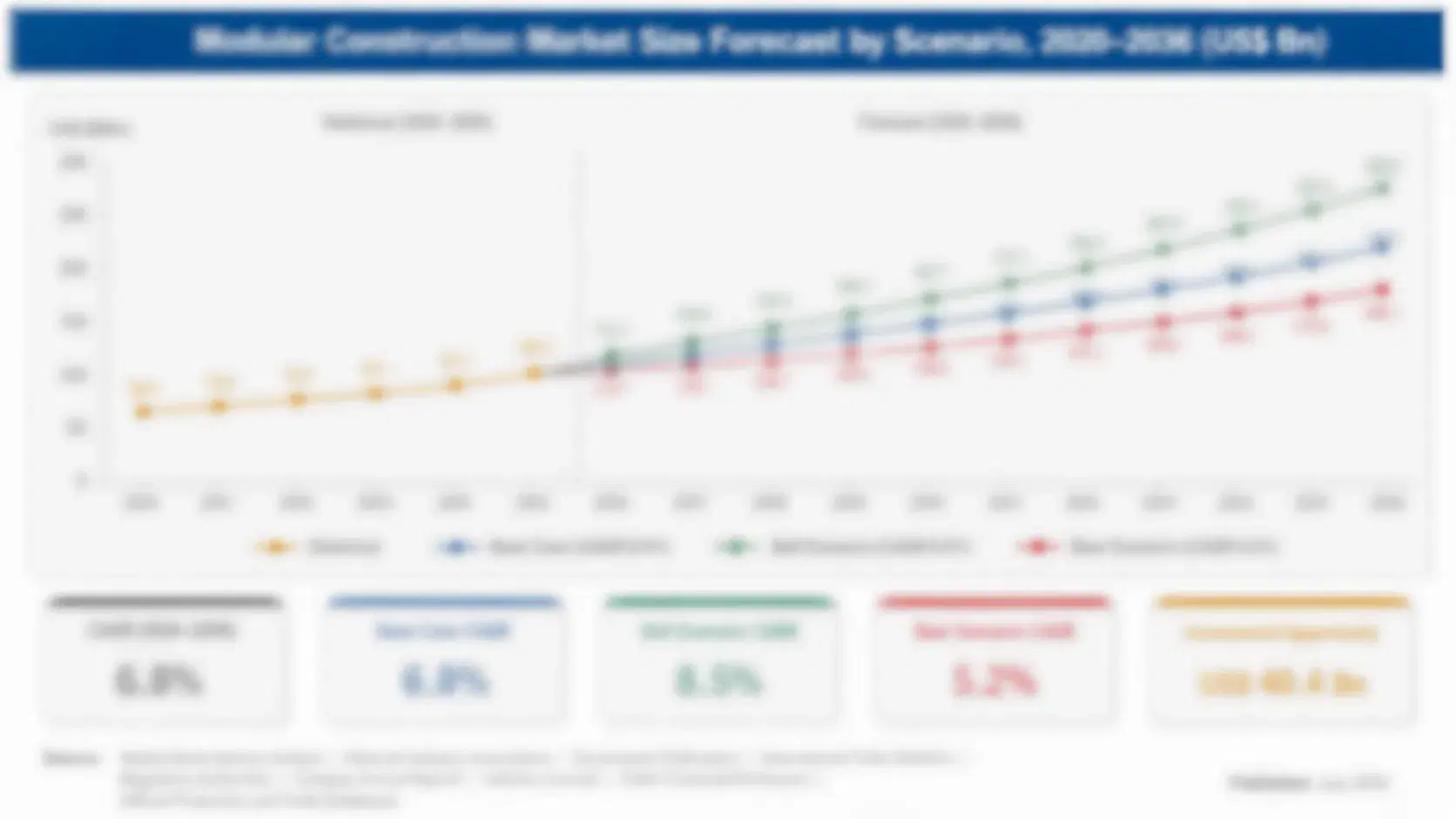
From 2020 to 2025, inclusions and decorations grew with cookie shops, ice cream innovation, and home baking, then met the cocoa price shock. Stuffed cookies and dessert cafes lifted demand, sprinkles rode social media baking trends, and cocoa costs tripled after 2022, pushing suppliers to raise prices and reformulate. Growth averaged 4.7% a year, with value outpacing volume as smaller pieces and compound blends spread.
The base case assumes 5.4% annual growth through 2036, built on three named mechanisms: cookie and dessert chain expansion in North America, Asia, and the Gulf that uses branded chips and toppings, ice cream and snack bar innovation that adds crunchy pearls and chunks, and demand for colourful natural decorations that photograph well and support premium menu prices. Cost-saving reformulation reinforces each mechanism across the forecast period. Better bake stability also cuts waste.
The bull case, at 6.7%, needs cocoa prices to ease and dessert chain openings to accelerate. The bear case, at 4.1%, reflects prolonged cocoa spikes, consumer trade-down, and weaker snack spending. Either path leaves visible chocolate demand intact, though mix would differ. Analysts watch cocoa prices and synthetic dye rules most closely, since each moves margin directly across programmes.

Bake Stability and Cocoa Cost Decide Inclusion Winners

Inclusions are made by depositing or extruding chocolate or compound into drops, chunks, or shaped pieces, cooling them in tunnels, and sometimes coating them in sugar shells or cereal bases. Bake-stable chips use higher melting fats and lower cocoa butter so they hold shape in cookies and muffins. Sprinkles and pearls are panned with sugar or chocolate layers, coloured with natural or synthetic dyes.
MARKET CONCENTRATION33% CR5Leading five suppliers hold a moderate combined share
CHIP DOSAGE IN COOKIES18%Typical chip weight as share of cookie dough
COCOA SHARE OF COGS36%Cocoa ingredients form the largest input cost line
BAKE STABILITY LIMIT190 CTypical oven temperature chips must tolerate without melting
BAKERY CHANNEL SHARE46%Portion of demand from bakeries and cookie makers
SHELF LIFE12 monthsTypical stable period for chips in cool dry storage
Buyers use inclusions in several ways. Cookie and muffin bakers mix chips into dough, ice cream makers fold crunchy pieces into bases, cereal and snack bar makers add pearls for texture, and cafes and dessert chains decorate cakes and drinks with sprinkles, curls, and moulded pieces. Pricing follows cocoa and fat costs with a lag, and suppliers offer custom shapes and colours.
Suppliers sit at several levels. Large processors such as Barry Callebaut, Cargill, Blommer, and Guittard grind cocoa and produce chips and chunks at scale, ingredient houses such as Dawn Foods sell to bakeries and foodservice, and regional specialists make sprinkles and decorations. Customers judge them on bake stability, colour, size consistency, allergen control, and price security through cocoa cycles.
"Inclusions are the part of the recipe where cocoa cost meets consumer expectation. Bakers will accept a smaller chip, a cheaper coating, or a different shape, but never a cookie that looks under-chocolated, and that constraint defines the whole category."
Practice Lead, Chocolate Ingredients Practice · MMA Chocolate Ingredients Practice · September 2026

Market Trends

Coated Pearls and Crisps Add Texture While Reducing Chocolate Content

Ice cream makers, cereal brands, and dessert chains use crisps and pearls made from puffed cereal, biscuit, or rice cores coated in chocolate or compound, which add crunch with 30% to 60% less chocolate than solid chunks. Barry Callebaut, Cargill, and Fuji Oil sell coated inclusions to Ben and Jerry's, Nestle, and private-label ice cream brands, and cereal makers add pearls to premium ranges. The coating needs moisture barriers so the core stays crisp in ice cream at minus 18 degrees Celsius. Volume grows quickly because suppliers can cut cocoa exposure while preserving the visible chocolate cue.
Market Impact: cookie stores use 200 kilograms monthly

Natural Colour Sprinkles Respond to Dye Rules and Social Baking

Regulators and retailers push brands away from synthetic dyes, and the United States Food and Drug Administration announced plans in 2025 to phase out petroleum-based colours, while the European Union requires warning labels on certain azo dyes. Suppliers now sell sprinkles coloured with spirulina, beetroot, carrot, and turmeric extracts, priced at 15% to 35% above synthetic versions. Social media baking trends drive demand for rainbow and themed decorations, and cake decorating kits sell through retailers. Natural colours fade with heat and light, so suppliers use coatings and packaging that protect shade, and bake-stable natural colours remain difficult for cookies.
Market Impact: inclusions use 50-150 grams per litre

Market Opportunities and Growth Drivers

Cookie Shops and Stuffed Cookie Chains Expand Chip Demand

Cookie chains such as Crumbl, Insomnia Cookies, Levain, and Subway's cookie programme have expanded to thousands of stores, and each store bakes hundreds of cookies daily with 40 to 80 grams of chips and chunks per cookie. Stuffed cookies and rotating weekly flavours raise the variety of inclusions bought, from chunks to crisps and marshmallow pieces. Supermarket in-store bakeries and coffee chains also list cookies as high-margin items. A store using 200 kilograms of chips a month generates recurring orders for suppliers, and chains that write specifications for size and melt behaviour rarely change vendors.
Market Impact: chip prices rose 25-40%

Ice Cream and Snack Bar Innovation Lifts Inclusion Demand

Ice cream makers launch dozens of new flavours a year, and inclusion-heavy flavours such as cookie dough, brownie, and chocolate chip continue to rank among the best sellers in the United States and Europe, according to trade data. Snack bar and cereal makers add chocolate pieces to premium lines at 20% to 40% price premiums. Global ice cream production of over 17 billion litres a year offers a large base, and each litre can use 50 to 150 grams of inclusions. Suppliers with cold-stable and moisture-resistant products win contracts with large brands that plan multi-year flavour programmes.
Market Impact: heat-resistant chocolate costs 8-15% more

Market Restraints and Challenges

Cocoa Price Spikes Force Smaller Chips and Compound Substitution

Cocoa prices tripled between 2022 and 2024, according to International Cocoa Organization data, after poor West African harvests, disease, and low farmer investment cut supply. The root cause is concentration of production in Ghana and Cote d'Ivoire, which supply about 60% of world cocoa. Price increases of 25% to 40% led bakers to cut chip size by 10% to 20% and switch to compound chips with vegetable fats. Mitigation includes forward contracts, cocoa-extended chips, and coated inclusions, though real chocolate claims need legal minimums, and consumer perception of smaller chips can harm repeat purchase.
Market Impact: pearls use 30-60% less chocolate

Bake Stability and Melt Resistance Limit Premium Chocolate Chip Formulation

Chips must survive ovens at 170 to 200 degrees Celsius and hold shape in dough, which needs high melting fats and low cocoa butter, according to bakery technology guidelines. The root cause is that real chocolate with high cocoa butter melts and bleeds in baking. Suppliers use hardened fats and lower moisture, but these can reduce flavour and mouthfeel. Premium bakers want real chocolate with melt performance, so suppliers develop heat-resistant chocolate using special emulsifiers, though costs rise by 8% to 15%, and testing across bakery applications takes several months.
Market Impact: natural colours sell 15-35% above synthetic
3 additional market trends, 2 additional growth drivers, and 3 additional restraints and challenges are covered in the full report. Contact sales@marketmindsadvisory.com to access the complete intelligence.

Segment CAGR and Growth Architecture

Chocolate inclusions and decorations are segmented by product form, because production process, size, coating, bake stability, price, and buyer group differ more between chips and chunks, curls and shavings, sprinkles and vermicelli, crisps and pearls, moulded pieces, and printed transfer sheets than they do by cocoa content. Crisps and moulded decorations attract most investment as brands cut cocoa.
chocolate-inclusions-decorations-market-market-share-analysis-1789781242392

Chocolate Crisps and Pearls

Chocolate crisps and pearls are the fastest-growing segment, made from puffed cereal, biscuit, or rice cores coated with chocolate or compound and sometimes finished with sugar shells. Ice cream makers, cereal brands, dessert chains, and cake decorators use them to add crunch and colour with less chocolate than solid chunks, and prices run 10% to 25% above standard chips per kilogram. The technical challenge is moisture barrier performance, since cores must stay crisp in ice cream and dairy desserts for months. Growth depends on cocoa costs and flavour innovation, and suppliers with coating lines, barrier technology, and application labs win multi-year programmes with large brands. Customers also test coatings for bake stability in muffins and bars.
CAGR 9.0%

Moulded Chocolate Decorations

Moulded chocolate decorations are the second-fastest segment, made from tempered or compound chocolate shaped into hearts, flowers, figurines, and seasonal pieces for cakes, desserts, and confectionery. Bakeries, cafes, and supermarkets use them to add visual appeal to cakes and cupcakes at seasonal peaks such as Valentine's Day, Easter, and Christmas. Prices run 40% to 100% above chips because of moulds, packaging, and labour, and seasonality creates inventory risk. Growth depends on premium dessert menus and social media appeal, and suppliers with flexible moulding lines, custom design services, and strong seasonal planning capture larger retailer programmes. Cake decorators and dessert chains use coloured pieces to lift menu prices, and supermarket bakeries plan orders eight weeks before each seasonal peak.
CAGR 7.6%
Full segment breakdown across 6 segments available in the complete report.

Regional Architecture and Country Demand Map

Inclusion and decoration value follows cookie baking, ice cream production, and dessert foodservice. North America leads through the United States, Western Europe follows through bakery and ice cream, East Asia grows through dessert cafes, and India is the fastest-growing country as bakery and ice cream chains expand.

North America

North America holds 33% share, above its usual band, because the United States dominates cookie baking, ice cream production, and snack bar manufacturing, and cookie chains, warehouse clubs, and in-store bakeries use chips and chunks at unmatched scale, so demand per capita exceeds every other region. Blommer, Guittard, Hershey, Barry Callebaut, and Cargill lead, alongside Dawn Foods in bakery distribution. Cocoa costs, private-label pressure, and consumer trade-down restrain returns, though cookie chain openings keep growth near the global rate. North America and Western Europe hold the top two positions because both combine cocoa processing plants with large bakery and ice cream sectors that buy inclusions close to source, which shortens lead times.
Share: 33% | CAGR: 5.3% (2026 to 2036)

Western Europe

Western Europe holds 24% share, with the United Kingdom, Germany, France, Italy, and the Netherlands using chips, sprinkles, and curls in bakery, ice cream, and confectionery, and sprinkles such as Dutch hagelslag support a distinctive breakfast tradition. Barry Callebaut, Puratos, Dr. Oetker Professional, Zeelandia, and Cemoi lead, alongside decorations specialists. Mature volumes, cocoa costs, and colour regulation hold growth below the global rate, though natural colour launches add value. Supermarket in-store bakeries and ice cream makers add steady demand, and Belgian processors supply chips across the continent. Retailers such as Tesco and Albert Heijn list cookies and ice cream with visible chocolate pieces, and Dutch hagelslag makers supply vermicelli to breakfast and bakery customers.
Share: 24% | CAGR: 4.2% (2026 to 2036)
Regional intelligence for 5 additional markets available in the complete report: East Asia, South Asia and Pacific, Latin America, Middle East and Africa, Eastern Europe. Contact sales@marketmindsadvisory.com.
chocolate-inclusions-decorations-market-country-cagr-analysis-1789781242571

Four Margin Routes for Inclusion Suppliers

Margin in inclusions comes from delivering the look of chocolate at lower cocoa exposure, not from selling more chips. Suppliers that ship coated crisps, cocoa-extended chips, natural colour decorations, and cookie chain programmes earn more per tonne than those competing on price against compound chip makers and regional sprinkle producers. Execution on cocoa decides outcomes.

Selling Coated Crisps and Pearls as Lower-Cocoa Texture Inclusions

Coated crisps and pearls use 30% to 60% less chocolate than chunks, so an ice cream maker using 5,000 tonnes of inclusions can cut cocoa spend by $3 million to $8 million a year at recent prices. Suppliers price them 10% to 25% above chips per kilogram and earn gross margins of 32% to 40%, against 24% to 28% on standard chips. Coating lines cost $3 million to $8 million. Brands sign multi-year programmes because moisture barrier performance takes months to validate, and once qualified, switching suppliers risks soggy cores in finished ice cream.
Market Impact: crisps cut cocoa spend $3-8 million per 5,000 tonnes

Launching Natural Colour Sprinkles Ahead of Synthetic Dye Phase-Outs

Regulators and retailers push brands away from synthetic dyes, so suppliers with natural colour sprinkles priced 15% to 35% above synthetic versions gain share in bakery and decoration. Development costs $500,000 to $2 million per range, and shade stability under heat and light requires coatings and barrier packaging. Retailers list colourful natural products in baking aisles, and social media baking creators drive trial. A supplier moving 20% of sprinkle volume to natural lifts blended gross margin by 3 to 5 points, and early movers secure retailer specifications before rivals reformulate.
Market Impact: natural sprinkles lift blended margin 3 to 5 points

Winning Multi-Year Chip Programmes With Cookie Chains and Brands

Cookie chains and ice cream brands set specifications for size, melt behaviour, and flavour, and a chain with 1,000 stores can use 2,400 tonnes of chips a year. Multi-year programmes of two to three years with index-linked cocoa pricing lock in volume and give suppliers gross margins 3 to 5 points above spot sales. Customers value consistent chip size and bake stability, and shifting suppliers requires new bake trials across stores. Suppliers with regional plants and technical service teams win larger shares of expanding chain programmes and hold them through cocoa cycles.
Market Impact: chain programmes earn 3 to 5 more margin points

Building Seasonal Moulded Decoration Programmes With Retailers

Moulded decorations sell at 40% to 100% above chips, and retailers that plan seasonal ranges for Valentine's Day, Easter, and Christmas buy 60% to 70% of annual volume within eight weeks. Suppliers with flexible moulding lines, custom design services, and early planning cut unsold stock to under 5% of volume. Design fees and mould tooling of $50,000 to $200,000 per programme are recovered in one season. Retailers reward suppliers that deliver on time with exclusive designs, and social media appeal supports premium shelf pricing for decorated cakes and cupcakes. Planning also cuts unsold stock.
Market Impact: seasonal programmes sell 60 to 70% within eight weeks

Who Controls the Margin Pool

The inclusions and decorations industry is moderately concentrated at the chip level and fragmented in sprinkles and moulded pieces, with the top five suppliers holding about 33% of global revenue, the basis used throughout this section. Barry Callebaut, Cargill, Blommer Chocolate Company, Guittard Chocolate Company, and Dawn Foods lead through cocoa sourcing, production scale, and distribution to bakeries and ice cream makers, while regional specialists hold local share through custom shapes, colours, and speed.
Competition centers on three dimensions: bake and freeze stability, measured by melt resistance and moisture barrier performance; cost management; and channel reach across cookie chains, ice cream brands, bakeries, and distributors. Leaders sign multi-year programmes with large brands and invest in coating lines, while challengers compete on price, custom decorations, and natural colours.

Emerging pressure comes from Asian producers scaling crisps and sprinkles, from cookie chains sourcing directly from processors, and from dye regulation that rewards natural colour capability. Rankings shift where suppliers secure programmes, prove moisture barrier performance, or lose to cheaper compound chips during cocoa spikes. Acquisitions of regional decoration specialists will reorder positions faster than organic growth, particularly as large brands seek single-source partners for chips, pearls, and toppings.
chocolate-inclusions-decorations-market-company-positioning-matrix-1789781242750

Competitive Moat and Risk Dimensions

BLOMMER CHOCOLATE COMPANY

Moat: Chip Scale and Cocoa Processing

Blommer Chocolate Company, owned by Fuji Oil Holdings, is the largest cocoa processor in North America and a leading supplier of chocolate chips, chunks, and coatings to bakeries, ice cream makers, and confectioners. Its grinding capacity, long-standing relationships with US bakery and dairy groups, and technical service for bake stability give it scale advantages.
BLOMMER CHOCOLATE COMPANY

Risk: North American Concentration Exposure

Blommer earns most revenue in North America, so cocoa costs, tariff changes, and consumer trade-down affect it directly. Rivals with global footprints can serve multinational customers, and Asian producers are scaling crisps and pearls. Cookie chains that source directly from global processors could also reduce its share of large accounts.
GUITTARD CHOCOLATE COMPANY

Moat: Premium Chip Quality and Heritage

Guittard, a family-owned chocolate maker founded in San Francisco in 1868, sells chips, chunks, and couverture to bakeries and foodservice, with strong presence among artisan cookie makers and premium bakeries. Its focus on origin and flavour, bake-stable chips, and long relationships with chefs give it pricing power in premium chips where buyers value taste over cost.
GUITTARD CHOCOLATE COMPANY

Risk: Scale and Cocoa Cost Exposure

Guittard is smaller than global processors, so cocoa purchasing scale and compliance costs weigh heavily on margins. Large customers may dual-source, and premium positioning limits volume when consumers trade down. Its premium chip positioning may also lose volume to compound drops when cocoa spikes push bakers to seek cheaper options.

Players Tracked

Prominent Players

Barry Callebaut
Cargill
Blommer Chocolate Company
Guittard Chocolate Company
Dawn Foods

Other Key Players

Puratos
Fuji Oil Holdings
Olam Food Ingredients
Cemoi
Hershey Company
Dr. Oetker Professional
Irca Group
Zeelandia
Bakels
Rich Products Corporation
Kerry Group
Meiji Holdings
Felchlin
Chocovic
Republica del Cacao

Recent Developments

MARCH 2026

Barry Callebaut Launches Cocoa-Extended Bake-Stable Chips for Cookie Programmes

Barry Callebaut launched bake-stable chips using cocoa-extending ingredients that cut cocoa content by up to 20% while keeping colour and taste in cookies, aimed at bakers facing high cocoa costs. It is a product launch. It gives customers a documented cost-saving option supported by bake trials and sensory panel results.
Signal: Confirms leading processors now compete on cocoa-extended chips that preserve visible chocolate at lower ingredient cost.
DECEMBER 2025

Cargill Adds Coated Inclusion Capacity for Ice Cream Customers in Europe

Cargill added coated inclusion capacity at a European plant, with new panning and coating lines for crisps and pearls used in ice cream and desserts. It is organic. It shortens delivery times, supports growing demand for crunchy inclusions, and helps ice cream brands cut cocoa exposure.
Signal: Shows large processors now investing in coated inclusion capacity to serve growing ice cream and dessert demand.
AUGUST 2025

Dawn Foods Extends Natural Colour Sprinkle Range Across North America

Dawn Foods extended a range of sprinkles coloured with plant extracts across North America, supplying bakeries and cafes ahead of expected synthetic dye restrictions. It is a range extension. It positions Dawn as an early supplier of natural decorations, and gives bakers a documented option for cakes and cookies.
Signal: Shows distributors now moving early on natural colour decorations before synthetic dye rules tighten across markets.

What Drives Inclusion Costs

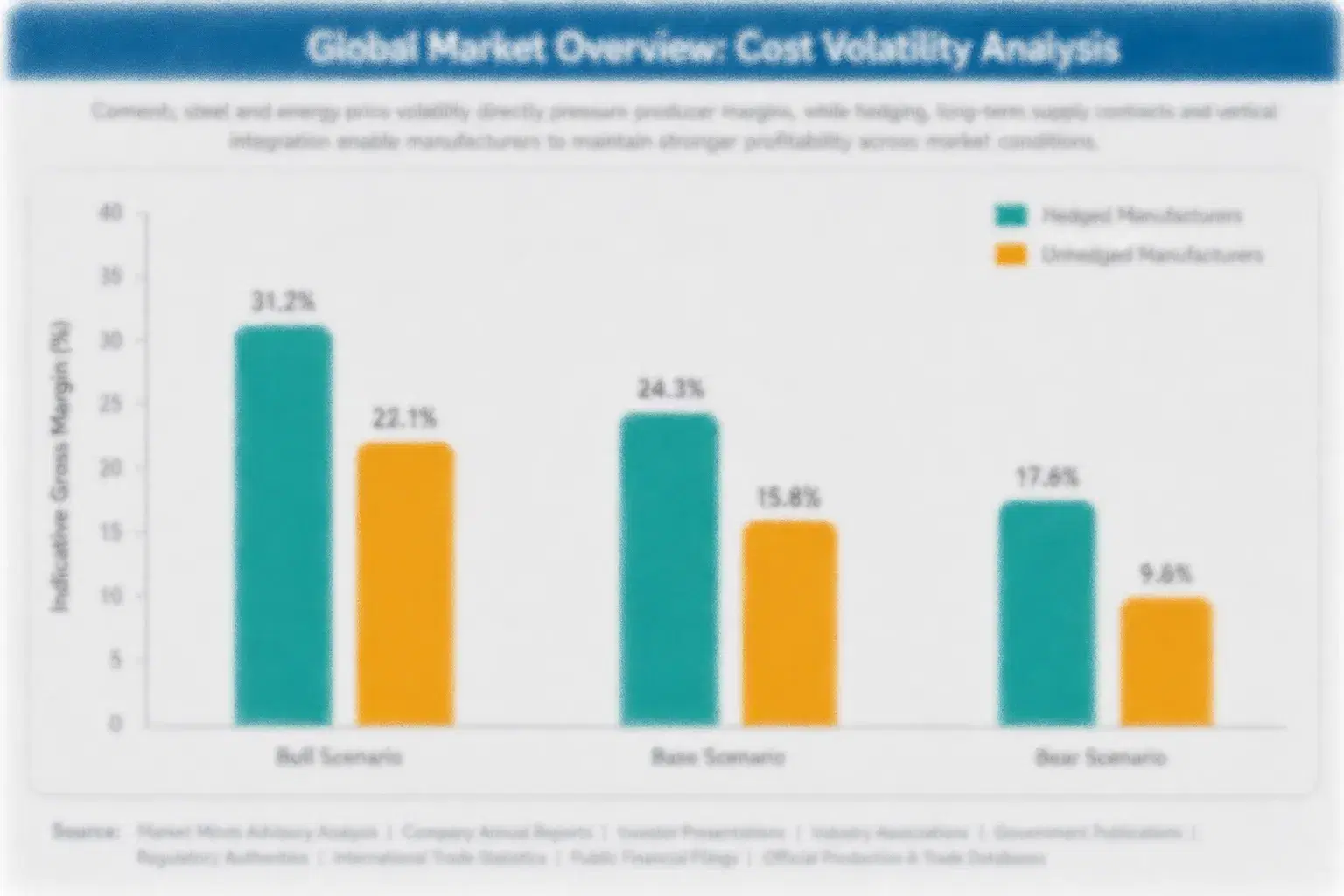
Cocoa ingredients account for roughly 36% of cost of goods, mainly cocoa mass, powder, and butter sourced from Cote d'Ivoire, Ghana, Ecuador, and Indonesia, while sugar adds about 24% and vegetable fats about 14%. Colours, packaging, energy, labour, and freight make up the rest, so cocoa price, sugar cost, and fat blends together determine margin for chip and decoration suppliers.
Cocoa prices spiked in 2024, according to International Cocoa Organization data, as poor West African harvests and disease cut supply, and futures reached more than $10,000 a tonne, roughly three times the 2022 level. Sugar and energy costs also rose in 2022, according to the International Energy Agency. Suppliers passed increases through with a lag of one to three months, and several bakers cut chip size or switched to compound chips.

The disadvantage falls on suppliers without cocoa contracts or hedging capacity. Large processors with origin sourcing and futures cover absorb shocks, while small sprinkle and chip makers buy spot ingredients at high premiums. Exposure varies by product and geography: chip suppliers face cocoa volatility directly, sprinkle makers face sugar and colour costs, and coated crisps and moulded decorations pass costs through more easily than standard chips sold on price.
chocolate-inclusions-decorations-market-cost-volatility-analysis-1789781242935

Hedging Cocoa Through Futures and Long-Term Origin Contracts

Suppliers cover a large share of cocoa needs through futures and multi-year contracts with cooperatives, mixing fixed and index-linked prices to spread risk. Diversifying origins across West Africa, Latin America, and Asia reduces exposure to a single harvest failure. Forward cover lets suppliers quote customers with confidence and avoid emergency purchases at peak prices.

Shifting Volume to Coated Crisps and Cocoa-Extended Recipes

Suppliers move part of volume into coated crisps, pearls, and cocoa-extended chips that use 20% to 60% less cocoa while keeping the visible chocolate cue. These products need coating lines and bake trials, and customers must approve new specifications. The shift reduces exposure to cocoa spikes and raises margin per tonne, so suppliers prioritise it with large accounts first.

Passing Costs Through Index-Linked Pricing With Large Programmes

Cookie chains and ice cream brands agree to formulas linking chip prices to published cocoa indices plus a fixed processing margin, so cost swings are shared rather than absorbed. Monthly or quarterly resets keep buyers informed and reduce disputes. Seasonal decoration programmes use fixed pricing agreed in advance, since retailers plan ranges months ahead of launch.

Portfolio Architecture for Margin Defence

Margins run from thin returns on standard chips and compound drops sold in bulk to strong profits on coated crisps, natural colour sprinkles, and moulded decorations sold with design support, with gross margin roughly doubling between the volume tier and the top tier. Bake stability, coating technology, and design services create pricing power, and brands pay more for inclusions that protect their product's look and texture.
Volume and premium pull in different directions. Standard chips and compound drops sell in large lots to price-driven bakers at thin margins and face cocoa swings, while coated pearls, natural sprinkles, and moulded pieces sell in smaller lots at much higher margins but need coating lines, colour research, and seasonal planning. Suppliers must decide how much capital to commit to premium capacity and how quickly to move.

High-value pools concentrate in coated crisps and pearls for ice cream and cereal, natural colour decorations for bakeries and retailers, and moulded seasonal pieces for dessert programmes. These segments benefit from recurring orders, documented performance, and limited competition from compound chip makers. Suppliers that combine cocoa sourcing, coating technology, and design services hold advantages that rivals cannot copy quickly.

Volume / Commodity-Adjacent Tier

Standard chips, drops, and compound pieces sold in bulk to bakeries and cookie makers, with thin margins, cocoa and fat cost exposure, and constant price competition from processors and regional makers, where buyers switch when prices move by a few percent.
Gross Margin: 18%-28%

Premium / Certified Tier

Real chocolate chips and chunks with heat-resistant performance, batch documentation, and allergen controls, sold under annual contracts to cookie chains and industrial bakeries that require consistent size, reliable delivery, and stable supply across production sites.
Gross Margin: 28%-40%

Sustainability / Regulatory / Next-Generation Tier

Coated crisps and pearls, natural colour sprinkles, and moulded decorations supported by barrier technology, colour research, and design services, positioned for ice cream brands, retailers, and dessert chains seeking lower cocoa content and cleaner labels across major markets.
Gross Margin: 34%-50%
chocolate-inclusions-decorations-market-portfolio-architecture-1789781243126

High-value Sub-segments and Strategic Watch-out

Chocolate Crisps and Pearls

Chocolate crisps and pearls combine the fastest growth with strong pricing, since ice cream and cereal brands pay 10% to 25% premiums for crunch with less chocolate. Barrier technology and coating lines limit competition, and suppliers with validated performance win multi-year programmes. Volume follows as brands cut cocoa exposure.
Gross Margin: 34%-50%

Moulded Chocolate Decorations

Moulded chocolate decorations offer high value with solid growth, because retailers and cafes pay 40% to 100% premiums for seasonal designs. Mould tooling and seasonality limit scale, though suppliers with flexible lines and early planning defend margin. Retail programmes renew each year as designs evolve.
Gross Margin: 30%-48%

Chocolate Chips and Chunks

Chocolate chips and chunks form the volume core, sold to cookie makers, bakeries, and ice cream brands who want reliable bake stability at moderate prices. Margins are thin and exposed to cocoa swings, but steady demand supports scale, and processors with origin sourcing and large plants hold cost advantages.
Gross Margin: 18%-30%

Printed Transfer Sheets

Printed transfer sheets are a strategic watch-out, valued for custom images on chocolate but limited by small volumes, printing equipment cost, and design turnover. Personalisation trends could expand or restrict demand, so suppliers should track retailer interest and margins before committing capital to dedicated printing lines.
Gross Margin: 30%-52%

Why Bakers Stay With Inclusion Suppliers

Inclusion demand behaves like an annuity once a bakery or brand approves a specification. Cookie lines run daily, chips go into every batch, and each tonne of dough carries a fixed chip weight. Suppliers that hold an approved product for years earn steady volume, and renewals follow price formulas rather than open tenders, because switching means new bake trials, new melt tests, and consumer risk on a product that customers buy for its chocolate.
Stickiness varies by vertical. Cookie chains and ice cream brands with fixed flavours are deepest, since chip size and moisture performance are built into recipes. Industrial bakeries are next, because line settings and shelf-life data lock in specifications. Cafes and in-store bakeries are moderate, tied to distributors, while small bakeries are shallower, moving between suppliers on price.

Buyer profiles are shifting. Older procurement teams valued long supplier relationships and familiar recipes, while younger product managers follow social media, ask for natural colours, and test new inclusion shapes. They compare suppliers on ingredient lists, share results across products, and switch quickly if colours fade, so suppliers that publish ingredient data, support natural colour innovation, and deliver reliably keep loyalty across generations.
chocolate-inclusions-decorations-market-end-use-penetration-index-1789781243309

MMA Verdict on Inclusion Strategy

These are among the four positions where our research anticipates prominent divergence between winners and laggards over the coming forecast period. Each is grounded in the demand model, the regulatory perimeter, and the announced capacity pipeline.
01 / COATED INCLUSION STRATEGY

Scale Coated Crisps and Pearls Before Ice Cream Brands Lock In Specifications

Coated crisps and pearls grow at 9.0% a year, about 1.67 times the market rate, and cut cocoa spend by $3 million to $8 million per 5,000 tonnes. Coating lines cost $3 million to $8 million. MMA recommends adding one coating line and signing three ice cream or cereal programmes within 24 months, because brands validate moisture barrier performance once and rarely change suppliers, and early suppliers hold multi-year specifications that later entrants struggle to displace without significant cost advantages.
02 / NATURAL COLOUR STRATEGY

Launch Natural Colour Sprinkles Before Synthetic Dye Restrictions Reach Retail Shelves

Natural sprinkles sell at 15% to 35% above synthetic versions and lift blended margin by 3 to 5 points. Development costs $500,000 to $2 million per range. MMA advises launching two natural colour ranges with shade stability data within 18 months, because retailers set specifications before deadlines, and suppliers with proven colours secure listings while rivals must reformulate under time pressure and accept lower prices, and retailers rarely give shelf space to products that fail natural colour claims after launch.
03 / CHAIN PROGRAMME STRATEGY

Lock Multi-Year Cookie Chain Contracts With Index-Linked Cocoa Pricing

A chain with 1,000 stores uses about 2,400 tonnes of chips a year, and programmes earn 3 to 5 more margin points than spot sales. MMA recommends signing three chain programmes with index-linked cocoa pricing within 18 months, because chains write specifications for size and melt behaviour once, and suppliers that deliver consistent chips through cocoa spikes hold accounts that price-cutting rivals cannot easily reopen. Chains also value suppliers that hold safety stock, which protects launch dates during cocoa shortages.
04 / COCOA COST STRATEGY

Hedge Cocoa and Shift Volume to Extended Recipes Before Prices Spike Again

Cocoa is 36% of cost of goods, and 2022 to 2024 prices tripled. Cocoa-extended and coated products use 20% to 60% less cocoa. MMA advises hedging 60% of cocoa needs and moving 25% of chip volume to extended or coated grades within two years, because suppliers that hold margins through commodity shocks retain customers that rivals lose, and lenders reward that stability with lower borrowing costs for expansion, and stable margins also help suppliers keep investing in coating and colour research during downturns.

Engagement Snapshot From the Field

A live engagement with an industry participant carrying material or product regulatory and market exposure ahead of a defining policy shift, showing how our research translates into a defensible multi-year portfolio strategy.
MARKET MINDS ADVISORY · CLIENT ENGAGEMENT SUMMARY
Chocolate Inclusions and Decorations Producer Strategic Portfolio Review and Transition Roadmap 2026·Investment Scenario on Chocolate Inclusions and Decorations Exposure Evaluation 2025-26
CLIENT PROFILE
The client is a mid-sized North American cookie manufacturer with three plants and roughly $610 million in annual revenue (client-reported, unverified by MMA), selling packaged cookies and frozen dough to supermarkets and cookie chains. Chocolate chips represented about 17% of cost of goods, and gross margin sat near 21% (client-reported, unverified by MMA). Utilisation averaged 76% (client-reported, unverified by MMA).
STRATEGIC CHALLENGE
Chip costs had risen by 45% in two years, retailers resisted price increases, competitors cut chip size and prompted consumer complaints, and the client used five chip suppliers with inconsistent bake behaviour. Leadership needed a plan that cut chip cost, held the chocolate look, and reduced line variation without a large capital programme.
MMA APPROACH
MMA analysed chip usage and cost data across 70 products, interviewed chip suppliers, retail buyers, and bakery managers, benchmarked six cookie makers on chip weight and cost, and modeled economics for cocoa-extended chips, coated pieces, and supplier consolidation under high, base, and low cocoa scenarios. Analysts also observed bake trials.
KEY FINDINGS
  1. Cocoa-extended chips could cut chip cost by 14% and save about $9 million a year with no significant taste difference in blind tests (client-reported, unverified by MMA).
  2. Consolidating five suppliers to two would cut line variation by 40% and improve pricing, based on plant quality data and supplier quotes.
  3. Coated crisps could replace 20% of chip weight in premium cookies and preserve consumer scores, according to shopper panels with 500 participants.
  4. Index-linked cocoa pricing with two suppliers would cut margin volatility by four points, based on scenario modeling and discussions with two chip suppliers.
CLIENT PROFILE
The client is a mid-sized North American cookie manufacturer with three plants and roughly $610 million in annual revenue (client-reported, unverified by MMA), selling packaged cookies and frozen dough to supermarkets and cookie chains. Chocolate chips represented about 17% of cost of goods, and gross margin sat near 21% (client-reported, unverified by MMA). Utilisation averaged 76% (client-reported, unverified by MMA).
STRATEGIC CHALLENGE
Chip costs had risen by 45% in two years, retailers resisted price increases, competitors cut chip size and prompted consumer complaints, and the client used five chip suppliers with inconsistent bake behaviour. Leadership needed a plan that cut chip cost, held the chocolate look, and reduced line variation without a large capital programme.
MMA APPROACH
MMA analysed chip usage and cost data across 70 products, interviewed chip suppliers, retail buyers, and bakery managers, benchmarked six cookie makers on chip weight and cost, and modeled economics for cocoa-extended chips, coated pieces, and supplier consolidation under high, base, and low cocoa scenarios. Analysts also observed bake trials.
KEY FINDINGS
  1. Cocoa-extended chips could cut chip cost by 14% and save about $9 million a year with no significant taste difference in blind tests (client-reported, unverified by MMA).
  2. Consolidating five suppliers to two would cut line variation by 40% and improve pricing, based on plant quality data and supplier quotes.
  3. Coated crisps could replace 20% of chip weight in premium cookies and preserve consumer scores, according to shopper panels with 500 participants.
  4. Index-linked cocoa pricing with two suppliers would cut margin volatility by four points, based on scenario modeling and discussions with two chip suppliers.
RECOMMENDED STRATEGY
Phase 1: Phase 1 (Months 1-6): Consolidate suppliers to two, sign index-linked pricing, and run blind tests of two cocoa-extended chip recipes at two plants. Phase 2: Phase 2 (Months 7-18): Roll out extended chips across all plants, launch two premium cookies with coated crisps, and brief retail buyers on results. Phase 3: Phase 3 (Months 19-30): Extend coated inclusions to frozen dough, review supplier terms each quarter, and evaluate a natural colour sprinkle line.
OUTCOME
Within 30 months, chip cost per cookie fell by 15%, coated inclusions reached about 9% of chip volume, and gross margin rose from 21% to about 26% (client-reported, unverified by MMA). Line variation fell sharply, two suppliers signed multi-year agreements, and the board approved a natural colour line for the following year.

Frequently Asked Questions

Foundational context covering the market sizes, CAGR, scope, country, region and competition that inform every finding below. This section is provided to cover basics and most often pre-purchase conversations, answered from the MMA Primary Research Dataset.

What is the current size of the Chocolate Inclusions and Decorations Market?

The global chocolate inclusions and decorations market was valued at $3.6 billion in 2025. This covers chips, chunks, curls, sprinkles, crisps, pearls, and moulded pieces sold to bakeries, ice cream makers, and foodservice.

How large will the Chocolate Inclusions and Decorations Market be by 2036?

MMA projects the market will reach approximately $6.4 billion by 2036. This represents cumulative growth of roughly $2.6 billion over the full ten-year forecast window.

What is the CAGR for the Chocolate Inclusions and Decorations Market 2026 to 2036?

The market is forecast to grow at a 5.4% compound annual rate between 2026 and 2036. The bull case reaches 6.7% while the bear case falls to 4.1%.

Which segment is growing fastest?

Chocolate Crisps and Pearls is the fastest-growing segment at 9.0% CAGR, roughly 1.67 times the overall market rate. Moulded Chocolate Decorations follows as the second-fastest segment at 7.6% CAGR each year.

Who are the major companies in the Chocolate Inclusions and Decorations Market?

Leading companies include Barry Callebaut, Cargill, Blommer Chocolate Company, Guittard Chocolate Company, and Dawn Foods. These five suppliers together hold an estimated 33% of total global market revenue, based on MMA analysis of company disclosures.

Which country is growing fastest?

India is the fastest-growing major market, expanding at approximately 8.6% CAGR each year. Bakery chain expansion, ice cream innovation, and rising incomes are driving this above-market growth across the country.

Report Segmentation Architecture

The full report scope spans multiple orthogonal segmentation dimensions, with cross-tabulated demand data provided for each dimension pair. Coverage extends further to regional breakdowns, trend trajectories, and the competitive detail needed to support segment-level decision-making.

By Primary Market Dimension

  • Chocolate Crisps and Pearls
  • Moulded Chocolate Decorations
  • Chocolate Chips and Chunks
  • Curls and Shavings
  • Sprinkles and Vermicelli
  • Printed Transfer Sheets

By End-Use Industry

  • Cookies and Biscuits
  • Ice Cream and Frozen Desserts
  • Cakes and Muffins
  • Cereal and Snack Bars
  • Foodservice Desserts

By Commercial Dimension

  • Industrial Bakery Supply
  • Cookie Chain Programmes
  • Distributor and Wholesale Sales
  • Retail Baking Aisle Sales

By Region

  • North America
  • Western Europe
  • East Asia
  • South Asia and Pacific
  • Latin America
  • Middle East and Africa
  • Eastern Europe

Scope, Methodology, and Coverage

Every figure in this report is reproducible from documented input assumptions. The scope below maps the historical period, the forecast horizon, the segmentation dimensions, and the countries covered, alongside the underlying primary and qualitative methodology.
Historical Period
2020 to 2025
Forecast Period
2026 to 2036
Base Year
2025 (USD billions; MMA Primary Research Dataset, September 2026)
Market Definition
Chocolate inclusions and decorations comprise chocolate and chocolate-flavoured chips, chunks, curls, shavings, sprinkles, crisps, pearls, moulded pieces, and printed transfer sheets sold to bakeries, ice cream makers, confectioners, cereal and snack producers, and foodservice for mixing into products or decorating them. The scope excludes couverture sold for tempering, bake-stable fillings, finished chocolate confectionery, and cocoa powder.
Quantitative Units
USD billions (current prices); kilotonnes for volume references
Segmentation Dimensions
By Product Form; By End-Use Industry; By Commercial Dimension; By Region
Regions Covered
North America, Western Europe, East Asia, South Asia and Pacific, Latin America, Middle East and Africa, Eastern Europe
Countries Covered
USA, Canada, Mexico, Brazil, Argentina, Chile, UK, Germany, France, Netherlands, Belgium, Poland, Romania, Turkey, South Africa, UAE, Japan, South Korea, China, India, Australia, and additional markets relevant to this sector
Key Companies Profiled
Barry Callebaut, Cargill, Blommer Chocolate Company, Guittard Chocolate Company, Dawn Foods, Puratos, Fuji Oil Holdings, Olam Food Ingredients, Cemoi, Hershey Company, Dr. Oetker Professional, Irca Group, Zeelandia, Bakels, Rich Products Corporation, Kerry Group, Meiji Holdings, Felchlin, Chocovic, Republica del Cacao
Quantitative Methodology
Primary survey, n=3,800 respondents, Q4 2025, six countries; demand-side model with trade association cross-validation
Qualitative Methodology
47 expert interviews, Q4 2025; applied to validate demand model assumptions, identify emerging dynamics, and assess competitive positioning
Report Format
PDF and XLSX data workbook (Word format preview document)
Publisher
Market Minds Advisory
Report Code
MMA-2026-AGR-348
Published
September 2026
Contact
sales@marketmindsadvisory.com | www.marketmindsadvisory.com

Purchase the full Chocolate Inclusions and Decorations Market Report (2026 to 2036).

The full report delivers a detailed assessment of global chocolate inclusion and decoration demand, product forms, and competitive positioning through 2036. It includes segment forecasts by product form, country-level data for all seven world regions, and profiles of the twenty companies most relevant to inclusion supply. Analysts also receive input cost modeling and portfolio margin benchmarking built from MMA's primary research dataset. A scenario planning module lets subscribers stress-test bull and bear assumptions against cocoa prices, dye rules, and cookie chain expansion. Quarterly updates keep the whole dataset current throughout the subscription year for every subscriber.
Ten-year segment and regional demand forecasts
Cocoa, sugar, and fat price tracking
Competitive benchmarking of top twenty suppliers
Synthetic dye regulation tracker by country
Regional demand mechanism comparative analysis included
Quarterly primary survey data update access

Built For The People Who Decide

From boardroom strategy to bench-side execution, this report is read cover-to-cover by leaders shaping the next decade of their industry, turning demand scenarios, market dynamics and valuation benchmarks into decisions.
CXOs/ Presidents/ VPs/ Managers
M&A and Corporate Development
Strategy Teams and R&D Heads
Procurement and Product Directors
Regulatory and Compliance Leaders
Investor Relations and Equity Analysts