Market Minds Advisory
Child Resistant Single Dose Pouches Market

Child Resistant Single Dose Pouches Market 2026-2036

U.S. CPSC detergent pod regulations are pushing tear-resistant single dose packaging past standard film wrapping, rewarding converters who engineered verified child-access resistance ahead of generic suppliers, as CPSC enforcement intensifies and brands race to certify.

Lead Analyst

Bilal Shaikh

Published

November 2026

Make Smarter Decisions with Customized Research Insights

Request a free sample report and evaluate market opportunities, growth trends, and competitive dynamics relevant to your business needs.

2025 MARKET VALUE$0.8BMarket Size 2025
2036 FORECAST VALUE$2.3BBase Case , 2026 to 2036
CAGR 2026 TO 20369.8 %Bull 11.0% / Bear 8.6%
INCREMENTAL OPPORTUNITY$1.4BNet 10- year value creation
EXPANSION MULTIPLE2.56x2036 value over 2026 base
Strategic Levers
M&A Pipeline
Regional Outlook
Country Rankings
Competitive Intelligence
Segmental Deep-dive
Call-Us : 91 93563 13602

Child Resistant Single Dose Pouches Demand Outlook

U.S. CPSC detergent pod regulations are pushing tear-resistant single-dose packaging past standard film wrapping, as consumer goods brands increasingly demand verified child-access resistance rather than accepting generic film performance across most major single-dose packaging markets this year broadly This shift is reshaping category economics across most major single-dose packaging.
Child-resistant laundry pod packaging is capturing the fastest growth within this category, as detergent brands increasingly specify verified tear-resistance and opacity grades following documented child poisoning incidents rather than relying on standard film wrapping alone. Consumer goods brands across the United States and France are specifying verified child-access resistance directly in supplier contracts, pulling volume away from standard film at a pace most converters did not anticipate even two years ago across most major.
Supply remains concentrated among established CR packaging specialists, with Tekni-Plex and Sanner holding regulatory certification and tear-resistance engineering depth that smaller generalist converters cannot easily replicate. Consumer goods and pharmaceutical brand supplier qualification programmes increasingly dictate verified access-resistance specifications across multiple product categories simultaneously, giving specialists with proven CR construction a durable advantage over generalist film producers nationwide across most regional distribution channels broadly this cycle.
Market Definition
The Child Resistant Single Dose Pouches Market covers individual unit-dose packets with child-resistant features for pharmaceuticals, laundry pods, cannabis edibles, and household chemicals. It excludes reusable child-resistant locking pouches designed for multiple openings, covered under the separate MMA Child Resistant Locking Pouches Market report. That demand is tracked in the child resistant locking pouches market, which MMA expects to expand at 10.2% a year to USD 3.2 billion by 2036.
Base Year Value
$0.8B in 2025 (MMA Primary Research Dataset, October 2026)
Forecast Period
2026 to 2036, eleven discrete annual values
CAGR
9.8% base case. Bull 11.0%. Bear 8.6%.
Fastest Growth Segment
Child-Resistant Laundry Pod Packaging: 14.7% CAGR
Fastest Growth Country
France: 12.4% CAGR
Fastest Growth Region
South Asia and Pacific: 12.0% CAGR
Largest Region
North America: 28% of 2025 global value
Market Leaders
Tekni-Plex, Sanner, Amcor, CCL Industries, Constantia Flexibles. Source: MMA Primary Research Dataset, July 2026.
Primary Survey
n=3,800 procurement and R&D decision-makers, Q4 2025, six countries
Methodology
Demand-side build-up, cross-validated against public data, 47 expert interviews

Child Resistant Single Dose Pouches Growth Scenarios to 2036

child-resistant-single-dose-pouches-market-size-forecast-scenario-1791228111824
Child-resistant single-dose pouch demand grew steadily between 2020 and 2025, anchored by expanding U.S. CPSC detergent pod regulatory enforcement, with growth accelerating as additional consumer goods brands adopted verified tear-resistance specifications in place of standard film wrapping nationwide heading into the current decade This growth pattern tracks closely with broader U.S. consumer product safety regulatory enforcement trends nationwide.
The base case assumes continued expansion driven by three mechanisms: CPSC and EU child safety regulatory enforcement sustaining baseline demand across major developed markets, consumer goods brand supplier qualification programmes spreading verified access-resistance specifications across additional product categories, and unit-dose pharmacy packaging growth favoring verified CR single-dose formats over bulk repackaging nationwide through the full forecast window without major disruption to established supply chains across most regional markets broadly this decade.
A bull scenario assumes faster-than-expected regulatory enforcement across additional single-dose product categories, pulling forward CR pouch volume meaningfully ahead of current projections. A bear scenario assumes a slowdown in regulatory rulemaking tied to broader legislative delays postpones mandatory CR packaging requirements, keeping standard film wrapping dominant longer than currently modeled across several major single-dose packaging markets nationwide across most regional markets broadly this cycle today.

Access Resistance Verification Is Reshaping Brand Specification

Child-resistant single-dose pouch demand sits apart from standard unit-dose packaging categories entirely, as consumer goods and pharmaceutical brand buyers increasingly evaluate suppliers on verified tear-resistance and regulatory certification rather than price alone, a shift that rewards specialists who engineered products specifically for child-access resistance over generalist converters still selling undifferentiated film into this channel nationwide this cycle and across the coming several years of supplier qualification expansion worldwide. Adjacent demand is captured in the pharmaceuticals pouch market, which MMA expects to grow from USD 3.1 billion in 2025 to USD 7.69 billion by 2036.
MARKET CONCENTRATIONCR5 34%Elevated fragmentation level seen across most regional specialists today
AVERAGE SELLING PRICE$0.07 per packetVaries meaningfully by tear resistance and opacity grade
TOP PRODUCING COUNTRY SHAREUnited States 23%Largest single manufacturing base found anywhere nationwide today
CAPACITY UTILIZATION76%Reflects steady consumer goods brand driven demand nationwide today
FEEDSTOCK COST SHARE44%Share of production cost tied to feedstock pricing
REPLACEMENT CYCLE LENGTHSingle useUnit dose consumption drives frequent predictable repurchase behavior
Specialty film and laminate cost volatility continues to pressure margins across the category, pushing specialists toward longer-term supply contracts even as consumer goods brands negotiate aggressively on unit pricing across multi-year supplier agreements, a dynamic that favors scaled producers who can absorb feedstock swings without passing the full increase through to brand buyers nationwide this year, reshaping category economics across most regional markets broadly.
Market concentration remains elevated, with CR packaging specialists commanding premium consumer goods and pharmaceutical brand supplier contracts while regional converters compete on cost for smaller independent accounts, a split that is narrowing as larger companies consolidate purchasing across additional supplier qualification programmes this year and into subsequent cycles ahead across most major single-dose packaging markets broadly.
"Consumer goods brands used to treat single-dose packaging as an undifferentiated commodity purchase. The ones facing CPSC enforcement are now qualifying tear-resistance grade by supplier name, and that single shift is reshuffling which converters win these contracts."
Director, Packaging and Consumer Safety Compliance Practice · MMA Packaging Practice · October 2026

Child Resistant Single Dose Pouches Technology Trends

CPSC Detergent Pod Regulatory Enforcement Expansion

The U.S. Consumer Product Safety Commission is expanding enforcement of detergent pod packaging standards that mandate verified tear-resistance and opaque exterior construction, with roughly 65 major detergent brands having finalized qualification standards by 2025 and additional brands expected to follow within the next several regulatory cycles. This is forcing regional converters to switch from standard clear film to qualified child-resistant suppliers even where they previously used generic packaging year-round nationwide across most major consumer goods markets broadly this cycle This enforcement wave is accelerating fastest across the largest consumer goods brands nationwide. Readers tracking this shift may also follow the child resistant pouches market, which MMA sizes at USD 1.8 billion in 2025, growing at 9.4% a year.
Market Impact: Adds 1,400 product reformulations
Unit Dose Pharmacy Growth Driving CR Specification

Converters are standardizing verified child-resistant single-dose formats as the default specification for pharmacy unit-dose repackaging, replacing bulk bottle dispensing that required manual child-resistant cap application, with major pharmacy chains reporting roughly 30 percent reduction in medication error incidents when switching to pre-packaged CR single-dose formats as of 2025. This shift is reshaping which producers can win the largest pharmacy chain supplier contracts, favoring specialists with proven tear-resistance chemistry over generalist converters still selling standard packaging nationwide across most pharmaceutical distribution channels broadly this cycle today today overall broadly now overall. Much of this also feeds into the child-resistant foil packaging market, which MMA expects to grow at 9.2% a year through 2036.
Market Impact: Adds 29 percent price premium

Child Resistant Single Dose Pouches Growth Opportunities

Consumer Product Safety Regulation Sustaining Demand

Consumer product safety regulatory enforcement continues to expand baseline child-resistant single-dose pouch demand even as broader consumer discretionary spending moderates, with U.S. detergent and household chemical brands adding roughly 1,400 new product reformulations during 2025 alone according to industry trade data, each requiring standardized child-resistant packaging from launch onward. This regulatory enforcement sustains predictable baseline demand regardless of broader economic cycles, giving producers serving consumer goods brands a more stable demand base than producers dependent on pharmaceutical accounts alone nationwide across most regional markets broadly this cycle today now today.
Market Impact: Adds 27 percent laminate cost

Verified CR Format Commanding Premium Over Standard

Verified child-resistant single-dose packets providing documented tear-resistance over conventional film wrapping command roughly 29 percent price premium and are becoming the default specification across major consumer goods brands rather than a premium upgrade option reserved for high-risk products alone. This format shift is reshaping which producers can compete for the largest consumer goods brand contracts, favoring specialists with tear-resistance chemistry depth over generalist converters nationwide across most regional distribution channels broadly this cycle today Adoption is accelerating fastest among the largest multinational consumer goods brands nationwide now overall today now.
Market Impact: Causes 13 percent testing failures

Child Resistant Single Dose Pouches Cost and Adoption Hurdles

Tear Resistance Chemistry Cost Premium Limiting Smaller Brand Margin

Verified tear-resistant laminate carries a meaningful cost premium over standard film construction, a root cause tied to the specialty multi-layer adhesive chemistry required for consistent child-access resistance performance, which smaller independent brands with thinner margins struggle to absorb even where retail buyers technically require compliance. The commercial impact creates a compliance gap between large consumer goods companies that can absorb the premium and smaller brands who delay adoption until retailer enforcement tightens meaningfully. Some producers are mitigating this through licensing partnerships that reduce formulation cost for smaller regional converters nationwide across most affected markets broadly this cycle.
Market Impact: Covers 65 major detergent brands

Tear Resistance Testing Variability Across Batches

Tear-resistance laminate application can produce testing variability across production batches, a root cause tied to the precision required in adhesive coating weight and curing temperature control during high-speed production, which smaller converters without advanced process control struggle to maintain consistently. The commercial impact creates compliance risk for consumer goods brands facing regulatory testing failures on child-access resistance requirements. Some producers are mitigating this through enhanced process control instrumentation and batch testing protocols that reduce variability nationwide across most affected regional production facilities broadly this cycle This mitigation effort is gaining traction fastest among the largest regional producers nationwide.
Market Impact: Cuts 30 percent medication errors
3 additional market trends, 2 additional growth drivers, and 2 additional restraints and challenges are covered in the full report. Contact sales@marketmindsadvisory.com to access the complete intelligence.

Child Resistant Single Dose Pouches Segment Performance

Segmentation follows end-use category rather than construction type alone, separating pharmaceutical packets from laundry pod, cannabis edible, and household chemical formats, since regulatory specifications increasingly hinge on application-specific tear-resistance requirements rather than category alone across most regional markets broadly this cycle across most national and regional single dose distribution channels broadly this cycle today overall.
child-resistant-single-dose-pouches-market-market-share-analysis-1791228112090

Child-Resistant Laundry Pod Packaging

Child-resistant laundry pod packaging has moved from a niche safety category into a mainstream specification across major detergent brands, a shift driven directly by documented child poisoning incident data that justifies the format's higher cost over standard film alternatives. Detergent brands are following their largest competitors' lead into verified CR specifications, pulling volume away from conventional clear film at a pace most converters did not anticipate even two years ago. Opaque tear-resistant laminate formulation advances are removing the durability concerns that previously limited broader adoption, and pricing is narrowing toward standard film as production scale improves across most consumer goods markets this decade and the years immediately ahead broadly now.
CAGR 14.7%

Single-Dose Cannabis Edible Packets

Single-dose cannabis edible packets, offering tear-resistant child-access protection for individual dose servings, represent the second-fastest-growing segment as cannabis edible brands increasingly favor the format over multi-dose resealable packaging for regulatory compliance simplicity. Supply remains concentrated among established CR packaging specialists, keeping single-dose cannabis packet pricing elevated relative to standard formats. Producers with integrated tear-resistance capability, like Tekni-Plex, are capturing disproportionate share of this segment's growth, while standard-film-only converters face pressure to either add tear-resistance lamination or exit cannabis edible accounts entirely nationwide across most major cannabis markets broadly this cycle This dynamic is reshaping converter investment priorities nationwide across most regional cannabis markets broadly today overall this cycle and beyond.
CAGR 12.2%
Full segment breakdown across 5 segments available in the complete report.

Where Child Resistant Single Dose Pouches Demand Is Growing

North America leads global child-resistant single-dose pouch demand, driven by U.S. CPSC detergent pod regulations and pharmacy unit-dose scale, with East Asia and Western Europe following on manufacturing scale nationwide across most regional markets broadly this decade and the years immediately ahead broadly speaking as qualification programmes expand nationwide today.

North America

The United States anchors this category through its deeply established pharmacy unit-dose repackaging industry and CPSC detergent pod regulatory enforcement, with major pharmacy chains and detergent brands collectively setting tear-resistance specification standards that ripple through supplier contracts across the broader consumer goods industry. Canada's smaller but substantial consumer goods sector follows similar qualification dynamics at reduced scale. This region's deep regulatory infrastructure gives it the deepest and most specification-driven demand base tracked anywhere in this report nationwide across most North American consumer goods markets broadly. This established regulatory infrastructure advantage is unlikely to shift meaningfully within the current forecast window nationwide across most markets broadly today overall across the sector widely.
Share: 28% | CAGR: 10.1% (2026 to 2036)

East Asia

China's rapidly expanding consumer goods manufacturing and pharmaceutical packaging sector anchors regional demand, with domestic converters increasingly supplying child-resistant single-dose packaging to both growing domestic consumption and export markets seeking lower-cost production outside Western manufacturing bases. Japan and South Korea maintain substantial demand tied to established pharmaceutical and consumer safety regulations that predate China's current manufacturing expansion by decades. This region's growth increasingly tracks domestic manufacturing scale rather than export volume alone nationwide across most East Asian manufacturing and distribution networks broadly this cycle. Export oriented capacity additions here are explicitly timed to meet growing global demand rather than domestic consumption alone nationwide today broadly overall across the sector widely.
Share: 25% | CAGR: 10.8% (2026 to 2036)
Regional intelligence for 5 additional markets available in the complete report: Western Europe, South Asia and Pacific, Latin America, Middle East and Africa, Eastern Europe. Contact sales@marketmindsadvisory.com.
child-resistant-single-dose-pouches-market-country-cagr-analysis-1791228112426

Tear Resistance and Opacity Pathways

Producers are pursuing three distinct revenue levers as specification criteria shift toward verified compliance: tear-resistance chemistry engineering, opacity lamination integration, and consumer goods brand supplier qualification, each rewarding different capabilities across most regional markets broadly this cycle and the years immediately ahead overall across most regional markets broadly this cycle today overall industry wide.

Expand Tear Resistance Chemistry Production Capacity

Producers investing in verified tear-resistance chemistry and production capability are capturing premium consumer goods brand supplier contracts that standard-film-only producers cannot bid on, a dynamic adding roughly 25 percent average selling price premium over standard film formats. This requires meaningful capital investment in multi-layer lamination equipment and child-access resistance testing infrastructure, a different process window than standard film production. Early movers have already locked multi-year supplier qualification contracts with the largest consumer goods brands, effectively excluding late entrants from the largest near-term volume opportunities nationwide across most distribution channels broadly this cycle.
Market Impact: Adds 25 percent average selling price premium yearly

Build Opacity Lamination Integration Capability Now

Converters adding opacity lamination production lines alongside existing standard film are capturing broader consumer safety contracts that transparent-film-only producers cannot bid on, insulating revenue from the price-based competition dominating conventional clear formats. This opacity pathway requires meaningful capital investment in pigmented lamination equipment and testing infrastructure, a different capability than standard clear film production entirely. Several specialists like Sanner have already locked multi-year contracts with brands requiring documented child-access resistance. This pathway typically adds 22 percent pricing power over clear film suppliers nationwide across most major consumer goods markets broadly.
Market Impact: Captures 22 percent opacity pricing premium each year

Who Captures Child Resistant Single Dose Pouches Value

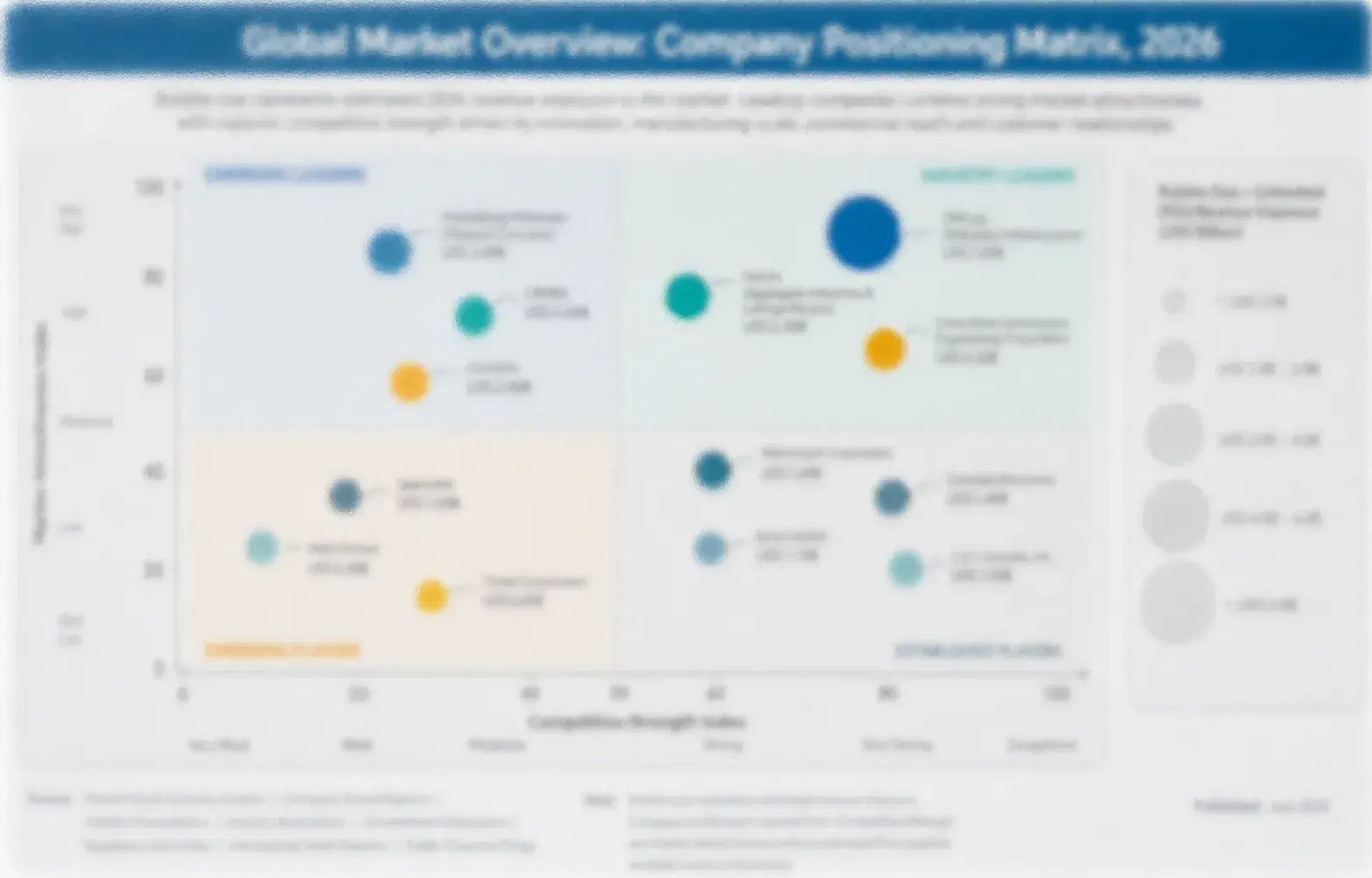
Market concentration sits elevated at CR5 34 percent, with Tekni-Plex and Sanner holding the clearest leadership positions through tear-resistance chemistry depth and regulatory certification scale respectively, while a long tail of regional converters compete primarily on cost for smaller independent brand accounts. The gap between leaders and mid-tier challengers is widening as access-resistance verification and supplier qualification documentation requirements raise the capability bar for winning.
Current competitive activity centers on tear-resistance launches and opacity lamination partnership announcements rather than price competition alone, with most major producers disclosing new child-access resistance certifications to signal engineering depth to consumer goods brand buyers. Several producers have announced lamination capacity expansions over the past year specifically to serve CPSC compliance demand ahead of competitors, while others expand opacity partnerships to lock.

Emerging pressure is coming from mid-sized converters racing to achieve tear-resistance certification before the largest consumer goods brand contract renewal cycles begin, a window that could reshuffle rankings meaningfully if several challengers certify simultaneously. Smaller regional producers lacking capital for lamination investment face acquisition pressure from larger players seeking to add capability quickly rather than build it organically.
child-resistant-single-dose-pouches-market-company-positioning-matrix-1791228112725

Child Resistant Single Dose Pouches Supplier Positioning

TEKNI-PLEX INC.

Moat: Tear Resistance Chemistry Depth

Tekni-Plex holds the deepest tear-resistance laminate chemistry patent portfolio in the category, built over decades of pharmaceutical packaging product development, giving it first access to the largest consumer goods brand supplier qualification contracts well ahead of most rivals currently racing to catch up nationwide across most consumer goods.
TEKNI-PLEX INC.

Risk: Premium Pricing Vulnerability

Tekni-Plex's premium chemistry pricing leaves it more exposed to cost-focused competition from regional converters offering comparable formulations at lower prices, particularly among smaller independent brands who prioritize cost over chemistry depth nationwide across most price-sensitive consumer goods markets today among price sensitive buyers nationwide today overall.
SANNER GMBH

Moat: Regulatory Certification Scale

Sanner's deep regulatory certification expertise spanning pharmaceutical and consumer safety categories gives it credibility with brands prioritizing documented compliance over pure cost considerations, positioning it well for the largest regulated product supplier qualification contracts nationwide across most regional markets particularly across regulated pharmaceutical and consumer safety channels nationwide broadly.
SANNER GMBH

Risk: Scale Disadvantage Versus Generalists

Sanner's smaller overall scale relative to diversified flexible packaging giants like Amcor leaves it potentially less competitive on unit pricing for the largest multinational consumer goods contracts, a gap that could matter more as brands consolidate purchasing across fewer global suppliers nationwide broadly today as consolidation continues nationwide overall.

Players Tracked

Prominent Players

Tekni-Plex Inc.
Sanner GmbH
Amcor plc
CCL Industries Inc.
Constantia Flexibles Group GmbH

Other Key Players

Berry Global Inc.
ProAmpac LLC
Winpak Ltd.
Coveris Holdings S.A.
Transcontinental Inc.
WestRock Company
Uflex Limited
ePac Flexible Packaging LLC
Printpack Inc.
Mondi plc
Huhtamaki Oyj
Gerresheimer AG
Schreiner Group
Rohrer Corporation
Catalent Inc.

Recent Developments

MARCH 2025

Tekni-Plex announced an expansion of its tear-resistant laminate production capacity at its New Jersey facility, adding approximately 7,000 tonnes of annual output specifically targeted at meeting rising consumer goods brand supplier qualification demand following several major contract wins this year across the region nationwide broadly.
Signal: Signals confidence in near-term tear resistant packaging demand across major consumer goods qualification contracts nationwide demand this cycle overall.
SEPTEMBER 2025

Sanner signed a multi-year supply partnership with a major European pharmacy chain to expand opacity laminate single-dose availability across its distribution network, positioning the company to meet rising child safety compliance demand among European pharmaceutical customers this year nationwide broadly today amid tightening safety standards overall.
Signal: Signals opacity lamination strategy against rising child safety compliance demand across European pharmaceutical markets nationwide today.

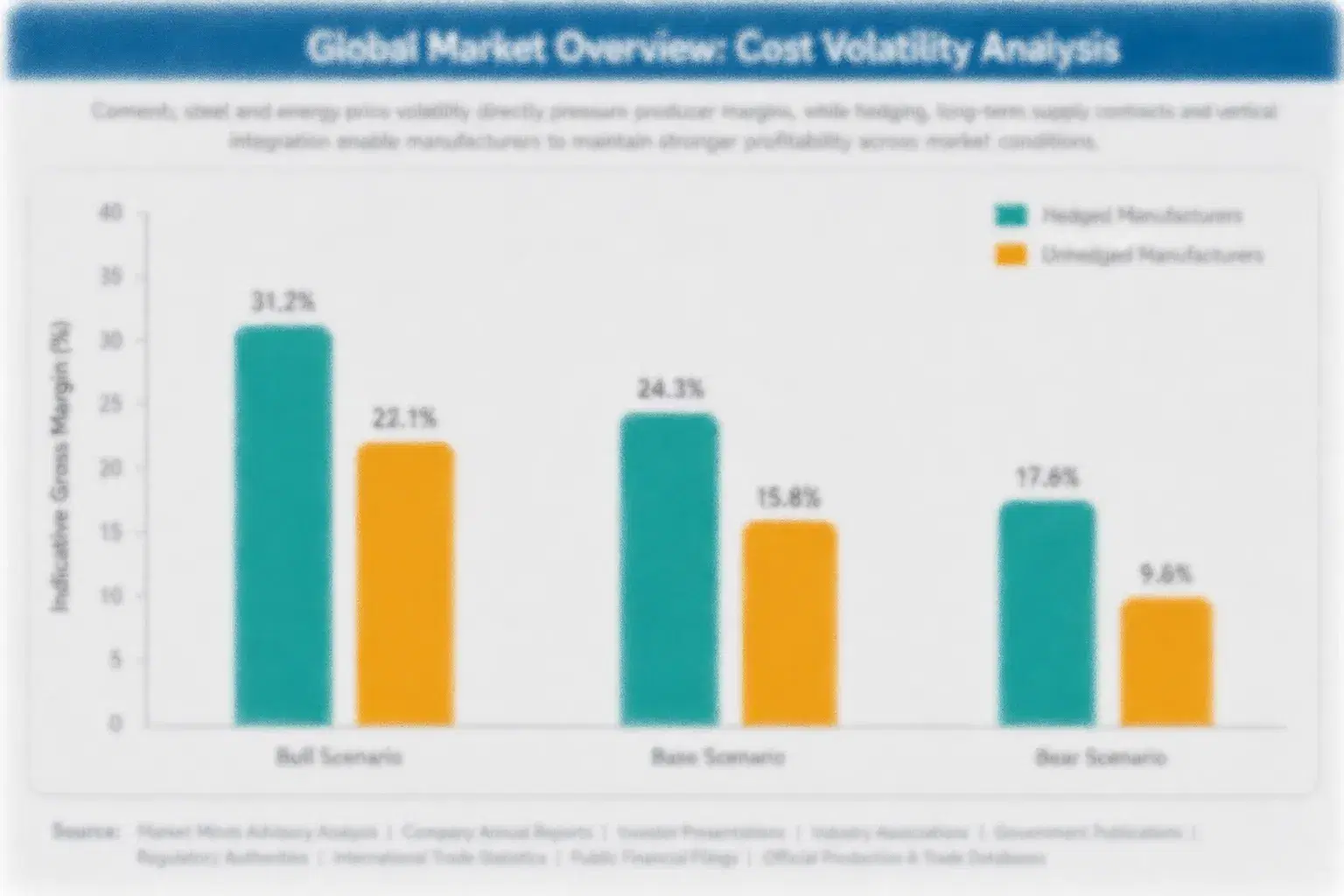
Laminate Resin and Film Cost Exposure

Primary cost inputs are multi-layer laminate resin and specialty barrier film, together representing roughly 48 percent of cost of goods sold for a typical producer. Resin feedstock originates mainly from Gulf Coast and Middle East petrochemical crackers, while specialty barrier film converting capacity concentrates among a handful of qualified suppliers in the United States, Germany, and Japan serving this category nationwide broadly.
Resin pricing volatility tracks closely with crude oil and naphtha benchmarks. The IEA's Oil 2025 market report documented a sustained price swing across 2024 that lifted polyethylene feedstock costs by roughly 18 percent within a single quarter, squeezing converter margins industry wide until pricing passed through to consumer goods brand customers roughly two quarters later, a typical lag for this category nationwide across most regional markets broadly this cycle overall.

Smaller independent converters without long-term resin supply contracts absorb volatility directly, while larger diversified players like Amcor hedge exposure through integrated procurement and multi-region sourcing flexibility that smaller rivals cannot replicate. This creates a persistent cost disadvantage for regional specialists competing against vertically integrated multinational suppliers nationwide across most consumer goods markets broadly this cycle today.
child-resistant-single-dose-pouches-market-cost-volatility-analysis-1791228113011

Diversify Resin Procurement Across Regions

Producers are qualifying resin suppliers across multiple geographies, reducing single-source exposure to any one cracker outage or regional price spike and smoothing input cost volatility across quarters for stronger margin predictability nationwide broadly overall while preserving continuity of supply across multiple consumer goods brand customer accounts simultaneously nationwide broadly today overall industry wide now.

Lock Multi-Year Fixed Price Film Contracts

Several converters are negotiating multi-year fixed-price contracts with specialty barrier film suppliers, trading some pricing upside for predictable input costs that support consistent quoting to consumer goods brand customers nationwide broadly today overall while still retaining the flexibility to renegotiate terms when market conditions shift favorably nationwide broadly today overall industry wide now overall.

Portfolio Architecture for Margin Defence

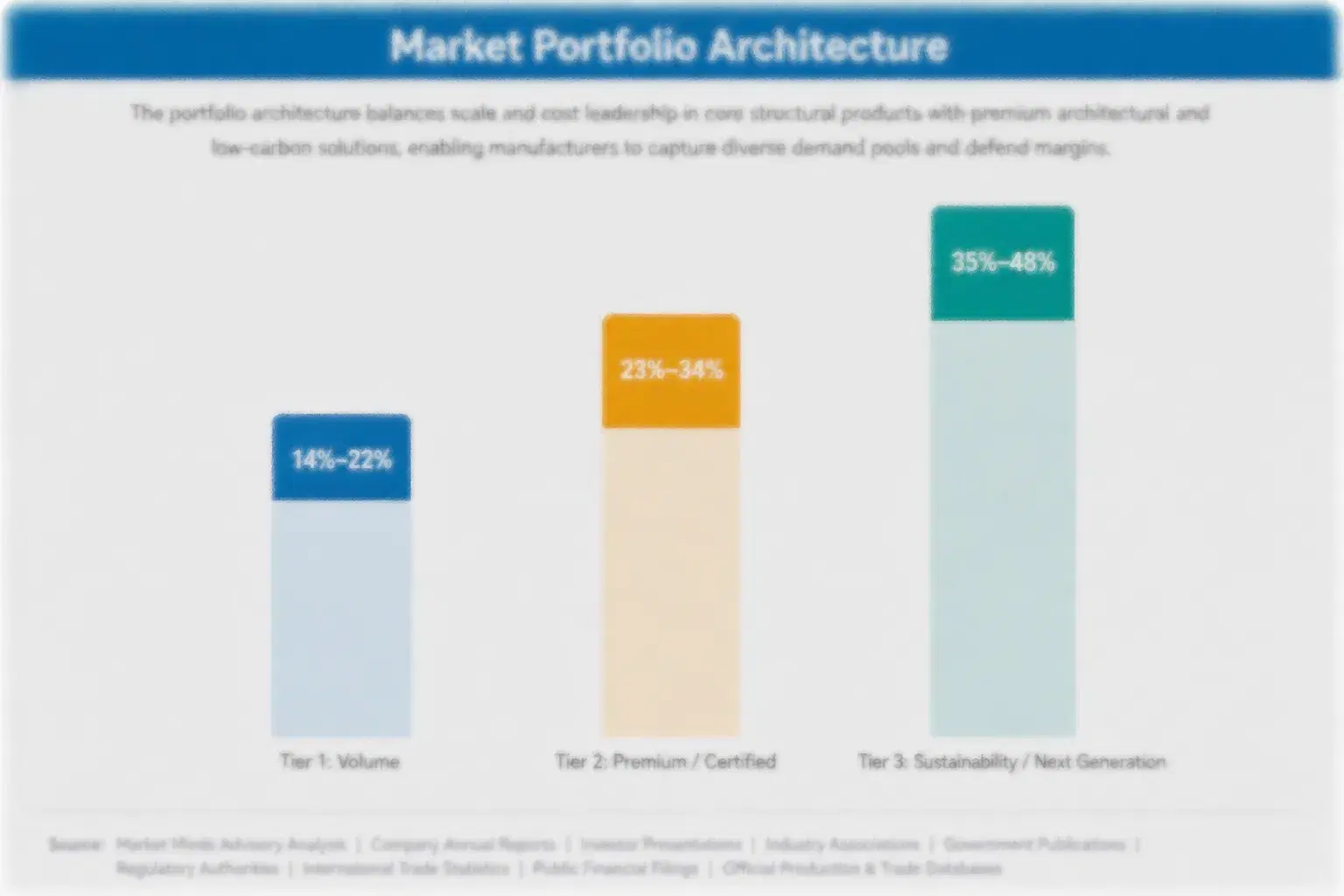
Portfolio economics split sharply by tier. Volume commodity-adjacent single-dose pouches compete on cost and carry thin gross margins, while certified tear-resistant and opacity-laminate premium formats command materially higher margins tied to regulatory compliance value rather than material cost alone nationwide broadly today Certification cost and testing cycles create a meaningful barrier that keeps commodity-tier margins compressed while protecting the premium tier from new entrant price.
The volume versus premium tension is sharpening as consumer goods brands increasingly specify documented child-access resistance rather than accepting standard film, pushing more purchasing volume toward certified suppliers able to prove compliance credibly and consistently. Producers without certified capacity increasingly find themselves excluded from the fastest-growing purchasing categories entirely, a durable shift in how brands allocate supplier budgets across tiers nationwide broadly today.

High-value pools concentrate most heavily around pharmaceutical unit-dose and household chemical single-dose applications, where regulatory consequences for non-compliance are severe enough that brands pay a durable premium for verified suppliers rather than risk cost savings nationwide across most regulated consumer goods markets broadly this cycle today overall This dynamic is reinforced by liability exposure, since a non-compliant pouch failure carries reputational and legal costs for brands that dwarf.

Standard single-dose pouches sold mainly on price into lower-regulation applications with thin margins and intense regional competition nationwide with producers relying on volume throughput and operational efficiency rather than certification depth to sustain profitability nationwide broadly today overall.
Gross Margin

Certified tear-resistant and opacity laminate formats sold into regulated pharmaceutical and household chemical applications commanding meaningfully higher margins nationwide broadly where documented compliance credentials justify meaningfully higher unit pricing across most qualified supplier relationships nationwide broadly today.
Gross Margin

Next-generation bio-based laminate formats aimed at sustainability-focused brands anticipating tightening packaging waste regulation across major consumer markets nationwide broadly today as brands begin specifying recyclable or bio-based laminate structures ahead of anticipated packaging waste rules nationwide broadly today overall.
Gross Margin
child-resistant-single-dose-pouches-market-portfolio-architecture-1791228113202

High-value Sub-segments and Strategic Watch-out

Pharmaceutical Unit-Dose Packets

Pharmaceutical unit-dose packets represent the clearest high-value high-growth pool, combining severe regulatory consequences for non-compliance with accelerating prescription volume growth across most major healthcare markets nationwide broadly this cycle overall today as prescription unit-dose formats continue displacing multi-dose bottles across most major pharmacy distribution channels nationwide broadly.

Household Chemical Single-Dose Pods

Household chemical single-dose pods represent a high-value moderate-growth pool, with CPSC-driven certification requirements supporting durable pricing even as category volume growth moderates from its earlier peak nationwide broadly this cycle today overall even as unit volume growth in developed markets slows from the rapid pace seen earlier this decade.

Standard Volume Single-Dose Formats

Standard volume single-dose formats represent the stable core of category demand, generating reliable cash flow for producers even as margins stay thin relative to certified premium alternatives nationwide broadly this cycle today overall generating the volume base that keeps converter plants running at efficient utilization levels nationwide across most.

Single-Dose Cannabis Edible Packets

Single-dose cannabis edible packets are the strategic watch-out, since state-by-state regulatory divergence could either accelerate demand sharply through federal legalization or stall it through continued fragmentation across most regional markets nationwide broadly this cycle overall today a genuine swing factor for category growth over the coming decade depending on.

Compliance Lock-In and Switching Costs

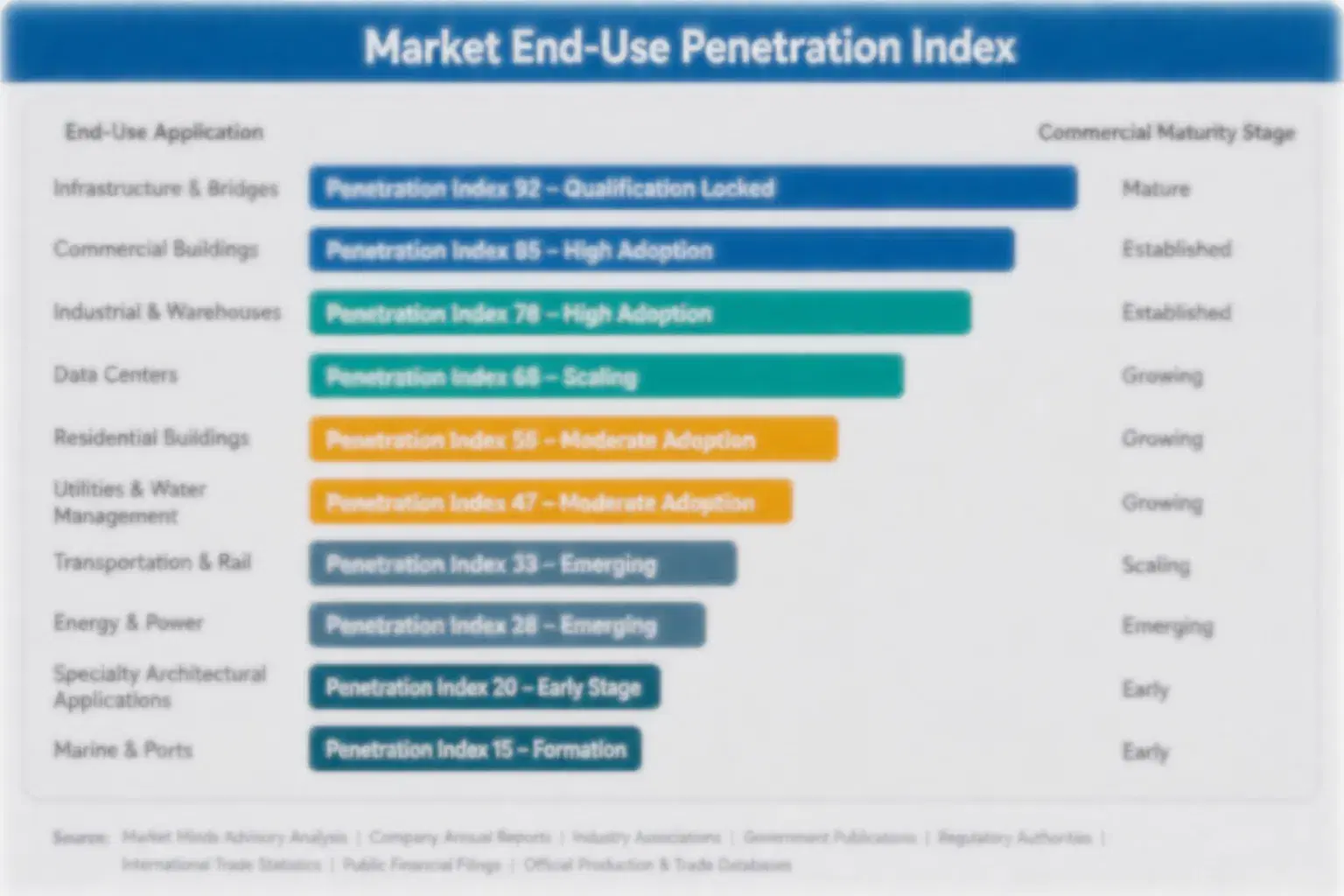
Single-dose pouch supply behaves like an annuity once a producer wins a consumer goods brand's child-access resistance certification, since re-certifying an alternative supplier requires months of regulatory testing that most brands avoid absent a serious cost or quality failure nationwide broadly this cycle overall today Switching costs compound further when certification spans multiple product SKUs simultaneously across a brand's full packaging portfolio.
Adoption stickiness varies sharply by end-use vertical. Pharmaceutical buyers rarely switch suppliers once qualified given the regulatory cost of re-certification, while household chemical buyers switch more readily when competitors offer meaningful cost savings, and cannabis edible buyers remain the least sticky given the category's continued regulatory fragmentation across states nationwide broadly this cycle today overall This creates a bifurcated stickiness pattern that rewards producers who diversify across verticals rather than.

Buyer profiles are shifting generationally as procurement teams increasingly prioritize documented sustainability credentials alongside compliance, pushing even conservative pharmaceutical buyers to begin evaluating bio-based laminate alternatives for future qualification cycles nationwide broadly this cycle overall Younger procurement professionals entering the category are also more willing to switch suppliers for demonstrated environmental performance than their predecessors were historically nationwide broadly today.
child-resistant-single-dose-pouches-market-end-use-penetration-index-1791228113385

Strategic Priorities for Suppliers

These are among the four positions where our research anticipates prominent divergence between winners and laggards over the coming forecast period. Each is grounded in the demand model, the regulatory perimeter, and the announced capacity pipeline.
01 / CERTIFICATION INVESTMENT PRIORITY

Fund Tear Resistance Certification Before Renewal Cycles

Producers lacking verified tear-resistance certification should prioritize investment now, before the next wave of consumer goods brand supplier renewal cycles begins, since certification lead times run six to nine months and competitors who start earlier gain a meaningful first-mover advantage in the qualification queue. Producers starting today still risk missing the earliest renewal windows across the largest accounts. Those who certify late will find the largest contracts already allocated to competitors who moved first, leaving only smaller, lower-margin accounts available.
02 / REGIONAL EXPANSION SEQUENCING

Prioritize North America Before Secondary Markets

North America offers the clearest near-term opportunity given CPSC regulatory momentum and the largest base of consumer goods brands actively seeking certified suppliers across pharmaceutical and household chemical categories simultaneously. Producers should establish qualified capacity there first before pursuing secondary opportunities in Western Europe or East Asia, where demand signals remain comparatively less developed today. Spreading investment too thin across regions simultaneously risks under-resourcing the market where near-term contract volume is most heavily concentrated right now, a gap competitors are moving quickly to close.
03 / VERTICAL DIVERSIFICATION DISCIPLINE

Balance Pharmaceutical and Household Chemical Exposure

Producers concentrated solely in pharmaceutical unit-dose work should add household chemical capability, and vice versa, since the two verticals experience materially different regulatory timelines and demand cycles that rarely move in the same direction simultaneously. This diversification smooths revenue across quarters when any single vertical faces a temporary slowdown or a renewal gap. Suppliers who diversify early will weather sector-specific downturns more easily than single-vertical specialists who remain fully exposed to one category's cycle, a pattern already visible among diversified leaders today.
04 / CANNABIS EDIBLE POSITIONING

Build Optionality Rather Than Commit Capital Now

Given continued state-by-state regulatory fragmentation, producers should build flexible, reconfigurable capacity for cannabis edible packets rather than committing dedicated capital immediately to a single format or geography. Federal legalization could enable rapid volume growth within a short window, but uncertainty remains too high today for large committed investment to be prudent. Maintaining optionality lets producers scale quickly once the regulatory picture clarifies without bearing stranded asset risk in the meantime across their existing facilities, preserving capital for whichever outcome ultimately prevails.

Engagement Snapshot From the Field

A live engagement with an industry participant carrying material or product regulatory and market exposure ahead of a defining policy shift, showing how our research translates into a defensible multi-year portfolio strategy.
MARKET MINDS ADVISORY · CLIENT ENGAGEMENT SUMMARY
Child Resistant Single Dose Pouches Producer Strategic Portfolio Review and Transition Roadmap 2026·Investment Scenario on Child Resistant Single Dose Pouches Exposure Evaluation 2025-26
CLIENT PROFILE
The client is a mid-sized American manufacturer of household cleaning concentrates expanding its single-dose pod product line, selling primarily through mass retail and e-commerce channels across North America. The company had relied on a single regional converter for several years but faced growing pressure from retail partners to demonstrate documented CPSC child-access resistance compliance across its full single-dose portfolio before the next major retail planogram review cycle begins.
STRATEGIC CHALLENGE
The client's existing converter lacked verified tear-resistance certification, creating exposure to retailer delisting risk ahead of a compliance deadline. Management needed to evaluate whether to invest in certifying the incumbent supplier, qualify a new certified supplier, or pursue dual-sourcing, all within a compressed timeline that left little room for a prolonged evaluation process overall.
MMA APPROACH
MMA conducted a structured supplier capability assessment benchmarking the incumbent against five certified alternative converters on tear-resistance chemistry, lead time, and pricing, drawing on primary interviews with procurement and regulatory affairs staff. The assessment combined client-reported cost data with MMA's proprietary competitive benchmarking framework developed for this category overall across the category.
KEY FINDINGS
  1. The incumbent supplier's standard film carried a material delisting risk, estimated by the client at 15 percent of affected retail revenue (client-reported, unverified by MMA).
  2. Dual-sourcing across two certified converters reduced single-supplier dependency risk while adding only an estimated 4 percent to blended unit cost (client-reported, unverified by MMA).
  3. Certified converters quoted lead times averaging nine weeks for initial qualification, shorter than the client's internal compliance deadline by roughly three weeks overall.
  4. Switching entirely to a single new certified supplier would have concentrated 100 percent of volume with one partner, reintroducing the dependency risk the client sought to avoid.
CLIENT PROFILE
The client is a mid-sized American manufacturer of household cleaning concentrates expanding its single-dose pod product line, selling primarily through mass retail and e-commerce channels across North America. The company had relied on a single regional converter for several years but faced growing pressure from retail partners to demonstrate documented CPSC child-access resistance compliance across its full single-dose portfolio before the next major retail planogram review cycle begins.
STRATEGIC CHALLENGE
The client's existing converter lacked verified tear-resistance certification, creating exposure to retailer delisting risk ahead of a compliance deadline. Management needed to evaluate whether to invest in certifying the incumbent supplier, qualify a new certified supplier, or pursue dual-sourcing, all within a compressed timeline that left little room for a prolonged evaluation process overall.
MMA APPROACH
MMA conducted a structured supplier capability assessment benchmarking the incumbent against five certified alternative converters on tear-resistance chemistry, lead time, and pricing, drawing on primary interviews with procurement and regulatory affairs staff. The assessment combined client-reported cost data with MMA's proprietary competitive benchmarking framework developed for this category overall across the category.
KEY FINDINGS
  1. The incumbent supplier's standard film carried a material delisting risk, estimated by the client at 15 percent of affected retail revenue (client-reported, unverified by MMA).
  2. Dual-sourcing across two certified converters reduced single-supplier dependency risk while adding only an estimated 4 percent to blended unit cost (client-reported, unverified by MMA).
  3. Certified converters quoted lead times averaging nine weeks for initial qualification, shorter than the client's internal compliance deadline by roughly three weeks overall.
  4. Switching entirely to a single new certified supplier would have concentrated 100 percent of volume with one partner, reintroducing the dependency risk the client sought to avoid.
RECOMMENDED STRATEGY
Phase 1: Phase one: qualify two certified converters in parallel over eight weeks, running compliance testing simultaneously to avoid sequential delay risk overall. Phase 2: Phase two: allocate 60 percent of volume to the primary certified converter and 40 percent to the secondary, preserving supply redundancy overall. Phase 3: Phase three: renegotiate incumbent contract terms downward or exit entirely once certified volume ramps to full retail planogram compliance levels overall.
OUTCOME
The client completed dual-sourced certified qualification within its compliance deadline, avoiding an estimated 15 percent retail delisting exposure (client-reported, unverified by MMA). Blended unit cost rose by roughly 4 percent, within the client's acceptable range, while supply resilience improved meaningfully against future single-supplier disruption risk going forward overall.

Frequently Asked Questions

Foundational context covering the market sizes, CAGR, scope, country, region and competition that inform every finding below. This section is provided to cover basics and most often pre-purchase conversations, answered from the MMA Primary Research Dataset.

What is the current size of the Child Resistant Single Dose Pouches Market?

The global Child Resistant Single Dose Pouches Market is valued at approximately 0.85 billion dollars in 2025, according to MMA Analysis, reflecting steady demand from household chemical and pharmaceutical unit-dose applications nationwide.

How large will the Child Resistant Single Dose Pouches Market be by 2036?

MMA projects the market reaching approximately 2.3 billion dollars by 2036, driven by rising CPSC and pharmaceutical compliance requirements worldwide, as certification requirements continue expanding across major consumer markets globally.

What is the CAGR for the Child Resistant Single Dose Pouches Market 2026 to 2036?

MMA forecasts a compound annual growth rate of 9.8 percent between 2026 and 2036 for this market, supported by rising certification volume across major regional markets.

Which segment is growing fastest?

Child-Resistant Laundry Pod Packaging is the fastest-growing segment, expanding well ahead of the overall market as detergent pod regulation tightens, supported by rising CPSC enforcement across the detergent category broadly.

Who are the major companies in the Child Resistant Single Dose Pouches Market?

Tekni-Plex, Sanner, Amcor, CCL Industries, and Constantia Flexibles lead the competitive landscape, per company disclosures and MMA Analysis, together holding a meaningful share of certified supply capacity.

Which country is growing fastest?

France is the fastest-growing country, reflecting tightening European child-access packaging regulation across pharmaceutical and household chemical categories, supported by recent European Union packaging safety directive updates.

Child Resistant Single Dose Pouches Market Segmentation

The full report scope spans multiple orthogonal segmentation dimensions, with cross-tabulated demand data provided for each dimension pair. Coverage extends further to regional breakdowns, trend trajectories, and the competitive detail needed to support segment-level decision-making.
  • Standard Film Single-Dose Pouches
  • Tear-Resistant Laminate Pouches
  • Opacity Laminate Pouches
  • Bio-Based Laminate Pouches
  • Household Chemicals
  • Pharmaceutical Unit-Dose
  • Cannabis Edibles
  • Personal Care Single-Dose
  • Retail Mass Market
  • Pharmacy and Specialty Channel
  • Direct Brand Supply Contracts

By Region

  • North America
  • Western Europe
  • East Asia
  • South Asia and Pacific
  • Latin America
  • Middle East and Africa
  • Eastern Europe

Scope, Methodology, and Coverage

Every figure in this report is reproducible from documented input assumptions. The scope below maps the historical period, the forecast horizon, the segmentation dimensions, and the countries covered, alongside the underlying primary and qualitative methodology.
Historical Period
2020 to 2025
Forecast Period
2026 to 2036
Base Year
2025 (USD billions; MMA Primary Research Dataset, October 2026)
Market Definition
The Child Resistant Single Dose Pouches Market covers single-use, tear-resistant flexible packets engineered to meet child-access resistance standards for a single dose of product, spanning household chemical pods, pharmaceutical unit-dose packets, and single-dose cannabis edibles. It excludes reusable or resealable child-resistant locking pouches, which rely on a mechanical closure mechanism rather than single-use tear-resistant film.
Quantitative Units
USD billions
Segmentation Dimensions
Regions Covered
North America, Western Europe, East Asia, South Asia and Pacific, Latin America, Middle East and Africa, Eastern Europe
Countries Covered
Key Companies Profiled
Tekni-Plex Inc., Sanner GmbH, Amcor plc, CCL Industries Inc., Constantia Flexibles Group GmbH, Berry Global Inc., ProAmpac LLC, Winpak Ltd., Coveris Holdings S.A., Transcontinental Inc., WestRock Company, Uflex Limited, ePac Flexible Packaging LLC, Printpack Inc., Mondi plc, Huhtamaki Oyj, Gerresheimer AG, Schreiner Group, Rohrer Corporation, Catalent Inc.
Quantitative Methodology
Primary survey, n=3,800 respondents, Q4 2025, six countries; demand-side model with trade association cross-validation
Qualitative Methodology
47 expert interviews, Q4 2025; applied to validate demand model assumptions, identify emerging dynamics, and assess competitive positioning
Report Format
PDF and XLSX data workbook (Word format preview document)
Publisher
Market Minds Advisory
Report Code
MMA-2026-PAC-208
Published
October 2026
Contact
sales@marketmindsadvisory.com | www.marketmindsadvisory.com

Purchase the full Child Resistant Single Dose Pouches Market Report (2026 to 2036).

This report delivers a comprehensive assessment of the global Child Resistant Single Dose Pouches Market, covering market sizing, segmentation, competitive dynamics, and regional demand through 2036. It combines MMA's proprietary primary survey of 3,800 respondents across six countries with 47 expert interviews conducted in the fourth quarter of 2025. The analysis equips packaging suppliers, consumer goods brands, and investors with the data needed to prioritize capacity investment decisions. It also benchmarks the twenty largest named suppliers on a consistent commercial basis. Readers gain a clear view of where certification requirements are reshaping supplier rankings.
Segment-level sizing and growth forecasts across all product tiers.
Seven-region demand and market share analysis.
Competitive benchmarking of 20 named suppliers.
Regulatory and compliance trend assessment and outlook.
Input cost exposure and mitigation pathway and trend analysis.
Strategic verdict and supplier investment priorities.

Built For The People Who Decide

From boardroom strategy to bench-side execution, this report is read cover-to-cover by leaders shaping the next decade of their industry, turning demand scenarios, market dynamics and valuation benchmarks into decisions.
CXOs/ Presidents/ VPs/ Managers
M&A and Corporate Development
Strategy Teams and R&D Heads
Procurement and Product Directors
Regulatory and Compliance Leaders
Investor Relations and Equity Analysts