Market Minds Advisory
Chiari Malformation Treatment Market

Chiari Malformation Treatment Market: Chiari Malformation Treatment Market: A Condition Sized By Imaging Access

Measured prevalence tracks how much magnetic resonance imaging a country actually performs rather than how many people are genuinely affected, which makes this a market partly created by scanner utilisation.

Lead Analyst

Published

September 2026

Make Smarter Decisions with Customized Research Insights

Request a free sample report and evaluate market opportunities, growth trends, and competitive dynamics relevant to your business needs.

2025 MARKET VALUE$0.4BMarket Size 2025
2036 FORECAST VALUE$1.0BBase Case , 2026 to 2036
CAGR 2026 TO 20367.6 %Bull 8.8% / Bear 6.4%
INCREMENTAL OPPORTUNITY$0.5BNet 10- year value creation
EXPANSION MULTIPLE2.09x2036 value over 2026 base
Strategic Levers
M&A Pipeline
Regional Outlook
Country Rankings
Competitive Intelligence
Segmental Deep-dive
Call-Us : 91 93563 13602

Executive Snapshot and Market Trajectory.

Tonsillar descent shows up incidentally on a great many brain scans and only a fraction of those people have anything wrong with them. Countries that image heavily diagnose Chiari heavily, which means the treated population reflects scanner access as much as it reflects disease. Scanner access sets the addressable population.
North America holds 34% of value because American magnetic resonance utilisation exceeds every other country and incidental findings follow it directly. Cine MRI and flow assessment grows at 11.4%, half again the market rate of 7.6%, because separating incidental descent from genuine cerebrospinal fluid obstruction is what decides whether anybody operates at all. The diagnostic has become the gatekeeper for every product downstream of it.
Concentration runs at 63% across neurosurgery and neuromonitoring suppliers. What makes this category unusual is that the central surgical question remains genuinely unsettled: opening the dura relieves symptoms more reliably and produces considerably more leaks and meningitis, and surgeons divide sharply over it. That single unresolved argument determines whether the highest-value product in the category gets used at all. Referral runs through patient communities rather than physicians, which inverts the usual pattern.
Market Definition
The market covers devices, materials and diagnostic assessments used in the surgical treatment of Chiari malformation and its associated conditions, including decompression instrumentation and access, duraplasty graft materials, craniocervical fixation systems, cerebrospinal fluid diversion and shunt systems, cine magnetic resonance and flow assessment, and intraoperative neuromonitoring. General neurosurgical capital equipment, magnetic resonance scanner hardware, pain pharmacotherapy and physical rehabilitation services are excluded. Spinal deformity correction unrelated to craniocervical instability falls outside scope.
Base Year Value
$0.4B in 2025 (MMA Primary Research Dataset, August 2026)
Forecast Period
2026 to 2036, eleven discrete annual values
CAGR
7.6% base case. Bull 8.8%. Bear 6.4%.
Fastest Growth Segment
Cine MRI and Flow Assessment: 11.4% CAGR
Fastest Growth Country
India: 9.8% CAGR
Fastest Growth Region
South Asia and Pacific: 9.6% CAGR
Largest Region
North America: 34% of 2025 global value
Market Leaders
Integra LifeSciences, Medtronic, Stryker, B. Braun, Globus Medical. Source: MMA Analysis based on disclosed neurosurgery and neuromonitoring device revenue, company annual reports 2025.
Primary Survey
n=3,800 procurement and R&D decision-makers, Q4 2025, six countries
Methodology
Demand-side build-up, cross-validated against public data, 47 expert interviews

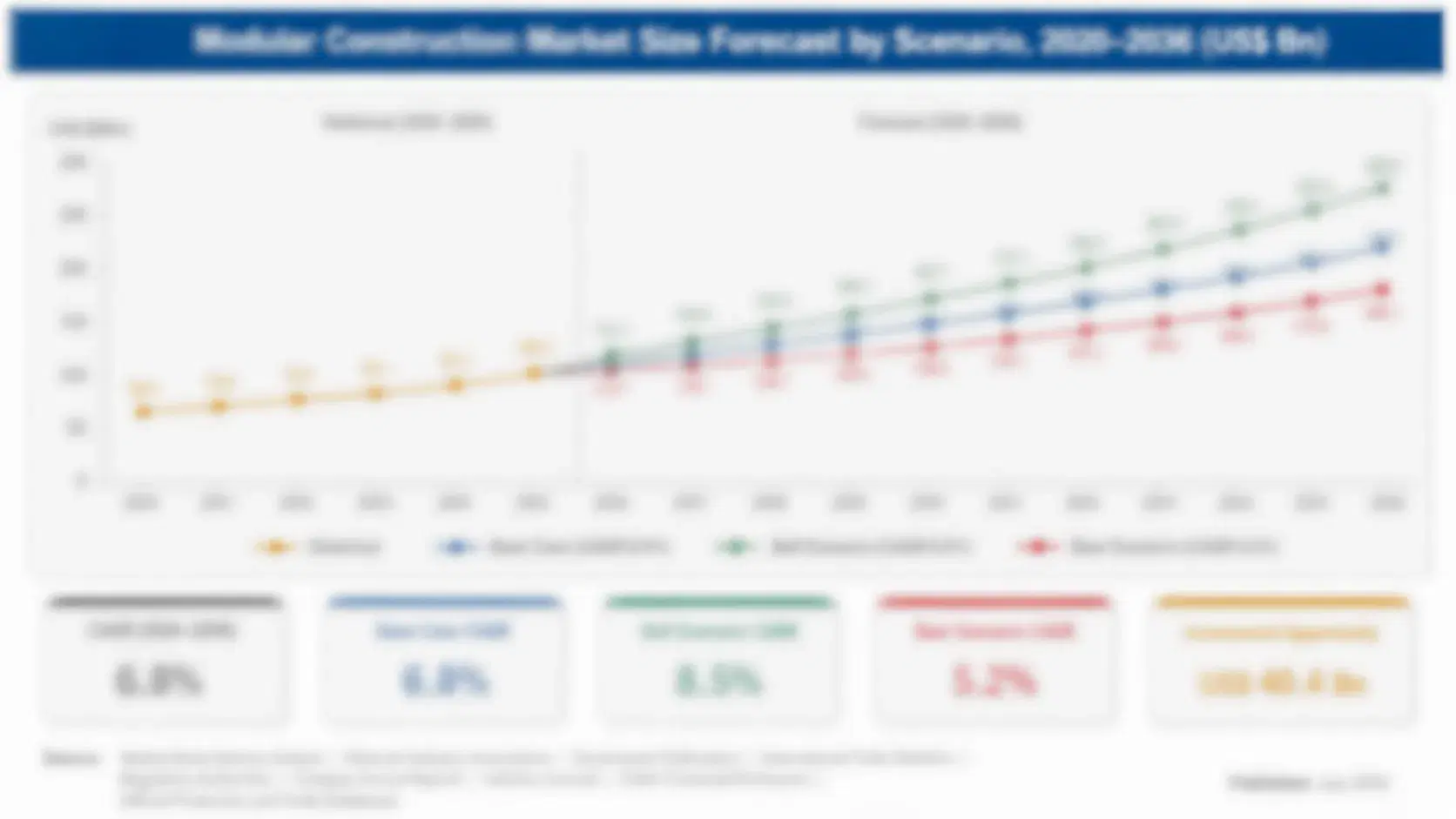
Chiari Malformation Treatment Market Forecast Scenarios

chiari-malformation-treatment-market-size-forecast-scenario-1787683789282
Growth from 2020 to 2025 ran at 6.6% and imaging volume drove most of it. Magnetic resonance utilisation kept rising across developed health systems, and incidental tonsillar descent was found more often as a straightforward consequence. Elective neurosurgery was deferred heavily through 2020 and the backlog cleared slowly, since Chiari decompression sits low on any urgent list. Patient advocacy grew considerably more organised throughout the period.
The 7.6% base case rests on three mechanisms. Flow assessment is being used to separate incidental findings from genuine obstruction, which raises the proportion of operated patients who actually benefit and improves the case for intervention generally. Craniocervical instability is increasingly recognised in patients whose first decompression failed, which adds fixation procedures downstream. And imaging access continues expanding across middle-income health systems that previously scanned very few people at all.
The bull case at 8.8% turns on flow assessment gaining formal guideline status as a selection criterion, which would resolve some of the indication argument and raise surgical volumes among genuinely obstructed patients. The bear case at 6.4% is health systems restricting decompression on the grounds that outcome evidence is weak and much of the diagnosed population was found incidentally in the first place.

Why Scanner Access Defines The Population

Roughly 78% of tonsillar descent is found on scans ordered for something else entirely: headaches, trauma, an unrelated neurological complaint. Most of those people are asymptomatic and will remain so. The clinical difficulty is separating them from patients whose cerebrospinal fluid genuinely cannot move freely across the craniocervical junction. The anatomical measurement defining the condition does not distinguish them.
FIVE-FIRM CONCENTRATION63%Share of neurosurgery and neuromonitoring revenue held by leaders
DURAPLASTY GRAFT PRICE$1,850Typical selling price for a single collagen based dural graft
TOP DIAGNOSING COUNTRYUSA 31%American share of globally diagnosed cases under active management
INCIDENTAL FINDING SHARE78%Tonsillar descent identified on scans performed for other reasons
CEREBROSPINAL LEAK RATE14%Leak complications following decompression performed with dural opening
SYMPTOM PERSISTENCE RATE23%Patients reporting continued symptoms following initial decompression surgery
The surgical argument is unusually unresolved for a procedure performed this often. Bony decompression alone is safer and relieves symptoms less reliably. Opening the dura and placing a graft works better and produces cerebrospinal fluid leaks in roughly 14% of cases along with the meningitis risk that follows. Surgeons hold firm positions and the evidence has not settled it, so the most valuable product here is used according to philosophy rather than protocol.
Referral behaves differently here too. Chiari patient communities are large, well organised and online, and they direct one another toward a small number of surgeons who identify publicly as Chiari specialists. Patients arrive having chosen the surgeon rather than having been sent to one. Volume concentrates in centres whose reputation was built through patient networks.
"We found this condition by scanning everybody for other reasons, and we still cannot agree on which of those people should be operated on or how. The scan that sorts them out is worth more than the instruments."
Director, Neurosurgery and Craniocervical Devices Practice · MMA Medical Devices Practice · August 2026

Market Trends

Flow Assessment Becomes The Selection Gate For Surgery

Anatomical descent measured in millimetres has never distinguished the patients who benefit from decompression from those who do not, and roughly 78% of findings are incidental to begin with. Cine magnetic resonance showing cerebrospinal fluid movement across the craniocervical junction addresses that directly, identifying genuine obstruction rather than a measurement. Surgeons using it operate on fewer patients and report better outcomes among the ones they select. The commercial consequence reaches every product downstream, since the assessment now determines who reaches an operating theatre and who is reassured and discharged instead.
Market Impact: Covers 31% of managed cases
Craniocervical Instability Recognised After Failed Decompression

Roughly 23% of patients report persistent symptoms after initial decompression, and a meaningful share of those turn out to have craniocervical instability that the first operation did nothing to address. Recognition has improved considerably as dynamic imaging protocols spread, and fixation procedures have grown accordingly. The pathway therefore continues past the operation rather than ending with it, which changes how suppliers should think about a patient who has already been treated. Fixation systems, revision instrumentation and further imaging all follow from a decompression that did not work. That is a larger commercial opportunity than it looks.
Market Impact: Concentrates 44% at specialist centres

Market Opportunities and Growth Drivers

Rising Magnetic Resonance Utilisation Expands The Diagnosed Population

Every additional brain scan performed for any indication finds tonsillar descent in a predictable proportion of people, which means diagnosed Chiari prevalence rises mechanically with imaging volume. American utilisation leads globally and American diagnosis follows it, accounting for roughly 31% of cases under active management worldwide. Middle-income health systems installing magnetic resonance capacity are now producing the same effect at earlier stages. That relationship is uncomfortable to state plainly and it is the single clearest predictor of where this market grows next. Scanner installation predicts this market better than any clinical variable does.
Market Impact: Produces 14% leak complications

Organised Patient Communities Direct Referral To Named Surgeons

Chiari patient groups are large, active and unusually well informed, and members direct one another toward specific surgeons rather than through conventional referral pathways. That concentrates volume at a small number of centres whose reputation was built online rather than academically. Suppliers reaching those surgeons reach a disproportionate share of procedures, and the surgeons themselves have considerable individual influence over technique and product selection because they operate on high volumes of a condition most neurosurgeons see rarely. Conventional academic key opinion leader strategies miss them entirely. Reaching them costs almost nothing.
Market Impact: Leaves 23% symptomatic afterward

Market Restraints and Challenges

The Duraplasty Question Divides Surgeons Without Resolution

Opening the dura relieves symptoms more reliably and causes cerebrospinal fluid leaks in roughly 14% of cases, with meningitis risk attached. Root cause is that no adequately powered randomised comparison has been completed, partly because surgeons hold positions strong enough that equipoise is difficult to establish. The commercial impact falls on graft materials, the most valuable products here, which are used or omitted according to individual philosophy rather than any protocol. Mitigation runs through sealant technology and graft materials designed to reduce leak rates, which addresses the objection rather than the evidence gap.
Market Impact: Screens out 78% incidental findings

Outcome Evidence Weakness Invites Payer Restriction

Decompression outcome data rests largely on single-centre series with varied selection criteria, and roughly 23% of patients report persistent symptoms afterward. Root cause is that the operated population has never been defined consistently, so results cannot be compared meaningfully between studies. The commercial impact is exposure to payers questioning whether surgery is justified in patients whose findings were incidental. Mitigation runs through flow assessment as an objective selection criterion and through registry collection, both of which are underway and neither of which has yet changed any coverage policy. Coverage policy has not moved yet.
Market Impact: Follows 23% with persistent symptoms
3 additional market trends, 4 additional growth drivers, and 2 additional restraints and challenges are covered in the full report. Contact sales@marketmindsadvisory.com to access the complete intelligence.

Segment CAGR and Growth Architecture

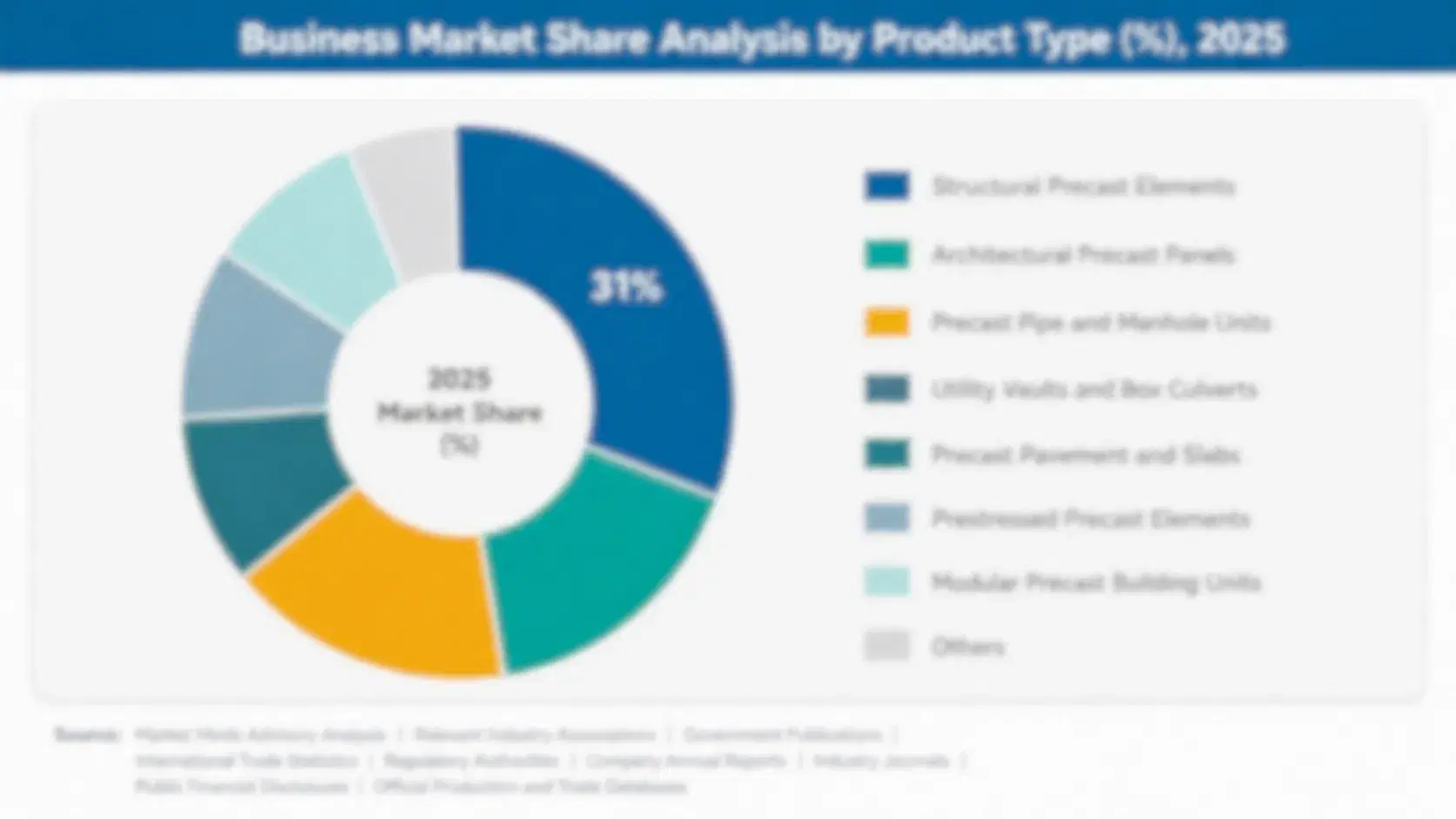
Segmentation follows procedural and assessment function: what each element contributes to diagnosing or surgically treating the condition, rather than which patient subgroup receives it or where care is delivered. Six functions cover the market without overlap, from decompression instrumentation through to intraoperative neuromonitoring. Care setting and payment route are treated separately here. Both cut across every function listed.
chiari-malformation-treatment-market-market-share-analysis-1787683789566

Cine MRI and Flow Assessment

Anatomical descent measured in millimetres has never separated patients who benefit from surgery from the roughly 78% whose finding was incidental, which is the central clinical problem in this condition. Flow assessment shows whether cerebrospinal fluid actually moves across the craniocervical junction, which is a physiological question rather than a geometric one. Growth at 11.4%, half again the market rate of 7.6%, follows adoption by surgeons who want to operate on fewer and better selected patients. The segment sits upstream of everything else here, since the assessment now determines who reaches an operating theatre at all and who is reassured and sent home instead. Surgeons using it operate less and report better results.
CAGR 11.4%

Intraoperative Neuromonitoring

Decompression happens at the junction between brainstem and spinal cord, where positioning and retraction carry consequences that are immediate and permanent. Neuromonitoring provides real-time feedback during those manoeuvres and has moved from optional to routine at most high-volume centres over the past decade. Growth at 10.2% reflects that adoption rather than any procedure volume increase. What sustains the segment commercially is medicolegal as much as clinical, since documented monitoring is difficult to argue against afterward and its absence is straightforward for a plaintiff to raise. Few surgeons will now operate at this level without it. Its absence is straightforward for a plaintiff to raise afterward, and that argument has done as much for adoption as any clinical study.
CAGR 10.2%
Full segment breakdown across 6 segments available in the complete report.

Regional Architecture and Country Demand Map

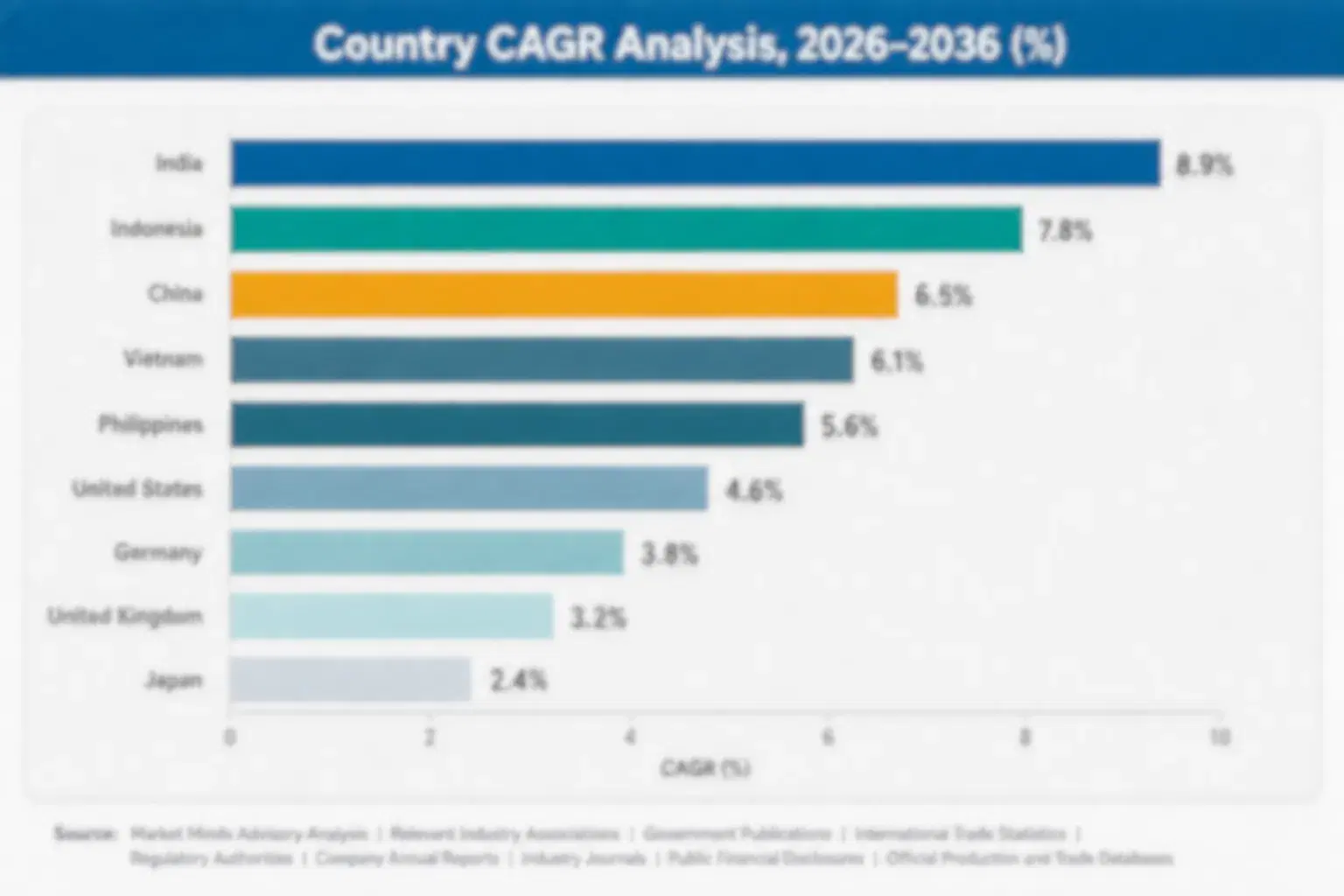
Geography follows imaging access rather than disease biology, which is broadly uniform across populations. North America diagnoses most because it scans most, Western Europe applies stricter selection criteria, and South Asia and Pacific grows fastest on new imaging capacity. Biology explains very little of the geographic distribution.

North America

North America takes 34%, above the 22 to 32% default band, because American magnetic resonance utilisation exceeds every other country and incidental tonsillar descent is found in direct proportion to how much imaging gets performed. Diagnosis follows the scanner rather than the disease. Patient communities are largest and most organised here, directing referral toward a small number of surgeons who identify publicly as Chiari specialists and perform high volumes of a condition most neurosurgeons rarely see. Duraplasty is used more readily than in Europe. Canadian practice is more conservative under provincial funding with tighter imaging access. Mexican activity is limited and private. Device consumption per diagnosed patient runs well above European levels for the same condition.
Share: 34% | CAGR: 7.0% (2026 to 2036)

Western Europe

European neurosurgeons apply stricter selection criteria before offering decompression, partly because imaging access is more controlled and incidental findings therefore arrive less often. British provision runs through a small number of specialist units with long waiting times and conservative indications. German and Dutch centres have contributed substantially to the flow assessment literature that now guides selection elsewhere. French practice favours bony decompression without dural opening more often than American practice does. Nordic systems apply formal criteria consistently. Regional device consumption per diagnosed patient runs well below American levels for exactly these reasons. Selection criteria rather than surgical capability explain the difference, and European surgeons regard American practice as considerably more permissive than their own. Regional variation within Europe is modest.
Share: 24% | CAGR: 6.2% (2026 to 2036)
Regional intelligence for 5 additional markets available in the complete report: East Asia, South Asia and Pacific, Latin America, Middle East and Africa, Eastern Europe. Contact sales@marketmindsadvisory.com.
chiari-malformation-treatment-market-country-cagr-analysis-1787683789840

Selling Into An Unsettled Indication

Most diagnosed patients were found by accident, the surgical technique argument remains open, and referral runs through patient networks rather than through physicians. Four levers work on selection, complication risk and referral concentration rather than on any product claim that surgeons on either side of the argument would accept. Product claims do very little work here.

Fund The Evidence That Settles Patient Selection

Roughly 78% of tonsillar descent findings are incidental, and no accepted criterion separates those patients from the ones who genuinely benefit from decompression. A supplier funding flow assessment validation and registry collection addresses the problem that limits this entire category, and the assessment sits upstream of every product sold into it. The investment is clinical research rather than device development. What it produces is a better-selected surgical population, stronger outcome data and considerably less exposure to payers questioning whether any of these operations should happen. Nobody else is funding it.
Market Impact: Addresses the 78% incidental finding selection problem directly

Engineer Grafts Around The Leak Objection Directly

Cerebrospinal fluid leaks follow roughly 14% of dural openings and that complication rate is the entire argument against using the most valuable product in this category. Graft materials and sealants designed specifically to reduce leaks address the objection rather than the unresolved evidence question, which is the faster route commercially. Surgeons who avoid duraplasty on complication grounds will reconsider a material that measurably lowers the risk. Suppliers arguing instead that duraplasty is clinically superior are contesting a position their audience holds firmly. That argument has been running for a decade already.
Market Impact: Targets a 14% cerebrospinal fluid leak complication rate

Reach The Surgeons Patients Choose Themselves

Chiari patients find their surgeons through organised online communities rather than through conventional referral, which concentrates roughly 44% of procedures at a small number of self-identified specialist centres. Those surgeons operate on high volumes of a condition most neurosurgeons see a handful of times, and they hold correspondingly strong individual views on technique and product. Conventional academic opinion leader programmes miss them entirely, because their influence was built through patients rather than through publication. Reaching them costs very little and reaches a disproportionate share of the market. Few competitors have noticed them.
Market Impact: Reaches around 44% of the total procedure volume

Follow The Patient Whose First Operation Failed

Roughly 23% of patients report persistent symptoms after decompression, and a meaningful share prove to have craniocervical instability the first operation never addressed. That pathway consumes fixation systems, revision instrumentation and further imaging, and it is growing faster than primary decompression. Suppliers organised entirely around the index procedure are absent from the part of the market that is expanding. Building presence in revision and fixation requires different products and different surgeon relationships, and the patients arrive already inside the system. They arrive already inside the system, which removes the hardest part. Growth there outpaces primary decompression.
Market Impact: Serves the 23% carrying persistent postoperative symptoms afterward

Who Controls the Margin Pool

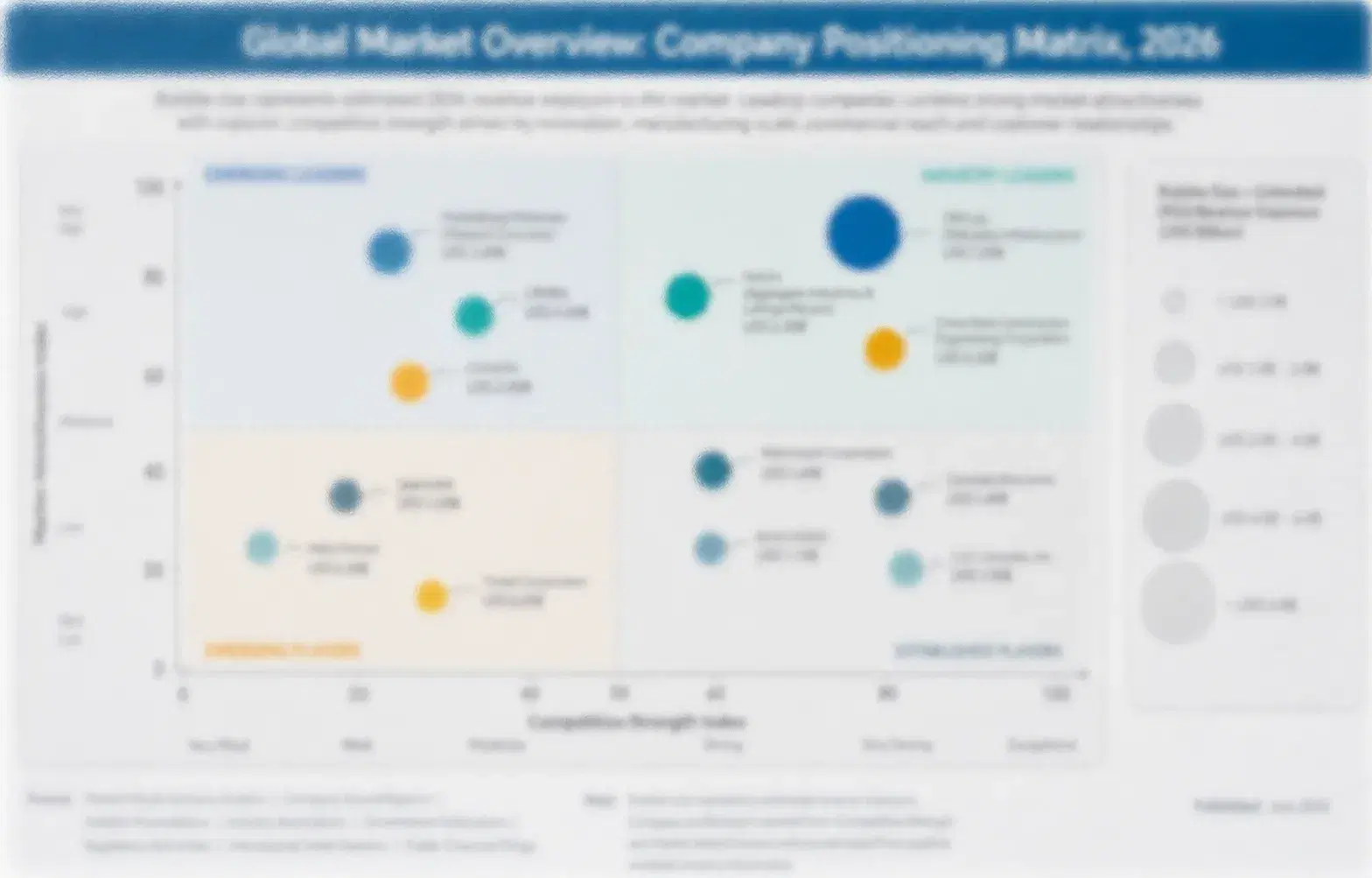
Measured on disclosed neurosurgery and neuromonitoring device revenue, the five leading suppliers hold a CR5 of 63%, which reflects a specialist field where few companies participate rather than any barrier to entry. Integra leads duraplasty graft materials, while Medtronic and Stryker reach these procedures through broader neurosurgical portfolios. Chiari is a small line inside every one of those businesses. Attention inside those businesses is correspondingly limited.
Three contests define activity. Graft materials compete on handling, leak performance and surgeon philosophy about whether to open the dura at all. Fixation systems compete on craniocervical construct design for a growing revision population. Neuromonitoring competes on service model and coverage, which is a staffing business more than a device one and behaves quite differently from the rest. The three contests share very little commercially, and organisations built for one serve the others badly.

Pressure comes from domestic Asian manufacturers in fixation and instrumentation, where quality gaps have closed and procurement policy favours local supply. Rankings shift most where flow assessment changes patient selection, since a smaller and better-defined surgical population strengthens the argument for premium grafts and weakens the case for volume-priced instrumentation. Better selection strengthens the premium argument considerably.
chiari-malformation-treatment-market-company-positioning-matrix-1787683790111

Competitive Moat and Risk Dimensions

INTEGRA LIFESCIENCES

Moat: Dural Graft Handling Familiarity

Integra dural substitutes have been used across neurosurgery for decades and surgeons know precisely how the material handles, sutures and behaves once wet, which matters enormously in a closure where leaks are the feared complication. Familiarity built during training holds afterward, and a competitor with better laboratory data still faces a surgeon closing a dura the way they always have.
INTEGRA LIFESCIENCES

Risk: Duraplasty Avoidance Exposure

A franchise built on dural grafts depends entirely on surgeons choosing to open the dura, and roughly 14% leak rates keep a substantial share of them from doing so. That decision is philosophical and the evidence has not settled it. Growth therefore depends on winning an argument the company cannot resolve with any product improvement short of eliminating leaks outright.
MEDTRONIC

Moat: Neurosurgical Portfolio Breadth

Medtronic reaches neurosurgeons across navigation, instrumentation, fixation and shunt systems, which places it in Chiari procedures through relationships built on entirely separate products. Contracting across the portfolio lowers the friction of adding any single item considerably. A specialist competitor with a better graft or construct still competes against a supplier already present throughout the theatre.
MEDTRONIC

Risk: Small Indication Attention Deficit

Chiari is a minor line inside a very large neurosurgical business and competes for development and commercial attention against franchises many times its size. Specialist suppliers and the surgeons who focus on this condition move faster and speak the same language. Portfolio breadth wins presence in the theatre and does considerably less when a technique argument is being had.

Players Tracked

Prominent Players

Integra LifeSciences
Medtronic
Stryker
B. Braun
Globus Medical

Other Key Players

Cook Biotech
Zimmer Biomet
Baxter International
Natus Medical
Sophysa
Christoph Miethke
Johnson and Johnson MedTech
Peters Surgical
W. L. Gore and Associates
Collagen Matrix
Nihon Kohden
Siemens Healthineers
GE HealthCare
Philips
Ulrich Medical

Recent Developments

MARCH 2025

Neurosurgical societies publish craniocervical flow assessment guidance

Neurosurgical societies published guidance on cerebrospinal fluid flow assessment in craniocervical junction evaluation, recommending physiological rather than purely anatomical criteria for surgical selection. This was clinical guidance rather than any regulatory or commercial event, and it formalises practice that high-volume centres had already adopted independently.
Signal: Selection is moving from a millimetre measurement toward a flow study, which changes who reaches an operating theatre.
JULY 2025

Dural sealant receives clearance for posterior fossa closure indications

A dural sealant received regulatory clearance covering posterior fossa closure indications, a regulatory decision rather than any corporate transaction. The submission emphasised reduction in cerebrospinal fluid leak rates, which is the specific objection that keeps a substantial share of neurosurgeons from opening the dura during decompression at all.
Signal: Manufacturers are engineering around the complication objection rather than waiting for evidence that settles the technique argument.
OCTOBER 2025

Multicentre registry opens for craniocervical instability after decompression

A multicentre registry opened to collect outcomes on craniocervical instability identified after Chiari decompression, an investigator-led research initiative rather than a commercial agreement. Device manufacturers supported it, and the registry addresses a revision population that has grown considerably as dynamic imaging protocols have spread between centres.
Signal: The revision pathway is being studied formally, which suggests it is now large enough to matter commercially.

What These Products Cost

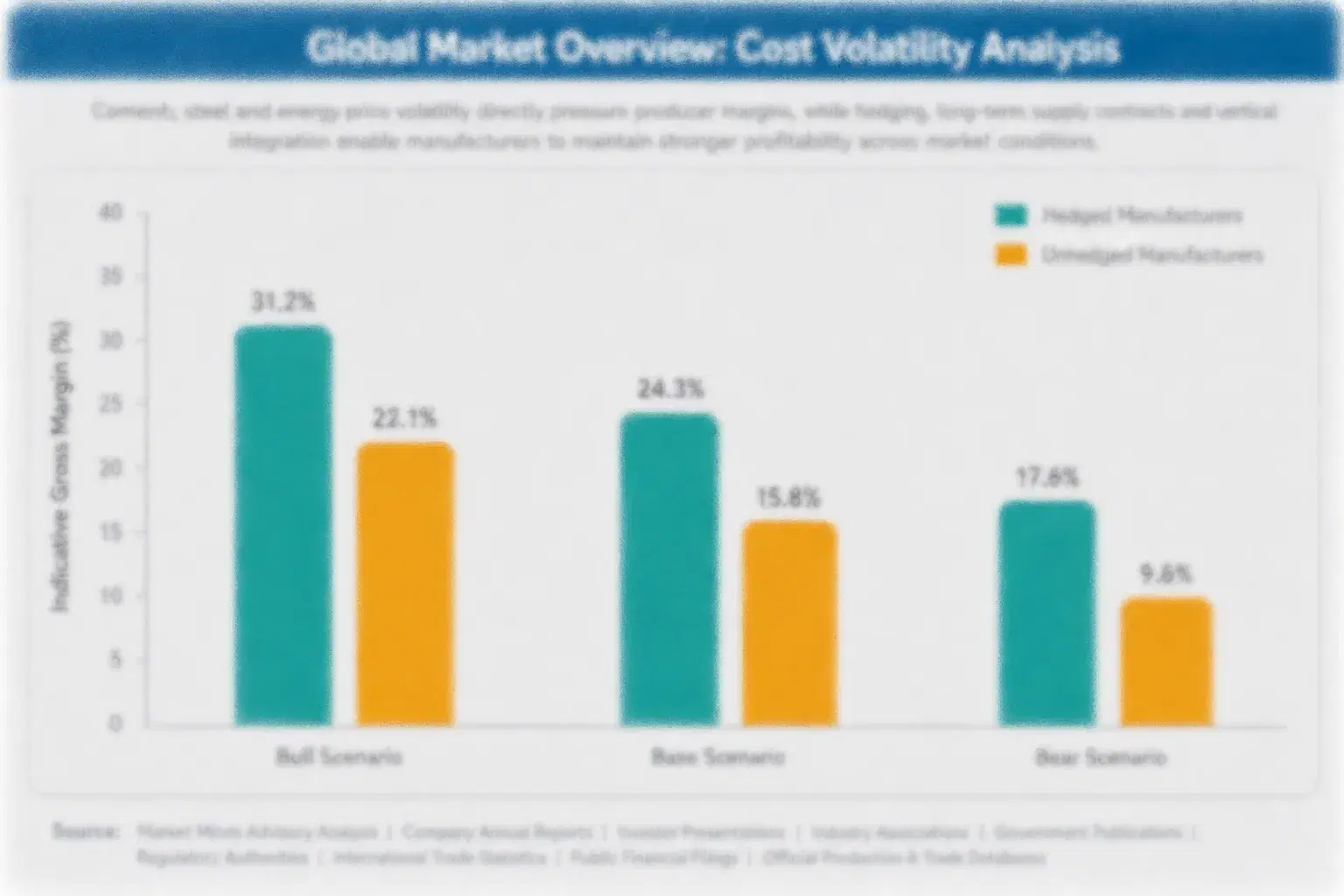
Materials and processing dominate the graft economics. Collagen sourcing, purification, crosslinking and terminal sterilisation together run 26 to 31% of selling price for a dural substitute, with biological source material carrying regulatory documentation costs that synthetic alternatives avoid. Fixation systems cost more to manufacture in absolute terms at roughly 24% of price, driven by titanium machining and the inventory required to hold a full size range on consignment.
The volatility that matters is regulatory rather than commodity. Biological source material requirements tightened across European markets through the period following 2021, and compliance costs rose for every supplier using animal-derived collagen. B. Braun and Integra annual reports describe regulatory and quality investment in tissue-derived products explicitly. Suppliers holding qualified source herds and complete traceability documentation absorbed it. Third-party sourcing meant requalification taking longer than expected.

Exposure divides by material strategy and business model. Biological graft manufacturers carry source qualification and regulatory documentation cost that synthetic suppliers do not. Fixation suppliers carry consignment inventory across many hospitals, which ties up capital in a low-volume indication. Neuromonitoring providers carry almost no material cost and a large clinical staffing burden instead, which is an entirely different business despite sitting in the same procedure.
chiari-malformation-treatment-market-cost-volatility-analysis-1787683790402

Qualify collagen sources with complete traceability documentation

Biological source requirements tightened considerably after 2021 and suppliers relying on third-party sourcing faced requalification periods that removed products from market temporarily. Holding qualified sources with full traceability costs money continuously and prevents an interruption that competitors could not recover from quickly. The documentation burden is the barrier, and it protects incumbents as much as it costs them.

Manage consignment inventory against low procedure volumes

Craniocervical fixation requires a full size range available at every centre, and Chiari procedures are infrequent enough that most of that inventory sits unused for long periods. Capital tied up across many hospitals earns nothing. Suppliers using predictive stocking and shared regional inventory hold service levels while releasing capital that low-volume indications otherwise consume permanently.

Price neuromonitoring on staffing rather than equipment

Neuromonitoring carries minimal material cost and substantial clinical staffing burden, which makes it a service business wearing device packaging. Suppliers pricing it against equipment cost surrender most of the value and struggle to fund the technologists the service actually requires. Pricing on coverage and expertise reflects where cost genuinely sits and sustains the staffing model.

Portfolio Architecture for Margin Defence

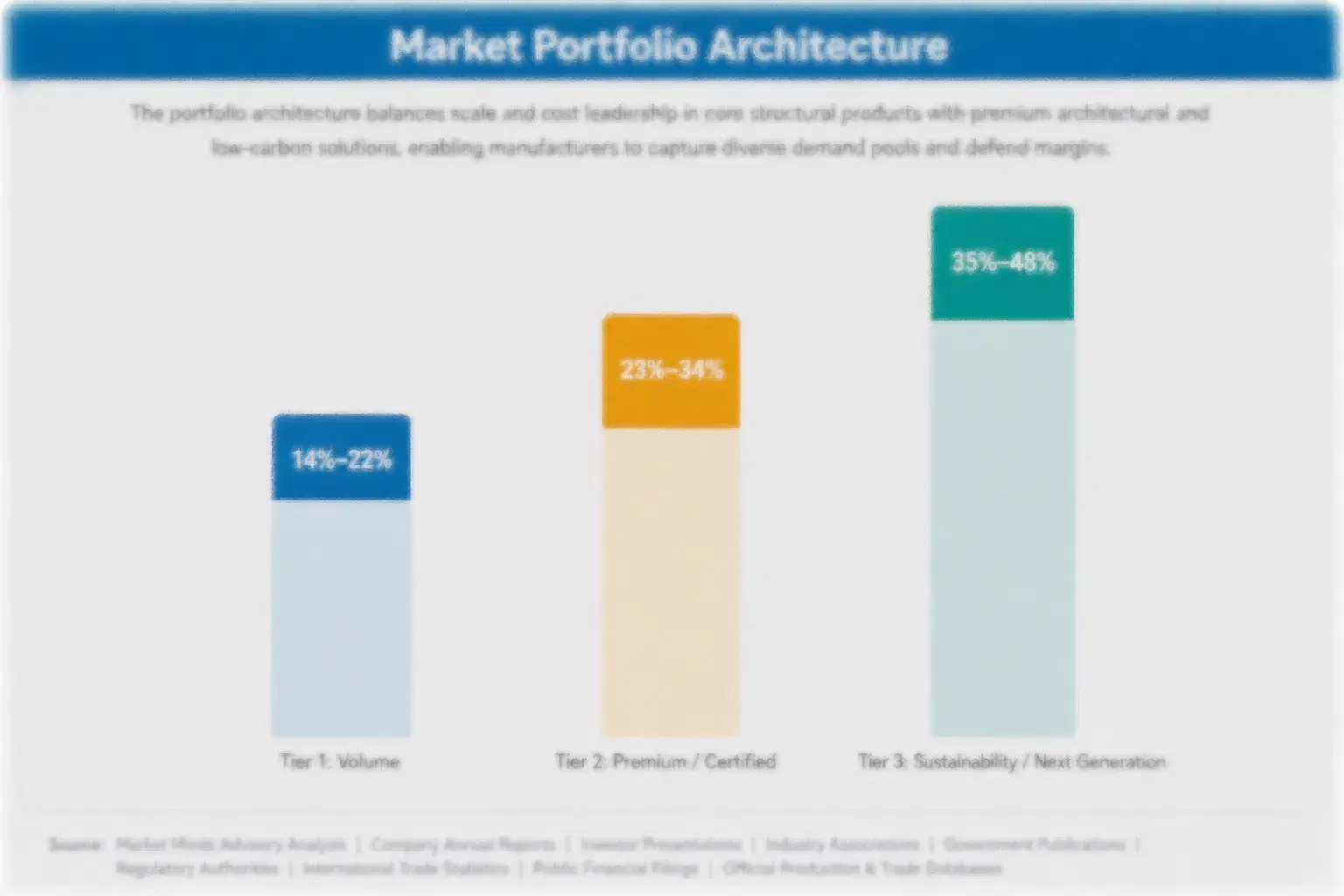
Margin follows how difficult a product is to replace once a surgeon has settled on it. Dural grafts earn most, because handling familiarity forms during training and a closure where leaks are the feared complication is not where anybody experiments. Fixation systems earn well and carry consignment inventory that suppresses returns on capital. Instrumentation is comparable and priced accordingly. Neuromonitoring earns service margins on a staffing model entirely.
The tension is that the highest-margin product depends on an argument the industry cannot win. Duraplasty grafts are used only where surgeons accept dural opening, and roughly 14% leak rates keep a substantial share of them from doing so permanently. Suppliers who engineered around the complication have grown. Those who argued the clinical case have spent a decade contesting a position their audience formed during training and holds firmly.

High-value pools sit in three places. Sealant and graft technology that measurably reduces leaks, which converts surgeons rather than persuading them. Craniocervical fixation for the revision population, which is growing faster than primary decompression. And flow assessment, which sits upstream of every other product and decides who reaches surgery at all.

Volume / Commodity-Adjacent

Decompression instrumentation, access systems and general neurosurgical disposables used across many procedures beyond this indication. The 7-point range separates established platforms carrying surgeon familiarity from domestic manufacturers competing on comparable specifications at materially lower prices.
Gross Margin: 42-49%

Premium / Certified

Dural graft materials and craniocervical fixation systems where handling familiarity and construct design genuinely differentiate. The 7-point spread separates suppliers holding qualified biological sources and complete traceability from those depending on third-party sourcing with thinner documentation.
Gross Margin: 58-65%

Sustainability / Regulatory / Next-Generation

Dural sealant technology, flow assessment software and intraoperative neuromonitoring services. The 28-point range is exceptionally wide because software and sealants carry almost no material cost while neuromonitoring carries a heavy clinical staffing burden that behaves like a services business.
Gross Margin: 44-72%
chiari-malformation-treatment-market-portfolio-architecture-1787683790727

High-value Sub-segments and Strategic Watch-out

Leak Reducing Sealant Technology

Highest value opportunity, converting surgeons who avoid dural opening rather than arguing them out of a position formed during training. Roughly 14% leak rates are the whole objection. The risk is that evidence for sealant benefit remains thinner than the commercial claims made about it.
Gross Margin: 69-72%

Craniocervical Revision Fixation

High value with growth faster than primary decompression, serving patients whose first operation left symptoms unresolved. Roughly 23% report persistence. The risk is consignment inventory across many centres performing few procedures each, which ties capital up unproductively for long periods. Utilisation stays stubbornly low. Returns suffer accordingly.
Gross Margin: 60-63%

Decompression Instrumentation

The volume core, used across many neurosurgical procedures beyond this indication and priced against domestic manufacturers whose quality gaps have largely closed. Suppliers hold the line because these instruments maintain theatre presence alongside the higher value materials sold into the same case. Nobody wins on the instrument itself.
Gross Margin: 43-46%

Duraplasty Dependent Revenue

The strategic watch-out. Graft revenue depends on surgeons choosing to open the dura, and that decision rests on philosophy rather than protocol with no evidence likely to settle it. The risk is a franchise whose growth requires winning an argument no product improvement can conclude.
Gross Margin: 61-64%

Patients Who Choose Their Surgeon

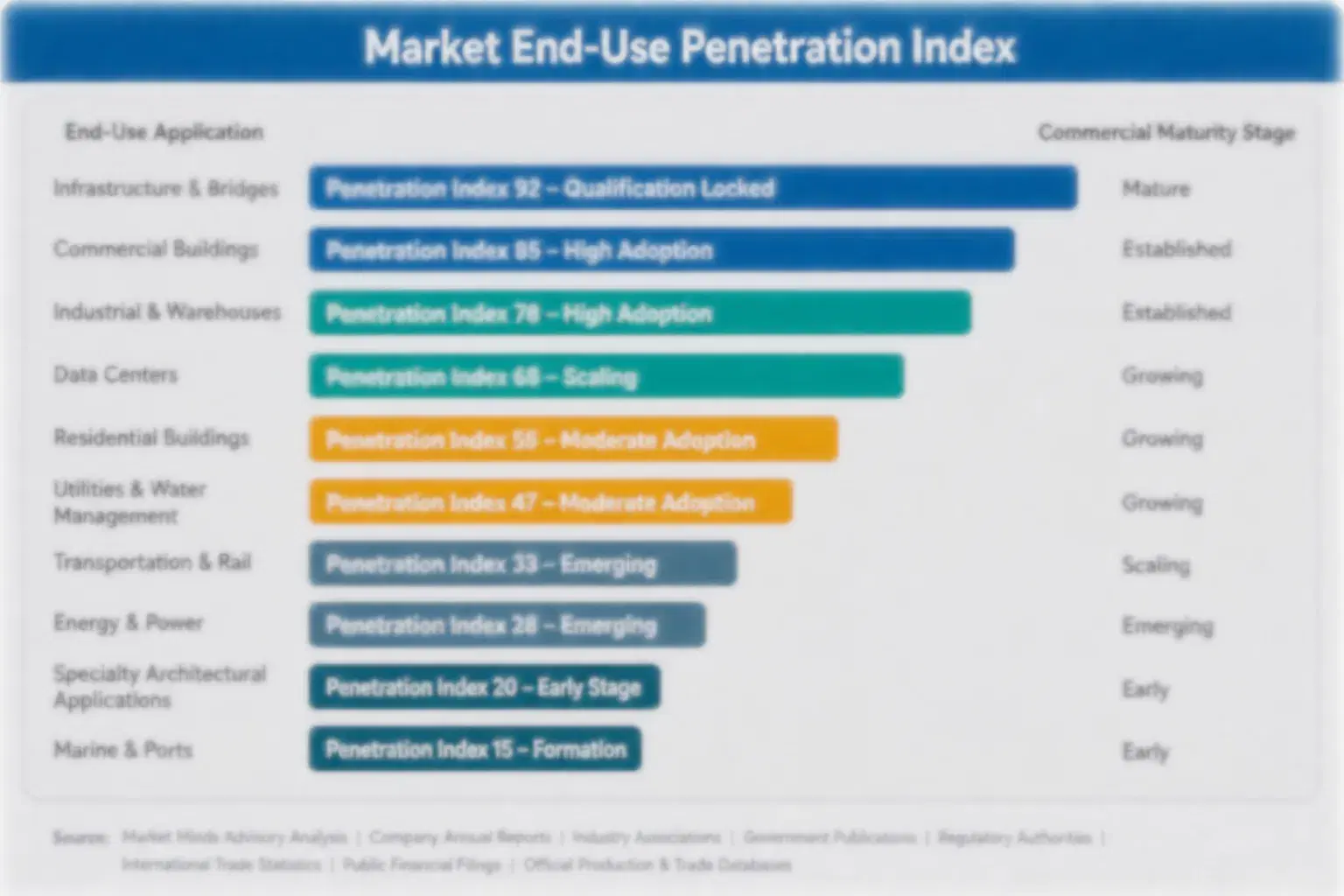
Revenue here attaches to a small number of surgeons rather than to institutions, which is unusual even within neurosurgery. Roughly 44% of procedures happen at centres patients selected themselves through organised online communities, and the surgeons at those centres perform high volumes of a condition most neurosurgeons encounter a handful of times. A supplier holding those relationships holds a disproportionate share of the market, uncontracted and untendered.
Stickiness depends on where the choice was formed. A dural graft is chosen during training and defended afterward, since a closure where leaks are the feared complication is not somewhere surgeons experiment willingly. Fixation construct preference is nearly as fixed. Neuromonitoring is contracted at institutional level and reviewed on service cycles rather than clinical grounds. Instrumentation moves on price, because adequate alternatives are widely available and nobody feels strongly about a retractor.

The buying population is widening as the revision pathway grows. Patients whose decompression failed reach spine surgeons managing craniocervical instability rather than the posterior fossa surgeons who first operated, and those are different people with different product preferences. Suppliers organised entirely around the index operation are absent from the conversation happening downstream of it.
chiari-malformation-treatment-market-end-use-penetration-index-1787683791027

Where This Category Turns

These are among the four positions where our research anticipates prominent divergence between winners and laggards over the coming forecast period. Each is grounded in the demand model, the regulatory perimeter, and the announced capacity pipeline.
01 / SELECTION EVIDENCE FUNDING

Fix who gets operated on, not what with

Roughly 78% of tonsillar descent findings are incidental and no accepted criterion reliably separates those patients from the ones who genuinely benefit from decompression surgery. A supplier funding flow assessment validation and registry collection addresses the constraint limiting this entire category, and that assessment sits upstream of every product sold into it. The required investment is clinical research rather than device development, and what it buys is a far better selected surgical population carrying considerably less exposure to payers questioning the operation itself.
02 / COMPLICATION FOCUSED ENGINEERING

Beat the leak rate, not the argument

Cerebrospinal fluid leaks follow roughly 14% of dural openings, and that single complication rate is the entire reason a substantial share of neurosurgeons decline to use the most valuable product in this category. Materials and sealants engineered specifically to lower leak rates convert those surgeons directly, which is far faster than contesting a technique position they formed during training. Suppliers arguing instead that duraplasty is clinically superior have now spent the better part of a decade losing an argument their own audience simply will not concede.
03 / PATIENT DIRECTED REFERRAL

Find the surgeons patients pick themselves

Organised online communities direct Chiari patients toward a small number of self-identified specialists, concentrating roughly 44% of procedures at centres whose reputation was built entirely through patient networks rather than academic publication. Those surgeons perform high volumes of a condition most neurosurgeons rarely see, and they hold correspondingly firm individual views on technique and product selection. Conventional academic key opinion leader programmes miss those surgeons completely, and reaching them costs very little indeed relative to the share of procedure volume involved.
04 / REVISION PATHWAY PRESENCE

The growth is after the first operation

Roughly 23% of decompression patients report persistent symptoms afterward, and a meaningful share of those prove to have craniocervical instability that the index operation never addressed at all. That downstream pathway consumes craniocervical fixation systems, revision instrumentation and considerable further imaging, and it is currently growing faster than primary decompression is. Suppliers organised entirely around the index operation are effectively absent from the fastest expanding part of this whole market, and reaching it requires different products alongside quite different surgeon relationships.

Engagement Snapshot From the Field

A live engagement with an industry participant carrying material or product regulatory and market exposure ahead of a defining policy shift, showing how our research translates into a defensible multi-year portfolio strategy.
MARKET MINDS ADVISORY · CLIENT ENGAGEMENT SUMMARY
Chiari Malformation Treatment Producer Strategic Portfolio Review and Transition Roadmap 2026·Investment Scenario on Chiari Malformation Treatment Exposure Evaluation 2025-26
CLIENT PROFILE
A neurosurgical materials manufacturer supplying dural graft substitutes across North America and Europe, with reported revenue of 84 million dollars (client-reported, unverified by MMA). Chiari decompression accounted for roughly 19% of graft volume. Its commercial organisation of 32 representatives worked through academic key opinion leader programmes and hospital contracting, with no engagement of patient communities anywhere.
STRATEGIC CHALLENGE
Graft volume in posterior fossa procedures had been flat for four years while overall decompression numbers grew steadily. Management assumed competitive displacement and had invested in comparative handling studies. Nobody had established whether surgeons were choosing a different graft or declining to open the dura at all, which are entirely different problems.
MMA APPROACH
MMA surveyed operative technique across a sample of decompression procedures rather than tracking product share, which the company had never attempted. Fourteen expert interviews with posterior fossa surgeons established how the dural opening decision is actually taken. The analysis separated competitive loss from technique avoidance, and mapped where procedure volume was concentrating geographically.
KEY FINDINGS
  1. Flat graft volume reflected surgeons declining to open the dura rather than any competitive displacement, which invalidated the comparative study investment entirely.
  2. Leak concern was cited as the deciding factor by most surgeons avoiding duraplasty, and none of them regarded published evidence as capable of changing their position.
  3. Roughly 44% of decompression volume concentrated at self-identified specialist centres that the key opinion leader programme had never contacted at all. Nobody had mapped them.
  4. Pairing grafts with a sealant addressing leak rates modelled materially higher duraplasty adoption than any handling improvement would (client-reported, unverified by MMA).
CLIENT PROFILE
A neurosurgical materials manufacturer supplying dural graft substitutes across North America and Europe, with reported revenue of 84 million dollars (client-reported, unverified by MMA). Chiari decompression accounted for roughly 19% of graft volume. Its commercial organisation of 32 representatives worked through academic key opinion leader programmes and hospital contracting, with no engagement of patient communities anywhere.
STRATEGIC CHALLENGE
Graft volume in posterior fossa procedures had been flat for four years while overall decompression numbers grew steadily. Management assumed competitive displacement and had invested in comparative handling studies. Nobody had established whether surgeons were choosing a different graft or declining to open the dura at all, which are entirely different problems.
MMA APPROACH
MMA surveyed operative technique across a sample of decompression procedures rather than tracking product share, which the company had never attempted. Fourteen expert interviews with posterior fossa surgeons established how the dural opening decision is actually taken. The analysis separated competitive loss from technique avoidance, and mapped where procedure volume was concentrating geographically.
KEY FINDINGS
  1. Flat graft volume reflected surgeons declining to open the dura rather than any competitive displacement, which invalidated the comparative study investment entirely.
  2. Leak concern was cited as the deciding factor by most surgeons avoiding duraplasty, and none of them regarded published evidence as capable of changing their position.
  3. Roughly 44% of decompression volume concentrated at self-identified specialist centres that the key opinion leader programme had never contacted at all. Nobody had mapped them.
  4. Pairing grafts with a sealant addressing leak rates modelled materially higher duraplasty adoption than any handling improvement would (client-reported, unverified by MMA).
RECOMMENDED STRATEGY
Phase 1: Phase one: stop funding comparative handling studies and redirect that investment toward sealant technology addressing the leak objection directly. The objection is the constraint. Phase 2: Phase two: build relationships with high-volume Chiari specialist centres, whose influence runs through patient communities rather than academic publication. Academic programmes miss them. Phase 3: Phase three: establish presence in the craniocervical revision pathway, where volume is growing faster than primary decompression currently is. Different surgeons entirely.
OUTCOME
Sealant development was prioritised and early surgeon response indicated genuine willingness to reconsider dural opening. Specialist centre engagement produced access to roughly a third of American procedure volume that had previously been unreached (client-reported, unverified by MMA). Comparative study funding was discontinued and redeployed without any commercial loss.

Frequently Asked Questions

Foundational context covering the market sizes, CAGR, scope, country, region and competition that inform every finding below. This section is provided to cover basics and most often pre-purchase conversations, answered from the MMA Primary Research Dataset.

What is the current size of the Chiari Malformation Treatment Market?

The market was worth 0.44 billion dollars in 2025, covering decompression instrumentation, duraplasty grafts, fixation systems, shunts, flow assessment and neuromonitoring. It reaches 0.47 billion dollars in 2026.

How large will the Chiari Malformation Treatment Market be by 2036?

MMA forecasts 0.98 billion dollars by 2036, an increase of 0.51 billion dollars over the 2026 base. That represents an expansion multiple of 2.09 times across the forecast period.

What is the CAGR for the Chiari Malformation Treatment Market 2026 to 2036?

The base case compounds at 7.6% annually. MMA's bull case reaches 8.8% if flow assessment gains formal guideline status, while the bear case sits at 6.4% on payer restriction of decompression.

Which segment is growing fastest?

Cine MRI and flow assessment, at 11.4%, half again the market rate of 7.6%. It sits upstream of everything else, deciding which patients reach an operating theatre at all.

Who are the major companies in the Chiari Malformation Treatment Market?

Integra LifeSciences, Medtronic, Stryker, B. Braun and Globus Medical lead on disclosed neurosurgery and neuromonitoring device revenue, with Cook Biotech, Natus Medical, Sophysa and Collagen Matrix competing in specific functions.

Which country is growing fastest?

India at 9.8%, driven by private hospital magnetic resonance capacity expanding quickly and raising diagnosed cases from a low base. China follows on similar imaging growth.

Report Segmentation Architecture

The full report scope spans multiple orthogonal segmentation dimensions, with cross-tabulated demand data provided for each dimension pair. Coverage extends further to regional breakdowns, trend trajectories, and the competitive detail needed to support segment-level decision-making.

By Procedural and Assessment Function

  • Decompression Instrumentation and Access
  • Duraplasty Graft Materials
  • Craniocervical Fixation Systems
  • Cerebrospinal Fluid Diversion Systems
  • Cine MRI and Flow Assessment
  • Intraoperative Neuromonitoring

By End-Use Industry

  • Specialist Chiari Referral Centres
  • Academic Neurosurgery Departments
  • General Hospital Neurosurgery
  • Paediatric Neurosurgical Units
  • Neuroradiology Services
  • Clinical Research and Trial Sites

By Commercial Dimension

  • Direct Hospital Contract
  • Group Purchasing Agreement
  • Consignment Inventory Placement
  • Managed Neuromonitoring Service
  • Public Tender Procurement
  • Self-Funded Patient Access

By Region

  • North America
  • Western Europe
  • East Asia
  • South Asia and Pacific
  • Latin America
  • Middle East and Africa
  • Eastern Europe

Scope, Methodology, and Coverage

Every figure in this report is reproducible from documented input assumptions. The scope below maps the historical period, the forecast horizon, the segmentation dimensions, and the countries covered, alongside the underlying primary and qualitative methodology.
Historical Period
2020 to 2025
Forecast Period
2026 to 2036
Base Year
2025 (USD billions; MMA Primary Research Dataset, August 2026)
Market Definition
Scope covers devices, materials and diagnostic assessments used in the surgical treatment of Chiari malformation and its directly associated conditions, spanning posterior fossa decompression instrumentation and access systems, duraplasty graft materials and dural sealants, craniocervical fixation systems used for instability following or accompanying decompression, cerebrospinal fluid diversion and shunt systems for associated syringomyelia and hydrocephalus, cine magnetic resonance and cerebrospinal fluid flow assessment, and intraoperative neuromonitoring. General neurosurgical capital equipment, magnetic resonance scanner hardware, pain pharmacotherapy and rehabilitation services are excluded. Spinal deformity correction unrelated to craniocervical instability falls outside the boundary.
Quantitative Units
USD billions (current prices); decompression procedures performed; grafts implanted; flow studies conducted; revision procedures performed
Segmentation Dimensions
By Procedural and Assessment Function; By End-Use Industry; By Commercial Dimension; By Region
Regions Covered
North America, Western Europe, East Asia, South Asia and Pacific, Latin America, Middle East and Africa, Eastern Europe
Countries Covered
USA, Germany, UK, France, Japan, China, South Korea, India, Australia, Brazil, Canada, Italy, Spain, Poland, Saudi Arabia
Key Companies Profiled
Integra LifeSciences, Medtronic, Stryker, B. Braun, Globus Medical, Cook Biotech, Zimmer Biomet, Baxter International, Natus Medical, Sophysa, Christoph Miethke, Johnson and Johnson MedTech, Peters Surgical, W. L. Gore and Associates, Collagen Matrix, Nihon Kohden, Siemens Healthineers, GE HealthCare, Philips, Ulrich Medical
Quantitative Methodology
Primary survey, n=3,800 respondents, Q4 2025, six countries; demand-side model with trade association cross-validation
Qualitative Methodology
47 expert interviews, Q4 2025; applied to validate demand model assumptions, identify emerging dynamics, and assess competitive positioning
Report Format
PDF and XLSX data workbook (Word format preview document)
Publisher
Market Minds Advisory
Report Code
MMA-2026-MED-149
Published
August 2026
Contact
sales@marketmindsadvisory.com | www.marketmindsadvisory.com

Purchase the full Chiari Malformation Treatment Market Report (2026 to 2036).

The full report runs to 155 pages and covers all six procedural function segments, seven regions and 20 profiled companies in detail. It includes the complete segment CAGR set, regional imaging utilisation and diagnosed case data, and operative technique analysis across fifteen national markets. Company profiles carry evaluation on disclosed neurosurgery and neuromonitoring device revenue, with moat and risk assessment for the top five suppliers. The competitive section extends to 13 tracked corporate developments across 2024 and 2025, each with commercial interpretation. Primary research inputs include a quantitative survey of 3,800 respondents and 47 expert interviews conducted in Q4 2025.
Six procedural function segments with individual CAGR forecasts
Seven regional markets with imaging utilisation and case data
Twenty company profiles on consistent revenue evaluation basis
Thirteen tracked corporate developments with commercial interpretation notes
Operative technique analysis across fifteen national neurosurgical markets
Specialist referral centre concentration mapped by patient pathway

Built For The People Who Decide

From boardroom strategy to bench-side execution, this report is read cover-to-cover by leaders shaping the next decade of their industry, turning demand scenarios, market dynamics and valuation benchmarks into decisions.
CXOs/ Presidents/ VPs/ Managers
M&A and Corporate Development
Strategy Teams and R&D Heads
Procurement and Product Directors
Regulatory and Compliance Leaders
Investor Relations and Equity Analysts