

Market Minds Advisory
Cheese Liners Market

Cheese Liners Market: Cheese Liners Market. PFAS-Free Rules, Ripening Film Adoption, and Pulp and Polymer Costs Shape Liner Value.

Cheese liners separate slices, breathe during ripening, and absorb whey, yet PFAS bans, recyclability rules, and pulp and polymer price swings decide which converters keep the contracts of the world's cheese makers.

Lead Analyst

Published

September 2026

Make Smarter Decisions with Customized Research Insights

Request a free sample report and evaluate market opportunities, growth trends, and competitive dynamics relevant to your business needs.

2025 MARKET VALUE$1.3BMarket Size 2025
2036 FORECAST VALUE$2.3BBase Case , 2026 to 2036
CAGR 2026 TO 20365.2 %Bull 6.5% / Bear 3.9%
INCREMENTAL OPPORTUNITY$0.9BNet 10- year value creation
EXPANSION MULTIPLE1.66x2036 value over 2026 base
Strategic Levers
M&A Pipeline
Regional Outlook
Country Rankings
Competitive Intelligence
Segmental Deep-dive
Call-Us : 91 93563 13602

Executive Snapshot and Market Trajectory.

A cheese liner is a cheap sheet with three jobs. It keeps slices from welding together, lets a ripening wheel breathe, and soaks up whey before it spoils the pack. Regulators now want the grease-proof coating off it, and that changes the whole supply chain. Buyers reward consistency over novelty.
Compostable and PFAS-free paper liners grow fastest, since European and United States rules push fluorinated coatings out of food contact. Western Europe holds the largest share because its cheese output, ripened formats, and sliced cheese lines are the most packaging-intensive in the world. India leads country growth. Pulp sets cost. Rules set materials. Cheese sets volume. Specification sheets decide renewal. Supply reliability decides supplier rankings.
Competition is fragmented but consolidating, with a United States protective packaging group, an Australian flexible packaging group, an Austrian packaging and paper group, a Finnish fibre materials group, and an Austrian greaseproof paper group competing alongside regional converters on barrier performance, regulatory compliance, and service to cheese plants. Pulp, polymer, and energy costs shape profits. Big groups own films. Paper specialists own coatings. Trust decides reorders. Margins follow sourcing discipline.
Market Definition
The cheese liners market covers protective and functional liners used with cheese, sold to cheese makers, slicers, and packers, including compostable and PFAS-free paper liners, breathable ripening liners and films, interleaving separator sheets, absorbent pads and liners, and wax and coated paper liners. The scope excludes primary cheese packaging films and pouches, cartons and outer cases, cheese cultures and coatings applied to the rind, and cheese vat and processing equipment.
Base Year Value
$1.3B in 2025 (MMA Primary Research Dataset, September 2026)
Forecast Period
2026 to 2036, eleven discrete annual values
CAGR
5.2% base case. Bull 6.5%. Bear 3.9%.
Fastest Growth Segment
Compostable and PFAS-Free Paper Liners: 9.4% CAGR
Fastest Growth Country
India: 8.1% CAGR
Fastest Growth Region
South Asia and Pacific: 7.3% CAGR
Largest Region
Western Europe: 33% of 2025 global value
Market Leaders
Sealed Air, Amcor, Mondi, Ahlstrom, Delfort Group. Source: MMA Analysis, company annual reports.
Primary Survey
n=3,800 procurement and R&D decision-makers, Q4 2025, six countries
Methodology
Demand-side build-up, cross-validated against public data, 47 expert interviews

Cheese Liners Market Forecast Scenarios

cheese-liners-market-size-forecast-scenario-1789815050915
From 2020 to 2025, cheese liner demand grew as sliced and shredded cheese volumes rose, retail chains standardised interleavers, and cheese makers moved from wax to ripening films for block cheese. Pulp, polymer, and energy costs rose sharply from 2021, and converters passed on part of the increase through price steps. Growth ran slightly below the forecast pace as some buyers thinned liner weights to hold
The base case rests on three commercial mechanisms. First, PFAS bans force cheese makers to switch grease-proof liners to compostable and fibre-based alternatives, lifting unit prices. Second, ripening films replace wax and cloth in block cheese, adding a premium material tier. Third, cheese output in India, China, and Latin America grows faster than in mature markets. Converters plan pulp contracts, coating lines, and certifications around all three. Procurement teams review suppliers every season.
The bull case needs faster PFAS enforcement and stable pulp prices, which would lift substitution and margins. The bear case is a delay in regulation combined with lighter liner specifications, which would squeeze margins and cut volumes. Batch records protect future sales. Cost control separates leaders from followers. Clear certificates build buyer trust. Small converters feel every price swing.

PFAS Rules, Ripening Films, and Pulp Costs Decide Cheese Liner Winners

The cheese liners market spans several production models. Paper mills produce greaseproof and coated papers from kraft pulp, converters cut, print, and coat sheets for interleaving and lining, and film extruders make breathable ripening films from polyamide and polyolefin blends. Absorbent pad makers combine cellulose cores with perforated films, and all sell to cheese plants, slicing lines, and retail packers. Customer reach compounds over time.
MARKET CONCENTRATION33% CR5Leading five converters hold a modest combined share
FIBRE MATERIAL SHARE62%Portion of liner volume made from paper and fibre
PULP COST SHARE38%Portion of paper liner goods cost taken by pulp
SLICED CHEESE SHARE41%Portion of retail cheese sold pre-sliced or shredded
LINER WEIGHT RANGE20-40 gsmTypical grammage band for interleaving sheets in slicing lines
PFAS-FREE CONVERSION RATE46%Portion of liner volume already switched to fluorine-free coatings
PFAS rules, ripening films, and pulp costs decide value. Buyers judge liners on release performance, grease resistance, breathability, food contact compliance, and price per thousand sheets, so a converter needs secure pulp, coating expertise, and regulatory documentation. Large groups own film technology and global plants, while paper specialists own coatings. Suppliers with compliant materials and consistent runs win because cheese plants reorder only from suppliers that never stop
Buyers judge liners on release, grease resistance, moisture control, compostability claims, and price. Slicing lines want sheets that dispense at speed without static, ripening plants want films with tuned oxygen and moisture permeability, and retailers want claims they can defend. Price sensitivity is high in standard interleavers and moderate in ripening films, which pushes converters toward annual contracts, cost pass-through clauses, and technical support.
"A cheese liner is a two-cent product that can stop a ten-thousand-euro slicing line. The converters that document their PFAS-free coatings and keep static out of the sheet will keep the contract, and the ones that only match on price will lose it at the first line stoppage."
Senior Analyst, Packaging and Food Contact Practice · MMA Cheese Liners Practice · September 2026

Market Trends

PFAS Restrictions Force Cheese Makers to Switch to Fluorine-Free Liners

The European Union packaging regulation bars intentionally added PFAS in food-contact packaging from August 2026, and several United States states have adopted similar bans, so cheese makers are switching from fluorinated grease-proof liners to fibre-based, silicone, and mineral-coated alternatives. About 46% of liner volume has already converted. Fluorine-free grades cost 10% to 25% more. The trend needs coating development and food contact testing, and it rewards converters with validated substitutes. Buyers reward consistency over novelty. Specification sheets decide renewal. Supply reliability decides supplier rankings. Margins follow sourcing discipline. Procurement teams review suppliers every season.
Market Impact: sliced cheese holds 41% of retail

Breathable Ripening Films Replace Wax and Cloth in Block Cheese

Cheese makers are moving block and semi-hard cheeses from wax, cloth, and natural rinds into breathable ripening films and liners that control moisture loss to 1% to 3% during 60 to 180 days of ripening, reducing trim waste by 15% to 30%. Ripening films price at $4 to $9 per square metre area equivalent. The trend needs extrusion skill and permeability tuning, and it rewards converters with cheese-specific technical support. Batch records protect future sales. Cost control separates leaders from followers. Clear certificates build buyer trust. Small converters feel every price swing.
Market Impact: emerging output adds 1 million tonnes

Market Opportunities and Growth Drivers

Sliced and Shredded Cheese Growth Raises Interleaver Volumes in Retail

About 41% of retail cheese is now sold pre-sliced or shredded, and slice-on-slice formats in burgers, sandwiches, and snack kits need interleavers on every slicing line, with output growing by 3% to 5% a year. Each slicing line consumes 1 to 3 million sheets a month. The driver sustains base volume and rewards converters with dispensing-friendly, low-static sheets and reliable delivery to plants that run multiple shifts. Customer reach compounds over time. Buyers reward consistency over novelty. Specification sheets decide renewal. Supply reliability decides supplier rankings. Margins follow sourcing discipline. Procurement teams review suppliers every season.
Market Impact: input prices swung 25-45% recently

Cheese Output Growth in Emerging Markets Adds New Liner Volume

Cheese production in India, China, and Brazil is growing by 5% to 9% a year as pizza chains, quick-service restaurants, and retail modernise, and new plants are specifying modern liners and ripening films from the start. Regional cheese output is projected to add over 1 million tonnes by 2030. The driver adds volume in fast-growing markets and rewards converters with local supply, technical support, and price points that fit emerging plants. Batch records protect future sales. Cost control separates leaders from followers. Clear certificates build buyer trust. Small converters feel every price swing.
Market Impact: qualification takes 6-12 months per grade

Market Restraints and Challenges

Pulp, Polymer, and Energy Price Swings Squeeze Converter Margins

Pulp takes about 38% of paper liner cost of goods and polymers about 45% of film cost, and price swings of 25% to 45% within two years followed energy cost shocks in Europe. The root cause is exposure to commodity pulp, oil-based resins, and gas-fired drying. Converters pass on part of the increase through price steps, but cheese makers resist, and mitigation includes index clauses and lighter grammage, though small converters lack hedging capacity. Customer reach compounds over time. Buyers reward consistency over novelty. Specification sheets decide renewal. Supply reliability decides supplier rankings.
Market Impact: 46% of liner volume already fluorine-free

Recyclability Rules and Fluorine-Free Performance Gaps Complicate Material Choices

Multi-layer ripening films and coated papers are hard to recycle, and extended producer responsibility fees of $0.02 to $0.10 per kilogram are rising in Europe, while fluorine-free coatings still lag on grease resistance in 10% to 15% of demanding applications. The root cause is trade-offs between barrier and recyclability. Converters respond with mono-material films, dispersion coatings, and take-back schemes, though qualification takes 6 to 12 months. Margins follow sourcing discipline. Procurement teams review suppliers every season. Batch records protect future sales. Cost control separates leaders from followers. Clear certificates build buyer trust.
Market Impact: ripening films cut trim waste 15-30%
3 additional market trends, 2 additional growth drivers, and 4 additional restraints and challenges are covered in the full report. Contact sales@marketmindsadvisory.com to access the complete intelligence.

Segment CAGR and Growth Architecture

The cheese liners market is segmented by product type, which shows where compliance, functionality, and pricing power sit. Five segments cover compostable and PFAS-free paper liners, breathable ripening liners and films, interleaving separator sheets, absorbent pads and liners, and wax and coated paper liners. Two segments grow fastest on regulatory and functional demand. Customer reach compounds over time.
cheese-liners-market-market-share-analysis-1789815051202

Compostable and PFAS-Free Paper Liners

Compostable and PFAS-Free Paper Liners is the fastest-growing segment at 9.4% a year, about 1.81 times the overall market rate. European and United States rules push fluorinated coatings out of food contact, and premiums of 10% to 25% over fluorinated liners support gross margins of 24% to 34%. Grease resistance and qualification time are the main constraints, since substitutes must pass food contact tests. Converters with validated coatings win, while wax sellers struggle to follow. Buyers reward consistency over novelty. Specification sheets decide renewal. Supply reliability decides supplier rankings. Margins follow sourcing discipline. Procurement teams review suppliers every season. Batch records protect future sales. Cost control separates leaders from followers. Clear certificates build buyer trust.
CAGR 9.4%

Breathable Ripening Liners and Films

Breathable Ripening Liners and Films grows at 7.6% a year, because cheese makers move block and semi-hard cheeses from wax and cloth into films that control moisture loss and cut trim waste by 15% to 30%, and buyers accept premiums of 20% to 40% over paper. Permeability tuning and extrusion skill are the main constraints, since each cheese type needs its own profile. Converters with technical support hold price better than followers. Small converters feel every price swing. Customer reach compounds over time. Buyers reward consistency over novelty. Specification sheets decide renewal. Supply reliability decides supplier rankings. Margins follow sourcing discipline. Procurement teams review suppliers every season. Batch records protect future sales.
CAGR 7.6%
Full segment breakdown across 5 segments available in the complete report.

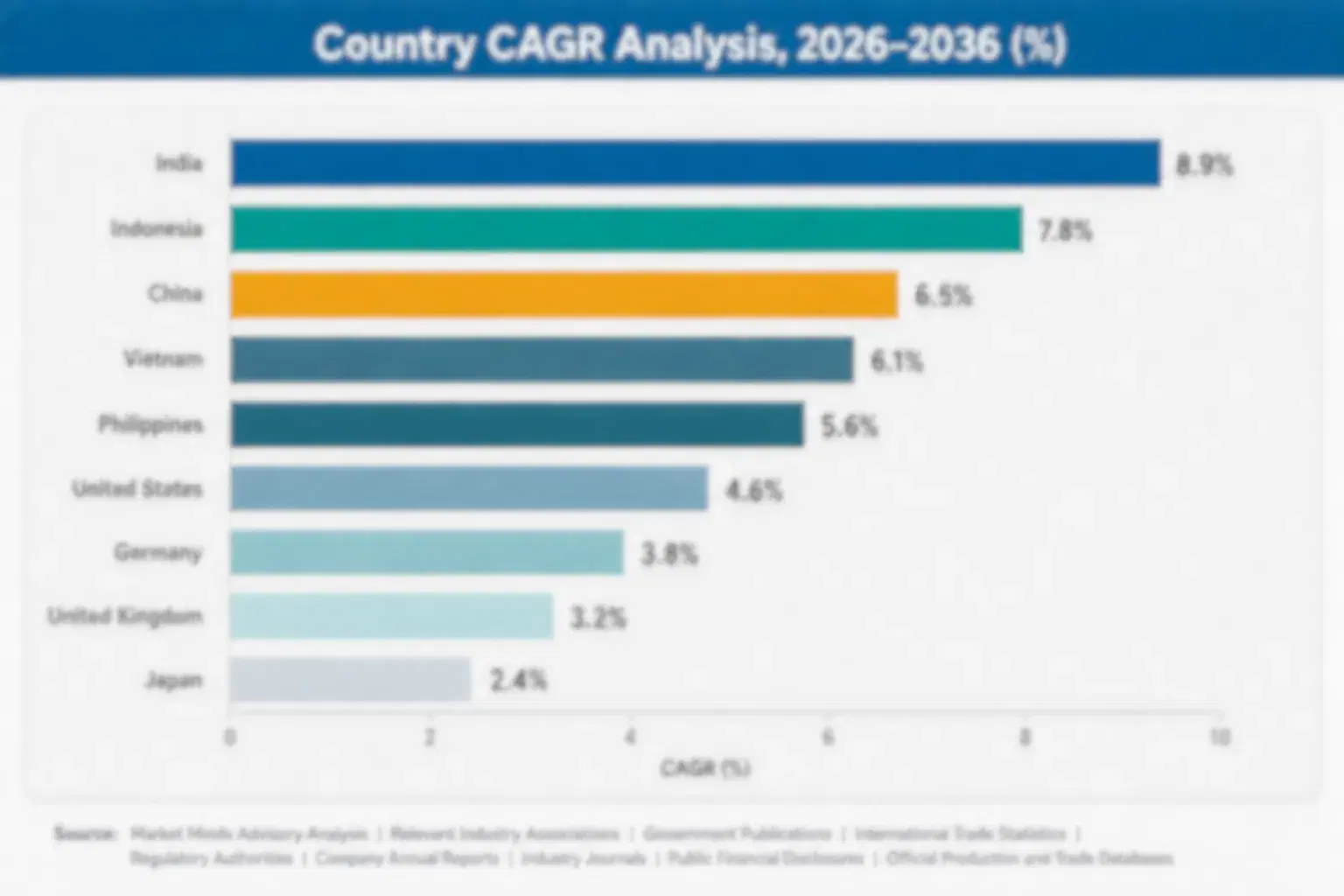
Regional Architecture and Country Demand Map

Cheese liner value concentrates in Western Europe, where ripened and sliced cheese output is the most packaging-intensive. North America follows on scale, East Asia trails on lower cheese output, South Asia and Pacific grows fastest, and other regions add smaller shares. Cost control separates leaders from followers.

Western Europe

Western Europe holds 33% share, above its usual band, because France, Germany, Italy, and the Netherlands produce the largest volume of ripened, sliced, and processed cheese in the world and their plants are the most packaging-intensive, using liners at every stage. Mondi, Delfort Group, Ahlstrom, Nordic Paper, and Huhtamaki supply local plants, and PFAS rules take effect here first. North America follows in second place on scale rather than format variety. Growth trails the global rate as the region matures. Energy and pulp costs restrain margins. Clear certificates build buyer trust. Small converters feel every price swing. Customer reach compounds over time. Buyers reward consistency over novelty. Specification sheets decide renewal. Supply reliability decides supplier rankings.
Share: 33% | CAGR: 4.0% (2026 to 2036)

North America

North America holds 27% share, inside its band, because American and Canadian cheese plants are large, automated, and heavy users of interleavers for sliced cheese, and Sealed Air, Amcor, Sonoco, and Berry Global supply liners and films. State-level PFAS bans push conversion. Growth tracks slightly below the global rate as the market matures. Polymer costs, tariffs, and retailer specifications restrain margins, and large cheese makers negotiate hard on price. Margins follow sourcing discipline. Procurement teams review suppliers every season. Batch records protect future sales. Cost control separates leaders from followers. Clear certificates build buyer trust. Small converters feel every price swing. Customer reach compounds over time. Buyers reward consistency over novelty. Specification sheets decide renewal.
Share: 27% | CAGR: 5.0% (2026 to 2036)
Regional intelligence for 5 additional markets available in the complete report: East Asia, South Asia and Pacific, Latin America, Middle East and Africa, Eastern Europe. Contact sales@marketmindsadvisory.com.
cheese-liners-market-country-cagr-analysis-1789815051535

Four Margin Routes for Cheese Liner Converters

Margin in cheese liners comes from PFAS-free conversions, ripening film upgrades, pulp contracting, and plant support in fast-growing markets rather than volume alone. The routes below apply to large packaging groups, paper specialists, and film converters, and each can start inside one planning cycle, with clear measures in gross margin points, cost per thousand sheets, and plants served.

Converting Fluorinated Liners to Validated PFAS-Free Grades Early

Fluorine-free grades cost 10% to 25% more and earn gross margins of 24% to 34% against 16% to 24%, so converters that develop validated coatings, complete food contact tests, and convert the top ten customers ahead of the August 2026 deadline report gross margin gains of 4 to 7 points on the mix. Coating lines cost $3 million to $10 million. Cheese makers add volume once qualified. A trial with two plants confirms demand. Buyers reward consistency over novelty. Specification sheets decide renewal. Supply reliability decides supplier rankings. Margins follow sourcing discipline.
Market Impact: PFAS-free grades lift gross margin by 4-7 points

Upgrading Block Cheese Plants From Wax to Ripening Films

Ripening films cut trim waste by 15% to 30% and price 20% to 40% above paper liners, so converters that offer permeability-tuned films, on-site trials, and technical staff win block cheese plants and lock in multi-year supply. Trials cost $0.1 million to $0.4 million per plant. Small converters can partner with film extruders. Converters should target 20 plants in year one and measure trim savings monthly. Procurement teams review suppliers every season. Batch records protect future sales. Cost control separates leaders from followers. Clear certificates build buyer trust. Small converters feel every price swing.
Market Impact: ripening films cut cheese trim waste by 15-30%

Contracting Pulp and Resin Supply Before Price Swings Recur

Pulp takes about 38% of paper liner cost and input prices swung 25% to 45% within two years, so converters that contract pulp across two mills, forward buy 40% of resin needs, and write index clauses into customer contracts cut cost volatility by roughly half. Cheese makers accept price rises slowly, so contracts matter more than list prices. Converters that skip planning absorb 10% more cost in tight years. Customer reach compounds over time. Buyers reward consistency over novelty. Specification sheets decide renewal. Supply reliability decides supplier rankings. Margins follow sourcing discipline.
Market Impact: contracts and index clauses cut volatility by roughly 50%

Supplying New Cheese Plants in India, China, and Brazil Locally

Regional cheese output is projected to add over 1 million tonnes by 2030 and new plants specify modern liners from the start, so converters that set up local converting lines, hold safety stock, and offer technical staff capture accounts at low switching cost. Local lines avoid import duties of 10% to 20% on films. Converters should launch in three countries before wider roll-out and track plant openings quarterly. Procurement teams review suppliers every season. Batch records protect future sales. Cost control separates leaders from followers. Clear certificates build buyer trust. Small converters feel every price swing.
Market Impact: local converting avoids 10-20% import duties on films

Who Controls the Margin Pool

The cheese liners market is fragmented but consolidating, with a CR5 of 33%, and regional converters, paper mills, and film extruders sit outside the leading five. This assessment measures participants on estimated cheese liner and ripening film sales value worldwide, held constant across all players. Sealed Air leads through Cryovac film technology and cheese plant relationships, while Amcor, Mondi, Ahlstrom, and Delfort Group follow, with a clear gap between the
Competition runs on four dimensions today: release and barrier performance, regulatory compliance including PFAS-free claims, pulp and resin cost management, and technical service to cheese plants. Large groups win on film technology, scale, and global plants, while paper specialists win on coatings and speed. Imitators copy popular grades quickly, so premiums outside proven performance erode within a contract cycle, and price competition appears in annual tenders.

Emerging pressure comes from cheese makers sourcing directly from paper mills, Asian converters upgrading to compliant grades, and mono-material film makers targeting recyclability claims. Rankings shift where a converter wins a PFAS conversion, secures pulp, or launches a distinctive ripening film. Regional converters can move up quickly, since local service and speed matter more than global scale.
cheese-liners-market-company-positioning-matrix-1789815051872

Competitive Moat and Risk Dimensions

SEALED AIR

Moat: Cryovac Film and Plant Relationships

Sealed Air sells Cryovac films and packaging systems for cheese and other food, and supplies equipment, films, and technical service to cheese plants worldwide. Its film technology, installed equipment base, and long customer relationships give it advantages in ripening and vacuum packaging, and its research supports lower-carbon and recyclable materials that smaller converters struggle to match.
SEALED AIR

Risk: Polymer Costs and Recyclability Rules

Sealed Air depends on polymer prices that swing margins and faces regulation on multi-layer film recyclability. Paper specialists win fibre-based liner accounts, and cheese makers push for price cuts at renewal, while capital intensity limits how quickly the firm can reshape product lines. Customer reach compounds over time.
MONDI

Moat: Fibre Materials and Coating Expertise

Mondi produces kraft paper, coated papers, and flexible packaging materials from integrated mills, and supplies greaseproof and functional papers to food converters. Its pulp integration, coating know-how, and European plant network give it cost and compliance advantages, and its research supports PFAS-free and recyclable paper solutions for cheese makers.
MONDI

Risk: Energy Costs and Cyclical Pulp

Mondi is exposed to European energy costs and pulp price cycles that swing margins, and its cheese liner sales are a small share of a broad portfolio. Film specialists offer ripening technology that paper cannot match, while customers negotiate hard on price. Buyers reward consistency over novelty.

Players Tracked

Prominent Players

Sealed Air
Amcor
Mondi
Ahlstrom
Delfort Group

Other Key Players

Huhtamaki
Nordic Paper
Sappi
Coveris
Constantia Flexibles
ProAmpac
Berry Global
Sonoco
Smurfit Westrock
Kureha
Glatfelter
Schur Flexibles
Wipak
Pactiv Evergreen
Ranpak

Recent Developments

JANUARY 2026

Delfort Group Launches PFAS-Free Greaseproof Interleaver Range for Cheese Slicing

Delfort Group launched a PFAS-free greaseproof interleaver range for cheese slicing lines, using fibre-based coatings that meet European Union food contact tests. It is a product launch, and it tests whether a paper specialist can lead PFAS-free substitution. Sales volumes were not disclosed. Specification sheets decide renewal.
Signal: Confirms that paper specialists are launching PFAS-free interleavers ahead of European Union deadlines for cheese packaging.
FEBRUARY 2026

Sealed Air Expands Breathable Ripening Film Capacity in Europe

Sealed Air announced organic expansion of breathable ripening film capacity at a European plant, adding extrusion lines for cheese films with tuned moisture permeability. It is a capacity expansion, not an acquisition, and it tests whether film makers can win block cheese plants from wax. Investment figures were not
Signal: Indicates film majors are investing in ripening film capacity to win block cheese plants that still use wax.
MARCH 2026

Mondi Signs Long-Term Pulp and Energy Supply Arrangements for Greaseproof Paper

Mondi signed long-term pulp and energy supply arrangements for its greaseproof paper mills to stabilise input cost for food packaging papers. It is a supply arrangement, not an acquisition, and it tests whether long contracts can protect margin against pulp and gas price swings. Contract volumes were not disclosed.
Signal: Shows paper groups are locking in pulp and energy supply to protect liner margins against price swings and volatility.

What Drives Cheese Liner Production Costs

Kraft pulp accounts for roughly 38% of paper liner cost of goods, polymers about 45% of film cost, coatings and additives about 8%, energy for drying and extrusion about 12%, labour and converting about 10%, and freight and compliance about 8%. Pulp comes mainly from Nordic countries, Brazil, and North America, and resins from Europe and the Middle East, so exposure differs by input.
The clearest recent shock came from energy. International Energy Agency data showed European gas prices spiking to several times their long-run level in 2022, and Mondi reported in its annual report that energy and input costs weighed on packaging margins. Converters raised prices by 10% to 20% and shortened contract validity to one quarter, while some cheese makers thinned liner weights. Margins follow sourcing discipline. Procurement teams review suppliers every season.

The competitive disadvantage falls on small converters, which buy pulp and resin in small lots at spot prices and cannot fund PFAS-free coating development. Large groups sign long supply contracts, own mills or extruders, and spread cost across many food packaging lines. Exposure also varies by region, since Nordic mills use hydropower and biomass while Southern European plants face higher gas costs.
cheese-liners-market-cost-volatility-analysis-1789815052187

Contracting Pulp and Resin Across Suppliers and Regions

Converters contract pulp and resin across two suppliers, forward buy part of annual needs, and adjust grammage where specifications allow. Multi-supplier contracts cut cost swings by roughly half, though they need volume commitments and working capital that only larger converters usually provide. Delivery reliability matters, and cheese makers should approve early. Batch records protect future sales.

Writing Cost Pass-Through Clauses Into Cheese Plant Contracts

Converters write cost pass-through clauses into cheese plant contracts that adjust prices with pulp, resin, and energy indices. Index clauses cut margin swings by 10% to 20% in volatile years. The main challenge is customer acceptance, so converters publish index sources, offer caps and floors, and pair pricing with technical support and reliable delivery. Clear certificates build buyer trust.

Shifting Mix Toward PFAS-Free and Ripening Film Grades

Converters shift mix toward PFAS-free and ripening film grades that carry premiums of 10% to 40% over standard liners, offsetting input cost rises. Mix shifts lift gross margin by 3 to 6 points but need coating development and food contact testing. The main challenge is qualification time, so converters run parallel trials. Small converters feel every price swing.

Portfolio Architecture for Margin Defence

Margins run from thin returns on standard interleaving sheets and wax liners sold in bulk to cheese plants to strong returns on PFAS-free coated papers and breathable ripening films sold with technical service. Three tiers separate volume products, certified premium lines, and next-generation formats, and each tier draws on different buyer groups, materials, and compliance terms. Buyers reward consistency over novelty.
The tension between volume and premium is sharp. Volume liners protect converting utilisation and plant relationships but face constant price pressure from large cheese makers, while premium grades earn higher margins on smaller volumes and depend on coating skill, film extrusion, and regulatory files. Converters that run only volume struggle to fund innovation, while converters that run only premium lack the scale to hold pulp contracts and absorb price shocks.

High-value pools concentrate in PFAS-free papers and ripening films sold to hard cheese producers, sliced cheese plants, and premium retail packers. They gather where buyers pay for compliance, performance, and technical service rather than square metres. Ripened cheese makers, retail packers, and multinational slicing plants add further value, since these buyers ask for reliable supply and consistent release.

Volume / Commodity-Adjacent Tier

Standard interleaving sheets, wax and coated liners, and basic absorbent pads sold in bulk to cheese plants and packers under annual contracts, with thin margins, pulp and energy cost exposure, and constant price competition.
Gross Margin: 14%-24%

Premium / Certified Tier

Silicone-coated and mineral-coated papers and absorbent pads with food contact certification, consistent release, and documented compliance, sold to slicing plants and retail packers that require reliable supply and stable pricing. Specification sheets decide renewal.
Gross Margin: 22%-32%

Sustainability / Regulatory / Next-Generation Tier

Compostable and PFAS-free paper liners and breathable mono-material ripening films with recyclability claims, sold to cheese makers that pay premiums for regulatory compliance, waste reduction, and stronger sustainability performance. Supply reliability decides supplier rankings.
Gross Margin: 24%-38%
cheese-liners-market-portfolio-architecture-1789815052491

High-value Sub-segments and Strategic Watch-out

Compostable and PFAS-Free Paper Liners

Compostable and PFAS-free paper liners combine the fastest growth with regulatory-driven pricing, since cheese makers pay 10% to 25% premiums over fluorinated liners to meet food contact rules. Validated coatings and food contact testing limit competition, and converters with early conversions win. Volume compounds as bans spread across regions.
Gross Margin: 24%-34%

Breathable Ripening Liners and Films

Breathable ripening liners and films deliver solid growth and healthy pricing, since block and semi-hard cheese makers pay 20% to 40% premiums over paper to cut trim waste by 15% to 30%. Permeability tuning and extrusion skill form the entry barrier, and converters with technical staff win.
Gross Margin: 26%-38%

Interleaving Separator Sheets

Interleaving separator sheets form the volume core, sold to slicing plants under annual contracts at moderate margins. Growth is steady, at about 4.6% a year, as sliced cheese volumes rise. Pulp cost, static control, and delivery reliability decide profit, and converters anchor mill utilisation on the segment and its
Gross Margin: 16%-26%

Wax and Coated Paper Liners

Wax and coated paper liners are the strategic watch-out, since PFAS rules and recyclability targets push buyers to alternatives, growth trails the market at about 2.6% a year, and margins are tight. Converters should shift customers to compliant grades before rules bite, because forced delisting can erase volume quickly.
Gross Margin: 12%-22%

Why Cheese Plants Keep Reordering Liners

Cheese liner demand behaves like an annuity attached to production lines. Once a plant qualifies a liner and runs it on a slicing or ripening line, the buyer repeats the purchase every month, and switching means new line trials and possible stoppages. Buyers use last year's line performance and delivery record to fix renewals, so successful converters earn steadier volume than launches driven by price alone.
Adoption stickiness differs by end-use vertical. Slicing plants and ripening cellars are the deepest, since the liner defines line speed and cheese quality, and they change only when supply, release, or compliance fails. Processed cheese makers are almost as loyal once a grade is proven. Retail packers are shallower and switch on price, while food service follows annual tender cycles. Margins follow sourcing discipline.

Buyer profiles are shifting between generations. Older plant managers choose proven wax and coated liners and trust established suppliers, while younger sustainability and quality teams care about PFAS-free claims, recyclability, and data. Retailers add a third group that sets packaging targets. Converters that publish compliance data and offer line trials win newer buyers and keep them as regulations tighten.
cheese-liners-market-end-use-penetration-index-1789815052785

MMA Verdict on Cheese Liner Strategy

These are among the four positions where our research anticipates prominent divergence between winners and laggards over the coming forecast period. Each is grounded in the demand model, the regulatory perimeter, and the announced capacity pipeline.
01 / PFAS-FREE MARKET POSITIONING

Convert Fluorinated Liners Before PFAS Bans Remove Them From Cheese Plants

Compostable and PFAS-Free Paper Liners grow at 9.4% a year, about 1.81 times the overall market rate, and converters that supply validated fluorine-free grades to cheese plants earn gross margins of 24% to 34% against 14% to 24% for standard liners. Winners will invest in coating development, food contact testing, and early conversions ahead of the August 2026 deadline. Converters that wait will fight on price for shrinking fluorinated volume, and rivals with validated grades will capture the fastest-growing accounts and their renewals.
02 / RIPENING FILM STRATEGY

Upgrade Block Cheese Plants to Ripening Films Before Wax Suppliers Defend Accounts

Breathable Ripening Liners and Films grow at 7.6% a year and cut trim waste by 15% to 30%, so plants that switch save enough to pay the premium of 20% to 40% over paper. Converters should offer permeability-tuned films, on-site trials, and technical staff, targeting 20 plants in year one. Those that wait will find block cheese plants tied to rivals with multi-year supply agreements, and converters with trial data will hold the fastest-growing ripening accounts and their price premiums.
03 / INPUT COST DISCIPLINE

Contract Pulp and Resin Before Energy and Commodity Swings Erode Liner Margins

Pulp takes about 38% of paper liner cost and input prices swung 25% to 45% within two years, so gas and commodity cycles pass straight into converter margins. Converters should contract pulp across two mills, forward buy 40% of resin needs, and write index clauses into customer contracts. Those that buy on the spot market in tight years will absorb losses or thin quality, and rivals with contracts will hold price and performance through every energy and commodity cycle, tariff round, and freight disruption.
04 / EMERGING PLANT SUPPLY

Supply New Cheese Plants Locally Before Global Rivals Lock Contracts

Regional cheese output is projected to add over 1 million tonnes by 2030 and new plants specify modern liners from the start, so early supply decides long-term share. Converters should set up local converting lines, hold safety stock, and offer technical staff, since local lines avoid import duties of 10% to 20% on films. Those that wait will find new plants tied to global rivals, and converters with local supply will hold the fastest-growing accounts and the trust that comes with them.

Engagement Snapshot From the Field

A live engagement with an industry participant carrying material or product regulatory and market exposure ahead of a defining policy shift, showing how our research translates into a defensible multi-year portfolio strategy.
MARKET MINDS ADVISORY · CLIENT ENGAGEMENT SUMMARY
Cheese Liners Producer Strategic Portfolio Review and Transition Roadmap 2026·Investment Scenario on Cheese Liners Exposure Evaluation 2025-26
CLIENT PROFILE
The client is a mid-sized European paper converter with annual sales near EUR 380 million (client-reported, unverified by MMA), a portfolio of greaseproof, wax-coated, and interleaving papers sold to cheese, bakery, and food service customers. It relied on fluorinated coatings, bought pulp on spot markets, and had two customers accounting for 46% of liner sales. Procurement teams review suppliers every season.
STRATEGIC CHALLENGE
European rules were removing fluorinated coatings, pulp and energy costs had lifted cost by 34%, and film makers were winning ripening accounts. Management needed to decide whether to convert coatings, add ripening films through a partner, or contract pulp, with limited capital and two coating lines. Batch records protect future sales. Cost control separates leaders from followers.
MMA APPROACH
MMA analysed sales, cost, and compliance data across 30 grades, interviewed 10 cheese plant buyers, six pulp suppliers, and five film extruders, and ran a buyer survey on release, compliance, and price across three channels. It modelled margin by grade and customer, tested pulp and regulation scenarios, and ranked options by payback and execution risk.
KEY FINDINGS
  1. Validated PFAS-free grades could protect accounts representing about 55% of liner sales (client-reported, unverified by MMA). Clear certificates build buyer trust. Small converters feel every price swing.
  2. A ripening film partnership could add 8% of sales at margins near 32% within three years. Customer reach compounds over time. Buyers reward consistency over novelty.
  3. Two-mill pulp contracts and forward buying of 40% of resin needs could cut cost volatility by about half. Specification sheets decide renewal. Supply reliability decides supplier rankings.
  4. Local supply to two emerging cheese markets could add 5% of sales and avoid import duties of 15%. Margins follow sourcing discipline. Procurement teams review suppliers every season.
CLIENT PROFILE
The client is a mid-sized European paper converter with annual sales near EUR 380 million (client-reported, unverified by MMA), a portfolio of greaseproof, wax-coated, and interleaving papers sold to cheese, bakery, and food service customers. It relied on fluorinated coatings, bought pulp on spot markets, and had two customers accounting for 46% of liner sales. Procurement teams review suppliers every season.
STRATEGIC CHALLENGE
European rules were removing fluorinated coatings, pulp and energy costs had lifted cost by 34%, and film makers were winning ripening accounts. Management needed to decide whether to convert coatings, add ripening films through a partner, or contract pulp, with limited capital and two coating lines. Batch records protect future sales. Cost control separates leaders from followers.
MMA APPROACH
MMA analysed sales, cost, and compliance data across 30 grades, interviewed 10 cheese plant buyers, six pulp suppliers, and five film extruders, and ran a buyer survey on release, compliance, and price across three channels. It modelled margin by grade and customer, tested pulp and regulation scenarios, and ranked options by payback and execution risk.
KEY FINDINGS
  1. Validated PFAS-free grades could protect accounts representing about 55% of liner sales (client-reported, unverified by MMA). Clear certificates build buyer trust. Small converters feel every price swing.
  2. A ripening film partnership could add 8% of sales at margins near 32% within three years. Customer reach compounds over time. Buyers reward consistency over novelty.
  3. Two-mill pulp contracts and forward buying of 40% of resin needs could cut cost volatility by about half. Specification sheets decide renewal. Supply reliability decides supplier rankings.
  4. Local supply to two emerging cheese markets could add 5% of sales and avoid import duties of 15%. Margins follow sourcing discipline. Procurement teams review suppliers every season.
RECOMMENDED STRATEGY
Phase 1: Phase 1 (Months 1-6): Sign pulp contracts, complete food contact tests, and convert the top ten customers to PFAS-free grades. Batch records protect future sales. Phase 2: Phase 2 (Months 7-18): Launch a ripening film through a partner, run trials at 10 plants, and open local supply talks. Phase 3: Phase 3 (Months 19-36): Extend contracts with index clauses, scale ripening films, and review margin and utilisation quarterly. Cost control separates leaders from followers.
OUTCOME
Within 36 months, PFAS-free and ripening grades reached 34% of liner sales, cost volatility fell by 44%, and gross margin on the range rose to 28% (client-reported, unverified by MMA). The client kept all major cheese accounts, cut top-two customer share to 40%, and raised coating line utilisation to 84%.

Frequently Asked Questions

Foundational context covering the market sizes, CAGR, scope, country, region and competition that inform every finding below. This section is provided to cover basics and most often pre-purchase conversations, answered from the MMA Primary Research Dataset.

What is the current size of the Cheese Liners Market?

The cheese liners market was valued at $1.30 billion in 2025. Growth is supported by sliced cheese volumes, ripening films, and PFAS-driven substitution despite pulp and polymer cost pressure.

How large will the Cheese Liners Market be by 2036?

The market is projected to reach $2.27 billion by 2036, up from $1.37 billion in 2026. The increase of $0.90 billion reflects PFAS-free liners, ripening films, and new cheese plants in emerging markets.

What is the CAGR for the Cheese Liners Market 2026 to 2036?

The market is forecast to grow at a 5.2% CAGR from 2026 to 2036. The bull case reaches 6.5% and the bear case 3.9%, depending on PFAS enforcement and pulp prices.

Which segment is growing fastest?

Compostable and PFAS-Free Paper Liners is the fastest-growing segment at 9.4% CAGR, roughly 1.81 times the overall market rate. Breathable Ripening Liners and Films follows as the second-fastest segment at 7.6% CAGR each year.

Who are the major companies in the Cheese Liners Market?

Major companies include Sealed Air, Amcor, Mondi, Ahlstrom, and Delfort Group. Huhtamaki, Nordic Paper, Sappi, Coveris, and Constantia Flexibles also hold meaningful positions in regional markets.

Which country is growing fastest?

India is the fastest-growing country at an 8.1% CAGR, driven by new cheese plants and pizza chain expansion. France remains one of the largest single markets for cheese liners.

Report Segmentation Architecture

The full report scope spans multiple orthogonal segmentation dimensions, with cross-tabulated demand data provided for each dimension pair. Coverage extends further to regional breakdowns, trend trajectories, and the competitive detail needed to support segment-level decision-making.

By Primary Market Dimension

  • Compostable and PFAS-Free Paper Liners
  • Breathable Ripening Liners and Films
  • Interleaving Separator Sheets
  • Absorbent Pads and Liners
  • Wax and Coated Paper Liners

By End-Use Industry

  • Sliced and Shredded Cheese
  • Ripened Hard and Semi-Hard Cheese
  • Processed Cheese
  • Fresh and Soft Cheese
  • Food Service and Retail Packing

By Commercial Dimension

  • Direct Supply Contracts
  • Distributors and Converters
  • Cheese Plant Tender Contracts
  • Private Label Packer Supply
  • Online Packaging Marketplaces

By Region

  • Western Europe
  • North America
  • East Asia
  • South Asia and Pacific
  • Latin America
  • Middle East and Africa
  • Eastern Europe

Scope, Methodology, and Coverage

Every figure in this report is reproducible from documented input assumptions. The scope below maps the historical period, the forecast horizon, the segmentation dimensions, and the countries covered, alongside the underlying primary and qualitative methodology.
Historical Period
2020 to 2025
Forecast Period
2026 to 2036
Base Year
2025 (USD billions; MMA Primary Research Dataset, September 2026)
Market Definition
The cheese liners market covers protective and functional liners used with cheese, sold to cheese makers, slicers, and packers, including compostable and PFAS-free paper liners, breathable ripening liners and films, interleaving separator sheets, absorbent pads and liners, and wax and coated paper liners. The scope excludes primary cheese packaging films and pouches, cartons and outer cases, cheese cultures and coatings applied to the rind, and cheese vat and processing equipment.
Quantitative Units
USD billions (sales value); billion square metres for volume references
Segmentation Dimensions
By Product Type; By Cheese Category; By Commercial Dimension; By Region
Regions Covered
Western Europe, North America, East Asia, South Asia and Pacific, Latin America, Middle East and Africa, Eastern Europe
Countries Covered
France, Germany, Italy, Netherlands, United Kingdom, Ireland, Switzerland, United States, Canada, Mexico, Brazil, Argentina, Japan, China, South Korea, India, Australia, New Zealand, Turkey, United Arab Emirates, Poland, and additional markets relevant to this sector
Key Companies Profiled
Sealed Air, Amcor, Mondi, Ahlstrom, Delfort Group, Huhtamaki, Nordic Paper, Sappi, Coveris, Constantia Flexibles, ProAmpac, Berry Global, Sonoco, Smurfit Westrock, Kureha, Glatfelter, Schur Flexibles, Wipak, Pactiv Evergreen, Ranpak
Quantitative Methodology
Primary survey, n=3,800 respondents, Q4 2025, six countries; demand-side model with trade association cross-validation
Qualitative Methodology
47 expert interviews, Q4 2025; applied to validate demand model assumptions, identify emerging dynamics, and assess competitive positioning
Report Format
PDF and XLSX data workbook (Word format preview document)
Publisher
Market Minds Advisory
Report Code
MMA-2026-PAC-470
Published
September 2026
Contact
sales@marketmindsadvisory.com | www.marketmindsadvisory.com

Purchase the full Cheese Liners Market Report (2026 to 2036).

The full report delivers a detailed assessment of the cheese liners market through 2036, covering product, cheese category, and regional forecasts, competitive benchmarking of leading converters, and input cost analysis. It combines MMA primary research, including a six-country survey of 3,800 respondents and 47 expert interviews, with public statistical and company data. Analysts also model pulp price scenarios, PFAS regulation paths, and ripening film adoption. Clients receive segment margin ranges, plant maps, and a case study on portfolio strategy. Customer contact frameworks are also included for negotiation planning.
Ten-year product and cheese category demand forecasts
Pulp, resin, and energy cost tracking
Competitive benchmarking of top twenty liner converters
PFAS and recyclability rule tracker updates
Regional demand mechanism comparative analysis included
Quarterly primary survey data update access

Built For The People Who Decide

From boardroom strategy to bench-side execution, this report is read cover-to-cover by leaders shaping the next decade of their industry, turning demand scenarios, market dynamics and valuation benchmarks into decisions.
CXOs/ Presidents/ VPs/ Managers
M&A and Corporate Development
Strategy Teams and R&D Heads
Procurement and Product Directors
Regulatory and Compliance Leaders
Investor Relations and Equity Analysts