Market Minds Advisory
Chamomile Seeds Market

Chamomile Seeds Market: Chamomile Seeds Market. Herbal Tea Growth and Contaminant Rules Reshape Seed Purity and Cultivar Economics.

Chamomile seed is shifting from farm-saved stock toward improved tetraploid and high-bisabolol cultivars, while weed contamination limits, germination, and thin certified multiplication capacity decide which seed houses win contracts with tea and pharmaceutical growers.

Lead Analyst

Published

September 2026

Make Smarter Decisions with Customized Research Insights

Request a free sample report and evaluate market opportunities, growth trends, and competitive dynamics relevant to your business needs.

2025 MARKET VALUE$0.4BMarket Size 2025
2036 FORECAST VALUE$0.8BBase Case , 2026 to 2036
CAGR 2026 TO 20366.0 %Bull 7.3% / Bear 4.7%
INCREMENTAL OPPORTUNITY$0.3BNet 10- year value creation
EXPANSION MULTIPLE1.79x2036 value over 2026 base
Strategic Levers
M&A Pipeline
Regional Outlook
Country Rankings
Competitive Intelligence
Segmental Deep-dive
Call-Us : 91 93563 13602

Executive Snapshot and Market Trajectory.

Chamomile seed is tiny, cheap per gram, and decisive for everything that follows. A grower's flower yield, bisabolol content, and contaminant risk are set at sowing, and tea packers now audit seed origin because a single weed contaminant in a chamomile lot can trigger rejection under European alkaloid limits.
Tetraploid high-yield cultivars are growing fastest, helped by herbal tea packers seeking higher flower yield per hectare, while high-bisabolol oil-type seed follows on pharmaceutical and cosmetic demand. Eastern Europe holds the largest share because Hungary, Poland, Bulgaria, and Serbia combine large chamomile acreage with established seed multiplication, and Egypt and Argentina add scale through export-oriented growing. India and Poland add acreage, and packers pay premiums for seed lots that come with purity reports.
The competitive field mixes specialist herbal seed houses, vegetable seed majors with small herb lines, and farm-saved seed that still supplies much of the acreage. Advantage comes from germination consistency, weed-free cleaning, and cultivar performance rather than price. Regulation cuts both ways, since contaminant limits and seed certification rules raise compliance cost while rewarding suppliers with traceable, tested lots. Buyers reward documented purity and consistent germination above price.
Market Definition
Chamomile seeds comprise the planting seed of German chamomile, Roman chamomile, and related Matricaria and Chamaemelum species, sold as open-pollinated, improved, tetraploid, organic, coated, or primed seed to commercial growers, herbal tea and pharmaceutical suppliers, and home gardeners. The scope excludes dried chamomile flowers, chamomile essential oil and extracts, seedlings and plug plants, and finished teas or supplements.
Base Year Value
$0.4B in 2025 (MMA Primary Research Dataset, September 2026)
Forecast Period
2026 to 2036, eleven discrete annual values
CAGR
6.0% base case. Bull 7.3%. Bear 4.7%.
Fastest Growth Segment
Tetraploid High-Yield Cultivar Seed: 9.2% CAGR
Fastest Growth Country
India: 8.6% CAGR
Fastest Growth Region
South Asia and Pacific: 8.2% CAGR
Largest Region
Eastern Europe: 26% of 2025 global value
Market Leaders
Pharmasaat, Bavicchi, Johnny's Selected Seeds, Richters Herbs, Rieger-Hofmann. Source: MMA Analysis, company annual reports.
Primary Survey
n=3,800 procurement and R&D decision-makers, Q4 2025, six countries
Methodology
Demand-side build-up, cross-validated against public data, 47 expert interviews

Chamomile Seeds Market Forecast Scenarios

chamomile-seeds-market-size-forecast-scenario-1789754922056
Between 2020 and 2025, chamomile seed grew steadily as herbal tea and home wellness demand rose, and pyrrolizidine alkaloid limits in Europe pushed tea packers to demand cleaner seed. Growth averaged 5.4% a year, with improved and organic seed outpacing farm-saved stock, though drought and heat in 2022 cut flower yields and delayed reordering in parts of Eastern Europe and Egypt.
The base case assumes 6.0% annual growth through 2036, built on three named mechanisms: replacement of farm-saved seed with certified cultivars that lift flower yield and bisabolol content, continued herbal tea and pharmaceutical demand that expands chamomile acreage in Egypt, India, and Eastern Europe, and stricter contaminant rules that reward weed-free, tested seed lots. Improved germination and coating reduce grower losses and support repeat purchases. Each mechanism reinforces the others over time.
The bull case, at 7.3%, needs faster conversion from farm-saved seed and stable harvests. The bear case, at 4.7%, reflects another heat or drought cycle, weak tea demand, and substitution toward cheaper lavender, mint, and lemon balm blends in herbal infusions. Either scenario leaves the underlying demand base intact, though pricing and mix would differ noticeably from the base path.

Seed Purity and Cultivar Yield Set Chamomile Seed Value

Chamomile seeds are extremely small, with more than a million seeds per kilogram, and growers sow them on the soil surface at rates of only a few kilograms per hectare. That makes germination, purity, and seed treatment critical, because a weak stand or a weedy field lowers flower yield. Seed is produced on dedicated multiplication plots under contract, then cleaned, tested, and packed. Quality is set at sowing.
MARKET CONCENTRATION21% CR5Leading five suppliers hold a modest combined share
AVERAGE SELLING PRICE$180 per kgImproved cultivars sell well above ordinary farm-saved seed stock
TOP PRODUCING COUNTRY24% shareEgypt supplies nearly a quarter of world flower output
SEEDING RATE4 kgGrowers sow only a few kilograms per hectare
CERTIFIED SEED SHARE22%Most planted acreage still relies on farm-saved seed stock
GERMINATION STANDARD80%Certified lots must meet a minimum germination rate
Buyers use the seed in different ways. Herbal tea packers and their contract growers want high flower yield and uniform bloom timing, pharmaceutical and cosmetic extractors want high bisabolol and chamazulene content, and organic farmers want certified, untreated seed. Specifications cover germination, purity, weed seed count, thousand-seed weight, and cultivar identity, and buyers increasingly ask for laboratory reports on contaminants.
The industry is fragmented. A handful of European herbal seed houses hold breeding programs and certified multiplication, vegetable seed majors sell small herb lines, and much acreage in Egypt, Argentina, and Eastern Europe is still sown with farm-saved seed. Contaminant rules, cultivar improvement, and grower education shape investment, and partnerships between seed houses and tea packers are lifting the certified share.
"A kilogram of chamomile seed costs less than a kilogram of tea, yet it decides whether a whole field passes an alkaloid test. The seed houses that sell purity, not just seed, will keep the margin."
Practice Lead, Agricultural Inputs and Herbal Crops Practice · MMA Agricultural Inputs and Herbal Crops Practice · September 2026

Market Trends

Tetraploid High-Yield Cultivars Replace Farm-Saved Chamomile Seed

Tea packers and herbal brands are asking contract growers to plant improved tetraploid chamomile cultivars that produce larger flower heads, more uniform bloom timing, and yields 15% to 25% higher than farm-saved varieties. Higher flower yield per hectare improves grower income and lowers cost per kilogram of dried flowers. Seed houses run trials in Hungary, Egypt, and Argentina, and packers sign multi-year agreements that bundle seed supply with flower purchase commitments. Trial data from Hungary and Egypt show the yield gain holds across soil types, and packers report that higher flower quality reduces sorting losses at the drying plant.
Market Impact: herbal tea sales up 6% annually
Alkaloid Limits Make Weed-Free Certified Seed a Commercial Requirement

European limits on pyrrolizidine alkaloids in herbal infusions, which apply to chamomile tea, have made weed seed contamination a commercial risk, since weeds such as groundsel and viper's bugloss can enter harvested flowers. Seed houses now offer cleaning to remove weed seeds, publish purity reports, and support growers with weed control advice. Buyers pay premiums for tested lots, and certified seed with documented purity is winning share from farm-saved stock. Testing costs are small next to the value of a rejected tea lot, so packers audit seed suppliers before contracting growers, and seed houses with laboratories report approvals faster.
Market Impact: 4 ml minimum oil per kg

Market Opportunities and Growth Drivers

Caffeine-Free Herbal Tea Growth Expands Contract Chamomile Acreage

Herbal tea consumption is rising as consumers look for caffeine-free relaxation and sleep products, and chamomile is the leading single-herb infusion in many European and North American markets. Retailers expand herbal ranges, and premium brands market single-origin and organic chamomile. Growth in tea sales translates into more acreage and more seed purchases, because packers contract growers well ahead of the season and ask them to use approved cultivars. Retailers report that herbal infusions are among the fastest-growing shelf categories, and bedtime blends built around chamomile are now sold in supermarkets, pharmacies, and online stores across dozens of countries.
Market Impact: replanting hits 15% of fields

Pharmacopoeia Standards Reward High-Bisabolol Oil-Type Cultivars

Chamomile extracts and bisabolol are used in pharmaceutical creams, oral care, and cosmetics for anti-inflammatory and soothing effects, and European pharmacopoeia standards specify minimum essential oil and bisabolol content. Extractors contract growers for oil-type chamomile and pay premiums for cultivars with high bisabolol, so seed houses that supply high-bisabolol varieties earn steady demand, and their customers commit to multi-year purchase agreements. Cosmetic and oral care brands specify bisabolol content on ingredient sheets, and extractors run chemotype tests on each delivery, so growers know that planting the wrong cultivar can lead to rejected lots and lost premium contract income.
Market Impact: only 5 qualified contractors serve Europe

Market Restraints and Challenges

Poor Germination and Uneven Stands Reduce Grower Confidence in Seed

Chamomile seed germination is sensitive to depth and moisture, and poorly cleaned or old seed can lose vigor, so stands vary and growers often resow. The root cause is very small seed size, surface sowing, and inconsistent storage. Thin stands cut yield and raise weed pressure. Suppliers respond with seed coating and priming, moisture-controlled storage, germination testing, and grower guidance on seedbed preparation. Small growers often broadcast seed by hand on rough seedbeds, and rain after sowing can wash seed together or bury it too deep, so many fields need a second sowing that adds cost.
Market Impact: cultivar yields rise 15% to 25%

Thin Certified Multiplication Capacity Constrains Seed Supply Growth

Certified multiplication capacity is thin, because chamomile seed crops need isolation distances, careful harvest timing, and specialized cleaning, and only a few contractors in Hungary, Germany, and Egypt qualify. The root cause is small volumes that discourage investment and skilled labor shortages. Limited supply leads to delays and price swings. Seed houses respond with grower contracts, shared cleaning facilities, and multiplication in additional regions. New multiplication sites need two seasons of trials before certification, and contractors weigh chamomile against more profitable herbs, so seed houses often subsidize equipment or guarantee minimum payments to keep capacity available for future orders.
Market Impact: certified share up 4 points
3 additional market trends, 4 additional growth drivers, and 3 additional restraints and challenges are covered in the full report. Contact sales@marketmindsadvisory.com to access the complete intelligence.

Segment CAGR and Growth Architecture

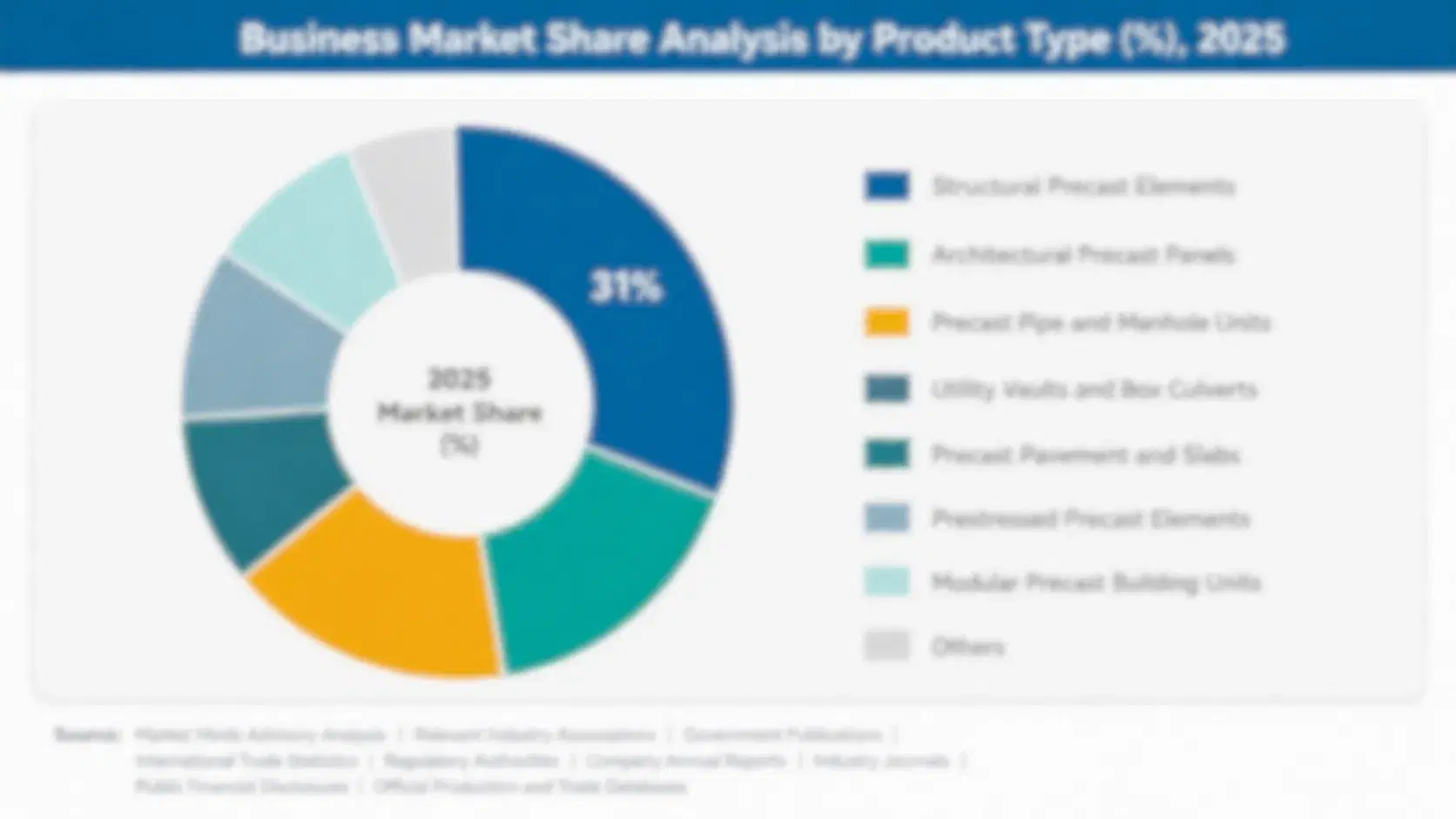
Chamomile seed is segmented by cultivar and seed type, because yield potential, bisabolol content, ploidy level, and certification status determine price, grower income, and buyer type more directly than pack size does. Tetraploid high-yield cultivar seed attracts the most new investment as tea packers convert yield and uniformity gains into multi-year grower programs. Yield leads.
chamomile-seeds-market-market-share-analysis-1789754922352

Tetraploid High-Yield Cultivar Seed

Tetraploid high-yield cultivar seed is the fastest-growing segment, covering improved German chamomile varieties with doubled chromosome sets that produce larger flower heads and higher dry flower yield per hectare. Growers pay premiums of 40% to 70% over open-pollinated seed, because higher yield more than offsets the seed cost. Breeding takes eight to ten years, so protected cultivars give seed houses pricing power, while contract multiplication and germination consistency determine which suppliers keep major tea packer programs. Seed houses hold plant breeders' rights, and licensing terms often include minimum purchase volumes and trial data sharing. Packers favor cultivars whose flowers dry evenly and keep color, so seed houses that document dry weight and color in trials win faster approval.
CAGR 9.2%

High-Bisabolol Oil-Type Seed

High-bisabolol oil-type seed is the second-fastest segment, covering cultivars bred for essential oil with high bisabolol or chamazulene content for pharmaceutical, cosmetic, and oral care extraction. Extractors contract growers directly and specify seed source, because oil composition varies by variety. Prices run 30% to 50% above standard seed, and volumes are smaller but steadier, since contracts run for several seasons and cultivar identity is verified by laboratory analysis. Chemotype matters, since bisabolol oxide and chamazulene profiles differ by cultivar, and extractors run gas chromatography on samples before signing contracts. Volumes are small but steady, and prices are set per kilogram of seed with bonuses for delivered oil quality. Contracts run three to five seasons.
CAGR 8.0%
Full segment breakdown across 6 segments available in the complete report.

Regional Architecture and Country Demand Map

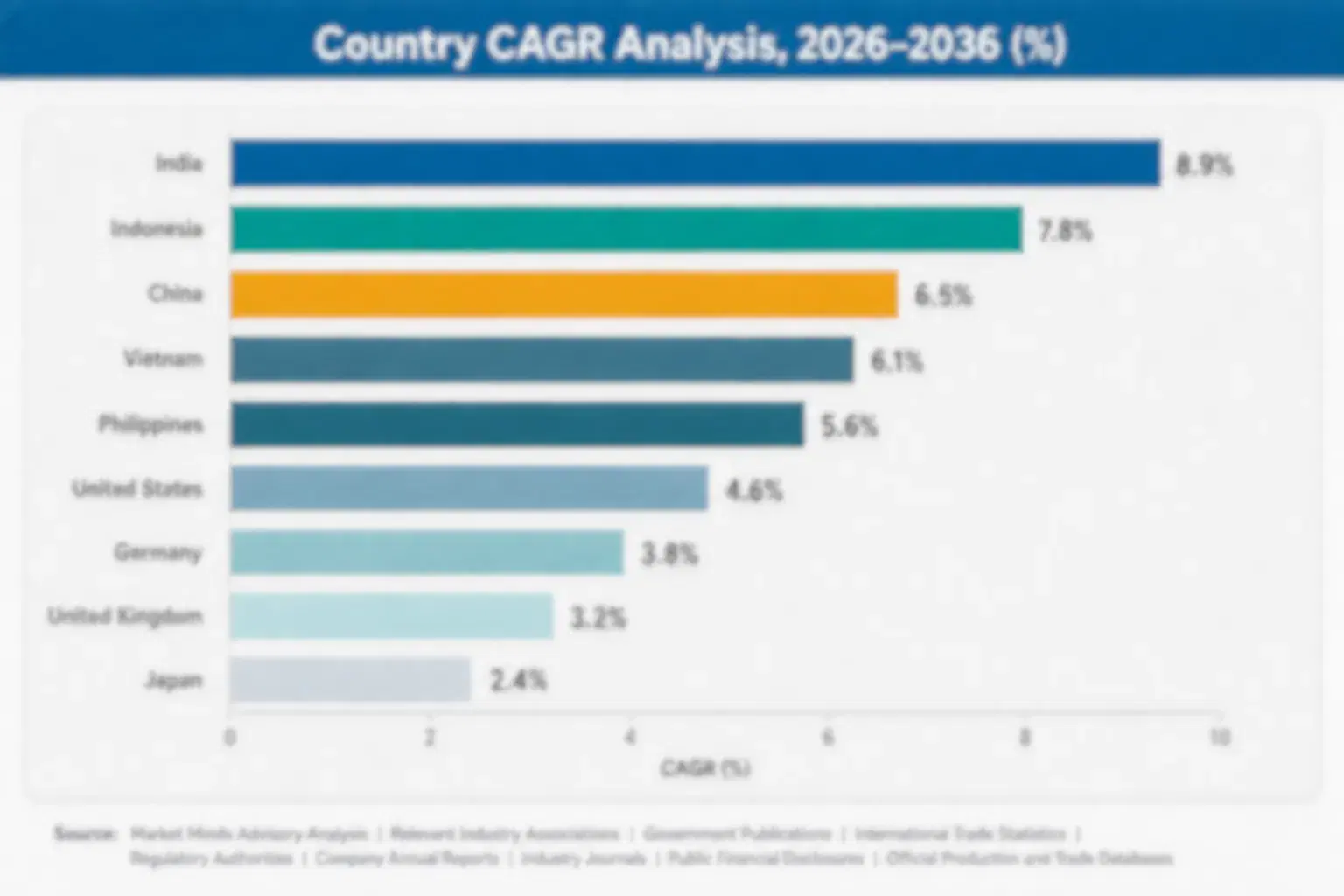
Chamomile seed value follows planted area and multiplication capacity. Eastern Europe leads through Hungarian, Polish, and Bulgarian acreage, Western Europe follows through breeding and certified seed, and Egypt and Argentina add export-driven demand, while India is the fastest-growing market. Egyptian growers are shifting toward imported seed.

North America

North America holds 10% share, below its usual band, because chamomile is grown on small acreage, mainly by herb farms in Oregon, California, and Ontario, and most tea chamomile is imported as dried flowers. Home gardeners, organic farmers, and small tea brands buy seed from Johnny's Selected Seeds and Richters Herbs, while pharmaceutical demand is met through imports, so seed value remains modest compared with consumption of chamomile products. Herb farms sell to local tea brands and pharmacies, and organic growers value untreated seed with clear germination data. Most dried flowers are imported from Egypt and Europe, so North American seed demand stays small, though rising interest in domestic herbal sourcing and craft tea brands is supporting slow acreage growth.
Share: 10% | CAGR: 6.5% (2026 to 2036)

Western Europe

Western Europe holds 20% share, with Germany, France, Italy, and Spain hosting breeding programs, certified multiplication, and tea packers such as Teekanne and Twinings' European operations that specify cultivars. German seed houses hold protected varieties, and Bavicchi in Italy supplies regional growers. Strict contaminant rules and organic retail push demand for certified, tested seed, and higher labor costs mean most growing is contracted to Eastern Europe and Egypt. French and Italian growers plant chamomile for pharmaceutical and cosmetic buyers, while German farms produce seed under isolation protocols for export. Organic retail chains demand certified seed, and EU seed marketing rules require identity and germination labeling, so weaker suppliers exit and larger houses gain share.
Share: 20% | CAGR: 4.5% (2026 to 2036)
Regional intelligence for 5 additional markets available in the complete report: East Asia, South Asia and Pacific, Latin America, Middle East and Africa, Eastern Europe. Contact sales@marketmindsadvisory.com.
chamomile-seeds-market-country-cagr-analysis-1789754922650

Four Margin Levers for Chamomile Seed Houses

Margin in chamomile seed comes from moving beyond open-pollinated stock toward protected tetraploid and high-bisabolol cultivars with proven purity and germination that growers and packers cannot easily replace. Seed houses that invest in breeding, cleaning, coating, and packer partnerships earn more per kilogram than sellers competing only on price. Each route needs different capital and timing.

Licensing Protected Tetraploid Cultivars to Tea Packer Programs

Protected tetraploid cultivars earn 40% to 70% more per kilogram than open-pollinated seed, because tea packers and growers gain 15% to 25% higher flower yield. Licensing agreements tie seed supply to packer contracts, which stabilizes volume. Breeding takes eight to ten years, so early cultivar protection creates lasting pricing power, and seed houses that supply trial data and agronomic support win the largest packer programs. Contract terms often set annual minimum purchases and price bands, so seed houses gain planning certainty, and packers gain exclusive access to a cultivar that competitors cannot easily copy, which becomes a supply chain advantage.
Market Impact: protected cultivars earn 40% to 70% more per kilogram

Investing in Weed-Seed Cleaning and Purity Testing Capability

Alkaloid limits make weed contamination a commercial risk, so seed houses with optical sorters, gravity tables, and laboratory testing earn premiums of 12% to 20% for certified weed-free lots. Cleaning equipment costs a few hundred thousand dollars and pays back within two to three seasons. Published purity reports help tea packers document compliance, which builds loyalty and reduces the chance that buyers switch to lower-cost sources. Seed houses share purity reports with growers before sowing, which helps growers plan weed control, and packers value the transparency because it shortens audit time and lowers the chance of rejected lots.
Market Impact: weed-free certified lots earn 12% to 20% premiums

Using Seed Coating and Priming to Improve Stand Establishment

Coated and primed seed improves germination and stand uniformity, which cuts replanting from about 15% of fields to well under 5%. Growers pay 15% to 25% more for coated seed because higher stand quality protects flower yield. Coating also enables precision drilling and reduces seeding rates. The equipment requires investment and technical skill, but it differentiates seed houses from sellers of raw seed. Precision drilling with coated seed also cuts seed use by roughly a third, which offsets part of the coating premium, and growers report faster emergence in cool weather.
Market Impact: coated seed earns 15% to 25% higher prices

Securing Multiplication Capacity Through Multi-Country Grower Contracts

Certified multiplication is scarce, so seed houses that sign three to five year contracts with qualified growers in Hungary, Germany, Egypt, and India protect supply and diversify weather risk. Multi-country multiplication keeps volume steady when a drought hits one region and lets seed houses serve customers in each hemisphere. Contracts also secure isolation distances and skilled harvest labor, and protect margin of 3 to 5 points. Some seed houses also lease isolation plots and rent cleaning capacity from partners, which lets them add volume without owning every asset, and local partnerships lower capital exposure.
Market Impact: multiplication contracts protect 3 to 5 margin points

Who Controls the Margin Pool

The chamomile seed industry is fragmented, with the top five suppliers holding about 21% of global revenue, the basis used throughout this section. Pharmasaat, Bavicchi, Johnny's Selected Seeds, Richters Herbs, and Rieger-Hofmann lead through cultivar portfolios, certified multiplication, and grower relationships, while farm-saved seed and small regional merchants supply much of the acreage. The gap between leaders and challengers is wide in improved cultivars. Concentration reflects cultivar rights, not scale.
Competition centers on three dimensions: cultivar performance and protection, seed purity and germination consistency, and grower and packer relationships that bundle seed with crop purchase. Leaders sign multi-year agreements with tea packers and extractors, while challengers compete on price and small pack sizes. Organic certification and laboratory contaminant reports add another layer of differentiation, especially for European buyers.

Emerging pressure comes from vegetable seed majors adding herb lines, from Egyptian and Indian breeders releasing local cultivars, and from packers integrating backward into seed production. Rankings shift where suppliers protect new cultivars, expand multiplication capacity, or win packer programs. Acquisitions of herbal seed specialists and licensing of tetraploid varieties will reorder positions faster than organic growth in mature European markets.
chamomile-seeds-market-company-positioning-matrix-1789754923017

Competitive Moat and Risk Dimensions

PHARMASAAT

Moat: Medicinal Plant Breeding Depth

Pharmasaat is a German specialist in medicinal and aromatic plant seed, with breeding programs, certified multiplication, and long relationships with herbal tea packers and pharmaceutical extractors. Its protected chamomile cultivars, laboratory testing, and technical support give growers confidence in yield and quality, and its focus on herbal crops lets it respond faster to packer requirements than vegetable seed generalists.
PHARMASAAT

Risk: Small Scale and Niche Dependence

Pharmasaat operates at modest scale in a niche market where a few large packer decisions shape volume. Larger seed groups can add herb lines and use their distribution and research budgets, and drought or contamination problems in multiplication regions could disrupt supply and delay deliveries to customers.
BAVICCHI

Moat: Italian Breeding and Regional Distribution

Bavicchi is an Italian seed company with breeding programs and long experience in herbs and vegetables, serving Mediterranean and European growers. Its cultivars are adapted to warm climates, its distribution network reaches farmers across Southern Europe and North Africa, and its multiplication contracts give it access to certified seed capacity, supporting reliable supply to both packers and independent growers.
BAVICCHI

Risk: Cultivar Protection and Scale Gaps

Bavicchi competes against specialists with stronger tetraploid portfolios and against large seed groups with bigger research budgets. Farm-saved seed remains common in target markets, so conversion depends on grower education, and dependence on contract multiplication in a few regions exposes the company to weather and quality risks.

Players Tracked

Prominent Players

Pharmasaat
Bavicchi
Johnny's Selected Seeds
Richters Herbs
Rieger-Hofmann

Other Key Players

Baker Creek Heirloom Seed
Territorial Seed Company
Kitazawa Seed
Sakata Seed
Takii
Bejo Zaden
Enza Zaden
Rijk Zwaan
Nunhems
Limagrain
Syngenta
Bayer Crop Science
Seminis
Vilmorin
Eden Brothers

Recent Developments

MARCH 2026

Pharmasaat Expands Chamomile Seed Cleaning and Testing Capacity

Pharmasaat completed an organic capacity expansion at its German site, adding optical sorting and laboratory testing lines for chamomile seed. The project is internal capital spending, not an acquisition. It improves weed-seed removal, supports purity reports required by tea packers, and increases certified output ahead of the sowing season.
Signal: Shows herbal seed houses investing in cleaning and testing to serve contaminant-driven demand from tea packers.
OCTOBER 2025

Rieger-Hofmann Signs Multiplication Agreements With Hungarian Growers

Rieger-Hofmann signed multi-year multiplication agreements with Hungarian growers to produce certified chamomile seed. The deals are supply contracts, not equity stakes. They give growers price certainty, secure certified seed capacity for German and European customers, and support investment in drying and cleaning facilities near the multiplication plots.
Signal: Confirms multi-year multiplication contracts are becoming standard for securing certified chamomile seed capacity across Europe today.
JANUARY 2026

Bejo Zaden Acquires Herbal Seed Specialist to Add Chamomile Lines

Bejo Zaden completed the acquisition of a herbal seed specialist with chamomile, calendula, and lemon balm lines. The purchase adds protected cultivars, certified multiplication capacity, and organic certification, and it gives Bejo entry into herbal crops. Management said the acquired lines will follow Bejo quality systems.
Signal: Reflects vegetable seed majors buying herbal specialists to enter chamomile and broaden medicinal crop portfolios steadily.

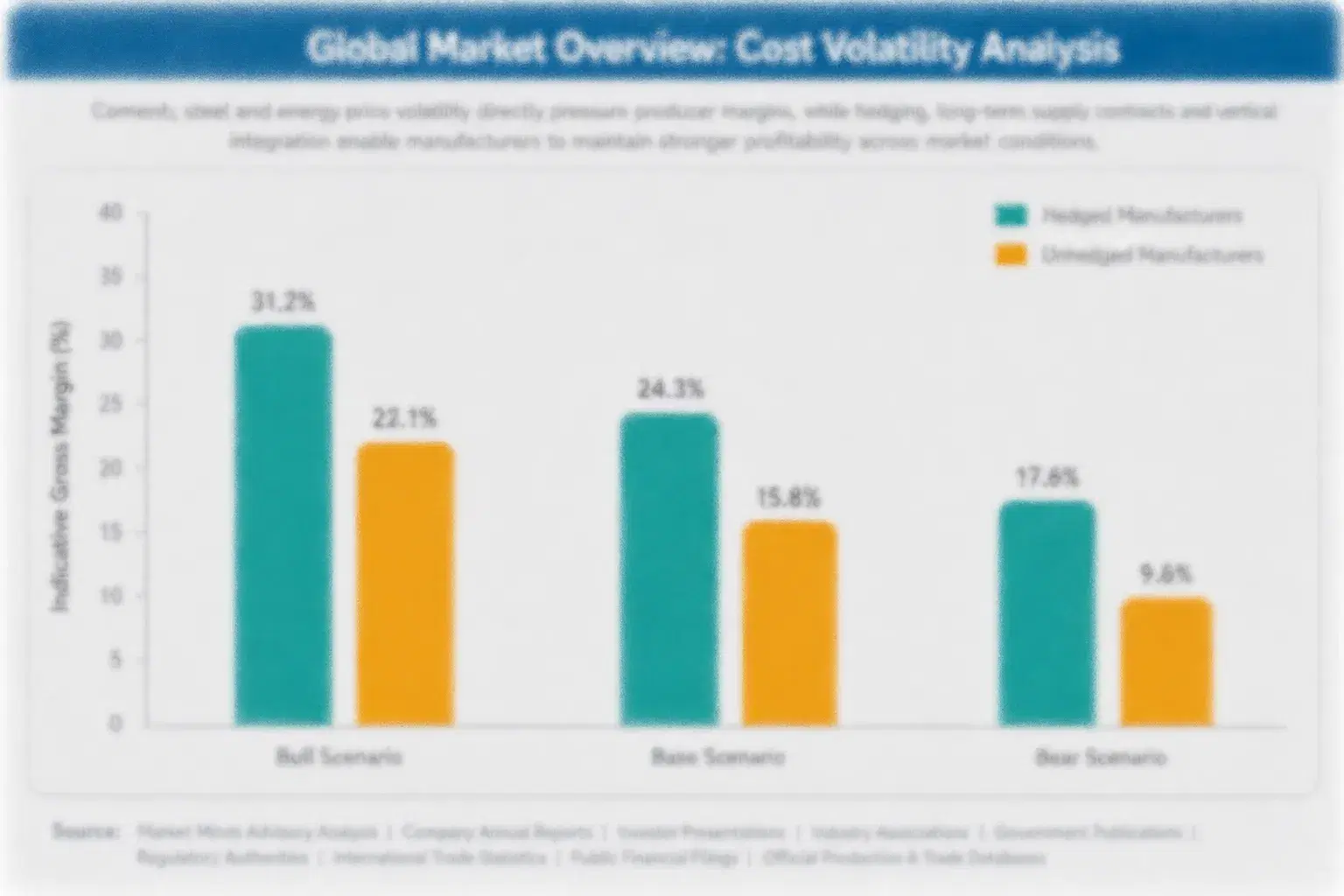
What Drives Chamomile Seed Costs

Seed multiplication contracts account for roughly 48% of cost of goods, covering grower payments for land, labor, and harvest on isolated plots in Hungary, Germany, Egypt, and India. Cleaning, testing, coating, and packaging add about 22%, with breeding royalties, freight, and financing making up most of the remainder, so yields and labor costs together determine gross margin.
Drought and heat in 2022 cut flower and seed yields in Eastern Europe and Egypt, according to Eurostat crop statistics and USDA Foreign Agricultural Service reports, while European energy prices spiked according to European Commission data. Seed houses reported higher multiplication payments and drying costs, raised list prices, and in some cases delayed deliveries, while growers postponed purchases until harvest outcomes and tea packer contracts became clearer.

Exposure varies by player type and geography. Seed houses with multi-country multiplication and owned cleaning lines absorb shocks better than merchants buying finished lots. European producers face the highest labor and energy costs, while Egyptian and Indian multipliers benefit from lower labor cost but carry quality and isolation risks that premium buyers penalize, and protected cultivars pass costs through more easily than open-pollinated seed.
chamomile-seeds-market-cost-volatility-analysis-1789754923320

Signing Multi-Country Multiplication Contracts With Quality Clauses

Seed houses negotiate three to five year contracts with growers in several countries, fix price bands, and specify isolation, harvest timing, and cleaning standards. Contracts reduce spot exposure and improve quality, though they lock in prices when harvests are strong. Growers gain predictable income and technical support, which builds loyalty and protects seed houses against poaching by rivals.

Investing in Mechanized Harvest and Efficient Seed Drying

Mechanical harvesters, efficient dryers, and heat recovery lower labor and energy cost per kilogram of clean seed, and some multipliers use solar drying to cut fuel use. Savings of 10% to 20% are common, and lower emissions support customer sustainability targets. Capital cost is meaningful, but payback usually arrives within a few seasons when labor and energy costs remain high.

Building Buffer Stocks and Storage for Certified Seed

Seed houses hold one season of buffer stock in cool, dry storage, so a poor multiplication year does not interrupt deliveries. Buffer stocks tie up working capital and require germination retesting, but they protect customer relationships and allow better price discipline. Larger seed houses benefit most because they can spread storage cost over many cultivars and customers.

Portfolio Architecture for Margin Defence

Margins run from thin returns on open-pollinated and farm-saved-equivalent seed to strong profits on protected tetraploid, high-bisabolol, and coated seed, with gross margin roughly doubling between the volume tier and the top tier. Breeding, cleaning, and testing add pricing power over what starts as the same tiny seed, and buyers pay for consistency because a weedy or poorly germinating lot can waste an entire growing season. Certification also cushions margin during weak harvests.
Volume and premium pull in different directions. Open-pollinated seed sells in larger lots to price-sensitive growers at thin margins and competes with farm-saved stock. Protected cultivars and coated seed sell in smaller lots at much higher margins but need breeding, cleaning lines, and grower support, so seed houses must choose how much capital to commit to premium positioning.

High-value pools concentrate in tetraploid high-yield cultivars for tea packer programs, high-bisabolol oil-type seed for extractors, and organic and coated seed for premium growers. These segments benefit from recurring orders, documented specifications, and limited competition from small merchants. Seed houses combining protected genetics, multiplication capacity, and laboratory testing hold advantages that are difficult to copy quickly.

Volume / Commodity-Adjacent Tier

Open-pollinated and standard chamomile seed sold to commercial growers and merchants on price, with thin margins, competition from farm-saved stock, and exposure to multiplication yield swings and freight costs worldwide.
Gross Margin: 18%-28%

Premium / Certified Tier

Certified and organic chamomile seed with audited multiplication, tested purity, and germination guarantees, sold under annual contracts to packer-linked growers and organic farms that require documented cultivar identity and reliable delivery.
Gross Margin: 30%-42%

Sustainability / Regulatory / Next-Generation Tier

Protected tetraploid, high-bisabolol, coated, and primed seed with licensing and technical support, positioned for packer yield programs, pharmacopoeia oil standards, and contaminant-driven purity rules across European and international markets, supported by breeding and testing data.
Gross Margin: 40%-55%
chamomile-seeds-market-portfolio-architecture-1789754923632

High-value Sub-segments and Strategic Watch-out

Tetraploid High-Yield Cultivar Seed

Tetraploid seed combines the fastest growth with strong pricing, as packers and growers pay for higher flower yield and uniform bloom. Breeding takes many years and protected varieties limit competition, though seed houses must keep multiplication and germination consistent to honor packer programs and keep long-term grower customers.
Gross Margin: 40%-55%

High-Bisabolol Oil-Type Seed

High-bisabolol seed offers solid growth and healthy premiums, because extractors contract growers and specify cultivars for oil composition. Volumes are smaller and steadier, while competition from synthetic bisabolol and other botanical sources keeps pressure on pricing, so seed houses need laboratory verification and technical support to keep pharmaceutical customers.
Gross Margin: 35%-48%

Standard Open-Pollinated Seed

Standard open-pollinated seed remains the volume core, moving the largest tonnage to independent growers and merchants at modest prices. Margins depend on multiplication yield, cleaning cost, and buyer negotiation, and farm-saved seed competes directly, so returns rely on cost discipline and distribution reach rather than differentiation.
Gross Margin: 18%-28%

Farm-Saved Seed and Substitute Herbs

Farm-saved seed and cheaper herbal blends are the main strategic watch-out, since growers can reuse seed at almost no cost and tea packers can shift toward lavender, mint, or lemon balm infusions. If prices rise or contaminant enforcement weakens, certified seed growth slows and pricing weakens in some segments.
Gross Margin: n/a (substitution risk)

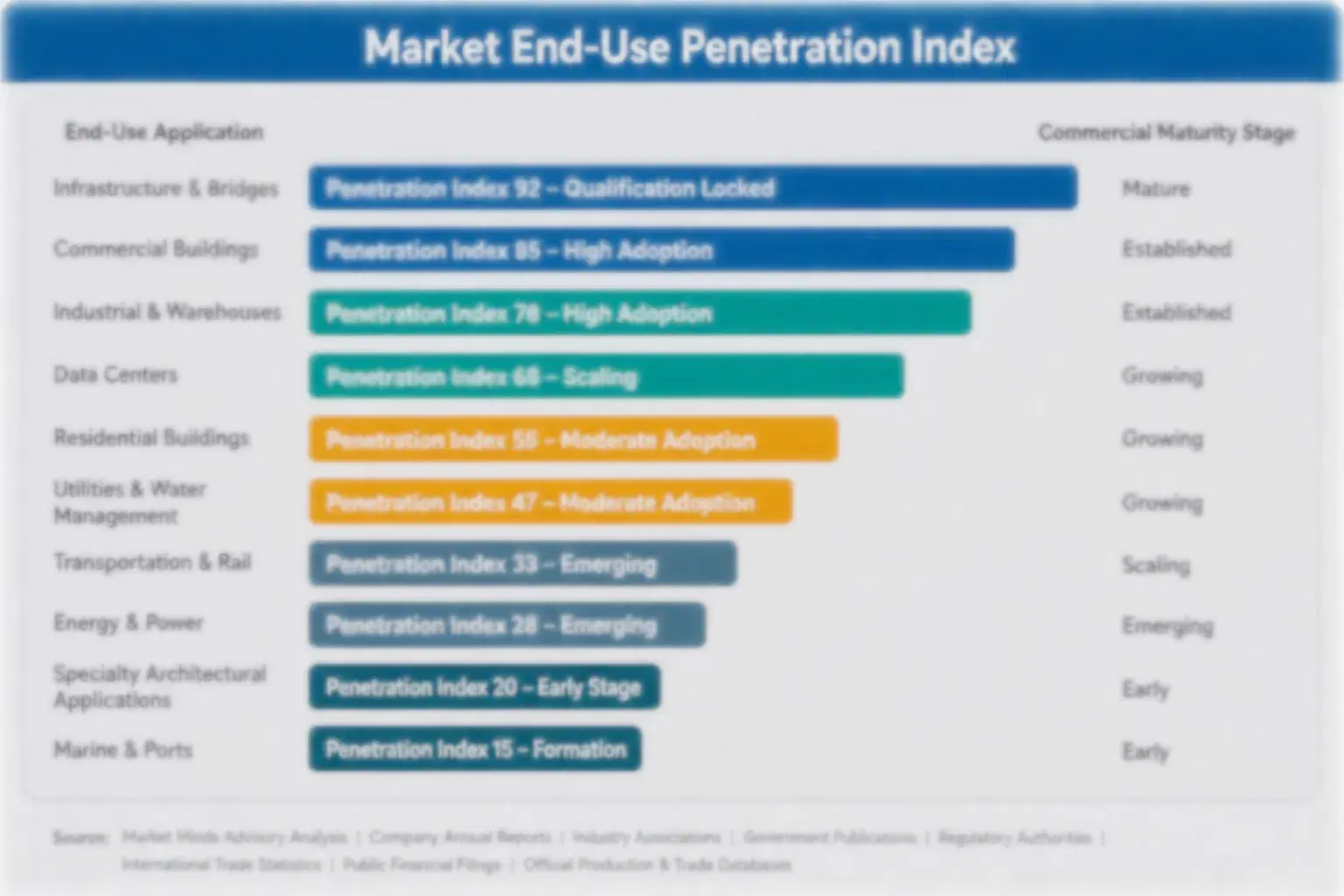
Why Growers Stay With Seed Suppliers

Chamomile seed demand behaves like an annuity once a grower or packer approves a cultivar. Yield, bloom timing, bisabolol content, and purity are tied to a specific variety and supplier, so switching means new field trials, possible packer approval, and risk of a lost season. Annual agreements reinforce repeat orders, and growers often accept modest price increases to protect stand quality and consistent yield. Quality drift is a bigger fear than price.
Stickiness varies by end-use vertical. Packer-linked growers and pharmaceutical contract farms show the deepest loyalty because cultivar identity is written into purchase contracts. Independent growers switch more often, since price and availability dominate, though improved yield builds loyalty. Home gardeners and small organic farms buy on price and convenience, making that group the most price sensitive and least attractive for long-term capacity planning.

Buyer profiles are changing. Younger tea brands and pharmaceutical buyers emphasize traceable origin, contaminant testing, and sustainable farming, and they favor seed houses that publish purity data and support growers. Older growers anchor on farm-saved seed and personal relationships. Seed houses must serve both groups, but growth concentrates among contract programs that meet quality and sustainability commitments.
chamomile-seeds-market-end-use-penetration-index-1789754923914

MMA Verdict on Chamomile Seed Strategy

These are among the four positions where our research anticipates prominent divergence between winners and laggards over the coming forecast period. Each is grounded in the demand model, the regulatory perimeter, and the announced capacity pipeline.
01 / CULTIVAR PROTECTION STRATEGY

License Protected Tetraploid Cultivars to Tea Packer Programs

Tetraploid seed grows about 1.53 times faster than the market and earns 40% to 70% more per kilogram than open-pollinated seed, while giving growers 15% to 25% higher flower yield. Seed houses that protect cultivars and bundle supply with packer contracts secure lasting pricing power. MMA recommends investing in breeding and trials now, since eight to ten year development cycles mean late entrants cannot catch up, and growers who trial these cultivars in year one usually convert their whole acreage within two seasons once yield gains are visible.
02 / PURITY AND TESTING CAPABILITY

Invest in Weed-Seed Cleaning and Purity Testing

Alkaloid limits make weed contamination a commercial risk, and certified weed-free lots earn premiums of 12% to 20%. Optical sorters and laboratory testing cost a few hundred thousand dollars and pay back within two to three seasons. MMA advises prioritizing purity capability, because packers now audit seed origin and reject suppliers that cannot document contaminant control on every lot delivered to growers, and a single alkaloid failure can end a packer relationship, which is why purity capability earns priority over new marketing spend.
03 / MULTIPLICATION CAPACITY SECURITY

Lock In Certified Multiplication Across Multiple Countries

Certified multiplication capacity is thin, and only a handful of qualified contractors serve Europe, so drought in one region can delay deliveries across several markets. Multi-country contracts across Hungary, Germany, Egypt, and India protect 3 to 5 margin points and diversify weather risk. MMA regards multiplication security as the foundation of every credible supply commitment to tea packers and extractors, and seed houses that secure this capacity early can also offer growers guaranteed delivery dates before the narrow sowing window closes each year.
04 / STAND ESTABLISHMENT TECHNOLOGY

Use Coating and Priming to Improve Grower Results

Coated and primed seed cuts replanting from about 15% of fields to well under 5%, and growers pay 15% to 25% more for better stands. Coating also enables precision drilling and lower seeding rates, which improves grower economics. MMA advises starting with coated versions of the top two cultivars, then extending the range as field data builds and reference growers demonstrate yield gains to neighbors, and reference growers who demonstrate better stands to their neighbors are the cheapest form of marketing available to a small seed house.

Engagement Snapshot From the Field

A live engagement with an industry participant carrying material or product regulatory and market exposure ahead of a defining policy shift, showing how our research translates into a defensible multi-year portfolio strategy.
MARKET MINDS ADVISORY · CLIENT ENGAGEMENT SUMMARY
Chamomile Seeds Producer Strategic Portfolio Review and Transition Roadmap 2026·Investment Scenario on Chamomile Seeds Exposure Evaluation 2025-26
CLIENT PROFILE
The client is a mid-sized European herbal seed house with three multiplication regions and roughly $14 million in annual revenue (client-reported, unverified by MMA), selling open-pollinated chamomile, calendula, and lemon balm seed to growers and merchants. About 80% of chamomile volume was open-pollinated seed, gross margin sat near 24% (client-reported, unverified by MMA), and it had no protected cultivars.
STRATEGIC CHALLENGE
Farm-saved seed and low-priced imports were eroding prices, and alkaloid rules had led two tea packers to ask for weed-free certified lots the client could not guarantee. Leadership needed a plan that raised purity, secured protected genetics, and moved volume toward premium seed without overextending capital. The board wanted a decision within a year.
MMA APPROACH
MMA benchmarked 10 seed houses on cultivar portfolios and purity capability, interviewed tea packers, extractors, and contract growers about specifications and price points, and modeled the economics of an optical sorting line, a tetraploid licensing agreement, and multi-country multiplication under bull, base, and bear yield scenarios across the three regions.
KEY FINDINGS
  1. An optical sorting line and testing laboratory costing about $450,000 could support certified lots priced roughly 15% higher and pay back within three seasons.
  2. Two tea packers indicated they would sign annual programs if weed seed counts stayed below agreed limits and purity reports were provided for every lot.
  3. Licensing a tetraploid cultivar would raise seed prices by about 50% and give contract growers 20% higher flower yield in trials, according to trial data.
  4. Open-pollinated volume would remain necessary to fill multiplication, so the client should keep merchant sales at about 50% of volume, which keeps multiplication busy.
CLIENT PROFILE
The client is a mid-sized European herbal seed house with three multiplication regions and roughly $14 million in annual revenue (client-reported, unverified by MMA), selling open-pollinated chamomile, calendula, and lemon balm seed to growers and merchants. About 80% of chamomile volume was open-pollinated seed, gross margin sat near 24% (client-reported, unverified by MMA), and it had no protected cultivars.
STRATEGIC CHALLENGE
Farm-saved seed and low-priced imports were eroding prices, and alkaloid rules had led two tea packers to ask for weed-free certified lots the client could not guarantee. Leadership needed a plan that raised purity, secured protected genetics, and moved volume toward premium seed without overextending capital. The board wanted a decision within a year.
MMA APPROACH
MMA benchmarked 10 seed houses on cultivar portfolios and purity capability, interviewed tea packers, extractors, and contract growers about specifications and price points, and modeled the economics of an optical sorting line, a tetraploid licensing agreement, and multi-country multiplication under bull, base, and bear yield scenarios across the three regions.
KEY FINDINGS
  1. An optical sorting line and testing laboratory costing about $450,000 could support certified lots priced roughly 15% higher and pay back within three seasons.
  2. Two tea packers indicated they would sign annual programs if weed seed counts stayed below agreed limits and purity reports were provided for every lot.
  3. Licensing a tetraploid cultivar would raise seed prices by about 50% and give contract growers 20% higher flower yield in trials, according to trial data.
  4. Open-pollinated volume would remain necessary to fill multiplication, so the client should keep merchant sales at about 50% of volume, which keeps multiplication busy.
RECOMMENDED STRATEGY
Phase 1: Phase 1 (Months 1-6): Install optical sorting and a testing laboratory and sign multiplication contracts in two additional countries, with progress reviewed monthly. Phase 2: Phase 2 (Months 7-15): License a protected tetraploid cultivar and qualify certified lots with two tea packers, with buyer audits scheduled first. Phase 3: Phase 3 (Months 16-30): Launch coated and primed seed and expand contract programs with pharmaceutical extractors while tracking margin and yield monthly.
OUTCOME
Within 30 months, the client moved about 30% of chamomile volume into certified, tetraploid, and coated grades and raised gross margin from 24% to an estimated 34% (client-reported, unverified by MMA). Two packer programs were signed, multi-country multiplication held supply stable through a poor harvest, and revenue reached roughly $18 million (client-reported, unverified by MMA).

Frequently Asked Questions

Foundational context covering the market sizes, CAGR, scope, country, region and competition that inform every finding below. This section is provided to cover basics and most often pre-purchase conversations, answered from the MMA Primary Research Dataset.

What is the current size of the Chamomile Seeds Market?

The global chamomile seeds market was valued at $0.4 billion in 2025. This covers planting seed of German and Roman chamomile sold to growers, packers, and gardeners worldwide.

How large will the Chamomile Seeds Market be by 2036?

MMA projects the market will reach approximately $0.8 billion by 2036. This represents cumulative growth of roughly $0.3 billion over the full ten-year forecast window.

What is the CAGR for the Chamomile Seeds Market 2026 to 2036?

The market is forecast to grow at a 6.0% compound annual rate between 2026 and 2036. The bull case reaches 7.3% while the bear case falls to 4.7%.

Which segment is growing fastest?

Tetraploid High-Yield Cultivar Seed is the fastest-growing segment at 9.2% CAGR, roughly 1.53 times the overall market rate. High-Bisabolol Oil-Type Seed follows as the second-fastest segment at 8.0%.

Who are the major companies in the Chamomile Seeds Market?

Leading companies include Pharmasaat, Bavicchi, Johnny's Selected Seeds, Richters Herbs, and Rieger-Hofmann. These five suppliers together hold an estimated 21% of total global market revenue today.

Which country is growing fastest?

India is the fastest-growing major market, expanding at approximately 8.6% CAGR each year. Rising herbal export programs and essential oil acreage are driving this above-market growth.

Report Segmentation Architecture

The full report scope spans multiple orthogonal segmentation dimensions, with cross-tabulated demand data provided for each dimension pair. Coverage extends further to regional breakdowns, trend trajectories, and the competitive detail needed to support segment-level decision-making.

By Primary Market Dimension

  • Tetraploid High-Yield Cultivar Seed
  • High-Bisabolol Oil-Type Seed
  • Organic-Certified Seed
  • Coated and Primed Seed
  • Standard Open-Pollinated Seed
  • Roman Chamomile Seed

By End-Use Industry

  • Herbal Tea Production
  • Pharmaceutical and Extract Production
  • Cosmetic and Personal Care Ingredients
  • Essential Oil Distillation
  • Home Gardening and Ornamental Use

By Commercial Dimension

  • Packer-Linked Contract Programs
  • Merchant and Distributor Channels
  • Direct Grower Sales
  • Retail and Online Packs

By Region

  • North America
  • Western Europe
  • East Asia
  • South Asia and Pacific
  • Latin America
  • Middle East and Africa
  • Eastern Europe

Scope, Methodology, and Coverage

Every figure in this report is reproducible from documented input assumptions. The scope below maps the historical period, the forecast horizon, the segmentation dimensions, and the countries covered, alongside the underlying primary and qualitative methodology.
Historical Period
2020 to 2025
Forecast Period
2026 to 2036
Base Year
2025 (USD billions; MMA Primary Research Dataset, September 2026)
Market Definition
Chamomile seeds comprise the planting seed of German chamomile, Roman chamomile, and related Matricaria and Chamaemelum species, sold as open-pollinated, improved, tetraploid, organic, coated, or primed seed to commercial growers, herbal tea and pharmaceutical suppliers, and home gardeners. The scope excludes dried chamomile flowers, chamomile essential oil and extracts, seedlings and plug plants, and finished teas or supplements.
Quantitative Units
USD billions (current prices); metric tons for volume references
Segmentation Dimensions
By Cultivar and Seed Type; By End-Use Industry; By Commercial Dimension; By Region
Regions Covered
North America, Western Europe, East Asia, South Asia and Pacific, Latin America, Middle East and Africa, Eastern Europe
Countries Covered
USA, Canada, Mexico, Argentina, Chile, Brazil, Germany, France, Italy, Spain, UK, Netherlands, Hungary, Poland, Bulgaria, Serbia, Croatia, Ukraine, Romania, Egypt, Morocco, Tunisia, South Africa, UAE, India, China, Japan, South Korea, Australia, Vietnam, and additional markets relevant to this sector
Key Companies Profiled
Pharmasaat, Bavicchi, Johnny's Selected Seeds, Richters Herbs, Rieger-Hofmann, Baker Creek Heirloom Seed, Territorial Seed Company, Kitazawa Seed, Sakata Seed, Takii, Bejo Zaden, Enza Zaden, Rijk Zwaan, Nunhems, Limagrain, Syngenta, Bayer Crop Science, Seminis, Vilmorin, Eden Brothers
Quantitative Methodology
Primary survey, n=3,800 respondents, Q4 2025, six countries; demand-side model with trade association cross-validation
Qualitative Methodology
47 expert interviews, Q4 2025; applied to validate demand model assumptions, identify emerging dynamics, and assess competitive positioning
Report Format
PDF and XLSX data workbook (Word format preview document)
Publisher
Market Minds Advisory
Report Code
MMA-2026-AGR-254
Published
September 2026
Contact
sales@marketmindsadvisory.com | www.marketmindsadvisory.com

Purchase the full Chamomile Seeds Market Report (2026 to 2036).

The full report delivers a detailed assessment of global chamomile seed production, cultivar mix, and competitive positioning through 2036. It includes segment forecasts by cultivar and seed type, country-level data for all seven world regions, and profiles of the twenty companies most relevant to breeding and seed supply. Analysts also receive input cost modeling and portfolio margin benchmarking built from MMA's primary research dataset. A scenario planning module lets subscribers stress-test bull and bear assumptions against yield and contaminant outcomes. Quarterly updates keep the whole dataset current throughout.
Ten-year segment and regional demand forecasts
Acreage and multiplication capacity tracking service
Competitive benchmarking of top twenty suppliers
Yield and labor cost sensitivity modeling tools
Regional demand mechanism comparative analysis included
Quarterly primary survey data update access

Built For The People Who Decide

From boardroom strategy to bench-side execution, this report is read cover-to-cover by leaders shaping the next decade of their industry, turning demand scenarios, market dynamics and valuation benchmarks into decisions.
CXOs/ Presidents/ VPs/ Managers
M&A and Corporate Development
Strategy Teams and R&D Heads
Procurement and Product Directors
Regulatory and Compliance Leaders
Investor Relations and Equity Analysts