Market Minds Advisory
Chaga Mushroom Powder Market

Chaga Mushroom Powder Market: Chaga Mushroom Powder Market. Wild Harvest Limits and Standardized Extraction Reshape a Fast-Growing Functional Ingredient.

Wild birch harvest limits, overharvesting concerns, and demand for standardized dual-extracted powders are forcing chaga suppliers toward cultivation trials, batch testing, and traceable sourcing as wellness brands scale coffee alternatives and immunity blends.

Lead Analyst

Published

September 2026

Make Smarter Decisions with Customized Research Insights

Request a free sample report and evaluate market opportunities, growth trends, and competitive dynamics relevant to your business needs.

2025 MARKET VALUE$0.9BMarket Size 2025
2036 FORECAST VALUE$2.8BBase Case , 2026 to 2036
CAGR 2026 TO 203611.0 %Bull 12.3% / Bear 9.7%
INCREMENTAL OPPORTUNITY$1.8BNet 10- year value creation
EXPANSION MULTIPLE2.84x2036 value over 2026 base
Strategic Levers
M&A Pipeline
Regional Outlook
Country Rankings
Competitive Intelligence
Segmental Deep-dive
Call-Us : 91 93563 13602

Executive Snapshot and Market Trajectory.

Chaga has moved from folk remedy to mainstream functional ingredient, sold in mushroom coffees, tea blends, capsules, and instant wellness drinks. Supply, however, still depends on wild birch harvest in cold northern forests, so pricing, traceability, and sustainability decide which brands can scale their offerings reliably. Brands keep launching products.
Dual-extracted and instant powders are expanding fastest as brands seek measurable beta-glucan content and better solubility, while ground whole powder remains the cheaper entry format. North America leads consumption through wellness brands and direct-to-consumer channels, and Eastern Europe supplies much of the raw material from Siberian and Baltic forests, with Finland and Canada adding certified wild harvest. Cultivation trials on birch logs are still early.
Competition rests on sourcing rights, extraction technology, and laboratory verification rather than brand alone, because buyers now ask for beta-glucan assays, heavy metal testing, and organic certificates. Claims rules restrict health messaging in most jurisdictions, and concerns about overharvest and oxalate content invite regulatory scrutiny, so established suppliers with documented harvest practices hold clear advantages over new entrants. Cultivation trials offer a possible long-term answer, though commercial volumes remain years away.
Market Definition
Chaga mushroom powder comprises dried Inonotus obliquus sclerotia that are milled, extracted, or spray-dried into powder for foods, beverages, and supplements. The scope excludes finished capsules and beverages sold at retail, liquid tinctures, and other medicinal mushroom species such as reishi or lion's mane.
Base Year Value
$0.9B in 2025 (MMA Primary Research Dataset, September 2026)
Forecast Period
2026 to 2036, eleven discrete annual values
CAGR
11.0% base case. Bull 12.3%. Bear 9.7%.
Fastest Growth Segment
Dual-Extracted Powder: 14.0% CAGR
Fastest Growth Country
South Korea: 14.5% CAGR
Fastest Growth Region
South Asia and Pacific: 13.2% CAGR
Largest Region
North America: 32% of 2025 global value
Market Leaders
Nammex, Real Mushrooms, Four Sigmatic, Host Defense, Hifas da Terra. Source: MMA Analysis, company annual reports.
Primary Survey
n=3,800 procurement and R&D decision-makers, Q4 2025, six countries
Methodology
Demand-side build-up, cross-validated against public data, 47 expert interviews

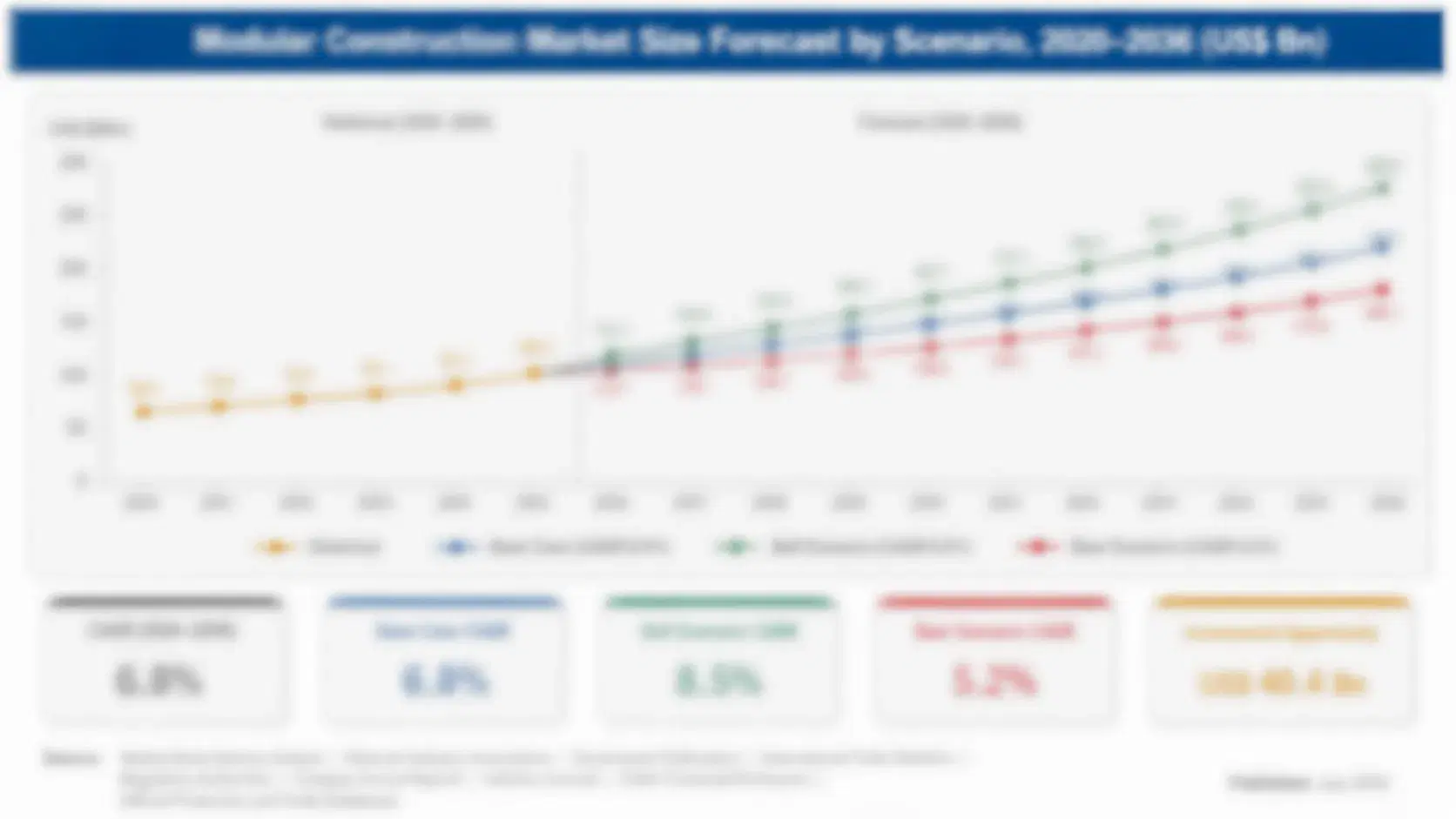
Chaga Mushroom Powder Market Forecast Scenarios

chaga-mushroom-powder-market-size-forecast-scenario-1789747430252
Between 2020 and 2025, chaga powder grew quickly from a small base as wellness brands launched mushroom coffees, tea blends, and immunity mixes, and social media introduced the ingredient to mainstream shoppers. Growth averaged 12.2% a year, though raw material shortages and price spikes limited supply during the strongest demand years, forcing several brands to reformulate.
The base case assumes 11.0% annual growth through 2036, supported by three mechanisms: continued launches of mushroom coffee and functional beverages in North America and Europe, adoption of standardized dual-extracted powders that let formulators guarantee beta-glucan content, and expansion of sourcing beyond Siberia into Finland, Canada, and early birch-log cultivation programs that widen supply and reduce dependence on a single region. Falling extraction costs and wider retail distribution also help brands reach mainstream shoppers.
The bull case, reaching 12.3%, needs cultivation to scale faster and clinical evidence to support broader claims. The bear case, falling to 9.7%, reflects tighter harvest regulation, contamination scandals, or overharvest bans that limit supply and raise prices, pushing brands toward competing medicinal mushrooms such as reishi and lion's mane that are easier to grow. Either outcome would reshape pricing.

Wild Harvest Scarcity Meets Standardized Extraction Demand

Chaga is unlike most functional ingredients because the supply is a fungus that grows slowly on living birch trees in cold northern forests, and each sclerotium takes years to mature. Harvest is seasonal, remote, and lightly regulated, so raw material price and quality swing widely, and processors compete first for sourcing relationships and only afterwards on formulation and branding skill.
MARKET CONCENTRATION27% CR5Top suppliers hold a moderate share of global supply
AVERAGE SELLING PRICE$62 per kgExtracted grades sell for many times ground powder
TOP HARVEST COUNTRY46% shareOne country supplies nearly half of raw sclerotia
EXTRACT GRADE SHARE34%Standardized extracts are a growing minority of volume
WILD HARVEST SHARE96%Almost all raw material still comes from forests
RAW MATERIAL COST SHARE52% of COGSSclerotia cost dominates before extraction, testing, and packaging expenses
Extraction converts a cheap, fibrous raw material into a differentiated ingredient. Hot-water extraction captures beta-glucans and polysaccharides, while alcohol extraction adds triterpenes, and dual-extracted powders combine both, allowing suppliers to standardize potency and charge several times the price of ground powder. That investment in equipment, laboratory testing, and certification is why a few processors capture most margin in the value chain.
Demand comes mainly from beverages and supplements. Mushroom coffee, tea, and cocoa blends bring chaga to daily routines, while capsules and tinctures serve established supplement buyers. Regulators limit disease claims, so brands lean on general wellness messaging and consumer trust, and any contamination or labeling failure can damage the whole category quickly, which increases buyer insistence on documented sourcing and third-party lab reports. Audits are common.
"Everyone talks about chaga as a wellness trend, but the real business is forest logistics and laboratory paperwork. Whoever controls harvest rights and test results controls the margin, and branding comes second."
Practice Lead, Functional Foods and Nutraceutical Ingredients Practice · MMA Functional Foods and Nutraceutical Ingredients Practice · September 2026

Market Trends

Standardized Dual-Extracted Powders Replace Ground Raw Material

Buyers increasingly demand dual-extracted powders with verified beta-glucan and triterpene content, rather than plain ground sclerotia, because formulators need consistent potency and solubility in coffee, tea, and instant drink mixes. Suppliers are installing hot-water and ethanol extraction lines, adding laboratory assays, and publishing certificates of analysis for each batch. This raises capital needs and separates qualified processors from small traders who simply grind and pack wild-harvested material for resale. Larger buyers now write potency specifications into supply contracts and reject lots that fall below agreed thresholds, which pushes suppliers toward in-house laboratories.
Market Impact: beverage launches up 21% in 2025
Cultivation Trials Aim to Ease Wild Harvest Dependence

Companies are testing chaga cultivation on birch logs and in bioreactor-grown mycelium systems to reduce reliance on scarce wild forests and to guarantee traceable supply. Results so far show slower growth and different compound profiles than wild sclerotia, so cultivated material is priced separately and marketed as sustainable rather than identical. Investors are funding pilot farms in Finland, Canada, and Northern Europe, expecting commercial volumes to arrive gradually over the next decade. Because harvest bans in some regions remain possible, several ingredient suppliers view farms as insurance rather than an immediate replacement for forest collection.
Market Impact: clinical studies numbering over 40 registered

Market Opportunities and Growth Drivers

Mushroom Coffee and Functional Beverages Expand Ingredient Demand

Consumers are replacing part of their daily coffee and tea intake with mushroom-based drinks marketed for focus, calm energy, and immune support, and chaga is a lead ingredient because of its earthy flavor that resembles coffee. Direct-to-consumer brands, subscription boxes, and grocery launches have brought the category to millions of households. Each new product line needs steady powder supply, so brand growth converts directly into higher ingredient orders for processors that can guarantee consistent quality and delivery. Retail chains have expanded mushroom sections, giving chaga blends visible shelf space beside conventional coffee.
Market Impact: harvest yields limited to 5% growth

Growing Research Interest Supports Premium Positioning

Scientific interest in beta-glucans and antioxidant compounds in chaga, including laboratory and early human studies, supports its positioning as a natural functional ingredient. Although regulators restrict disease claims, published research helps brands justify premium pricing and gives retailers confidence to list products. Ingredient suppliers that fund testing, publish data, and offer formulation support win larger contracts, and the growing evidence base attracts supplement companies that previously ignored medicinal mushrooms. Partnerships between ingredient makers and universities are producing more published data, which reassures retailers and gives smaller brands credible material for educational marketing.
Market Impact: testing adds 8% to unit cost

Market Restraints and Challenges

Slow Wild Growth Constrains Supply and Raises Prices

Chaga grows slowly on living birch trees in remote forests, so supply cannot respond quickly to demand surges. The root cause is biological: sclerotia need years to mature, and harvesting them can weaken host trees. Price spikes and quality variation follow, while regulators and environmental groups question sustainability. Mitigation includes harvest quotas, certified wild collection programs, replanting commitments, and cultivation trials that aim to add supply without depleting forests. Regulators in several producing regions are reviewing harvest permits, and tighter rules would cut supply further unless cultivation scales quickly enough to compensate.
Market Impact: extract grades now 34% of volume

Contamination and Oxalate Concerns Raise Testing Burden

Chaga can accumulate heavy metals and radionuclides from soil and birch bark and contains oxalates that may harm people with kidney conditions, so contamination or labeling failures create regulatory and reputational risk. The root cause is the fungus's wild growth and remote sourcing, where testing is limited. Suppliers respond with batch testing, geographic sourcing controls, third-party certificates, and clearer warnings, though these steps raise cost and shut out smaller traders. Smaller traders often lack testing budgets, so retailers increasingly restrict purchases to suppliers with accredited laboratory reports and clear geographic sourcing records.
Market Impact: cultivated supply below 4% today
3 additional market trends, 4 additional growth drivers, and 3 additional restraints and challenges are covered in the full report. Contact sales@marketmindsadvisory.com to access the complete intelligence.

Segment CAGR and Growth Architecture

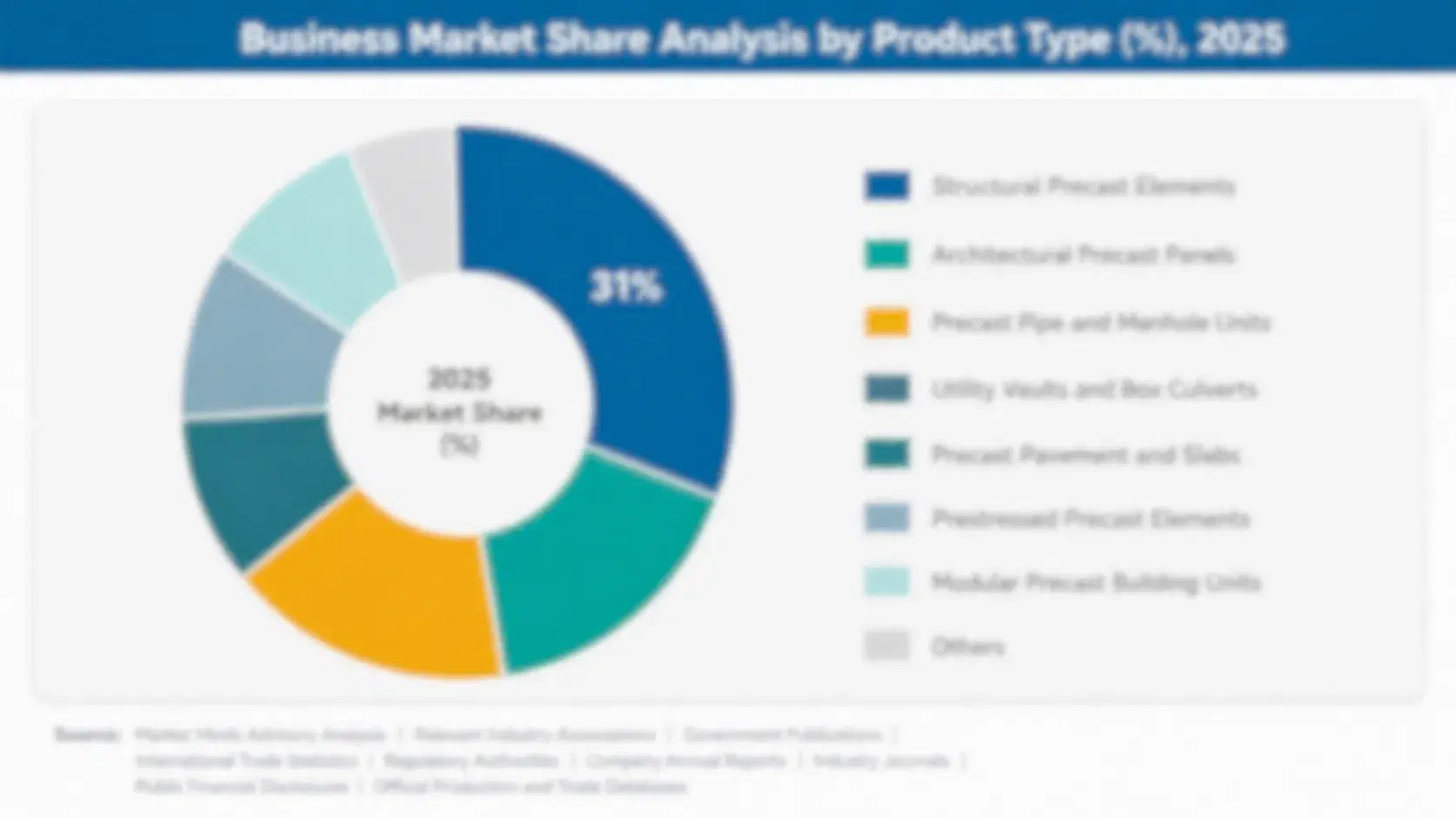
Chaga powder is segmented by processing grade, because extraction method and standardization determine potency, price, and buyer type more directly than any other classification. Dual-extracted and hot-water extracted grades are absorbing most new investment as formulators demand measurable compounds, while ground whole powder serves price-sensitive entry products. Formulators therefore pay a premium for measured potency.
chaga-mushroom-powder-market-market-share-analysis-1789747430537

Dual-Extracted Powder

Dual-extracted powder is the fastest-growing segment because it combines hot-water extraction, which captures beta-glucans and polysaccharides, with alcohol extraction, which captures triterpenes and other lipophilic compounds. Brands can guarantee compound content on the label, satisfy retailer testing requirements, and claim clearer differentiation from cheap ground powders. Processors with two-stage extraction lines and laboratory capability command prices several times higher than ground grades, and demand from mushroom coffee and supplement brands is exceeding available extraction capacity in several regions. Supply is the main constraint, since two-stage lines require solvent handling, laboratory validation, and skilled operators. Suppliers that already hold these capabilities are signing multi-year agreements, and new lines take twelve to eighteen months to qualify with demanding brand customers.
CAGR 14.0%

Hot-Water Extracted Powder

Hot-water extracted powder is the second-fastest segment, prized for solubility, mild flavor, and beta-glucan content, which suits instant beverages, teas, and capsules. It costs less than dual extraction because only one processing step is needed, so brands use it in mid-priced products aimed at mainstream wellness shoppers. Suppliers in China, South Korea, and Eastern Europe run large hot-water lines, and some are adding certificates of analysis, organic certification, and traceability data to justify premium pricing in export markets. Its milder profile also suits mass-market blends, so volume growth is broader than in dual-extracted grades. Price competition is stronger, however, because several exporters operate similar lines, and buyers can shift orders quickly when spot prices or freight costs move.
CAGR 12.0%
Full segment breakdown across 6 segments available in the complete report.

Regional Architecture and Country Demand Map

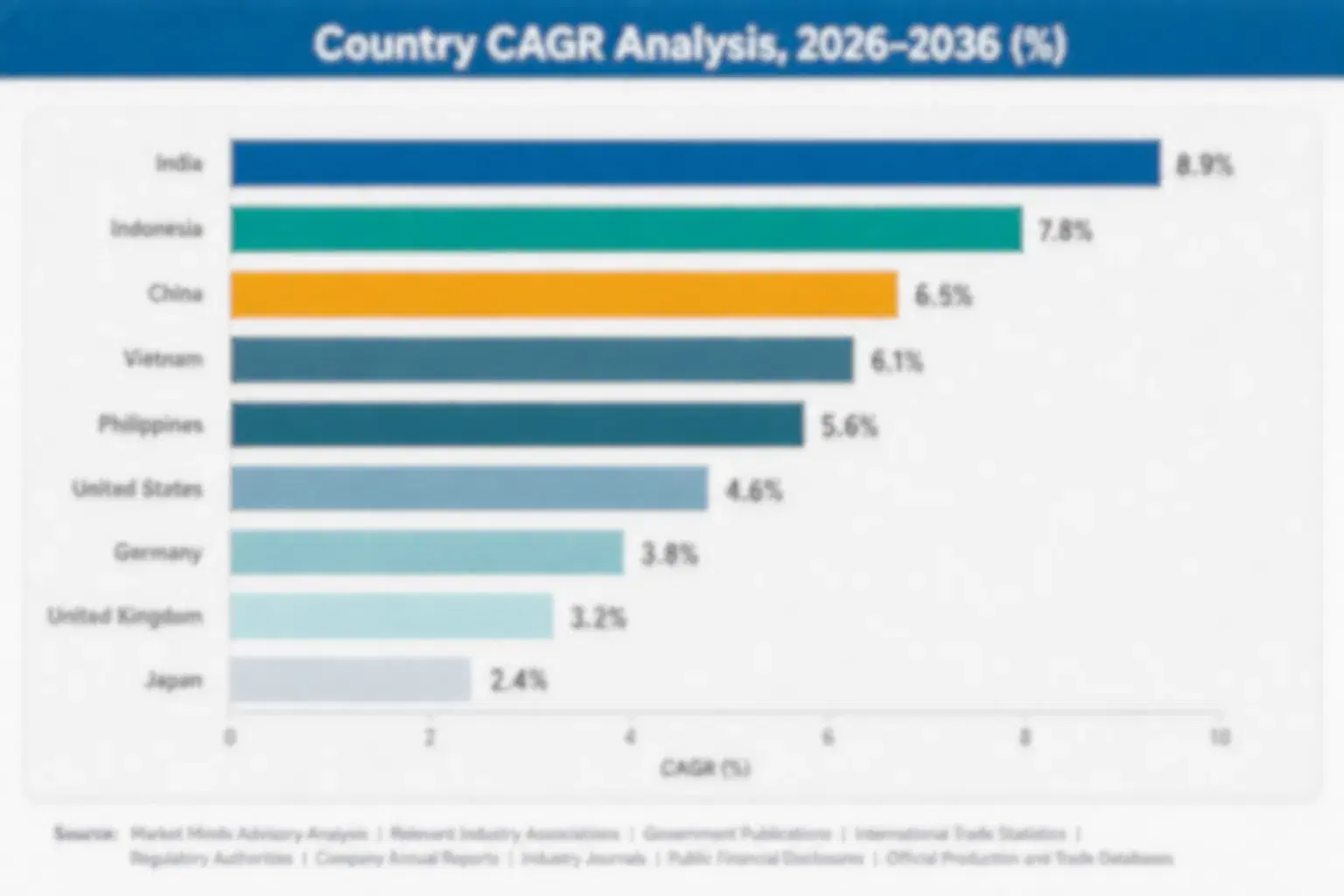
Chaga powder value follows both wellness demand and forest geography. North America and East Asia consume the most, while Eastern Europe punches above its weight as the main source of wild sclerotia and low-cost extraction capacity that feed export brands worldwide across the forecast period.

North America

North America holds 32% share because United States and Canadian wellness brands lead mushroom coffee, tea, and supplement launches, and direct-to-consumer channels reach buyers willing to pay premium prices. Canada also supplies certified wild-harvested sclerotia from northern forests. Retailers demand certificates of analysis and third-party testing, so suppliers with documented sourcing and dual-extraction capability win the largest accounts, while regulatory limits on health claims steer marketing toward general wellness messages and flavor positioning across most product lines. Functional beverage launches dominate the pipeline, and grocery chains are expanding mushroom sections, giving chaga blends visible shelf space. Higher tariffs on imported sclerotia and freight costs from Siberia and Nordic origins add uncertainty, pushing brands toward multi-year contracts with certified suppliers.
Share: 32% | CAGR: 10.8% (2026 to 2036)

Western Europe

Western Europe holds 20% share, led by Germany, the United Kingdom, France, and the Nordic countries, where interest in adaptogens and organic supplements is growing. Finland supplies wild-harvested chaga, and Finnish suppliers market it as traceable and sustainable. Novel food and health claim rules are strict, so brands emphasize compliance, organic certification, and quality testing, which slows product launches but rewards suppliers with well-documented supply chains and consistent laboratory data. Retail distribution runs through health food chains, pharmacies, and organic supermarkets, and consumers expect clear origin labeling and third-party certificates. Nordic and Baltic suppliers benefit from short logistics chains to Western markets, while brands warn that novel food authorization uncertainty could restrict some extract products.
Share: 20% | CAGR: 9.5% (2026 to 2036)
Regional intelligence for 5 additional markets available in the complete report: East Asia, South Asia and Pacific, Latin America, Middle East and Africa, Eastern Europe. Contact sales@marketmindsadvisory.com.
chaga-mushroom-powder-market-country-cagr-analysis-1789747430840

Four Margin Levers Behind Chaga Powder Profits

Margin in chaga powder comes from controlling raw material access and upgrading it through extraction and testing, not from volume. Processors that secure certified harvest rights, add standardized extraction, serve beverage brands directly, and document quality can earn several times the return of traders selling plain ground powder in bulk to formulators in most seasons.

Upgrading Ground Powder to Dual-Extracted Grades

Dual-extracted powder sells for three to five times the price per kilogram of ground whole sclerotia, because brands pay for guaranteed beta-glucan and triterpene content and easier formulation in beverages. Upgrading requires extraction equipment, solvent handling, and laboratory testing, which raise capital and compliance costs, but processors report margin gains that justify the investment once volume contracts with coffee and supplement brands are signed for several years. Payback typically arrives within two to three contract years, and extraction margins of 20% or more are common once standardized grades reach commercial volume.
Market Impact: dual-extracted grades earn 3 to 5 times price

Securing Certified Wild Harvest Rights Early

Processors that sign multi-year harvest agreements with local collectors, forestry cooperatives, and landowners secure raw material at prices about 15% below spot levels during shortages and reduce contamination risk through controlled sourcing. Certification schemes for sustainable wild collection add credibility with buyers and help defend against regulatory challenges. Companies that lock in rights early hold advantages that later entrants cannot easily replicate as competition for forests intensifies. Longer agreements also let collectors invest in better drying and storage, which improves quality and reduces spoilage losses that otherwise raise the effective cost of every delivered kilogram.
Market Impact: forward harvest contracts cut raw cost by 15%

Building Direct Supply Programs With Beverage Brands

Suppliers that sell directly to mushroom coffee and tea brands under annual agreements capture 10% to 20% more margin than those selling through traders, while gaining forecasting visibility. Direct relationships allow joint formulation work on solubility and flavor, and customers value guaranteed supply during shortages. The approach requires dedicated technical staff and reliable quality systems, but produces stickier relationships that are harder for competitors to displace. Customers also share demand forecasts, which lets suppliers schedule extraction runs efficiently and hold less finished inventory than they would when serving trader orders that arrive without warning.
Market Impact: direct contracts add 10% to 20% margin overall

Publishing Batch Testing to Win Premium Accounts

Retailers and premium brands now require certificates of analysis covering beta-glucan content, heavy metals, oxalates, and microbial safety, and suppliers that publish batch results for every lot win contracts priced roughly 8% higher than competitors without documentation. Investment in accredited laboratory testing costs a few percent of revenue, but it protects against recalls and regulatory challenges that could otherwise end a customer relationship overnight. Published data also shortens buyer audits, because retailers can verify results without visiting facilities, and it builds trust that helps suppliers hold prices when cheaper competitors appear with weaker documentation.
Market Impact: documented lots earn roughly 8% higher prices overall

Who Controls the Margin Pool

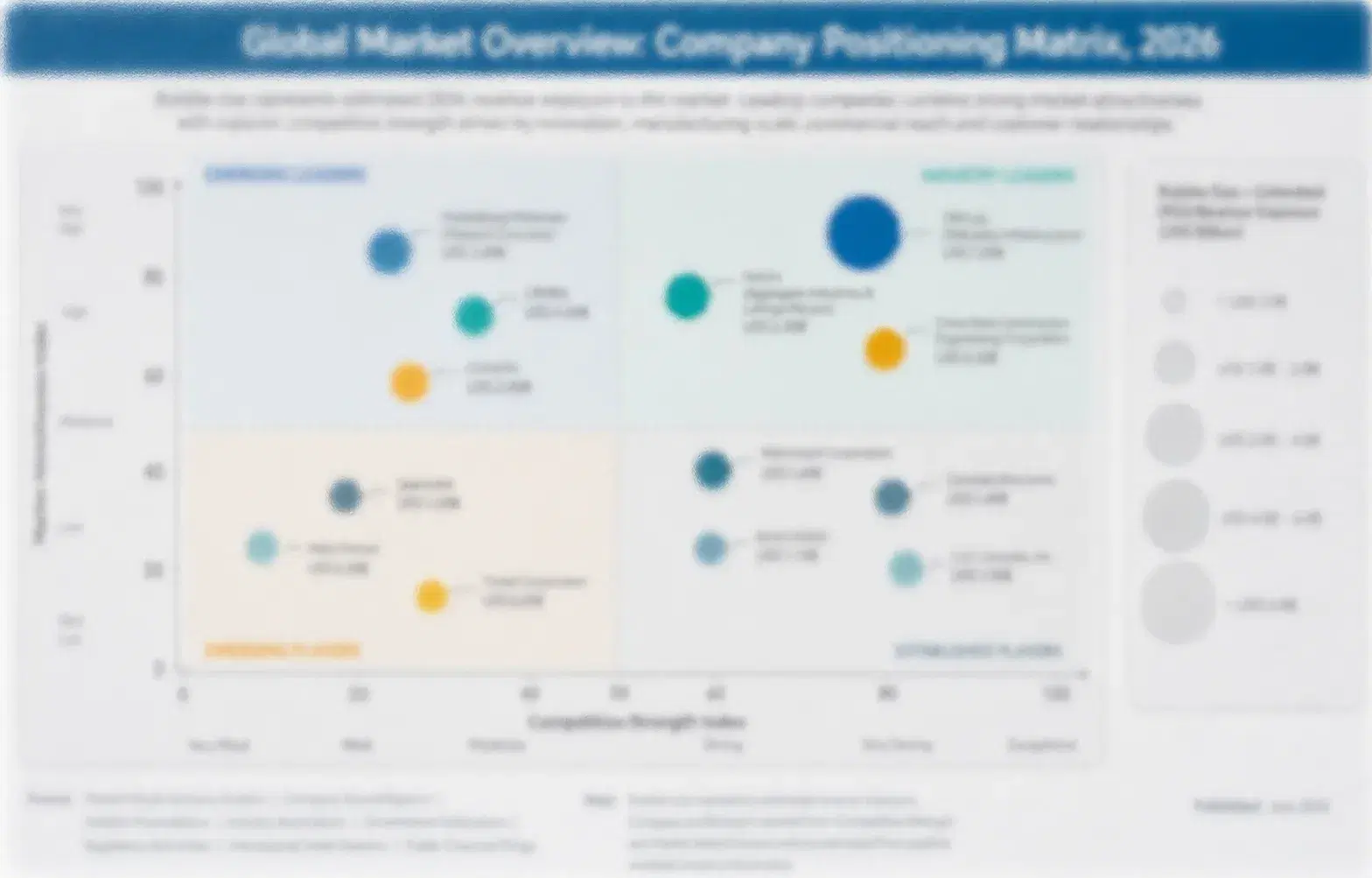
Chaga powder is moderately concentrated, with the top five suppliers controlling about 27% of global revenue, the basis used throughout this section. Nammex and Real Mushrooms lead among ingredient specialists, while Four Sigmatic and Host Defense dominate branded consumer products, and many small traders and regional processors fill the long tail of the market. Concentration is rising slowly.
Competitive activity centers on three fronts: securing harvest rights and supply agreements, installing dual-extraction and spray-drying capacity, and publishing laboratory data to satisfy retailers. Brands are also signing longer supplier contracts to avoid shortages, while ingredient firms invest in certification, traceability software, and cultivation pilots to reduce dependence on wild forests. Regulatory attention to claims and contamination raises the cost of staying compliant. Compliance costs favor larger suppliers.

Emerging pressure comes from Chinese, Korean, and Eastern European processors that export lower-cost extracts, and from cultivation start-ups promising consistent supply. If cultivated chaga reaches commercial scale, sourcing advantages could shift toward whoever controls farms rather than forests. Rankings also move when consumer brands acquire ingredient suppliers to lock in supply, so vertical integration is likely to accelerate through the decade.
chaga-mushroom-powder-market-company-positioning-matrix-1789747431109

Competitive Moat and Risk Dimensions

NAMMEX

Moat: Verified Extract Quality Reputation

Nammex built its position on tested, certified mushroom extracts sold to supplement and food brands, and publishes laboratory data that buyers trust. Long-standing relationships with growers and processors in Asia give it dependable supply, while its technical team helps customers formulate. This combination is hard for new entrants to replicate without years of documentation and audited quality records.
NAMMEX

Risk: Dependence on Asian Supply Chains

Nammex relies heavily on extraction partners and raw material sources in Asia, which exposes it to tariffs, freight disruption, and quality problems at supplier plants. Concentration in a few relationships could interrupt deliveries to customers, and competitors with vertically integrated harvest or cultivation may undercut its costs during shortages.
REAL MUSHROOMS

Moat: Transparent Testing and Sourcing Practices

Real Mushrooms markets extracts with published beta-glucan testing and clear sourcing information, which appeals to health-focused consumers and retailers concerned about adulteration. Its brand recognition among supplement buyers gives pricing power, and control of its own production relationships supports consistent product quality across batches and seasons over several years.
REAL MUSHROOMS

Risk: Limited Scale Against Larger Rivals

As a specialist with modest scale, Real Mushrooms has less negotiating power on raw material prices than large ingredient groups and may struggle if wild harvest becomes tightly regulated. Beverage brands seeking large volumes may prefer suppliers with bigger extraction capacity, which limits its growth in mass market accounts.

Players Tracked

Prominent Players

Nammex
Real Mushrooms
Four Sigmatic
Host Defense
Hifas da Terra

Other Key Players

Gaia Herbs
Sun Potion
Life Cykel
Om Mushroom Superfood
Mushroom Science
MycoTechnology
Ryze Superfoods
Jarrow Formulas
NOW Foods
Swanson Health Products
Shaanxi Undersun Biomedtech
Bio Botanica
Finnish Wild Chaga Oy
Siberian Chaga Company
Nature's Way

Recent Developments

FEBRUARY 2026

Nammex Expands Dual-Extraction Capacity

Nammex completed an organic capacity expansion at a partner extraction facility, adding a second dual-extraction line dedicated to chaga and other medicinal mushrooms. The project is an expansion of an existing arrangement, not an acquisition. It shortens lead times for beverage brands and supports standardized powder demand.
Signal: Shows leading suppliers investing in extraction capacity to meet rising demand for standardized powders in beverages.
NOVEMBER 2025

Four Sigmatic Signs Multi-Year Supply Agreement

Four Sigmatic signed a multi-year supply agreement with a Finnish wild-harvest cooperative to secure certified chaga sclerotia for its mushroom coffee and tea lines. The deal is a supply contract, not an equity investment. It fixes volumes and quality specifications, protecting the brand against price spikes during shortages.
Signal: Confirms that consumer brands are locking in certified raw material through long-term agreements to avoid shortages.
JANUARY 2026

Host Defense Launches Cultivated Chaga Pilot Program

Host Defense announced a pilot program to grow chaga on birch logs in North America, aiming to test yields, compound profiles, and costs against wild-harvested material. The program is internal research, not an acquisition. Results are expected over several years and could reduce the company's reliance on wild harvest.
Signal: Signals that leading brands are investing in cultivation research to reduce long-term dependence on wild forests.

What Drives Chaga Powder Costs

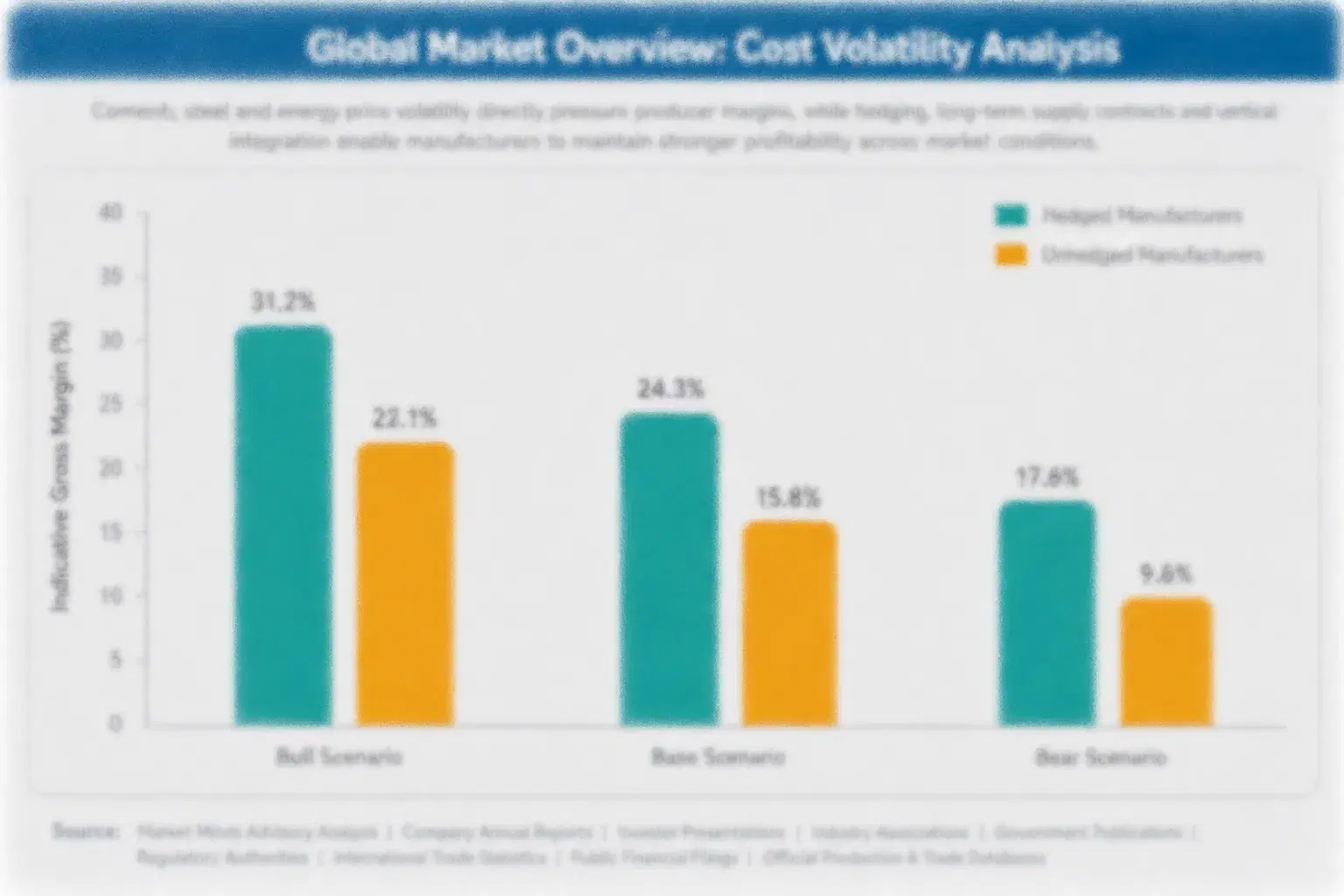
Raw sclerotia account for roughly 50% to 55% of cost of goods for ground powder and about 35% for extracted grades, where solvents, energy, and laboratory testing take a larger share. Almost all material is wild-harvested in Siberia, Finland, the Baltic states, and Canada, and collectors sell through regional traders who dry and pack the fungus before export. Drying quality also affects yield.
Wild chaga prices rose sharply after 2020 as wellness demand outpaced harvest, according to national statistics from Finland's Natural Resources Institute reporting on non-wood forest products, and processors reported supply shortages and higher spot prices. Host Defense's parent Fungi Perfecti described sourcing constraints for wild mushrooms in company statements, and brands responded with reformulation, longer supply contracts, and early cultivation research. Prices remained elevated for several years afterwards.

Exposure varies by player type. Extraction specialists with long harvest contracts and diversified regions weather shortages better than brands buying spot material through traders. Suppliers near Siberian and Nordic sources also have shorter logistics chains, while North American buyers face freight, currency, and tariff risk on imported sclerotia and powder. Currency swings add further volatility for importers.
chaga-mushroom-powder-market-cost-volatility-analysis-1789747431421

Signing Multi-Year Harvest and Supply Contracts

Processors negotiate multi-year agreements with collector cooperatives, landowners, and forestry groups, fixing volumes and pricing bands before each harvest season. This secures raw material during shortages and reduces spot-market exposure, though it requires financing collectors, monitoring practices, and accepting price risk if spot prices fall below contracted levels. Larger suppliers benefit most because they can commit to significant purchase volumes.

Diversifying Sourcing Across Several Forest Regions

Suppliers spread purchases across Siberia, Finland, the Baltics, and Canada, so poor weather, export restrictions, or harvest bans in one region do not stop production. Diversification adds complexity in testing and logistics, since each origin has different contaminant profiles, but it protects against single-country disruption and supports marketing claims about traceable, geographically varied supply for premium consumer brands.

Investing in Cultivation Pilots to Reduce Wild Dependence

Companies are funding birch-log cultivation and mycelium trials to build a supply that does not depend on wild forests. Results are early and the material differs from wild sclerotia in compounds and price, yet pilots offer a hedge against harvest bans and price spikes. Success would shift value toward suppliers controlling farms, so early investors may secure durable cost advantages.

Portfolio Architecture for Margin Defence

Chaga powder margins run from thin trader spreads on ground wild sclerotia to rich returns on standardized extracts and finished ingredient systems, with gross margin roughly tripling between the volume tier and the top tier. Extraction, testing, and certification convert a scarce raw material into a documented ingredient, and buyers pay for that documentation because contamination risk is real. Mix, not volume, decides profitability.
Volume and premium tension is sharper here than in most ingredient categories, since raw material supply is fixed by biology. Selling more ground powder adds revenue but little profit, and it exposes suppliers to price spikes, whereas extracted grades earn steadier returns on smaller volumes. Processors must decide how to allocate scarce sclerotia between low-margin bulk buyers and premium customers, and most favor the latter.

High-value pools concentrate in dual-extracted powders for mushroom coffee and supplement brands, in organic and certified-wild grades, and in cultivated material marketed as sustainable. These segments benefit from documented quality, longer contracts, and limited competition from small traders. Suppliers that combine harvest access with extraction capacity hold advantages that are difficult to replicate and can defend pricing even during demand slowdowns.

Volume / Commodity-Adjacent Tier

Ground whole sclerotia powder sold in bulk through traders to brands and small formulators, with minimal testing, limited differentiation, and pricing driven by wild harvest volumes and seasonal supply conditions worldwide.
Gross Margin: 12%-20%

Premium / Certified Tier

Hot-water and dual-extracted powders with certificates of analysis, organic certification, and standardized beta-glucan content, sold under annual contracts to coffee, tea, and supplement brands that require consistent quality and documentation.
Gross Margin: 28%-38%

Sustainability / Regulatory / Next-Generation Tier

Certified sustainable wild-harvest and cultivated chaga with full traceability, heavy metal testing, and oxalate documentation, positioned ahead of stricter regulation, overharvest limits, and retailer demands for verified ethical sourcing across markets.
Gross Margin: 35%-45%
chaga-mushroom-powder-market-portfolio-architecture-1789747431709

High-value Sub-segments and Strategic Watch-out

Dual-Extracted Powder

Dual-extracted powder combines the fastest growth in the market with strong pricing power, because brands pay for guaranteed beta-glucan and triterpene content and formulators value solubility and consistent flavor. Capacity is scarce, and processors with laboratory capability and two-stage extraction lines are signing multi-year contracts with beverage brands.
Gross Margin: 35%-45%

Hot-Water Extracted Powder

Hot-water extracted powder offers strong growth and durable premiums for instant beverages, teas, and capsules, though it faces price pressure from Asian exporters running large lines. Its lower processing cost supports mid-priced products, and suppliers that add certificates of analysis and organic certification can defend margins in export markets.
Gross Margin: 25%-35%

Ground Whole Sclerotium Powder

Ground whole powder remains the volume core of the category, moving the largest tonnage through traders to small brands and formulators. Margins are thin and volatile because pricing follows wild harvest volumes, and buyers switch easily, so returns depend on sourcing scale, drying quality, and logistics efficiency.
Gross Margin: 12%-20%

Competing Medicinal Mushroom Substitution

Reishi, lion's mane, and cordyceps are easier to cultivate and cheaper, so brands may shift formulations away from chaga if wild supply tightens or prices spike again. This substitution risk is the main strategic watch-out, since multi-mushroom blends already dilute chaga content and reduce dependence on any single ingredient.
Gross Margin: n/a (substitution risk)

Why Chaga Buyers Stay With Suppliers

Chaga demand behaves like an annuity for suppliers that pass brand qualification. Once a mushroom coffee or supplement brand validates a supplier's extract for flavor, solubility, and laboratory data, reformulation risk and requalification cost discourage switching, so orders repeat each quarter. Annual supply agreements reinforce this pattern, and brands increasingly accept modest price increases to avoid shortages and protect their own product launches.
Stickiness varies by end-use vertical. Beverage brands show the deepest loyalty because taste and solubility changes are noticeable to consumers. Supplement makers value certificates of analysis and switch only when quality issues arise, while small formulators buying ground powder through traders shift suppliers freely based on price and availability, making that segment volatile and difficult for suppliers to plan around.

Buyer profiles are shifting generationally. Younger shoppers discover chaga through social media and mushroom coffee, expect transparency about sourcing and testing, and reward brands that publish lab data. Older wellness buyers still purchase capsules and tinctures from established supplement companies. Suppliers must serve both cohorts, but growth is concentrated in younger consumers who prize sustainability, convenience, and flavor over traditional medicinal positioning.
chaga-mushroom-powder-market-end-use-penetration-index-1789747432070

MMA Verdict on Chaga Strategy

These are among the four positions where our research anticipates prominent divergence between winners and laggards over the coming forecast period. Each is grounded in the demand model, the regulatory perimeter, and the announced capacity pipeline.
01 / HARVEST RIGHTS SECURITY

Lock In Certified Wild Harvest Access Early

Raw material access is the scarcest asset in this market, because chaga grows slowly on living birch trees and regulators are beginning to question harvest practices. Suppliers that sign multi-year agreements with collectors and cooperatives now will secure volume and lower costs while later entrants scramble for spot material at peak prices. MMA recommends treating harvest rights as a strategic asset and financing collector networks before shortages return, before regulators and retailers begin tightening documentation and quota rules across producing regions.
02 / EXTRACTION CAPABILITY INVESTMENT

Invest in Dual-Extraction Before Demand Outruns Capacity

Buyers increasingly demand standardized dual-extracted powders with documented beta-glucan content, and capacity for them is tighter than demand. Dual-extracted grades already grow about 1.3 times faster than the category and earn several times the price of ground powder, so early movers gain both margin and contract security. MMA advises building or contracting extraction and laboratory capacity within the next two years, because brand customers are already signing supply agreements with the few processors able to guarantee potency, and late entrants may find capacity fully committed for several years.
03 / QUALITY DOCUMENTATION DISCIPLINE

Publish Batch Testing Before Regulators Require It

Contamination, heavy metals, and oxalate content are the main reputational risks in a category built on trust, and a single scandal could damage every supplier. Publishing batch-level laboratory data reduces that risk, wins premium accounts, and positions suppliers ahead of stricter regulation that most observers expect within the forecast period. MMA sees documented quality as the cheapest defense against category-wide setbacks, especially as retailers and regulators compare suppliers and reward those that already disclose results without being asked, while laggards face audits and possible delisting.
04 / CULTIVATION OPTIONALITY BUILDING

Fund Cultivation Pilots as a Long-Term Hedge

Wild supply cannot expand quickly, so cultivation on birch logs and in mycelium systems is the only route to meaningful volume growth beyond current forest limits. Results are early, and cultivated material differs in compounds and price, yet pilots create optionality against harvest bans and price spikes. MMA recommends modest, staged investment now so that suppliers are positioned if cultivation reaches commercial scale later in the decade, and it costs far less than losing access to premium supply if harvest bans arrive.

Engagement Snapshot From the Field

A live engagement with an industry participant carrying material or product regulatory and market exposure ahead of a defining policy shift, showing how our research translates into a defensible multi-year portfolio strategy.
MARKET MINDS ADVISORY · CLIENT ENGAGEMENT SUMMARY
Chaga Mushroom Powder Producer Strategic Portfolio Review and Transition Roadmap 2026·Investment Scenario on Chaga Mushroom Powder Exposure Evaluation 2025-26
CLIENT PROFILE
The client is a North American direct-to-consumer mushroom coffee brand with roughly $38 million in annual revenue (client-reported, unverified by MMA), selling instant coffee blends and tea sachets containing chaga, lion's mane, and reishi. It had grown quickly through social media and subscriptions but sourced chaga powder from a single trader without formal quality testing.
STRATEGIC CHALLENGE
A price spike and a failed heavy metal test on one lot exposed the client to supply and reputational risk, while retailers considering national distribution demanded certificates of analysis and traceability. Leadership needed a sourcing strategy that secured volume, documented quality, and controlled cost as sales scaled throughout the scaling period.
MMA APPROACH
MMA mapped the chaga supply chain, benchmarked eight suppliers on extraction capability, testing practices, and sourcing rights, and interviewed retail buyers about documentation requirements. The engagement also modeled the cost impact of switching from ground to dual-extracted powder and of signing multi-year agreements with two suppliers. Findings were reviewed with the client's operations team.
KEY FINDINGS
  1. Only three of the eight suppliers assessed published batch-level heavy metal and beta-glucan results, and all three were already selling to premium national retail accounts.
  2. Switching from ground to dual-extracted powder cut the client's required dosage by about 40%, which offset most of the higher price per kilogram.
  3. Multi-year contracts with two suppliers could secure roughly 70% of projected volumes at prices about 12% below recent spot levels in the first year.
  4. Retail buyers at two national chains indicated they would list the brand only if certificates of analysis accompanied each production lot before national rollout.
CLIENT PROFILE
The client is a North American direct-to-consumer mushroom coffee brand with roughly $38 million in annual revenue (client-reported, unverified by MMA), selling instant coffee blends and tea sachets containing chaga, lion's mane, and reishi. It had grown quickly through social media and subscriptions but sourced chaga powder from a single trader without formal quality testing.
STRATEGIC CHALLENGE
A price spike and a failed heavy metal test on one lot exposed the client to supply and reputational risk, while retailers considering national distribution demanded certificates of analysis and traceability. Leadership needed a sourcing strategy that secured volume, documented quality, and controlled cost as sales scaled throughout the scaling period.
MMA APPROACH
MMA mapped the chaga supply chain, benchmarked eight suppliers on extraction capability, testing practices, and sourcing rights, and interviewed retail buyers about documentation requirements. The engagement also modeled the cost impact of switching from ground to dual-extracted powder and of signing multi-year agreements with two suppliers. Findings were reviewed with the client's operations team.
KEY FINDINGS
  1. Only three of the eight suppliers assessed published batch-level heavy metal and beta-glucan results, and all three were already selling to premium national retail accounts.
  2. Switching from ground to dual-extracted powder cut the client's required dosage by about 40%, which offset most of the higher price per kilogram.
  3. Multi-year contracts with two suppliers could secure roughly 70% of projected volumes at prices about 12% below recent spot levels in the first year.
  4. Retail buyers at two national chains indicated they would list the brand only if certificates of analysis accompanied each production lot before national rollout.
RECOMMENDED STRATEGY
Phase 1: Phase 1 (Months 1-3): Qualify two suppliers with published testing and negotiate multi-year volume agreements with price bands with legal review. Phase 2: Phase 2 (Months 4-9): Reformulate the flagship blend with dual-extracted powder and validate flavor, solubility, and dosage with sensory panel tests. Phase 3: Phase 3 (Months 10-15): Publish batch results online and use them to secure national retail listings and further volume across regions.
OUTCOME
Within fifteen months, the client secured two national retail listings and reduced chaga ingredient cost per serving by an estimated 22% (client-reported, unverified by MMA) through dual-extracted powder and contracted pricing. No contamination incidents occurred, and the published testing program became a marketing point that supported premium pricing.

Frequently Asked Questions

Foundational context covering the market sizes, CAGR, scope, country, region and competition that inform every finding below. This section is provided to cover basics and most often pre-purchase conversations, answered from the MMA Primary Research Dataset.

What is the current size of the Chaga Mushroom Powder Market?

The global chaga mushroom powder market was valued at $0.9 billion in 2025. This covers milled, extracted, and spray-dried Inonotus obliquus powders used in foods, beverages, and supplements.

How large will the Chaga Mushroom Powder Market be by 2036?

MMA projects the market will reach approximately $2.8 billion by 2036. This represents cumulative growth of roughly $1.8 billion over the full ten-year forecast window.

What is the CAGR for the Chaga Mushroom Powder Market 2026 to 2036?

The market is forecast to grow at an 11.0% compound annual rate between 2026 and 2036. The bull case reaches 12.3% while the bear case falls to 9.7%.

Which segment is growing fastest?

Dual-Extracted Powder is the fastest-growing segment at 14.0% CAGR, roughly 1.3 times the overall market rate. Hot-Water Extracted Powder follows as the second-fastest segment at 12.0%.

Who are the major companies in the Chaga Mushroom Powder Market?

Leading companies include Nammex, Real Mushrooms, Four Sigmatic, Host Defense, and Hifas da Terra. These five players together hold an estimated 27% of global revenue.

Which country is growing fastest?

South Korea is the fastest-growing major market, expanding at approximately 14.5% CAGR each year. Health beverage and beauty-from-within brands adding chaga to premium products are driving this above-market growth.

Report Segmentation Architecture

The full report scope spans multiple orthogonal segmentation dimensions, with cross-tabulated demand data provided for each dimension pair. Coverage extends further to regional breakdowns, trend trajectories, and the competitive detail needed to support segment-level decision-making.

By Primary Market Dimension

  • Dual-Extracted Powder
  • Hot-Water Extracted Powder
  • Spray-Dried Instant Powder
  • Freeze-Dried Powder
  • Ground Whole Sclerotium Powder
  • Standardized Beta-Glucan Powder

By End-Use Industry

  • Functional Beverages and Mushroom Coffee
  • Dietary Supplements
  • Food and Bakery Ingredients
  • Cosmetics and Personal Care
  • Pet and Animal Wellness

By Commercial Dimension

  • Direct Brand Supply Contracts
  • Ingredient Distributor Channels
  • Private Label Manufacturing
  • Online and Direct-to-Consumer Sales

By Region

  • North America
  • Western Europe
  • East Asia
  • South Asia and Pacific
  • Latin America
  • Middle East and Africa
  • Eastern Europe

Scope, Methodology, and Coverage

Every figure in this report is reproducible from documented input assumptions. The scope below maps the historical period, the forecast horizon, the segmentation dimensions, and the countries covered, alongside the underlying primary and qualitative methodology.
Historical Period
2020 to 2025
Forecast Period
2026 to 2036
Base Year
2025 (USD billions; MMA Primary Research Dataset, September 2026)
Market Definition
Chaga mushroom powder comprises dried Inonotus obliquus sclerotia that are milled, extracted, or spray-dried into powder for foods, beverages, and supplements. The scope excludes finished capsules and beverages sold at retail, liquid tinctures, and other medicinal mushroom species such as reishi or lion's mane.
Quantitative Units
USD billions (current prices); metric tons for volume references
Segmentation Dimensions
By Processing Grade; By End-Use Industry; By Commercial Dimension; By Region
Regions Covered
North America, Western Europe, East Asia, South Asia and Pacific, Latin America, Middle East and Africa, Eastern Europe
Countries Covered
USA, China, Germany, France, UK, Japan, South Korea, India, Australia, Canada, Brazil, Mexico, Indonesia, Vietnam, Thailand, Malaysia, UAE, Saudi Arabia, South Africa, Nigeria, Turkey, Poland, Netherlands, Finland, Russia, Sweden, Switzerland, Argentina, Colombia, Singapore, and additional markets relevant to this sector
Key Companies Profiled
Nammex, Real Mushrooms, Four Sigmatic, Host Defense, Hifas da Terra, Gaia Herbs, Sun Potion, Life Cykel, Om Mushroom Superfood, Mushroom Science, MycoTechnology, Ryze Superfoods, Jarrow Formulas, NOW Foods, Swanson Health Products, Shaanxi Undersun Biomedtech, Bio Botanica, Finnish Wild Chaga Oy, Siberian Chaga Company, Nature's Way
Quantitative Methodology
Primary survey, n=3,800 respondents, Q4 2025, six countries; demand-side model with trade association cross-validation
Qualitative Methodology
47 expert interviews, Q4 2025; applied to validate demand model assumptions, identify emerging dynamics, and assess competitive positioning
Report Format
PDF and XLSX data workbook (Word format preview document)
Publisher
Market Minds Advisory
Report Code
MMA-2026-HLT-232
Published
September 2026
Contact
sales@marketmindsadvisory.com | www.marketmindsadvisory.com

Purchase the full Chaga Mushroom Powder Market Report (2026 to 2036).

The full report delivers a detailed assessment of global chaga mushroom powder supply, extraction technology, and competitive positioning through 2036. It includes segment forecasts by processing grade, country-level data for all seven world regions, and profiles of the twenty companies most relevant to sourcing and extraction. Analysts also receive input cost modeling and portfolio margin benchmarking built from MMA's primary research dataset. A scenario planning module lets subscribers stress-test bull and bear assumptions against their own sourcing plans. Quarterly updates keep the whole dataset current throughout.
Ten-year segment and regional demand forecasts
Harvest supply and cultivation pilot tracking
Competitive benchmarking of top twenty suppliers
Raw material cost sensitivity modeling tools
Regional demand mechanism comparative analysis included
Quarterly primary survey data update access

Built For The People Who Decide

From boardroom strategy to bench-side execution, this report is read cover-to-cover by leaders shaping the next decade of their industry, turning demand scenarios, market dynamics and valuation benchmarks into decisions.
CXOs/ Presidents/ VPs/ Managers
M&A and Corporate Development
Strategy Teams and R&D Heads
Procurement and Product Directors
Regulatory and Compliance Leaders
Investor Relations and Equity Analysts