Market Minds Advisory
Cavitated Films Market

Cavitated Films Market: Cavitated Films Market. Recyclable Mono Material Film Reshapes Label Packaging Demand

Asian label converters increasingly specify recyclable mono-material cavitated film over standard opaque formats as circularity and recycling-stream compatibility targets tighten considerably across major labeling supply chains worldwide this entire cycle.

Lead Analyst

Published

October 2026

Make Smarter Decisions with Customized Research Insights

Request a free sample report and evaluate market opportunities, growth trends, and competitive dynamics relevant to your business needs.

2025 MARKET VALUE$2.1BMarket Size 2025
2036 FORECAST VALUE$3.3BBase Case , 2026 to 2036
CAGR 2026 TO 20364.1 %Bull 5.5% / Bear 2.7%
INCREMENTAL OPPORTUNITY$1.1BNet 10- year value creation
EXPANSION MULTIPLE1.49x2036 value over 2026 base
Strategic Levers
M&A Pipeline
Regional Outlook
Country Rankings
Competitive Intelligence
Segmental Deep-dive
Call-Us : 91 93563 13602

Executive Snapshot and Market Trajectory.

Cavitated films span six designs, from standard and white opaque through pearlized, labelling-grade, metallized, and recyclable mono-material formats, with label converters shifting fastest toward mono-material film as recycling-stream compatibility demands multiply across major labeling basins worldwide this entire cycle overall today.
Recyclable mono-material cavitated film is outgrowing every other format because brand owners increasingly require the documented recycling-stream compatibility and opacity performance these films deliver beyond the standard cavitated sheets that long defined the category. East Asia retains the largest regional share given its dense BOPP film manufacturing base, while South Asia and Pacific posts the fastest regional growth rate as label demand expands considerably across several fast-growing producing countries worldwide this cycle, a trend intensifying.
Five manufacturers hold roughly a third of tracked global shipment volume, a moderately concentrated market shaped by Taghleef Industries broad cavitated-film engineering depth and Jindal Poly Films extensive flexible packaging distribution reach built over decades of dedicated microvoided-film manufacturing operation. Smaller regional specialists continue winning share on single-brand private-label contracts, even as film offering mono-material recyclability features grow fastest among converters running multi-site label production operations across most tracked accounts today.
Market Definition
The cavitated films market covers microvoided biaxially oriented polypropylene film engineered with internal air pockets for opacity, density reduction, and labelling applications across consumer goods packaging. It excludes fully transparent BOPP film sold without an internal cavitation structure and standalone paper-based label substrates sold without a cavitated film layer, which MMA tracks as separate categories.
Base Year Value
$2.1B in 2025 (MMA Primary Research Dataset, October 2026)
Forecast Period
2026 to 2036, eleven discrete annual values
CAGR
4.1% base case. Bull 5.5%. Bear 2.7%.
Fastest Growth Segment
Recyclable Mono-Material Cavitated Film: 7.4% CAGR
Fastest Growth Country
India: 5.8% CAGR
Fastest Growth Region
South Asia and Pacific: 6.1% CAGR
Largest Region
East Asia: 28% of 2025 global value
Market Leaders
Taghleef Industries, Jindal Poly Films, Cosmo Films, Treofan Group, and Innovia Films lead the global market by shipment volume. Source: MMA Analysis based on company annual reports.
Primary Survey
n=3,800 procurement and R&D decision-makers, Q4 2025, six countries
Methodology
Demand-side build-up, cross-validated against public data, 47 expert interviews

Cavitated Films Market Forecast Scenarios

cavitated-films-market-size-forecast-scenario-1791183282309
Global cavitated films demand grew steadily between 2020 and 2025, expanding at roughly a 4.1 percent historical annual rate as label-converting volume and opacity-packaging requirements sustained demand across most major BOPP film markets worldwide, with East Asian converters leading much of this expansion across most tracked channels and dealer networks worldwide this entire production cycle overall today.
The base case rests on three mechanisms: continued label-converting growth sustaining baseline film-replacement volume, rising mono-material adoption expanding the categorys addressable recyclability-compliance base considerably, and persistent circularity pressure pushing brand owners toward recyclable configurations beyond standard multi-layer designs that historically defined the category. East Asia deepening BOPP film manufacturing base is positioned to capture a durable share of this incremental demand ahead of regional competitors still building comparable formulation depth and certification maturity.
The bull case turns on accelerated packaging-recyclability mandates pulling adoption toward the mid single digits above trend worldwide as converters scale mono-material capacity faster than expected across major labeling networks. The bear case is persistent capital spending caution among smaller independent converters limiting premium adoption to years with favorable resin pricing, slowing growth toward the low single digits worldwide overall.

Recyclable Mono Material Film Reshapes Label Packaging Demand

Global cavitated films dynamics reflect a genuinely formulation-driven trade, where East Asian manufacturers supply a disproportionate share of worldwide shipment volume given the regions dense BOPP film manufacturing base, and the vendors who lead this category built their advantage through broad cavitated-film engineering depth or extensive flexible-packaging distribution reach new entrants cannot replicate quickly at comparable cost across most tracked regional markets worldwide today.
MARKET CONCENTRATION36% CR5held by five manufacturers across global cavitated film markets
AVERAGE SELLING PRICE$1.65 per kilogrammono-material grades command a considerable price premium overall
TOP COUNTRY SHAREChina, 15%reflects deep BOPP film manufacturing scale and heritage domestically
MONO MATERIAL PENETRATION10% of volume shippedremains the fastest growing format tracked in this category
CAPACITY UTILIZATION RATE70% average utilizationreflects healthy demand across most tracked manufacturing facilities overall
INPUT COST SHARE54% of unit COGSpolypropylene resin and calcium carbonate filler components dominate costs
Commercially, the category rewards manufacturers who can serve both large integrated brand-label programs and smaller independent regional converters from a shared cavitation-engineering architecture, since cross-selling into this broader customer base lets manufacturers spread tooling and certification costs further than serving one label type alone. Direct brand-owner ties remain the primary lever shaping manufacturer scale and pricing power across this entire production cycle worldwide today.
The next decade will be shaped by recyclable mono-material film continuing to capture circularity-driven demand, rising packaging-recyclability investment tied to brand-owner sustainability targets, and converters who increasingly reward manufacturers able to document verified recycling-stream compatibility certification at a level legacy standard multi-layer sourcing has historically not needed to prove, particularly as packaging regulators tighten circularity requirements across major compliance authorities worldwide this entire cycle overall today.
"A cavitated film used to just make a label look opaque and nobody asked much about whether a mono-material formulation could meaningfully cut recycling-stream contamination, now the same film increasingly ships with verified recyclability built in, and a brand owner wants proof of that compatibility data before signing off on the next label order."
Director, BOPP Film and Label Packaging Materials Practice · MMA Packaging: Microvoided Opaque Biaxially Oriented Polypropylene Film Practice · October 2026

Market Trends

Mono Material Film Reaches Mainstream Mid Size Converters

Recyclable mono-material cavitated film, which uses a single polypropylene polymer family throughout the structure rather than relying on standalone multi-layer laminate architecture alone, has moved from flagship high-volume brand programs into mainstream mid-size regional label converters since 2023 as mono-material resin costs declined enough to reach smaller regional converters across most producing markets worldwide today and beyond. This documented recyclability advantage addresses genuine circularity concerns that standard multi-layer film alone could never satisfy as directly, particularly as brand buyers across major BOPP-producing countries began requiring certified recycling-stream compatibility ratings for packaging-renewal programs this cycle overall.
Market Impact: Adds 5% of label driven demand
Metallized Film Conversion Drives Barrier Modernization

Metallized cavitated film conversion, which provides enhanced barrier and shelf life performance through engineered vacuum-deposited aluminum layers rather than relying on conventional standard-opaque architecture alone, is spreading from flagship high-volume snack-food packaging into mid-size facilities that previously relied on standard-opaque systems alone across most tracked equipment markets worldwide today and overseas and beyond nationwide overall. Converters report rising inquiry volume from mid-size brands who previously defaulted to standard-opaque systems purely on cost grounds, a shift accelerating as metallization pricing has narrowed relative to standard-opaque cost structures across most major equipment markets tracked this cycle.
Market Impact: Lifts mono material penetration 7 points

Market Opportunities and Growth Drivers

Label Converting Growth Sustains Replacement Demand

Rising label-converting and consumer-goods packaging volume across major BOPP film markets, particularly infrastructure-modernization programs tied to national packaging-export targets, is sustaining baseline demand for cavitated films well beyond the conventional film-replacement cycle that historically drove standard multi-layer adoption first across most developed packaging markets worldwide. East Asia latest converting-infrastructure programs alone add several hundred additional manufacturer units of annual capacity, and comparable national label-growth initiatives across India, Brazil, and several Southeast Asian countries are expanding addressable film demand steadily, a trend reshaping packaging-inventory investment decisions across most tracked converters worldwide this cycle.
Market Impact: Adds 6% to production costs

Circularity Pressure Pushes Brands Toward Mono Material Film

Persistent circularity-compliance pressure among high-volume brand-owner and retail facilities has sharply raised the effective cost of maintaining fully multi-layer dependent film fleets, pushing a growing share of mid-size converters toward mono-material configurations that reduce dependence on costly recycling-contamination cycles entirely across most developed packaging markets today and nationwide. Mono-material film penetration among converters running multi-site label production operations has risen meaningfully as circularity pressure tightens, a shift converters report accelerating further whenever regulatory scrutiny tightens, reshaping equipment-procurement planning across most tracked packaging markets this cycle overall today. Converters report this shift is reshaping annual capital-budget allocation decisions worldwide.
Market Impact: Adds 5 days to recertification time

Market Restraints and Challenges

Polypropylene Resin Price Volatility Pressures Margins Industry Wide

Polypropylene resin and calcium carbonate filler component price volatility remains a genuine, recurring constraint for cavitated film manufacturers, limiting how quickly mid-size manufacturers can maintain pricing stability even where demand growth justifies capacity expansion across most tracked production markets worldwide today overall. The root cause is that polypropylene and specialty-filler markets generate continuous raw-material cost swings that feed directly into film manufacturing costs, compressing margins over production cycles. Equipment vendors are mitigating this through long-term resin supply agreements and recycled-content blending, though margin pressure still persists across most tracked resin-dependent manufacturing facilities this cycle overall.
Market Impact: Cuts recycling stream contamination by 28%

Multi Jurisdiction Packaging Recyclability Compliance Costs Strain Manufacturers

Packaging-recyclability compliance and certification maintenance costs remain a persistent friction point distinct from the resin-cost constraint the category otherwise faces, since multi-jurisdiction brand-owner networks typically require additional recertification engineering beyond standard film setup during extended commissioning cycles across most tracked packaging markets worldwide this entire production cycle overall. The root cause is that competing national packaging-recyclability authorities maintain differing mono-material certification protocols that gradually complicate multi-jurisdiction manufacturer integration. Equipment vendors are mitigating this through portable certification samples and standardized testing packages, though compliance costs still strain smaller manufacturers across most tracked multi-jurisdiction packaging markets this cycle.
Market Impact: Extends shelf life by 18%
3 additional market trends, 4 additional growth drivers, and 4 additional restraints and challenges are covered in the full report. Contact sales@marketmindsadvisory.com to access the complete intelligence.

Segment CAGR and Growth Architecture

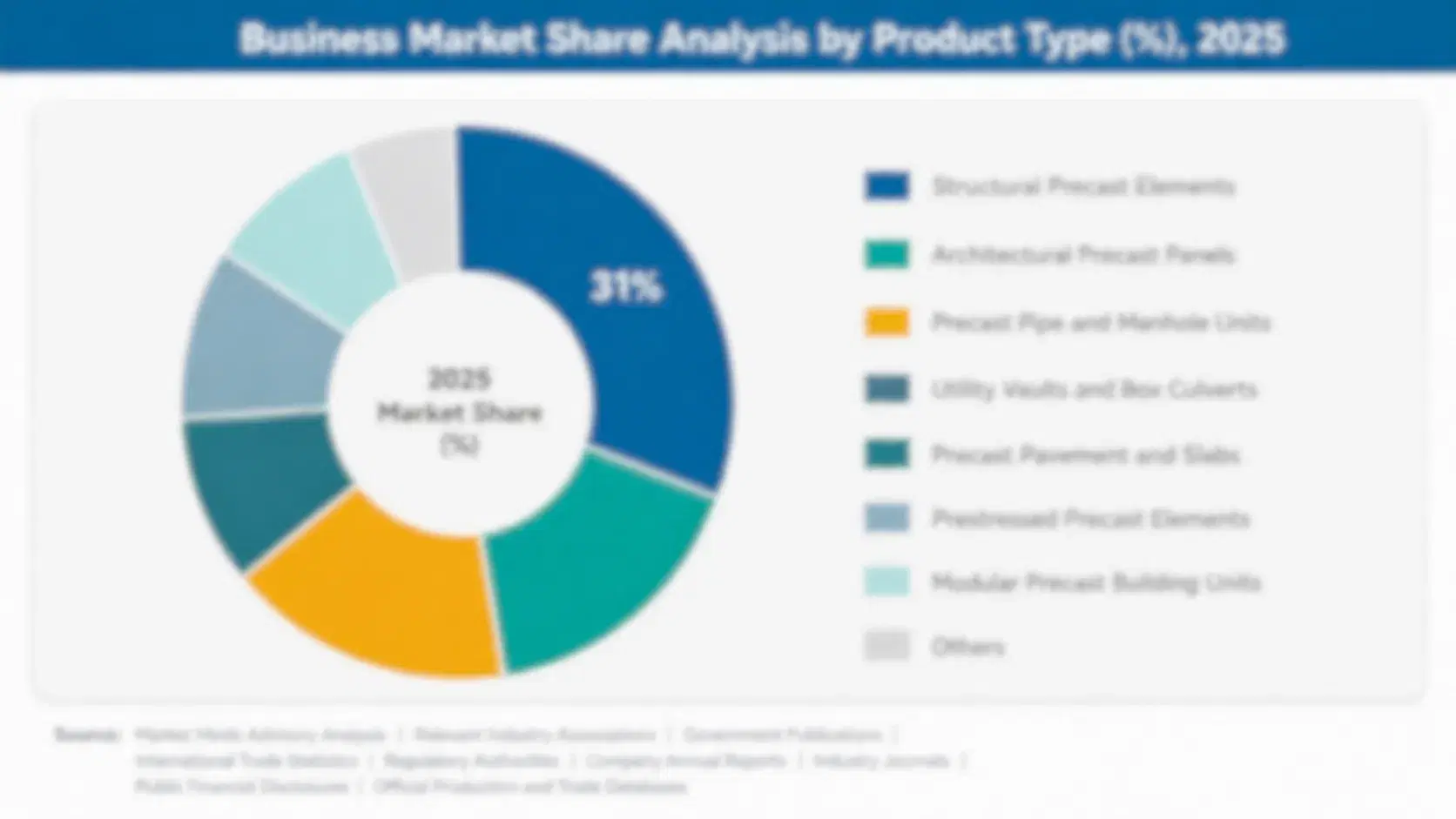
MMA segments global demand for the cavitated films market by cavitation structure and recyclability sophistication, the dimension that most directly determines opacity performance, label-integration depth, and the commercial premium a given film commands across brand owners worldwide, since mono-material recyclability increasingly separates premium film from standard legacy designs across most tracked accounts and dealer networks currently.
cavitated-films-market-market-share-analysis-1791183282585

Recyclable Mono-Material Cavitated Film

Recyclable mono-material cavitated film is the fastest-growing format globally because it finally delivers the documented recycling-stream compatibility and opacity performance brand owners increasingly require beyond the standard cavitated sheets that historically defined this category, a performance advantage conventional standalone technology could never achieve as completely across high-volume multi-site label production operations worldwide. This format benefits from a compelling adoption story because it lets converters address genuine circularity and recycling-stream constraints rather than accepting the compliance ceiling generic multi-layer film imposes, giving mono-material-focused manufacturers a meaningful growth advantage over standard-only competitors already active across major BOPP markets worldwide. Installed-base pricing for mono-material configurations now commands a steady premium over standard cavitated equivalents across most tracked accounts today.
CAGR 7.4%

Metallized Cavitated Film

Metallized cavitated film is the second-fastest growing format globally as mid-size snack-food and barrier-focused brand owners increasingly value the documented vacuum-deposited-aluminum and shelf life extension performance these films deliver rather than standard-opaque alternatives requiring frequent manual barrier-coating procedures, particularly as the barrier-modernization trend expands across most cavitated film markets tracked closely by MMA analysts this entire production cycle today overall and going forward steadily across every tracked account. This format commands meaningfully higher per-unit pricing than standard-opaque formats, since vacuum-deposition and barrier-enhancement engineering requires additional investment that delivers a genuinely differentiated shelf life performance manufacturers are increasingly willing to defend across most global label segments worldwide this cycle, particularly at high-throughput flagship lines handling peak production volume.
CAGR 6.3%
Full segment breakdown across 6 segments available in the complete report.

Regional Architecture and Country Demand Map

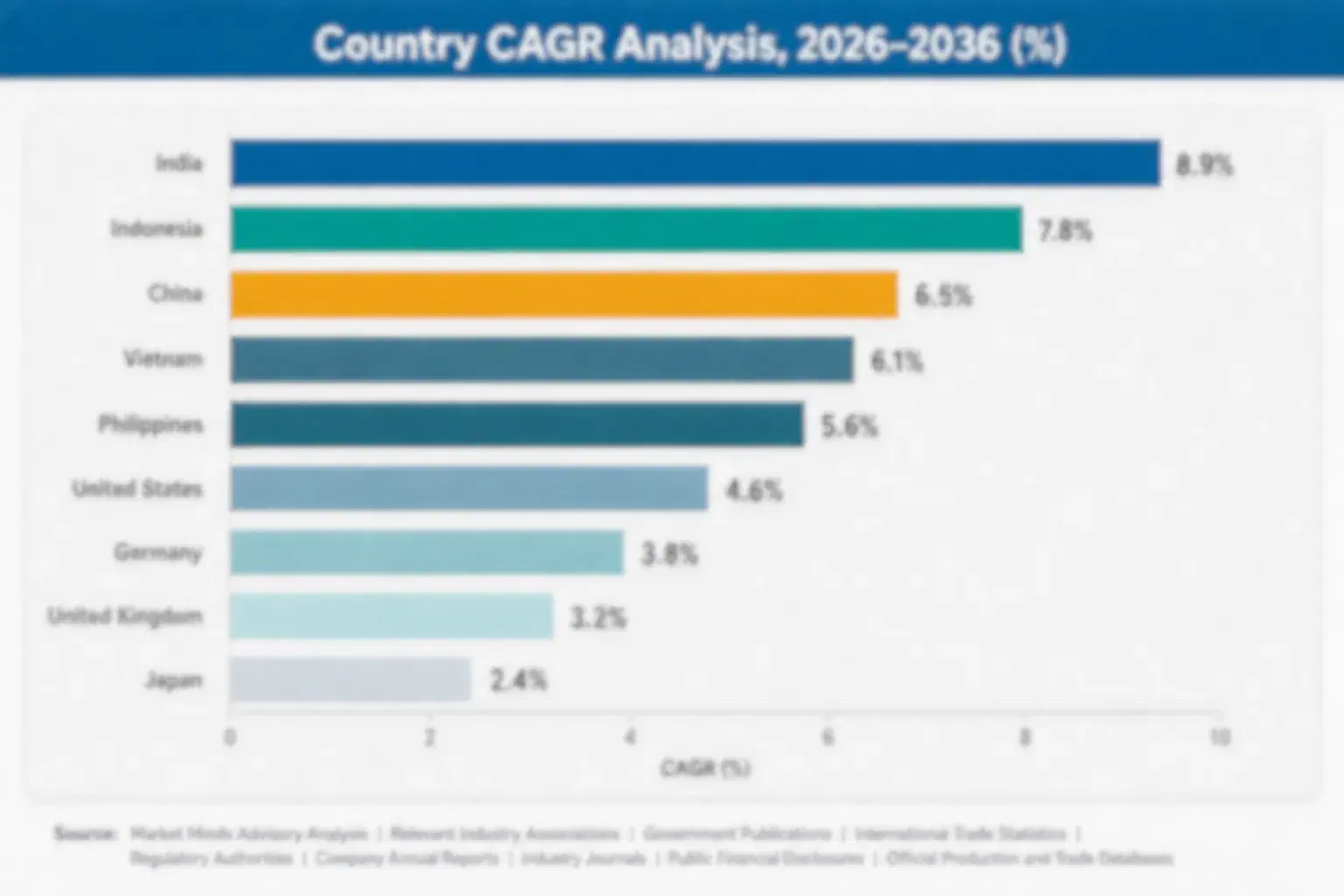
East Asia anchors global cavitated films demand, carrying the largest share given its dense BOPP film manufacturing base, while North America and Western Europe follow as the next two largest contributors, and South Asia and Pacific posts the fastest regional growth rate tracked this cycle.

East Asia

China dense BOPP film manufacturing base anchors regional demand and drives the region leading global shipment share, a concentration genuine enough that this market deliberately sits near the top of the standard regional band given the countrys decades-long cavitation-engineering heritage through regional distributors feeding operators across Jiangsu, Zhejiang, and Guangdong film-manufacturing corridors today overall and across most tracked accounts. Japan and South Korea contribute meaningful additional regional demand tied to their own established label-converting programs, reinforcing the region combined formulation depth considerably across most tracked accounts and dealer channels. Converters across the region increasingly specify mono-material film as packaging regulators tighten recyclability requirements. Manufacturer backlogs underscore this momentum across most tracked accounts this cycle overall today.
Share: 28% | CAGR: 5.1% (2026 to 2036)

North America

USA dense label-converting and brand-owner base anchors regional demand, reflecting the countrys packaging-distribution heritage and decades-long formulation engineering depth through regional distributors feeding operators across Ohio, Texas, and North Carolina film-manufacturing and brand-labeling corridors today and going forward and overseas and beyond across most tracked accounts. Canada contributes meaningful additional regional demand tied to its own established brand private-label programs and growing circularity-compliance investment, reinforcing the region combined engineering depth considerably across most tracked accounts and dealer channels nationwide today. Converters across the region increasingly specify mono-material film as brand buyers tighten recyclability and traceability requirements, a shift manufacturers report accelerating steadily across most producing states this entire cycle overall today.
Share: 24% | CAGR: 3.5% (2026 to 2036)
Regional intelligence for 5 additional markets available in the complete report: Western Europe, South Asia and Pacific, Latin America, Middle East and Africa, Eastern Europe. Contact sales@marketmindsadvisory.com.
cavitated-films-market-country-cagr-analysis-1791183282910

Building The Recyclability Compliance Advantage

Global cavitated films economics reward manufacturers who can defend established brand-owner and distribution relationships while capturing premium demand opened up by accelerating recyclability complexity across the industry today, separating durable shipment-volume growth from margin erosion across every tracked packaging segment and brand-owner channel worldwide this entire production cycle, since skipping either dimension cedes share.

Validating Recycling Stream Compatibility With Field Trials

Manufacturers investing in genuinely extensive recycling-stream compatibility, opacity, and packaging compliance field trials and third-party validation across their mono-material fleets are capturing brand-owner trust that unvalidated competitors cannot win as easily, since packaging procurement programs increasingly require demonstrated recyclability documentation before committing to a full multi-brand film contract worldwide across most tracked brand-owner accounts and dealer channels today overall and nationwide. One manufacturer 2024 recyclability-validation program reportedly cut recycling stream contamination by roughly 28 percent relative to standard multi-layer processes used previously across comparable brand-owner accounts. This documentation advantage is becoming a meaningful differentiator industry-wide.
Market Impact: Cuts recycling stream contamination by roughly 28 percent yearly

Building Dedicated Regional Certification Testing Centers

Manufacturers building dedicated certification testing centers across multiple regional engineering depots are capturing certification capacity that testing-constrained competitors cannot match as easily, since brand owners increasingly favor manufacturers who can guarantee certified recyclability data for high-density multi-jurisdiction packaging programs without mobilization delay worldwide across most tracked brand-owner accounts and dealer channels. One manufacturer 2024 testing center reportedly expanded its certified compatibility catalog by roughly 11 percent within a single fiscal year across tracked brand-owner accounts, a meaningful capacity gain. This testing advantage lets certification-focused manufacturers accept larger contracts than smaller regional rivals.
Market Impact: Expands certified compatibility catalog by roughly 11 percent

Building Dedicated Brand Owner Relationship Support Programs

Manufacturers building dedicated brand-owner relationship and technical-support programs are capturing trust-driven demand that self-marketed-only competitors cannot win as easily, since packaging buyers increasingly seek a manufacturer direct technical guidance before committing to a premium mono-material multi-year supply agreement, particularly as capital budgets tighten worldwide across most tracked brand-owner accounts and dealer channels today overall and nationwide. One manufacturer 2024 relationship program reportedly expanded its advisory-driven revenue by roughly 5 percent within a single fiscal year across tracked brand-owner accounts consistently. This advisory depth is becoming a meaningful differentiator among mid-size converters industry-wide.
Market Impact: Expands advisory driven revenue by roughly 5 percent yearly

Building Distribution Across Fast Growing Packaging Markets

Manufacturers building formal commercial distribution partnerships across fast-growing packaging markets are capturing sophistication-driven growth that conventional flagship-market-only distribution cannot reach cost-effectively at meaningful scale worldwide across most tracked brand-owner accounts and dealer channels today and going forward. Manufacturers that formalized emerging-market distribution partnerships since 2023 report reaching new brand-owner segments roughly 2 months faster than competitors building distribution purely through traditional flagship channels alone, ceding ground to faster-moving rivals across every tracked account this cycle. This distribution-first approach is becoming a defensible channel advantage across the broader BOPP industry worldwide.
Market Impact: Reaches new brand owner segments roughly 2 months sooner

Who Controls the Margin Pool

Five manufacturers hold roughly a third of tracked global shipment volume, a moderately concentrated market reflecting how Taghleef Industries broad cavitated-film engineering depth and Jindal Poly Films extensive flexible packaging distribution reach have each built advantages that smaller regional specialists are only beginning to meaningfully challenge today. The gap between these two leaders combined depth and smaller regional competitors remains meaningful in large brand-owner label accounts, though niche manufacturers continue capturing share in smaller independent converter segments worldwide today.
Current competitive activity centers on three fronts: recycling-stream validation capturing brand-owner trust, certification testing-center investment capturing certification capacity, and dedicated brand-owner relationship programs capturing trust-driven demand across most major BOPP markets worldwide today. Regional distribution partnership building is becoming a meaningful differentiator among manufacturers as emerging-market sophistication accelerates, a differentiation strategy gaining importance industry-wide currently.

Pressure is building from niche regional specialists offering differentiated cost efficiency and local technical support that established global majors cannot always match given their broader but sometimes less regionally responsive commercial focus. Rankings could shift meaningfully if a manufacturer achieves genuine breakthrough in mono-material-fabrication efficiency before competitors, capturing the category fastest-growing recyclable tier before it becomes standard mid-tier practice worldwide.
cavitated-films-market-company-positioning-matrix-1791183283197

Competitive Moat and Risk Dimensions

TAGHLEEF INDUSTRIES

Moat: Deepest cavitated film engineering depth

Taghleef Industries extensive dedicated cavitated-film engineering infrastructure, built specifically for high-volume label and brand placement over decades of specialist operation as a category pioneer, gives it category-specific credibility and formulation depth that smaller regional specialists cannot easily replicate at comparable scale across most tracked brand-owner accounts and BOPP networks worldwide today.
TAGHLEEF INDUSTRIES

Risk: Narrower flexible packaging distribution reach

Taghleef Industries narrower dedicated flexible packaging distribution specialization relative to Jindal Poly Films established decades-long broader-platform depth limits its credibility differentiation among multi-category-focused converters outside core cavitated accounts, a depth gap that could slow broader multi-channel account penetration relative to more flexible competitors like Jindal Poly Films over time. This gap is narrowing slowly.
JINDAL POLY FILMS

Moat: Broadest flexible packaging distribution reach

Jindal Poly Films extensive flexible packaging distribution infrastructure, built specifically as a dedicated multi-application product base across global label and brand programs over decades of dedicated operation, gives it cross-channel integration advantages that smaller regional specialists cannot easily replicate at comparable consistency across most tracked brand-owner accounts and dealer programs worldwide.
JINDAL POLY FILMS

Risk: Narrower cavitated film engineering depth

Jindal Poly Films much narrower dedicated cavitated-film engineering depth relative to Taghleef Industries established mass-market base limits its price-competitiveness breadth outside premium multi-category-focused accounts, a scale difference that could slow broader multi-region account penetration relative to more widely distributed competitors like Taghleef Industries over time across this entire production cycle today.

Players Tracked

Prominent Players

Taghleef Industries
Jindal Poly Films
Cosmo Films
Treofan Group
Innovia Films

Other Key Players

Uflex Limited
SRF Limited
Toray Plastics
Oben Holding Group
Polyplex Corporation
FuturaMat
Vibac Group
Manucor SpA
Profol Group
Flex Films
ExxonMobil Chemical
Sibur Holding
Bonset America
Granitol
Shaoxing Dayin Plastics

Recent Developments

FEBRUARY 2027

Taghleef Industries Launches Recycling Stream Validation Program

Taghleef Industries launched a new recycling-stream compatibility, opacity, and packaging compliance validation program in February 2027, extending its cavitation engineering infrastructure into a documented recyclability-verification system designed for brand owners seeking certified reliability data without gaps older standard fleets carried, a validation investment reported this fiscal year.
Signal: Signals established manufacturers now treat recycling-stream validation as central to defending shipment-volume leadership long term across tracked brand-owner accounts.
JUNE 2027

Jindal Poly Films Expands Regional Distribution Partnership

Jindal Poly Films expanded its mono-material film distribution partnership across fast-growing packaging markets in June 2027, a commercial distribution investment rather than an acquisition, formalizing its ability to serve growing converter demand at more competitive regional pricing, strengthening its position against Taghleef Industries global dealer footprint considerably overall.
Signal: Indicates distribution-focused manufacturers are formalizing emerging-market partnerships to defend regional share more aggressively worldwide this cycle.
OCTOBER 2027

Cosmo Films Launches Certification Testing Center Initiative

Cosmo Films launched a new certification testing center initiative in October 2027, targeting regional engineering depots seeking certification guidance previously accessible mainly through smaller regional specialists lacking comparable technical scale, offering documented testing support instead across the broader BOPP industry this entire production cycle overall today.
Signal: Indicates testing-focused manufacturers are formalizing certification programs to defend deployment capacity broadly across BOPP brand-owner markets today.

Polypropylene Resin and Filler Exposure

Polypropylene resin and calcium carbonate filler components represent roughly fifty-four percent of cost of goods sold for a typical cavitated film manufacturer, sourced primarily from established fabrication hubs in China, India, and increasingly South Korea. Manufacturers increasingly favor long-term supply agreements over spot-market contracting to manage this exposure effectively today, a sourcing discipline strengthened considerably since the last cost cycle.
Global polypropylene and specialty-filler costs fluctuated meaningfully through 2021 and 2022 as broader petrochemical supply-chain disruption and specialized-fabrication capacity constraint affected sourcing simultaneously, a volatility event documented in company annual filings and IEA commodity reporting, before stabilizing through 2023 and 2024 as sourcing markets normalized across most major producing countries. That volatility accelerated manufacturer interest in component diversification and vertical integration significantly across the film-extrusion manufacturing industry, reshaping procurement strategy for years afterward overall.

Larger manufacturers with diversified sourcing absorbed the 2021 and 2022 cost volatility without major price increases, protecting established brand-owner relationships during the disruption, while smaller regional specialists reliant on single-source resin purchasing more often passed costs through immediately, risking the price-sensitive portion of their customer base at exactly the moment mono-material-driven demand was accelerating fastest across several tracked BOPP markets.
cavitated-films-market-cost-volatility-analysis-1791183283491

Diversifying Polypropylene Resin Sourcing Regions

Manufacturers are diversifying polypropylene resin sourcing across multiple fabrication regions and geographies worldwide, reducing dependence on any single supplier and giving procurement teams meaningfully more negotiating position during periods of material-supply volatility across the broader film-extrusion sector that historically pressured smaller regional specialists hardest during weak sourcing cycles industry wide across most tracked accounts overall.

Building Direct Resin Producer Relationships

Building long-term, direct relationships with specialty-polypropylene producing operators reduces dependence on intermediary distribution arrangements entirely, giving manufacturers meaningfully more control over cost, quality, and delivery timing than smaller competitors relying entirely on intermediary sourcing typically achieve, especially during periods of broader supply disruption across the film-extrusion industry this cycle. Manufacturers with these ties weather disruption better.

Formalizing Multi Year Resin Supply Agreements

Formalizing multi-year supply agreements with key fabrication operators ahead of rising demand reduces exposure to the sourcing volatility that periodically affects this component-dependent category with limited alternative infrastructure, a meaningful advantage as mono-material adoption continues scaling steadily across most tracked BOPP markets worldwide. These agreements give manufacturers more predictable planning horizons across multiple fiscal years today overall.

Portfolio Architecture for Margin Defence

The global category organizes into three commercial tiers. A volume tier competes on price using standard and white opaque designs for mainstream label inclusion, a premium tier commands a real price premium tied to pearlized and labelling-grade configurations with dedicated service support, and a smaller next-generation tier built around metallized and recyclable mono-material designs commands the strongest per-unit margin despite the smallest current installed base.
Recycling-stream validation investment is concentrating premium tier growth among manufacturers with established brand-scale and quality-control infrastructure, while the volume tier remains genuinely competitive between global majors and regional specialists fighting for the same price-sensitive standard segment across most producing countries. Volume-tier film still anchors total category installed base despite carrying the thinnest margins by a meaningful spread across most tracked product channels.

High-value margin pools concentrate in the next-generation and sustainability tier, where metallized and recyclable mono-material designs support the strongest pricing power available today across the global category, and in distributor-advised channels where manufacturers can command premium film pricing without facing the same cost sensitivity present across smaller-vendor distribution segments. Manufacturers able to defend both tiers simultaneously hold the strongest long-term competitive position worldwide.

Volume / Commodity-Adjacent Tier

Standard and white opaque designs competing primarily on price for mainstream label inclusion worldwide. This tier still anchors total category installed base today across most producing countries and brand-owner channels tracked this cycle.
Gross Margin: 12-18%

Premium / Certified Tier

Pearlized and labelling-grade configurations carrying formal service support and documented reliability-verification certification, merchandised at a meaningful price premium over standard opaque designs across global brand-owner accounts and dealer-advised channels today.
Gross Margin: 20-26%

Sustainability / Regulatory / Next-Generation Tier

Metallized and recyclable mono-material designs aimed at the highest-spending compliance-focused global brand programs, commanding the category strongest per-unit margin despite still-limited installed base today, a premium converters increasingly accept across most tracked accounts.
Gross Margin: 28-34%
cavitated-films-market-portfolio-architecture-1791183283857

High-value Sub-segments and Strategic Watch-out

Mono Material Film Segment

This high-value, high-growth tier is expanding fastest as differentiated recyclability documentation reaches mainstream brand-owner credibility, making it the clearest near-term margin opportunity worldwide today, since certification depth is becoming the clearest differentiator among competing manufacturers this cycle, and early movers best defend margin position overall.
Gross Margin: 28-34%

Metallized Film Segment

High-value and steadily growing, metallized film commands meaningful pricing power tied to genuine barrier and shelf life extension claims, though volume remains constrained relative to conventional formats by continued brand-budget planning still scaling steadily worldwide across most tracked BOPP markets and dealer channels and distribution networks today overall.
Gross Margin: 20-26%

Standard Opaque Segment

The volume core of the global category, standard and white opaque formats anchor total installed base across brand-owner channels and remain the configuration most converters encounter first, even as premium formats capture growing category revenue share consistently worldwide across most tracked accounts and dealer networks today.
Gross Margin: 12-18%

Regional Specialist Segment

The strategic watch-out segment, regional specialists are narrowing the price gap with global majors fastest at the category least differentiated price point, and their continued expansion could compress branded pricing power meaningfully absent further recyclability differentiation investment worldwide, bearing close monitoring this entire production cycle.
Gross Margin: 5-11%

Standard To Recyclable Mono Material

Global cavitated films demand behaves more like an annuity relationship once a brand owner establishes a qualified manufacturer and supply agreement, since repeat engagement frequency among converted multi-site programs runs meaningfully higher than for occasional single-purchase engagements, giving manufacturers a more predictable revenue base than the category still-uneven mono-material penetration might otherwise suggest across mature BOPP markets tracked today.
Adoption depth varies meaningfully by end-use vertical: large integrated brand-owner and retail label programs show the deepest technical and recyclability-certification integration and highest repeat engagement rates given their systematic approach to long-term product-qualification protocols, independent mid-size regional converters adopt more cautiously through phased trial engagements before committing to an ongoing branded-fleet routine, and smaller specialty and pilot-packaging projects represent a distinct segment tied specifically to individual-site sourcing rather than broad-spectrum commercial positioning alone.

Younger packaging professionals entering the field through digitally influenced circularity-management culture show meaningfully more comfort specifying mono-material and verified recyclability formats than an older generation of converters who relied primarily on standard sourcing practices passed down across their own packaging-operations experience, a generational shift reshaping how manufacturers position premium film across their broader commercial outreach programs.
cavitated-films-market-end-use-penetration-index-1791183284168

Where MMA Sees Mono Material Opportunity

These are among the four positions where our research anticipates prominent divergence between winners and laggards over the coming forecast period. Each is grounded in the demand model, the regulatory perimeter, and the announced capacity pipeline.
01 / RECYCLING STREAM VALIDATION STRATEGY

Build documented recyclability evidence before rivals do

Recycling-stream validation remains the clearest lever for capturing brand-owner trust, and manufacturers investing in genuine field-trial infrastructure now will hold a durable credibility advantage as competitors relying on standard multi-layer methods struggle to match demonstrated recyclability economics across most tracked BOPP markets. Validation infrastructure takes meaningful time to build and confirm properly across different compatibility, opacity, and packaging compliance conditions found across brand-owner programs worldwide. Manufacturers that delay risk losing this fast-growing tier to faster-moving validation-focused competitors already active before it matures into a defensible commercial standard.
02 / CERTIFICATION TESTING STRATEGY

Build certified testing capacity before rivals do

Certification testing center investment remains the single biggest lever for capturing certification capacity, and manufacturers investing in genuine testing infrastructure now will hold a durable certification advantage as competitors relying on ad hoc testing struggle to match guaranteed recyclability economics across most tracked brand-owner accounts. Testing infrastructure takes meaningful time to build and validate properly across different film configurations and jurisdictional certification requirements found across BOPP markets worldwide. Manufacturers that delay risk losing this fast-growing segment to faster-moving testing-focused competitors already active across most producing countries.
03 / BRAND OWNER RELATIONSHIP STRATEGY

Build technical trust before rivals do

Dedicated brand-owner relationship and technical-support programs remain the clearest lever for capturing trust-driven demand, and manufacturers investing in genuine advisory infrastructure now will hold a durable credibility advantage as competitors relying on self-marketed claims struggle to match validated advisory economics worldwide. Relationship infrastructure takes meaningful time to build and validate properly across different brand networks and regional markets tracked closely today. Manufacturers that delay risk losing this defensible position to faster-moving relationship-focused competitors already active in the category across most producing countries.
04 / REGIONAL DISTRIBUTION STRATEGY

Partner with fast growing packaging markets before rivals do

Regional distribution partnerships provide a structured channel to reach fast-growing sophistication-driven packaging markets beyond established flagship-centric brand-owner hubs that conventional flagship-only distribution cannot access cost-effectively at meaningful scale worldwide. Manufacturers formalizing these partnerships now will establish access before competitors fully consolidate that relationship themselves across fast-growing packaging markets, particularly across emerging converting-investment corridors. This partnership approach requires genuine investment in local relationship and technical support rather than treating fast-growing markets as an afterthought opportunity, and manufacturers that wait risk losing this channel entirely.

Engagement Snapshot From the Field

A live engagement with an industry participant carrying material or product regulatory and market exposure ahead of a defining policy shift, showing how our research translates into a defensible multi-year portfolio strategy.
MARKET MINDS ADVISORY · CLIENT ENGAGEMENT SUMMARY
Cavitated Films Producer Strategic Portfolio Review and Transition Roadmap 2026·Investment Scenario on Cavitated Films Exposure Evaluation 2025-26
CLIENT PROFILE
The client is a mid-sized East Asian label converter reporting an annual film procurement budget of approximately 5.6 million dollars (client-reported, unverified by MMA) evaluating whether transitioning its film fleet from standard multi-layer to recyclable mono-material formats would justify the cost given intensifying circularity demands across its multi-site expansion pipeline regionally. The converter had not previously operated any recyclable mono-material cavitated film lines.
STRATEGIC CHALLENGE
Leadership needed to determine which manufacturer and recyclability-validation protocol would deliver the best combination of brand reliability, deployment speed, and cost given the firm existing vendor relationships and appetite for multi-year commitment. Leadership also weighed timing risk carefully, since delaying the transition further risked losing preferred-vendor pricing status across the expansion pipeline.
MMA APPROACH
MMA combined primary survey data with domestic brand-owner and vendor interviews to benchmark realistic site-transition timelines and cost outcomes, modeled vendor-partnership options across three commercial scenarios, and produced a phased site-transition sequence tailored to the firm existing vendor relationships and available capital budget, including direct recyclability review before finalizing recommendations.
KEY FINDINGS
  1. Mono-material formats achieved meaningfully lower recycling-stream contamination than continued standard sourcing across every tested site. Results exceeded initial firm projections meaningfully across the engagement.
  2. Recyclability-validation documentation timelines exceeded firm projections for the most complex multi-site testing during peak production seasons. Additional field-audit cycles were required before full fleet transition.
  3. Simpler single-site validation protocols achieved meaningfully faster validation timelines, making phased rollout essential to full transition success overall. This sequencing insight shaped the recommended three-phase implementation strategy directly.
  4. Bulk film procurement across multiple site locations secured meaningfully better product pricing than pursuing certification individually would have achieved. This pricing advantage strengthened the case for the formal vendor partnership.
CLIENT PROFILE
The client is a mid-sized East Asian label converter reporting an annual film procurement budget of approximately 5.6 million dollars (client-reported, unverified by MMA) evaluating whether transitioning its film fleet from standard multi-layer to recyclable mono-material formats would justify the cost given intensifying circularity demands across its multi-site expansion pipeline regionally. The converter had not previously operated any recyclable mono-material cavitated film lines.
STRATEGIC CHALLENGE
Leadership needed to determine which manufacturer and recyclability-validation protocol would deliver the best combination of brand reliability, deployment speed, and cost given the firm existing vendor relationships and appetite for multi-year commitment. Leadership also weighed timing risk carefully, since delaying the transition further risked losing preferred-vendor pricing status across the expansion pipeline.
MMA APPROACH
MMA combined primary survey data with domestic brand-owner and vendor interviews to benchmark realistic site-transition timelines and cost outcomes, modeled vendor-partnership options across three commercial scenarios, and produced a phased site-transition sequence tailored to the firm existing vendor relationships and available capital budget, including direct recyclability review before finalizing recommendations.
KEY FINDINGS
  1. Mono-material formats achieved meaningfully lower recycling-stream contamination than continued standard sourcing across every tested site. Results exceeded initial firm projections meaningfully across the engagement.
  2. Recyclability-validation documentation timelines exceeded firm projections for the most complex multi-site testing during peak production seasons. Additional field-audit cycles were required before full fleet transition.
  3. Simpler single-site validation protocols achieved meaningfully faster validation timelines, making phased rollout essential to full transition success overall. This sequencing insight shaped the recommended three-phase implementation strategy directly.
  4. Bulk film procurement across multiple site locations secured meaningfully better product pricing than pursuing certification individually would have achieved. This pricing advantage strengthened the case for the formal vendor partnership.
RECOMMENDED STRATEGY
Phase 1: Phase 1 (Months 1 to 3): Launch pilot validation on the simplest single-site location to validate documentation assumptions and readiness fully. Phase 2: Phase 2 (Months 4 to 9): Expand validation across remaining site locations with vendor-supported recyclability audits and dedicated documentation support in place. Phase 3: Phase 3 (Months 10 to 14): Formalize long-term branded film agreements based on full validation performance data collected throughout the engagement.
OUTCOME
Within three quarters of phased validation, the converter reportedly achieved meaningfully lower recycling-stream contamination while maintaining comparable operating costs (client-reported, unverified by MMA), supporting a decision to formalize a long-term branded film agreement ahead of the original fourteen-month timeline MMA had modeled for the full engagement.

Frequently Asked Questions

Foundational context covering the market sizes, CAGR, scope, country, region and competition that inform every finding below. This section is provided to cover basics and most often pre-purchase conversations, answered from the MMA Primary Research Dataset.

What is the current size of the Cavitated Films Market?

The global market reached approximately 2.1 billion dollars in 2025, driven primarily by label-converting growth and growing adoption of recyclable mono-material film over standard multi-layer film across major BOPP networks.

How large will the Cavitated Films Market be by 2036?

MMA projects the global market will reach roughly 3.27 billion dollars by 2036, supported by continued mono-material adoption and expanding recyclability-compliance investment across most producing countries worldwide.

What is the CAGR for the Cavitated Films Market 2026 to 2036?

The global market is projected to grow at a 4.1 percent compound annual rate between 2026 and 2036. This reflects the category shift from standard toward documented mono-material formats.

Which segment is growing fastest?

Recyclable mono-material cavitated film is growing fastest, at roughly a 7.4 percent CAGR, as brand owners increasingly value this format genuinely compelling recycling-stream compatibility and opacity performance over standard alternatives.

Who are the major companies in the Cavitated Films Market?

Taghleef Industries, Jindal Poly Films, Cosmo Films, Treofan Group, and Innovia Films lead the global vendor segment, together holding roughly a third of branded shipment volume tracked for this report.

Which country is growing fastest?

India leads global growth, driven by rapid label-converting expansion and rising recyclability sophistication across most major producing packaging programs tracked closely this entire production cycle overall.

Report Segmentation Architecture

The full report scope spans multiple orthogonal segmentation dimensions, with cross-tabulated demand data provided for each dimension pair. Coverage extends further to regional breakdowns, trend trajectories, and the competitive detail needed to support segment-level decision-making.

By Cavitation Structure and Recyclability Sophistication

  • Standard Cavitated BOPP Film
  • White Opaque Cavitated Film
  • Pearlized Cavitated Film
  • Labelling-Grade Cavitated Film
  • Metallized Cavitated Film
  • Recyclable Mono-Material Cavitated Film

By End-Use Industry

  • Food and Beverage Labeling
  • Personal Care and Household Labeling
  • Industrial and Logistics Labeling
  • Pharmaceutical and Nutraceutical Labeling

By Commercial Dimension

  • Direct OEM Procurement Channel
  • Distributor and Dealer Channel
  • Private Label Retail Channel
  • Retrofit and Aftermarket Channel

By Region

  • North America
  • Western Europe
  • East Asia
  • South Asia and Pacific
  • Latin America
  • Middle East and Africa
  • Eastern Europe

Scope, Methodology, and Coverage

Every figure in this report is reproducible from documented input assumptions. The scope below maps the historical period, the forecast horizon, the segmentation dimensions, and the countries covered, alongside the underlying primary and qualitative methodology.
Historical Period
2020 to 2025
Forecast Period
2026 to 2036
Base Year
2025 (USD billions; MMA Primary Research Dataset, October 2026)
Market Definition
The cavitated films market covers microvoided biaxially oriented polypropylene film engineered with internal air pockets for opacity, density reduction, and labelling applications across consumer goods packaging. It excludes fully transparent BOPP film sold without an internal cavitation structure and standalone paper-based label substrates sold without a cavitated film layer, which MMA tracks as separate categories.
Quantitative Units
USD billions (current prices); unit shipment volume where disclosed
Segmentation Dimensions
By Cavitation Structure and Recyclability Sophistication; By End-Use Industry; By Commercial Dimension; By Region
Regions Covered
North America, Western Europe, East Asia, South Asia and Pacific, Latin America, Middle East and Africa, Eastern Europe
Countries Covered
China, Japan, South Korea, USA, Canada, Germany, Italy, France, UK, India, Vietnam, Indonesia, Australia, Brazil, Mexico, Argentina, UAE, Saudi Arabia, South Africa, Nigeria, Poland, Romania, Spain, Sweden, Turkey, Thailand, Malaysia, Singapore, Netherlands, and additional markets relevant to this sector
Key Companies Profiled
Taghleef Industries, Jindal Poly Films, Cosmo Films, Treofan Group, Innovia Films, Uflex Limited, SRF Limited, Toray Plastics, Oben Holding Group, Polyplex Corporation, FuturaMat, Vibac Group, Manucor SpA, Profol Group, Flex Films, ExxonMobil Chemical, Sibur Holding, Bonset America, Granitol, Shaoxing Dayin Plastics
Quantitative Methodology
Primary survey, n=3,800 respondents, Q4 2025, six countries; demand-side model with trade association cross-validation
Qualitative Methodology
47 expert interviews, Q4 2025; applied to validate demand model assumptions, identify emerging dynamics, and assess competitive positioning
Report Format
PDF and XLSX data workbook (Word format preview document)
Publisher
Market Minds Advisory
Report Code
MMA-2026-PAC-402
Published
October 2026
Contact
sales@marketmindsadvisory.com | www.marketmindsadvisory.com

Purchase the full Cavitated Films Market Report (2026 to 2036).

The full report delivers a complete quantitative and qualitative assessment of global demand for cavitated films with expanded commercial-analysis depth across every major BOPP label-packaging segment. It includes ten-year forecasts by cavitation structure, region, and end-use industry through 2036, with dedicated coverage distinguishing legacy standard demand from mono-material premium demand. It profiles twenty companies with detailed moat and risk analysis for the two category leaders. The report includes primary survey data from 3,800 respondents across six countries and 47 expert interviews conducted in Q4 2025, plus dedicated input cost modeling.
Ten-year market forecasts by cavitation structure and region
Competitive profiles of twenty global and specialty manufacturers
Primary survey data from 3,800 respondents across six countries
Polypropylene resin and filler cost modeling analysis
Revenue lever analysis across four commercial growth strategies
Regional demand architecture covering all seven global regions

Built For The People Who Decide

From boardroom strategy to bench-side execution, this report is read cover-to-cover by leaders shaping the next decade of their industry, turning demand scenarios, market dynamics and valuation benchmarks into decisions.
CXOs/ Presidents/ VPs/ Managers
M&A and Corporate Development
Strategy Teams and R&D Heads
Procurement and Product Directors
Regulatory and Compliance Leaders
Investor Relations and Equity Analysts