Market Minds Advisory
Case Coders Market Share Analysis

Case Coders Market Share and Growth Trends 2026-2036

Food traceability regulation and major retailer GS1-128 labeling mandates are pushing case coders toward higher-resolution thermal and laser print technology, displacing the continuous inkjet systems that dominated this equipment category for decades.

Lead Analyst

Bilal Shaikh

Published

November 2026

Make Smarter Decisions with Customized Research Insights

Request a free sample report and evaluate market opportunities, growth trends, and competitive dynamics relevant to your business needs.

2025 MARKET VALUE$0.9BMarket Size 2025
2036 FORECAST VALUE$1.8BBase Case , 2026 to 2036
CAGR 2026 TO 20366.8 %Bull 8.0% / Bear 5.6%
INCREMENTAL OPPORTUNITY$0.9BNet 10- year value creation
EXPANSION MULTIPLE1.93x2036 value over 2026 base
Strategic Levers
M&A Pipeline
Regional Outlook
Country Rankings
Competitive Intelligence
Segmental Deep-dive
Call-Us : 91 93563 13602

Case Coders Demand Outlook

Case-level traceability regulation and retailer barcode compliance mandates are forcing a print technology transition that three decades of continuous inkjet dominance never faced, as higher-resolution codes become a legal and commercial requirement rather than a quality preference. Buyers now evaluate print resolution with the scrutiny once reserved for throughput alone.
Thermal inkjet case coders are growing fastest as superior resolution meets expanding barcode requirements that continuous inkjet increasingly struggles to satisfy, while label print-and-apply systems hold the second-fastest growth rate among shippers needing variable data beyond direct printing. North America carries the largest share given its concentrated food traceability regulation and major retailer compliance requirements, while South Asia and Pacific posts the fastest regional growth.
Competition splits between established marking and coding specialists with decades of industrial reliability experience and newer digital print entrants competing on resolution and total cost of ownership. Retailer compliance penalties for mislabeled or unreadable cases are increasingly shaping purchasing decisions as much as basic equipment reliability or per-case printing cost ever did historically across this category. Buyers increasingly request documented rejection-rate performance data before committing to a vendor relationship. Expertise matters.
Market Definition
The case coders market covers equipment that prints variable information, including date codes, lot numbers, barcodes, and expiration data, directly onto corrugated shipping cases and secondary packaging as part of a production or distribution line. It excludes primary package and product coding equipment, label printer-applicators used for primary packaging, and the cartoning or case packing machines that form or fill the cases themselves. On MMA's numbers, the case packing machines market stands at USD 1.6 billion in 2025 and is on track for USD 3.13 billion by 2036.
Base Year Value
$0.9B in 2025 (MMA Primary Research Dataset, October 2026)
Forecast Period
2026 to 2036, eleven discrete annual values
CAGR
6.8% base case. Bull 8.0%. Bear 5.6%.
Fastest Growth Segment
Thermal Inkjet (TIJ) Case Coders: 10.0% CAGR
Fastest Growth Country
India: 9.4% CAGR
Fastest Growth Region
South Asia and Pacific: 8.8% CAGR
Largest Region
North America: 29% of 2025 global value
Market Leaders
Videojet Technologies, Domino Printing Sciences, Markem-Imaje, Matthews International, and Squid Ink Manufacturing lead by installed case coder base. Source: MMA Analysis based on company annual reports.
Primary Survey
n=3,800 procurement and R&D decision-makers, Q4 2025, six countries
Methodology
Demand-side build-up, cross-validated against public data, 47 expert interviews

Case Coders Revenue Scenarios

case-coders-market-share-analysis-size-forecast-scenario-1791467144519
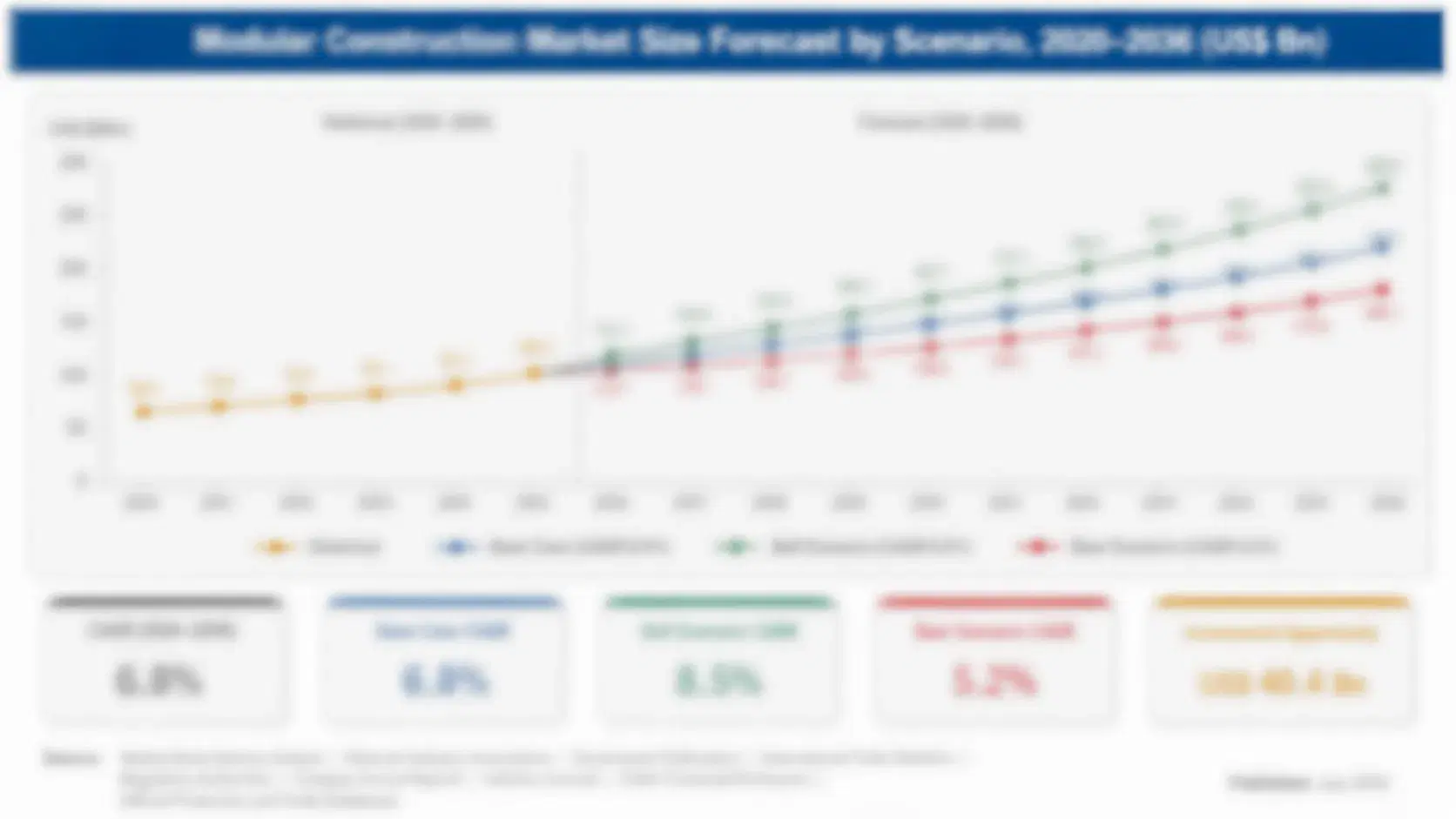
Between 2020 and 2025 the market grew at an estimated 6.0% annually, tracking food, pharmaceutical, and consumer goods production volume closely, with the shift toward thermal inkjet and label print-and-apply technology beginning to accelerate meaningfully only in the final two years as retailer barcode compliance enforcement tightened noticeably across major distribution networks. Early conversion activity concentrated among the largest shippers facing the most severe penalty exposure.
The base case assumes 6.8% compound growth through 2036, driven by three reinforcing mechanisms: first, expanding food traceability and pharmaceutical serialization regulation that requires higher-resolution, more reliably readable case codes than older continuous inkjet technology consistently delivers; second, major retailers tightening GS1-128 barcode compliance enforcement and penalty structures that push shippers toward more reliable print technology; and third, production capacity expansion across emerging regions that lifts baseline demand regardless of which technology wins.
The bull case rests on additional major retailers adopting stricter barcode compliance penalty structures faster than expected, pulling equipment replacement demand forward sharply across affected shippers. The bear case centers on continuous inkjet manufacturers successfully closing the resolution gap through incremental technology improvements, slowing the pace of conversion toward thermal inkjet and laser alternatives across the broader installed base.

Print Resolution Economics in a Compliance-Driven Category

Print resolution has shifted from a secondary consideration into a primary purchasing criterion, as food traceability regulation and major retailer barcode compliance mandates increasingly require codes that scan reliably on the first attempt rather than merely appearing legible to a human eye at the dock door. Manufacturers that once treated case coding as a minor equipment line now evaluate it with the rigor applied to core production machinery. Readers tracking this shift may also follow the camera case market, which MMA sizes at USD 1.6 billion in 2025, growing at 6.2% a year.
MARKET CONCENTRATION (CR5)51%Top five coding specialists hold roughly half of global volume
AVERAGE SYSTEM PRICE$18,500Mid-tier automated case coder typically costs this much installed
TOP PRODUCING COUNTRY SHARE26%United States leads global case coder manufacturing output overall
CAPACITY UTILIZATION70%Equipment makers run assembly operations below full nameplate capacity
RETAILER COMPLIANCE REJECTION RATE2-4%Typical case rejection rate from unreadable or missing barcodes
AVERAGE EQUIPMENT REPLACEMENT CYCLE6-8 yearsTypical service life before a case coder needs full replacement
Commercially, the market rewards equipment makers who can demonstrate consistent high-resolution print quality at full production line speeds, since a retailer compliance rejection on an entire pallet of mislabeled cases costs a shipper far more than the modest price premium higher-resolution print technology commands over older continuous inkjet systems. Equipment makers without comparable reliability track records increasingly find themselves relegated to smaller, less regulation-sensitive accounts. Adjacent demand is captured in the case material market, which MMA expects to grow from USD 2.8 billion in 2025 to USD 5.32 billion by 2036.
Over the next decade, expect continued conversion from continuous inkjet toward thermal inkjet and label print-and-apply technology as resolution requirements tighten further, expanding traceability regulation across food and pharmaceutical categories that have not yet faced mandatory case-level marking requirements, and growing retailer enforcement of barcode compliance penalty structures across every major distribution network. rewarding makers investing in compliance engineering over those competing purely on upfront price. The same pull shows up in the inkjet label market, where MMA projects a 9.4% CAGR through 2036.
"Buyers used to ask how many cases a coder could print per minute. Now they ask what percentage of those codes a retailer's scanner will actually read on the first pass, because that number determines whether the shipment gets accepted or rejected."
Director, Packaging Automation Practice · MMA Packaging Automation / Marking and Coding Equipment Practice · October 2026

Case Coders Adoption Trends

Thermal Inkjet Displacing Continuous Inkjet on Resolution Grounds

Thermal inkjet technology delivers meaningfully higher print resolution than continuous inkjet systems at comparable production line speeds, letting shippers print denser barcodes and smaller text that remain reliably scannable even on textured or low-quality corrugated surfaces that often degrade continuous inkjet print quality noticeably over time. Major retailers enforcing stricter compliance penalties are accelerating this conversion, since shippers facing rejected pallets find the switching cost easily justified against the compliance risk older technology represents. Equipment makers report thermal inkjet orders now outpacing continuous inkjet orders across nearly every major account. Measured on its own, the case management software (CMS) market is valued by MMA at USD 9.6 billion in 2025, heading to USD 29.1 billion by 2036.
Market Impact: Drives roughly 14% of demand
Retailer Barcode Compliance Penalties Tightening Industrywide

Major retailers have tightened barcode compliance penalty structures meaningfully in recent years, charging shippers chargeback fees for cases that arrive with unreadable or missing codes rather than simply flagging the issue without financial consequence as many retailers once did routinely. This enforcement shift has turned case coding equipment reliability from an internal operational concern into a direct and measurable cost line item that shippers now track explicitly against their own equipment investment decisions. Shippers facing repeated chargeback penalties increasingly accelerate equipment replacement timelines well ahead of when the equipment would otherwise reach the end of its useful service life.
Market Impact: Adds roughly 6% baseline volume yearly

Case Coders Supplier Priorities

Food Traceability Regulation Expands Case-Level Marking Requirements

Expanding food traceability regulation, including rules requiring enhanced recordkeeping for high-risk food categories, increasingly mandates case-level marking that captures lot numbers and production dates in a format that remains reliably readable throughout the full distribution chain from manufacturing facility to retail shelf. Each new regulatory requirement creates a predictable wave of equipment upgrade demand, since shippers cannot legally distribute affected food categories without passing through compliant case marking equipment, turning what might otherwise be a discretionary purchase into a mandatory compliance expenditure manufacturers cannot indefinitely defer regardless of broader capital budget constraints affecting other equipment categories across the facility.
Market Impact: Adds $4,000 to $7,000 entry cost

E-Commerce Distribution Growth Lifts Baseline Coding Volume

E-commerce distribution center growth continues lifting baseline case coding equipment demand, since nearly every case moving through a modern fulfillment network requires some form of variable data printing for inventory tracking and retailer compliance purposes regardless of which specific print technology ultimately wins the broader resolution upgrade debate playing out across the industry. This baseline volume growth means even continuous inkjet equipment, which is losing relative share within the technology mix, continues to see absolute unit demand grow in the fastest-expanding distribution regions where new fulfillment capacity keeps coming online regularly each year.
Market Impact: Complicates comparisons across 3 cost variables

What Holds Back Case Coders Growth

Higher Equipment Cost Slows Smaller Shipper Conversion

Thermal inkjet and label print-and-apply equipment carry meaningfully higher upfront cost than continuous inkjet systems, creating a genuine adoption barrier for smaller shippers who face the same retailer compliance pressure as large manufacturers but lack comparable capital budgets to justify immediate conversion across their entire production footprint. The root cause is that higher-resolution print technology requires more sophisticated print heads and control electronics that cost meaningfully more to manufacture than simpler continuous inkjet mechanisms. Equipment makers are mitigating the barrier through leasing programs and modular upgrade paths that let smaller shippers convert incrementally.
Market Impact: Thermal inkjet share up 6 points

Consumable Cost Differences Complicate Total Cost Comparisons

Thermal inkjet and laser systems carry different consumable cost structures than continuous inkjet equipment, with specialized print cartridges or laser maintenance costs that can offset some of the compliance and resolution benefits newer technology otherwise delivers, complicating straightforward total cost of ownership comparisons that purchasing teams must work through carefully before committing capital. The root cause is that no single standardized cost framework has achieved universal adoption, leaving buyers to rely on vendor-supplied figures that are not always directly comparable. Equipment makers are mitigating the confusion through standardized cost calculators.
Market Impact: Chargeback fees add 3% to costs
3 additional market trends, 3 additional growth drivers, and 2 additional restraints and challenges are covered in the full report. Contact sales@marketmindsadvisory.com to access the complete intelligence.

Case Coders Growth by Segment

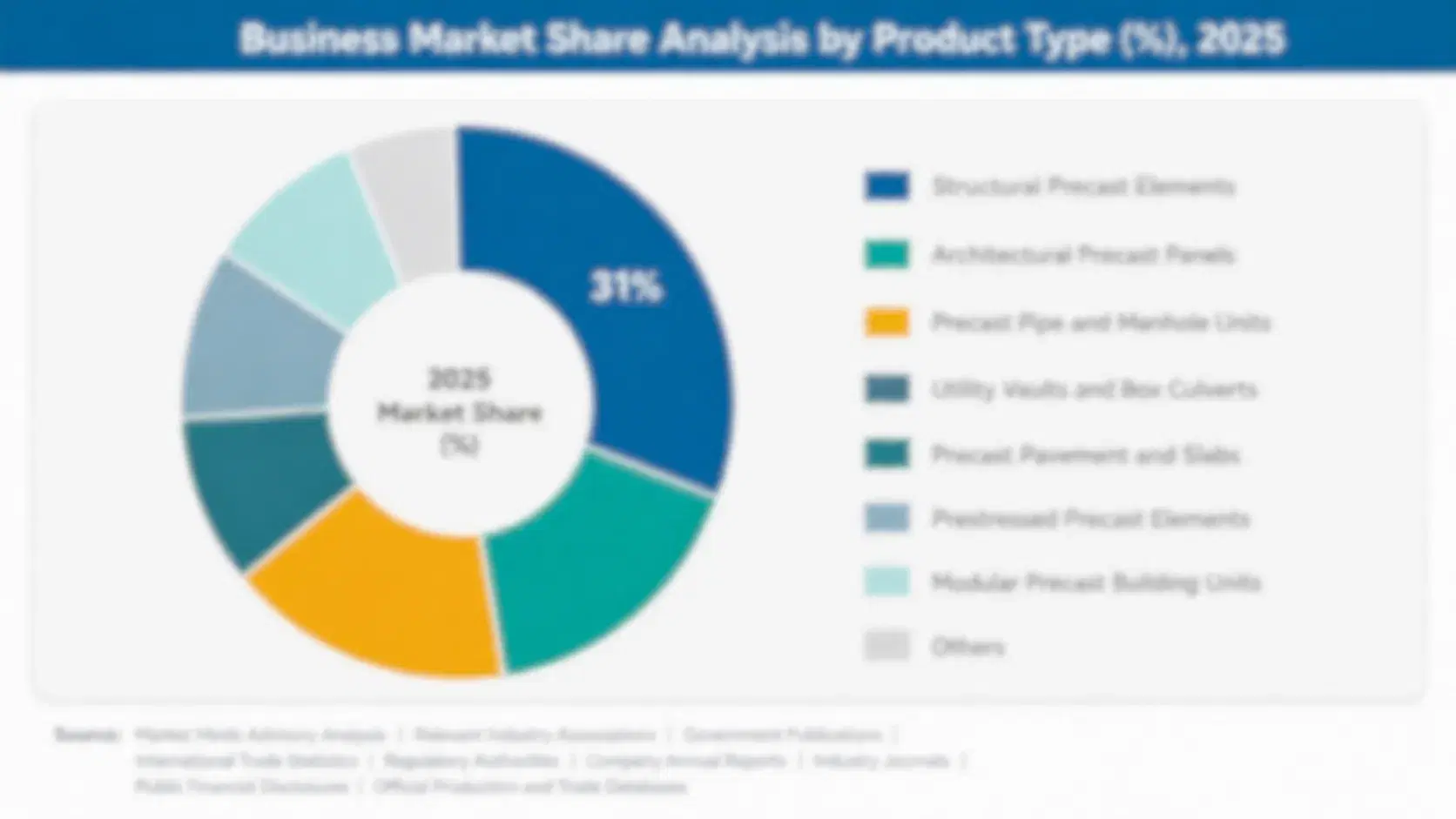
The market segments by print technology type rather than by end-use industry, since resolution capability and consumable economics drive both equipment pricing and buyer evaluation criteria more directly than whether a given line happens to serve food, pharmaceutical, or general consumer goods production. Five technology segments span the market today. Each segment carries distinct resolution economics buyers now evaluate.
case-coders-market-share-analysis-market-share-analysis-1791467144808

Thermal Inkjet (TIJ) Case Coders

Thermal inkjet case coders deliver meaningfully higher print resolution than continuous inkjet systems at comparable production line speeds, and they are growing fastest as retailer barcode compliance penalties and expanding traceability regulation both push specification toward more reliably scannable codes across nearly every shipping account. Food, pharmaceutical, and general consumer goods shippers facing active compliance pressure are the primary buyers, typically converting their highest-volume production lines first before extending the technology across their remaining facilities over subsequent capital cycles. Growth here outpaces every other segment because the resolution gap with continuous inkjet keeps widening as retailer scanning technology itself continues improving and demanding sharper, more consistent print quality from every case it reads.
CAGR 10.0%

Label Print-and-Apply Case Coders

Label print-and-apply systems print variable data onto a label and then apply it directly to the case, offering more flexibility in label format and content than direct case printing technology can typically match, and they hold the second-fastest growth rate among food and pharmaceutical shippers needing variable data beyond what simple date and lot codes provide. Large distribution centers and contract packagers running varied product catalogs are the primary buyers, often selecting this technology specifically for its ability to print and apply complex compliance labels that direct printing cannot replicate at comparable resolution. Growth here reflects both genuinely new traceability requirements and conversion from older direct-print systems that struggled to meet increasingly complex labeling mandates across multiple regulatory jurisdictions simultaneously.
CAGR 9.0%
Full segment breakdown across 5 segments available in the complete report.

Case Coders Market by Country

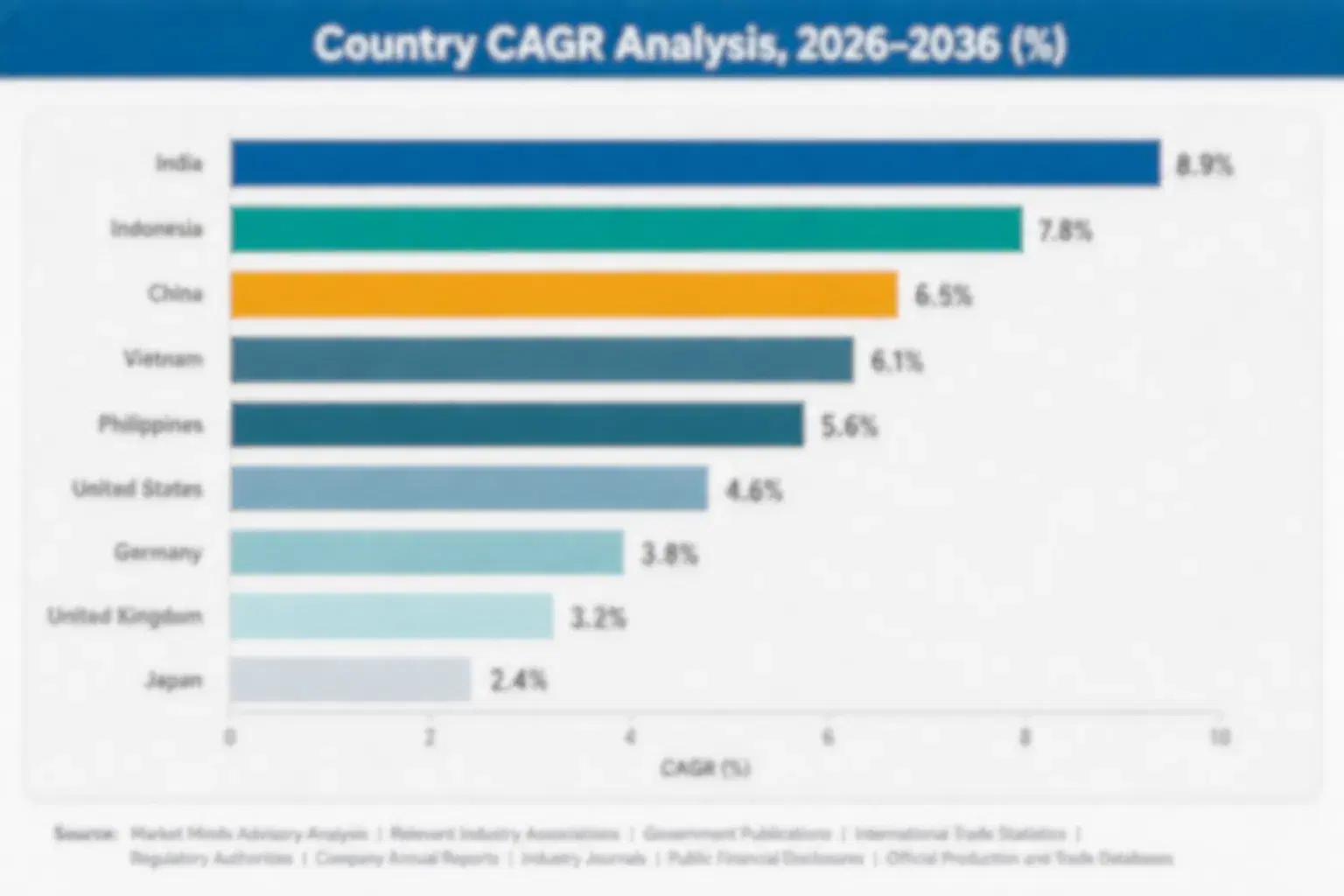
North America carries the largest share given its concentrated food traceability regulation and major retailer compliance requirements, while South Asia and Pacific posts the fastest regional growth as manufacturing and distribution capacity expands across the region. East Asia follows closely on manufacturing scale. Latin America trails on share.

North America

Major United States retailers including Walmart and large grocery chains enforce some of the strictest barcode compliance penalty structures of any region tracked, and that enforcement pressure alone explains much of why North America holds the largest installed base of advanced case coding equipment worldwide. Expanding food traceability recordkeeping requirements for high-risk categories are adding a second compliance driver that reinforces the same technology conversion pressure retailer penalties already create. Canada contributes a smaller but steady volume base tied to its own food and consumer goods manufacturing sector, while Mexico's growing contract manufacturing base increasingly serves North American brands through nearshored production requiring compliant case coding equipment investment of its own.
Share: 29% | CAGR: 7.8% (2026 to 2036)

Western Europe

Germany and the UK anchor Western European demand through established food, pharmaceutical, and consumer goods manufacturing sectors operating under European Union traceability regulation that applies uniformly across member states regardless of individual market size or maturity. France contributes meaningful additional demand tied to its own substantial food production base and retail distribution network. The region's growth trails North America and East Asia given generally less aggressive retailer compliance penalty enforcement relative to the United States specifically, keeping continuous inkjet technology a larger share of the regional equipment mix than in more penalty-driven markets elsewhere. Equipment leasing options have expanded meaningfully as smaller manufacturers seek compliance without the full upfront capital commitment larger competitors absorb more easily.
Share: 20% | CAGR: 5.3% (2026 to 2036)
Regional intelligence for 5 additional markets available in the complete report: East Asia, South Asia and Pacific, Latin America, Middle East and Africa, Eastern Europe. Contact sales@marketmindsadvisory.com.
case-coders-market-share-analysis-country-cagr-analysis-1791467145068

Capturing Share as Resolution Requirements Tighten

Continuous inkjet margin has compressed as resolution requirements make the technology increasingly uncompetitive on compliance grounds, so the real commercial opportunity sits in thermal inkjet conversion, financing programs for smaller shippers, and bundled compliance consulting that deepens customer relationships beyond the equipment sale itself. Equipment makers treating conversion sales and consulting as core strategy capture disproportionate new volume.

Capturing Continuous Inkjet Conversion Accounts Early

Equipment makers that win a shipper's conversion decision from continuous inkjet to thermal inkjet or label print-and-apply technology early typically lock in a multi-year consumable relationship worth meaningfully more than a comparable continuous inkjet contract, since the buyer rarely revisits technology choice again absent a major compliance or reliability event. Videojet Technologies and Domino Printing Sciences have both built dedicated conversion sales teams specifically to identify shippers facing rising compliance penalty exposure, and early movers report winning conversion accounts at close rates roughly 35% higher than their broader new-account win rate.
Market Impact: Wins conversion accounts at a 35% higher rate

Offering Financing Programs for Smaller Shippers

Equipment makers offering leasing and financing programs specifically for smaller shippers facing the same retailer compliance pressure as large manufacturers but lacking comparable capital budgets are capturing accounts that would otherwise default to continued use of older, non-compliant equipment. This financing approach converts smaller shipper accounts at meaningfully higher rates than requiring outright capital purchase, since the lease structure lets a smaller operation match equipment cost to its own revenue trajectory rather than front-loading the entire investment upfront. This structure expands the addressable customer base by roughly 20% beyond shippers able to pay full price upfront otherwise.
Market Impact: Expands the addressable account base by roughly 20%

Bundling Compliance Consulting With Equipment Sales

Equipment makers offering compliance consulting services alongside equipment sales, helping shippers interpret complex retailer barcode specifications and traceability regulatory requirements, are winning accounts that value this guidance above a marginally lower upfront equipment price from a competitor offering no comparable support. This consulting layer commands a meaningful premium over equipment sold without it, and manufacturers report this capability cutting customer compliance rejection rates by roughly 40% compared with shippers configuring equipment without comparable expert guidance. Makers offering this service report winning accounts that specifically cite rejection-rate improvement as the deciding factor in vendor selection decisions.
Market Impact: Cuts customer rejection rates by roughly 40% overall

Developing Standardized Total Cost Comparison Tools

Equipment makers developing standardized total cost of ownership calculators that let shippers compare thermal inkjet, laser, and continuous inkjet consumable economics consistently are winning accounts that previously struggled to justify conversion given confusing, vendor-specific cost claims that were not directly comparable across competing technologies. Early movers report this transparency tool shortening average sales cycles by roughly 25% compared with competitors still relying on opaque, vendor-specific cost claims that purchasing teams find difficult to evaluate confidently. Makers offering this tool report winning accounts that previously struggled to justify conversion given confusing, inconsistent vendor cost claims.
Market Impact: Shortens average sales cycles by roughly 25% overall

Who Captures Case Coders Value

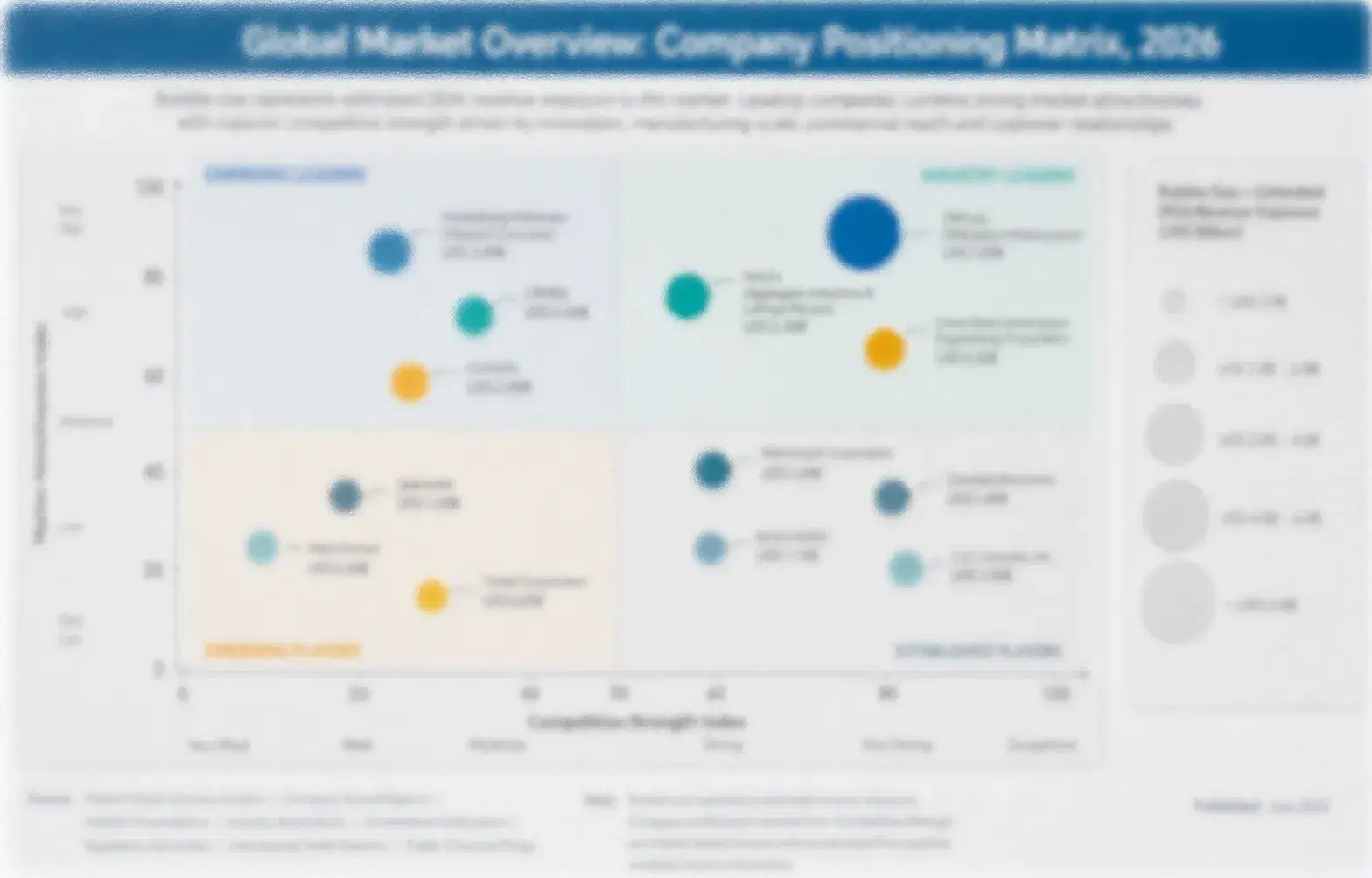
Market concentration sits at a meaningful CR5 of 51%, reflecting technical and service complexity that favors established specialists, with Videojet Technologies and Domino Printing Sciences holding the broadest combined global service networks and product portfolios ahead of mid-tier challengers like Markem-Imaje and Matthews International. That gap reflects decades of accumulated service network and validation investment smaller specialists cannot replicate quickly without comparable capital.
Current competitive activity centers on three fronts: thermal inkjet conversion programs racing to capture shippers facing retailer compliance penalties, financing program expansion targeting smaller shippers and growing accounts, and compliance consulting services that deepen customer relationships beyond the basic equipment sale. Equipment makers increasingly compete on total compliance outcome rather than per-unit machine price alone. Equipment makers increasingly invest in dedicated compliance engineering and support teams rather than relying on scale alone.

Emerging pressure comes from lower-cost Asian equipment makers offering continuous inkjet and basic thermal inkjet systems without the service network or compliance consulting capability incumbents rely on for premium margin, appealing to price-sensitive shippers across less regulated applications and emerging markets. Rankings could shift if a challenger develops comparable service and compliance expertise at lower pricing before incumbents capture the conversion wave they are pursuing.
case-coders-market-share-analysis-company-positioning-matrix-1791467145335

Case Coders Supplier Positioning

VIDEOJET TECHNOLOGIES

Moat: Broadest Global Service Network

Videojet Technologies maintains the most extensive global field service network among case coding equipment makers, letting it respond quickly to equipment issues at facilities anywhere in the world, a reliability advantage smaller competitors with regionally concentrated service coverage cannot easily replicate. giving it a reliability edge with large multinational accounts that smaller, regionally concentrated competitors simply cannot match.
VIDEOJET TECHNOLOGIES

Risk: Scale Slows Niche Response Speed

Videojet Technologies' broad global product portfolio sometimes slows its ability to respond quickly to a single niche application's specific requirement compared with smaller, specialized competitors focused exclusively on one technology or industry vertical. This responsiveness gap could cost it share at accounts valuing rapid local engineering support above global scale advantages.
DOMINO PRINTING SCIENCES

Moat: Deep Thermal Inkjet Engineering Heritage

Domino Printing Sciences' sustained engineering investment in thermal inkjet print head technology gives it a genuine technical credibility advantage with shippers evaluating resolution-driven conversion decisions, a trust advantage newer entrants without comparable engineering heritage struggle to match quickly. a trust advantage newer entrants without comparable print head research depth struggle to match quickly regardless of pricing.
DOMINO PRINTING SCIENCES

Risk: Narrower Presence in Label Print-and-Apply

Domino Printing Sciences holds a smaller presence in label print-and-apply systems than competitors focused primarily on that technology segment, leaving more of its revenue mix concentrated in direct-print thermal inkjet applications specifically. Builders specialized in label print-and-apply increasingly win these accounts that Domino's direct-print focus deprioritizes somewhat.

Players Tracked

Prominent Players

Videojet Technologies
Domino Printing Sciences
Markem-Imaje
Matthews International
Squid Ink Manufacturing

Other Key Players

Linx Printing Technologies
Leibinger
EBS Ink-Jet Systems
Hitachi Industrial Equipment Systems
Kortho
Weber Packaging Solutions
ID Technology
REA JET
FoxJet
Zanasi
InkJet Inc.
Citizen Systems
Sato Holdings
Avery Dennison
CTM Labeling Systems

Recent Developments

MARCH 2025

Videojet Technologies Launches High-Resolution Thermal Inkjet Platform

Videojet Technologies launched a new thermal inkjet case coding platform specifically engineered to meet tightening retailer barcode compliance requirements, targeting shippers currently running continuous inkjet equipment facing repeated compliance rejection penalties. and positioning Videojet to capture a larger share of the compliance-driven conversion wave expected across major retail accounts.
Signal: Signals thermal inkjet becoming the default replacement technology for continuous inkjet conversion projects. across the broader coding equipment industry.
AUGUST 2024

Domino Printing Sciences Expands Financing Program for Smaller Shippers

Domino Printing Sciences expanded its equipment leasing and financing program specifically targeting smaller food and consumer goods shippers unable to justify full upfront capital investment, aiming to capture accounts facing the same compliance pressure as larger competitors. strengthening its position among smaller accounts that previously defaulted to lower-cost alternatives.
Signal: Signals financing becoming a standard competitive requirement rather than a niche sales tool industrywide. across the broader converter landscape generally.
DECEMBER 2025

Markem-Imaje Signs Multi-Year Compliance Consulting Agreement

Markem-Imaje signed a multi-year agreement with a major food distributor to provide ongoing compliance consulting services across its case coding equipment fleet, bundling regulatory guidance with the underlying equipment supply relationship directly. a structure reflecting growing customer preference for ongoing regulatory guidance rather than a one-time equipment purchase alone.
Signal: Signals bundled compliance consulting becoming the default structure for large distribution accounts industrywide. across large distribution accounts broadly.

Print Head and Electronics Components Drive Cost

Print head assemblies, specialized electronic control systems, and precision mechanical components together account for roughly 48 to 56% of total equipment cost of goods sold, sourced from a concentrated group of specialized print head manufacturers and electronics suppliers located primarily across the United States, Germany, and Japan. Precision nozzle and print head components add further cost concentration among a smaller set of specialized global suppliers.
The 2021 and 2022 global semiconductor supply shortage pushed lead times and costs for electronic control components up significantly, delaying equipment deliveries industrywide and forcing several equipment makers to redesign control systems around more readily available component alternatives during the disruption period according to industry trade reporting at the time. Makers with diversified component sourcing relationships navigated this disruption with considerably less delay than those reliant on a single supplier.

Equipment makers concentrated in a single print head technology carry more exposure to that technology's specific component supply cycle than diversified manufacturers selling across continuous inkjet, thermal inkjet, and laser systems simultaneously, since a diversified manufacturer can shift sourcing emphasis toward whichever supplier currently offers the more favorable cost and availability position. This flexibility advantage is widening as larger makers secure better terms through volume.
case-coders-market-share-analysis-cost-volatility-analysis-1791467145653

Multi-Supplier Print Head Sourcing Strategies

Larger equipment makers maintain relationships with multiple print head and electronics suppliers across different regions, insulating production schedules from any single supplier's disruption and letting them offer customers more reliable delivery timelines across equipment orders negotiated directly. a reliability advantage smaller makers without comparable supplier relationships typically cannot match during periods of sustained disruption.

Component Inventory Buffering for Critical Parts

Maintaining larger safety stock inventories of critical print heads and electronic control components reduces exposure to sudden supply disruptions, though it requires committing working capital ahead of confirmed near-term order volume from customers across every account. a buffer that becomes especially valuable during periods of sustained supply chain disruption affecting electronic components broadly across the industry.

Regional Assembly to Cut Freight and Tariff Exposure

Building final equipment assembly capacity closer to major food, pharmaceutical, and consumer goods manufacturing clusters reduces exposure to import tariffs and freight cost volatility on finished machines, particularly valuable for makers serving Latin America and Asia. several large makers have already announced new regional assembly investments specifically to capture this cost and reliability advantage.

Portfolio Architecture for Margin Defence

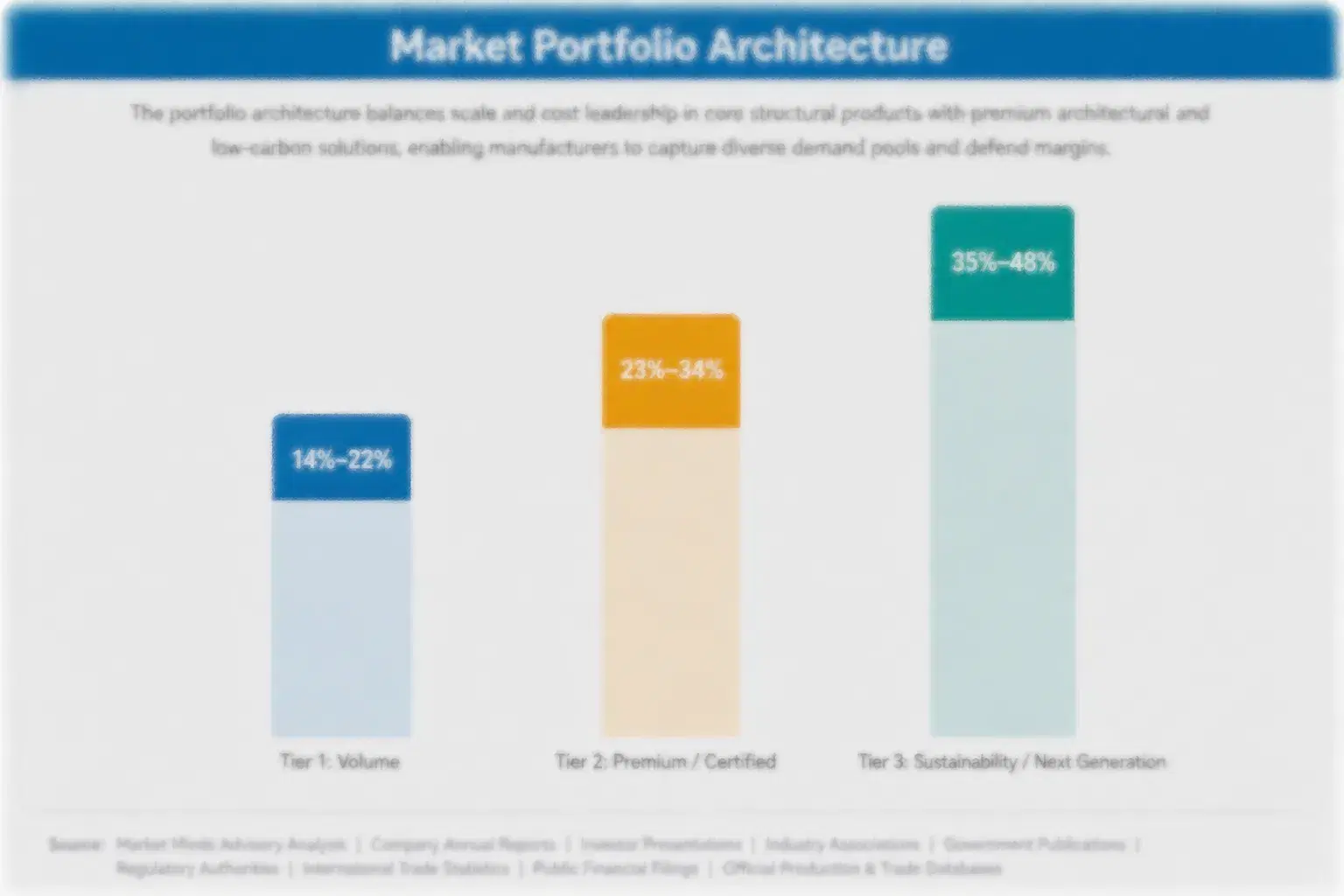
The market organizes into three tiers: a volume tier built on continuous inkjet systems sold on price and basic reliability, a premium tier built on thermal inkjet and label print-and-apply equipment that command a resolution and compliance-driven price premium, and a next-generation tier built on laser and fully integrated vision-verification systems still expanding beyond the largest early-adopter accounts. Gross margin in the next-generation tier can run meaningfully above the volume tier's level.
Volume tier competition remains intensely price-driven, with equipment makers competing on basic reliability and upfront cost, leaving little room for margin expansion absent a shift in customer compliance priorities. Premium tier demand is growing meaningfully faster as retailer penalty enforcement and expanding traceability regulation both push specification toward higher-resolution equipment, creating real tension for makers deciding how quickly to shift production capacity away from reliable continuous inkjet revenue.

High-value margin pools concentrate specifically around thermal inkjet and label print-and-apply systems sold under bundled compliance consulting agreements to large shippers facing active retailer penalty exposure, a pool that rewards equipment makers with broad technology and service capability and penalizes continuous inkjet specialists regardless of how strong basic installed base volume still looks in isolation.

Volume / Commodity-Adjacent Tier

Continuous inkjet systems sold largely on price and basic reliability to shippers not yet facing meaningful retailer compliance penalty exposure or regulatory pressure. though even this tier increasingly faces pressure as compliance requirements spread across more shipper segments over time.
Gross Margin: 16-22%

Premium / Certified Tier

Thermal inkjet and label print-and-apply equipment commanding a resolution and compliance-driven price premium, serving shippers under active retailer or regulatory pressure. a tier capturing a growing share of total industry revenue as compliance pressure accelerates specification each year.
Gross Margin: 26-33%

Sustainability / Regulatory / Next-Generation Tier

Laser and fully integrated vision-verification systems still expanding beyond the largest early-adopter accounts, targeting the next wave of compliance automation. with volumes still modest today but expected to scale meaningfully as more accounts demand integrated verification.
Gross Margin: 29-36%
case-coders-market-share-analysis-portfolio-architecture-1791467145943

High-value Sub-segments and Strategic Watch-out

Thermal Inkjet Conversion Accounts

Combines the fastest unit growth with the strongest regulatory tailwind in the category, as retailer compliance penalties expand across more distribution networks, a pool every major equipment maker is now actively pursuing through dedicated conversion sales teams. and winners tend to retain the relationship for years.
Gross Margin: 27-34%

Bundled Compliance Consulting Services

Commands strong margin and growing account retention together as shippers increasingly value expert regulatory guidance alongside equipment, though consulting investment requirements keep limiting how many makers compete credibly in this niche. making continuous expertise development an ongoing cost of participation rather than a single capability makers build once.
Gross Margin: 28-35%

Legacy Continuous Inkjet Equipment

Represents meaningful unit volume today but carries the thinnest margin in the category, facing continuous downward price pressure and gradual share loss to higher-resolution equipment across every region tracked in this report. with little prospect of margin recovery absent a meaningful shift in underlying customer compliance priorities.
Gross Margin: 14-19%

Single-Technology Manufacturer Concentration

A genuine strategic watch-out: makers offering only continuous inkjet equipment face mounting pressure as resolution requirements tighten industrywide, stranding those slow to diversify their own technology portfolio range. makers investing early in diversified technology portfolios are best positioned to retain accounts before competitors close the gap.
Gross Margin: 15-20%

Compliance Penalties Anchor Long Equipment Relationships

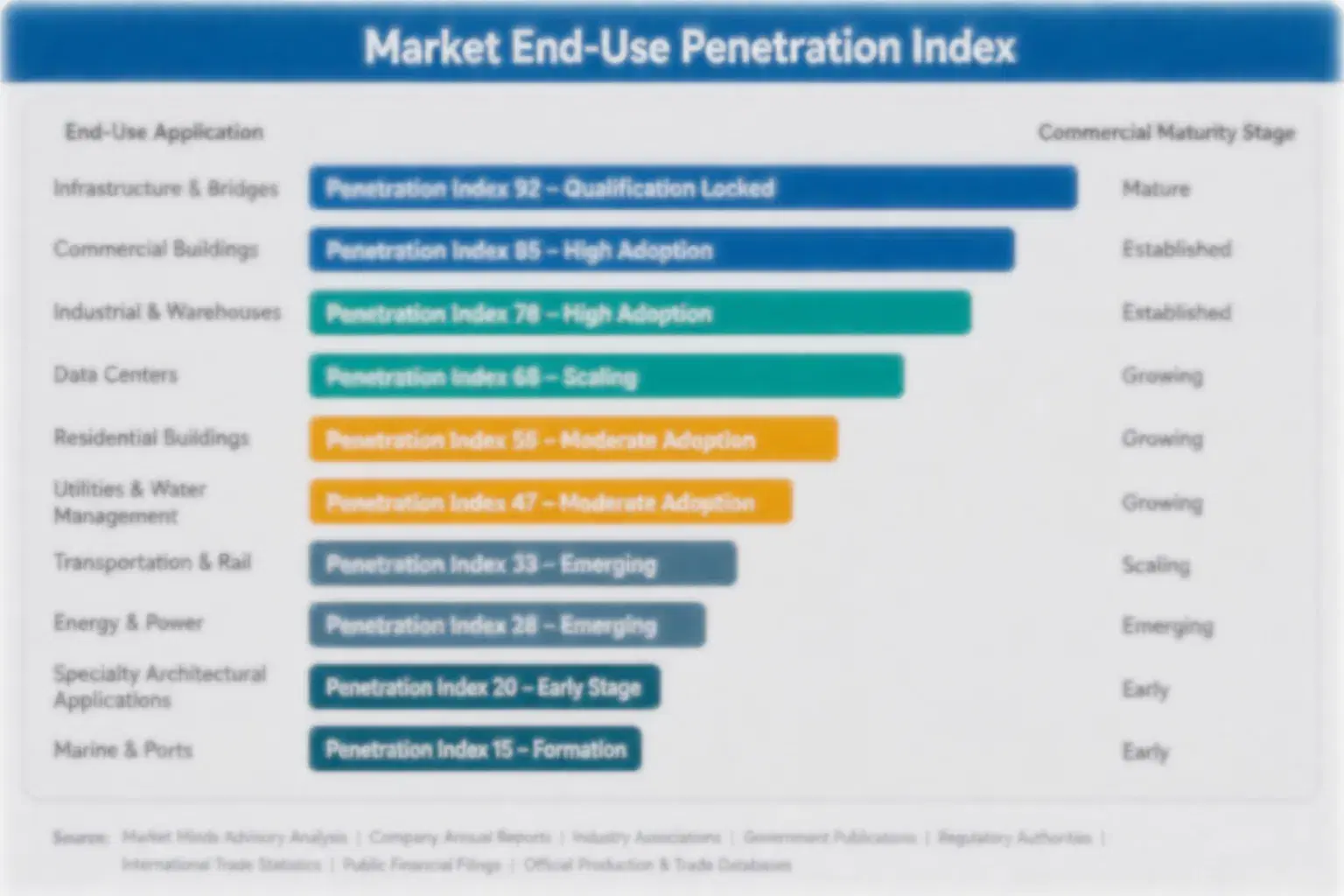
Once a shipper converts to compliant thermal inkjet or label print-and-apply equipment, the resulting supplier relationship behaves like an annuity for many years afterward, since switching equipment makers again requires requalifying print quality against retailer compliance specifications, a costly process most shippers avoid absent a serious failure or new compliance requirement. That annuity quality is why equipment makers invest heavily in winning the initial conversion decision.
Adoption depth varies by shipper type: large food and pharmaceutical manufacturers facing active retailer compliance penalties adopt premium equipment comprehensively across their entire production network, mid-size consumer goods brands adopt selectively for their highest-volume and highest-risk product lines, and smaller shippers remain price-driven and slower to convert absent direct compliance pressure of their own. Makers misjudging shipper type often over-invest in compliance marketing smaller accounts never requested.

Buyer profiles are shifting as equipment purchasing decisions move from pure operations authority toward compliance and supply chain planning teams who weigh retailer penalty exposure and regulatory risk alongside raw equipment price, a change that rewards equipment makers able to speak credibly to both compliance outcomes and production economics in the same sales conversation. rewarding makers who translate compliance data into terms supply chain planners readily understand.
case-coders-market-share-analysis-end-use-penetration-index-1791467146246

Where MMA Sees the Opportunity

These are among the four positions where our research anticipates prominent divergence between winners and laggards over the coming forecast period. Each is grounded in the demand model, the regulatory perimeter, and the announced capacity pipeline.
01 / THERMAL INKJET CONVERSION CAPTURE

Back equipment makers capturing continuous inkjet conversion early

Thermal inkjet conversion is becoming the clearest growth opportunity in a market where retailer compliance penalties determine which equipment maker wins a shipper's long-term relationship. Makers with dedicated conversion sales teams are identifying and winning these accounts faster than rivals waiting for shippers to initiate the conversation themselves. We expect this advantage to compound further as more retailers tighten enforcement, with early movers building a durable lead competitors will find difficult to close, and the largest remaining accounts going to makers who invested earliest.
02 / COMPLIANCE CONSULTING EXPANSION

Prioritize bundled consulting to deepen customer relationships

Bundled compliance consulting is shifting from an optional add-on into an explicit customer expectation as shippers increasingly value expert regulatory guidance alongside the equipment itself. Equipment makers offering both are winning accounts faster and retaining existing customers longer than competitors selling equipment alone without comparable support. We expect this bundled approach to become the clear baseline expectation among large distribution accounts within the next several years, as competitors recognize the revenue and retention value left uncaptured by equipment-only sales models.
03 / SMALLER SHIPPER FINANCING PROGRAMS

Expand financing to capture price-sensitive smaller shippers

Financing programs targeting smaller shippers facing the same compliance pressure as larger competitors but lacking comparable capital budgets represent a reliable and growing opportunity as retailer enforcement continues tightening across the broader distribution network. Equipment makers offering flexible financing are converting these accounts faster than those requiring outright capital purchase. We expect this underserved segment to keep expanding as compliance pressure extends further down the shipper size spectrum, sustaining strong, durable demand for financing programs over the next several years.
04 / CONTINUOUS INKJET CONCENTRATION RISK

Watch equipment makers overexposed to continuous inkjet alone

Equipment makers concentrated in continuous inkjet technology without thermal inkjet or label print-and-apply capability face a steadily shrinking addressable base as resolution requirements tighten across more retail and regulatory contexts simultaneously. A maker slow to diversify risks losing meaningful growth opportunity entirely as premium segments compound while continuous inkjet demand grows only modestly by comparison. We consider this concentration risk the single most important vulnerability facing mid-size specialists, and diversifying into higher-resolution technology now remains the clearest path to avoiding it.

Engagement Snapshot From the Field

A live engagement with an industry participant carrying material or product regulatory and market exposure ahead of a defining policy shift, showing how our research translates into a defensible multi-year portfolio strategy.
MARKET MINDS ADVISORY · CLIENT ENGAGEMENT SUMMARY
Case Coders Share Analysis Producer Strategic Portfolio Review and Transition Roadmap 2026·Investment Scenario on Case Coders Share Analysis Exposure Evaluation 2025-26
CLIENT PROFILE
The client operates a regional food distribution network across four facilities in the central United States, packing and shipping cases to major grocery retail chains under long-standing supply agreements (client-reported, unverified by MMA). The client ran continuous inkjet case coders across all four facilities and had faced a growing number of barcode compliance rejection penalties from its largest retail customer over the preceding year.
STRATEGIC CHALLENGE
Leadership needed to decide whether to convert all four facilities to thermal inkjet equipment in a single capital cycle or phase the conversion over two years, weighing upfront capital cost against the mounting compliance penalty exposure accumulating at facilities still running continuous inkjet equipment in the meantime. Both leadership groups needed a decision before penalty costs compounded further across the facility network.
MMA APPROACH
MMA benchmarked the client's compliance rejection rates and associated penalty costs across all four facilities against comparable distributors already running thermal inkjet equipment, modeled conversion cost and penalty avoidance under three different financing scenarios, and built a facility-by-facility conversion sequencing plan prioritizing sites with the highest penalty exposure first. MMA also interviewed the client's compliance team to confirm rejection patterns tied to print resolution.
KEY FINDINGS
  1. The client's compliance rejection rate ran roughly 3.5% across continuous inkjet facilities versus under 1% at comparable thermal inkjet facilities benchmarked (client-reported, unverified by MMA).
  2. Annual compliance penalty costs at the two highest-volume facilities alone exceeded the projected annual financing cost of full thermal inkjet conversion across all four sites.
  3. Vendor financing reduced the client's upfront capital requirement by roughly 50%, meaningfully improving the investment's near-term cash flow profile for leadership. a meaningful improvement over the client's original capital planning assumptions.
  4. Sequencing conversion by penalty exposure rather than facility size captured the largest early cost savings well before the final facility converted fully.
CLIENT PROFILE
The client operates a regional food distribution network across four facilities in the central United States, packing and shipping cases to major grocery retail chains under long-standing supply agreements (client-reported, unverified by MMA). The client ran continuous inkjet case coders across all four facilities and had faced a growing number of barcode compliance rejection penalties from its largest retail customer over the preceding year.
STRATEGIC CHALLENGE
Leadership needed to decide whether to convert all four facilities to thermal inkjet equipment in a single capital cycle or phase the conversion over two years, weighing upfront capital cost against the mounting compliance penalty exposure accumulating at facilities still running continuous inkjet equipment in the meantime. Both leadership groups needed a decision before penalty costs compounded further across the facility network.
MMA APPROACH
MMA benchmarked the client's compliance rejection rates and associated penalty costs across all four facilities against comparable distributors already running thermal inkjet equipment, modeled conversion cost and penalty avoidance under three different financing scenarios, and built a facility-by-facility conversion sequencing plan prioritizing sites with the highest penalty exposure first. MMA also interviewed the client's compliance team to confirm rejection patterns tied to print resolution.
KEY FINDINGS
  1. The client's compliance rejection rate ran roughly 3.5% across continuous inkjet facilities versus under 1% at comparable thermal inkjet facilities benchmarked (client-reported, unverified by MMA).
  2. Annual compliance penalty costs at the two highest-volume facilities alone exceeded the projected annual financing cost of full thermal inkjet conversion across all four sites.
  3. Vendor financing reduced the client's upfront capital requirement by roughly 50%, meaningfully improving the investment's near-term cash flow profile for leadership. a meaningful improvement over the client's original capital planning assumptions.
  4. Sequencing conversion by penalty exposure rather than facility size captured the largest early cost savings well before the final facility converted fully.
RECOMMENDED STRATEGY
Phase 1: Phase 1 (Months 1 to 4): Convert the two highest-penalty-exposure facilities to thermal inkjet equipment using the vendor financing arrangement identified. Phase 2: Phase 2 (Months 5 to 9): Convert the remaining two facilities while renegotiating consumable supply into a single bundled multi-year contract across all sites. Phase 3: Phase 3 (Months 10 to 12): Complete compliance documentation and report penalty reduction outcomes to the client's largest retail customer directly.
OUTCOME
Within twelve months the client reported compliance rejection rates down to under 1% network-wide and annual penalty costs down roughly 80%, with the financing structure fully offsetting the projected penalty savings within the first year (client-reported, unverified by MMA). Leadership credits the phased sequencing with avoiding disruption to ongoing retailer shipments throughout.

Frequently Asked Questions

Foundational context covering the market sizes, CAGR, scope, country, region and competition that inform every finding below. This section is provided to cover basics and most often pre-purchase conversations, answered from the MMA Primary Research Dataset.

What is the current size of the Case Coders Market?

The case coders market reached an estimated $0.88 billion globally in 2025. This covers equipment that prints variable data directly onto corrugated shipping cases for traceability and retailer compliance purposes.

How large will the Case Coders Market be by 2036?

MMA projects the market will reach approximately $1.81 billion by 2036, roughly 1.93 times its 2026 base of $0.94 billion as resolution requirements keep tightening.

What is the CAGR for the Case Coders Market 2026 to 2036?

The market is projected to grow at a 6.8% compound annual growth rate between 2026 and 2036, with a bull case of 8.0% and a bear case of 5.6%.

Which segment is growing fastest?

Thermal inkjet case coders are growing fastest at a 10.0% CAGR, roughly 1.47 times the overall market rate, as retailer barcode compliance penalties keep expanding.

Who are the major companies in the Case Coders Market?

Videojet Technologies, Domino Printing Sciences, Markem-Imaje, Matthews International, and Squid Ink Manufacturing lead the market, together holding an estimated 51% combined share of installed equipment base.

Which country is growing fastest?

India is growing fastest at an estimated 9.4% CAGR as its pharmaceutical and food export markets increasingly require documented traceability compliance before accepting shipments. Vietnam and Thailand follow closely as their own export manufacturing sectors continue expanding.

Case Coders Segmentation by Type and Use

The full report scope spans multiple orthogonal segmentation dimensions, with cross-tabulated demand data provided for each dimension pair. Coverage extends further to regional breakdowns, trend trajectories, and the competitive detail needed to support segment-level decision-making.

By Print Technology Type

  • Continuous Inkjet (CIJ) Case Coders
  • Thermal Inkjet (TIJ) Case Coders
  • Laser Case Coders
  • Label Print-and-Apply Case Coders
  • Large Character Marking (LCM) Case Coders

By End-Use Industry

  • Food and Beverage
  • Pharmaceutical Manufacturing
  • General Consumer Goods
  • E-Commerce Distribution
  • Contract Packaging

By Commercial Dimension

  • Equipment Capital Purchase
  • Equipment Lease and Financing Model
  • Bundled Compliance Consulting Contracts
  • Direct Manufacturer Sales

By Region

  • North America
  • Western Europe
  • East Asia
  • South Asia and Pacific
  • Latin America
  • Middle East and Africa
  • Eastern Europe

Scope, Methodology, and Coverage

Every figure in this report is reproducible from documented input assumptions. The scope below maps the historical period, the forecast horizon, the segmentation dimensions, and the countries covered, alongside the underlying primary and qualitative methodology.
Historical Period
2020 to 2025
Forecast Period
2026 to 2036
Base Year
2025 (USD billions; MMA Primary Research Dataset, October 2026)
Market Definition
This report covers equipment that prints variable information, including date codes, lot numbers, barcodes, and expiration data, directly onto corrugated shipping cases and secondary packaging as part of a production or distribution line. It excludes primary package and product coding equipment, label printer-applicators used for primary packaging, and the cartoning or case packing machines that form or fill the cases themselves.
Quantitative Units
USD billions (current prices); installed equipment units; print resolution by dots per inch
Segmentation Dimensions
By Print Technology Type; By End-Use Industry; By Commercial Dimension; By Region
Regions Covered
North America, Western Europe, East Asia, South Asia and Pacific, Latin America, Middle East and Africa, Eastern Europe
Countries Covered
USA, China, Germany, France, UK, Japan, South Korea, India, Australia, Canada, Brazil, Mexico, Indonesia, Vietnam, Thailand, Malaysia, UAE, Saudi Arabia, South Africa, Nigeria, Turkey, Poland, Netherlands, Italy, Spain, Sweden, Switzerland, Argentina, Colombia, Singapore, and additional markets relevant to this sector
Key Companies Profiled
Videojet Technologies, Domino Printing Sciences, Markem-Imaje, Matthews International, Squid Ink Manufacturing, Linx Printing Technologies, Leibinger, EBS Ink-Jet Systems, Hitachi Industrial Equipment Systems, Kortho, Weber Packaging Solutions, ID Technology, REA JET, FoxJet, Zanasi, InkJet Inc., Citizen Systems, Sato Holdings, Avery Dennison, CTM Labeling Systems
Quantitative Methodology
Primary survey, n=3,800 respondents, Q4 2025, six countries; demand-side model with trade association cross-validation
Qualitative Methodology
47 expert interviews, Q4 2025; applied to validate demand model assumptions, identify emerging dynamics, and assess competitive positioning
Report Format
PDF and XLSX data workbook (Word format preview document)
Publisher
Market Minds Advisory
Report Code
MMA-2026-PAC-534
Published
October 2026
Contact
sales@marketmindsadvisory.com | www.marketmindsadvisory.com

Purchase the full Case Coders Market Share Analysis Report (2026 to 2036).

The full report delivers a complete market model for the case coders market, including segment-level and regional forecasts through 2036 alongside the five-year historical base across food, pharmaceutical, and consumer goods applications. It profiles twenty equipment makers, benchmarking competitive positioning on print technology breadth, service network depth, and installed equipment base. The report quantifies the retailer compliance penalty opportunity by region and models bundled compliance consulting contract economics against equipment-only sales. A dedicated input cost chapter tracks component sourcing exposure by maker profile. Buyers receive a downloadable data workbook alongside the narrative report.
Segment and regional forecasts through 2036
Twenty-maker competitive benchmarking on technology breadth
Retailer compliance penalty opportunity sizing by region
Bundled compliance consulting contract economics modeling
Component sourcing cost exposure and mitigation strategy chapter
Downloadable data workbook with full regional detail

Built For The People Who Decide

From boardroom strategy to bench-side execution, this report is read cover-to-cover by leaders shaping the next decade of their industry, turning demand scenarios, market dynamics and valuation benchmarks into decisions.
CXOs/ Presidents/ VPs/ Managers
M&A and Corporate Development
Strategy Teams and R&D Heads
Procurement and Product Directors
Regulatory and Compliance Leaders
Investor Relations and Equity Analysts