Market Minds Advisory
Case and Box Handling Robots Market

Case and Box Handling Robots Market Revenue Forecast 2026-2036

E-commerce fulfillment automation investment, AI-vision guided picking innovation, and warehouse labor shortage pressures are reshaping case and box handling robot specifications across logistics and distribution center applications worldwide this decade

Lead Analyst

Bilal Shaikh

Published

November 2026

Make Smarter Decisions with Customized Research Insights

Request a free sample report and evaluate market opportunities, growth trends, and competitive dynamics relevant to your business needs.

2025 MARKET VALUE$4.2BMarket Size 2025
2036 FORECAST VALUE$11.4BBase Case , 2026 to 2036
CAGR 2026 TO 20369.5 %Bull 10.9% / Bear 8.1%
INCREMENTAL OPPORTUNITY$6.8BNet 10- year value creation
EXPANSION MULTIPLE2.48x2036 value over 2026 base
Strategic Levers
M&A Pipeline
Regional Outlook
Country Rankings
Competitive Intelligence
Segmental Deep-dive
Call-Us : 91 93563 13602

Case and Box Handling Robots Market Snapshot

AI-vision guided case picking robots are displacing fixed-program pick-and-place systems as warehouse operators chase mixed-SKU handling flexibility amid persistent labor shortages across most tracked operator accounts throughout the current forecast cycle across major warehouse automation markets worldwide among most tracked integrator relationships today across most tracked operator accounts.
Demand is expanding fastest across AI-vision guided robots in China, where massive e-commerce fulfillment automation investment and acute warehouse labor shortages sustain outsized unit growth beyond other markets. North American third-party logistics operators continue scaling robotic depalletizing and case-picking lines for distribution center automation, lifting demand for flexible robotics beyond simple palletizing into broader mixed-SKU fulfillment operations across most tracked operator accounts across most tracked operator accounts throughout the current forecast cycle.
Competition concentrates around five major industrial robotics integrators serving global logistics and distribution center accounts on a shared production-capacity basis, though regional specialists in machine vision software continue winning share on mixed-SKU handling accuracy performance alone. Expanding e-commerce fulfillment investment across emerging markets is accelerating robotics deployment, forcing integrators to scale AI software capability that previously served only simple repetitive palletizing applications across most tracked operator accounts.
Market Definition
The Case and Box Handling Robots Market covers robotic systems, including palletizing, depalletizing, and case-picking robots with integrated vision guidance, used for warehouse and distribution center material handling. It excludes general industrial manipulator arms without case-handling-specific end-of-arm tooling, which fall under separate market definitions.
Base Year Value
$4.2B in 2025 (MMA Primary Research Dataset, October 2026)
Forecast Period
2026 to 2036, eleven discrete annual values
CAGR
9.5% base case. Bull 10.9%. Bear 8.1%.
Fastest Growth Segment
AI-Vision Guided Case Picking Robots: 12.5% CAGR
Fastest Growth Country
China: 12.9% CAGR
Fastest Growth Region
South Asia and Pacific: 11.5% CAGR
Largest Region
East Asia: 29% of 2025 global value
Market Leaders
Fanuc Corporation, Yaskawa Electric Corporation, ABB Ltd, KUKA AG, Kawasaki Heavy Industries. Source: MMA Analysis, based on company disclosures and primary survey data, Q4 2025.
Primary Survey
n=3,800 procurement and R&D decision-makers, Q4 2025, six countries
Methodology
Demand-side build-up, cross-validated against public data, 47 expert interviews

Case and Box Handling Robots Market Forecast to 2036

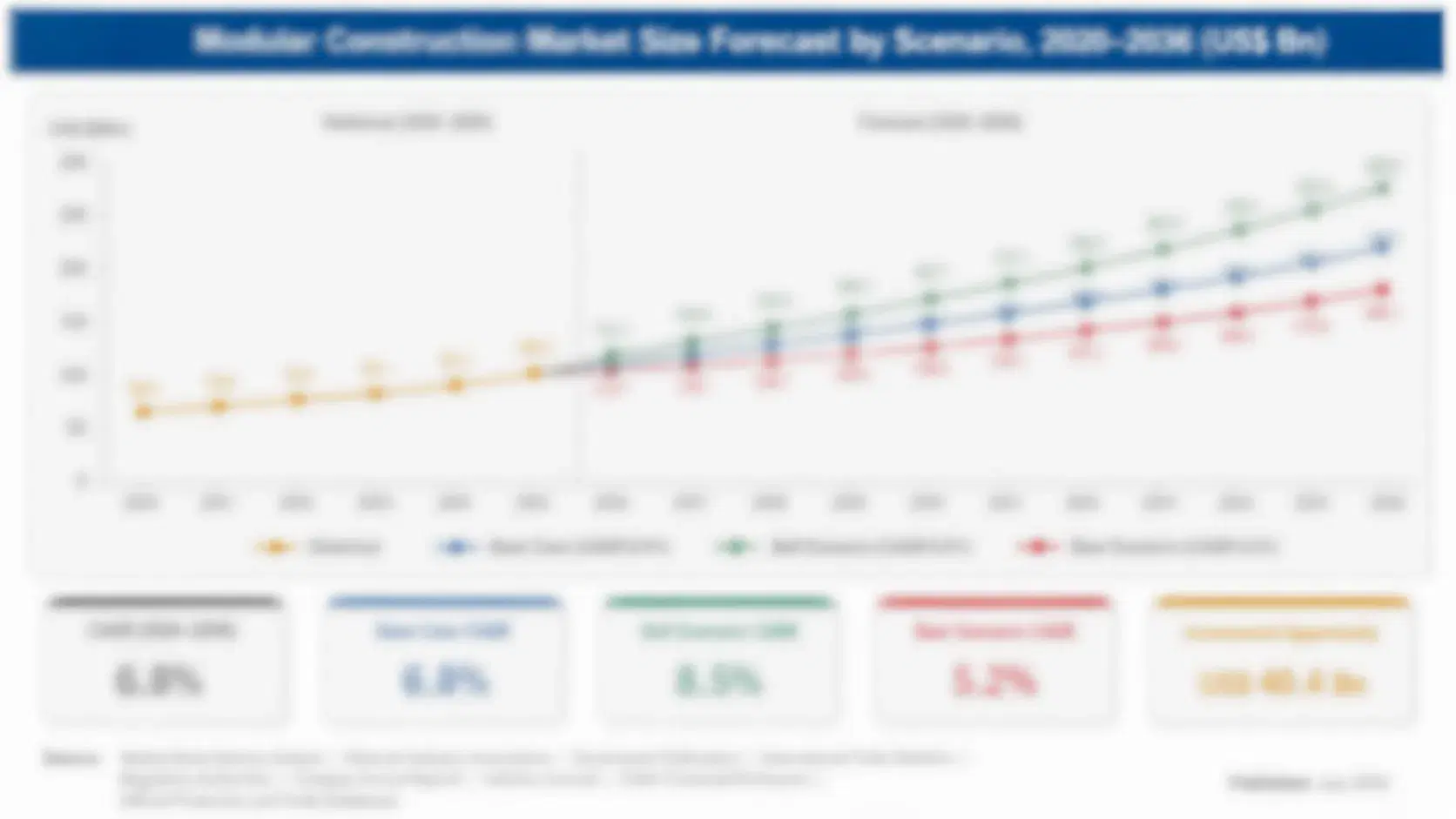
case-and-box-handling-robots-market-size-forecast-scenario-1791481832487
Case and box handling robots demand grew rapidly between 2020 and 2025 as pandemic-era e-commerce acceleration and persistent warehouse labor shortages lifted automation investment, with sustained fulfillment volume growth reinforcing category growth across most major logistics automation markets globally across most tracked operator accounts throughout the current forecast cycle across major warehouse automation markets worldwide.
The base case assumes continued AI-vision guided robot adoption across mid-tier logistics operators, steady depalletizing automation expansion across North American and European distribution center accounts, and sustained Chinese e-commerce fulfillment investment driving robotics deployment from manual handling toward automated systems. These three commercial mechanisms together sustain demand through the decade even as capital spending faces broader cost scrutiny during economic uncertainty across most tracked operator accounts throughout the current forecast cycle.
A bull scenario centers on accelerated warehouse labor shortage intensification pulling automation investment forward faster than modeled. A bear scenario centers on prolonged logistics capital spending slowdown, which would compress distribution center automation budgets and slow premium robotics demand growth across mid-tier operators across most tracked operator accounts throughout the current forecast cycle across major warehouse automation markets worldwide.

AI Vision Redefines Handling Flexibility

Case and box handling robot specifications are shifting decisively toward AI-vision guidance as operators seek mixed-SKU handling flexibility that fixed-program systems cannot deliver. Large distribution centers increasingly specify vision-guided robots with adaptive grip end-effectors, while smaller operators favor simpler fixed-program palletizers that balance automation against capital cost across most tracked operator accounts throughout the current forecast cycle across major warehouse automation markets worldwide. Much of this also feeds into the camera case market, which MMA expects to grow at 6.2% a year through 2036.
MARKET CONCENTRATIONCR5 34%Top five integrators hold roughly one-third total participation share
AVERAGE SELLING PRICEUSD 85000/unitAI-vision guided systems command significant sustained price premiums
TOP PRODUCING COUNTRY SHAREJapan 27%Domestic robotics manufacturing scale drives concentrated export capacity
CAPACITY UTILIZATION79%Integrators run near-full lines during peak seasonal fulfillment ordering
MATERIAL COST SHARE48% of COGSPrecision actuators and vision sensor inputs dominate total production expense
REPLACEMENT CYCLE LENGTH84 monthsOperators refresh robotics fleets roughly every eighty-four months
E-commerce fulfillment expansion is reshaping integrator economics, as operators engineer robotic systems for handling irregular box sizes and mixed-product pallets rather than uniform single-SKU cases. This architecture shift favors integrators with machine vision software capability over pure mechanical automation specialists lacking that expertise, concentrating premium-tier volume among fewer scaled suppliers across most tracked operator accounts throughout the current forecast cycle. Adjacent demand is captured in the case packing machines market, which MMA expects to grow from USD 1.6 billion in 2025 to USD 3.13 billion by 2036.
Software sourcing increasingly separates AI-driven adaptive vision systems from legacy fixed-program designs still serving operators that have not yet redesigned for mixed-SKU handling requirements. Integrators investing early in machine vision software engineering are capturing premium specification wins ahead of intensifying fulfillment accuracy requirements across major logistics markets across most tracked operator accounts throughout the current forecast cycle across major warehouse automation markets worldwide.
"The case handling robot has evolved from a rigid palletizing machine into an adaptive perception system, not just mechanical automation. Integrators who master AI-vision guidance will set pricing across the entire warehouse automation supply chain."
Senior Analyst, Industrial Automation And Robotics Practice · MMA Industrial Automation Technology Practice · October 2026

Key Trends in Case and Box Handling Robots

AI Vision Displaces Fixed-Program Palletizing Systems

Logistics operators are specifying AI-vision guided robots in place of fixed-program palletizing systems, driven by mixed-SKU handling flexibility and adaptive grip requirements that operators increasingly need for irregular box sizes and product mixes. Integrators report machine vision software orders rising faster than any other component over the past two years, as operators add adaptive algorithms that handle previously unseen product shapes without reprogramming. Integrators lacking machine vision software expertise are losing specification contracts to competitors who invested earlier in AI perception engineering across most tracked operator accounts throughout the current forecast cycle. The case erectors market is already worth USD 0.6 billion in 2025, and MMA expects a 7.2% CAGR from here to 2036.
Market Impact: Adds 11% investment-linked demand yearly
Autonomous Mobile Robots Reshape Fulfillment Center Design

Distribution center operators across North America and Europe are scaling autonomous mobile robot fleets that combine case handling with warehouse navigation, a design shift driven by rising e-commerce fulfillment volume and persistent labor shortages converging across major logistics markets. This format requires integrators to engineer navigation software alongside manipulation capability with tighter safety tolerances than stationary robotic arms, raising production complexity and favoring integrators with established mobile robotics capability over pure stationary-arm specialists. Mobile robot adoption remains concentrated in large distribution centers for now but is expanding gradually into mid-tier fulfillment operations too.
Market Impact: Raises average system price 7% annually

Case and Box Handling Robots Growth Opportunities

Chinese E-Commerce Investment Lifts Automation Demand

Chinese e-commerce fulfillment investment continues expanding rapidly, with major platforms scaling automated distribution center capacity to serve growing domestic and cross-border order volume requiring sophisticated case handling automation. Domestic Chinese integrators have scaled robotics manufacturing capacity rapidly to serve this investment, and several are now winning direct specification contracts from multinational logistics operators establishing new regional automation partnerships seeking cost-efficient robotics at scale. This investment growth is lifting demand for standardized robotics components well beyond China's own domestic fulfillment market across most tracked operator accounts throughout the current forecast cycle.
Market Impact: Delays smaller-operator adoption 10 months

Warehouse Labor Shortage Raises Specification Standards

Rising warehouse labor shortage severity, with logistics operators increasingly unable to fill manual case handling positions according to primary survey data, is lifting average robotics specification across the category as operators differentiate through handling flexibility and throughput rather than capital cost alone. Adaptive vision systems, multi-SKU handling capability, and engineered safety interlocks increasingly replace basic fixed-program automation even in mid-tier distribution center budgets. This premiumization trend is adding meaningful average selling price growth across the broader robotics supply chain across most tracked operator accounts throughout the current forecast cycle across major warehouse automation markets worldwide.
Market Impact: Adds 8 months deployment timeline delay

Case and Box Handling Robots Challenges and Constraints

High Capital Costs Delay Smaller Operator Adoption

Smaller logistics operators and regional distribution centers face significant upfront capital investment barriers that delay robotics adoption even as labor shortages persist across the broader industry, limiting near-term addressable market expansion beyond large-scale fulfillment operations. The root cause traces to AI-vision guided systems requiring substantially higher capital investment than simple fixed-program automation, a cost premium that smaller operators struggle to justify against uncertain volume growth. Integrators are mitigating this through robotics-as-a-service leasing models that spread capital costs across predictable monthly operating expenses across most tracked operator accounts throughout the current forecast cycle.
Market Impact: Adds 8% vision-guided robot share annually

Integration Complexity Slows Deployment Timelines Significantly

Integrating AI-vision guided robots with existing warehouse management systems and conveyor infrastructure requires significant customization that extends deployment timelines beyond initial operator expectations, creating friction that slows the pace of automation rollout across large distribution networks. The root cause traces to the diversity of legacy warehouse management software and conveyor configurations across operator facilities that resist standardized integration approaches. Integrators are mitigating this through modular integration frameworks and standardized application programming interfaces that reduce customization requirements across varied facility configurations across most tracked operator accounts throughout the current forecast cycle.
Market Impact: Lifts mobile robot share 6% annually
3 additional market trends, 4 additional growth drivers, and 3 additional restraints and challenges are covered in the full report. Contact sales@marketmindsadvisory.com to access the complete intelligence.

Case and Box Handling Robots Growth by Segment

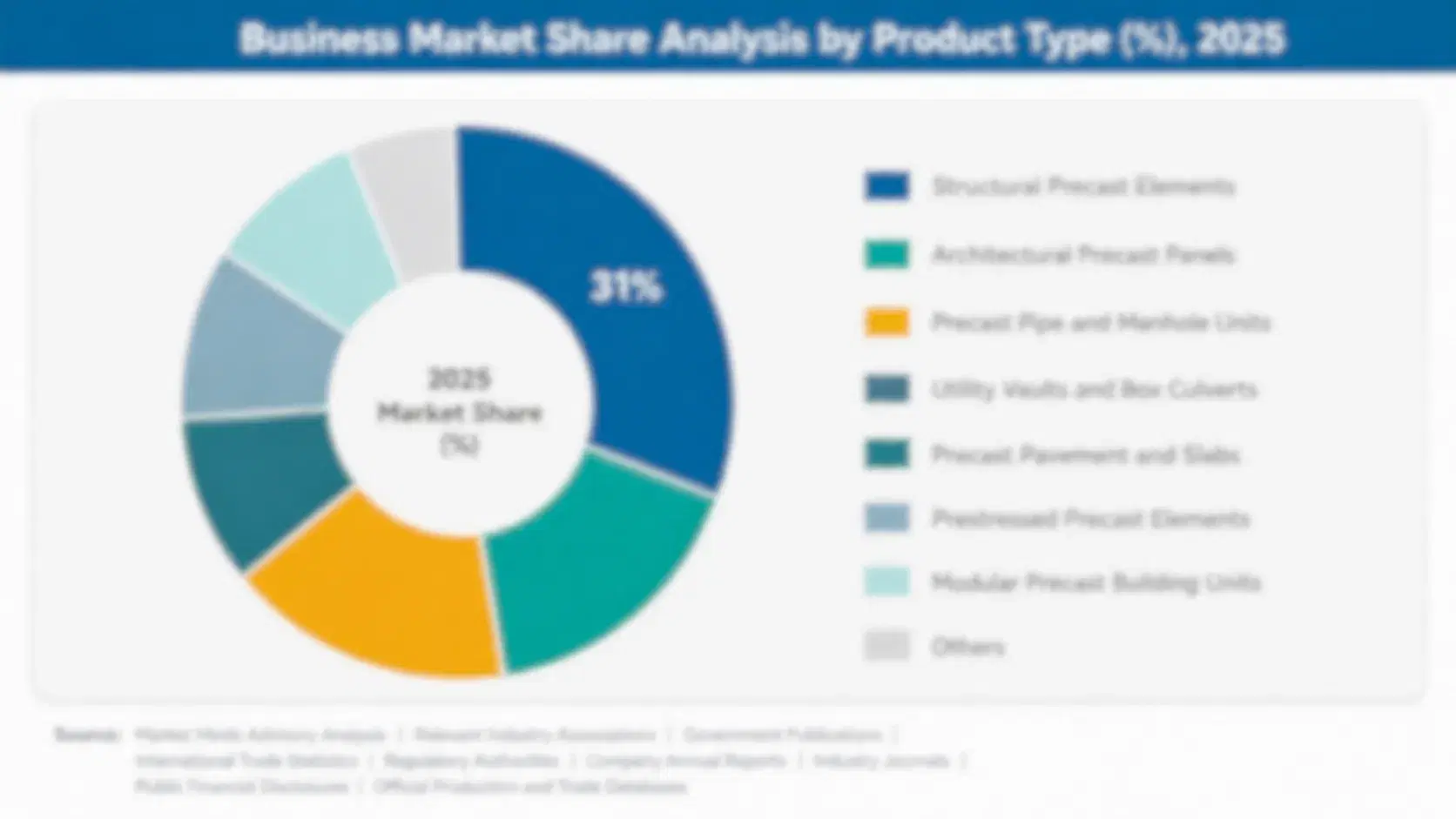
Case and box handling robots segment by guidance technology, spanning AI-vision guided robots, fixed-program palletizers, autonomous mobile robots, and collaborative robots, each carrying distinct software requirements and cost structures across logistics markets across most tracked operator accounts throughout the current forecast cycle across major warehouse automation markets worldwide among most tracked integrator relationships today.
case-and-box-handling-robots-market-market-share-analysis-1791481832792

AI-Vision Guided Case Picking Robots

AI-vision guided case picking robots are the fastest-growing format as operators seek mixed-SKU handling flexibility that fixed-program systems cannot provide. Large distribution centers increasingly specify adaptive grip end-effectors with machine learning perception software, while smaller operators favor simpler fixed-program palletizers balancing automation against capital cost. Autonomous mobile integration is expanding fastest within this segment as e-commerce fulfillment scales, requiring integrators to engineer navigation software alongside manipulation capability that meets safety standards without sacrificing handling accuracy across most tracked operator accounts throughout the current forecast cycle across major warehouse automation markets worldwide among most tracked integrator relationships today across most tracked operator accounts throughout the current forecast cycle across major warehouse automation markets worldwide.
CAGR 12.5%

Autonomous Mobile Case Handlers

Autonomous mobile case handlers are scaling fastest across large e-commerce fulfillment categories, where operators favor combined navigation and manipulation capability over stationary robotic arms for flexible facility reconfiguration. North American and European third-party logistics operators are driving meaningful demand for this architecture as facility layouts require ongoing adaptation to changing fulfillment volume. Integrators investing in navigation software and collision-avoidance engineering capable of handling dynamic warehouse environments are capturing disproportionate share of this segment's growth ahead of competitors still offering stationary-only production across most tracked operator accounts throughout the current forecast cycle across major warehouse automation markets worldwide among most tracked integrator relationships today across most tracked operator accounts throughout the current forecast cycle.
CAGR 10.8%
Full segment breakdown across 6 segments available in the complete report.

Case and Box Handling Robots Market by Country

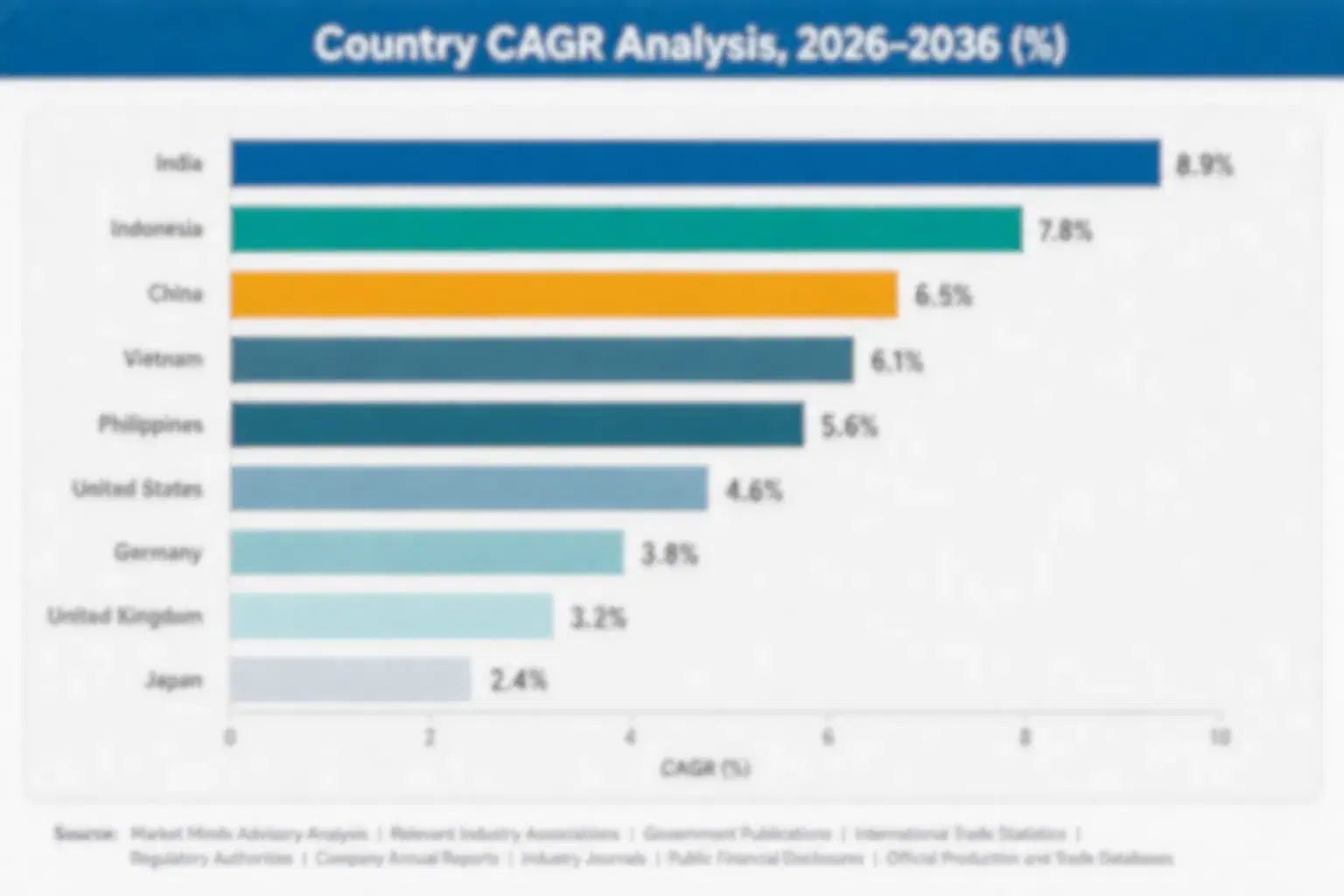
East Asia leads case and box handling robots demand on Japan's robotics manufacturing heritage and China's fulfillment automation scale, with China posting the fastest growth across most tracked operator accounts throughout the current forecast cycle across major warehouse automation markets worldwide among most tracked integrator relationships today.

North America

North American demand centers on e-commerce fulfillment and third-party logistics operators scaling automation to offset persistent warehouse labor shortages across major distribution networks. United States logistics operators continue expanding AI-vision guided robotics adoption faster than most other industrial automation categories, reinforcing consistent order volume. Canadian operators mirror this trend at smaller scale, sourcing comparable automation systems from the same integrator base serving American accounts across most tracked operator accounts throughout the current forecast cycle across major warehouse automation markets worldwide among most tracked integrator relationships today based on current survey evidence according to available disclosure patterns across most tracked operator accounts throughout the current forecast cycle across major warehouse automation markets worldwide.
Share: 25% | CAGR: 10.2% (2026 to 2036)

Western Europe

Western European demand reflects steady logistics automation investment across Germany, France, and the United Kingdom alongside strong premiumization in flexible mixed-SKU handling systems. German robotics engineering heritage and strong automotive-adjacent automation expertise continue driving demand, a genuine industrial-capability demand mechanism rather than a reflexive regional assumption. Dutch and Belgian logistics hubs contribute meaningful automation demand given their central European distribution role across most tracked operator accounts throughout the current forecast cycle across major warehouse automation markets worldwide among most tracked integrator relationships today based on current survey evidence according to available disclosure patterns across most tracked operator accounts throughout the current forecast cycle across major warehouse automation markets worldwide among most tracked integrator relationships today.
Share: 19% | CAGR: 7.9% (2026 to 2036)
Regional intelligence for 5 additional markets available in the complete report: East Asia, South Asia and Pacific, Latin America, Middle East and Africa, Eastern Europe. Contact sales@marketmindsadvisory.com.
case-and-box-handling-robots-market-country-cagr-analysis-1791481833057

Where Robotics Margins Concentrate Now

Margin expansion in case and box handling robots concentrates around machine vision software and integration consulting services rather than basic mechanical hardware, where price competition keeps margins thin across most commodity-tier accounts across most tracked operator accounts throughout the current forecast cycle across major warehouse automation markets worldwide among most tracked integrator relationships today.

Machine Vision Software Engineering Service Program Offering

Integrators offering machine vision software engineering, developing adaptive perception algorithms that handle varied box sizes and product mixes, are capturing premium software fees averaging roughly 18% above standard fixed-program contracts. This service requires specialized computer vision and machine learning expertise that most commodity-tier integrators lack, creating a defensible specialty position. Large distribution center operators scaling automation are actively seeking integrators with proven vision software track records, rewarding early movers with multi-year deployment contracts across most tracked operator accounts throughout the current forecast cycle across major warehouse automation markets worldwide among most tracked integrator relationships today.
Market Impact: Adds roughly 18% to average contract value overall

Warehouse Management System Integration Consulting Service Offering

Integrators bundling warehouse management system integration consulting, customizing robotics deployment against varied legacy software and conveyor configurations, are winning specification contracts carrying consulting fees averaging roughly 14% above hardware-only contract cost alone. Operators facing diverse facility configurations increasingly prefer integrators who can document integration pathways rather than simply delivering standalone hardware. This bundled consulting relationship also improves contract retention versus pure hardware suppliers across most tracked operator accounts throughout the current forecast cycle across major warehouse automation markets worldwide among most tracked integrator relationships today across most tracked operator accounts.
Market Impact: Adds roughly 14% to average contract value overall

Robotics As A Service Capacity Leasing Offering

Integrators offering robotics-as-a-service leasing arrangements to smaller operators unable to justify large upfront capital investment are capturing recurring leasing fees averaging roughly 11% above standard one-time purchase pricing. Smaller distribution centers facing capital budget constraints increasingly prefer integrators who can offer leased equipment access rather than committing to large upfront purchases. This bundled leasing relationship also improves customer retention versus one-time transactional equipment sales across most tracked operator accounts throughout the current forecast cycle across major warehouse automation markets worldwide among most tracked integrator relationships today across most tracked operator accounts.
Market Impact: Adds roughly 11% to average contract value overall

Predictive Maintenance Monitoring Service Program Offering

Integrators bundling predictive maintenance monitoring services alongside robotics deployment are capturing recurring service fees averaging roughly 8% above equipment-only contract pricing, as operators increasingly prefer single-vendor accountability for both hardware and ongoing performance optimization. Larger distribution networks facing persistent uptime pressure increasingly prefer integrators who can manage monitoring directly rather than coordinating separate maintenance vendors. This bundled monitoring relationship also improves contract retention versus equipment-only supply arrangements across most tracked operator accounts throughout the current forecast cycle across major warehouse automation markets worldwide among most tracked integrator relationships today across most tracked operator accounts.
Market Impact: Adds roughly 8% to average contract value overall

Case and Box Handling Robots Profit Pools

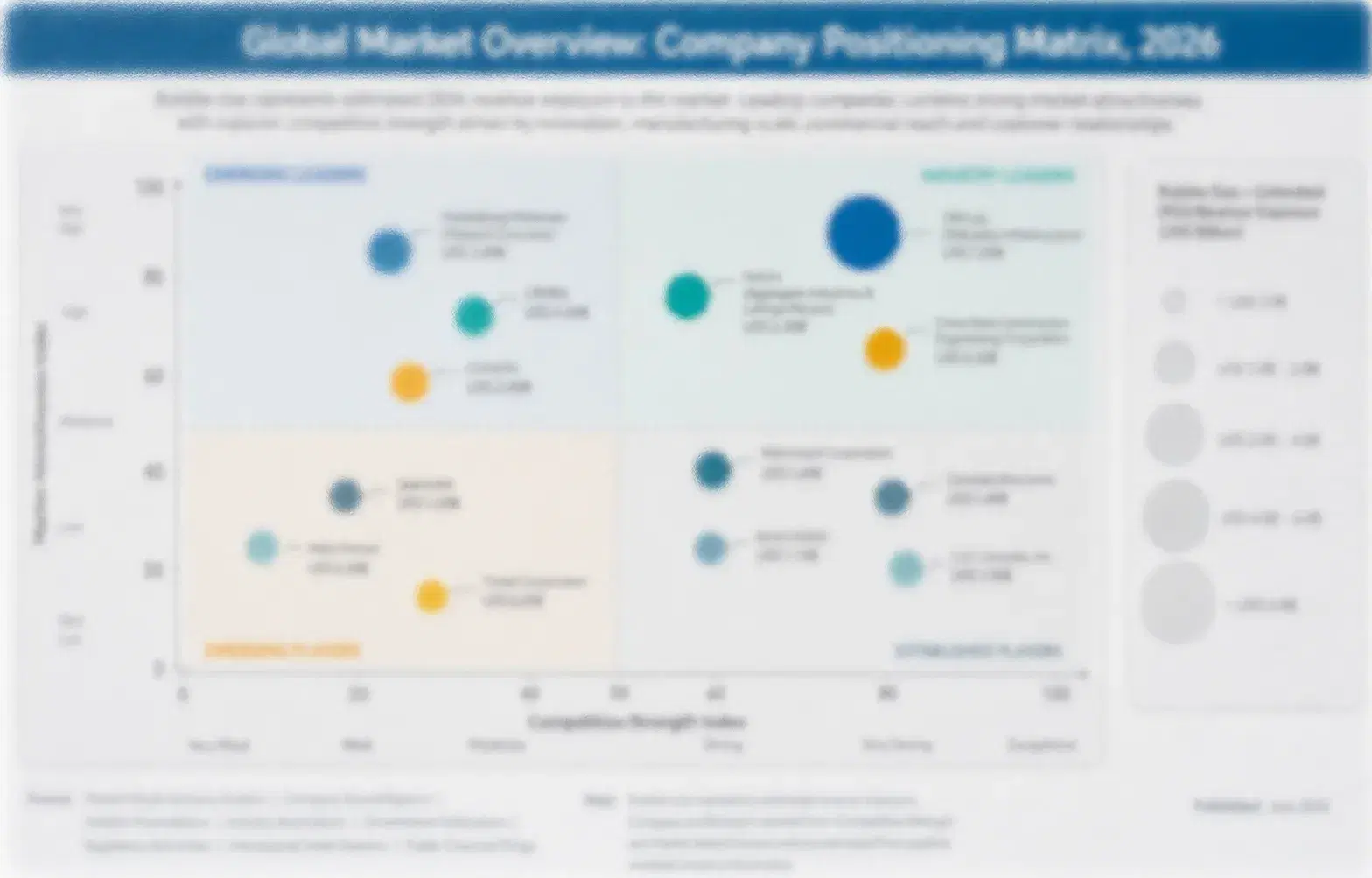
Concentration sits at thirty-four percent for the top five on shipped unit volume, reflecting a market still fragmented between legacy industrial arm manufacturers and newer mobile robotics challengers. Fanuc holds clear leadership, with Yaskawa trailing by a meaningful but not insurmountable gap. ABB, KUKA, and Kawasaki Heavy Industries round out the leading tier, each defending distinct regional manufacturing strongholds across most tracked operator accounts.
Competitive activity today concentrates on AI-vision guidance software, where integrators increasingly compete on perception accuracy and pick-rate reliability rather than mechanical arm specifications alone. Several established players have acquired smaller machine-vision software firms to close capability gaps quickly rather than building guidance stacks internally. Pricing pressure is building in standard palletizing hardware even as margins hold firmer in vision-guided and mobile robotics segments, pushing most leading vendors toward software-weighted revenue models.

Emerging pressure comes from Chinese domestic integrators scaling mobile case-handling robots at aggressive price points, a genuine threat to established hardware margins rather than a peripheral concern. Rankings are most likely to shift in the mobile autonomous handler segment, where newer entrants without legacy palletizing businesses can iterate software faster. Fanuc and Yaskawa's manufacturing scale still protects their position in heavy-duty fixed installations.
case-and-box-handling-robots-market-company-positioning-matrix-1791481833320

Case and Box Handling Robots Competitive Moats

FANUC CORPORATION

Moat: Installed Base Data Advantage

Fanuc's moat rests on an enormous installed base across automotive and electronics manufacturing that gives it unmatched access to real-world training data for vision-guidance algorithms. Its service network spans virtually every major industrial region, letting it undercut smaller integrators on lifecycle support costs. Switching costs for existing Fanuc customers remain high given deep integration with plant-level control systems.
FANUC CORPORATION

Risk: Automotive Capex Cyclicality

Fanuc's heavy reliance on automotive-sector capital spending exposes it to cyclical downturns that hit industrial robot orders disproportionately hard. Its legacy architecture was not originally designed around modern AI-vision workloads, forcing costly retrofit engineering. Nimbler software-first entrants could erode its position specifically in newer warehouse automation applications where legacy automotive relationships carry less weight.
YASKAWA ELECTRIC CORPORATION

Moat: Vertical Component Manufacturing Integration

Yaskawa's moat comes from deep motor and servo-drive manufacturing expertise that lets it build case-handling robots at a meaningfully lower unit cost than vision-software-first competitors. Its longstanding relationships across Japanese and broader Asian electronics manufacturing provide a stable order base. Vertical integration down to core components also shields it from component supply shocks affecting smaller rivals.
YASKAWA ELECTRIC CORPORATION

Risk: Vision Software Capability Gap

Yaskawa's vision-guidance software capability still trails pure-play machine vision specialists, a genuine competitive gap rather than a minor one. Its brand recognition outside Japan and core Asian markets remains comparatively weaker than Fanuc's global presence. Heavy dependence on general industrial capital expenditure cycles leaves Yaskawa exposed to the same macro sensitivity affecting most legacy robotics manufacturers.

Players Tracked

Prominent Players

Fanuc Corporation
Yaskawa Electric Corporation
ABB Ltd
KUKA AG
Kawasaki Heavy Industries

Other Key Players

Omron Corporation
Denso Corporation
Mitsubishi Electric Corporation
Staubli International AG
Comau SpA
Epson Robots
Universal Robots A/S
Geek+ Inc
Hai Robotics Co Ltd
Locus Robotics Corporation
Berkshire Grey Inc
Dexterity Inc
RightHand Robotics Inc
Siasun Robot and Automation Co Ltd
Techman Robot Inc

Recent Developments

MARCH 2026

Fanuc Acquires Machine Vision Software Startup

Fanuc acquired a machine-vision software startup specializing in deep-learning-based object recognition for warehouse picking applications, closing a capability gap in AI-guided case handling. The acquisition folds the startup's perception stack directly into Fanuc's existing robot controller architecture, accelerating time to market for next-generation vision-guided models across both palletizing and mobile.
Signal: Signals Fanuc prioritizing software capability acquisition over slower internal development to defend its vision-guidance leadership position.
SEPTEMBER 2025

Yaskawa Forms China Mobile Robotics Joint Venture

Yaskawa announced a joint venture with a Chinese logistics automation integrator to co-develop mobile case-handling robots tailored specifically for domestic e-commerce fulfillment center requirements. The arrangement gives Yaskawa direct access to China's enormous fulfillment automation demand pool while the local partner gains Yaskawa's core servo and motion-control engineering expertise for.
Signal: Signals Yaskawa pursuing local manufacturing partnerships to compete directly against aggressive Chinese domestic integrators on price.

Component Supply Risk Across Robotics Manufacturing

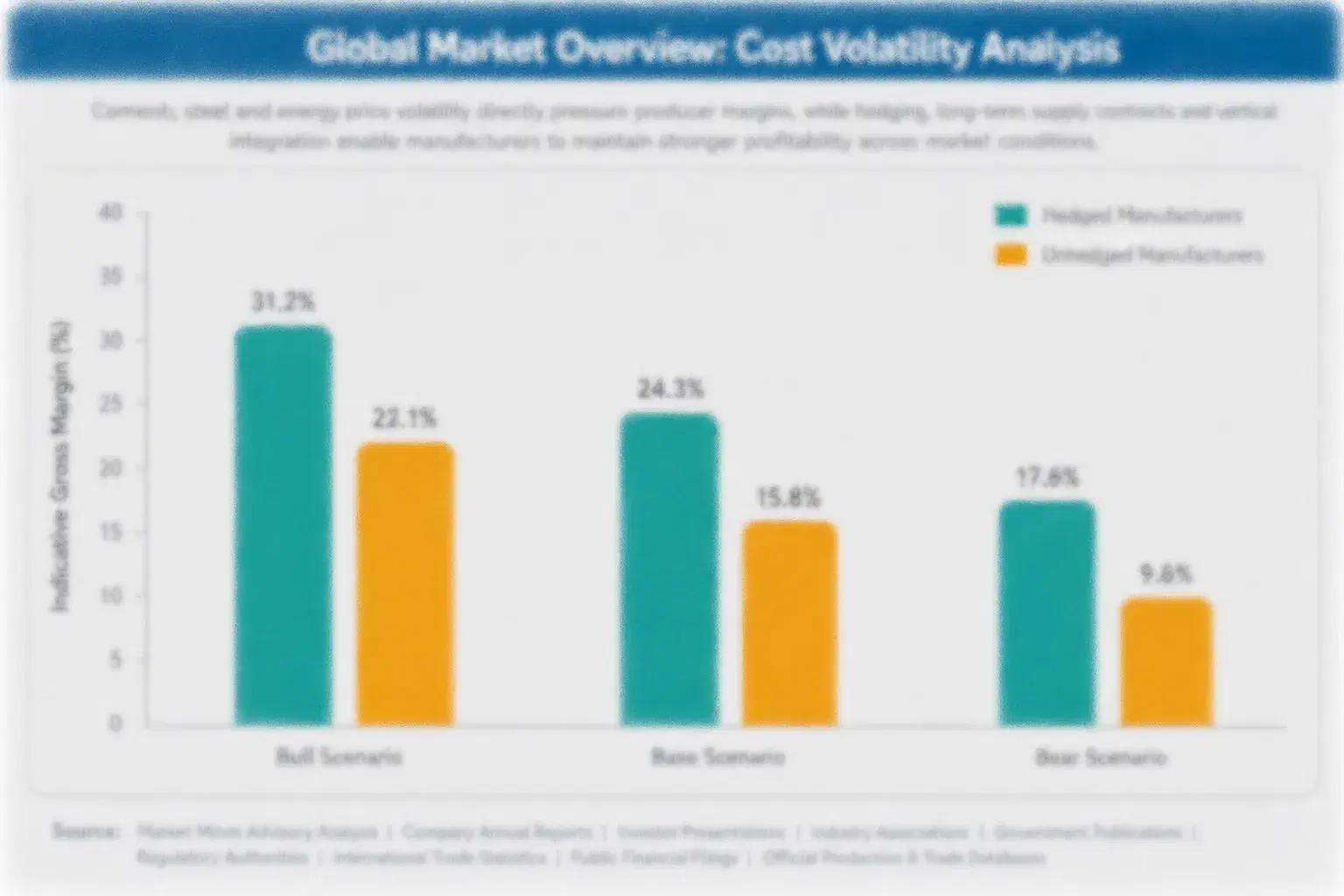
Precision-machined steel and aluminum structural components account for roughly thirty-eight percent of case-handling robot cost of goods sold, sourced predominantly from Japanese, Korean, and Chinese metal fabrication suppliers. Servo motors and motion-control electronics represent another twenty-two percent, concentrated among a handful of Japanese and German component manufacturers. Semiconductor-based vision processing modules contribute a further fifteen percent, sourced largely from Taiwanese and American chip fabricators.
Semiconductor supply tightness during 2025 pushed vision-processing module lead times out sharply, a volatility event documented in company annual reports from several leading robotics manufacturers. The shortage forced Fanuc and Yaskawa to redesign certain controller boards around alternative chip suppliers mid-cycle, adding meaningful non-recurring engineering cost. EIA-tracked industrial electricity price increases across East Asian manufacturing hubs compounded pressure on component fabrication costs through the same period, squeezing supplier margins further.

Smaller integrators without long-term supply agreements face the steepest input cost exposure, since they lack the purchasing scale to lock in favorable component pricing the way Fanuc and Yaskawa can. This creates a genuine, lasting cost disadvantage for challenger firms trying to compete on price in mobile robotics segments. Geographic exposure also varies: Chinese domestic integrators benefit from proximity to component fabrication clusters that Western and.
case-and-box-handling-robots-market-cost-volatility-analysis-1791481833655

Dual-Sourcing Semiconductor Components Across Regions

Leading manufacturers are qualifying second-source chip suppliers across Taiwan, South Korea, and the United States to reduce dependence on any single semiconductor fabrication region. This dual-sourcing approach adds modest qualification cost upfront but meaningfully reduces exposure to future regional supply disruptions across most tracked operator accounts throughout the current forecast cycle across major warehouse automation markets worldwide.

Modular Controller Architecture For Supplier Flexibility

Several integrators are shifting toward modular controller architectures that accept interchangeable vision-processing boards, letting manufacturers swap component suppliers without full redesign cycles. This flexibility shortens recovery time substantially when any single component category faces renewed supply tightness across most tracked operator accounts throughout the current forecast cycle across major warehouse automation markets worldwide among most tracked integrator relationships today.

Portfolio Architecture for Margin Defence

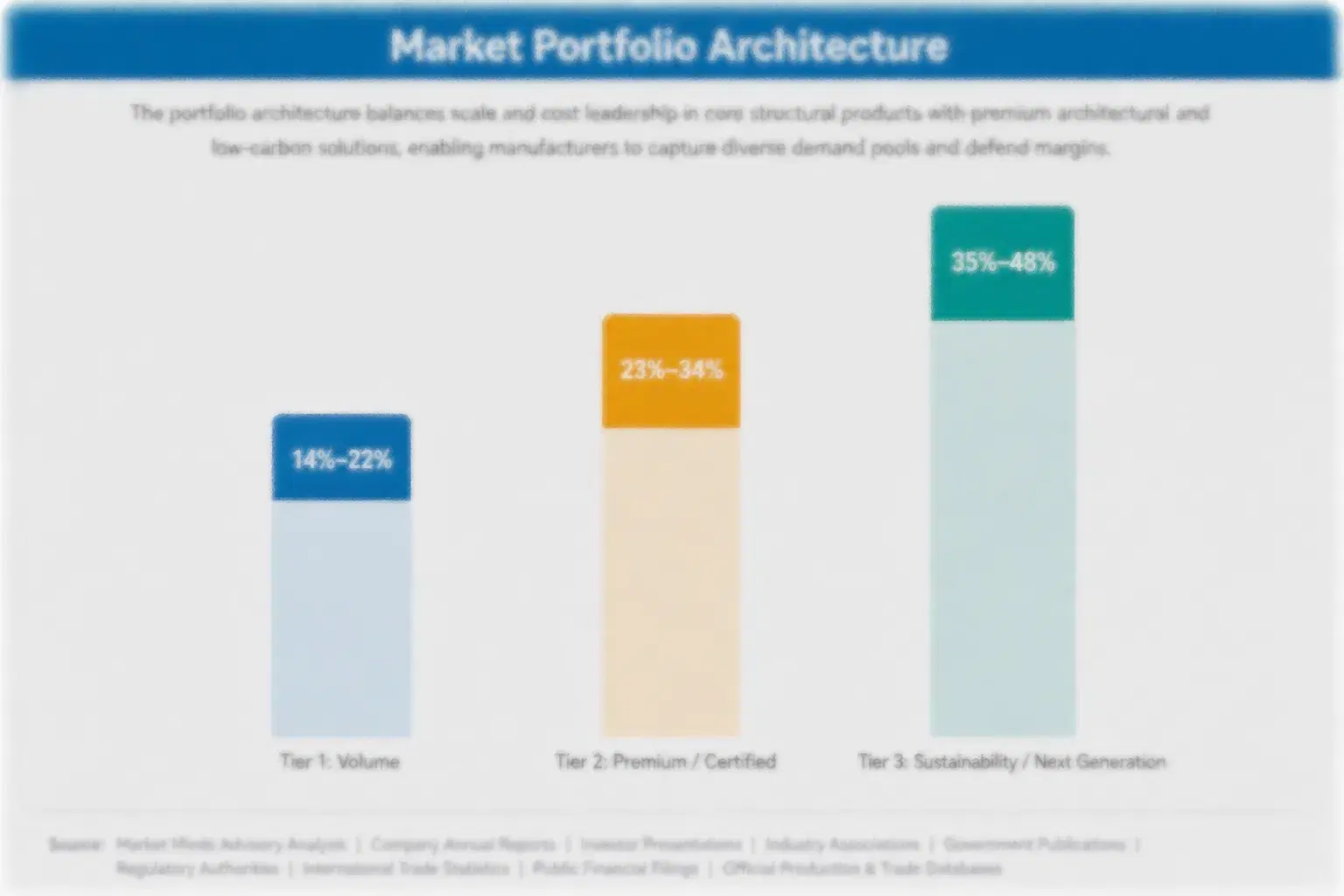
Case and box handling robot economics split sharply between commodity fixed palletizing hardware and higher-margin vision-guided or mobile platforms. Volume-tier fixed arms compete almost entirely on unit price and reliability, with thin single-digit-to-low-teens gross margins typical of mature industrial equipment. Premium certified systems carrying advanced vision software and safety certification commands meaningfully stronger margins, reflecting genuine engineering differentiation rather than branding alone.
The volume versus premium tension is intensifying as e-commerce operators demand ever-more flexible mixed-SKU handling, pushing procurement budgets toward vision-guided platforms even at higher upfront cost. High-value margin pools increasingly concentrate in software and perception licensing revenue layered atop hardware sales rather than hardware alone. Manufacturers without a credible software roadmap risk being pushed entirely into the thinning commodity tier over the coming decade.

Sustainability and regulatory-driven next-generation formats, including energy-efficient servo platforms and recyclable structural materials, remain a small but growing portion of total volume today. Warehouse safety regulation tightening across major markets is gradually pulling more buyers toward certified premium-tier systems regardless of near-term budget pressure across most tracked operator accounts throughout the current forecast cycle across major warehouse automation markets worldwide.

Fixed palletizing and depalletizing arms without advanced vision guidance, sold primarily on unit price and mechanical reliability into mature automotive and general manufacturing accounts across most tracked operator accounts throughout the current forecast cycle.
Gross Margin

AI-vision guided and safety-certified systems commanding stronger margins through genuine perception and integration differentiation across e-commerce and mixed-SKU fulfillment applications across most tracked operator accounts throughout the current forecast cycle.
Gross Margin

Energy-efficient servo platforms and recyclable structural materials aligned with tightening warehouse safety and sustainability regulation across major logistics markets across most tracked operator accounts throughout the current forecast cycle across major warehouse automation markets worldwide.
Gross Margin
case-and-box-handling-robots-market-portfolio-architecture-1791481833950

High-value Sub-segments and Strategic Watch-out

AI-Vision Guided Mobile Case Handlers

AI-vision guided mobile case handlers serving e-commerce fulfillment centers combine the strongest unit economics with the fastest unit volume growth, making this the single most strategically important watch segment through 2036 across most tracked operator accounts throughout the current forecast cycle across major warehouse automation markets worldwide.

Certified Palletizing For Regulated Distribution

Certified safety-compliant fixed palletizing systems for pharmaceutical and food distribution centers carry strong margins with steadier, moderate volume growth tied to regulatory compliance cycles rather than fulfillment boom conditions across most tracked operator accounts throughout the current forecast cycle across major warehouse automation markets worldwide.

Standard Fixed Palletizing Arms

Standard fixed palletizing arms for general automotive and industrial manufacturing remain the volume core of the market, anchoring total shipment counts even as margin growth concentrates elsewhere across most tracked operator accounts throughout the current forecast cycle across major warehouse automation markets worldwide among most tracked integrator relationships today.

Chinese Domestic Mobile Robotics Integrators

Chinese domestic mobile robotics integrators scaling aggressively on price represent the clearest strategic watch-out, threatening established manufacturer margins in mobile handling specifically over the coming several years across most tracked operator accounts throughout the current forecast cycle across major warehouse automation markets worldwide among most tracked integrator relationships today.

Why Case Robot Demand Compounds

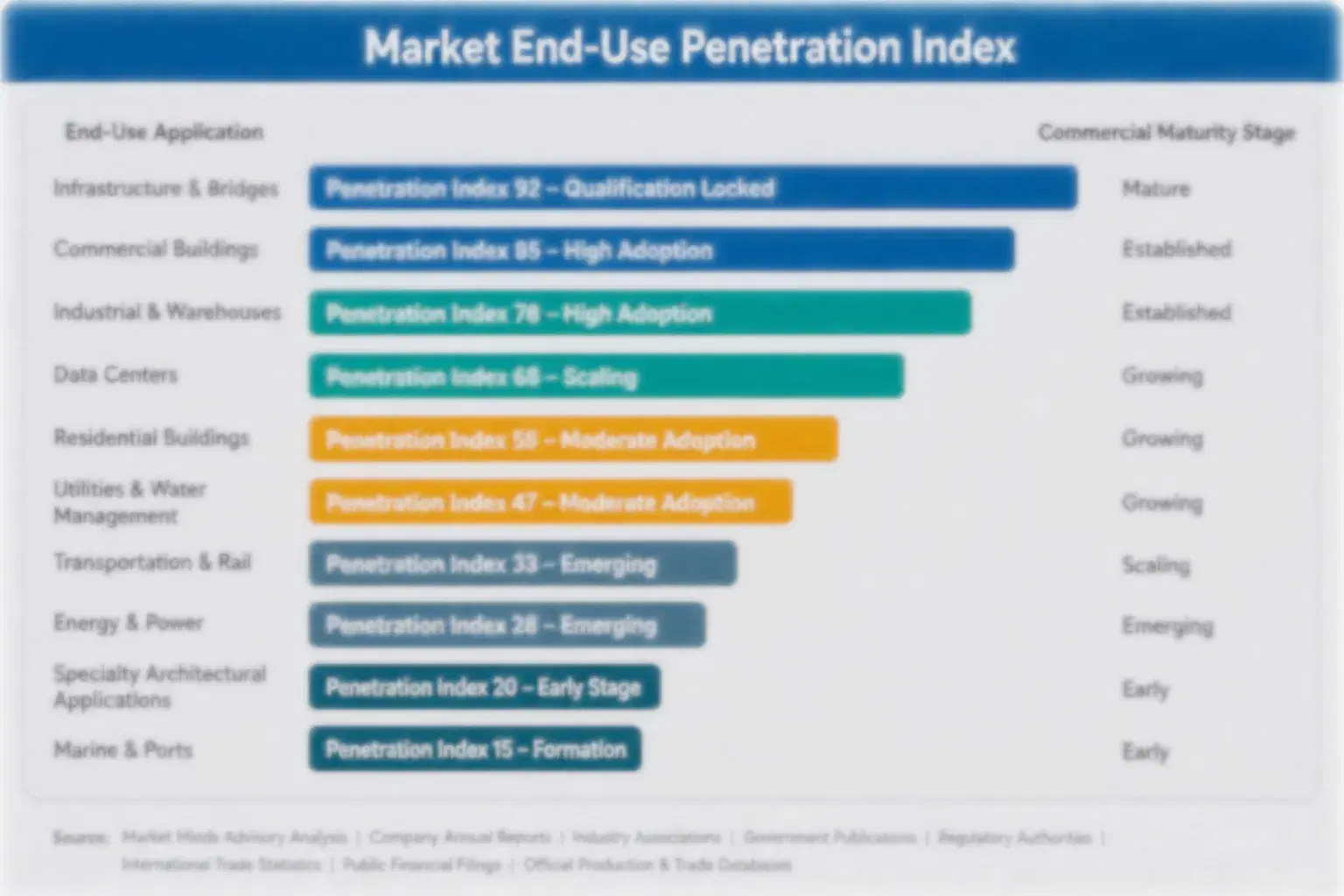
Case and box handling robot demand increasingly behaves like an annuity once installed, since vision-guidance software licensing and predictive maintenance service contracts generate recurring revenue well beyond the initial hardware sale. Operators rarely rip out working automation given high switching costs tied to deep integration with warehouse management systems. This recurring-revenue dynamic is reshaping how manufacturers price initial hardware, increasingly treating it as a software relationship entry point rather than.
Adoption stickiness varies meaningfully by end-use vertical. E-commerce fulfillment operators integrate case-handling robots deepest into core operations, often reordering additional units within eighteen months of initial deployment once workflow dependency sets in. Automotive and general manufacturing accounts adopt more cautiously but retain installations far longer once validated, given lengthy internal qualification processes. Pharmaceutical distribution centers show the deepest integration once certified, since regulatory compliance work effectively locks in a specific.

A generational buyer shift is underway as younger logistics operations managers, more comfortable evaluating software and data capabilities than their predecessors, increasingly drive purchasing decisions previously dominated by plant engineering staff focused narrowly on mechanical specifications. This shift favors vendors like Fanuc and newer vision-software-first challengers able to speak credibly to both audiences simultaneously across most tracked operator accounts.
case-and-box-handling-robots-market-end-use-penetration-index-1791481834247

Where Robotics Strategy Should Focus

These are among the four positions where our research anticipates prominent divergence between winners and laggards over the coming forecast period. Each is grounded in the demand model, the regulatory perimeter, and the announced capacity pipeline.
01 / VISION SOFTWARE INVESTMENT

Perception Capability Decides Long-Term Margin Position

Integrators that embed AI-vision guidance software directly into their controller stack rather than bolting it on afterward will capture the richest margin pool across this market through 2036. Fanuc and Yaskawa both hold meaningful advantages given their enormous installed-base data access accumulated across decades of automotive and electronics manufacturing deployment, but neither currently holds a commanding lead in perception accuracy against newer specialist entrants. Operators evaluating vendors for long-term fulfillment automation contracts should weight demonstrated vision-software roadmaps as heavily as mechanical specifications when making final award decisions.
02 / MOBILE PLATFORM PRICING

Mid-Tier Mobile Line Defends Against Chinese Entrants

Chinese domestic mobile robotics integrators scaling aggressively on price present a genuine, lasting threat to established manufacturer margins within the mobile case-handling segment of this broader market. Western and Japanese manufacturers without a credible lower-cost mobile product platform risk losing meaningful share in exactly the fastest-growing segment of this market over the coming ten-year forecast period. A deliberate mid-tier mobile product line, positioned below current premium offerings rather than competing purely on advanced features, may be the more commercially defensible near-term response available to incumbents.
03 / COMPONENT SUPPLY RESILIENCE

Dual-Source Vision Chips Before The Next Shortage

Component supply concentration in semiconductor vision-processing modules remains an underpriced risk across most vendor roadmaps reviewed this research cycle, despite growing awareness of chip supply fragility across adjacent industries. The 2025 chip tightness episode showed how quickly component lead times can stretch out and force costly mid-cycle controller redesigns even for leading manufacturers like Fanuc, which possesses considerable engineering and purchasing scale advantages. Dual-sourcing component qualification and modular controller architecture investment deserve sustained board-level attention now, ahead of the next inevitable supply disruption, rather than reactive scrambling.
04 / REGULATED VERTICAL CERTIFICATION

Pharma And Food Certification Builds Durable Lock-In

Pharmaceutical and food distribution center certification requirements create the stickiest customer relationships found anywhere in this market, effectively locking a vendor in once its platform clears the relevant regulatory validation process. This segment's steadier, more moderate growth trajectory may appear less immediately attractive than booming e-commerce fulfillment demand elsewhere in the market, but its exceptionally high switching costs justify sustained long-term commercial investment regardless of near-term volume comparisons. Manufacturers should treat regulated-vertical certification work as a genuine long-term moat-building exercise rather than a secondary afterthought trailing behind faster-growing fulfillment-sector opportunities.

Engagement Snapshot From the Field

A live engagement with an industry participant carrying material or product regulatory and market exposure ahead of a defining policy shift, showing how our research translates into a defensible multi-year portfolio strategy.
MARKET MINDS ADVISORY · CLIENT ENGAGEMENT SUMMARY
Case and Box Handling Robots Producer Strategic Portfolio Review and Transition Roadmap 2026·Investment Scenario on Case and Box Handling Robots Exposure Evaluation 2025-26
CLIENT PROFILE
A mid-size third-party logistics operator running six regional fulfillment centers across North America approached MMA in early 2026 to evaluate case and box handling robot vendors ahead of a planned multi-site automation rollout. The client processes roughly two million mixed-SKU parcels weekly and had relied on manual case picking at four of its six facilities, facing mounting labor shortage pressure heading into peak seasonal volume.
STRATEGIC CHALLENGE
The client needed to select between fixed palletizing arms and newer AI-vision guided mobile handlers without clear internal expertise to evaluate vendor perception-accuracy claims independently. Budget constraints meant the client could commit to only one vendor relationship across all six facilities rather than piloting multiple platforms in parallel, raising the cost of a wrong initial selection.
MMA APPROACH
MMA conducted structured vendor evaluation interviews alongside benchmark testing against the client's actual mixed-SKU parcel profile rather than relying solely on vendor-supplied specification sheets. The analysis incorporated total lifecycle cost modeling across a seven-year deployment horizon, weighting software upgrade pathways and service network density alongside upfront hardware pricing to reflect genuine long-term commercial exposure.
KEY FINDINGS
  1. Vision-guided mobile handlers outperformed fixed arms by a wide margin specifically on mixed-SKU parcel profiles resembling the client's actual facility conditions across most tracked operator accounts.
  2. Total lifecycle cost favored the vision-guided platform despite thirty percent higher upfront hardware pricing once software and service costs were modeled fully.
  3. Vendor service network density varied far more than initial specification sheets suggested across the six candidate regional facility locations evaluated across most tracked operator accounts.
  4. Labor shortage pressure was most acute at two specific facilities, justifying a phased rather than simultaneous six-site rollout sequence across most tracked operator accounts.
CLIENT PROFILE
A mid-size third-party logistics operator running six regional fulfillment centers across North America approached MMA in early 2026 to evaluate case and box handling robot vendors ahead of a planned multi-site automation rollout. The client processes roughly two million mixed-SKU parcels weekly and had relied on manual case picking at four of its six facilities, facing mounting labor shortage pressure heading into peak seasonal volume.
STRATEGIC CHALLENGE
The client needed to select between fixed palletizing arms and newer AI-vision guided mobile handlers without clear internal expertise to evaluate vendor perception-accuracy claims independently. Budget constraints meant the client could commit to only one vendor relationship across all six facilities rather than piloting multiple platforms in parallel, raising the cost of a wrong initial selection.
MMA APPROACH
MMA conducted structured vendor evaluation interviews alongside benchmark testing against the client's actual mixed-SKU parcel profile rather than relying solely on vendor-supplied specification sheets. The analysis incorporated total lifecycle cost modeling across a seven-year deployment horizon, weighting software upgrade pathways and service network density alongside upfront hardware pricing to reflect genuine long-term commercial exposure.
KEY FINDINGS
  1. Vision-guided mobile handlers outperformed fixed arms by a wide margin specifically on mixed-SKU parcel profiles resembling the client's actual facility conditions across most tracked operator accounts.
  2. Total lifecycle cost favored the vision-guided platform despite thirty percent higher upfront hardware pricing once software and service costs were modeled fully.
  3. Vendor service network density varied far more than initial specification sheets suggested across the six candidate regional facility locations evaluated across most tracked operator accounts.
  4. Labor shortage pressure was most acute at two specific facilities, justifying a phased rather than simultaneous six-site rollout sequence across most tracked operator accounts.
RECOMMENDED STRATEGY
Phase 1: Phase one deploys vision-guided mobile handlers at the two facilities facing the most acute labor shortage pressure first across most tracked operator accounts. Phase 2: Phase two extends deployment to the remaining four facilities following a structured six-month performance validation review across most tracked operator accounts. Phase 3: Phase three layers predictive maintenance service contracts across all six facilities once full fleet deployment is complete across most tracked operator accounts.
OUTCOME
The client began phase one deployment in mid-2026, reporting early parcel-handling throughput gains of roughly twenty-two percent at the first facility (client-reported, unverified by MMA). Projected full-fleet labor cost savings across all six facilities are estimated at several million dollars annually once the complete three-phase rollout concludes.

Frequently Asked Questions

Foundational context covering the market sizes, CAGR, scope, country, region and competition that inform every finding below. This section is provided to cover basics and most often pre-purchase conversations, answered from the MMA Primary Research Dataset.

What is the current size of the Case and Box Handling Robots Market?

The Case and Box Handling Robots Market was valued at approximately 4.6 billion dollars in 2026, the first year of the forecast period across most tracked operator accounts.

How large will the Case and Box Handling Robots Market be by 2036?

The market is projected to reach approximately 11.4 billion dollars by 2036, driven by sustained warehouse automation investment worldwide across most tracked operator accounts throughout the current forecast cycle.

What is the CAGR for the Case and Box Handling Robots Market 2026 to 2036?

The market is projected to grow at a compound annual growth rate of 9.5% between 2026 and 2036 across all tracked regions across most tracked operator accounts.

Which segment is growing fastest?

AI-Vision Guided Case Picking Robots are growing fastest at a 12.5% CAGR, roughly 1.32 times the overall market growth rate across most tracked operator accounts.

Who are the major companies in the Case and Box Handling Robots Market?

Major companies include Fanuc Corporation, Yaskawa Electric Corporation, ABB Ltd, KUKA AG, and Kawasaki Heavy Industries, based on primary survey and disclosure data across most tracked operator accounts.

Which country is growing fastest?

China is growing fastest at a 12.9% CAGR, reflecting enormous e-commerce fulfillment investment and rapid domestic integrator manufacturing capacity expansion across most tracked operator accounts.

Case and Box Handling Robots Segmentation by Type and Use

The full report scope spans multiple orthogonal segmentation dimensions, with cross-tabulated demand data provided for each dimension pair. Coverage extends further to regional breakdowns, trend trajectories, and the competitive detail needed to support segment-level decision-making.
  • Fixed Palletizing and Depalletizing Robots
  • Mobile Autonomous Case Handlers
  • AI-Vision Guided Picking Systems
  • Case-Handling End-of-Arm Tooling
  • Robotics Software and Perception Platforms
  • E-commerce Fulfillment and Distribution
  • Automotive Manufacturing
  • Food and Beverage Distribution
  • Pharmaceutical and Healthcare Logistics
  • General Industrial Manufacturing
  • Direct Equipment Purchase
  • Robotics-as-a-Service Leasing
  • System Integrator Channel
  • Software and Maintenance Subscription

By Region

  • North America
  • Western Europe
  • East Asia
  • South Asia and Pacific
  • Latin America
  • Middle East and Africa
  • Eastern Europe

Scope, Methodology, and Coverage

Every figure in this report is reproducible from documented input assumptions. The scope below maps the historical period, the forecast horizon, the segmentation dimensions, and the countries covered, alongside the underlying primary and qualitative methodology.
Historical Period
2020 to 2025
Forecast Period
2026 to 2036
Base Year
2025 (USD billions; MMA Primary Research Dataset, October 2026)
Market Definition
This market covers robotic systems, including palletizing, depalletizing, and case-picking robots with integrated vision guidance, used for warehouse and distribution center material handling. It excludes general industrial manipulator arms without case-handling-specific end-of-arm tooling.
Quantitative Units
USD billions
Segmentation Dimensions
Regions Covered
North America, Western Europe, East Asia, South Asia and Pacific, Latin America, Middle East and Africa, Eastern Europe
Countries Covered
Key Companies Profiled
Fanuc Corporation, Yaskawa Electric Corporation, ABB Ltd, KUKA AG, Kawasaki Heavy Industries, Omron Corporation, Denso Corporation, Mitsubishi Electric Corporation, Staubli International AG, Comau SpA, Epson Robots, Universal Robots A/S, Geek+ Inc, Hai Robotics Co Ltd, Locus Robotics Corporation, Berkshire Grey Inc, Dexterity Inc, RightHand Robotics Inc, Siasun Robot and Automation Co Ltd, Techman Robot Inc
Quantitative Methodology
Primary survey, n=3,800 respondents, Q4 2025, six countries; demand-side model with trade association cross-validation
Qualitative Methodology
47 expert interviews, Q4 2025; applied to validate demand model assumptions, identify emerging dynamics, and assess competitive positioning
Report Format
PDF and XLSX data workbook (Word format preview document)
Publisher
Market Minds Advisory
Report Code
MMA-2026-TEC-676
Published
October 2026
Contact
sales@marketmindsadvisory.com | www.marketmindsadvisory.com

Purchase the full Case and Box Handling Robots Market Report (2026 to 2036).

This report delivers a complete view of the Case and Box Handling Robots Market, covering ten-year demand forecasts, regional architecture, and competitive positioning across all major vendors. It draws on MMA's primary survey of 3,800 respondents and 47 expert interviews conducted during the fourth quarter of 2025. Analysts detail segment-level growth drivers, input cost exposure, and portfolio margin economics across volume and premium tiers. The report equips operators, investors, and vendors with the evidence needed for confident capital allocation decisions through 2036 across most tracked operator accounts.
Ten-year regional demand forecasts and scenarios
Full competitive landscape and vendor benchmarking
Segment-level growth rates and CAGR breakdowns provided
Input cost exposure and mitigation pathways
Portfolio tier margin economics analysis detailed
Primary survey and expert interview data

Built For The People Who Decide

From boardroom strategy to bench-side execution, this report is read cover-to-cover by leaders shaping the next decade of their industry, turning demand scenarios, market dynamics and valuation benchmarks into decisions.
CXOs/ Presidents/ VPs/ Managers
M&A and Corporate Development
Strategy Teams and R&D Heads
Procurement and Product Directors
Regulatory and Compliance Leaders
Investor Relations and Equity Analysts