Market Minds Advisory
Cardiac Rhythm Remote Monitoring Devices Market

Cardiac Rhythm Remote Monitoring Devices Market: An Industry Built On A Billing Code

The extended-wear patch industry exists because a specific set of American billing codes made a fortnight of recording profitable in a way a single day never was, and rate decisions still reshape it overnight.

Lead Analyst

Published

September 2026

Make Smarter Decisions with Customized Research Insights

Request a free sample report and evaluate market opportunities, growth trends, and competitive dynamics relevant to your business needs.

2025 MARKET VALUE$3.8BMarket Size 2025
2036 FORECAST VALUE$10.3BBase Case , 2026 to 2036
CAGR 2026 TO 20369.4 %Bull 10.6% / Bear 8.2%
INCREMENTAL OPPORTUNITY$6.1BNet 10- year value creation
EXPANSION MULTIPLE2.45x2036 value over 2026 base
Strategic Levers
M&A Pipeline
Regional Outlook
Country Rankings
Competitive Intelligence
Segmental Deep-dive
Call-Us : 91 93563 13602

Executive Snapshot and Market Trajectory

Nobody actually buys a patch. What a cardiologist purchases is a one-page report summarising two weeks of heart rhythm, produced by technicians and algorithms working through data no human would read raw. The adhesive electrode is the cheapest part of that transaction by a very wide margin.
North America takes 44% of value because American reimbursement for extended monitoring exists on terms no other health system has matched. Extended-wear adhesive patch monitors grow at 14.1%, half again the market rate of 9.4%, on diagnostic yield that a twenty-four hour recording cannot approach. Consumer smartwatches now send well people to cardiologists, which creates diagnostic volume from outside medicine entirely. Nobody in that industry set out to create diagnostic referrals at all.
Five companies hold 68% of cardiac monitoring revenue and they arrived from three different industries, which tells you the category has no settled shape. Implanted device follow-up generates transmission volume that overwhelms clinic staff, most of it clinically irrelevant. The commercial opportunity there is filtering rather than monitoring, and very few suppliers have understood that the bottleneck is a human reading a screen. The screen is the bottleneck.
Market Definition
The market covers devices, platforms and analysis services used to record and interpret cardiac rhythm outside a hospital setting, including extended-wear adhesive patch monitors, mobile cardiac telemetry systems, insertable cardiac monitors, remote follow-up platforms for implanted rhythm devices, traditional Holter and event recorders, and algorithmic arrhythmia analysis. Pacemakers, defibrillators and resynchronisation devices are excluded except for their remote follow-up function. Inpatient telemetry and consumer wearables sold without clinical indication fall outside scope.
Base Year Value
$3.8B in 2025 (MMA Primary Research Dataset, August 2026)
Forecast Period
2026 to 2036, eleven discrete annual values
CAGR
9.4% base case. Bull 10.6%. Bear 8.2%.
Fastest Growth Segment
Extended-Wear Adhesive Patch Monitors: 14.1% CAGR
Fastest Growth Country
India: 12.8% CAGR
Fastest Growth Region
South Asia and Pacific: 11.4% CAGR
Largest Region
North America: 44% of 2025 global value
Market Leaders
iRhythm Technologies, Medtronic, Abbott, Boston Scientific, Philips. Source: MMA Analysis based on disclosed cardiac monitoring and rhythm management revenue, company annual reports 2025.
Primary Survey
n=3,800 procurement and R&D decision-makers, Q4 2025, six countries
Methodology
Demand-side build-up, cross-validated against public data, 47 expert interviews

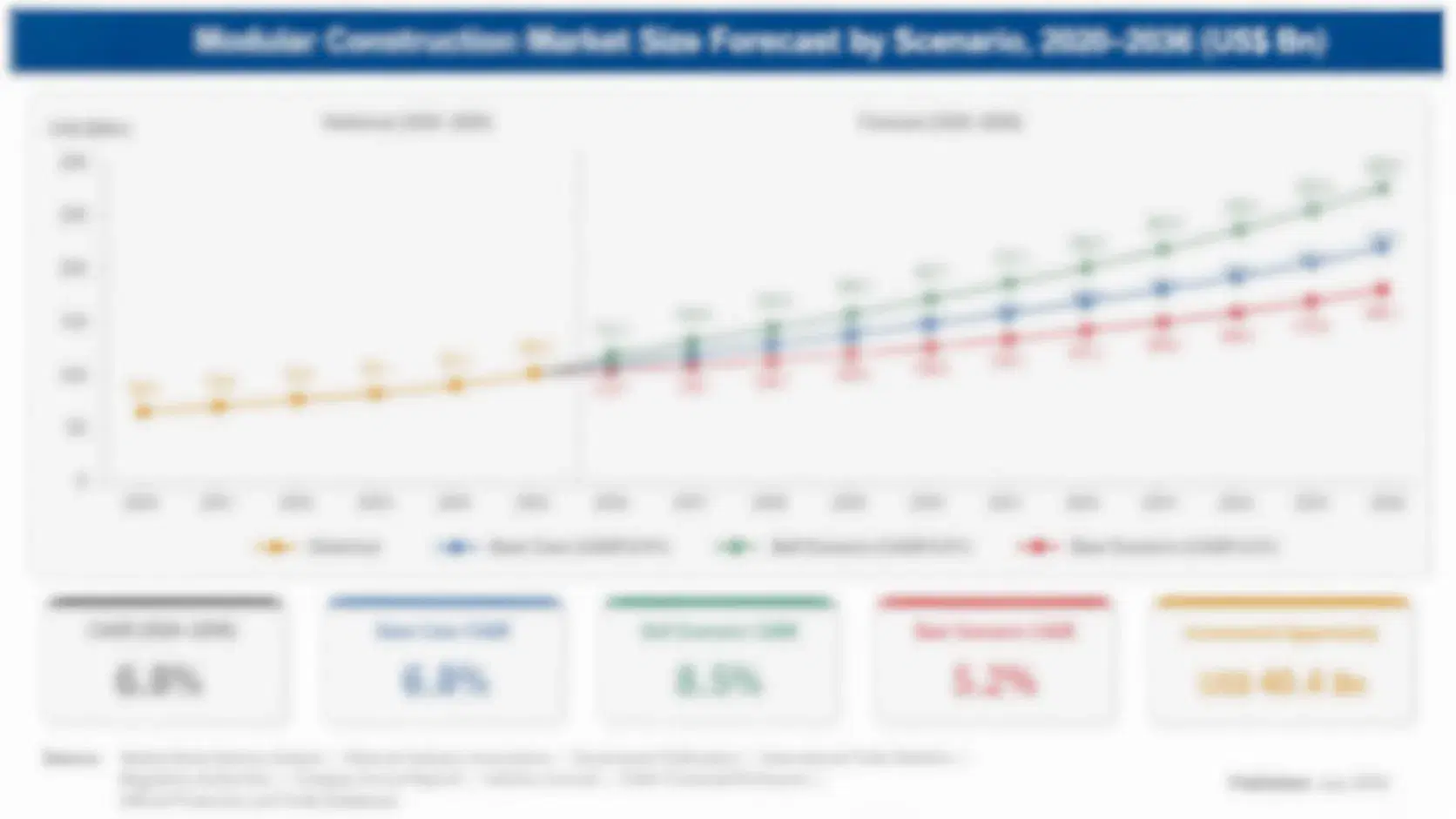
Cardiac Rhythm Remote Monitoring Devices Market Forecast Scenarios

cardiac-rhythm-remote-monitoring-devices-market-size-forecast-scenario-1787683782440
Growth from 2020 to 2025 ran at 8.0% and reimbursement decisions moved it more than technology did. Remote monitoring expanded rapidly through 2020 and 2021 when nobody wanted patients in clinics, and much of that behaviour stayed. Payment rate revisions then cut realised revenue per study several times without changing volume at all. Insertable monitor implantation grew steadily throughout the period.
The 9.4% base case rests on three mechanisms. Extended-wear recording produces diagnostic yield that short duration monitoring cannot match, which makes it the clinically obvious choice wherever payment allows it. Consumer wearable notifications are sending previously undiagnosed people into cardiology clinics that then order formal monitoring. And European and Asian health systems are slowly establishing reimbursement pathways that did not exist five years ago, from a starting point of essentially nothing.
The bull case at 10.6% turns on European reimbursement broadening at pace, which would open a market with comparable disease burden and a fraction of current spending. The bear case at 8.2% is further American payment rate reduction, since a single national rate decision can compress realised revenue across the entire installed customer base within one quarter.

What The Cardiologist Is Actually Buying

A patch records electrical signals onto a chip and costs very little to make. What creates the value is everything afterward: algorithms that flag candidate events across a fortnight of continuous recording, technicians who confirm or reject each one, and a report short enough that a cardiologist reads it between appointments. The product is analytical labour with an adhesive attached, and the companies that understood this early priced accordingly.
FIVE-FIRM CONCENTRATION68%Share of cardiac monitoring revenue held by leading suppliers
AVERAGE STUDY REIMBURSEMENT$268Typical payment received for one extended-wear monitoring study
TOP CONSUMING COUNTRYUSA 41%American share of global monitoring studies performed annually
DIAGNOSTIC YIELD RATIO3.2 timesArrhythmia detection from extended wear against single day recording
TRANSMISSION REVIEW BURDEN62%Implanted device transmissions carrying no clinically actionable finding
WEARABLE REFERRAL SHARE14%Monitoring studies originating from a consumer device notification
Reimbursement built this industry and can dismantle it. American payment codes for extended monitoring made a fourteen day study commercially viable, which no health system had previously allowed, and the entire patch category grew from that decision. Rate revisions since have cut realised revenue per study repeatedly without any change in the underlying clinical value.
Implanted device follow-up has the opposite problem. Remote transmissions arrive continuously from millions of pacemakers and defibrillators, and roughly 62% of them contain nothing anybody needs to act on. Device clinic staff review them regardless, because somebody must. The commercial opportunity is triage rather than transmission, and it belongs to whoever can reduce what reaches a human without missing the thing that mattered.
"The clever part was never the sensor. It was realising that a cardiologist will pay for two minutes of reading and nothing at all for two weeks of data."
Director, Cardiac Devices and Diagnostics Practice · MMA Medical Devices Practice · August 2026

Market Trends

Consumer Wearables Generate Clinical Monitoring Demand

A smartwatch telling somebody their rhythm looks irregular sends a person who felt entirely well into a cardiology clinic, and that clinic orders formal monitoring because a consumer notification is not a diagnosis. Roughly 14% of monitoring studies now originate this way, from people who would never otherwise have presented. Cardiologists are divided about whether this represents useful early detection or manufactured anxiety, and the commercial effect is identical either way. Demand is being created outside the medical system by companies with no interest in the diagnostic market at all, which is an unusual position for any device category.
Market Impact: Detects 3.2 times more arrhythmia

Algorithmic Analysis Replaces Technician Review Volume

A fortnight of continuous recording contains millions of heartbeats, and the economics of the whole category depend on how few of them a human has to look at. Improved arrhythmia classification has cut technician review time per study substantially, which flows straight to gross margin because the reimbursement rate does not move with it. That makes analysis quality a cost position rather than a clinical feature, which is how the leading suppliers describe it internally and never publicly. Regulatory clearance for autonomous classification without human confirmation remains the boundary nobody has crossed yet.
Market Impact: Covers 340,000 annual stroke patients

Market Opportunities and Growth Drivers

Extended Recording Outperforms Short Duration Diagnostic Yield

Atrial fibrillation is intermittent by nature, and a twenty-four hour recording catches it only if it happens that day. Fourteen day monitoring detects roughly three times as much clinically relevant arrhythmia, which is not a marginal improvement but a different diagnostic proposition entirely. Cardiologists who have used both do not go back. The commercial consequence is that duration became the competitive axis rather than signal quality or comfort, and suppliers who optimised for wear time and adhesion won accounts from those who optimised for waveform fidelity nobody was measuring. Duration won that argument decisively.
Market Impact: Cuts revenue per study 22%

Stroke Prevention Guidelines Push Post-Event Monitoring

A stroke of unknown cause carries a strong likelihood of undetected atrial fibrillation behind it, and anticoagulation prevents recurrence only if that rhythm is actually found. Guidelines across most major cardiology societies now recommend prolonged monitoring after cryptogenic stroke, which created a defined patient population with a clear clinical rationale and a payer willing to fund it. Insertable cardiac monitors serve the longest durations and patch monitors the shorter ones. Neurology rather than cardiology increasingly initiates these referrals, which most suppliers are still not organised to reach. That referral channel remains largely uncontested today.
Market Impact: Reviews 62% unnecessary transmissions

Market Restraints and Challenges

Payment Rate Decisions Compress Revenue Without Warning

A single national rate revision can cut realised revenue per study across an entire customer base within one quarter, regardless of clinical value, volume or contract terms. Root cause is that the payer sets the price unilaterally and reviews it periodically, which is how public reimbursement works everywhere. The commercial impact is that suppliers cannot forecast revenue per unit reliably and must plan capital around rate-setting calendars rather than around demand. Mitigation runs through cost reduction in analysis and through geographic diversification, and neither removes the exposure. Nobody in this market forecasts price confidently.
Market Impact: Drives 14% of monitoring studies

Device Clinic Capacity Limits Implanted Follow-Up Value

Remote transmissions from implanted rhythm devices arrive continuously, and roughly 62% contain nothing requiring action, yet somebody in a device clinic reviews each one. Root cause is liability rather than clinical necessity: nobody will authorise ignoring a transmission. The commercial impact is that additional monitoring capability adds work rather than value for the clinic receiving it, which caps willingness to pay for anything beyond the basic service. Mitigation runs through triage algorithms and clinical decision support, both of which require regulatory clearance and considerable trust. Liability rather than medicine drives all of it.
Market Impact: Cuts review time by 46%
3 additional market trends, 4 additional growth drivers, and 2 additional restraints and challenges are covered in the full report. Contact sales@marketmindsadvisory.com to access the complete intelligence.

Segment CAGR and Growth Architecture

Segmentation follows monitoring modality: how rhythm data is captured and how long capture continues, rather than which condition prompted the study or who ordered it. Six modalities cover the market without overlap, from adhesive patches through to algorithmic analysis platforms. Clinical indication and referral source are treated separately, because both cut across every modality in this market.
cardiac-rhythm-remote-monitoring-devices-market-market-share-analysis-1787683782716

Extended-Wear Adhesive Patch Monitors

A single-use adhesive patch worn continuously for up to a fortnight replaced a device with wires that patients removed within hours. Growth at 14.1%, half again the market rate of 9.4%, rests on diagnostic yield rather than on comfort: fourteen days detects roughly three times the clinically relevant arrhythmia that a single day does, which changes what the study is for. The commercial model is unusual for a device business because the manufacturer processes the data and delivers a report, which means the revenue is a service and the margin depends on analysis cost. Reimbursement rate decisions rather than competition set the price ceiling. Competition happens on cost rather than on price, which is unusual.
CAGR 14.1%

Mobile Cardiac Telemetry Systems

Mobile telemetry transmits rhythm continuously rather than storing it, which allows a monitoring centre to react to a dangerous arrhythmia while the patient is still wearing the device. That real-time capability is the whole clinical justification and it carries a considerably higher reimbursement rate than store-and-forward patch monitoring. Growth at 10.6% follows referrals from patients whose symptoms suggest something urgent enough to warrant continuous surveillance. The cost base is different too: a staffed monitoring centre operating continuously is a fixed overhead, which makes utilisation matter far more here than in any other part of this market. A half-empty monitoring centre loses money on studies that look perfectly profitable on a rate card, which several operators discovered the expensive way.
CAGR 10.6%
Full segment breakdown across 6 segments available in the complete report.

Regional Architecture and Country Demand Map

Geography follows reimbursement design rather than disease burden, which is distributed far more evenly than spending is. North America dominates on payment terms no other system has matched. Western Europe is establishing pathways slowly, while South Asia grows fastest from a base that remains genuinely small.

North America

North America takes 44%, far above the 22 to 32% default band, because American reimbursement for extended cardiac monitoring exists on terms no other health system has ever offered and the entire patch category was built on those codes. That single fact explains the concentration. Demand runs through cardiology practices and increasingly through neurology after stroke, with independent diagnostic testing facilities handling much of the processing volume. Rate revisions have repeatedly cut realised revenue per study without reducing volume, which suppliers describe carefully in earnings calls. Canadian provincial funding is narrower and slower. Mexican monitoring is largely private and concentrated in a small number of metropolitan cardiology centres. One administrative decision reprices the whole market.
Share: 44% | CAGR: 8.6% (2026 to 2036)

Western Europe

Western Europe takes 20% against comparable disease burden, which reflects reimbursement pathways that are only now being established rather than any clinical disagreement about value. German statutory funding has moved furthest and covers extended monitoring in defined indications. French and Dutch systems have introduced pathways with tighter clinical criteria attached. British provision runs through hospital trusts with budgets that make extended monitoring a rationed resource rather than a routine one. Nordic systems adopted insertable monitors early on stroke prevention grounds. Italian and Spanish access varies enormously by region. Suppliers here sell to procurement committees rather than to cardiologists, which is a completely different commercial exercise. Committees buy differently from clinicians everywhere.
Share: 20% | CAGR: 7.8% (2026 to 2036)
Regional intelligence for 5 additional markets available in the complete report: East Asia, South Asia and Pacific, Latin America, Middle East and Africa, Eastern Europe. Contact sales@marketmindsadvisory.com.
cardiac-rhythm-remote-monitoring-devices-market-country-cagr-analysis-1787683783005

Selling The Report, Not The Sensor

Reimbursement sets the price and competition rarely moves it, which means the commercial variable is what a supplier spends producing each report rather than what it charges. Four levers work on analysis cost, on referral source or on payment exposure, and each requires capability that a device manufacturer does not normally possess at all.

Drive Analysis Cost Down Faster Than Rates Fall

Reimbursement per study is set unilaterally and revised downward periodically, and no supplier controls that number. What every supplier does control is technician minutes per study, which improved arrhythmia classification has already cut by roughly 46% at the leading operators. Every further reduction flows directly to gross margin because the payment does not move. This is the only lever in the market that works regardless of what a payer decides next, which makes it the most important investment a supplier can make and the one that looks least like medical device development.
Market Impact: Removes fully 46% of the technician review minutes

Build Referral Relationships With Neurology Not Cardiology

Cryptogenic stroke guidelines put prolonged rhythm monitoring into neurology practice, and roughly 340,000 patients a year reach that pathway. Neurologists order the study, cardiologists never see the patient first, and almost every supplier field organisation calls exclusively on cardiology. Building neurology coverage costs money and reaches a referral population that competitors are not contacting at all. The clinical argument is straightforward and the commercial one is better: a stroke patient needs the longest available monitoring, which is the highest value study in the category by a wide margin. Cardiology coverage reaches none of them.
Market Impact: Reaches roughly 340,000 stroke referrals in every year

Sell Transmission Triage To Device Clinic Staff

Roughly 62% of implanted device transmissions contain nothing actionable and a clinic employee reviews each one because liability requires it. A supplier who reduces that review burden is selling staff time back to a clinic drowning in it, which is worth considerably more than any additional monitoring capability. The barrier is regulatory clearance for algorithmic triage and the trust required for a clinician to accept that something was filtered without review. Suppliers who cleared that hurdle sell a service clinics genuinely want rather than a feature they tolerate. The distinction matters commercially.
Market Impact: Removes fully 62% of the unnecessary transmission reviews

Diversify Geographically Against Single Payer Exposure

A supplier earning most revenue under one national payment schedule carries an exposure that no commercial skill offsets, since one rate decision can cut realised revenue by 22% within a quarter. European and Asian reimbursement pathways are being established now and will take years to become material. Entering early costs money against volume that does not yet exist, and it converts a single-payer dependency into a portfolio. Suppliers who waited for European reimbursement to mature will arrive to find procurement frameworks already awarded to whoever was present. Presence beats timing here.
Market Impact: Reduces exposure to sudden 22% payment rate cuts

Who Controls the Margin Pool

Measured on disclosed cardiac monitoring and rhythm management revenue, the five leading suppliers hold a CR5 of 68%. What makes that number interesting is where they came from: a monitoring specialist, two implantable device manufacturers, a diversified device group and an imaging company. No settled industry produces that list. iRhythm leads ambulatory monitoring and Medtronic leads implanted device follow-up, and the two barely compete.
Three contests define activity. Ambulatory monitoring competes on diagnostic yield, report turnaround and analysis cost, with reimbursement rather than rivalry setting the price. Implanted follow-up competes on installed device base, which is decided by therapy device sales made years earlier and cannot be contested directly. Algorithmic analysis is the third and newest, where regulatory clearance for autonomous classification will eventually separate the field considerably.

Pressure comes from Chinese manufacturers producing patch hardware at prices Western suppliers cannot match, and from consumer technology companies whose devices already detect arrhythmia at enormous scale. Neither currently competes for reimbursed clinical studies. Rankings shift the moment either decides to, and one of them has the regulatory experience while the other has the users. Neither has decided yet.
cardiac-rhythm-remote-monitoring-devices-market-company-positioning-matrix-1787683783318

Competitive Moat and Risk Dimensions

IRHYTHM TECHNOLOGIES

Moat: Analysis Cost Position At Scale

iRhythm processes more extended-wear studies than anyone and has driven technician minutes per study down through algorithm improvement trained on that volume. Cost per report is the competitive variable in a market where price is set by a payer, and a competitor with less data cannot train equivalent classification. The advantage compounds with every additional study processed.
IRHYTHM TECHNOLOGIES

Risk: Single Payment Schedule Dependency

A company earning most of its revenue under one national reimbursement schedule is exposed to a decision it neither influences nor predicts, and rate revisions have already cut realised revenue per study more than once. No commercial execution offsets that. Geographic diversification is the only genuine answer and it takes years to become material at any useful scale.
MEDTRONIC

Moat: Installed Implanted Device Base

Medtronic's remote follow-up revenue rests on millions of implanted rhythm devices placed over decades, and each one transmits to the platform its manufacturer built. Competitors cannot contest that installed base directly, because the monitoring follows the implant and the implant decision was taken years earlier by an electrophysiologist choosing therapy rather than monitoring.
MEDTRONIC

Risk: Follow-Up Value Perceived As Overhead

Device clinics treat remote transmissions as work rather than benefit, since most contain nothing actionable and somebody must review each one regardless. That perception caps what any health system will pay for monitoring capability beyond the basic service. Converting the platform from an obligation into something clinics value requires triage clearance that Medtronic has pursued and not yet fully achieved.

Players Tracked

Prominent Players

iRhythm Technologies
Medtronic
Abbott
Boston Scientific
Philips

Other Key Players

Biotronik
LivaNova
Baxter
GE HealthCare
Nihon Kohden
Bittium
InfoBionic
VitalConnect
Schiller
Norav Medical
Applied Cardiac Systems
Huinno
Lepu Medical
Contec Medical Systems
Fukuda Denshi

Recent Developments

FEBRUARY 2025

iRhythm receives clearance for expanded algorithmic arrhythmia classification

iRhythm obtained regulatory clearance for expanded algorithmic classification within its analysis workflow, developed internally rather than acquired. The clearance reduces technician confirmation required per study, which affects gross margin directly since reimbursement per study is set by payers and does not adjust for supplier processing cost at all.
Signal: Analysis cost rather than device performance is where competitive advantage in ambulatory monitoring now genuinely accumulates.
JUNE 2025

Medtronic expands remote transmission triage capability for device clinics

Medtronic introduced expanded transmission triage within its remote follow-up platform, an internal development rather than a partnership. The stated objective was reducing the volume of clinically unremarkable transmissions requiring human review, which device clinic staff have identified consistently as the principal burden of remote monitoring programmes.
Signal: Suppliers are finally selling reduced workload rather than increased data, which is what device clinics actually wanted.
SEPTEMBER 2025

German statutory funding extends coverage for extended-wear cardiac monitoring

German statutory health insurance extended reimbursement coverage for extended-wear ambulatory monitoring in defined clinical indications. This was a funding decision rather than any regulatory approval or commercial transaction, and it establishes a pathway in the largest European market that suppliers had been pursuing for several years.
Signal: European reimbursement is opening gradually, and suppliers already present will take the framework awards that follow.

What Producing A Report Costs

Labour dominates and hardware barely registers. Technician analysis, clinical review and customer support together run 38 to 41% of revenue per study, delivered from monitoring centres staffed continuously in several time zones. Device hardware, adhesive and electronics account for roughly 11%, which surprises people who assume a medical device business is a manufacturing business. Data transmission, storage and platform operation carry most of the remainder.
Technician availability rather than component supply is the recurring constraint. Certified cardiographic technicians are scarce, trained slowly and recruited from a pool that hospitals also draw on, and wage inflation through 2022 and 2023 raised analysis cost across the sector. iRhythm and Philips annual reports for those years describe staffing cost pressure and the automation investment made in response. Nobody solved it by hiring, because the people were not available to hire.

Exposure divides by how much automation a supplier has achieved. Operators with mature classification models carry lower analysis cost per study and absorb rate cuts without repricing. Those still relying on manual review carry the full labour base against a payment they cannot influence. Hardware-only manufacturers selling devices to third-party analysis providers avoid the exposure entirely and capture correspondingly less of the value.
cardiac-rhythm-remote-monitoring-devices-market-cost-volatility-analysis-1787683783631

Invest in classification models ahead of rate decisions

Reimbursement rates fall periodically and analysis cost falls only if somebody invests in making it fall. Suppliers who funded algorithm development during favourable rate periods absorbed subsequent cuts without repricing or reducing service. Those who took the margin instead found themselves cutting technician headcount under pressure, which damages turnaround time and therefore the clinical relationship.

Build monitoring centre capacity across multiple labour markets

Certified technician availability constrains throughput more than any equipment does, and the pool is shallow in every single market. Operating analysis centres across several countries widens recruitment, spreads wage exposure and provides continuous coverage without paying night shift premiums everywhere. The complication is regulatory, since some jurisdictions restrict where patient data may be processed and reviewed.

Separate hardware supply from analysis service commercially

Selling devices to independent analysis providers avoids labour exposure entirely and captures a fraction of the value. Providing the analysis captures most of the value and all of the labour cost. Suppliers who chose deliberately between the two have performed better than those drifting between both models, because the cost bases and sales organisations required share almost nothing.

Portfolio Architecture for Margin Defence

Margin follows automation rather than technology or scale. An extended-wear study analysed largely by hand earns thin margins against a fixed reimbursement rate that nobody can negotiate. The identical study processed through mature classification models earns considerably more on the same payment, because the difference is entirely technician minutes. Hardware sold to third-party analysis providers earns device margins and captures a small share of the value created.
The tension is that the payment is fixed and the cost is not, which reverses the usual commercial logic. A supplier cannot raise price to cover rising labour and cannot reduce service without damaging turnaround times that referring cardiologists notice immediately. That leaves automation as the only variable, and automation requires capital during periods when margins are comfortable rather than when they are under pressure. Most suppliers have invested in exactly the wrong sequence.

High-value pools sit in three places. Autonomous algorithmic classification, where regulatory clearance converts labour into software permanently. Mobile cardiac telemetry, which carries the highest reimbursement in the category against a fixed monitoring centre overhead. And implanted device triage, where reducing clinic workload is worth more than any additional monitoring capability could be.

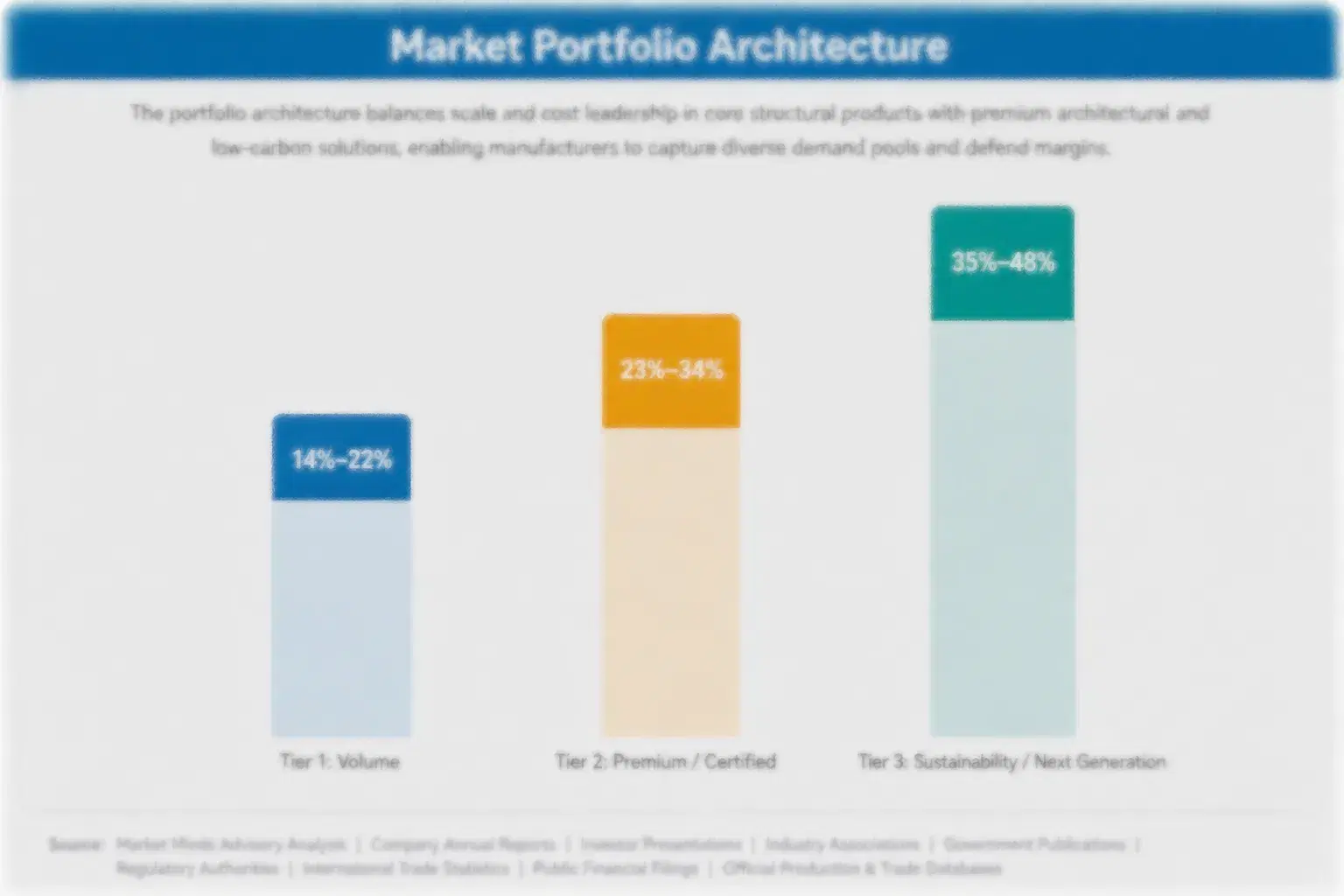
Volume / Commodity-Adjacent

Traditional Holter recorders, basic event monitors and patch hardware sold to independent analysis providers. The 7-point range separates manufacturers with their own electronics from those assembling purchased modules. Chinese producers set pricing at this level and increasingly everywhere else.
Gross Margin: 22-29%

Premium / Certified

Extended-wear monitoring delivered as a full service with report, and insertable cardiac monitors placed by electrophysiologists. The 7-point spread separates operators with mature analysis automation from those still reviewing manually. Automation depth rather than device performance holds this margin in place.
Gross Margin: 48-55%

Sustainability / Regulatory / Next-Generation

Mobile cardiac telemetry, cleared autonomous classification and implanted device transmission triage platforms. The 13-point range is unusually wide because telemetry carries a staffed monitoring centre overhead while software triage carries almost no marginal cost, and the two economic models are not comparable.
Gross Margin: 58-71%
cardiac-rhythm-remote-monitoring-devices-market-portfolio-architecture-1787683783938

High-value Sub-segments and Strategic Watch-out

Autonomous Classification Platforms

Highest value and fastest growth, converting technician labour into cleared software permanently rather than incrementally. Whoever obtains clearance for classification without human confirmation changes the cost base of the whole category. The risk is regulatory, since no authority has yet permitted it fully. Evidence requirements keep rising as claims broaden.
Gross Margin: 68-71%

Mobile Cardiac Telemetry Services

High value with strong growth, carrying the highest reimbursement rate in the category on genuine real-time clinical justification. The constraint is a monitoring centre staffed continuously, which is fixed overhead. Utilisation therefore decides profitability far more directly here than anywhere else in this market. Empty chairs cost real money.
Gross Margin: 62-65%

Traditional Holter Equipment

The volume core by unit count in most of the world and close to irrelevant by value in the markets that pay well. Chinese and Indian manufacturers set pricing and Western suppliers have largely conceded it. Most keep the line to hold hospital relationships rather than to earn.
Gross Margin: 23-26%

Single Payer Reimbursed Volume

The strategic watch-out. Most category revenue depends on one national payment schedule that has been revised downward repeatedly and will be again. The risk is capacity and commercial infrastructure built against a rate nobody controls, which a single administrative decision can compress within one quarter.
Gross Margin: 50-53%

Why Studies Keep Being Ordered

Ambulatory monitoring is episodic rather than continuous revenue. A patient wears a patch once, the report arrives and the relationship ends until somebody orders another study. What produces repeat revenue is the ordering physician rather than the patient, and a cardiologist who trusts a supplier's turnaround and report quality orders from them for years without revisiting the decision.
Stickiness therefore varies by who orders and why. A cardiology practice that has integrated one supplier's ordering workflow into its electronic record rarely changes, because the switching cost falls on staff rather than on physicians. Hospital procurement retenders on schedule regardless of satisfaction. Neurology referrals after stroke are newer relationships with no incumbent advantage established yet. Implanted device follow-up never changes at all, since the platform follows the implant.

The referral population is widening in a way suppliers did not plan for. Consumer wearable notifications now generate roughly 14% of studies from people who felt entirely well, and those referrals arrive through primary care rather than through cardiology. Primary care physicians have no supplier preference and no established ordering workflow. Whoever reaches them first will hold a referral channel that did not exist five years ago.
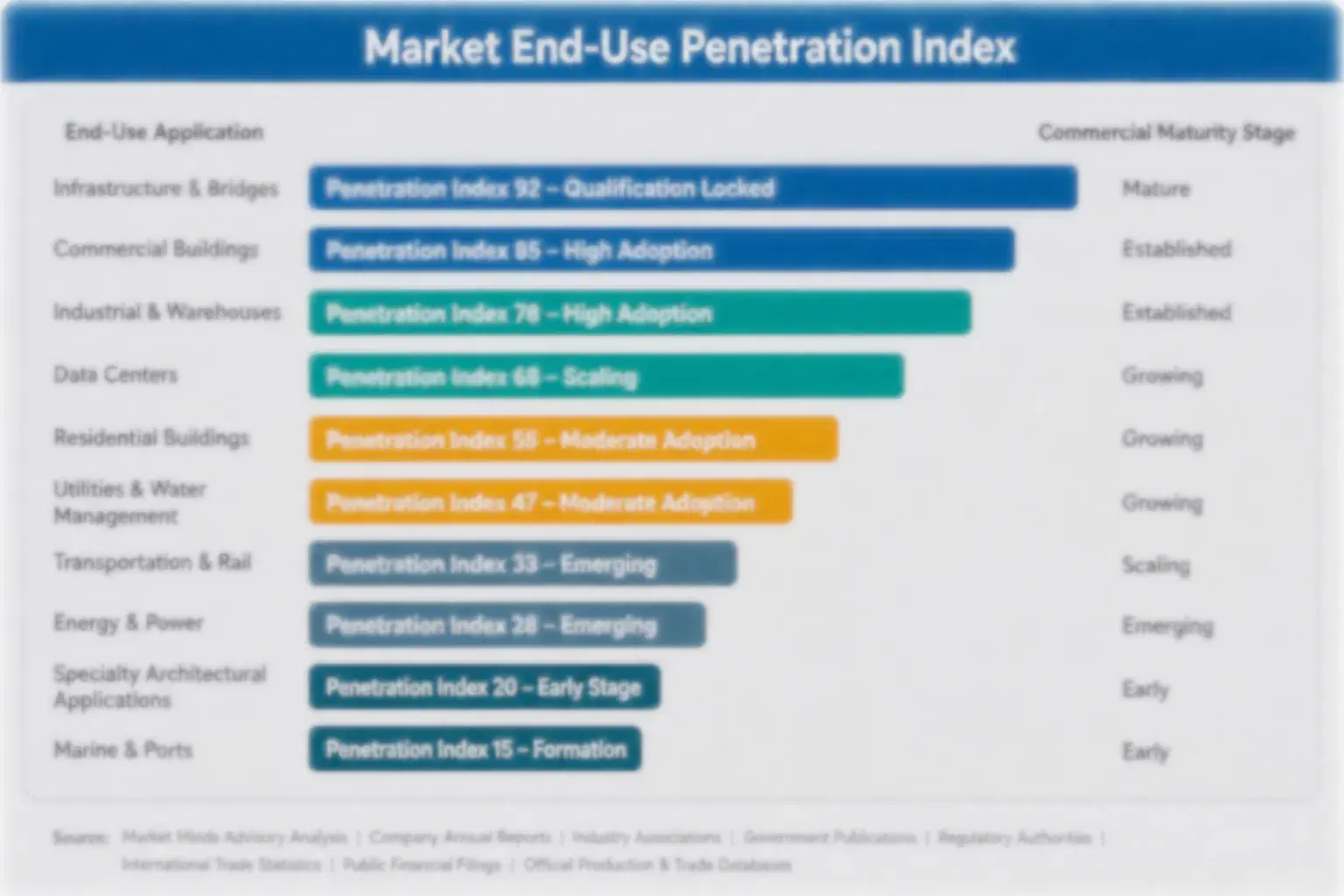
cardiac-rhythm-remote-monitoring-devices-market-end-use-penetration-index-1787683784214

Where The Margin Actually Comes From

These are among the four positions where our research anticipates prominent divergence between winners and laggards over the coming forecast period. Each is grounded in the demand model, the regulatory perimeter, and the announced capacity pipeline.
01 / ANALYSIS AUTOMATION INVESTMENT

Cut technician minutes faster than rates get cut

Reimbursement per study is set unilaterally by payers who revise it downward periodically, and no amount of commercial skill influences that number in any direction at all. Technician minutes per study is the one variable a supplier fully controls, and improved classification has already removed roughly 46% of review time at the leading operators, flowing straight to margin because payment does not move. This is the only lever that works whatever a payer decides next, and it looks least like device development.
02 / NEUROLOGY REFERRAL ACCESS

Call on stroke neurologists nobody else visits

Cryptogenic stroke guidelines placed prolonged rhythm monitoring squarely into neurology practice, and roughly 340,000 patients a year now reach that pathway through neurologists rather than through cardiologists. Almost every supplier field organisation calls exclusively on cardiology and has done for decades. Building neurology coverage reaches a referral population competitors are not contacting, and those patients need the longest available monitoring, which is the highest value study the category offers anybody, and the relationship is uncontested because nobody else has bothered to build it.
03 / CLINIC WORKLOAD REDUCTION

Sell staff time back to drowning device clinics

Roughly 62% of implanted device transmissions contain nothing anybody needs to act on, and a clinic employee reviews every one because liability requires it rather than because medicine does. Additional monitoring capability therefore adds work rather than value, which caps what any health system will pay beyond the basic service. A supplier who reduces that review burden is selling back the scarcest resource the clinic has, and the barrier is regulatory clearance for triage plus the clinical trust to accept filtering without review.
04 / PAYER EXPOSURE DIVERSIFICATION

Enter Europe before the frameworks get awarded

Most category revenue currently depends on one national payment schedule that can compress realised revenue by 22% within a single quarter on an administrative decision nobody outside the payer influences. European reimbursement pathways are opening now and will take years to become commercially material, which makes early entry expensive against volume that does not yet exist. Suppliers who wait for those pathways to mature will arrive to find procurement frameworks already awarded to whichever competitor bothered to be present at the time.

Engagement Snapshot From the Field

A live engagement with an industry participant carrying material or product regulatory and market exposure ahead of a defining policy shift, showing how our research translates into a defensible multi-year portfolio strategy.
MARKET MINDS ADVISORY · CLIENT ENGAGEMENT SUMMARY
Cardiac Rhythm Remote Monitoring Devices Producer Strategic Portfolio Review and Transition Roadmap 2026·Investment Scenario on Cardiac Rhythm Remote Monitoring Devices Exposure Evaluation 2025-26
CLIENT PROFILE
An American cardiac monitoring provider delivering extended-wear and mobile telemetry studies through 3 analysis centres, with revenue reported at 420 million dollars (client-reported, unverified by MMA). Roughly 88% of revenue came under a single national payment schedule. Its commercial organisation of 190 representatives called almost entirely on cardiology practices, with essentially no coverage of neurology or primary care anywhere.
STRATEGIC CHALLENGE
A reimbursement rate revision had cut realised revenue per study and management responded by proposing technician headcount reductions, which the clinical operations team argued would damage turnaround times cardiologists monitor closely. Volume growth had also slowed. Nobody had examined whether the two problems shared a cause or whether the referral base itself had stopped expanding.
MMA APPROACH
MMA analysed cost per study by analysis centre and by degree of automation, then mapped referral origin against where the field organisation was actually calling, which the company had never compared. Fourteen expert interviews with referring physicians established how ordering decisions are made across specialties. The analysis treated referral source, not sales effort, as the likely explanation for slowing volume.
KEY FINDINGS
  1. Technician minutes per study varied by 44% between the three analysis centres, and the gap traced entirely to how much of the classification workflow each had automated.
  2. Neurology and primary care together originated 31% of studies while receiving under 4% of field contacts, and neither channel had any established supplier preference.
  3. Consumer wearable notifications preceded 16% of primary care referrals, which is a referral pathway that had not existed at all when the commercial organisation was originally designed.
  4. Bringing every centre to the best-performing automation level recovered more margin than the proposed headcount reduction would deliver (client-reported, unverified by MMA).
CLIENT PROFILE
An American cardiac monitoring provider delivering extended-wear and mobile telemetry studies through 3 analysis centres, with revenue reported at 420 million dollars (client-reported, unverified by MMA). Roughly 88% of revenue came under a single national payment schedule. Its commercial organisation of 190 representatives called almost entirely on cardiology practices, with essentially no coverage of neurology or primary care anywhere.
STRATEGIC CHALLENGE
A reimbursement rate revision had cut realised revenue per study and management responded by proposing technician headcount reductions, which the clinical operations team argued would damage turnaround times cardiologists monitor closely. Volume growth had also slowed. Nobody had examined whether the two problems shared a cause or whether the referral base itself had stopped expanding.
MMA APPROACH
MMA analysed cost per study by analysis centre and by degree of automation, then mapped referral origin against where the field organisation was actually calling, which the company had never compared. Fourteen expert interviews with referring physicians established how ordering decisions are made across specialties. The analysis treated referral source, not sales effort, as the likely explanation for slowing volume.
KEY FINDINGS
  1. Technician minutes per study varied by 44% between the three analysis centres, and the gap traced entirely to how much of the classification workflow each had automated.
  2. Neurology and primary care together originated 31% of studies while receiving under 4% of field contacts, and neither channel had any established supplier preference.
  3. Consumer wearable notifications preceded 16% of primary care referrals, which is a referral pathway that had not existed at all when the commercial organisation was originally designed.
  4. Bringing every centre to the best-performing automation level recovered more margin than the proposed headcount reduction would deliver (client-reported, unverified by MMA).
RECOMMENDED STRATEGY
Phase 1: Phase one: standardise the classification workflow across all three analysis centres first, before reducing any technician headcount anywhere at all. Phase 2: Phase two: build dedicated neurology and primary care coverage, which reach a third of referrals and currently receive almost no commercial attention. Phase 3: Phase three: begin European market entry now rather than waiting for reimbursement pathways to mature and frameworks to be awarded elsewhere.
OUTCOME
Workflow standardisation cut blended cost per study 27% within three quarters and no technician reduction was required. Neurology coverage produced measurable referral growth in the first year, and primary care ordering rose from a base of almost nothing (client-reported, unverified by MMA). European entry is under way in two markets.

Frequently Asked Questions

Foundational context covering the market sizes, CAGR, scope, country, region and competition that inform every finding below. This section is provided to cover basics and most often pre-purchase conversations, answered from the MMA Primary Research Dataset.

What is the current size of the Cardiac Rhythm Remote Monitoring Devices Market?

The market was worth 3.8 billion dollars in 2025, covering patch monitors, mobile telemetry, insertable monitors, implanted device follow-up and analysis platforms. It reaches 4.2 billion dollars in 2026.

How large will the Cardiac Rhythm Remote Monitoring Devices Market be by 2036?

MMA forecasts 10.3 billion dollars by 2036, an increase of 6.1 billion dollars over the 2026 base. That represents an expansion multiple of 2.45 times across the forecast period.

What is the CAGR for the Cardiac Rhythm Remote Monitoring Devices Market 2026 to 2036?

The base case compounds at 9.4% annually. MMA's bull case reaches 10.6% if European reimbursement broadens at pace, while the bear case sits at 8.2% on further American rate reduction.

Which segment is growing fastest?

Extended-wear adhesive patch monitors, at 14.1%, half again the market rate of 9.4%. Fourteen day recording detects roughly three times the arrhythmia a single day of monitoring finds.

Who are the major companies in the Cardiac Rhythm Remote Monitoring Devices Market?

iRhythm Technologies, Medtronic, Abbott, Boston Scientific and Philips lead on disclosed cardiac monitoring and rhythm management revenue. Biotronik, Baxter, Nihon Kohden, VitalConnect and Bittium compete within specific modalities.

Which country is growing fastest?

India at 12.8%, driven by private hospital cardiology expansion and domestic manufacturing that makes ambulatory monitoring affordable. China follows on a similar base and cost position.

Report Segmentation Architecture

The full report scope spans multiple orthogonal segmentation dimensions, with cross-tabulated demand data provided for each dimension pair. Coverage extends further to regional breakdowns, trend trajectories, and the competitive detail needed to support segment-level decision-making.

By Monitoring Modality

  • Extended-Wear Adhesive Patch Monitors
  • Mobile Cardiac Telemetry Systems
  • Insertable Cardiac Monitors
  • Implanted Device Remote Follow-Up Platforms
  • Traditional Holter and Event Recorders
  • Algorithmic Arrhythmia Analysis Platforms

By End-Use Industry

  • Cardiology Practices
  • Electrophysiology and Device Clinics
  • Neurology and Stroke Services
  • Primary Care Referral
  • Hospital Outpatient Departments
  • Independent Diagnostic Testing Facilities

By Commercial Dimension

  • Public Reimbursed Study
  • Private Insurance Coverage
  • Hospital Capital Purchase
  • Analysis Service Subscription
  • Independent Provider Supply
  • Self-Funded Patient Access

By Region

  • North America
  • Western Europe
  • East Asia
  • South Asia and Pacific
  • Latin America
  • Middle East and Africa
  • Eastern Europe

Scope, Methodology, and Coverage

Every figure in this report is reproducible from documented input assumptions. The scope below maps the historical period, the forecast horizon, the segmentation dimensions, and the countries covered, alongside the underlying primary and qualitative methodology.
Historical Period
2020 to 2025
Forecast Period
2026 to 2036
Base Year
2025 (USD billions; MMA Primary Research Dataset, August 2026)
Market Definition
Scope covers devices, platforms and analysis services used to record, transmit and interpret cardiac rhythm outside the inpatient setting, spanning extended-wear adhesive patch monitors, mobile cardiac telemetry systems, insertable cardiac monitors, remote follow-up platforms serving implanted rhythm devices, traditional Holter and event recorders, and algorithmic arrhythmia analysis platforms. Pacemakers, defibrillators and cardiac resynchronisation devices are excluded other than their remote follow-up function. Inpatient telemetry, diagnostic electrocardiograph equipment and consumer wearables sold without a clinical indication fall outside the boundary.
Quantitative Units
USD billions (current prices); studies performed; devices placed; transmissions processed; technician minutes per study
Segmentation Dimensions
By Monitoring Modality; By End-Use Industry; By Commercial Dimension; By Region
Regions Covered
North America, Western Europe, East Asia, South Asia and Pacific, Latin America, Middle East and Africa, Eastern Europe
Countries Covered
USA, China, Germany, France, UK, Japan, South Korea, India, Brazil, Mexico, Italy, Spain, Poland, Saudi Arabia, South Africa
Key Companies Profiled
iRhythm Technologies, Medtronic, Abbott, Boston Scientific, Philips, Biotronik, LivaNova, Baxter, GE HealthCare, Nihon Kohden, Bittium, InfoBionic, VitalConnect, Schiller, Norav Medical, Applied Cardiac Systems, Huinno, Lepu Medical, Contec Medical Systems, Fukuda Denshi
Quantitative Methodology
Primary survey, n=3,800 respondents, Q4 2025, six countries; demand-side model with trade association cross-validation
Qualitative Methodology
47 expert interviews, Q4 2025; applied to validate demand model assumptions, identify emerging dynamics, and assess competitive positioning
Report Format
PDF and XLSX data workbook (Word format preview document)
Publisher
Market Minds Advisory
Report Code
MMA-2026-MED-143
Published
August 2026
Contact
sales@marketmindsadvisory.com | www.marketmindsadvisory.com

Purchase the full Cardiac Rhythm Remote Monitoring Devices Market Report (2026 to 2036).

The full report runs to 195 pages and covers all six monitoring modality segments, seven regions and 20 profiled companies in detail. It includes the complete segment CAGR set, regional study volume and reimbursement data, and analysis cost benchmarking across service operators. Company profiles carry evaluation on disclosed cardiac monitoring and rhythm management revenue, with moat and risk assessment for the top five suppliers. The competitive section extends to 17 tracked corporate developments across 2024 and 2025, each with commercial interpretation. Primary research inputs include a quantitative survey of 3,800 respondents and 47 expert interviews conducted in Q4 2025.
Six monitoring modality segments with individual CAGR forecasts
Seven regional markets with study volume and reimbursement data
Twenty company profiles on consistent revenue evaluation basis
Seventeen tracked corporate developments with commercial interpretation notes
Analysis cost benchmarking across competing service operators
Reimbursement pathway mapping by country and modality

Built For The People Who Decide

From boardroom strategy to bench-side execution, this report is read cover-to-cover by leaders shaping the next decade of their industry, turning demand scenarios, market dynamics and valuation benchmarks into decisions.
CXOs/ Presidents/ VPs/ Managers
M&A and Corporate Development
Strategy Teams and R&D Heads
Procurement and Product Directors
Regulatory and Compliance Leaders
Investor Relations and Equity Analysts