Market Minds Advisory
Canned Wet Cat Food Market

Canned Wet Cat Food Market: Canned Wet Cat Food Market. Broth Formats Reshape Category Growth

Rising hydration-focused feeding trends are pulling canned cat food beyond traditional pâté formats, as Mars Petcare defends brand portfolio breadth against Nestlé Purina's integrated nutrition research scale nationwide worldwide today.

Lead Analyst

Published

September 2026

Make Smarter Decisions with Customized Research Insights

Request a free sample report and evaluate market opportunities, growth trends, and competitive dynamics relevant to your business needs.

2025 MARKET VALUE$9.5BMarket Size 2025
2036 FORECAST VALUE$17.7BBase Case , 2026 to 2036
CAGR 2026 TO 20365.8 %Bull 7.0% / Bear 4.5%
INCREMENTAL OPPORTUNITY$7.6BNet 10- year value creation
EXPANSION MULTIPLE1.76x2036 value over 2026 base
Strategic Levers
M&A Pipeline
Regional Outlook
Country Rankings
Competitive Intelligence
Segmental Deep-dive
Call-Us : 91 93563 13602

Executive Snapshot and Market Trajectory.

Canned wet cat food delivers the moisture content and palatability that dry kibble alone cannot match, and demand is shifting fast as hydration-focused feeding trends pull the category well beyond traditional pâté formats into broth, bisque, and specialty diet formulations across most consumer markets tracked closely nationwide.
Broth and bisque formats are outgrowing every other format as cat owners increasingly value the hydration and treat-adjacent positioning these lighter formulations offer beyond standard mealtime feeding. Western Europe anchors the category's largest regional share, reflecting the region's notably high cat ownership rates and deeply established wet food feeding culture relative to dry kibble as owners increasingly seek products that expand rather than simply replace mealtime feeding occasions.
Five companies hold well over two-thirds of global branded revenue, a highly concentrated structure reflecting how Mars Petcare and Nestlé Purina's combined brand portfolio breadth and manufacturing scale have built advantages that smaller challenger brands struggle to match at comparable distribution reach. Rising premiumization in fast-growing Asian markets is accelerating branded wet cat food adoption faster than in most comparably structured consumer packaged goods categories tracked across most comparable consumer packaged goods categories tracked.
Market Definition
The canned wet cat food market covers pâté, chunks in gravy, shreds in sauce, broth, and bisque formulations sold in canned or pouched packaging formats for feline consumption. It excludes dry kibble products, semi-moist cat treats, and raw or freeze-dried cat food formats that fall outside traditional canned wet processing.
Base Year Value
$9.5B in 2025 (MMA Primary Research Dataset, September 2026)
Forecast Period
2026 to 2036, eleven discrete annual values
CAGR
5.8% base case. Bull 7.0%. Bear 4.5%.
Fastest Growth Segment
Broth and Bisque Canned Cat Food: 9.0% CAGR
Fastest Growth Country
China: 8.5% CAGR
Fastest Growth Region
South Asia and Pacific: 7.8% CAGR
Largest Region
Western Europe: 26% of 2025 global value
Market Leaders
Mars Petcare, Nestlé Purina, Hill's Pet Nutrition, General Mills, and JM Smucker lead by branded revenue. Source: MMA Analysis based on company annual reports.
Primary Survey
n=3,800 procurement and R&D decision-makers, Q4 2025, six countries
Methodology
Demand-side build-up, cross-validated against public data, 47 expert interviews

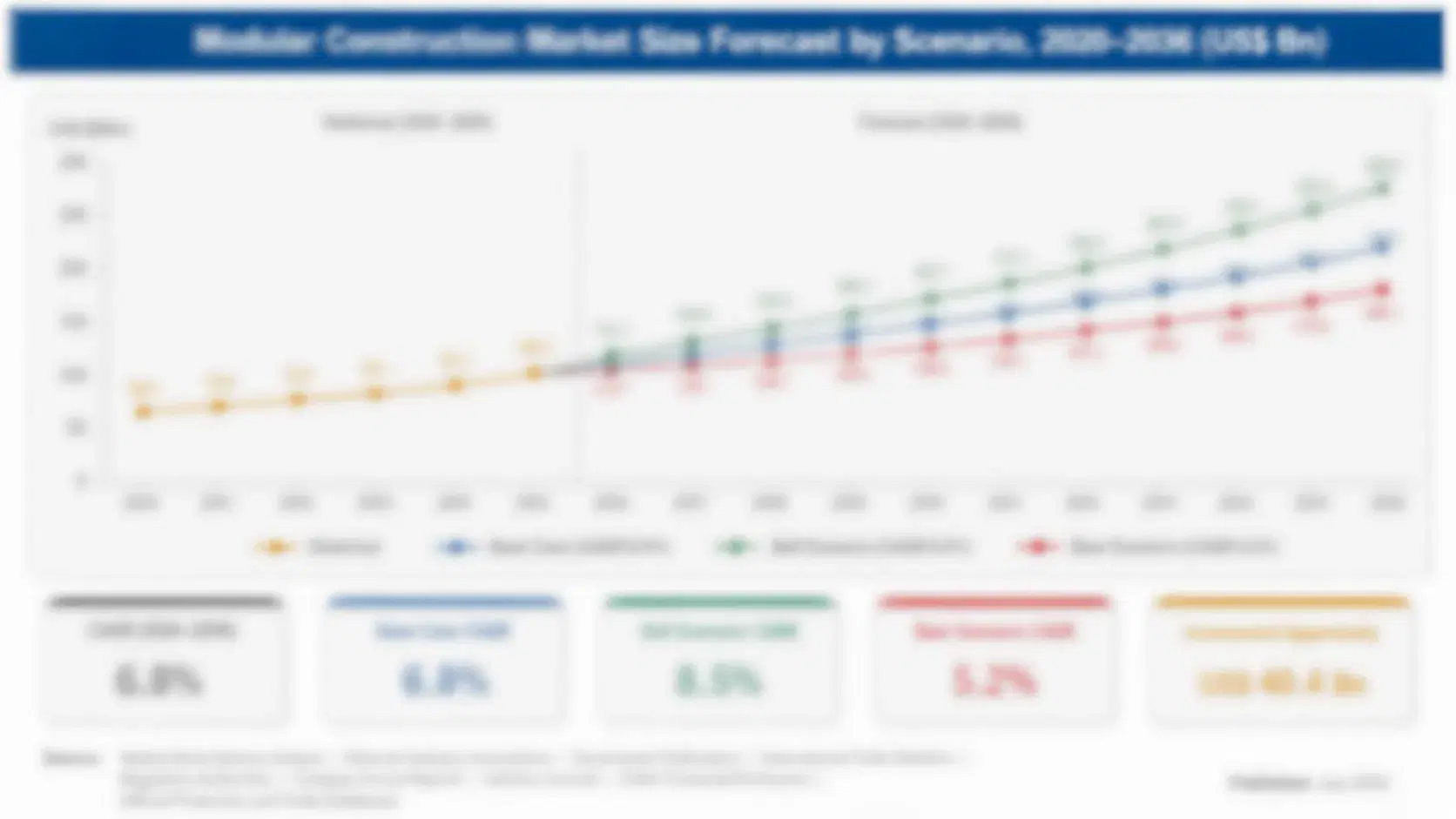
Canned Wet Cat Food Market Forecast Scenarios

canned-wet-cat-food-market-size-forecast-scenario-1790369299552
Canned wet cat food demand grew steadily between 2020 and 2025, expanding at roughly a 4.9 percent historical annual rate as rising cat ownership and premiumization trends expanded adoption beyond value-tier commodity formats. Growth accelerated after 2022 as broth and bisque formats reached mainstream retail distribution across most major producing markets reshaping how manufacturers of every scale evaluate format investment.
The base case rests on three mechanisms: continued broth and bisque format expansion capturing hydration-focused feeding occasions across major consumer markets, rising limited-ingredient and specialty diet adoption among allergy-conscious and premiumizing cat owners, and sustained cat ownership growth in fast-growing Asian markets expanding the category's addressable consumer base. Rising per-capita pet care spending continues reinforcing underlying premium format demand across most tracked markets Rising awareness of feline dietary sensitivity continues reinforcing underlying demand.
The bull case turns on accelerated premiumization and broth format retail distribution expansion across additional major consumer markets, pulling growth toward the high single digits. The bear case is persistent value-tier consumer preference for lower-cost pâté formats despite premiumization messaging, slowing overall growth toward the low single digits as budget-conscious households default back toward standard commodity formats.

Broth Formats Reshape Category Growth Priorities

Canned wet cat food solves a straightforward feline nutrition problem, delivering the moisture content and palatability cats instinctively prefer relative to dry kibble alone, and the manufacturers who lead this category built their advantage through decades of formulation science and retail distribution relationships that smaller challenger brands cannot replicate quickly at comparable scale and consistency at comparable technical precision, quality consistency, or manufacturing scale.
MARKET CONCENTRATION68% CR5well over two-thirds held by five branded companies today
AVERAGE SELLING PRICE$2.40/canbroth and specialty formats command premium pricing over standard pâté
TOP REGION SHAREWestern Europe, 26%leads on cat ownership rates and feeding culture
SPECIALTY RETAIL SHARE29% of category revenuepremium pet specialty retailers continue capturing growing segment volume
BROTH FORMAT PENETRATION24% of unit volumebroth and bisque formats continue displacing traditional pâté steadily nationwide
PROTEIN COMMODITY COST SHARE43% of formulation COGSanimal protein sourcing dominates traditional formulation cost structure broadly
Commercially, the category increasingly rewards manufacturers who can serve both mass-retail value-tier buyers and the rapidly growing premium specialty diet segment from a shared manufacturing platform, since cross-selling into this broader customer base lets manufacturers spread formulation costs further than serving only one tier could support. Distribution through grocery, mass-retail, and specialty pet channels remains the primary factor shaping how quickly any single manufacturer can scale adoption across all seven MMA-tracked regions.
The next decade will be shaped by broth and bisque formats continuing to capture hydration-focused feeding occasions, rising limited-ingredient and specialty diet adoption among premiumizing cat owners, and sustained cat ownership growth in fast-growing Asian markets that historically relied on dry kibble as the dominant feeding format before wet food distribution expanded narrowing the cost gap with global majors faster than expected.
"The brands winning share right now aren't the ones with the biggest can, they're the ones who figured out that broth format sits somewhere between a meal and a treat in the owner's mind."
Director, Consumer and Pet Nutrition Practice · MMA Agriculture: Consumer Pet Nutrition and Food Products Practice · September 2026

Market Trends

Broth and Bisque Formats Reach Mainstream Distribution

Broth and bisque canned cat food formats, which deliver meaningfully higher moisture content and lighter texture than traditional pâté, have moved from a premium specialty-retail niche into mainstream mass-retail and grocery distribution since 2023 as consumer demand for hydration-focused feeding options grew. These formats occupy a genuinely distinct purchase occasion relative to standard mealtime feeding, a positioning that has expanded total category consumption meaningfully rather than simply cannibalizing existing pâté purchases. Manufacturers now formulate broth products specifically designed for both standalone feeding and topper use, broadening the format's addressable occasions considerably.
Market Impact: Adds 15% more addressable pet owners

Limited-Ingredient Diets Expand Specialty Segment Reach

Limited-ingredient and specialty diet canned cat food products, which address feline food sensitivities and allergies through simplified formulations, have expanded from a veterinary-recommended niche into mainstream premium retail distribution since 2023 as consumer awareness of feline dietary sensitivities grew. This distribution expansion matters commercially because it shifts purchasing decisions away from standard formulations toward differentiated specialty products that command meaningfully higher per-unit pricing. Manufacturers without established limited-ingredient formulation capability are increasingly forming formal supply partnerships with specialty ingredient suppliers to remain competitive in this expanding premium category across most producing regions tracked closely by MMA analysts worldwide today.
Market Impact: Adds 11% more premium format revenue

Market Opportunities and Growth Drivers

Rising Cat Ownership Expands Addressable Demand

Rising cat ownership across fast-growing Asian and Latin American markets is expanding the addressable consumer base for branded wet cat food well beyond the mature North American and European markets that historically drove category demand. This ownership growth dynamic has made branded, formulated wet cat food a genuine consumer preference rather than a niche premium choice for households in markets where unbranded or informal feeding previously dominated. Manufacturers positioning products explicitly around this expanding ownership base are capturing faster adoption than those relying purely on established Western market distribution relationships alone.
Market Impact: Limits premium adoption to roughly 26%

Premiumization Trends Improve Format Upgrade Economics

Rising consumer willingness to pay for premium pet nutrition, driven by owners increasingly treating pets as family members deserving elevated food quality, is improving the economic case for broth, bisque, and specialty diet format adoption meaningfully relative to standard commodity pâté. This premiumization dynamic has shortened the trial-to-repeat-purchase timeline retailers and manufacturers rely on when introducing new format options, making premium formats genuinely more attractive even before accounting for the health and palatability benefits that follow. Manufacturers positioning premium formats explicitly around this trend are capturing faster adoption than those relying purely on price-based messaging alone.
Market Impact: Adds roughly 7% packaging cost volatility

Market Restraints and Challenges

Consumer Price Sensitivity Limits Premium Format Adoption

Budget-conscious cat owners across most markets remain genuinely price-sensitive when evaluating premium format adoption, limiting commercial success primarily to the most cost-competitive pâté formulations rather than premium broth and specialty diet products offering superior positioning at meaningfully higher per-unit price points. The root cause is household pet care budgets remain constrained, making upfront cost per can a more decisive factor than long-term palatability benefits materializing as owner-perceived value over an extended relationship. Manufacturers are mitigating this through smaller trial package sizes and value-tier premium sub-brands, though premium format adoption still lags standard pâté adoption considerably across most markets.
Market Impact: Cuts category cannibalization by roughly 12%

Packaging Cost Volatility Pressures Formulation Margins

Metal can and packaging material costs remain genuinely volatile due to broader commodity metals market fluctuations, a persistent friction point distinct from the protein sourcing and formulation challenges the category otherwise faces. The root cause is that canned packaging depends on aluminum and steel commodity markets that fluctuate independently of pet food-specific demand dynamics, creating cost pressure that manufacturers cannot fully control through formulation adjustments alone. Manufacturers are mitigating this through packaging material diversification and long-term supplier agreements, though full cost stability still remains elusive across the broader packaging supply chain.
Market Impact: Adds 13% of specialty segment revenue
3 additional market trends, 4 additional growth drivers, and 2 additional restraints and challenges are covered in the full report. Contact sales@marketmindsadvisory.com to access the complete intelligence.

Segment CAGR and Growth Architecture

MMA segments the canned wet cat food market by product format, the dimension that most directly determines texture, moisture content, and the buyer segment a given product serves across value-tier and premium feeding occasions worldwide today Buyers increasingly evaluate competing formats on hydration and occasion-specific positioning rather than basic nutrient content alone across markets.
canned-wet-cat-food-market-market-share-analysis-1790369299726

Broth and Bisque Canned Cat Food

Broth and bisque canned cat food is the fastest-growing format because it finally occupies a genuinely distinct purchase occasion between standard mealtime feeding and treat-adjacent hydration support, a breakthrough that earlier standard wet food formats could not achieve convincingly across most feeding occasions. This format benefits from a genuinely compelling adoption story precisely because it expands total category consumption rather than simply cannibalizing existing pâté purchases, giving manufacturers with established broth formulation capability a meaningful growth advantage over legacy pâté-only competitors. Manufacturers with established broth and bisque formulation capability are capturing a disproportionate share of this growth as legacy pâté-focused competitors work to expand into lighter formats to remain competitive across the category.
CAGR 9.0%

Limited-Ingredient and Specialty Diet Canned Cat Food

Limited-ingredient and specialty diet canned cat food is the second-fastest growing format as allergy-conscious and premiumizing cat owners increasingly value simplified formulations that address feline food sensitivities beyond basic nutrition alone, particularly as veterinary awareness of feline dietary sensitivities continues expanding across most major consumer markets tracked. This format commands meaningfully higher per-unit pricing than standard formulations, since limited-ingredient formulation requires additional sourcing and quality control investment that delivers a genuinely differentiated sensitivity-management claim owners are increasingly willing to pay for consistently. Manufacturers with established specialty diet formulation expertise are capturing a disproportionate share of this growth as owners professionalize their feline dietary management practices worldwide across every major producing region tracked closely today.
CAGR 7.8%
Full segment breakdown across 6 segments available in the complete report.

Regional Architecture and Country Demand Map

Western Europe leads global canned wet cat food demand on cat ownership rates and feeding culture, with North America and East Asia close behind, while South Asia and Pacific posts the fastest regional growth as premiumization and rising cat ownership continue expanding across most producing markets.

Western Europe

France, Germany, and the United Kingdom anchor Western European demand, where notably high cat ownership rates relative to dogs and a deeply established wet food feeding culture drive the category's largest regional share globally. Mars Petcare and Nestlé Purina both run extensive domestic manufacturing and retail distribution infrastructure built around this mature, wet-food-preferring customer base. Adoption here increasingly centers on broth and specialty diet formats as owners seek premiumization within an already wet-food-dominant feeding culture, a shift that is lifting average selling prices even as underlying volume growth moderates toward the pace of overall cat population growth Italy and Spain contribute meaningful additional volume tied to their own substantial cat ownership cultures, each investing steadily in premium format upgrades nationwide.
Share: 26% | CAGR: 4.3% (2026 to 2036)

North America

North America's large and growing cat-owning population, concentrated across the United States and Canada, drives consistently high wet food volume, with premium and specialty diet format penetration among the highest globally following years of pet humanization trend investment. Hill's Pet Nutrition and General Mills both run extensive domestic formulation and technical support infrastructure built around this increasingly premiumizing customer base. Adoption here increasingly centers on limited-ingredient and broth formats as owners seek differentiated products, a shift that is lifting average selling prices even as underlying volume growth moderates toward the pace of overall cat ownership expansion Mexico contributes a smaller but steadily growing share tied to its own expanding urban pet ownership and retail sector nationwide.
Share: 25% | CAGR: 5.3% (2026 to 2036)
Regional intelligence for 5 additional markets available in the complete report: East Asia, South Asia and Pacific, Latin America, Middle East and Africa, Eastern Europe. Contact sales@marketmindsadvisory.com.
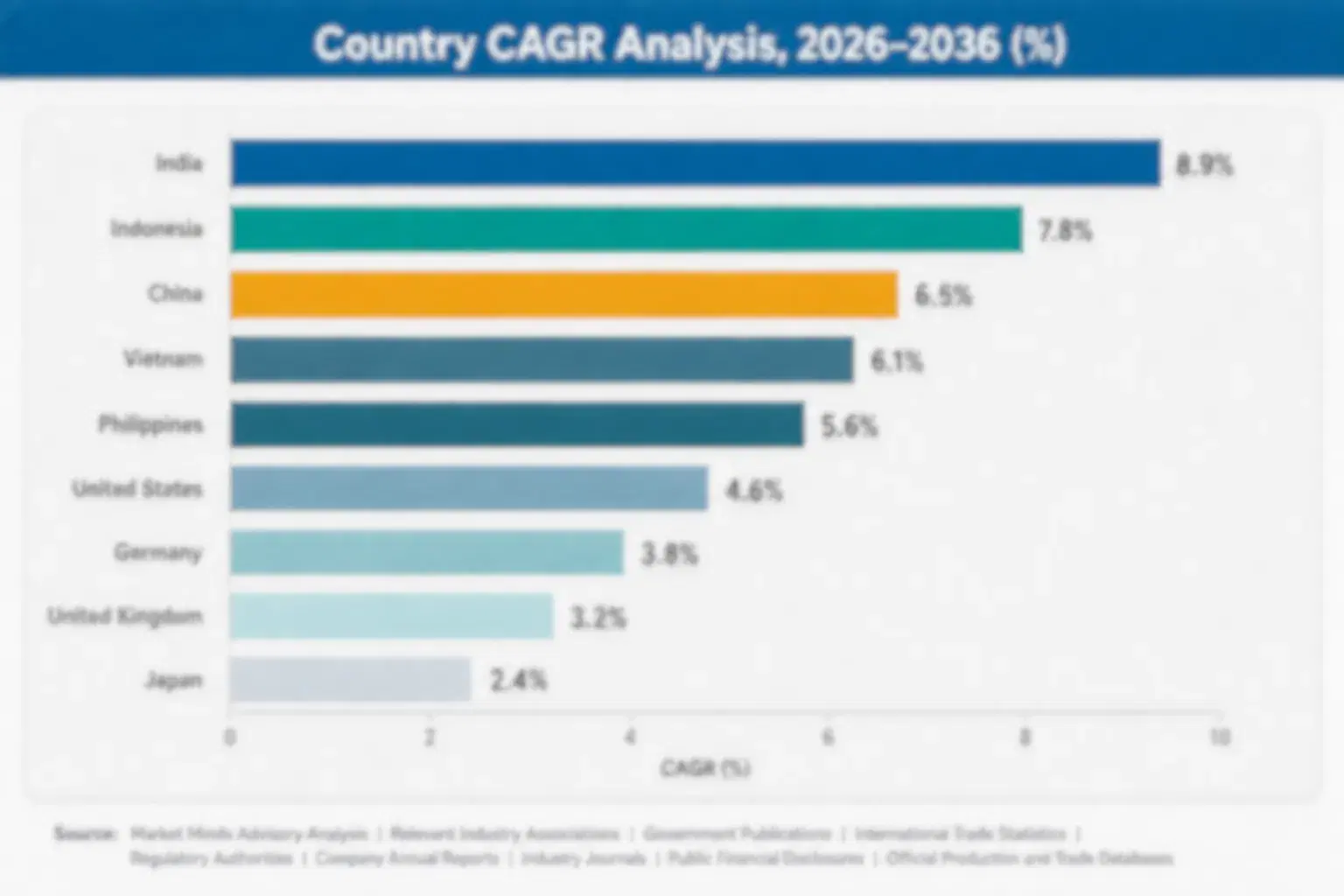
canned-wet-cat-food-market-country-cagr-analysis-1790369299904

Format Innovation and Premiumization Playbook

Canned wet cat food economics reward manufacturers who can defend mass-retail pâté distribution while capturing premium broth and specialty diet demand opened up by format innovation. Four levers separate durable growth from commodity margin erosion: broth format development, specialty diet formulation, packaging cost management, and emerging-market distribution buildout across both mass-retail and specialty premium consumer channels worldwide today.

Developing New Broth and Bisque Format Lines

Manufacturers developing genuinely differentiated broth and bisque format lines are capturing hydration-focused purchase occasions that standard pâté competitors cannot win as easily, since these formats occupy a distinct consumer mindset between mealtime feeding and treat-adjacent snacking that expands rather than cannibalizes total category consumption. One manufacturer's 2024 broth format launch reportedly expanded its addressable premium format revenue by roughly 12 percent within a single fiscal year across tracked retail channels. This lever requires sustained formulation and packaging investment rather than simple product line extension alone across most retail channels tracked closely by MMA analysts worldwide today overall.
Market Impact: Expands premium format revenue by 12 percent overall

Building Limited-Ingredient Specialty Diet Formulations Now

Manufacturers building limited-ingredient specialty diet formulations are capturing allergy-conscious and premiumizing owner demand that standard formulation competitors cannot win as easily, since these owners increasingly require documented ingredient simplicity and sourcing transparency before switching brands. One manufacturer's 2024 specialty diet launch reportedly expanded its addressable specialty segment revenue by roughly 13 percent within a single fiscal year across tracked retail channels. This lever requires sustained ingredient sourcing and formulation investment rather than standard product development alone across most retail channels tracked closely by MMA analysts across most markets worldwide today.
Market Impact: Expands specialty segment revenue by 13 percent overall

Diversifying Packaging Material Sourcing Relationships Now

Manufacturers diversifying packaging material sourcing across multiple metal and container suppliers are defending formulation cost stability against competitors relying on concentrated single-source packaging procurement, since diversified sourcing reduces exposure to the periodic commodity metal price disruptions that ripple through canned packaging costs. One manufacturer's 2024 sourcing diversification reportedly cut packaging-related cost volatility by roughly 7 percent relative to its prior single-source procurement model. This lever requires sustained supply chain investment rather than formulation science alone across most producing regions tracked closely by MMA analysts across most global markets worldwide today.
Market Impact: Cuts packaging cost volatility by 7 percent overall

Building Distribution Across Fast-Growing Emerging Markets

Manufacturers building formal distribution partnerships with retail networks across China, India, and Latin America are capturing emerging-market cat ownership growth that conventional export-based distribution cannot reach cost-effectively at meaningful scale across dispersed urban consumer markets. Companies that formalized emerging-market retail partnerships since 2023 report reaching new cat-owning households roughly 18 months faster than competitors building distribution purely through traditional export channels alone. This lever requires genuine local partnership investment rather than treating emerging markets as a secondary export opportunity across most retail networks tracked closely by MMA analysts worldwide today overall.
Market Impact: Reaches new households 18 months sooner overall today

Who Controls the Margin Pool

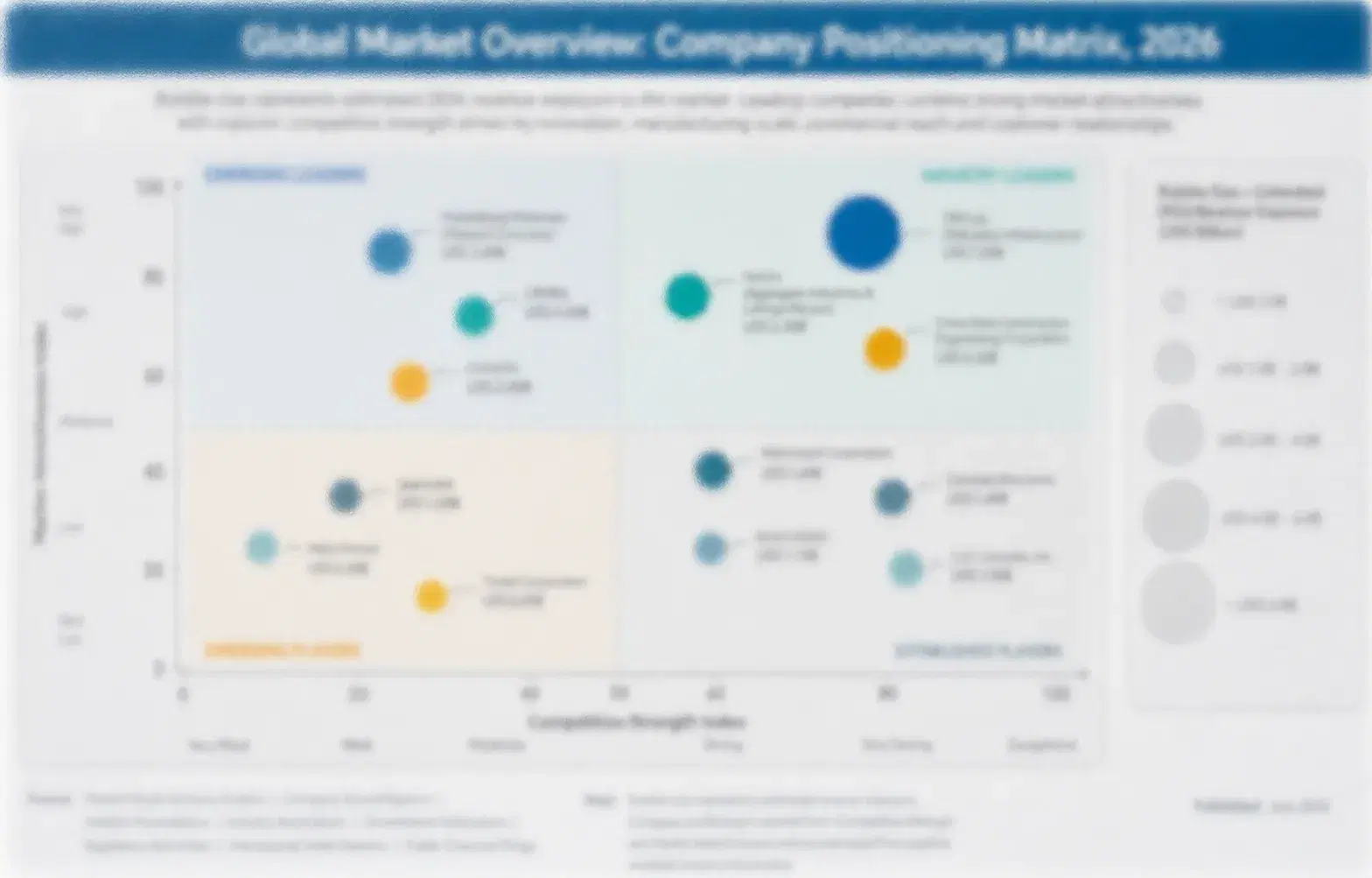
Five companies hold well over two-thirds of global branded revenue, a highly concentrated structure reflecting how Mars Petcare and Nestlé Purina's combined brand portfolio breadth and manufacturing scale have built advantages that smaller challenger brands struggle to match at comparable distribution reach. The gap between the two leaders' combined scale and smaller specialty competitors remains substantial in mass-retail categories, though challenger brands continue capturing meaningful share in premium and specialty diet segments.
Current competitive activity centers on three fronts: broth and bisque format development capturing hydration-focused purchase occasions globally, limited-ingredient specialty diet formulation capturing allergy-conscious owner demand across most major consumer markets, and emerging-market distribution partnership building with retail networks across Asia and Latin America. Packaging cost management is becoming a meaningful differentiator among manufacturers as commodity metal price volatility persists.

Pressure is building from challenger and specialty brands offering differentiated premium formulations that established mass-market majors cannot always match given their broader but sometimes less specialized product architecture. Rankings could shift meaningfully if a manufacturer achieves genuine breakthrough in broth format category expansion before competitors, capturing the category's fastest-growing segment before it becomes standard practice across the broader industry.
canned-wet-cat-food-market-company-positioning-matrix-1790369300090

Competitive Moat and Risk Dimensions

MARS PETCARE INC.

Moat: Broadest premium brand portfolio

Mars Petcare's extensive portfolio of premium wet cat food brands, combined with deep mass-retail and specialty distribution relationships built over decades, gives it shelf presence and consumer trust advantages that smaller challenger brands cannot easily replicate across comparable channel breadth This distribution scale compounds meaningfully as retail relationships deepen over time.
MARS PETCARE INC.

Risk: Internal brand portfolio complexity

Mars Petcare's broad multi-brand portfolio creates genuine internal channel conflict and cannibalization risk as different brands compete for the same retail shelf space and consumer attention, a coordination challenge that more focused single-brand challenger competitors do not face to the same degree This coordination challenge grows as the portfolio continues expanding worldwide.
NESTLÉ PURINA PETCARE COMPANY

Moat: Largest pet nutrition research scale

Nestlé Purina's extensive global pet nutrition research infrastructure, built over decades as one of the category's largest R&D investors, gives it formulation science credibility and manufacturing consistency advantages that smaller regional competitors cannot easily replicate at comparable depth and scale This research advantage compounds meaningfully as formulation science accumulates over time.
NESTLÉ PURINA PETCARE COMPANY

Risk: Slower niche trend responsiveness

Nestlé Purina's large, research-driven organizational structure makes it genuinely slower to respond to niche premium and specialty diet trends than smaller, more agile challenger brands built specifically around emerging consumer preferences and rapid product iteration cycles This gap is widening as smaller brands capture emerging premium trends faster.

Players Tracked

Prominent Players

Mars Petcare Inc.
Nestlé Purina PetCare Company
Hill's Pet Nutrition Inc.
General Mills Inc.
JM Smucker Company

Other Key Players

Simmons Pet Food Inc.
American Nutrition Inc.
Diamond Pet Foods
Wellness Pet Company Inc.
Champion Petfoods LP
WellPet LLC
Tuffy's Pet Foods Inc.
Fromm Family Foods LLC
Weruva International LLC
Tiki Pet Foods Inc.
PetGuard Holdings Inc.
Party Animal Inc.
Affinity Petcare S.A.
Deuerer GmbH
Inaba Foods Co., Ltd.

Recent Developments

APRIL 2025

Mars Petcare Launches Broth-Style Sheba Line

Mars Petcare launched a new broth-style product line under its Sheba brand in April 2025, extending its premium wet cat food portfolio into a hydration-focused format designed for owners seeking lighter, treat-adjacent feeding options across major retail channels worldwide across most mass-retail and grocery channels nationwide.
Signal: Signals established brand portfolio majors now see broth format as central to premium growth strategy in the most demanding segment.
OCTOBER 2024

Nestlé Purina Expands Chinese Manufacturing Capacity

Nestlé Purina expanded its wet cat food manufacturing capacity in China in October 2024, a domestic production investment rather than an acquisition, formalizing its ability to serve the country's rapidly growing urban cat ownership market at more competitive domestic pricing across the country's largest urban consumer retail markets.
Signal: Indicates global majors are formalizing domestic manufacturing investment to defend Chinese market share as domestic and international competition both intensify.
JANUARY 2025

Weruva International Launches Limited-Ingredient Line

Weruva International launched a new limited-ingredient specialty diet line in January 2025, targeting allergy-conscious cat owners seeking simplified formulations previously accessible mainly through premium-priced veterinary-recommended products from established niche competitors backed by growing specialty retail distribution relationships across most major consumer markets nationwide overall today.
Signal: Shows challenger brands are moving up-market into premium specialty diet segments previously underserved as specialty formats continue spreading nationwide.

Protein Sourcing Anchors Formulation Cost

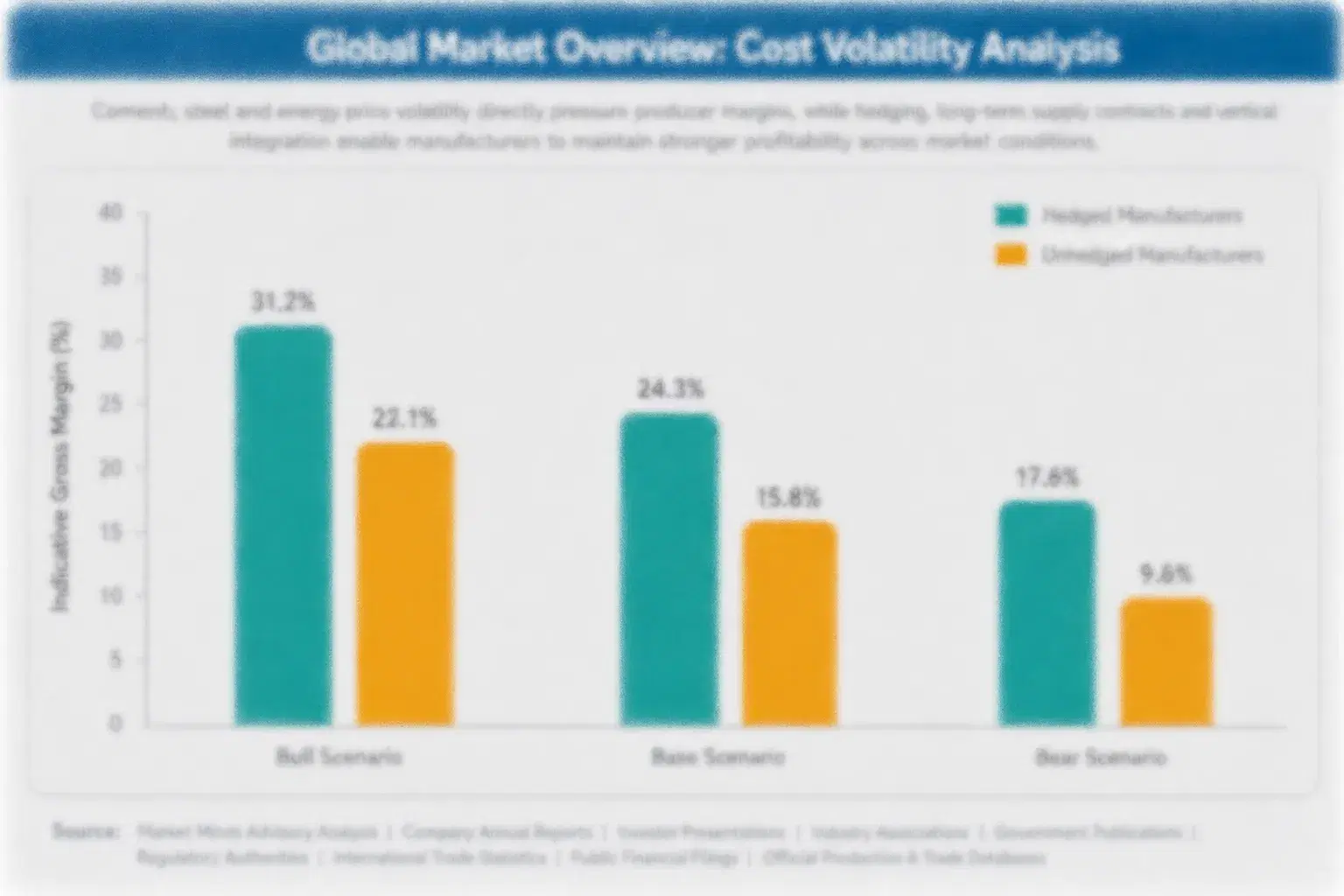
Animal protein ingredients, primarily chicken, fish, and beef byproducts, represent roughly forty-three percent of cost of goods sold for a typical canned wet cat food formulation, sourced primarily from major meat and seafood processing regions including the United States, Thailand, and Brazil. Metal packaging materials represent a meaningfully significant secondary cost share given the category's reliance on canned container formats.
Global animal protein prices rose meaningfully through 2021 and 2022 as supply chain disruption and elevated feed costs affecting livestock and seafood production tightened protein availability, a volatility event documented in USDA commodity market reporting, before easing through 2023 and 2024 as global protein production normalized across most major producing and exporting countries. That price spike accelerated manufacturer interest in protein sourcing diversification and formulation flexibility.

Larger manufacturers with forward-purchase protein sourcing agreements and diversified supplier relationships absorbed the 2022 price spike without major pricing increases, protecting retail customer relationships during the disruption, while smaller regional producers more often passed costs through immediately, risking the price-sensitive portion of their value-tier customer base at exactly the moment premiumization demand was accelerating fastest across several tracked regions and channels.
canned-wet-cat-food-market-cost-volatility-analysis-1790369300278

Forward Contracting Animal Protein Supply

Manufacturers are locking multi-quarter pricing agreements directly with major protein suppliers, reducing spot-market exposure and giving procurement teams cost visibility roughly two to three quarters ahead rather than negotiating shipment by shipment against volatile commodity protein pricing each purchasing cycle throughout most of the calendar year This planning horizon meaningfully improves budgeting accuracy overall.

Diversifying Protein Sourcing Across Regions

Formulating products that can flex between chicken, fish, and beef protein sourcing depending on relative pricing spreads risk across multiple, only partially correlated commodity markets, reducing the impact of any single protein source's price spike on total formulation cost relative to single-source-dependent recipes This flexibility meaningfully reduces single-source cost exposure overall across most channels.

Diversifying Metal Packaging Material Sourcing

Formalizing supply relationships with multiple metal packaging suppliers ahead of rising demand reduces exposure to the commodity metal price volatility that can affect canned packaging costs independently of pet food-specific demand dynamics, a meaningful advantage as premium format volume continues scaling globally This approach reduces exposure meaningfully as premium format demand scales further overall.

Portfolio Architecture for Margin Defence

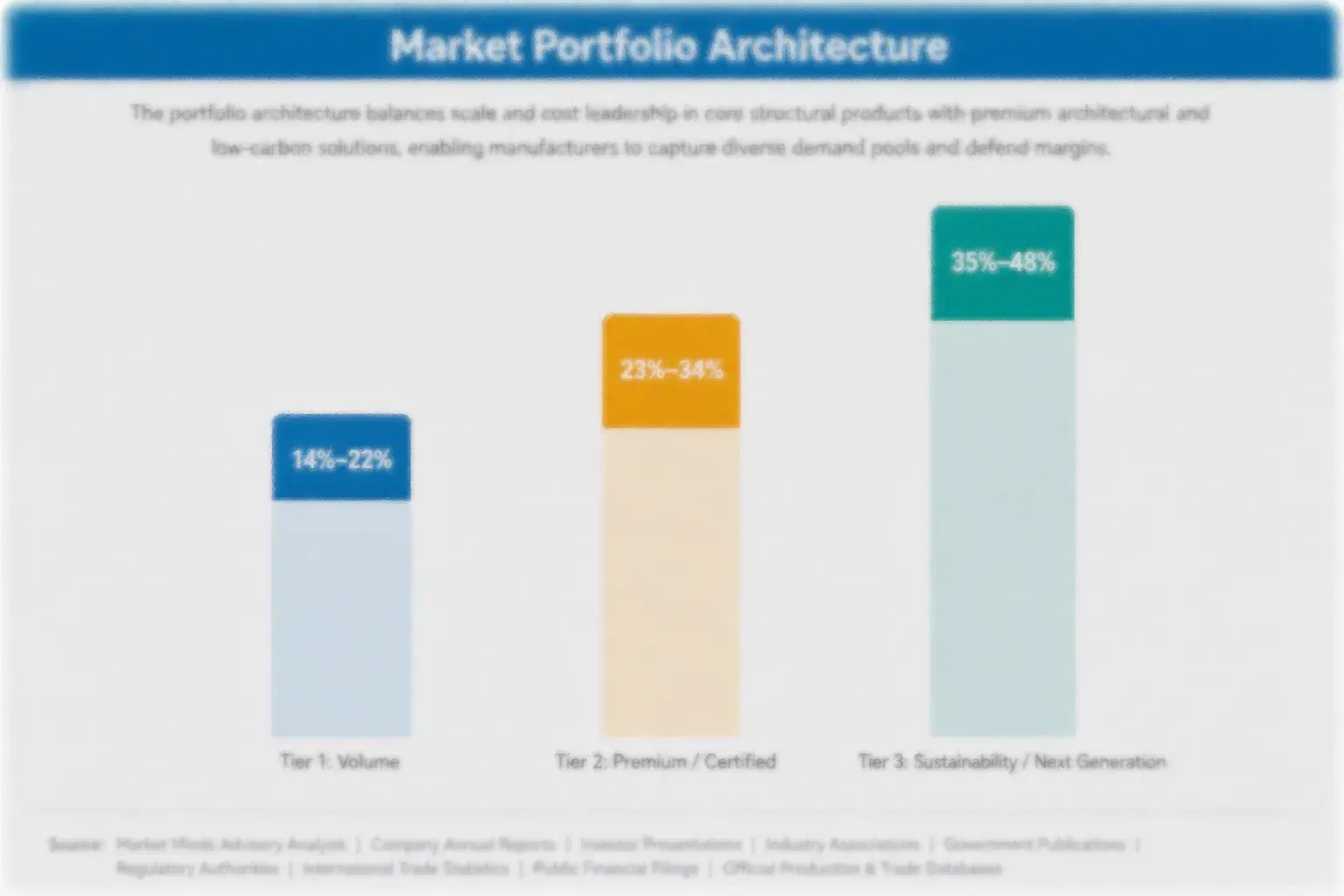
The category organizes into three commercial tiers. A volume and commodity-adjacent tier competes on price using standard pâté formulations, a premium and certified tier commands a real price premium tied to broth and bisque formats with differentiated positioning and retail support, and a smaller sustainability and next-generation tier built around limited-ingredient specialty diet formulations commands the strongest per-unit margin despite representing the smallest current volume base across the category overall today.
Premiumization investment is concentrating premium tier growth among global majors with established brand portfolio breadth, while the volume tier remains genuinely competitive between private-label and value-tier brands fighting for the same price-sensitive mass-retail segment across most producing countries. Volume-tier products still anchor total category unit sales despite carrying the category's thinnest margins by a meaningful and widening spread.

High-value margin pools concentrate in the sustainability and next-generation tier, where limited-ingredient specialty diet formulations support the strongest pricing power available today across the category, and in specialty retail channels where manufacturers can command premium pricing without facing the same cost sensitivity present across mass-market grocery distribution segments. Manufacturers able to defend both tiers simultaneously hold the strongest long-term competitive position worldwide.

Volume / Commodity-Adjacent Tier

Standard pâté formulations competing primarily on price, distributed broadly through mass-retail and grocery channels with minimal certification or premium positioning features attached to the product Distribution reach through mass retail matters more than brand reputation here.
Gross Margin: 16-22%

Premium / Certified Tier

Broth and bisque formats carrying differentiated positioning and formal retail support, merchandised at a meaningful price premium over standard pâté within the same broader wet cat food category Buyers value consistent formulation quality and dependable retail availability overall.
Gross Margin: 28-36%

Sustainability / Regulatory / Next-Generation Tier

Limited-ingredient specialty diet formulations aimed at the most engaged, highest-spending allergy-conscious owners, commanding the category's strongest per-unit margin despite still-limited volume relative to standard formats currently Buyers here prioritize proven sensitivity-management and palatability performance outcomes.
Gross Margin: 40-48%
canned-wet-cat-food-market-portfolio-architecture-1790369300468

High-value Sub-segments and Strategic Watch-out

Broth and Bisque Canned Cat Food

This high-value, high-growth format is expanding fastest as differentiated formulations reach mainstream retail distribution, and manufacturers are widening distribution for it faster than for any other format tracked, making it the clearest near-term margin opportunity worldwide today for manufacturers with established formulation capability overall today.
Gross Margin: 34-42%

Limited-Ingredient Specialty Diet Segment

High-value but moderate-growth today, specialty diet formulations command meaningful pricing power tied to genuine sensitivity-management claims, though volume remains constrained relative to standard formats by the format's dependence on veterinary and owner education still scaling steadily Early movers here are positioned to defend this pricing power over time.
Gross Margin: 38-46%

Standard Pâté Format

The volume core of the category, standard pâté anchors total unit sales across mass-retail and specialty channels and remains the primary format most buyers encounter first, even as broth and specialty formats capture growing category revenue share Retailer shelf space still depends heavily on this format.
Gross Margin: 16-22%

Private-Label Manufacturer Segment

The strategic watch-out segment, private-label manufacturers are narrowing the price gap with branded majors fastest at the category's least differentiated price point, and their continued expansion could compress branded pricing power meaningfully absent further formulation differentiation investment nationwide going forward Manufacturers without a clear differentiation advantage face the greatest risk.
Gross Margin: 12-18%

From Trial Purchase to Feeding Routine

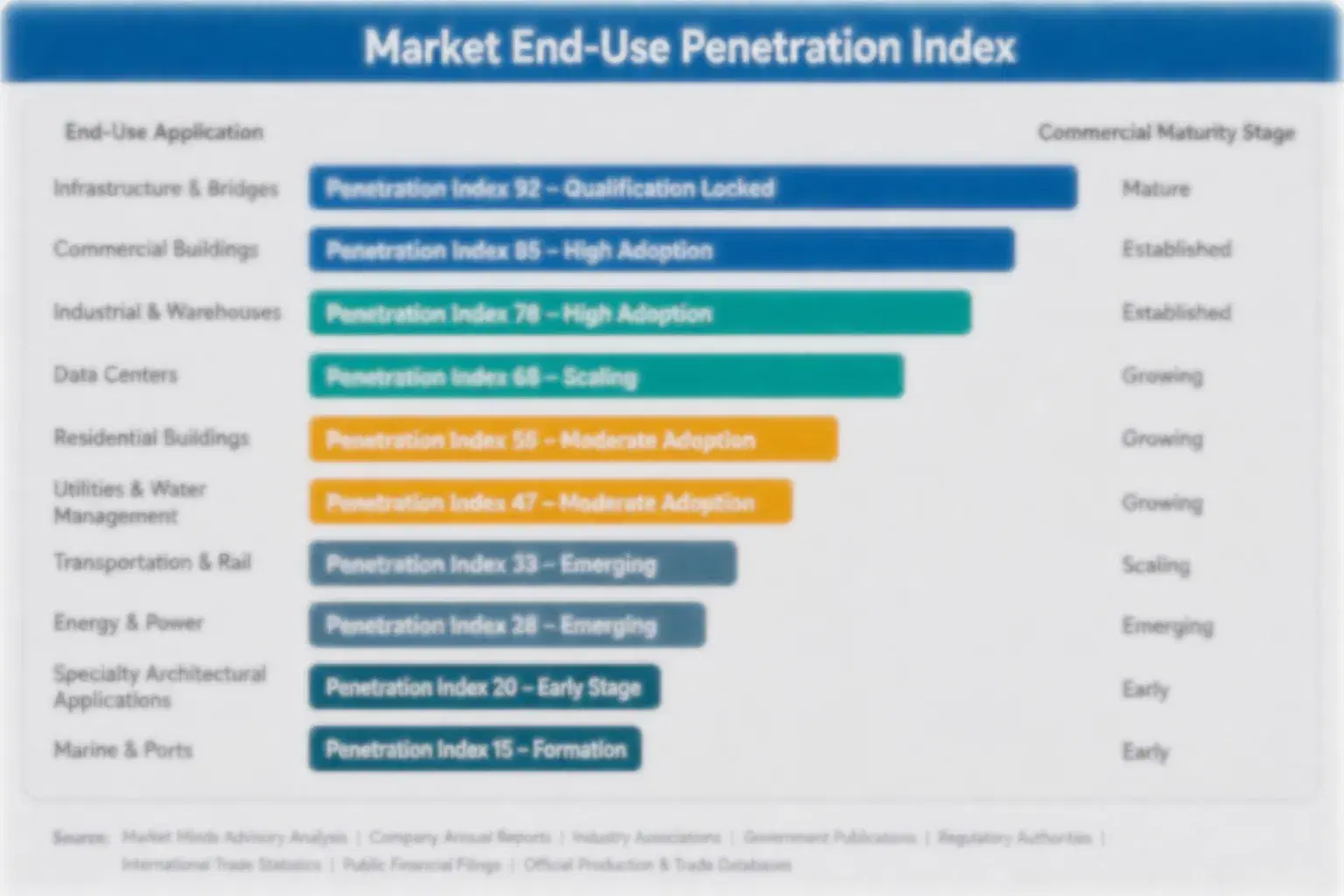
Canned wet cat food behaves more like an annuity product once a household adopts it as a standard part of their cat's feeding routine, since repeat purchase frequency among converted households runs meaningfully higher than for occasional trial buyers, giving manufacturers a more predictable revenue base than the category's still-uneven premium-segment penetration might otherwise suggest at first glance across mature and emerging consumer markets tracked worldwide.
Adoption depth varies meaningfully by buying occasion: dedicated wet-food households show the deepest habit formation and highest repeat purchase rates given their systematic approach to daily feeding routines, mixed dry-and-wet feeding households adopt more cautiously through gradual format introduction before committing to full wet food inclusion, and specialty diet buyers represent a newer segment tied specifically to health and sensitivity management goals rather than basic feeding alone.

Younger pet owners entering cat ownership through formalized veterinary guidance and online educational content show meaningfully more comfort evaluating premium format nutrition than an older generation of owners who relied primarily on traditional value-tier feeding passed down across generations, a generational shift reshaping how manufacturers position premium format adoption across their broader consumer education and retail outreach programs today.
canned-wet-cat-food-market-end-use-penetration-index-1790369300652

Where MMA Sees the Real Opportunity

These are among the four positions where our research anticipates prominent divergence between winners and laggards over the coming forecast period. Each is grounded in the demand model, the regulatory perimeter, and the announced capacity pipeline.
01 / BROTH FORMAT INNOVATION PRIORITY

Build differentiated broth lines before rivals do

Broth and bisque format development remains the clearest lever for capturing hydration-focused purchase occasions, and manufacturers investing in genuine formulation and packaging innovation now will hold a durable category-expansion advantage as competitors relying on standard pâté struggle to match distinct purchase-occasion economics. Format development takes meaningful time to develop and validate properly across different consumer taste preferences and retail channels. Manufacturers that delay risk losing this fast-growing segment to faster-moving format-focused competitors already active in the category before it matures further.
02 / SPECIALTY DIET FORMULATION STRATEGY

Build limited-ingredient credentials for premium pricing

Limited-ingredient specialty diet formulation remains the single biggest lever for capturing allergy-conscious and premiumizing owner demand, and manufacturers investing in genuine sourcing transparency now will hold a durable differentiation advantage as competitors relying on standard formulations struggle to match validated sensitivity-management economics. Formulation development takes meaningful time to build and validate properly across different dietary sensitivity profiles. Manufacturers that delay risk losing this fast-growing segment to faster-moving specialty-focused competitors already active worldwide as premiumization accelerates further as premiumization accelerates further.
03 / PACKAGING COST MANAGEMENT STRATEGY

Diversify sourcing before disruption strikes again

Packaging material sourcing diversification remains the clearest lever for defending formulation cost stability against commodity metal price disruption risk, and manufacturers investing in genuine sourcing diversification now will hold a durable stability advantage as competitors relying on single-source procurement struggle to match validated cost predictability. Sourcing diversification takes meaningful time to build and validate properly across different global packaging supplier relationships. Manufacturers that delay risk losing this defensible position to faster-moving diversification-focused competitors already active in the category today as disruption risk continues rising.
04 / EMERGING-MARKET DISTRIBUTION STRATEGY

Partner with retail networks before competitors do

Emerging-market retail distribution partnerships provide a structured channel to reach fast-growing cat-owning households that conventional export-based distribution cannot access cost-effectively, and manufacturers formalizing these partnerships now will establish access before competitors fully consolidate that relationship themselves across fast-growing markets. This partnership approach requires genuine investment in local retail relationships rather than treating emerging markets as an afterthought export opportunity. Manufacturers that wait risk losing this fast-growing distribution channel to faster-moving competitors already establishing early relationships there as ownership accelerates further.

Engagement Snapshot From the Field

A live engagement with an industry participant carrying material or product regulatory and market exposure ahead of a defining policy shift, showing how our research translates into a defensible multi-year portfolio strategy.
MARKET MINDS ADVISORY · CLIENT ENGAGEMENT SUMMARY
Canned Wet Cat Food Producer Strategic Portfolio Review and Transition Roadmap 2026·Investment Scenario on Canned Wet Cat Food Exposure Evaluation 2025-26
CLIENT PROFILE
The client is a regional specialty pet retail chain operating roughly 30 stores across a mid-sized metropolitan area, reporting collective annual revenue of approximately 45 million dollars (client-reported, unverified by MMA) evaluating whether expanding its broth and specialty diet assortment would justify the associated inventory investment. The chain approached MMA to benchmark realistic sales lift before committing capital broadly.
STRATEGIC CHALLENGE
Leadership needed to determine which broth and specialty diet brands and in-store education approach would deliver the fastest realistic sales lift given the chain's existing pâté-dominant assortment, limited staff training time, and appetite for inventory investment during a period of intensifying private-label competition while keeping downside risk manageable during the assortment transition.
MMA APPROACH
MMA combined primary survey data with manufacturer interviews to benchmark realistic sales lift and consumer adoption outcomes, modeled assortment and training options across three commercial scenarios, and produced a phased chain-wide rollout sequence tailored to the chain's existing staff capacity and available inventory budget and validated against manufacturer-reported sales performance data.
KEY FINDINGS
  1. Expanded broth assortment paired with staff education improved category sales meaningfully relative to pâté-only assortments across every pilot store tested during the engagement.
  2. Sales lift exceeded manufacturer projections at the chain's highest-traffic stores during peak seasonal adoption periods this year reinforcing the case for broth assortment expansion overall.
  3. Smaller stores saw meaningfully longer inventory payback periods, making phased rollout essential to chain-wide success overall making phased rollout essential to chain-wide success overall.
  4. Bulk chain-wide premium format purchasing secured meaningfully better vendor pricing than individual store purchasing would have achieved independently for comparable volume reinforcing the value of chain-level vendor negotiation.
CLIENT PROFILE
The client is a regional specialty pet retail chain operating roughly 30 stores across a mid-sized metropolitan area, reporting collective annual revenue of approximately 45 million dollars (client-reported, unverified by MMA) evaluating whether expanding its broth and specialty diet assortment would justify the associated inventory investment. The chain approached MMA to benchmark realistic sales lift before committing capital broadly.
STRATEGIC CHALLENGE
Leadership needed to determine which broth and specialty diet brands and in-store education approach would deliver the fastest realistic sales lift given the chain's existing pâté-dominant assortment, limited staff training time, and appetite for inventory investment during a period of intensifying private-label competition while keeping downside risk manageable during the assortment transition.
MMA APPROACH
MMA combined primary survey data with manufacturer interviews to benchmark realistic sales lift and consumer adoption outcomes, modeled assortment and training options across three commercial scenarios, and produced a phased chain-wide rollout sequence tailored to the chain's existing staff capacity and available inventory budget and validated against manufacturer-reported sales performance data.
KEY FINDINGS
  1. Expanded broth assortment paired with staff education improved category sales meaningfully relative to pâté-only assortments across every pilot store tested during the engagement.
  2. Sales lift exceeded manufacturer projections at the chain's highest-traffic stores during peak seasonal adoption periods this year reinforcing the case for broth assortment expansion overall.
  3. Smaller stores saw meaningfully longer inventory payback periods, making phased rollout essential to chain-wide success overall making phased rollout essential to chain-wide success overall.
  4. Bulk chain-wide premium format purchasing secured meaningfully better vendor pricing than individual store purchasing would have achieved independently for comparable volume reinforcing the value of chain-level vendor negotiation.
RECOMMENDED STRATEGY
Phase 1: Phase 1 (Months 1 to 3): Launch pilot broth assortment expansion at three highest-traffic stores to validate sales lift fully. Phase 2: Phase 2 (Months 4 to 9): Expand assortment across remaining stores with manufacturer-supported staff education programs in place across all remaining stores. Phase 3: Phase 3 (Months 10 to 14): Formalize a multi-year vendor supply agreement based on chain-wide sales performance data collected collected across all phases.
OUTCOME
Within three quarters of phased rollout, the chain reportedly increased premium format category sales by roughly seventeen percent while improving customer retention measurably (client-reported, unverified by MMA), supporting a decision to formalize the multi-year vendor supply agreement ahead of the original eighteen-month timeline MMA had modeled for the engagement.

Frequently Asked Questions

Foundational context covering the market sizes, CAGR, scope, country, region and competition that inform every finding below. This section is provided to cover basics and most often pre-purchase conversations, answered from the MMA Primary Research Dataset.

What is the current size of the Canned Wet Cat Food Market?

The global canned wet cat food market reached approximately 9.5 billion dollars in 2025. Growth has been driven by broth format expansion and rising premiumization among cat-owning households.

How large will the Canned Wet Cat Food Market be by 2036?

MMA projects the market will reach roughly 17.7 billion dollars by 2036. Growth is supported by continued broth adoption and rising cat ownership in fast-growing Asian markets.

What is the CAGR for the Canned Wet Cat Food Market 2026 to 2036?

The market is projected to grow at a 5.8 percent compound annual rate between 2026 and 2036. This reflects the category's shift from traditional pâté toward broth and specialty diet formats.

Which segment is growing fastest?

Broth and bisque canned cat food is growing fastest, at roughly a 9.0 percent CAGR. This format now delivers genuinely compelling hydration-focused positioning distinct from standard mealtime feeding occasions.

Who are the major companies in the Canned Wet Cat Food Market?

Mars Petcare, Nestlé Purina, Hill's Pet Nutrition, General Mills, and JM Smucker lead the branded segment. Challenger brands are capturing a growing share of premium specialty diet demand.

Which country is growing fastest?

China is the fastest-growing country market, driven by rapidly expanding urban cat ownership and rising disposable income. India shows a similarly strong adoption trajectory as modernization programs continue expanding access.

Report Segmentation Architecture

The full report scope spans multiple orthogonal segmentation dimensions, with cross-tabulated demand data provided for each dimension pair. Coverage extends further to regional breakdowns, trend trajectories, and the competitive detail needed to support segment-level decision-making.

By Product Format

  • Pâté-Style Canned Cat Food
  • Chunks in Gravy Canned Cat Food
  • Shreds in Sauce Canned Cat Food
  • Broth and Bisque Canned Cat Food
  • Grain-Free Canned Cat Food
  • Limited-Ingredient and Specialty Diet Canned Cat Food

By End-Use Industry

  • Mass-Retail and Grocery Channels
  • Specialty Pet Retailers
  • Veterinary and Clinical Nutrition Channels
  • E-Commerce and Direct-to-Consumer
  • Private-Label Retail Programs

By Commercial Dimension

  • Mass-Market Branded
  • Premium Branded
  • Private-Label Distributed
  • Veterinary Channel Distributed

By Region

  • North America
  • Western Europe
  • East Asia
  • South Asia and Pacific
  • Latin America
  • Middle East and Africa
  • Eastern Europe

Scope, Methodology, and Coverage

Every figure in this report is reproducible from documented input assumptions. The scope below maps the historical period, the forecast horizon, the segmentation dimensions, and the countries covered, alongside the underlying primary and qualitative methodology.
Historical Period
2020 to 2025
Forecast Period
2026 to 2036
Base Year
2025 (USD billions; MMA Primary Research Dataset, September 2026)
Market Definition
The canned wet cat food market covers pâté, chunks in gravy, shreds in sauce, broth, and bisque formulations sold in canned or pouched packaging formats for feline consumption. It excludes dry kibble products, semi-moist cat treats, and raw or freeze-dried cat food formats that fall outside traditional canned wet processing.
Quantitative Units
USD billions (current prices); metric tons for volume where disclosed
Segmentation Dimensions
By Product Format; By End-Use Industry; By Commercial Dimension; By Region
Regions Covered
North America, Western Europe, East Asia, South Asia and Pacific, Latin America, Middle East and Africa, Eastern Europe
Countries Covered
USA, Canada, Germany, France, UK, Italy, China, Japan, South Korea, India, Brazil, Argentina, Mexico, South Africa, Poland, Russia, Vietnam, Philippines, Australia, New Zealand
Key Companies Profiled
Mars Petcare Inc., Nestlé Purina PetCare Company, Hill's Pet Nutrition Inc., General Mills Inc., JM Smucker Company, Simmons Pet Food Inc., American Nutrition Inc., Diamond Pet Foods, Wellness Pet Company Inc., Champion Petfoods LP, WellPet LLC, Tuffy's Pet Foods Inc., Fromm Family Foods LLC, Weruva International LLC, Tiki Pet Foods Inc., PetGuard Holdings Inc., Party Animal Inc., Affinity Petcare S.A., Deuerer GmbH, Inaba Foods Co., Ltd.
Quantitative Methodology
Primary survey, n=3,800 respondents, Q4 2025, six countries; demand-side model with trade association cross-validation
Qualitative Methodology
47 expert interviews, Q4 2025; applied to validate demand model assumptions, identify emerging dynamics, and assess competitive positioning
Report Format
PDF and XLSX data workbook (Word format preview document)
Publisher
Market Minds Advisory
Report Code
MMA-2026-AGR-117
Published
September 2026
Contact
sales@marketmindsadvisory.com | www.marketmindsadvisory.com

Purchase the full Canned Wet Cat Food Market Report (2026 to 2036).

The full report delivers a complete quantitative and qualitative assessment of the global canned wet cat food market, including ten-year forecasts by product format, region, and commercial channel through 2036. It profiles twenty companies across the mass-market and specialty competitive set, with detailed moat and risk analysis for the two category leaders. The report includes primary survey data from 3,800 respondents across six countries and 47 expert interviews conducted in the fourth quarter of 2025, alongside protein input cost modeling and channel-specific revenue lever analysis. Buyers receive segmentation data, regional demand architecture, and a strategic verdict section designed to support entry and portfolio decisions.
Ten-year market forecasts by product format and region
Competitive profiles of twenty mass-market and specialty companies
Primary survey data from 3,800 respondents across six countries
Protein input cost modeling and mitigation strategy analysis
Revenue lever analysis across four commercial growth strategies
Regional demand architecture covering all seven global regions

Built For The People Who Decide

From boardroom strategy to bench-side execution, this report is read cover-to-cover by leaders shaping the next decade of their industry, turning demand scenarios, market dynamics and valuation benchmarks into decisions.
CXOs/ Presidents/ VPs/ Managers
M&A and Corporate Development
Strategy Teams and R&D Heads
Procurement and Product Directors
Regulatory and Compliance Leaders
Investor Relations and Equity Analysts