Market Minds Advisory
Cannabis Concentrate Market

Cannabis Concentrate Market: Cannabis Concentrate Market. Legal Market Expansion Meets Federal Regulatory Fragmentation

Federal prohibition keeps this fast-growing product category confined to a patchwork of individually licensed state and national markets, forcing operators to build separate cultivation, extraction, and retail infrastructure in every single jurisdiction they enter.

Lead Analyst

Published

September 2026

Make Smarter Decisions with Customized Research Insights

Request a free sample report and evaluate market opportunities, growth trends, and competitive dynamics relevant to your business needs.

2025 MARKET VALUE$7.8BMarket Size 2025
2036 FORECAST VALUE$34.6BBase Case , 2026 to 2036
CAGR 2026 TO 203614.5 %Bull 15.8% / Bear 13.0%
INCREMENTAL OPPORTUNITY$25.7BNet 10- year value creation
EXPANSION MULTIPLE3.87x2036 value over 2026 base
Strategic Levers
M&A Pipeline
Regional Outlook
Country Rankings
Competitive Intelligence
Segmental Deep-dive
Call-Us : 91 93563 13602

Executive Snapshot and Market Trajectory.

Legal cannabis concentrate demand keeps expanding rapidly wherever new jurisdictions open licensed adult-use or medical markets, though federal prohibition in the largest market keeps the entire industry fragmented into dozens of separate, non-interconnected state and national supply chains. New jurisdictions keep opening steadily, each adding meaningful incremental licensed consumer demand.
Live resin and rosin concentrates now grow fastest, drawing on premium consumer demand for solventless extraction methods that preserve terpene profile and flavor more faithfully than older processing techniques. Vape cartridge formats follow closely, propelled by continued mainstream adoption of discreet, dose-controlled consumption formats across newly legalized markets. North America commands the overwhelming majority of global legal revenue given its dense concentration of state-legal adult-use and medical markets operating simultaneously..
Supply remains fragmented across licensed cultivators and extraction operators who cannot legally ship product across state or national borders, forcing every operator to build redundant infrastructure in each jurisdiction it enters. Newer legal markets continue opening across Europe and parts of Asia, drawn by tax revenue potential, though established North American operators still command the deepest extraction and formulation expertise overall. This expertise gap increasingly determines which operators win strong positioning in newly opened jurisdictions.
Market Definition
This report covers the global market for licensed, legally sold cannabis concentrate products including vape cartridges, wax and shatter, live resin and rosin, distillate, and tincture formats sold through regulated retail and medical dispensary channels. It excludes unlicensed and illicit market activity, and excludes dried flower and edible product categories except where directly compared for competitive context.
Base Year Value
$7.8B in 2025 (MMA Primary Research Dataset, September 2026)
Forecast Period
2026 to 2036, eleven discrete annual values
CAGR
14.5% base case. Bull 15.8%. Bear 13.0%.
Fastest Growth Segment
Live Resin and Rosin Concentrates: 17.8% CAGR
Fastest Growth Country
Germany: 18.5% CAGR
Fastest Growth Region
South Asia and Pacific: 16.5% CAGR
Largest Region
North America: 62% of 2025 global value
Market Leaders
Curaleaf Holdings Inc, Trulieve Cannabis Corp, Green Thumb Industries Inc, Cresco Labs Inc, Verano Holdings Corp. Source: MMA Analysis based on company disclosures and licensed market revenue data.
Primary Survey
n=3,800 procurement and R&D decision-makers, Q4 2025, six countries
Methodology
Demand-side build-up, cross-validated against public data, 47 expert interviews

Cannabis Concentrate Market Forecast Scenarios

cannabis-concentrate-market-size-forecast-scenario-1789966880546
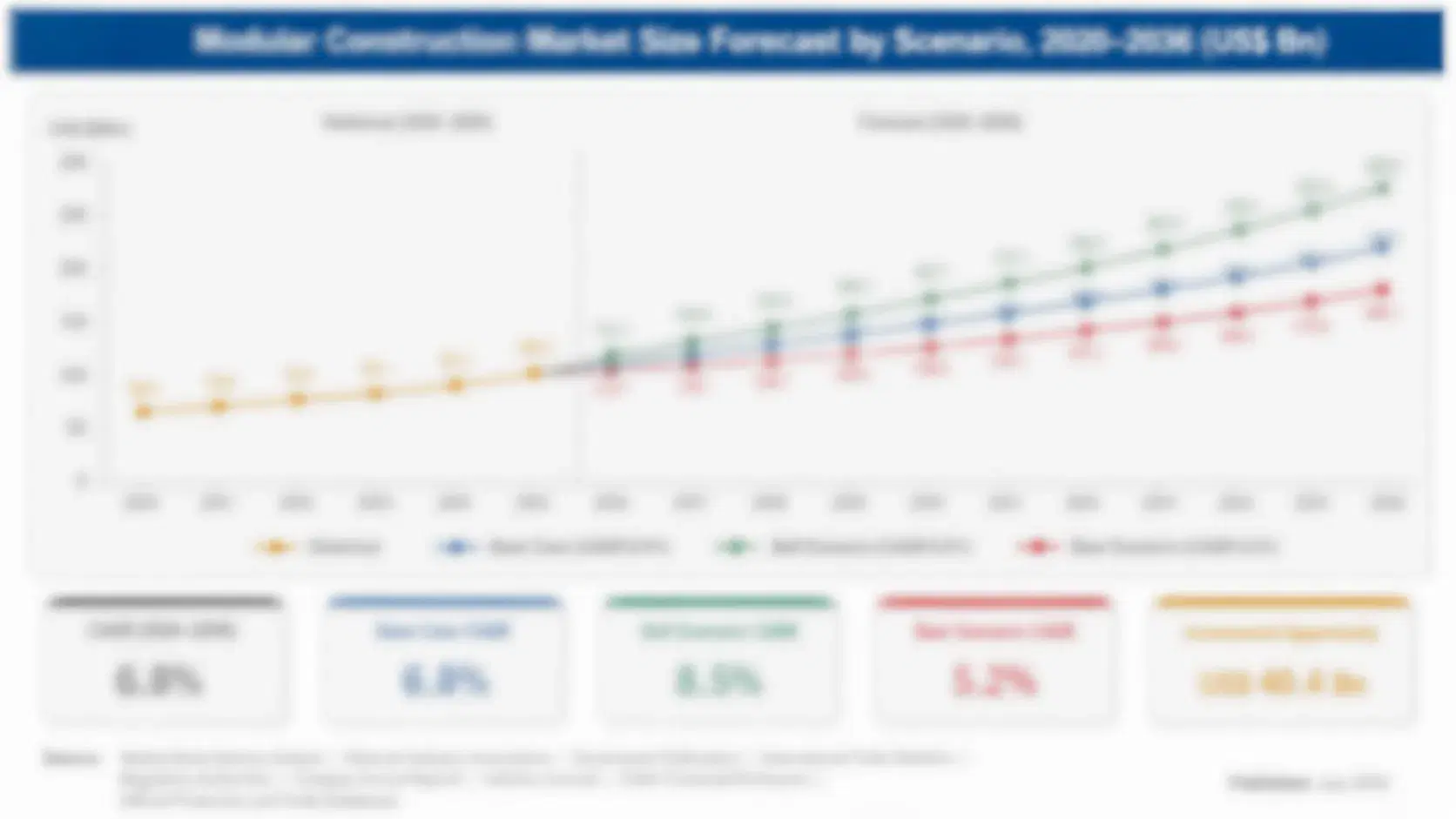
Global legal cannabis concentrate demand grew rapidly between 2020 and 2025, as an expanding number of United States states and several national markets opened licensed adult-use and medical sales channels during the period. The historical growth rate ran near 12.8% annually across the period, reflecting this steady jurisdiction-by-jurisdiction legalization pattern. This period saw a meaningful expansion in the total addressable licensed consumer population across major markets.
The base case assumes continued state-by-state legalization progress across the United States, expanding European medical and limited adult-use frameworks following Germany's 2024 reform, and growing consumer preference for premium solventless concentrate formats over older extraction methods. Together these three mechanisms sustain strong double-digit growth even as individual state markets mature and price compression sets in in the most established jurisdictions. Continued product innovation across formats represents an emerging fourth mechanism adding incremental growth beyond the base case.
Faster-than-expected United States federal rescheduling or banking reform could meaningfully accelerate institutional investment and interstate commerce beyond the base case timeline. Conversely, a reversal or stalling of new state and national legalization efforts could meaningfully slow the market's expansion into currently unlicensed jurisdictions. Either scenario would meaningfully reshape near-term capital investment decisions across the industry.

Fifty Fragmented Markets, One Growing Category

The legal cannabis concentrate market functions less like a single national industry and more like dozens of separate, walled-off regional markets operating simultaneously under entirely different regulatory frameworks, tax structures, and licensing requirements. Federal prohibition in the largest addressable market keeps this fragmentation firmly in place, since operators cannot legally transport product across most jurisdictional borders. Few consumer categories carry this much regulatory fragmentation nationally.
LEGAL MARKET PENETRATION58%share of United States population living in adult-use legal states
AVERAGE SELLING PRICEUSD 32/grambenchmark retail price for standard vape cartridge concentrate today
TOP PRODUCING STATE SHARE34%California and Colorado combined share of licensed production
MARKET CONCENTRATIONCR5 28%combined share held by the five leading licensed operators
VAPE FORMAT CHANNEL SHARE41%proportion of total concentrate volume sold as vape cartridges
EFFECTIVE TAX BURDEN35%combined state and federal tax rate facing licensed operators
That fragmentation increasingly shapes operator strategy, since multi-state operators must replicate cultivation, extraction, and retail infrastructure separately in every jurisdiction they enter rather than achieving the manufacturing scale efficiencies typical of most consumer product categories. Operators increasingly specialize by format and price tier within each individual state market given these state-by-state licensing constraints. Producers that built strong single-state brand recognition early increasingly command premium retail shelf positioning within that specific jurisdiction.
Consumers increasingly view concentrate format and extraction method as meaningful quality signals rather than an undifferentiated commodity purchase decision, rewarding operators that document sourcing and extraction technique clearly on packaging. This differentiation increasingly determines which brands command premium retail pricing as individual state markets mature and price competition intensifies among licensed operators. This differentiation increasingly separates brand leaders from commodity producers.
"Fifty states, fifty separate markets, one federal government that still says none of it should exist. Building a real national brand here is genuinely harder than in almost any other consumer category."
Director, Agricultural Commodities and Ingredients Practice · MMA Agricultural Commodities and Ingredients Practice · September 2026

Market Trends

Solventless Extraction Gains Premium Consumer Following

Consumer demand for solventless extraction methods, including live rosin and ice water hash techniques, continues expanding as consumers increasingly associate these methods with superior terpene preservation and flavor compared with solvent-based extraction processes. Licensed extraction operators have expanded dedicated solventless production lines considerably to serve this growing premium consumer segment, even though these methods typically require more raw cannabis input and skilled labor per unit of finished concentrate produced. This premiumization trend mirrors similar quality-driven segmentation already well established across coffee and craft spirits categories. Consumer education campaigns increasingly highlight these method differences as a genuine purchasing consideration.
Market Impact: Expands addressable market by 12 percent

State Legalization Continues Expanding Addressable Market

Additional United States states continue advancing adult-use and medical legalization measures, expanding the addressable licensed consumer base considerably even as federal prohibition remains unchanged and interstate commerce stays legally prohibited. Newly legalized states typically see licensed concentrate sales grow rapidly during their first several years of operation, before market maturity and increased licensed competition gradually compress both pricing and per-operator revenue growth rates. Multi-state operators increasingly prioritize entry into newly legalizing states specifically to capture this early-market growth phase before competition intensifies. Multi-state operators increasingly track legislative calendars closely to anticipate these expansion opportunities well ahead of competitors.
Market Impact: Opens markets across 4 new countries

Market Opportunities and Growth Drivers

Continued State By State Legalization Expands Market

Ongoing state-level adult-use and medical cannabis legalization across the United States continues expanding the licensed addressable consumer base, as newly legalized states open dispensary networks and licensed cultivation and extraction operations sequentially over multi-year rollout periods. This driver shows continued momentum since a meaningful share of the United States population still lacks access to any licensed legal market, representing genuine remaining growth runway. Operators positioned to enter newly legalized states quickly and secure limited available licenses capture disproportionate early-market share before competition intensifies considerably. Industry analysts expect this pattern to persist regardless of consumer sentiment shifts affecting mature markets.
Market Impact: Raises tax burden to 35 percent

European Medical Framework Expansion Opens New Markets

Germany's 2024 adult-use legalization reform, alongside expanding medical cannabis frameworks across additional European countries, continues opening entirely new licensed markets for concentrate products previously unavailable through legal channels anywhere in the region. This expansion driver shows continued momentum as additional European countries actively debate similar reform measures following Germany's precedent. Operators establishing early European licensed operations position themselves to capture this emerging market before more competitors recognize the opportunity and enter these newly opening jurisdictions. Domestic producers increasingly expand dedicated European manufacturing lines to serve this emerging customer base directly.
Market Impact: Illicit sales exceed 40 percent

Market Restraints and Challenges

Federal Prohibition Blocks Interstate Commerce And Banking

United States federal cannabis prohibition prevents licensed operators from transporting product across state lines and severely restricts access to traditional banking and lending services, forcing most operators to rely on expensive cash-handling infrastructure and limited specialty financing options. The root cause is straightforward: cannabis remains a federally scheduled controlled substance regardless of individual state legalization, leaving federally regulated banks reluctant to service licensed operators despite state-level legality. Operators are mitigating this through state-chartered credit union banking relationships and specialty cannabis-focused lenders, though borrowing costs remain considerably higher than in comparable legal industries.
Market Impact: Commands a 45 percent price premium

Illicit Market Competition Undercuts Licensed Pricing

Unlicensed illicit market cannabis concentrate sales continue undercutting licensed operator pricing considerably in most mature state markets, since illicit sellers avoid the substantial tax and compliance costs licensed operators must absorb into their retail pricing. The root cause traces to combined state and federal tax burdens that can exceed one-third of retail price in some jurisdictions, creating a persistent price gap illicit sellers exploit directly. Licensed operators are mitigating this through targeted price competition on entry-level products and consumer education campaigns emphasizing tested product safety over unregulated alternatives. This gap remains most pronounced in the highest-tax states.
Market Impact: Adds licensed sales in 3 states
3 additional market trends, 2 additional growth drivers, and 3 additional restraints and challenges are covered in the full report. Contact sales@marketmindsadvisory.com to access the complete intelligence.

Segment CAGR and Growth Architecture

Segmentation follows product format, since vape cartridge, wax and shatter, live resin and rosin, distillate, and tincture formats each face distinct extraction requirements, consumer purchasing behavior, and growth trajectories despite originating from the same licensed cannabis input. Potency level, whether standard or high-THC, was considered as an alternative dimension but folded into format since potency varies within every format category.
cannabis-concentrate-market-market-share-analysis-1789966880820

Live Resin and Rosin Concentrates

Live resin and rosin concentrates represent the fastest-growing segment, driven by premium consumer demand for solventless or fresh-frozen extraction methods that preserve terpene profile and flavor more faithfully than older processing techniques. This format commands the strongest retail pricing of any concentrate category, since production requires more raw cannabis input and skilled extraction labor per unit of finished product compared with conventional distillate processing. Producers serving this segment typically maintain dedicated small-batch extraction facilities separate from bulk distillate production, reflecting the specialized technique this format demands. Growth here increasingly tracks broader premiumization trends already well established across coffee and craft spirits categories specifically. This segment increasingly anchors long-term operator brand investment and consumer loyalty programs.
CAGR 17.8%

Vape Cartridge and Pen Concentrates

Vape cartridge and pen concentrates follow closely behind live resin, propelled by continued mainstream consumer adoption of discreet, dose-controlled consumption formats that appeal to consumers seeking a smokeless alternative to traditional flower. This format increasingly commands the largest single share of total concentrate retail volume, since vape hardware convenience appeals broadly across both experienced and newer cannabis consumers entering legal markets. Manufacturers serving this segment typically maintain dedicated hardware and cartridge filling operations separate from flower-derived extraction, reflecting the distinct manufacturing process this format requires. Growth here increasingly tracks broader newly legalized market expansion across additional states and countries specifically. This format increasingly serves as the primary entry point for consumers newly entering legal markets.
CAGR 16.2%
Full segment breakdown across 5 segments available in the complete report.

Regional Architecture and Country Demand Map

North America commands the overwhelming majority of global legal revenue given its dense concentration of state-legal adult-use and medical markets, while most of East Asia remains entirely closed to legal cannabis commerce under strict prohibition regimes. Every regional CAGR nonetheless stays within this report's standard growth bands.

North America

The United States dominates global legal concentrate revenue overwhelmingly, since its combination of state-by-state adult-use and medical legalization has created the largest network of licensed retail dispensaries anywhere in the world, a concentration so extreme that it pushes this region's share dramatically above MMA's standard regional band for any commodity category. California and Colorado anchor production given their mature, multi-year-old licensed cultivation and extraction infrastructure. Canadian federal legalization since 2018 supports a smaller but nationally unified market operating under one consistent regulatory framework rather than a state-by-state patchwork. Multi-state operators including Curaleaf and Trulieve continue expanding into newly legalized states as licenses become available. Mexican legal reform remains limited currently.
Share: 62% | CAGR: 15.2% (2026 to 2036)

Western Europe

Germany's 2024 adult-use legalization reform anchors a rapidly growing but still nascent regional market, one that holds this region's overall share below MMA's standard band since most other European countries still restrict cannabis to narrow medical-only frameworks or maintain full prohibition. Dutch coffee shop retail continues operating under a long-standing but legally ambiguous tolerance policy rather than full licensed commercial legalization. Swiss pilot programs continue testing limited adult-use retail models in select cities. French and Italian markets remain almost entirely restricted to narrow medical cannabis programs currently. Regional operators increasingly position for anticipated further reform following Germany's precedent-setting legislation. Belgian and Portuguese frameworks remain similarly limited, concentrated almost entirely within narrow medical access programs.
Share: 12% | CAGR: 13.0% (2026 to 2036)
Regional intelligence for 5 additional markets available in the complete report: East Asia, South Asia and Pacific, Latin America, Middle East and Africa, Eastern Europe. Contact sales@marketmindsadvisory.com.
cannabis-concentrate-market-country-cagr-analysis-1789966881115

Building Brand Value Inside Fragmented Markets

With federal prohibition preventing national scale, operators increasingly capture margin through premium format innovation, single-state brand loyalty, and vertically integrated cultivation-to-retail operations rather than through broad-based multi-state volume growth alone. Where an operator lands within this hierarchy increasingly determines commercial viability itself, given how sharply state-by-state fragmentation limits traditional efficiencies. Buyers increasingly reward this differentiation with repeat purchases.

Solventless Extraction Premium Format Investment Programs

Operators investing in dedicated solventless extraction capability win premium retail shelf positioning and command meaningfully higher pricing from quality-focused consumers willing to pay for superior terpene preservation. This investment requires sustained spending on specialized extraction equipment and skilled labor separate from standard distillate production lines. Operators offering documented solventless concentrate report per-gram retail pricing running roughly 45% above standard distillate equivalent product. Operators without this capability remain confined to lower-margin commodity distillate sales regardless of underlying cannabis input quality achieved. This gap widens as more consumers seek documented extraction method transparency.
Market Impact: Commands roughly a full 45 percent price premium

Vertically Integrated Cultivation To Retail Operations

Operators controlling cultivation, extraction, and retail dispensary operations within a single licensed structure capture margin at every stage rather than ceding wholesale margin to separate licensed intermediaries at each step. This vertical integration approach requires substantial capital investment across multiple license types within each individual state market entered. Operators with vertically integrated operations report overall margin roughly 25% stronger than those relying purely on wholesale extraction sales to third-party retailers. Operators without vertical integration remain exposed to wholesale pricing pressure from retail buyers holding negotiating leverage. This gap widens as mature state markets compress wholesale extraction pricing further.
Market Impact: Improves total operating margin by roughly 25 percent

Single State Brand Recognition Development Programs

Operators building strong consumer brand recognition within a specific state market before competitors establish comparable awareness secure durable retail shelf positioning and repeat purchase loyalty that newer entrants struggle to displace. This branding approach requires sustained marketing investment despite significant advertising restrictions unique to the cannabis category in most jurisdictions. Operators with established single-state brand recognition report customer retention rates roughly 30% higher than newer, less-established competitors in the same market. Operators without this recognition increasingly compete purely on price against better-known incumbent brands. This gap widens as individual state markets mature and consumer brand loyalty solidifies.
Market Impact: Lifts total customer retention by roughly 30 percent

Multi State License Portfolio Expansion Strategy Programs

Operators building license portfolios across multiple newly legalizing states capture disproportionate early-market growth before local competition intensifies in each individual jurisdiction entered. This expansion approach requires sustained capital investment and regulatory expertise navigating dramatically different licensing frameworks across every state entered. Operators with diversified multi-state license portfolios report overall revenue growth roughly 20% faster than single-state operators dependent entirely on one jurisdiction's market maturity cycle. Operators without geographic diversification remain fully exposed to whichever direction their single home market happens to move. This gap widens as more newly legalizing states open limited license opportunities.
Market Impact: Accelerates total revenue growth by roughly 20 percent

Who Controls the Margin Pool

Global legal cannabis concentrate production remains fragmented, giving this market a CR5 of just 28% by licensed operator revenue, since federal prohibition prevents any single operator from achieving true national scale. The gap between leading multi-state operators and smaller single-state licensees centers on capital access and license portfolio breadth rather than any single proprietary extraction technology. Smaller operators without comparable capital access struggle to expand into new jurisdictions.
Competitive activity plays out across three dimensions: building premium solventless extraction capability that commands stronger pricing, pursuing vertical integration that captures margin across the supply chain, and expanding license portfolios ahead of local competition. Operators combining all three capabilities increasingly separate themselves from smaller single-state competitors dependent entirely on wholesale extraction sales. Several operators now bundle proprietary genetics with branded extraction lines to differentiate against commodity producers.

Emerging pressure is coming from newly licensed operators in recently legalized states rapidly building extraction capacity to serve first-mover retail demand before established multi-state operators can expand into these same jurisdictions. This trend could meaningfully reshape rankings in newly opened state markets over the coming years even as premium solventless extraction remains concentrated among established, well-capitalized operators in mature markets.
cannabis-concentrate-market-company-positioning-matrix-1789966881444

Competitive Moat and Risk Dimensions

CURALEAF HOLDINGS INC

Moat: Largest multi state license portfolio

Curaleaf holds licenses across more individual states than any other operator, giving it geographic diversification and brand recognition that smaller single-state competitors cannot easily replicate at comparable scale. Competitors would need years of comparable capital investment and regulatory navigation to close this portfolio gap meaningfully.
CURALEAF HOLDINGS INC

Risk: Exposure to state market maturity

Curaleaf's broad geographic footprint still leaves it exposed to price compression as its earliest-entered state markets mature and licensed competition intensifies considerably within those specific jurisdictions. The company has responded by expanding into newly legalizing states to offset this maturity gradually. This exposure remains a persistent margin risk in the company's most established markets specifically.
TRULIEVE CANNABIS CORP

Moat: Deep single state market density

Trulieve maintains an unusually dense retail dispensary network within its core home state, letting it achieve local scale efficiencies and brand recognition that geographically dispersed multi-state competitors cannot match within any single individual market. This dense positioning gives it meaningful advantage defending market share against new entrants locally.
TRULIEVE CANNABIS CORP

Risk: Concentration in one state

Trulieve's revenue remains heavily concentrated within its core home state, leaving it more exposed than geographically diversified competitors to any single adverse regulatory or competitive shift within that specific jurisdiction. The company has responded by expanding into additional states to diversify this exposure gradually. This concentration risk remains meaningful regardless of the company's dominant local market position.

Players Tracked

Prominent Players

Curaleaf Holdings Inc
Trulieve Cannabis Corp
Green Thumb Industries Inc
Cresco Labs Inc
Verano Holdings Corp

Other Key Players

Canopy Growth Corporation
Tilray Brands Inc
Columbia Care Inc
Ayr Wellness Inc
Jushi Holdings Inc
TerrAscend Corp
Cansortium Inc
Glass House Brands Inc
4Front Ventures Corp
Vireo Health International Inc
Organigram Holdings Inc
Aurora Cannabis Inc
Village Farms International Inc
Grown Rogue International Inc
High Tide Inc

Recent Developments

MARCH 2025

Curaleaf Expands Solventless Extraction Capacity

Curaleaf announced expanded solventless extraction capacity at a Northeastern United States facility, aiming to serve growing premium concentrate demand across its multi-state retail network. The expansion represents organic capacity growth rather than an acquisition or joint venture arrangement. Full commercial output is expected within the following year.
Signal: Signals a leading operator investing ahead of anticipated premium format demand growth. Rivals may follow with similar capacity moves soon.
SEPTEMBER 2024

Green Thumb Industries Signs Multi-Year Supply Agreement With Retail Chain

Green Thumb Industries entered a multi-year supply agreement with a regional licensed retail dispensary chain, securing guaranteed concentrate product allocation across multiple stores. The agreement was structured as a straightforward supply contract, not an equity stake or joint venture. Financial terms beyond the general structure were not publicly disclosed.
Signal: Confirms operators are pursuing wholesale partnerships to secure distribution ahead of competitors. Similar deals should follow across the industry.
JUNE 2025

Verano Holdings Expands License Portfolio Into Newly Legalized State

Verano Holdings announced entry into a newly legalized state market through a successful license application, aiming to establish early cultivation and retail presence ahead of broader competitive entry. The investment represents organic license expansion rather than a corporate transaction with another company. Full retail buildout is expected next year.
Signal: Confirms multi-state operators are racing to secure licenses in newly opening markets. Competing operators may pursue similar entries soon.

Taxation And Compliance Set The Cost Ceiling

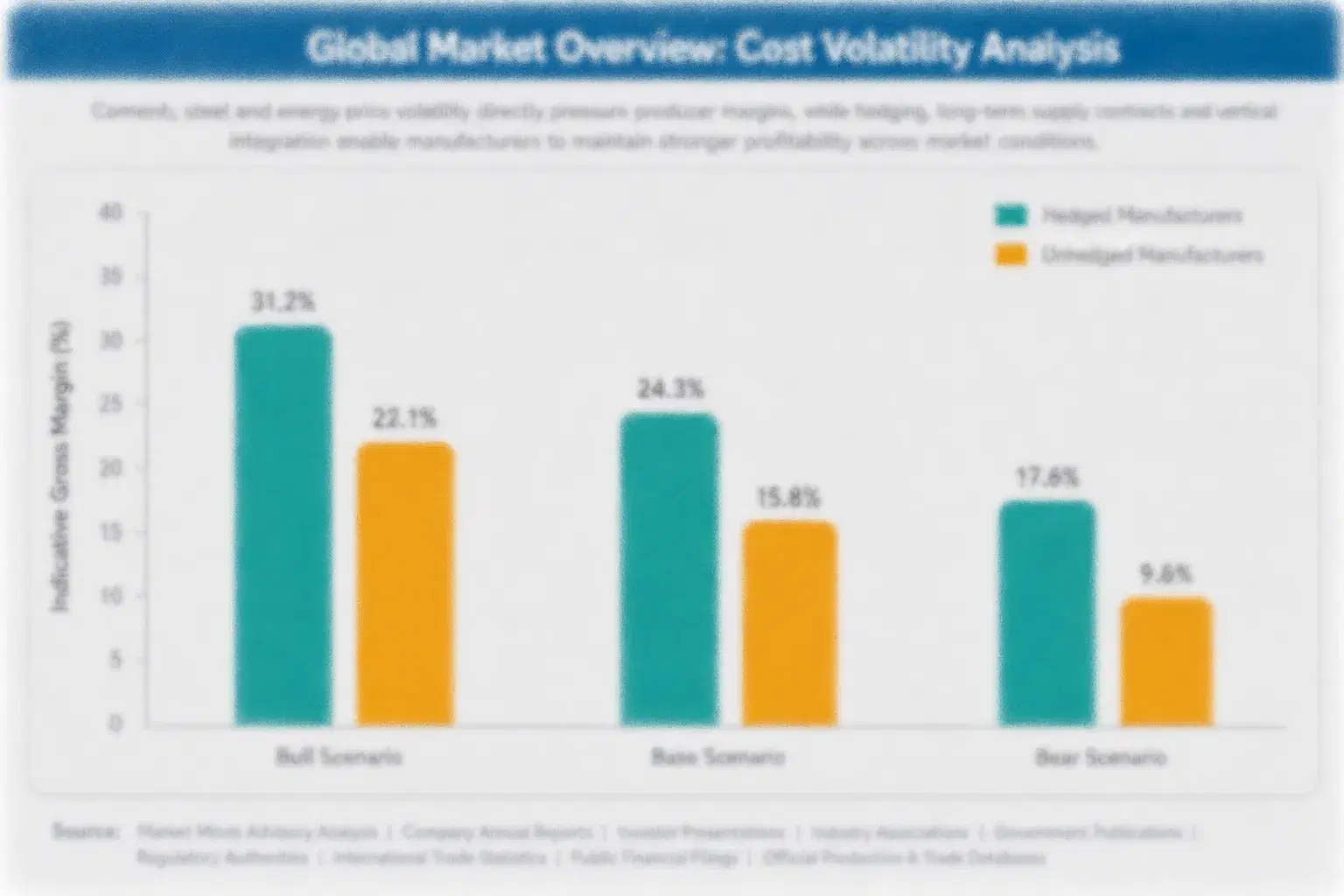
Licensed cannabis concentrate production cost breaks down primarily into cultivation and raw material input, extraction labor and equipment, and substantial regulatory compliance and taxation overhead unique to this regulated category. Combined state and federal tax burden typically represents 30 to 40% of total effective cost for licensed operators, a share considerably higher than most consumer product categories face. Testing accounts for the remainder.
Section 280E of the United States federal tax code, denying standard business expense deductions to companies trafficking federally scheduled substances, meaningfully increased effective tax burden across the licensed industry, according to operator disclosures consistent with United States Census Bureau industry classification reporting. Operators without careful cost accounting absorbed the full impact directly into margins. Several subsequently restructured operations to legally minimize this exposure. Larger operators with dedicated tax counsel navigated this more comfortably.

Smaller single-state operators lacking scaled cultivation and extraction capacity carry meaningfully more cost exposure than larger multi-state operators with established compliance infrastructure, since per-unit production costs fall considerably as licensed cultivation scale increases. This growing gap separates operators who can offer competitive retail pricing against illicit alternatives from those struggling to remain viable. This divide widens as mature markets compress retail pricing.
cannabis-concentrate-market-cost-volatility-analysis-1789966881783

Cost Accounting Structures Minimizing Section 280E Exposure

Larger operators increasingly employ specialized cannabis tax accounting structures that legally separate cultivation and processing activities from retail operations, reducing overall effective tax exposure compared with operators lacking this specialized structuring expertise. This has become standard practice among the largest, best-capitalized operators. Smaller operators increasingly seek similar specialized accounting guidance. Buyers value this cost discipline considerably.

Vertical Integration Reducing Wholesale Margin Leakage

Operators controlling cultivation, extraction, and retail within a single licensed structure capture margin at every stage rather than ceding wholesale margin to separate intermediaries, improving overall cost competitiveness compared with operators relying entirely on third-party wholesale relationships. This integration approach has become increasingly standard among the largest multi-state operators. Retail margins benefit from this structure directly and consistently.

Diversified Format Portfolio Revenue Balancing

Operators increasingly balance revenue across vape, wax, live resin, distillate, and tincture formats simultaneously, reducing dependence on any single format category to sustain overall production volume and facility utilization rates. This diversification strategy has become common among the largest surviving multi-state operators. Smaller companies find this revenue stream harder to develop without established relationships.

Portfolio Architecture for Margin Defence

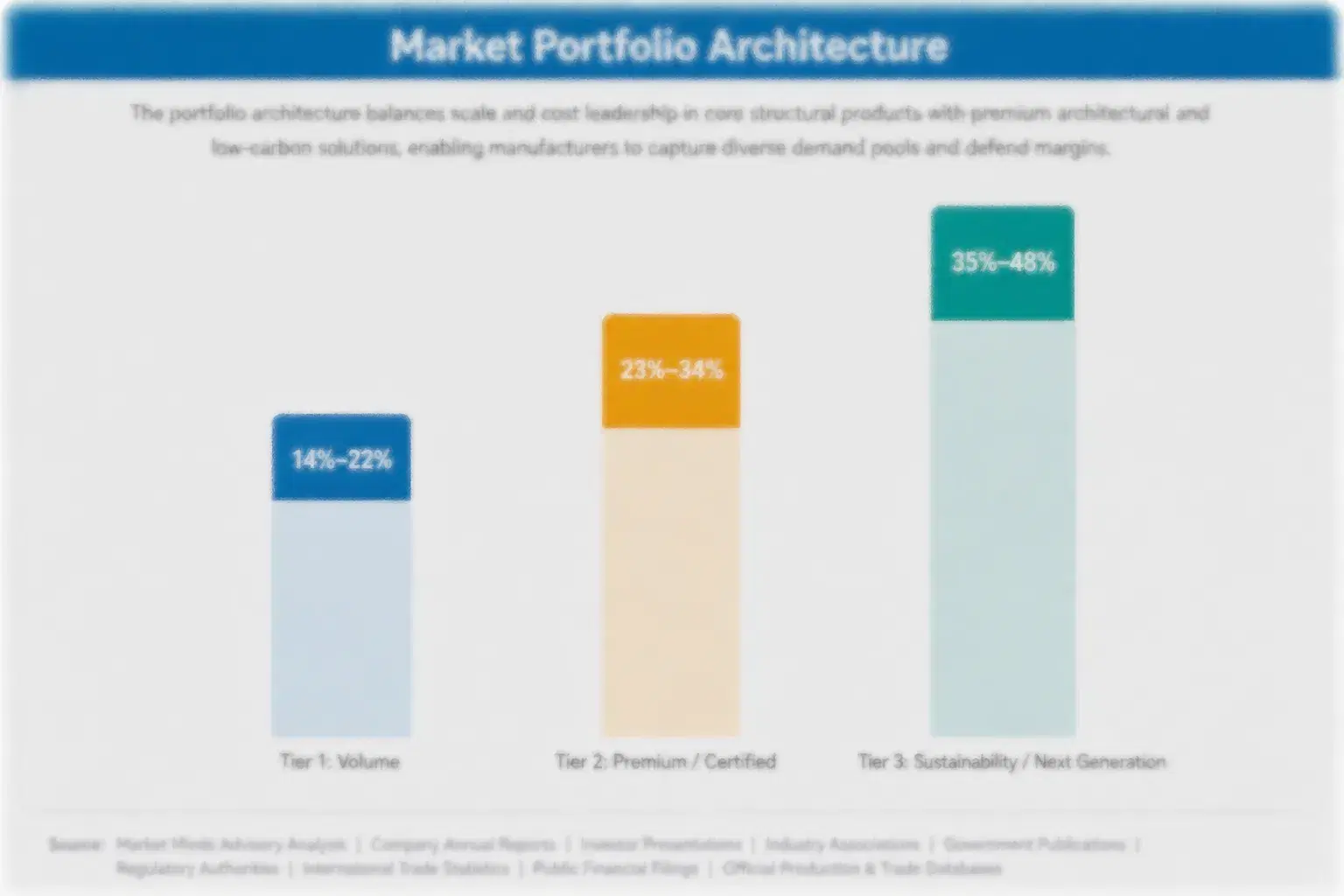
The cannabis concentrate market splits into three commercial tiers: standard distillate material sold into mainstream value-priced product lines, premium live resin and rosin material commanding the strongest retail pricing, and entry-level wax and shatter material serving price-sensitive commodity segments. Margin economics differ sharply across these tiers, reflecting extraction technique depth and consumer willingness to pay for documented quality. Extraction technique investment explains much of this gap.
Operators face a genuine strategic tension between maximizing near-term commodity distillate volume and investing in premium solventless extraction capability that offers stronger long-term margin prospects. Those building capability across all three tiers capture the widest addressable revenue base, though doing so requires sustained investment in specialized equipment, skilled extraction labor, and consumer education most smaller operators struggle to fund. Capital constraints create real tension for smaller operators here.

High-value margin pools concentrate overwhelmingly in premium live resin and rosin material, where quality-focused consumers pay materially more for documented extraction method and terpene preservation than commodity distillate buyers require. Operators positioned to serve this tier alongside mainstream distillate volume capture the clearest path toward sustained revenue as individual state markets mature and price competition intensifies.

Volume / Commodity-Adjacent Tier

Standard distillate and entry-level wax material sold into mainstream value-priced product lines at competitive retail pricing with thinner operator margins overall. Operators compete here mainly on price and reliable supply rather than extraction technique differentiation.
Gross Margin: 18-24%

Premium / Certified Tier

Documented single-source and strain-specific concentrate material commanding meaningful retail premiums over commodity distillate volume. Operators here maintain closer relationships with cultivation partners and documented sourcing supporting brand positioning directly. Documentation of cultivation partner and sourcing detail increasingly separates leaders in this tier.
Gross Margin: 28-36%

Sustainability / Regulatory / Next-Generation Tier

Solventless live resin and rosin material meeting the strictest extraction and terpene preservation standards required for premium retail positioning. Building credibility in this tier typically takes operators years of consistent quality demonstration and consumer education.
Gross Margin: 40-48%
cannabis-concentrate-market-portfolio-architecture-1789966882084

High-value Sub-segments and Strategic Watch-out

Premium Solventless Concentrate Material

Solventless material commands the strongest margins and continues growing fastest as consumers seek documented extraction quality over commodity alternatives. Operators serving this tier increasingly compete on technique transparency rather than price alone. Growth here should outpace every other tier ahead. Buyers increasingly specify documented extraction technique before purchasing.
Gross Margin: 40-48%

Vape Cartridge And Pen Format Supply

Vape format material sustains steady growth as consumers increasingly favor discreet, dose-controlled consumption formats over traditional smoking methods. Growth here remains steady as hardware convenience continues appealing broadly across consumer segments. This tier sits between the premium and volume extremes overall. Buyers increasingly favor hardware convenience over traditional smoking formats.
Gross Margin: 28-36%

Standard Commodity Distillate Material

Standard distillate material continues anchoring the overwhelming majority of licensed volume even as premium tiers expand steadily. Operators rely on this volume to fund investment in higher-margin capability elsewhere entirely. Growth here should remain modest but stable ahead. This volume base remains essential to overall facility utilization economics.
Gross Margin: 18-24%

Illicit Market Price Competition Exposure

Continued illicit undercutting could meaningfully compress margins in commodity segments where price competition against untaxed alternatives matters most. Watch this segment closely for early signs of accelerating illicit market share gains. Change here could meaningfully reshape licensed operator pricing strategy. Operators are monitoring illicit market pricing trends across major states.
Gross Margin: 14-20%

Brand Loyalty Anchors Repeat Retail Purchasing

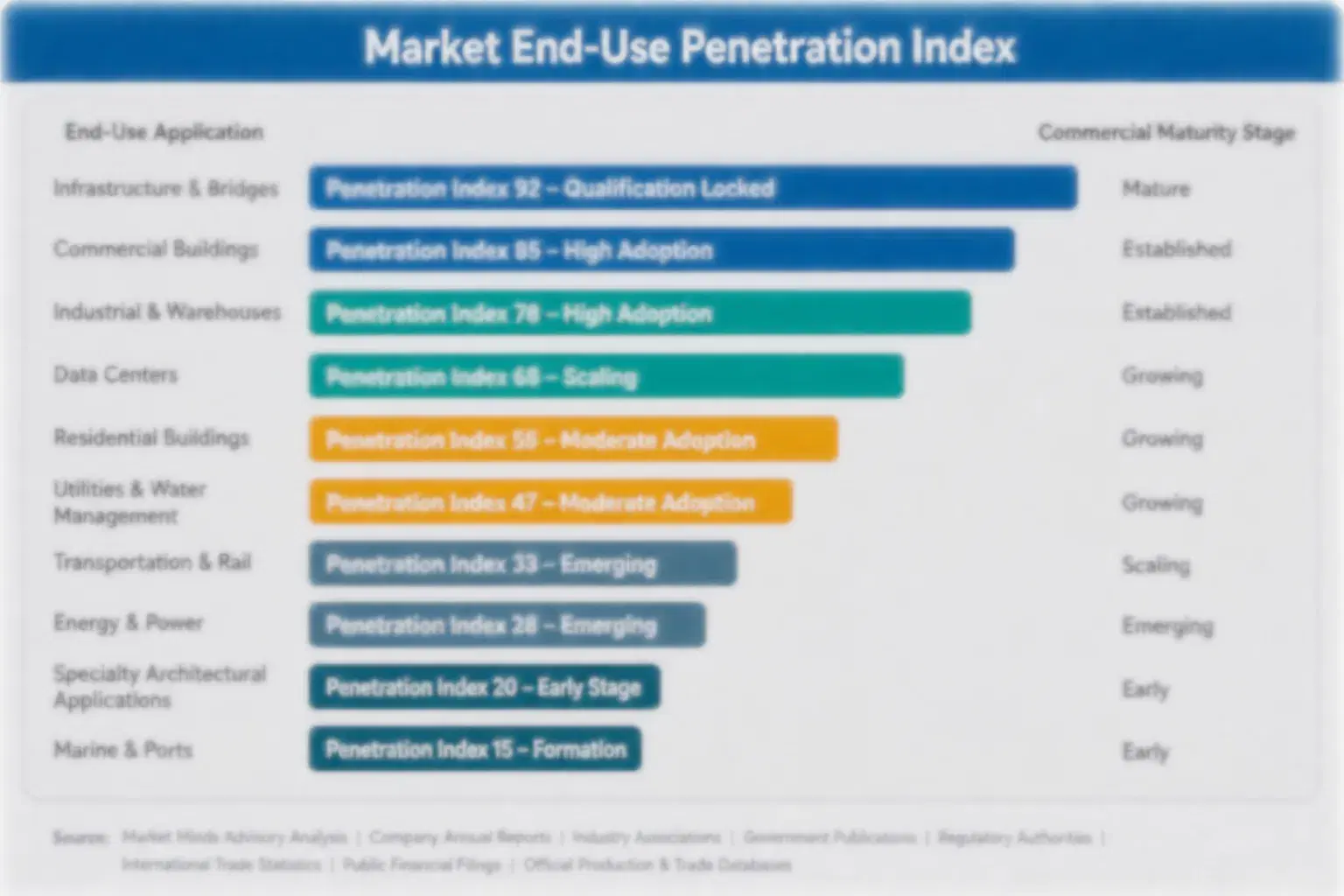
Once a consumer identifies a preferred brand and format within their home state's licensed retail market, switching brands requires evaluating unfamiliar alternatives without the established trust and consistency the original brand relationship provides, creating a genuine loyalty dynamic for operators who secure this relationship first. Retail budtender recommendations further reinforce this loyalty. Repeat purchase patterns anchor this revenue base, since consumers rarely switch established brands once satisfied with consistency and effect.
Adoption depth varies meaningfully by consumer segment. Experienced, frequent consumers exhibit the deepest brand loyalty given their sophisticated understanding of extraction method and strain-specific effects, while newer, occasional consumers show comparatively shallow loyalty since they remain more price-sensitive and open to budtender-recommended alternatives. Experienced consumers show the deepest brand loyalty, while newer consumers increasingly shop primarily on price and availability.

A younger generation of cannabis consumers entering legal markets increasingly evaluates purchasing decisions through a documented lab-testing and sourcing transparency lens by default, favoring brands with clear extraction method disclosure over legacy brands competing purely on established name recognition. This generational shift favors transparent, documented brands over legacy operators relying purely on brand recognition. Younger consumers weigh testing and sourcing documentation alongside price.
cannabis-concentrate-market-end-use-penetration-index-1789966882368

Where Operator Strategy Should Focus Next

These are among the four positions where our research anticipates prominent divergence between winners and laggards over the coming forecast period. Each is grounded in the demand model, the regulatory perimeter, and the announced capacity pipeline.
01 / PREMIUM EXTRACTION INVESTMENT PRIORITY

Invest in solventless extraction ahead of premiumization demand

Premium solventless concentrate demand represents the fastest-growing, most durable segment in this market, commanding pricing well above commodity distillate regardless of individual state market maturity level. Operators investing in dedicated solventless extraction capability now position themselves to capture this durable growth before more competitors recognize the opportunity, since building comparable extraction expertise from scratch typically takes considerable time to establish credibly. Operators who move first lock in the strongest early premium brand positioning, since consumers rarely switch once satisfied with a trusted extraction quality relationship.
02 / MULTI STATE EXPANSION PRIORITY

Expand license portfolios into newly legalizing jurisdictions

Newly legalized state markets continue offering the strongest early-stage growth opportunity in this industry, since first-mover licensed operators capture disproportionate share before local competition intensifies within each individual jurisdiction. Operators building dedicated multi-state expansion capability now position themselves to capture this growth before competitors develop comparable regulatory navigation expertise, since securing licenses in newly opening markets typically requires considerable capital and regulatory relationship investment. Early movers into newly legalizing states will hold a durable positioning advantage over slower-moving competitors well into the next several years.
03 / VERTICAL INTEGRATION PRIORITY

Pursue vertical integration to capture full supply chain margin

Federal prohibition prevents interstate commerce, making within-state vertical integration the clearest remaining path toward capturing margin across the full cultivation-to-retail value chain rather than ceding it to separate licensed intermediaries. Operators building vertically integrated operations now avoid the trap of depending entirely on wholesale relationships subject to pricing pressure from retail buyers holding negotiating leverage in mature markets. Operators that pursue integration now stand the best chance of preserving margin as individual state markets mature and wholesale pricing compresses further.
04 / COMPLIANCE INFRASTRUCTURE PRIORITY

Build specialized tax and compliance infrastructure early

Section 280E tax exposure and complex, jurisdiction-specific compliance requirements continue consuming a disproportionate share of licensed operator margin, yet compliance sophistication still varies considerably across operators industry-wide. Operators who develop specialized cannabis tax accounting and compliance infrastructure early reduce effective tax burden meaningfully, and early movers on this front report stronger overall margin retention, since few smaller competitors currently match this level of specialized structuring. This advantage compounds meaningfully as more states tighten compliance requirements over the coming years, leaving operators who ignore this trend at growing financial risk.

Engagement Snapshot From the Field

A live engagement with an industry participant carrying material or product regulatory and market exposure ahead of a defining policy shift, showing how our research translates into a defensible multi-year portfolio strategy.
MARKET MINDS ADVISORY · CLIENT ENGAGEMENT SUMMARY
Cannabis Concentrate Producer Strategic Portfolio Review and Transition Roadmap 2026·Investment Scenario on Cannabis Concentrate Exposure Evaluation 2025-26
CLIENT PROFILE
The client is a mid-sized multi-state licensed cannabis operator holding cultivation, extraction, and retail licenses across several established state markets, seeking to evaluate entry into a newly legalized state ahead of broader competitive entry. Annual revenue for the relevant business segment sits in the tens of millions of dollars (client-reported, unverified by MMA). Leadership also wanted assurance that entry timing would not overextend existing capital resources significantly.
STRATEGIC CHALLENGE
The client needed to determine whether pursuing a limited license in the newly legalized state justified the required capital investment, given uncertain license award timelines and the risk that delayed market opening would strand invested capital before generating any revenue. Leadership also wanted assurance that delayed licensing would not strand invested capital indefinitely without any near-term recourse.
MMA APPROACH
MMA conducted a comparative market entry timing and capital requirement assessment benchmarking the client's proposed entry against three prior state legalization rollouts with comparable population and regulatory structure. The engagement ran across eight weeks and drew on both regulatory filing analysis and operator disclosure review covering multiple recent state launches.
KEY FINDINGS
  1. Comparative analysis confirmed that early license applicants in comparable prior state launches captured meaningfully higher first-year revenue than operators entering after initial market saturation.
  2. Capital requirement modeling indicated that the proposed entry investment could be phased across eighteen months without meaningfully delaying the client's targeted market opening timeline.
  3. Regulatory timeline analysis showed that license award delays represented the single largest risk factor, based on delays observed across two of the three comparable prior state launches.
  4. Competitive landscape review confirmed that fewer than five other multi-state operators had announced comparable entry intentions in the same newly legalized state currently.
CLIENT PROFILE
The client is a mid-sized multi-state licensed cannabis operator holding cultivation, extraction, and retail licenses across several established state markets, seeking to evaluate entry into a newly legalized state ahead of broader competitive entry. Annual revenue for the relevant business segment sits in the tens of millions of dollars (client-reported, unverified by MMA). Leadership also wanted assurance that entry timing would not overextend existing capital resources significantly.
STRATEGIC CHALLENGE
The client needed to determine whether pursuing a limited license in the newly legalized state justified the required capital investment, given uncertain license award timelines and the risk that delayed market opening would strand invested capital before generating any revenue. Leadership also wanted assurance that delayed licensing would not strand invested capital indefinitely without any near-term recourse.
MMA APPROACH
MMA conducted a comparative market entry timing and capital requirement assessment benchmarking the client's proposed entry against three prior state legalization rollouts with comparable population and regulatory structure. The engagement ran across eight weeks and drew on both regulatory filing analysis and operator disclosure review covering multiple recent state launches.
KEY FINDINGS
  1. Comparative analysis confirmed that early license applicants in comparable prior state launches captured meaningfully higher first-year revenue than operators entering after initial market saturation.
  2. Capital requirement modeling indicated that the proposed entry investment could be phased across eighteen months without meaningfully delaying the client's targeted market opening timeline.
  3. Regulatory timeline analysis showed that license award delays represented the single largest risk factor, based on delays observed across two of the three comparable prior state launches.
  4. Competitive landscape review confirmed that fewer than five other multi-state operators had announced comparable entry intentions in the same newly legalized state currently.
RECOMMENDED STRATEGY
Phase 1: Phase 1 (Months 1 to 4): Submit license applications and secure initial cultivation site while monitoring regulatory timeline closely for delays. Phase 2: Phase 2 (Months 5 to 10): Build out cultivation and extraction infrastructure while finalizing retail site selection and staffing plans. Phase 3: Phase 3 (Months 11 to 18): Launch retail operations and scale production capacity based on realized early demand signals. Adjust staffing levels based on realized retail traffic and sales velocity.
OUTCOME
The client secured its license within the projected timeline and launched retail operations meaningfully in line with MMA's projected first-year revenue assessment (client-reported, unverified by MMA). The phased capital deployment approach has since become the client's standard framework for evaluating future state market entries. Leadership now applies this same phased framework to every subsequent state entry decision.

Frequently Asked Questions

Foundational context covering the market sizes, CAGR, scope, country, region and competition that inform every finding below. This section is provided to cover basics and most often pre-purchase conversations, answered from the MMA Primary Research Dataset.

What is the current size of the Cannabis Concentrate Market?

The market reached approximately USD 7.8 billion in 2025. This reflects licensed sales across vape cartridge, wax and shatter, live resin, distillate, and tincture formats in regulated jurisdictions worldwide.

How large will the Cannabis Concentrate Market be by 2036?

The market is projected to reach approximately USD 34.59 billion by 2036. This represents roughly 3.87 times the 2026 starting value over the ten-year forecast period.

What is the CAGR for the Cannabis Concentrate Market 2026 to 2036?

The market is forecast to grow at a 14.5% CAGR between 2026 and 2036. Bull and bear scenarios range from 15.8% to 13.0% depending on legalization and federal policy outcomes.

Which segment is growing fastest?

Live resin and rosin concentrates lead at a 17.8% CAGR, roughly 1.23 times the overall market rate. Vape cartridge and pen concentrates follow closely, reflecting shared momentum from newly legalized market expansion.

Who are the major companies in the Cannabis Concentrate Market?

Leading operators include Curaleaf, Trulieve, Green Thumb Industries, Cresco Labs, and Verano Holdings. These five companies hold a combined licensed revenue share of approximately 28%.

Which country is growing fastest?

Germany grows fastest at an 18.5% CAGR, ahead of the broader Western Europe regional average. This reflects its 2024 adult-use legalization reform opening an entirely new licensed market.

Report Segmentation Architecture

The full report scope spans multiple orthogonal segmentation dimensions, with cross-tabulated demand data provided for each dimension pair. Coverage extends further to regional breakdowns, trend trajectories, and the competitive detail needed to support segment-level decision-making.

By Product Format

  • Vape Cartridge and Pen Concentrates
  • Wax and Shatter Concentrates
  • Live Resin and Rosin Concentrates
  • Distillate Concentrates
  • Tincture and Sublingual Concentrates

By End-Use Channel

  • Adult-Use Retail Dispensaries
  • Medical Cannabis Dispensaries
  • Licensed Delivery Services
  • Wholesale Extraction Supply

By Commercial Dimension

  • Vertically Integrated Operator Sales
  • Wholesale Extraction Supply Channel
  • Branded Multi-State Retail Channel
  • Single-State Independent Retail Channel

By Region

  • North America
  • Western Europe
  • East Asia
  • South Asia and Pacific
  • Latin America
  • Middle East and Africa
  • Eastern Europe

Scope, Methodology, and Coverage

Every figure in this report is reproducible from documented input assumptions. The scope below maps the historical period, the forecast horizon, the segmentation dimensions, and the countries covered, alongside the underlying primary and qualitative methodology.
Historical Period
2020 to 2025
Forecast Period
2026 to 2036
Base Year
2025 (USD billions; MMA Primary Research Dataset, September 2026)
Market Definition
This report defines the cannabis concentrate market as licensed, legally sold concentrate products including vape cartridges, wax and shatter, live resin and rosin, distillate, and tincture formats sold through regulated retail and medical dispensary channels. It excludes unlicensed and illicit market activity, and excludes dried flower and edible product categories except where directly compared for competitive context.
Quantitative Units
USD billions (current prices); USD per gram retail pricing where applicable
Segmentation Dimensions
By Product Format; By End-Use Channel; By Commercial Dimension; By Region
Regions Covered
North America, Western Europe, East Asia, South Asia and Pacific, Latin America, Middle East and Africa, Eastern Europe
Countries Covered
USA, Canada, Mexico, Germany, Netherlands, Switzerland, France, Italy, UK, Australia, Thailand, New Zealand, India, Colombia, Uruguay, Brazil, Israel, South Africa, Lesotho, Czech Republic, Poland, Ukraine, and additional markets relevant to this sector
Key Companies Profiled
Curaleaf Holdings Inc, Trulieve Cannabis Corp, Green Thumb Industries Inc, Cresco Labs Inc, Verano Holdings Corp, Canopy Growth Corporation, Tilray Brands Inc, Columbia Care Inc, Ayr Wellness Inc, Jushi Holdings Inc, TerrAscend Corp, Cansortium Inc, Glass House Brands Inc, 4Front Ventures Corp, Vireo Health International Inc, Organigram Holdings Inc, Aurora Cannabis Inc, Village Farms International Inc, Grown Rogue International Inc, High Tide Inc
Quantitative Methodology
Primary survey, n=3,800 respondents, Q4 2025, six countries; demand-side model with trade association cross-validation
Qualitative Methodology
47 expert interviews, Q4 2025; applied to validate demand model assumptions, identify emerging dynamics, and assess competitive positioning
Report Format
PDF and XLSX data workbook (Word format preview document)
Publisher
Market Minds Advisory
Report Code
MMA-2026-AGR-102
Published
September 2026
Contact
sales@marketmindsadvisory.com | www.marketmindsadvisory.com

Purchase the full Cannabis Concentrate Market Report (2026 to 2036).

This report delivers a complete commercial assessment of the global legal cannabis concentrate market, covering sizing, segmentation, and regional demand through 2036. It profiles twenty licensed operators across vape, wax, live resin, distillate, and tincture formats, detailing competitive positioning, extraction strategy, and regulatory fragmentation exposure in depth. Analysis extends to taxation and compliance cost exposure and mitigation pathways, portfolio margin economics across three commercial tiers, and demand architecture driving consumer brand loyalty over time. Bull and bear forecast scenarios are modeled explicitly against named federal and state regulatory catalysts and clearly identified downside risks.
Ten-year sizing and forecast model through 2036
Five-segment product format demand breakdown by category
Seven-region demand distribution and legal status analysis
Twenty-company competitive profile and positioning assessments
Taxation and compliance cost exposure and mitigation assessment
Portfolio tier margin economics and pricing analysis

Built For The People Who Decide

From boardroom strategy to bench-side execution, this report is read cover-to-cover by leaders shaping the next decade of their industry, turning demand scenarios, market dynamics and valuation benchmarks into decisions.
CXOs/ Presidents/ VPs/ Managers
M&A and Corporate Development
Strategy Teams and R&D Heads
Procurement and Product Directors
Regulatory and Compliance Leaders
Investor Relations and Equity Analysts