Market Minds Advisory
Cannabidiol CBD Pet Market

Cannabidiol CBD Pet Market: Cannabidiol CBD Pet Market. Oils, Chews, Topicals, Capsules and Infused Formulations for Dogs and Cats

A mislabeled potency or a THC trace above legal threshold can end a brand overnight, so third-party lab testing and dosing consistency decide which suppliers survive as CBD pet products edge toward mainstream retail.

Lead Analyst

Published

September 2026

Make Smarter Decisions with Customized Research Insights

Request a free sample report and evaluate market opportunities, growth trends, and competitive dynamics relevant to your business needs.

2025 MARKET VALUE$0.6BMarket Size 2025
2036 FORECAST VALUE$2.6BBase Case , 2026 to 2036
CAGR 2026 TO 203615.0 %Bull 16.5% / Bear 13.5%
INCREMENTAL OPPORTUNITY$1.9BNet 10- year value creation
EXPANSION MULTIPLE4.05x2036 value over 2026 base
Strategic Levers
M&A Pipeline
Regional Outlook
Country Rankings
Competitive Intelligence
Segmental Deep-dive
Call-Us : 91 93563 13602

Executive Snapshot and Market Trajectory.

Cannabidiol pet products cover CBD oils and tinctures, chews and treats, topicals and balms, capsules and softgels, and CBD-infused multivitamin blends formulated for dogs and cats. CBD offers a plant-derived option for anxiety, joint discomfort and seizure management many owners want to try.
CBD Chews and Treats grow fastest as the convenience format converts oil-hesitant owners into repeat buyers, while CBD oils and tinctures carry the largest volumes given precise dosing control. North America overwhelmingly leads because federal hemp legalisation and mature specialty retail concentrate demand, with Western Europe a distant second. Gross margins run 28% to 54%, and hemp extract sourcing and lab testing cost shape returns. Distributors track repeat formulation volume closely.
Five groups hold about 28% of value, led by Honest Paws, CBDistillery Pet and Penelope's Bloom, so specialist CBD pet brands compete with broader wellness groups entering the category. Hemp-derived product regulation and lab testing certification standards govern positioning, and owners check third-party lab results, THC compliance and dosing consistency before committing to a brand for regular use. Technical documentation increasingly decides which brand keeps the recurring purchase. Trust builds slowly across every renewal here.
Market Definition
The market covers global manufacturer revenue from cannabidiol products formulated specifically for dogs and cats, defined as CBD oils and tinctures, chews and treats, topicals and balms, capsules and softgels, and CBD-infused multivitamin blends. It excludes THC-containing veterinary pharmaceuticals, hemp seed or hemp protein products without cannabidiol content, and human CBD products not formulated or labelled for pet use.
Base Year Value
$0.6B in 2025 (MMA Primary Research Dataset, September 2026)
Forecast Period
2026 to 2036, eleven discrete annual values
CAGR
15.0% base case. Bull 16.5%. Bear 13.5%.
Fastest Growth Segment
CBD Chews and Treats: 21.0% CAGR
Fastest Growth Country
Canada: 16.5% CAGR
Fastest Growth Region
South Asia and Pacific: 17.0% CAGR
Largest Region
North America: 52% of 2025 global value
Market Leaders
Honest Paws, CBDistillery Pet, Penelope's Bloom, Holistapet, King Kanine. Source: MMA Analysis, company annual reports.
Primary Survey
n=3,800 procurement and R&D decision-makers, Q4 2025, six countries
Methodology
Demand-side build-up, cross-validated against public data, 47 expert interviews

Cannabidiol CBD Pet Market Forecast Scenarios

cannabidiol-cbd-pet-market-size-forecast-scenario-1790056787533
From 2020 to 2025 CBD pet product revenue grew at about 13.0% a year. Federal hemp legalisation momentum lifted 2020 and 2021 demand, retail distribution expanded through 2021 and 2022 as major pet retailers added CBD sections, and chew and treat format launches then accelerated through 2023 and 2024 as brands sought oil-hesitant owner conversion. Oils and tinctures dominated volume throughout.
The base case of 15.0% rests on three named mechanisms. Owner demand for plant-derived anxiety and pain management options keeps pulling buyers toward CBD ahead of or alongside pharmaceutical treatment. Chew and treat format innovation keeps converting oil-hesitant owners into category buyers through familiar, palatable delivery formats. Veterinary caution is slowly easing as more practitioners engage with client questions about CBD rather than dismissing the category outright. Each mechanism is visible in retail sales data and veterinary survey results.
The bull case reaches 16.5% if veterinary acceptance broadens further and retail distribution keeps expanding. The bear case falls to 13.5% if regulatory scrutiny tightens and retailers restrict shelf space pending clearer federal guidance. Both cases assume no major mislabeling scandal or enforcement crackdown. Neither case assumes a change in retailer concentration. Both assume steady claim rules.

Lab Testing Rigor, THC Compliance and Dosing Consistency Set Returns

Manufacturers extract hemp-derived CBD, formulate carrier oils and treat bases, and validate potency and THC compliance through third-party lab testing before packaging. Lab testing rigor and dosing consistency decide acceptance, and each batch must pass compliance testing, since a mislabeled potency or THC trace above legal threshold invites regulatory action and destroys buyer trust instantly. Retailers audit suppliers and safety records every year before renewing listings. Freight and storage add cost.
MARKET CONCENTRATION28% CR5Top five participants hold under one third of category value
OIL AND TINCTURE SHARE39%Portion of revenue from CBD oil and tincture products
ONLINE SALES SHARE48%Portion of category revenue sold through online retail channels
HEMP EXTRACT COST SHARE38% of COGSHemp-derived CBD extract sourcing cost within manufacturing cost
LAB TESTING COST SHARE13% of COGSThird-party potency and THC compliance testing cost within manufacturing cost
TYPICAL PACK PRICE$25-80Typical shelf price for a standard CBD pet product bottle
Value concentrates in five places. Chews and treats grow fastest. Oils and tinctures carry the largest volumes, topicals and balms serve localised joint and skin application, capsules and softgels serve precise dosing preference, and CBD-infused multivitamin blends serve broader wellness positioning. Sourcing and process details stay closely guarded within each brand. Larger brands hold several formats.
Supply combines specialist CBD pet brands and broader wellness groups entering the category. Honest Paws and CBDistillery Pet run dedicated hemp sourcing and extraction operations with lab testing transparency, Penelope's Bloom pioneered veterinarian-formulated positioning, and larger wellness groups increasingly launch CBD sub-brands to capture category growth. Retail listings take months to win and require documented lab compliance data. Buyers compare cost per unit before awarding listings.
"CBD sells a promise the industry itself has struggled to prove with the rigor owners now expect. The brands that will win are the ones whose lab results actually match the label, batch after batch, because this category has already burned owners once with mislabeled potency and cannot afford to do it again."
Senior Analyst, Pet Nutrition and Wellness Practice · MMA Cannabidiol CBD Pet Practice · September 2026

Market Trends

Chew and Treat Formats Convert Oil-Hesitant Owners Into Buyers

Owners increasingly choose CBD chews and treats over oils and tinctures as a more familiar, palatable delivery format that removes the dosing uncertainty many owners associate with liquid tinctures, and this format conversion is bringing new buyers into the category who previously avoided CBD altogether, with brands such as Honest Paws and Holistapet scaling chew production to meet demand. CBD Chews and Treats grow about 21.0% a year, and gross margins run 32% to 54%. The trend needs palatability engineering and rewards brands with consistent potency data. Buyers judge brands on lab testing, dosing consistency and veterinary caution.
Market Impact: owner CBD interest rises 8-11% yearly

Topical Formats Expand Alongside Localised Joint and Skin Positioning

Owners managing localised joint discomfort or skin conditions increasingly seek CBD topicals and balms formulated for targeted application rather than systemic dosing, and this positioning differentiates topicals from the broader anxiety and general wellness framing that dominates oils and treats. CBD Topicals and Balms grow about 17.5% a year, and gross margins run 30% to 46%. The trend needs formulation science for skin absorption and rewards brands with dermatological credibility. Brands with formulation depth and testing infrastructure hold the strongest positions. Early movers set the standard that later entrants must match.
Market Impact: retail CBD shelf space grows 6-9%

Market Opportunities and Growth Drivers

Owner Demand for Plant-Derived Anxiety and Pain Management Keeps Growing

Owners increasingly seek plant-derived alternatives for managing pet anxiety, noise phobia and chronic pain, often as a first option before or alongside pharmaceutical treatment, and this preference continues expanding the addressable buyer base for CBD products. Industry survey data show sustained growth in owner interest in CBD as a wellness option. The driver rewards brands with clear educational content and dosing guidance, and it supports steady category growth, though veterinary endorsement remains cautious and uneven across practitioners. Early movers set the standard that later entrants must match. Retailers reward brands that respond quickly to compliance requests.
Market Impact: hemp extract sourcing takes 38% cost

Retail Distribution Expansion Sustains Category Visibility Growth

Major pet specialty retailers continue expanding CBD product sections as category sales data justifies dedicated shelf space, and this distribution expansion exposes the category to owners who would not otherwise seek it out online. The driver rewards brands with retail relationships and compliance documentation, and it supports continued visibility growth, though retailers remain selective about which brands meet their lab testing and labelling standards. Retailers reward brands that respond quickly to compliance requests. Progress should be reviewed every quarter against agreed efficacy and safety targets. Smaller brands carry the heaviest exposure and have the least room to adjust.
Market Impact: relabeling costs 100% of a line

Market Restraints and Challenges

Hemp Extract Sourcing Costs and Lab Testing Requirements Squeeze Margins

Hemp-derived CBD extract sourcing makes up about 38% of manufacturing cost, and third-party potency and THC compliance testing required for every batch adds meaningful cost beyond standard supplement formulation, according to industry cost data, while hemp extract price swings reflect a still-maturing agricultural supply chain. The root cause is the compliance testing rigor the category requires combined with a young, less standardised hemp extraction supply chain. Brands can pass through only part of the increase, so margins fall two to five points. Brands respond with supplier consolidation and in-house testing investment.
Market Impact: chews and treats grow 21.0% yearly

Regulatory Uncertainty Constrains Marketing Claims and Retail Access

Federal and state regulatory treatment of CBD pet products remains unsettled in several respects, and this uncertainty constrains what health claims brands can legally make and which retail channels will stock CBD products at all, according to regulatory filing data. The root cause is the gap between widespread hemp legalisation and the slower, still-developing federal framework specifically for CBD product claims and safety standards. A regulatory shift can force sudden reformulation or relabeling across an entire product line. Brands respond with conservative claim design and active regulatory monitoring. Buyers judge brands on lab testing, dosing consistency and veterinary caution.
Market Impact: topicals and balms grow 17.5% yearly
3 additional market trends, 2 additional growth drivers, and 4 additional restraints and challenges are covered in the full report. Contact sales@marketmindsadvisory.com to access the complete intelligence.

Segment CAGR and Growth Architecture

The CBD pet market is segmented by product format, which shows where sourcing cost, margins and owner use differ. Five segments cover oils and tinctures, chews and treats, topicals and balms, capsules and softgels, and infused multivitamin blends. Chews and treats grow fastest, while oils and tinctures carry the largest volumes. Capsules and infused blends round out precise dosing coverage.
cannabidiol-cbd-pet-market-market-share-analysis-1790056787814

CBD Chews and Treats

CBD Chews and Treats is the fastest-growing segment at 21.0% a year, about 1.40 times the overall market rate. Owners buy palatable, pre-dosed chews that remove the dosing uncertainty many associate with liquid tinctures, converting oil-hesitant buyers into the category for the first time, and prices run 20% to 60% above proportional oil-based dosing given treat formulation and palatability engineering cost. Gross margins of 32% to 54% reward brands with consistent potency data and flavour acceptance. Growth depends on trial conversion momentum, palatability proof and retail reach, while lab testing cost still limits how fast smaller brands can scale production. Early movers set the standard that later entrants must match. Retailers reward brands that respond quickly to compliance requests.
CAGR 21.0%

CBD Topicals and Balms

CBD Topicals and Balms grows at 17.5% a year, about 1.20 times the overall market rate, because owners managing localised joint discomfort or skin conditions increasingly seek targeted application formats distinct from systemic anxiety-focused oils and treats. Brands use dermatological formulation science to differentiate. Gross margins of 30% to 46% support brands with skin absorption research and formulation credibility. Growth depends on targeted positioning clarity, formulation science and price, and brands with reliable absorption data hold the strongest positions. Retailers reward brands that respond quickly to compliance requests. Progress should be reviewed every quarter against agreed efficacy and safety targets. Smaller brands carry the heaviest exposure and have the least room to adjust.
CAGR 17.5%
Full segment breakdown across 5 segments available in the complete report.

Regional Architecture and Country Demand Map

North America overwhelmingly leads at 52% because federal hemp legalisation and mature specialty retail concentrate demand, while Western Europe holds 22%. East Asia holds 6%. South Asia and Pacific holds 8%. Latin America holds 6%. Middle East and Africa holds 3%. Eastern Europe holds 3%.

North America

North America holds 52% share, far above its band, and growth of 15.0%, close to the global rate. Federal hemp legalisation in the United States and mature specialty pet retail infrastructure concentrate global CBD pet demand, which justifies the far out-of-band share, and Honest Paws and CBDistillery Pet both maintain significant domestic formulation and distribution presence. Retailers also review safety records and audit results before every annual listing renewal. Volumes stay steady, and brands compete mainly on sourcing proof, documentation and delivery reliability. Distributors handle most shipments and set order sizes. Currency moves and freight rates change landed cost each quarter. Brands offering multi-year terms win repeat volume. Buyers also compare delivery reliability before renewing supply terms.
Share: 52% | CAGR: 15.0% (2026 to 2036)

Western Europe

Western Europe holds 22% share, inside its band, and growth of 13.5%, below the global rate. Because North America takes the dominant slot, the commercial reason is regulatory maturity: the United Kingdom and Germany run comparatively developed hemp-derived product frameworks relative to most regions, and Penelope's Bloom and regional brands both supply through specialty channels. Retailers also review safety records and audit results before every annual listing renewal. Volumes stay steady, and brands compete mainly on sourcing proof, documentation and delivery reliability. Distributors handle most shipments and set order sizes. Currency moves and freight rates change landed cost each quarter. Brands offering multi-year terms win repeat volume. Buyers also compare delivery reliability before renewing supply terms.
Share: 22% | CAGR: 13.5% (2026 to 2036)
Regional intelligence for 5 additional markets available in the complete report: East Asia, South Asia and Pacific, Latin America, Middle East and Africa, Eastern Europe. Contact sales@marketmindsadvisory.com.
cannabidiol-cbd-pet-market-country-cagr-analysis-1790056788121

Four Margin Routes for CBD Pet Brands

Margin in CBD pet products comes from chew scaling, topical innovation, lab testing credibility and hemp sourcing cost control rather than volume alone. The routes below apply to specialist brands and wellness groups entering the category, and each can start inside one planning cycle, with measures in gross margin points and cost per unit.

Scaling Chew and Treat Production for Trial Conversion Demand

Owners want low-dosing-uncertainty formats, so brands that scale chew and treat production with consistent potency data win sales worth 10% to 18% of revenue at gross margins of 32% to 54%. Programmes cost $1 million to $6 million. Brands should validate potency consistency, secure retail trial placement and publish conversion data, since inconsistent dosing fails to convert owners into full category buyers. Management should assign one owner to each programme from the start. Early results also help persuade sceptical buyers. Costs are recovered faster in larger plants. Payback runs about three years.
Market Impact: chew scaling adds sales worth 10-18% of revenue

Building Third-Party Lab Testing Infrastructure and Transparency Programmes

Retailers and owners want proof of potency and THC compliance, so brands that build lab testing infrastructure win contracts worth 8% to 15% of revenue at gross margins of 30% to 46%. Programmes cost $0.5 million to $4 million. Brands should fund third-party testing, publish batch-level results and secure retailer compliance approvals, since one mislabeling incident can end a category-wide reputation. Early results also help persuade sceptical buyers. Costs are recovered faster in larger plants. Payback runs about three years. Management should assign one owner to each programme from the start.
Market Impact: lab testing infrastructure wins contracts worth 8-15% of revenue

Launching Topical Formats for Targeted Joint and Skin Positioning

Owners managing localised discomfort want targeted application formats, so brands that launch dermatologically formulated topicals win contracts worth 7% to 13% of revenue at premiums of 10% to 25% per unit. Programmes cost $1 million to $5 million. Brands should invest in absorption research, secure dermatological formulation credibility and validate application consistency, since generic topicals copy successful formulations quickly without proof. Costs are recovered faster in larger plants. Payback runs about three years. Management should assign one owner to each programme from the start. Early results also help persuade sceptical buyers.
Market Impact: topical formats win contracts worth 7-13% of revenue

Diversifying Hemp Extract Sourcing Across Regions and Suppliers

Hemp extract makes up about 38% of cost, so brands that diversify sourcing across regions and suppliers cut cost and supply swings by 15% to 28% and protect margins worth 5% to 9% of profit. Programmes cost $0.5 million to $4 million. Brands should qualify multiple hemp sources, secure supply contracts and monitor commodity markets closely, since single-source dependence raises formulation risk substantially. Payback runs about three years. Management should assign one owner to each programme from the start. Early results also help persuade sceptical buyers. Costs are recovered faster in larger plants.
Market Impact: diversified sourcing cuts total cost swings by 15-28%

Who Controls the Margin Pool

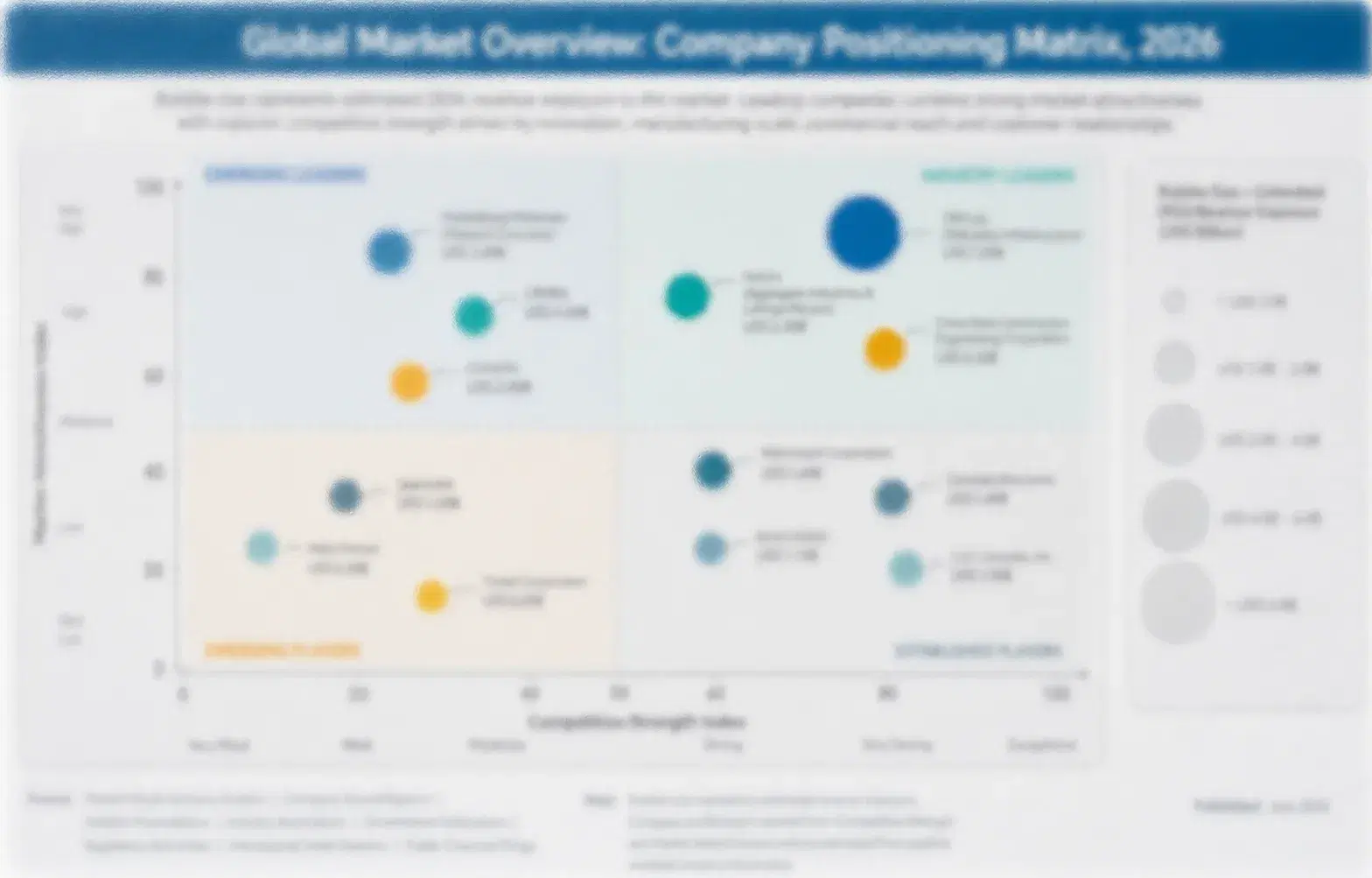
The CBD pet market is fragmented, with a CR5 of 28%, because specialist CBD pet brands compete with broader wellness groups entering the category across five distinct product formats. This assessment measures participants on estimated CBD pet product revenue, held constant across all players. Honest Paws and CBDistillery Pet lead through category focus and lab testing credibility, Penelope's Bloom, Holistapet and King Kanine follow, and the gap to the sixth player is moderate.
Competition runs on four dimensions today: lab testing rigor and THC compliance documentation, sourcing transparency and traceability, format innovation across chews and topicals, and price per unit. Specialist brands win on category focus and testing credibility, wellness groups win on distribution and marketing scale, and format innovators win on trial conversion and palatability. Buyers compare lab results and compliance documentation.

Emerging pressure comes from chew and treat formats converting oil-hesitant owners into buyers, from wellness groups launching credible dedicated sub-brands, and from regulatory uncertainty that favours brands investing in compliance infrastructure. Rankings shift where a brand secures novel format supply, wins lab testing credibility or navigates a regulatory shift faster, and consolidation continues as small brands face testing and compliance costs.
cannabidiol-cbd-pet-market-company-positioning-matrix-1790056788434

Competitive Moat and Risk Dimensions

HONEST PAWS

Moat: Lab Testing and Category Focus

Honest Paws built its brand around comprehensive third-party lab testing transparency across a broad CBD pet product portfolio, giving it credibility advantages that less rigorously tested competitors cannot match easily. Its testing infrastructure, category breadth and retail relationships give it strong access to owners seeking verified potency, and its scale supports continued expansion into emerging format categories.
HONEST PAWS

Risk: Regulatory Exposure and Cost Risk

Honest Paws depends on continued regulatory tolerance for CBD pet products and faces meaningful testing cost exposure across a wide product portfolio simultaneously. Hemp extract costs squeeze margins, format-specific specialists compete on deeper category credibility, and rule changes can shift demand quickly. Investors expect steady returns and disciplined capital use.
CBDISTILLERY PET

Moat: Sourcing Scale and Recognition

CBDistillery Pet extends brand recognition and hemp sourcing scale from its established human CBD business into the pet category, giving it cost and credibility advantages that pet-only specialists lack. Its sourcing scale, brand recognition and testing infrastructure give it strong access to owners across multiple product formats, and its scale supports continued category expansion.
CBDISTILLERY PET

Risk: Cross-Category Brand Dilution Risk

CBDistillery Pet's shared brand across human and pet categories creates dilution risk if either category faces a reputational or regulatory setback affecting consumer trust broadly. Hemp extract costs squeeze margins, pet-focused specialists compete on category credibility, and rule changes can shift demand quickly. Investors expect steady returns and careful capital use.

Players Tracked

Prominent Players

Honest Paws
CBDistillery Pet
Penelope's Bloom
Holistapet
King Kanine

Other Key Players

Charlotte's Web Pet
Canna-Pet
Pet Releaf
Treatibles
Innovet Pet
ElleVet Sciences
NuLeaf Naturals Pet
Fera Pet Organics
Hemp Well
Bailey's Pet
OG Bud Bar Pets
Batch CBD Pet
Green Coast Pets
Pet Wellbeing
Cannanine

Recent Developments

JANUARY 2026

Specialist Brand Expands Chew and Treat Production Capacity to Meet Trial Demand

A specialist brand expanded chew and treat production capacity to meet sustained trial format demand, according to company communications. It is an organic capacity expansion, not an acquisition, and it tests sourcing readiness. The facility adds production lines. Financial terms were not disclosed. Rollout follows retailer reviews.
Signal: Confirms brands are scaling chew capacity because trial format demand has converted into sustained repeat purchase behaviour.
FEBRUARY 2026

Wellness Group Launches CBD Topical Line Backed by Dermatological Formulation Research

A wellness group launched a CBD topical line backed by dedicated dermatological formulation research, according to company communications. It is a product launch, not an acquisition, and it tests topical segment demand. The line covers multiple formats. Sales terms were not disclosed. Rollout follows retailer reviews.
Signal: Shows wellness groups are widening topical lines because targeted application positioning increasingly drives category trial. Buyers watch this closely.
MARCH 2026

Industry Body Publishes Updated Guidance on CBD Pet Product Lab Testing Standards

An industry body published updated guidance on CBD pet product lab testing and labelling standards, according to public announcements. It is a standards publication, not a commercial deal, and it tests testing rigor. The guidance covers potency verification thresholds. Adoption timing across brands remains open. Rollout follows retailer reviews.
Signal: Indicates industry bodies are formalising testing standards because mislabeling incidents have damaged category-wide buyer trust. Buyers watch this closely.

Hemp Extract, Testing and Compliance Cost Exposure

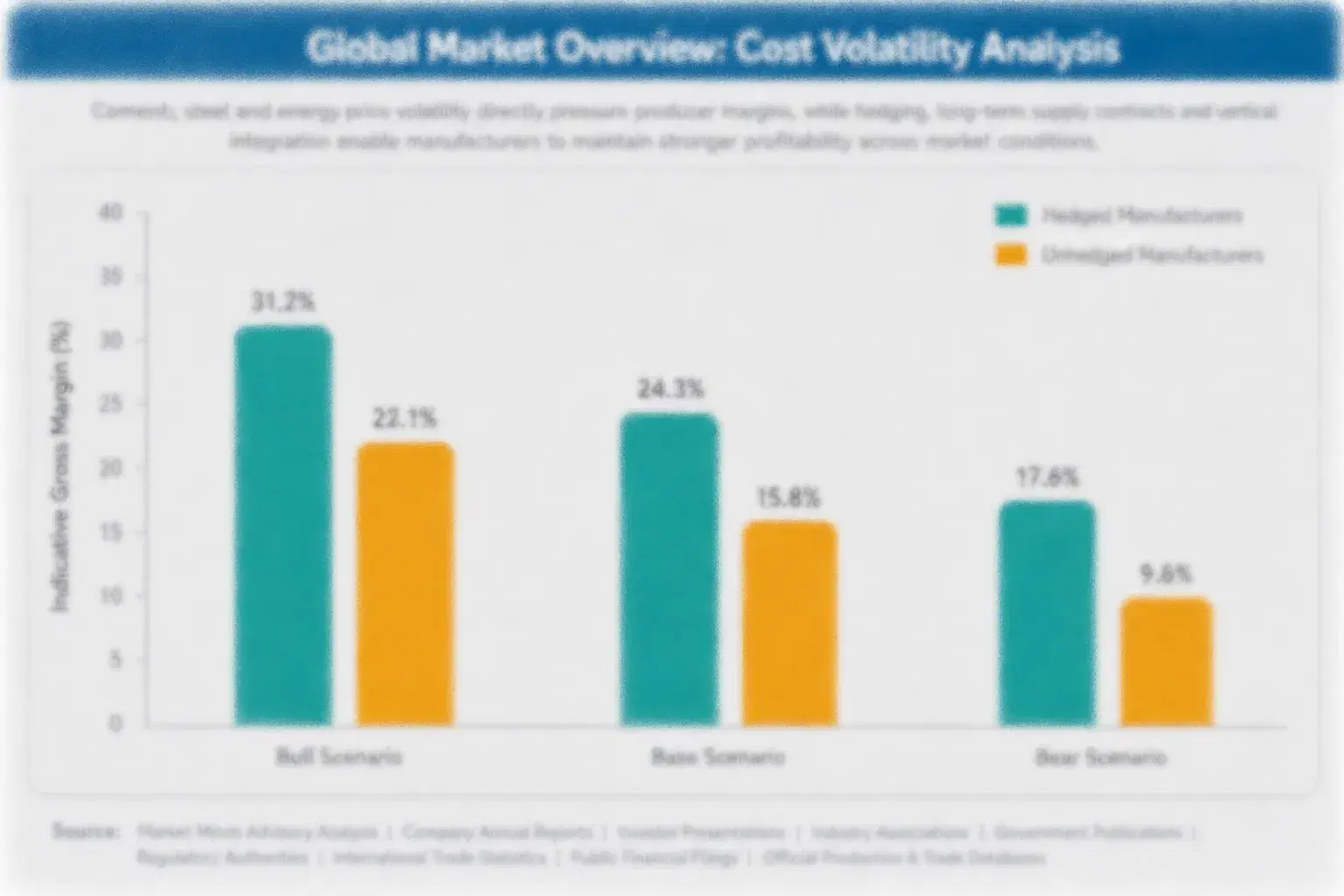
Hemp-derived CBD extract sourcing accounts for roughly 38% of manufacturing cost, packaging about 14%, labour and overheads about 15%, third-party lab testing about 13%, marketing and compliance documentation about 13%, and logistics about 7%. Common hemp extract comes from the United States, Canada and parts of Europe, and extraction processing capacity concentrates in Colorado, Oregon and Kentucky. Small brands carry the heaviest exposure.
The clearest recent shock came in 2022 and 2023. Agricultural commodity data show hemp biomass prices swinging sharply amid a still-maturing supply chain adjusting to demand shifts, and testing laboratory capacity constraints pushed compliance testing costs higher across the industry. Brands absorbed part of the increase, raised pack prices slowly and consolidated testing partnerships, which compressed margins. Some relief came in 2024 and 2025 as hemp supply chains matured.

The disadvantage falls on small brands without hemp supply contracts, testing capacity or co-packer relationships, because they pay more per unit and cannot spread fixed compliance testing cost. Exposure varies by player type: broad category brands hold scale and diversified sourcing, format-specific specialists depend on single-material contracts, and novel format pioneers depend on limited supplier networks. Compliance credibility decides who absorbs the shock.
cannabidiol-cbd-pet-market-cost-volatility-analysis-1790056788769

Multi-Year Hemp Extract Contracts With Sourcing Diversification

Brands sign multi-year hemp extract contracts and diversify sourcing across regions to cut cost swings of 15% to 28% per year. The main challenge is volume commitment and extract consistency, so brands test alternatives early. Procurement teams monitor prices each month against budgets, and managers review terms every year. Reviews happen on a fixed schedule.

Shared Lab Testing and Compliance Documentation Infrastructure

Brands share lab testing infrastructure and compliance documentation systems across product lines to cut testing cost per unit by 10% to 20%. The main challenge is coordinating testing schedules across multiple formats, so brands plan testing carefully. Quality teams verify results weekly. Teams document results for future audits. Costs are tracked against budget monthly. Reviews happen on a fixed schedule.

Pack Format Standardisation and Simplified Compliance

Brands standardise pack formats and simplify compliance documentation to lower packaging and administrative cost by 8% to 15%. The main challenge is shelf appeal and compliance thoroughness, so brands test new packaging with owners first. Results are reviewed each year, and audits confirm standards. Costs are tracked against budget monthly. Brands are re-evaluated on a fixed cycle.

Portfolio Architecture for Margin Defence

Margins run from moderate returns on standard oil formulations to strong returns on chews and topicals sold with lab testing transparency and dosing credibility. Three tiers separate volume products, premium certified products and next-generation solutions, and each draws on different raw material access, testing capability and retail relationships in a fragmented market. Margin gaps between tiers run to 26 points.
The tension between volume and premium is sharp. Standard oils and capsules fill production capacity at moderate prices and face hemp extract cost swings, while chews and topicals earn higher margins on smaller volumes and depend on sourcing credibility, lab testing transparency and trial conversion. Brands that run only standard volume suffer when hemp costs rise, while premium-only brands struggle to fund broad distribution. Owner loyalty follows proven sourcing more than brand reputation alone.

High-value pools concentrate in chews and treats and in topicals sold through specialty retail and online channels. They gather where owners pay for verified potency, safety and format novelty, not for volume alone. CBD-infused multivitamin blends add a broader wellness-positioned pool, and strong brands hold more than one, though each needs different sourcing skills. Investment discipline separates brands that scale from those that stall.

Volume / Commodity-Adjacent

Standard oils and tinctures sold on price per unit through specialty and online retail. Buyers focus on cost and availability, listings follow annual reviews, and differentiation is limited by shared sourcing and standard processing.
Gross Margin: 28%-38%

Premium / Certified

Capsules, softgels and infused multivitamin blends with audited lab results sold through specialty retail and online channels. Buyers value proof of potency, safety and consistent supply, and listings run for one or more years with regular reviews.
Gross Margin: 30%-42%

Sustainability / Regulatory / Next-Generation

Chews, treats and topicals sold to trial-converting and targeted-application owners through specialty and online channels. Sales depend on sourcing transparency, lab testing and format credibility across regions, and brands must show reliable capacity and clean safety records.
Gross Margin: 30%-54%
cannabidiol-cbd-pet-market-portfolio-architecture-1790056789120

High-value Sub-segments and Strategic Watch-out

CBD Chews and Treats

Chews and treats combine the fastest growth with the strongest pricing, since owners accept gross margins of 32% to 54% for low-dosing-uncertainty formats with strong palatability appeal. Potency consistency and retail trial placement form the entry barrier, and brands with credible supply lead. Retailers renew listings each year.
Gross Margin: 32%-54%

CBD Topicals and Balms

Topicals deliver solid growth with premium pricing, since owners support gross margins of 30% to 46% for dermatologically formulated, targeted application products. Absorption research and formulation credibility limit competition, though volumes stay smaller than oils. Reviews occur each season. Retailers renew listings each year. Prices follow formats and channels.
Gross Margin: 30%-46%

CBD Oils and Tinctures

Oils and tinctures are the volume core, with value growing about 11.5% a year. Hemp extract cost, processing consistency and private label competition decide profit, and specialist brands and wellness groups hold most sales. Retailers renew listings yearly at prices linked to competing bids. Retailers renew listings each year.
Gross Margin: 28%-38%

CBD Capsules and Softgels

Capsules and softgels are the strategic watch-out, since growth of about 9.8% a year trails the leaders, format preference increasingly shifts toward chews and topicals and smaller volumes limit scale. Brands should manage ranges selectively and steer investment toward chews and topicals with clearer buyers.

Why Owners Keep Buying CBD Products

CBD pet demand behaves like an annuity attached to every feeding and wellness routine, reinforced by the format's role as ongoing management rather than a one-time trial. Once an owner sees a noticeable calming or comfort effect, purchases repeat every reorder cycle, and switching means risking a return of the symptom the owner worked to manage. Retailers set listings around velocity, and subscription channels lock in volume further. Trust, once earned, takes years to lose.
Adoption stickiness differs by owner vertical. Owners managing a diagnosed anxiety or pain condition are the deepest, since the purchase is grounded in active symptom management rather than casual wellness interest. Chew and treat buyers are moderately sticky, driven by convenience. Casual owners are more fluid, buying on promotion and switching formats readily, though a genuinely effective product holds repeat purchase for several seasons.

Buyer profiles are shifting between generations. Older owners remain more skeptical of CBD given decades of cannabis stigma, while younger owners research lab results proactively, discover brands through social media and shop online with subscriptions. Veterinarians and retailers add a third group that shapes safety expectations. Brands that publish clear lab and safety data win newer owners.
cannabidiol-cbd-pet-market-end-use-penetration-index-1790056789459

MMA Verdict: CBD Pet Product Strategy

These are among the four positions where our research anticipates prominent divergence between winners and laggards over the coming forecast period. Each is grounded in the demand model, the regulatory perimeter, and the announced capacity pipeline.
01 / CHEW SCALING STRATEGY

Scale Chew Production Before Trial Demand Outpaces Available Category Supply

Owners want low-dosing-uncertainty formats, and brands that scale chew and treat production with consistent potency data win sales worth 10% to 18% of revenue at gross margins of 32% to 54%. Brands should invest $1 million to $6 million, validate potency consistency and secure retail trial placement. Those that delay will lose category momentum and shelf space over the next two years, while early movers hold clearly higher prices and durably stronger margins across every retailer review and seasonal reset.
02 / LAB TESTING STRATEGY

Build Lab Testing Transparency Before an Incident Damages Category-Wide Trust

Retailers and owners want proof of potency and compliance, and brands that build lab testing infrastructure win contracts worth 8% to 15% of revenue at gross margins of 30% to 46%. Brands should invest $0.5 million to $4 million, fund third-party testing and publish batch-level results. Those that delay will lose listings and retailer trust over the next two years, while early movers hold much stronger owner ties, safety credibility and durably better margins across every renewal cycle and season.
03 / TOPICAL FORMAT STRATEGY

Launch Topical Formats Before Owners Managing Discomfort Settle on Rivals

Owners managing localised discomfort want targeted application formats, and brands that launch dermatologically formulated topicals win contracts worth 7% to 13% of revenue at premiums of 10% to 25% per unit. Brands should invest $1 million to $5 million, invest in absorption research and secure dermatological formulation credibility. Those that delay will lose listings and shelf trials over the next two years, while early movers hold clearly stronger owner loyalty, sourcing credibility and durably better margins across every seasonal review and renewal.
04 / HEMP SOURCING STRATEGY

Diversify Hemp Sourcing Before Supply Swings Erode Achievable Formula Margins

Hemp extract makes up about 38% of cost, and brands that diversify sourcing across regions and suppliers cut cost and supply swings by 15% to 28% and protect margins worth 5% to 9% of profit. Brands should invest $0.5 million to $4 million, qualify multiple hemp sources and secure supply contracts. Those that delay will pay rising input bills and lose pricing power over the next two years, while early movers hold lower costs and steadier margins across every budget cycle.

Engagement Snapshot From the Field

A live engagement with an industry participant carrying material or product regulatory and market exposure ahead of a defining policy shift, showing how our research translates into a defensible multi-year portfolio strategy.
MARKET MINDS ADVISORY · CLIENT ENGAGEMENT SUMMARY
Cannabidiol CBD Pet Producer Strategic Portfolio Review and Transition Roadmap 2026·Investment Scenario on Cannabidiol CBD Pet Exposure Evaluation 2025-26
CLIENT PROFILE
The client is a venture-backed North American CBD pet product startup with annual revenue near $24 million (client-reported, unverified by MMA), selling oils and chews through direct-to-consumer and specialty retail channels, facing pressure to scale lab testing infrastructure and expand retail distribution ahead of its next funding round. The founding team previously worked in specialty pet retail and consumer wellness products.
STRATEGIC CHALLENGE
Investors required demonstrated compliance infrastructure and expanded retail distribution within 18 months to support the next funding round (client-reported, unverified by MMA), the startup's lab testing relationships remained limited and management had to decide between building in-house testing or partnering with a certified laboratory network. Investors wanted assurance before committing further capital to the round.
MMA APPROACH
MMA analysed testing infrastructure options, cost and retail distribution trade-offs across three scale-up scenarios, interviewed 12 retailers, testing laboratories and investors, and modelled cost and timeline trade-offs between in-house testing and laboratory partnership across six states. It compared options against the funding round timeline and retail distribution targets. Findings were validated against comparable direct-to-consumer scale-up cases from adjacent categories.
KEY FINDINGS
  1. Partnering with two certified testing laboratories would secure compliance capacity faster than building in-house testing within the funding timeline (client-reported, unverified by MMA).
  2. Two major specialty retailers expressed interest in expanded shelf space pending confirmed compliance documentation (client-reported, unverified by MMA). This finding shaped the sequencing of the distribution rollout plan.
  3. Diversifying hemp sourcing across two growing regions would reduce single-source supply risk substantially (client-reported, unverified by MMA). This finding informed the supplier qualification timeline set for phase one.
  4. Documented lab testing significantly improved retailer and investor confidence in the growth plan (client-reported, unverified by MMA). This finding supported the compliance-first sequencing built into the strategy.
CLIENT PROFILE
The client is a venture-backed North American CBD pet product startup with annual revenue near $24 million (client-reported, unverified by MMA), selling oils and chews through direct-to-consumer and specialty retail channels, facing pressure to scale lab testing infrastructure and expand retail distribution ahead of its next funding round. The founding team previously worked in specialty pet retail and consumer wellness products.
STRATEGIC CHALLENGE
Investors required demonstrated compliance infrastructure and expanded retail distribution within 18 months to support the next funding round (client-reported, unverified by MMA), the startup's lab testing relationships remained limited and management had to decide between building in-house testing or partnering with a certified laboratory network. Investors wanted assurance before committing further capital to the round.
MMA APPROACH
MMA analysed testing infrastructure options, cost and retail distribution trade-offs across three scale-up scenarios, interviewed 12 retailers, testing laboratories and investors, and modelled cost and timeline trade-offs between in-house testing and laboratory partnership across six states. It compared options against the funding round timeline and retail distribution targets. Findings were validated against comparable direct-to-consumer scale-up cases from adjacent categories.
KEY FINDINGS
  1. Partnering with two certified testing laboratories would secure compliance capacity faster than building in-house testing within the funding timeline (client-reported, unverified by MMA).
  2. Two major specialty retailers expressed interest in expanded shelf space pending confirmed compliance documentation (client-reported, unverified by MMA). This finding shaped the sequencing of the distribution rollout plan.
  3. Diversifying hemp sourcing across two growing regions would reduce single-source supply risk substantially (client-reported, unverified by MMA). This finding informed the supplier qualification timeline set for phase one.
  4. Documented lab testing significantly improved retailer and investor confidence in the growth plan (client-reported, unverified by MMA). This finding supported the compliance-first sequencing built into the strategy.
RECOMMENDED STRATEGY
Phase 1: Phase 1 (Months 1-6): Secure laboratory partnerships with two certified testing providers and complete compliance documentation. This phase also included initial retailer safety data sharing. Phase 2: Phase 2 (Months 7-15): Expand retail distribution with the two interested specialty chains and diversify hemp sourcing. Marketing support ramped alongside the distribution expansion. Phase 3: Phase 3 (Months 16-24): Extend retail distribution nationally and formalise compliance documentation for the next funding round. Documentation was compiled continuously throughout the phase.
OUTCOME
Within 24 months, retail distribution expanded substantially, hemp sourcing diversified across two regions and the startup closed its next funding round successfully (client-reported, unverified by MMA). The startup credited the compliance investment with strengthening both sales and investor confidence. Retailer relationships strengthened as documented safety data reassured category buyers and investors alike.

Frequently Asked Questions

Foundational context covering the market sizes, CAGR, scope, country, region and competition that inform every finding below. This section is provided to cover basics and most often pre-purchase conversations, answered from the MMA Primary Research Dataset.

What is the current size of the Cannabidiol CBD Pet Market?

The global CBD pet product market was valued at $550 million in 2025 on a manufacturer revenue basis. Growth comes from owner demand for plant-derived wellness options and chew format conversion.

How large will the Cannabidiol CBD Pet Market be by 2036?

The market is projected to reach $2.56 billion by 2036, up from $0.63 billion in 2026. The increase of $1.93 billion reflects chew adoption, topical formats and North American demand.

What is the CAGR for the Cannabidiol CBD Pet Market 2026 to 2036?

The market is forecast to grow at a 15.0% CAGR from 2026 to 2036. The bull case reaches 16.5% and the bear case 13.5%, depending on veterinary acceptance, regulatory scrutiny and retail distribution.

Which segment is growing fastest?

CBD Chews and Treats is the fastest-growing segment at 21.0% CAGR, roughly 1.40 times the overall market rate. CBD Topicals and Balms follows at 17.5% CAGR.

Who are the major companies in the Cannabidiol CBD Pet Market?

Major companies include Honest Paws, CBDistillery Pet, Penelope's Bloom, Holistapet and King Kanine. Charlotte's Web Pet, Canna-Pet, Pet Releaf, Treatibles and Innovet Pet also hold meaningful positions.

Which country is growing fastest?

Canada is growing fastest at about 16.5% CAGR, because mature federal cannabis regulation and rising pet wellness demand reinforce each other. Australia and the United Kingdom follow through similar regulatory-supported growth.

Report Segmentation Architecture

The full report scope spans multiple orthogonal segmentation dimensions, with cross-tabulated demand data provided for each dimension pair. Coverage extends further to regional breakdowns, trend trajectories, and the competitive detail needed to support segment-level decision-making.

By Primary Market Dimension

  • CBD Oils and Tinctures
  • CBD Chews and Treats
  • CBD Topicals and Balms
  • CBD Capsules and Softgels
  • CBD-Infused Multivitamin Blends

By End-Use Industry

  • Anxiety and Behavioural Management Households
  • Chronic Pain and Joint Management Households
  • Trial and Trend-Following Owner Households
  • Veterinary-Cautioned Referral Households

By Commercial Dimension

  • Specialty Pet Retail
  • Online and Subscription Channels
  • Direct-to-Consumer Sales
  • Veterinary Clinic Sales

By Region

  • North America
  • Western Europe
  • East Asia
  • South Asia and Pacific
  • Latin America
  • Middle East and Africa
  • Eastern Europe

Scope, Methodology, and Coverage

Every figure in this report is reproducible from documented input assumptions. The scope below maps the historical period, the forecast horizon, the segmentation dimensions, and the countries covered, alongside the underlying primary and qualitative methodology.
Historical Period
2020 to 2025
Forecast Period
2026 to 2036
Base Year
2025 (USD billions; MMA Primary Research Dataset, September 2026)
Market Definition
The market covers global manufacturer revenue from cannabidiol products formulated specifically for dogs and cats, defined as CBD oils and tinctures, chews and treats, topicals and balms, capsules and softgels, and CBD-infused multivitamin blends. It excludes THC-containing veterinary pharmaceuticals, hemp seed or hemp protein products without cannabidiol content, and human CBD products not formulated or labelled for pet use.
Quantitative Units
USD millions (manufacturer revenue); million units for volume references
Segmentation Dimensions
By Product Format; By Owner Type; By Commercial Dimension; By Region
Regions Covered
North America, Western Europe, East Asia, South Asia and Pacific, Latin America, Middle East and Africa, Eastern Europe
Countries Covered
United States, Canada, Mexico, United Kingdom, Germany, Netherlands, Switzerland, China, Japan, South Korea, India, Australia, New Zealand, Brazil, Argentina, Saudi Arabia, United Arab Emirates, South Africa, Poland, Czechia, and additional markets relevant to this sector
Key Companies Profiled
Honest Paws, CBDistillery Pet, Penelope's Bloom, Holistapet, King Kanine, Charlotte's Web Pet, Canna-Pet, Pet Releaf, Treatibles, Innovet Pet, ElleVet Sciences, NuLeaf Naturals Pet, Fera Pet Organics, Hemp Well, Bailey's Pet, OG Bud Bar Pets, Batch CBD Pet, Green Coast Pets, Pet Wellbeing, Cannanine
Quantitative Methodology
Primary survey, n=3,800 respondents, Q4 2025, six countries; demand-side model with trade association cross-validation
Qualitative Methodology
47 expert interviews, Q4 2025; applied to validate demand model assumptions, identify emerging dynamics, and assess competitive positioning
Report Format
PDF and XLSX data workbook (Word format preview document)
Publisher
Market Minds Advisory
Report Code
MMA-2026-AGR-394
Published
September 2026
Contact
sales@marketmindsadvisory.com | www.marketmindsadvisory.com

Purchase the full Cannabidiol CBD Pet Market Report (2026 to 2036).

The full report delivers a detailed assessment of the global CBD pet product market through 2036, covering product format, owner type and regional forecasts, competitive benchmarking of leading specialist brands and wellness groups, and input cost analysis. It combines MMA primary research, including a six-country survey of 3,800 respondents and 47 expert interviews, with public statistical and company data. Analysts also model hemp extract, testing and compliance cost scenarios. Clients receive segment margin ranges, regulatory trend trackers and a case study on scale-up strategy. Buyer negotiation frameworks are also included.
Ten-year product format and channel demand forecasts
Hemp extract, testing and compliance cost tracking
Competitive benchmarking of leading CBD pet product brands
Hemp-derived product regulation and lab testing tracker
Regional comparative analysis and forecasts included
Quarterly primary survey data update access

Built For The People Who Decide

From boardroom strategy to bench-side execution, this report is read cover-to-cover by leaders shaping the next decade of their industry, turning demand scenarios, market dynamics and valuation benchmarks into decisions.
CXOs/ Presidents/ VPs/ Managers
M&A and Corporate Development
Strategy Teams and R&D Heads
Procurement and Product Directors
Regulatory and Compliance Leaders
Investor Relations and Equity Analysts