Market Minds Advisory
Cake Enzyme Market

Cake Enzyme Market: Cake Enzyme Market. Emulsifier Replacement, Egg Reduction, and Acrylamide Control Reshape Industrial Cake Formulation.

Egg prices, emulsifier labels, and acrylamide rules push industrial cake makers toward lipases, amylases, and oxidoreductases that hold softness and volume with fewer additives, so enzyme performance now decides formulation cost and clean label credibility.

Lead Analyst

Published

September 2026

Make Smarter Decisions with Customized Research Insights

Request a free sample report and evaluate market opportunities, growth trends, and competitive dynamics relevant to your business needs.

2025 MARKET VALUE$0.6BMarket Size 2025
2036 FORECAST VALUE$1.4BBase Case , 2026 to 2036
CAGR 2026 TO 20368.2 %Bull 9.5% / Bear 6.9%
INCREMENTAL OPPORTUNITY$0.8BNet 10- year value creation
EXPANSION MULTIPLE2.20x2036 value over 2026 base
Strategic Levers
M&A Pipeline
Regional Outlook
Country Rankings
Competitive Intelligence
Segmental Deep-dive
Call-Us : 91 93563 13602

Executive Snapshot and Market Trajectory.

A cake is mostly air held in place by egg, fat, and emulsifier, and each of those inputs has become expensive or unfashionable. Enzymes now do part of that work quietly inside the batter, which is why cake formulators treat them as a cost lever and a label lever together.
Lipases and phospholipases grow fastest, because they generate emulsifiers in the batter and let makers cut egg yolk and chemical emulsifiers while keeping volume and softness. East Asia holds the largest share, since Chinese, Japanese, and Korean packaged cake makers run very large industrial lines and adopt enzyme systems early, while North America and Western Europe follow through in-store and industrial bakeries. China leads country growth. Egg price spikes push demand.
The supplier base is concentrated. Novonesis, IFF, DSM-Firmenich, AB Enzymes, and Kerry supply most cake enzymes, with Asian producers such as Amano and Chinese makers competing on price. Regulation matters through processing aid rules, allergen labelling, and acrylamide limits in the European Union, and buyers reward enzymes that deliver consistent volume, shelf life, and clean declarations on pack. Supply stays tight. Reliable delivery beats headline price.
Market Definition
Cake enzyme comprises purified enzyme preparations and enzyme blends used in cake, sponge, muffin, and cupcake batters to improve volume, crumb softness, shelf life, and emulsification, or to reduce egg, fat, chemical emulsifier, and acrylamide content, sold to industrial and in-store bakeries. The scope excludes enzymes for bread, biscuits, and pastry doughs, non-enzymatic improvers and emulsifiers, and finished cakes.
Base Year Value
$0.6B in 2025 (MMA Primary Research Dataset, September 2026)
Forecast Period
2026 to 2036, eleven discrete annual values
CAGR
8.2% base case. Bull 9.5%. Bear 6.9%.
Fastest Growth Segment
Lipases and Phospholipases: 11.8% CAGR
Fastest Growth Country
China: 10.4% CAGR
Fastest Growth Region
South Asia and Pacific: 10.2% CAGR
Largest Region
East Asia: 32% of 2025 global value
Market Leaders
Novonesis, IFF, DSM-Firmenich, AB Enzymes, Kerry Group. Source: MMA Analysis, company annual reports.
Primary Survey
n=3,800 procurement and R&D decision-makers, Q4 2025, six countries
Methodology
Demand-side build-up, cross-validated against public data, 47 expert interviews

Cake Enzyme Market Forecast Scenarios

cake-enzyme-market-size-forecast-scenario-1789778736217
From 2020 to 2025, cake enzymes moved from optional improvers to routine batter ingredients at large industrial bakers. Egg prices jumped during avian influenza outbreaks, clean label targets removed emulsifiers such as mono and diglycerides from some private-label cakes, and Asian packaged cake volumes kept rising. Growth averaged 7.2% a year, though formulation complexity and slow customer trials limited adoption in smaller bakeries.
The base case assumes 8.2% annual growth through 2036, built on three named mechanisms: egg-reduction programmes at industrial bakers that use phospholipase and lipase systems to cut yolk and whole egg use, clean label emulsifier replacement in retail cakes and muffins, and acrylamide mitigation with asparaginase in cakes and biscuits shipped to Europe. Packaged cake volume growth in Asia adds a steady base for all three mechanisms. Suppliers gain from trial support.
The bull case, at 9.5%, needs prolonged egg price volatility and faster clean label mandates in retail. The bear case, at 6.9%, reflects egg prices normalising, slower reformulation, and price competition from Chinese enzyme producers. Either path leaves the technical case intact, though pricing would differ across suppliers. Analysts watch egg prices and clean label deadlines most closely.

Egg Reduction and Clean Label Emulsification Decide Cake Enzyme Winners

Cake enzymes are proteins produced by fermentation of Aspergillus, Bacillus, and Trichoderma strains and purified into powders or liquids added to batter. Lipases and phospholipases convert egg lipids and added oil into emulsifying compounds, amylases slow starch retrogradation to keep crumb soft, glucose oxidase strengthens structure, and asparaginase converts asparagine to reduce acrylamide. Because enzymes are processing aids, they often need no label declaration.
MARKET CONCENTRATION62% CR5Five enzyme suppliers hold most of global sales
TYPICAL DOSAGE20 ppmParts per million of flour weight in cake batters
EGG REDUCTION POTENTIAL30%Share of whole egg that enzyme systems can replace
PRICE PREMIUM12xCake enzyme price versus commodity emulsifier per kilogram
ENZYME BATTER COST SHARE0.8%Small portion of total cake batter ingredient cost
INDUSTRIAL BAKERY SHARE71%Portion of demand from large automated cake plants
Buyers use enzymes in several ways. Industrial cake plants dose them through automated batter systems, in-store bakeries use premixes that already contain enzymes, muffin and cupcake makers cut egg costs, and retail brands use them to remove emulsifiers from ingredient lists. Suppliers provide application support, and pricing reflects activity, formulation, and service, with switching costs from trials and shelf-life validation.
Suppliers sit at three levels. Global enzyme producers such as Novonesis, IFF, DSM-Firmenich, AB Enzymes, and Kerry own strains and fermentation capacity, regional blenders formulate cake-specific systems, and bakery ingredient houses embed enzymes in premixes and improvers. Customers judge suppliers on batch consistency, allergen documentation, and how fast application teams solve volume and crumb problems. Supply stays tight. Reliable delivery beats headline price.
"Egg prices did more for enzyme adoption than a decade of technical seminars. Once a cake plant has proven it can cut yolk with phospholipase and hold volume, no procurement team will go back, and the market will consolidate around whoever supports that trial best."
Practice Lead, Bakery Enzymes Practice · MMA Bakery Enzymes Practice · September 2026

Market Trends

Phospholipase Systems Cut Egg Yolk Use in Industrial Cake Batters

Industrial cake makers are using phospholipase and lipase systems to convert lipids in egg and added oil into lysolecithin and other emulsifying compounds, allowing reductions of 20% to 30% in whole egg or yolk without losing volume. Egg prices rose sharply during the 2022 and 2023 avian influenza outbreaks, and United States wholesale prices more than doubled, which turned trials into full programmes at bakers such as Bimbo Bakeries and McKee Foods. Enzyme cost is typically 0.3 to 0.6 cents per cake against egg savings of 2 to 4 cents. Success depends on batter viscosity control.
Market Impact: egg is 10-20% of batter cost

Asparaginase and Clean Label Enzymes Answer Acrylamide and Emulsifier Rules

Asparaginase converts asparagine, the amino acid that forms acrylamide during baking, and reductions of 30% to 60% in cake and biscuit acrylamide have been recorded. European Commission Regulation 2017/2158 sets benchmark levels for acrylamide in food, so exporters and European bakers adopt enzymes to stay below them. In parallel, retailers ask suppliers to remove emulsifiers such as E471 from ingredient lists, and lipase systems supply the same function as a processing aid. Both trends favour enzymes, though efficacy depends on batter moisture and bake conditions, and suppliers tailor products to specific cake types to protect quality.
Market Impact: China cake output grows 5-7% yearly

Market Opportunities and Growth Drivers

Egg Price Volatility Pushes Cake Makers Toward Enzymatic Egg Reduction

Egg accounts for 10% to 20% of cake batter cost, and United States egg prices more than doubled between 2022 and early 2023 after avian influenza culled tens of millions of laying hens, according to United States Department of Agriculture data. European prices also rose sharply. Industrial bakeries that cannot pass on cost increases quickly look for savings, and enzymes cut whole egg use by 20% to 30% at minimal cost. A plant using 20,000 tonnes of egg a year saves millions of dollars, which explains why enzymes moved from optional to standard in formulation reviews.
Market Impact: trials take 9-18 months to convert

Packaged Cake Volume Growth in Asia Creates Industrial Enzyme Demand

China, Japan, Korea, and Southeast Asia produce large volumes of packaged sponge cakes, layer cakes, and snack cakes through highly automated plants run by Orion, Lotte, Yamazaki, Meiji, and Chinese groups such as Bright Food and Want Want. Chinese packaged cake output grows at 5% to 7% a year as convenience stores and e-commerce expand. Each plant runs continuous lines, so small formulation gains add up, and enzyme use for softness and shelf life is standard practice. Rising labour costs and premium positioning also push plants toward consistent, enzyme-supported quality that reduces waste and returns.
Market Impact: dossiers cost $100,000-500,000 per enzyme

Market Restraints and Challenges

Egg Price Normalisation and Customer Trial Cycles Slow Enzyme Adoption

When egg prices fall, cost savings from enzymes shrink and bakers postpone reformulation, and enzyme trials require several months of pilot bakes, shelf-life testing, and customer approval, according to interviews with industrial formulation teams. The root cause is risk aversion, since a failed cake batch costs more than the savings. Suppliers respond with trial support, guaranteed performance terms, and modular systems that fit existing equipment, and some share savings through gain-sharing contracts, though adoption remains uneven between large and small bakeries, and sales cycles of nine to 18 months delay revenue recognition.
Market Impact: egg use cut 20-30% in batters

Regulatory and Allergen Documentation Burdens Complicate Global Enzyme Sales

Enzyme approvals differ by country, with the European Union moving toward a positive list of food enzymes under Regulation 1332/2008 and the United States relying on GRAS notifications, according to European Food Safety Authority and Food and Drug Administration procedures. The root cause is safety assessment of production strains and residual protein. Suppliers must file dossiers costing $100,000 to $500,000 per enzyme, and buyers demand allergen and GMO documentation. Mitigation includes shared dossiers, regional registration teams, and non-GMO strains, though smaller producers face heavy costs, and delays of 12 to 24 months can slow new product launches.
Market Impact: acrylamide cut 30-60% with asparaginase
3 additional market trends, 2 additional growth drivers, and 3 additional restraints and challenges are covered in the full report. Contact sales@marketmindsadvisory.com to access the complete intelligence.

Segment CAGR and Growth Architecture

Cake enzymes are segmented by enzyme function class, because catalytic action, dosage, regulatory route, price, and formulation benefit differ more between maltogenic amylases, lipases and phospholipases, oxidoreductases, transglutaminases, asparaginases, and specialty enzymes than they do by cake type. Lipases and phospholipases attract most investment as egg costs stay high. Suppliers compete on application support.
cake-enzyme-market-market-share-analysis-1789778736391

Lipases and Phospholipases

Lipases and phospholipases are the fastest-growing segment, converting lipids in egg yolk and added oil into emulsifying compounds inside the batter, so cake makers can reduce egg, chemical emulsifiers, or shortening while keeping volume and softness. Suppliers such as Novonesis, IFF, and DSM-Firmenich sell dedicated systems with dosing guidance, and adoption is strongest in industrial sponge and layer cakes. Egg price volatility and clean label targets drive demand, while trials still take months. Suppliers that offer application support, stable liquid formats, and cost-saving models win multi-year supply agreements from large bakers, and price competition from Asian producers limits margins in commodity grades. Stable liquid formats also ease dosing for automated plants.
CAGR 11.8%

Transglutaminases

Transglutaminases are the second-fastest segment, cross-linking proteins in egg and flour to strengthen batter structure, improve moisture retention, and support egg reduction in premium cakes. Ajinomoto, Amano Enzyme, and several Chinese producers supply them, and they are used at low dosage in sponge and cream cakes. Regulatory acceptance is broad in Asia and the United States, though European use is limited by labelling views and some consumer scepticism. Growth depends on proof of consistent performance, and suppliers that provide dosage tools, allergen documentation, and pilot bakes gain adoption among large bakers seeking premium texture and lower egg use. Premium cream and sponge cakes remain the main use, and Asian bakers report steady gains in moisture retention.
CAGR 10.2%
Full segment breakdown across 6 segments available in the complete report.

Regional Architecture and Country Demand Map

Cake enzyme value follows industrial cake production, egg cost pressure, and supplier application reach. East Asia leads through large packaged cake plants in China, Japan, and Korea, North America and Western Europe follow through industrial and retail bakeries, and China is the fastest-growing country. Growth stays broad.

North America

North America holds 22% share, with the United States and Canada using enzymes in industrial cake, muffin, and snack cake plants run by Bimbo Bakeries, McKee Foods, Flowers Foods, and Hostess, alongside in-store bakeries that buy enzyme-containing premixes. Egg price spikes from avian influenza made egg reduction a board-level issue, and clean label targets from Walmart and Kroger push emulsifier replacement. Trial cycles, regulatory paperwork, and competition among suppliers restrain returns, though cost pressure keeps growth near the global rate. Application labs in Illinois and Ohio support customer trials, and premix suppliers such as Dawn Foods extend reach. Regional pastry chains also test enzyme-supported egg reduction, and retail bakery managers ask suppliers for savings data before approving changes.
Share: 22% | CAGR: 8.0% (2026 to 2036)

Western Europe

Western Europe holds 22% share, with Germany, France, the United Kingdom, Spain, and Italy running large industrial cake and pastry plants and hosting the main enzyme producers, including Novonesis, AB Enzymes, and DSM-Firmenich. Regulation 1332/2008 governs food enzymes, and acrylamide benchmarks raise demand for asparaginase in cakes and biscuits. Mature volumes, strict labelling, and price competition hold growth below the global rate, though egg cost and clean label pressure sustain value. Bimbo Bakeries Europe, Lantmannen Unibake, Barilla, and Vandemoortele lead demand, and premix houses such as Puratos and Zeelandia embed enzymes. Retailers such as Tesco and Carrefour push emulsifier-free private-label cakes, and bakers in Spain and Italy use lipase systems to meet those specifications while holding volume.
Share: 22% | CAGR: 6.9% (2026 to 2036)
Regional intelligence for 5 additional markets available in the complete report: East Asia, South Asia and Pacific, Latin America, Middle East and Africa, Eastern Europe. Contact sales@marketmindsadvisory.com.
cake-enzyme-market-country-cagr-analysis-1789778736569

Four Margin Routes for Cake Enzyme Suppliers

Margin in cake enzymes comes from proving savings to the customer, not from selling activity units. Suppliers that quantify egg savings, offer clean label emulsifier replacement, bundle acrylamide mitigation, and support customers with application teams earn more per kilogram than those competing on price against Asian producers and generic blends. Each route pays back quickly.

Selling Egg-Reduction Systems Through Shared Savings Contracts

A large cake plant using 20,000 tonnes of egg a year can cut whole egg by 20% to 30% with phospholipase systems, saving $2 million to $8 million annually at typical prices. Suppliers that price enzymes at 15% to 25% of documented savings earn gross margins of 55% to 65%, against 40% to 45% on standard enzyme sales. Multi-year contracts of three years lock in volume, and trial support of six to nine months converts hesitant buyers. Savings verification protects both sides, and it builds trust that competitors need years to match.
Market Impact: shared savings contracts earn 55 to 65% gross margin

Replacing Chemical Emulsifiers With Lipase Systems for Clean Label Cakes

Lipase systems generate emulsifiers in the batter as processing aids, so retailers can remove E471 from labels. Suppliers price these systems 25% to 40% above generic enzymes, and a private-label programme covering 300 million cakes a year justifies development costs of $500,000 to $1.5 million. Retailers set clean label targets that remove emulsifiers by 2027, so early suppliers win specification. Trials confirm volume and softness within two percentage points of the original, and validated formulas become sticky because reformulating again costs months of testing and retailer approval. Retailers reward early validated suppliers.
Market Impact: clean label systems earn 25 to 40% price premiums

Bundling Asparaginase and Shelf-Life Enzymes for European Export Cakes

European acrylamide benchmarks push exporters to use asparaginase, which cuts acrylamide by 30% to 60% in cakes and biscuits. Suppliers that bundle asparaginase with amylase for shelf life earn 3 to 5 points more margin than single-enzyme sales, and customers extend shelf life by two to four days. A bundle serving 50 plants adds $2 million to $5 million revenue. Regulators and retailers audit acrylamide, so documented results matter, and suppliers with laboratory data and on-site testing win preferred status with cake exporters in Asia. Customers value that documentation at audits.
Market Impact: enzyme bundles add 3 to 5 gross margin points

Expanding Application Labs and Technical Service in Asia

Technical service drives enzyme adoption, and application labs in China, Japan, Korea, and India shorten trials from 12 months to six. A lab costs $1 million to $3 million and supports 30 to 60 customers, adding $3 million to $8 million in annual sales at mature utilisation. Suppliers that provide dosing tools, pilot bakes, and troubleshooting keep churn under 5% a year, against 12% for supply-only sellers. Local teams also secure faster regulatory support and halal documentation, which cake exporters need for Middle Eastern markets. Regional presence also builds customer trust.
Market Impact: each lab adds $3 to $8 million annual sales

Who Controls the Margin Pool

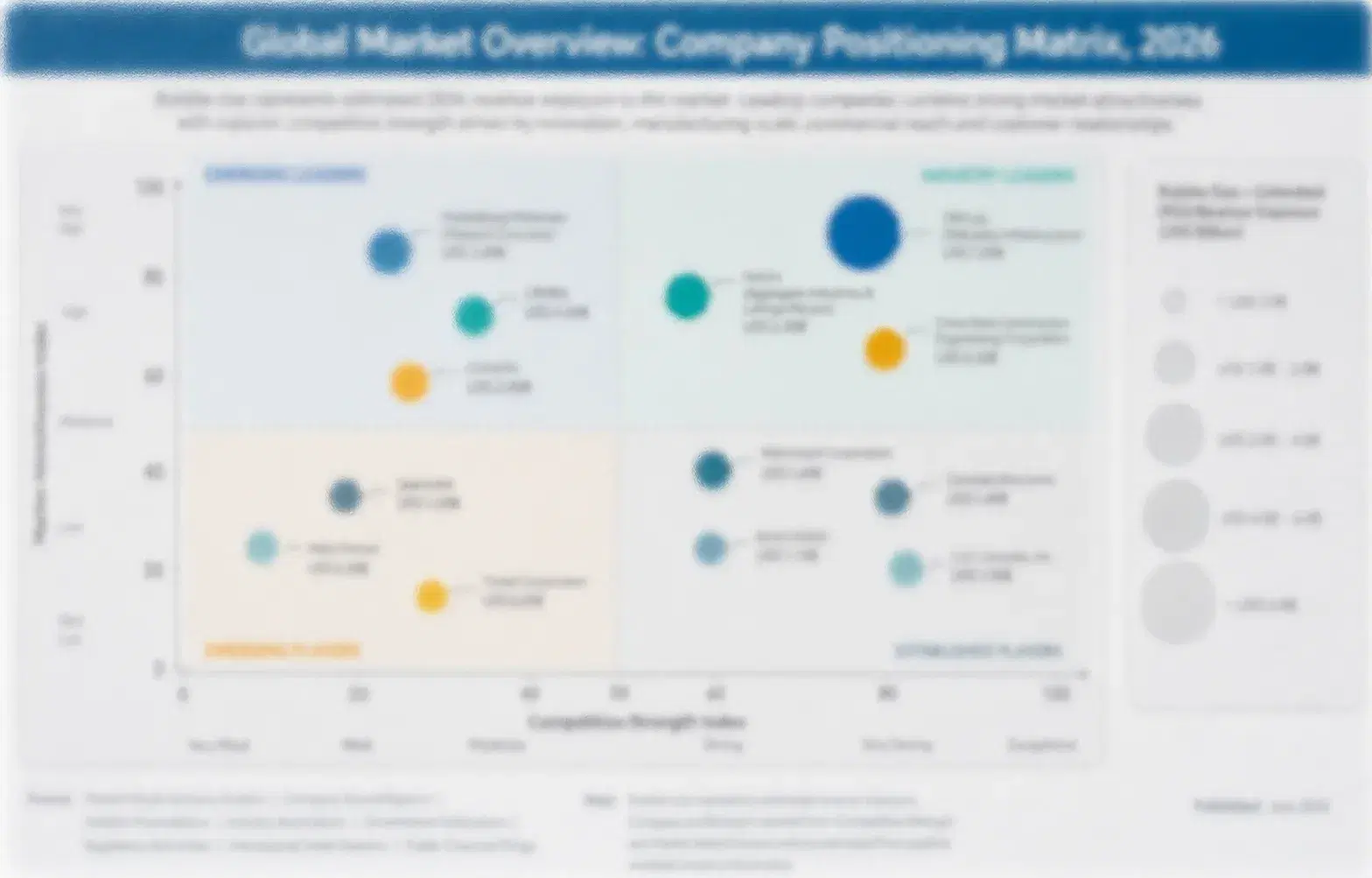
The cake enzyme industry is highly concentrated at the producer level and fragmented among regional blenders, with the top five suppliers holding about 62% of global revenue, the basis used throughout this section. Novonesis, IFF, DSM-Firmenich, AB Enzymes, and Kerry Group lead through strain libraries, fermentation capacity, and application labs, while Asian producers and regional blenders hold local share through price and proximity to customers.
Competition centers on three dimensions: enzyme performance, measured by egg reduction, volume, and shelf life at low dosage; application support, including trials and technical service; and regulatory and supply reliability across regions. Leaders sign multi-year supply and gain-sharing agreements with large bakers, while challengers compete on price, halal and non-GMO documentation, and blends tailored to specific cake types.

Emerging pressure comes from Chinese producers scaling fermentation capacity, from bakery ingredient houses embedding enzymes in premixes, and from egg replacement proteins that compete with enzymes on cost. Rankings shift where suppliers prove savings, secure approvals, or lose to cheaper local blends. Acquisitions of regional blenders and strain libraries will reorder positions faster than organic growth, particularly as large bakers seek single-source partners for consistent products across plants.
cake-enzyme-market-company-positioning-matrix-1789778736748

Competitive Moat and Risk Dimensions

NOVONESIS

Moat: Strain Library and Application Reach

Novonesis, formed from Novozymes and Chr. Hansen, is the world's largest industrial enzyme producer and sells a broad bakery enzyme range including lipases, amylases, and asparaginase. Its fermentation scale, strain library, and bakery application labs across Europe, North America, and Asia let it develop cake-specific systems and support large bakers through long trials, which protects approved volume.
NOVONESIS

Risk: Price Pressure From Asian Producers

Novonesis faces low-cost enzyme producers in China and India that supply commodity grades at lower prices. Large customers may split volume between suppliers, and bakery enzymes are a small share of its total portfolio, which limits management focus. Chinese competitors are also moving into higher-value lipase grades, narrowing the performance gap.
DSM-FIRMENICH

Moat: Enzyme Portfolio and Formulation Expertise

DSM-Firmenich sells bakery enzymes including lipases, phospholipases, and asparaginase under the Bakezyme and PreventASe brands, supported by application labs and regulatory teams that manage global dossiers. Its long history in bakery, links to ingredient customers, and expertise in food safety and acrylamide mitigation give it credibility with large industrial bakers that require documented results and consistent supply.
DSM-FIRMENICH

Risk: Portfolio Reshaping and Competition

DSM-Firmenich is reshaping its portfolio after the merger of the two companies, which can divert management attention. Novonesis, IFF, and AB Enzymes compete strongly on lipase systems, and price pressure from regional producers is rising. Customers may also shift volume to cheaper suppliers when egg prices fall and savings become less visible.

Players Tracked

Prominent Players

Novonesis
IFF
DSM-Firmenich
AB Enzymes
Kerry Group

Other Key Players

Amano Enzyme
Advanced Enzyme Technologies
Puratos
Lesaffre
Biocatalysts
Vland Biotech
Longda Bio-products
Sunson Industry Group
Jiangsu Boli Bioproducts
Ajinomoto
Zeelandia
Corbion
Bakels
Aum Enzymes
Maps Enzymes

Recent Developments

JANUARY 2026

Novonesis Expands Bakery Application Laboratory Capacity in Asia

Novonesis expanded bakery application laboratory capacity in Asia, adding pilot cake lines, sensory panels, and egg-reduction testing to support customers in China, Japan, and Korea. This is organic capacity expansion, not an acquisition. It shortens trial cycles, supports local formulation, and helps large bakers validate lipase systems for packaged cakes.
Signal: Shows leading enzyme suppliers now investing in Asian application capacity to serve growing cake plant demand.
SEPTEMBER 2025

DSM-Firmenich Introduces Phospholipase System for Egg Reduction in Sponge Cakes

DSM-Firmenich introduced a phospholipase system designed for egg reduction in sponge cakes, with claims of 30% lower whole egg use and stable volume. The launch is a product introduction. It targets industrial bakers facing high egg prices and gives customers a documented option backed by pilot bake data.
Signal: Confirms enzyme suppliers now compete on documented egg-reduction performance for industrial cake makers across major regions.
MAY 2025

Amano Enzyme Signs Distribution Agreement for Bakery Enzymes in Southeast Asia

Amano Enzyme signed a distribution agreement with regional partners to supply bakery enzymes, including transglutaminase and lipase systems, to cake makers in Southeast Asia. The deal is a commercial distribution arrangement. It extends Amano's reach, shortens delivery times, and supports packaged cake plants adopting egg-reduction programmes.
Signal: Shows Japanese producers now building regional distribution to capture rising Southeast Asian cake enzyme demand across markets.

What Drives Cake Enzyme Costs

Fermentation raw materials account for roughly 35% of cost of goods, mainly glucose, corn steep liquor, soy, and nitrogen sources sourced from the United States, Brazil, and China, while energy and utilities for fermentation and drying add about 20%. Downstream purification, formulation carriers, packaging, and quality assurance make up the rest, so feedstock prices, energy costs, and yield per batch together determine supplier margin in cake enzyme production.
Energy prices spiked in 2022, according to the International Energy Agency, as European gas prices surged and fermentation plants in Denmark, Germany, and Finland faced higher utility bills, raising conversion costs by 10% to 20%. Corn and soy prices also rose, according to the United States Department of Agriculture. Suppliers introduced surcharges and negotiated cost pass-through clauses, while some bakers delayed renewals. Margins narrowed until energy prices eased in 2023.

The disadvantage falls on producers without scale or energy contracts. Large groups with multi-plant networks and long-term energy agreements absorb shocks, while small producers buy spot feedstock and run less efficient fermenters. Exposure varies by geography: European producers face energy costs, Chinese producers face lower energy but tighter environmental rules, and premium application-supported systems pass costs through more easily than commodity grades.
cake-enzyme-market-cost-volatility-analysis-1789778736937

Contracting Feedstock and Energy Across Suppliers and Regions

Producers sign annual and multi-year agreements for glucose, corn steep liquor, and energy, mixing fixed and index-linked prices to spread risk. Diversifying production across plants in Europe, the United States, and Asia reduces exposure to a single utility shock. Forward buying lets producers plan fermentation schedules and quote customers with confidence. Contracts run three years.

Improving Fermentation Yield Through Strain Engineering

Producers invest in strain development and process control to raise enzyme yield per batch, the largest lever on unit cost after feedstock. Yield gains of 10% to 20% lower cost per kilogram, though they need research spending and regulatory filings. Higher yields also reduce energy use per unit and support sustainability claims that bakers request. Gains compound yearly.

Passing Costs Through Index-Linked Pricing With Large Customers

Large bakers agree to formulas linking enzyme prices to published feedstock and energy indices plus a fixed technical margin, so cost swings are shared rather than absorbed. Quarterly resets keep buyers informed and reduce disputes. Premium egg-reduction systems use annual pricing, since customers value stable performance and supply over the year. Terms remain annual.

Portfolio Architecture for Margin Defence

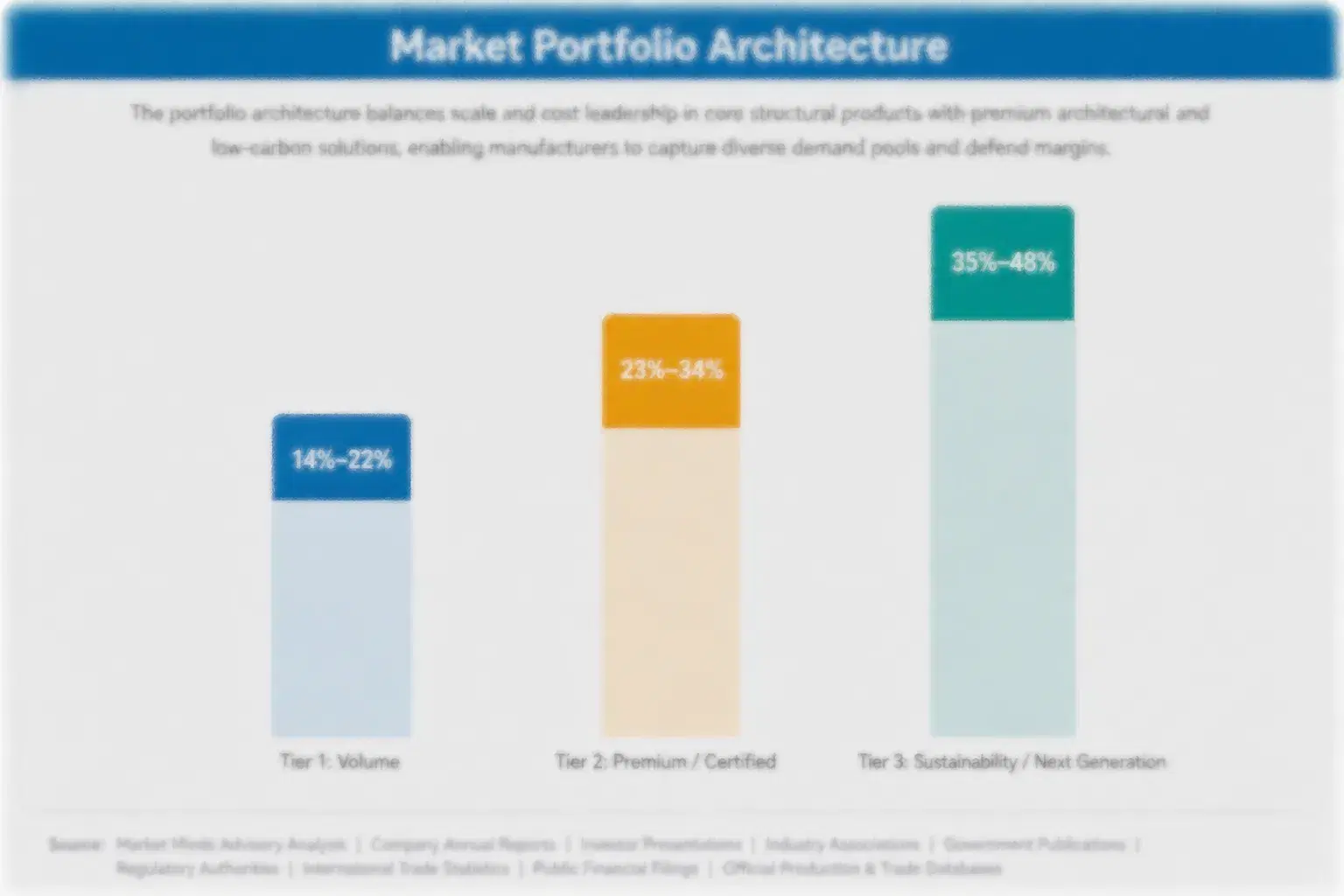
Margins run from thin returns on commodity amylase and generic blends sold in bulk to strong profits on egg-reduction and clean label systems sold with application support and documented savings, with gross margin roughly doubling between the volume tier and the top tier. Strain libraries, formulation know-how, and regulatory dossiers create pricing power, and bakers pay more for enzymes that protect volume and reduce ingredient cost.
Volume and premium pull in different directions. Commodity amylases and generic blends sell in large lots to price-driven bakers at thin margins and face competition from Asian producers, while lipase, phospholipase, and asparaginase systems sell in smaller lots at higher margins but need trials, dossiers, and technical staff. Suppliers must decide how much to invest in application capacity and how quickly to move. Trial cycles shape that choice.

High-value pools concentrate in phospholipase egg-reduction systems for industrial cakes, lipase-based clean label emulsifier replacement for retail brands, and asparaginase bundles for European export. These segments benefit from recurring orders, documented savings, and limited competition from generic blends. Suppliers that combine strain libraries, regulatory expertise, and application labs hold advantages that rivals cannot copy quickly.

Volume / Commodity-Adjacent Tier

Commodity amylases and generic cake improver blends sold in bulk to price-driven bakers, with thin margins, feedstock and energy cost exposure, and constant price competition from Asian producers and regional blenders, where buyers switch when prices move by a few percent.
Gross Margin: 30%-42%

Premium / Certified Tier

Cake-specific enzyme systems with batch documentation, halal and non-GMO certification, and reliable activity, sold under annual contracts to industrial bakers and premix houses that require documented performance, consistent supply, and regulatory support across production sites.
Gross Margin: 42%-54%

Sustainability / Regulatory / Next-Generation Tier

Phospholipase egg-reduction systems, lipase emulsifier replacers, and asparaginase bundles supported by savings verification and application teams, positioned for industrial cake makers and retail brands seeking cost savings, clean labels, and acrylamide compliance.
Gross Margin: 52%-68%
cake-enzyme-market-portfolio-architecture-1789778737127

High-value Sub-segments and Strategic Watch-out

Lipases and Phospholipases

Lipases and phospholipases combine the fastest growth with strong pricing, since industrial bakers pay premiums for egg reduction and clean label emulsification. Strain libraries and application teams limit competition, and suppliers with documented savings win multi-year contracts. Volume follows as egg prices remain volatile. Prices hold.
Gross Margin: 52%-68%

Transglutaminases

Transglutaminases offer high value with solid growth, because cross-linking improves structure and supports egg reduction in premium cakes. Regulatory acceptance is broad in Asia and the United States, though European use is limited. Suppliers with dosing tools and pilot bake data defend margin as buyers seek consistent texture.
Gross Margin: 48%-62%

Maltogenic Amylases

Maltogenic amylases form the volume core, sold to industrial and in-store bakers who want softer crumb and longer shelf life at low cost. Margins are moderate and exposed to feedstock and energy swings, but steady demand supports scale, and producers with large fermenters and distributor networks hold cost advantages.
Gross Margin: 30%-44%

Asparaginases

Asparaginases are a strategic watch-out, valued for acrylamide compliance but limited by narrow use in cakes, regulatory dependence, and competition from process changes such as lower bake temperatures. Rule changes could expand or restrict demand, so suppliers should track European benchmarks before committing capital. Timing matters.
Gross Margin: 40%-62%

Why Cake Plants Keep Enzyme Suppliers

Enzyme demand behaves like an annuity once a plant approves a system. Cake lines run every shift, batter dosing is automated, and each tonne of flour carries a fixed enzyme dose. Suppliers that hold an approved formulation for years earn steady volume, and renewals follow performance data rather than open tenders, because switching means new pilot bakes, shelf-life tests, and customer approval before a plant risks changing a proven recipe.
Stickiness varies by vertical. Industrial packaged cake plants with fixed specifications are deepest, since line settings and shelf-life data are built around one enzyme system. Retail private-label programmes are next, because retailers approve formulas and label claims. In-store bakeries buy premixes and are shallower, moving between premix suppliers on price, and small craft bakeries rotate suppliers frequently, so suppliers defend accounts with service and documentation.

Buyer profiles are shifting. Older formulation teams valued familiar improvers and long supplier relationships, while younger managers and procurement teams look for cost savings data, clean label solutions, and digital dosing tools. They compare suppliers on documented savings, share results across plants, and switch quickly if performance fails, so suppliers that provide transparent data, remote support, and reliable delivery win larger shares of multi-plant programmes.
cake-enzyme-market-end-use-penetration-index-1789778737311

MMA Verdict on Cake Enzyme Strategy

These are among the four positions where our research anticipates prominent divergence between winners and laggards over the coming forecast period. Each is grounded in the demand model, the regulatory perimeter, and the announced capacity pipeline.
01 / EGG REDUCTION STRATEGY

Sell Phospholipase Egg Reduction on Shared Savings Before Egg Prices Normalise

A plant using 20,000 tonnes of egg saves $2 million to $8 million annually with 20% to 30% reduction, and shared savings contracts earn 55% to 65% gross margin. MMA recommends offering gain-sharing terms to five large bakers within 12 months, because customers that verify savings during high egg prices keep the enzyme after prices fall, and suppliers that win first gain multi-year contracts that rivals cannot easily contest. Enzyme cost stays below 1% of batter cost, so procurement rarely resists after trials.
02 / CLEAN LABEL EMULSIFIER STRATEGY

Replace Chemical Emulsifiers With Lipase Systems Ahead of Retailer Label Deadlines

Lipases and phospholipases grow at 11.8% a year, about 1.44 times the market rate, and clean label systems earn 25% to 40% premiums. Retailers plan to remove emulsifiers by 2027. MMA advises validating lipase formulas with two retail brands within 18 months, because retailers approve one formula per product and rarely reopen it, so early suppliers hold specifications that later entrants struggle to displace once private-label contracts are signed, and retailers seldom accept a second formula for the same product line.
03 / ASIAN EXPANSION STRATEGY

Build Application Labs and Distribution in China and India First

China grows at 10.4% a year and East Asia holds 32% of value. Application labs cost $1 million to $3 million each and shorten trials from 12 months to six. MMA recommends opening two labs and signing two distributors within 24 months, because Asian cake makers rely on suppliers for trials and dossiers, and the first supplier with local support wins repeat business as plants expand and Chinese producers move up the quality ladder, which will probably take several more years.
04 / INPUT COST STRATEGY

Contract Feedstock and Energy and Raise Fermentation Yield Before Costs Spike Again

Feedstock is 35% of cost of goods and energy about 20%, and 2022 raised conversion costs by 10% to 20%. Yield gains of 10% to 20% cut cost per kilogram. MMA advises contracting 60% of feedstock and energy across two regions and funding strain upgrades within two years, because producers that hold margins through commodity shocks retain large bakers that rivals lose, and lenders reward that stability with lower borrowing costs, which lets them fund additional fermentation capacity well in advance.

Engagement Snapshot From the Field

A live engagement with an industry participant carrying material or product regulatory and market exposure ahead of a defining policy shift, showing how our research translates into a defensible multi-year portfolio strategy.
MARKET MINDS ADVISORY · CLIENT ENGAGEMENT SUMMARY
Cake Enzyme Producer Strategic Portfolio Review and Transition Roadmap 2026·Investment Scenario on Cake Enzyme Exposure Evaluation 2025-26
CLIENT PROFILE
The client is a regional Asian packaged cake manufacturer with three plants and roughly $310 million in annual revenue (client-reported, unverified by MMA), producing sponge cakes, layer cakes, and cupcakes for convenience stores and supermarkets. Egg represented about 14% of batter cost and gross margin sat near 27% (client-reported, unverified by MMA). Plant utilisation averaged 76% (client-reported, unverified by MMA).
STRATEGIC CHALLENGE
Egg prices had risen by 40% over two years, retailers asked for emulsifier-free labels, shelf life limits caused stale returns of 3% of volume, and competitors were launching lower-priced cakes. Leadership needed a plan that cut egg cost, met clean label requests, and improved shelf life without risking product quality across three plants.
MMA APPROACH
MMA reviewed batter formulations and plant data, interviewed enzyme suppliers, retail buyers, and formulation teams, benchmarked seven cake makers on egg use and shelf life, and modeled economics for phospholipase, lipase, and amylase systems under high, base, and low egg price scenarios. Analysts also observed pilot bakes at two plants.
KEY FINDINGS
  1. Phospholipase systems could cut whole egg by 25% and save about $6 million a year at current prices (client-reported, unverified by MMA).
  2. Lipase-based emulsification would allow removal of E471 from the top four products with volume within two points of current recipes, based on pilot bakes.
  3. Adding maltogenic amylase would extend shelf life by three days and cut stale returns from 3% to about 1.5% of volume, according to plant trials.
  4. Shared savings terms would reduce the client's upfront risk, and suppliers offered 20% of verified savings as pricing, according to supplier discussions.
CLIENT PROFILE
The client is a regional Asian packaged cake manufacturer with three plants and roughly $310 million in annual revenue (client-reported, unverified by MMA), producing sponge cakes, layer cakes, and cupcakes for convenience stores and supermarkets. Egg represented about 14% of batter cost and gross margin sat near 27% (client-reported, unverified by MMA). Plant utilisation averaged 76% (client-reported, unverified by MMA).
STRATEGIC CHALLENGE
Egg prices had risen by 40% over two years, retailers asked for emulsifier-free labels, shelf life limits caused stale returns of 3% of volume, and competitors were launching lower-priced cakes. Leadership needed a plan that cut egg cost, met clean label requests, and improved shelf life without risking product quality across three plants.
MMA APPROACH
MMA reviewed batter formulations and plant data, interviewed enzyme suppliers, retail buyers, and formulation teams, benchmarked seven cake makers on egg use and shelf life, and modeled economics for phospholipase, lipase, and amylase systems under high, base, and low egg price scenarios. Analysts also observed pilot bakes at two plants.
KEY FINDINGS
  1. Phospholipase systems could cut whole egg by 25% and save about $6 million a year at current prices (client-reported, unverified by MMA).
  2. Lipase-based emulsification would allow removal of E471 from the top four products with volume within two points of current recipes, based on pilot bakes.
  3. Adding maltogenic amylase would extend shelf life by three days and cut stale returns from 3% to about 1.5% of volume, according to plant trials.
  4. Shared savings terms would reduce the client's upfront risk, and suppliers offered 20% of verified savings as pricing, according to supplier discussions.
RECOMMENDED STRATEGY
Phase 1: Phase 1 (Months 1-6): Run pilot bakes at two plants with phospholipase and amylase systems, and agree savings verification methods with two suppliers. Phase 2: Phase 2 (Months 7-18): Roll out egg reduction across all plants, reformulate four products to emulsifier-free labels, and brief retail buyers on results. Phase 3: Phase 3 (Months 19-30): Extend enzyme systems to remaining products, review supplier terms each quarter, and evaluate egg-free premium cake lines.
OUTCOME
Within 30 months, enzyme systems covered about 85% of volume, egg cost per cake fell by 22%, and gross margin rose from 27% to about 32% (client-reported, unverified by MMA). Stale returns halved, two retailers approved emulsifier-free labels, and the board approved an egg-free premium line for the following year.

Frequently Asked Questions

Foundational context covering the market sizes, CAGR, scope, country, region and competition that inform every finding below. This section is provided to cover basics and most often pre-purchase conversations, answered from the MMA Primary Research Dataset.

What is the current size of the Cake Enzyme Market?

The global cake enzyme market was valued at $0.6 billion in 2025. This covers enzyme preparations and blends used in cake, sponge, muffin, and cupcake batters sold to industrial and in-store bakeries.

How large will the Cake Enzyme Market be by 2036?

MMA projects the market will reach approximately $1.4 billion by 2036. This represents cumulative growth of roughly $0.8 billion over the full ten-year forecast window.

What is the CAGR for the Cake Enzyme Market 2026 to 2036?

The market is forecast to grow at an 8.2% compound annual rate between 2026 and 2036. The bull case reaches 9.5% while the bear case falls to 6.9%.

Which segment is growing fastest?

Lipases and Phospholipases is the fastest-growing segment at 11.8% CAGR, roughly 1.44 times the overall market rate. Transglutaminases follows as the second-fastest segment at 10.2% CAGR each year.

Who are the major companies in the Cake Enzyme Market?

Leading companies include Novonesis, IFF, DSM-Firmenich, AB Enzymes, and Kerry Group. These five suppliers together hold an estimated 62% of total global market revenue, based on MMA analysis of company disclosures.

Which country is growing fastest?

China is the fastest-growing major market, expanding at approximately 10.4% CAGR each year. Packaged cake output growth, rising labour costs, and egg-reduction programmes are driving this above-market growth across the country.

Report Segmentation Architecture

The full report scope spans multiple orthogonal segmentation dimensions, with cross-tabulated demand data provided for each dimension pair. Coverage extends further to regional breakdowns, trend trajectories, and the competitive detail needed to support segment-level decision-making.

By Primary Market Dimension

  • Lipases and Phospholipases
  • Transglutaminases
  • Maltogenic Amylases
  • Glucose Oxidase and Oxidoreductases
  • Asparaginases
  • Specialty Enzymes

By End-Use Industry

  • Industrial Packaged Cake Plants
  • In-Store Bakeries
  • Muffin and Cupcake Makers
  • Retail Private-Label Programmes
  • Foodservice Bakeries

By Commercial Dimension

  • Direct Supply to Bakeries
  • Premix and Improver Houses
  • Distributor and Wholesale Sales
  • Shared Savings and Service Contracts

By Region

  • North America
  • Western Europe
  • East Asia
  • South Asia and Pacific
  • Latin America
  • Middle East and Africa
  • Eastern Europe

Scope, Methodology, and Coverage

Every figure in this report is reproducible from documented input assumptions. The scope below maps the historical period, the forecast horizon, the segmentation dimensions, and the countries covered, alongside the underlying primary and qualitative methodology.
Historical Period
2020 to 2025
Forecast Period
2026 to 2036
Base Year
2025 (USD billions; MMA Primary Research Dataset, September 2026)
Market Definition
Cake enzyme comprises purified enzyme preparations and enzyme blends used in cake, sponge, muffin, and cupcake batters to improve volume, crumb softness, shelf life, and emulsification, or to reduce egg, fat, chemical emulsifier, and acrylamide content, sold to industrial and in-store bakeries. The scope excludes enzymes for bread, biscuits, and pastry doughs, non-enzymatic improvers and emulsifiers, and finished cakes.
Quantitative Units
USD billions (current prices); tonnes for volume references
Segmentation Dimensions
By Enzyme Function Class; By End-Use Industry; By Commercial Dimension; By Region
Regions Covered
North America, Western Europe, East Asia, South Asia and Pacific, Latin America, Middle East and Africa, Eastern Europe
Countries Covered
USA, Canada, Mexico, Brazil, Argentina, UK, Germany, France, Denmark, Spain, Poland, Romania, Turkey, South Africa, China, Japan, South Korea, India, Australia, Indonesia, and additional markets relevant to this sector
Key Companies Profiled
Novonesis, IFF, DSM-Firmenich, AB Enzymes, Kerry Group, Amano Enzyme, Advanced Enzyme Technologies, Puratos, Lesaffre, Biocatalysts, Vland Biotech, Longda Bio-products, Sunson Industry Group, Jiangsu Boli Bioproducts, Ajinomoto, Zeelandia, Corbion, Bakels, Aum Enzymes, Maps Enzymes
Quantitative Methodology
Primary survey, n=3,800 respondents, Q4 2025, six countries; demand-side model with trade association cross-validation
Qualitative Methodology
47 expert interviews, Q4 2025; applied to validate demand model assumptions, identify emerging dynamics, and assess competitive positioning
Report Format
PDF and XLSX data workbook (Word format preview document)
Publisher
Market Minds Advisory
Report Code
MMA-2026-CHM-343
Published
September 2026
Contact
sales@marketmindsadvisory.com | www.marketmindsadvisory.com

Purchase the full Cake Enzyme Market Report (2026 to 2036).

The full report delivers a detailed assessment of global cake enzyme demand, enzyme classes, and competitive positioning through 2036. It includes segment forecasts by enzyme type, country-level data for all seven world regions, and profiles of the twenty companies most relevant to cake enzyme supply. Analysts also receive input cost modeling and portfolio margin benchmarking built from MMA's primary research dataset. A scenario planning module lets subscribers stress-test bull and bear assumptions against egg prices, clean label rules, and regulatory approvals. Quarterly updates keep the whole dataset current throughout the subscription year for every subscriber.
Ten-year segment and regional demand forecasts
Egg and fermentation feedstock price tracking
Competitive benchmarking of top twenty suppliers
Enzyme regulatory approval comparison by country
Regional demand mechanism comparative analysis included
Quarterly primary survey data update access

Built For The People Who Decide

From boardroom strategy to bench-side execution, this report is read cover-to-cover by leaders shaping the next decade of their industry, turning demand scenarios, market dynamics and valuation benchmarks into decisions.
CXOs/ Presidents/ VPs/ Managers
M&A and Corporate Development
Strategy Teams and R&D Heads
Procurement and Product Directors
Regulatory and Compliance Leaders
Investor Relations and Equity Analysts