Market Minds Advisory
Cacao Beans Market

Cacao Beans Market: Cacao Beans Market. Supply Concentration Risk Meets Rising Sustainability Certification Demand

Extreme production concentration in two West African countries collides with tightening European Union deforestation compliance rules, forcing global chocolate manufacturers to secure certified, traceable cacao bean supply years before existing sourcing contracts expire.

Lead Analyst

Published

September 2026

Make Smarter Decisions with Customized Research Insights

Request a free sample report and evaluate market opportunities, growth trends, and competitive dynamics relevant to your business needs.

2025 MARKET VALUE$18.5BMarket Size 2025
2036 FORECAST VALUE$30.3BBase Case , 2026 to 2036
CAGR 2026 TO 20364.6 %Bull 5.8% / Bear 3.3%
INCREMENTAL OPPORTUNITY$11.0BNet 10- year value creation
EXPANSION MULTIPLE1.57x2036 value over 2026 base
Strategic Levers
M&A Pipeline
Regional Outlook
Country Rankings
Competitive Intelligence
Segmental Deep-dive
Call-Us : 91 93563 13602

Executive Snapshot and Market Trajectory.

Global cacao bean supply remains extraordinarily concentrated in Côte d'Ivoire and Ghana, leaving buyers exposed to weather shocks and aging tree stock that recently drove prices to record highs. Certification requirements tied to new European deforestation rules now reshape sourcing decisions across the entire value chain and long-term pricing structure.
Certified sustainable beans and traceable single-origin lots now grow fastest, as chocolate manufacturers race to meet European Union deforestation compliance deadlines that require documented farm-level traceability by the end of 2025. West Africa still commands the overwhelming majority of global volume, though Ecuador and Brazil are expanding fine-flavor and mainstream output meaningfully. Meanwhile, mainstream confectionery consumption keeps climbing steadily across India and China, pulling demand toward these two large, still-underpenetrated markets specifically for premium formats.
Trading and grinding activity remains moderately concentrated among a handful of global merchants who control most cross-border logistics and financing, giving them outsized influence over smallholder farmgate pricing throughout the value chain. Regulatory pressure is reshaping this landscape further, as the European Union's incoming deforestation regulation forces traders to build farm-level mapping systems most smaller competitors cannot yet afford to replicate independently.
Market Definition
This report covers the global market for raw, unprocessed cacao beans traded as an agricultural commodity, including conventional, certified sustainable, organic, and fine-flavor varieties sold to grinders and chocolate manufacturers. It excludes finished chocolate products, cocoa butter, cocoa powder, and other processed derivatives except where directly referenced for value-chain context.
Base Year Value
$18.5B in 2025 (MMA Primary Research Dataset, September 2026)
Forecast Period
2026 to 2036, eleven discrete annual values
CAGR
4.6% base case. Bull 5.8%. Bear 3.3%.
Fastest Growth Segment
Certified Sustainable Beans: 9.5% CAGR
Fastest Growth Country
India: 7.8% CAGR
Fastest Growth Region
South Asia and Pacific: 6.8% CAGR
Largest Region
Middle East and Africa: 52% of 2025 global value
Market Leaders
Barry Callebaut AG, Olam Agri, Cargill Incorporated, ECOM Agroindustrial Corp Ltd, Touton S.A. Source: MMA Analysis based on company annual reports and trading volume data.
Primary Survey
n=3,800 procurement and R&D decision-makers, Q4 2025, six countries
Methodology
Demand-side build-up, cross-validated against public data, 47 expert interviews

Cacao Beans Market Forecast Scenarios

cacao-beans-market-size-forecast-scenario-1789963188197
Global cacao bean supply grew unevenly between 2020 and 2025, as aging tree stock, swollen shoot virus outbreaks, and increasingly erratic rainfall across Côte d'Ivoire and Ghana repeatedly disrupted harvests and pushed prices to historic records by early 2024. The historical growth rate ran near 3.6% annually across the period, reflecting these recurring, weather-driven supply disruptions across the value chain.
The base case assumes gradual production recovery in West Africa alongside continued expansion from Ecuador and Brazil, rising certified and traceable sourcing driven by European Union deforestation compliance requirements, and steady confectionery demand growth across India and China. Together these three mechanisms sustain moderate mid-single-digit growth even as aging tree stock and disease pressure continue constraining West African output below its historical peak. Continued investment in replanting programs represents an emerging fourth mechanism adding incremental supply stability beyond the base case assumption.
Faster-than-expected West African replanting success and disease-resistant hybrid adoption could meaningfully accelerate supply recovery beyond the base case timeline. Conversely, another major swollen shoot virus outbreak across Côte d'Ivoire's aging tree stock could tighten supply further and push prices toward fresh record highs. Either scenario would meaningfully reshape near-term sourcing and hedging strategy across the value chain.

Two Countries Hold the World's Chocolate Supply Hostage

The cacao beans market functions less like a typical industrial commodity and more like a natural monoculture balanced on a knife edge, since two adjacent West African countries supply nearly half the world's chocolate-making capacity from aging tree stock increasingly vulnerable to disease and erratic weather. Few agricultural commodities carry this much geographic concentration risk at global scale.
TOP PRODUCING COUNTRY SHARE44%share of global bean output grown in Côte d'Ivoire
AVERAGE SELLING PRICEUSD 8,200/tonnebenchmark exporter price reflecting recent tight global supply conditions
MARKET CONCENTRATIONCR5 48%combined share held by the five leading global traders
CERTIFIED VOLUME SHARE29%proportion of traded volume carrying formal sustainability certification today
FARMER BASE SIZE5-6 millionsmallholder households estimated to cultivate cacao trees globally today
TRADE INTENSITY68%share of global output exported rather than processed domestically
That concentration increasingly shapes buyer strategy, since chocolate manufacturers and grinders now diversify sourcing toward Ecuador, Brazil, and Indonesia specifically to reduce reliance on West African harvest variability. Certification and traceability investment has become a genuine competitive necessity rather than a marketing add-on, given the European Union's incoming deforestation compliance requirements affecting nearly every major import market. Producers and exporters that built verified farm-level mapping systems years ago increasingly command preferred buyer access as these deadlines approach.
Smallholder farmers still produce the overwhelming majority of global volume, yet capture a comparatively thin share of final chocolate retail value, a persistent imbalance sustainability programs increasingly aim to address through direct premium payments. This imbalance increasingly shapes which origins retain long-term farmer participation as alternative crops compete for the same limited farmland.
"Two countries and a fungus decide how much your chocolate bar costs. That is not resilience, that is a single point of failure the whole industry has learned to live with."
Director, Agricultural Commodities and Ingredients Practice · MMA Agricultural Commodities and Ingredients Practice · September 2026

Market Trends

European Deforestation Regulation Forces Full Supply Traceability

The European Union's deforestation regulation requires companies placing cacao products on the EU market to prove their beans did not originate from land deforested after December 2020, forcing traders and grinders to build farm-level geolocation mapping covering millions of smallholder plots across West Africa, Latin America, and Southeast Asia. Compliance timelines have already pushed major buyers toward direct farmer relationships and verified cooperative networks rather than anonymous spot-market purchases, reshaping procurement practices considerably faster than any prior sustainability initiative managed across the sector. Smaller traders lacking mapping infrastructure increasingly lose preferred access to compliant buyers across major consumer markets.
Market Impact: Lifts Asian demand 22 percent

Fine Flavor and Single Origin Demand Accelerates

Premium and craft chocolate makers increasingly seek traceable single-origin beans carrying documented flavor profiles, pushing exporters in Ecuador, Peru, and Madagascar to expand dedicated fine-flavor processing infrastructure separate from mainstream bulk export channels. This demand shift reflects broader consumer willingness to pay meaningfully more for verified origin and flavor characteristics, mirroring similar premiumization trends already well established across coffee and specialty tea categories. Mainstream bulk exporters have largely stayed out of this niche, leaving smaller specialized cooperatives and boutique exporters to capture most of the associated price premium directly from craft chocolate buyers.
Market Impact: Lifts farmgate prices by 18 percent

Market Opportunities and Growth Drivers

Rising Global Confectionery Demand Across Asia

Expanding middle-class populations across India, China, and Southeast Asia continue driving steady growth in mainstream chocolate and confectionery consumption, pulling additional cacao bean demand toward markets that historically consumed far less chocolate per capita than Western Europe or North America. Multinational confectionery manufacturers have expanded regional manufacturing capacity considerably to serve this growing demand base directly rather than relying solely on imported finished products. India's domestic chocolate manufacturing sector alone has expanded processing capacity meaningfully over the past several years, reflecting genuine confidence in sustained long-term category growth across the broader region specifically today.
Market Impact: Cuts yields by 15 percent

Sustainability Certification Premiums Reward Verified Farmers

Growing buyer willingness to pay documented sustainability premiums has pushed certified cooperative membership higher across Côte d'Ivoire, Ghana, and Ecuador, as farmers increasingly recognize that Fairtrade, Rainforest Alliance, and organic certification deliver meaningfully higher farmgate prices than conventional uncertified sales channels provide. Major chocolate manufacturers have committed publicly to sourcing entirely certified volume within defined timelines, creating durable downstream demand pull that certified cooperatives are scaling capacity to capture directly. This shift increasingly determines which farming communities retain younger generations willing to continue cacao cultivation rather than switching to alternative crops entirely.
Market Impact: Triples input costs within 2 years

Market Restraints and Challenges

Aging Tree Stock Threatens Long Term Yields

Much of Côte d'Ivoire and Ghana's cacao tree stock now exceeds thirty years of productive age, well beyond the roughly twenty-five-year window during which yields remain commercially strong, and aging trees produce less fruit while growing more vulnerable to swollen shoot virus and black pod disease. The root cause traces back to decades of limited replanting, since farmgate prices offered smallholders little incentive to remove productive trees for multi-year cycles with no near-term income. Replanting programs are now distributing disease-resistant hybrid seedlings, though scaling this across millions of plots will likely take a decade to shift the age profile.
Market Impact: Covers over 5 million smallholder farms

Extreme Price Volatility Strains Downstream Manufacturers

Cacao bean prices roughly tripled between 2023 and 2024 as West African harvest shortfalls collided with already thin global inventory buffers, forcing chocolate manufacturers to absorb sharply higher input costs or pass them directly to consumers through smaller portion sizes and higher shelf prices. The root cause combines weather-driven crop failure with years of underinvestment in tree renewal, compounded by speculative trading activity that amplified price swings beyond what physical supply and demand alone would justify. Manufacturers are mitigating this through forward purchasing contracts, gradual reformulation using less cacao per unit, and cocoa butter equivalent substitution where regulations permit blending.
Market Impact: Commands a 40 percent price premium
3 additional market trends, 2 additional growth drivers, and 3 additional restraints and challenges are covered in the full report. Contact sales@marketmindsadvisory.com to access the complete intelligence.

Segment CAGR and Growth Architecture

Segmentation follows certification and quality tier, since conventional, certified sustainable, organic, fine-flavor, and specialty single-origin beans each command distinct pricing, buyer relationships, and growth trajectories despite originating from the same underlying crop. Bean variety, such as Forastero versus Criollo, was considered as an alternative dimension but folded into quality tier since variety alone does not determine commercial classification.
cacao-beans-market-market-share-analysis-1789963188373

Certified Sustainable Beans

Certified sustainable beans, carrying Fairtrade, Rainforest Alliance, or UTZ certification, represent the fastest-growing segment, driven directly by European Union deforestation compliance requirements and expanding corporate sustainability commitments across major chocolate manufacturers. This segment increasingly commands a documented farmgate price premium over conventional uncertified beans, reflecting the real cost of maintaining verified farm-level traceability and cooperative-level compliance documentation across thousands of smallholder plots. Buyers serving this segment typically maintain direct, long-term cooperative relationships rather than purchasing through anonymous spot markets, since certification credibility depends on consistent chain-of-custody documentation from farm to grinder. Growth here increasingly tracks corporate sourcing commitment timelines specifically. Momentum here should continue well beyond the current forecast decade ahead.
CAGR 9.5%

Specialty Single-Origin Traceable Beans

Specialty single-origin beans, marketed by specific country, region, or even individual cooperative of origin, represent the second-fastest-growing segment as craft and premium chocolate makers pay meaningfully more for documented flavor profiles and verified traceability. Ecuador's Nacional variety and Madagascar's distinctive fruity profile beans command particularly strong premiums among boutique manufacturers seeking differentiated flavor characteristics unavailable from mainstream bulk supply. Exporters serving this segment typically maintain dedicated fine-flavor processing and fermentation infrastructure separate from bulk commodity export operations, since flavor development requires meaningfully more careful post-harvest handling. Growth here increasingly tracks premiumization trends already well established across coffee and specialty tea categories broadly. Buyers increasingly request documented certificates of analysis confirming flavor characteristics before finalizing premium purchase agreements each season.
CAGR 8.2%
Full segment breakdown across 5 segments available in the complete report.

Regional Architecture and Country Demand Map

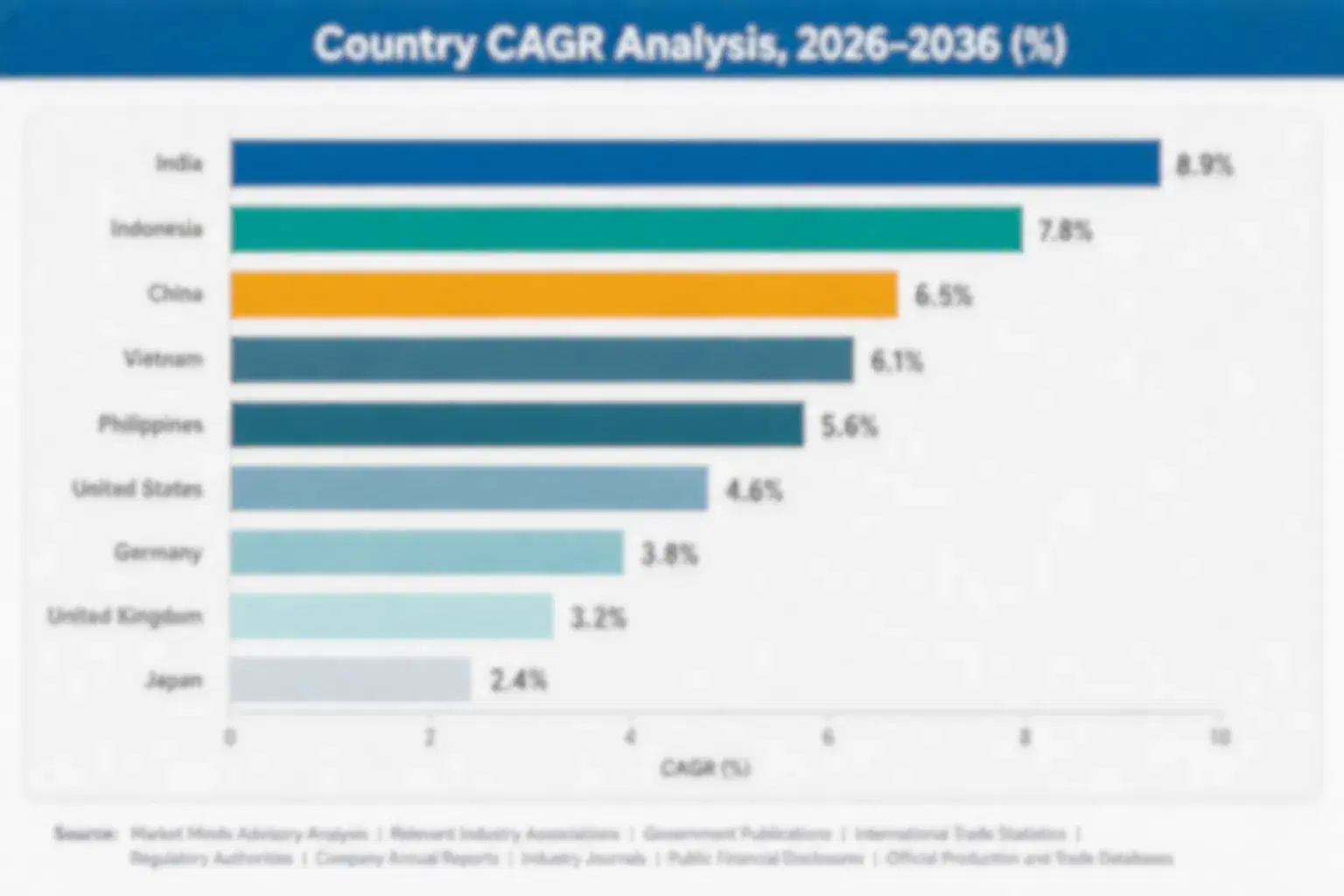
Middle East and Africa dominates this market overwhelmingly given Côte d'Ivoire and Ghana's combined share of global cacao bean production, while Latin America follows as the second-largest origin region on the strength of Ecuadorian and Brazilian output. Every regional CAGR stays within this report's standard bands.

North America

The United States imports the overwhelming majority of its cacao bean supply rather than producing domestically, since the crop requires a tropical growing climate the country's mainland lacks entirely outside limited Hawaiian cultivation. This import dependence holds North America's share of the raw beans origination market well below MMA's standard regional band, even though the region's chocolate manufacturing and confectionery consumption remain globally significant in absolute terms. Major American confectionery manufacturers including Hershey and Mars maintain substantial direct sourcing relationships with West African and Latin American cooperatives to secure certified, traceable supply. Canadian demand follows a similar import-dependent pattern at smaller absolute volume. Mexican demand blends modest domestic production with considerable imported volume supporting its own chocolate manufacturing sector nationally.
Share: 8% | CAGR: 4.2% (2026 to 2036)

Western Europe

Western Europe processes and grinds a substantial share of global cacao bean volume through major Dutch, German, and Belgian facilities, yet grows essentially none of the crop domestically, which holds this region's raw beans origination market share well below MMA's standard band despite the Netherlands ranking among the world's largest bean importers and grinders. Rotterdam and Amsterdam function as critical global trading and storage hubs for beans arriving from West Africa and Latin America before regional grinding. German and Belgian chocolate manufacturers maintain extensive direct sourcing programs emphasizing certified and traceable supply given consumer expectations across the region. French and Swiss premium chocolate makers increasingly favor specialty single-origin lots for their craft product lines specifically.
Share: 9% | CAGR: 3.2% (2026 to 2036)
Regional intelligence for 5 additional markets available in the complete report: East Asia, South Asia and Pacific, Latin America, Middle East and Africa, Eastern Europe. Contact sales@marketmindsadvisory.com.
cacao-beans-market-country-cagr-analysis-1789963188551

Capturing Value Beyond Raw Bean Trading

With smallholder farmers capturing a persistently thin share of final chocolate retail value, exporters and cooperatives increasingly capture margin through certification investment, traceability infrastructure, and direct manufacturer relationships rather than through raw commodity volume alone. Where an organization lands within this hierarchy increasingly determines commercial viability itself, given how sharply certification requirements now shape buyer access.

Farm-Level Traceability and Geolocation Mapping Programs

Exporters and cooperatives investing in farm-level geolocation mapping and digital chain-of-custody documentation win preferred allocation from major chocolate manufacturers racing to meet European Union deforestation compliance deadlines. This investment requires sustained spending on mobile mapping technology, farmer training, and ongoing data verification infrastructure most smaller trading houses cannot easily replicate. Exporters offering verified traceable supply report per-tonne pricing running roughly 12% above comparable non-traceable conventional beans currently. Exporters without this capability increasingly lose preferred buyer access as compliance deadlines approach across major import markets. This gap widens considerably as more manufacturers finalize their compliant sourcing requirements.
Market Impact: Commands roughly a full 12 percent price premium

Direct Farmer Cooperative Relationship Development Programs

Traders building direct, long-term relationships with farmer cooperatives rather than purchasing through anonymous intermediary networks secure more consistent quality and volume while capturing disproportionate share of the fastest-growing certified demand pool. This approach requires sustained investment in cooperative training, pre-financing arrangements, and ongoing technical support for sustainable farming practices. Traders with established direct cooperative relationships report volume reliability roughly 20% stronger than those sourcing purely through spot-market intermediaries. Traders without direct relationships increasingly cede reliable supply access to more engaged competitors during tight-supply seasons. This gap widens as more manufacturers demand documented direct-sourcing relationships specifically.
Market Impact: Improves total supply reliability by roughly 20 percent

Fine Flavor Processing Infrastructure Expansion Programs

Exporters building dedicated fine-flavor fermentation and drying infrastructure separate from bulk commodity handling capture disproportionate share of the premium craft chocolate demand pool, rather than competing purely on volume against mainstream bulk exporters. This infrastructure requires sustained investment in specialized post-harvest processing capability and quality grading expertise. Exporters offering documented fine-flavor grade beans report per-tonne pricing running roughly 40% above comparable mainstream bulk-grade equivalent product. Exporters without dedicated fine-flavor capability remain confined to lower-margin bulk sales regardless of underlying bean quality potential. This gap widens as more craft manufacturers seek differentiated, traceable flavor profiles specifically.
Market Impact: Commands roughly a full 40 percent price premium

Forward Contract Price Risk Management Programs

Exporters and manufacturers using structured forward purchasing contracts and hedging instruments reduce exposure to the extreme price volatility that has repeatedly disrupted the market since 2023, securing more predictable input costs than competitors relying purely on spot-market purchasing. This approach requires sustained investment in trading expertise and financial risk management infrastructure most smaller organizations cannot easily maintain internally. Manufacturers using structured hedging report cost predictability roughly 25% stronger than those purchasing entirely on the spot market. Organizations without this capability remain exposed to whichever direction prices move each season unpredictably. Early movers in structured hedging secured meaningfully better terms.
Market Impact: Improves total cost predictability by roughly 25 percent

Who Controls the Margin Pool

Global cacao bean trading and grinding remains moderately concentrated when measured by annual trading and processing volume, giving this market a CR5 of 48% as a handful of scaled multinational merchants dominate cross-border logistics and financing. The gap between leading traders and smaller exporters centers on financing capacity and traceability infrastructure rather than any single technology. Smaller cooperatives without comparable financing struggle to compete for the largest contracts.
Competitive activity currently plays out across three dimensions: building farm-level traceability infrastructure that satisfies incoming European Union deforestation compliance requirements, developing direct cooperative relationships that secure reliable certified volume, and expanding fine-flavor processing capability that captures premium craft chocolate demand. Traders combining all three capabilities increasingly separate themselves from smaller competitors still dependent entirely on anonymous spot-market purchasing. Several traders now bundle pre-financing with technical support to deepen loyalty.

Emerging pressure is coming from origin-country processors in Côte d'Ivoire, Ghana, and Indonesia rapidly expanding domestic grinding capacity to capture more value locally rather than exporting unprocessed beans to European and North American grinders. This trend could meaningfully reshape rankings in bulk processing segments over the coming years even as premium fine-flavor and certified trading remains concentrated among established multinational merchants.
cacao-beans-market-company-positioning-matrix-1789963188731

Competitive Moat and Risk Dimensions

BARRY CALLEBAUT AG

Moat: Largest global grinding scale

Barry Callebaut operates the world's largest cacao grinding and industrial chocolate manufacturing network, giving it purchasing scale and direct manufacturer relationships that smaller traders cannot easily replicate at comparable depth. Competitors would need years of comparable capital investment and customer relationship building to close this gap meaningfully.
BARRY CALLEBAUT AG

Risk: Exposure to origin price swings

Barry Callebaut's scale means it must source enormous bean volume every season, leaving it directly exposed to the extreme West African price volatility that has repeatedly disrupted margins since 2023. The company has responded by expanding direct cooperative sourcing to improve cost visibility gradually. This exposure remains a persistent earnings risk regardless of hedging sophistication.
OLAM AGRI

Moat: Integrated origin-to-market supply chain

Olam Agri maintains an integrated presence spanning farmer sourcing, processing, and logistics across West Africa and Southeast Asia, letting it offer manufacturers more consistent supply reliability than pure trading intermediaries can match. This integrated positioning gives it meaningful advantage negotiating long-term supply agreements with large multinational customers directly.
OLAM AGRI

Risk: Complexity from broad commodity scope

Olam Agri's diversified commodity portfolio spanning grains, coffee, and cotton alongside cacao can slow decision-making around dedicated cacao-specific investment relative to specialists focusing resources more narrowly on this single category. Smaller, more focused competitors can sometimes move faster on narrow technical decisions relevant to this specific market.

Players Tracked

Prominent Players

Barry Callebaut AG
Olam Agri
Cargill Incorporated
ECOM Agroindustrial Corp Ltd
Touton S.A.

Other Key Players

Sucres et Denrées
Blommer Chocolate Company
JB Cocoa Sdn Bhd
Ciranda Inc
Cémoi Group
Guan Chong Berhad
Continaf B.V.
Zeeland Farm Services Inc
Transmar Group
Fuji Oil Holdings Inc
SIAT Group
Cocoa Processing Company Ghana Limited
Plot Enterprise Ghana Limited
Theobroma Chocolate Company
Nedcocoa B.V.

Recent Developments

FEBRUARY 2025

Barry Callebaut Expands Ivorian Grinding Facility Capacity

Barry Callebaut announced expanded grinding capacity at its Ivorian processing facility, aiming to capture more local value-added processing rather than exporting unprocessed beans to European grinders. The expansion represents organic capacity growth rather than an acquisition or joint venture arrangement. Full commercial output is expected within two years.
Signal: Signals leading grinders moving processing closer to origin countries directly. Rivals may follow with similar Africa-based expansions soon.
OCTOBER 2024

Olam Agri Signs Multi-Year Sustainable Sourcing Agreement

Olam Agri entered a multi-year sustainable sourcing agreement with a major European chocolate manufacturer, securing guaranteed certified volume and defined traceability documentation requirements. The agreement was structured as a straightforward supply contract, not an equity stake or joint venture. Financial terms were not publicly disclosed by either party.
Signal: Confirms manufacturers are locking in certified supply years ahead of deforestation deadlines. Similar agreements are likely to follow industry-wide.
MAY 2025

ECOM Agroindustrial Launches Farmer Traceability Program

ECOM Agroindustrial launched an expanded farmer traceability and geolocation mapping program across its Ghanaian cooperative network, aiming to meet incoming European compliance requirements ahead of competitors. The investment represents organic program expansion rather than a corporate transaction with another company. Full network coverage is expected within the following year.
Signal: Confirms traders are racing to build compliant traceability infrastructure at scale. Competing traders are likely to announce similar programs soon.

Farmgate Bean Prices Set The Ceiling

Raw bean cost represents by far the largest input for grinders and chocolate manufacturers, typically accounting for 60 to 70% of total cost of goods sold for basic chocolate products, sourced overwhelmingly from Côte d'Ivoire, Ghana, Ecuador, and Indonesia. Freight, financing, and certification documentation account for most of the remaining production cost share across the value chain.
Cacao bean prices roughly tripled between late 2023 and early 2024 as consecutive poor harvests across Côte d'Ivoire and Ghana, driven by aging tree stock, disease pressure, and erratic rainfall, collided with already thin global inventory buffers, according to United States Department of Agriculture Foreign Agricultural Service reporting covering the affected harvest seasons. Manufacturers without forward purchasing contracts absorbed most of this spike directly into thinning margins. Several subsequently began renegotiating longer supply agreements.

Smaller regional chocolate manufacturers lacking scaled forward-purchasing capability carry meaningfully more cost exposure than larger multinational competitors with established hedging programs and direct cooperative sourcing relationships. This growing gap increasingly separates which manufacturers can maintain stable retail pricing and which must pass volatility directly to consumers through smaller portion sizes. This divide is widening as certification requirements add further cost layers smaller players struggle to absorb.
cacao-beans-market-cost-volatility-analysis-1789963188916

Long-Term Forward Purchasing and Hedging Contracts

Larger manufacturers increasingly negotiate multi-year forward purchasing agreements directly with origin cooperatives and traders, reducing exposure to spot-market volatility that smaller manufacturers must absorb directly into margins each season. This has become standard among the largest, best-capitalized manufacturers. Smaller manufacturers increasingly seek similar cost-sharing partnerships. Buyers value this predictability considerably. This predictability compounds meaningfully across multiple purchasing cycles.

Direct Cooperative Sourcing Relationship Development

Manufacturers building direct relationships with farmer cooperatives bypass several layers of intermediary margin, improving cost visibility while simultaneously supporting certification and traceability compliance requirements. This direct approach has become increasingly standard among the largest integrated manufacturers globally. This approach also strengthens long-term supply security considerably. Cooperatives benefit from this arrangement directly too. This transparency helps manufacturers plan production more confidently.

Cocoa Butter Equivalent Substitution Where Permitted

Manufacturers in markets permitting partial substitution increasingly blend cocoa butter equivalents derived from other vegetable fats into formulations, reducing overall cacao bean dependence during periods of extreme price volatility. This substitution approach remains regulatory-constrained across several major consumer markets currently. Smaller manufacturers find this harder to pursue without dedicated formulation expertise. Adoption continues expanding gradually across the broader industry.

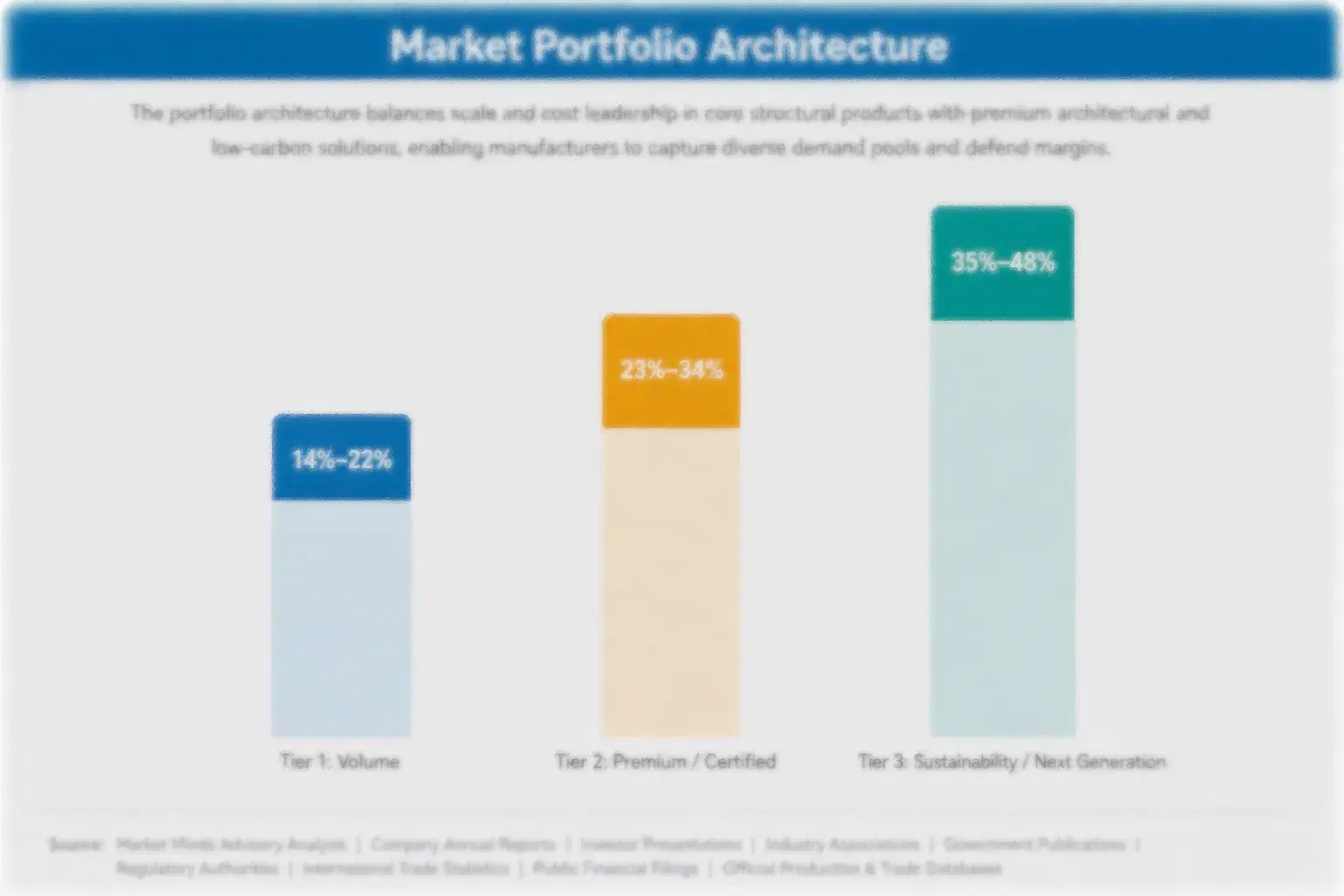
Portfolio Architecture for Margin Defence

The cacao beans market splits into three commercial tiers: conventional bulk beans sold into mainstream chocolate manufacturing, certified sustainable and organic beans commanding meaningful farmgate premiums, and fine-flavor single-origin beans capturing the strongest margins for craft and premium chocolate applications. Margin economics differ sharply across these tiers, reflecting certification depth and buyer willingness to pay for documented origin and flavor characteristics. Certification investment explains much of this gap, since farmer-level audits take years to establish credibly.
Exporters and cooperatives face a genuine strategic tension between maximizing near-term bulk volume and investing in certification and fine-flavor processing capability that offers stronger long-term margin prospects. Those building capability across all three tiers capture the widest addressable revenue base, though doing so requires sustained multi-year investment in farmer training, traceability infrastructure, and quality grading expertise most smaller organizations struggle to fund independently.

High-value margin pools concentrate overwhelmingly in fine-flavor and certified sustainable beans, where craft manufacturers and sustainability-committed brands pay materially more than conventional bulk buyers require. Exporters positioned to serve these tiers alongside mainstream bulk volume capture the clearest path toward sustained revenue growth as certification requirements continue expanding across major import markets globally.

Volume / Commodity-Adjacent Tier

Conventional bulk beans sold into mainstream chocolate manufacturing at globally benchmarked exchange pricing with thinner exporter margins overall. Exporters compete here mainly on reliable logistics and landed cost rather than documented origin or flavor differentiation.
Gross Margin: 12-18%

Premium / Certified Tier

Certified sustainable and organic beans carrying Fairtrade, Rainforest Alliance, or organic certification commanding meaningful farmgate premiums over conventional volume. Exporters here maintain closer cooperative relationships and documented traceability supporting manufacturer compliance requirements directly.
Gross Margin: 20-28%

Sustainability / Regulatory / Next-Generation Tier

Fine-flavor single-origin beans meeting the strictest documented flavor and traceability standards required for craft and premium chocolate applications. Building credibility in this tier typically takes exporters years of consistent quality grading and cooperative relationship investment.
Gross Margin: 35-45%
cacao-beans-market-portfolio-architecture-1789963189107

High-value Sub-segments and Strategic Watch-out

Certified Sustainable and Traceable Beans

Certified beans command the strongest growth and meaningful farmgate premiums as European Union deforestation compliance deadlines approach across every major import market. Exporters serving this tier increasingly compete on documentation depth and cooperative relationship strength rather than price alone. Growth here should outpace every other tier ahead.
Gross Margin: 20-28%

Fine Flavor Single-Origin Beans

Fine-flavor beans sustain steady premium growth as craft and boutique chocolate makers increasingly seek documented origin and flavor characteristics unavailable from mainstream bulk supply. Growth here remains steady as more manufacturers launch premium single-origin product lines. This tier sits between the premium and volume extremes overall.
Gross Margin: 35-45%

Conventional Bulk Export Beans

Conventional bulk beans continue anchoring the overwhelming majority of global volume and exporter revenue even as certification requirements expand steadily across major import markets. Exporters rely on this volume to fund investment in higher-margin capability elsewhere entirely. Growth here should remain modest but stable ahead.
Gross Margin: 12-18%

West African Climate and Disease Risk

Continued aging tree stock and swollen shoot virus pressure across Côte d'Ivoire and Ghana could meaningfully constrain global supply well beyond current forecast assumptions. Watch this segment closely for early signs of accelerating yield decline. Change here could meaningfully reshape pricing and sourcing strategy across the category.
Gross Margin: 12-18%

Certification Deadlines Anchor Long Term Contracts

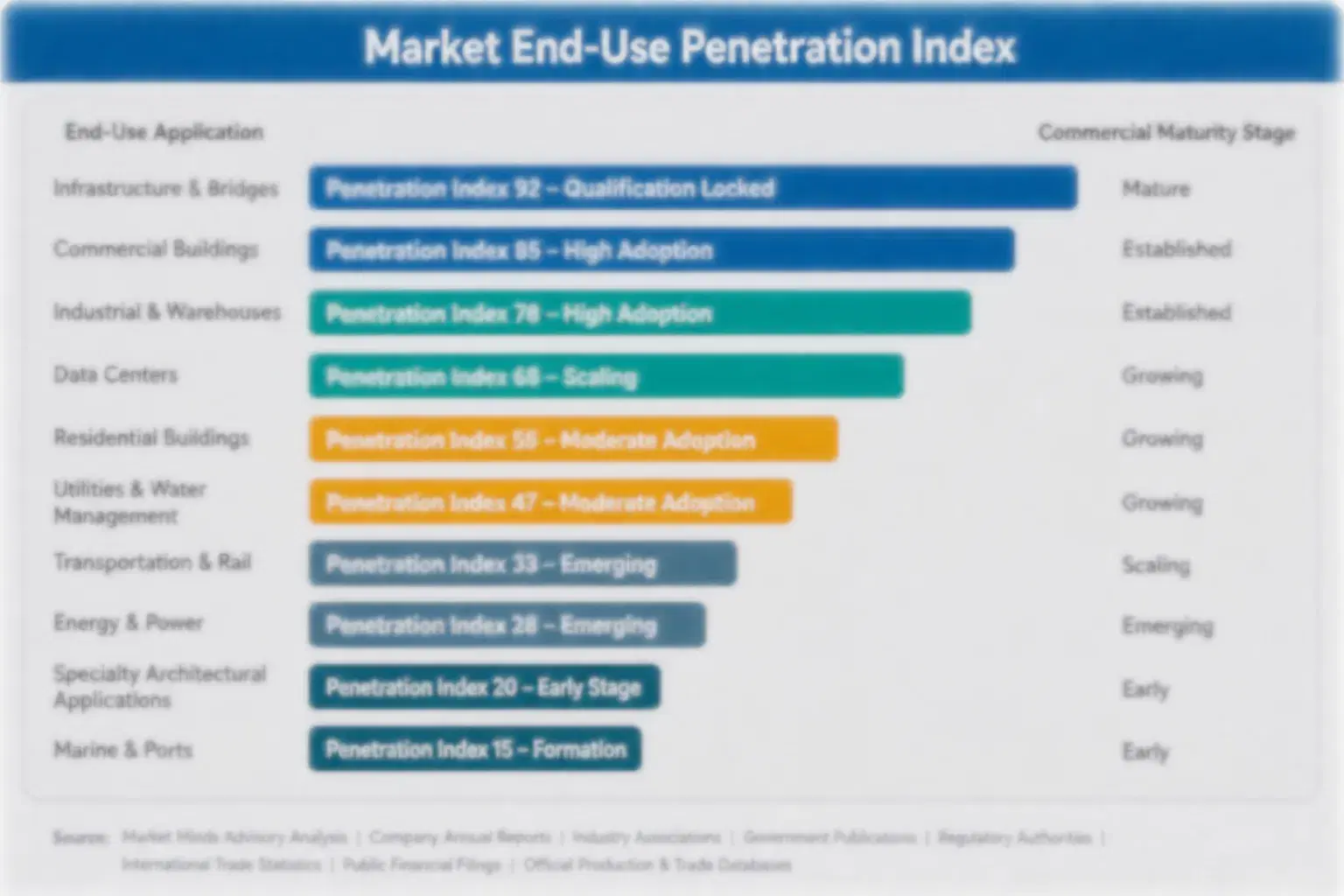
Once a chocolate manufacturer validates a specific cooperative's certified traceability documentation and quality consistency, switching origins requires requalifying through new compliance verification processes, creating a genuine annuity dynamic for exporters who secure this relationship first. Requalification costs discourage casual switching between certified cooperative suppliers. Long-term forward contracts anchor this revenue base, since manufacturers rarely switch verified suppliers once documentation clears internal compliance review.
Adoption depth varies meaningfully by end-use vertical. Craft and premium chocolate manufacturers exhibit the deepest stickiness given extensive flavor documentation and origin verification requirements, while mainstream bulk confectionery purchasing shows comparatively shallow stickiness since manufacturers can rebid commodity contracts more freely without the same traceability requalification burden that certified applications carry. Premium buyers show the deepest stickiness, while bulk accounts increasingly shop purely on price.

A younger generation of chocolate brand managers increasingly evaluates sourcing decisions through an ethical and environmental lens by default, shifting entire category conversations toward certified and traceable supply regardless of the modest cost premium such sourcing carries. This generational shift favors cooperatives and exporters with documented certification over legacy bulk suppliers competing purely on established cost advantages. Younger procurement teams now weigh farmer welfare alongside price, a shift older cohorts rarely prioritized.
cacao-beans-market-end-use-penetration-index-1789963189291

Where Sourcing Strategy Focuses Next

These are among the four positions where our research anticipates prominent divergence between winners and laggards over the coming forecast period. Each is grounded in the demand model, the regulatory perimeter, and the announced capacity pipeline.
01 / TRACEABILITY INVESTMENT PRIORITY

Build farm-level traceability ahead of compliance deadlines

European Union deforestation compliance requirements represent the single most consequential near-term shift reshaping this market, and organizations without verified farm-level mapping risk losing access to the largest European manufacturer contracts. Exporters investing in traceability infrastructure now position themselves to capture premium certified demand before more competitors recognize the urgency, since building comparable geolocation and cooperative documentation systems from scratch typically takes considerable time to establish credibly. Organizations that move first stand to lock in the strongest early manufacturer relationships, since buyers rarely switch verified suppliers once compliance documentation clears review.
02 / DIVERSIFICATION AWAY FROM CONCENTRATION

Expand sourcing beyond West African concentration risk

Extreme production concentration in Côte d'Ivoire and Ghana leaves every buyer exposed to a single region's weather and disease risk, a vulnerability the 2023 to 2024 price spike demonstrated painfully across the entire industry. Organizations building meaningful sourcing relationships in Ecuador, Brazil, Peru, and Indonesia now reduce this concentration exposure before the next West African harvest disruption arrives, since developing alternative origin relationships typically requires multiple growing seasons to establish trust. Early movers on diversification will hold a durable resilience advantage over slower-moving competitors well into the next decade.
03 / FINE FLAVOR MARGIN CAPTURE

Build dedicated fine-flavor processing and grading capability

Craft and premium chocolate demand for documented single-origin beans continues growing considerably faster than mainstream bulk consumption, representing a genuine margin expansion opportunity extending well beyond commodity export volume. Exporters building dedicated fine-flavor fermentation and grading capability now position themselves to capture this premium segment before competitors develop comparable specialized processing expertise, since establishing trusted flavor-profile relationships with craft manufacturers typically requires considerable time and consistent quality delivery. Exporters who move quickly toward this capability stand the best chance of capturing durable premium pricing as craft chocolate demand keeps expanding.
04 / REPLANTING INVESTMENT PRIORITY

Fund disease-resistant replanting to secure future supply

Aging tree stock across Côte d'Ivoire and Ghana threatens long-term yield potential regardless of pricing strategy, making reliance on unrenewed plantings increasingly risky for organizations dependent on West African supply. Organizations funding disease-resistant hybrid seedling distribution and farmer replanting incentives now avoid the trap of assuming aging trees will keep producing indefinitely, a mistake the current supply crunch has exposed painfully across the industry. Organizations that fund replanting now stand the best chance of securing stable long-term supply as older trees inevitably decline further, leaving latecomers exposed to worsening scarcity.

Engagement Snapshot From the Field

A live engagement with an industry participant carrying material or product regulatory and market exposure ahead of a defining policy shift, showing how our research translates into a defensible multi-year portfolio strategy.
MARKET MINDS ADVISORY · CLIENT ENGAGEMENT SUMMARY
Cacao Beans Producer Strategic Portfolio Review and Transition Roadmap 2026·Investment Scenario on Cacao Beans Exposure Evaluation 2025-26
CLIENT PROFILE
The client is a mid-sized European chocolate manufacturer producing branded and private-label confectionery products distributed across Western European retail channels, seeking to secure compliant, traceable cacao bean supply ahead of European Union deforestation regulation deadlines affecting its entire import volume. Annual revenue for the relevant product category sits in the low hundreds of millions of dollars (client-reported, unverified by MMA).
STRATEGIC CHALLENGE
The client needed to determine which origin cooperatives and traders could provide verified farm-level traceability documentation meeting incoming regulatory requirements, while also assessing whether consolidating to fewer, more capable suppliers would meaningfully reduce compliance risk without introducing unacceptable supply concentration exposure across its sourcing base. Leadership also wanted assurance that any transition would not disrupt existing retail supply commitments significantly during the compliance transition period.
MMA APPROACH
MMA conducted a comparative traceability readiness and supply reliability assessment benchmarking four certified cooperative networks against the client's compliance documentation requirements, supplemented by on-the-ground verification visits. The engagement ran across ten weeks and drew on both cooperative disclosure analysis and independent geolocation mapping data covering multiple harvest seasons. The engagement drew on partner cooperative data covering multiple harvest seasons under comparable growing conditions.
KEY FINDINGS
  1. Traceability readiness assessment confirmed that two of the four evaluated cooperative networks could reliably meet the client's compliance documentation timeline across all sourcing regions.
  2. Supply reliability analysis indicated that consolidating to two cooperative networks rather than one would reduce concentration risk without meaningfully increasing administrative complexity for the client's sourcing team.
  3. Cost analysis showed that certified, traceable beans commanded a modest premium the client's compliance and brand positioning goals justified comfortably given the alternative regulatory risk.
  4. Verification visits confirmed both shortlisted cooperative networks maintained current documentation meeting the client's export market compliance requirements, with adequate financial reserves supporting continued cooperative operations.
CLIENT PROFILE
The client is a mid-sized European chocolate manufacturer producing branded and private-label confectionery products distributed across Western European retail channels, seeking to secure compliant, traceable cacao bean supply ahead of European Union deforestation regulation deadlines affecting its entire import volume. Annual revenue for the relevant product category sits in the low hundreds of millions of dollars (client-reported, unverified by MMA).
STRATEGIC CHALLENGE
The client needed to determine which origin cooperatives and traders could provide verified farm-level traceability documentation meeting incoming regulatory requirements, while also assessing whether consolidating to fewer, more capable suppliers would meaningfully reduce compliance risk without introducing unacceptable supply concentration exposure across its sourcing base. Leadership also wanted assurance that any transition would not disrupt existing retail supply commitments significantly during the compliance transition period.
MMA APPROACH
MMA conducted a comparative traceability readiness and supply reliability assessment benchmarking four certified cooperative networks against the client's compliance documentation requirements, supplemented by on-the-ground verification visits. The engagement ran across ten weeks and drew on both cooperative disclosure analysis and independent geolocation mapping data covering multiple harvest seasons. The engagement drew on partner cooperative data covering multiple harvest seasons under comparable growing conditions.
KEY FINDINGS
  1. Traceability readiness assessment confirmed that two of the four evaluated cooperative networks could reliably meet the client's compliance documentation timeline across all sourcing regions.
  2. Supply reliability analysis indicated that consolidating to two cooperative networks rather than one would reduce concentration risk without meaningfully increasing administrative complexity for the client's sourcing team.
  3. Cost analysis showed that certified, traceable beans commanded a modest premium the client's compliance and brand positioning goals justified comfortably given the alternative regulatory risk.
  4. Verification visits confirmed both shortlisted cooperative networks maintained current documentation meeting the client's export market compliance requirements, with adequate financial reserves supporting continued cooperative operations.
RECOMMENDED STRATEGY
Phase 1: Phase 1 (Months 1 to 3): Finalize cooperative selection and negotiate dual-network sourcing contract terms. Confirm both networks can meet volume and documentation requirements before signing agreements. Phase 2: Phase 2 (Months 4 to 6): Transition sourcing volume gradually while monitoring traceability documentation consistency closely against the compliance baseline established during the assessment phase. Phase 3: Phase 3 (Months 7 to 14): Scale the validated dual-cooperative structure across the client's full product range. Document results thoroughly to support future regulatory audits.
OUTCOME
The client completed its sourcing transition ahead of the regulatory deadline and reported compliance documentation coverage meaningfully in line with MMA's projected assessment within the first two harvest cycles (client-reported, unverified by MMA). The dual-cooperative structure has since become the client's standard sourcing specification across its full product portfolio.

Frequently Asked Questions

Foundational context covering the market sizes, CAGR, scope, country, region and competition that inform every finding below. This section is provided to cover basics and most often pre-purchase conversations, answered from the MMA Primary Research Dataset.

What is the current size of the Cacao Beans Market?

The market reached approximately USD 18.5 billion in 2025. This reflects global raw bean trade across conventional, certified sustainable, organic, and fine-flavor varieties sold to grinders and chocolate manufacturers worldwide.

How large will the Cacao Beans Market be by 2036?

The market is projected to reach approximately USD 30.3 billion by 2036. This represents roughly 1.57 times the 2026 starting value over the ten-year forecast period.

What is the CAGR for the Cacao Beans Market 2026 to 2036?

The market is forecast to grow at a 4.6% CAGR between 2026 and 2036. Bull and bear scenarios range from 5.8% to 3.3% depending on West African supply recovery.

Which segment is growing fastest?

Certified sustainable beans lead at a 9.5% CAGR, roughly 2.07 times the overall market rate. Specialty single-origin traceable beans follow closely behind, reflecting shared momentum from compliance-driven demand.

Who are the major companies in the Cacao Beans Market?

Leading traders include Barry Callebaut, Olam Agri, Cargill, ECOM Agroindustrial, and Touton. These five companies hold a combined trading and processing volume share of approximately 48%.

Which country is growing fastest?

India grows fastest at a 7.8% CAGR, ahead of the broader South Asia and Pacific regional average. This reflects its rapidly expanding domestic chocolate and confectionery manufacturing sector.

Report Segmentation Architecture

The full report scope spans multiple orthogonal segmentation dimensions, with cross-tabulated demand data provided for each dimension pair. Coverage extends further to regional breakdowns, trend trajectories, and the competitive detail needed to support segment-level decision-making.

By Certification and Quality Tier

  • Conventional Bulk Beans
  • Certified Sustainable Beans
  • Organic Certified Beans
  • Fine and Flavor Premium Beans
  • Specialty Single-Origin Traceable Beans

By End-Use Industry

  • Chocolate and Confectionery Manufacturing
  • Cocoa Butter and Powder Processing
  • Cosmetics and Personal Care
  • Pharmaceutical and Nutraceutical Applications
  • Bakery and Dairy Applications

By Commercial Dimension

  • Direct Cooperative Sourcing Channel
  • Spot Market and Exchange Trading
  • Certified Traceable Supply Contracts
  • Distributor and Import Channel

By Region

  • North America
  • Western Europe
  • East Asia
  • South Asia and Pacific
  • Latin America
  • Middle East and Africa
  • Eastern Europe

Scope, Methodology, and Coverage

Every figure in this report is reproducible from documented input assumptions. The scope below maps the historical period, the forecast horizon, the segmentation dimensions, and the countries covered, alongside the underlying primary and qualitative methodology.
Historical Period
2020 to 2025
Forecast Period
2026 to 2036
Base Year
2025 (USD billions; MMA Primary Research Dataset, September 2026)
Market Definition
This report defines the cacao beans market as global trade in raw, unprocessed cacao beans across conventional, certified sustainable, organic, and fine-flavor varieties sold to grinders and chocolate manufacturers. It excludes finished chocolate products, cocoa butter, cocoa powder, and other processed derivatives except where directly referenced for value-chain context.
Quantitative Units
USD billions (current prices); USD per tonne exporter pricing where applicable
Segmentation Dimensions
By Certification and Quality Tier; By End-Use Industry; By Commercial Dimension; By Region
Regions Covered
North America, Western Europe, East Asia, South Asia and Pacific, Latin America, Middle East and Africa, Eastern Europe
Countries Covered
Côte d'Ivoire, Ghana, Nigeria, Cameroon, Indonesia, Ecuador, Brazil, Peru, Colombia, Mexico, USA, Canada, Netherlands, Germany, Belgium, France, Switzerland, UK, India, China, Japan, South Korea, Australia, Vietnam, Papua New Guinea, UAE, Saudi Arabia, South Africa, Poland, and additional markets relevant to this sector
Key Companies Profiled
Barry Callebaut AG, Olam Agri, Cargill Incorporated, ECOM Agroindustrial Corp Ltd, Touton S.A., Sucres et Denrées, Blommer Chocolate Company, JB Cocoa Sdn Bhd, Ciranda Inc, Cémoi Group, Guan Chong Berhad, Continaf B.V., Zeeland Farm Services Inc, Transmar Group, Fuji Oil Holdings Inc, SIAT Group, Cocoa Processing Company Ghana Limited, Plot Enterprise Ghana Limited, Theobroma Chocolate Company, Nedcocoa B.V.
Quantitative Methodology
Primary survey, n=3,800 respondents, Q4 2025, six countries; demand-side model with trade association cross-validation
Qualitative Methodology
47 expert interviews, Q4 2025; applied to validate demand model assumptions, identify emerging dynamics, and assess competitive positioning
Report Format
PDF and XLSX data workbook (Word format preview document)
Publisher
Market Minds Advisory
Report Code
MMA-2026-AGR-105
Published
September 2026
Contact
sales@marketmindsadvisory.com | www.marketmindsadvisory.com

Purchase the full Cacao Beans Market Report (2026 to 2036).

This report delivers a complete commercial assessment of the global cacao beans market, covering sizing, segmentation, and regional demand through 2036. It profiles twenty organizations spanning global traders, grinders, and regional exporters, detailing competitive positioning, certification strategy, and traceability compliance exposure in depth. Analysis extends to farmgate cost exposure and price volatility mitigation pathways, portfolio margin economics across three commercial tiers, and demand architecture driving long-term sourcing relationships. Bull and bear forecast scenarios are modeled explicitly against named commercial catalysts and clearly identified supply risks facing the industry.
Ten-year sizing and forecast model through 2036
Five-segment certification and quality tier breakdown
Seven-region demand and origin distribution analysis
Twenty-company competitive profile and positioning assessments
Farmgate cost exposure and price volatility assessment
Portfolio tier margin economics and pricing analysis

Built For The People Who Decide

From boardroom strategy to bench-side execution, this report is read cover-to-cover by leaders shaping the next decade of their industry, turning demand scenarios, market dynamics and valuation benchmarks into decisions.
CXOs/ Presidents/ VPs/ Managers
M&A and Corporate Development
Strategy Teams and R&D Heads
Procurement and Product Directors
Regulatory and Compliance Leaders
Investor Relations and Equity Analysts