Market Minds Advisory
Button Mushroom Products Market

Button Mushroom Products Market: Button Mushroom Products Market. Nutraceutical Extraction and Processing Innovation Reshape Global Mushroom Supply.

Nutraceutical extraction technology and ready-to-eat processing innovation are reshaping button mushroom supply chains, pushing growers toward value-added formats that command meaningfully higher pricing than fresh commodity mushrooms sold loose at retail.

Lead Analyst

Published

September 2026

Make Smarter Decisions with Customized Research Insights

Request a free sample report and evaluate market opportunities, growth trends, and competitive dynamics relevant to your business needs.

2025 MARKET VALUE$18.5BMarket Size 2025
2036 FORECAST VALUE$35.9BBase Case , 2026 to 2036
CAGR 2026 TO 20366.2 %Bull 7.4% / Bear 5.0%
INCREMENTAL OPPORTUNITY$16.2BNet 10- year value creation
EXPANSION MULTIPLE1.82x2036 value over 2026 base
Strategic Levers
M&A Pipeline
Regional Outlook
Country Rankings
Competitive Intelligence
Segmental Deep-dive
Call-Us : 91 93563 13602

Executive Snapshot and Market Trajectory.

Button mushroom growers worldwide are shifting investment beyond fresh commodity sales toward processed, extracted, and ready-to-eat formats as consumer demand for convenience and functional nutrition reshapes purchasing patterns across nearly every major retail market today, from packaged fresh trays to concentrated nutraceutical extracts sold in capsule form across regions.
Mushroom-based extracts are expanding fastest as nutraceutical formulators seek functional ingredients backed by growing consumer interest in immune health and plant-based supplementation, while ready-to-eat processed formats gain share in busy urban households across developed markets. East Asian production, anchored by China, dominates global tonnage on sheer cultivation scale, while Poland has emerged as Europe's dominant export processing hub for canned and frozen mushroom products shipped continent-wide. Cold-chain investment increasingly decides who wins.
Competitive dynamics center on processing sophistication and shelf-life extension technology rather than raw cultivation volume alone, since fresh mushrooms perish within days and value increasingly concentrates in downstream handling and packaging innovation. Growers without cold-chain and processing investment face margin compression as retailers push toward extended-shelf-life packaged formats over loose fresh product at retail counters and grocery chains nationwide today. Smaller farms are exiting or consolidating.
Market Definition
Button mushroom products comprise fresh, canned, dried, frozen, and extracted goods derived from Agaricus bisporus cultivation. The scope excludes other cultivated mushroom species such as shiitake or oyster mushrooms and excludes wild-foraged fungi.
Base Year Value
$18.5B in 2025 (MMA Primary Research Dataset, September 2026)
Forecast Period
2026 to 2036, eleven discrete annual values
CAGR
6.2% base case. Bull 7.4%. Bear 5.0%.
Fastest Growth Segment
Mushroom-Based Extracts and Nutraceuticals: 9.5% CAGR
Fastest Growth Country
Poland: 8.5% CAGR
Fastest Growth Region
South Asia and Pacific: 8.2% CAGR
Largest Region
East Asia: 30% of 2025 global value
Market Leaders
Monterey Mushrooms Inc., Bonduelle Group, Greenyard NV, South Mill Champs, Okechamp S.A. Source: MMA Analysis, company annual reports.
Primary Survey
n=3,800 procurement and R&D decision-makers, Q4 2025, six countries
Methodology
Demand-side build-up, cross-validated against public data, 47 expert interviews

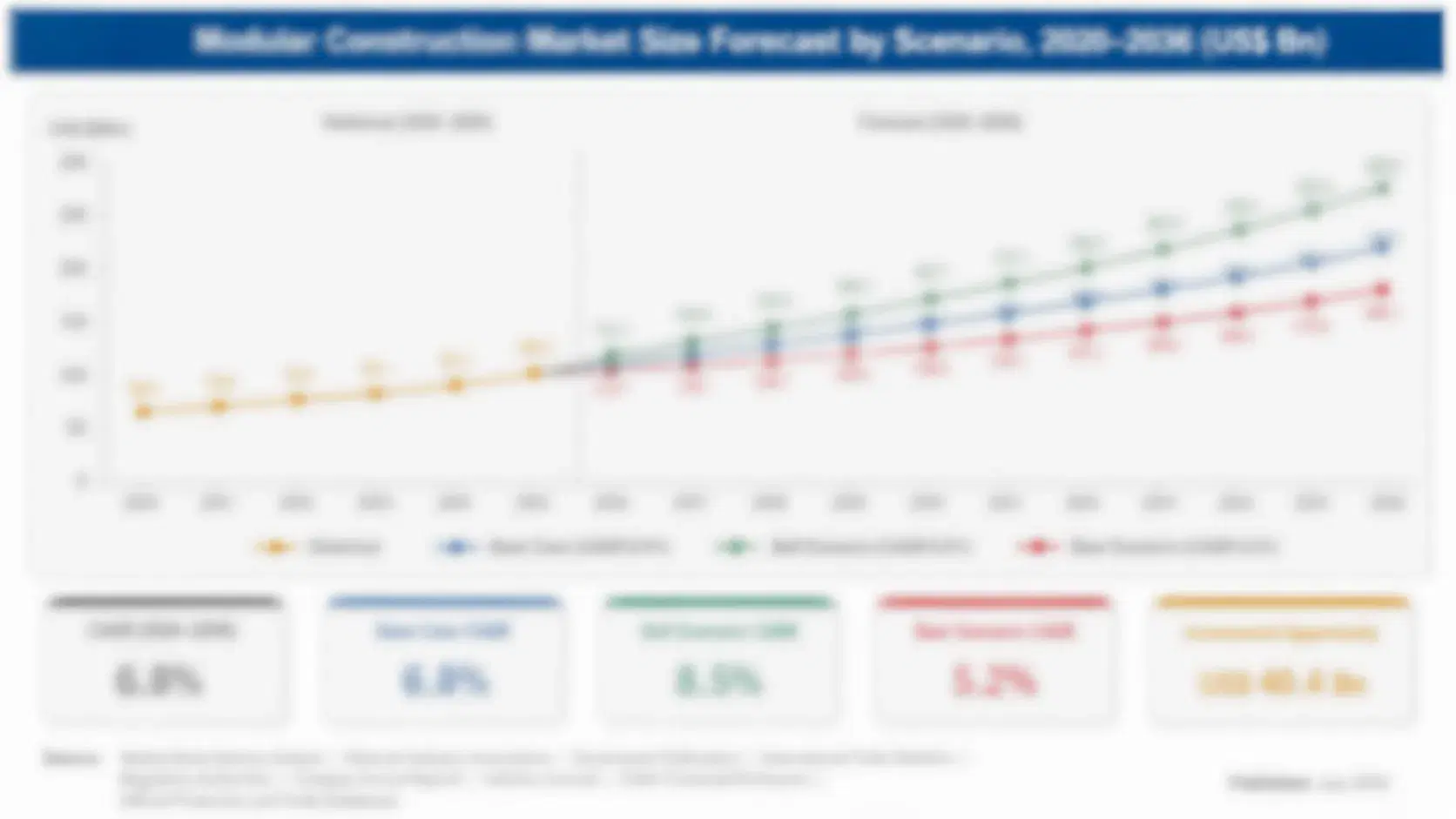
Button Mushroom Products Market Forecast Scenarios

button-mushroom-products-market-size-forecast-scenario-1789747424075
Between 2020 and 2025, button mushroom demand grew steadily as processed and canned formats expanded beyond traditional fresh retail channels into foodservice and export markets. Growth ran at roughly a 5.4% historical rate, supported by rising consumer interest in plant-based protein alternatives and functional nutrition products across developed markets. Foodservice demand and retailer private-label programs added further volume through the period.
The base case assumes 6.2% annual growth through 2036, anchored on three mechanisms: expanding nutraceutical extract demand from formulators seeking functional ingredients, continued conversion toward ready-to-eat and value-added processed formats among time-constrained urban consumers, and Polish export processing capacity scaling to serve growing European demand. Cold-chain and shelf-life extension investment is becoming a meaningful differentiator between growers competing for retail shelf space. Retailers also demand longer shelf life, rewarding growers with cold-chain capacity.
The bull case, reaching 7.4%, depends on nutraceutical extract demand accelerating faster than currently expected alongside continued Polish export capacity expansion. The bear case, falling to 5.0%, reflects slower-than-expected functional nutrition category growth forcing growers to lean more heavily on lower-margin fresh commodity sales channels. Either outcome would also shift bargaining power between growers, processors, and the large retail chains buying their output.

Processing Investment Redefines Mushroom Value Chains

Button mushroom products occupy an unusual position among processed foods, since the underlying crop is grown indoors on controlled substrate rather than harvested from open fields, giving cultivation a manufacturing-like character that few other agricultural products share. This controlled environment lets growers plan output with unusual precision, but also concentrates capital risk in facility investment rather than land. Output therefore tracks facility capacity rather than weather or acreage.
MARKET CONCENTRATION22% CR5Top five processors hold a modest combined market share
AVERAGE SELLING PRICE$2.40 per kgProcessed formats command meaningfully higher pricing than fresh
TOP PRODUCING COUNTRY31% shareLeading producer concentrates a substantial portion of global tonnage
PROCESSED PRODUCT SHARE38%Over a third of volume now moves through processed channels
EXPORT PROCESSING RATE26%Roughly a quarter of output is processed specifically for export
POST-HARVEST LOSS RATE12%Fresh product loss remains meaningful without cold-chain investment
Processing sophistication increasingly separates commodity growers from premium players, since canning, freezing, drying, and extraction all require distinct equipment investment beyond basic cultivation infrastructure. Growers that invest across multiple processing formats can serve retail, foodservice, and nutraceutical channels simultaneously, spreading risk across customer segments that respond differently to price and seasonality. Multi-format producers also smooth demand across retail, foodservice, and supplement buyers.
Export demand is reshaping where processing capacity gets built, since canned and frozen formats travel far better than fresh product and command premium pricing in import-dependent markets. Polish and Dutch processors have built substantial export-oriented capacity specifically to serve this demand, while producers in import-dependent regions increasingly rely on these established European processing hubs. Importing regions therefore depend on a handful of European hubs.
"Growers who still think of themselves as farmers are losing share to growers who think of themselves as processors. The crop is almost incidental at this point."
Practice Lead, Agricultural Commodities and Food Ingredients Practice · MMA Agricultural Commodities and Food Ingredients Practice · September 2026

Market Trends

Nutraceutical Demand Pulls Mushrooms Into Supplements

Nutraceutical companies are increasingly sourcing standardized mushroom beta-glucan and polysaccharide extracts for immune-support supplements, drawing on growing clinical interest in functional fungal compounds beyond traditional culinary use. This demand is pulling growers toward dedicated extraction facilities capable of producing consistent, standardized active compound concentrations that raw mushroom material cannot reliably deliver on its own. Suppliers with proven extraction and standardization capability are securing multi-year supply agreements with major supplement brands well ahead of competitors still building comparable technology and testing infrastructure. Buyers increasingly require batch-level testing and traceable sourcing documentation before signing agreements.
Market Impact: protein positioning drives 7% volume gain

Ready-to-Eat Formats Expand Across Retail Channels

Retailers across North America and Western Europe are expanding ready-to-eat mushroom product lines, including pre-sliced, marinated, and microwave-ready formats, as time-constrained consumers seek convenience without sacrificing perceived freshness or nutrition. This shift requires growers to invest in packaging technology and food safety systems well beyond what fresh loose product demands, raising the capital bar for participation in premium retail channels. Processors that moved early into ready-to-eat formats are capturing shelf space and margin that traditional fresh-only suppliers increasingly cannot access. Packaging suppliers have responded with new barrier films designed for mushrooms.
Market Impact: foodservice demand up 8.5% yearly

Market Opportunities and Growth Drivers

Plant-Based Nutrition Trend Expands Mushroom Demand

Rising consumer interest in plant-based protein and functional nutrition is pulling mushrooms into mainstream meal planning well beyond their traditional role as a minor vegetable side ingredient, supported by marketing campaigns highlighting protein content and immune-supporting compounds. Food manufacturers are increasingly incorporating mushroom powder and extracts into blended meat alternative products, snack bars, and functional beverages seeking differentiated positioning. This crossover demand is expanding the addressable market for mushroom processors well beyond traditional fresh produce and canned vegetable retail channels. Recipe developers now feature mushrooms as a savory, protein-adjacent ingredient in blended burgers.
Market Impact: shelf life limited to 7-10 days

Foodservice Chains Scale Mushroom Menu Offerings

Foodservice operators, particularly quick-service and casual dining chains, are expanding mushroom-based menu items as plant-forward eating gains mainstream acceptance among younger consumers seeking flexitarian dining options. This channel demands consistent year-round supply and standardized portion formats that favor larger, processing-capable growers over smaller fresh-only farms unable to guarantee volume consistency. Foodservice distributors are increasingly specifying processed and portion-controlled mushroom formats in their supplier contracts, reshaping procurement toward fewer, larger-scale suppliers. Chains also value predictable pricing, which encourages annual contracts with processors that can guarantee volume through winter shortages and holiday peaks.
Market Impact: energy costs up 18% since 2022

Market Restraints and Challenges

Rapid Spoilage Limits Fresh Distribution Reach

Fresh button mushrooms typically spoil within seven to ten days of harvest even under refrigeration, a root cause rooted in the crop's high moisture content and delicate cell structure that resists the extended shelf-life techniques effective for hardier produce. This perishability forces growers into either rapid, geographically limited fresh distribution or costly processing investment to extend market reach, squeezing smaller growers without capital for either option. Growers are mitigating the constraint through modified atmosphere packaging and expanded cold-chain logistics that meaningfully extend usable shelf life. Spoilage also drives retailer shrink losses and markdown pressure.
Market Impact: 9.5% CAGR in extract segment

Climate-Controlled Growing Raises Energy Cost Exposure

Mushroom cultivation requires precise temperature, humidity, and substrate management inside climate-controlled growing facilities, a root cause that makes production meaningfully more capital and energy intensive than open-field crops grown using ambient weather conditions. Rising energy costs directly compress grower margins in ways that field crops largely avoid, particularly during winter months when climate control demands peak. Growers are mitigating exposure through energy efficiency retrofits and, in some regions, on-site renewable energy generation to offset rising utility costs. Larger growers spread these fixed costs across more volume, leaving smaller farms at a disadvantage during winter energy peaks.
Market Impact: 38% of volume now processed
3 additional market trends, 4 additional growth drivers, and 3 additional restraints and challenges are covered in the full report. Contact sales@marketmindsadvisory.com to access the complete intelligence.

Segment CAGR and Growth Architecture

Button mushroom products segment by processing form and functional purpose, since processing depth determines both price tier and channel access more directly than any other classification available to buyers. Extract and ready-to-eat formats are absorbing disproportionate investment as demand shifts toward convenience and functional nutrition. Buyers therefore treat processing depth as the main price signal.
button-mushroom-products-market-market-share-analysis-1789747424257

Mushroom-Based Extracts and Nutraceuticals

Mushroom-based extracts and nutraceutical ingredients have become the fastest-growing segment as supplement formulators seek standardized beta-glucan and polysaccharide compounds backed by growing clinical research into immune and cognitive health benefits. Achieving standardized, consistent extract potency requires dedicated processing infrastructure that most fresh-focused growers do not currently operate, keeping supply meaningfully tighter than demand growth would otherwise suggest to industry observers. Processors that invested early in extraction and standardization technology are securing premium-priced, multi-year supply agreements with major supplement and functional food brands well ahead of competitors still building comparable capability and testing infrastructure. Standardization, potency testing, and documentation add cost but protect pricing, so suppliers with certified laboratories hold a clear advantage.
CAGR 9.5%

Value-Added and Ready-to-Eat Products

Value-added and ready-to-eat mushroom products are expanding rapidly as retailers respond to consumer demand for convenience without sacrificing perceived freshness, including pre-sliced, marinated, and portion-controlled formats sold in premium packaging. This segment commands meaningful premiums over loose fresh product, since convenience and reduced food waste justify higher per-unit pricing that time-constrained consumers are willing to pay across most developed retail markets. Packaging and food safety investment requirements are considerably higher here than for basic fresh sales, creating a capital barrier that favors larger, processing-capable growers over smaller fresh-only farms competing on price alone. Retailers also favor suppliers whose packaging lowers shrink, which strengthens the segment's position in negotiations over shelf space.
CAGR 8.0%
Full segment breakdown across 6 segments available in the complete report.

Regional Architecture and Country Demand Map

Button mushroom production value concentrates where cultivation scale and processing capacity intersect rather than where consumption alone is largest. China's cultivation volume anchors global tonnage, while Poland's concentrated export processing infrastructure punches well above its regional weight. Consumption patterns differ sharply, following income levels and retail format.

North America

North America holds 22% share, positioned at the lower end of its typical band, reflecting a mature fresh mushroom market centered on Pennsylvania's historic growing region alongside steadily expanding processed and nutraceutical segments. Clean-label retailer pressure is pushing growers toward minimally processed, recognizable-ingredient formats even as ready-to-eat convenience products gain share across busy urban households. Nutraceutical extract demand is growing meaningfully faster here than fresh commodity sales, as supplement brands increasingly source domestic, traceable mushroom material for immune-health formulations sold nationwide. Foodservice chains and meal-kit companies are adding mushroom dishes, which favors suppliers able to guarantee weekly volume. Domestic growers also face rising labor costs, pushing mechanized harvesting investment across peak seasons.
Share: 22% | CAGR: 7.0% (2026 to 2036)

Western Europe

Western Europe holds 20% share, positioned mid-band, anchored by the Netherlands and Ireland, where established growers operate significant cultivation and processing capacity serving both domestic retail and export markets across the continent. European Union food safety and traceability requirements are pushing smaller growers toward consolidation or exit, favoring larger operations capable of meeting documentation standards. Regional processors generally compete on quality certification and sustainability credentials rather than price alone, reflecting the sophistication of European retail customers and their exacting sourcing standards. Sustainability labeling and packaging waste rules are raising compliance costs, which favors larger operators with dedicated quality teams. Retail private-label programs continue to dominate purchasing across most markets of the region.
Share: 20% | CAGR: 4.8% (2026 to 2036)
Regional intelligence for 5 additional markets available in the complete report: East Asia, South Asia and Pacific, Latin America, Middle East and Africa, Eastern Europe. Contact sales@marketmindsadvisory.com.
button-mushroom-products-market-country-cagr-analysis-1789747424436

Four Margin Levers Reshaping Mushroom Economics

Margin growth in button mushroom products increasingly comes from processing depth and channel diversification rather than raw cultivation volume alone, since fresh commodity sales command thin, perishability-driven pricing. Processors that pair extraction technology with packaging innovation and direct channel relationships are capturing disproportionate share of category profit. Channel choice matters as much as the format.

Upgrading Fresh Product to Nutraceutical Extract

Processors that invest in extraction and standardization technology to serve nutraceutical formulators capture price premiums of 3 to 5 times per kilogram over fresh commodity mushrooms, since supplement brands pay substantially more for standardized, clinically-relevant compound concentrations. This upgrade requires meaningful capital investment in extraction equipment and quality testing, but the margin gain typically justifies conversion for processors with committed customer demand already secured. Companies that built extraction capacity earliest are securing multi-year supply agreements with major supplement brands. Payback usually arrives within a few contract cycles once extraction capacity is qualified.
Market Impact: premiums of 3 to 5 times per kg

Converting Toward Ready-to-Eat Packaged Formats Now

Growers that convert toward ready-to-eat and portion-controlled packaging formats capture meaningfully higher retail pricing than loose fresh product sold in bulk, since convenience packaging justifies premiums that time-constrained consumers willingly pay at checkout. This conversion requires packaging equipment and food safety certification investment, but processors report the margin gain typically exceeds conversion cost within a few sales cycles. Retailers increasingly favor suppliers who can deliver these formats consistently at scale. Retailers report that packaged formats can lift category margin by 10% while cutting shrink, so conversion costs typically recover quickly within two years.
Market Impact: ready-to-eat commands roughly 25% price premium at retail

Building Direct Foodservice Supply Relationships Early

Processors that build direct foodservice supply relationships, rather than selling exclusively through wholesale distributors, capture 10% to 15% more margin per unit by eliminating intermediary markups while offering foodservice customers more consistent, reliable supply. This approach requires dedicated account management and volume commitment capability that smaller growers often lack, favoring larger, processing-capable operations able to guarantee year-round consistency. Foodservice relationships also generate valuable demand visibility that supports better production planning. Growers also gain earlier visibility into menu changes, which helps them plan planting cycles and packaging capacity months ahead of demand.
Market Impact: margin gains of 10% to 15% per unit

Securing Multi-Year Export Retail Agreements Early

Growers that secure multi-year export supply agreements with European or North American retailers lock in pricing and volume predictability worth meaningfully more than season-by-season spot export sales, since importers value supply reliability given perishability risk inherent to fresh mushroom logistics. These agreements typically bundle quality certification with delivery scheduling commitments, giving growers better production planning visibility while protecting importers from the supply volatility that periodically affects smaller, less established exporters. Agreements of three to five years, often with volume bands of 10%, give growers the certainty needed to finance canning and freezing capacity.
Market Impact: export contracts worth roughly 12% more value overall

Who Controls the Margin Pool

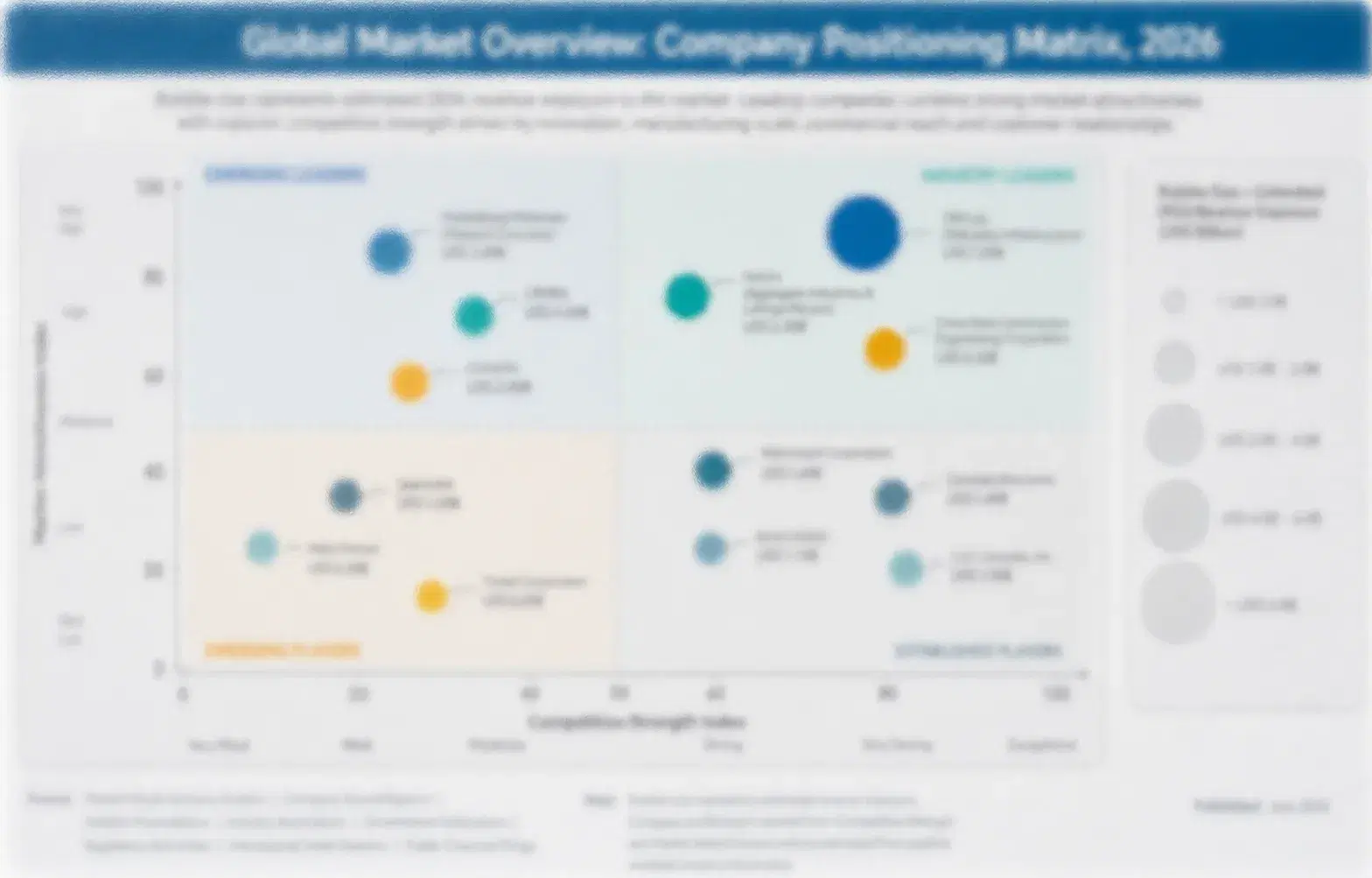
Button mushroom processing shows modest concentration, with the top five processors controlling roughly 22% of global revenue on a consistent revenue basis used throughout this section. Monterey Mushrooms and Bonduelle lead their respective fresh and processed categories without either commanding dominant share across the full value chain from cultivation to retail. Neither leader dominates, so mid-tier processors still win regional contracts.
Current competitive activity centers on processing capacity expansion, nutraceutical extraction capability, and ready-to-eat packaging innovation rather than price competition on undifferentiated fresh product alone. Companies are investing in cold-chain infrastructure and food safety certification to serve premium retail and foodservice channels, while several are pursuing extraction technology to capture nutraceutical brand relationships earlier in product development. Certification and traceability audits increasingly decide which suppliers retailers keep.

Emerging pressure comes from Polish and Chinese processors scaling export-oriented canning and freezing capacity to serve growing international demand, a category historically dominated by domestic fresh-market growers in importing regions. These processors compete on cost efficiency and export logistics infrastructure, a dynamic that could meaningfully reorder mid-tier rankings as more growing regions build comparable processing capability. Consolidation among smaller regional growers is likely to accelerate meanwhile.
button-mushroom-products-market-company-positioning-matrix-1789747424614

Competitive Moat and Risk Dimensions

MONTEREY MUSHROOMS INC.

Moat: Integrated North American Scale

Monterey Mushrooms operates one of North America's largest integrated cultivation and processing networks, giving it fresh, canned, and value-added production capability that smaller regional growers cannot easily replicate. This scale supports consistent year-round supply to major retail chains and lets Monterey offer bundled fresh and processed solutions that single-format specialists cannot match.
MONTEREY MUSHROOMS INC.

Risk: Limited European Export Exposure

As a primarily North American operator, Monterey Mushrooms has less direct exposure to Europe's fast-growing export processing hub centered on Poland, potentially limiting its ability to capture growth in international canned and frozen export demand. This geographic concentration can leave Monterey more exposed to North American demand cycles than more geographically diversified competitors.
BONDUELLE GROUP

Moat: Diversified Processed Vegetable Platform

Bonduelle's processed vegetable expertise extends naturally into mushroom canning and freezing, giving it manufacturing scale and retail relationships built across a much broader processed vegetable portfolio that mushroom-only competitors lack. This diversified processing infrastructure lets Bonduelle absorb capacity investment costs more easily than smaller, mushroom-focused processors operating single-category facilities.
BONDUELLE GROUP

Risk: Internal Capital Competes for Priority

Because mushrooms represent one category within Bonduelle's much broader processed vegetable portfolio, they compete internally for capital allocation against other vegetable lines that may offer faster or larger returns in a given budget cycle. This structure can slow mushroom-specific investment decisions relative to specialized competitors for whom mushrooms are the sole strategic priority.

Players Tracked

Prominent Players

Monterey Mushrooms Inc.
Bonduelle Group
Greenyard NV
South Mill Champs
Okechamp S.A.

Other Key Players

Costa Group Holdings
Sylvan Inc.
Highline Mushrooms
China Green (Holdings) Limited
Shanghai Finc Mushroom Co
Amycel LLC
CNC Mushroom Company
Walsh Mushroom Company
Le Gourmet Mushroom
Mycotopia Fresh
Rheinische Pilze GmbH
Middlesex Mushrooms Limited
Ecovegetal S.L.
Fresh Mushroom Farms Pty Ltd
Zhangzhou Yuandong Food Co

Recent Developments

MAY 2026

Monterey Mushrooms Expands Ready-to-Eat Packaging Line

Monterey Mushrooms completed an organic capacity expansion at its ready-to-eat packaging facility, adding portion-controlled and marinated product lines aimed at capturing growing convenience retail demand. The expansion supports faster customer onboarding for retailers seeking differentiated mushroom product formats. Retailers gain more consistent supply of premium formats year-round.
Signal: Signals accelerating investment in convenience packaging among leading North American mushroom processors and their regional competitors.
OCTOBER 2025

Bonduelle Signs European Retailer Supply Agreement

Bonduelle signed a multi-year supply agreement with a major European grocery retailer, locking in fixed-volume canned and frozen mushroom commitments across multiple private-label product lines. The agreement is a long-term supply contract, not an equity transaction or acquisition. Fixed volumes give both parties planning certainty across seasons.
Signal: Confirms multi-year supply lock-in has become standard competitive practice among leading European mushroom processors across Europe today.
JANUARY 2026

Greenyard Acquires Polish Export Processing Facility

Greenyard completed an acquisition of a mid-sized Polish canning and freezing facility, expanding its Eastern European export processing footprint in the region's dominant mushroom production hub. The deal strengthens Greenyard's proximity to fast-scaling European export demand for processed mushroom products. Polish capacity remains central to European supply chains.
Signal: Reflects growing investor interest in Poland's dominant mushroom export processing infrastructure and its continued expansion in coming years.

What Drives Mushroom Growing Cost

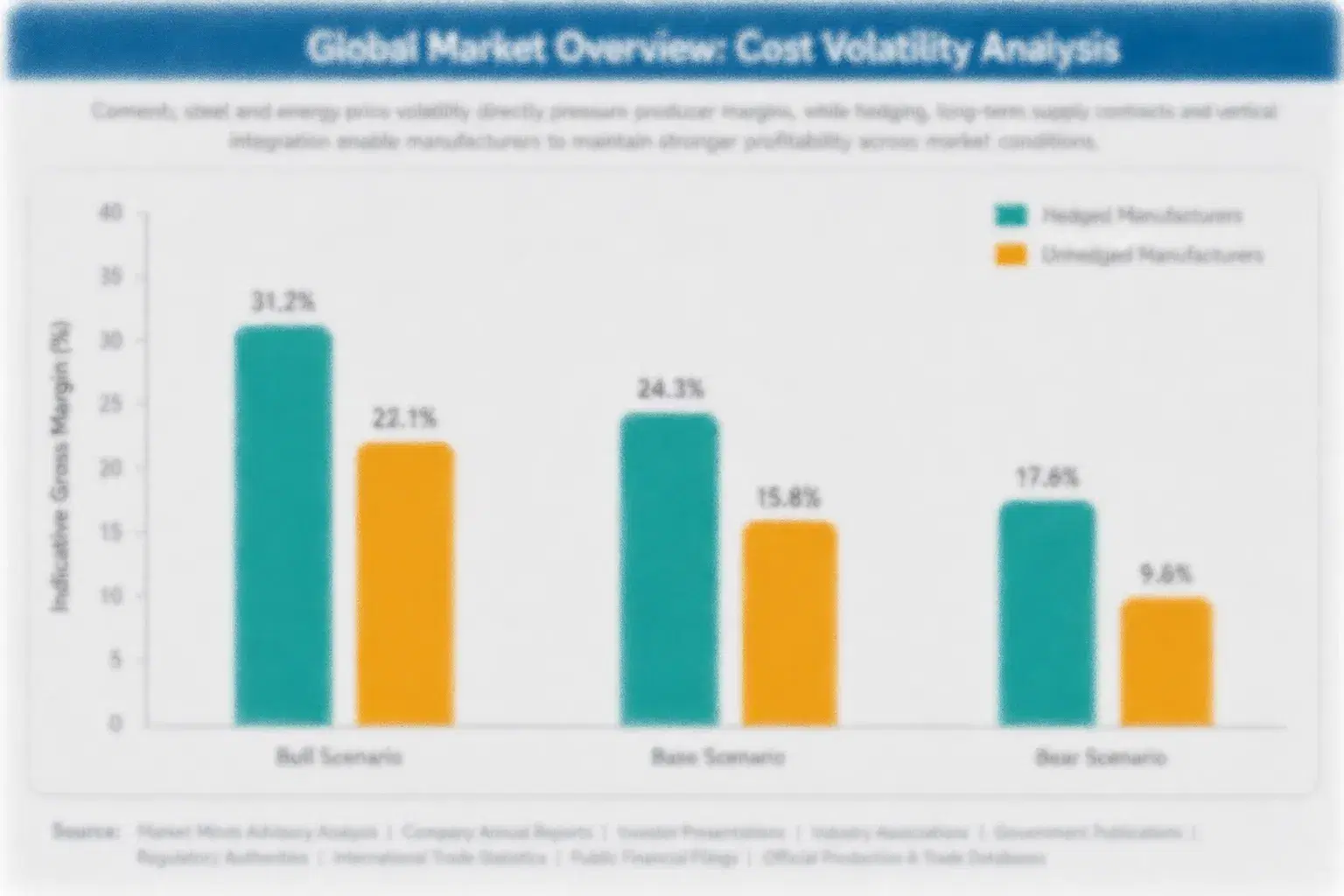
Substrate materials, primarily composted wheat straw, gypsum, and poultry litter, represent 30% to 40% of per-unit growing cost, sourced regionally from agricultural byproduct suppliers near cultivation facilities. Energy for climate control, labor for harvesting, and packaging make up most of the remainder, with energy cost varying sharply by region and season. Packaging and transport add smaller but meaningful shares.
Natural gas prices spiked sharply following the 2022 European energy crisis, according to European Commission energy market reports, driving climate-control costs meaningfully higher for growers across Poland and the broader European Union. Bonduelle's fiscal 2022 annual report cited elevated energy costs as a direct pressure on processing margins, prompting the company to accelerate energy efficiency investment across its facility network. Growers passed part of the increase to retailers through contract renegotiation.

Smaller growers without energy hedging contracts or efficient climate-control infrastructure absorb cost spikes more directly than large operations able to invest in insulation and heat recovery systems. Growers in regions with lower baseline energy costs, including parts of Eastern Europe and North America, hold a meaningful cost advantage during periods of global energy price volatility. This gap widens in winter months.
button-mushroom-products-market-cost-volatility-analysis-1789747424799

Investing in Climate-Control Energy Efficiency

Growers are retrofitting facilities with improved insulation and heat recovery systems to reduce the energy burden of maintaining precise temperature and humidity conditions year-round. This approach requires meaningful upfront capital investment, but the ongoing energy savings typically justify the cost within a few growing cycles for larger, established operations. Payback typically arrives within several years.

Diversifying Substrate Sourcing Regionally

Growers are building relationships with multiple regional substrate suppliers rather than depending on a single source, reducing exposure to any one supplier's pricing power or supply disruption. This diversification requires additional supplier qualification effort, but meaningfully improves substrate supply reliability during periods of regional shortage. Longer supplier contracts also reduce price swings and improve delivery reliability.

Adopting On-Site Renewable Energy Generation

Larger growers are installing solar and biomass energy systems on-site to offset rising grid electricity costs, particularly in regions with favorable renewable incentives and available facility roof space. This investment requires significant upfront capital, but provides meaningful long-term protection against future energy price volatility and disruption. Some operators also sell surplus power to local grids.

Portfolio Architecture for Margin Defence

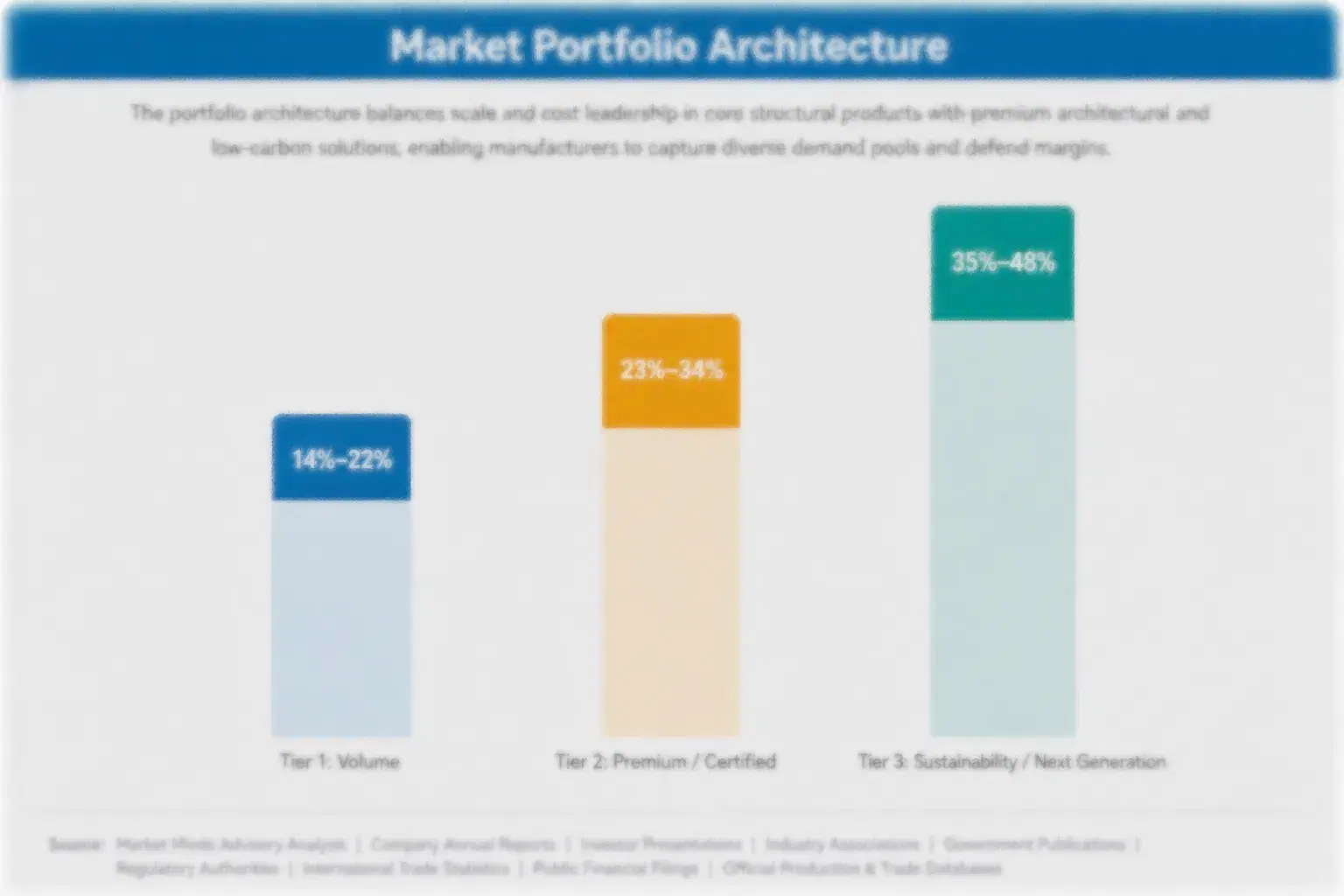
Button mushroom margin structure runs from thin volume-tier spreads on fresh commodity product to substantially richer premium and next-generation pools, with gross margin roughly tripling between the volume tier and the sustainability tier across most processor portfolios. Processing depth, packaging innovation, and extraction technology all function as margin multipliers layered on top of the same underlying cultivated crop. Margins widen with each processing step.
Volume tension persists: most tonnage still moves through fresh commodity channels sold largely on price into wholesale and grocery distribution, leaving thin spreads for growers without differentiation in a crowded field. Processed and extract volume remains a minority of total tonnage but captures a disproportionate share of processor profit, pulling capital investment steadily toward value-added production. Fresh growers feel this pressure most acutely.

High-value pools concentrate where extraction purity, packaging convenience, and export logistics capability intersect, since nutraceutical formulators and premium retailers pay the steepest premiums for suppliers who can demonstrate consistent quality at scale reliably. Supplement brands and premium grocery chains anchor this demand, and processors serving them consistently are capturing margin growth well ahead of the broader market's underlying volume expansion rate. Those relationships tend to be sticky.

Volume / Commodity-Adjacent Tier

Fresh loose button mushrooms sold primarily on price into wholesale and grocery distribution channels, with minimal processing and thin competitive spreads across most producing regions worldwide. Little pricing power exists beyond scale.
Gross Margin

Premium / Certified Tier

Ready-to-eat, portion-controlled, and canned or frozen export formats meeting retailer convenience and shelf-life specifications, commanding consistent premiums from formulators and retailers worldwide. Retailers pay for shelf life, convenience, and consistent supply throughout the year.
Gross Margin

Sustainability / Regulatory / Next-Generation Tier

Standardized nutraceutical extracts and functional ingredients paired with clinical documentation, positioned well ahead of anticipated functional nutrition and supplement industry demand growth. Buyers here demand documentation, potency testing, and long-term contracts before committing volume.
Gross Margin
button-mushroom-products-market-portfolio-architecture-1789747424991

High-value Sub-segments and Strategic Watch-out

Mushroom-Based Extracts and Nutraceuticals

Mushroom extracts combine the fastest volume growth in the market with strong pricing power, drawing accelerating manufacturer investment as supplement brand demand continues expanding across most major markets worldwide today and into the coming decade. Capacity remains scarce, which supports pricing through the near term and beyond.
Gross Margin: 24%-32%

Value-Added and Ready-to-Eat Products

Ready-to-eat formats sustain strong growth and durable premiums among convenience-focused retailers, though packaging and food safety investment requirements constrain how quickly new capacity reaches commercial scale across most manufacturing facilities. Retailers reward suppliers that deliver consistent quality, reliable shelf life, and dependable volume across every store.
Gross Margin: 18%-26%

Fresh Commodity Mushrooms

Fresh commodity mushrooms remain the volume core of the market, moving the largest absolute tonnage even as their share of total value shrinks relative to processed segments gaining share steadily across most producing regions and export markets. Scale and cold-chain efficiency decide who earns acceptable returns here.
Gross Margin: 18%-26%

Substitute Protein and Meat Alternative Competition

Substitute protein sources represent a strategic watch-out, since competing plant-based and cultivated protein alternatives could divert formulation investment away from mushroom-based ingredients if functional performance parity continues improving among rival substrates. Investors and growers should monitor formulation shifts, since durable substitution would reduce demand for mushroom ingredients over time.
Gross Margin: 18%-26%

Why Mushroom Supply Relationships Renew

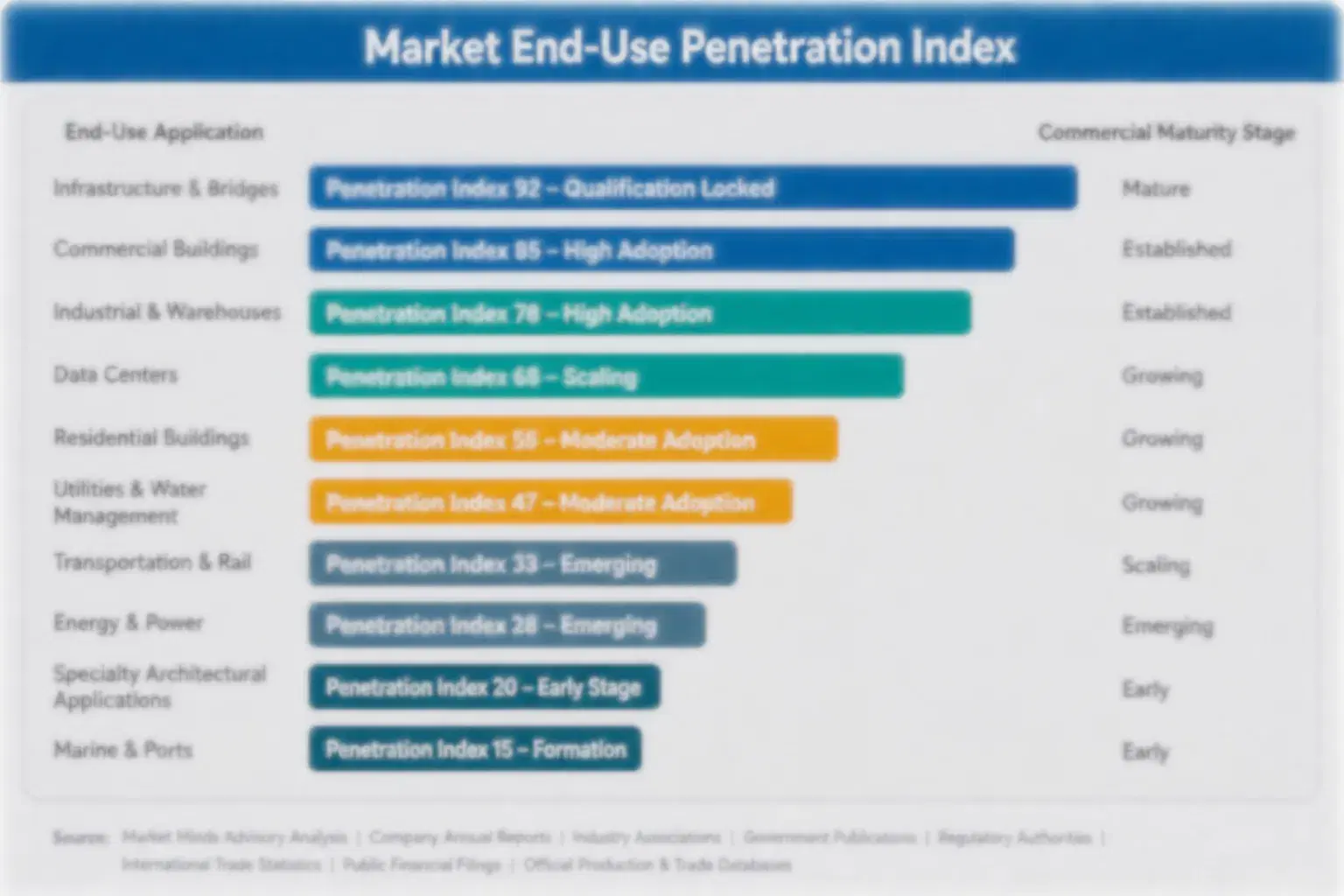
Button mushroom processor relationships behave like an annuity once a retailer or supplement brand qualifies a supplier's quality and consistency standards, since switching carries real supply continuity risk that most buyers avoid absent a clear cost or quality problem to solve. Multi-year supply agreements, increasingly bundled with packaging or extraction specifications, extend this repeat-purchase pattern further for processors that qualify early.
Stickiness varies by end-use vertical. Nutraceutical and supplement buyers show the deepest relationship depth, since extract potency and clinical documentation changes require extensive requalification testing that most brands avoid unless necessary. Retail grocery buyers show somewhat shallower loyalty, since fresh commodity product is more readily substitutable between suppliers, while foodservice buyers value consistency and volume reliability above nearly all other purchasing considerations.

Buyer profiles are shifting generationally as younger procurement and product development leaders prioritize functional nutrition credentials and sustainability documentation over pure cost competitiveness, a meaningful change from purchasing norms that dominated commodity produce sourcing for decades. This generational shift is accelerating processed and extract mushroom products' share of total procurement spend, even among buyers whose end products still compete primarily on price at retail.
button-mushroom-products-market-end-use-penetration-index-1789747425177

MMA Verdict on Mushroom Strategy

These are among the four positions where our research anticipates prominent divergence between winners and laggards over the coming forecast period. Each is grounded in the demand model, the regulatory perimeter, and the announced capacity pipeline.
01 / EXTRACTION TECHNOLOGY INVESTMENT

Invest Now in Nutraceutical Extraction Capability

Processors that delay extraction technology investment risk ceding qualification slots as supplement formulators continue converting toward standardized, clinically-documented mushroom compounds. Mushroom extracts already command growth roughly 1.5 times the overall market rate, and early movers are securing multi-year supply agreements well ahead of competitors still building comparable testing infrastructure. MMA views the next two to three years as the critical window before extraction capacity saturates available premium demand and the advantage compresses meaningfully for latecomers across the entire supplement channel.
02 / PACKAGING FORMAT DIVERSIFICATION

Diversify Into Ready-to-Eat Packaging Formats

Growers that convert toward ready-to-eat and portion-controlled packaging are capturing meaningfully higher retail pricing than loose fresh product, since convenience justifies premiums that time-constrained consumers willingly pay at checkout across most developed retail markets. This conversion requires packaging equipment and food safety certification investment that smaller growers often cannot easily fund without external capital. MMA recommends treating packaging diversification as a near-term strategic priority rather than a discretionary investment decision given rising retailer expectations for convenience formats across most developed markets.
03 / FOODSERVICE CHANNEL DEVELOPMENT

Build Direct Foodservice Supply Relationships

Processors that build direct foodservice relationships rather than selling exclusively through wholesale distributors are capturing meaningfully more margin per unit while offering customers more consistent, reliable supply across the calendar year. This approach requires dedicated account management capability that smaller growers often lack, favoring larger, processing-capable operations able to guarantee year-round consistency at scale. MMA sees foodservice channel depth as an increasingly durable source of competitive separation, as buyers consolidate and reward suppliers that guarantee consistent volume through seasonal and winter swings.
04 / EXPORT PROCESSING CAPACITY

Expand Export-Oriented Processing Capacity Early

Growers that build canning and freezing capacity specifically for export markets are capturing pricing and volume predictability worth meaningfully more than domestic-only fresh sales, since importers value supply reliability given the perishability risk inherent to fresh mushroom logistics. Poland's dominant export processing position demonstrates the scale advantage available to early movers in this space. MMA recommends export processing capacity as a strategic priority for growers with access to committed international demand and the capital to build canning, freezing and cold-storage lines.

Engagement Snapshot From the Field

A live engagement with an industry participant carrying material or product regulatory and market exposure ahead of a defining policy shift, showing how our research translates into a defensible multi-year portfolio strategy.
MARKET MINDS ADVISORY · CLIENT ENGAGEMENT SUMMARY
Button Mushroom Products Producer Strategic Portfolio Review and Transition Roadmap 2026·Investment Scenario on Button Mushroom Products Exposure Evaluation 2025-26
CLIENT PROFILE
The client is a mid-sized North American grocery retail chain generating approximately $2.1 billion in annual revenue (client-reported, unverified by MMA), operating over 140 stores across three states. The company's fresh produce department had historically treated mushrooms as a minor commodity category without dedicated merchandising strategy or supplier consolidation. The chain operates mainly through suburban supermarkets.
STRATEGIC CHALLENGE
The client faced declining mushroom category sales and shrink losses from spoilage, even as competitors expanded ready-to-eat and value-added mushroom offerings that commanded higher margins. Leadership needed a category strategy that would reduce waste and capture premium pricing without disrupting existing supplier relationships entirely. Management also worried that abrupt changes would unsettle long-standing produce suppliers.
MMA APPROACH
MMA conducted a category performance benchmarking study comparing the client's mushroom department against regional competitors, then modeled the economics of expanding ready-to-eat and extended-shelf-life packaged formats. The engagement combined primary shopper interviews, supplier capability assessment, and phased category conversion timeline modeling. Store visits and supplier interviews informed a shrink model covering all regions.
KEY FINDINGS
  1. Benchmarking showed the client's mushroom shrink rate ran 40% higher than regional competitors already using modified atmosphere packaging formats over the trailing twelve months.
  2. Shifting 30% of fresh loose mushroom shelf space to pre-packaged formats could reduce shrink losses by an estimated 8 percentage points across the network.
  3. Ready-to-eat and marinated mushroom products commanded price premiums of 20% to 30% over loose fresh product at comparable retailers in the same regional markets.
  4. A phased category reset reduced supplier disruption risk compared to requiring an immediate full assortment overhaul across all stores for its produce suppliers.
CLIENT PROFILE
The client is a mid-sized North American grocery retail chain generating approximately $2.1 billion in annual revenue (client-reported, unverified by MMA), operating over 140 stores across three states. The company's fresh produce department had historically treated mushrooms as a minor commodity category without dedicated merchandising strategy or supplier consolidation. The chain operates mainly through suburban supermarkets.
STRATEGIC CHALLENGE
The client faced declining mushroom category sales and shrink losses from spoilage, even as competitors expanded ready-to-eat and value-added mushroom offerings that commanded higher margins. Leadership needed a category strategy that would reduce waste and capture premium pricing without disrupting existing supplier relationships entirely. Management also worried that abrupt changes would unsettle long-standing produce suppliers.
MMA APPROACH
MMA conducted a category performance benchmarking study comparing the client's mushroom department against regional competitors, then modeled the economics of expanding ready-to-eat and extended-shelf-life packaged formats. The engagement combined primary shopper interviews, supplier capability assessment, and phased category conversion timeline modeling. Store visits and supplier interviews informed a shrink model covering all regions.
KEY FINDINGS
  1. Benchmarking showed the client's mushroom shrink rate ran 40% higher than regional competitors already using modified atmosphere packaging formats over the trailing twelve months.
  2. Shifting 30% of fresh loose mushroom shelf space to pre-packaged formats could reduce shrink losses by an estimated 8 percentage points across the network.
  3. Ready-to-eat and marinated mushroom products commanded price premiums of 20% to 30% over loose fresh product at comparable retailers in the same regional markets.
  4. A phased category reset reduced supplier disruption risk compared to requiring an immediate full assortment overhaul across all stores for its produce suppliers.
RECOMMENDED STRATEGY
Phase 1: Phase 1 (Months 1-3): Pilot pre-packaged mushroom formats in twenty stores alongside existing loose fresh offerings and track shrink results weekly. Phase 2: Phase 2 (Months 4-8): Expand successful packaged formats chain-wide while introducing ready-to-eat marinated product lines with supplier training and reset support. Phase 3: Phase 3 (Months 9-12): Optimize supplier mix and shelf allocation based on validated pilot sales and shrink performance data each quarter.
OUTCOME
Within twelve months, the client reduced mushroom category shrink by 9 percentage points (client-reported, unverified by MMA) while growing category revenue by an estimated 15% through expanded packaged and ready-to-eat formats. The phased rollout limited disruption to existing supplier relationships throughout the transition. Suppliers reported orderly transitions.

Frequently Asked Questions

Foundational context covering the market sizes, CAGR, scope, country, region and competition that inform every finding below. This section is provided to cover basics and most often pre-purchase conversations, answered from the MMA Primary Research Dataset.

What is the current size of the Button Mushroom Products Market?

The global button mushroom products market was valued at $18.5 billion in 2025. This figure covers fresh, canned, dried, frozen, and extracted Agaricus bisporus products.

How large will the Button Mushroom Products Market be by 2036?

MMA projects the market will reach approximately $35.9 billion by 2036. This represents cumulative growth of roughly $16.2 billion over the full ten-year forecast window.

What is the CAGR for the Button Mushroom Products Market 2026 to 2036?

The market is forecast to grow at a 6.2% compound annual rate between 2026 and 2036. The bull case reaches 7.4% while the bear case falls to 5.0%.

Which segment is growing fastest?

Mushroom-Based Extracts and Nutraceuticals is the fastest-growing segment, expanding at 9.5% CAGR, roughly 1.5 times the overall market rate. Value-Added and Ready-to-Eat Products follows at 8.0%.

Who are the major companies in the Button Mushroom Products Market?

Leading companies include Monterey Mushrooms Inc., Bonduelle Group, Greenyard NV, South Mill Champs, and Okechamp S.A. These five players control an estimated 22% of global revenue.

Which country is growing fastest?

Poland is currently the fastest-growing major market, expanding at approximately 8.5% CAGR each year. Its dominant export processing infrastructure is driving this above-market growth rate.

Report Segmentation Architecture

The full report scope spans multiple orthogonal segmentation dimensions, with cross-tabulated demand data provided for each dimension pair. Coverage extends further to regional breakdowns, trend trajectories, and the competitive detail needed to support segment-level decision-making.

By Primary Market Dimension

  • Mushroom-Based Extracts and Nutraceuticals
  • Value-Added and Ready-to-Eat Products
  • Canned Mushroom Products
  • Frozen Mushroom Products
  • Dried and Powdered Mushroom Products
  • Fresh Commodity Mushrooms

By End-Use Industry

  • Retail Grocery and Foodservice
  • Nutraceuticals and Dietary Supplements
  • Meat Alternative and Snack Manufacturing
  • Cosmetics and Personal Care
  • Pharmaceutical Applications

By Commercial Dimension

  • Direct-to-Retailer Sales
  • Wholesale Distributor Channels
  • Foodservice Supply Contracts
  • Export Processing Agreements

By Region

  • North America
  • Western Europe
  • East Asia
  • South Asia and Pacific
  • Latin America
  • Middle East and Africa
  • Eastern Europe

Scope, Methodology, and Coverage

Every figure in this report is reproducible from documented input assumptions. The scope below maps the historical period, the forecast horizon, the segmentation dimensions, and the countries covered, alongside the underlying primary and qualitative methodology.
Historical Period
2020 to 2025
Forecast Period
2026 to 2036
Base Year
2025 (USD billions; MMA Primary Research Dataset, September 2026)
Market Definition
Button mushroom products comprise fresh, canned, dried, frozen, and extracted goods derived from Agaricus bisporus cultivation. The scope excludes other cultivated mushroom species such as shiitake or oyster mushrooms and excludes wild-foraged fungi.
Quantitative Units
USD billions (current prices); metric tons for volume references
Segmentation Dimensions
By Processing Form and Functional Purpose; By End-Use Industry; By Commercial Dimension; By Region
Regions Covered
North America, Western Europe, East Asia, South Asia and Pacific, Latin America, Middle East and Africa, Eastern Europe
Countries Covered
USA, China, Germany, France, UK, Japan, South Korea, India, Australia, Canada, Poland, Netherlands, Ireland, Mexico, Brazil, Argentina, Vietnam, Thailand, Italy, Spain, Turkey, South Africa, Nigeria, Saudi Arabia, UAE, Belgium, Switzerland, Sweden, Indonesia, Malaysia, and additional markets relevant to this sector
Key Companies Profiled
Monterey Mushrooms Inc., Bonduelle Group, Greenyard NV, South Mill Champs, Okechamp S.A., Costa Group Holdings, Sylvan Inc., Highline Mushrooms, China Green (Holdings) Limited, Shanghai Finc Mushroom Co, Amycel LLC, CNC Mushroom Company, Walsh Mushroom Company, Le Gourmet Mushroom, Mycotopia Fresh, Rheinische Pilze GmbH, Middlesex Mushrooms Limited, Ecovegetal S.L., Fresh Mushroom Farms Pty Ltd, Zhangzhou Yuandong Food Co
Quantitative Methodology
Primary survey, n=3,800 respondents, Q4 2025, six countries; demand-side model with trade association cross-validation
Qualitative Methodology
47 expert interviews, Q4 2025; applied to validate demand model assumptions, identify emerging dynamics, and assess competitive positioning
Report Format
PDF and XLSX data workbook (Word format preview document)
Publisher
Market Minds Advisory
Report Code
MMA-2026-AGR-230
Published
September 2026
Contact
sales@marketmindsadvisory.com | www.marketmindsadvisory.com

Purchase the full Button Mushroom Products Market Report (2026 to 2036).

The full report delivers a comprehensive assessment of global button mushroom supply, processing technology, and competitive positioning through 2036. It includes detailed segment-level forecasts across processing and functional categories, country-level demand data for all seven world regions, and profiles of the twenty companies most relevant to cultivation and processing. Analysts also receive input cost modeling and portfolio margin benchmarking built from MMA's primary research dataset. A dedicated scenario planning module lets subscribers stress-test bull and bear case assumptions against their own sourcing plans. Quarterly updates keep the dataset current.
Ten-year segment and regional demand forecasts
Processing technology and capacity investment tracking
Competitive benchmarking of top twenty processors
Input cost and margin sensitivity modeling tools
Regional demand mechanism comparative analysis included
Quarterly primary survey data update access

Built For The People Who Decide

From boardroom strategy to bench-side execution, this report is read cover-to-cover by leaders shaping the next decade of their industry, turning demand scenarios, market dynamics and valuation benchmarks into decisions.
CXOs/ Presidents/ VPs/ Managers
M&A and Corporate Development
Strategy Teams and R&D Heads
Procurement and Product Directors
Regulatory and Compliance Leaders
Investor Relations and Equity Analysts