Market Minds Advisory
Buttermilk Powder Market

Buttermilk Powder Market: Buttermilk Powder Market. Butter Churning Supply, Phospholipid Ingredients, and Clean-Label Emulsifiers Shape Powder Value.

Buttermilk powder began as a churning by-product and is becoming a phospholipid ingredient, natural emulsifier, and flavor source, yet butter cycles, energy costs, and skim milk powder competition decide which processors capture that upgrade.

Lead Analyst

Published

September 2026

Make Smarter Decisions with Customized Research Insights

Request a free sample report and evaluate market opportunities, growth trends, and competitive dynamics relevant to your business needs.

2025 MARKET VALUE$0.9BMarket Size 2025
2036 FORECAST VALUE$1.6BBase Case , 2026 to 2036
CAGR 2026 TO 20365.6 %Bull 7.0% / Bear 4.3%
INCREMENTAL OPPORTUNITY$0.7BNet 10- year value creation
EXPANSION MULTIPLE1.72x2036 value over 2026 base
Strategic Levers
M&A Pipeline
Regional Outlook
Country Rankings
Competitive Intelligence
Segmental Deep-dive
Call-Us : 91 93563 13602

Executive Snapshot and Market Trajectory.

Buttermilk is what is left when cream becomes butter, and for a century it was cheap feed. Then researchers found that its milk fat globule membrane carries phospholipids that infants and bakers both value. The by-product now has a spec sheet. Buyers reward consistency over novelty. Specification sheets decide renewal.
MFGM-enriched buttermilk powder grows fastest, since infant nutrition brands pay for phospholipids and brain-development claims. Western Europe holds the largest share because European butter churning, dairy cooperatives, and bakeries give it the deepest supply and demand. India leads country growth. Butter sets supply. Phospholipids set premium. Energy sets margin. Bakeries set volume. Supply reliability decides supplier rankings. Margins follow sourcing discipline. Batch records protect future sales.
Competition is concentrated, with a New Zealand dairy cooperative, a Dutch dairy cooperative, a Danish-Swedish dairy ingredient group, a Minnesota dairy cooperative, and a Kansas dairy cooperative competing alongside regional butter makers on phospholipid content, flavor, and supply security. Butter output, energy cost, and skim milk powder rivals shape profits. Butter makers own supply. Specialists own separation. Trust decides reorders. Cost control separates leaders from followers. Clear certificates build buyer trust.
Market Definition
The buttermilk powder market covers dried buttermilk obtained from butter churning or made by cultured methods and sold to food, bakery, nutrition, and animal nutrition manufacturers, including MFGM-enriched buttermilk powder, cultured and acid buttermilk powder, sweet cream buttermilk powder, organic and grass-fed buttermilk powder, and feed-grade buttermilk powder. The scope excludes liquid buttermilk beverages, skim milk powder, whey powders, butter, and phospholipid concentrates sold as nutraceuticals.
Base Year Value
$0.9B in 2025 (MMA Primary Research Dataset, September 2026)
Forecast Period
2026 to 2036, eleven discrete annual values
CAGR
5.6% base case. Bull 7.0%. Bear 4.3%.
Fastest Growth Segment
MFGM-Enriched Buttermilk Powder: 10.6% CAGR
Fastest Growth Country
India: 8.4% CAGR
Fastest Growth Region
South Asia and Pacific: 7.6% CAGR
Largest Region
Western Europe: 28% of 2025 global value
Market Leaders
Fonterra, FrieslandCampina Ingredients, Arla Foods Ingredients, Land O'Lakes, Dairy Farmers of America. Source: MMA Analysis, company annual reports.
Primary Survey
n=3,800 procurement and R&D decision-makers, Q4 2025, six countries
Methodology
Demand-side build-up, cross-validated against public data, 47 expert interviews

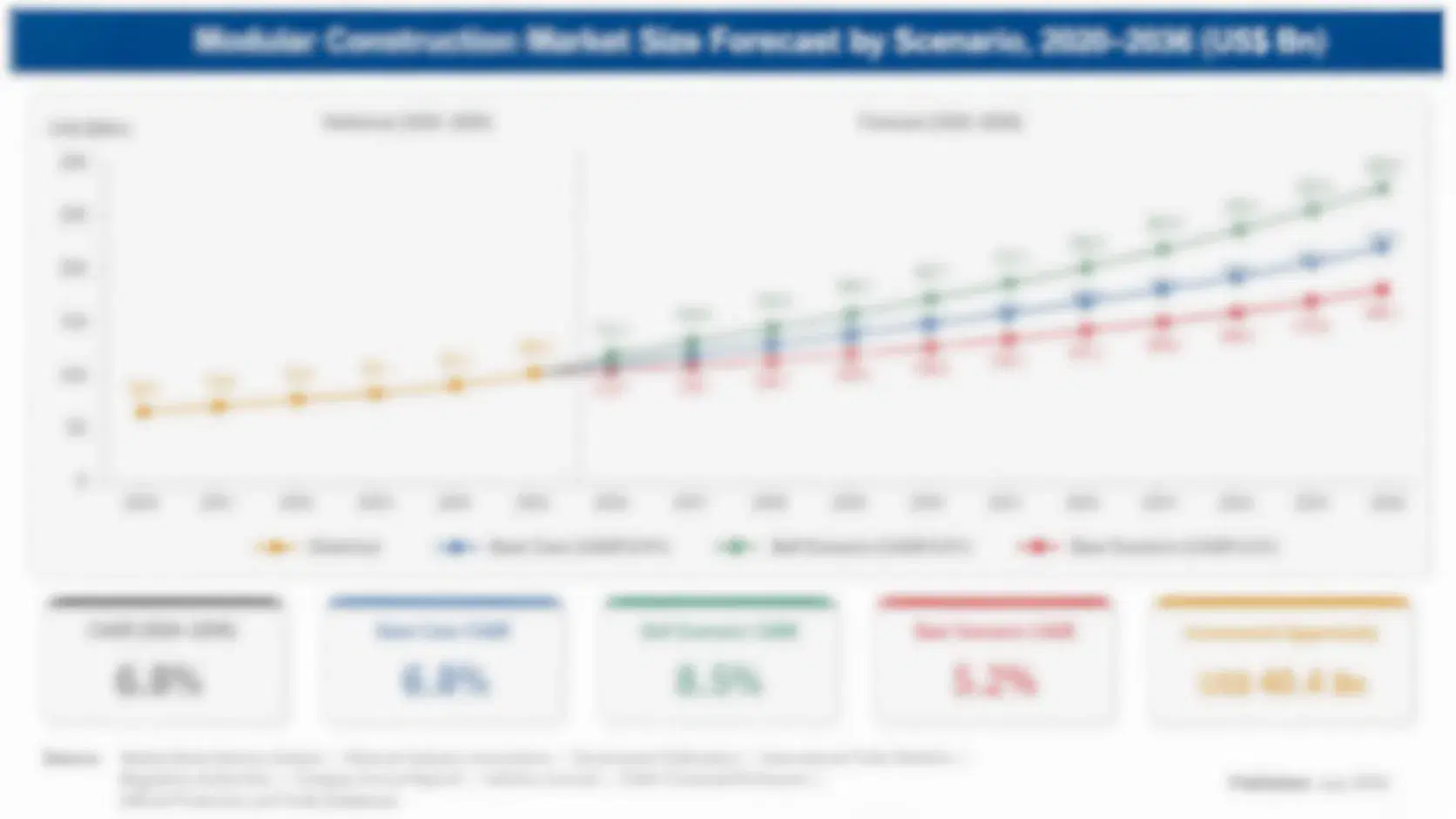
Buttermilk Powder Market Forecast Scenarios

buttermilk-powder-market-size-forecast-scenario-1789820723416
From 2020 to 2025, buttermilk powder grew as record butter output added supply, bakers and dressing makers used it as a natural emulsifier, and infant nutrition makers tested milk fat globule membrane ingredients. Energy and milk costs rose from 2022, and processors passed on part of the increase through price steps. Growth ran slightly below the forecast pace as skim milk powder prices fell.
The base case rests on three commercial mechanisms. First, butter output stays high, keeping buttermilk supply ample for standard grades. Second, MFGM-enriched grades lift value per tonne as infant and clinical nutrition makers add phospholipid claims. Third, clean-label bakers replace lecithin and emulsifier blends with buttermilk powder. Each mechanism compounds steadily. Processors plan butter partnerships, separation capacity, and audits around all three. Small processors feel every price swing. Customer reach compounds over time.
The bull case needs strong butter output and faster MFGM adoption, which would lift volumes and margins. The bear case is a fall in skim milk powder prices combined with weak butter cycles, which would squeeze margins and cut volumes. Buyers reward consistency over novelty. Specification sheets decide renewal. Supply reliability decides supplier rankings. Margins follow sourcing discipline.

Butter Supply, Phospholipid Content, and Emulsifier Demand Decide Buttermilk Winners

The buttermilk powder market spans several production models. Creameries churn cream into butter, collect the liquid buttermilk, pasteurise it, concentrate it by evaporation, and spray dry it into powder. Some processors use microfiltration to enrich the milk fat globule membrane fraction, and cultured producers ferment skim milk with lactic cultures to make acid buttermilk powder for flavor. Procurement teams review suppliers every season.
MARKET CONCENTRATION44% CR5Leading five processors hold a moderate combined share
BUTTERMILK FEEDSTOCK COST SHARE52%Portion of goods cost taken by buttermilk raw material
BAKERY USAGE SHARE41%Portion of demand used in bakery and dressing products
PHOSPHOLIPID CONTENT1.5%Typical phospholipid portion in standard sweet cream powder
SKIM MILK POWDER DISCOUNT10%Typical price discount against skim milk powder equivalent solids
BUTTER OUTPUT GROWTH2.5%Average yearly growth in global butter production volumes
Butter supply, phospholipid content, and emulsifier demand decide value. Buyers judge powders on flavor, phospholipids, protein, colour, solubility, and price per tonne, so a processor needs secure buttermilk, drying capacity, and separation skill. Butter makers own supply, while specialists own MFGM ingredients. Suppliers with contracted buttermilk, consistent flavor, and reliable delivery win because bakers and formula makers reorder only from suppliers that never miss a shipment.
Buyers judge buttermilk powder on flavor, emulsifying power, phospholipids, browning, and price. Bakers want tangy flavor and softness, dressing makers want natural emulsification, and nutrition makers want documented phospholipid levels. Price sensitivity is high in bakery and feed and lower in infant and MFGM grades, which pushes processors toward annual contracts, cost pass-through clauses, and application support. Batch records protect future sales.
"Buttermilk powder is a story about respect. For decades it was sold as if it were skim milk with a lower price. Now buyers read the phospholipid line on the spec sheet. The processors that can measure and guarantee it will earn double the price, and those that cannot will keep selling it as feed."
Senior Analyst, Dairy Ingredients Practice · MMA Buttermilk Powder Practice · September 2026

Market Trends

MFGM Ingredients Add Cognitive Claims to Infant and Clinical Nutrition

Milk fat globule membrane phospholipids and gangliosides from buttermilk are added to infant formula and clinical nutrition to support cognitive development claims, and MFGM-enriched powders contain 4% to 10% phospholipids against 1.5% in standard powder. MFGM-enriched grades price at $6,000 to $12,000 a tonne and earn gross margins of 34% to 46%. The trend needs microfiltration and clinical evidence, and it rewards processors with separation skill. Cost control separates leaders from followers. Clear certificates build buyer trust. Small processors feel every price swing. Customer reach compounds over time. Buyers reward consistency over novelty.
Market Impact: butter output grows 2-3% yearly
Clean-Label Bakers Replace Emulsifier Blends With Buttermilk Powder

Bakers and dressing makers replace lecithin, mono- and diglycerides, and other emulsifier blends with buttermilk powder, which emulsifies naturally and adds tangy flavor and softness, at usage rates of 2% to 6%. Clean-label buttermilk powder prices 15% to 30% above standard skim milk powder equivalents. The trend needs consistent emulsifying performance and flavor, and it rewards processors with application labs and flexible grades. Specification sheets decide renewal. Supply reliability decides supplier rankings. Margins follow sourcing discipline. Procurement teams review suppliers every season. Batch records protect future sales. Cost control separates leaders from followers.
Market Impact: MFGM formula grows 10-15% yearly

Market Opportunities and Growth Drivers

Record Butter Output Keeps Buttermilk Supply Ample for Bakery Buyers

Global butter production grows by about 2% to 3% a year as butter demand stays strong, and every tonne of butter leaves about 20 tonnes of buttermilk that processors can dry. New creameries in the United States and Europe add drying capacity. The driver sustains supply and rewards processors that integrate with butter makers, run efficient dryers, and offer standard grades at stable prices to bakery customers. Clear certificates build buyer trust. Small processors feel every price swing. Customer reach compounds over time. Buyers reward consistency over novelty. Specification sheets decide renewal.
Market Impact: skim milk powder prices swung 30-50%

Infant and Clinical Nutrition Makers Add MFGM to Premium Formulas

Premium infant formula brands add MFGM ingredients to support cognitive development claims, and MFGM-enriched formula grows by 10% to 15% a year in Asia and Europe. Buttermilk is the richest commercial source of MFGM. The driver adds value to a by-product and rewards processors with microfiltration, audited plants, and clinical evidence that supports formula makers' claims. Supply reliability decides supplier rankings. Margins follow sourcing discipline. Procurement teams review suppliers every season. Batch records protect future sales. Cost control separates leaders from followers. Clear certificates build buyer trust. Small processors feel every price swing.
Market Impact: 8-12% of batches miss flavor specifications

Market Restraints and Challenges

Butter Cycles and Skim Milk Powder Swings Squeeze Standard Margins

Buttermilk supply follows butter output, not powder demand, and buttermilk powder prices track skim milk powder within a 10% discount, while skim milk powder prices swung by 30% to 50% within two years. The root cause is by-product economics and shared markets. Processors pass on part of the change through price steps, but bakers resist, and mitigation includes MFGM grades, long contracts, and application programmes. Customer reach compounds over time. Buyers reward consistency over novelty. Specification sheets decide renewal. Supply reliability decides supplier rankings. Margins follow sourcing discipline. Procurement teams review suppliers every season.
Market Impact: MFGM grades earn 34-46% gross margin

Energy Costs, Separation Investment, and Flavor Variability Limit Premium Growth

Drying and evaporation take about 20% of cost of goods and gas prices swung 25% to 50% within two years, while microfiltration lines cost $10 million to $30 million, and flavor varies with churning conditions. The root cause is energy intensity and by-product variability. Processors respond with heat recovery, standardisation, and selection of cream sources, though 8% to 12% of batches miss flavor specifications. Batch records protect future sales. Cost control separates leaders from followers. Clear certificates build buyer trust. Small processors feel every price swing. Customer reach compounds over time. Buyers reward consistency over novelty.
Market Impact: buttermilk replaces emulsifiers at 2-6% dosage
3 additional market trends, 2 additional growth drivers, and 4 additional restraints and challenges are covered in the full report. Contact sales@marketmindsadvisory.com to access the complete intelligence.

Segment CAGR and Growth Architecture

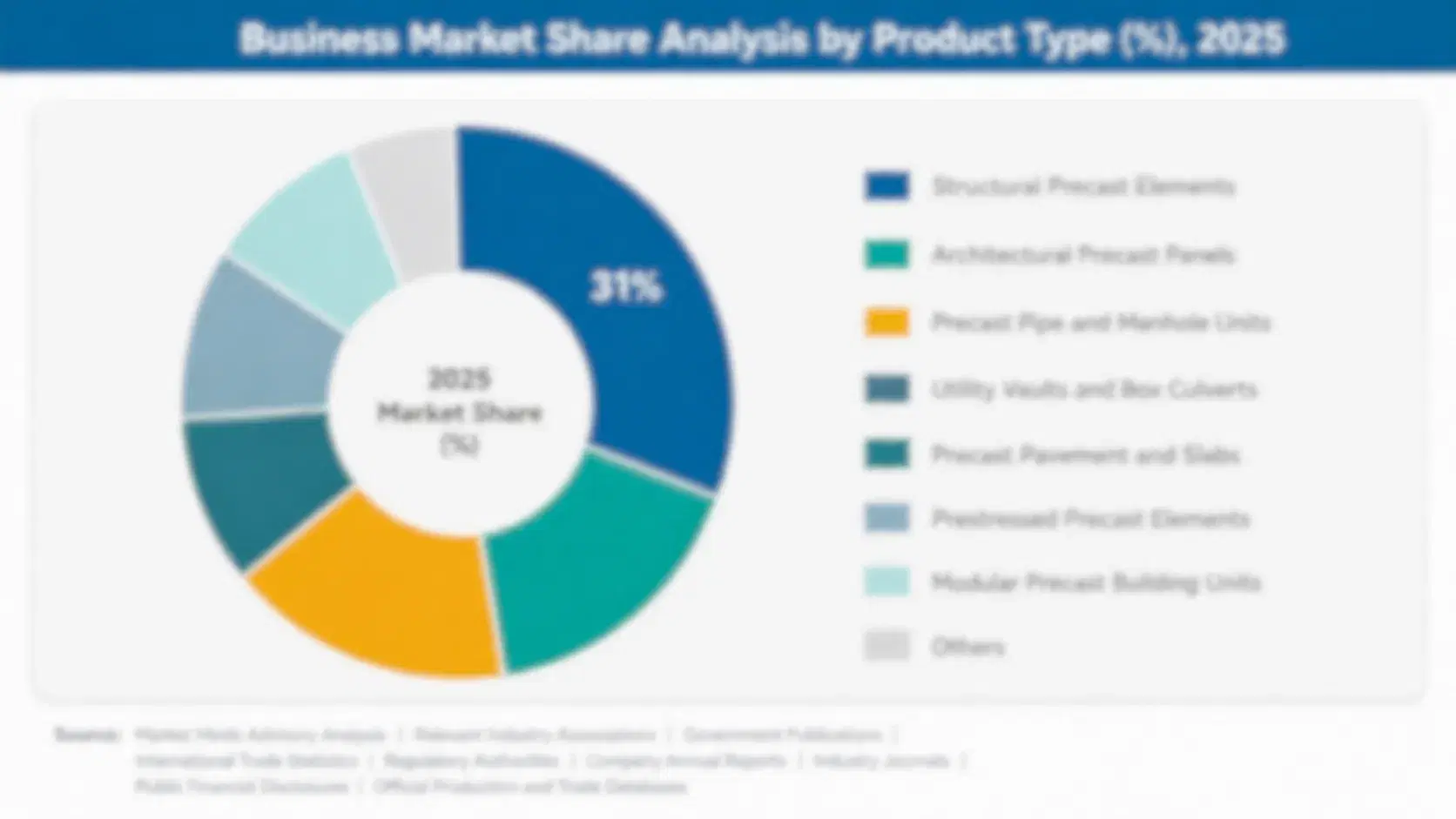
The buttermilk powder market is segmented by grade, which shows where phospholipids, flavor, and pricing power sit. Five segments cover MFGM-enriched, cultured and acid, organic and grass-fed, sweet cream, and feed-grade buttermilk powder. Two segments grow fastest on nutrition and clean-label demand. Specification sheets decide renewal. Supply reliability decides supplier rankings. Margins follow sourcing discipline.
buttermilk-powder-market-market-share-analysis-1789820723719

MFGM-Enriched Buttermilk Powder

MFGM-Enriched Buttermilk Powder is the fastest-growing segment at 10.6% a year, about 1.89 times the overall market rate. Infant nutrition brands pay for phospholipids and cognitive claims, and prices of $6,000 to $12,000 a tonne support gross margins of 34% to 46%. Microfiltration capacity and clinical evidence are the main constraints, since separation lines cost $10 million to $30 million. Processors with separation skill and audited plants win. Procurement teams review suppliers every season. Batch records protect future sales. Cost control separates leaders from followers. Clear certificates build buyer trust. Small processors feel every price swing. Customer reach compounds over time. Buyers reward consistency over novelty. Specification sheets decide renewal. Supply reliability decides supplier rankings.
CAGR 10.6%

Cultured and Acid Buttermilk Powder

Cultured and Acid Buttermilk Powder grows at 8.0% a year, because bakers and dressing makers want tangy flavor and natural emulsification in clean-label products, and buyers accept premiums of 15% to 30% over sweet cream powder. Culture consistency and shelf life are the main constraints, since fermentation adds cost and flavor drifts with time. Processors with proprietary cultures hold price better than followers. Margins follow sourcing discipline. Procurement teams review suppliers every season. Batch records protect future sales. Cost control separates leaders from followers. Clear certificates build buyer trust. Small processors feel every price swing. Customer reach compounds over time. Buyers reward consistency over novelty. Specification sheets decide renewal. Supply reliability decides supplier rankings.
CAGR 8.0%
Full segment breakdown across 5 segments available in the complete report.

Regional Architecture and Country Demand Map

Buttermilk powder value concentrates in Western Europe and North America, where butter churning is concentrated. East Asia imports much of its supply, South Asia and Pacific grows fastest as butter output rises, and other regions add smaller shares. Margins follow sourcing discipline. Procurement teams review suppliers every season.

Western Europe

Western Europe holds 28% share, above its usual band, because Dutch, German, Danish, Irish, and French cooperatives such as FrieslandCampina Ingredients, Arla Foods Ingredients, DMK Group, Tirlán, and Lactalis Ingredients churn large volumes of butter and dry the buttermilk for domestic bakeries and export. North America follows closely and the two lead on butter scale. Growth trails the global rate. Energy costs and skim milk powder prices restrain margins. Batch records protect future sales. Cost control separates leaders from followers. Clear certificates build buyer trust. Small processors feel every price swing. Customer reach compounds over time. Buyers reward consistency over novelty. Specification sheets decide renewal. Supply reliability decides supplier rankings. Margins follow sourcing discipline.
Share: 28% | CAGR: 4.4% (2026 to 2036)

North America

North America holds 26% share, inside its band, because American creameries such as Land O'Lakes, Dairy Farmers of America, Hilmar Ingredients, and Glanbia Nutritionals produce large volumes of sweet cream buttermilk powder for bakery, dressing, and ice cream makers. Growth tracks slightly below the global rate. Butter output cycles, tariffs, and skim milk powder competition restrain margins, and large bakers negotiate hard on price. Procurement teams review suppliers every season. Batch records protect future sales. Cost control separates leaders from followers. Clear certificates build buyer trust. Small processors feel every price swing. Customer reach compounds over time. Buyers reward consistency over novelty. Specification sheets decide renewal. Supply reliability decides supplier rankings. Margins follow sourcing discipline.
Share: 26% | CAGR: 5.4% (2026 to 2036)
Regional intelligence for 5 additional markets available in the complete report: East Asia, South Asia and Pacific, Latin America, Middle East and Africa, Eastern Europe. Contact sales@marketmindsadvisory.com.
buttermilk-powder-market-country-cagr-analysis-1789820724024

Four Margin Routes for Buttermilk Powder Processors

Margin in buttermilk powder comes from MFGM grades, clean-label emulsifier programmes, butter integration, and energy efficiency rather than volume alone. The routes below apply to large dairy cooperatives, ingredient groups, and specialist processors, and each can start inside one planning cycle, with clear measures in gross margin points, cost per tonne, and customers qualified.

Building MFGM-Enriched Grades With Microfiltration and Clinical Evidence

MFGM-enriched grades price $6,000 to $12,000 a tonne and earn gross margins of 34% to 46% against 8% to 16% for standard sweet cream powder, so processors that add microfiltration, publish phospholipid data, and complete infant nutrition audits report gross margin gains of 6 to 10 points on the mix. Lines cost $10 million to $30 million. Formula makers add multi-year volume. Approval takes 12 to 24 months. Batch records protect future sales. Cost control separates leaders from followers. Clear certificates build buyer trust. Small processors feel every price swing. Customer reach compounds over time.
Market Impact: MFGM grades lift gross margin by 6-10 points

Selling Clean-Label Emulsifier Replacement Programmes to Bakers and Dressing Makers

Bakers and dressing makers replace lecithin and emulsifier blends with buttermilk powder at 2% to 6% dosage, and clean-label powder prices 15% to 30% above standard equivalents. Processors that offer recipe guides, application trials, and supply agreements win multi-year accounts. Programmes cost $0.3 million to $1 million per customer. Processors should target 10 large bakers in year one and measure repeat orders monthly. Buyers reward consistency over novelty. Specification sheets decide renewal. Supply reliability decides supplier rankings. Margins follow sourcing discipline. Procurement teams review suppliers every season. Batch records protect future sales.
Market Impact: clean-label powder earns 15-30% premiums over standard powder

Integrating With Butter Makers to Secure Supply and Lower Cost

Buttermilk supply follows butter output and every tonne of butter leaves about 20 tonnes of buttermilk, so processors that sign long supply agreements with creameries, co-locate drying, and share energy cut feedstock cost by 8% to 12% and secure volume. Integration cuts logistics cost per tonne by 15%. Processors that skip planning absorb 12% more cost when butter cycles turn against them. Cost control separates leaders from followers. Clear certificates build buyer trust. Small processors feel every price swing. Customer reach compounds over time. Buyers reward consistency over novelty. Specification sheets decide renewal.
Market Impact: integration cuts feedstock cost by 8-12% per tonne

Cutting Drying Energy Through Heat Recovery and Efficient Evaporation

Drying and evaporation take about 20% of cost of goods and gas prices swung 25% to 50% within two years, so processors that install mechanical vapour recompression, heat recovery, and efficient dryers cut energy use by 15% to 30% per tonne. Upgrades pay back in three to five years. Small processors can use toll drying. Processors should upgrade the largest plant first and lock energy on long contracts. Supply reliability decides supplier rankings. Margins follow sourcing discipline. Procurement teams review suppliers every season. Batch records protect future sales. Cost control separates leaders from followers.
Market Impact: efficient drying cuts energy use by 15-30% per tonne

Who Controls the Margin Pool

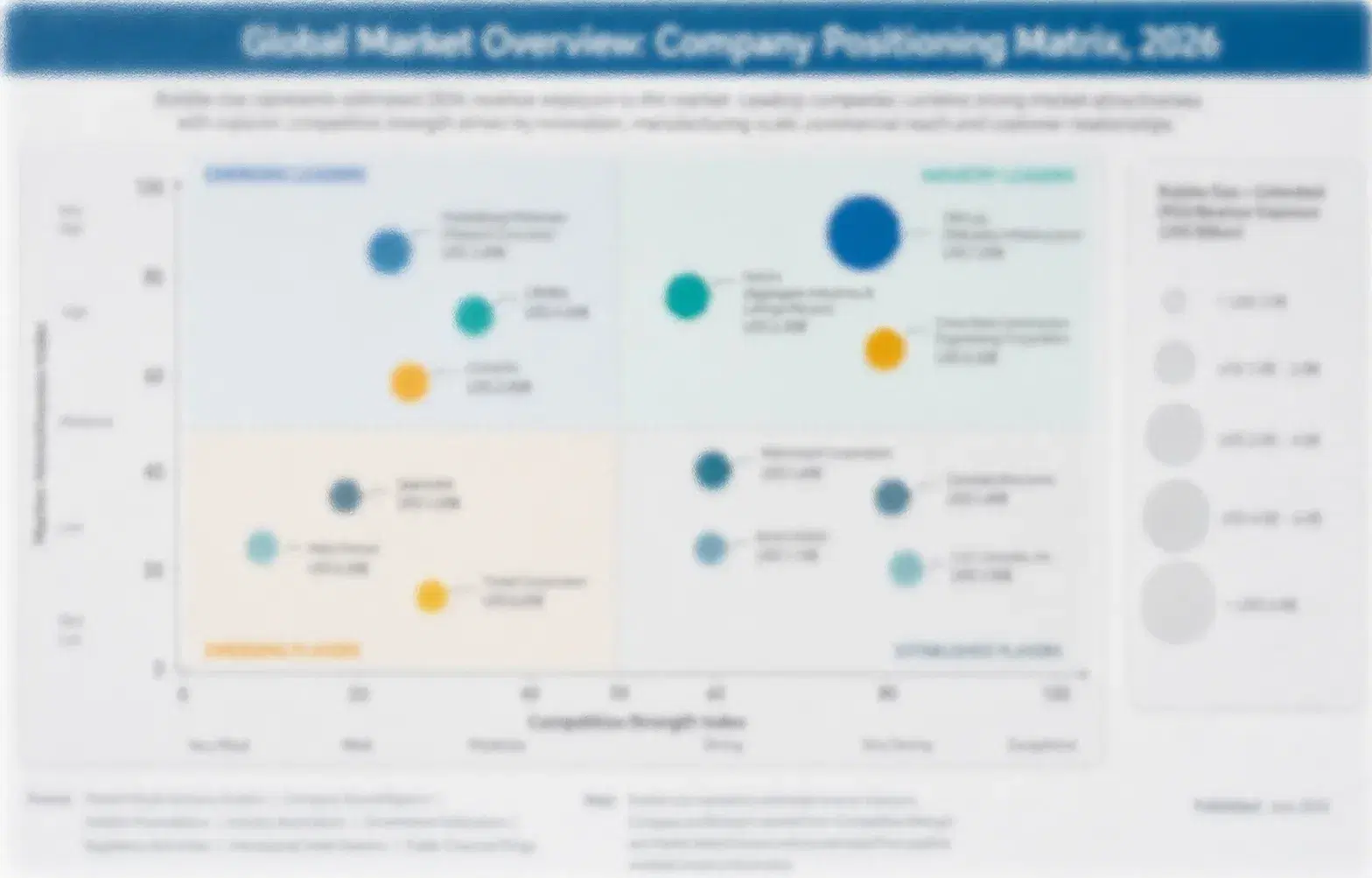
The buttermilk powder market is concentrated, with a CR5 of 44%, and regional creameries, cooperatives, and specialist separators sit outside the leading five. This assessment measures participants on estimated buttermilk powder production value, held constant across all players. Fonterra leads through butter scale and export reach, while FrieslandCampina Ingredients, Arla Foods Ingredients, Land O'Lakes, and Dairy Farmers of America follow, with a clear gap between the leader and the challengers.
Competition runs on four dimensions today: buttermilk supply and cost, phospholipid content and MFGM separation skill, flavor consistency, and application support for bakers. Butter-integrated processors win on supply and scale, while specialists win on separation and service. Imitators copy standard grades quickly, so premiums outside proven quality erode within a contract cycle, and price competition appears in bakery tenders and skim milk powder cycles. Clear certificates build buyer trust.

Emerging pressure comes from Chinese dairies building MFGM capacity, plant-based emulsifier suppliers, and dairy-identical fermentation ingredients. Rankings shift where a processor wins an infant nutrition qualification, adds microfiltration, or launches a distinctive cultured grade. Regional processors can move up quickly, since application support matters more than scale. Small processors feel every price swing. Customer reach compounds over time.
buttermilk-powder-market-company-positioning-matrix-1789820724335

Competitive Moat and Risk Dimensions

FONTERRA

Moat: Butter Scale and Export Reach

Fonterra collects most of New Zealand's milk, produces large volumes of butter, and dries the buttermilk for export to bakery, nutrition, and food customers across Asia and the Middle East. Its butter scale, drying capacity, and long customer relationships give it cost and reach advantages, and its research supports MFGM ingredients for infant and clinical nutrition.
FONTERRA

Risk: Milk Price and Currency Exposure

Fonterra depends on farmgate milk price cycles and export currency swings that squeeze margins in weak years. Skim milk powder price swings affect buttermilk values, and European and American processors add MFGM capacity, while customers push for price cuts at renewal. Buyers reward consistency over novelty. Specification sheets decide renewal.
FRIESLANDCAMPINA INGREDIENTS

Moat: Cooperative Scale and Nutrition Depth

FrieslandCampina Ingredients, part of a Dutch dairy cooperative, produces buttermilk powder and MFGM-enriched ingredients for bakery, infant, and clinical nutrition customers worldwide. Its cooperative milk supply, separation technology, and long formula maker relationships give it cost and trust advantages, and its documentation library supports approvals for phospholipid-rich ingredients.
FRIESLANDCAMPINA INGREDIENTS

Risk: European Energy and Rivals

FrieslandCampina Ingredients faces high European energy and environmental costs and depends on a few large formula makers. Skim milk powder price swings squeeze standard grade margins, and New Zealand and Chinese producers add MFGM capacity, while customers negotiate hard on price. Supply reliability decides supplier rankings. Margins follow sourcing discipline.

Players Tracked

Prominent Players

Fonterra
FrieslandCampina Ingredients
Arla Foods Ingredients
Land O'Lakes
Dairy Farmers of America

Other Key Players

Glanbia Nutritionals
Lactalis Ingredients
Agropur Ingredients
Hilmar Ingredients
Saputo Dairy Ingredients
Tirlán
Ornua
DMK Group
Milei
Volac
Carbery Group
Westland Milk Products
Amul
Sodiaal
Emmi

Recent Developments

JANUARY 2026

FrieslandCampina Ingredients Launches MFGM-Enriched Buttermilk Powder for Infant Nutrition

FrieslandCampina Ingredients launched an MFGM-enriched buttermilk powder for infant nutrition, containing 8% phospholipids and documented ganglioside levels. It is a product launch, and it tests whether an established cooperative can lead MFGM ingredients. Sales volumes were not disclosed. Procurement teams review suppliers every season. Batch records protect future sales.
Signal: Confirms that leading cooperatives are launching MFGM-enriched buttermilk grades to win premium infant and clinical nutrition accounts.
FEBRUARY 2026

Fonterra Expands Buttermilk Drying and Microfiltration Capacity in New Zealand

Fonterra announced organic expansion of buttermilk drying and microfiltration capacity in New Zealand, adding MFGM separation lines. It is a capacity expansion, not an acquisition, and it tests whether by-product upgrading can lift returns. Investment figures were not disclosed. Cost control separates leaders from followers. Specification sheets decide renewal.
Signal: Indicates dairy cooperatives are investing in MFGM separation capacity to upgrade returns from by-product buttermilk streams.
MARCH 2026

Arla Foods Ingredients Introduces Cultured Buttermilk Powder for Clean-Label Bakery

Arla Foods Ingredients introduced a cultured buttermilk powder for clean-label bakery, designed to replace emulsifier blends at 3% dosage. It is a product launch, and it tests whether natural emulsification can win bakers. Sales volumes were not disclosed. Supply reliability decides supplier rankings. Margins follow sourcing discipline.
Signal: Suggests ingredient groups are launching cultured buttermilk powders to help bakers replace emulsifier blends with cleaner labels.

What Drives Buttermilk Powder Production Costs

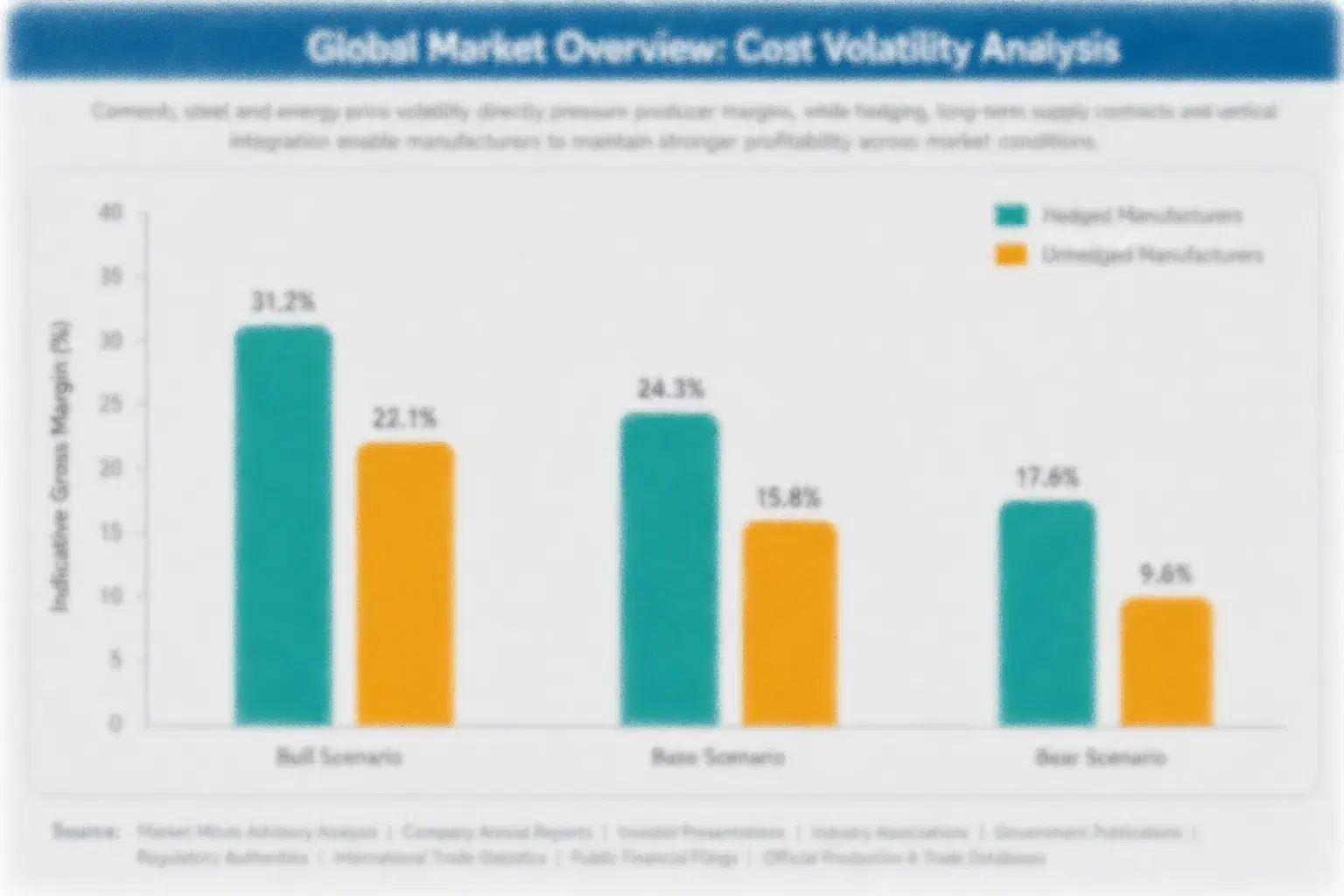
Buttermilk feedstock accounts for roughly 52% of cost of goods, energy for evaporation and spray drying about 20%, microfiltration and consumables about 4%, labour and quality control about 8%, and packaging, freight, and compliance about 16%. Buttermilk comes mainly from creameries in the European Union, the United States, and New Zealand, so exposure differs by region. Procurement teams review suppliers every season.
The clearest recent shock came from skim milk powder and gas. European Commission dairy market observatory data showed skim milk powder prices swinging sharply, and International Energy Agency data showed European gas prices at several times their long-run level in 2022, while FrieslandCampina reported in its annual report that energy and dairy commodity costs shaped ingredient margins. Processors raised prices by 8% to 15%. Batch records protect future sales.

The competitive disadvantage falls on small processors, which buy buttermilk on spot markets, pay spot energy rates, and cannot fund microfiltration. Large butter-integrated processors own supply, run efficient dryers, and spread cost across many products. Exposure also varies by region, since New Zealand plants use pasture milk while European plants face higher energy and environmental costs. Cost control separates leaders from followers.
buttermilk-powder-market-cost-volatility-analysis-1789820724641

Integrating Supply With Creameries Through Long Agreements

Processors sign long supply agreements with creameries, co-locate drying where possible, and share energy. Integration cuts feedstock cost by 8% to 12% and secures volume, though it needs capital and cooperation that only larger processors usually provide. Delivery reliability matters, and customers should approve early. Clear certificates build buyer trust. Small processors feel every price swing.

Writing Cost Pass-Through Clauses Into Customer Contracts

Processors write cost pass-through clauses into bakery and nutrition contracts that adjust prices with skim milk powder and energy indices. Index clauses cut margin swings by 10% to 20% in volatile years. The main challenge is customer acceptance, so processors publish index sources, offer caps and floors, and pair pricing with application support. Customer reach compounds over time.

Shifting Mix Toward MFGM and Cultured Grades

Processors shift mix toward MFGM and cultured grades that carry premiums of 15% to 100% over standard powder, offsetting price swings. Mix shifts lift gross margin by 3 to 8 points but need microfiltration and audits. The main challenge is qualification time, so processors start infant nutrition filings early. Buyers reward consistency over novelty. Specification sheets decide renewal.

Portfolio Architecture for Margin Defence

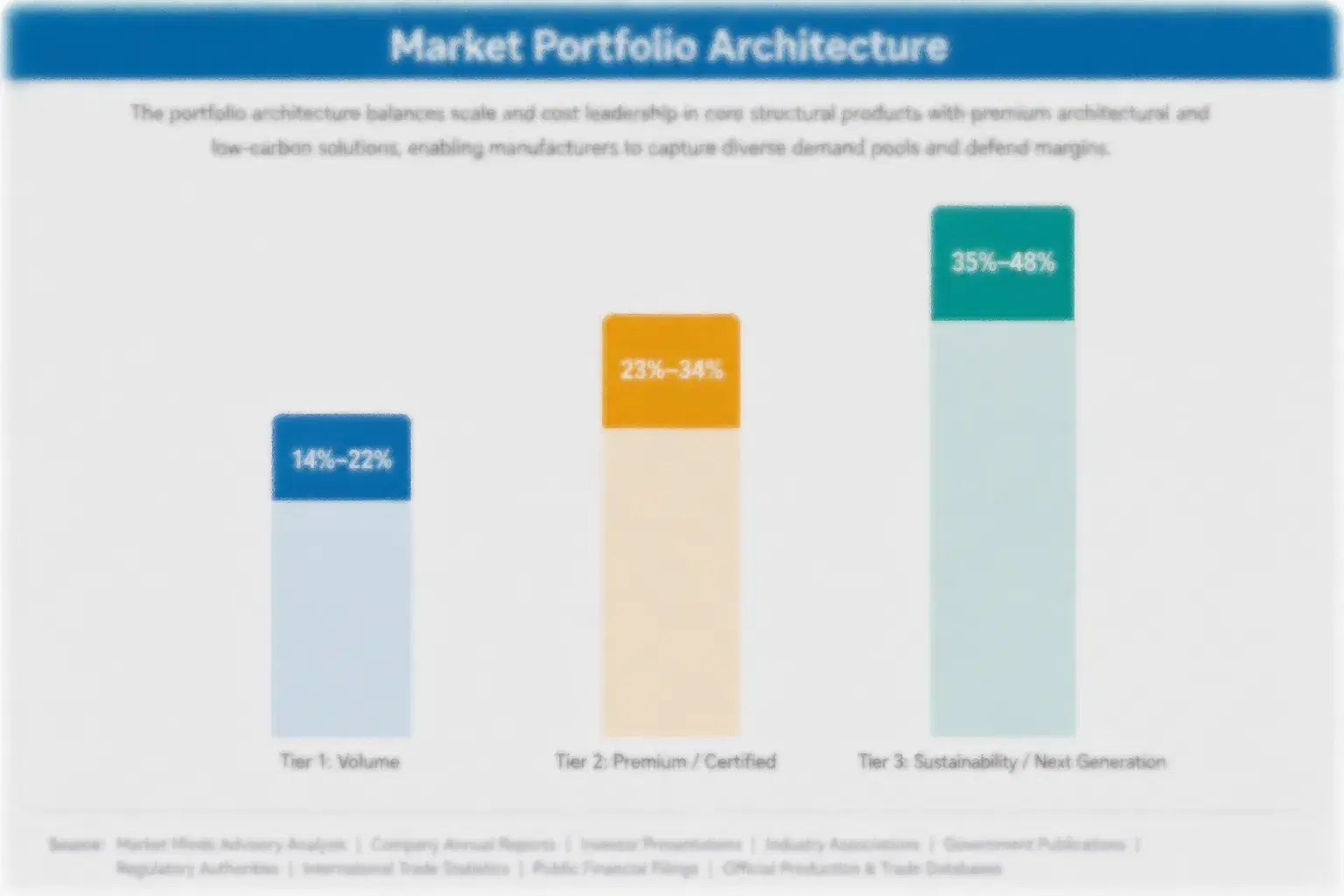
Margins run from thin returns on feed-grade and sweet cream buttermilk powder sold in bulk to strong returns on MFGM-enriched and cultured grades sold with phospholipid and flavor guarantees. Three tiers separate volume products, certified premium lines, and next-generation formats, and each tier draws on different buyer groups, buttermilk supply, and technical terms. Procurement teams review suppliers every season. Batch records protect future sales.
The tension between volume and premium is sharp. Volume powders protect plant utilisation and customer relationships but face constant price pressure from skim milk powder and bakery buyers, while premium grades earn higher margins on smaller volumes and depend on separation skill, audits, and application support. Processors that run only volume struggle to fund innovation, while processors that run only premium lack the scale to hold buttermilk supply. Cost control separates leaders from followers.

High-value pools concentrate in MFGM-enriched grades sold to infant and clinical nutrition makers and cultured grades sold to clean-label bakers and dressing makers. They gather where buyers pay for phospholipids, flavor, and natural emulsification rather than tonnes. Infant nutrition makers, clean-label bakers, and dressing makers add further value, since these buyers ask for reliable supply and consistent specifications.

Volume / Commodity-Adjacent Tier

Feed-grade and sweet cream buttermilk powder sold in bulk to bakery, confectionery, and feed users under annual contracts, with thin margins, feedstock cost exposure, and constant price competition, where buyers switch on price.
Gross Margin: 8%-16%

Premium / Certified Tier

Organic and grass-fed buttermilk powder with consistent flavor, Kosher and Halal certification, and documented batch records, sold to bakers and nutrition makers that require reliable supply and stable pricing. Clear certificates build buyer trust.
Gross Margin: 16%-26%

Sustainability / Regulatory / Next-Generation Tier

MFGM-enriched and cultured buttermilk powder with audit files, phospholipid data, and lower-energy processing, sold to infant, clinical, and clean-label buyers that pay premiums for function, flavor, and stronger sustainability performance. Small processors feel every price swing.
Gross Margin: 30%-46%
buttermilk-powder-market-portfolio-architecture-1789820724962

High-value Sub-segments and Strategic Watch-out

MFGM-Enriched Buttermilk Powder

MFGM-enriched buttermilk powder combines the fastest growth with strong pricing, since infant nutrition brands pay $6,000 to $12,000 a tonne for phospholipids and cognitive claims. Microfiltration and clinical evidence limit competition, and processors with audited plants win. Volume compounds as premium formula adds MFGM ingredients. Specification sheets decide renewal.
Gross Margin: 34%-46%

Cultured and Acid Buttermilk Powder

Cultured and acid buttermilk powder delivers solid growth and healthy pricing, since clean-label bakers and dressing makers pay 15% to 30% premiums for tangy flavor and natural emulsification. Cultures and flavor consistency form the entry barrier, and processors with proprietary cultures win. Repeat purchase builds through bakery ranges.
Gross Margin: 22%-34%

Sweet Cream Buttermilk Powder

Sweet cream buttermilk powder forms the volume core, sold to bakery, ice cream, and dressing makers under annual contracts at thin to moderate margins. Growth is steady, at about 5.0% a year, as packaged bakery expands. Buttermilk cost, energy, and delivery reliability decide profit, and processors anchor dryer utilisation
Gross Margin: 10%-18%

Feed-Grade Buttermilk Powder

Feed-grade buttermilk powder is the strategic watch-out, since animal nutrition buyers switch on price, growth trails the market at about 2.4% a year, and margins are tight. Processors should shift volume toward food and nutrition grades before feed pricing erodes margin, because cheaper skim milk powder and whey compete
Gross Margin: 4%-12%

Why Bakers Keep Reordering Buttermilk Powder

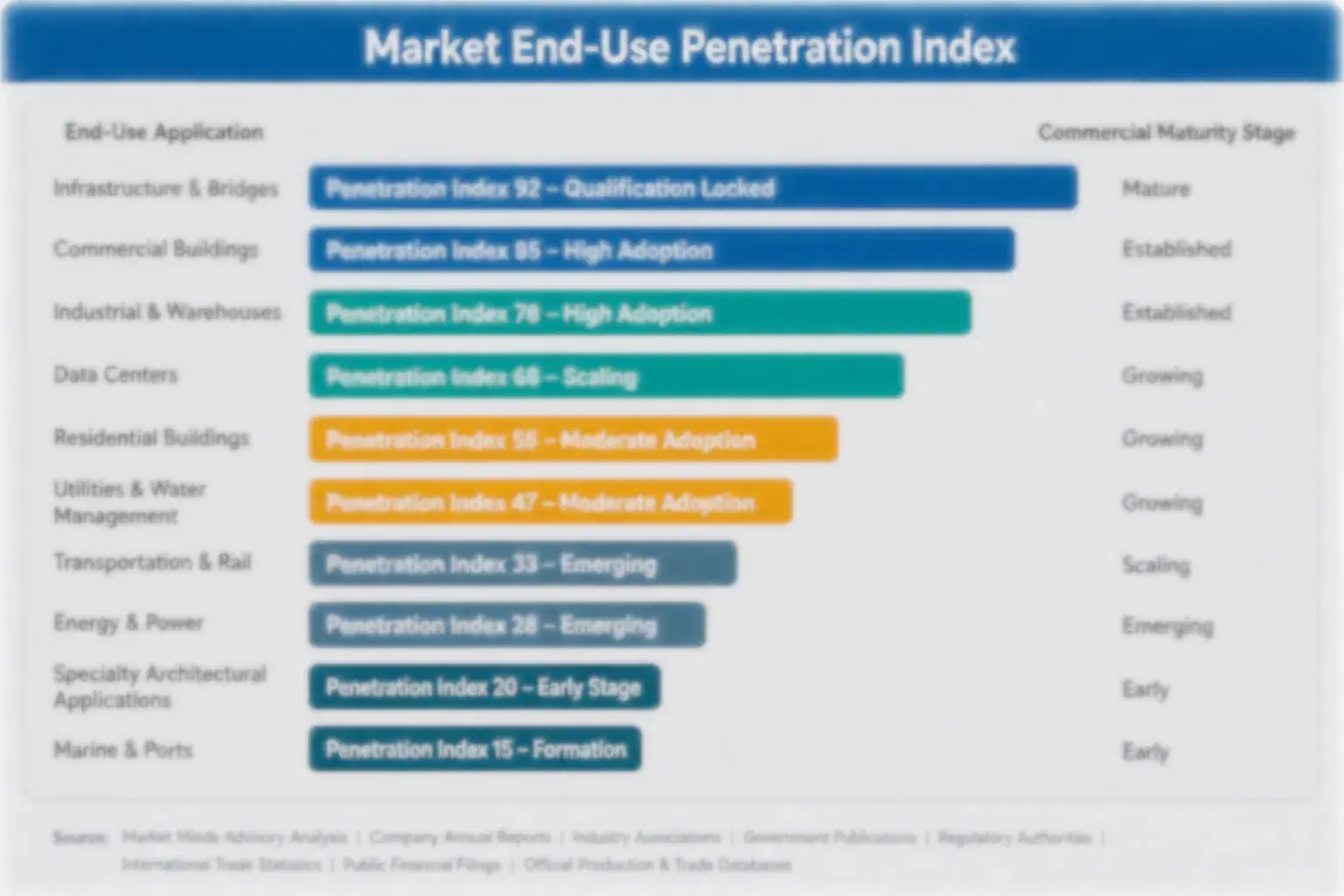
Buttermilk powder demand behaves like an annuity attached to recipes and formulations. Once a baker or nutrition maker qualifies a grade and files it in a recipe, the buyer repeats the purchase every month, and switching means new baking tests and possible label changes. Buyers use last year's flavor and delivery record to fix renewals, so successful processors earn steadier volume than launches driven by price alone.
Adoption stickiness differs by end-use vertical. Infant and clinical nutrition makers are the deepest, since the ingredient sits in a regulated dossier and switching means new evidence, and they change only when supply or quality fails. Clean-label bakers are almost as loyal once flavor is proven. Ice cream and feed buyers are shallower and switch on price. Supply reliability decides supplier rankings.

Buyer profiles are shifting between generations. Older bakers choose skim milk powder and lecithin by habit, while younger food makers care about clean labels, natural emulsifiers, and phospholipid ingredients. Infant nutrition brands add a third group that wants MFGM claims. Processors that publish phospholipid data and offer application labs win newer buyers and keep them as recipes evolve.
buttermilk-powder-market-end-use-penetration-index-1789820725252

MMA Verdict on Buttermilk Powder Strategy

These are among the four positions where our research anticipates prominent divergence between winners and laggards over the coming forecast period. Each is grounded in the demand model, the regulatory perimeter, and the announced capacity pipeline.
01 / MFGM GRADE POSITIONING

Build MFGM Separation Capacity Before Standard Powder Margins Erode Further

MFGM-Enriched Buttermilk Powder grows at 10.6% a year, about 1.89 times the overall market rate, and processors that supply documented phospholipids to infant nutrition brands earn gross margins of 34% to 46% against 8% to 16% for standard sweet cream powder. Winners will invest in microfiltration, clinical evidence, and audited plants that take 12 to 24 months to qualify. Processors that stay in standard powder will fight on price, and rivals with MFGM grades will capture the fastest-growing accounts in infant nutrition.
02 / BUTTER INTEGRATION STRATEGY

Integrate With Butter Makers Before Skim Milk Powder Cycles Squeeze Standard Returns

Buttermilk supply follows butter output and prices track skim milk powder within a 10% discount, so independent processors face feedstock and price risk together. Processors should sign long supply agreements with creameries, co-locate drying, and share energy, cutting feedstock cost by 8% to 12%. Those that buy on the spot market will absorb losses when skim milk powder prices swing by 30% to 50%, and integrated rivals will hold supply and price through every dairy cycle, currency swing, and freight disruption in the market.
03 / CLEAN-LABEL PROGRAMME STRATEGY

Sell Emulsifier Replacement Programmes Before Bakers Lock Alternative Clean-Label Suppliers

Bakers and dressing makers replace lecithin and emulsifier blends with buttermilk powder at 2% to 6% dosage, and clean-label powder prices 15% to 30% above standard equivalents. Processors should offer recipe guides, application trials, and supply agreements, targeting 10 large bakers in year one. Those that wait will find clean-label recipes tied to rivals with labs, and processors with programmes will hold the fastest-growing bakery accounts, using them to justify further separation and culture investment over many years and several product generations.
04 / ENERGY COST DISCIPLINE

Cut Drying Energy Before Gas Price Spikes Erode Buttermilk Powder Margins Again

Drying and evaporation take about 20% of cost of goods and gas prices swung 25% to 50% within two years, so energy passes straight into processor margins. Processors should install mechanical vapour recompression, heat recovery, and efficient dryers, which cut energy use by 15% to 30% per tonne, and buy energy on long contracts. Those that delay will carry the highest cost per tonne into every renewal, and efficient rivals will hold price and margin through every gas cycle and demand swing.

Engagement Snapshot From the Field

A live engagement with an industry participant carrying material or product regulatory and market exposure ahead of a defining policy shift, showing how our research translates into a defensible multi-year portfolio strategy.
MARKET MINDS ADVISORY · CLIENT ENGAGEMENT SUMMARY
Buttermilk Powder Producer Strategic Portfolio Review and Transition Roadmap 2026·Investment Scenario on Buttermilk Powder Exposure Evaluation 2025-26
CLIENT PROFILE
The client is a mid-sized European dairy cooperative with annual sales near EUR 1.6 billion (client-reported, unverified by MMA), a portfolio of butter, cheese, skim milk powder, and sweet cream buttermilk powder sold to bakers and traders. It had no MFGM line, sold buttermilk powder on spot prices, and had two customers accounting for 45% of powder sales.
STRATEGIC CHALLENGE
Skim milk powder prices had fallen 30%, gas prices had lifted drying cost by 28%, and rivals were launching MFGM grades for infant nutrition. Management needed to decide whether to build MFGM capacity, launch cultured grades, or cut drying energy, with limited capital and one drying plant. Margins follow sourcing discipline. Procurement teams review suppliers every season.
MMA APPROACH
MMA analysed sales, cost, and grade data across 10 grades, interviewed 10 baker and nutrition buyers, six equipment vendors, and five creameries, and ran a buyer survey on flavor, phospholipids, and price across three channels. It modelled margin by grade and customer, tested skim milk powder and gas scenarios, and ranked options by payback and execution risk.
KEY FINDINGS
  1. An MFGM line could reach 12% of buttermilk sales in four years at margins near 40% (client-reported, unverified by MMA). Batch records protect future sales.
  2. Mechanical vapour recompression and heat recovery could cut drying energy by about 22% and pay back in four years. Cost control separates leaders from followers.
  3. Cultured grade programmes with 10 bakers could add 8% of sales at premiums near 20%. Clear certificates build buyer trust. Small processors feel every price swing.
  4. Long butter supply agreements could cut feedstock cost by about 9% and secure summer volume. Customer reach compounds over time. Buyers reward consistency over novelty.
CLIENT PROFILE
The client is a mid-sized European dairy cooperative with annual sales near EUR 1.6 billion (client-reported, unverified by MMA), a portfolio of butter, cheese, skim milk powder, and sweet cream buttermilk powder sold to bakers and traders. It had no MFGM line, sold buttermilk powder on spot prices, and had two customers accounting for 45% of powder sales.
STRATEGIC CHALLENGE
Skim milk powder prices had fallen 30%, gas prices had lifted drying cost by 28%, and rivals were launching MFGM grades for infant nutrition. Management needed to decide whether to build MFGM capacity, launch cultured grades, or cut drying energy, with limited capital and one drying plant. Margins follow sourcing discipline. Procurement teams review suppliers every season.
MMA APPROACH
MMA analysed sales, cost, and grade data across 10 grades, interviewed 10 baker and nutrition buyers, six equipment vendors, and five creameries, and ran a buyer survey on flavor, phospholipids, and price across three channels. It modelled margin by grade and customer, tested skim milk powder and gas scenarios, and ranked options by payback and execution risk.
KEY FINDINGS
  1. An MFGM line could reach 12% of buttermilk sales in four years at margins near 40% (client-reported, unverified by MMA). Batch records protect future sales.
  2. Mechanical vapour recompression and heat recovery could cut drying energy by about 22% and pay back in four years. Cost control separates leaders from followers.
  3. Cultured grade programmes with 10 bakers could add 8% of sales at premiums near 20%. Clear certificates build buyer trust. Small processors feel every price swing.
  4. Long butter supply agreements could cut feedstock cost by about 9% and secure summer volume. Customer reach compounds over time. Buyers reward consistency over novelty.
RECOMMENDED STRATEGY
Phase 1: Phase 1 (Months 1-6): Sign energy contracts, plan the microfiltration line, and design the cultured grade programme. Specification sheets decide renewal. Phase 2: Phase 2 (Months 7-24): Install heat recovery and microfiltration, launch cultured grades to bakers, and begin infant audits. Supply reliability decides supplier rankings. Phase 3: Phase 3 (Months 25-48): Launch MFGM grades to two formula makers, extend contracts with index clauses, and review margin. Margins follow sourcing discipline.
OUTCOME
Within 48 months, MFGM and cultured grades reached 21% of buttermilk sales, drying energy per tonne fell by 22%, and gross margin on the range rose to 24% (client-reported, unverified by MMA). The client passed two formula maker audits, cut top-two customer share to 40%, and raised utilisation to 86%.

Frequently Asked Questions

Foundational context covering the market sizes, CAGR, scope, country, region and competition that inform every finding below. This section is provided to cover basics and most often pre-purchase conversations, answered from the MMA Primary Research Dataset.

What is the current size of the Buttermilk Powder Market?

The buttermilk powder market was valued at $0.90 billion in 2025. Growth is supported by MFGM ingredients, clean-label emulsifier replacement, and ample butter output despite skim milk powder swings and energy costs.

How large will the Buttermilk Powder Market be by 2036?

The market is projected to reach $1.64 billion by 2036, up from $0.95 billion in 2026. The increase of $0.69 billion reflects MFGM-enriched grades, cultured powders, and bakery demand.

What is the CAGR for the Buttermilk Powder Market 2026 to 2036?

The market is forecast to grow at a 5.6% CAGR from 2026 to 2036. The bull case reaches 7.0% and the bear case 4.3%, depending on MFGM adoption and skim milk powder prices.

Which segment is growing fastest?

MFGM-Enriched Buttermilk Powder is the fastest-growing segment at 10.6% CAGR, roughly 1.89 times the overall market rate. Cultured and Acid Buttermilk Powder follows as the second-fastest segment at 8.0% CAGR each year.

Who are the major companies in the Buttermilk Powder Market?

Major companies include Fonterra, FrieslandCampina Ingredients, Arla Foods Ingredients, Land O'Lakes, and Dairy Farmers of America. Glanbia Nutritionals, Lactalis Ingredients, Agropur Ingredients, Hilmar Ingredients, and Tirlán also hold meaningful positions.

Which country is growing fastest?

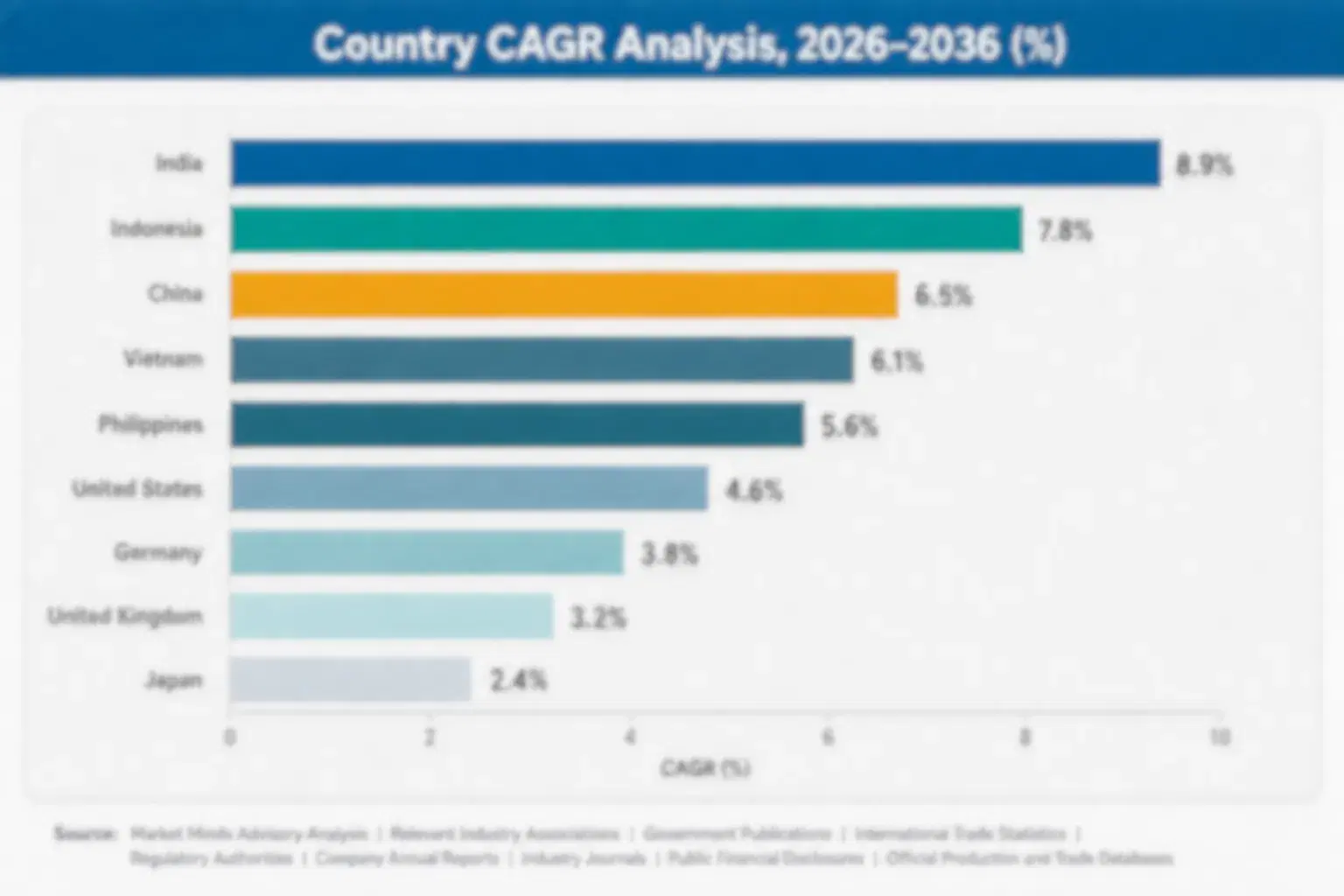
India is the fastest-growing country at an 8.4% CAGR, driven by rising butter and ghee output and packaged bakery expansion. The Netherlands remains a leading hub for buttermilk powder processing.

Report Segmentation Architecture

The full report scope spans multiple orthogonal segmentation dimensions, with cross-tabulated demand data provided for each dimension pair. Coverage extends further to regional breakdowns, trend trajectories, and the competitive detail needed to support segment-level decision-making.

By Primary Market Dimension

  • MFGM-Enriched Buttermilk Powder
  • Cultured and Acid Buttermilk Powder
  • Sweet Cream Buttermilk Powder
  • Organic and Grass-Fed Buttermilk Powder
  • Feed-Grade Buttermilk Powder

By End-Use Industry

  • Bakery and Confectionery
  • Infant and Clinical Nutrition
  • Dressings, Sauces, and Dairy Foods
  • Ice Cream and Frozen Desserts
  • Animal Nutrition and Feed

By Commercial Dimension

  • Direct Supply Contracts
  • Distributors and Traders
  • Contract Manufacturing Customers
  • Private Label Ingredient Supply
  • Online Ingredient Marketplaces

By Region

  • Western Europe
  • North America
  • East Asia
  • South Asia and Pacific
  • Latin America
  • Middle East and Africa
  • Eastern Europe

Scope, Methodology, and Coverage

Every figure in this report is reproducible from documented input assumptions. The scope below maps the historical period, the forecast horizon, the segmentation dimensions, and the countries covered, alongside the underlying primary and qualitative methodology.
Historical Period
2020 to 2025
Forecast Period
2026 to 2036
Base Year
2025 (USD billions; MMA Primary Research Dataset, September 2026)
Market Definition
The buttermilk powder market covers dried buttermilk obtained from butter churning or made by cultured methods and sold to food, bakery, nutrition, and animal nutrition manufacturers, including MFGM-enriched buttermilk powder, cultured and acid buttermilk powder, sweet cream buttermilk powder, organic and grass-fed buttermilk powder, and feed-grade buttermilk powder. The scope excludes liquid buttermilk beverages, skim milk powder, whey powders, butter, and phospholipid concentrates sold as nutraceuticals.
Quantitative Units
USD billions (sales value); thousand tonnes for volume references
Segmentation Dimensions
By Grade; By End-Use Industry; By Commercial Dimension; By Region
Regions Covered
Western Europe, North America, East Asia, South Asia and Pacific, Latin America, Middle East and Africa, Eastern Europe
Countries Covered
Netherlands, Germany, Denmark, Ireland, France, United Kingdom, Poland, United States, Canada, Mexico, Brazil, Argentina, China, Japan, South Korea, India, New Zealand, Australia, United Arab Emirates, Saudi Arabia, Turkey, and additional markets relevant to this sector
Key Companies Profiled
Fonterra, FrieslandCampina Ingredients, Arla Foods Ingredients, Land O'Lakes, Dairy Farmers of America, Glanbia Nutritionals, Lactalis Ingredients, Agropur Ingredients, Hilmar Ingredients, Saputo Dairy Ingredients, Tirlán, Ornua, DMK Group, Milei, Volac, Carbery Group, Westland Milk Products, Amul, Sodiaal, Emmi
Quantitative Methodology
Primary survey, n=3,800 respondents, Q4 2025, six countries; demand-side model with trade association cross-validation
Qualitative Methodology
47 expert interviews, Q4 2025; applied to validate demand model assumptions, identify emerging dynamics, and assess competitive positioning
Report Format
PDF and XLSX data workbook (Word format preview document)
Publisher
Market Minds Advisory
Report Code
MMA-2026-AGR-491
Published
September 2026
Contact
sales@marketmindsadvisory.com | www.marketmindsadvisory.com

Purchase the full Buttermilk Powder Market Report (2026 to 2036).

The full report delivers a detailed assessment of the buttermilk powder market through 2036, covering grade, end-use, and regional forecasts, competitive benchmarking of leading processors, and input cost analysis. It combines MMA primary research, including a six-country survey of 3,800 respondents and 47 expert interviews, with public statistical and company data. Analysts also model butter output scenarios, skim milk powder paths, and MFGM adoption. Clients receive segment margin ranges, application maps, and a case study on portfolio strategy. Customer contact frameworks are also included for negotiation planning.
Ten-year grade and end-use demand forecasts
Buttermilk, energy, and packaging cost tracking
Competitive benchmarking of top twenty dairy processors
Butter output and skim milk powder tracker
Regional demand mechanism comparative analysis included
Quarterly primary survey data update access

Built For The People Who Decide

From boardroom strategy to bench-side execution, this report is read cover-to-cover by leaders shaping the next decade of their industry, turning demand scenarios, market dynamics and valuation benchmarks into decisions.
CXOs/ Presidents/ VPs/ Managers
M&A and Corporate Development
Strategy Teams and R&D Heads
Procurement and Product Directors
Regulatory and Compliance Leaders
Investor Relations and Equity Analysts