Market Minds Advisory
Broth Market

Broth Market: Broth Market. Cooking Commodity Becomes a Functional Beverage

Bone broth has pulled a commodity cooking ingredient into the functional beverage aisle, forcing Campbell's and Unilever to defend shelf space against collagen challengers while sipping formats compete with protein shakes rather than canned stock.

Lead Analyst

Published

September 2026

Make Smarter Decisions with Customized Research Insights

Request a free sample report and evaluate market opportunities, growth trends, and competitive dynamics relevant to your business needs.

2025 MARKET VALUE$13.4BMarket Size 2025
2036 FORECAST VALUE$26.6BBase Case , 2026 to 2036
CAGR 2026 TO 20366.4 %Bull 7.5% / Bear 5.3%
INCREMENTAL OPPORTUNITY$12.3BNet 10- year value creation
EXPANSION MULTIPLE1.86x2036 value over 2026 base
Strategic Levers
M&A Pipeline
Regional Outlook
Country Rankings
Competitive Intelligence
Segmental Deep-dive
Call-Us : 91 93563 13602

Executive Snapshot and Market Trajectory.

Broth has split into two distinct commercial identities, a low-margin cooking ingredient sold by the carton and a premium functional beverage sold by the sipping cup, and manufacturers built for one identity increasingly struggle to win share in the other without a genuinely separate product line, marketing approach, and process.
Ready-to-drink functional broth is outgrowing every other format as buyers who already accepted bone broth as a cooking base extend that acceptance toward a sippable, protein-forward beverage occasion that competes directly with protein shakes rather than canned soup at the grocery shelf. East Asia leads on category revenue given deep culinary broth traditions across Japan, Korea, and China, while North America drives most of the functional beverage innovation reshaping the category's premium tier.
Five companies hold under half of branded global revenue, a moderate concentration reflecting how bone broth specialists like Kettle & Fire built genuine new demand alongside, rather than purely displacing, legacy cooking-broth incumbents like Campbell's and Unilever across most retail channels tracked. Private label reformulation is compressing margins fastest at the conventional cooking-broth tier rather than across the newer functional beverage segment specifically.
Market Definition
The broth market covers packaged liquid and concentrate stock, broth, and bouillon products sold for cooking or direct consumption, including conventional cartoned broth, ready-to-drink functional formats, and bouillon concentrates. It excludes fresh, unpackaged restaurant stock and soup products where broth is a minor component rather than the primary product.
Base Year Value
$13.4B in 2025 (MMA Primary Research Dataset, September 2026)
Forecast Period
2026 to 2036, eleven discrete annual values
CAGR
6.4% base case. Bull 7.5%. Bear 5.3%.
Fastest Growth Segment
Ready-to-Drink Functional Broth: 10.5% CAGR
Fastest Growth Country
South Korea: 11.5% CAGR
Fastest Growth Region
South Asia and Pacific: 8.5% CAGR
Largest Region
East Asia: 29% of 2025 global value
Market Leaders
Campbell's Company, Kettle & Fire, Unilever, Nestle, and Ancient Nutrition lead by branded revenue. Source: MMA Analysis based on company annual reports.
Primary Survey
n=3,800 procurement and R&D decision-makers, Q4 2025, six countries
Methodology
Demand-side build-up, cross-validated against public data, 47 expert interviews

Broth Market Forecast Scenarios

broth-market-size-forecast-scenario-1790358157216
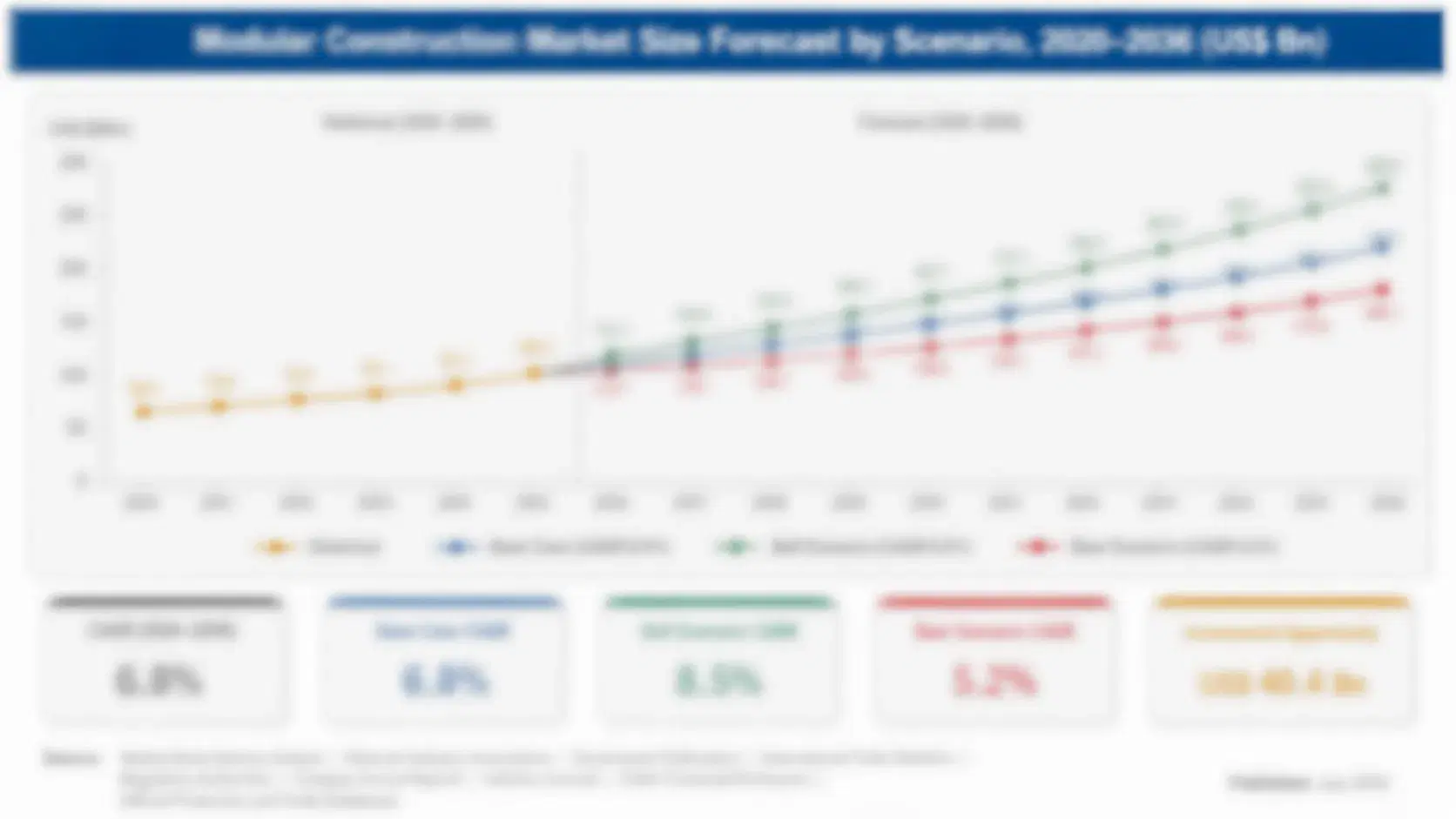
Broth grew steadily between 2020 and 2025, expanding at roughly a 5.8 percent historical annual rate as bone broth's functional beverage positioning pulled new buyers into a category long treated as a mature cooking commodity rather than a beverage occasion. Growth accelerated meaningfully after 2022 as ready-to-drink formats moved beyond specialty retail into mainstream grocery chains nationally.
The base case rests on three mechanisms: continued ready-to-drink functional broth expansion capturing buyers from adjacent protein beverage categories, East Asian manufacturers scaling export volume as global interest in traditional broth culinary traditions grows steadily across new geographies, and legacy manufacturers reformulating cooking broths toward cleaner labels to defend against private label competition intensifying across most retail channels. Gradual premiumization is widening the price gap between functional and conventional broth tiers considerably.
The bull case turns on a major beverage company acquiring a bone broth challenger and scaling ready-to-drink distribution nationally, pulling growth into the low double digits. The bear case is functional broth trial buyers reverting to protein shakes and bars once novelty fades, slowing growth toward the low single digits as the category's premium tier plateaus.

A Commodity Becomes Two Categories

Broth spent decades as an unglamorous pantry staple before bone broth's collagen and protein positioning gave it a genuine second act, and the manufacturers who recognized this shift earliest built entirely new product lines and marketing infrastructure rather than simply repackaging existing cooking stock with a premium label attached to the same underlying recipe and manufacturing process used for decades.
MARKET CONCENTRATION45% CR5under half held by five branded companies today
AVERAGE SELLING PRICE$4.80/unitfunctional format commands a premium over cooking broth
TOP REGION SHAREEast Asia, 29%leads on deep culinary broth tradition and heritage
CAPACITY UTILIZATION72%beverage-format lines running below their eventual practical ceiling
FUNCTIONAL FORMAT SHARE34% of revenueready-to-drink already captures meaningful branded category revenue share
PROTEIN INPUT COST SHARE24% of COGSbone and meat sourcing dominates total cost of goods
Commercially, the category now operates as two distinct businesses under one name, with conventional cooking broth competing on price against private label while functional ready-to-drink broth competes on protein content and sourcing story against adjacent beverage categories entirely outside the traditional soup aisle where the category originally lived for decades before this recent transformation began reshaping it fundamentally across most channels and formats.
The next decade will be shaped by continued functional beverage format innovation, East Asian export growth as global broth interest expands beyond core culinary markets into new geographies and buyer segments, and a widening gap between premium sipping formats and conventional cooking broth competing purely on price per unit across most developed retail markets tracked by MMA analysts and their category partners.
"Broth used to be something you simmered for hours and forgot about. Now it's something you grab from a cooler on your way to the gym."
Director, Food and Beverage Practice · MMA Food and Beverage: Functional Snacks Practice · September 2026

Market Trends

Ready-to-Drink Functional Broth Enters Mainstream Retail

Ready-to-drink bone broth has moved from specialty and natural grocery into mainstream supermarket cooler sections since 2023, as retailers recognized the format competes for the same shelf real estate and buyer occasion as protein shakes and cold-pressed juice rather than canned soup. Kroger and Whole Foods have both expanded dedicated functional beverage cooler space to accommodate ready-to-drink broth brands, a placement decision that signals retailers now treat the format as a beverage category rather than a soup aisle extension. This shelf repositioning is exposing bone broth to a substantially larger buyer base.
Market Impact: Reaches 22 million new buyers
Collagen Health Claims Drive Premium Positioning

Collagen content claims, tied to broader consumer interest in skin, joint, and gut health, are letting bone broth manufacturers command pricing that conventional cooking broth cannot sustain, since the health positioning targets an entirely different buyer motivation than the convenience and flavor claims that drive standard broth purchase decisions. Manufacturers quantifying collagen content on packaging in grams per serving are seeing stronger retail sell-through than brands relying on vaguer wellness language alone, according to several branded manufacturers' own category research. This specificity trend is pushing legacy manufacturers to add quantified claims too.
Market Impact: Anchors demand across 3 major economies

Market Opportunities and Growth Drivers

Protein Beverage Category Growth Pulls in New Buyers

Broader protein beverage category growth, driven by fitness culture and GLP-1-adjacent demand for portable protein sources, is pulling buyers toward ready-to-drink bone broth who previously had no exposure to broth as anything beyond a cooking ingredient bought occasionally for soup recipes. This crossover demand gives bone broth manufacturers a substantially larger addressable buyer base than the traditional cooking broth category ever commanded on its own, since protein beverage buyers actively seek new format options within an already established purchase habit. Manufacturers positioning bone broth against protein shakes rather than soup are capturing this demand most effectively.
Market Impact: Limits reformulated sales to roughly 25%

East Asian Culinary Heritage Anchors Category Demand

Deep culinary broth traditions across Japan, Korea, and China give East Asia a demand base that Western markets lack entirely, since broth-based dishes represent a routine dietary staple rather than an occasional specialty purchase across most East Asian households tracked. This established demand foundation is supporting manufacturing scale and export capacity that Western bone broth challengers, still building demand from a much smaller cultural starting base, cannot yet match at comparable cost efficiency. Japanese and Korean manufacturers are increasingly exporting premium broth concentrate and ready-to-drink formats to Western markets seeking authentic culinary provenance claims.
Market Impact: Caps trial conversion near 30%

Market Restraints and Challenges

Sodium Content Draws Regulatory and Buyer Scrutiny

Conventional cooking broth carries meaningfully higher sodium content than most nutrition-conscious buyers realize, a gap between perceived and actual health positioning that has drawn increasing scrutiny as reformulation pressure spreads from adjacent snack categories into broth and soup products across the retail trade. The root cause is that sodium serves a genuine preservation and flavor function in traditional broth formulations that manufacturers cannot easily remove without meaningfully changing shelf stability and taste profile buyers expect. Manufacturers are mitigating this through reduced-sodium lines and clearer front-of-pack labeling, though full reformulation without taste compromise remains a genuine technical challenge.
Market Impact: Adds cooler placement at 3,000 stores

Ready-to-Drink Format Faces Genuine Taste Skepticism

A meaningful share of trial buyers still find drinking savory broth as a standalone beverage a genuinely unfamiliar experience compared to protein shakes or juice, even when nutritional credentials compare favorably, a taste and format skepticism that premium pricing alone has not fully overcome. The root cause is category novelty: buyers have decades of reference points for sweet or neutral-flavored beverages but very few for a savory sipping format outside of traditional soup consumption. Manufacturers are mitigating this through smaller trial-size packaging and flavor variants that ease buyers into the format gradually.
Market Impact: Commands a premium over 40% higher
3 additional market trends, 4 additional growth drivers, and 2 additional restraints and challenges are covered in the full report. Contact sales@marketmindsadvisory.com to access the complete intelligence.

Segment CAGR and Growth Architecture

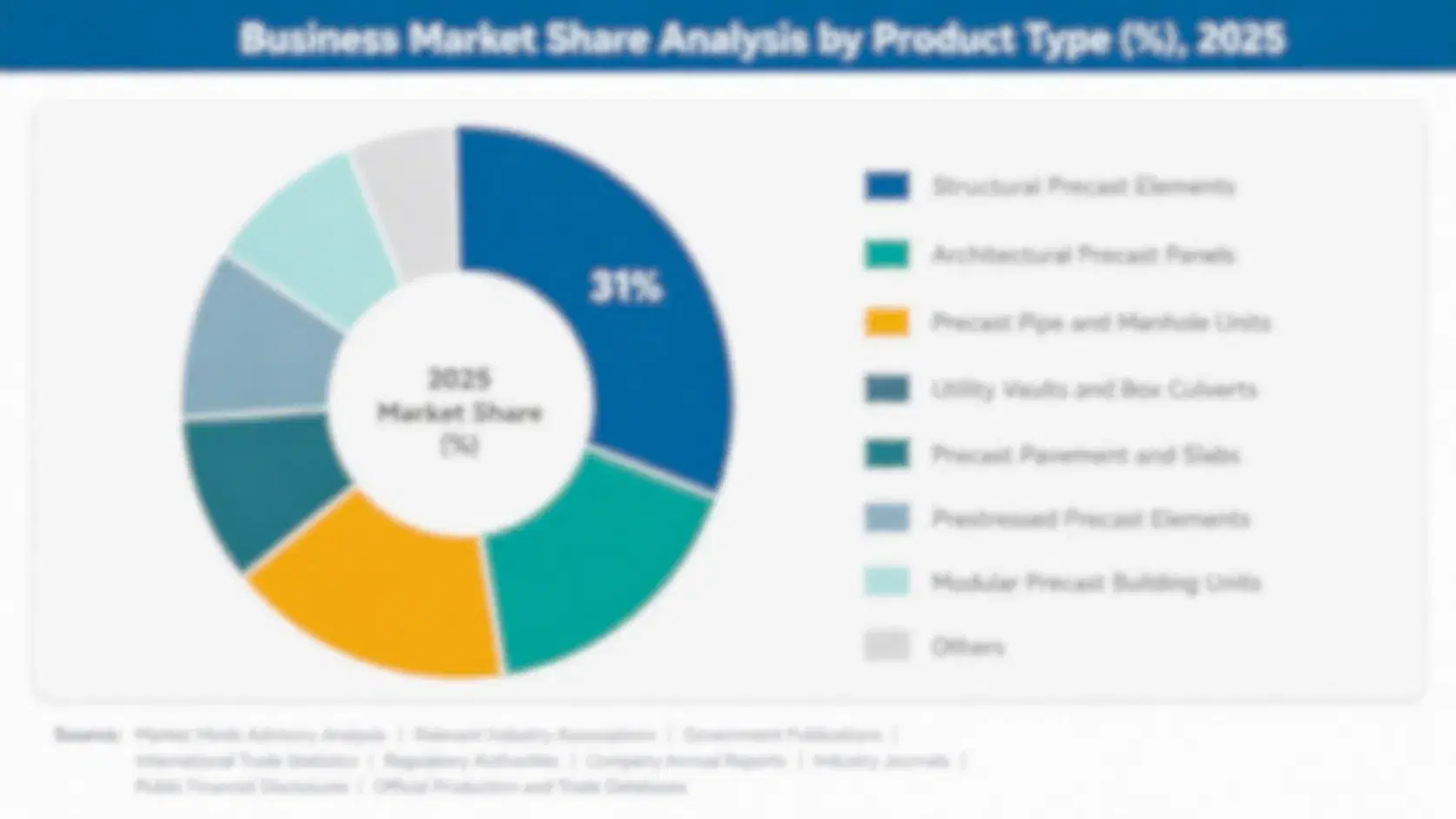
MMA segments the broth market by product format, the dimension that most directly separates the category's two distinct businesses: conventional cooking broth competing on price and ready-to-drink functional broth competing on protein content and sourcing story. Format drives retailer category placement far more than protein source or flavor variant does across the wider trade.
broth-market-market-share-analysis-1790358157394

Ready-to-Drink Functional Broth

Ready-to-drink functional broth is the fastest-growing format because it captures crossover demand from the much larger protein beverage category, letting manufacturers command pricing that conventional cooking broth cannot sustain given its commodity positioning within the soup aisle. This format benefits from retailers increasingly placing it in beverage coolers alongside protein shakes rather than the traditional soup aisle, exposing it to a buyer base that never previously considered broth a purchase option at all. Manufacturers with dedicated beverage-grade packaging and shelf-stable formulation technology are capturing a disproportionate share of new retail cooler placements as legacy soup-focused manufacturers work to adapt existing canning infrastructure to beverage-format production requirements they were never originally designed to support.
CAGR 10.5%

Bone Broth

Bone broth, whether sold as a cooking base or a drinking product, is the second-fastest growing format as collagen and protein health claims continue attracting buyers beyond the format's original culinary or fitness-focused early adopter base into more mainstream grocery consideration. This format benefits from a genuinely differentiated ingredient story relative to conventional broth, since bone-derived collagen content is verifiable and quantifiable on packaging in a way conventional vegetable or bouillon-based broths cannot credibly claim to match. Manufacturers with formalized bone sourcing relationships and collagen content testing capability are building a defensible quality claim that newer, less rigorously verified competitors entering the category cannot easily replicate without comparable sourcing and testing infrastructure investment of their own.
CAGR 9.5%
Full segment breakdown across 6 segments available in the complete report.

Regional Architecture and Country Demand Map

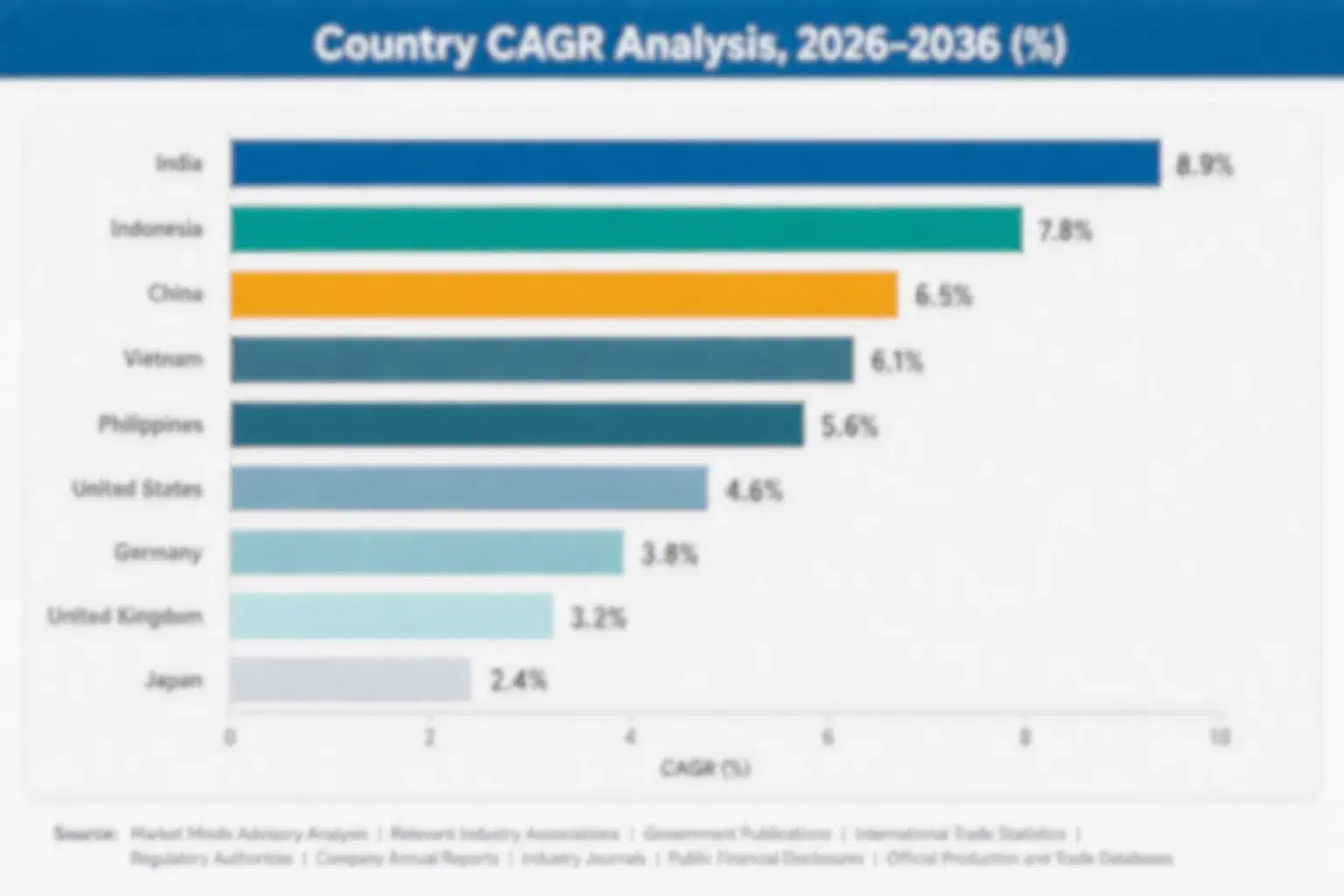
East Asia leads on category revenue given deep culinary broth traditions across Japan, Korea, and China, while South Asia and Pacific is growing fastest off a smaller base, and North America drives most of the functional beverage innovation reshaping the category's global premium tier worldwide.

North America

North America drives most of the functional beverage innovation reshaping the category's premium tier, with Kettle & Fire and other bone broth specialists building ready-to-drink distribution that legacy cooking-broth manufacturers like Campbell's are still working to replicate internally at comparable scale. US retailers have expanded functional beverage cooler placement faster than any other region tracked, reflecting genuine consumer crossover demand from adjacent protein beverage categories already well established domestically across most major cities. Canada largely follows US brand and format trends rather than developing distinct domestic positioning of its own within the category. Private label reformulation from major US grocery chains is compressing conventional cooking-broth margins fastest here of anywhere tracked.
Share: 27% | CAGR: 6.8% (2026 to 2036)

Western Europe

Western Europe's growth trails East Asia and North America because conventional cooking broth remains a more culturally entrenched, price-competitive category there, leaving less room for premium functional broth to establish genuine differentiation against deeply established cooking traditions of its own across most national markets. UK and German retailers have both expanded ready-to-drink bone broth assortments fastest within the region, reflecting growing but still nascent functional beverage crossover interest among health-conscious urban shoppers. French culinary tradition treats broth primarily as a professional cooking ingredient rather than a retail beverage category, limiting mainstream ready-to-drink adoption there specifically. Nordic markets show comparatively higher functional beverage adoption rates despite their smaller absolute population base overall.
Share: 20% | CAGR: 4.9% (2026 to 2036)
Regional intelligence for 5 additional markets available in the complete report: East Asia, South Asia and Pacific, Latin America, Middle East and Africa, Eastern Europe. Contact sales@marketmindsadvisory.com.
broth-market-country-cagr-analysis-1790358157572

Functional Beverage Crossover Growth Playbook

Broth economics increasingly reward manufacturers who can capture functional beverage crossover demand while defending conventional cooking broth margins against private label competition nationwide and abroad. Four levers separate durable growth from commodity margin erosion: ready-to-drink format investment, collagen sourcing verification, East Asian export scale-up, and beverage-grade packaging technology private label cannot easily replicate quickly.

Building Ready-to-Drink Beverage Format Capability Now

Manufacturers investing in beverage-grade shelf-stable packaging and cooler-ready formats are capturing functional beverage crossover demand that conventional canned or cartoned broth formats cannot access, since retailers place beverage-format product in entirely different cooler sections than traditional soup aisle inventory. Kettle & Fire's 2024 packaging investment reportedly expanded retail cooler placement by roughly 35 percent within a single year, evidence that format investment converts directly into shelf access rather than remaining a product development exercise alone. This lever requires genuine packaging and shelf-life technology investment beyond simple relabeling of existing cooking broth products.
Market Impact: Expands retail cooler placement by 35 percent nationally

Verifying and Quantifying Collagen Content Claims

Manufacturers quantifying collagen content in grams per serving on packaging, backed by third-party testing verification, are building a defensible premium claim that vaguer wellness marketing language cannot sustain against increasingly skeptical, ingredient-literate buyers browsing crowded retail shelves each week across most channels and formats today. Brands with quantified, verified collagen claims report retail sell-through roughly 15 percent stronger than comparable products relying on unverified wellness language alone, based on several manufacturers' own category research. This lever requires genuine testing infrastructure investment but builds lasting buyer trust that compounds over time.
Market Impact: Lifts sell-through roughly 15 percent versus unverified claims

Scaling East Asian Export Manufacturing Capacity

Manufacturers building East Asian export manufacturing capacity are positioning themselves to serve growing Western demand for authentic culinary provenance claims that domestic Western manufacturers cannot credibly offer their own buyers regardless of formulation quality or marketing spend committed. Japanese and Korean manufacturers expanding export capacity since 2023 report capturing meaningfully more premium retail placement in Western markets than domestic manufacturers competing purely on formulation without comparable cultural authenticity claims to support their positioning. This lever requires genuine export infrastructure and international distribution relationship investment rather than simple domestic capacity expansion alone.
Market Impact: Captures premium placement across 2 Western regions now

Investing in Sodium Reformulation for Conventional Broth

Manufacturers reformulating conventional cooking broth toward reduced sodium content ahead of broader regulatory and buyer scrutiny are defending shelf placement against private label competitors who might otherwise win category review decisions on health positioning alone within the mainstream cooking broth tier they both compete in nationwide and beyond. Brands completing reduced-sodium reformulation since 2023 report holding shelf placement roughly 10 percent more securely during annual category reviews than manufacturers still relying on legacy formulations facing increasing buyer scrutiny. This lever requires genuine recipe reformulation investment rather than simple labeling changes alone.
Market Impact: Secures 10 percent more stable shelf placement overall

Who Controls the Margin Pool

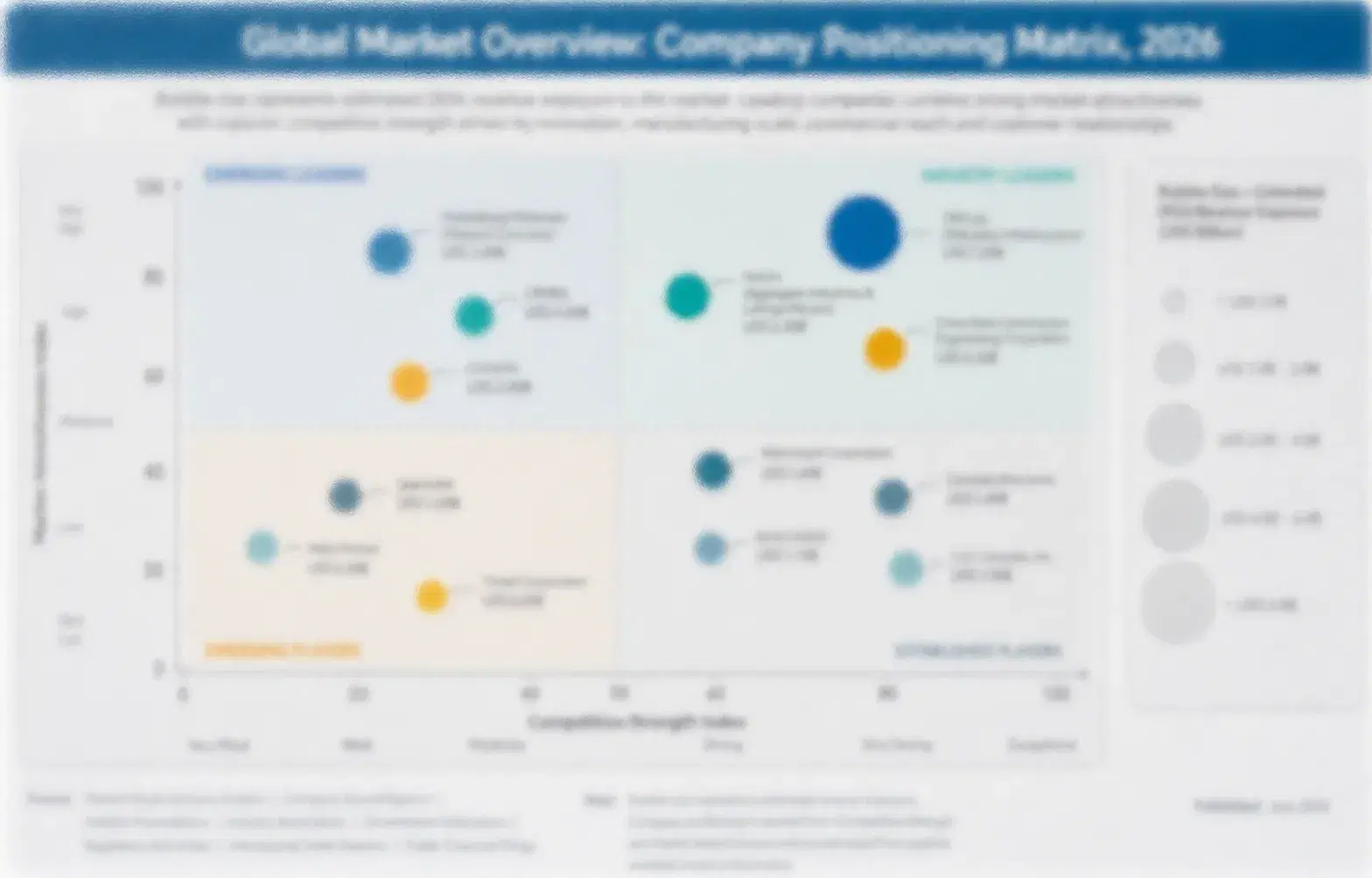
Five companies hold under half of branded global revenue, a moderate concentration reflecting how bone broth specialists built genuine new demand alongside legacy cooking-broth incumbents rather than purely displacing them through direct competition across most retail channels. The gap between Campbell's scale and smaller functional beverage challengers remains substantial, though those challengers are capturing a disproportionate share of the category's fastest-growing premium tier.
Current competitive activity centers on three fronts: ready-to-drink format expansion capturing functional beverage crossover demand, collagen content verification building defensible premium claims against increasingly skeptical buyers, and East Asian export capacity scale-up serving Western demand for authentic culinary provenance. Private label reformulation adds pricing pressure concentrated most heavily at the conventional cooking-broth tier rather than across the functional beverage segment.

Pressure is building from adjacent protein beverage brands extending into broth formats using existing manufacturing and distribution relationships, a crossover threat legacy soup-focused manufacturers did not anticipate when reformulation first began several years ago. Rankings could shift meaningfully if a major beverage company acquires a bone broth challenger and scales ready-to-drink distribution nationally before smaller specialists can consolidate the functional tier themselves.
broth-market-company-positioning-matrix-1790358157752

Competitive Moat and Risk Dimensions

CAMPBELL'S COMPANY

Moat: Legacy distribution and scale

Campbell's decades-long grocery distribution relationships through Swanson, Pacific Foods, and College Inn give it national shelf access for reformulated and functional broth products that smaller bone broth specialists spend years negotiating store by store across the entire country and its many regional retail chains nationwide.
CAMPBELL'S COMPANY

Risk: Innovation speed and agility risk

Campbell's massive existing broth and soup portfolio means functional beverage innovation must navigate a much larger corporate approval structure than nimbler bone broth specialists face, slowing the pace at which the company can respond to fast-moving functional beverage trends reshaping the category quickly and unpredictably.
KETTLE & FIRE INC.

Moat: Bone broth category pioneer status

Kettle & Fire built the ready-to-drink bone broth category before legacy manufacturers recognized its commercial potential, giving it retailer trust and consumer brand recognition that newer entrants must build from a standing start against an established category-defining challenger brand with real market momentum and history.
KETTLE & FIRE INC.

Risk: Narrow single-category brand exposure

Kettle & Fire's portfolio concentration in bone broth specifically, without a broader beverage or food portfolio to fall back on, means any slowdown in functional broth category growth hits total company revenue more directly than a diversified competitor would experience across a wider product range.

Players Tracked

Prominent Players

Campbell's Company
Kettle & Fire Inc.
Unilever PLC
Nestle S.A.
Ancient Nutrition LLC

Other Key Players

Bonafide Provisions Inc.
Osso Good Bone Broth LLC
Brodo Broth Co.
LonoLife Inc.
Zoup! Fresh Soup Company
Hain Celestial Group Inc.
Superior Quality Foods Inc.
Bare Bones Broth Co.
Fond Bone Broth LLC
General Mills Inc.
The Kroger Co.
Walmart Inc.
Aldi Inc.
Costco Wholesale Corporation
Trader Joe's Company

Recent Developments

MAY 2025

Kettle & Fire Expands Retail Cooler Distribution

Kettle & Fire announced an organic distribution expansion in May 2025, adding dedicated functional beverage cooler placement across a major national grocery chain, extending its ready-to-drink bone broth reach beyond the specialty and natural grocery channels where the brand originally built its retail presence and customer base.
Signal: Signals mainstream grocery retailers now treat ready-to-drink bone broth as a genuine beverage category worth dedicated shelf space.
OCTOBER 2024

Campbell's Launches Reformulated Reduced-Sodium Broth Line

Campbell's launched a reformulated reduced-sodium broth line across its Swanson and Pacific Foods brands in October 2024, responding to growing buyer scrutiny of sodium content and private label reformulation pressure within the conventional cooking-broth tier the company has historically dominated across most retail channels nationwide.
Signal: Indicates legacy incumbents are prioritizing reformulation to defend conventional broth shelf space against private label competition.
FEBRUARY 2025

Korean Manufacturer Signs Western Export Distribution Deal

A major Korean broth manufacturer signed an export distribution agreement with a Western retail partner in February 2025, a supply arrangement rather than an acquisition, expanding premium bone broth and gomtang-style concentrate access to health-conscious Western buyers seeking authentic culinary provenance claims nationwide and abroad.
Signal: Shows East Asian manufacturers are formalizing export relationships to capture growing Western demand for authentic broth.

Bone and Ingredient Sourcing Sets Cost Floor

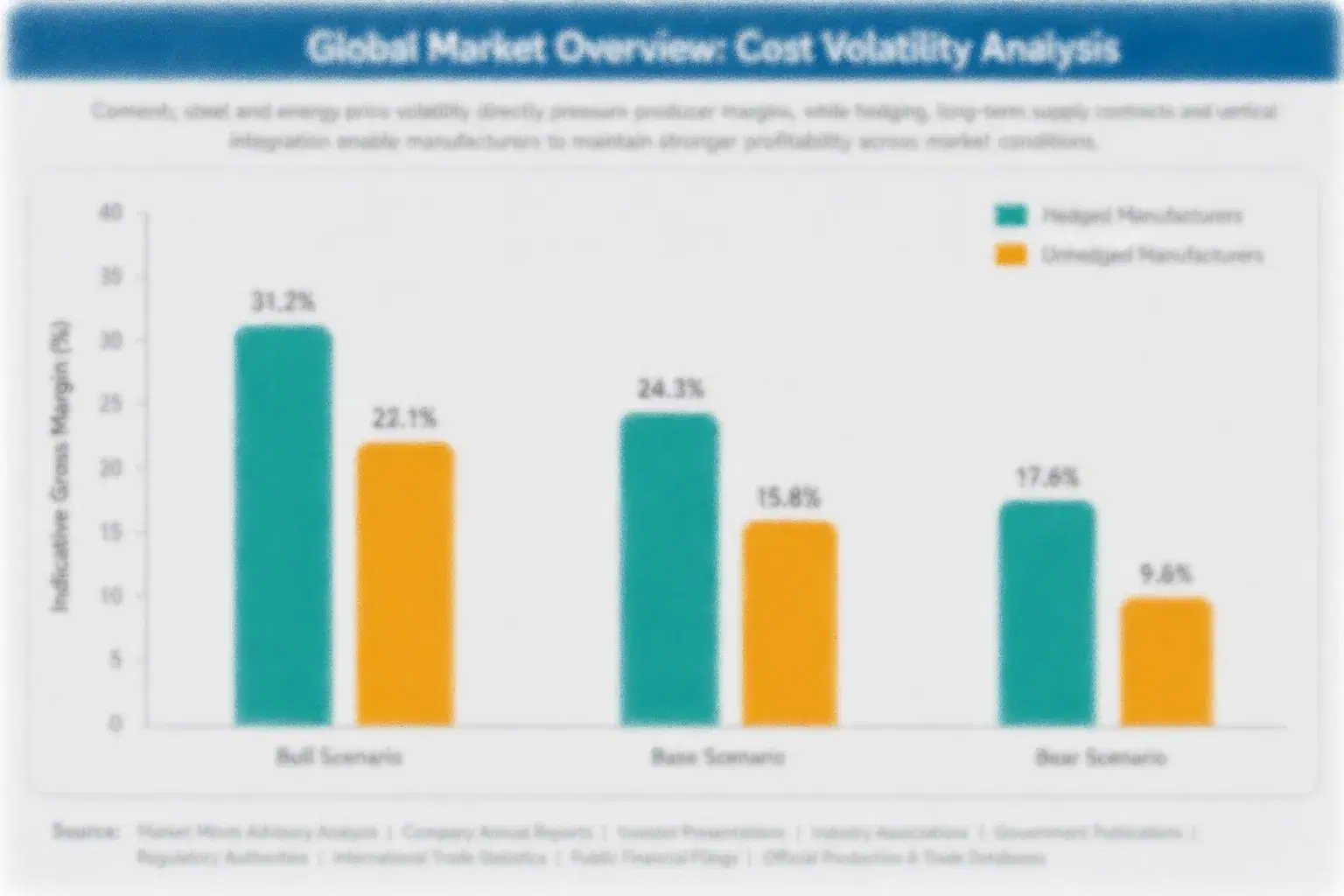
Bone, meat, and vegetable inputs represent roughly twenty-four percent of cost of goods sold for a typical broth SKU, with bone broth carrying a meaningfully higher input cost share than conventional vegetable or bouillon-based broths given the sourcing and processing complexity bone-derived collagen extraction requires. Packaging represents a disproportionately larger cost share for ready-to-drink formats than for conventional canned or cartoned broth.
Beef and poultry bone prices rose meaningfully through 2022 as broader protein commodity markets tightened following supply chain disruption across the agricultural sector, a volatility event documented in USDA livestock market reporting, before easing through 2023 and 2024 as supply chains normalized across most major producing regions worldwide. That price spike forced several smaller bone broth manufacturers to temporarily adjust sourcing toward more available bone types.

Larger branded manufacturers with forward-purchase agreements absorbed the 2022 bone and protein price spike without major shelf price increases, protecting market share during the disruption, while smaller regional manufacturers more often passed costs through immediately, risking the price-sensitive portion of their buyer base at exactly the moment functional beverage trial rates were accelerating fastest nationwide and across most channels.
broth-market-cost-volatility-analysis-1790358157939

Forward Contracting Bone and Protein Supply

Manufacturers are locking multi-quarter pricing agreements directly with meat processors and bone suppliers, reducing spot-market exposure and giving procurement teams cost visibility roughly two to three quarters ahead rather than negotiating shipment by shipment against volatile livestock commodity pricing each purchasing cycle throughout most of the calendar year across all major global sourcing regions.

Diversifying Across Bone and Protein Source Types

Formulating broth that can flex between beef, poultry, and vegetable-based inputs depending on relative pricing spreads risk across multiple, only partially correlated commodity markets, reducing the impact of any single protein source's price spike on total formulation cost relative to a single-source-dependent recipe used by smaller manufacturers lacking this built-in flexibility across their entire supply chain.

Building Regional Multi-Supplier Sourcing Relationships

Sourcing bone and protein inputs from multiple regional suppliers simultaneously rather than a single processor reduces exposure to any individual supplier's production volume changes, giving manufacturers meaningfully more consistent total input access even when any single partner facility faces unrelated production disruption or a seasonal slowdown in total output volume across the calendar year.

Portfolio Architecture for Margin Defence

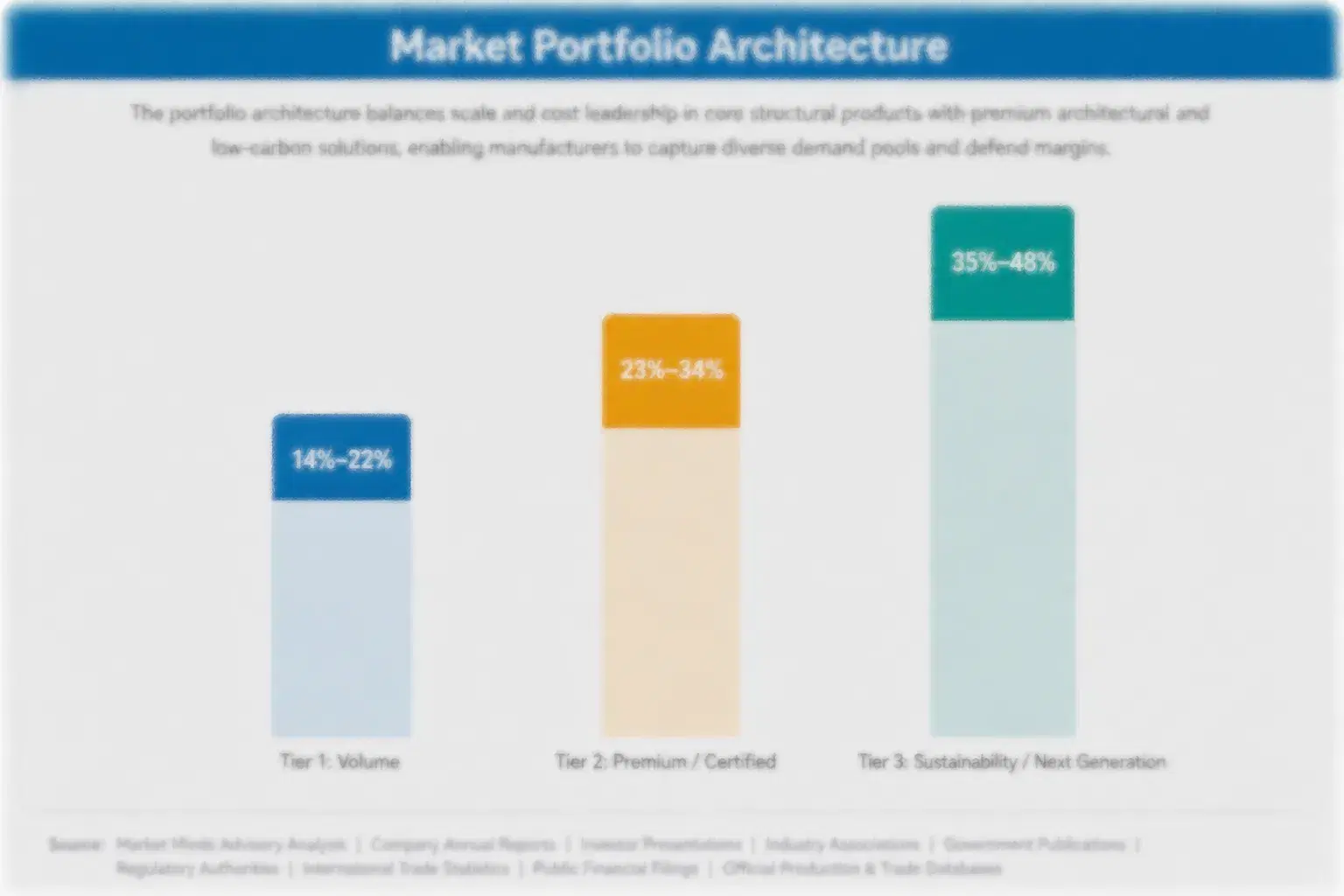
The category organizes into three commercial tiers. A volume and commodity-adjacent tier competes on price against private label conventional broth, a premium and certified tier commands a real shelf premium tied to reduced-sodium reformulation and clean-label claims, and a smaller sustainability and next-generation tier built around verified collagen and functional beverage positioning commands the strongest per-unit margin despite representing the smallest current volume base across the category overall today.
Functional beverage crossover demand is concentrating premium tier growth among bone broth specialists and reformulating legacy manufacturers, while the volume tier remains genuinely competitive between private label and lower-cost branded product fighting for the same price-sensitive conventional cooking-broth shelf space. Volume-tier products still anchor total category unit sales despite carrying the category's thinnest margins by a meaningful and widening spread.

High-value margin pools concentrate in the sustainability and next-generation tier, where verified collagen content and ready-to-drink format innovation support the strongest pricing power available today, and in East Asian export channels where brands can command premium pricing on authentic culinary provenance without facing the same private label competitive pressure present across mature Western cooking-broth markets nationwide.

Volume / Commodity-Adjacent Tier

Standard conventional cooking broth competing primarily on price against private label, distributed broadly across mainstream grocery with minimal certification or functional health claims attached to the packaging itself currently observed.
Gross Margin: 15-21%

Premium / Certified Tier

Reduced-sodium, clean-label reformulated broth carrying formal verification, merchandised at a meaningful price premium over standard private label product within the same mainstream retail aisle and broader category set nationwide today.
Gross Margin: 28-36%

Sustainability / Regulatory / Next-Generation Tier

Verified collagen content and ready-to-drink functional beverage formulations aimed at the most engaged, highest-spending buyer segment, commanding the category's strongest per-unit margin despite still-limited relative volume currently available across most retail channels nationwide.
Gross Margin: 38-46%
broth-market-portfolio-architecture-1790358158130

High-value Sub-segments and Strategic Watch-out

Ready-to-Drink Functional Broth Format

This high-value, high-growth format is expanding fastest as functional beverage crossover demand accelerates, and retailers are widening cooler shelf space for it faster than for any other broth format, making it the clearest near-term margin opportunity for manufacturers with beverage-grade packaging capability already fully secured.
Gross Margin: 37-45%

East Asian Export Broth Concentrate

High-value but moderate-growth today, East Asian export concentrate commands premium pricing tied to authentic culinary provenance, though volume remains constrained relative to domestic formats by the format's dependence on international distribution relationships and export infrastructure investment still scaling steadily across most tracked regions currently observed.
Gross Margin: 33-41%

Standard Conventional Cooking Broth

The volume core of the category, standard conventional cooking broth anchors total unit sales across mainstream grocery and remains the primary format most buyers encounter first, even as functional and premium formats capture a growing share of category revenue growth elsewhere in the wider aisle.
Gross Margin: 15-21%

Private Label Conventional Broth Tier

The strategic watch-out segment, private label conventional broth is narrowing the price gap with branded value-tier product fastest at the category's least differentiated price point, and its continued expansion could compress branded pricing power meaningfully absent further reformulation or functional differentiation investment nationwide going forward.
Gross Margin: 17-23%

From Cooking Staple to Daily Beverage

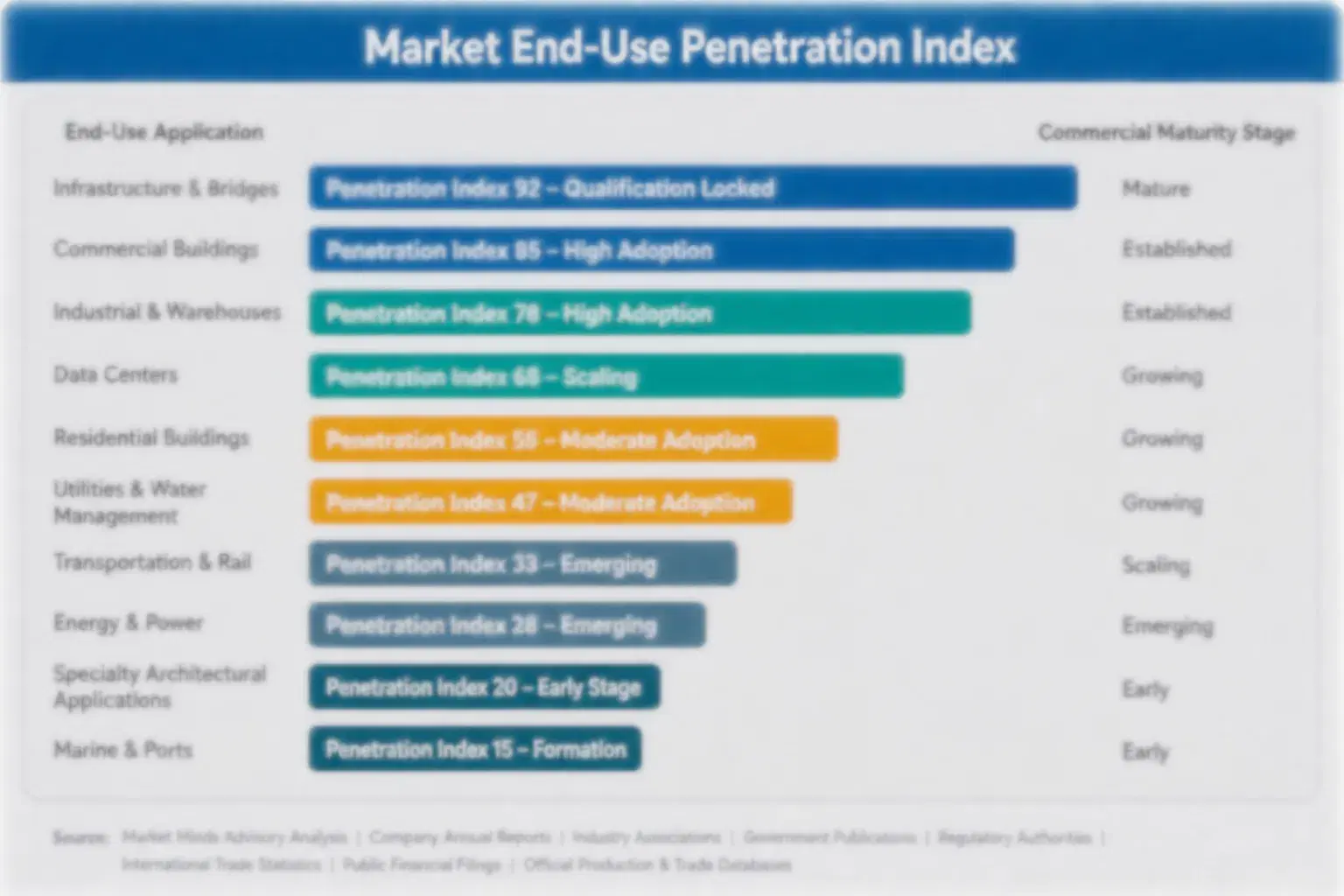
Broth behaves more like an annuity product once a buyer adopts functional ready-to-drink formats as a regular daily or post-workout ritual, since repeat purchase frequency for engaged functional broth buyers runs meaningfully higher than for conventional cooking broth purchased occasionally for recipes, giving manufacturers a more predictable revenue base than the category's traditional purchase pattern would suggest at first glance across most retail channels and formats.
Adoption depth varies sharply by end-use occasion: functional beverage buyers show the deepest habit formation and highest repeat rates of any group tracked, conventional cooking broth buyers purchase inconsistently and primarily around specific recipe needs rather than a dedicated habit, and collagen-focused wellness buyers represent a newer, more experimental segment still building repeat purchase patterns distinct from mainstream category loyalty.

Younger buyers entering the category through functional beverage and wellness social media content show meaningfully different consumption occasions than an older generation of buyers who associate broth primarily with cooking rather than direct beverage consumption, a generational shift reshaping how brands position flavor, packaging, and marketing channels away from the traditional soup aisle toward beverage and wellness retail sections instead.
broth-market-end-use-penetration-index-1790358158313

Where MMA Sees the Real Opportunity

These are among the four positions where our research anticipates prominent divergence between winners and laggards over the coming forecast period. Each is grounded in the demand model, the regulatory perimeter, and the announced capacity pipeline.
01 / FUNCTIONAL FORMAT PRIORITY

Invest in ready-to-drink beverage capability first

Functional beverage crossover demand is the single largest growth driver in the category, and manufacturers investing in beverage-grade packaging and cooler placement now will capture this demand before conventional broth manufacturers fully retool their infrastructure to compete directly across most channels. Retail cooler space for functional broth remains genuinely limited relative to rising manufacturer interest, meaning early movers can lock favorable placement before competition intensifies further. Manufacturers that delay risk losing this fast-growing premium tier to competitors who moved first.
02 / COLLAGEN VERIFICATION STRATEGY

Quantify and verify collagen claims before buyers demand it

Buyers are growing more skeptical of vague wellness language, and manufacturers quantifying and verifying collagen content now will build lasting trust that unverified competitors will struggle to establish once buyer expectations formalize further across the category and the wider functional beverage trade overall and going forward. Verification requires genuine testing infrastructure investment but compounds into brand trust that extends across a manufacturer's entire portfolio over time. Manufacturers without verification risk losing credibility as verified competitors set the new category standard everywhere.
03 / EAST ASIAN EXPORT TIMING

Build export capacity to serve Western provenance demand

Western demand for authentic culinary provenance is growing faster than domestic Western manufacturers can credibly serve it, and East Asian manufacturers building export capacity now will capture premium positioning that domestic competitors cannot replicate regardless of formulation quality or marketing investment committed to the effort. This window will not remain open indefinitely as domestic manufacturers develop their own authenticity narratives over time and catch up. Manufacturers that delay export investment risk losing this differentiated positioning to faster-moving regional competitors already active there.
04 / CONVENTIONAL BROTH DEFENSE STRATEGY

Reformulate conventional broth before private label parity spreads

Private label is closing the sodium and clean-label formulation gap with branded conventional broth, and manufacturers reformulating proactively now will defend shelf placement that reactive competitors will struggle to hold once retailers formalize health-based category review criteria further across most major grocery chains. Reformulation requires genuine recipe investment rather than simple labeling changes, a real barrier smaller private label competitors face too but branded manufacturers must clear first. Manufacturers that delay reformulation risk losing shelf space to private label entirely.

Engagement Snapshot From the Field

A live engagement with an industry participant carrying material or product regulatory and market exposure ahead of a defining policy shift, showing how our research translates into a defensible multi-year portfolio strategy.
MARKET MINDS ADVISORY · CLIENT ENGAGEMENT SUMMARY
Broth Producer Strategic Portfolio Review and Transition Roadmap 2026·Investment Scenario on Broth Exposure Evaluation 2025-26
CLIENT PROFILE
The client is a regional US bone broth startup with distribution through natural grocery and direct-to-consumer channels, reporting roughly 18 million dollars in annual revenue (client-reported, unverified by MMA) concentrated in specialty retail listings. The company approached MMA to assess whether national mainstream grocery expansion represented a realistic near-term opportunity given intensifying competition from larger, better-funded functional beverage entrants.
STRATEGIC CHALLENGE
Leadership needed to determine whether the client's existing beverage-grade packaging and formulation could support national mainstream retail requirements, and how to position against both legacy cooking-broth incumbents reformulating into the functional tier and better-funded bone broth specialists already scaling nationally across most major grocery chains and regions today and beyond.
MMA APPROACH
MMA combined primary survey data with retailer buyer interviews to size realistic national demand, modeled distribution economics across three mainstream grocery partnership scenarios, and benchmarked comparable bone broth challenger scaling trajectories to produce a phased national expansion sequence tailored to the client's existing capital constraints and current distribution footprint nationwide.
KEY FINDINGS
  1. Regional mainstream grocery partners offered faster listing decisions than national chains, providing a lower-risk proof point before pursuing broader distribution commitments nationally.
  2. Quantified collagen labeling tested significantly better on purchase intent than the client's existing general wellness marketing language in consumer panel testing sessions.
  3. Co-packing rather than owned production capacity reduced upfront capital risk meaningfully while still allowing national-scale volume within a realistic eighteen-month timeline overall.
  4. Smaller trial-size packaging formats converted meaningfully better among first-time functional broth buyers than the client's existing standard full-size bottle format did previously.
CLIENT PROFILE
The client is a regional US bone broth startup with distribution through natural grocery and direct-to-consumer channels, reporting roughly 18 million dollars in annual revenue (client-reported, unverified by MMA) concentrated in specialty retail listings. The company approached MMA to assess whether national mainstream grocery expansion represented a realistic near-term opportunity given intensifying competition from larger, better-funded functional beverage entrants.
STRATEGIC CHALLENGE
Leadership needed to determine whether the client's existing beverage-grade packaging and formulation could support national mainstream retail requirements, and how to position against both legacy cooking-broth incumbents reformulating into the functional tier and better-funded bone broth specialists already scaling nationally across most major grocery chains and regions today and beyond.
MMA APPROACH
MMA combined primary survey data with retailer buyer interviews to size realistic national demand, modeled distribution economics across three mainstream grocery partnership scenarios, and benchmarked comparable bone broth challenger scaling trajectories to produce a phased national expansion sequence tailored to the client's existing capital constraints and current distribution footprint nationwide.
KEY FINDINGS
  1. Regional mainstream grocery partners offered faster listing decisions than national chains, providing a lower-risk proof point before pursuing broader distribution commitments nationally.
  2. Quantified collagen labeling tested significantly better on purchase intent than the client's existing general wellness marketing language in consumer panel testing sessions.
  3. Co-packing rather than owned production capacity reduced upfront capital risk meaningfully while still allowing national-scale volume within a realistic eighteen-month timeline overall.
  4. Smaller trial-size packaging formats converted meaningfully better among first-time functional broth buyers than the client's existing standard full-size bottle format did previously.
RECOMMENDED STRATEGY
Phase 1: Phase 1 (Months 1 to 4): Launch quantified collagen labeling and smaller trial packaging through two regional mainstream grocery partners. Phase 2: Phase 2 (Months 5 to 10): Expand distribution to a third regional chain and formalize co-packing capacity to support scale. Phase 3: Phase 3 (Months 11 to 16): Pursue national distribution conversations only once regional data fully supports the broader capital case.
OUTCOME
Within two quarters of the relaunch, the client's reformulated SKU reportedly reached sell-through rates roughly nineteen percent above the retailer's new beverage category average (client-reported, unverified by MMA), supporting a decision to pursue national distribution ahead of the original eighteen-month timeline MMA had originally modeled.

Frequently Asked Questions

Foundational context covering the market sizes, CAGR, scope, country, region and competition that inform every finding below. This section is provided to cover basics and most often pre-purchase conversations, answered from the MMA Primary Research Dataset.

What is the current size of the Broth Market?

The global broth market reached approximately 13.4 billion dollars in 2025. Growth has been driven by ready-to-drink functional beverage expansion and rising bone broth collagen positioning across major manufacturers.

How large will the Broth Market be by 2036?

MMA projects the market will reach roughly 26.6 billion dollars by 2036. Growth is supported by functional beverage crossover demand and continued East Asian export manufacturing expansion.

What is the CAGR for the Broth Market 2026 to 2036?

The market is projected to grow at a 6.4 percent compound annual rate between 2026 and 2036. This reflects the category's split between mature cooking broth and fast-growing functional beverage segments.

Which segment is growing fastest?

Ready-to-drink functional broth is growing fastest, at roughly a 10.5 percent CAGR. This format captures crossover demand from the much larger protein beverage category entirely.

Who are the major companies in the Broth Market?

Campbell's, Kettle & Fire, Unilever, Nestle, and Ancient Nutrition lead the branded segment. Bone broth specialists are capturing premium-tier share that legacy incumbents increasingly cannot defend.

Which country is growing fastest?

South Korea is the fastest-growing country market, driven by deep bone broth and health soup culinary traditions translating directly into rapid ready-to-drink format adoption. Domestic culinary heritage gives the category a genuine head start.

Report Segmentation Architecture

The full report scope spans multiple orthogonal segmentation dimensions, with cross-tabulated demand data provided for each dimension pair. Coverage extends further to regional breakdowns, trend trajectories, and the competitive detail needed to support segment-level decision-making.

By Product Format

  • Bone Broth
  • Chicken Broth and Stock
  • Beef Broth and Stock
  • Vegetable Broth and Stock
  • Bouillon and Concentrate
  • Ready-to-Drink Functional Broth

By End-Use Industry

  • Retail Grocery
  • Foodservice and Institutional
  • Club and Warehouse
  • Convenience and Travel Retail
  • E-Commerce

By Commercial Dimension

  • Branded
  • Private Label
  • Direct-to-Consumer
  • Export and Ingredient Supply

By Region

  • North America
  • Western Europe
  • East Asia
  • South Asia and Pacific
  • Latin America
  • Middle East and Africa
  • Eastern Europe

Scope, Methodology, and Coverage

Every figure in this report is reproducible from documented input assumptions. The scope below maps the historical period, the forecast horizon, the segmentation dimensions, and the countries covered, alongside the underlying primary and qualitative methodology.
Historical Period
2020 to 2025
Forecast Period
2026 to 2036
Base Year
2025 (USD billions; MMA Primary Research Dataset, September 2026)
Market Definition
The broth market covers packaged liquid and concentrate stock, broth, and bouillon products sold for cooking or direct consumption, including conventional cartoned broth, ready-to-drink functional formats, and bouillon concentrates. It excludes fresh, unpackaged restaurant stock and soup products where broth is a minor component rather than the primary product.
Quantitative Units
USD billions (current prices); liters for volume where disclosed
Segmentation Dimensions
By Product Format; By End-Use Industry; By Commercial Dimension; By Region
Regions Covered
North America, Western Europe, East Asia, South Asia and Pacific, Latin America, Middle East and Africa, Eastern Europe
Countries Covered
USA, China, Germany, France, UK, Japan, South Korea, India, Australia, Canada, Brazil, Mexico, Indonesia, Vietnam, Thailand, Malaysia, UAE, Saudi Arabia, South Africa, Nigeria, Turkey, Poland, Netherlands, Italy, Spain, Sweden, Switzerland, Argentina, Colombia, Singapore, and additional markets relevant to this sector
Key Companies Profiled
Campbell's Company, Kettle & Fire Inc., Unilever PLC, Nestle S.A., Ancient Nutrition LLC, Bonafide Provisions Inc., Osso Good Bone Broth LLC, Brodo Broth Co., LonoLife Inc., Zoup! Fresh Soup Company, Hain Celestial Group Inc., Superior Quality Foods Inc., Bare Bones Broth Co., Fond Bone Broth LLC, General Mills Inc., The Kroger Co., Walmart Inc., Aldi Inc., Costco Wholesale Corporation, Trader Joe's Company
Quantitative Methodology
Primary survey, n=3,800 respondents, Q4 2025, six countries; demand-side model with trade association cross-validation
Qualitative Methodology
47 expert interviews, Q4 2025; applied to validate demand model assumptions, identify emerging dynamics, and assess competitive positioning
Report Format
PDF and XLSX data workbook (Word format preview document)
Publisher
Market Minds Advisory
Report Code
MMA-2026-AGR-206
Published
September 2026
Contact
sales@marketmindsadvisory.com | www.marketmindsadvisory.com

Purchase the full Broth Market Report (2026 to 2036).

The full report delivers a complete quantitative and qualitative assessment of the global broth market, including ten-year forecasts by product format, region, and commercial channel through 2036. It profiles twenty companies across the branded and private-label competitive set, with detailed moat and risk analysis for the two category leaders. The report includes primary survey data from 3,800 respondents across six countries and 47 expert interviews conducted in the fourth quarter of 2025, alongside bone and protein input cost modeling and channel-specific revenue lever analysis. Buyers receive segmentation data, regional demand architecture, and a strategic verdict section designed to support entry and portfolio decisions.
Ten-year market forecasts by format and region
Competitive profiles of twenty branded and private-label companies
Primary survey data from 3,800 respondents across six countries
Protein input cost modeling and mitigation strategy analysis
Revenue lever analysis across four commercial growth strategies
Regional demand architecture covering all seven global regions

Built For The People Who Decide

From boardroom strategy to bench-side execution, this report is read cover-to-cover by leaders shaping the next decade of their industry, turning demand scenarios, market dynamics and valuation benchmarks into decisions.
CXOs/ Presidents/ VPs/ Managers
M&A and Corporate Development
Strategy Teams and R&D Heads
Procurement and Product Directors
Regulatory and Compliance Leaders
Investor Relations and Equity Analysts