Market Minds Advisory
Bronopol Market

Bronopol Market: Formaldehyde Scrutiny and the Industrial Water Treatment Pivot

Tightening cosmetic preservative scrutiny over formaldehyde-releasing chemistries is pushing bronopol demand toward industrial water treatment and oilfield applications, forcing producers to redirect capacity toward buyers less sensitive to clean-label reformulation pressure.

Lead Analyst

Published

September 2026

Make Smarter Decisions with Customized Research Insights

Request a free sample report and evaluate market opportunities, growth trends, and competitive dynamics relevant to your business needs.

2025 MARKET VALUE$0.4BMarket Size 2025
2036 FORECAST VALUE$0.8BBase Case , 2026 to 2036
CAGR 2026 TO 20365.8 %Bull 6.9% / Bear 4.5%
INCREMENTAL OPPORTUNITY$0.3BNet 10- year value creation
EXPANSION MULTIPLE1.77x2036 value over 2026 base
Strategic Levers
M&A Pipeline
Regional Outlook
Country Rankings
Competitive Intelligence
Segmental Deep-dive
Call-Us : 91 93563 13602

Executive Snapshot and Market Trajectory

Bronopol demand is bifurcating sharply between personal care applications facing formaldehyde-release scrutiny under tightening cosmetic preservative regulation and industrial water treatment applications where that same scrutiny carries far less commercial weight, redirecting producer capacity investment toward buyers less exposed to this ongoing, increasingly consequential clean-label reformulation pressure now spreading globally.
Industrial water treatment is growing fastest, at roughly eight and a half percent annually, as expanding industrial water reuse and cooling tower infrastructure require cost-effective, broad-spectrum biocide treatment that bronopol's chemistry delivers reliably at scale across diverse system types. East Asia holds the largest single regional share on the strength of China's personal care and industrial manufacturing base, while India's expanding water treatment infrastructure drives the fastest single-country growth rate overall.
Competitive intensity concentrates around application-specific formulation support and regulatory documentation rather than base chemical pricing alone, since industrial water treatment and oilfield buyers increasingly require dosing guidance and compatibility data across complex fluid systems. Established biocide producers are expanding technical service capability to defend personal care accounts, while redirecting sales focus toward industrial buyers where bronopol's cost and efficacy advantages remain commercially decisive across most contracts.
Market Definition
The bronopol market covers 2-bromo-2-nitropropane-1,3-diol, a broad-spectrum biocide and preservative chemical, sold across personal care, industrial water treatment, oilfield, coatings, and metalworking fluid applications. It excludes finished formulated products containing bronopol as one of several active ingredients and excludes other formaldehyde-releasing preservative chemistries sold as bronopol alternatives.
Base Year Value
$0.4B in 2025 (MMA Primary Research Dataset, August 2026)
Forecast Period
2026 to 2036, eleven discrete annual values
CAGR
5.8% base case. Bull 6.9%. Bear 4.5%.
Fastest Growth Segment
Industrial Water Treatment: 8.5% CAGR
Fastest Growth Country
India: 7.8% CAGR
Fastest Growth Region
South Asia and Pacific: 7.8% CAGR
Largest Region
East Asia: 30% of 2025 global value
Market Leaders
Lonza Group AG, Thor Group Limited, Schulke and Mayr GmbH, Clariant AG, Ashland Global Holdings. Source: MMA Analysis based on company annual reports and investor filings.
Primary Survey
n=3,800 procurement and R&D decision-makers, Q4 2025, six countries
Methodology
Demand-side build-up, cross-validated against public data, 47 expert interviews

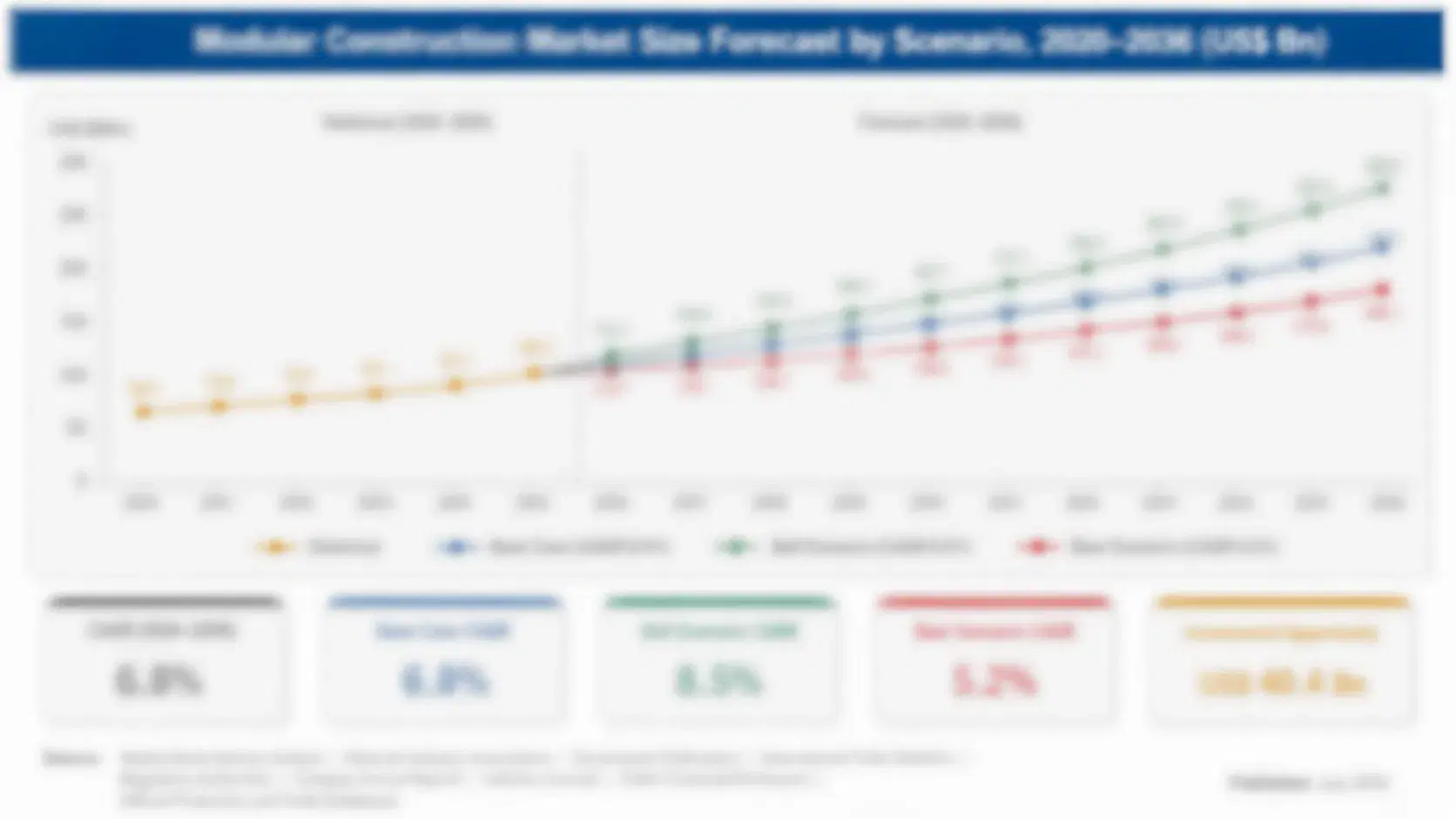
Bronopol Market Forecast Scenarios

bronopol-market-size-forecast-scenario-1786463150194
Bronopol demand grew steadily through 2020 and 2021 as industrial water treatment and oilfield applications remained largely non-discretionary despite broader disruption. Growth moderated through 2023 as personal care reformulation pressure intensified, then stabilized through 2024 as industrial demand offset softer cosmetic segment volume. The market grew at a historical rate of roughly 5.2% annually across the 2020 to 2025 period, gaining momentum as industrial applications broadened.
The base case assumes growth driven by three mechanisms: expanding industrial water reuse and cooling tower infrastructure requiring cost-effective broad-spectrum biocide treatment; oilfield water management activity growing alongside unconventional drilling operations in several major producing regions; and continued personal care demand in markets where formaldehyde-release scrutiny remains less pronounced than in the European Union. Replacement demand from ongoing industrial water treatment programs adds a steady secondary layer independent of new facility construction.
The bull case rests on faster-than-expected industrial water reuse infrastructure investment pulling forward bronopol demand across multiple water treatment programs simultaneously. The bear case centers on accelerating personal care reformulation away from formaldehyde-releasing preservatives spreading beyond the European Union into other major cosmetics markets, which would compress the personal care segment considerably faster than currently modeled while industrial demand remains comparatively stable.

Industrial Buyers Anchor a Regulatory-Pressured Category

Bronopol occupies an unusual position among specialty biocides: a single, well-understood chemical compound whose commercial fortunes now diverge sharply by end application rather than moving together as a unified category. Personal care demand faces genuine regulatory headwinds tied to formaldehyde release, while industrial applications largely unaffected by cosmetic-specific regulation continue expanding steadily year after year.
MARKET CONCENTRATION58% (CR5)Concentrated supplier base reflects specialized production requirements broadly
AVERAGE SELLING PRICE$6.20-$9.80 per kgPrice varies modestly by purity grade and application specification
TOP PRODUCING COUNTRYChina, 26% shareLargest single manufacturing base for personal care and industrial grades
CAPACITY UTILIZATION68%Production lines run below theoretical capacity amid demand shift
TRADE INTENSITY41% exportedSubstantial share of production crosses borders before end use
INPUT COST SHARE46% of COGSBrominated intermediates and synthesis chemicals dominate manufacturing cost
Demand concentrates where industrial water treatment scale and personal care manufacturing volume intersect. East Asia and North America generate the largest absolute investment given their combination of industrial and personal care manufacturing capacity, while South Asia and Pacific combines rapid industrial water infrastructure growth with expanding personal care manufacturing less affected by European-style reformulation pressure. Oilfield applications are sustaining steady demand in major unconventional drilling regions across multiple countries.
Over the next decade, application-specific technical support and regulatory documentation increasingly determine competitive position more than base chemical pricing alone. Suppliers able to demonstrate dosing expertise across complex industrial water systems will capture share from generalist competitors in a market where personal care volume gradually declines as a share of total demand even as industrial applications continue expanding steadily across most major markets.
"Bronopol isn't disappearing, it's relocating. The molecule that's losing shelf space in a cosmetics aisle is gaining ground in a cooling tower, and that's a completely different sales conversation."
Director, Specialty Chemicals and Preservatives Practice · MMA Biocide and Prese

Market Trends

Personal Care Reformulation Shifts Demand Toward Industrial Uses

Cosmetic formulators across the European Union and increasingly other major markets are reformulating products away from formaldehyde-releasing preservatives including bronopol, driven by tightening regulatory scrutiny and consumer clean-label preference that treats formaldehyde release as a formulation liability regardless of documented safety margins at approved concentrations. This is pushing bronopol producers to redirect commercial focus toward industrial water treatment, oilfield, and coatings applications where formaldehyde release carries far less commercial sensitivity. Producers with established industrial customer relationships are capturing disproportionate share of this redirected demand, while those historically concentrated in personal care face a genuine commercial transition.
Market Impact: Sustains oilfield demand worth $58M

Industrial Water Reuse Infrastructure Expands Steadily

Growing water scarcity concerns and tightening industrial discharge regulation are driving expanded investment in industrial water reuse and recycling infrastructure across manufacturing facilities, cooling towers, and process water systems, each requiring reliable, cost-effective biocide treatment to prevent microbial fouling and biofilm formation. Bronopol's broad-spectrum efficacy and established regulatory approval history for industrial applications make it a default choice for water treatment formulators designing new treatment programs. Suppliers with proven industrial water treatment formulation expertise are capturing disproportionate share of this steadily expanding demand pool relative to competitors focused purely on personal care applications.
Market Impact: Sustains metalworking demand worth

Market Opportunities and Growth Drivers

Expanding Unconventional Drilling Water Management Needs

Unconventional oil and gas drilling operations across North America and increasingly other major producing regions require substantial biocide treatment volumes to manage produced water and drilling fluid systems, where bacterial contamination can cause equipment corrosion and reservoir souring if left untreated. Bronopol's cost-effectiveness and broad-spectrum efficacy against the sulfate-reducing bacteria common in oilfield water systems make it a widely specified treatment option among oilfield chemical formulators serving this demand. Suppliers with established oilfield chemical distributor relationships are capturing disproportionate share of this demand relative to competitors without comparable industry-specific distribution access and technical support capability.
Market Impact: Compresses EU personal care volume

Metalworking Fluid Preservation Demand Remains Stable

Metalworking fluid formulators continue specifying bronopol as a preservative to prevent microbial contamination that degrades fluid performance and creates worker health concerns in machining and metal fabrication operations, a stable application largely unaffected by the personal care regulatory pressures reshaping other segments of bronopol demand. Each metalworking fluid formulation requires ongoing preservative supply across the fluid's service life, creating durable, recurring demand independent of new manufacturing capacity additions. Suppliers with established metalworking fluid formulator relationships are capturing steady, recurring revenue from this comparatively regulation-insulated application relative to competitors overexposed to personal care volume.
Market Impact: Risks 20% personal care substitutio

Market Restraints and Challenges

European Union Regulatory Scrutiny Compresses Personal Care Volume

The European Union's ongoing review of formaldehyde-releasing preservatives under evolving cosmetic regulation is compressing bronopol's personal care segment volume as major cosmetics brands proactively reformulate away from the chemistry ahead of potential future restriction, even where current status still permits its use at approved concentrations. The root cause is that cosmetics brands increasingly treat regulatory uncertainty itself as a commercial risk worth avoiding through voluntary reformulation, independent of whether formal restriction actually occurs. This has already meaningfully compressed European demand. Producers are responding by redirecting sales focus toward industrial applications and non-European personal care markets where pressure remains less pronounced.
Market Impact: Shifts $85M toward industrial uses

Alternative Preservative Chemistries Compete on Formulation Simplicity

Alternative preservative chemistries without formaldehyde-release characteristics, including certain organic acid and multi-functional preservative systems, are gaining formulator preference in personal care applications specifically because they avoid the regulatory labeling and consumer perception complications bronopol increasingly carries in cosmetics formulations. The root cause is that formulators increasingly prioritize regulatory simplicity and marketing flexibility alongside pure efficacy when selecting new formulation chemistry. This creates a genuine substitution risk in personal care that industrial buyers largely do not share, given the absence of comparable consumer-facing labeling pressure. Producers are responding by emphasizing cost and efficacy advantages specifically in industrial applications.
Market Impact: Adds water treatment demand worth $
3 additional market trends, 4 additional growth drivers, and 2 additional restraints and challenges are covered in the full report. Contact sales@marketmindsadvisory.com to access the complete intelligence.

Segment CAGR and Growth Architecture

MMA segments the bronopol market by end-use application, the classification that most directly determines regulatory exposure, formulation requirements, and buyer relationship type given bronopol's status as a single chemical compound whose commercial dynamics now diverge sharply by application rather than by any product formulation or manufacturing technology variation, given the single-molecule nature of this specialty chemical.
bronopol-market-market-share-analysis-1786463150356

Industrial Water Treatment

Industrial water treatment is growing fastest, at roughly 8.5% annually, as expanding industrial water reuse and cooling tower infrastructure require cost-effective, broad-spectrum biocide treatment that bronopol's chemistry delivers reliably at scale across diverse water system configurations. Adoption concentrates among water treatment chemical formulators serving manufacturing facilities, cooling towers, and process water systems where microbial fouling and biofilm formation pose ongoing operational risk. Bronopol's established regulatory approval history for industrial applications and cost-effectiveness relative to alternative biocides make it a default formulation choice largely unaffected by the personal care regulatory pressures reshaping other bronopol demand segments. Suppliers with proven industrial water treatment formulation expertise are capturing disproportionate share of this expanding demand pool as reuse infrastructure investment accelerates.
CAGR 8.5%

Oilfield and Drilling Fluid Applications

Oilfield and drilling fluid applications are growing at roughly 7.6% annually, driven by expanding unconventional drilling activity across North America and increasingly other major producing regions that require substantial biocide treatment volumes to manage produced water and drilling fluid systems. Demand concentrates among oilfield chemical formulators serving operators managing sulfate-reducing bacteria contamination risk, which can cause equipment corrosion and reservoir souring if left untreated across a well's operational life. Bronopol's cost-effectiveness and broad-spectrum efficacy against this specific bacterial risk make it a widely specified treatment option relative to more expensive alternative biocide chemistries. Suppliers with established oilfield chemical distributor relationships and technical support capability are capturing disproportionate share of this demand pool as drilling activity expands.
CAGR 7.6%
Full segment breakdown across 6 segments available in the complete report.

Regional Architecture and Country Demand Map

East Asia holds the largest regional share on the strength of China's personal care and industrial manufacturing base, while South Asia and Pacific grows fastest as industrial water treatment infrastructure expands. North America contributes substantial demand tied to its oilfield and industrial water treatment applications.

North America

North America generates substantial bronopol demand anchored by the United States' extensive unconventional drilling activity and large industrial water treatment infrastructure base, both requiring reliable, cost-effective biocide treatment at meaningful volume across multiple producing regions and manufacturing facilities nationwide. Personal care demand remains comparatively stable here relative to Europe, since United States cosmetic regulation has not moved as aggressively against formaldehyde-releasing preservatives to date. Canada's industrial water treatment and oil sands operations contribute steady secondary demand concentrated in similar applications. Mexico's growing industrial manufacturing base, supported by nearshoring trends, adds incremental demand for standard water treatment and metalworking fluid preservative grades across the country's steadily growing and diversifying industrial manufacturing footprint.
Share: 22% | CAGR: 6.5% (2026 to 2036)

Western Europe

Western Europe's bronopol demand centers on Germany, France, and the UK, where established personal care and industrial chemical manufacturing sustain demand even as formaldehyde-release regulatory scrutiny compresses the region's personal care segment volume meaningfully year over year. The region grows the slowest of the seven as cosmetic reformulation away from bronopol continues under evolving European Union biocide and cosmetics regulation, offsetting otherwise steady industrial water treatment demand growth across the continent. German and Swiss specialty chemical producers, several of whom rank among the market's global technical leaders, maintain deep relationships with both personal care and industrial water treatment formulators navigating this transition. Industrial applications are increasingly the primary growth driver as personal care volume continues its gradual regulatory-driven decline.
Share: 24% | CAGR: 4.5% (2026 to 2036)
Regional intelligence for 5 additional markets available in the complete report: East Asia, South Asia and Pacific, Latin America, Middle East and Africa, Eastern Europe. Contact sales@marketmindsadvisory.com.
bronopol-market-country-cagr-analysis-1786463150523

Capturing Value Beyond Commodity Chemical Sales

Base bronopol pricing faces steady pressure from regulatory-driven personal care volume decline and Chinese manufacturers competing aggressively on commodity industrial grades. Suppliers that build recurring revenue through application-specific technical support, industrial customer diversification, and regulatory consulting capture considerably better lifetime value than those still dependent on declining personal care volume alone across their broader business.

Building Industrial Water Treatment Formulation Support

Suppliers investing in dedicated technical support for water treatment chemical formulators capture disproportionate share of a fast-growing demand pool worth an estimated $62 million, where dosing guidance and compatibility data across complex industrial water systems differentiate suppliers beyond pure commodity chemical pricing considerations that dominate less specialized transactions. This capability requires meaningful application engineering investment, but suppliers that build genuine water treatment formulation expertise capture durable, multi-year customer relationships with water treatment formulators that persist across multiple facility contracts and treatment program renewals over the customer's full multi-year operating life.
Market Impact: Captures a growing $62M water deman

Expanding Oilfield Chemical Distributor Relationships Broadly

Suppliers building dedicated relationships with oilfield chemical distributors and formulators capture disproportionate share of a demand pool worth an estimated $58 million tied to expanding unconventional drilling water management needs, where technical support around sulfate-reducing bacteria treatment differentiates suppliers from purely transactional commodity chemical sellers. This distribution relationship, difficult for suppliers without established oilfield industry credibility to replicate quickly, creates durable customer dependency that extends well beyond individual chemical shipments into ongoing technical support relationships across a formulator's broader product line and multi-year drilling program commitments across several producing basins.
Market Impact: Captures a growing $58M oilfield de

Offering Regulatory Consulting for Personal Care Transition

Suppliers offering regulatory consulting services that help personal care formulators navigate reformulation timelines and alternative preservative system transitions capture additional advisory revenue worth an estimated 12 to 18% of remaining personal care contract value, even as the underlying chemical volume itself gradually declines under regulatory pressure across major cosmetics markets. This advisory relationship helps suppliers retain some commercial connection to personal care accounts through the reformulation transition period rather than losing the relationship entirely, while positioning the supplier as a trusted partner for alternative chemistry supply once reformulation is fully complete.
Market Impact: Captures 12 to 18% of remaining con

Diversifying Into Metalworking Fluid Preservation Accounts

Suppliers expanding dedicated metalworking fluid formulator relationships capture steady, recurring revenue worth an estimated $44 million from an application segment largely insulated from the personal care regulatory pressures reshaping other bronopol demand segments, since metalworking fluid preservation faces minimal comparable consumer-facing labeling scrutiny or reformulation pressure of any meaningful kind. This diversification strategy reduces overall portfolio exposure to personal care regulatory risk considerably while building genuinely durable relationships with metalworking fluid formulators who require ongoing preservative supply across each fluid formulation's multi-year commercial life, periodic reformulation cycles, and ongoing equipment maintenance needs.
Market Impact: Captures a stable $44M metalworking

Who Controls the Margin Pool

The bronopol market is relatively concentrated, with a CR5 of roughly 58%, reflecting the specialized bromination and manufacturing infrastructure required to produce the chemical at commercial scale. Lonza and Thor Group lead a group of established biocide producers with a meaningful gap over the next tier of regional Chinese manufacturers and specialty formulators competing primarily on industrial-grade commodity pricing.
Competitive activity concentrates on three fronts: industrial water treatment and oilfield technical support that differentiates suppliers beyond commodity pricing, regulatory consulting that helps retain personal care accounts through reformulation transitions, and application diversification that reduces exposure to personal care regulatory risk. Established suppliers defend positions through decades of application-specific formulation expertise and industry distribution relationships that smaller regional manufacturers cannot easily replicate.

Emerging pressure comes from Chinese manufacturers improving industrial-grade product quality fast enough to challenge established Western suppliers on water treatment and metalworking fluid applications, not only on price for basic commodity grades. Rankings could shift meaningfully if a Chinese manufacturer successfully builds credible oilfield chemical distributor relationships, a segment currently dominated by established Western suppliers with decades of accumulated industry-specific technical support experience and formulator trust.
bronopol-market-company-positioning-matrix-1786463150688

Competitive Moat and Risk Dimensions

LONZA GROUP AG

Moat: Broad Multi-Application Formulation Expertise

Lonza's decades of formulation expertise spanning personal care, industrial water treatment, and oilfield applications simultaneously give it design-in positions across the full breadth of bronopol demand segments, an advantage that smaller, more narrowly focused competitors typically cannot match across comparable application diversity and technical depth.
LONZA GROUP AG

Risk: Declining Personal Care Exposure

A meaningful share of Lonza's historical bronopol revenue base remains tied to personal care applications facing sustained regulatory-driven decline, requiring continued portfolio mix-shift investment toward industrial water treatment and oilfield segments to offset this structural revenue headwind over the coming several years and multiple budget cycles.
THOR GROUP LIMITED

Moat: Deep Industrial Water Treatment Relationships

Thor Group's established relationships with water treatment chemical formulators across multiple industrial sectors give it recurring, multi-year supply relationships that newer entrants without comparable formulator trust and technical support infrastructure cannot easily replicate, particularly in specialized industrial applications requiring genuine dosing expertise and system compatibility knowledge.
THOR GROUP LIMITED

Risk: Limited Personal Care Diversification

Thor Group's comparatively concentrated industrial focus, while insulating it from personal care regulatory risk, leaves it with less exposure to the personal care segment's remaining volume in markets where formaldehyde-release scrutiny has not yet compressed demand as significantly as it has across the European Union to date.

Players Tracked

Prominent Players

Lonza Group AG
Thor Group Limited
Schulke and Mayr GmbH
Clariant AG
Ashland Global Holdings

Other Key Players

Sharon Laboratories
Akema Fine Chemicals
ISCA Chemicals
Alzo International
Chemipol
ICC Industries
Jiangsu Yabang Dyestuff
Zhejiang NHU Company
Rianlon Corporation
Aksharchem India Ltd
Anhui Bonsun Pharmaceutical
LANXESS AG
Troy Corporation
Dow Inc.
Solvay SA

Recent Developments

MARCH 2025

Lonza Expands Industrial Water Treatment Technical Support Team

Lonza Group AG expanded its dedicated technical support team for industrial water treatment formulators, aimed at strengthening dosing guidance and compatibility support as the company redirects commercial focus toward industrial applications facing less regulatory pressure than its historical personal care business across its major European markets.
Signal: Signals that established biocide producers
JULY 2025

Thor Group Wins Multi-Year Oilfield Chemical Supply Agreement

Thor Group Limited secured a multi-year supply agreement with a major oilfield chemical formulator serving unconventional drilling operations, its largest oilfield contract to date, demonstrating the value of established distributor relationships in capturing expanding drilling-linked water management demand across multiple major producing basins in North America.
Signal: Signals that oilfield distribution relatio
OCTOBER 2025

Clariant Launches Regulatory Transition Consulting Service

Clariant AG launched a dedicated regulatory consulting service for personal care formulators navigating the transition away from formaldehyde-releasing preservatives, aimed at retaining commercial relationships with cosmetics brands through their reformulation process rather than losing accounts entirely to competing alternative chemistry suppliers active in the broader market.
Signal: Signals suppliers are treating personal ca

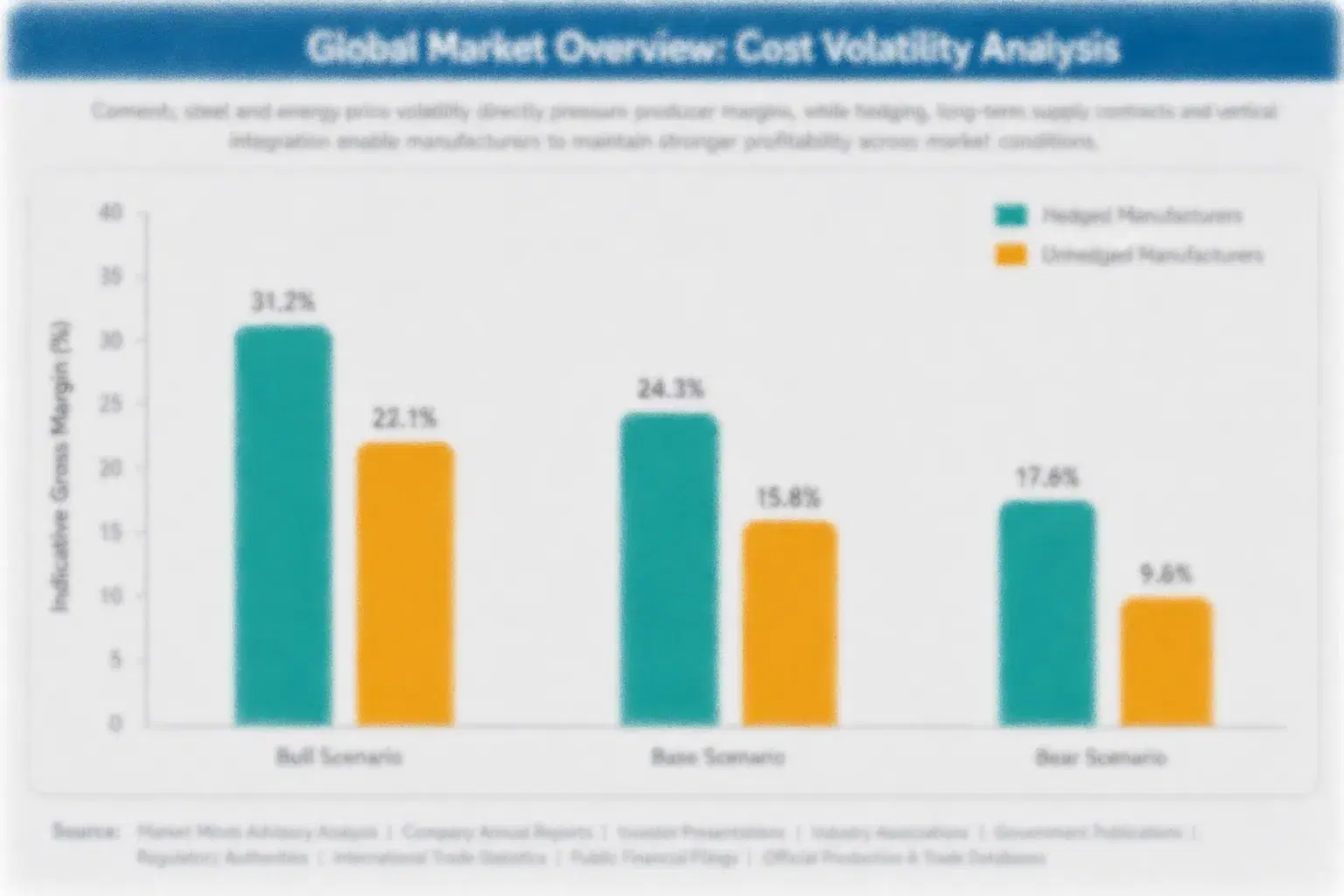
Brominated Intermediates and Nitropropanediol Exposure

Brominated intermediates account for roughly 26 to 31% of manufacturing cost, sourced from a concentrated group of global bromine producers primarily based in Israel, Jordan, China, and the United States given the geographic concentration of commercially viable bromine extraction. Nitropropanediol and other synthesis intermediates contribute a further 15 to 19%, exposing manufacturers to specialty chemical intermediate supply chains alongside bromine market dynamics.
Bromine prices rose sharply during 2022 amid supply constraints tied to Dead Sea extraction capacity and elevated global industrial demand, pushing bronopol manufacturing costs up by more than 20% within several months, according to bromine market pricing data referenced in Lonza's 2022 annual report. The disruption prompted several manufacturers to renegotiate customer contracts to include price escalation clauses tied to published bromine indices rather than fixed quotes issued months before delivery.

Smaller regional manufacturers without long-term bromine supply agreements face greater cost exposure than larger diversified players like Lonza and Thor Group, who negotiate volume-based contracts directly with major bromine producers. Manufacturers dependent on Chinese-sourced brominated intermediates face additional exposure to Chinese industrial policy and export dynamics, a supply chain risk that suppliers with diversified sourcing across multiple bromine-producing regions do not share to the same degree.
bronopol-market-cost-volatility-analysis-1786463150864

Negotiating Bromine Price Escalation Clauses

Larger manufacturers are increasingly building bromine price escalation clauses tied to published market indices into customer contracts, reducing the lag between input cost changes and pricing recovery that previously compressed margin significantly during volatile bromine pricing periods across the broader specialty chemical industry supply chain, particularly benefiting smaller producers that otherwise lack comparable pricing power.

Diversifying Bromine Sourcing Across Producing Regions

Several manufacturers are qualifying additional bromine suppliers across Israel, Jordan, and the United States to reduce dependence on any single producing region, a meaningful undertaking given the specialized extraction and processing capacity bromine supply typically requires before formal commercial qualification and approval for large-scale industrial production use spanning multiple downstream industrial and specialty applications.

Building Strategic Intermediate Inventory Reserves

Several larger manufacturers have expanded strategic inventory reserves of brominated intermediates and nitropropanediol to buffer against future supply disruption, absorbing additional working capital cost in exchange for more predictable production scheduling during periods of elevated market volatility and rapidly shifting global bromine supply and demand conditions across several competing end-use industries found worldwide today.

Portfolio Architecture for Margin Defence

The market splits into three tiers running from commodity industrial-grade bronopol to premium application-specific formulations bundled with technical support and regulatory consulting. Margin concentrates heavily at the top: specialized oilfield and water treatment formulations with dedicated technical support earn gross margins 12 to 18 percentage points above commodity industrial grades, reflecting both formulation complexity and the recurring service revenue layered on top of the chemical s
Volume and premium tiers pull manufacturers in different strategic directions simultaneously across the industry. Chinese manufacturers are pushing aggressively into commodity industrial water treatment and metalworking fluid applications, compressing margin in segments where established Western producers historically earned steady returns, forcing incumbents to defend premium oilfield and specialized water treatment segments more aggressively through technical differentiation rather than pricing alone.

High-value margin pools concentrate among suppliers serving oilfield chemical formulators and industrial water treatment programs through combined chemical supply, technical support, and multi-year contract relationships, since these accounts generate recurring revenue across multiple facilities and treatment programs simultaneously, far exceeding the value of a single commodity transaction and remaining the primary target of every major producer's account strategy today.

Volume / Commodity-Adjacent Tier

Standard industrial-grade bronopol sold primarily into price-sensitive water treatment and metalworking fluid markets, competing on price against a moderately concentrated global producer base with thin commodity margins reflecting minimal formulation differentiation.
Gross Margin: 18-24%

Premium / Certified Tier

Application-specific formulations sold with technical dosing support into oilfield and specialized industrial water treatment markets, capturing better margin through formulation expertise and demonstrated system compatibility performance across varied fluid chemistries.
Gross Margin: 26-32%

Sustainability / Regulatory / Next-Generation Tier

Premium oilfield and industrial formulations bundled with technical support and regulatory consulting for transitioning personal care accounts, commanding the highest margin through genuine service-layer differentiation that competitors struggle to replicate quickly.
Gross Margin: 34-42%
bronopol-market-portfolio-architecture-1786463151041

High-value Sub-segments and Strategic Watch-out

Oilfield Formulations With Dedicated Technical Support

Bundled chemical supply and dosing support services generating recurring revenue through multi-year distributor and formulator relationships, growing fastest as expanding unconventional drilling activity sustains demand for sulfate-reducing bacteria treatment across multiple producing basins and drilling programs nationwide currently under way across North America and other producing regions.
Gross Margin: 36-42%

Industrial Water Treatment Formulation Programs

Application-specific water treatment formulations sold directly into expanding industrial water reuse infrastructure programs, expanding steadily as tightening discharge regulation and water scarcity concerns drive sustained investment in recycling and treatment capacity across multiple manufacturing regions and industrial sectors facing increasingly tightening discharge compliance deadlines nationwide.
Gross Margin: 28-34%

Standard Industrial and Metalworking Fluid Grades

The largest unit volume segment, serving industrial water treatment and metalworking fluid formulators globally that need proven preservative performance without the highest tier's full technical support cost, forming the steady revenue backbone of most producers' order books and multi-year service, supply, and support contracts nationwide.
Gross Margin: 18-24%

Legacy Personal Care Formulations Facing Reformulation

Older personal care formulations facing accelerating reformulation away from bronopol under tightening cosmetic preservative regulation, a segment strategic watchers should track closely as reformulation timelines compress faster than some producers' revenue transition plans currently anticipate or have adequately planned for across their long-term revenue models.
Gross Margin: 14-20%

From Commodity Sale to Application Partnership

Bronopol demand is shifting from a transactional commodity chemical sale toward an application-specific technical partnership as dosing support, regulatory consulting, and multi-year supply relationships increasingly extend a producer's commercial relationship across a buyer's evolving formulation needs rather than a single volume transaction, particularly among producers that have successfully diversified beyond personal care into industrial applications offering more durable relationship struc
Adoption depth varies sharply by end-use vertical. Oilfield and industrial water treatment formulators adopt technical support and dosing partnership relationships most deeply, given the direct operational consequences of biocide treatment failures in complex fluid systems. Personal care formulators facing reformulation pressure adopt more transactionally in their remaining bronopol purchasing, often treating the relationship as a bridge toward eventual chemistry transition rather than a long-term partnership.

A generational shift in buyer profile is underway as industrial water treatment engineers and oilfield chemical specialists, increasingly focused on system compatibility and dosing optimization, gain purchasing influence relative to the personal care formulators who historically drove a larger share of bronopol commercial decisions, a change reshaping which supplier capabilities actually win business across the market's evolving application mix and customer base.
bronopol-market-end-use-penetration-index-1786463151212

Where Bronopol Producers Should Focus Next

These are among the four positions where our research anticipates prominent divergence between winners and laggards over the coming forecast period. Each is grounded in the demand model, the regulatory perimeter, and the announced capacity pipeline.
01 / INDUSTRIAL APPLICATION DIVERSIFICATION

Redirect commercial focus toward water treatment before personal care erosion accelerates

Personal care regulatory pressure is compressing bronopol volume in that segment steadily, converting what was historically a core demand pool into a structurally declining revenue base that producers cannot reasonably expect to recover. Producers still concentrated in personal care risk losing overall revenue momentum to competitors who have already redirected commercial focus toward industrial water treatment and oilfield applications facing far less regulatory pressure. Moving now, ahead of further personal care erosion, allows producers to capture industrial demand growth before competition for these accounts intensifies meaningfully further across the market.
02 / OILFIELD DISTRIBUTION EXPANSION

Build oilfield chemical distributor relationships ahead of drilling activity growth

Unconventional drilling activity continues expanding across multiple producing regions, creating substantial demand for biocide treatment that oilfield chemical formulators increasingly source from suppliers offering genuine technical support rather than pure commodity chemical supply. Producers building dedicated oilfield distributor relationships and technical support capability now are positioned to capture disproportionate share as drilling-linked water management demand continues growing steadily. Waiting until competitors establish these relationships first will prove considerably more expensive to reverse given the trust-based nature of oilfield chemical distribution relationships.
03 / REGULATORY CONSULTING DEVELOPMENT

Offer transition support to retain value from declining personal care accounts

Personal care formulators navigating reformulation away from bronopol still value supplier relationships that help them manage the transition timeline and identify appropriate alternative chemistry options, an advisory opportunity many producers currently overlook in their focus on the underlying volume decline. Producers offering this transition support capture some continued commercial value from personal care accounts even as core chemical volume gradually declines, while positioning themselves favorably for future alternative chemistry supply relationships. This requires reframing personal care accounts as transition partnerships rather than simply managing their decline.
04 / WATER TREATMENT TECHNICAL INVESTMENT

Deepen formulation expertise to defend industrial water treatment share

Industrial water treatment demand is growing steadily as water reuse infrastructure investment accelerates, but this segment increasingly rewards suppliers who can demonstrate genuine dosing and compatibility expertise across complex water system configurations rather than treating bronopol as an undifferentiated commodity chemical. Producers investing in dedicated water treatment technical support capability are capturing disproportionate share of this growing demand pool relative to competitors competing purely on price. This technical investment requires sustained commitment but builds durable, difficult-to-displace relationships with water treatment formulators.

Engagement Snapshot From the Field

A live engagement with an industry participant carrying material or product regulatory and market exposure ahead of a defining policy shift, showing how our research translates into a defensible multi-year portfolio strategy.
MARKET MINDS ADVISORY · CLIENT ENGAGEMENT SUMMARY
Bronopol Producer Strategic Portfolio Review and Transition Roadmap 2026·Investment Scenario on Bronopol Exposure Evaluation 2025-26
CLIENT PROFILE
The client is a diversified specialty chemical producer generating roughly $210 million in annual revenue (client-reported, unverified by MMA) from its preservatives division, with bronopol historically representing a substantial share of that revenue concentrated primarily in personal care applications serving European cosmetics brands. The company was facing accelerating volume decline in its core personal care business as major customers announced reformulation timelines away from formaldehyde-releasing preservatives.
STRATEGIC CHALLENGE
Management needed to decide how quickly to redirect commercial and manufacturing resources from personal care toward industrial applications, given uncertainty about the pace of continued personal care volume decline and whether the company's existing technical capabilities could support a credible pivot into industrial water treatment and oilfield markets within its target timeline.
MMA APPROACH
MMA modeled personal care volume decline under three distinct reformulation pace scenarios, benchmarked the client's technical capabilities against established industrial water treatment and oilfield suppliers, and assessed which industrial application segments offered the strongest near-term revenue replacement opportunity given the client's existing manufacturing footprint, distribution network, and technical staff capabilities.
KEY FINDINGS
  1. Personal care volume was projected to decline by 25 to 35% over three years under the most likely reformulation pace scenario, a steeper decline than management had previously modeled internally.
  2. The client's existing manufacturing infrastructure required only modest modification to serve industrial-grade water treatment demand, representing a lower-barrier diversification path than oilfield applications.
  3. Oilfield market entry would require building entirely new distributor relationships, a multi-year undertaking given the trust-based nature of oilfield chemical distribution partnerships.
  4. Water treatment chemical formulators in the client's existing geographic footprint represented an estimated $18 million near-term addressable opportunity requiring minimal capital investment to pursue.
CLIENT PROFILE
The client is a diversified specialty chemical producer generating roughly $210 million in annual revenue (client-reported, unverified by MMA) from its preservatives division, with bronopol historically representing a substantial share of that revenue concentrated primarily in personal care applications serving European cosmetics brands. The company was facing accelerating volume decline in its core personal care business as major customers announced reformulation timelines away from formaldehyde-releasing preservatives.
STRATEGIC CHALLENGE
Management needed to decide how quickly to redirect commercial and manufacturing resources from personal care toward industrial applications, given uncertainty about the pace of continued personal care volume decline and whether the company's existing technical capabilities could support a credible pivot into industrial water treatment and oilfield markets within its target timeline.
MMA APPROACH
MMA modeled personal care volume decline under three distinct reformulation pace scenarios, benchmarked the client's technical capabilities against established industrial water treatment and oilfield suppliers, and assessed which industrial application segments offered the strongest near-term revenue replacement opportunity given the client's existing manufacturing footprint, distribution network, and technical staff capabilities.
KEY FINDINGS
  1. Personal care volume was projected to decline by 25 to 35% over three years under the most likely reformulation pace scenario, a steeper decline than management had previously modeled internally.
  2. The client's existing manufacturing infrastructure required only modest modification to serve industrial-grade water treatment demand, representing a lower-barrier diversification path than oilfield applications.
  3. Oilfield market entry would require building entirely new distributor relationships, a multi-year undertaking given the trust-based nature of oilfield chemical distribution partnerships.
  4. Water treatment chemical formulators in the client's existing geographic footprint represented an estimated $18 million near-term addressable opportunity requiring minimal capital investment to pursue.
RECOMMENDED STRATEGY
Phase 1: Phase 1 (Months 1 to 6): Prioritize water treatment formulator outreach within the client's existing geographic footprint, requiring minimal capital investment. Phase 2: Phase 2 (Months 7 to 18): Begin building oilfield distributor relationships in parallel, recognizing the multi-year timeline required for this channel. Phase 3: Phase 3 (Months 19 to 36): Scale industrial revenue to offset continued personal care decline, reassessing manufacturing capacity allocation as the transition progresses.
OUTCOME
The client secured its first water treatment formulator contracts within five months of the engagement, generating early revenue against the identified $18 million opportunity (client-reported, unverified by MMA). The company began parallel oilfield distributor outreach on the recommended timeline, with management adopting the phased framework for ongoing portfolio transition planning.

Frequently Asked Questions

Foundational context covering the market sizes, CAGR, scope, country, region and competition that inform every finding below. This section is provided to cover basics and most often pre-purchase conversations, answered from the MMA Primary Research Dataset.

What is the current size of the Bronopol Market?

The global bronopol market was valued at approximately $0.42 billion in 2025. Growth is being driven by industrial water treatment demand even as personal care volume faces regulatory pressure.

How large will the Bronopol Market be by 2036?

The market is projected to reach approximately $0.78 billion by 2036, up from $0.44 billion in 2026. This represents nearly a doubling of value over the ten-year forecast window.

What is the CAGR for the Bronopol Market 2026 to 2036?

The market is forecast to grow at a CAGR of 5.8% between 2026 and 2036. Bull and bear scenarios range from roughly 4.5% to 6.9%.

Which segment is growing fastest?

Industrial water treatment is the fastest-growing segment, expanding at approximately 8.5% annually. This is roughly 1.5 times the overall market's growth rate of 5.8% today.

Who are the major companies in the Bronopol Market?

Leading producers include Lonza, Thor Group, Schulke and Mayr, Clariant, and Ashland Global Holdings. Together these five hold roughly 58% of total global market share.

Which country is growing fastest?

India is currently the single fastest-growing country in this market, expanding at approximately 7.8% annually. This reflects its rapidly and steadily expanding water treatment infrastructure.

Report Segmentation Architecture

The full report scope spans multiple orthogonal segmentation dimensions, with cross-tabulated demand data provided for each dimension pair. Coverage extends further to regional breakdowns, trend trajectories, and the competitive detail needed to support segment-level decision-making.

By End-Use Application

  • Personal Care and Cosmetics Preservation
  • Industrial Water Treatment
  • Oilfield and Drilling Fluid Applications
  • Paints and Coatings Preservation
  • Metalworking Fluid Preservation
  • Household and Institutional Cleaning Products

By End-Use Industry

  • Personal Care and Cosmetics
  • Oil and Gas
  • Industrial Water Treatment
  • Manufacturing and Metalworking
  • Coatings and Paints

By Commercial Dimension

  • Direct Commodity Supply
  • Technical Support and Formulation Services
  • Regulatory Consulting
  • Multi-Year Supply Agreements

By Region

  • North America
  • Western Europe
  • East Asia
  • South Asia and Pacific
  • Latin America
  • Middle East and Africa
  • Eastern Europe

Scope, Methodology, and Coverage

Every figure in this report is reproducible from documented input assumptions. The scope below maps the historical period, the forecast horizon, the segmentation dimensions, and the countries covered, alongside the underlying primary and qualitative methodology.
Historical Period
2020 to 2025
Forecast Period
2026 to 2036
Base Year
2025 (USD billions; MMA Primary Research Dataset, August 2026)
Market Definition
The bronopol market covers 2-bromo-2-nitropropane-1,3-diol, a broad-spectrum biocide and preservative chemical, sold across personal care, industrial water treatment, oilfield, coatings, and metalworking fluid applications. It excludes finished formulated products containing bronopol as one of several active ingredients and excludes other formaldehyde-releasing preservative chemistries sold as bronopol alternatives.
Quantitative Units
USD billions (current prices); metric tons where disclosed
Segmentation Dimensions
By End-Use Application; By End-Use Industry; By Commercial Dimension; By Region
Regions Covered
North America, Western Europe, East Asia, South Asia and Pacific, Latin America, Middle East and Africa, Eastern Europe
Countries Covered
USA, China, Germany, France, UK, Japan, South Korea, India, Australia, Canada, Brazil, Mexico, Indonesia, Vietnam, Thailand, Malaysia, UAE, Saudi Arabia, South Africa, Nigeria, Turkey, Poland, Netherlands, Italy, Spain, Sweden, Switzerland, Argentina, Colombia, Singapore, and additional markets relevant to this sector
Key Companies Profiled
Lonza Group AG, Thor Group Limited, Schulke and Mayr GmbH, Clariant AG, Ashland Global Holdings, Sharon Laboratories, Akema Fine Chemicals, ISCA Chemicals, Alzo International, Chemipol, ICC Industries, Jiangsu Yabang Dyestuff, Zhejiang NHU Company, Rianlon Corporation, Aksharchem India Ltd, Anhui Bonsun Pharmaceutical, LANXESS AG, Troy Corporation, Dow Inc., Solvay SA
Quantitative Methodology
Primary survey, n=3,800 respondents, Q4 2025, six countries; demand-side model with trade association cross-validation
Qualitative Methodology
47 expert interviews, Q4 2025; applied to validate demand model assumptions, identify emerging dynamics, and assess competitive positioning
Report Format
PDF and XLSX data workbook (Word format preview document)
Publisher
Market Minds Advisory
Report Code
MMA-2026-CHM-320
Published
August 2026
Contact
sales@marketmindsadvisory.com | www.marketmindsadvisory.com

Purchase the full Bronopol Market Report (2026 to 2036).

The full report provides a comprehensive assessment of the global bronopol market, including detailed segmentation by end-use application, end-use industry, and commercial dimension across all seven world regions. It profiles twenty leading and emerging producers, benchmarking application diversification, technical support capability, and regulatory positioning. The analysis includes ten-year forecasts through 2036 under base, bull, and bear scenarios, alongside primary research findings drawn from MMA's survey of 3,800 respondents and 47 expert interviews conducted in the fourth quarter of 2025. A dedicated input cost section examines brominated intermediate and nitropropanediol exposure across major manufacturing regions.
Detailed segment-level ten-year forecasts through 2036
Profiles of twenty leading and emerging producers
Regional analysis spanning all seven world regions
Input cost and supply chain risk assessment
Competitive benchmarking on moats and vulnerabilities
Primary survey and expert interview data appendix

Built For The People Who Decide

From boardroom strategy to bench-side execution, this report is read cover-to-cover by leaders shaping the next decade of their industry, turning demand scenarios, market dynamics and valuation benchmarks into decisions.
CXOs/ Presidents/ VPs/ Managers
M&A and Corporate Development
Strategy Teams and R&D Heads
Procurement and Product Directors
Regulatory and Compliance Leaders
Investor Relations and Equity Analysts