Market Minds Advisory
Brewing Enzymes Market

Brewing Enzymes Market: Brewing Enzymes Market. Adjunct Brewing, Low-Alcohol Beer, and Brewer Cost Programmes Shape Global Supply.

Brewing enzymes convert starch, proteins, and cell walls into fermentable wort, where adjunct grists, low-alcohol and low-carbohydrate beer, and brewer cost programmes decide which enzyme makers hold multi-year supply contracts with large brewing groups.

Lead Analyst

Published

September 2026

Make Smarter Decisions with Customized Research Insights

Request a free sample report and evaluate market opportunities, growth trends, and competitive dynamics relevant to your business needs.

2025 MARKET VALUE$0.7BMarket Size 2025
2036 FORECAST VALUE$1.3BBase Case , 2026 to 2036
CAGR 2026 TO 20365.8 %Bull 7.1% / Bear 4.5%
INCREMENTAL OPPORTUNITY$0.6BNet 10- year value creation
EXPANSION MULTIPLE1.76x2036 value over 2026 base
Strategic Levers
M&A Pipeline
Regional Outlook
Country Rankings
Competitive Intelligence
Segmental Deep-dive
Call-Us : 91 93563 13602

Executive Snapshot and Market Trajectory.

Brewing enzymes are microbial proteins added in the mash, fermenter, or tank to convert starch, break down cell walls and proteins, and control flavour. Breweries buy them to raise yield, cut cost, and make new beer styles. Demand follows beer volume and grist choices. Brands reward consistency over novelty.
Low-Carbohydrate and Gluten-Reduction Specialty Enzymes grow fastest as brewers launch light, low-alcohol, and gluten-reduced beers. Western Europe holds the largest share, since leading enzyme producers, large brewing groups, and brewing science centres sit there, while East Asia and North America follow through volume brewing. Yield sets value. Consistency sets renewal. Brewers trial suppliers for months. Contracts run several years. Supply contracts decide renewal. Delivery reliability decides supplier rankings.
Competition is highly concentrated, with a Danish biosolutions group, a Dutch and Swiss nutrition science group, a German enzyme maker, an Irish taste and nutrition group, and a Japanese enzyme specialist leading on strains, fermentation scale, and brewery technical service, while Indian and Chinese producers supply lower-cost amylases. Food enzyme rules govern use. Service gates large accounts. Cost gates volume. Brewers test every lot, and one poor lot can cost a contract.
Market Definition
The market covers global sales of brewing enzymes, valued at supplier level, including starch-degrading enzymes, cell-wall degrading enzymes, proteolytic enzymes, diacetyl and off-flavour control enzymes, and low-carbohydrate and gluten-reduction specialty enzymes, sold to breweries, maltsters, and contract brewers. The scope excludes malt, yeast, hops, enzymes for distilling and bioethanol, baking and dairy enzymes, and finished beer.
Base Year Value
$0.7B in 2025 (MMA Primary Research Dataset, September 2026)
Forecast Period
2026 to 2036, eleven discrete annual values
CAGR
5.8% base case. Bull 7.1%. Bear 4.5%.
Fastest Growth Segment
Low-Carbohydrate and Gluten-Reduction Specialty Enzymes: 9.6% CAGR
Fastest Growth Country
India: 8.6% CAGR
Fastest Growth Region
South Asia and Pacific: 7.8% CAGR
Largest Region
Western Europe: 28% of 2025 global value
Market Leaders
Novonesis, DSM-Firmenich, AB Enzymes, Kerry Group, Amano Enzyme. Source: MMA Analysis, company annual reports.
Primary Survey
n=3,800 procurement and R&D decision-makers, Q4 2025, six countries
Methodology
Demand-side build-up, cross-validated against public data, 47 expert interviews

Brewing Enzymes Market Forecast Scenarios

brewing-enzymes-market-size-forecast-scenario-1789852867895
Between 2020 and 2025, brewing enzyme demand grew as breweries in Asia, Africa, and Latin America used more adjuncts, low-alcohol and low-carbohydrate beers spread, and large brewers pushed yield and energy programmes. Pandemic lockdowns cut on-trade volumes in 2020, recovery followed, and specialty enzymes grew faster than standard amylases. Margins follow sourcing discipline. Buyers review suppliers every season.
The base case rests on three commercial mechanisms. First, brewers in emerging markets keep raising adjunct use with local grains, which needs more enzyme per batch. Second, low-alcohol, low-carbohydrate, and gluten-reduced beer keeps growing, and these styles need specialty enzymes. Third, brewers keep pushing yield, energy, and tank time targets, which favours enzyme suppliers with technical service. Suppliers plan strains, capacity, and service teams around all three. Batch records protect future sales.
The bull case needs faster growth in non-alcoholic beer and wider sorghum and cassava brewing in Africa, which would lift volumes. The bear case is falling beer volumes in mature markets combined with brewer price pressure, which would squeeze margins. Cost control separates leaders from followers. Clear specifications build buyer trust. Small importers feel every input swing.

Adjunct Brewing, Low-Alcohol Beer, and Brewer Cost Programmes Set Enzyme Outcomes

Brewing enzyme supply starts with selected fungal and bacterial production strains grown in large fermenters on sugar and protein media, where they secrete the enzyme into the broth. Producers filter out cells, concentrate the liquid, and formulate it with stabilisers into liquid or granulated grades. They test for activity, purity, and microbial safety. Suppliers then sell to breweries and maltsters with technical service teams.
MARKET CONCENTRATION68% CR5Leading five suppliers hold a high combined share
TYPICAL DOSE RANGE0.01-0.1%Usual enzyme weight share of grist or wort treated
FERMENTATION COST SHARE36%Portion of goods cost taken by production fermentation
EXTRACT YIELD GAIN1-3%Typical improvement in brewhouse extract from enzyme programmes
LARGE BREWER SHARE55%Portion of enzyme value sold to the largest brewing groups
CONTRACT LENGTH3-5 yearsTypical supply agreement length with large brewing customers
Activity per gram, temperature and pH stability, side activities, and batch consistency decide value. Brewers set tight specifications, and specialty enzymes for low-carbohydrate and gluten-reduced beer earn premiums of 40% to 120% over standard amylases. Large producers win on strains and scale, while smaller firms win on niche products and service. Suppliers with audited plants and clean traceability win. Audits repeat yearly. Trials take months.
Buyers judge enzymes on yield gain, consistency, and cost per hectolitre. Large brewers want documented savings and global supply, craft brewers want simple dosing and guidance, and maltsters want stable activity. Price sensitivity is high in standard amylases and moderate in specialty products, since a bad batch costs far more than the enzyme. Delivery slots matter as brew schedules run tight. Trials decide shortlists.
"Brewing enzymes cost a fraction of a cent per pint, and that is exactly why brewers guard them so closely. A poor enzyme lot ruins a batch worth a hundred times more, so the supplier with the steadiest activity and the best brewery service team will beat the one with the cheapest quote."
Senior Analyst, Industrial Enzymes and Fermentation Practice · MMA Brewing Enzymes Practice · September 2026

Market Trends

Low-Carbohydrate and Gluten-Reduced Beer Growth Lifts Specialty Enzyme Use

Brewers launch light, low-carbohydrate, and gluten-reduced beers, and these styles need glucoamylases, pullulanases, and prolyl endopeptidases that break down dextrins and gluten proteins. Low-Carbohydrate and Gluten-Reduction Specialty Enzymes grow about 9.6% a year, and specialty grades earn gross margins of 45% to 60% against 28% to 38% for standard amylases. The trend needs application data and regulatory acceptance of gluten claims, and it rewards suppliers with brewery trials and technical service. Technical reach compounds over time. Brands reward consistency over novelty. Supply contracts decide renewal. Delivery reliability decides supplier rankings. Margins follow sourcing discipline.
Market Impact: adjuncts reach 30-50% of grist
Diacetyl Control Enzymes Cut Maturation Time and Tank Cost

Brewers use acetolactate decarboxylase to convert diacetyl precursors during fermentation, shortening maturation and freeing tank capacity, and large brewers track tank days as a cost driver. Diacetyl and Off-Flavour Control Enzymes grow about 7.4% a year, and these grades earn gross margins of 40% to 52%. The trend needs consistent activity and brewery trials, and it rewards suppliers that document savings in tank days and energy for large brewing customers. Buyers review suppliers every season. Batch records protect future sales. Cost control separates leaders from followers. Clear specifications build buyer trust. Small importers feel every input swing.
Market Impact: enzymes lift brewhouse extract 1-3%

Market Opportunities and Growth Drivers

Adjunct Brewing With Local Grains Raises Enzyme Dependence

Brewers in Africa, Asia, and Latin America use rice, corn, sorghum, and cassava as low-cost adjuncts, and these grains need added amylases and glucanases because they lack malt enzymes. Adjuncts reach 30% to 50% of grist in some emerging markets. The driver sustains steady demand for starch-degrading and cell-wall enzymes and rewards suppliers with local technical service, stable supply, and enzyme systems designed for sorghum and cassava mashes. Technical reach compounds over time. Brands reward consistency over novelty. Supply contracts decide renewal. Delivery reliability decides supplier rankings. Margins follow sourcing discipline. Buyers review suppliers every season.
Market Impact: mature beer volumes fall 1-2% yearly

Brewer Yield and Energy Programmes Favour Enzyme Optimisation

Large brewers set targets for extract yield, energy use, and tank time, and enzymes offer a low-capital way to improve all three. Enzyme programmes typically lift brewhouse extract by 1% to 3% and cut energy use in the mash. The driver sustains demand for enzyme optimisation services and rewards suppliers that offer on-site trials, savings calculations, and performance-linked contracts that fit brewer procurement reviews. Batch records protect future sales. Cost control separates leaders from followers. Clear specifications build buyer trust. Small importers feel every input swing. Technical reach compounds over time. Brands reward consistency over novelty.
Market Impact: tenders push prices down 3-6% yearly

Market Restraints and Challenges

Falling Beer Volumes in Mature Markets Limit Base Demand

Beer volumes have stalled or fallen in parts of Europe, North America, and China as consumers drink less alcohol and shift to other beverages. The root cause is health awareness, ageing populations, and younger cohorts drinking less. Suppliers respond by targeting low-alcohol and specialty enzymes, though mature market volumes fall 1% to 2% a year in some countries and standard amylase demand tracks those volumes closely. Supply contracts decide renewal. Delivery reliability decides supplier rankings. Margins follow sourcing discipline. Buyers review suppliers every season. Batch records protect future sales. Cost control separates leaders from followers.
Market Impact: specialty enzymes grow 9.6% yearly

Brewer Buying Power and Price Pressure Squeeze Enzyme Margins

The five largest brewing groups buy a large share of enzymes and run annual tenders, which pushes prices down and shifts value to savings claims. The root cause is concentrated buying and low switching cost in standard grades. Suppliers respond with performance contracts and specialty products, though price concessions of 3% to 6% a year are common and small suppliers struggle to hold accounts. Clear specifications build buyer trust. Small importers feel every input swing. Technical reach compounds over time. Brands reward consistency over novelty. Supply contracts decide renewal. Delivery reliability decides supplier rankings.
Market Impact: diacetyl enzymes grow 7.4% yearly
3 additional market trends, 2 additional growth drivers, and 4 additional restraints and challenges are covered in the full report. Contact sales@marketmindsadvisory.com to access the complete intelligence.

Segment CAGR and Growth Architecture

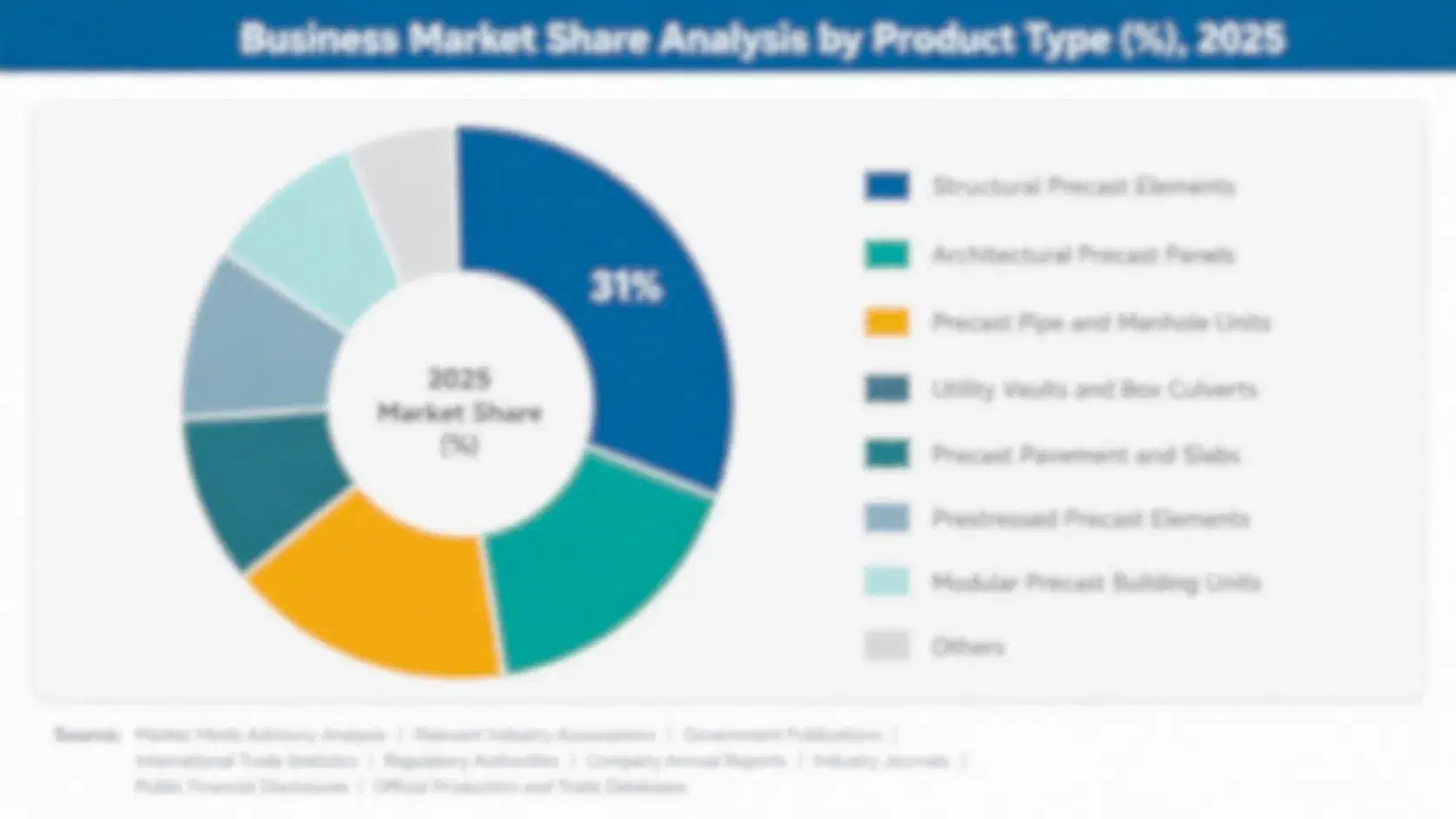
The global brewing enzymes market is segmented by enzyme function, which shows where technical service, specialty use, and consistency create pricing power. Five segments cover starch-degrading enzymes, cell-wall degrading enzymes, proteolytic enzymes, diacetyl and off-flavour control enzymes, and low-carbohydrate and gluten-reduction specialty enzymes. Specialty and diacetyl control enzymes grow fastest as low-alcohol beer and tank time programmes widen.
brewing-enzymes-market-market-share-analysis-1789852868187

Low-Carbohydrate and Gluten-Reduction Specialty Enzymes

Low-Carbohydrate and Gluten-Reduction Specialty Enzymes is the fastest-growing segment at 9.6% a year, about 1.66 times the overall market rate, from a moderate base. Brewers launching light, low-alcohol, and gluten-reduced beers need glucoamylases, pullulanases, and prolyl endopeptidases, and gross margins of 45% to 60% against 28% to 38% for standard amylases support investment. Regulatory acceptance and application data are the main constraints. Suppliers with brewery trials win. Margins follow sourcing discipline. Buyers review suppliers every season. Batch records protect future sales. Cost control separates leaders from followers. Clear specifications build buyer trust. Small importers feel every input swing. Technical reach compounds over time. Brands reward consistency over novelty. Supply contracts decide renewal.
CAGR 9.6%

Diacetyl and Off-Flavour Control Enzymes

Diacetyl and Off-Flavour Control Enzymes grows at 7.4% a year, because brewers use acetolactate decarboxylase to shorten maturation and free tank capacity, and buyers accept gross margins of 40% to 52% for consistent activity. Yeast strain interaction and dosing accuracy are the main constraints, since results vary between breweries. Suppliers with documented savings in tank days and energy hold price better than followers. Delivery reliability decides supplier rankings. Margins follow sourcing discipline. Buyers review suppliers every season. Batch records protect future sales. Cost control separates leaders from followers. Clear specifications build buyer trust. Small importers feel every input swing. Technical reach compounds over time. Brands reward consistency over novelty. Supply contracts decide renewal.
CAGR 7.4%
Full segment breakdown across 5 segments available in the complete report.

Regional Architecture and Country Demand Map

Western Europe holds the largest share because leading enzyme producers, large brewing groups, and brewing science centres sit there, so its share sits above the usual band. East Asia follows through volume brewing, and North America sits below its band as beer volumes fall. South Asia and Pacific grows

Western Europe

Western Europe holds 28% share, above its usual band, and leads because Denmark, Germany, the Netherlands, and the United Kingdom host leading enzyme producers such as Novonesis, DSM-Firmenich, and AB Enzymes, plus large brewing groups and brewing science centres that set specifications and run trials. Growth trails the global rate. Flat beer volumes, energy cost, and brewer tenders restrain margins, while low-alcohol styles and specialty grades lift returns. Delivery reliability decides supplier rankings. Margins follow sourcing discipline. Buyers review suppliers every season. Batch records protect future sales. Cost control separates leaders from followers. Clear specifications build buyer trust. Small importers feel every input swing. Technical reach compounds over time. Brands reward consistency over novelty.
Share: 28% | CAGR: 4.4% (2026 to 2036)

East Asia

East Asia holds 26% share, inside its band, because China is the largest beer producer and Japanese and Korean brewers run large, quality-focused operations, with Amano Enzyme, Nagase, and Chinese producers such as Vland Biotech and Sunson supplying locally. Growth exceeds the global rate. Price competition, flat domestic beer volumes, and import rules restrain margins, while premiumisation and low-alcohol beer lift specialty demand. Supply contracts decide renewal. Delivery reliability decides supplier rankings. Margins follow sourcing discipline. Buyers review suppliers every season. Batch records protect future sales. Cost control separates leaders from followers. Clear specifications build buyer trust. Small importers feel every input swing. Technical reach compounds over time. Brands reward consistency over novelty.
Share: 26% | CAGR: 6.8% (2026 to 2036)
Regional intelligence for 5 additional markets available in the complete report: North America, South Asia and Pacific, Latin America, Middle East and Africa, Eastern Europe. Contact sales@marketmindsadvisory.com.
brewing-enzymes-market-country-cagr-analysis-1789852868470

Four Margin Routes for Enzyme Suppliers

Margin in brewing enzymes comes from specialty grades, performance contracts, adjunct systems for emerging markets, and diacetyl control rather than standard amylase volume. The routes below apply to global enzyme makers, regional producers, and blenders, and each can start inside one planning cycle, with clear measures in gross margin points, cost per litre of enzyme.

Moving Volume Into Low-Carbohydrate and Gluten-Reduction Grades

Specialty grades earn gross margins of 45% to 60% against 28% to 38% for standard amylases, so suppliers that add glucoamylase, pullulanase, and prolyl endopeptidase products and brewery trials to shift 8% of volume into specialty grades report gross margin gains of 3 to 6 points on the mix. Development costs $3 million to $10 million per product family. Pilots with four brewers confirm demand. Buyers review suppliers every season. Batch records protect future sales. Cost control separates leaders from followers. Clear specifications build buyer trust. Small importers feel every input swing.
Market Impact: specialty mix shift lifts gross margin by 3-6 points

Selling Performance-Linked Contracts With Documented Brewery Savings

Brewers cut cost through extract yield gains of 1% to 3% and energy savings, so suppliers that guarantee savings, run on-site trials, and share gains in performance contracts win multi-year agreements and defend price against tenders. Programmes cost $1 million to $3 million in service team capacity. Suppliers should document savings in tank days and energy, and price contracts against a shared savings baseline. Technical reach compounds over time. Brands reward consistency over novelty. Supply contracts decide renewal. Delivery reliability decides supplier rankings. Margins follow sourcing discipline. Buyers review suppliers every season.
Market Impact: performance contracts defend prices against tenders of 3-6% cuts

Building Sorghum and Cassava Enzyme Systems for African Brewers

African brewers use sorghum and cassava adjuncts that need tailored enzyme systems, and adjuncts reach 30% to 50% of grist in some markets, so suppliers that build local service teams and tailored blends win growing volume. Systems cost $2 million to $6 million to develop and support. Suppliers should partner with brewers, run local trials, and hold regional stock to cut delivery delays. Batch records protect future sales. Cost control separates leaders from followers. Clear specifications build buyer trust. Small importers feel every input swing. Technical reach compounds over time. Brands reward consistency over novelty.
Market Impact: adjunct systems win volume as grists reach 30-50% adjuncts

Securing Fermentation Capacity and Strain Improvements for Cost

Fermentation and downstream processing take about 36% of cost, so suppliers that invest in strain improvement, higher titres, and energy recovery cut cost per unit of activity by 10% to 20% and defend margin against Indian and Chinese rivals. Projects cost $8 million to $25 million per site. Suppliers should stage investments against contracted volume and share savings with anchor customers. Supply contracts decide renewal. Delivery reliability decides supplier rankings. Margins follow sourcing discipline. Buyers review suppliers every season. Batch records protect future sales. Cost control separates leaders from followers. Clear specifications build buyer trust.
Market Impact: strain and process upgrades cut cost per activity unit 10-20%

Who Controls the Margin Pool

The global brewing enzymes market is highly concentrated, with a CR5 of 68%, and regional producers, blenders, and distributors sit outside the leading five. This assessment measures participants on estimated brewing enzyme sales value, held constant across all players. Novonesis leads through strain library, fermentation scale, and brewery service, while DSM-Firmenich, AB Enzymes, Kerry Group, and Amano Enzyme follow, with a clear gap between the leader and the challengers.
Competition runs on four dimensions today: enzyme performance and consistency, technical service and trials, specialty product range, and supply security. Global producers win on strains and service, while regional producers win on cost. Imitators copy standard amylases quickly, so premiums outside specialty and diacetyl control grades erode within a season, and price competition appears in tender-driven supply. Small importers feel every input swing. Technical reach compounds over time.

Emerging pressure comes from Indian and Chinese producers moving into specialty grades, brewers integrating enzyme optimisation in-house, and new gluten-reduction rules. Rankings shift where a supplier wins a specialty programme, clears a regulatory hurdle, or secures a large brewer tender. Regional producers can move up quickly, since cost and local service can outweigh legacy brands. Brands reward consistency over novelty.
brewing-enzymes-market-company-positioning-matrix-1789852868770

Competitive Moat and Risk Dimensions

NOVONESIS

Moat: Strain Library and Brewery Service

Novonesis, a Danish biosolutions group formed by the combination of Novozymes and Chr. Hansen, supplies brewing enzymes and cultures to large and craft brewers and supports them with application laboratories and on-site technical teams. Its strain library, fermentation scale, and service reach give it credibility with the largest brewing groups.
NOVONESIS

Risk: Tender Pressure From Large Brewers

Novonesis sells to concentrated brewer buyers that run annual tenders and push for price cuts, and rivals can win volume by matching standard grades at lower cost. Large accounts can shift share quickly. Supply contracts decide renewal. Delivery reliability decides supplier rankings. Margins follow sourcing discipline. Buyers review suppliers every season.
AB ENZYMES

Moat: Brewing Specialisation and Flexibility

AB Enzymes, a German enzyme maker within the ABF group, supplies brewing, baking, and food enzymes and focuses on application support and tailored blends for brewers and maltsters. Its specialisation, fermentation plants, and service culture give it credibility with mid-sized and large brewers, and its position supports flexible supply agreements and tailored enzyme systems for adjunct and specialty
AB ENZYMES

Risk: Scale Gap to Larger Rivals

AB Enzymes competes with larger groups that hold bigger strain libraries and wider global service networks, and the largest brewers may prefer global suppliers for multi-country contracts. Batch records protect future sales. Cost control separates leaders from followers. Clear specifications build buyer trust. Small importers feel every input swing.

Players Tracked

Prominent Players

Novonesis
DSM-Firmenich
AB Enzymes
Kerry Group
Amano Enzyme

Other Key Players

IFF
Advanced Enzyme Technologies
Biocatalysts
Vland Biotech
Sunson Industry Group
Enzyme Development Corporation
Lallemand
Erbslöh
Murphy and Son
Antozyme Biotech
Nagase
Kemin Industries
BRAIN Biotech
Shin Nihon Chemical
Longda Bio-Products

Recent Developments

JANUARY 2026

Novonesis Extends Brewing Enzyme Range for Low-Carbohydrate Beer Programmes

Novonesis extended its brewing enzyme range for low-carbohydrate beer programmes, according to company communications. It is a product range extension, not an acquisition, and it tests whether specialty grades support premium pricing. Sales volumes were not disclosed. Technical reach compounds over time. Brands reward consistency over novelty.
Signal: Suggests leading producers are extending specialty ranges to defend premiums as standard amylase prices face tender pressure.
FEBRUARY 2026

DSM-Firmenich Introduces Gluten-Reduction Enzyme Solution for Brewers

DSM-Firmenich introduced a gluten-reduction enzyme solution for brewers, supported by brewery trial data. It is a product launch, and it tests demand for gluten-reduced beer and regulatory acceptance of claims. Sales volumes were not disclosed. Supply contracts decide renewal. Delivery reliability decides supplier rankings. Margins follow sourcing discipline.
Signal: Confirms global producers are steadily targeting gluten-reduced beer as a premium niche with limited local competition.
MARCH 2026

Advanced Enzyme Technologies Announces Brewing Enzyme Capacity Expansion in India

Advanced Enzyme Technologies announced a brewing enzyme capacity expansion in India, according to company communications. It is organic capacity expansion, not an acquisition, and it tests demand from Indian and export customers. Investment values were not disclosed. Buyers review suppliers every season. Batch records protect future sales.
Signal: Indicates Indian producers are actively adding capacity to challenge global suppliers in standard grades and regional service.

What Drives Brewing Enzyme Costs

Fermentation media and raw materials account for roughly 34% of cost of goods, fermentation energy and utilities about 20%, downstream filtration and formulation about 22%, and testing, packaging, and freight about 24%. Media come from sugar, starch, and soy suppliers in the United States, Brazil, and Europe, and most production takes place in Denmark, Germany, the United States, and China.
The clearest recent shock came from energy and media prices. European gas and power prices surged in 2022, as the IEA reported, and Novonesis noted in its 2024 annual report that input and energy costs affected its industrial biosolutions businesses. Enzyme suppliers raised prices by 4% to 10% in affected grades, though large brewers resisted increases through tenders. Small importers feel every input swing. Technical reach compounds over time.

The competitive disadvantage falls on small suppliers, which buy media on spot terms, run small fermenters, and cannot spread service cost across volume. Large producers hold contracts, own multiple sites, and cross-subsidise trials. Exposure also varies by geography, since European producers face higher energy cost than Chinese or Indian rivals, while Asian suppliers face longer service lead times.
brewing-enzymes-market-cost-volatility-analysis-1789852869104

Contracting Media and Energy With Index Clauses

Suppliers sign multi-year contracts for media components and power, and write index clauses into brewer contracts with caps and floors. Contracts cut spot purchases by roughly half and clauses cut margin swings by 10% to 20% in volatile years. The main challenge is brewer acceptance, so suppliers publish index sources and pair pricing with supply guarantees.

Strain Improvement and Higher Titres

Suppliers upgrade production strains for higher enzyme titres and cleaner side activity profiles, which cuts fermentation time and media use. Upgrades cut cost per unit of activity by 10% to 20% over several years. The main challenge is development time and capital, so larger suppliers invest first, while smaller firms license strains. Brands reward consistency over novelty.

Energy Recovery and Site Efficiency

Suppliers add heat recovery, better aeration control, and combined heat and power at fermentation sites. Upgrades cut energy cost by 15% to 25%. The main challenge is capital and downtime, so suppliers schedule work during low demand, prioritise the largest sites, and link investments to long brewer contracts that secure volume. Supply contracts decide renewal.

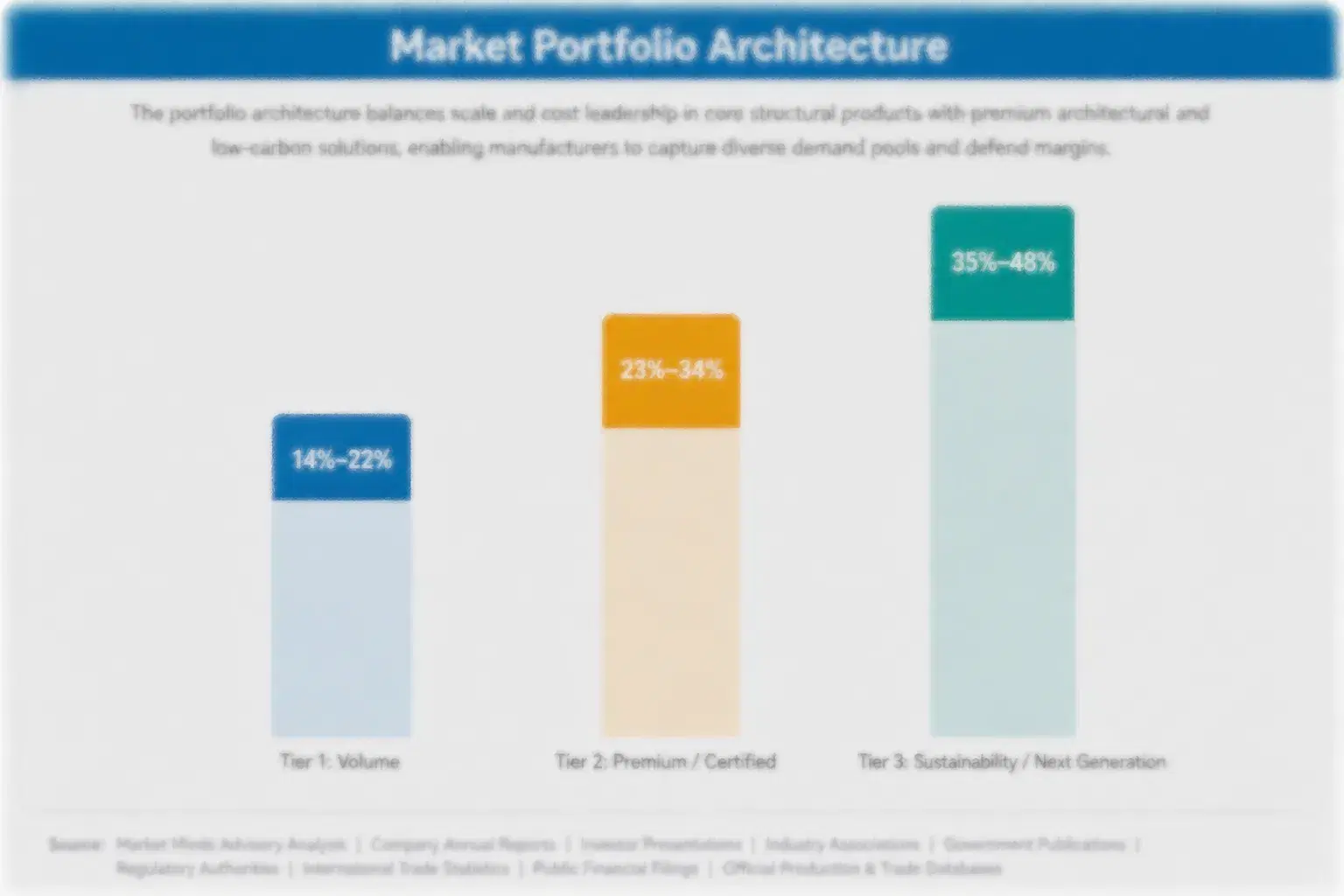
Portfolio Architecture for Margin Defence

Margins run from thin returns on standard amylases sold in bulk to strong returns on specialty enzymes sold with brewery trials and technical service. Three tiers separate volume products, certified premium lines, and next-generation formats, and each tier draws on different brewer groups, strain libraries, and service models in a concentrated, steadily growing market. Margins follow sourcing discipline. Buyers review suppliers every season.
The tension between volume and premium is sharp. Standard amylases protect plant utilisation and large brewer relationships but face price pressure from Indian and Chinese producers and annual tenders, while specialty grades earn higher margins on smaller volumes and depend on trials, regulation, and brewer trust. Suppliers that run only volume struggle to fund development, while suppliers that run only premium lack the volume to cover fermenters. Batch records protect future sales.

High-value pools concentrate in low-carbohydrate and gluten-reduction enzymes sold to brewers launching light and specialty beers and in diacetyl control enzymes sold to large brewers chasing tank time. They gather where buyers pay for documented savings and product claims rather than litres. Cell-wall enzymes add steady value in adjunct-heavy brewing. Cost control separates leaders from followers. Clear specifications build buyer trust.

Volume / Commodity-Adjacent Tier

Standard amylases, glucoamylases, and proteases sold in drums and totes to large and mid-sized brewers under annual tenders at thin margins, with price competition from Indian and Chinese producers. Small importers feel every input swing.
Gross Margin: 25%-35%

Premium / Certified Tier

Cell-wall and diacetyl control enzymes with tight activity specifications, audit certificates, and brewery trial data, sold to brewers that require consistent lots and documented savings. Technical reach compounds over time. Brands reward consistency over novelty.
Gross Margin: 35%-50%

Sustainability / Regulatory / Next-Generation Tier

Low-carbohydrate and gluten-reduction specialty enzymes and adjunct systems with trial data and service support, sold to brewers that pay premiums for verified styles and lower energy use. Supply contracts decide renewal. Delivery reliability decides supplier rankings.
Gross Margin: 45%-60%
brewing-enzymes-market-portfolio-architecture-1789852869429

High-value Sub-segments and Strategic Watch-out

Low-Carbohydrate and Gluten-Reduction Specialty Enzymes

Low-carbohydrate and gluten-reduction specialty enzymes combine the fastest growth with strong pricing, since brewers pay for light and gluten-reduced beers at gross margins of 45% to 60%. Regulatory acceptance and application data limit competition, and suppliers with brewery trials win. Volume compounds as new styles widen.
Gross Margin: 45%-60%

Diacetyl and Off-Flavour Control Enzymes

Diacetyl and off-flavour control enzymes deliver strong growth and steady pricing, since large brewers pay for shorter maturation and freed tank capacity. Consistent activity and documented savings form the entry barrier, and suppliers with service teams win. Repeat supply builds through multi-year contracts with the largest brewing groups.
Gross Margin: 40%-52%

Starch-Degrading Enzymes

Starch-degrading enzymes are the volume core, sold to brewers and maltsters at thin margins under annual tenders. Value grows about 5.2% a year, and scale, cost position, and delivery reliability decide profit. Suppliers anchor sales on long relationships with large brewers and on adjunct-heavy brewing in emerging markets.
Gross Margin: 25%-35%

Proteolytic Enzymes

Proteolytic enzymes are the strategic watch-out, since growth of about 4.8% a year trails the market, malt quality improvements reduce need, and buyers switch on price. Suppliers should manage this line for steady cash and redirect capacity toward higher-value specialty and diacetyl control grades. Margins follow sourcing discipline.
Gross Margin: 25%-36%

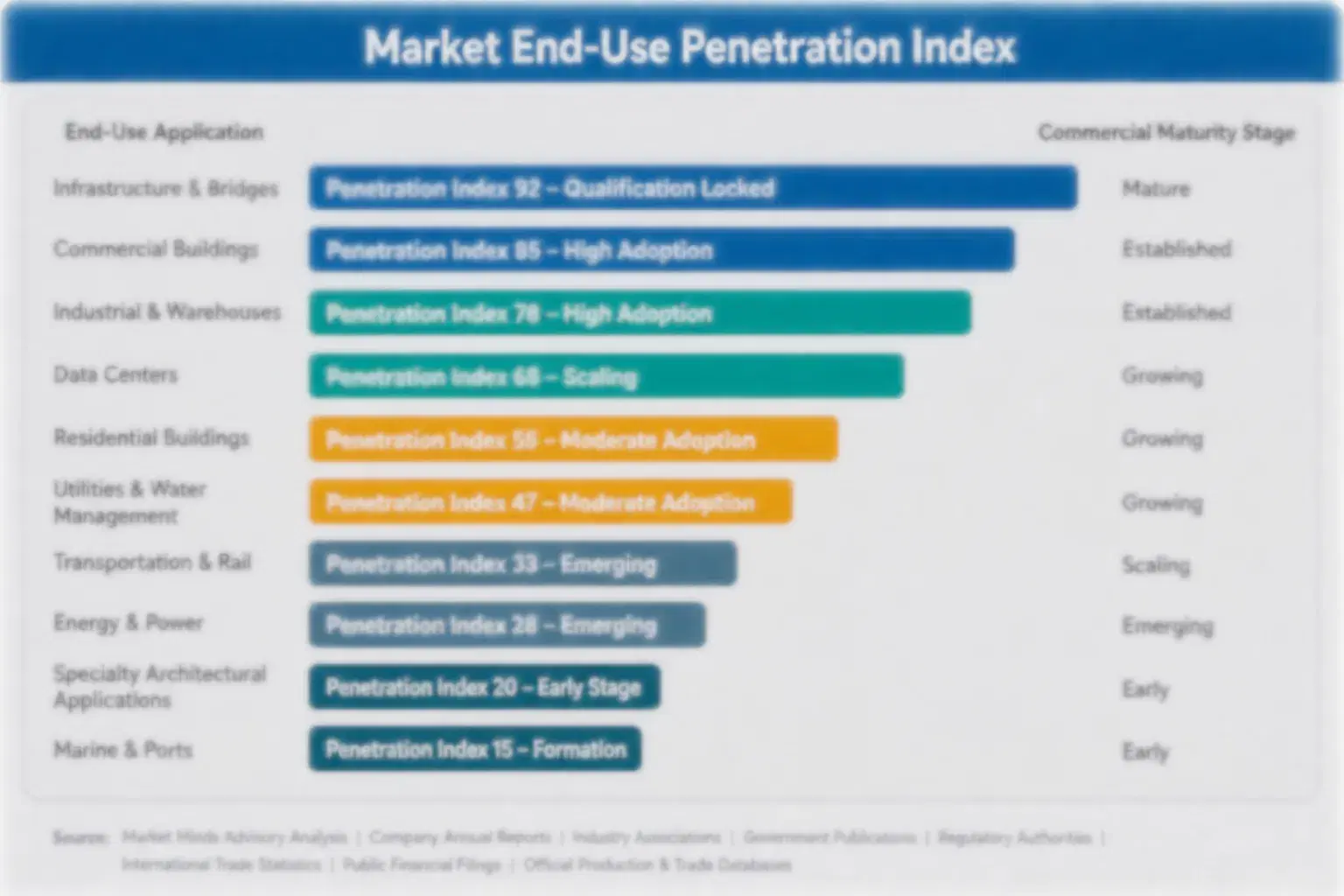
Why Brewers Keep Reordering Enzymes

Enzyme demand behaves like an annuity attached to approved recipes and brewhouse programmes. Once a brewer qualifies an enzyme whose activity, side effects, and savings it trusts, it repeats the order every month, and switching means new brew trials, flavour panels, and process changes. Brewers use last quarter's yield data and delivery record to fix renewals, so suppliers with clean records earn steadier volume than sellers reliant on
Adoption stickiness differs by customer type. Large brewing groups are the deepest, since enzyme programmes are written into standard brewing procedures and change only when supply or quality fails. Maltsters follow activity stability. Mid-sized brewers are moderate and switch on cost, while small craft brewers are shallow and buy through distributors. Buyers review suppliers every season. Batch records protect future sales. Clear specifications build buyer trust.

Buyer profiles are shifting between generations. Older brewing teams bought enzymes on price and long relationships, while younger teams ask for style innovation, sustainability data, digital dosing support, and clean documentation. Procurement adds a third group that runs tenders. Suppliers that publish trial data and offer fast sampling win younger brewers and keep them as new styles grow.
brewing-enzymes-market-end-use-penetration-index-1789852869708

MMA Verdict on Brewing Enzyme Strategy

These are among the four positions where our research anticipates prominent divergence between winners and laggards over the coming forecast period. Each is grounded in the demand model, the regulatory perimeter, and the announced capacity pipeline.
01 / SPECIALTY ENZYME STRATEGY

Move Volume Into Low-Carbohydrate and Gluten-Reduction Grades Before Tenders Erode Margins

Low-Carbohydrate and Gluten-Reduction Specialty Enzymes grows at 9.6% a year, about 1.66 times the overall market rate, and suppliers that add glucoamylase, pullulanase, and prolyl endopeptidase products earn gross margins of 45% to 60% against 28% to 38% for standard amylases. Winners will invest $3 million to $10 million per product family and shift 8% of volume into specialty grades, lifting gross margin by 3 to 6 points. Suppliers with only standard amylases will stay exposed to tenders, and rivals with proven specialty grades will win the fastest-growing accounts.
02 / PERFORMANCE CONTRACT STRATEGY

Sell Savings-Linked Contracts Before Brewer Tenders Commoditise Enzyme Supply

Brewers cut cost through extract yield gains of 1% to 3% and energy savings, and tenders push price cuts of 3% to 6% a year, so suppliers that guarantee savings and run on-site trials can defend price. Suppliers should invest $1 million to $3 million in service team capacity, document savings in tank days and energy, and price contracts against a shared savings baseline. Those that compete only on unit price will lose accounts, and suppliers with documented savings will hold margin across multi-year agreements.
03 / EMERGING MARKET STRATEGY

Build Adjunct Enzyme Systems for African and Asian Brewers First

Adjuncts reach 30% to 50% of grist in some emerging markets and need tailored enzyme systems, while mature market beer volumes fall 1% to 2% a year, so growth sits in Africa, India, and Southeast Asia. Suppliers should invest $2 million to $6 million in tailored blends, local trials, and regional stock, partner with brewers on sorghum and cassava programmes, and cut delivery delays. Those that focus only on mature markets will lose growth, and suppliers with local service will hold volume and pricing.
04 / FERMENTATION COST STRATEGY

Upgrade Strains and Process Efficiency Before Asian Rivals Undercut Standard Grades

Fermentation and downstream processing take about 36% of cost, and Indian and Chinese producers are widening their share in standard amylases, so cost position decides who defends margin. Suppliers should invest $8 million to $25 million per site in strain improvement, higher titres, and energy recovery, cutting cost per activity unit by 10% to 20%, and stage spending against contracted volume. Those that delay will lose standard grade tenders, and suppliers with lower cost will fund specialty growth and hold accounts through the forecast decade.

Engagement Snapshot From the Field

A live engagement with an industry participant carrying material or product regulatory and market exposure ahead of a defining policy shift, showing how our research translates into a defensible multi-year portfolio strategy.
MARKET MINDS ADVISORY · CLIENT ENGAGEMENT SUMMARY
Brewing Enzymes Producer Strategic Portfolio Review and Transition Roadmap 2026·Investment Scenario on Brewing Enzymes Exposure Evaluation 2025-26
CLIENT PROFILE
The client is a mid-sized African brewing group with annual sales near $260 million (client-reported, unverified by MMA), operating five breweries and selling lager and sorghum beers in domestic and regional markets. It bought enzymes from one supplier on annual terms, used 40% adjuncts in grist, and had no formal enzyme optimisation programme. Small importers feel every input swing.
STRATEGIC CHALLENGE
Local grain costs had risen, extract yield varied by brewery, and imported enzyme prices had increased with currency swings. Management needed to decide whether to add a second supplier, sign a performance-linked contract, or reformulate grists, with limited capital and a group tender date. Technical reach compounds over time. Brands reward consistency over novelty.
MMA APPROACH
MMA analysed brewhouse, yield, and cost data across five breweries, interviewed nine brewing, procurement, and enzyme experts and four suppliers, and ran a benchmark of adjunct systems across three countries. It modelled cost by sourcing scenario, tested currency and price cases, and ranked options by payback and execution risk. Supply contracts decide renewal.
KEY FINDINGS
  1. A tailored sorghum enzyme system could lift extract yield by about 2% and cut cost per hectolitre by about 3% (client-reported, unverified by MMA).
  2. A performance-linked contract would tie about 30% of supplier fees to documented yield gains. Delivery reliability decides supplier rankings. Margins follow sourcing discipline. Buyers review suppliers every season.
  3. A second qualified supplier would add about 2% to cost but cut supply and currency risk by about half. Batch records protect future sales.
  4. Local stock held in a regional hub would cut delivery delays from three weeks to one. Cost control separates leaders from followers. Clear specifications build buyer trust.
CLIENT PROFILE
The client is a mid-sized African brewing group with annual sales near $260 million (client-reported, unverified by MMA), operating five breweries and selling lager and sorghum beers in domestic and regional markets. It bought enzymes from one supplier on annual terms, used 40% adjuncts in grist, and had no formal enzyme optimisation programme. Small importers feel every input swing.
STRATEGIC CHALLENGE
Local grain costs had risen, extract yield varied by brewery, and imported enzyme prices had increased with currency swings. Management needed to decide whether to add a second supplier, sign a performance-linked contract, or reformulate grists, with limited capital and a group tender date. Technical reach compounds over time. Brands reward consistency over novelty.
MMA APPROACH
MMA analysed brewhouse, yield, and cost data across five breweries, interviewed nine brewing, procurement, and enzyme experts and four suppliers, and ran a benchmark of adjunct systems across three countries. It modelled cost by sourcing scenario, tested currency and price cases, and ranked options by payback and execution risk. Supply contracts decide renewal.
KEY FINDINGS
  1. A tailored sorghum enzyme system could lift extract yield by about 2% and cut cost per hectolitre by about 3% (client-reported, unverified by MMA).
  2. A performance-linked contract would tie about 30% of supplier fees to documented yield gains. Delivery reliability decides supplier rankings. Margins follow sourcing discipline. Buyers review suppliers every season.
  3. A second qualified supplier would add about 2% to cost but cut supply and currency risk by about half. Batch records protect future sales.
  4. Local stock held in a regional hub would cut delivery delays from three weeks to one. Cost control separates leaders from followers. Clear specifications build buyer trust.
RECOMMENDED STRATEGY
Phase 1: Phase 1 (Months 1-6): Run yield trials at two breweries with tailored systems, qualify a second supplier, and set a savings baseline. Phase 2: Phase 2 (Months 7-24): Sign a performance-linked contract and roll the best system out to all five breweries. Small importers feel every input swing. Phase 3: Phase 3 (Months 25-42): Add local stock hubs, review savings quarterly, and test specialty enzymes for low-carbohydrate beer. Technical reach compounds over time.
OUTCOME
Within 42 months, tailored enzyme systems ran in all five breweries, extract yield rose by 2.3%, and brewing cost per hectolitre fell by 3.5% (client-reported, unverified by MMA). The client kept both suppliers, held stockouts below 2%, and launched a low-carbohydrate beer in two markets. Brands reward consistency over novelty.

Frequently Asked Questions

Foundational context covering the market sizes, CAGR, scope, country, region and competition that inform every finding below. This section is provided to cover basics and most often pre-purchase conversations, answered from the MMA Primary Research Dataset.

What is the current size of the Brewing Enzymes Market?

The global brewing enzymes market was valued at $0.70 billion in 2025 on a supplier-value basis. Growth is supported by adjunct brewing and low-alcohol beer, offset by falling beer volumes in mature markets.

How large will the Brewing Enzymes Market be by 2036?

The market is projected to reach $1.30 billion by 2036, up from $0.74 billion in 2026. The increase of $0.56 billion reflects specialty enzymes, diacetyl control, and adjunct brewing growth.

What is the CAGR for the Brewing Enzymes Market 2026 to 2036?

The market is forecast to grow at a 5.8% CAGR from 2026 to 2036, supported by emerging market brewing. The bull case reaches 7.1% and the bear case 4.5%, depending on beer volumes, tenders, and specialty adoption.

Which segment is growing fastest?

Low-Carbohydrate and Gluten-Reduction Specialty Enzymes is the fastest-growing segment at 9.6% CAGR, roughly 1.66 times the overall market rate. Diacetyl and Off-Flavour Control Enzymes follows at 7.4% CAGR each year.

Who are the major companies in the Brewing Enzymes Market?

Major companies include Novonesis, DSM-Firmenich, AB Enzymes, Kerry Group, and Amano Enzyme. IFF, Advanced Enzyme Technologies, Biocatalysts, Vland Biotech, and Sunson Industry Group also hold meaningful positions.

Which country is growing fastest?

India is growing fastest at about 8.6% CAGR, because beer consumption, premium brands, and brewing capacity are expanding quickly. Vietnam and Nigeria follow as adjunct brewing widens.

Report Segmentation Architecture

The full report scope spans multiple orthogonal segmentation dimensions, with cross-tabulated demand data provided for each dimension pair. Coverage extends further to regional breakdowns, trend trajectories, and the competitive detail needed to support segment-level decision-making.

By Primary Market Dimension

  • Starch-Degrading Enzymes
  • Cell-Wall Degrading Enzymes
  • Proteolytic Enzymes
  • Diacetyl and Off-Flavour Control Enzymes
  • Low-Carbohydrate and Gluten-Reduction Specialty Enzymes

By End-Use Industry

  • Large Brewing Groups
  • Craft and Regional Breweries
  • Maltsters
  • Contract Brewers
  • Non-Alcoholic Beer Producers

By Commercial Dimension

  • Direct Supply Contracts
  • Enzyme Distributors
  • Performance-Linked Agreements
  • Tender-Based Supply
  • Co-Development Programmes

By Region

  • Western Europe
  • East Asia
  • North America
  • South Asia and Pacific
  • Latin America
  • Middle East and Africa
  • Eastern Europe

Scope, Methodology, and Coverage

Every figure in this report is reproducible from documented input assumptions. The scope below maps the historical period, the forecast horizon, the segmentation dimensions, and the countries covered, alongside the underlying primary and qualitative methodology.
Historical Period
2020 to 2025
Forecast Period
2026 to 2036
Base Year
2025 (USD billions; MMA Primary Research Dataset, September 2026)
Market Definition
The market covers global sales of brewing enzymes, valued at supplier level, including starch-degrading enzymes, cell-wall degrading enzymes, proteolytic enzymes, diacetyl and off-flavour control enzymes, and low-carbohydrate and gluten-reduction specialty enzymes, sold to breweries, maltsters, and contract brewers. The scope excludes malt, yeast, hops, enzymes for distilling and bioethanol, baking and dairy enzymes, and finished beer.
Quantitative Units
USD billions (supplier value); metric tonnes for volume references
Segmentation Dimensions
By Enzyme Function; By End-Use Industry; By Commercial Dimension; By Region
Regions Covered
Western Europe, East Asia, North America, South Asia and Pacific, Latin America, Middle East and Africa, Eastern Europe
Countries Covered
Denmark, Germany, Netherlands, United Kingdom, United States, China, Japan, India, Vietnam, Brazil, Mexico, Nigeria, South Africa, Poland, Czech Republic, and additional markets relevant to this sector
Key Companies Profiled
Novonesis, DSM-Firmenich, AB Enzymes, Kerry Group, Amano Enzyme, IFF, Advanced Enzyme Technologies, Biocatalysts, Vland Biotech, Sunson Industry Group, Enzyme Development Corporation, Lallemand, Erbslöh, Murphy and Son, Antozyme Biotech, Nagase, Kemin Industries, BRAIN Biotech, Shin Nihon Chemical, Longda Bio-Products
Quantitative Methodology
Primary survey, n=3,800 respondents, Q4 2025, six countries; demand-side model with trade association cross-validation
Qualitative Methodology
47 expert interviews, Q4 2025; applied to validate demand model assumptions, identify emerging dynamics, and assess competitive positioning
Report Format
PDF and XLSX data workbook (Word format preview document)
Publisher
Market Minds Advisory
Report Code
MMA-2026-CHM-627
Published
September 2026
Contact
sales@marketmindsadvisory.com | www.marketmindsadvisory.com

Purchase the full Brewing Enzymes Market Report (2026 to 2036).

The full report delivers a detailed assessment of the global brewing enzymes market through 2036, covering enzyme function, customer, and regional forecasts, competitive benchmarking of leading suppliers, and input cost analysis. It combines MMA primary research, including a six-country survey of 3,800 respondents and 47 expert interviews, with public statistical and company data. Analysts also model beer volume scenarios, tender dynamics, and specialty enzyme adoption. Clients receive segment margin ranges, supply maps, and a case study on enzyme sourcing strategy. Customer programme and supply contract frameworks are also included for planning.
Ten-year function and customer demand forecasts
Media, energy, and freight cost tracking
Competitive benchmarking of top twenty suppliers
Beer volume and gluten claim rule tracker
Regional supply chain comparative analysis included
Quarterly primary survey data update access

Built For The People Who Decide

From boardroom strategy to bench-side execution, this report is read cover-to-cover by leaders shaping the next decade of their industry, turning demand scenarios, market dynamics and valuation benchmarks into decisions.
CXOs/ Presidents/ VPs/ Managers
M&A and Corporate Development
Strategy Teams and R&D Heads
Procurement and Product Directors
Regulatory and Compliance Leaders
Investor Relations and Equity Analysts