

Market Minds Advisory
Brain Mint Market

Brain Mint Market: Brain Mint Market. Cognitive Ingredients, Dose Limits, and Claim Rules Reshape Focus-Oriented Confectionery.

Brain mints promise focus and alertness in a pocket tin, but dose limits, claim rules, caffeine sensitivity, and taste of bitter botanicals decide which confectioners turn cognitive wellness interest into repeat purchase across channels.

Lead Analyst

Published

September 2026

Make Smarter Decisions with Customized Research Insights

Request a free sample report and evaluate market opportunities, growth trends, and competitive dynamics relevant to your business needs.

2025 MARKET VALUE$0.5BMarket Size 2025
2036 FORECAST VALUE$1.8BBase Case , 2026 to 2036
CAGR 2026 TO 203612.4 %Bull 13.7% / Bear 11.1%
INCREMENTAL OPPORTUNITY$1.2BNet 10- year value creation
EXPANSION MULTIPLE3.22x2036 value over 2026 base
Strategic Levers
M&A Pipeline
Regional Outlook
Country Rankings
Competitive Intelligence
Segmental Deep-dive
Call-Us : 91 93563 13602

Executive Snapshot and Market Trajectory.

A mint is a small object, and that is the whole problem for brain mints. A tin has to carry enough caffeine, theanine, or botanical extract to matter, taste like mint rather than medicine, and stay inside claim rules, all within a few hundred milligrams per piece.
Herbal nootropic mints grow fastest, because lion's mane, ginkgo, and bacopa extracts give brands a story beyond caffeine, while choline and citicoline mints follow as ageing shoppers look for memory support. North America holds the largest share, since nootropic culture, supplement retail, and workplace wellness concentrate there, with East Asia and Western Europe following. South Korea leads country growth. Online brands drive trial. Convenience stores add reach.
The industry is moderately concentrated, with global confectioners, supplement brands, and specialist start-ups competing on dose, taste, and claim credibility. Rules on cognitive claims in the European Union and the United States, limits on caffeine in confectionery, and bitter botanical taste shape recipes, while small brands struggle to fund clinical evidence. Large groups buy brands. Regulators watch labels. Evidence remains thin. Timing decides everything. Supply stays tight. Doses set the pace for claims.
Market Definition
Brain mints comprise compressed or hard mints and mint-format confectionery formulated with cognitive or alertness ingredients and marketed for focus, memory, or mental energy, including caffeine and L-theanine, choline and citicoline, herbal nootropic, adaptogen-based, B-vitamin and mineral, and essential oil alertness mints, sold through retail, convenience, online, and pharmacy channels. The scope excludes chewing gum, energy drinks, dietary supplement capsules, and standard breath mints without cognitive claims.
Base Year Value
$0.5B in 2025 (MMA Primary Research Dataset, September 2026)
Forecast Period
2026 to 2036, eleven discrete annual values
CAGR
12.4% base case. Bull 13.7%. Bear 11.1%.
Fastest Growth Segment
Herbal Nootropic Mints: 17.4% CAGR
Fastest Growth Country
South Korea: 15.6% CAGR
Fastest Growth Region
South Asia and Pacific: 14.4% CAGR
Largest Region
North America: 44% of 2025 global value
Market Leaders
Mars Wrigley, Perfetti Van Melle, Ferrero, Lotte Wellfood, The Hershey Company. Source: MMA Analysis, company annual reports.
Primary Survey
n=3,800 procurement and R&D decision-makers, Q4 2025, six countries
Methodology
Demand-side build-up, cross-validated against public data, 47 expert interviews

Brain Mint Market Forecast Scenarios

brain-mint-market-size-forecast-scenario-1789791214518
From 2020 to 2025, brain mints moved from a niche biohacking product toward a broader wellness confectionery category. Remote work, student focus culture, and nootropic influencers widened trial, while regulatory scrutiny and modest clinical evidence kept large confectioners cautious. Growth ran slightly below today's pace, and online start-ups supplied most of the early volume through direct sales.
The base case rests on three commercial mechanisms. First, ageing populations and workplace wellness programmes push demand for memory and focus products in convenient formats. Second, global confectioners enter through acquisitions and line extensions, which brings shelf access in convenience stores. Third, better ingredient systems lower bitterness and raise dose per mint, which improves repeat purchase. Each mechanism compounds, and none needs a breakout year. Producers plan capacity around all three drivers.
The bull case needs published trials showing measurable cognitive benefit from a mint format, which would let brands make firmer claims and win pharmacy listings. The bear case is a regulatory crackdown on cognitive claims or a caffeine safety scare, which would force reformulation and cut repeat purchase among shoppers who already doubt the category. Buyers react within one season.

Dose per Mint and Claim Credibility Decide Brain Mint Winners

Brain mints combine a compressed or hard mint base with actives such as caffeine, L-theanine, choline, herbal extracts, and vitamins. Small size limits dose, so brands choose ingredients with strong effects per milligram and mask bitterness with peppermint, xylitol, and sweeteners. Compressing sensitive extracts without heat loss needs specialised equipment, and few confectioners have the tableting skill or the clean-room controls that supplement-grade actives require.
MARKET CONCENTRATION36% CR5Leading five brands hold a moderate combined share
CAFFEINE PER MINT20 mgTypical caffeine dose in leading focus mint products
PRICE PREMIUM180%Brain mints sell above standard mints per kilogram
ONLINE CHANNEL SHARE41%Portion of category sales through e-commerce and subscriptions
REPEAT PURCHASE RATE38%Share of first-time buyers who purchase again within ninety days
FUNCTIONAL INGREDIENT COST30%Portion of cost of goods taken by cognitive actives
Evidence separates the leaders from the rest. Brands that publish dose tables, cite human trials on caffeine and theanine, or run small studies with university partners win pharmacy and retailer support, while brands that rely on nootropic slogans face scepticism. Studies cost between $50,000 and $300,000 per product, so large groups and well-funded specialists hold an advantage that small brands cannot easily match or copy.
Retail buyers judge brain mints on repeat rates, claim compliance, and shelf velocity. Convenience chains want proof that a premium price does not cause returns, and pharmacy chains want clear wording that passes regulator review. Private label enters slowly because formulation and claim risk are high, which protects branded margins for now, though copies will arrive as ingredient supply widens.
"A brain mint sells a promise that fits in a pocket and has to be proven in a meeting. The brands that win will be the ones that can show their dose and their data on the back of a tin, because a shopper who feels no effect will not reorder."
Practice Lead, Functional Confectionery Practice · MMA Functional Confectionery and Mints Practice · September 2026

Market Trends

Herbal Nootropic Extracts Give Mints a Story Beyond Caffeine

Brands now add lion's mane mushroom, ginkgo, bacopa, and rhodiola extracts to mints, marketed for memory, focus, and calm alertness beyond a caffeine spike. Extract doses range from 50 to 200 milligrams per mint, and bitterness demands strong flavour masking. Herbal lines sell at 150% to 250% above standard mints, and shoppers who avoid caffeine buy them for afternoon focus. Evidence is thin for most botanicals, so brands cite traditional use and small studies, while regulators in Europe limit cognitive claims to authorised wording. Repeat orders follow within a few weeks.
Market Impact: 55 million people live with dementia

Caffeine and L-Theanine Pairings Move Into Convenience and Workplace Retail

Caffeine with L-theanine is the best-studied pairing, and studies suggest 40 to 100 milligrams of caffeine with 100 to 200 milligrams of theanine can improve attention. Mint formats deliver 20 to 40 milligrams of caffeine, so brands sell multi-mint servings in tins. Convenience stores, office vending, and airport shops list them beside gum and energy shots. The pairing avoids the jitters that some shoppers report from caffeine alone, and workplace wellness buyers order tins in bulk for meetings and study groups. Some brands add L-theanine tins to gym and gaming retail, which extends occasions beyond the office.
Market Impact: 1 in 3 students use aids

Market Opportunities and Growth Drivers

Ageing Populations and Memory Concern Widen Cognitive Wellness Buyers

The World Health Organization estimates that about 55 million people live with dementia worldwide, and many more older adults worry about memory. Shoppers aged 45 and over buy cognitive supplements and functional foods, and mints offer a convenient format that does not look like medicine. Pharmacies and health retailers now stock choline and citicoline mints beside supplements. Brands that show dose, cite ingredient research, and avoid disease claims earn trust, while vague slogans lose repeat buyers who read labels closely and share feedback online. Family caregivers also buy for parents, which adds gifting demand.
Market Impact: claim studies cost $50,000 or more

Remote Work and Student Focus Culture Sustain Daily Use Occasions

Knowledge workers and students use caffeine, gum, and mints to sustain attention through long screens and study sessions. Surveys suggest that a large share of university students in the United States and Korea use some focus aid weekly. Brands sell tins for desks and bags, and subscriptions deliver monthly supplies. A mint costs less than a coffee, so daily use is affordable. Workplace wellness programmes and campus retailers add distribution, and social media creators share routines that lift trial among younger shoppers. Vending operators also stock tins beside gum and energy shots near desks.
Market Impact: repeat rates trail by 15-25 points

Market Restraints and Challenges

Cognitive Claim Rules Limit Marketing of Focus and Memory Benefits

The European Union authorises only specific cognitive wording, such as caffeine helping to increase alertness at 75 milligrams per serving, and the United States FDA restricts disease claims for foods. Brands rely on phrases such as supports focus or mental energy, which weakens the promise shoppers want. The root cause is thin clinical evidence for mint formats, and regulators require product-specific data. Mitigations include ingredient-level claims, small human studies, and notified claims, though each costs $50,000 or more and delays launches by 12 months. Legal review adds cost at every launch.
Market Impact: herbal mints sell 150-250% above standard

Small Dose Capacity and Bitter Taste Limit Repeat Purchase

A mint weighs about one gram, so it can hold limited active load, and many botanicals taste bitter or earthy. Shoppers who try a brain mint and taste medicine rarely return, so repeat rates trail standard mints by 15 to 25 points among casual buyers. The root cause is the trade-off between dose and taste in a tiny format. Brands respond with encapsulated actives, sweetener blends, and multi-mint servings, though each fix adds cost and can push the product toward supplement pricing. Casual buyers also compare tin price against a coffee at checkout.
Market Impact: doses reach 40-100 mg caffeine
3 additional market trends, 2 additional growth drivers, and 3 additional restraints and challenges are covered in the full report. Contact sales@marketmindsadvisory.com to access the complete intelligence.

Segment CAGR and Growth Architecture

Brain mints are segmented by the cognitive ingredient system built into the mint, which shows where evidence and pricing power sit. Six segments cover caffeine and L-theanine, choline and citicoline, herbal nootropic, adaptogen-based, B-vitamin and mineral, and essential oil alertness mints. Two segments grow fastest, and each depends on a motive, either novelty or memory support in older buyers.
brain-mint-market-market-share-analysis-1789791214693

Herbal Nootropic Mints

Herbal nootropic mints are the fastest-growing segment, at 17.4% a year, about 1.40 times the overall market rate. Lion's mane, ginkgo, bacopa, and rhodiola extracts give brands a story beyond caffeine, and shoppers who avoid caffeine buy them for afternoon focus. Prices run 150% to 250% above standard mints. Bitterness and thin evidence are the main constraints, since extracts taste earthy and studies are small, so brands use flavour masking and cite traditional use. Online subscriptions and specialty retailers drive volume, and brands with third-party testing win pharmacy listings and repeat purchase across the segment. Specialty retailers and gyms add tins beside supplements, and social media creators share daily routines that lift trial among younger shoppers.
CAGR 17.4%

Choline and Citicoline Mints

Choline and citicoline mints grow at 14.8% a year, because ageing shoppers look for memory support in a convenient format, and choline is a recognised nutrient for brain function. Brands use citicoline, alpha-GPC, and choline bitartrate at 100 to 250 milligrams per serving, and prices run 120% to 200% above standard mints. The main constraint is dose, since a mint holds limited active load, so brands sell multi-mint servings. Pharmacies and health retailers are the main channels, and brands with dietitian recommendations and clear dose tables win steady repeat purchase. Family caregivers and older shoppers buy tins on pharmacist advice, and repeat orders arrive monthly through pharmacy loyalty programmes and online reminders.
CAGR 14.8%
Full segment breakdown across 6 segments available in the complete report.

Regional Architecture and Country Demand Map

Brain mint value follows nootropic culture, supplement retail, and workplace wellness. North America leads through online brands and supplement stores, East Asia through functional food channels, and Western Europe through pharmacies, while South Asia and Pacific grows fastest from a smaller base. Start-ups add early volume.

North America

North America holds 44% share, above its usual band, because the United States has the largest nootropic and supplement culture, the biggest online direct-to-consumer brands, and the widest convenience and supplement retail networks, so per-capita spending on brain mints is the highest in the world. Mars Wrigley, Hershey, Neuro, and online start-ups lead. Workplace wellness and student demand add volume, while claim scrutiny and taste complaints restrain returns. North America and East Asia hold the top two positions because both combine large functional food cultures with high cognitive wellness spending. Canada adds a smaller pharmacy channel. Convenience chains such as 7-Eleven and Wawa list tins at checkout, and campus stores in Boston and Austin sell them during exam weeks.
Share: 44% | CAGR: 12.6% (2026 to 2036)

Western Europe

Western Europe holds 16% share, below its usual band, because strict European Union rules on cognitive claims and novel ingredients limit marketing and slow launches, so brands use nutrient claims and authorised caffeine wording only. The United Kingdom, Germany, France, and the Netherlands lead through pharmacies, health food stores, and online brands. Ricola, Perfetti Van Melle, and Ferrero compete with specialist start-ups. Growth stays below the global rate because claim rules are strict and shoppers are sceptical of nootropic marketing, though ageing populations support choline and B-vitamin mints. Pharmacies in Germany and France stock choline and B-vitamin mints beside supplements, and British shoppers buy caffeine mints from Boots and online health stores.
Share: 16% | CAGR: 11.2% (2026 to 2036)
Regional intelligence for 5 additional markets available in the complete report: East Asia, South Asia and Pacific, Latin America, Middle East and Africa, Eastern Europe. Contact sales@marketmindsadvisory.com.
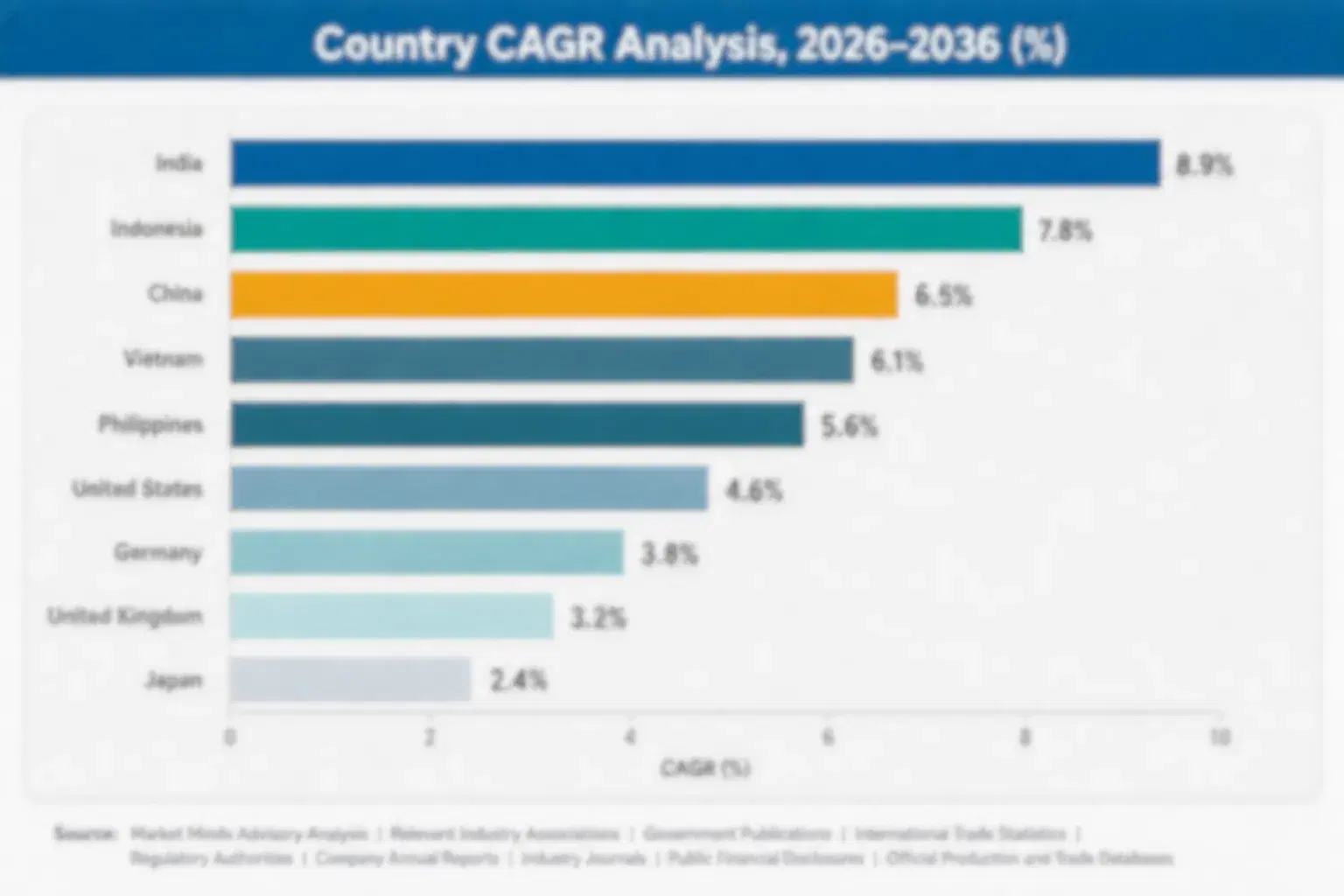
brain-mint-market-country-cagr-analysis-1789791214872

Four Margin Routes for Brain Mint Brands

Margin in brain mints comes from evidence-backed positioning, subscription economics, dose design, and ingredient cost control rather than volume alone. The routes below apply to specialist start-ups, global confectioners, and contract manufacturers, and each can be started inside one planning cycle, with clear measures in gross margin points, repeat purchase rates, and price per kilogram across channels.

Selling Herbal Nootropic Mints Through Online Subscriptions and Specialty Retail

Herbal nootropic mints sell at 150% to 250% above standard mints, and online subscriptions and specialty retailers reach shoppers who read labels closely. Brands that publish dose tables, add third-party testing, and offer sampler boxes report margin gains of 6 to 9 points on those lines. Subscriptions also give predictable volume for co-manufacturers and lower marketing cost per active customer by 20% to 30%, while specialty retailers reward proven lines with permanent shelf space and larger tin orders. Specialty retailers also value tested lines because they answer shopper questions about dose and safety.
Market Impact: herbal lines lift blended margin 6 to 9 points

Funding Small Human Studies to Support Claims and Pharmacy Listings

Brands that fund small human studies on attention or memory, at $50,000 to $300,000 per product, can defend prices 120% to 200% above standard mints and win pharmacy and dietitian support. Studies also support notified claims in Europe and Japan, which private labels cannot easily copy. Payback typically runs 18 to 30 months, and results can be reused across a product family, so brands should test a base recipe first and extend claims to flavour variants at lower cost. Studies also shorten regulator review because filings cite named results and dose ranges.
Market Impact: evidence supports 120-200% price premiums over standard mints

Adding Workplace and Campus Bulk Programmes for Repeat Volume

Workplace wellness programmes and campus retailers buy tins in bulk for meetings, study groups, and vending, and repeat orders arrive monthly. Brands that offer 50-tin and 200-tin packs, branded dispensers, and volume pricing report bulk orders growing 20% to 30% a year and lifting blended margin by two to four points. Bulk buyers need reliable delivery and clear allergen data, so brands should set service levels, track reorders monthly, and keep retail packs distinct to protect price. Facilities teams also value dispensers and tins that fit meeting rooms, which lifts reorders.
Market Impact: bulk programmes lift blended margin by 2-4 points

Hedging Cognitive Actives and Mint Base Costs Under Annual Contracts

Cognitive actives take about 30% of cost of goods, and prices for caffeine, choline, and mushroom extracts can move 20% to 40% within a year, so forward contracts protect margin more than tin price increases do. Brands that fix volumes for 12 to 18 months and dual-source from Asia and Europe reduce cost swings by roughly half. Retailers accept price changes slowly, so hedging stabilises gross margin at 40% to 48% across ranges. Small brands can join buying groups that pool volume and testing costs, which gives them volume pricing without carrying inventory alone or funding every certificate.
Market Impact: hedging halves ingredient cost swings and protects 40-48% margin

Who Controls the Margin Pool

The brain mint industry is moderately concentrated, with a CR5 of 36%, and specialist start-ups and private labels sit outside the leading five. This assessment measures participants on estimated functional mint and focus confectionery sales, held constant across all players. Mars Wrigley leads through its mint brands and convenience store reach, while Perfetti Van Melle, Ferrero, Lotte Wellfood, and Hershey follow with a clear gap between the leader and the challengers.
Competition runs on four dimensions today: dose and ingredient quality, taste parity against standard mints, evidence behind cognitive claims, and channel access in convenience and pharmacy. Large groups win on distribution and tableting scale, while start-ups win on subscription loyalty and community trust. Private labels are slow to enter because claim risk is high.

Emerging pressure comes from supplement brands that add mint formats, energy drink groups that extend into confectionery, and pharmacy private labels. Rankings shift where a brand secures ingredient supply, funds studies, or wins convenience chain listings. Regional brands in Korea, Japan, and India can move up quickly, since local claim systems and student demand matter more than global scale, and acquisitions can reorder the top five within a single year.
brain-mint-market-company-positioning-matrix-1789791215051

Competitive Moat and Risk Dimensions

MARS WRIGLEY

Moat: Mint Brands and Convenience Reach

Mars Wrigley owns some of the best-known mint and gum brands, and it distributes through convenience stores, supermarkets, and travel retail in more than 180 countries. Its tableting scale, flavour expertise, and checkout placement give it shelf priority, and its research budgets let it test functional ingredients faster than small brands can.
MARS WRIGLEY

Risk: Claim Caution and Brand Fit

Mars Wrigley must protect brand reputation, so it moves cautiously on cognitive claims that regulators may challenge. Its mint brands are built on freshness rather than performance, so shoppers may trust specialist nootropic brands more, and start-ups can launch new formats faster than a global group.
PERFETTI VAN MELLE

Moat: Global Mint and Candy Distribution

Perfetti Van Melle sells Mentos, Fruittella, and other confectionery brands across Europe, Asia, and Latin America, with strong positions in convenience stores and modern trade. Its regional plants, local flavour knowledge, and distribution networks give it cost efficiency, and its Asian presence supports entry into functional mint formats in fast-growing markets.
PERFETTI VAN MELLE

Risk: Functional Credibility and Regulation

Perfetti Van Melle lacks a clear functional or supplement identity, so shoppers may not accept its cognitive mints as credible. Rules on cognitive claims differ by country, which raises compliance cost, and specialist brands with clinical partners can outpace it in evidence-led segments across Asia and Europe.

Players Tracked

Prominent Players

Mars Wrigley
Perfetti Van Melle
Ferrero
Lotte Wellfood
The Hershey Company

Other Key Players

Neuro Brands
Ricola
Meiji Holdings
Mondelez International
Nestle
Haleon
Suntory Holdings
Ezaki Glico
Morinaga
Lindt & Sprungli
Herbalife
Nutrabolt
Pharmavite
Glanbia
Amway

Recent Developments

JANUARY 2026

Lotte Wellfood Launches Focus Mint Range for Korean Students and Office Workers

Lotte Wellfood announced a focus mint range with caffeine, theanine, and vitamin B blends for Korean convenience stores and campus retailers. It is a product launch, and it tests whether mainstream confectioners can win student demand from specialist supplement brands in a market with strong focus culture.
Signal: Confirms leading Asian confectioners now target student and office focus occasions directly with functional mint ranges.
FEBRUARY 2026

Mars Wrigley Tests Cognitive Mint Line in United States Convenience Stores

Mars Wrigley began a test of a cognitive mint line with caffeine and theanine in selected United States convenience chains, using clear dose labelling. It is a market test, not a national launch, and it tests price acceptance for functional mints at checkout. Sales volumes were not disclosed.
Signal: Shows global confectioners are testing functional mints in convenience stores before committing to costly national retail rollouts.
MARCH 2026

Neuro Brands Expands Subscription Programme With Herbal Nootropic Mints

Neuro Brands announced an expanded subscription programme that adds herbal nootropic mints with lion's mane extract, sold through its online store and selected supplement retailers. It is a product line extension, and it tests demand for herbal ranges among existing caffeine buyers. Investment figures were not disclosed.
Signal: Indicates specialist brands are using subscriptions to spread herbal lines before large confectioners reach the segment.

What Drives Brain Mint Ingredient Costs

Cognitive actives such as caffeine, theanine, choline, and herbal extracts account for roughly 30% of cost of goods, the mint base of sugar alcohols and sugars about 22%, flavours eight percent, and tins and packaging 18%. Tableting labour and energy take about 10%. Caffeine and theanine come mainly from China, choline from Asia and Europe, and mushroom extracts from China, so origin exposure is concentrated.
The clearest recent shock came from Chinese energy and export rules. The International Energy Agency reported that power rationing in China in late 2021 cut output of energy-intensive chemicals, and prices of several nutrition ingredients rose sharply. Brands raised prices by 8% to 15%, reduced tin sizes and counts, or delayed launches by months, which squeezed gross margin noticeably by two to four points through the following year.

The competitive disadvantage falls on small brands, which buy actives in small lots at spot prices and cannot secure supply contracts. Large groups sign annual contracts and spread costs across many products, while contract manufacturers pass costs to customers. Exposure also varies by geography, since Asian brands source actives locally and North American and European brands pay import duties and freight.
brain-mint-market-cost-volatility-analysis-1789791215236

Contracting Actives and Sweeteners Under Forward Agreements

Brands sign annual and multi-year agreements for caffeine, theanine, choline, and extracts, fixing volumes and price bands ahead of demand peaks. Dual sourcing from Asia and Europe reduces disruption risk. Forward contracts cut annual cost swings by roughly half, though they need working capital that only larger brands usually provide. Terms usually run one year.

Blending Extract Sources and Standardising Active Doses

Brands blend extracts from more than one supplier and standardise doses to lower cost and hold quality. Blending lowers active cost by 10% to 20% per kilogram when done carefully. The main risk is perception, so certificates of analysis and third-party testing protect trust. Testing data guides the mix, and batch records support claims.

Standardising Tin and Pack Formats Across Ranges

Brands standardise tin sizes, lids, and outer cartons across ranges to lower packaging cost, and some shrink counts rather than raise shelf prices. Standardisation saves one to two points of cost of goods on tin lines. Retailers accept smaller tins more easily than price increases, though shoppers notice and complain quickly online and in reviews.

Portfolio Architecture for Margin Defence

Margins run from thin returns on caffeinated standard mints sold to convenience chains and private label programmes to strong returns on herbal and choline mints sold through subscriptions, pharmacies, and supplement retailers. Three tiers separate volume products, evidence-backed premium lines, and next-generation formats, and each tier draws on different buyer groups, ingredient systems, and channel terms.
The tension between volume and premium is sharp. Volume lines protect plant utilisation and retailer relationships but face price pressure from standard mints and energy products, while premium lines earn higher margins on smaller volumes and depend on taste, dose, and claim evidence. Brands that run only volume struggle to fund studies, while brands that run only premium lack the scale to hold shelf space beside the largest confectioners.

High-value pools concentrate in herbal nootropic mints, choline and citicoline lines with published dose tables, and subscription programmes sold directly to consumers. They gather where shoppers pay for focus, memory support, or trust rather than weight of product. Pharmacies, campus retailers, and workplace programmes add further value, since these buyers ask for documented dose, stable supply, and clear claim wording, and they reorder without shopping on price.

Volume / Commodity-Adjacent Tier

Caffeinated and vitamin-enriched standard mints sold in bulk to convenience chains and private label programmes, with thin margins, sweetener cost exposure, and constant price competition from breath mints and energy products, where shoppers switch on price and promotion frequency.
Gross Margin: 30%-40%

Premium / Certified Tier

Caffeine and theanine and choline mints with published dose tables, allergen controls, and consistent taste, sold through pharmacies, supplement retailers, and online stores that require documented dose, clear labelling, reliable delivery, and stable supply across seasons.
Gross Margin: 42%-54%

Sustainability / Regulatory / Next-Generation Tier

Herbal and adaptogen mints clinically tested or notified under functional claim systems, sold through subscriptions, pharmacies, and Asian functional food channels to buyers who pay premiums for evidence, convenience, and personalised routines from apps and coaches.
Gross Margin: 48%-64%
brain-mint-market-portfolio-architecture-1789791215426

High-value Sub-segments and Strategic Watch-out

Herbal Nootropic Mints

Herbal nootropic mints combine the fastest growth with strong pricing, since shoppers pay 150% to 250% premiums for focus and calm with a familiar mint format. Extract quality and taste masking limit competition, and brands with third-party testing win specialty shelves. Repeat purchase compounds across subscriptions.
Gross Margin: 48%-64%

Choline and Citicoline Mints

Choline and citicoline mints deliver strong growth and healthy pricing, since ageing shoppers pay premiums for memory support with clear dose tables. Ingredient evidence and pharmacy relationships form the entry barrier, and brands with dietitian support gain steady shelf space. Repeat purchase compounds. Prices hold firm.
Gross Margin: 42%-54%

Caffeine and L-Theanine Mints

Caffeine and L-theanine mints form the volume core, sold through convenience stores, vending, and online at moderate margins. Growth is steady, about 11% a year, as the pairing matures. Ingredient cost, tableting scale, and price competition decide profit, and retailers use them as checkout lines.
Gross Margin: 30%-40%

Adaptogen-Based Mints

Adaptogen-based mints are the strategic watch-out, since ashwagandha, rhodiola, and similar extracts face weak evidence, safety warnings in some countries, and tight regulator scrutiny. Brands should test claims with clinical partners and avoid disease wording before scaling in Europe and North America, because enforcement can damage the whole brand.
Gross Margin: 38%-52%

Why Brain Mint Buyers Keep Ordering

Brain mint demand behaves like an annuity once a shopper finds a product that fits a routine. Subscribers reorder monthly, and a satisfied buyer typically stays with the brand for 12 months or more. Subscription and loyalty programmes add predictability, and retailers use repeat data to fix shelf space, so successful lines earn steadier volume than launches driven by promotion or influencer campaigns alone.
Adoption stickiness differs by vertical. Students and knowledge workers are the deepest, since focus routines form around exams and deadlines and shoppers rarely switch a trusted brand mid-term. Older shoppers buying for memory are almost as loyal, because pharmacists recommend specific products and dose tables build trust. Casual buyers in convenience stores are shallower and rotate brands with each promotion, while gifting buyers follow seasonal campaigns.

Buyer profiles are shifting between generations. Older buyers purchase for memory concern and trust pharmacies, while younger buyers care about caffeine dose, ingredient stories, and social media routines. Health-conscious shoppers add a third group that wants adaptogens and clean labels. Brands that publish test results, share ingredient sources, and use social media for feedback win younger buyers and keep them as their needs change with age and work.
brain-mint-market-end-use-penetration-index-1789791215611

MMA Verdict on Brain Mint Strategy

These are among the four positions where our research anticipates prominent divergence between winners and laggards over the coming forecast period. Each is grounded in the demand model, the regulatory perimeter, and the announced capacity pipeline.
01 / HERBAL RANGE STRATEGY

Launch Tested Herbal Nootropic Mints Before Confectioners Fill the Segment

Herbal nootropic mints grow at 17.4% a year, about 1.40 times the market rate, and they sell at 150% to 250% above standard mints, so early range investment pays back inside roughly three years on most lines. Winners publish dose tables, add independent third-party testing, and build subscription bases before global confectioners enter with much wider distribution. Brands that wait will find specialty shelves allocated and rivals already trusted by shoppers who read labels closely and share results online each week.
02 / CLAIM EVIDENCE STRATEGY

Fund Small Human Studies to Defend Premium Prices and Pharmacy Listings

Studies typically cost $50,000 to $300,000 per product, yet they support price premiums of 120% to 200% and win pharmacy and dietitian support quickly that advertising alone cannot buy. Brands should test a base recipe first, reuse results across flavour variants, and agree claim wording with regulators before launch in Europe, Japan, and North America each time. Those that rely on nootropic slogans alone will lose credibility as shoppers compare doses and share findings online within days of every product launch.
03 / SUBSCRIPTION ECONOMICS STRATEGY

Convert Trial Into Repeat Orders Through Subscription and Bulk Programmes

Online subscriptions carry about 41% of total category sales, and brands with sampler boxes and reorder reminders lift 90-day repeat purchase from about 38% toward 52%. Subscription revenue also lowers marketing cost per active customer by 20% to 30% and gives co-manufacturers predictable volume for capacity planning and purchasing. Brands that skip subscriptions and bulk programmes will pay ever higher advertising costs to acquire the same buyers repeatedly while competitors compound loyalty and collect data on which flavours retain customers.
04 / INPUT COST DISCIPLINE STRATEGY

Hedge Actives and Dual-Source Extracts to Protect Margin Through Shocks

Cognitive actives take about 30% of cost of goods and can move 20% to 40% within a year, so unhedged brands lose several margin points when shelf prices are already fixed for the season. Producers should sign forward contracts, dual-source from Asia and Europe, and standardise doses across suppliers with certificates of analysis. Those that delay will absorb cost spikes, shrink tins, or lose retailer trust before their next range review arrives and competitors already hold stable supply for the year.

Engagement Snapshot From the Field

A live engagement with an industry participant carrying material or product regulatory and market exposure ahead of a defining policy shift, showing how our research translates into a defensible multi-year portfolio strategy.
MARKET MINDS ADVISORY · CLIENT ENGAGEMENT SUMMARY
Brain Mint Producer Strategic Portfolio Review and Transition Roadmap 2026·Investment Scenario on Brain Mint Exposure Evaluation 2025-26
CLIENT PROFILE
The client is a mid-sized North American confectionery manufacturer with annual sales near $360 million (client-reported, unverified by MMA), three plants, and a portfolio led by breath mints, hard candy, and gum sold through convenience stores and mass retail. It had no functional line, no direct-to-consumer channel, and retailers asking for focus and wellness products.
STRATEGIC CHALLENGE
Breath mint volumes were falling, private label pressure was cutting margins, and the client's one caffeinated mint lost buyers to bitter taste and weak evidence. Management needed to decide whether to invest in herbal mints, claim studies, or subscription sales, with limited capital and only one plant able to run compressed functional formats.
MMA APPROACH
MMA analysed sales and cost data across 50 products, interviewed 12 retail buyers, six pharmacists, and eight ingredient suppliers, and ran a shopper survey on dose, taste, and claim preferences across three regions. It modelled margin by segment and channel, tested flavour masking against competitor benchmarks, and ranked investments by payback period and execution risk.
KEY FINDINGS
  1. Herbal nootropic mints with 100 milligrams of extract could reach 9% of sales within two years at margins 12 points above the core range (client-reported, unverified by MMA).
  2. A human study on the lead recipe could support a 150% price premium and open pharmacy listings in three regions within 18 months of results.
  3. The existing caffeinated mint lost 46% of first-time buyers because of bitter taste, and a redesigned flavour system could halve that loss.
  4. Subscription sales could reach 14% of revenue in three years, lowering acquisition cost per active customer by about a quarter compared with retail promotion.
CLIENT PROFILE
The client is a mid-sized North American confectionery manufacturer with annual sales near $360 million (client-reported, unverified by MMA), three plants, and a portfolio led by breath mints, hard candy, and gum sold through convenience stores and mass retail. It had no functional line, no direct-to-consumer channel, and retailers asking for focus and wellness products.
STRATEGIC CHALLENGE
Breath mint volumes were falling, private label pressure was cutting margins, and the client's one caffeinated mint lost buyers to bitter taste and weak evidence. Management needed to decide whether to invest in herbal mints, claim studies, or subscription sales, with limited capital and only one plant able to run compressed functional formats.
MMA APPROACH
MMA analysed sales and cost data across 50 products, interviewed 12 retail buyers, six pharmacists, and eight ingredient suppliers, and ran a shopper survey on dose, taste, and claim preferences across three regions. It modelled margin by segment and channel, tested flavour masking against competitor benchmarks, and ranked investments by payback period and execution risk.
KEY FINDINGS
  1. Herbal nootropic mints with 100 milligrams of extract could reach 9% of sales within two years at margins 12 points above the core range (client-reported, unverified by MMA).
  2. A human study on the lead recipe could support a 150% price premium and open pharmacy listings in three regions within 18 months of results.
  3. The existing caffeinated mint lost 46% of first-time buyers because of bitter taste, and a redesigned flavour system could halve that loss.
  4. Subscription sales could reach 14% of revenue in three years, lowering acquisition cost per active customer by about a quarter compared with retail promotion.
RECOMMENDED STRATEGY
Phase 1: Phase 1 (Months 1-6): Reformulate the caffeinated mint with a new flavour system, contract actives forward, and begin a small human study on the lead recipe. Phase 2: Phase 2 (Months 7-18): Launch herbal nootropic mints through online subscriptions and pharmacies, using one converted tableting line and co-manufacturing support. Phase 3: Phase 3 (Months 19-30): Reduce low-margin private label volume, expand herbal capacity, and add workplace bulk programmes and retailer listings in two new regions.
OUTCOME
Within 30 months, herbal and subscription products reached 18% of sales, caffeinated mint repeat purchase rose by 19 points, and gross margin improved by six points (client-reported, unverified by MMA). The client secured listings with two pharmacy chains and signed a workplace programme, while retail buyers named it a preferred supplier for functional mints.

Frequently Asked Questions

Foundational context covering the market sizes, CAGR, scope, country, region and competition that inform every finding below. This section is provided to cover basics and most often pre-purchase conversations, answered from the MMA Primary Research Dataset.

What is the current size of the Brain Mint Market?

The global brain mint market was valued at $0.5 billion in 2025. Growth is supported by remote work focus culture, ageing populations, and functional confectionery interest across major markets.

How large will the Brain Mint Market be by 2036?

The market is projected to reach $1.81 billion by 2036, up from $0.56 billion in 2026. The increase of $1.25 billion reflects herbal lines, choline mints, and pharmacy distribution.

What is the CAGR for the Brain Mint Market 2026 to 2036?

The market is forecast to grow at a 12.4% CAGR from 2026 to 2036. The bull case reaches 13.7% and the bear case 11.1%, depending on clinical evidence and claim rules.

Which segment is growing fastest?

Herbal Nootropic Mints is the fastest-growing segment at 17.4% CAGR, roughly 1.40 times the overall market rate. Choline and Citicoline Mints follows as the second-fastest segment at 14.8% CAGR each year.

Who are the major companies in the Brain Mint Market?

Major companies include Mars Wrigley, Perfetti Van Melle, Ferrero, Lotte Wellfood, and The Hershey Company. Neuro Brands, Ricola, Meiji Holdings, and specialist online brands also hold meaningful positions.

Which country is growing fastest?

South Korea is the fastest-growing country at a 15.6% CAGR, driven by student focus culture, convenience store launches, and functional food interest. India and Japan follow through urban workers and functional claim systems.

Report Segmentation Architecture

The full report scope spans multiple orthogonal segmentation dimensions, with cross-tabulated demand data provided for each dimension pair. Coverage extends further to regional breakdowns, trend trajectories, and the competitive detail needed to support segment-level decision-making.

By Primary Market Dimension

  • Caffeine and L-Theanine Mints
  • Choline and Citicoline Mints
  • Herbal Nootropic Mints
  • Adaptogen-Based Mints
  • B-Vitamin and Mineral Mints
  • Essential Oil Alertness Mints

By End-Use Industry

  • Students and Campus Use
  • Office and Knowledge Work
  • Older Adult Memory Support
  • Sports and Gaming
  • Travel and Commuting

By Commercial Dimension

  • Online and Subscription
  • Convenience and Checkout Retail
  • Pharmacies and Health Retail
  • Workplace and Vending Programmes
  • Private Label Programmes

By Region

  • North America
  • Western Europe
  • East Asia
  • South Asia and Pacific
  • Latin America
  • Middle East and Africa
  • Eastern Europe

Scope, Methodology, and Coverage

Every figure in this report is reproducible from documented input assumptions. The scope below maps the historical period, the forecast horizon, the segmentation dimensions, and the countries covered, alongside the underlying primary and qualitative methodology.
Historical Period
2020 to 2025
Forecast Period
2026 to 2036
Base Year
2025 (USD billions; MMA Primary Research Dataset, September 2026)
Market Definition
Brain mints comprise compressed or hard mints and mint-format confectionery formulated with cognitive or alertness ingredients and marketed for focus, memory, or mental energy, including caffeine and L-theanine, choline and citicoline, herbal nootropic, adaptogen-based, B-vitamin and mineral, and essential oil alertness mints, sold through retail, convenience, online, and pharmacy channels. The scope excludes chewing gum, energy drinks, dietary supplement capsules, and standard breath mints without cognitive claims.
Quantitative Units
USD billions (current prices); kilotonnes for volume references
Segmentation Dimensions
By Cognitive Ingredient System; By End-Use Industry; By Commercial Dimension; By Region
Regions Covered
North America, Western Europe, East Asia, South Asia and Pacific, Latin America, Middle East and Africa, Eastern Europe
Countries Covered
USA, Canada, Mexico, Brazil, Argentina, Chile, UK, Germany, France, Italy, Netherlands, Poland, Romania, Turkey, Israel, South Africa, UAE, Japan, South Korea, China, India, Australia, and additional markets relevant to this sector
Key Companies Profiled
Mars Wrigley, Perfetti Van Melle, Ferrero, Lotte Wellfood, The Hershey Company, Neuro Brands, Ricola, Meiji Holdings, Mondelez International, Nestle, Haleon, Suntory Holdings, Ezaki Glico, Morinaga, Lindt & Sprungli, Herbalife, Nutrabolt, Pharmavite, Glanbia, Amway
Quantitative Methodology
Primary survey, n=3,800 respondents, Q4 2025, six countries; demand-side model with trade association cross-validation
Qualitative Methodology
47 expert interviews, Q4 2025; applied to validate demand model assumptions, identify emerging dynamics, and assess competitive positioning
Report Format
PDF and XLSX data workbook (Word format preview document)
Publisher
Market Minds Advisory
Report Code
MMA-2026-AGR-379
Published
September 2026
Contact
sales@marketmindsadvisory.com | www.marketmindsadvisory.com

Purchase the full Brain Mint Market Report (2026 to 2036).

The full report delivers a detailed assessment of global brain mints through 2036, covering segment, regional, and country forecasts, competitive benchmarking of leading brands, and input cost analysis. It combines MMA primary research, including a six-country survey of 3,800 respondents and 47 expert interviews, with public regulatory and company data. Analysts also model claim rule scenarios, herbal adoption, and subscription economics. Clients receive segment margin ranges, channel maps, and a case study on portfolio strategy. Supplier and retailer contact frameworks are also included for negotiation planning.
Ten-year segment and regional demand forecasts
Caffeine, choline, and extract price tracking
Competitive benchmarking of top twenty brands
Cognitive health claim rule tracker by country
Regional demand mechanism comparative analysis included
Quarterly primary survey data update access

Built For The People Who Decide

From boardroom strategy to bench-side execution, this report is read cover-to-cover by leaders shaping the next decade of their industry, turning demand scenarios, market dynamics and valuation benchmarks into decisions.
CXOs/ Presidents/ VPs/ Managers
M&A and Corporate Development
Strategy Teams and R&D Heads
Procurement and Product Directors
Regulatory and Compliance Leaders
Investor Relations and Equity Analysts